





Enter your VAT number here and click Verify:
Your details have been verified. VAT number registered to:
,
.
Your order will now be zero rated for VAT purposes. We reserve the right to verify these details after your order request has been made and reinstate VAT if required.
Your VAT details were not recognised or were invalid. Your VAT number must be matched to your Billing Country as specified above. This is currently specified as . You do not need to enter the country code part of your VAT number as this has already been selected in your billing address details above.
The VAT number checking service is currently offline. Please supply your VAT details within the comments or special instructions field below and we will apply a VAT discount after placing your order request.

Pierburg

Pierburg for Porsche
Pierburg has traditionally been one of the closest partners to the automotive industry and has supported the development of the car since its beginnings. Founded in 1909 in Berlin as a steel trading company, Pierburg began to produce carburettors in 1928 and soon became virtually the sole supplier to all German automotive companies and many international vehicle producers and engine manufacturers. In 1986, the company was taken over by the Rheinmetall group.Pierburg is now the specialist within the group for the fields of emission control, air supply and throttle valves. Its decades of Porsche experience and comprehensive, innovative and renowned expertise when it comes to engines provide ideal foundations for Pierburg in the ongoing development and production of pioneering components, modules and systems
Choosing the Right Fit for Your Porsche
Where Pierburg is listed for Porsche, use the supplied model coverage and OE references to confirm suitability. Check details that commonly affect fitment such as model year, side/position, and connector type where relevant.
- Typical reasons to choose Pierburg parts include fixing drivability issues, restoring correct fuel or air delivery, and renewing ageing components that cause intermittent faults.
- Common symptoms that lead to replacement are hesitation, poor idle, lean or rich running faults, hard starting, loss of power under load, and issues worsened by vacuum leaks or weak electrical supply.
- Before replacing components, smoke-test intake and vacuum lines, and check fuel pressure and basic wiring/grounds, as vacuum leaks or low pressure can mimic a faulty pump or valve.
- In some cases, control units may require adaptation reset or basic settings after installing new parts, depending on the specific component and vehicle system.
Browse by Category
If you already know the area you are working on, start with the category and then filter by Porsche model. Where real-world symptoms and typical reasons to replace are provided, use them to keep the wording grounded.
Engine Cooling — Cooling parts are replaced when there are leaks, overheating, repeated low coolant warnings, or ageing hoses and clamps. Real-world early warnings include a sweet coolant smell, visible puddles, steam, rising temperature gauge, bubbling or gurgling after shutdown, and staining or residue around radiators, hoses, or undertrays.
- Check coolant level regularly and inspect for staining or dampness around joints, expansion tanks, radiators, and pump/thermostat areas.
- Avoid driving with known leaks or overheating, as this can quickly lead to severe engine damage.
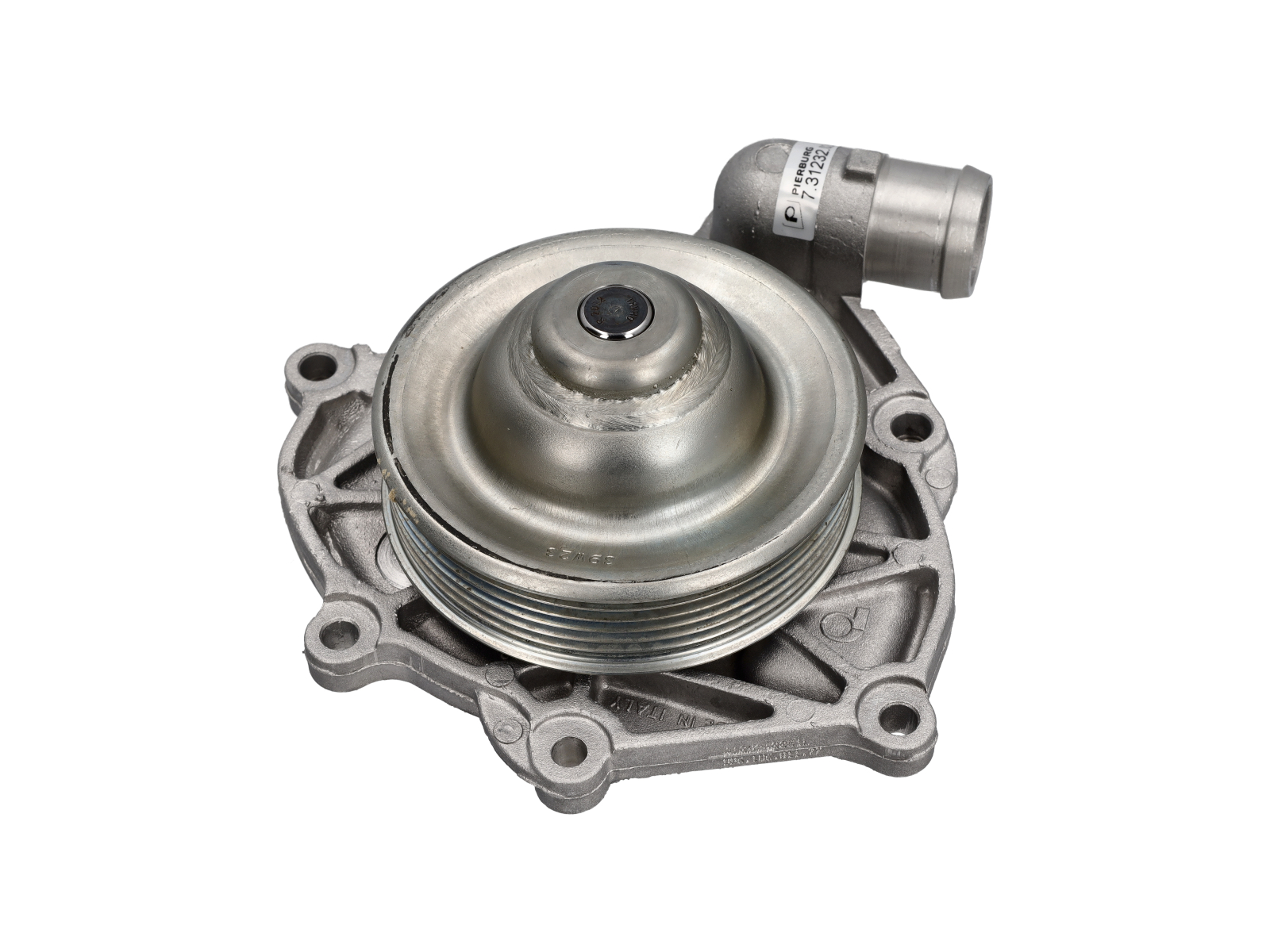
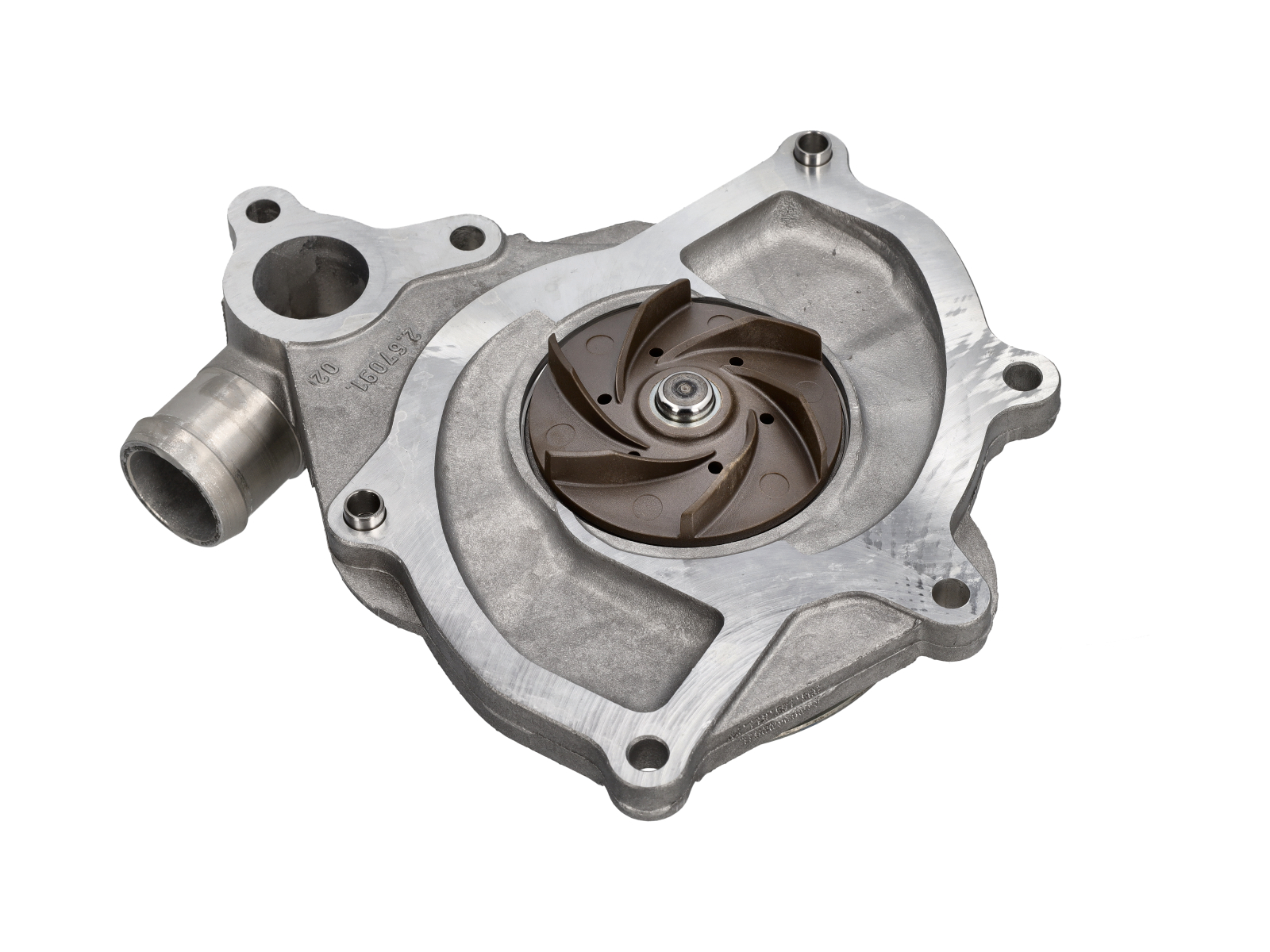
Water / Coolant Pumps — Water pumps are replaced when bearing wear, seal failure, or impeller damage leads to leaks, noise, or reduced coolant flow. Typical symptoms include coolant weep at the pump, dried residue around the housing, whining or grinding from the pump area, wobble at the pulley, repeated low coolant warnings, and overheating in traffic or under load.
- Inspect for staining or wetness around the pump and listen carefully for bearing noise with the engine running.
- Because labour overlaps, many owners replace the thermostat and related cooling parts at the same time as the pump, especially during major services.
Engine Rebuild Parts — Engine rebuild parts are used when internal wear or damage is identified, or during planned overhauls to restore performance and reliability. Real-world triggers include low or uneven compression, heavy oil consumption, smoke under load or on overrun, persistent oil leaks, abnormal knocking or tapping noises, metallic debris found in the oil, low hot-idle oil pressure, or misfires that do not resolve after ignition and fuelling checks.
- Before committing to a rebuild, typical checks include compression and leak-down testing, bore inspection with a scope, oil analysis and filter inspection, and confirming that ancillary systems are working correctly.
- When the engine is apart, many specialists renew timing chains, guides, tensioners, bearings where applicable, gaskets, seals, and key hardware to avoid repeat strip-downs.
Oil System Parts — Oil system components are replaced to restore correct oil pressure and flow, stop leaks, and protect the engine from lubrication-related damage. Common real-world signs include oil drips under the car, oil-smell after driving, wet engine or undertrays, fluctuating or low oil pressure readings at hot idle, warning lights, perished hoses, and oil mist around breathers or unions.
- Treat oil pressure warnings as urgent: stop, verify the oil level and condition, and confirm pressure with proper testing where possible.
- Many owners choose to renew multiple lines, seals, and related fittings together so they are not chasing several small leaks over time.
Oil Pumps & Gaskets — Oil pumps and their gaskets are changed when internal wear or sealing issues lead to low or unstable oil pressure, slow pressure build on start-up, or leaks around the pump area. Symptoms can include low hot-idle pressure, pressure that drops sharply with temperature, ticking valvetrain noise when hot, warning lights, or oil seepage from case joints where gaskets have aged.
- Confirm real oil pressure with proper testing, as faulty senders or switches can sometimes mimic pump problems.
- When the engine is opened for major work or a rebuild, pumps and all associated gaskets and seals are often renewed as a preventive measure to reduce future risk.
Explore Pierburg at Design911
View the current Pierburg range for Porsche at Design911, then filter by model and category to narrow down to the right parts.
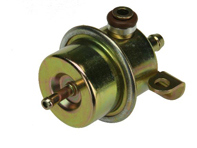

- Porsche 924S 2.5L 1986-87
- Porsche 924S 2.5L 1988
- Porsche 944 2.5L 8V 1982-87
- Porsche 944 2.7L 8V 1988-89
- Porsche 944S 2.5L 16V 1987-88
- Porsche 944 Turbo 2.5L 8V 1985-88
- Porsche 944 Turbo 2.5L 8V 1989-91
- Porsche 944 Turbo S 2.5L 8V 1988

Fits:
Porsche 924S 1986-87
Porsche 944 2.5L 1985-88
Porsche 944 Turbo 1986-89 Chassis no >>
47K 02563
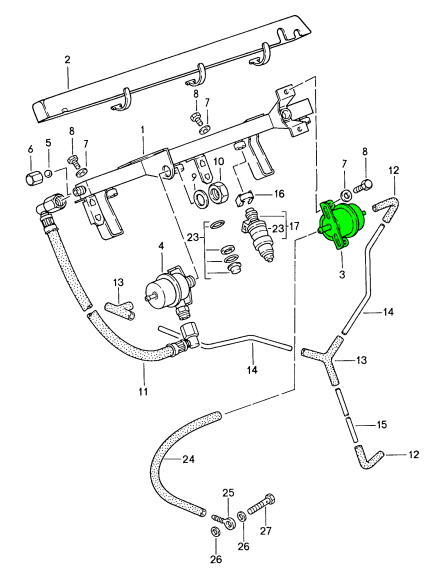
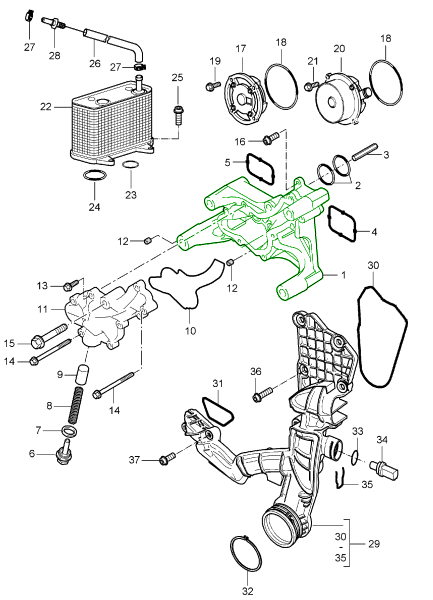
Click 'Zoom in' for large parts diagram.
Diagram ref no 3
Related reference numbers
Related, superseded, cross reference or alternative numbers for comparison.
94411019803
The product you are viewing cross references to these numbers
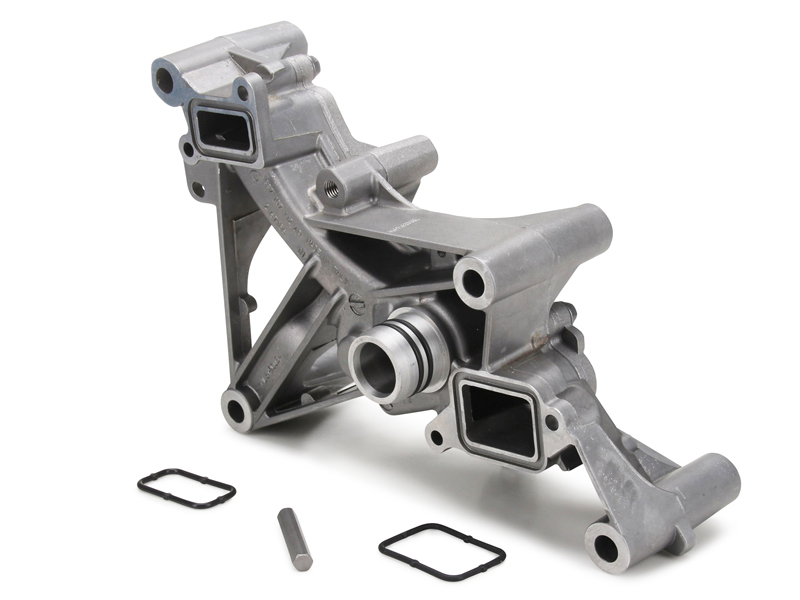
- Porsche Boxster 987 2.7L 2005-08/08
- Porsche Boxster 987 S 3.2/3.4L 2005-08/08
Fits:
Porsche 987 Boxster 2.7L / 3.2L 2004-06
Click 'Zoom in' for large parts diagram.
Diagram ref no 1
Related reference numbers
Related, superseded, cross reference or alternative numbers for comparison.
99710791204
The product you are viewing cross references to these numbers
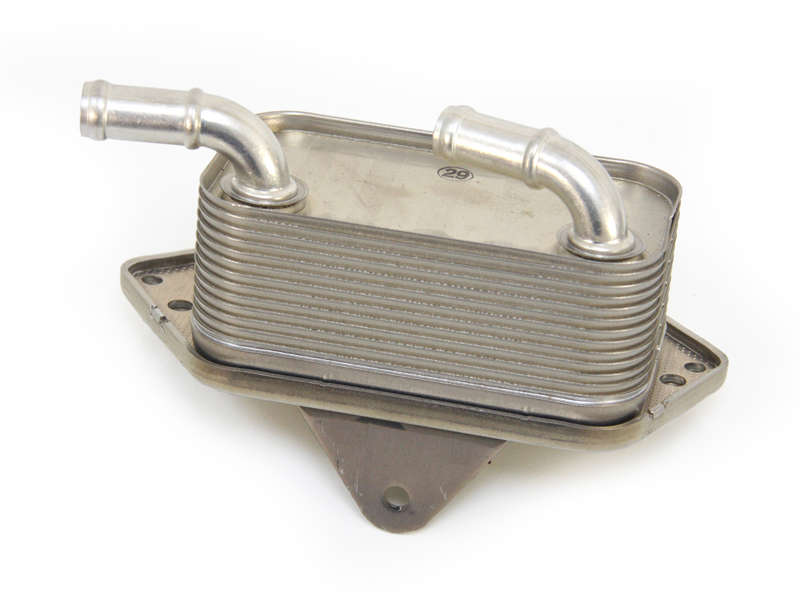
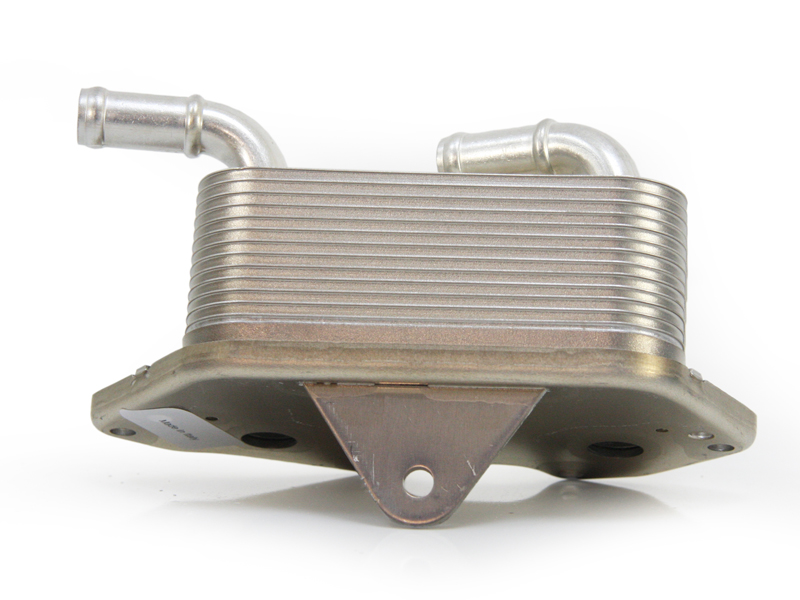
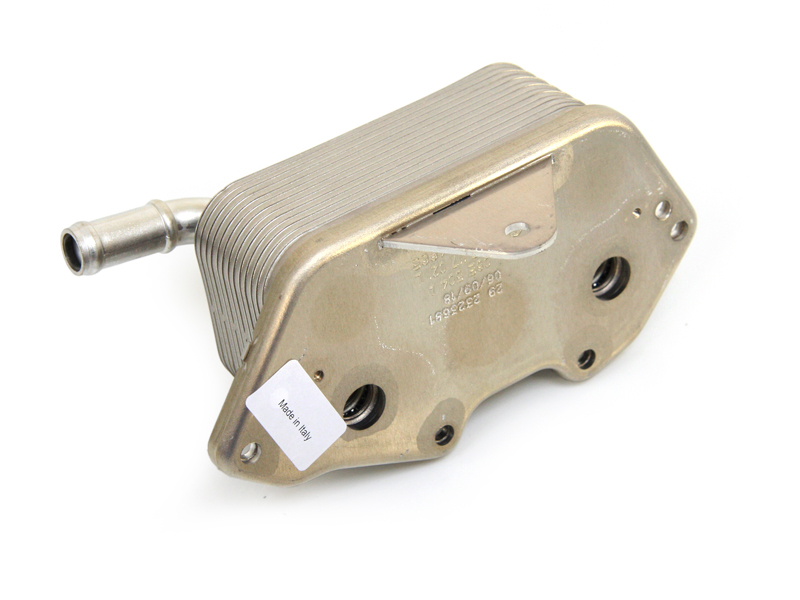
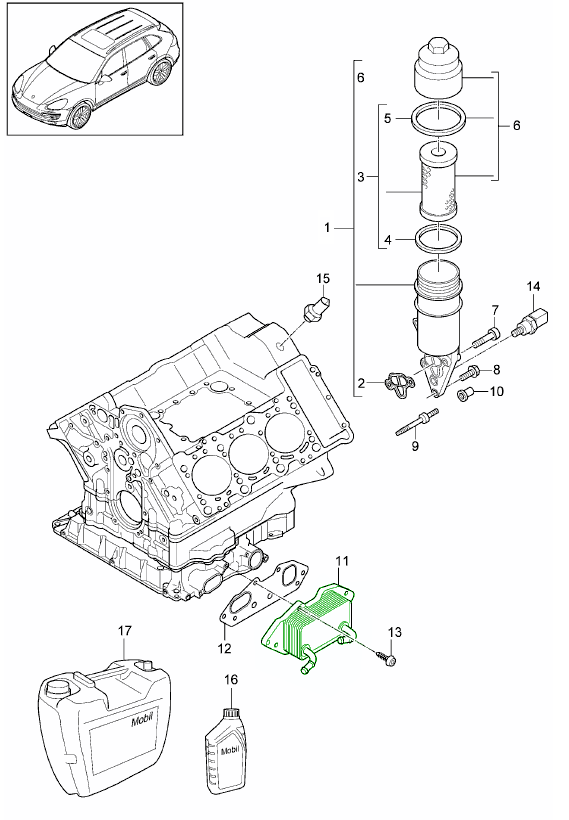
- Porsche 958 Cayenne S V6 3.0L Hybrid (380Hp) 2010-17
- Porsche 970.1 Panamera S Hybrid V6 3.0L 2011-13
- Porsche 970.2 Panamera S E-Hybrid V6 3.0L (416Hp) 2014-16
Fits:
Porsche 958 Cayenne 3.0L Hybrid 2011-18
Porsche 970 Panamera 3.0L Hybrid 2012-16
Click 'Zoom in' for large parts diagram.
Diagram ref no 11
Related reference numbers
Related, superseded, cross reference or alternative numbers for comparison.
95810727101
The product you are viewing cross references to these numbers


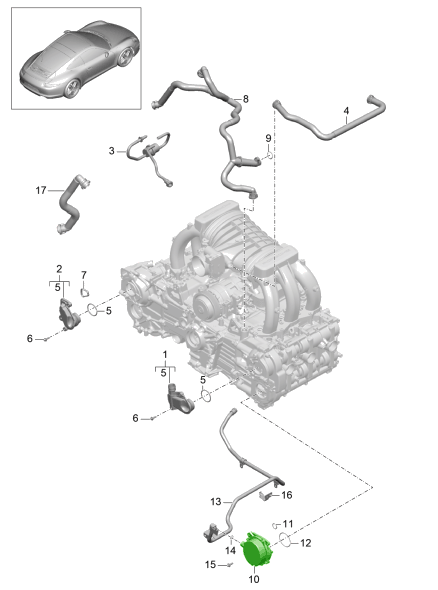
- Porsche Boxster 987 MKII 2.9L 2009-12
- Porsche Boxster S 987 MKII 3.4L 2009-12
- Porsche Boxster 981 2.7L 2012-16
- Porsche Boxster 981 S / GTS 3.4L 2012-16
- Porsche 997 MKII Carrera C2 3.6L 2009-12
- Porsche 997 MKII Carrera C4 3.6L 2009-12
- Porsche 997 MKII Carrera C2S 3.8L 2009-12
- Porsche 997 MKII Carrera C4S 3.8L 2009-12
- Porsche 997 MKII Turbo 2010-13
- Porsche 997 MKII GT2 RS 2011-13
- Porsche 991.1 Carrera C2 3.4L (350 Bhp) 2012-16
- Porsche 991.1 Carrera C2S / GTS 3.8L (400/430 Bhp) 2012-16
- Porsche 991.1 Carrera C4 3.4L (350 Bhp) 2012-16
- Porsche 991.1 Carrera C4S / GTS 3.8L (400/430 Bhp) 2012-16
- Porsche 991.1 Turbo 3.8L (520 Bhp) 2014-16
- Porsche Cayman 2.9L 987C MKII 2009-12
- Porsche Cayman S / R 3.4L 987C MKII 2009-12
- Porsche Cayman 2.7L 981 2013-16
- Porsche Cayman S / GTS 3.4L 981 2013-16
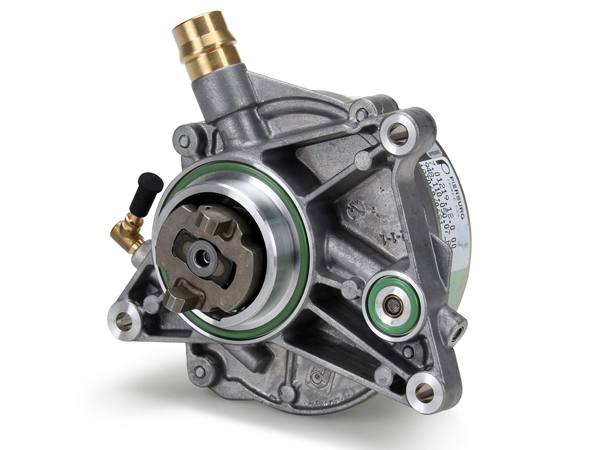
This high-quality vacuum pump is built specifically as a compatible unit for Porsche OE reference 9A111009007.
Fits:
Porsche 987.2 Boxster 2009 - 2012
Porsche 981 Boxster 2012 - 2016
Porsche 987C.2 Cayman 2009 - 2012
Porsche 981C Cayman 2014 - 2016
Porsche 997.2 2009 - 2012
Porsche 997.2 Turbo / Turbo S 2010 - 2013
Porsche 991.1 2012 - 2016
Porsche 991.1 Turbo 2014 - 2017
Diagram ref no 10
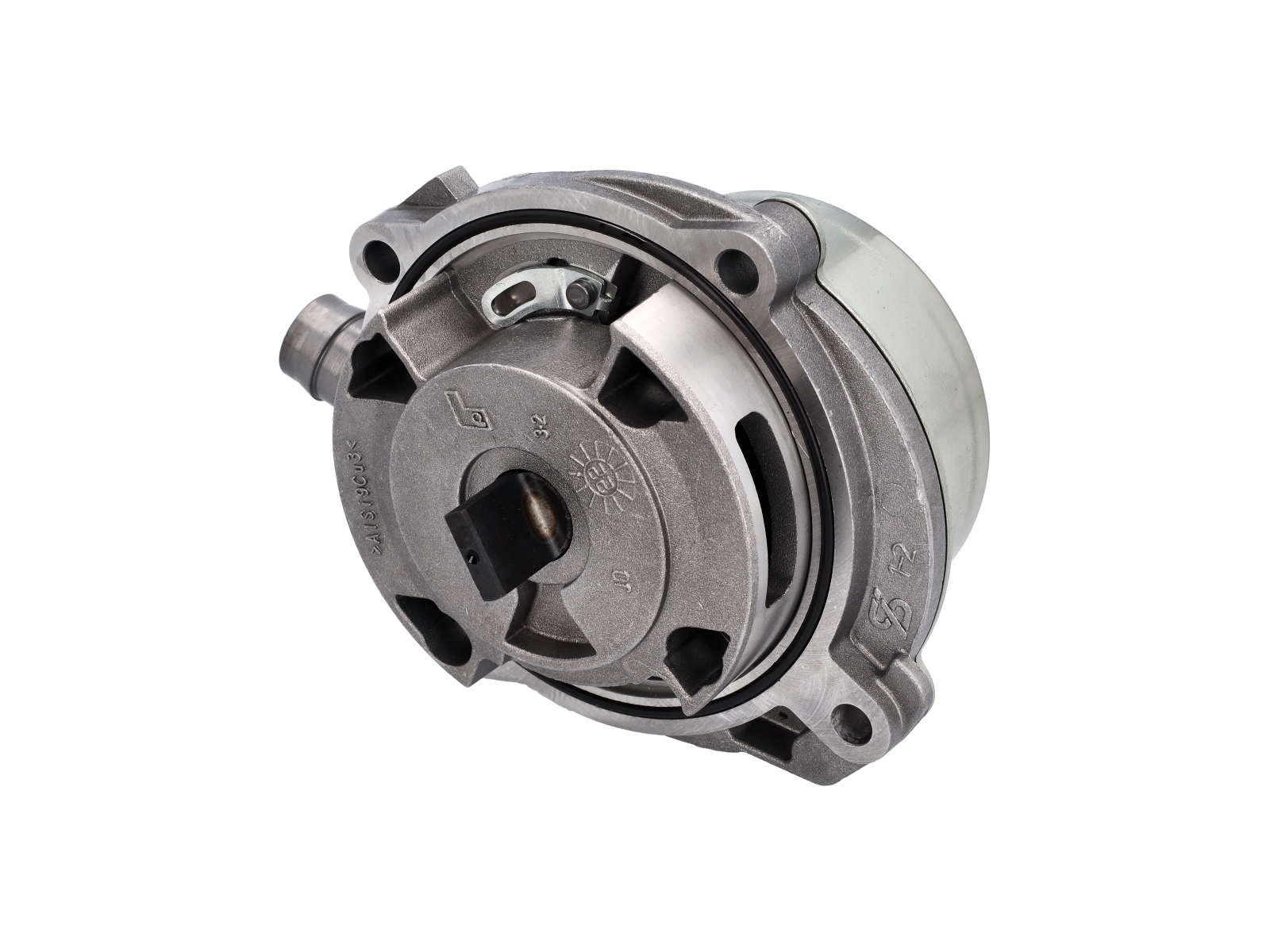
Generates and supplies the vacuum pressure needed by the brake booster (servo), enabling the power brake system to assist the driver with lower pedal effort.
Maintains vacuum under varying engine conditions and loads to ensure consistent and reliable brake assistance
Why replacement matters:
• A failing or leaky pump causes loss of vacuum, resulting in a stiff brake pedal, degraded braking performance, and increased driver effort
• Replacing with this robust Pierburg unit restores proper vacuum levels and reliable assist, improving safety and driving feel
Related reference numbers
Related, superseded, cross reference or alternative numbers for comparison.
9A111009008
The product you are viewing cross references to these numbers
- Porsche 957 Cayenne S / GTS 4.8L 2007-10
- Porsche 958 Cayenne S V8 4.8L Petrol (400Hp) 2010-17
- Porsche 958 Cayenne GTS V8 4.8L Petrol (400Hp) 2010-17
- Porsche 958 Cayenne Turbo V8 4.8L Petrol (500Hp) 2010-17
- Porsche 958 Cayenne Turbo S V8 4.8L Petrol (550Hp) 2010-17
- Porsche 970.1 Panamera S V8 4.8L 2009-13
- Porsche 970.1 Panamera 4S V8 4.8L 2009-13
- Porsche 970.1 Panamera GTS V8 4.8L 2011-13
- Porsche 970.1 Panamera Turbo V8 4.8L 2009-13
- Porsche 970.1 Panamera Turbo S V8 4.8L 2009-13
Fits:
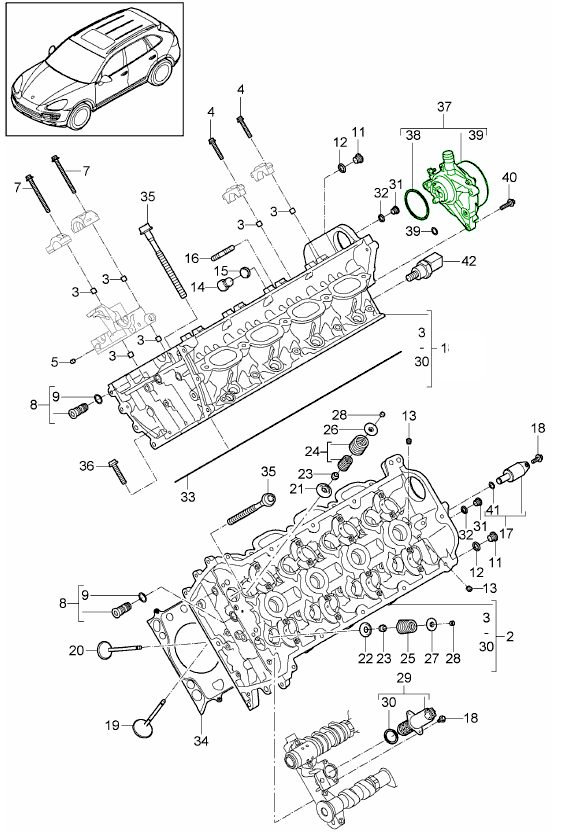
Porsche 957 Cayenne S 4.8L 2007-10
Porsche 958 Cayenne S / GTS / Turbo 4.8L 2010-18
Porsche 970 Panamera S / GTS / Turbo 4.8L 2010-13
Click 'Zoom in' for large parts diagram.
Diagram ref no 37
Related reference numbers
Related, superseded, cross reference or alternative numbers for comparison.
94811005007
The product you are viewing cross references to these numbers


- Porsche Boxster 718 2.0L Manual (300 Bhp) 2017>>
- Porsche Boxster 718 2.0L PDK (300 Bhp) 2017>>
- Porsche Boxster S 718 2.5L Manual (350 Bhp) 05/2017>>
- Porsche Boxster S 718 2.5L PDK (350 Bhp) 05/2017>>
- Porsche Cayman 718 2.0L Manual (300 Bhp)
- Porsche Cayman 718 2.0L PDK (300 Bhp)
- Porsche Cayman S 718 2.5L Manual (350 Bhp)
- Porsche Cayman S 718 2.5L PDK (350 Bhp)
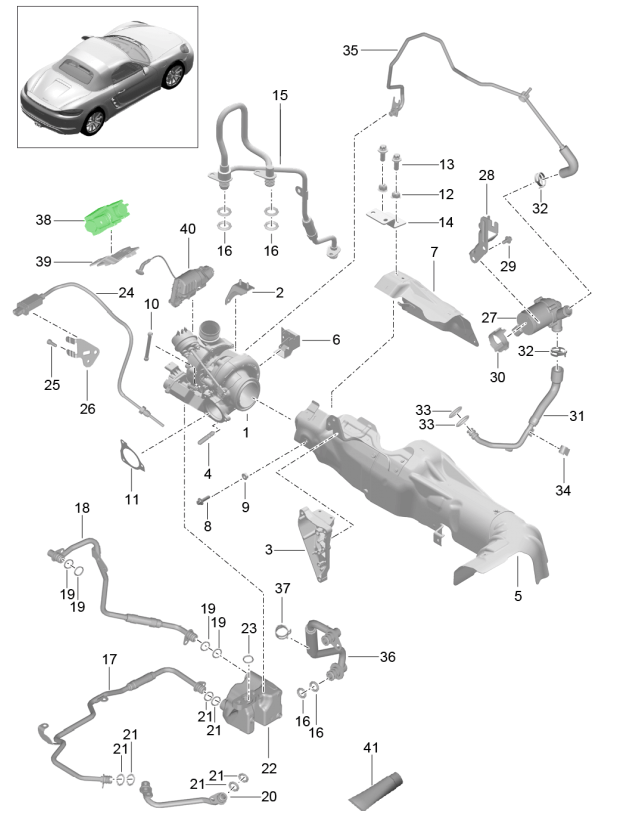
Fits:
Porsche 982 (718) Boxster
Porsche 982C (718) Cayman
Diagram ref no 38
Related reference numbers
Related, superseded, cross reference or alternative numbers for comparison.
94660515500
The product you are viewing cross references to these numbers
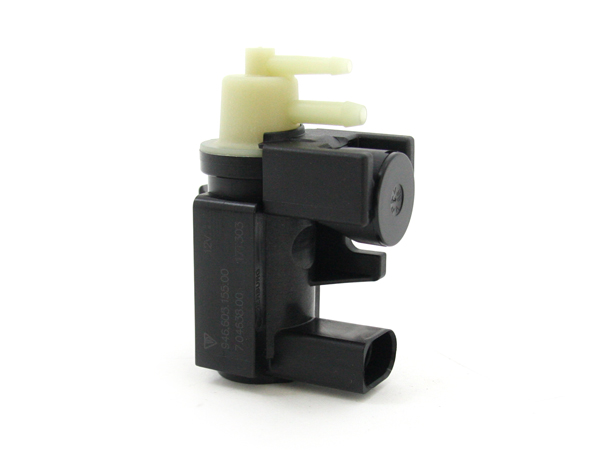
- Porsche 958 Cayenne V6 3.6L Petrol (300Hp) 2010-17
- Porsche 970.2 Panamera S E-Hybrid V6 3.0L (416Hp) 2014-16
- Porsche 95B.1 Macan S Petrol 3.0L V6 (340Bhp) 2014-18
- Porsche 95B.1 Macan GTS Petrol 3.0L V6 (360Bhp) 2014-18
- Porsche 95B.1 Macan Turbo 3.6L V6 (400Bhp) 2014-18
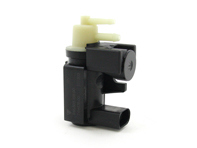
Fits:
Porsche 958 Cayenne 3.6L V6 Turbo 2015>>
Porsche 95B Macan 3.0L / 3.6L 2014>>
Porsche 970 Panamera S 3.0L 2014>>
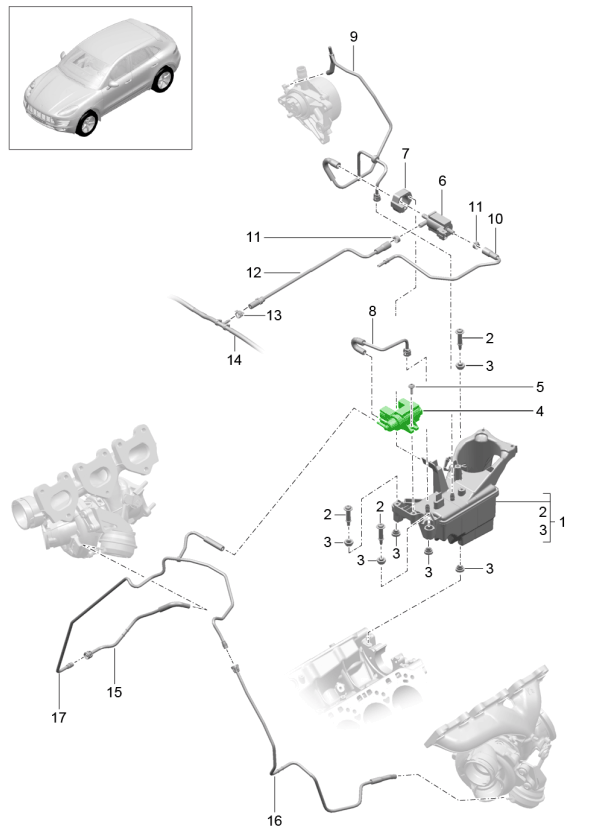
Click 'Zoom in' for large parts diagram.
Diagram ref no 4
Related reference numbers
Related, superseded, cross reference or alternative numbers for comparison.
94660515500
The product you are viewing cross references to these numbers
- Porsche 958 Cayenne S V8 4.8L Petrol (400Hp) 2010-17
- Porsche 958 Cayenne GTS V8 4.8L Petrol (400Hp) 2010-17
- Porsche 958 Cayenne Turbo V8 4.8L Petrol (500Hp) 2010-17
- Porsche 958 Cayenne Turbo S V8 4.8L Petrol (550Hp) 2010-17
- Porsche 970.1 Panamera S V8 4.8L 2009-13
- Porsche 970.1 Panamera 4S V8 4.8L 2009-13
- Porsche 970.1 Panamera GTS V8 4.8L 2011-13
- Porsche 970.1 Panamera Turbo V8 4.8L 2009-13
- Porsche 970.1 Panamera Turbo S V8 4.8L 2009-13
- Porsche 970.2 Panamera S V6 Turbo 3.0L 2WD (420Hp) 2014-16
- Porsche 970.2 Panamera S V6 Turbo 3.0L 2WD Executive 2014-16
- Porsche 970.2 Panamera 4S V6 Turbo 3.0L 4WD (420Hp) 2014-16
- Porsche 970.2 Panamera 4S V6 Turbo 3.0L 4WD Executive 2014-16
- Porsche 970.2 Panamera GTS V8 4.8L 4WD (440Hp) 2014-16
- Porsche 970.2 Panamera Turbo V8 4.8L (520Hp) 2014-16
- Porsche 970.2 Panamera Turbo V8 Executive 2014-16
- Porsche 970.2 Panamera Turbo S V8 4.8L 2014-16
Fits:
Porsche 958 Cayenne S / GTS / TURBO 2011-18 (I7MG / I7MJ / I7MM)
Porsche 970 Panamera S / GTS / TURBO 2010-16
* I7MG - Emission concept EU 5
* I7MJ - Emission concept EU 5J
* I165 - Emissions concept EU5
* I7MM - Emissions concept EU6 Plus
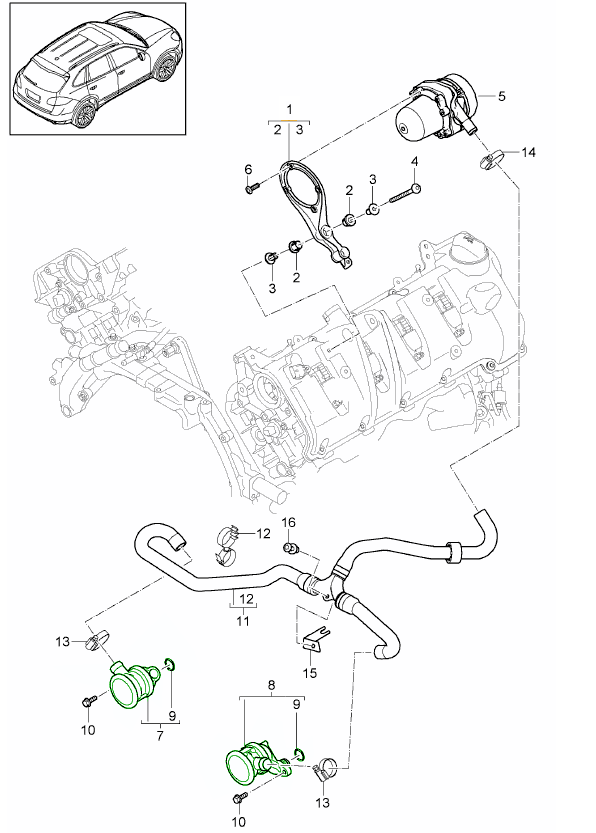
Click 'Zoom in' for large parts diagram.
Diagram ref no 7 (LEFT) or 8 (RIGHT).
Related reference numbers
Related, superseded, cross reference or alternative numbers for comparison.
7PP131109
The product you are viewing cross references to these numbers
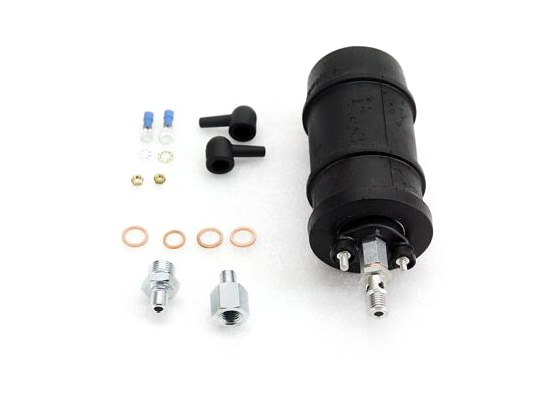
- Porsche 911 1978-1983 3.0L / SC
- Porsche 911 1978-1989 3.3L Turbo (930)
- Porsche 924 2.0L 1980-85
- Porsche 928 4.5L 1978-82
- Porsche 928S 4.7L 1981-83
- Porsche 928S2 4.7L 1984-86
Fits:
Porsche 911 3.0L 1980 - 83
Porsche 924 2.0L 1981 >
Porsche 928 4.7L 1981 -83 (M28.11 / M28.12 Engines)
Porsche 911 Turbo 1980 - 89 (front)
Porsche 965 Turbo 3.3 / 3.6 (front)
Related reference numbers
Related, superseded, cross reference or alternative numbers for comparison.
91160810203
The product you are viewing cross references to these numbers
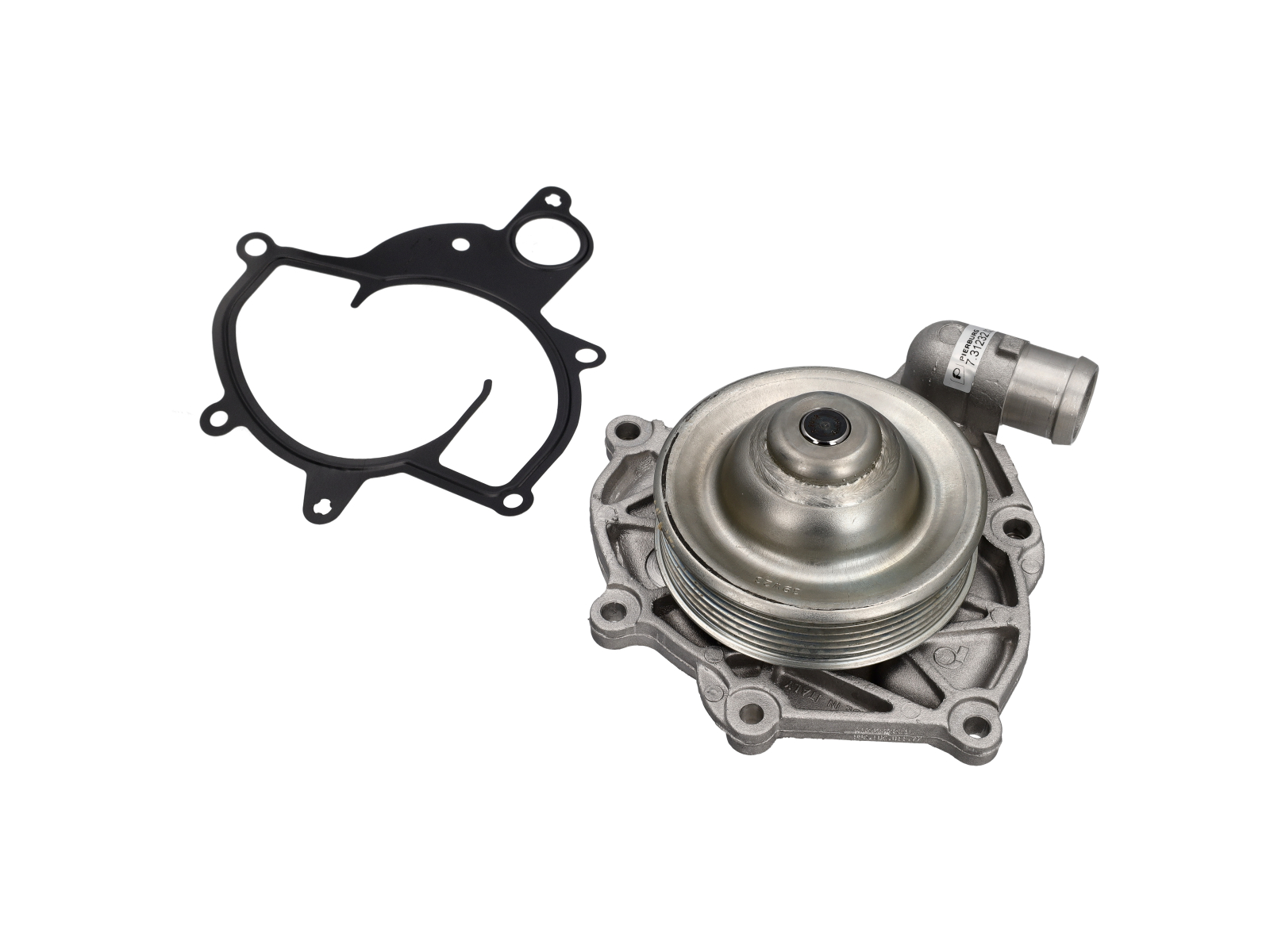
- Porsche 996 TURBO 2000-05
- Porsche 996 GT2 2001-05
- Porsche 996 GT3 MKI 1999-02
- Porsche 996 GT3 MKII 2003>>
- Porsche 996 GT3 RS 2003-04
Fits:
Porsche 996 Turbo
Porsche 996 GT3
Porsche 996 GT2
Porsche 996 GT3 RS
Related reference numbers
Related, superseded, cross reference or alternative numbers for comparison.
99610601177
The product you are viewing cross references to these numbers

- Porsche Boxster 987 2.7L 2005-08/08
- Porsche Boxster 987 S 3.2/3.4L 2005-08/08
- Porsche Boxster 987 MKII 2.9L 2009-12
- Porsche Boxster S 987 MKII 3.4L 2009-12
- Porsche 997 MK1 Carrera 2 3.6L 2005-08
- Porsche 997 MK1 Carrera 2S 3.8L 2005-08
- Porsche 997 MK1 Carrera 4 3.6L 2005-08
- Porsche 997 MK1 Carrera 4S 3.8L 2005-08
- Porsche Cayman 2.9L 987C MKII 2009-12
- Porsche Cayman S / R 3.4L 987C MKII 2009-12
Fits:
Porsche 987 Boxster / Boxster S 2005-08
Porsche 987C Cayman / Cayman S 2006-08
Porsche 997 MKI C2 / C4 / C2S Cabrio/Coupe 2005-08
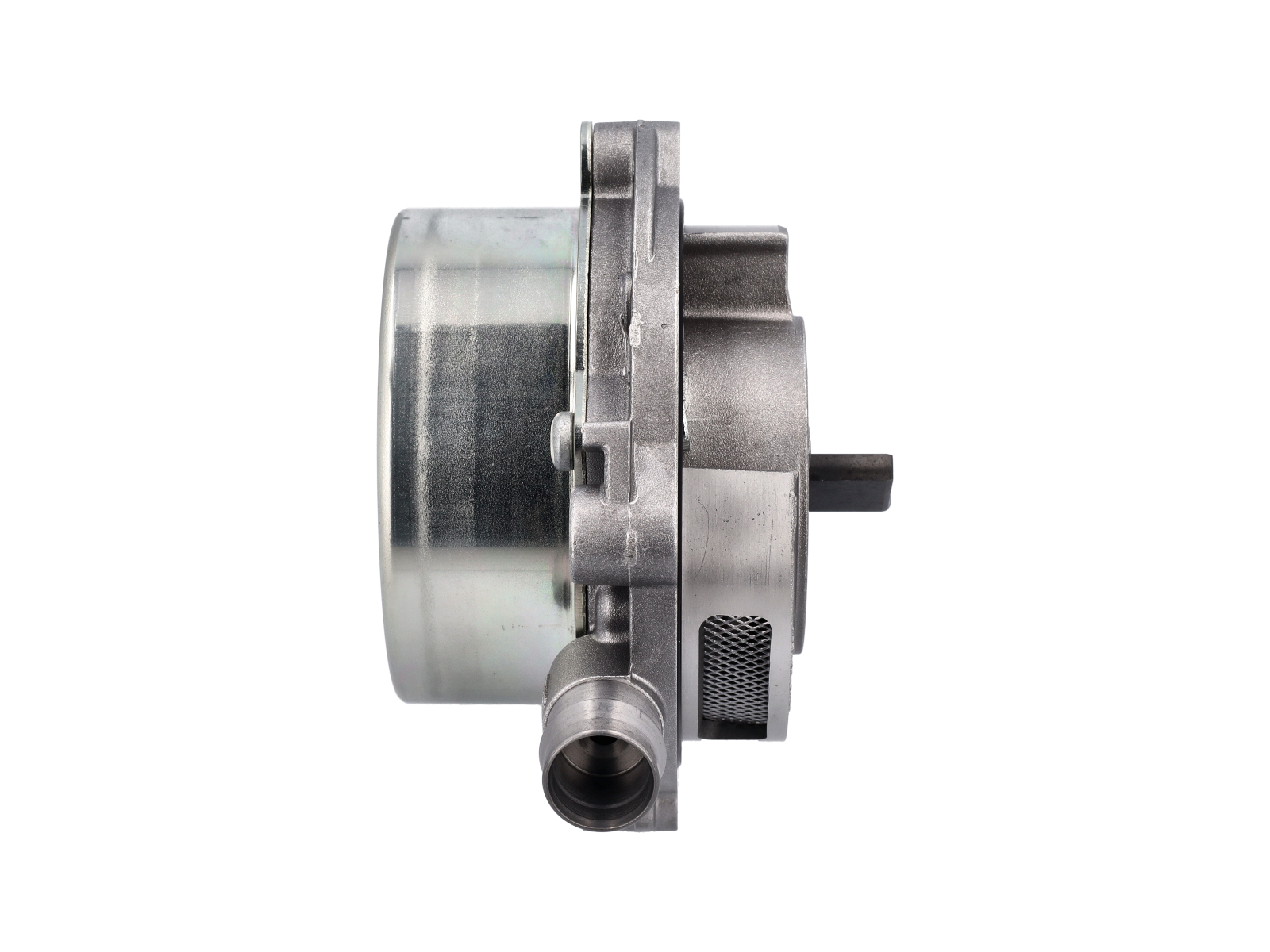
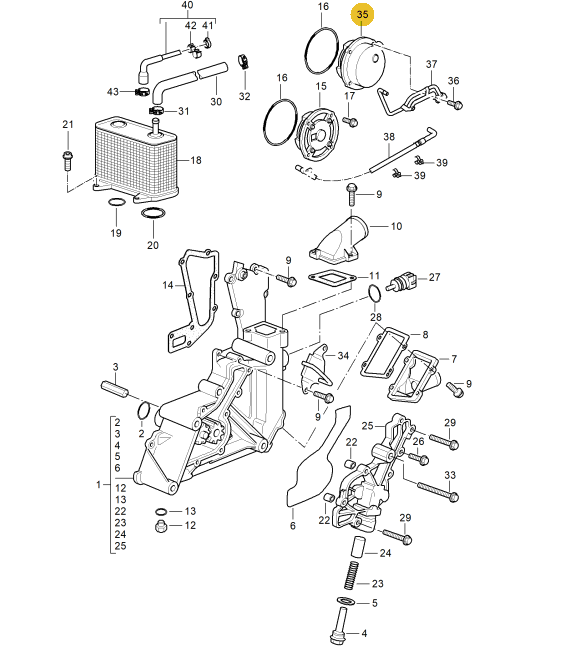
Click 'Zoom in' for large parts diagram.
Diagram ref no 35.
Related reference numbers
Related, superseded, cross reference or alternative numbers for comparison.
99710702205
The product you are viewing cross references to these numbers