





Inserisci il tuo numero di partiva IVA qui e fai clic su Verifica:
Nessuna necessità di inserire la parte del numero di partita IVA relativa al codice del paese poiché questa è già stato selezionata nel predetto indirizzo di fatturazione.
I tuoi dati sono stati verificati. Numero di partita IVA registrato a:
,
.
Al tuo ordine sarà applicata un’aliquota pari a zero ai fini dell’IVA. Ci riserviamo il diritto di verificare questi dettagli dopo che la tua richiesta d’ordine è stata fatta e di reintegrare l’IVA se necessario.
I tuoi dati IVA non sono stati riconosciuti o non erano validi. Il tuo numero di partita IVA deve corrispondere al tuo paese di fatturazione come specificato sopra. Attualmente è specificato come . Non occorre inserire inserire la parte del numero di partita IVA relativa al codice del paese poiché questa è già stato selezionata nei dettagli del predetto indirizzo di fatturazione.
Il servizio di verifica della partita IVA è attualmente offline. Per favore fornisci i tuoi dati IVA all’interno dei commenti o nel campo delle istruzioni speciali sotto e noi applicheremo uno sconto IVA dopo aver fatto la richiesta d’ordine.
KMS Re delle prestazioni del motore

KMS King of Engine Performance for Porsche
KMS King of Engine Performance parts for Porsche are typically used in higher-output and carefully calibrated engine builds, where good mapping, fuelling, and supporting hardware are managed as a complete system.
A Quick Look at KMS King of Engine Performance
KMS King of Engine Performance information on this page is based on details supplied by the manufacturer or distributor, plus any OE references provided with the parts.
Choosing the Right Fit for Your Porsche
Where KMS King of Engine Performance is listed for Porsche, use the supplied model coverage and OE references to confirm suitability. Check details that commonly affect fitment such as model year, side/position, and connector type where relevant.
- Typical reasons people choose these parts include strengthening known weak points, improving breathing, fuelling, and ignition control on tuned setups, and building engines that stay more consistent under sustained heat and load.
- Common issues in the wider system can include detonation-related damage, overheating, inconsistent power, misfires under load, and drivability problems when mapping, fuelling, boost control, or cooling are not matched to the hardware.
- Plan supporting modifications carefully: ensure fuelling, cooling, and calibration are matched to the hardware and intended use, and treat the engine as a complete system rather than focusing on a single component.
- Use logging where possible (temperatures, air–fuel ratio, knock activity) and favour conservative tuning choices if long-term reliability and repeatable performance are priorities.
Browse by Category
If you already know the area you are working on, start with the category and then filter by Porsche model. Where real-world symptoms and typical reasons to replace are provided, use them to keep the wording grounded.
Engine Rebuild Parts — Engine rebuild parts are usually fitted during a planned overhaul or when tests point to internal wear, loss of compression, heavy oil use, internal noise, or contamination. Because labour dominates the cost, owners often renew chains, guides, bearings, gaskets, seals, and critical hardware together for better reliability once the Porsche engine is back in service.
- Before committing to a rebuild, carry out compression and leak-down testing, bore inspection with a scope, and oil/filter checks so you understand whether a full rebuild or targeted repair is appropriate.
- When the engine is apart, it is sensible to replace chains, guides, tensioners, relevant seals, and hard-to-access wear items so a second strip-down is less likely.
Air Intake & Injection — Air intake and injection components are replaced when there are air leaks, fuelling faults, unstable idle, hesitation, or mixture-related fault codes. On Porsche engines, ageing rubber boots, vacuum lines, sensors, and injectors can all contribute to drivability issues, so parts are often renewed or upgraded during diagnosis or performance work.
- Use a smoke test and careful visual inspection to find intake leaks, as even small vacuum leaks can cause noticeable idle and low-load issues.
- If injector flow is uneven or units are leaking, cleaning can help in some cases, but replacement is common where wear or electrical faults are confirmed.
Inlet Manifold — Inlet manifolds and their gaskets are addressed when there are vacuum leaks, broken or sticking flaps on variable intake systems, or carbon build-up restricting airflow. People also service or change these parts when carrying out top-end work because access overlaps with injectors and other intake components on many Porsche engines.
- Unmetered air at the manifold can create multiple mixture-related fault codes and rough running, so confirming or ruling out leaks with a smoke test is useful.
- With the manifold removed, it is a good opportunity to renew gaskets, inspect vacuum lines, and check injector seals and accessible intake ports.
Throttle Body / Plenum Chamber — Throttle bodies and plenum chambers are replaced or upgraded when there is sticking, electronic throttle faults, air leakage, or physical damage that affects airflow and response. On Porsche applications, careful adaptation of electronic throttles and correct sealing after installation are important for stable idle and consistent drivability.
- A dirty or partially sticking throttle body can contribute to stalling, unstable idle, and hesitation; cleaning is sometimes enough but worn or faulty units may need replacement.
- After replacing an electronic throttle body, follow the recommended adaptation or relearn procedure and recheck for intake and crankcase ventilation leaks.
Engine Tuning — Engine tuning work is carried out to improve drivability, throttle response, and efficiency, or to support hardware changes such as intake, exhaust, forced induction, or internal upgrades. On Porsche engines, tuning is most effective when underlying mechanical condition, fuelling, and cooling are verified as healthy beforehand.
- Tuning cannot correct underlying mechanical faults, so checks such as compression or leak-down testing, verification of fuel supply and sensor data, and inspection for boost or vacuum leaks should come first.
- For long-term reliability, match the calibration to realistic goals and supporting hardware, and monitor knock, lambda, and temperatures rather than relying solely on how the car feels.
Explore KMS King of Engine Performance at Design911
View the current KMS King of Engine Performance range for Porsche at Design911, then filter by model and category to narrow down to the right parts.



- Porsche 911 1965-1968 2.0L / 912 SWB (F)
- Porsche 911 1968-1973 2.2L / 2.4L / 2.7L RS LWB (F)

Adatto a:
Porsche 911 2.0ltr - dal 1965 al 1968
Porsche 911 2.2ltr - dal 1969 al 1971
Porsche 911 2.4ltr - dal 1974 al 1977
Porsche 911 3.0ltr - dal 1978 al 1983
Descrizione
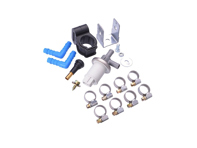
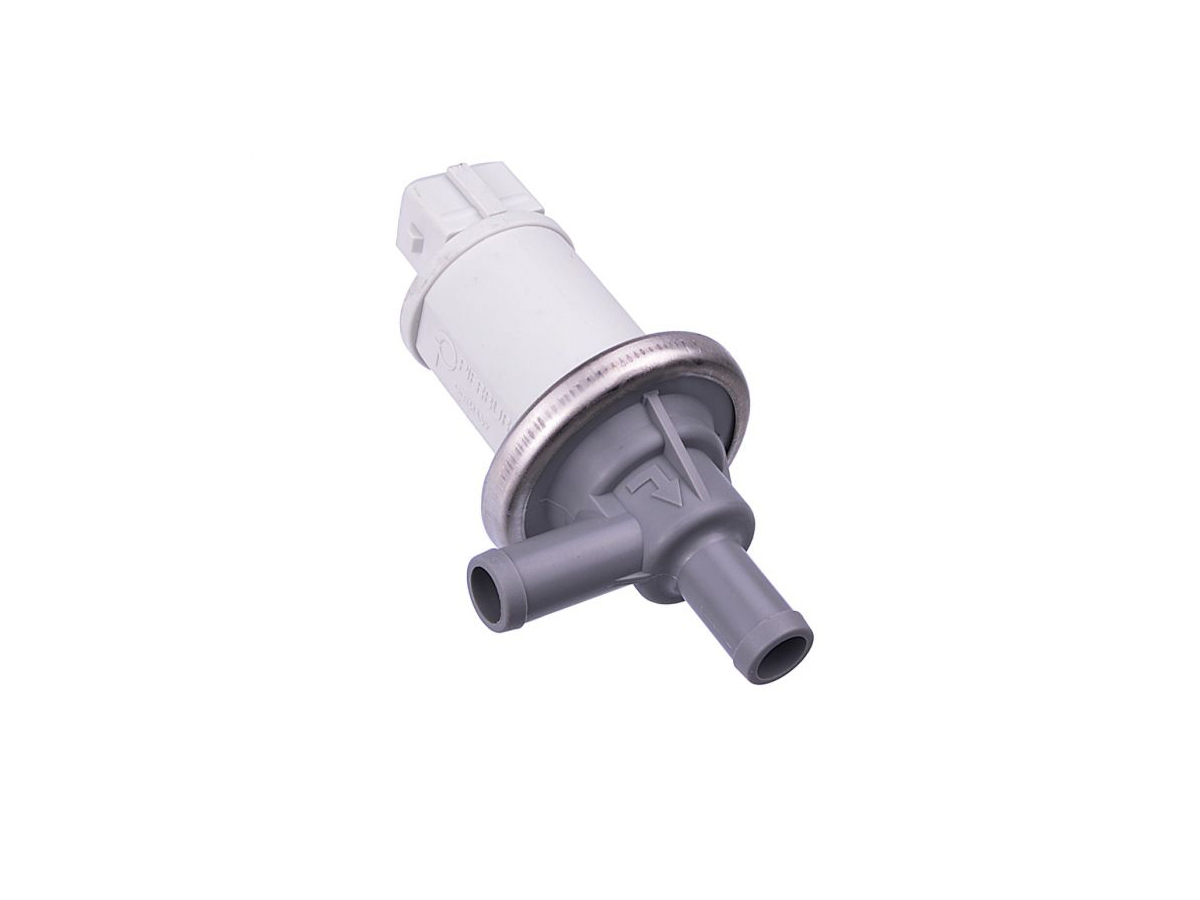
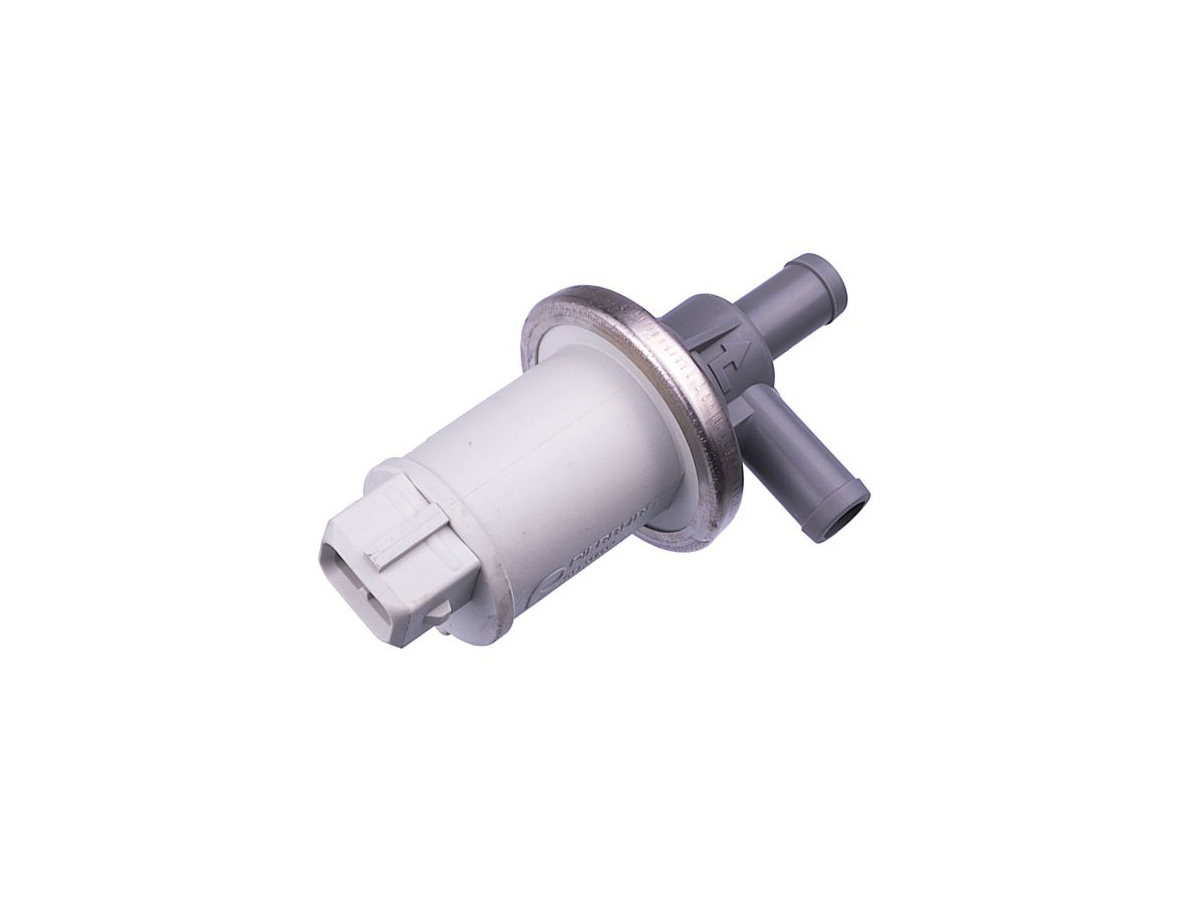
Il kit di controllo del minimo può essere utilizzato con la nostra centralina per controllare il regime del minimo.
Può essere utilizzato con
KMS.06.001 - MA 5 centralina
KMS.01.001 - Centralina MD 35


- Porsche 911 1965-1968 2.0L / 912 SWB (F)
- Porsche 911 1968-1973 2.2L / 2.4L / 2.7L RS LWB (F)
Adatto a:
Porsche 911 2.0ltr - dal 1965 al 1968
Porsche 911 2.2ltr - dal 1969 al 1971
Porsche 911 2.4ltr - dal 1974 al 1977
Porsche 911 3.0ltr - dal 1978 al 1983
Descrizione
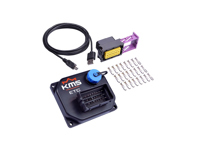
L'Electronic Throttle Control (ETC) è un sistema potente e affidabile per il controllo delle valvole a farfalla elettroniche in varie applicazioni. Consente agli utenti di controllare le valvole a farfalla elettroniche, in modo autonomo o in collaborazione con un'unità di controllo del motore. Il sistema utilizza un potente algoritmo PID per garantire che la valvola a farfalla elettronica reagisca, in tutte le circostanze, entro pochi millisecondi.
Permette agli utenti di ottenere il pieno potenziale dalla valvola a farfalla elettronica con funzioni come limitatore di giri, controllo Anti Lag (ALS), controllo di lancio, risposta del pedale, blip dell'acceleratore e molto altro. Il modulo KMS ETC ha un ampio processo di calibrazione automatica che consente un utilizzo affidabile del sistema in pochi minuti.
Il pacchetto KMS ETC include un connettore principale per il cablaggio, un cavo di comunicazione e uno schema elettrico.
Caratteristiche:
- Adatto a tutte le valvole a farfalla elettroniche
- Utilizzo autonomo o in collaborazione con altre ECU
- Comunicazione CAN con ECU KMS
- Resistente all'acqua
- Potente algoritmo PID
- Software di facile utilizzo
- Calibrazione automatica
- Controllo statico dei giri al minuto (minimo)
- Controllo Anti Lag (ALS)
- Controllo di lancio
- Limitatore di velocità nella corsia box
- Limitatore di giri
- Mappatura delle caratteristiche della valvola a farfalla
- Acceleratore a scatto per scalare marcia

- Porsche 911 1965-1968 2.0L / 912 SWB (F)
- Porsche 911 1968-1973 2.2L / 2.4L / 2.7L RS LWB (F)
Adatto a:
Porsche 911 2.0ltr - dal 1965 al 1968
Porsche 911 2.2ltr - dal 1969 al 1971
Porsche 911 2.4ltr - dal 1974 al 1977
Porsche 911 3.0ltr - dal 1978 al 1983
Descrizione
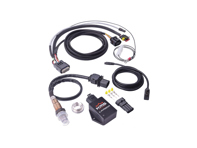
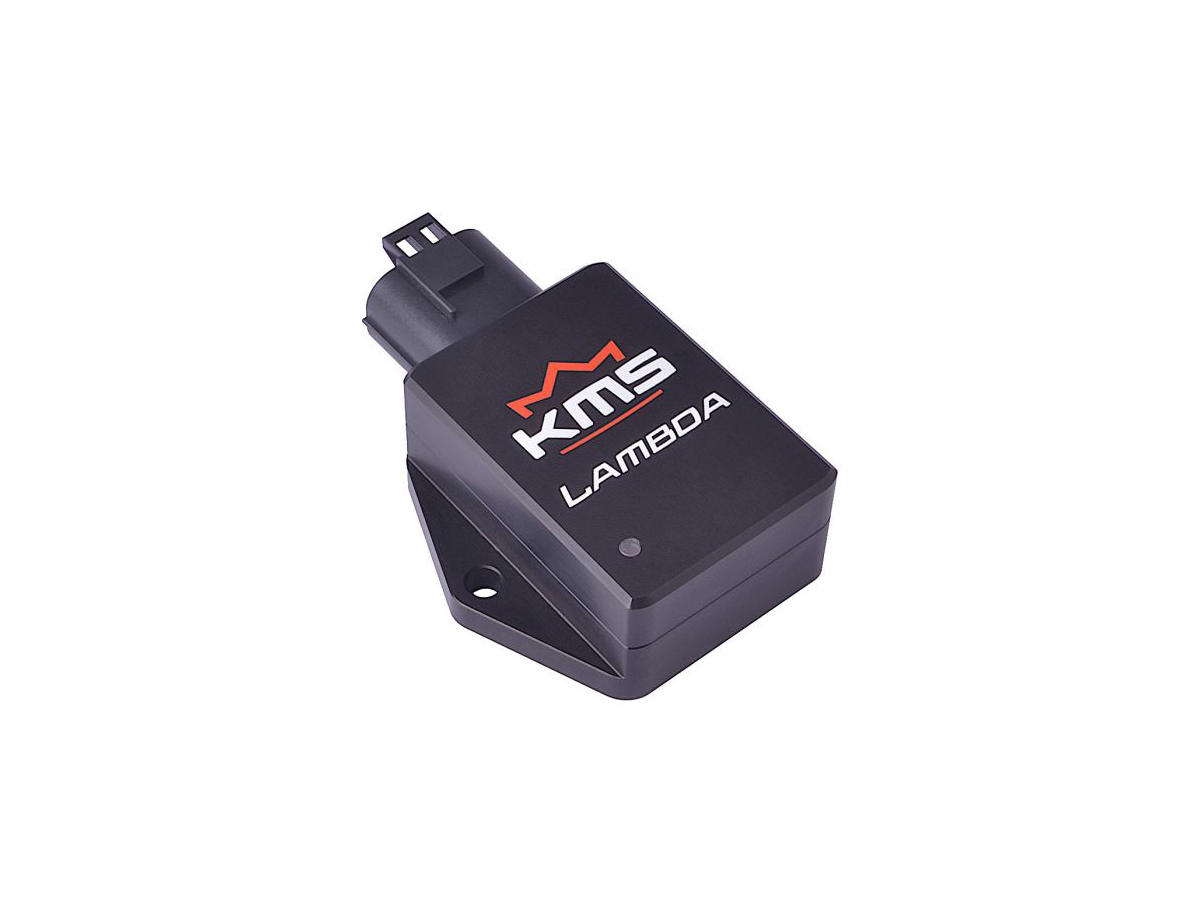
Il controller CAN Lambda UEGO (Universal Exhaust Gas Oxygen, pronunciato "You-Way-Go") è un controller lambda a banda larga altamente avanzato progettato per una sonda lambda a banda larga Bosch LSU 4.9. Il sensore misura il livello di ossigeno nello scarico a una velocità di 2000 campioni/sec e lo converte in un valore lambda.
Il collegamento del controller KMS Lambda UEGO CAN è molto semplice grazie al cablaggio in dotazione. Il cablaggio contiene le connessioni per la sonda lambda, la massa, l'uscita analogica e l'uscita CAN-bus con cui il controller può comunicare.
Un set completo da utilizzare con i nostri MD35 o MP25, il set include:
- Regolatore Lambda
- Cablaggio
- Connettore Superseal a 3 pin
- Cavo di collegamento Canbus da 0,5 m
- Saldatura
- 4.9 Sonda lambda Bosch
- Manuale di istruzioni
Caratteristiche:
- Utilizzo indipendente con i nostri display KMS CAN
- Adatto a tutti i tipi di carburante (benzina, gasolio, E85, metanolo, ecc.)
- Utilizza un moderno sensore lambda a banda larga Bosch LSU 4.9
- Comunicazione analogica e CAN
- Campo di funzionamento da 0,65 a 1,5 Lambda (rapporto aria/carburante da 9,5 a 22,1)
- Temperatura controllata della sonda lambda da 810°C ±10°C
- Elevata frequenza di campionamento di 2000 Hz
- Luce LED sull'alloggiamento per una facile risoluzione dei problemi
- Resistente all'acqua
- Design compatto


- Porsche 911 1965-1968 2.0L / 912 SWB (F)
- Porsche 911 1968-1973 2.2L / 2.4L / 2.7L RS LWB (F)
Adatto a:
Porsche 911 2.0ltr - dal 1965 al 1968
Porsche 911 2.2ltr - dal 1969 al 1971
Porsche 911 2.4ltr - dal 1974 al 1977
Porsche 911 3.0ltr - dal 1978 al 1983
Descrizione
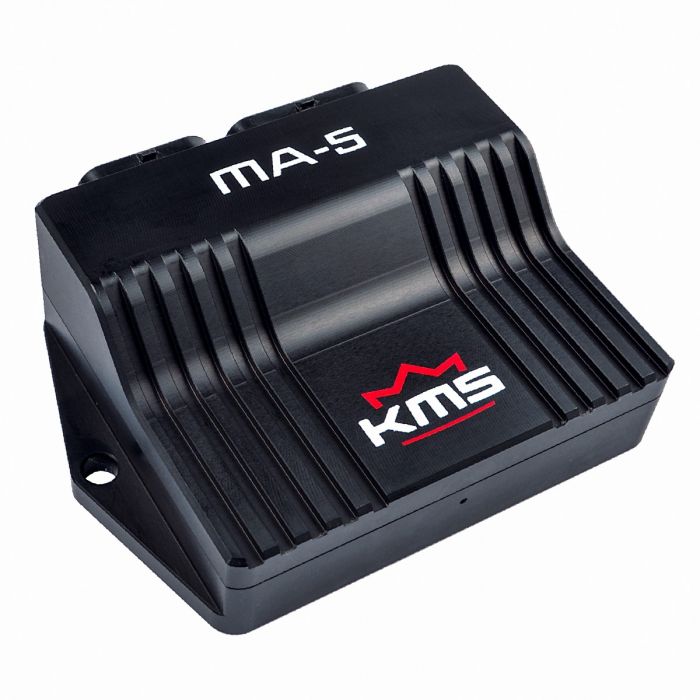
La centralina MD35 ECU è un sistema di gestione motore programmabile che può essere utilizzato come unità di controllo motore (ECU) indipendente per praticamente tutti i tipi di motori a benzina oppure in combinazione con un sistema di gestione motore standard.
Questo sistema è dotato di una funzione di registrazione dati a 38 canali per consentire uno sviluppo professionale del tuo veicolo.
L'MD35 può assumere il controllo dell'iniezione/accensione standard a qualsiasi regime motore, pressione di sovralimentazione o posizione della valvola a farfalla desiderata.
MA5 funziona con tutti gli accessori e componenti KMS. Attiva ad esempio una delle funzioni principali, un controllo completo del rapporto aria/carburante autoapprendente (controllo lambda) con il controller KMS Uego CAN impostato su. L'accensione precisa e il controllo della miscela aria/carburante porteranno a un'eccellente guidabilità, prestazioni e bassi consumi di carburante.
- Controlla fino a 10 cilindri
- Comunicazione USB C
- Ingressi protetti fino a 50V
- Alloggiamento in alluminio resistente all'acqua
- Diagnosi del motore
- CAN bus
- Uscite protette da scorciatoia
- Controllo del minimo
- Limitatore di giri (controllo di lancio, limitatore di velocità)
- ALS (sistema anti-lag)
- Controllo di spinta
- 2 diversi ingressi di carico motore
- 1 ingresso analogico configurabile
- 1 ingresso digitale selezionabile
- 3 ausiliari
- Peso 333g



- Porsche 911 1965-1968 2.0L / 912 SWB (F)
- Porsche 911 1968-1973 2.2L / 2.4L / 2.7L RS LWB (F)
Adatto a:
Porsche 911 2.0ltr - dal 1965 al 1968
Porsche 911 2.2ltr - dal 1969 al 1971
Porsche 911 2.4ltr - dal 1974 al 1977
Porsche 911 3.0ltr - dal 1978 al 1983
Descrizione
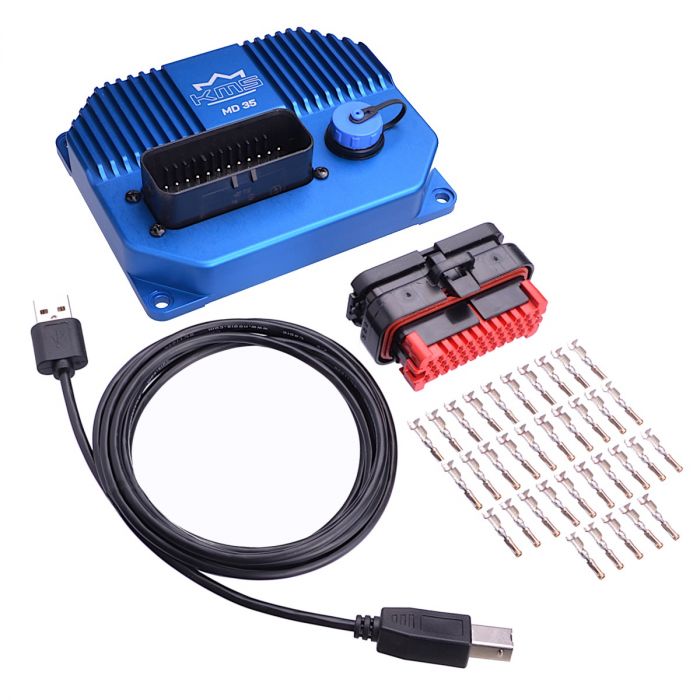
La centralina MD35 ECU è un sistema di gestione motore programmabile che può essere utilizzato come unità di controllo motore (ECU) indipendente per praticamente tutti i tipi di motori a benzina oppure in combinazione con un sistema di gestione motore standard.
Questo sistema è dotato di una funzione di registrazione dati a 38 canali per consentire uno sviluppo professionale del tuo veicolo.
L'MD35 può assumere il controllo dell'iniezione/accensione standard a qualsiasi regime motore, pressione di sovralimentazione o posizione della valvola a farfalla desiderata.
Un controllo completo del rapporto aria/carburante (controllo lambda) con autoapprendimento è una delle caratteristiche principali della ECU KMS MD35. Il controllo lambda è utilizzato in combinazione con il set di controller KMS Uego CAN. Un controllo preciso dell'accensione e della miscela aria/carburante porterà a un'eccellente guidabilità, prestazioni e bassi consumi di carburante.
Inclusi nel pacchetto KMS MD35 ECU ci sono il connettore principale, il cavo di comunicazione e lo schema elettrico. Tutti i software, firmware e manuali necessari sono disponibili sul nostro sito web. Il set di cablaggio KMS MD35 è venduto separatamente.
Caratteristiche:
• Sistema completo di gestione motore fino a 12 cilindri
• Doppio controllo lambda autoapprendente in combinazione con i controller KMS UEGO CAN
• Angoli di tiro strani
• Fuoco diretto in combinazione con sensore a camma
• Trigger a manovella induttivo/Hall
• Iniezione a stadi / in banca
• Selettore mappa
• Diagnosi del motore
• Uscite protette da scorciatoia
• Registrazione dati a 38 canali da 4 Mb
• Tecnologia a doppio processore
• Resistente all'acqua
• Connettore con pin placcati in oro
• Interfaccia USB
• Comunicazione CAN (utilizzata per ingressi/uscite extra, display KMS CAN, ecc.)
• 2 sensori di carico motore
• 3 ingressi analogici (2a sonda lambda, posizione cambio, sensore forza G, EGT, ecc.)
• 3 uscite ausiliarie (luce di cambio marcia, iniezione d'acqua, ventola di raffreddamento, ecc.)
• Pit lane e limitatore di velocità (variabile)
• Limitatore di giri
• Sistema anti-ritardo (variabile)
• Powershift (ritardo e tempo di interruzione separati per ogni marcia)
• Controllo boost (dipendente da marcia, velocità e tempo)
• Controllo del lancio (ritardo temporale variabile e separato possibile)
• Controllo del minimo
• Ingressi velocità da sensore velocità KMS esterno >Convertitore CAN a 4 canali
• Controllo della trazione
.jpg?width=197 "Kit corpo farfallato iniezione carburante. Porsche 964 - TBK.PO.964.42, TBK.PO.964.48")
.jpg)
- Porsche 964 (911) C2 1989-93
- Porsche 964 (911) C4 1989-93
Adatto a:
Porsche 964 Carrera 2 / Carrera 4 - dal 1989 al 1994
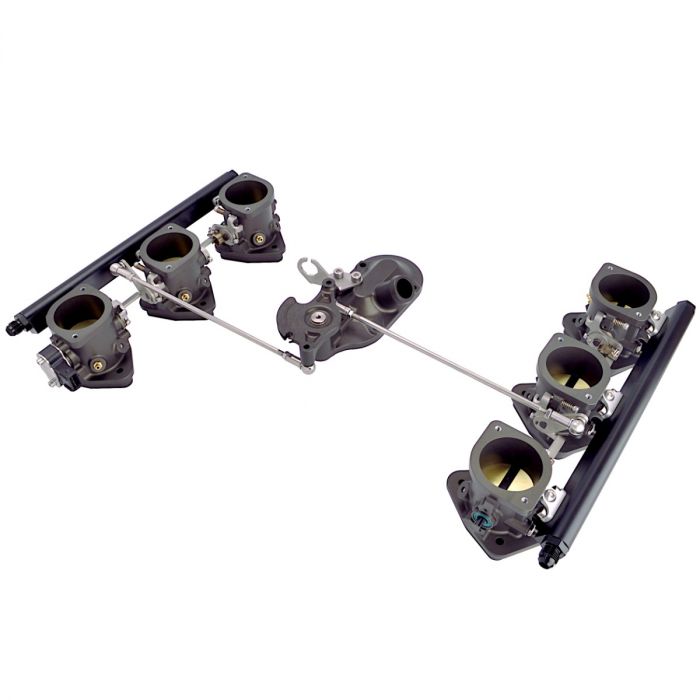
Questo è un kit di sostituzione diretta per convertire il motore della tua Porsche 964 in ITB
Il kit include:
6 x ITB completamente billet, anodizzato duro con gruppo leva in acciaio inossidabile
6 x Guarnizioni termo barriera
2 x Rail carburante con hardware di montaggio
1 x Attuatore dell'acceleratore anodizzato duro con 2 aste di collegamento dell'acceleratore realizzate in acciaio inossidabile
1 x Sensore di posizione dell'acceleratore con hardware di montaggio
Tutto l'hardware e i raccordi di montaggio necessari.
ITB in 2 diverse dimensioni:
- ITB conico: ∅42mm-∅41,5mm (∅42mm è la dimensione della valvola a farfalla, ∅41,5mm è il diametro della porta di aspirazione)
- ITB conico: ∅48mm-∅41,5mm (∅48mm è la dimensione della valvola a farfalla, ∅41,5mm è il diametro della porta di aspirazione)
Tutte le parti di questo kit sono realizzate in un unico pezzo di alluminio 6082 e sono anodizzate o anodizzate dure per renderle più resistenti all'usura.
L'hardware di montaggio e le altre parti sono realizzate in acciaio inossidabile, i condotti del carburante sono realizzati in profilo di estrusione di alluminio 6060 e sono dotati di collegamento AN6 ORB per le linee del carburante.
I collegamenti dell'acceleratore e tutto l'hardware di montaggio sono realizzati in acciaio inossidabile e i punti di snodo del collegamento dell'acceleratore sono realizzati con un design a sfera e presa per un funzionamento regolare. L'attuatore dell'acceleratore ha un cuscinetto interno per una lunga durata.
Puoi anche usare il cavo di collegamento dell'acceleratore OEM, ma dovrai tagliare la parte rigida all'estremità del cavo e montare un nipplo per collegare il cavo all'attuatore dell'acceleratore. Tutte le parti in alluminio del gruppo attuatore dell'acceleratore sono realizzate in alluminio 6082 e sono anodizzate dure.
Le leve consentono di regolare e mettere a punto il movimento meccanico delle bande ileotibiali
Iniettori di carburante, linee di carburante, ECU autonoma, cablaggio NON sono inclusi nel kit ma funzionano insieme


- Porsche 964 (911) C2 1989-93
- Porsche 964 (911) C4 1989-93
Adatto a:
Porsche 964 Carrera 2 / Carrera 4 - dal 1989 al 1994
Questo è un kit di sostituzione diretta per convertire il motore della tua Porsche 964 in ITB utilizzando adattatori plenum (per una camera di compensazione)
Il kit include:
6 x ITB completamente billet, anodizzato duro con gruppo leva in acciaio inossidabile
6 x Guarnizioni termo barriera
2 x Rail carburante con hardware di montaggio
1 x Attuatore dell'acceleratore anodizzato duro con 2 aste di collegamento dell'acceleratore realizzate in acciaio inossidabile
1 x Sensore di posizione dell'acceleratore con hardware di montaggio
Tutto l'hardware e i raccordi di montaggio necessari.
ITB in 2 diverse dimensioni:
- ITB conico: ∅42mm-∅41,5mm (∅42mm è la dimensione della valvola a farfalla, ∅41,5mm è il diametro della porta di aspirazione)
- ITB conico: ∅48mm-∅41,5mm (∅48mm è la dimensione della valvola a farfalla, ∅41,5mm è il diametro della porta di aspirazione)
Tutte le parti di questo kit sono realizzate in un unico pezzo di alluminio 6082 e sono anodizzate o anodizzate dure per renderle più resistenti all'usura.
L'hardware di montaggio e le altre parti sono realizzate in acciaio inossidabile, i condotti del carburante sono realizzati in profilo di estrusione di alluminio 6060 e sono dotati di collegamento AN6 ORB per le linee del carburante.
I collegamenti dell'acceleratore e tutto l'hardware di montaggio sono realizzati in acciaio inossidabile e i punti di snodo del collegamento dell'acceleratore sono realizzati con un design a sfera e presa per un funzionamento regolare. L'attuatore dell'acceleratore ha un cuscinetto interno per una lunga durata.
Puoi anche usare il cavo di collegamento dell'acceleratore OEM, ma dovrai tagliare la parte rigida all'estremità del cavo e montare un nipplo per collegare il cavo all'attuatore dell'acceleratore. Tutte le parti in alluminio del gruppo attuatore dell'acceleratore sono realizzate in alluminio 6082 e sono anodizzate dure.
Le leve consentono di regolare e mettere a punto il movimento meccanico delle bande ileotibiali
Iniettori di carburante, tubi del carburante, ECU autonoma, cablaggio NON sono inclusi nel kit ma funzionano insieme


- Porsche 964 (911) C2 1989-93
- Porsche 964 (911) C4 1989-93
Adatto a:
Porsche 964 Carrera 2 / Carrera 4 - dal 1989 al 1994
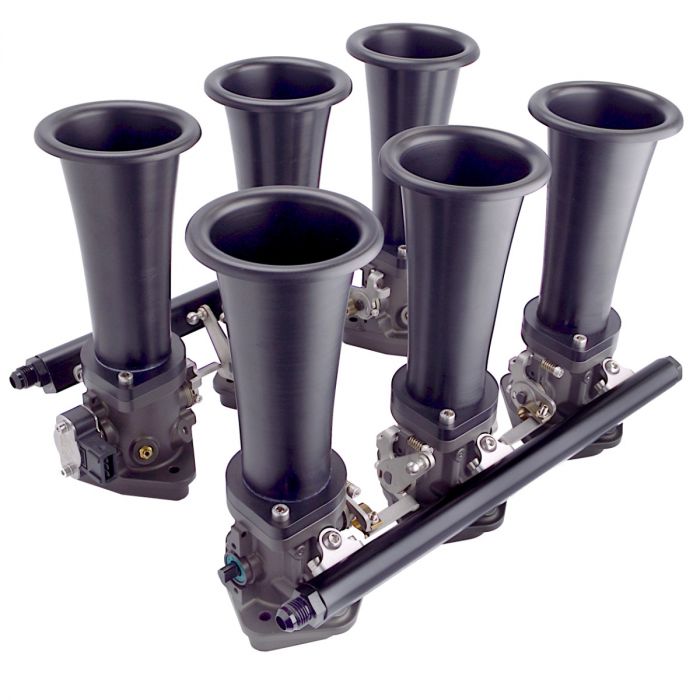
Questo è un kit di sostituzione diretta per convertire il motore della tua Porsche 964 in ITB come la Porsche RSR utilizzando i clacson
Il kit include:
6 x ITB completamente billet, anodizzato duro con gruppo leva in acciaio inossidabile
6 x Guarnizioni termo barriera
2 x Rail carburante con hardware di montaggio
1 x Attuatore dell'acceleratore anodizzato duro con 2 aste di collegamento dell'acceleratore realizzate in acciaio inossidabile
1 x Sensore di posizione dell'acceleratore con hardware di montaggio
Tutto l'hardware e i raccordi necessari per il montaggio.
ITB in 2 diverse dimensioni:
- ITB conico: ∅42mm-∅41,5mm (∅42mm è la dimensione della valvola a farfalla, ∅41,5mm è il diametro della porta di aspirazione)
- ITB conico: ∅48mm-∅41,5mm (∅48mm è la dimensione della valvola a farfalla, ∅41,5mm è il diametro della porta di aspirazione)
Tutte le parti di questo kit sono realizzate in un unico pezzo di alluminio 6082 e sono anodizzate o anodizzate dure per renderle più resistenti all'usura.
L'hardware di montaggio e le altre parti sono realizzate in acciaio inossidabile, i condotti del carburante sono realizzati in profilo di estrusione di alluminio 6060 e sono dotati di collegamento AN6 ORB per le linee del carburante.
I collegamenti dell'acceleratore e tutto l'hardware di montaggio sono realizzati in acciaio inossidabile e i punti di snodo del collegamento dell'acceleratore sono realizzati con un design a sfera e presa per un funzionamento regolare. L'attuatore dell'acceleratore ha un cuscinetto interno per una lunga durata.
Puoi anche usare il cavo di collegamento dell'acceleratore OEM, ma dovrai tagliare la parte rigida all'estremità del cavo e montare un nipplo per collegare il cavo all'attuatore dell'acceleratore. Tutte le parti in alluminio del gruppo attuatore dell'acceleratore sono realizzate in alluminio 6082 e sono anodizzate dure.
Le leve consentono di regolare e mettere a punto il movimento meccanico delle bande ileotibiali
Iniettori di carburante, tubi del carburante, ECU autonoma, cablaggio NON sono inclusi nel kit ma funzionano insieme


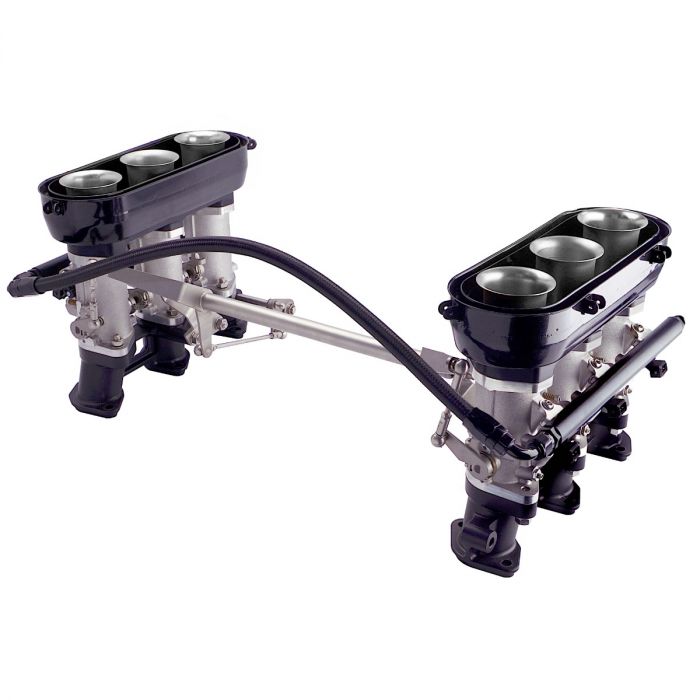
- Porsche 911 1978-1983 3.0L / SC
Per motori SC da 3,0 litri o motori modificati che utilizzano il motore da 3,0 litri come motore donatore
Adatto a:
Porsche 911 3.0 litri - 1978 - 1983
Dimensioni collettori di aspirazione Porsche 911
Sistema di iniezione Bosch Ø39mm lato motore - Ø42mm lato ITB. Consigliato per motori da 3,0 litri
Sistema di iniezione Bosch Ø41mm lato motore - Ø45mm lato ITB. Consigliato per allestimenti personalizzati o motori elaborati
Sistema di iniezione Bosch Ø42mm lato motore - Ø45mm lato ITB. Consigliato per allestimenti personalizzati o motori elaborati
Opzioni iniettori che possono essere utilizzati: 260cc / 300cc / 380cc / 420cc / 480cc / 520cc
Si tratta di un kit di sostituzione diretta per sostituire i carburatori mantenendo l'aspetto OEM nel vano motore.
I collettori di aspirazione e le piastre montanti sono realizzati in un unico pezzo di alluminio 6082 e sono disponibili in 2 stili. Questi differiscono nel design a causa della forma della flangia di montaggio per la testata del cilindro. Il collettore di aspirazione può essere utilizzato come parte di ricambio per la parte OEM quando è danneggiato o deve essere sostituito*.
Gli ITB sono realizzati in alluminio pressofuso, mentre i rail del carburante sono realizzati in profilo di estrusione in alluminio 6060 e sono dotati di connessione AN6 ORB per le linee del carburante. Il regolatore di pressione del carburante a montaggio diretto è montato direttamente sui rail del carburante, quindi in questo caso non è necessario praticare fori aggiuntivi nel vano motore per montare un regolatore di pressione del carburante.
Il collegamento dell'acceleratore e tutto l'hardware di montaggio sono realizzati in acciaio inossidabile e il punto di snodo del collegamento dell'acceleratore è un design a sfera e presa per un funzionamento fluido. Le leve consentono di regolare e mettere a punto il movimento meccanico degli ITB
Le dimensioni dell'assemblaggio sono le stesse della configurazione del carburatore OEM e la piastra di montaggio è dotata degli stessi fori di montaggio dei carburatori OEM, in questo modo è possibile utilizzare la scatola del filtro dell'aria OEM e gli airhorn OEM. Inoltre, le piastre di montaggio sono dotate di opzioni di montaggio per un sensore di temperatura dell'aria di aspirazione, che è ben nascosto tra gli ITB. Il diametro degli ITB nella piastra di montaggio è di 45 mm. C'è anche un'opzione per l'utilizzo degli airhorn, in questo caso non sono necessarie le piastre di montaggio.
Il sensore di manovella e il kit ruota di attivazione sono aggiuntivi e questo tipo di kit è necessario quando si utilizzano ITB come questi. Oltre a passare a ITB, avrai bisogno di una centralina autonoma per far funzionare l'iniezione di carburante. Il nostro kit funziona solo con motori come il 3.0ltr che è dotato di un "distributore grande". Puoi lasciare il distributore o puoi rimuovere questa unità quando intendi utilizzare un tipo di accensione a disco. In tal caso, un adattatore è incluso nel kit del sensore di manovella. La puleggia è disponibile in 2 dimensioni tra cui scegliere, una puleggia da Ø116 mm e una puleggia da Ø126,5 mm.
Iniettori di carburante, tubi del carburante, centralina elettronica indipendente e cablaggio NON sono inclusi nel kit.
*In caso di utilizzo come parte di ricambio, i 3 fori di montaggio per i carburatori o gli ITB devono essere rifilettati con un timesert o un helicoil. Altrimenti è impossibile montare un perno filettato.
Il kit include
2 collettori di aspirazione billet anodizzati duri
6 x ITB completi di gruppo leva
6 x trombe ad aria 45mmØx30mm
2 x rail carburante con hardware di montaggio
1 x collegamento dell'acceleratore con 2 bielle di collegamento dell'acceleratore
1 x Regolatore di pressione del carburante a montaggio diretto
2 piastre di supporto con 1 sensore di temperatura dell'aria (per l'uso con la scatola del filtro dell'aria OEM)
1 x sensore di manovella e kit ruota di attivazione (opzionale)
Tutte le guarnizioni e l'hardware di montaggio necessari.
- Porsche 911 1974-1977 2.7L / 1976-77 3.0 Carrera
Adatto a:
Porsche 911 2.7 litri - 1974 - 1977
Dimensioni collettori di aspirazione Porsche 911
Carburatore/Bosch MFI Ø34mm lato motore - Ø40mm lato ITB. Consigliato per i primi motori da 2,7 litri
Opzioni iniettori che possono essere utilizzati: 260cc / 300cc / 380cc / 420cc / 480cc / 520cc
Si tratta di un kit di sostituzione diretta per sostituire i carburatori mantenendo l'aspetto OEM nel vano motore.
I collettori di aspirazione e le piastre montanti sono realizzati in un unico pezzo di alluminio 6082 e sono disponibili in 2 stili. Questi differiscono nel design a causa della forma della flangia di montaggio per la testata del cilindro. Il collettore di aspirazione può essere utilizzato come parte di ricambio per la parte OEM quando è danneggiato o deve essere sostituito*.
Gli ITB sono realizzati in alluminio pressofuso, mentre i rail del carburante sono realizzati in profilo di estrusione in alluminio 6060 e sono dotati di connessione AN6 ORB per le linee del carburante. Il regolatore di pressione del carburante a montaggio diretto è montato direttamente sui rail del carburante, quindi in questo caso non è necessario praticare fori aggiuntivi nel vano motore per montare un regolatore di pressione del carburante.
Il collegamento dell'acceleratore e tutto l'hardware di montaggio sono realizzati in acciaio inossidabile e il punto di snodo del collegamento dell'acceleratore è un design a sfera e presa per un funzionamento fluido. Le leve consentono di regolare e mettere a punto il movimento meccanico degli ITB
Le dimensioni dell'assemblaggio sono le stesse della configurazione del carburatore OEM e la piastra di montaggio è dotata degli stessi fori di montaggio dei carburatori OEM, in questo modo è possibile utilizzare la scatola del filtro dell'aria OEM e gli airhorn OEM. Inoltre, le piastre di montaggio sono dotate di opzioni di montaggio per un sensore di temperatura dell'aria di aspirazione, che è ben nascosto tra gli ITB. Il diametro degli ITB nella piastra di montaggio è di 45 mm. C'è anche un'opzione per l'utilizzo degli airhorn, in questo caso non sono necessarie le piastre di montaggio.
Il sensore di manovella e il kit ruota di attivazione sono aggiuntivi e questo tipo di kit è necessario quando si utilizzano ITB come questi. Oltre a passare a ITB, avrai bisogno di una centralina autonoma per far funzionare l'iniezione di carburante. Il nostro kit funziona solo con motori come il 3.0ltr che è dotato di un "distributore grande". Puoi lasciare il distributore o puoi rimuovere questa unità quando intendi utilizzare un tipo di accensione a disco. In tal caso, un adattatore è incluso nel kit del sensore di manovella. La puleggia è disponibile in 2 dimensioni tra cui scegliere, una puleggia da Ø116 mm e una puleggia da Ø126,5 mm.
Iniettori di carburante, tubi del carburante, centralina elettronica indipendente e cablaggio NON sono inclusi nel kit.
*In caso di utilizzo come parte di ricambio, i 3 fori di montaggio per i carburatori o gli ITB devono essere rifilettati con un timesert o un helicoil. Altrimenti è impossibile montare un perno filettato.
Il kit include
2 x Collettori di aspirazione billet completamente anodizzati
6 x ITB completi di gruppo leva
6 x Trombe ad aria 45mmØx30mm
2 x Rail carburante con hardware di montaggio
1 x Collegamento dell'acceleratore con 2 bielle di collegamento dell'acceleratore
1 x Regolatore di pressione del carburante a montaggio diretto
2 x piastre di supporto con 1 sensore di temperatura dell'aria (per l'uso con la scatola del filtro dell'aria OEM)
1 x Kit sensore manovella e ruota di attivazione (opzionale)
Tutte le guarnizioni e l'hardware di montaggio necessari.
- Porsche 911 1965-1968 2.0L / 912 SWB (F)
- Porsche 911 1968-1973 2.2L / 2.4L / 2.7L RS LWB (F)
Adatto a:
Porsche 911 2.0ltr - dal 1965 al 1968
Porsche 911 2.2ltr - dal 1969 al 1971
Dimensioni collettori di aspirazione Porsche 911
Carburatore/Bosch MFI Ø32mm lato motore - Ø40mm lato ITB. Consigliato per i primi motori da 2,0 l/2,2 l
Opzioni iniettori che possono essere utilizzate: 260cc / 300cc / 380cc / 420cc / 480cc / 520cc
Si tratta di un kit di sostituzione diretta per sostituire i carburatori mantenendo l'aspetto OEM nel vano motore.
I collettori di aspirazione e le piastre montanti sono realizzati in un unico pezzo di alluminio 6082 e sono disponibili in 2 stili. Questi differiscono nel design a causa della forma della flangia di montaggio per la testata del cilindro. Il collettore di aspirazione può essere utilizzato come parte di ricambio per la parte OEM quando è danneggiato o deve essere sostituito*.
Gli ITB sono realizzati in alluminio pressofuso, mentre i rail del carburante sono realizzati in profilo di estrusione in alluminio 6060 e sono dotati di connessione AN6 ORB per le linee del carburante. Il regolatore di pressione del carburante a montaggio diretto è montato direttamente sui rail del carburante, quindi in questo caso non è necessario praticare fori aggiuntivi nel vano motore per montare un regolatore di pressione del carburante.
Il collegamento dell'acceleratore e tutto l'hardware di montaggio sono realizzati in acciaio inossidabile e il punto di snodo del collegamento dell'acceleratore è un design a sfera e presa per un funzionamento fluido. Le leve consentono di regolare e mettere a punto il movimento meccanico degli ITB
Le dimensioni dell'assemblaggio sono le stesse della configurazione del carburatore OEM e la piastra di montaggio è dotata degli stessi fori di montaggio dei carburatori OEM, in questo modo è possibile utilizzare la scatola del filtro dell'aria OEM e gli airhorn OEM. Inoltre, le piastre di montaggio sono dotate di opzioni di montaggio per un sensore di temperatura dell'aria di aspirazione, che è ben nascosto tra gli ITB. Il diametro degli ITB nella piastra di montaggio è di 45 mm. C'è anche un'opzione per l'utilizzo degli airhorn, in questo caso non sono necessarie le piastre di montaggio.
Il sensore di manovella e il kit ruota di attivazione sono aggiuntivi e questo tipo di kit è necessario quando si utilizzano ITB come questi. Oltre a passare a ITB, avrai bisogno di una centralina autonoma per far funzionare l'iniezione di carburante. Il nostro kit funziona solo con motori come il 3.0ltr che è dotato di un "distributore grande". Puoi lasciare il distributore o puoi rimuovere questa unità quando intendi utilizzare un tipo di accensione a disco. In tal caso, un adattatore è incluso nel kit del sensore di manovella. La puleggia è disponibile in 2 dimensioni tra cui scegliere, una puleggia da Ø116 mm e una puleggia da Ø126,5 mm.
Iniettori di carburante, tubi del carburante, centralina elettronica indipendente e cablaggio NON sono inclusi nel kit.
*In caso di utilizzo come parte di ricambio, i 3 fori di montaggio per i carburatori o gli ITB devono essere rifilettati con un timesert o un helicoil. Altrimenti è impossibile montare un perno filettato.
Il kit include
2 x Collettori di aspirazione billet completamente anodizzati
6 x ITB completi di gruppo leva
6 x Trombe ad aria 45mmØx30mm
2 x Rail carburante con hardware di montaggio
1 x Collegamento dell'acceleratore con 2 bielle di collegamento dell'acceleratore
1 x Regolatore di pressione del carburante a montaggio diretto
2 x piastre di supporto con 1 sensore di temperatura dell'aria (per l'uso con la scatola del filtro dell'aria OEM)
1 x Kit sensore manovella e ruota di attivazione (opzionale)
Tutte le guarnizioni e l'hardware di montaggio necessari.