





Inserisci il tuo numero di partiva IVA qui e fai clic su Verifica:
Nessuna necessità di inserire la parte del numero di partita IVA relativa al codice del paese poiché questa è già stato selezionata nel predetto indirizzo di fatturazione.
I tuoi dati sono stati verificati. Numero di partita IVA registrato a:
,
.
Al tuo ordine sarà applicata un’aliquota pari a zero ai fini dell’IVA. Ci riserviamo il diritto di verificare questi dettagli dopo che la tua richiesta d’ordine è stata fatta e di reintegrare l’IVA se necessario.
I tuoi dati IVA non sono stati riconosciuti o non erano validi. Il tuo numero di partita IVA deve corrispondere al tuo paese di fatturazione come specificato sopra. Attualmente è specificato come . Non occorre inserire inserire la parte del numero di partita IVA relativa al codice del paese poiché questa è già stato selezionata nei dettagli del predetto indirizzo di fatturazione.
Il servizio di verifica della partita IVA è attualmente offline. Per favore fornisci i tuoi dati IVA all’interno dei commenti o nel campo delle istruzioni speciali sotto e noi applicheremo uno sconto IVA dopo aver fatto la richiesta d’ordine.
OEM

OEM for Porsche
OEM parts for Porsche at Design911 are chosen by owners who want factory-equivalent specification, predictable fitment and consistent performance, whether maintaining originality or repairing everyday wear.
A Quick Look at OEM
OEM information on this page is based on details supplied by the manufacturer or distributor, plus any OE references provided with the parts.
Choosing the Right Fit for Your Porsche
Where OEM is listed for Porsche, use the supplied model coverage and OE references to confirm suitability. Check details that commonly affect fitment such as model year, side/position, and connector type where relevant.
- Typical reasons people choose OEM include maintaining factory-equivalent specification, avoiding compatibility issues and supporting long-term reliability, especially on safety‑critical systems.
- Common real‑world issues that lead to OEM replacement include leaks, noise, looseness, electrical faults and degraded performance caused by age, heat cycles, corrosion or missed maintenance.
- Before replacing parts, confirm the root cause: many "symptoms" overlap between components, and misdiagnosis can lead to unnecessary OEM part replacements.
- For critical items, prioritise correct specification and documented compatibility over price, and where possible confirm diagnosis with testing rather than relying solely on warning lights or fault codes.
- OEM is often from the same manufacturer as Genuine Porsche but may carry different packaging or part numbers; always match specifications and references when available.
- In some specific cases upgrades can outperform OEM for targeted goals, so decide based on how you use your Porsche (road, track, comfort, originality).
Browse by Category
If you already know the area you are working on, start with the category and then filter by Porsche model. Where real-world symptoms and typical reasons to replace are provided, use them to keep the wording grounded.
Engine Electrical — Engine electrical parts are usually chosen when a Porsche develops starting, charging, ignition or sensor faults that affect drivability; intermittent no‑start, rough running, misfires, poor charging and warning lights are typical reasons to look in this category.
- Confirm faults with basic checks first: battery health, main earths/grounds and connector condition can mimic more serious electrical failures.
- Use live data and guided testing (power, ground and signal checks) rather than relying only on fault codes when deciding which OEM electrical part to replace.
Alternator / Generator — This category covers the main charging unit, replaced when battery warning lights, low voltage readings, dimming lights or repeated flat batteries point to unstable or insufficient charging performance.
- After fitting an alternator or generator, verify charging voltage at idle and under load (lights, blower, heated screens) and listen for abnormal bearing noise.
- Inspect belt condition/tension and main charging cables and grounds, as issues here can mimic alternator failure or shorten the life of a new unit.
Standard Alternator / Genarator — Standard output alternators are used to restore factory charging behaviour where the original unit is worn or failing, giving correct fitment, pulley alignment and OEM‑style warning light behaviour for everyday use.
- For a healthy, largely stock electrical system, a standard‑output alternator is usually sufficient if charging voltage is stable across common loads.
- After replacement, confirm stable charging voltage with a multimeter and check for correct belt alignment to avoid noise and premature wear.
Engine Rebuild Parts — These components are typically replaced during an engine rebuild or when diagnostics show internal wear such as low compression, heavy oil consumption, persistent leaks or abnormal internal noise.
- Before committing to a rebuild, carry out compression and leak‑down tests, bore inspection, and oil/filter analysis to confirm that internal wear is the root cause.
- When the engine is apart, many specialists renew chains, guides, seals, bearings, gaskets and hard‑to‑reach wear items in one go to reduce the chance of repeat strip‑downs.
Engine Valves / Guides / Springs — Valves, guides and springs are usually changed during top‑end work when poor sealing, guide wear or weak springs cause misfires, oil consumption, blue smoke on overrun or loss of high‑rpm stability.
- Leak‑down results that show air escaping via intake or exhaust, together with low or uneven compression, are strong indicators of valve‑side issues.
- Valve stem seals can help, but if guides are significantly worn, smoking may return; performance or high‑rpm use often justifies refreshing springs to reduce valve float.
Explore OEM at Design911
View the current OEM range for Porsche at Design911, then filter by model and category to narrow down to the right parts.


- Porsche 958 Cayenne S V8 4.8L Petrol 400HP 2010-17
- Porsche 958 Cayenne GTS V8 4.8L Petrol 400HP 2010-17
- Porsche 958 Cayenne Turbo V8 4.8L Petrol 500HP 2010-17
- Porsche 958 Cayenne Turbo S V8 4.8L Petrol 550HP 2010-17

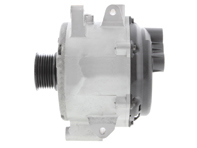
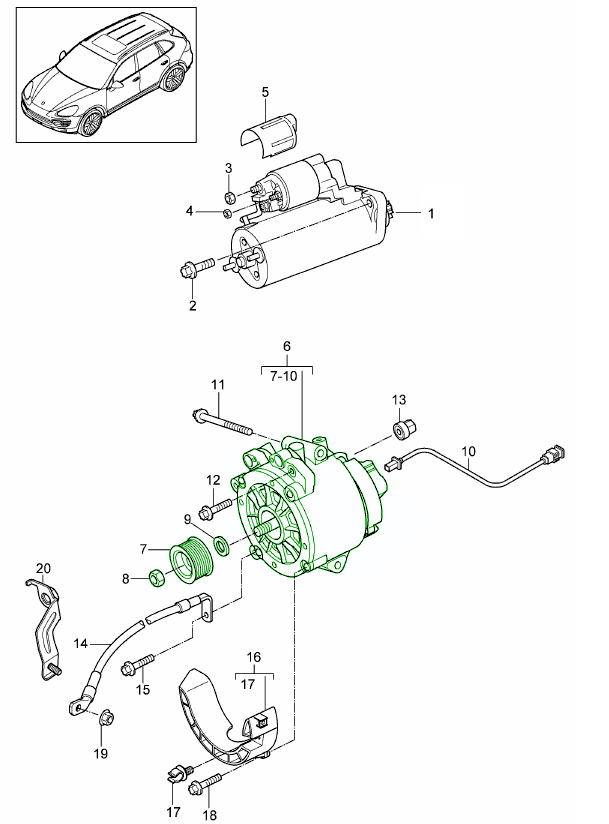
Alternatore ricondizionato 190AMP Numero di fori di montaggio: 5
Adatto a:
Porsche 955 Cayenne 4.8LS / GTS 2011>> (ID6V)
Porsche 955 Cayenne 4.8L Turbo / Turbo S 2011>> (ID58)
Numero di fori di montaggio: 5
Per veicoli con corrente principale a 12 V,
Corrente di carica dell'alternatore: 190 A,
ID tipo di spina: BSS, (D),
Tipo di spina: terminale a spina,
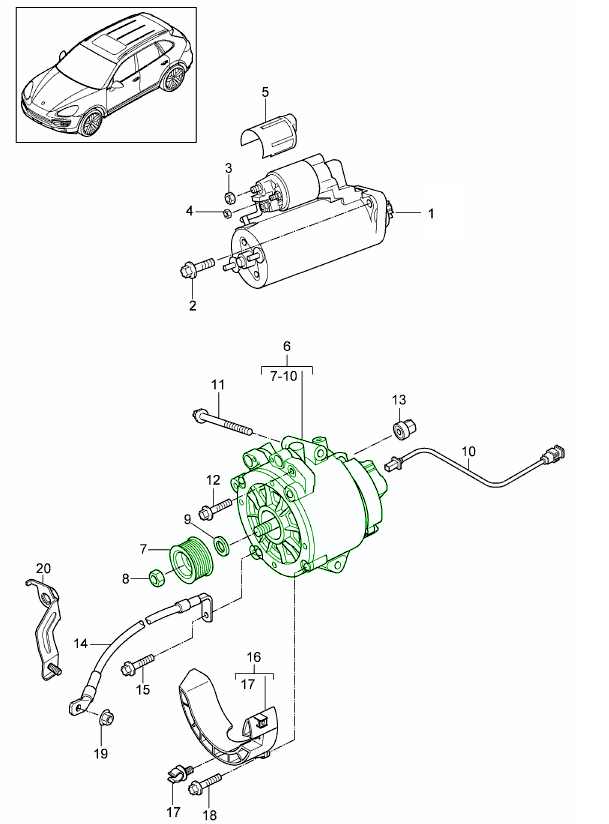
Schema rif. n. 6
Notare che:
Gli alternatori ricondizionati vengono venduti su base di permuta. Verrà trattenuto un supplemento di £ 175,00 che verrà poi rimborsato alla restituzione del vecchio alternatore.
- Il sovrapprezzo per questa parte ricondizionata verrà rimborsato quando l'unità sostitutiva sarà ricevuta e approvata da noi e dal produttore interessato.
- Si prega di notare che i rimborsi dei sovrapprezzi spesso richiedono in media dalle 6 alle 8 settimane per essere approvati dal produttore.
- L'accettazione del pezzo sostitutivo è a discrezione del produttore, in base all'idoneità del pezzo al ricondizionamento.
- Tutti i supplementi e i cambi sono soggetti ai nostri termini e condizioni.
NOTARE CHE:
Numeri di riferimento correlati
Numeri correlati, sostituiti, riferimenti incrociati o alternativi per il confronto.
94860303301
Il prodotto che stai visualizzando fa riferimento a questi numeri

- Porsche 997 MKII GT3 2010-11
TUTTE LE PARTI MOTORSPORT E CORSE SONO ARTICOLI SPECIALI. Gli articoli su ordinazione speciale devono essere pagati in anticipo. Gli articoli con ordini speciali sono venduti su base non annullabile, non scambiabile, non restituibile, non rimborsabile e non sono coperti da alcuna garanzia. Nessuna eccezione.

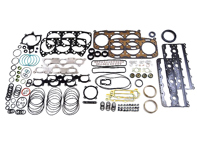
Adatto a: 997 GT3 (05-11)
- GT3, 3,8 L, 320 kW (10-)
- GT3 RS, 3,8 L, 331 kW (10-)
- GT3 Coppa 3.8L (10-)
- GT3 R, 4L, 331kW (11-)
Numeri di riferimento correlati
Numeri correlati, sostituiti, riferimenti incrociati o alternativi per il confronto.
99710090391
Il prodotto che stai visualizzando fa riferimento a questi numeri


Si adatta:
Tutti i veicoli
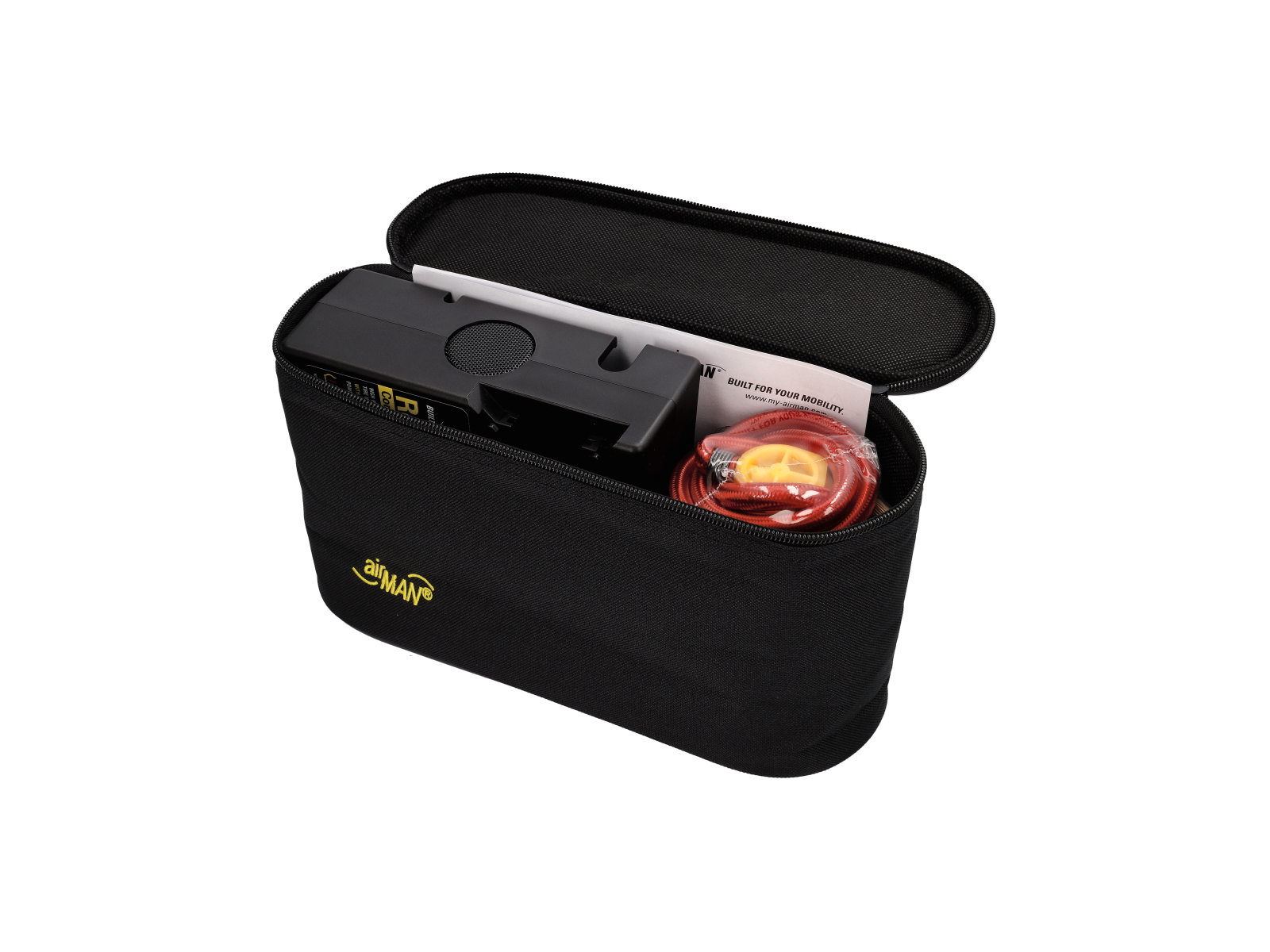
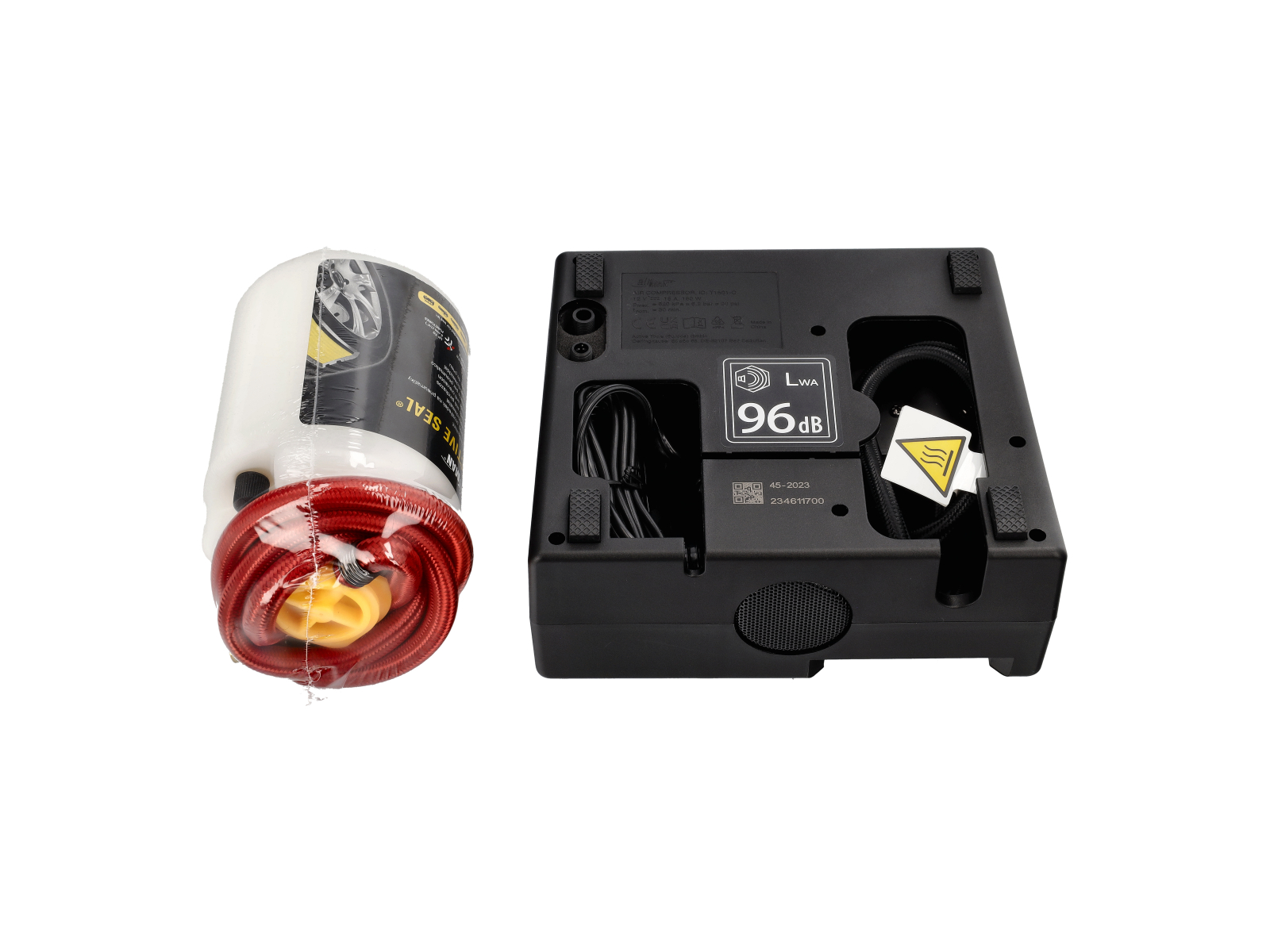
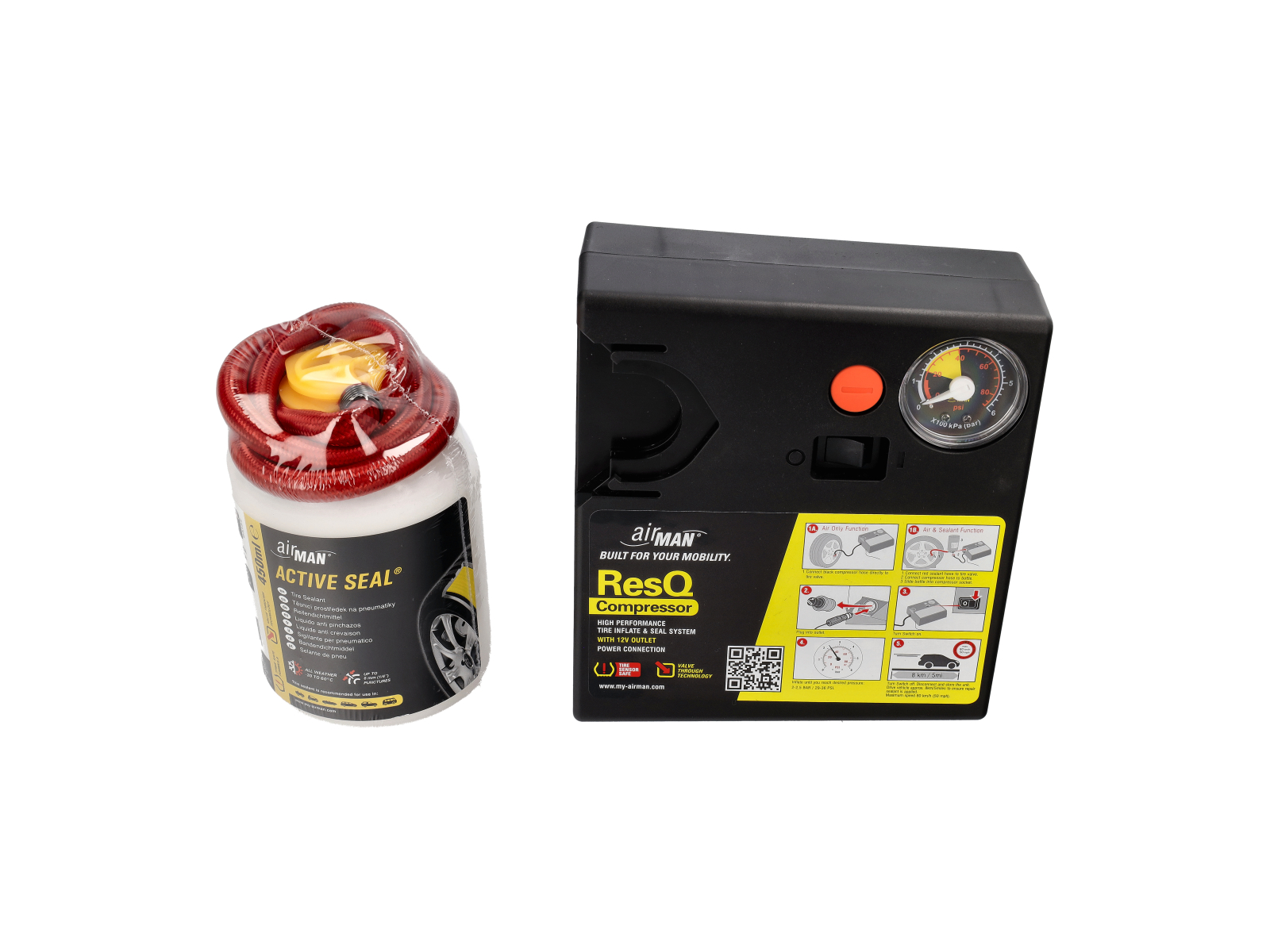
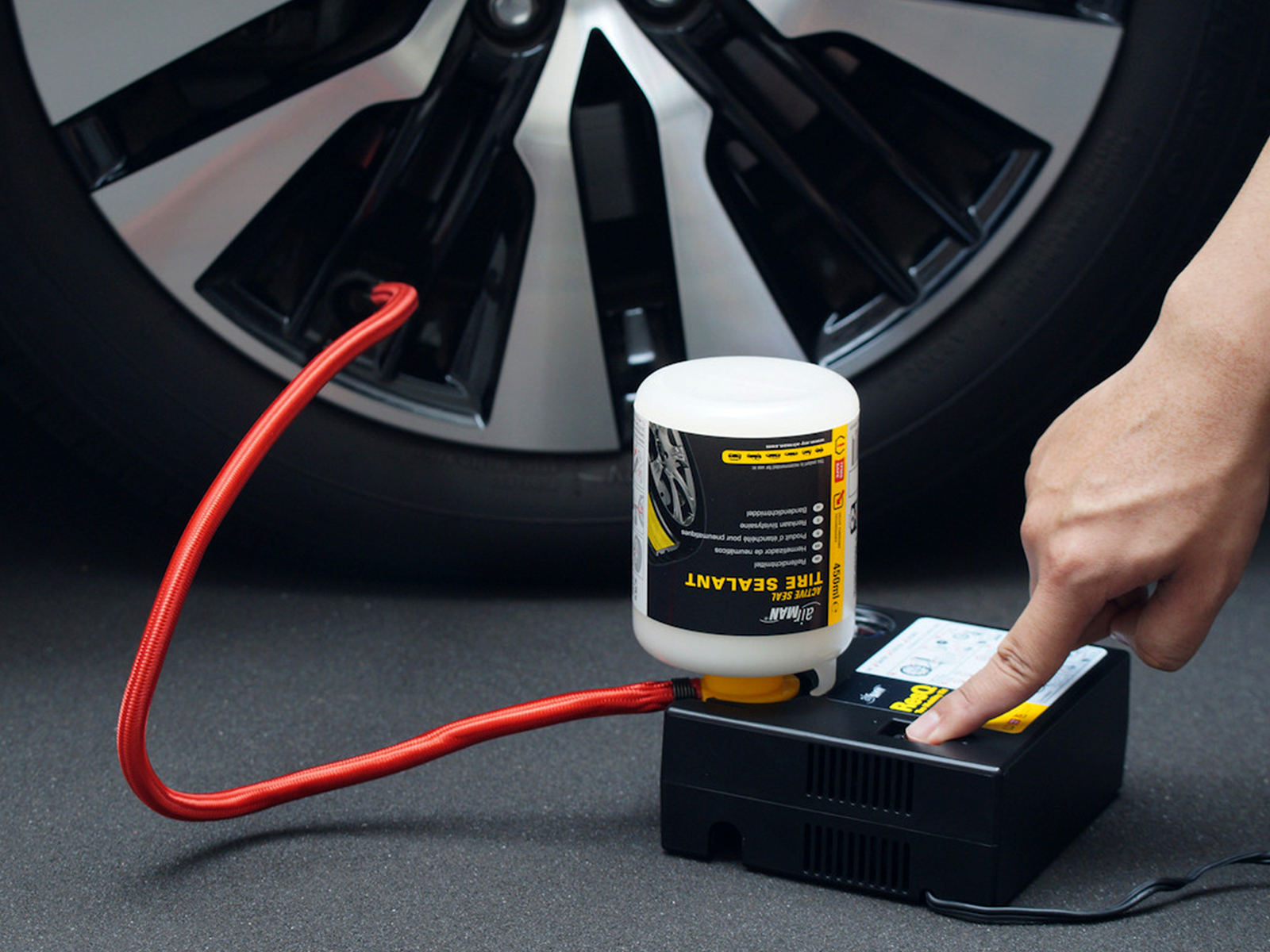
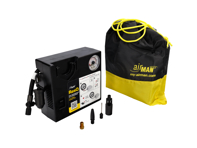
Il kit di riparazione pneumatici è una soluzione compatta in due pezzi che comprende un potente compressore per pneumatici da 12 V e un flacone da 450 ml di sigillante per pneumatici.
Questo è esattamente lo stesso kit fornito a molti dei principali produttori di veicoli del mondo, il che lo rende la soluzione aftermarket più affidabile disponibile.
Adatto per l'uso su veicoli con ruote fino a 20″
• Stessa soluzione fornita ai principali costruttori di veicoli
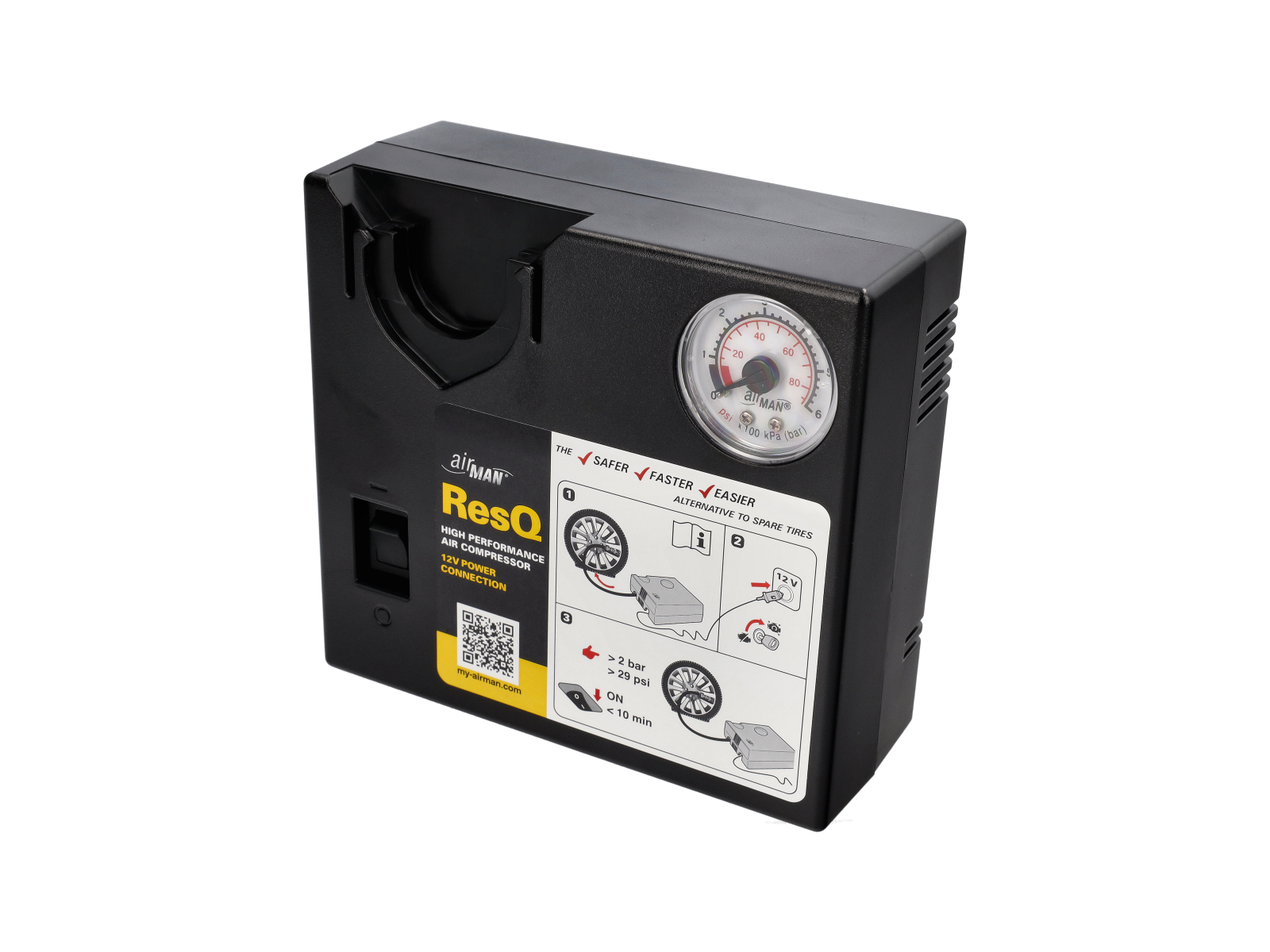
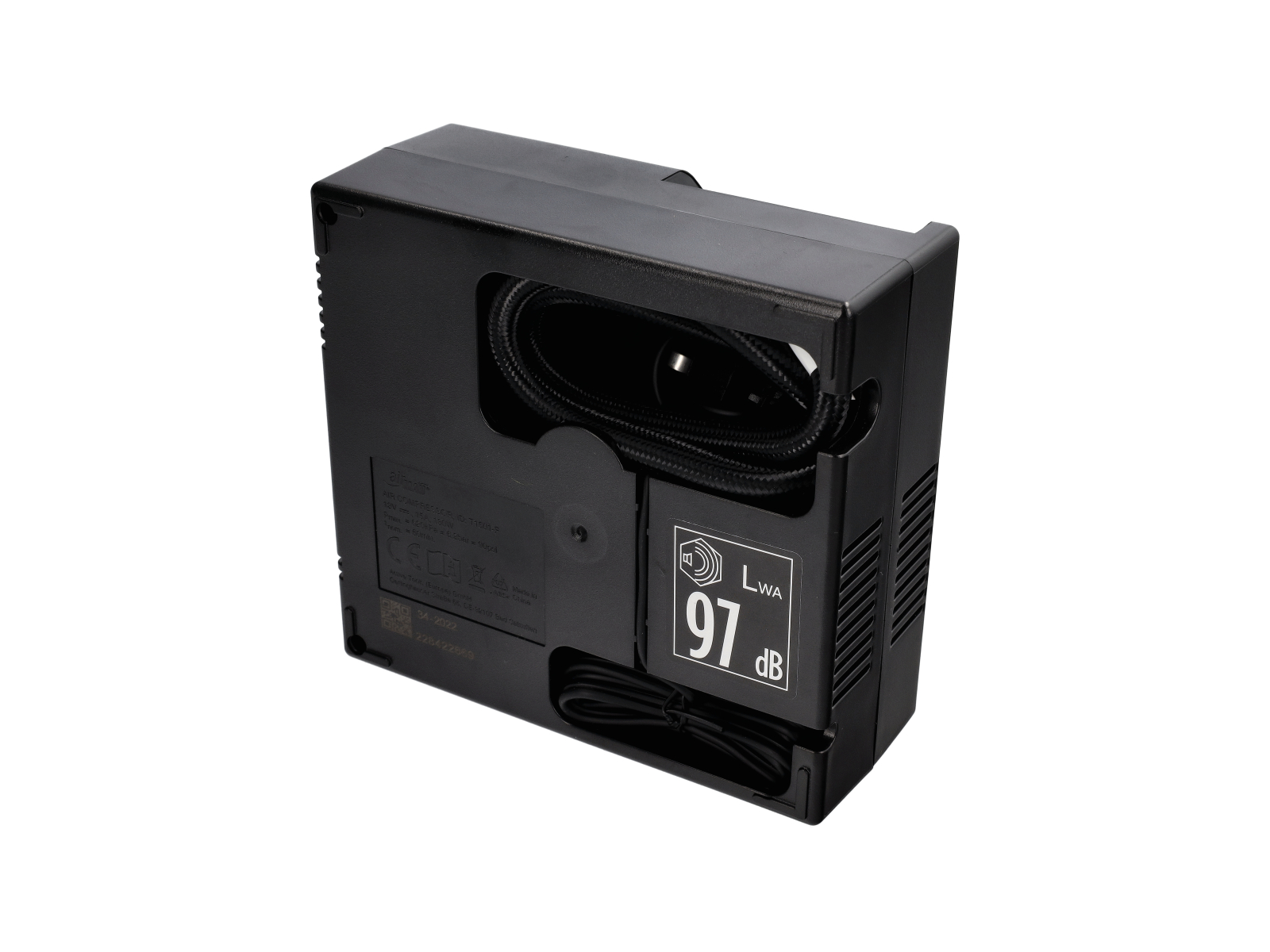
• Compressore 12v ad alte prestazioni con attacco accendisigari
• Manometro analogico di precisione con indicazione PSI/Bar
• Selezione di accessori per ugelli e pulsante di sgonfiaggio integrato
• Il sigillante per pneumatici a lunga durata da 450 ml, leader del settore, ripara forature fino a 6 mm
• Il sigillante a base d'acqua si lava via facilmente dal pneumatico per consentire la riparazione completa del pneumatico
• Non tossico, non corrosivo, sicuro TPMS e approvato dai più grandi produttori automobilistici del mondo.
• Adatto a tutte le marche di veicoli
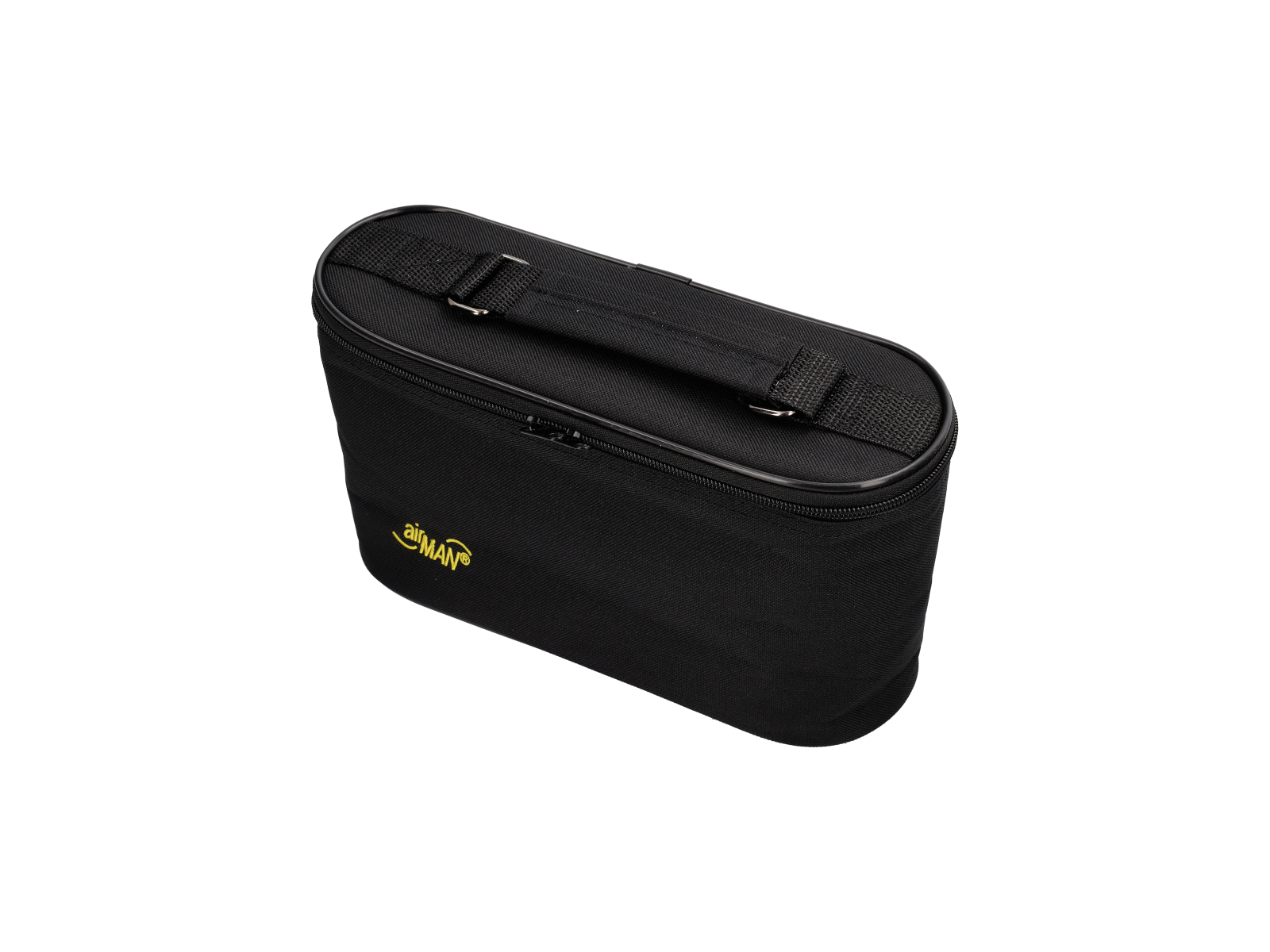
• Custodia da trasporto in tela per una conservazione ordinata e semplice
• Include -
Borsa da viaggio in nylon
Adattatore per ago a sfera
Adattatore per materasso
Adattatore valvola Dunlop / Presta per bici
Adattatore barca/materasso Venturi

Si adatta:
Tutti i veicoli
La scelta di fiducia di molti dei principali produttori di veicoli al mondo, questo compressore per pneumatici è il nostro modello di punta e più venduto grazie alla sua robustezza e alle sue prestazioni.
• Stessa soluzione fornita ai principali costruttori di veicoli
• Compressore 12v ad alte prestazioni con attacco accendisigari
• Manometro analogico di precisione con indicazione PSI/Bar
• Selezione di accessori per ugelli e pulsante di sgonfiaggio integrato
• Adatto a tutte le marche di veicoli
• Custodia da trasporto in tela per una conservazione ordinata e semplice
Numeri di riferimento correlati
Numeri correlati, sostituiti, riferimenti incrociati o alternativi per il confronto.
PAD012615
Il prodotto che stai visualizzando fa riferimento a questi numeri
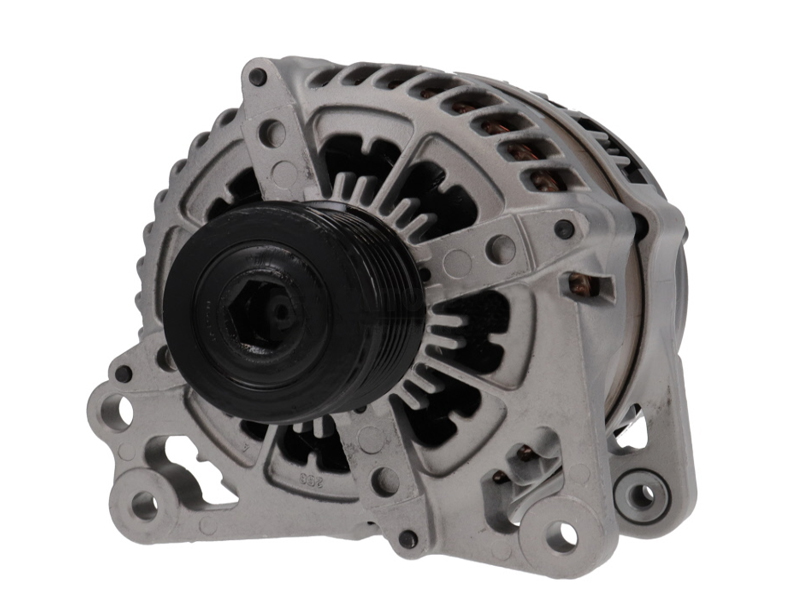
- Porsche 95B.1 Macan S Petrol 3.0L V6 340Bhp 2014-18
- Porsche 95B.1 Macan GTS Petrol 3.0L V6 360Bhp 2014-18
- Porsche 95B.1 Macan Turbo 3.6L V6 400Bhp 2014-18
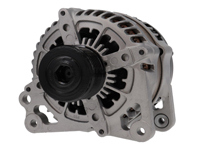
Alternatore ricondizionato da 14 V/220 A
Notare che:
Le unità ricondizionate vengono vendute su base di permuta. Verrà trattenuto un supplemento di £ 380,00 che verrà poi rimborsato alla restituzione del vecchio modello.
Adatto a:
Porsche Macan S (codice motore CTM / CTMA) 2014-18
Porsche Macan turbo (codice motore CTL / CTLA) 2014-18
Porsche Macan Bi-turbo GTS (codice motore DCN / DCNA) 2014-18
Gli alternatori ricondizionati vengono venduti su base di permuta. Verrà trattenuto un supplemento che verrà poi rimborsato al momento della restituzione del vecchio alternatore.
- Il sovrapprezzo per questa parte ricondizionata verrà rimborsato quando l'unità sostitutiva sarà ricevuta e approvata da noi e dal produttore interessato.
- Si prega di notare che i rimborsi dei sovrapprezzi spesso richiedono in media dalle 6 alle 8 settimane per essere approvati dal produttore.
- L'accettazione del pezzo sostitutivo è a discrezione del produttore, in base all'idoneità del pezzo al ricondizionamento.
- Tutti i supplementi e i cambi sono soggetti ai nostri termini e condizioni.
NOTARE CHE:
Numeri di riferimento correlati
Numeri correlati, sostituiti, riferimenti incrociati o alternativi per il confronto.
7PP903016C
Il prodotto che stai visualizzando fa riferimento a questi numeri


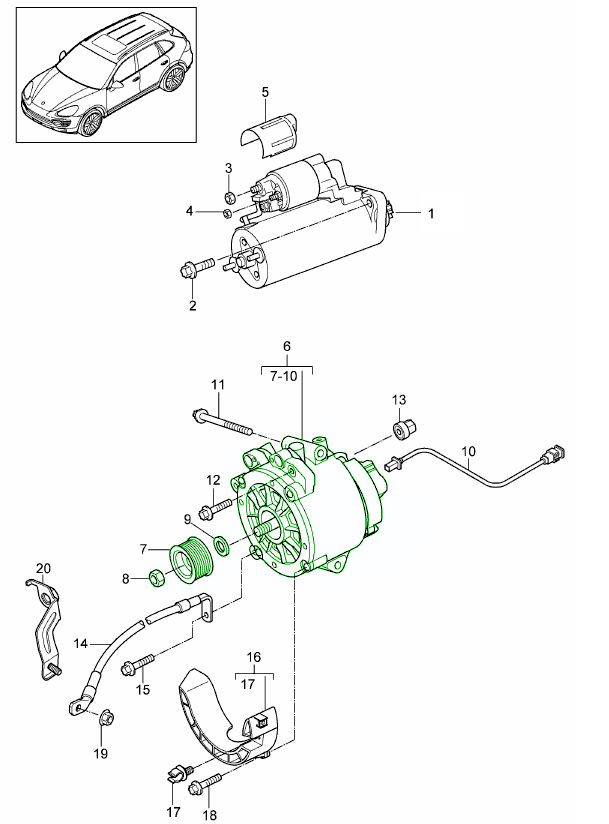
- Porsche 928 4.5L 1978-82
Alternatore ricondizionato da 90 ampere
Notare che:
Le unità ricondizionate vengono vendute su base di permuta. Verrà trattenuto un supplemento di £ 175,00 che verrà poi rimborsato alla restituzione del vecchio modello.
Adatto a:
Porsche Porsche 928 4,5 litri 1978-1982
Per veicoli con corrente principale a 12 V,
Ampere: 90 A
Collegamenti: 2 Stud (B+, W) e spade (D+)
Tipo di ventola e puleggia: (E) Ventola, puleggia fissa a V singola
Punti di fissaggio: 2
D+ = Spia luminosa
Schema rif. n. 6
Notare che:
Gli alternatori ricondizionati vengono venduti su base di permuta. Verrà trattenuto un supplemento di £ 150,00 che verrà poi rimborsato alla restituzione del vecchio alternatore.
- Il sovrapprezzo per questa parte ricondizionata verrà rimborsato quando l'unità sostitutiva sarà ricevuta e approvata da noi e dal produttore interessato.
- Si prega di notare che i rimborsi dei sovrapprezzi spesso richiedono in media dalle 6 alle 8 settimane per essere approvati dal produttore.
- L'accettazione del pezzo sostitutivo è a discrezione del produttore, in base all'idoneità del pezzo al ricondizionamento.
- Tutti i supplementi e i cambi sono soggetti ai nostri termini e condizioni.
NOTARE CHE:
Numeri di riferimento correlati
Numeri correlati, sostituiti, riferimenti incrociati o alternativi per il confronto.
92860311303
Il prodotto che stai visualizzando fa riferimento a questi numeri

- Porsche Boxster 718 2.0L Manual (300 Bhp)
- Porsche Boxster 718 2.0L PDK (300 Bhp)
- Porsche Boxster S 718 2.5L Manual (350 Bhp)
- Porsche Boxster S 718 2.5L PDK (350 Bhp)
- Porsche Boxster T 718 2.0L Manual (300 Bhp)
- Porsche Boxster T 718 2.0L PDK (300 Bhp)
- Porsche Boxster GTS 718 2.5L Manual (365 Bhp)
- Porsche Boxster GTS 718 2.5L PDK (365 Bhp)
- Porsche Cayman 718 2.0L Manual (300Bhp)
- Porsche Cayman 718 2.0L PDK (300Bhp)
- Porsche Cayman S 718 2.5L Manual (350Bhp)
- Porsche Cayman S 718 2.5L PDK (350Bhp)
- Porsche Cayman T 718 2.0L Manual (300Bhp)
- Porsche Cayman T 718 2.0L PDK (300 Bhp)
- Porsche Cayman GTS 718 2.5L Manual (365 Bhp)
- Porsche Cayman GTS 718 2.5L PDK (365 Bhp)
Le unità ricondizionate vengono vendute su base di permuta. Verrà trattenuto un supplemento di £ 175,00 che verrà poi rimborsato alla restituzione del vecchio modello.
Adatto a:
Porsche 718 Boxster 2.0 litri 2017-2022
Porsche 718 Boxster S 2.5 litri 2017-2022
Porsche 718 Cayman 2.0Ltr 2017-2022
Porsche 718 Cayman S 2.5Ltr 2017-2022
Per veicoli con corrente principale a 12 V,
Corrente di carica dell'alternatore: 210 ampere
ID tipo di spina:
Tipo di spina: terminale a spina, perno (B+) e spina a 1 pin (LIN)
Tipo di ventola e puleggia: puleggia della frizione PV6
Schema rif. n. 6
Notare che:
Gli alternatori ricondizionati vengono venduti su base di permuta. Verrà trattenuto un supplemento di £ 150,00 che verrà poi rimborsato alla restituzione del vecchio alternatore.
- Il sovrapprezzo per questa parte ricondizionata verrà rimborsato quando l'unità sostitutiva sarà ricevuta e approvata da noi e dal produttore interessato.
- Si prega di notare che i rimborsi dei sovrapprezzi spesso richiedono in media dalle 6 alle 8 settimane per essere approvati dal produttore.
- L'accettazione del pezzo sostitutivo è a discrezione del produttore, in base all'idoneità del pezzo al ricondizionamento.
- Tutti i supplementi e i cambi sono soggetti ai nostri termini e condizioni.
NOTARE CHE:
Numeri di riferimento correlati
Numeri correlati, sostituiti, riferimenti incrociati o alternativi per il confronto.
0PB903018A
Il prodotto che stai visualizzando fa riferimento a questi numeri

- Porsche 911 1965-1968 2.0L / 912 SWB (F)
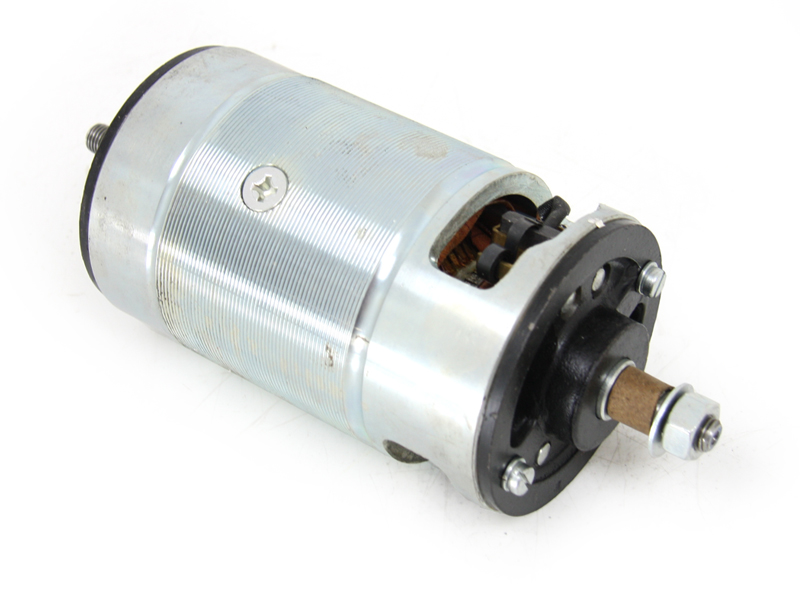
Le unità ricondizionate vengono vendute su base di permuta. Verrà trattenuto un supplemento di £ 55,00 che verrà poi rimborsato alla restituzione del vecchio modello.
Adatto a:
Porsche 912 1965-69
Riferimento diagramma n. 1
- NOTARE CHE:
- Il sovrapprezzo per questa parte ricondizionata verrà rimborsato quando l'unità sostitutiva sarà ricevuta e approvata da noi e dal produttore interessato.
- Si prega di notare che i rimborsi dei sovrapprezzi spesso richiedono in media dalle 6 alle 8 settimane per essere approvati dal produttore.
- L'accettazione del pezzo sostitutivo è a discrezione del produttore, in base all'idoneità del pezzo al ricondizionamento.
- Tutti i supplementi e i cambi sono soggetti ai nostri termini e condizioni.
Numeri di riferimento correlati
Numeri correlati, sostituiti, riferimenti incrociati o alternativi per il confronto.
61660311200
Il prodotto che stai visualizzando fa riferimento a questi numeri
- Porsche Boxster 986 2.5L 1997-99
- Porsche Boxster 986 2.7L 1999-02
- Porsche Boxster S 986 3.2L 1999-02
- Porsche Boxster 986 2.7L 2003-04
- Porsche Boxster S 986 3.2L 2003-04
- Porsche 911 1984-1986 3.2L
- Porsche 911 1987-1989 3.2L G50
- Porsche 964 (911) C2 1989-93
- Porsche 964 (911) C4 1989-93
- Porsche 964 (911) TURBO 3.3L 1991-93
- Porsche 964 (911) TURBO 3.6L 1991-93
- Porsche 993 (911) C2 1994-97
- Porsche 993 (911) C4 1994-97
- Porsche 993 (911) RS 1994-97
- Porsche 993 (911) C2S 1994-97
- Porsche 993 (911) C4S 1994-97
- Porsche 993 (911) TURBO 1994-96
- Porsche 993 (911) GT2 1994-97
- Porsche 993 (911) TURBO S 1994-97
- Porsche 996 C2 3.4L 1997-08/01
- Porsche 996 C4 3.4L 1997-08/01
- Porsche 996 C2 3.6L 09/01-2005
- Porsche 996 C4 3.6L 09/01-2005
- Porsche 996 C4S 3.6L 09/01-2005
- Porsche 996 TURBO 2000-05
- Porsche 996 GT2 2001-05
- Porsche 996 GT3 MKI 1999-02
- Porsche 996 GT3 MKII 2003>>
- Porsche 996 GT3 RS 2003-04
- Porsche 968 3.0L 1992-94
- Porsche 968 Sport 3.0L 1994-95
- Porsche 968 CS 3.0L 1993-95
- Porsche 968 Turbo S 3.0L 1993-94
- Porsche 928 4.5L 1978-82
- Porsche 928S 4.7L 1981-83
- Porsche 928S2 4.7L 1984-86
- Porsche 928S4 5.0L 1987-92
- Porsche 928GT 5.0L 1989-91
- Porsche 928GTS 5.4L 1992-95
Si adatta:
Porsche 964 1989-94
Porsche 993 1994-98
Porsche 986 Boxster 1997-02
Porsche 968 1992-95
Porsche 996
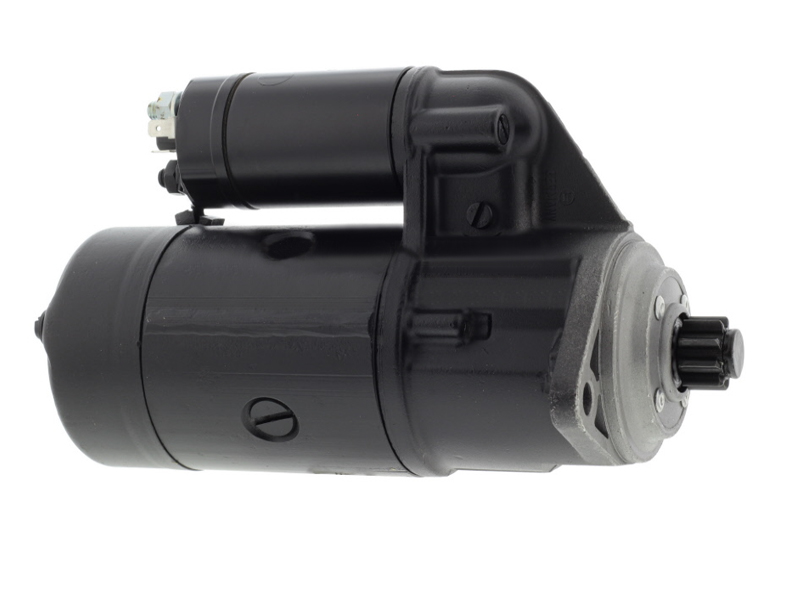

- Porsche 911 1965-1968 2.0L / 912 SWB (F)
- Porsche 911 1968-1973 2.2L / 2.4L / 2.7L RS LWB (F)
Le unità ricondizionate vengono vendute su base sostitutiva, verrà trattenuto un supplemento di £ 175,00 che verrà rimborsato al momento della restituzione del vecchio.
Si adatta:
Porsche 911 2.0L / 2.2L 1965-71
Tensione: 12 V,
Fai clic su "Ingrandisci" per il diagramma delle parti di grandi dimensioni.
Diagramma rif. 1
Notare che:
Gli alternatori ricondizionati vengono venduti su base sostitutiva, verrà trattenuto un supplemento di £ 175,00 che verrà rimborsato alla restituzione del vecchio.
- Il supplemento per questa parte ricondizionata sarà rimborsato quando l'unità sostitutiva verrà ricevuta e approvata da noi e dal relativo produttore.
- Tieni presente che i rimborsi dei supplementi spesso richiedono in media dalle 6 alle 8 settimane per essere approvati dal produttore.
- L'accettazione della parte sostitutiva è a discrezione del produttore, in base all'idoneità della parte per il ricondizionamento.
- Tutti i supplementi e gli scambi sono soggetti ai nostri termini e condizioni.
NOTARE CHE:
Numeri di riferimento correlati
Numeri correlati, sostituiti, riferimenti incrociati o alternativi per il confronto.
90160410203
Il prodotto che stai visualizzando fa riferimento a questi numeri
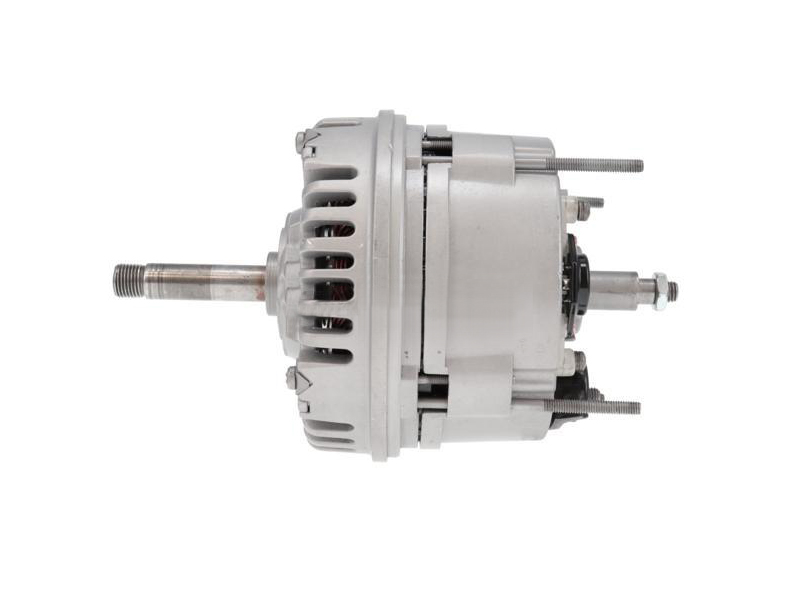
- Porsche 964 (911) C2 1989-93
- Porsche 964 (911) C4 1989-93
- Porsche 964 (911) RS 3.6L 1991-93
- Porsche 964 (911) RS 3.8L 1991-93
- Porsche 964 (911) TURBO 3.3L 1991-93
- Porsche 964 (911) TURBO 3.6L 1991-93
- Porsche 993 (911) C2 1994-97
- Porsche 993 (911) C4 1994-97
- Porsche 993 (911) RS 1994-97
- Porsche 993 (911) C2S 1994-97
- Porsche 993 (911) C4S 1994-97
- Porsche 993 (911) TURBO 1994-96
- Porsche 993 (911) GT2 1994-97
- Porsche 993 (911) TURBO S 1994-97
Le unità ricondizionate vengono vendute su base di permuta. Verrà trattenuto un supplemento di £ 650,00 che verrà poi rimborsato alla restituzione del vecchio modello.
Adatto a:
Porsche 964 1989-94
Porsche 993 1994-98
Gli alternatori ricondizionati vengono venduti su base di permuta. Verrà trattenuto un supplemento che verrà poi rimborsato al momento della restituzione del vecchio alternatore.
Seleziona qui sotto.
- NOTARE CHE:
- Il sovrapprezzo per questa parte ricondizionata verrà rimborsato quando l'unità sostitutiva sarà ricevuta e approvata da noi e dal produttore interessato.
- Si prega di notare che i rimborsi dei sovrapprezzi spesso richiedono in media dalle 6 alle 8 settimane per essere approvati dal produttore.
- L'accettazione del pezzo sostitutivo è a discrezione del produttore, in base all'idoneità del pezzo al ricondizionamento.
- Tutti i supplementi e i cambi sono soggetti ai nostri termini e condizioni.
Numeri di riferimento correlati
Numeri correlati, sostituiti, riferimenti incrociati o alternativi per il confronto.
96460315601
Il prodotto che stai visualizzando fa riferimento a questi numeri
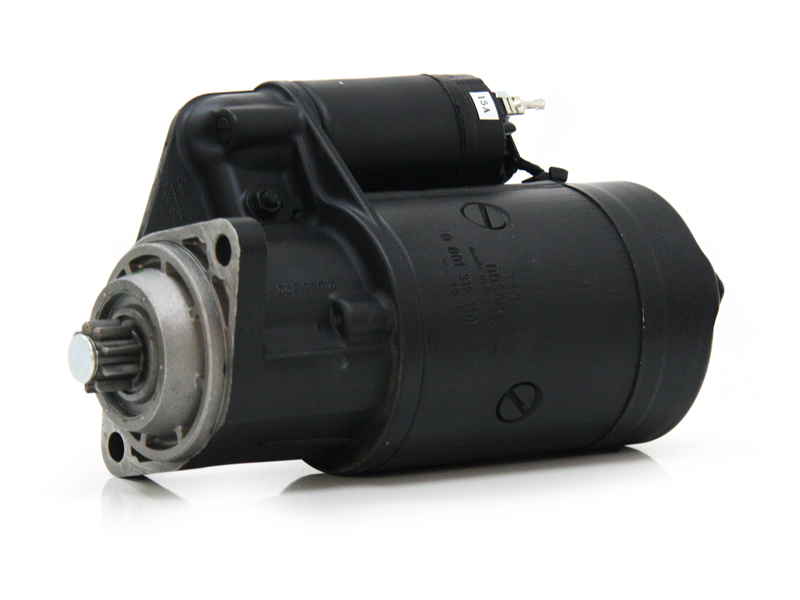
- Porsche 911 1968-1973 2.2L / 2.4L / 2.7L RS LWB (F)
- Porsche 911 1974-1977 2.7L / 1976-77 3.0 Carrera
- Porsche 911 1978-1983 3.0L / SC
- Porsche 911 1975-1977 3.0L Turbo (930)
Motorino di avviamento ricondizionato.
Si adatta:
Porsche 911 Carrera RS 2.7L 1973
Porsche 911 2.7L 1974-77
Porsche 911 SC 3.0L 1978-83
Porsche 911 Turbo 3.0L 1975-77
Notare che:
I motorini di avviamento ricondizionati vengono venduti su base sostitutiva, verrà trattenuto un supplemento di £ 175,00 che verrà rimborsato alla restituzione del vecchio.
- Il supplemento per questa parte ricondizionata sarà rimborsato quando l'unità sostitutiva verrà ricevuta e approvata da noi e dal relativo produttore.
- Tieni presente che i rimborsi dei supplementi spesso richiedono in media dalle 6 alle 8 settimane per essere approvati dal produttore.
- L'accettazione della parte sostitutiva è a discrezione del produttore, in base all'idoneità della parte per il ricondizionamento.
- Tutti i supplementi e gli scambi sono soggetti ai nostri termini e condizioni.
NOTARE CHE:
Numeri di riferimento correlati
Numeri correlati, sostituiti, riferimenti incrociati o alternativi per il confronto.
91160410103
Il prodotto che stai visualizzando fa riferimento a questi numeri
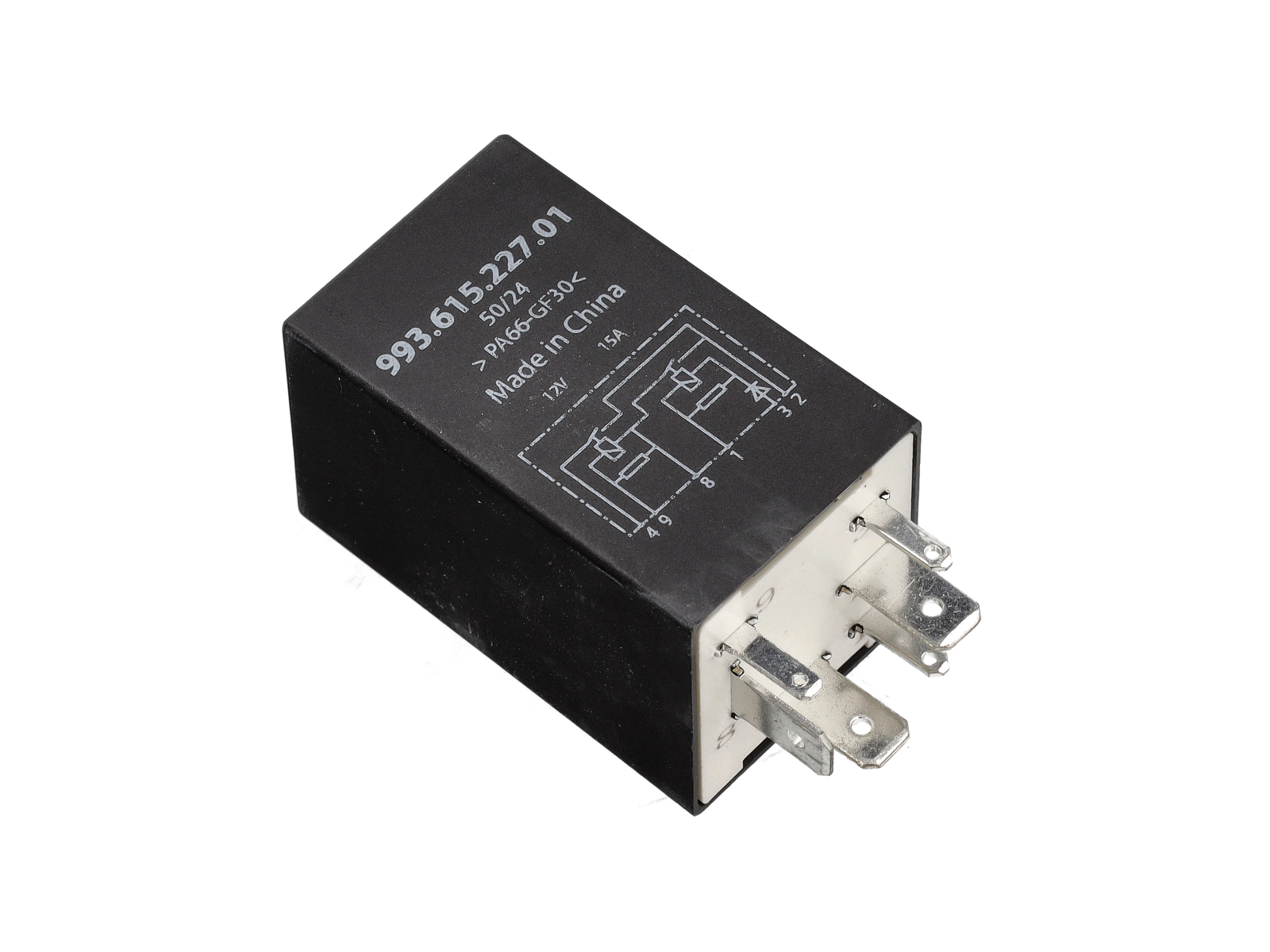
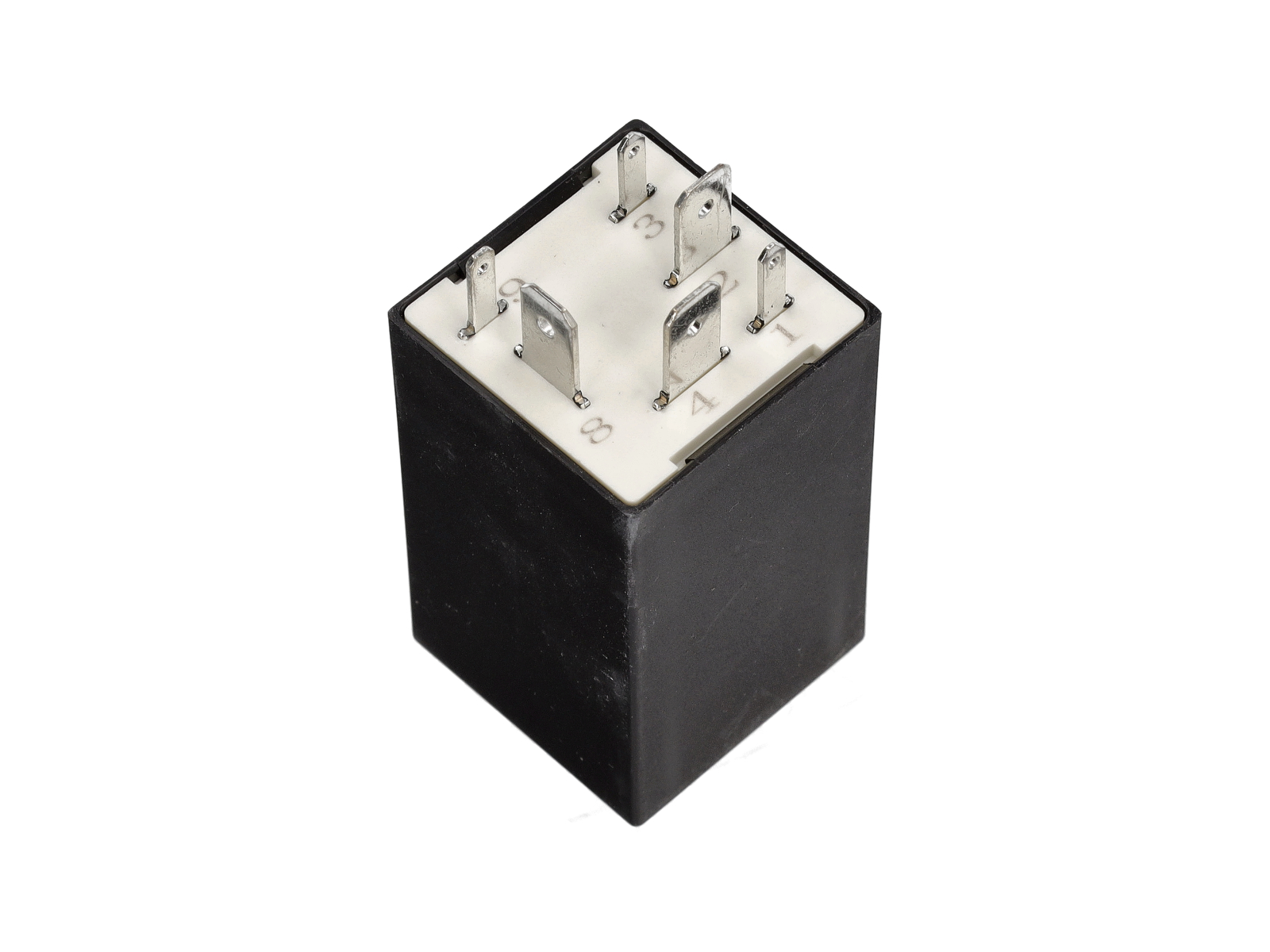
- Porsche 964 (911) C2 1989-93
- Porsche 964 (911) C4 1989-93
- Porsche 964 (911) RS 3.6L 1991-93
- Porsche 964 (911) RS 3.8L 1991-93
- Porsche 964 (911) TURBO 3.3L 1991-93
- Porsche 964 (911) TURBO 3.6L 1991-93
- Porsche 993 (911) C2 1994-97
- Porsche 993 (911) C4 1994-97
- Porsche 993 (911) RS 1994-97
- Porsche 993 (911) C2S 1994-97
- Porsche 993 (911) C4S 1994-97
- Porsche 993 (911) TURBO 1994-96
- Porsche 993 (911) GT2 1994-97
- Porsche 993 (911) TURBO S 1994-97
- Porsche 924S 2.5L 1986-87
- Porsche 924S 2.5L 1988
- Porsche 944 2.5L 8V 1982-87
- Porsche 944 2.7L 8V 1988-89
- Porsche 944S 2.5L 16V 1987-88
- Porsche 944S2 3.0L 16V 1989-91
- Porsche 944 Turbo 2.5L 8V 1985-88
- Porsche 944 Turbo 2.5L 8V 1989-91
- Porsche 944 Turbo S 2.5L 8V 1988
- Porsche 968 3.0L 1992-94
- Porsche 968 Sport 3.0L 1994-95
- Porsche 968 CS 3.0L 1993-95
- Porsche 968 Turbo S 3.0L 1993-94
Adatto a:
Porsche 924 1986-88
Porsche 944 1982-91
Porsche 964 1989-94
Porsche 968 1992-95
Porsche 993 1994-97
* Prima di ordinare, controlla e verifica che il codice del relè della tua auto corrisponda.
Numeri di riferimento correlati
Numeri correlati, sostituiti, riferimenti incrociati o alternativi per il confronto.
99361522702
Il prodotto che stai visualizzando fa riferimento a questi numeri
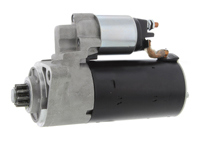

- Porsche 957 Cayenne S/GTS 4.8L 2007-10
- Porsche 957 Cayenne Turbo / Turbo S 4.8L 2007-10
Motorino di avviamento ricondizionato.
Si adatta:
Porsche 957 Cayenne 4.8L GTS / Turbo S 17.10.2008 - 2010
Con motore:
M905541 >> (ID5V)
MG 9 4965 >> (IE0W)
M901689 >> (ID5Z)
MT 9 01788 >> (IE8A)
MS 9 00562 >> (IE81)
Per veicoli con corrente principale 12V,
Potenza motorino di avviamento: 2,0 kW,
Tensione: 12 V,
Numero di fori di montaggio: 2,
Numero di denti: 10
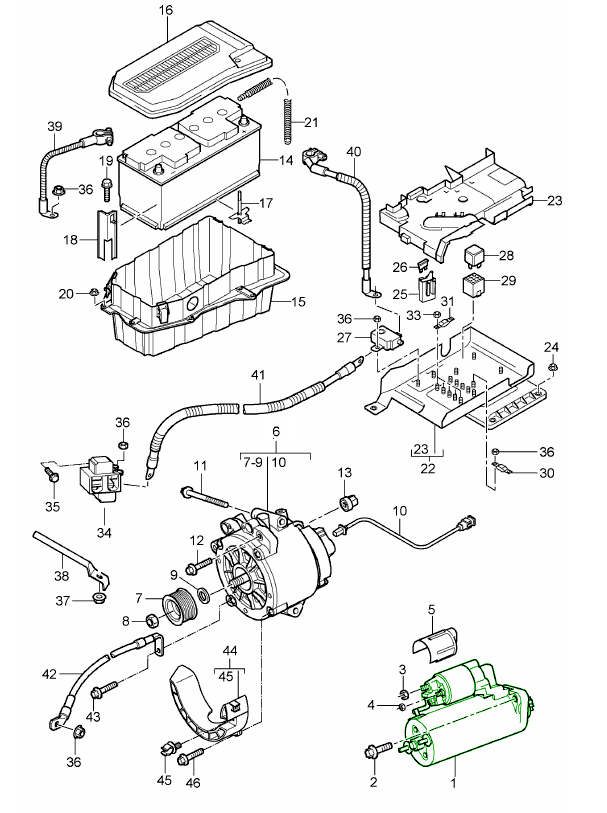
Fai clic su "Ingrandisci" per il diagramma delle parti di grandi dimensioni.
Diagramma rif. 1
Notare che:
Gli alternatori ricondizionati vengono venduti su base sostitutiva, verrà trattenuto un supplemento di £ 84,00 che verrà rimborsato alla restituzione del vecchio.
- Il supplemento per questa parte ricondizionata sarà rimborsato quando l'unità sostitutiva verrà ricevuta e approvata da noi e dal relativo produttore.
- Tieni presente che i rimborsi dei supplementi spesso richiedono in media dalle 6 alle 8 settimane per essere approvati dal produttore.
- L'accettazione della parte sostitutiva è a discrezione del produttore, in base all'idoneità della parte per il ricondizionamento.
- Tutti i supplementi e gli scambi sono soggetti ai nostri termini e condizioni.
NOTARE CHE:
Numeri di riferimento correlati
Numeri correlati, sostituiti, riferimenti incrociati o alternativi per il confronto.
94860420601
Il prodotto che stai visualizzando fa riferimento a questi numeri
- Porsche 970.1 Panamera V6 3.6L 2WD 2009-13
- Porsche 970.1 Panamera 4 V6 3.6L 4WD 2009-13
- Porsche 970.1 Panamera S V8 4.8L 2009-13
- Porsche 970.1 Panamera 4S V8 4.8L 2009-13
- Porsche 970.1 Panamera GTS V8 4.8L 2011-13
- Porsche 970.1 Panamera Turbo V8 4.8L 2009-13
- Porsche 970.1 Panamera Turbo S V8 4.8L 2009-13
- Porsche 970.2 Panamera V6 3.6L 2WD (310Hp) 2014-16
- Porsche 970.2 Panamera 4 V6 3.6L 4WD (310Hp) 2014-16
- Porsche 970.2 Panamera S V6 Turbo 3.0L 2WD (420Hp) 2014-16
- Porsche 970.2 Panamera S V6 Turbo 3.0L 2WD Executive 2014-16
- Porsche 970.2 Panamera 4S V6 Turbo 3.0L 4WD (420Hp) 2014-16
- Porsche 970.2 Panamera 4S V6 Turbo 3.0L 4WD Executive 2014-16
- Porsche 970.2 Panamera GTS V8 4.8L 4WD (440Hp) 2014-16
- Porsche 970.2 Panamera Turbo V8 4.8L (520Hp) 2014-16
- Porsche 970.2 Panamera Turbo V8 Executive 2014-16
- Porsche 970.2 Panamera Turbo S V8 4.8L 2014-16
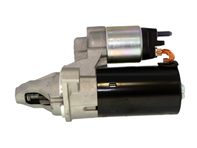
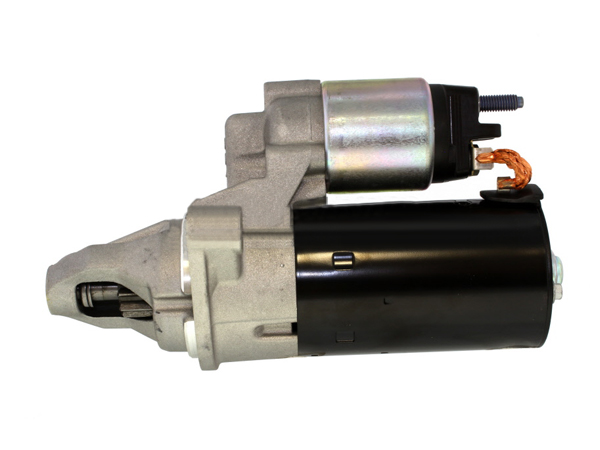
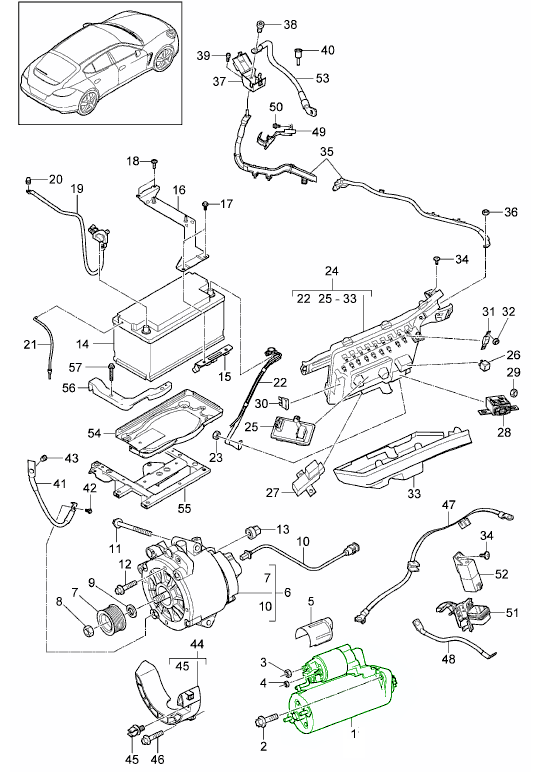
Motorino di avviamento ricondizionato.
Si adatta:
Per vetture SENZA funzione Start/Stop (-I642)
Porsche 970 Panamera/S 2012-16
Porsche 970 Panamera GTS 2013-16
Porsche 970 Panamera Turbo 2011-16
Per veicoli con corrente principale 12V,
Potenza motorino di avviamento: 1,4 kW,
Tensione: 12 V,
Numero di fori di montaggio: 2,
Numero denti: 9/10
Fai clic su "Ingrandisci" per il diagramma delle parti di grandi dimensioni.
Diagramma rif. 1
Notare che:
Gli alternatori ricondizionati vengono venduti su base sostitutiva, verrà trattenuto un supplemento di £ 84,00 che verrà rimborsato alla restituzione del vecchio.
- Il supplemento per questa parte ricondizionata sarà rimborsato quando l'unità sostitutiva verrà ricevuta e approvata da noi e dal relativo produttore.
- Tieni presente che i rimborsi dei supplementi spesso richiedono in media dalle 6 alle 8 settimane per essere approvati dal produttore.
- L'accettazione della parte sostitutiva è a discrezione del produttore, in base all'idoneità della parte per il ricondizionamento.
- Tutti i supplementi e gli scambi sono soggetti ai nostri termini e condizioni.
NOTARE CHE:
Numeri di riferimento correlati
Numeri correlati, sostituiti, riferimenti incrociati o alternativi per il confronto.
94860420800
Il prodotto che stai visualizzando fa riferimento a questi numeri

- Porsche 944S2 3.0L 16V 1989-91
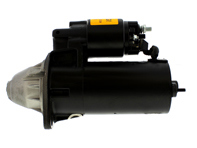
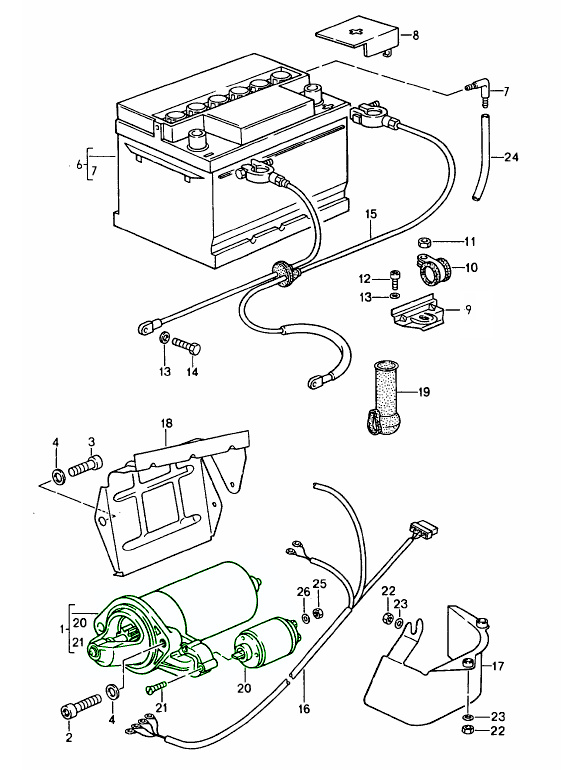
Motorino di avviamento ricondizionato.
Si adatta:
Porsche 944 1989-91
Per Auto con motorino di avviamento 1.7kW (M198)
Per veicoli con corrente principale 12V,
Potenza di avviamento: 1,7 kW,
Tensione: 12 V,
Numero di fori di montaggio: 2,
Numero di denti: 9
Fai clic su "Ingrandisci" per il diagramma delle parti di grandi dimensioni.
Diagramma rif. 1
Notare che:
Gli alternatori ricondizionati vengono venduti su base sostitutiva, verrà trattenuto un supplemento di £ 84,00 che verrà rimborsato alla restituzione del vecchio.
- Il supplemento per questa parte ricondizionata sarà rimborsato quando l'unità sostitutiva verrà ricevuta e approvata da noi e dal relativo produttore.
- Tieni presente che i rimborsi dei supplementi spesso richiedono in media dalle 6 alle 8 settimane per essere approvati dal produttore.
- L'accettazione della parte sostitutiva è a discrezione del produttore, in base all'idoneità della parte per il ricondizionamento.
- Tutti i supplementi e gli scambi sono soggetti ai nostri termini e condizioni.
NOTARE CHE:
Numeri di riferimento correlati
Numeri correlati, sostituiti, riferimenti incrociati o alternativi per il confronto.
95160410200
Il prodotto che stai visualizzando fa riferimento a questi numeri