




Enter your VAT number here and click Verify:
Your details have been verified. VAT number registered to:
,
.
Your order will now be zero rated for VAT purposes. We reserve the right to verify these details after your order request has been made and reinstate VAT if required.
Your VAT details were not recognised or were invalid. Your VAT number must be matched to your Billing Country as specified above. This is currently specified as . You do not need to enter the country code part of your VAT number as this has already been selected in your billing address details above.
The VAT number checking service is currently offline. Please supply your VAT details within the comments or special instructions field below and we will apply a VAT discount after placing your order request.



- Porsche 955 Cayenne 3.2L V6 2003-06
- Porsche 955 Cayenne S 4.5L V8 2003-06
- Porsche 955 Cayenne Turbo 4.5L 2003-06
- Porsche 955 Cayenne Turbo S 4.5L 2006>>
- Porsche 957 Cayenne 3.0L Diesel 2007-10
- Porsche 957 Cayenne 3.6L 2007-10
- Porsche 957 Cayenne S / GTS 4.8L 2007-10
- Porsche 957 Cayenne Turbo / Turbo S 4.8L 2007-10
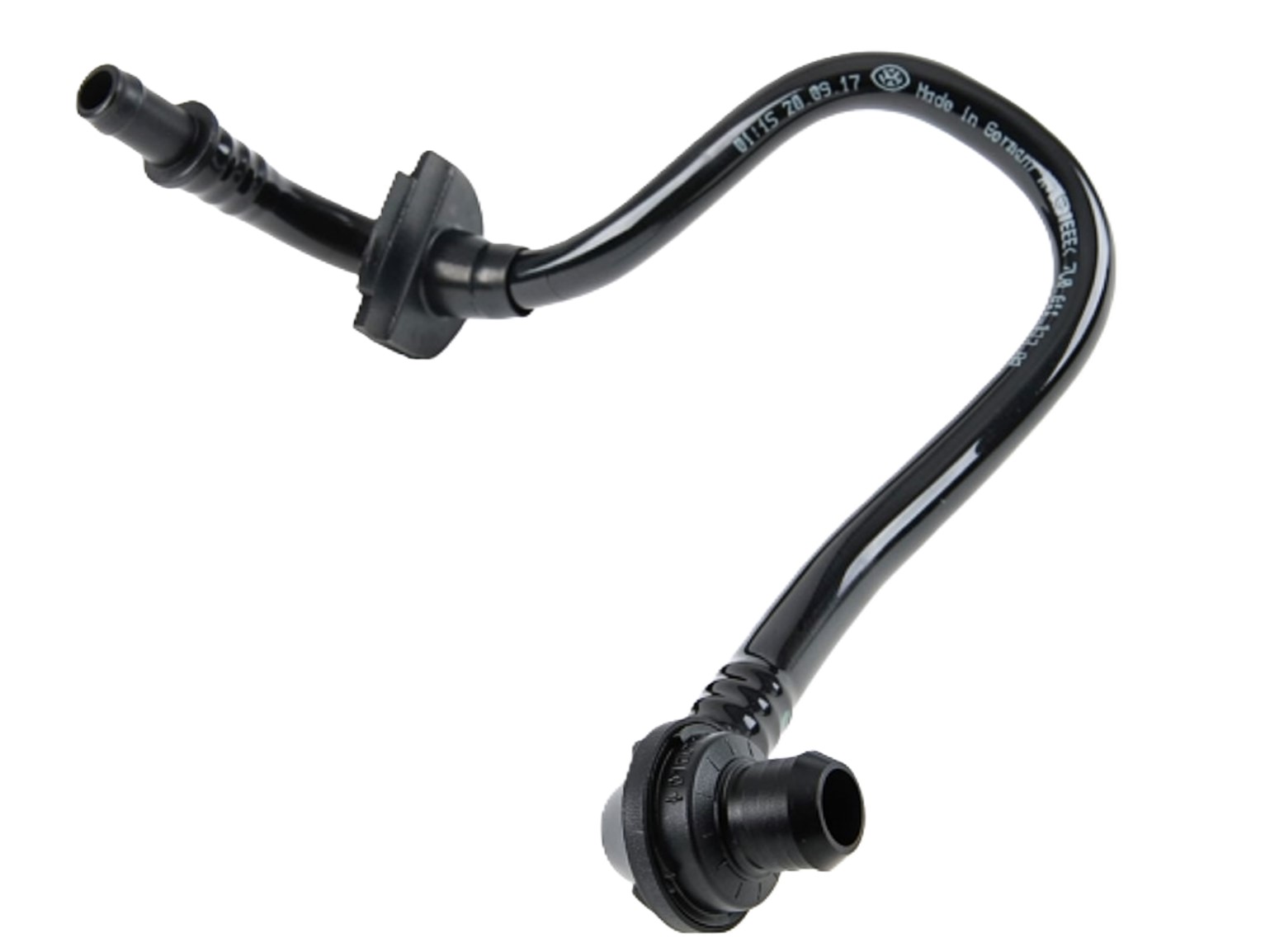
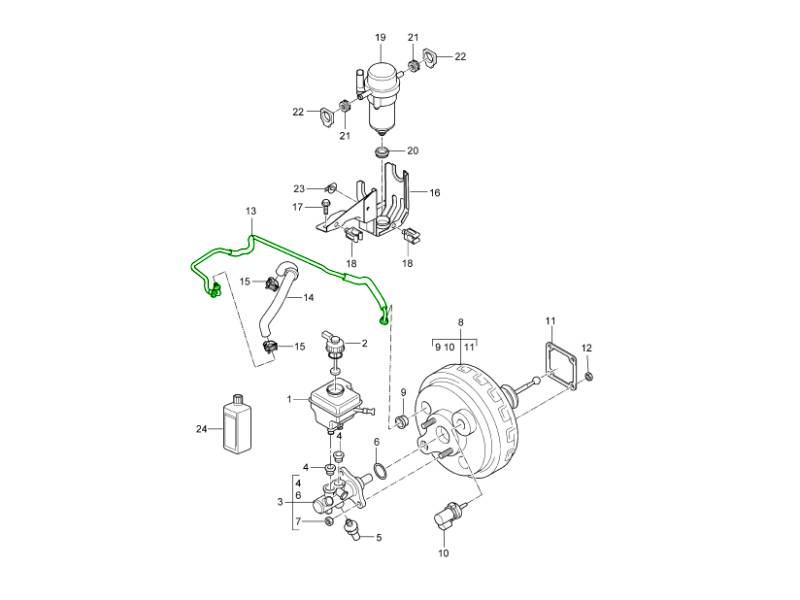
Brake Booster Vacuum Line, For Right Hand Drive (RHD).
The Porsche Brake Booster Vacuum Line is a genuine replacement vacuum pipe designed for right-hand-drive Porsche Cayenne models.
Fits:
Diagram Ref No 13
The line forms part of the brake servo system, carrying vacuum to the brake booster so that additional assistance can be applied when the driver presses the brake pedal.
A properly sealed vacuum line is essential for maintaining effective brake assistance. If the original pipe becomes cracked, damaged or develops a leak, the brake booster may not receive sufficient vacuum, resulting in increased pedal effort and reduced braking assistance.
This genuine Porsche replacement restores the correct vacuum connection and factory routing within the braking system.
What This Product Does:
The brake booster, also known as the brake servo, uses vacuum assistance to reduce the amount of physical force required from the driver when applying the brakes.
The vacuum line provides the connection through which vacuum reaches the brake booster.
Its primary functions include:
- Supplying vacuum to the brake booster
- Maintaining a sealed vacuum circuit
- Supporting power-assisted braking
- Reducing the amount of pedal effort required during braking
- Helping provide consistent brake pedal assistance
- Maintaining the correct factory routing of the vacuum system
- Connecting the brake servo to the relevant vacuum supply components
The vacuum line does not create braking pressure itself. Instead, it allows the brake booster to assist the hydraulic braking system.
Symptoms Of Wear Or Failure:
Vacuum lines can deteriorate through age, engine-bay heat, vibration and repeated pressure changes.
Common symptoms of a damaged or leaking brake booster vacuum line include:
- Brake pedal becoming unusually hard
- Increased effort required to stop the vehicle
- Reduced brake servo assistance
- Brakes feeling normal initially but becoming harder after repeated applications
- Hissing or sucking noise when the brake pedal is pressed
- Audible vacuum leak from the engine compartment
- Cracks or splits in the vacuum pipe
- Damaged or loose connections
- Vacuum hose becoming brittle or hardened
- Physical damage to the line
- Brake booster performance becoming inconsistent
- Vacuum-related fault codes where monitored by the vehicle
- Poor sealing around vacuum-line connections
A hard brake pedal can also be caused by a faulty brake booster, vacuum pump, non-return valve or related vacuum-system component, so correct diagnosis is recommended before replacement.
Why Replacement Matters:
The brake booster significantly reduces the physical effort required to apply the brakes.
If the vacuum line leaks or becomes disconnected, the booster may not receive enough vacuum to provide normal assistance. The hydraulic braking system may still operate, but substantially more pedal force can be required from the driver.
This can make the vehicle more difficult to stop comfortably and predictably, particularly during emergency braking or repeated brake applications.
A vacuum leak can also prevent the brake servo from storing or maintaining sufficient vacuum between braking events.
Replacing a damaged vacuum line helps restore:
- Correct brake booster vacuum supply
- Normal power-assisted braking
- Consistent brake pedal effort
- Reliable brake servo operation
- Proper sealing of the vacuum circuit
- Factory-correct hose routing and connections
Because this component forms part of the braking assistance system, cracks, leaks or damaged connections should not be ignored.
Related reference numbers
Related, superseded, cross reference or alternative numbers for comparison.
95535557805
The product you are viewing cross references to these numbers

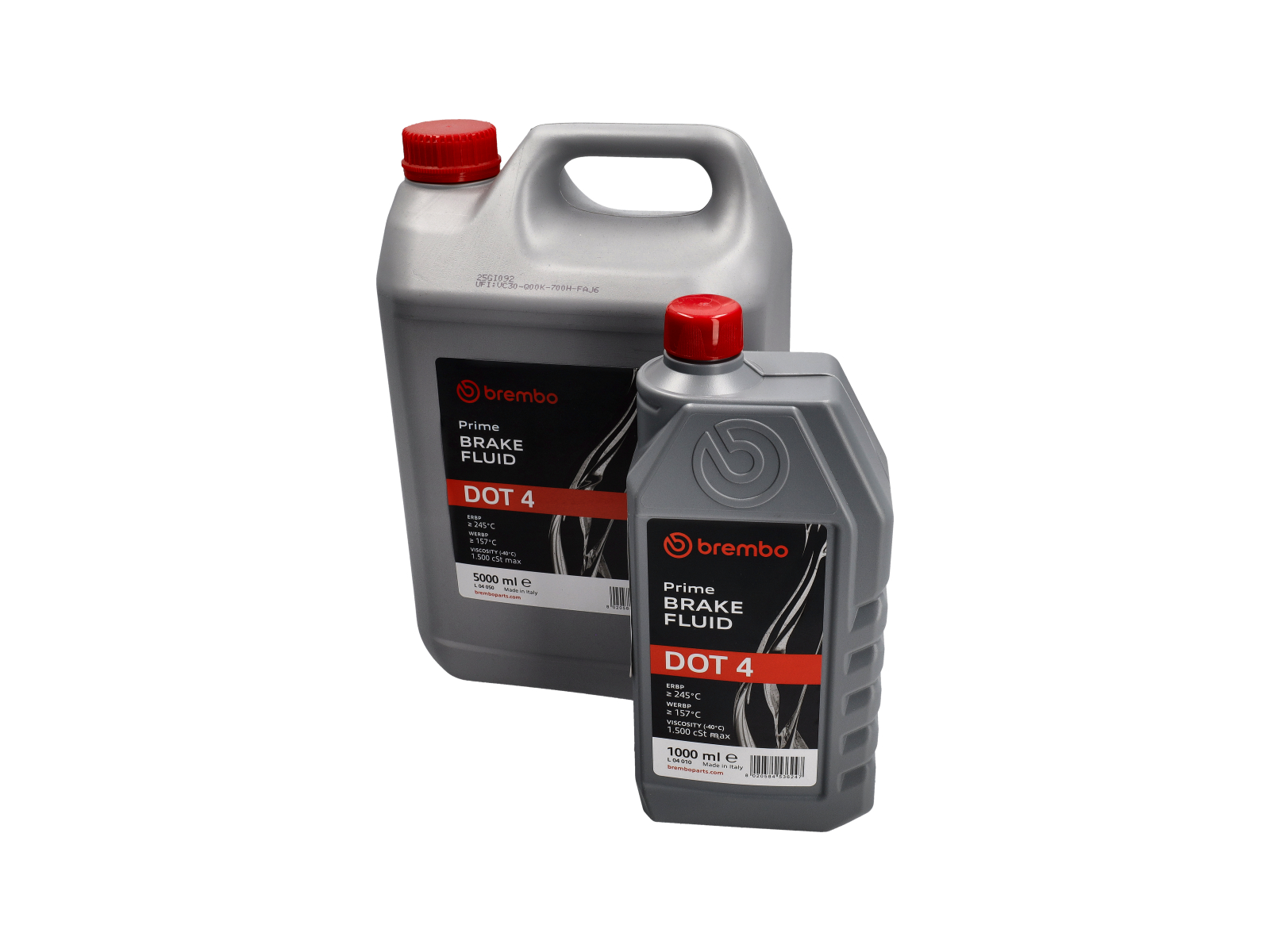
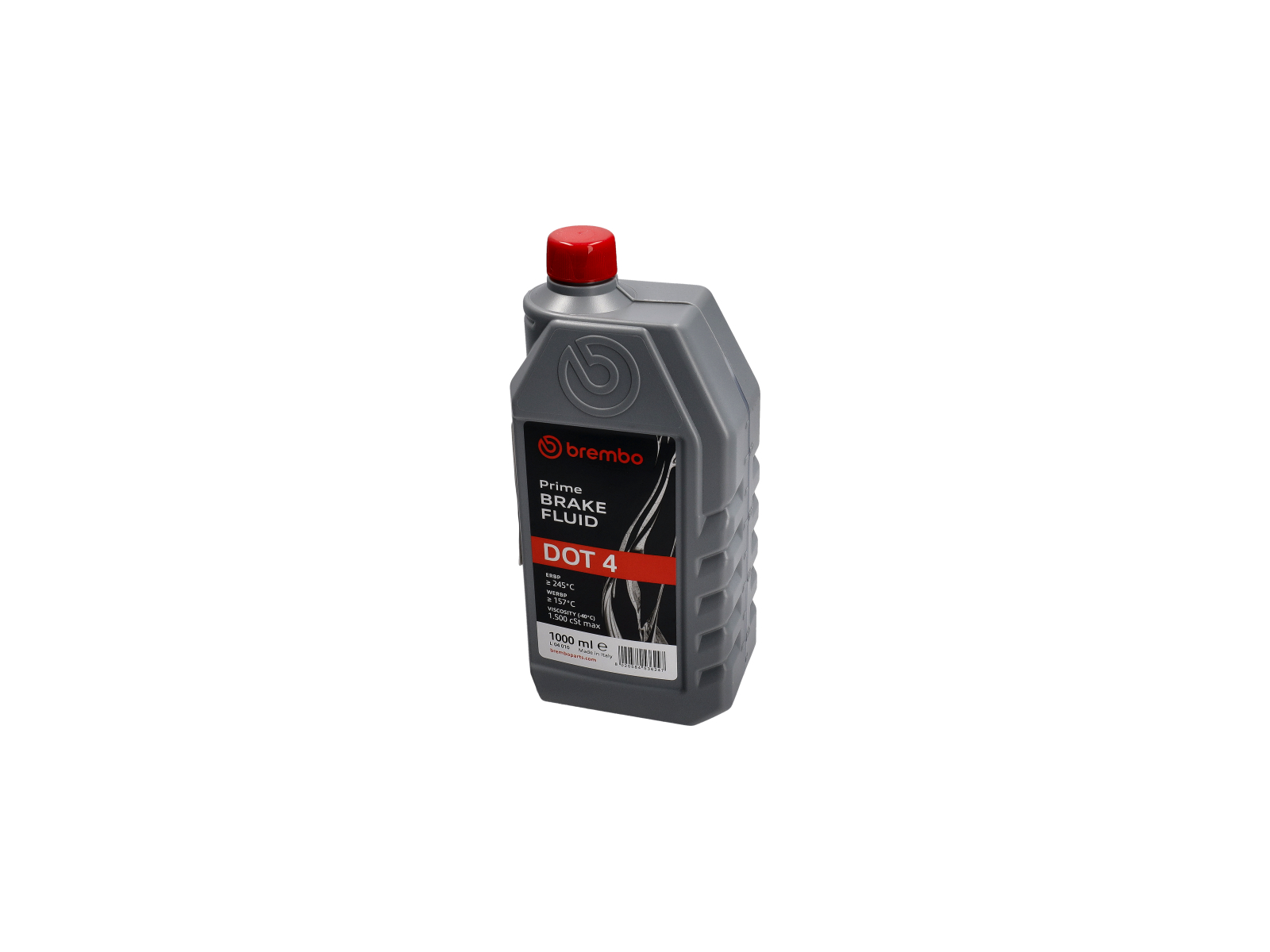
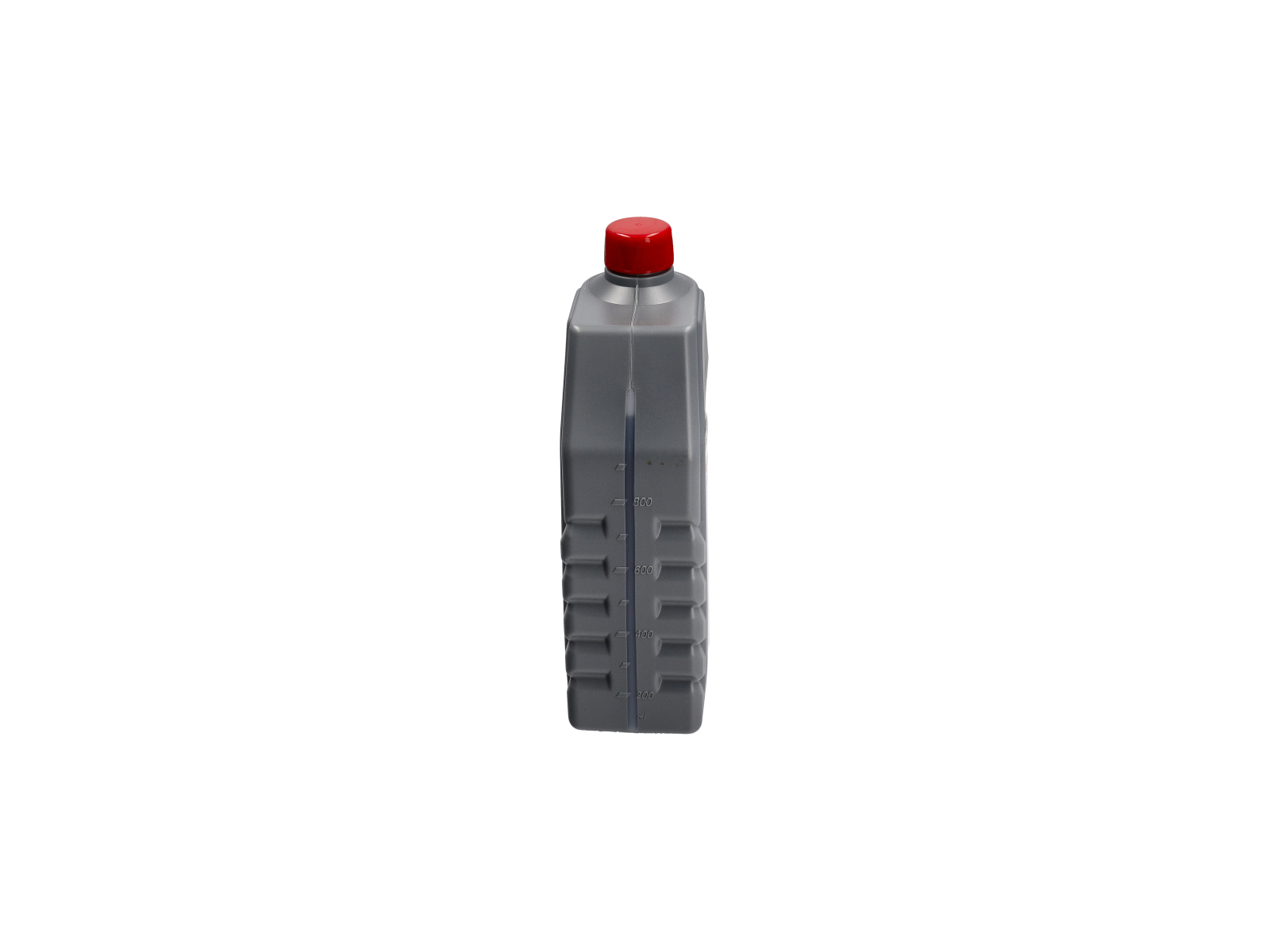
DOT 4
Having an extremely high boiling point and lower viscosity than required, it meets and greatly exceeds regulatory standards. Also suitable for vehicles with ABS.
Vapour Lock formation
This sort of habit leaves room for the Vapour Lock, the formation of vapour bubbles due to boiling of the brake fluid that replace the normal fluid and are compressed, thereby sending the brake pedal to its fill stoke (spongy pedal). The origin is incident in the porosity of the tubes that make up the braking circuit, which in time draw moisture into the fluid, drastically reducing the boiling point. The result is a reduced braking efficiency.
Brembo Premium Brake Fluid
Brembo Premium brake fluids have a higher boiling point that exceeds the standard, thus offering superior resistance to the Vapour Lock and ensuring braking efficiency even at low temperatures. With high anti-corrosion properties and resistance to oxidation, Brembo brake fluid also allows for long-term unaltered chemical/physical characteristics of the fluid in operating circuit; therefore, preserving its integrity.
Related reference numbers
Related, superseded, cross reference or alternative numbers for comparison.
L040
The product you are viewing cross references to these numbers

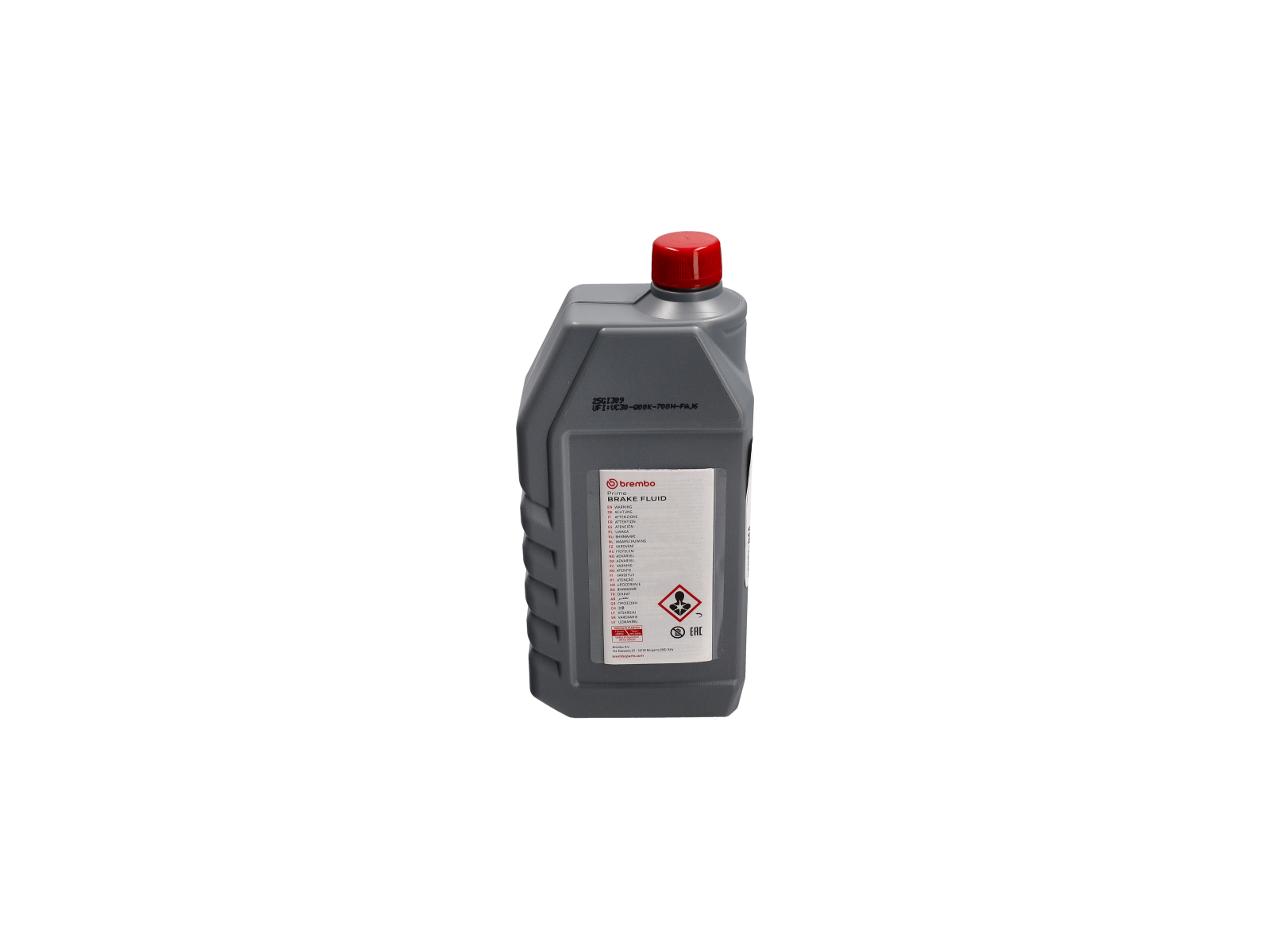
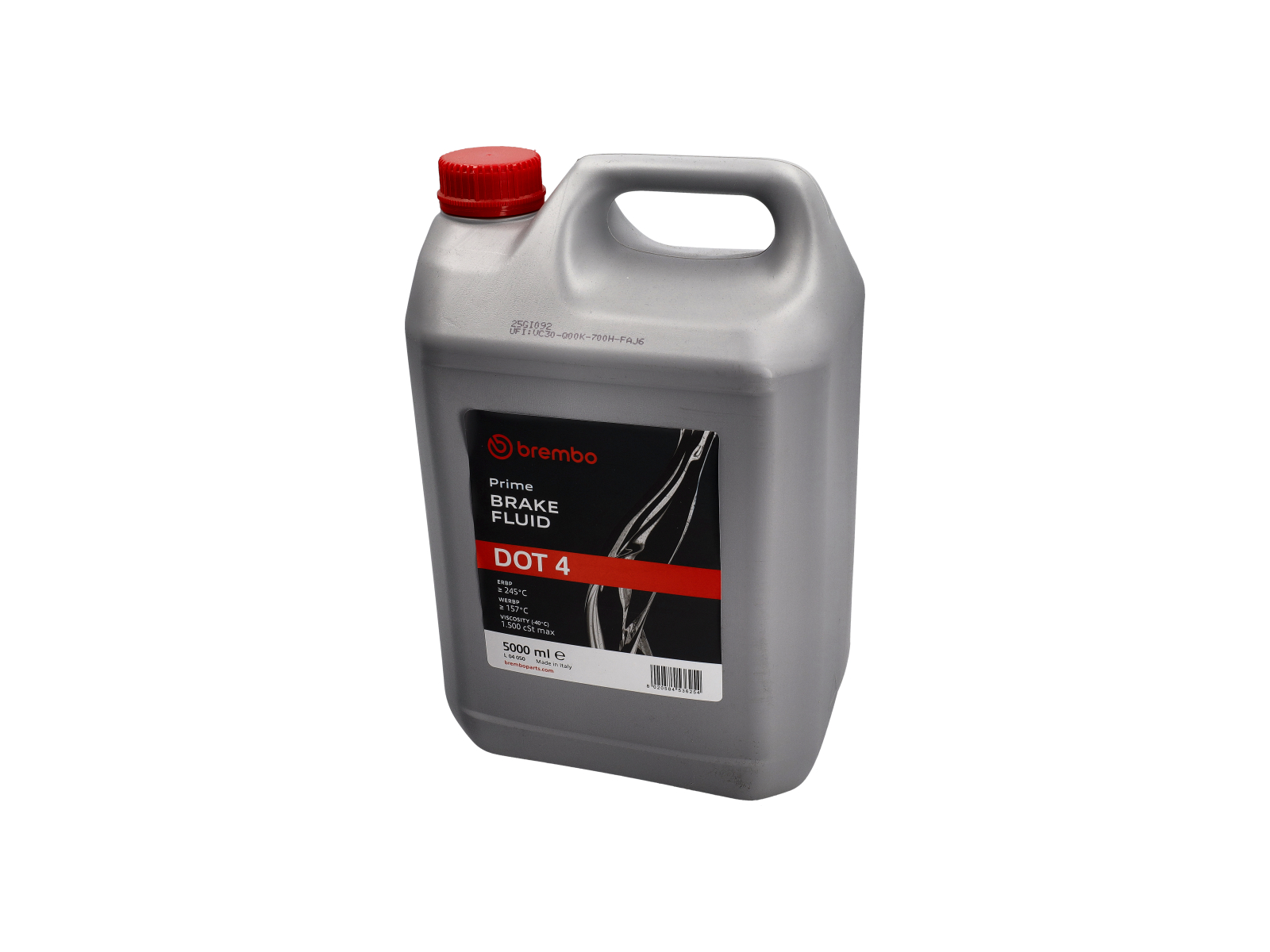
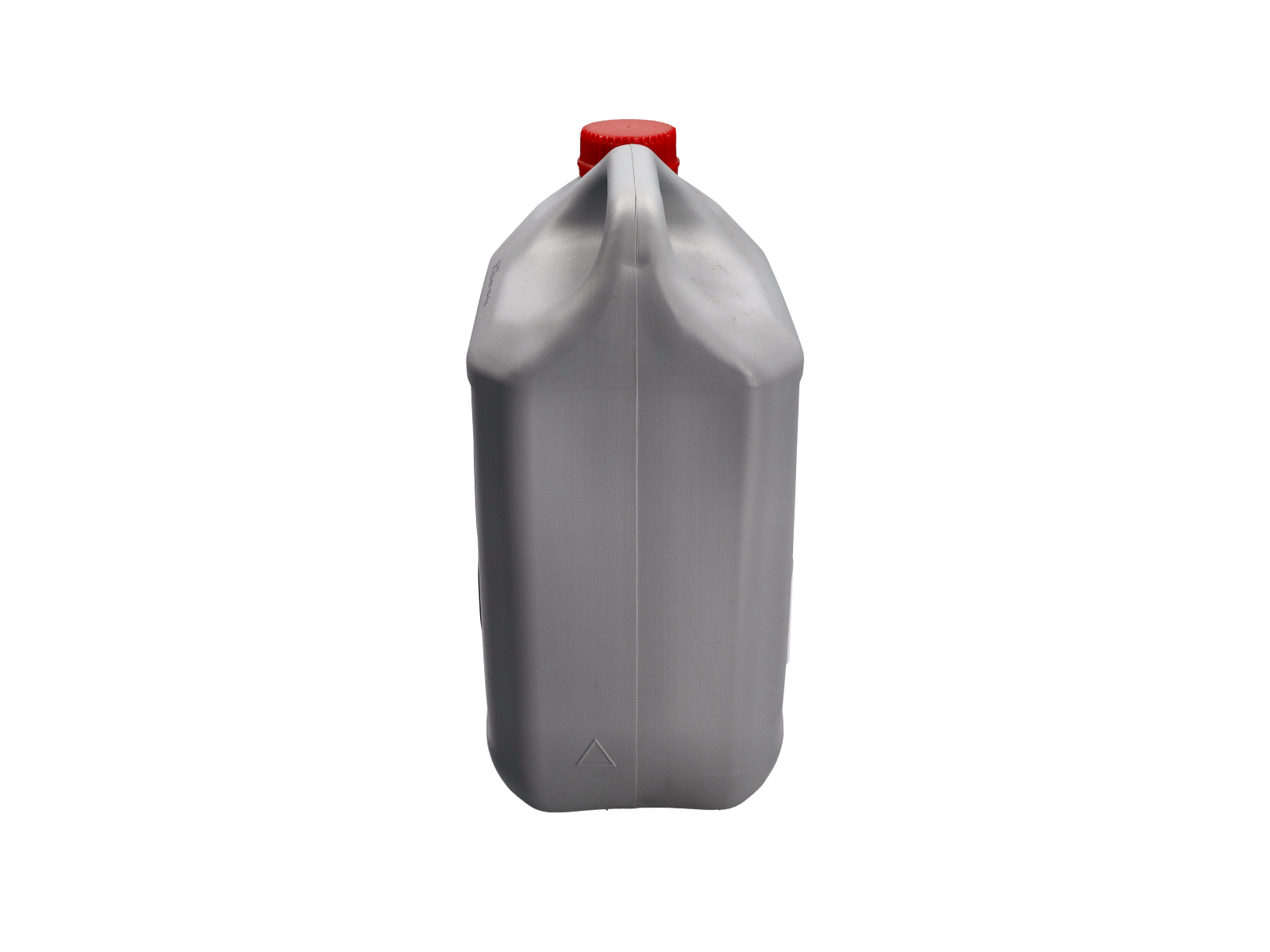
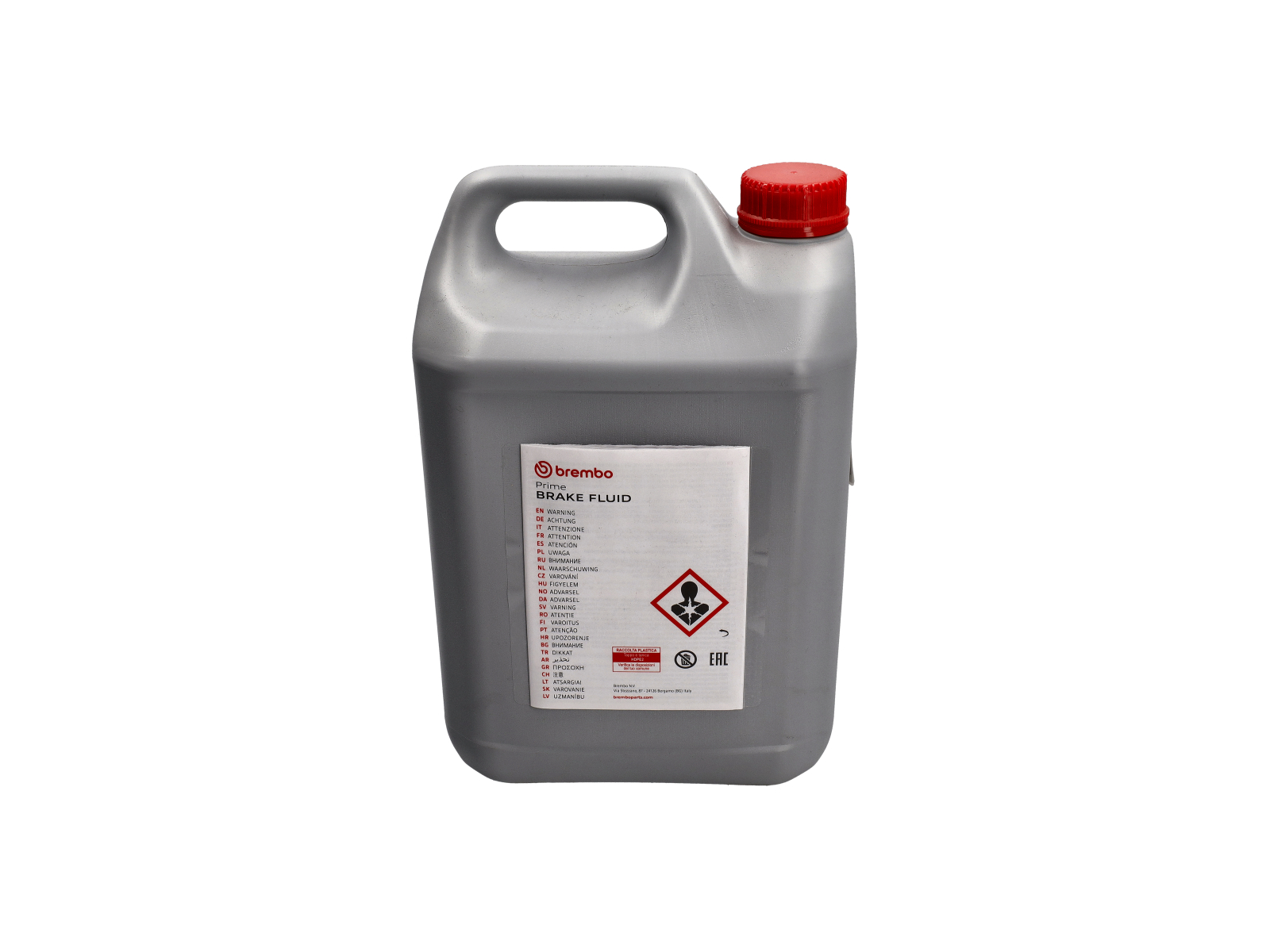


Brake fluid is one of the most important fluids in a car as without it, stopping the vehicle safely would be impossible. The Brake fluid transmits the force exerted by the driver on the brake pedal onto the wheel brake.
To ensure perfect operation of the brakes, the brake fluid must be changed regularly during inspection or maintenance and tested with the correct brake fluid tester.
Brake fluid should be changed every two years.
The higher the DOT class, the higher the boiling temperature and wet boiling point. Higher DOT classes tend to allow longer maintenance intervals. The DOT standards are based on the American FMVSS-116 standard of the Department of Transportation (DOT).
Boiling Point and Viscosity
Dry Boiling Point - describes the property of the sealed new brake fluid. In this state, the brake fluid is almost anhydrous (substance containing no water). The dry boiling point is usually between 240 and 280°C.
Wet Boiling Point - determines the property of the brake fluid at the end of its life cycle, at a water content of 3.5% the fluid should be replaced. This defined wet boiling point must not be undercut.
Viscosity - describes the flow rate of the brake fluid. The lower the viscosity, the faster the brake fluid flows through the brake system, and the faster the brake signals are transmitted.
Important Notes
• Brake fluid is poisonous and a hazardous waste.
• Be careful when changing. The fluid weakens paints and plastics.
• It must not come into contact with eyes or skin. Always rinse spilled liquid with water.
• Do not pour the liquid into drinking water or mix with used oil.
• The colour of the brake fluid reveals nothing about its quality.
• Brake fluid should be stored in its original packaging and in a dry, cool and well-ventilated place.
Find out about Textar product verification here
Related reference numbers
Related, superseded, cross reference or alternative numbers for comparison.
95002
The product you are viewing cross references to these numbers
.jpg)
.jpg)
.jpg)
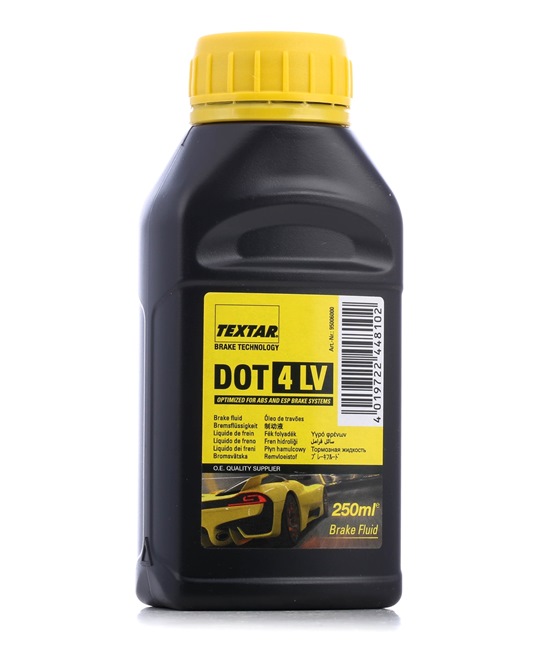
Brake fluid DOT 4 LV (Low Viscosity) Textar.
Textar DOT 4 LV (Low Viscosity) is especially recommended for use in hydraulic brake and clutch systems of vehicles fitted with ESP, ABS and ASR with a high boiling point and outstanding performance at very low temperatures.
DOT 4 LV (Low Viscosity)
Dry Boiling Point ≥ 260° C
Wet Boiling Point ≥ 165° C
Viscosity at -40C < 750 mm2 /s
Brake fluid is one of the most important fluids in a car as without it, stopping the vehicle safely would be impossible. The Brake fluid transmits the force exerted by the driver on the brake pedal onto the wheel brake.
To ensure perfect operation of the brakes, the brake fluid must be changed regularly during inspection or maintenance and tested with the correct brake fluid tester.
Brake fluid should be changed every two years.
The higher the DOT class, the higher the boiling temperature and wet boiling point. Higher DOT classes tend to allow longer maintenance intervals. The DOT standards are based on the American FMVSS-116 standard of the Department of Transportation (DOT).
Boiling Point and Viscosity
Dry Boiling Point - describes the property of the sealed new brake fluid. In this state, the brake fluid is almost anhydrous (substance containing no water). The dry boiling point is usually between 240 and 280°C.
Wet Boiling Point - determines the property of the brake fluid at the end of its life cycle, at a water content of 3.5% the fluid should be replaced. This defined wet boiling point must not be undercut. <
Viscosity - describes the flow rate of the brake fluid. The lower the viscosity, the faster the brake fluid flows through the brake system, and the faster the brake signals are transmitted.
Important Notes
• Brake fluid is poisonous and a hazardous waste.
• Be careful when changing. The fluid weakens paints and plastics.
• It must not come into contact with eyes or skin. Always rinse spilled liquid with water.
• Do not pour the liquid into drinking water or mix with used oil.
• The colour of the brake fluid reveals nothing about its quality.
• Brake fluid should be stored in its original packaging and in a dry, cool and well-ventilated place.
Find out about Textar product verification here
Related reference numbers
Related, superseded, cross reference or alternative numbers for comparison.
95006
The product you are viewing cross references to these numbers