
Your Vehicle
Porsche // 992 (911) MK2 2024>> // 992.2 Carrera 2S 3.0L 2024>>



Enter your VAT number here and click Verify:
Your details have been verified. VAT number registered to:
,
.
Your order will now be zero rated for VAT purposes. We reserve the right to verify these details after your order request has been made and reinstate VAT if required.
Your VAT details were not recognised or were invalid. Your VAT number must be matched to your Billing Country as specified above. This is currently specified as . You do not need to enter the country code part of your VAT number as this has already been selected in your billing address details above.
The VAT number checking service is currently offline. Please supply your VAT details within the comments or special instructions field below and we will apply a VAT discount after placing your order request.

- Porsche 911 1978-1983 3.0L / SC
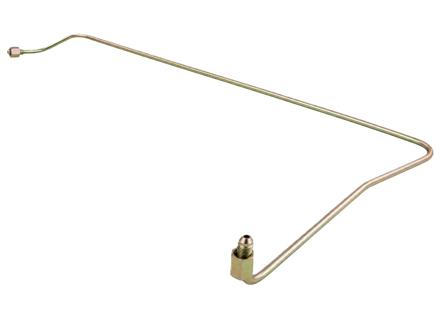
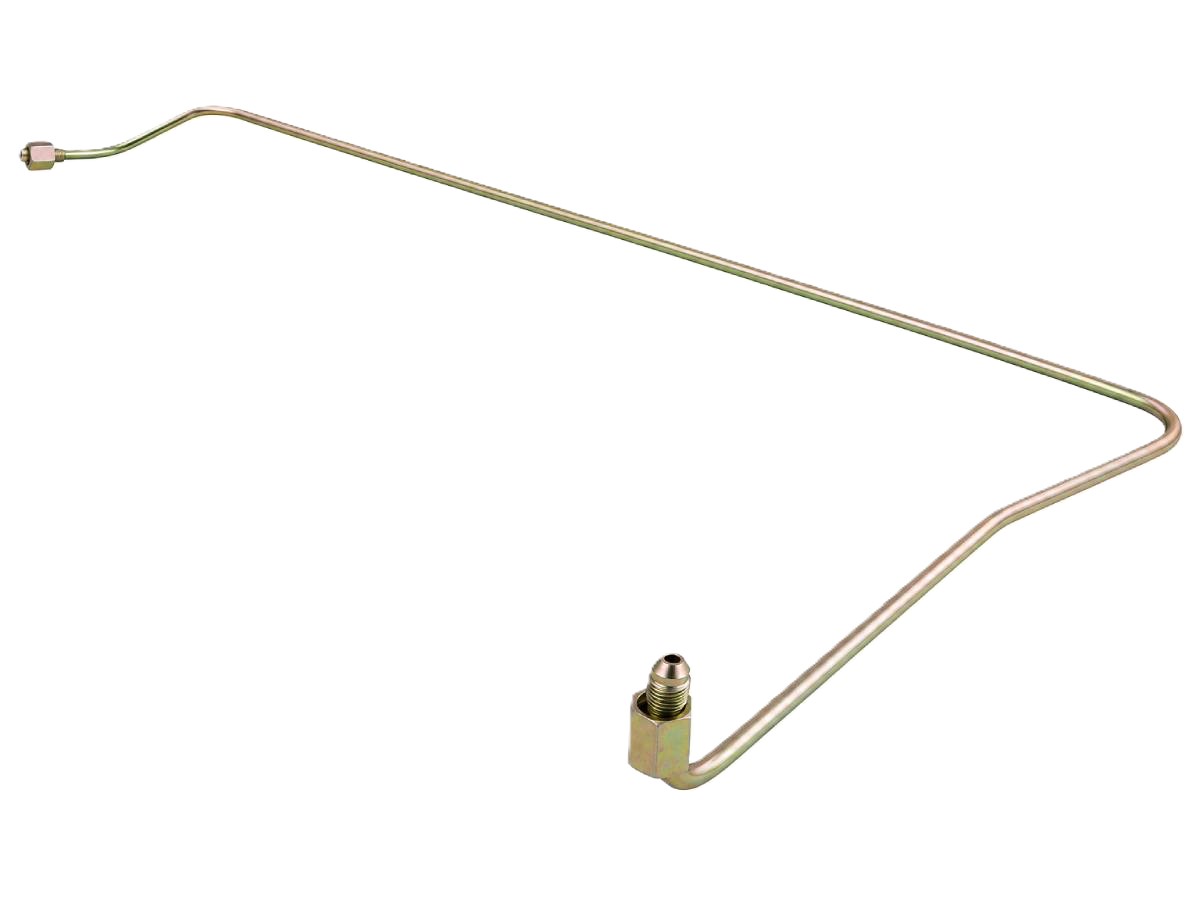
The Genuine Porsche Fuel Line (Part Number: 93011049501) is an original equipment fuel injection system component designed for selected Porsche 911 SC 3.0L models manufactured between 1981 and 1983.
Fits:
- Porsche 911 1981-1983 3.0L / SC
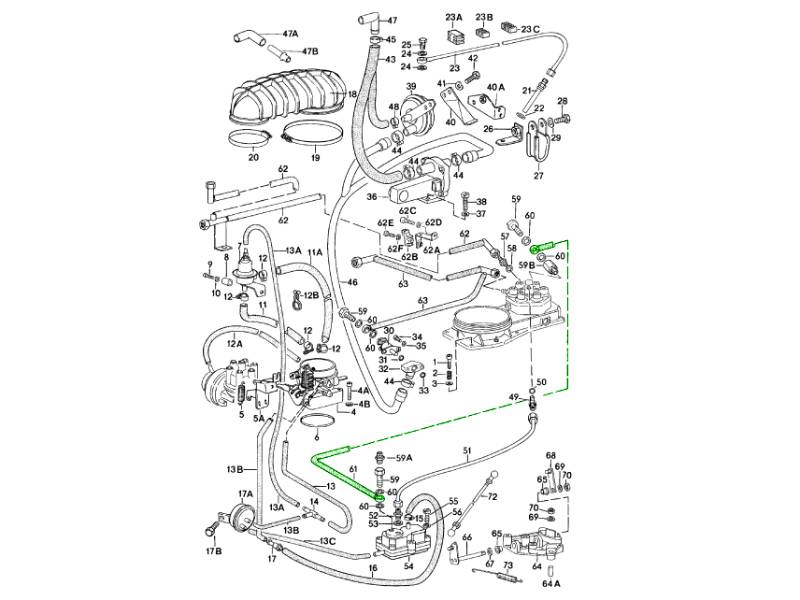
Diagram Ref No 61
Manufactured to Porsche's original equipment specifications, this fuel line forms part of the Bosch K-Jetronic Continuous Injection System (CIS), which controls the delivery of pressurised petrol to the engine.
The Porsche 911 SC uses a mechanical fuel injection arrangement that depends on accurately controlled fuel pressure, reliable fuel distribution and secure fuel line connections to maintain consistent engine operation.
The fuel line provides a dedicated passage within the injection system, allowing petrol to move between the relevant fuel system components while maintaining the pressure integrity required for correct operation.
Designed for the original Porsche 911 SC fuel injection configuration, the component helps preserve the routing and connection arrangement specified by Porsche.
Over time, original fuel lines can deteriorate due to repeated temperature changes, petrol exposure, engine vibration, corrosion and general ageing. Damaged pipework or weakened connections may allow fuel to escape or interfere with fuel delivery.
A leaking or restricted fuel line can contribute to fuel odours, starting difficulties, hesitation, irregular engine running or reduced performance.
More importantly, petrol escaping within the engine compartment presents a serious fire risk, particularly where fuel may contact hot exhaust or electrical components.
Replacing a damaged or deteriorated fuel line with a Genuine Porsche component helps restore the original fuel circuit, maintain secure fuel containment and protect the reliability of the engine's fuel injection system.
Ideal for Bosch CIS maintenance, fuel leak repairs, engine refurbishment and classic Porsche restoration projects, this Genuine Porsche Fuel Line provides a factory-specified replacement for compatible Porsche 911 SC models.
What This Product Does:
The fuel line is an essential component of the Porsche 911 SC's Bosch K-Jetronic mechanical fuel injection system.
Its primary function is to transport petrol through the appropriate section of the fuel injection circuit while maintaining secure connections and the intended fuel pressure conditions.
Unlike modern electronically pulsed fuel injection systems, Bosch K-Jetronic uses continuous mechanical fuel distribution to supply the engine's injectors.
The fuel system relies on a network of pipes, pressure-control components and injection valves to ensure that fuel reaches the engine in the correct manner.
The fuel line helps maintain an uninterrupted passage through its designated part of this system.
Its main functions include:
- Transporting petrol: Provides the necessary passage for fuel to move between the connected injection system components.
- Maintaining fuel pressure integrity: Helps preserve the sealed fuel circuit required for correct mechanical injection operation.
- Supporting fuel distribution: Forms part of the system responsible for delivering petrol through the engine's injection arrangement.
- Preventing fuel leakage: Correctly fitted pipework and connections help keep petrol contained within the system.
- Supporting reliable engine starting: Helps maintain the fuel supply conditions required during start-up.
- Maintaining smooth engine operation: Supports consistent fuel delivery during idling and normal driving.
- Supporting acceleration: Provides an unrestricted passage for fuel during changing engine operating conditions.
- Maintaining correct factory routing: Follows the original Porsche fuel line arrangement.
- Supporting injection system reliability: Helps preserve the correct operation of the connected fuel injection components.
- Preserving original specifications: Maintains the fuel line configuration intended for the applicable Porsche 911 SC engine.
The fuel line itself does not regulate fuel pressure or independently meter fuel. These functions are performed by the fuel distributor, warm-up regulator and other components within the CIS system.
Symptoms Of Wear Or Failure:
The Porsche 911 SC fuel injection system operates with pressurised petrol, making the condition of its fuel lines particularly important.
On classic vehicles, decades of heat exposure, engine vibration and ageing can contribute to deterioration of fuel-carrying components.
Common symptoms of a worn or damaged fuel line include:
- Strong petrol smell: A damaged pipe or leaking connection may allow petrol vapour to escape into the engine compartment.
- Visible fuel leakage: Petrol may be visible around the pipe, fittings or associated connections.
- Dampness around fuel fittings: Wet or stained areas near the fuel line connections may indicate seepage.
- Difficulty starting the engine: Significant fuel delivery or pressure problems may affect starting performance.
- Extended engine cranking: Pressure loss or restricted fuel delivery may contribute to prolonged starting.
- Rough engine idling: Irregular fuel delivery may affect combustion consistency.
- Engine hesitation: Fuel flow problems may become noticeable during acceleration.
- Poor performance under load: A restricted fuel passage may interfere with the engine's fuel requirements.
- Intermittent engine stalling: Severe fuel supply interruptions may cause the engine to stop unexpectedly.
- Visible pipe corrosion: Corrosion may weaken metal pipework or associated fittings.
- Cracked or deteriorated sections: Ageing materials or mechanical stress may compromise the fuel line.
- Damaged connection fittings: Worn threads, distorted sealing surfaces or loose unions may cause leakage.
- Kinked or crushed pipework: Physical deformation may restrict normal fuel flow.
- Abrasion damage: Incorrect routing or loose mounting hardware may allow the line to rub against surrounding components.
- Fuel system pressure irregularities: Leaks or restrictions may produce abnormal pressure readings during diagnostic testing.
- Visible damage during maintenance: Removal of surrounding engine components may reveal deterioration that was previously difficult to inspect.
Why Replacement Matters:
Replacing a damaged or ageing fuel line is important for maintaining safe and reliable operation of the Porsche 911 SC's mechanical fuel injection system.
A leaking fuel line can allow pressurised petrol to escape into the engine compartment, creating a significant fire hazard.
Even a small leak should be addressed promptly because fuel may reach hot engine or exhaust components.
A restricted fuel line may also interfere with fuel delivery and contribute to starting difficulties, hesitation or poor running.
Installing a Genuine Porsche replacement Fuel Line helps to:
- Restore secure fuel containment: Replace leaking or damaged pipework to help prevent petrol escaping.
- Improve engine compartment safety: Reduce the risk associated with fuel leakage near hot components.
- Maintain fuel pressure integrity: Support the sealed fuel circuit required for Bosch CIS operation.
- Restore reliable fuel delivery: Replace restricted or damaged pipework that interferes with fuel flow.
- Support consistent engine starting: Help maintain the fuel supply conditions required during start-up.
- Improve idle and running quality: Address fuel delivery problems caused by a confirmed defective line.
- Reduce petrol odours: Eliminate fuel smells resulting from a leaking pipe or connection.
- Prevent further deterioration: Replace corroded or mechanically damaged components before complete failure.
- Maintain correct factory fitment: Restore the original Porsche fuel line routing and connection arrangement.
- Protect surrounding components: Reduce unwanted exposure to petrol within the engine compartment.
- Support CIS servicing: Provide replacement pipework during fuel injection system repairs.
- Preserve vehicle originality: Maintain the factory fuel injection arrangement.
- Support classic Porsche restoration: Replace ageing fuel system components during engine refurbishment.
- Maintain Genuine Porsche quality: Use an original equipment component intended for the applicable vehicle.
Replacement is particularly recommended when inspection confirms corrosion, cracking, damaged fittings, fuel seepage or physical deformation.
When carrying out fuel system repairs, other ageing fuel lines, connection fittings and associated sealing components should also be inspected.
Related reference numbers
Related, superseded, cross reference or alternative numbers for comparison.
93011049501
The product you are viewing cross references to these numbers