
Your Vehicle
Porsche // Panamera 970 MK1 (2009-2013) // 970.1 Panamera Diesel V6 3.0L 2011-13




Enter your VAT number here and click Verify:
Your details have been verified. VAT number registered to:
,
.
Your order will now be zero rated for VAT purposes. We reserve the right to verify these details after your order request has been made and reinstate VAT if required.
Your VAT details were not recognised or were invalid. Your VAT number must be matched to your Billing Country as specified above. This is currently specified as . You do not need to enter the country code part of your VAT number as this has already been selected in your billing address details above.
The VAT number checking service is currently offline. Please supply your VAT details within the comments or special instructions field below and we will apply a VAT discount after placing your order request.


- Porsche 911 1987-1989 3.2L G50
- Porsche 911 1978-1989 3.3L Turbo (930)
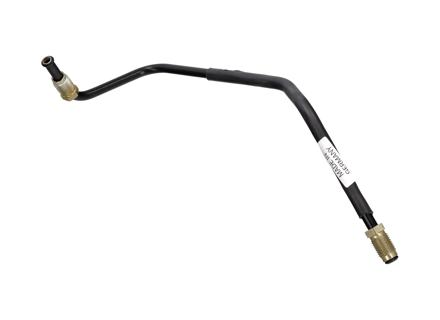
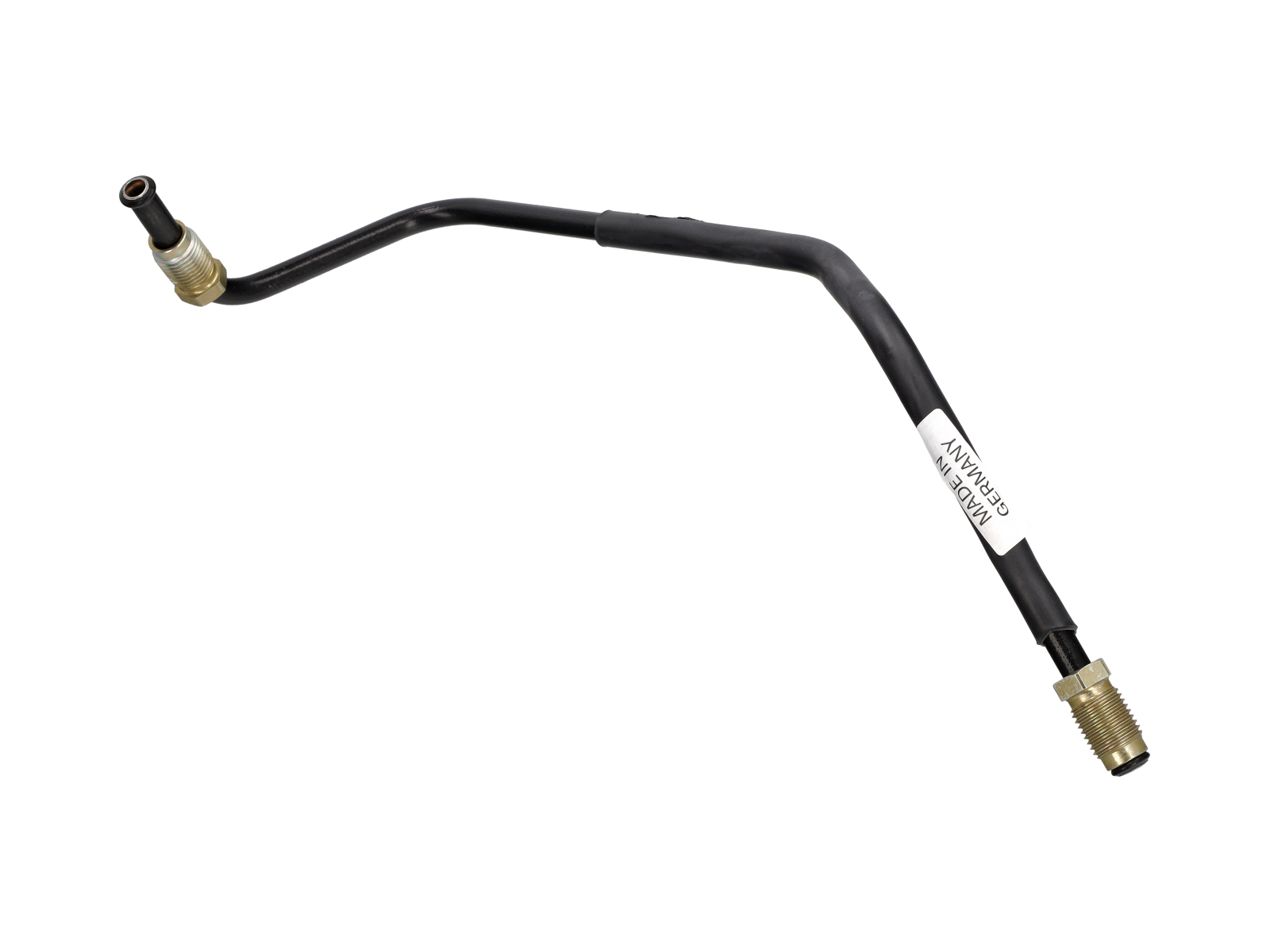
The Genuine Porsche Hydraulic Clutch Pipe, RHD (Part Number: 91142319800) is an original equipment clutch hydraulic system component designed for selected right-hand-drive Porsche 911 Carrera and 911 Turbo models equipped with a hydraulically operated manual clutch.
Fits:
- Porsche 911 1987-1989 3.2L G50
- Porsche 911 1987-1989 3.3L Turbo (930)
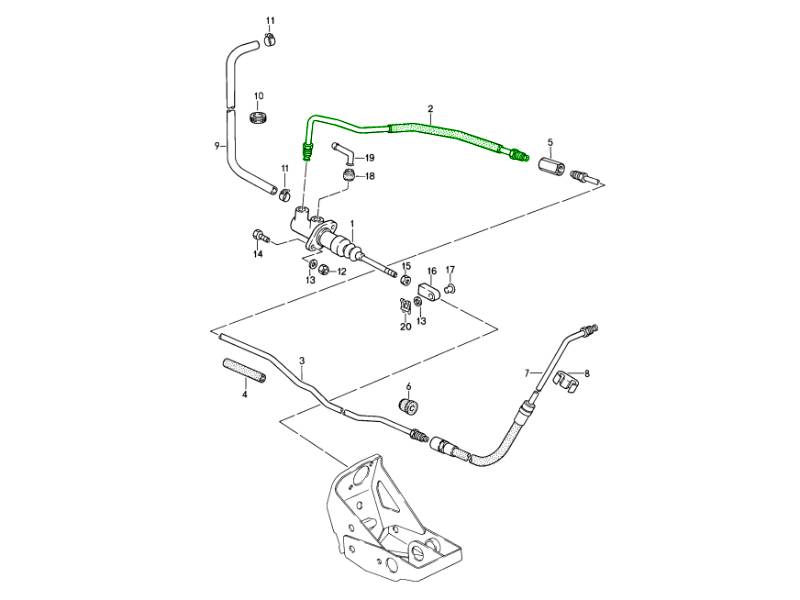
Diagram Ref No 2
This clutch pipe forms part of the hydraulic circuit associated with the clutch master cylinder, helping transmit hydraulic pressure through the clutch operating system when the driver presses the clutch pedal.
Manufactured to Porsche's original equipment specifications, the pipe is designed to provide the correct fitment, routing and secure hydraulic connections for the applicable right-hand-drive vehicle.
Unlike earlier cable-operated clutch arrangements, the hydraulic clutch system uses fluid pressure to operate the clutch release mechanism. When the clutch pedal is depressed, the master cylinder generates hydraulic pressure, which is transmitted through the pipework to the clutch slave cylinder.
The slave cylinder operates the clutch release mechanism, allowing the clutch to disengage so that the driver can change gear.
The hydraulic pipe must remain properly sealed and free from restrictions to maintain reliable clutch operation. Even a small fluid leak can allow hydraulic pressure to fall, potentially affecting clutch disengagement and making gear selection difficult.
Over time, original clutch pipes may deteriorate because of corrosion, vibration, mechanical damage, ageing fittings or previous maintenance work. Damaged connections or weakened pipework can result in hydraulic fluid leakage and loss of clutch pressure.
A defective hydraulic clutch pipe may cause a soft clutch pedal, inconsistent clutch engagement, difficulty selecting gears or complete loss of clutch operation.
Replacing a damaged or leaking pipe with a Genuine Porsche component helps restore hydraulic system integrity, maintain reliable clutch operation and preserve the original clutch pipe routing.
Ideal for clutch hydraulic repairs, master cylinder servicing, fluid leak investigations and classic Porsche restoration projects, this Genuine Porsche Hydraulic Clutch Pipe provides a factory-specified replacement for compatible right-hand-drive vehicles.
What This Product Does:
The hydraulic clutch pipe is an essential component of the Porsche 911's hydraulic clutch operating system.
Its primary function is to carry pressurised hydraulic fluid between components of the clutch actuation circuit.
When the driver presses the clutch pedal, the clutch master cylinder converts pedal movement into hydraulic pressure.
This pressure travels through the hydraulic clutch pipework towards the slave cylinder, which activates the clutch release mechanism.
When the pedal is released, hydraulic pressure reduces and the clutch mechanism returns towards its engaged position.
The hydraulic pipe provides the sealed fluid passage necessary for this process.
Its main functions include:
- Transmitting hydraulic pressure: Carries clutch fluid under pressure through the clutch operating circuit.
- Supporting clutch disengagement: Enables pressure generated by the master cylinder to reach the clutch release mechanism.
- Maintaining hydraulic fluid containment: Provides a sealed passage to prevent fluid loss.
- Supporting smooth gear changes: Helps maintain consistent clutch operation during manual gear selection.
- Maintaining clutch pedal response: Supports predictable pedal operation when the hydraulic system is correctly functioning.
- Connecting clutch hydraulic components: Forms part of the pipework between the master cylinder and downstream clutch operating components.
- Maintaining hydraulic circuit integrity: Helps prevent air entering through damaged connections or leaking pipework.
- Preserving correct RHD routing: Provides the factory-specified pipe arrangement for applicable right-hand-drive models.
- Supporting reliable clutch operation: Helps maintain consistent pressure transmission during repeated clutch use.
- Maintaining original Porsche specifications: Preserves the intended hydraulic clutch system configuration.
The hydraulic clutch pipe does not independently operate the clutch. It works together with the master cylinder, slave cylinder, associated hoses and mechanical release components.
Symptoms Of Wear Or Failure:
The hydraulic clutch pipe is exposed to vibration, changes in temperature, environmental contamination and hydraulic fluid pressure.
After years of operation, corrosion or physical damage may compromise the pipe or its connections.
Common symptoms of a worn or damaged hydraulic clutch pipe include:
- Visible hydraulic fluid leaks: Cracked pipework or damaged connections may allow clutch fluid to escape.
- Fluid around pipe connections: Dampness near the unions or fittings may indicate a sealing problem.
- Falling hydraulic fluid level: A leaking clutch circuit may cause the fluid reservoir level to decrease.
- Soft or spongy clutch pedal: Fluid leakage or air entering the system can reduce normal pedal resistance.
- Clutch pedal travelling too far: Loss of hydraulic pressure may cause excessive pedal travel.
- Clutch pedal remaining near the floor: Severe pressure loss may prevent normal clutch pedal return.
- Difficulty selecting gears: Incomplete clutch disengagement may make gear changes difficult.
- Grinding during gear selection: A clutch that does not release fully may contribute to gear engagement noises.
- Difficulty selecting reverse gear: Inadequate clutch release may become particularly noticeable when selecting reverse.
- Inconsistent clutch engagement point: Hydraulic problems may cause the clutch bite point to vary.
- Intermittent clutch operation: Small fluid leaks or air contamination may cause inconsistent clutch performance.
- Corrosion on pipework: Rust or deterioration may weaken the pipe and increase the likelihood of leakage.
- Damaged or bent pipe sections: Physical impact or incorrect installation may restrict the hydraulic passage.
- Loose retaining clips: Missing or damaged supports may allow the pipe to vibrate against surrounding components.
- Damaged fittings or unions: Worn threads or distorted connection surfaces may prevent proper hydraulic sealing.
- Repeated need to bleed the clutch: Air entering through a defective connection may cause recurring hydraulic problems.
Why Replacement Matters:
Replacing a damaged hydraulic clutch pipe is important for maintaining reliable clutch disengagement and the correct operation of the manual transmission.
A leaking pipe can gradually reduce the amount of hydraulic fluid available within the clutch circuit, leading to a loss of operating pressure.
If sufficient pressure cannot reach the clutch slave cylinder, the clutch may fail to disengage fully.
This can make gear selection difficult and, in severe cases, prevent the driver from operating the gearbox normally.
Continuing to operate the vehicle with a defective hydraulic clutch system may also place unnecessary stress on transmission components.
Installing a Genuine Porsche replacement Hydraulic Clutch Pipe helps to:
- Restore hydraulic pressure transmission: Re-establish the intended pressure path through the clutch operating circuit.
- Prevent hydraulic fluid leakage: Replace damaged or corroded pipework that compromises fluid containment.
- Improve clutch pedal consistency: Help restore predictable pedal response where a leaking pipe is responsible.
- Support smooth gear selection: Maintain the hydraulic pressure needed for reliable clutch disengagement.
- Reduce difficult gear changes: Address clutch release problems caused by a confirmed pipe fault.
- Prevent complete hydraulic failure: Replace weakened components before significant fluid loss occurs.
- Reduce the risk of air entering the system: Restore secure hydraulic connections.
- Protect transmission components: Help prevent unnecessary gear engagement stress associated with incomplete clutch release.
- Maintain correct RHD installation: Restore the original Porsche pipe routing and configuration.
- Support clutch system servicing: Provide replacement pipework during master cylinder or slave cylinder repairs.
- Preserve vehicle originality: Maintain the factory hydraulic clutch arrangement.
- Support classic Porsche restoration: Replace ageing hydraulic components during refurbishment.
- Maintain Genuine Porsche quality: Use an original equipment component intended for the relevant vehicle application.
Replacement is particularly recommended when inspection confirms hydraulic fluid leakage, corrosion, mechanical damage or deteriorated connections.
When replacing the pipe, the clutch master cylinder, flexible hose, slave cylinder and associated fittings should also be inspected.
Related reference numbers
Related, superseded, cross reference or alternative numbers for comparison.
91142319800
The product you are viewing cross references to these numbers