Your Vehicle
Porsche // 996 (911) (1997-2005) // 996 GT2 2001-05



Enter your VAT number here and click Verify:
Your details have been verified. VAT number registered to:
,
.
Your order will now be zero rated for VAT purposes. We reserve the right to verify these details after your order request has been made and reinstate VAT if required.
Your VAT details were not recognised or were invalid. Your VAT number must be matched to your Billing Country as specified above. This is currently specified as . You do not need to enter the country code part of your VAT number as this has already been selected in your billing address details above.
The VAT number checking service is currently offline. Please supply your VAT details within the comments or special instructions field below and we will apply a VAT discount after placing your order request.

Fuel Injection / Collection Rail

- Porsche Boxster 986 2.5L 1997-99
- Porsche Boxster 986 2.7L 1999-02
- Porsche Boxster S 986 3.2L 1999-02
- Porsche Boxster 986 2.7L 2003-04
- Porsche Boxster S 986 3.2L 2003-04
- Porsche 993 (911) C2 1994-97
- Porsche 993 (911) C4 1994-97
- Porsche 993 (911) RS 1994-97
- Porsche 993 (911) C2S 1994-97
- Porsche 993 (911) C4S 1994-97
- Porsche 993 (911) TURBO 1994-96
- Porsche 993 (911) GT2 1994-97
- Porsche 993 (911) TURBO S 1994-97
- Porsche 996 C2 3.4L 1997-08/01
- Porsche 996 C4 3.4L 1997-08/01
- Porsche 996 C2 3.6L 09/01-2005
- Porsche 996 C4 3.6L 09/01-2005
- Porsche 996 C4S 3.6L 09/01-2005
- Porsche 996 TURBO 2000-05
- Porsche 996 GT2 2001-05
- Porsche 996 GT3 MKI 1999-02
- Porsche 996 GT3 MKII 2003>>
- Porsche 996 GT3 RS 2003-04
- Porsche 997 MK1 TURBO 2007-09
- Porsche 997 MK1 GT3 / GT3 RS 2007-09
- Porsche 997 MK1 GT2 2007-09
- Porsche 997 MKII GT3 / GT3 RS 2010-11
- Porsche 997 MKII Turbo 2010-13
- Porsche 997 MKII GT2 RS 2011-13
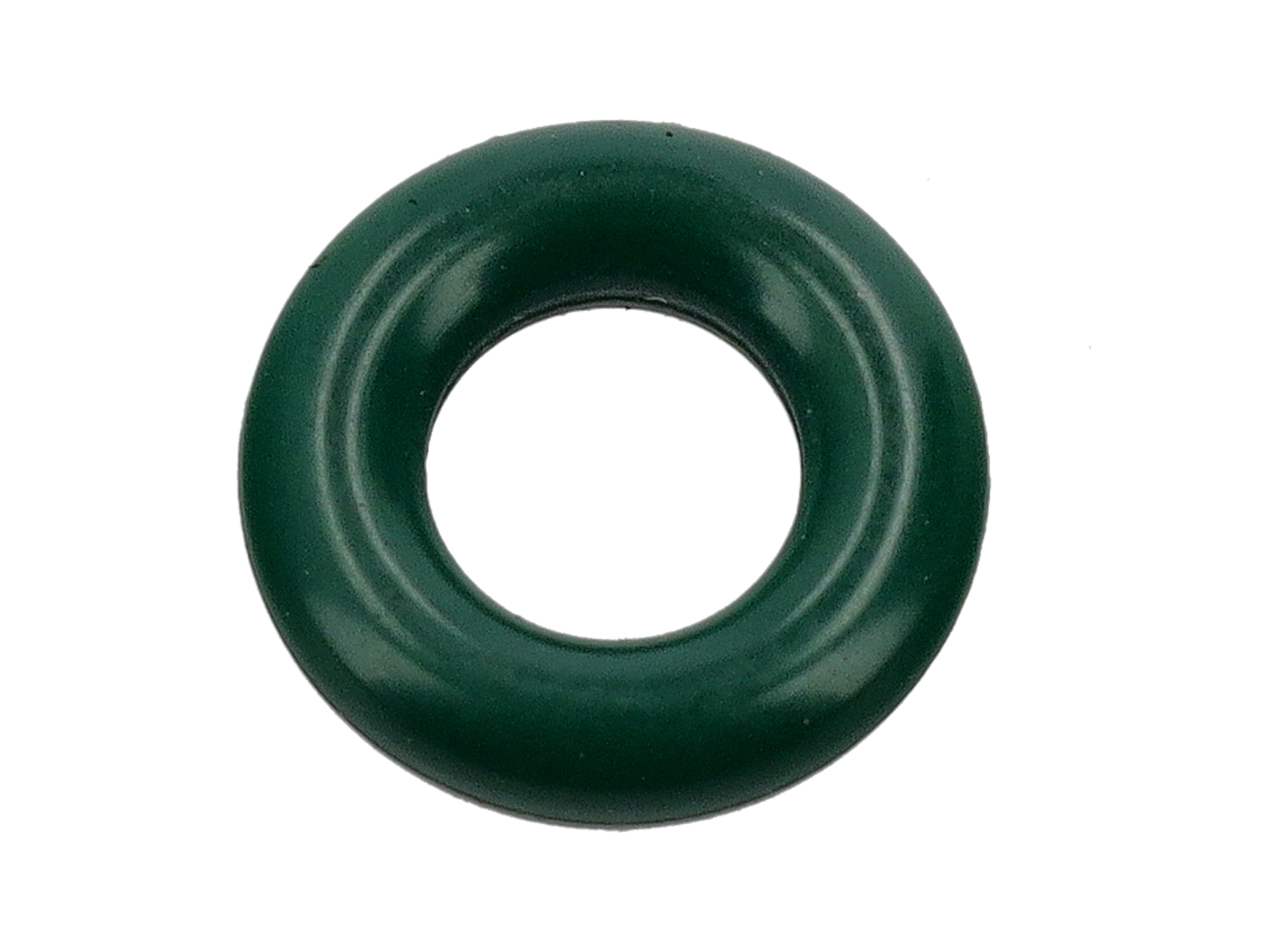
The Genuine Porsche O-Ring (Part Number: 99970727640) is an original equipment fuel system sealing component designed for selected Porsche 911 and Boxster models.
Fits:
- Porsche Boxster 986 2.5L 1997-99
- Porsche Boxster 986 2.7L 1999-02
- Porsche Boxster S 986 3.2L 1999-02
- Porsche Boxster 986 2.7L 2003-04
- Porsche Boxster S 986 3.2L 2003-04
- Porsche 993 (911) C2 1994-97
- Porsche 993 (911) C4 1994-97
- Porsche 993 (911) RS 1994-97
- Porsche 993 (911) C2S 1994-97
- Porsche 993 (911) C4S 1994-97
- Porsche 993 (911) TURBO 1994-96
- Porsche 993 (911) GT2 1994-97
- Porsche 993 (911) TURBO S 1994-97
- Porsche 996 C2 3.4L 1997-08/01
- Porsche 996 C4 3.4L 1997-08/01
- Porsche 996 C2 3.6L 09/01-2005
- Porsche 996 C4 3.6L 09/01-2005
- Porsche 996 C4S 3.6L 09/01-2005
- Porsche 996 TURBO 2000-05
- Porsche 996 GT2 2001-05
- Porsche 996 GT3 MKI 1999-02
- Porsche 996 GT3 MKII 2003>>
- Porsche 996 GT3 RS 2003-04
- Porsche 997 MK1 TURBO 2007-09
- Porsche 997 MK1 GT3 / GT3 RS 2007-09
- Porsche 997 MK1 GT2 2007-09
- Porsche 997 MKII GT3 / GT3 RS 2010-11
- Porsche 997 MKII Turbo 2010-13
- Porsche 997 MKII GT2 RS 2011-13
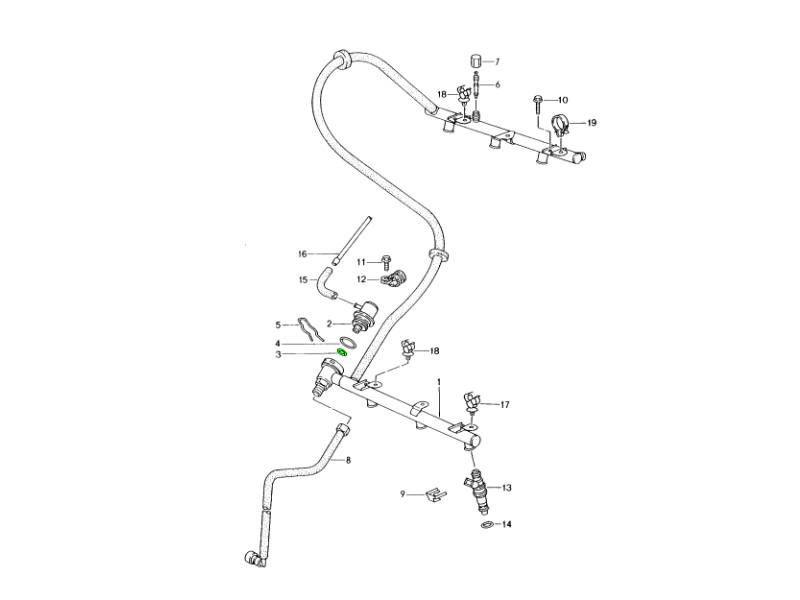
Diagram Ref No 3
Measuring 5 × 2.5 mm, this precision-sized O-ring is used within the fuel injection system, particularly in the fuel pressure regulator and fuel distribution assembly.
The O-ring provides a secure seal between compatible fuel system components, helping prevent petrol from escaping through the connection.
The Porsche fuel injection system relies on correctly sealed fuel lines, fuel rails and pressure-control components to maintain the pressure required for reliable engine operation.
Although small, the O-ring plays an important role in maintaining the integrity of this system.
Manufactured to Porsche's original equipment specifications, the Genuine Porsche O-Ring is designed to provide the correct dimensions and sealing characteristics for its specified application.
During engine operation, the seal is exposed to fuel, pressure changes, temperature fluctuations and vibration.
Over time, the original O-ring may deteriorate through ageing, compression, material hardening, chemical exposure or damage during servicing.
A worn or damaged seal may allow fuel to escape from the joint, potentially causing a petrol smell, visible leakage or loss of fuel pressure.
Because the component is used within the fuel system, even a small leak should be investigated promptly.
Replacing a deteriorated O-ring with a Genuine Porsche replacement helps restore the intended seal, maintain fuel system integrity and support safe, reliable engine operation.
Ideal for fuel pressure regulator replacement, fuel rail servicing, fuel injection system maintenance and engine refurbishment, this original Porsche O-ring provides a factory-specified sealing solution for compatible applications.
What This Product Does:
The Genuine Porsche O-Ring 99970727640 provides a sealing barrier within the fuel injection system.
Its primary function is to prevent fuel leakage at the specified connection within the fuel pressure regulator or fuel distribution assembly.
An O-ring works by being compressed between two mating surfaces, creating a seal that closes the gap between the connected components.
When correctly installed, it helps maintain the intended fuel system sealing arrangement while accommodating normal operating pressure and temperature changes.
Its main functions include:
- Preventing fuel leakage: Helps stop petrol escaping from the specified fuel system connection.
- Maintaining fuel system integrity: Supports a sealed connection within the fuel injection assembly.
- Supporting fuel pressure regulation: Helps maintain the correct sealing conditions around the associated fuel pressure regulator.
- Providing a compression seal: Forms a barrier between the relevant mating components.
- Maintaining reliable fuel delivery: Helps prevent leakage that could affect the fuel system's operation.
- Accommodating operating conditions: Works within the intended pressure and temperature range of the specified application.
- Supporting safe engine operation: Helps reduce the risk associated with fuel escaping from the system.
- Supporting fuel system maintenance: Provides a replacement seal when the associated components are removed or serviced.
- Preserving original component fitment: Maintains the correct factory sealing dimensions.
- Protecting the fuel system connection: Helps maintain sealing without requiring replacement of otherwise serviceable components.
The O-ring does not control fuel pressure, meter fuel delivery or operate the fuel injectors.
These functions are performed by the relevant fuel pressure regulator, fuel pump, injectors and engine management system.
Symptoms Of Wear Or Failure:
Fuel system O-rings may deteriorate as a result of age, prolonged fuel exposure, repeated heating and cooling, or damage during removal and installation.
A defective O-ring can compromise the seal between fuel system components.
Common symptoms and signs include:
- Petrol smell around the engine: Escaping fuel may produce a noticeable fuel odour.
- Visible fuel leakage: Liquid petrol may appear around the associated fuel pressure regulator or fuel rail connection.
- Dampness around the joint: A leaking seal may leave the surrounding area wet with fuel.
- Fuel pressure loss: A significant leak may affect the system's ability to maintain the required fuel pressure.
- Extended engine cranking: Certain fuel pressure faults may contribute to longer starting times.
- Difficult starting: Severe leakage or abnormal fuel pressure may interfere with reliable engine starting.
- Engine hesitation: Insufficient fuel pressure may contribute to poor engine response under load.
- Rough running: Fuel delivery problems associated with a substantial pressure loss may affect combustion.
- Reduced engine performance: Significant fuel pressure loss may reduce available engine power.
- Visible cracking: The O-ring may show cracks when removed and inspected.
- Flattened seal profile: Prolonged compression may reduce its ability to maintain a reliable seal.
- Hardened or brittle material: Age-related deterioration may cause the O-ring to lose flexibility.
- Swollen or distorted material: Chemical exposure or incompatible replacement materials may affect the seal.
- Cuts or abrasions: Damage during installation or removal may create a leakage path.
- Repeated leakage after servicing: An incorrectly seated, reused or damaged O-ring may fail to seal properly.
Why Replacement Matters:
Replacing a defective fuel system O-ring is essential for maintaining a secure, leak-free connection.
Although inexpensive relative to larger fuel system components, the O-ring performs an important sealing function.
A deteriorated seal can allow fuel to escape, potentially creating a fire risk and affecting the performance of the fuel injection system.
Installing a Genuine Porsche replacement O-Ring helps to:
- Restore a secure fuel seal: Replace worn material that no longer seals correctly.
- Prevent petrol leakage: Address escaping fuel at the specified connection.
- Improve fuel system safety: Reduce the risk associated with fuel leaking around the engine.
- Support correct fuel pressure: Help maintain the intended sealed fuel circuit.
- Maintain reliable engine operation: Support consistent fuel delivery where seal failure was responsible for leakage.
- Prevent further deterioration: Replace brittle, flattened or cracked sealing material.
- Support pressure regulator servicing: Renew the seal when the associated regulator is removed or replaced.
- Maintain factory specifications: Use the correct Porsche reference and dimensions.
- Avoid unnecessary component replacement: Renew the seal where the surrounding fuel system components remain serviceable.
- Support preventative maintenance: Replace an ageing seal before leakage develops.
- Support engine restoration: Provide an original equipment component for fuel system refurbishment.
- Maintain Genuine Porsche quality: Use a factory-specified replacement rather than an unverified generic O-ring.
Replacement is especially recommended when the seal is damaged, leaking, hardened or removed during fuel pressure regulator servicing.
A removed O-ring should be assessed according to the Porsche workshop procedure. Replacing it during reassembly is generally advisable where the specified procedure calls for a new seal.
Related reference numbers
Related, superseded, cross reference or alternative numbers for comparison.
99970727640
The product you are viewing cross references to these numbers

Fuel Injection Rails & Components – Precision Fuel Delivery for Peak Porsche Performance
The fuel injection rail (or fuel collection rail) and related components are essential to maintaining consistent fuel delivery and pressure in your Porsche’s high-performance engine. The fuel rail distributes fuel evenly to the injectors, ensuring precise combustion and smooth throttle response under all driving conditions.
At Design911, we stock a comprehensive range of precision-engineered fuel injection rails, fittings, and components built to manufacturer-quality standards for performance, reliability, and longevity. Each part is crafted from high-grade aluminium, stainless steel, or reinforced composites, designed to resist corrosion, heat, and vibration — delivering reliable performance whether you’re maintaining a classic Porsche or fine-tuning a modern GT model.
Our selection includes fuel rails, connectors, injectors, regulators, and sealing hardware — everything needed to keep your Porsche’s fuel injection system performing flawlessly.
What Do Fuel Injection Rails & Parts Do?
Fuel injection rails and components ensure your Porsche’s engine receives the right amount of fuel at the right time. Working together, they maintain stable pressure and evenly distribute fuel to each injector for efficient combustion and power output.
Core Functions:
- Fuel Rail: Channels fuel evenly to the injectors under constant pressure.
- Fittings and Connectors: Securely seal and link the rail, pump, and injectors.
- Regulators & Sensors: Maintain optimal fuel pressure and monitor delivery consistency.
- Seals & Gaskets: Prevent fuel leaks and pressure loss across components.
A balanced, clean, and well-functioning injection system ensures smooth acceleration, optimal efficiency, and reduced emissions — crucial for Porsche performance.
Why Do Fuel Injection Components Fail?
Fuel injection parts operate under high pressure and heat, meaning even small imperfections can affect performance. Over time, wear, contamination, and corrosion can lead to inconsistent fuel delivery or leaks.
Common Causes of Failure Include:
- Corrosion from moisture or fuel impurities.
- Clogged injectors or blocked fuel rails due to sediment buildup.
- Cracked fittings or deteriorated seals, leading to leaks.
- Worn pressure regulators, causing fuel pressure imbalance.
- Fuel contamination from dirty filters or ageing fuel tanks.
Symptoms of failure include rough idling, loss of power, poor fuel economy, or hard starting, often traced to worn or restricted fuel system components.
Why Replace with Precision-Engineered Fuel Injection Parts?
Upgrading or replacing worn fuel injection rails and components restores your Porsche’s performance, responsiveness, and reliability. Precision-fit, high-strength replacements ensure smooth pressure regulation, clean fuel delivery, and efficient combustion.
Key Benefits:
- Restores accurate and consistent fuel delivery.
- Improves throttle response and engine smoothness.
- Prevents leaks and pressure fluctuations.
- Reduces fuel consumption and emissions.
- Crafted from durable, corrosion-resistant materials.
- Direct-fit compatibility for Porsche classic and modern models.
Whether performing a rebuild or upgrading for track use, high-quality injection components are essential for maintaining Porsche precision and performance.
Highlights:
- Complete range of Porsche fuel rails, injectors, and fittings.
- Precision-machined for accurate fuel delivery and sealing.
- Engineered from lightweight, high-strength alloys.
- Compatible with classic and modern Porsche injection systems.
- Ensures reliable pressure regulation and clean fuel flow.
- Perfect for rebuilds, restorations, or performance upgrades.