





Enter your VAT number here and click Verify:
Your details have been verified. VAT number registered to:
,
.
Your order will now be zero rated for VAT purposes. We reserve the right to verify these details after your order request has been made and reinstate VAT if required.
Your VAT details were not recognised or were invalid. Your VAT number must be matched to your Billing Country as specified above. This is currently specified as . You do not need to enter the country code part of your VAT number as this has already been selected in your billing address details above.
The VAT number checking service is currently offline. Please supply your VAT details within the comments or special instructions field below and we will apply a VAT discount after placing your order request.

OE Match

OE Match for Porsche
OE Match is a brand that provides a wide range of Porsche components, from gaskets to suspension hardware, engine parts, and interior trim. Over 6,700 individual part numbers, and over 11,800 OE cross-references catalogued, and are constantly developing new lines.OE Match has over 100 new products currently in the engineering phase, which will be quality-controlled and added to their catalog. The mission is to keep all Porsche vehicles on the road by offering a vast selection of parts that can address various problems across different Porsche generations
A Quick Look at OE Match
OE Match information on this page is based on details supplied by the manufacturer or distributor, plus any OE references provided with the parts.
Choosing the Right Fit for Your Porsche
Where OE Match is listed for Porsche, use the supplied model coverage and OE references to confirm suitability. Check details that commonly affect fitment such as model year, side/position, and connector type where relevant.
- Often chosen when owners want OE-equivalent quality with sensible running costs, especially for routine service and wear items.
- Typical reasons to replace include restoring reliability, addressing age-related wear, or refreshing multiple components during larger repair work.
- Common defects from incorrect application include noise, premature wear, leaks, or fitment quirks if the wrong variant is selected or fitted with old seals/hardware.
- Watch for symptoms such as unusual noises, early wear, or repeat failures after recent work, which can indicate mismatched parts or supporting items left worn.
- Always cross-check OEM part numbers, read model-year notes, and verify compatibility before ordering.
- For safety-critical components, confirm specification and fitment carefully and have installation checked by a competent technician.
Browse by Category
If you already know the area you are working on, start with the category and then filter by Porsche model. Where real-world symptoms and typical reasons to replace are provided, use them to keep the wording grounded.
Brakes — Brake components are renewed to restore stopping performance, address wear or upgrade a Porsche for fast road or track use. Common symptoms include vibration under braking, longer stopping distances, squealing, pulling to one side, warning lights and visible wear to discs and pads.
Brake Pad Wear Sensors — Brake pad wear sensors are replaced when pads are renewed or when warning lights indicate a broken or worn sensor. Symptoms include brake wear warnings even with new pads, damaged sensor cables, or broken clips around the caliper area.
Engine Electrical — Engine electrical parts are changed when there are starting, charging, ignition, or sensor-related faults that affect drivability and reliability, such as intermittent no-start, misfires, rough idle, poor charging, warning lights or heat-soak failures.
Service Parts — Service parts are replaced as routine maintenance to keep the engine and systems reliable, efficient, and protected, often resolving hard starting, rough idle, poor fuel economy and warning lights caused by clogged filters or worn ignition components.
Service Kits — Service kits bundle key service components to simplify maintenance and set the car back to a known baseline, especially useful when catching up on overdue servicing or dealing with general sluggish running, inconsistent idle and reduced performance.
- For brake parts, confirm whether items are OE-equivalent replacements or performance upgrades and check if new fitting kits and sensors are required.
- On service items and kits, match the kit to your exact Porsche model, engine and year, and review what is included so you can add any extra “while you are there” parts.
Explore OE Match at Design911
View the current OE Match range for Porsche at Design911, then filter by model and category to narrow down to the right parts.

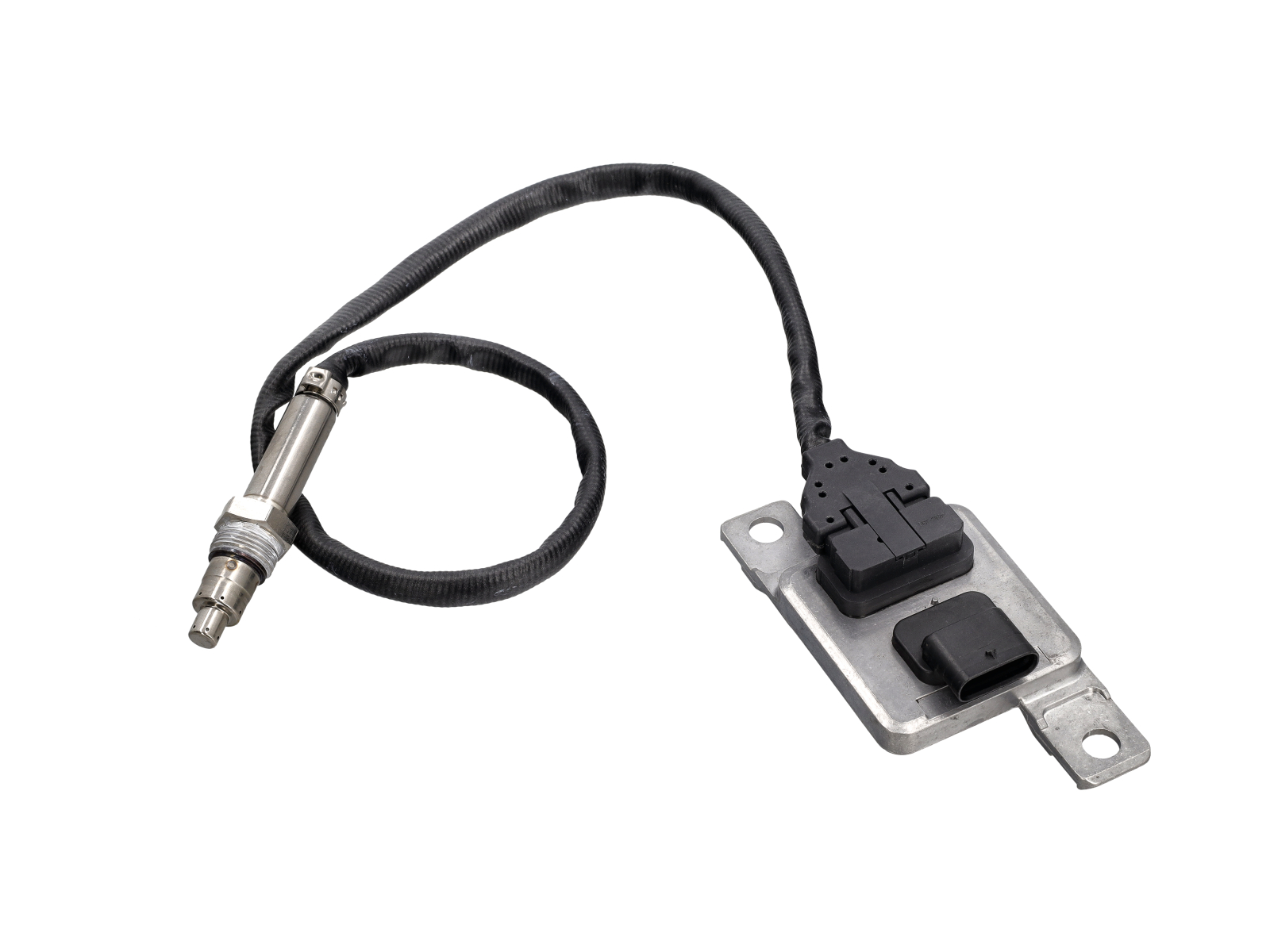
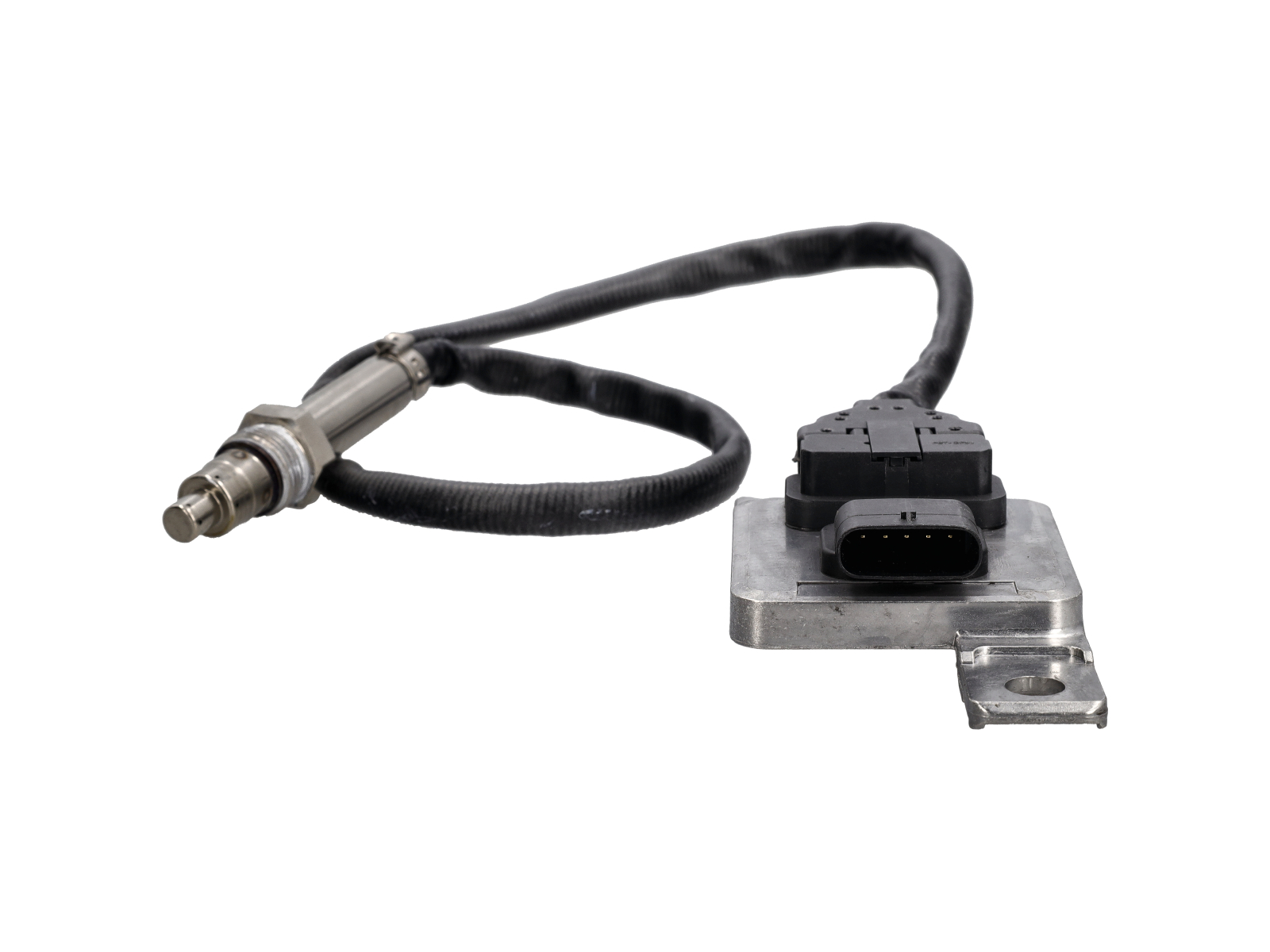
- Porsche 958 Cayenne V6 3.0L Diesel (245Hp) 2010-17
The NOx Sensor is a nitrogen oxide sensor designed to measure NOx levels in the exhaust system of modern Porsche vehicles. Mounted directly in the exhaust flow, this sensor provides the Engine Control Unit (ECU) with real-time nitrogen-oxide concentration data, allowing the emissions-control system to accurately regulate combustion and after-treatment.
Fits:
- Porsche 958 Cayenne V6 3.0L Diesel 245HP 2012-18
CVVA / CVVB / CVVC
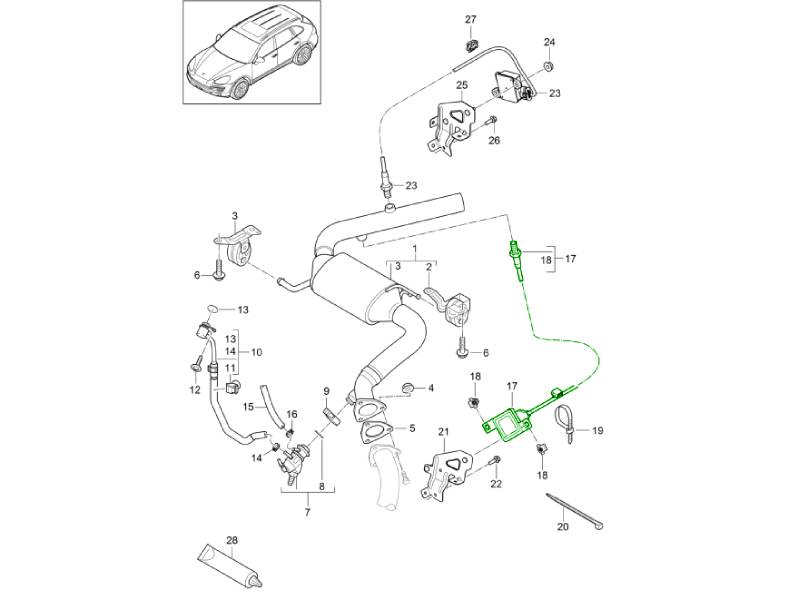
Diagram Ref No 17
What This Product Does:
- Monitors NOₓ emissions — it continuously measures nitrogen-oxide levels in the exhaust gas and communicates that data to the vehicle’s control unit (ECU).
- Enables emissions control systems — in diesel engines (or gasoline engines with NOₓ after-treatment), the sensor provides feedback for systems such as Selective Catalytic Reduction (SCR) or Exhaust Gas Recirculation (EGR), to reduce NOₓ output before gas exits the tailpipe.
- Helps regulate combustion and fuel dosing — by providing real-time exhaust composition data, the ECU can adjust parameters such as fuel injection timing, air/fuel ratio or SCR dosing (e.g. AdBlue injection) to optimise performance and emissions compliance.
- Ensures emissions compliance — given tightening environmental laws and standards (e.g. Euro 6 in Europe), a functioning NOx sensor is essential to keep NOₓ emissions within legal limits.
- “Check Engine” or emissions-system warning light appears on the dashboard.
- Reduced engine performance or the vehicle entering “limp mode” — some ECUs restrict engine output when exhaust-sensor data is invalid.
- Increased fuel consumption or poor fuel economy — incorrect NOₓ data can lead the ECU to mismanage combustion parameters.
- Rough idle, hesitation or unstable engine behaviour, especially under acceleration or load — as exhaust-gas composition readings become unreliable.
- Failed emissions test or legal compliance check — the car may fail inspection if NOₓ emissions exceed permitted levels due to faulty sensing/control.
- R / AdBlue warnings (on diesel/SCR systems) — because the ECU can’t reliably monitor NOₓ output.
- Maintains emissions compliance — ensures that NOₓ output remains within legal limits under environmental regulations.
- Preserves engine performance & efficiency — accurate NOₓ feedback enables proper combustion control, fuel efficiency, and normal throttle response.
- Protects exhaust after-treatment hardware — catalytic converters, SCR catalysts, and associated systems depend on accurate NOₓ sensing; a faulty sensor can lead to improper dosing or damage.
- Avoids costly repairs or legal penalties — driving with a failed NOx sensor may lead to emissions-test failure or more extensive emissions-system damage.
Related reference numbers
Related, superseded, cross reference or alternative numbers for comparison.
PAB907807G
The product you are viewing cross references to these numbers
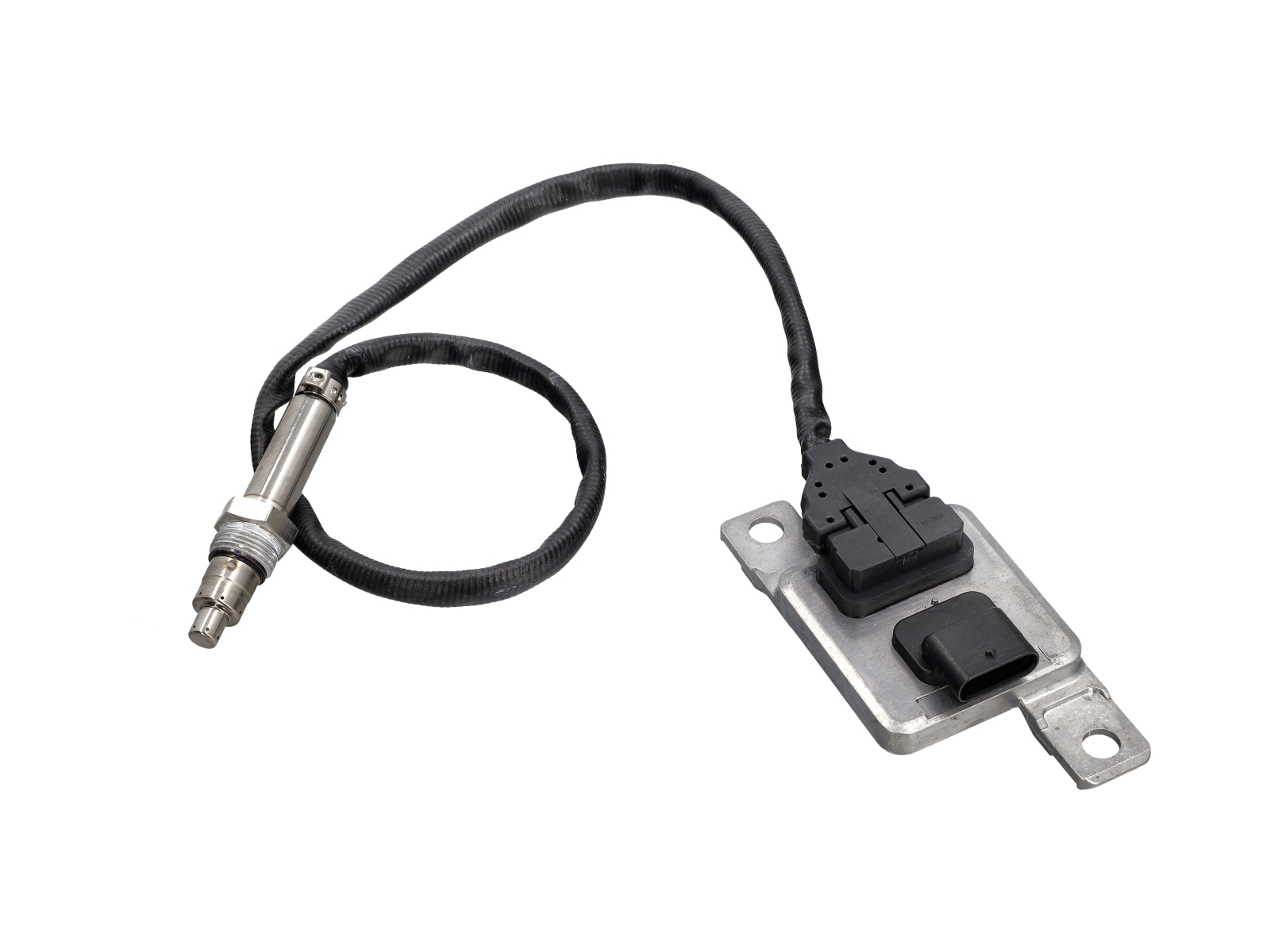
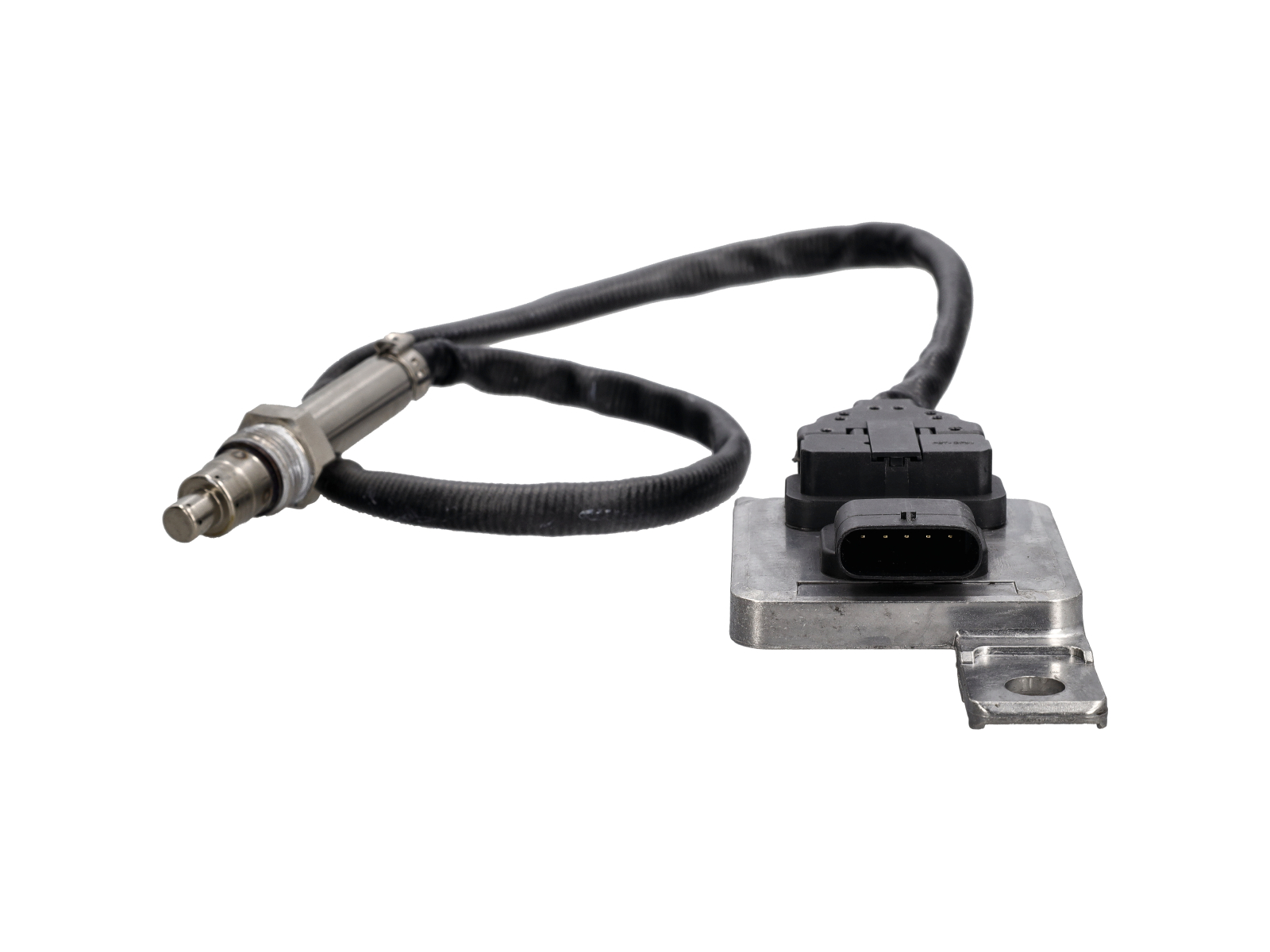
- Porsche 958 Cayenne V6 3.0L Diesel (245Hp) 2010-17
The NOx Sensor is a emissions-control component designed to monitor nitrogen oxide (NOₓ) levels in the vehicle’s exhaust system. Installed within the exhaust stream, this sensor provides real-time data to the Engine Control Unit (ECU) to regulate combustion and after-treatment systems such as catalytic converters or SCR/AdBlue systems.
Fits
Porsche 958 Cayenne V6 3.0L Diesel 245HP 2012-18
Cars With Engine Codes:
CNRB
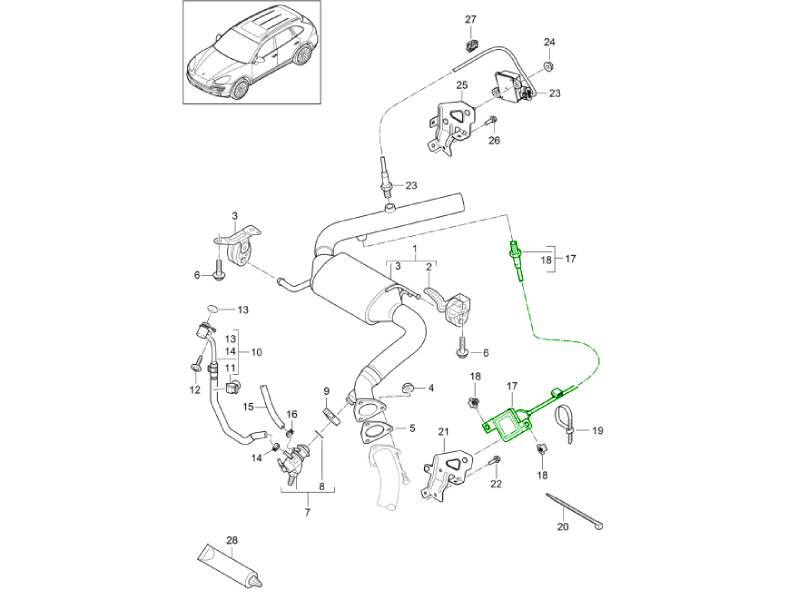
Diagram Ref No 17
What This Product Does:
- The NOx sensor continuously monitors levels of nitrogen oxides in your exhaust gases. This data is sent to the Engine Control Unit (ECU) or the vehicle’s emissions-control module.
- Based on NOx levels, the ECU (or emissions system) adjusts engine parameters (air-fuel ratio, exhaust after-treatment, DEF/AdBlue dosing in diesel/SCR systems, etc.) to ensure emissions stay within legal/environmental limits.
- Helps ensure compliance with environmental regulations and reduces harmful exhaust emissions — particularly NO and NO₂, which contribute to smog, acid rain, and health hazards.
- Supports proper functioning of components like catalytic converters or SCR (Selective Catalytic Reduction) systems by ensuring they receive accurate feedback for NOx removal.
Symptoms Of Failure:
- Engine warning light / emissions fault appears on the dashboard — the ECU detects abnormal or missing NOx sensor signals.
- Reduced engine performance or “limp mode” — the ECU may limit engine output, or injection logic may suffer, leading to poor acceleration or unstable performance.
- Increased fuel consumption or poor fuel economy — incorrect NOx data can cause the engine management system to mis-manage the air/fuel mixture.
- Rough idle, misfires, or jerky acceleration — combustion may become uneven if exhaust feedback is wrong, especially under load or varying throttle.
- Failed emissions or inspection test, or excessive exhaust pollution — without a working NOx sensor, the emissions-control system can’t properly regulate NOx output.
- Potential damage to exhaust-aftertreatment components (e.g. catalytic converter or SCR system) — inaccurate NOx readings can lead to improper dosing or treatment, shortening component life.
- Compliance with Emissions Regulations: For modern diesel (and many petrol) vehicles, a working NOx sensor is often required to meet compliance standards. Without it, you may fail emissions tests.
- Protects Engine Performance & Efficiency: A proper NOx sensor ensures the ECU has accurate exhaust feedback — leading to correct combustion, fuel economy, and stable power delivery.
- Prevents Further Damage: Faulty NOx readings can lead to improper exhaust after-treatment (e.g. over- or under-dosing AdBlue or mismanaging catalytic converter operation), which can damage costly components downstream.
- Environmental Responsibility: The sensor helps ensure harmful nitrogen oxides aren’t released in harmful quantities, reducing environmental harm and air-quality impact.
Related reference numbers
Related, superseded, cross reference or alternative numbers for comparison.
958907807D
The product you are viewing cross references to these numbers
- Porsche 911 1974-1977 2.7L / 1976-77 3.0 Carrera
- Porsche 911 1978-1983 3.0L / SC
- Porsche 911 1984-1986 3.2L
- Porsche 911 1987-1989 3.2L G50
- Porsche 911 1975-1977 3.0L Turbo (930)
- Porsche 911 1978-1989 3.3L Turbo (930)
- Porsche 964 (911) C2 1989-93
- Porsche 964 (911) C4 1989-93
- Porsche 964 (911) RS 3.6L 1991-93
- Porsche 964 (911) RS 3.8L 1991-93
- Porsche 964 (911) TURBO 3.3L 1991-93
- Porsche 964 (911) TURBO 3.6L 1991-93
- Porsche 914 (1970-1976)
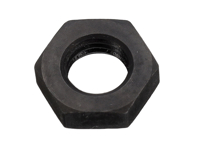
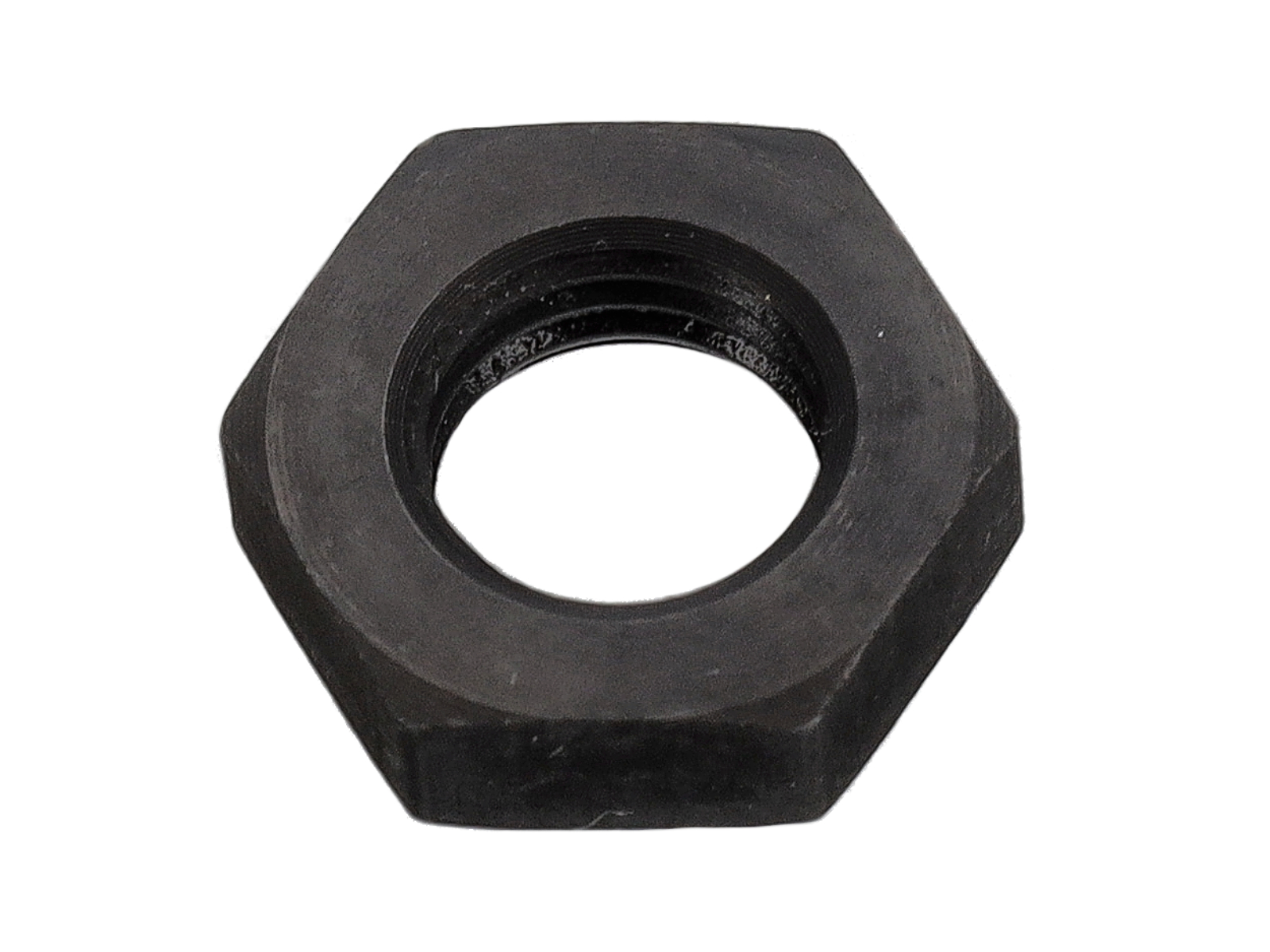
This locking nut is critical in maintaining the correct clearance setting between the rocker-arm or cam follower and valve stem, ensuring reliable valvetrain performance and correct engine behaviour.
Sold each.
Fits:
Porsche 911 1973 - 1989
Porsche 911 Turbo 1975 - 1989
Porsche 964 C2 / C4 / RS 1989 - 1994
Porsche 964 Turbo 1991 - 1994
Porsche 914 1970 - 1976
Porsche 914/6 1970 - 1972
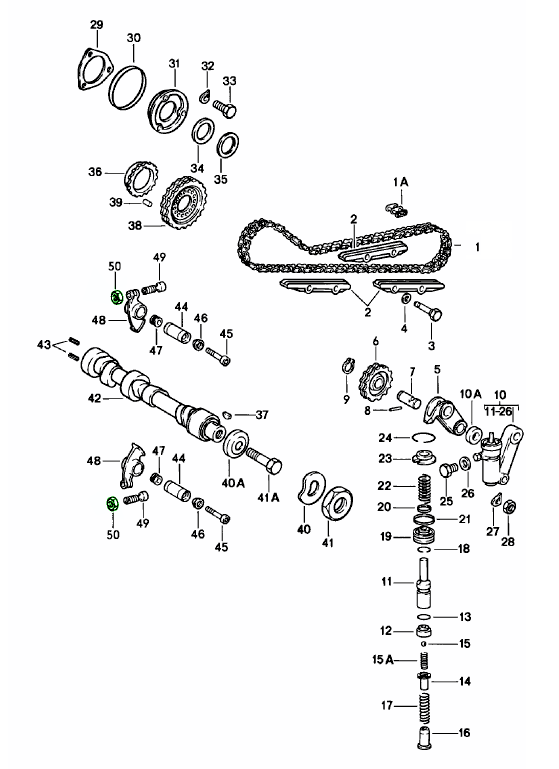
Diagram ref no 50
• Position on Vehicle: Engine cylinder head, at the valve adjusting screw area - used to lock the adjuster once clearance is set.
• Function: Locks the valve-adjusting screw in place, ensures the correct clearance remains unchanged under engine operation, prevents loosening of adjuster and ensures valvetrain reliability.
• Specification: M8 × 1 thread, correct height and socket size, treated or coated for durability - direct-fit replacement of Porsche part number 99903400500.
• Applications: Ideal when your original nut is damaged, the adjuster is loose, you are doing a valve-clearance service, or you require reliable hardware for engine rebuilds.
While small, this locking nut performs a vital role: without it, the adjuster can drift, valve clearance can open up or close down, leading to noisy operation, performance loss, premature wear or even engine damage. Symptoms of a failing/incorrect nut include adjusting screw backing out, noisy valvetrain, incorrect clearance and poor idle or performance.
When to replace:
• The adjuster locking nut is missing, corroded, rounded or damaged.
• After valve-clearance adjustment and you want guaranteed lock-in of the setting.
• During engine rebuild or cylinder-head service when valvetrain hardware is exposed.
• To replace the original with fresh hardware to maintain service integrity and reliability.
Related reference numbers
Related, superseded, cross reference or alternative numbers for comparison.
99903400500
The product you are viewing cross references to these numbers


- Porsche 996 C2 3.4L 1997-08/01
- Porsche 996 C4 3.4L 1997-08/01
- Porsche 996 C2 3.6L 09/01-2005
- Porsche 996 C4 3.6L 09/01-2005
- Porsche 996 C4S 3.6L 09/01-2005
- Porsche 997 MK1 Carrera 2 3.6L 2005-08
- Porsche 997 MK1 Carrera 2S 3.8L 2005-08
- Porsche 997 MK1 Carrera 4 3.6L 2005-08
- Porsche 997 MK1 Carrera 4S 3.8L 2005-08
- Porsche 997 MKII Carrera C2 3.6L 2009-12
- Porsche 997 MKII Carrera C4 3.6L 2009-12
- Porsche 997 MKII Carrera C2S 3.8L 2009-12
- Porsche 997 MKII Carrera C4S 3.8L 2009-12
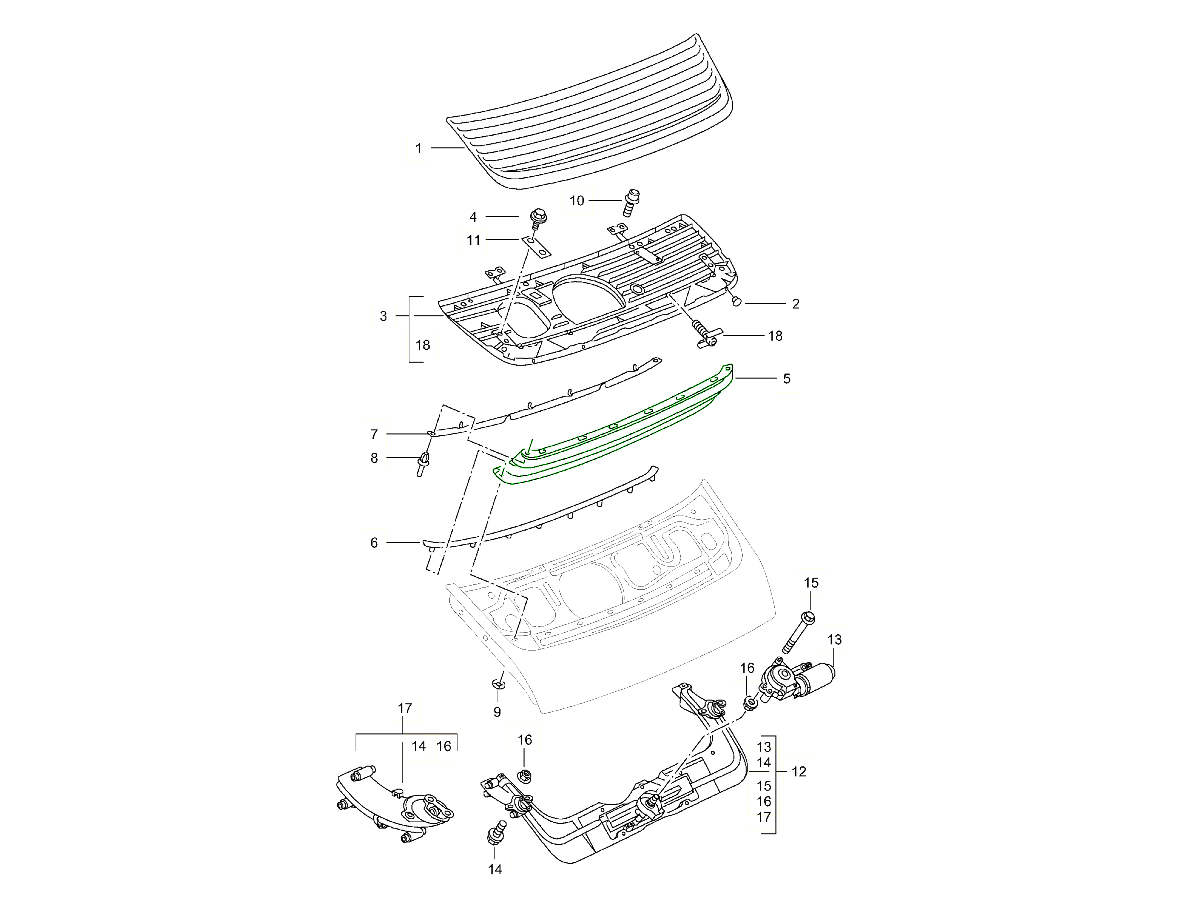
The rubber wall insert (also referred to as the “spoiler-rubber wall” or rear deck spoiler barrier) is designed for the rear spoiler assembly on Porsche 911 model generations 996 and 997. This insert sits behind the rear spoiler assembly (on the rear deck/engine-lid area) and creates a flexible barrier between the spoiler structure and the bodywork - helping protect paintwork, reduce turbulence, control debris ingress and maintain factory appearance. Please note you may also require new clips order 2x part number 99959171240.
Fits:
Porsche 996 Carrera 1998 - 2005
Porsche 997.1 Carrera 2005 - 2008
Porsche 997.2 Carrera 2009 - 2012
Diagram ref no 5.
• Position on Vehicle: Rear deck area, behind the spoiler or on the spoiler mounting surface, between the spoiler and body panel.
• Function: Acts as a sealed and resilient joiner between the spoiler and body, reducing noise, preventing water‐ and debris penetration under the spoiler, preserving rear-deck finish and supporting correct aerodynamic/turbulence behaviour.
• Applications: Ideal when the original spoiler rubber insert is missing, degraded, cracked, hardened, or causing wind noise, ingress, or aesthetic deterioration.
Even minor trim components like this rubber wall insert play a significant role in the vehicle’s appearance and function. Worn or missing inserts can lead to:
• Wind noise, ripple or vibration behind the spoiler
• Water or dust intrusion under the spoiler, risking corrosion or paint damage
• Poor fitment or mismatched gap between spoiler and body
• Degraded aerodynamic behaviour or unwanted turbulence
Related reference numbers
Related, superseded, cross reference or alternative numbers for comparison.
99651225000
The product you are viewing cross references to these numbers
- Porsche 911 1974-1977 2.7L / 1976-77 3.0 Carrera
- Porsche 911 1978-1983 3.0L / SC
- Porsche 911 1984-1986 3.2L
- Porsche 911 1987-1989 3.2L G50
- Porsche 911 1975-1977 3.0L Turbo (930)
- Porsche 911 1978-1989 3.3L Turbo (930)
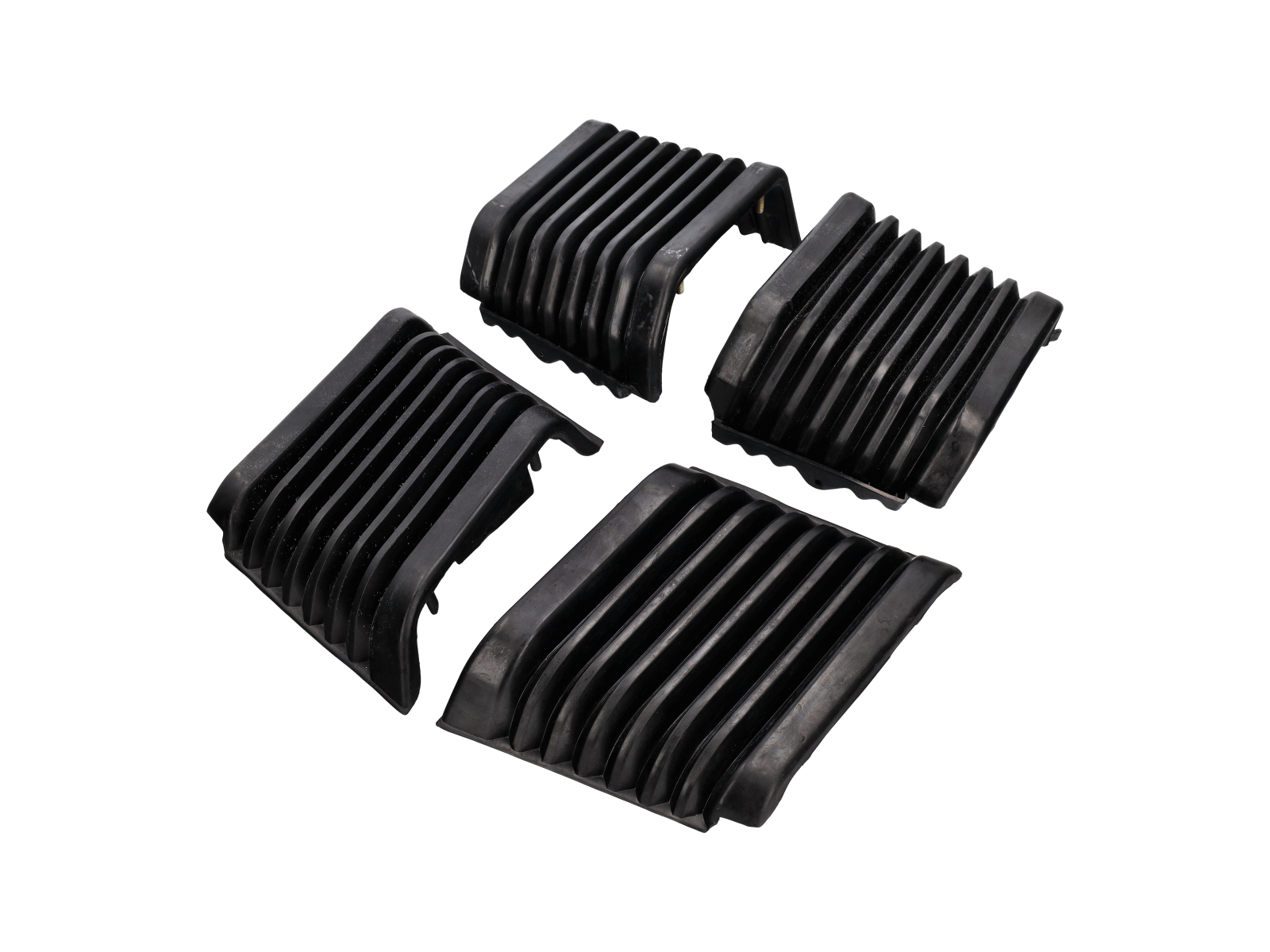
• Front bumper – OE Match LEFT impact-tube bellows (OE ref no: 91179950513)
• Front bumper – OE Match RIGHT impact-tube bellows (OE ref no: 91179950514)
• Rear bumper – OE Match LEFT impact-tube bellows (OE ref no: 91179950515)
• Rear bumper – OE Match RIGHT impact-tube bellows (OE ref no: 91179950516)
Each bellow is manufactured to replicate the original Porsche specification: correct corrugated profile, rubber compound, precise mounting holes and correct dimensions for the impact-tube housing. These bellows sit between the bumper tube and chassis mount (front and rear) on the 911/930 impact-bumper models (built 1974-1989), sealing and cushioning the energy-absorbing bumper assembly while ensuring the correct aesthetic appearance when the impact tubes are removed or replaced.
Fits:
Porsche 911 1974 - 1989
Porsche 930 1976 - 1989
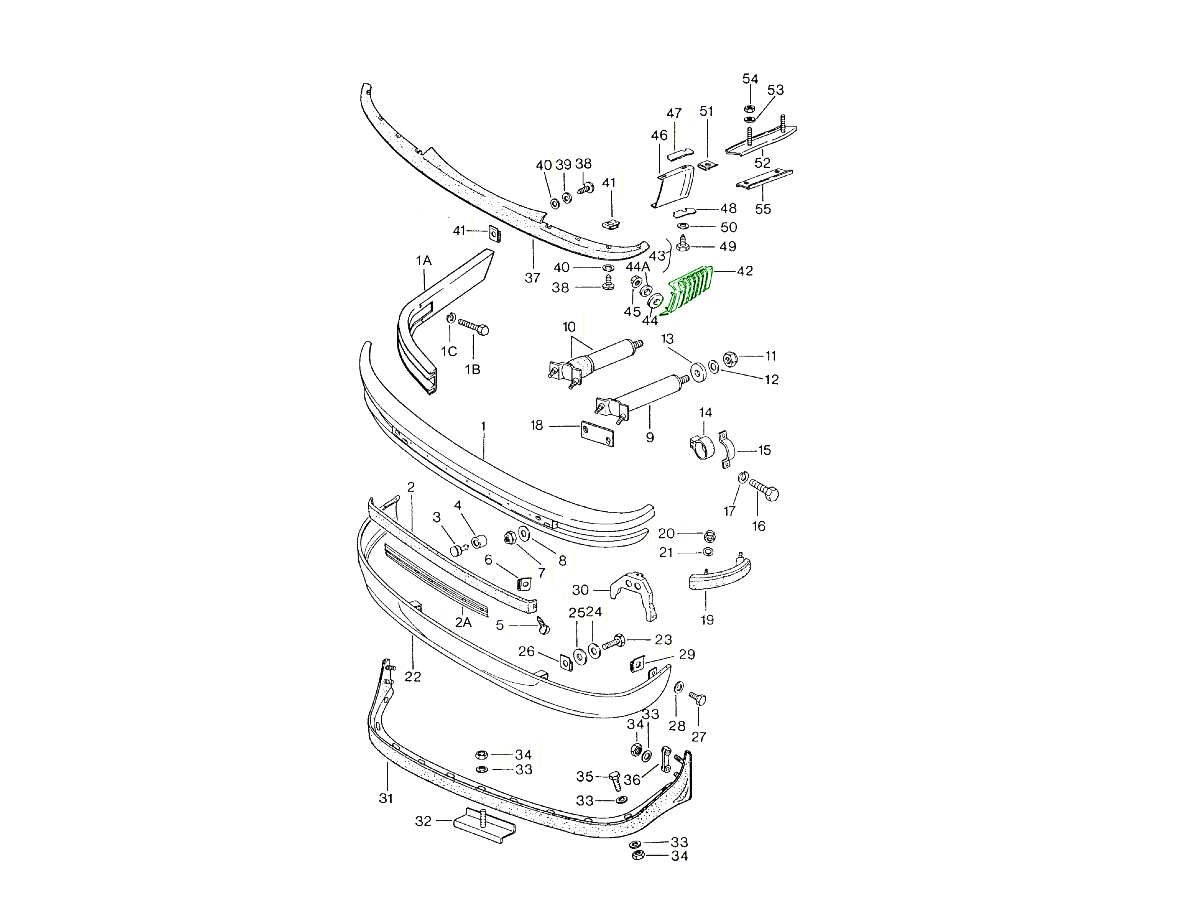
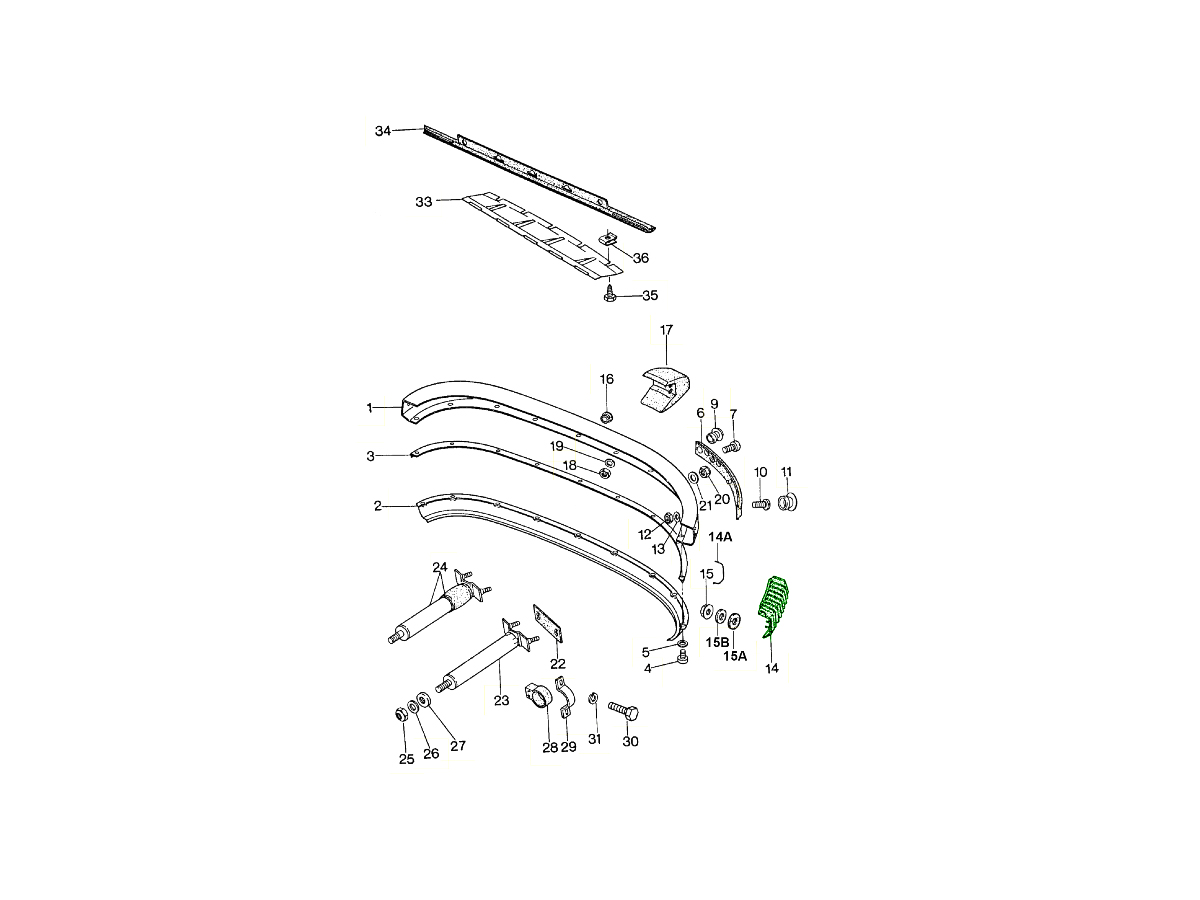
Diagram ref no 42 (front bumper) and 14 (rear bumper)
Constructed from high-quality rubber with correct hardness and ageing-resistant compound, the bellows restore proper fitment, eliminate flapping or sagging, maintain correct bumper tube alignment and preserve that factory-correct look of the early “G-series” 911 / 930 models.
• Function: These bellows serve to cushion and seal the bumper impact tubes, protect the chassis mount region from road debris and water ingress, provide correct mounting geometry and restore the original gap/flex behaviour of the bumper system.
While bellows may seem like minor rubber parts they play a crucial role:
• Worn or collapsed bellows can lead to loose or mis-aligned bumper tubes, which may damage paintwork or rubber finish around the mounting.
• Missing or deteriorated bellows allow dirt, water and debris into the impact-tube housing, accelerating corrosion and reduced structural integrity.
• Incorrect or absent seals can lead to visible gaps, poor bumper alignment and reduced impact-absorption performance.
Replacing all four at once ensures symmetrical bumper behaviour, restores correct fitment front and rear, and preserves the value and originality of your G-series 911 or 930.
When to replace:
• Original bellows appear cracked, hardened, sagging or distorted.
• You’re replacing bumper tubes, painting bodywork or restoring the front/rear sections.
• The vehicle is being prepared for show, sale or concours and requires correct rubber components.
• You’re experiencing loose bumper feel, water ingress in the mount region or visible rubber deterioration.
Related reference numbers
Related, superseded, cross reference or alternative numbers for comparison.
BUMPERBELLOWSET
The product you are viewing cross references to these numbers
This kit is comprised of the following items:

- Porsche 911 1965-1968 2.0L / 912 SWB (F)
- Porsche 911 1968-1973 2.2L / 2.4L / 2.7L RS LWB (F)
- Porsche 911 1974-1977 2.7L / 1976-77 3.0 Carrera
- Porsche 911 1978-1983 3.0L / SC
Kit includes
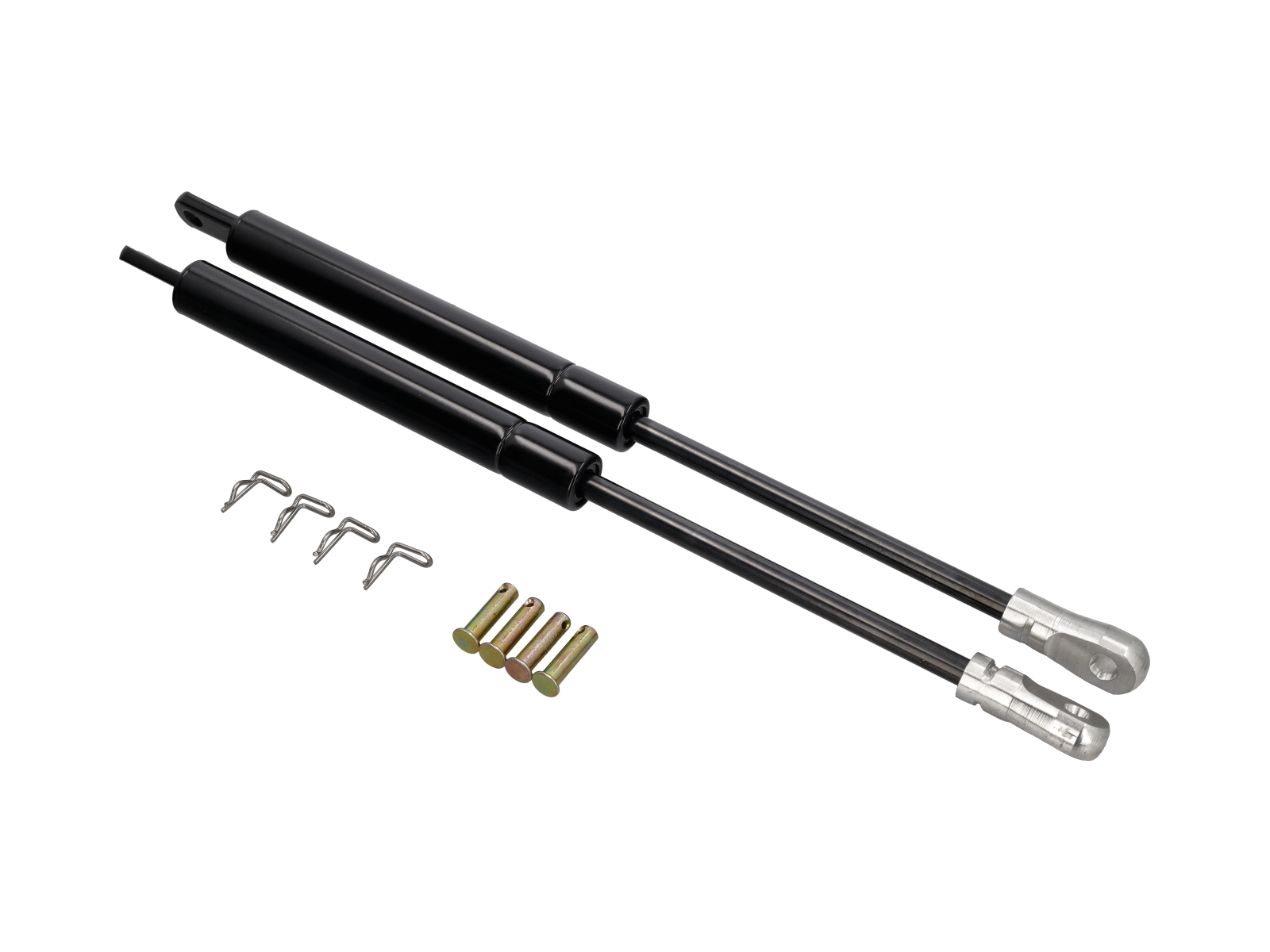
2 x Damper front bonnet.
Ref No. 91151133100
4 x Brake caliper safety clip. Ref No. 90135195510
4 x Damper swivel pin. Ref No. 90008701102

Fits:
Porsche 911 1965-1968 2.0L / 912 SWB (F)
Porsche 911 1968-1973 2.2L / 2.4L / 2.7L RS LWB (F)
Porsche 911 1974-1977 2.7L / 1976-77 3.0 Carrera
Porsche 911 1978-1983 3.0L / SC
Signs Your Hood Lift Support Is Failing
- The hood feels heavier or no longer stays open as high as it used to, often due to internal gas leakage.
- Visible grease or oil leaking from the lift supports.
- Creaking, squeaking, or seeping noises when raising the hood or trunk.
- The hood or trunk no longer stays open on its own after lifting.
Related reference numbers
Related, superseded, cross reference or alternative numbers for comparison.
91151133100
The product you are viewing cross references to these numbers
This kit is comprised of the following items:


- Porsche 996 C2 3.6L 09/01-2005
- Porsche 996 C4 3.6L 09/01-2005
- Porsche 996 C4S 3.6L 09/01-2005
- Porsche 997 MK1 Carrera 2 3.6L 2005-08
- Porsche 997 MK1 Carrera 2S 3.8L 2005-08
- Porsche 997 MK1 Carrera 4 3.6L 2005-08
- Porsche 997 MK1 Carrera 4S 3.8L 2005-08
The standard size (STD) engine crankshaft is a critical rotating component for Porsche 996 Carrera and 997.1 Carrera / Carrera S models equipped with the M96/M97 engines
Fits:
- Porsche 996 C2 3.6L 09/01-2005 (engine code M9603)
- Porsche 996 C4 3.6L 09/01-2005 (engine code M9603)
- Porsche 996 C4S 3.6L 09/01-2005 (engine code M9603)
- Porsche 997 MK1 Carrera 2 3.6L 2005-08 (engine code M9605)
- Porsche 997 MK1 Carrera 2S 3.8L 2005-08 (engine code M9701)
- Porsche 997 MK1 Carrera 4 3.6L 2005-08 (engine code M9605)
- Porsche 997 MK1 Carrera 4S 3.8L 2005-08 (engine code M9701)
Designed to maintain original journal dimensions and deliver balanced, dependable rotation, this crankshaft ensures proper bearing clearances, stable lubrication and smooth power delivery—essential for both everyday driving and spirited performance use.
Whether restoring a high-mileage engine, repairing bottom-end damage or conducting a complete power unit rebuild, this precision crankshaft is fundamental to achieving long-term reliability and authentic Porsche performance.
What the Crankshaft Does
This crankshaft performs multiple key functions at the heart
of the Porsche flat-six engine:
- Transforms piston motion into smooth, controlled rotational torque
- Maintains
exact journal sizing for correct oil clearance and bearing support
- Provides
balanced rotation across the engine’s full RPM range
- Supports
consistent lubrication through precision oil galleries
- Ensures
durable, stable bottom-end operation under high loads
- Forms the structural core of the M96/M97 rotating assembly
A correctly sized, properly balanced crankshaft is essential for engine health, power consistency and long-term performance.
Why Porsche Crankshafts Can Fail
While Porsche’s M96/M97 engines are known for performance,
certain conditions can cause premature crankshaft wear or failure. Common
causes include:
- Oil
starvation leading to bearing knock and journal scoring
- High
mileage fatigue causing cracks or out-of-round journals
- Worn
or failed bearings damaging crankshaft surfaces
- Contaminated
lubrication accelerating wear on critical journals
- Overheating
compromising crankshaft strength
- Imbalance
due to previous machining or improper rebuild work
- Harmonic vibration intensified by worn flywheel or pulley components
Symptoms often include low oil pressure, knocking noises, metal debris in oil filters, engine vibration or difficulty maintaining consistent RPM.
Why You Should Replace a Worn Crankshaft
Replacing a damaged crankshaft with a precision-built, standard size replacement designed to match Porsche performance characteristics restores the reliability and durability required from the M96/M97 engine.
Key benefits include:
- Restored journal accuracy and correct bearing clearance
- Improved lubrication and oil pressure stability
- Smooth, balanced rotation across all RPM ranges
- Prevention of major bottom-end failures
- Enhanced reliability for road and performance driving
- Extended lifespan of rods, pistons, bearings and related components
For 996 and 997.1 owners, a correct standard-size crankshaft is vital to a successful and lasting engine rebuild.
Related reference numbers
Related, superseded, cross reference or alternative numbers for comparison.
99610201204
The product you are viewing cross references to these numbers


- Porsche 95B.1 Macan Petrol 2.0L (237Bhp) 2014-18
- Porsche 95B.1 Macan S Petrol 3.0L V6 (340Bhp) 2014-18
- Porsche 95B.1 Macan S Diesel 3.0L V6 (258Bhp) 2014-18
- Porsche 95B.1 Macan GTS Petrol 3.0L V6 (360Bhp) 2014-18
- Porsche 95B.1 Macan Turbo 3.6L V6 (400Bhp) 2014-18
- Porsche 95B.2 Macan Petrol 2.0L (245Bhp) 2019-21
- Porsche 95B.2 Macan S Petrol 3.0L V6 (354Bhp) 2019-21
- Porsche 95B.2 Macan GTS Petrol 2.9L V6 (380Bhp) 2019-21
- Porsche 95B.2 Macan Turbo 2.9L V6 (440Bhp) 2019-21
Premature wear can also occur when other components—such as differential bushings or suspension parts—are worn, or when the vehicle is frequently driven on rough roads or used for overlanding.
Fits:
Porsche 95B Macan 2015-2018
Porsche Macan II 2019>>
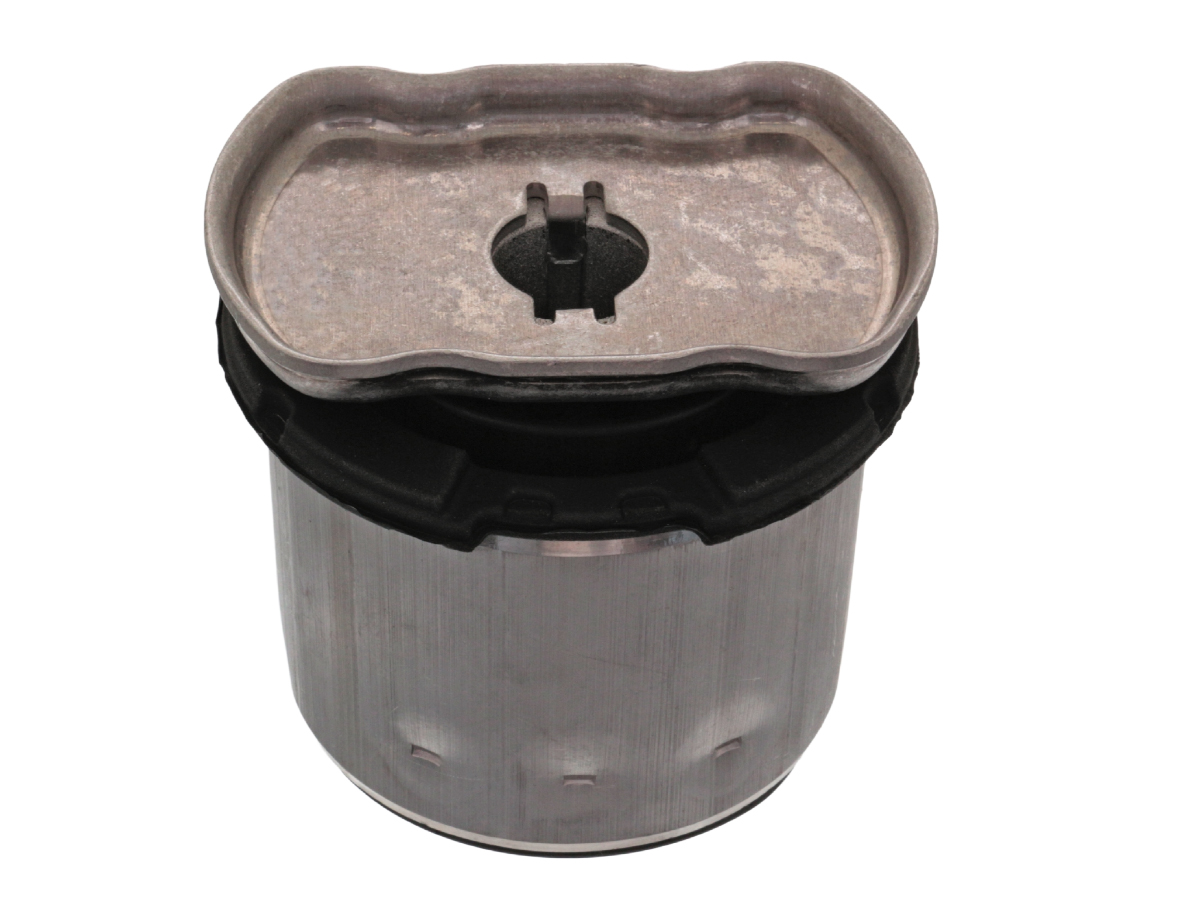
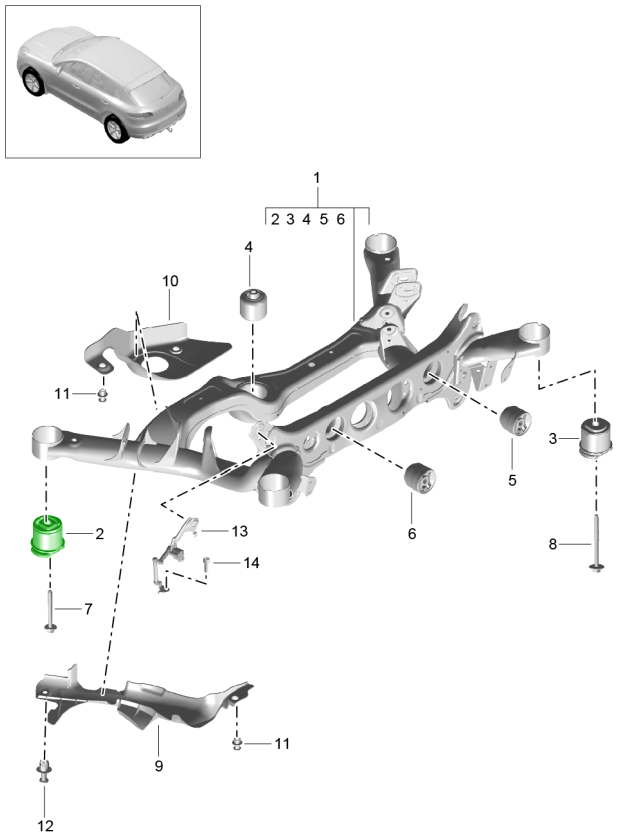
OE Match Subframe Bushing Kit
OE Match has engineered this kit using high-quality aftermarket subframe bushings and mounting hardware to provide a complete, solution-focused repair. This kit is designed to restore proper handling, stability, and overall driving performance to your Porsche Macan.
Diagram ref no 2 & 3
Related reference numbers
Related, superseded, cross reference or alternative numbers for comparison.
95B505145
The product you are viewing cross references to these numbers
This kit is comprised of the following items:
- Porsche 911 1965-1968 2.0L / 912 SWB (F)
- Porsche 911 1968-1973 2.2L / 2.4L / 2.7L RS LWB (F)
- Porsche 914 (1970-1976)
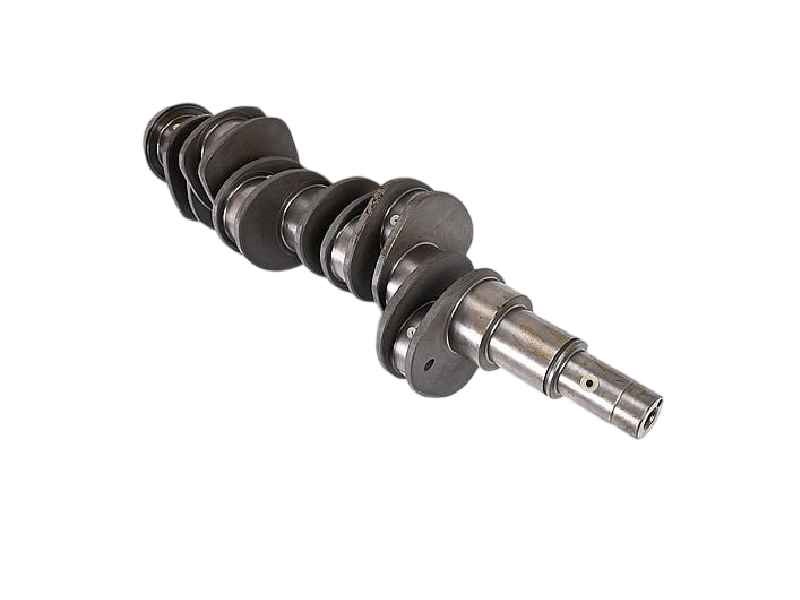
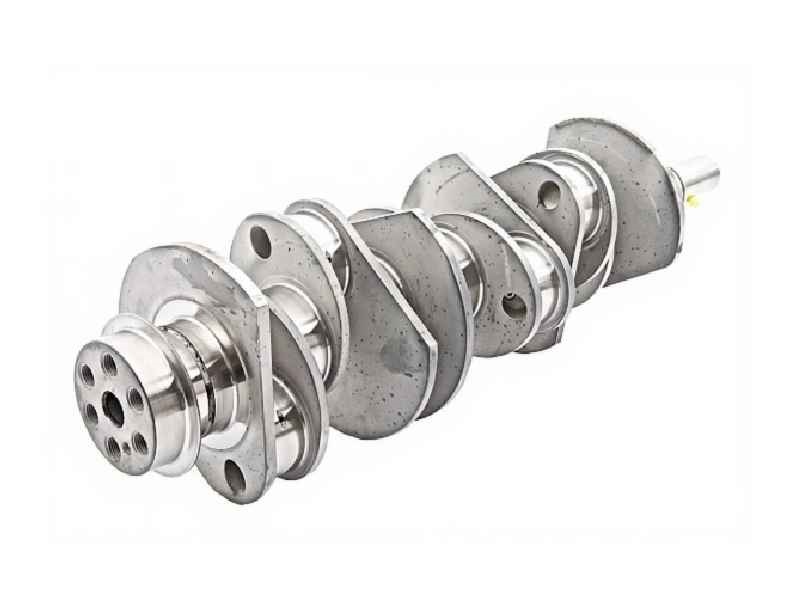
Standard Size Crankshaft (STD)
The standard size (STD) engine crankshaft is an
essential rotating component for the early air-cooled Porsche models.
Fits:
These first-generation air-cooled flat-six engines rely heavily on the strength, balance and accuracy of the crankshaft to deliver the smooth, free-revving performance that made the classic 911 legendary.
Whether performing a true-to-original restoration or a full
bottom-end rebuild, this crankshaft ensures proper bearing clearances, smooth
rotation and the reliability required to support both naturally aspirated and
early turbocharged Porsche engines.
What the Crankshaft Does
This crankshaft plays a central role in engine operation by:
- Transforming
piston movement into rotational torque to drive the transmission
- Maintaining
exact journal sizing for correct oil film and bearing support
- Ensuring
balanced rotation across the entire RPM range
- Supporting
reliable lubrication through precision oil galleries
- Handling
high load and thermal stress typical of air-cooled performance engines
- Providing dependable bottom-end stability for both normally aspirated and turbocharged setups
Without a properly sized and balanced crankshaft, the engine cannot run smoothly or reliably.
Why Crankshafts Can Fail
Although Porsche’s air-cooled crankshafts are renowned for
durability, age, performance use and lubrication issues can lead to failure.
Common causes include:
- Oil
starvation causing bearing damage and journal scoring
- Contamination
in the oil system leading to abrasive wear
- High-mileage
fatigue resulting in stress cracks or journal out-of-round conditions
- Overheating
reducing metallurgical strength
- Incorrect
machining or imbalance from past rebuilds
- Detonation
or pre-ignition placing excessive load on journals
- Corrosion from long storage or moisture intrusion
Symptoms can include low oil pressure, vibration, bearing noise, metal debris in the oil, or excessive crankshaft end-float.
Why You Should Replace a Worn or Damaged Crankshaft
Installing a new or precision-engineered standard size crankshaft—matched to original Porsche tolerances—provides the foundation for a reliable, long-lasting engine rebuild.
Benefits include:
- Restored bearing clearance and proper lubrication
- Smooth rotational balance and reduced engine vibration
- Improved reliability for both standard and turbocharged engines
- Protection against catastrophic bottom-end failures
- Extended lifespan for connecting rods, bearings and pistons
- Consistent performance in high-heat air-cooled environments
For early air-cooled Porsche models, the crankshaft is one of the most critical components that determines the success and durability of any engine rebuild.
Related reference numbers
Related, superseded, cross reference or alternative numbers for comparison.
90110201101
The product you are viewing cross references to these numbers
- Porsche 911 1968-1973 2.2L / 2.4L / 2.7L RS LWB (F)
- Porsche 911 1974-1977 2.7L / 1976-77 3.0 Carrera
- Porsche 911 1975-1977 3.0L Turbo (930)
Standard Size Crankshaft (STD)
The standard size (STD) engine crankshaft is an
essential rotating component for the early air-cooled Porsche models.
Fits:
- Porsche 911 1972-1973 2.4L / 2.7L RS LWB (F)
- Porsche 911 1974-1977 2.7L / 1976-77 3.0 Carrera
- Porsche 911 1975-1977 3.0L Turbo (930)
Designed to maintain original journal dimensions and deliver long-lasting structural integrity, this crankshaft provides the precision, balance and strength demanded by classic flat-six engines.
Whether performing a true-to-original restoration or a full bottom-end rebuild, this crankshaft ensures proper bearing clearances, smooth rotation and the reliability required to support both naturally aspirated and early turbocharged Porsche engines.
What the Crankshaft Does
This crankshaft plays a central role in engine operation by:
- Transforming
piston movement into rotational torque to drive the transmission
- Maintaining
exact journal sizing for correct oil film and bearing support
- Ensuring
balanced rotation across the entire RPM range
- Supporting
reliable lubrication through precision oil galleries
- Handling
high load and thermal stress typical of air-cooled performance engines
- Providing dependable bottom-end stability for both normally aspirated and turbocharged setups
Without a properly sized and balanced crankshaft, the engine cannot run smoothly or reliably.
Why Crankshafts Can Fail
Although Porsche’s air-cooled crankshafts are renowned for
durability, age, performance use and lubrication issues can lead to failure.
Common causes include:
- Oil
starvation causing bearing damage and journal scoring
- Contamination
in the oil system leading to abrasive wear
- High-mileage
fatigue resulting in stress cracks or journal out-of-round conditions
- Overheating
reducing metallurgical strength
- Incorrect
machining or imbalance from past rebuilds
- Detonation
or pre-ignition placing excessive load on journals
- Corrosion from long storage or moisture intrusion
Symptoms can include low oil pressure, vibration, bearing noise, metal debris in the oil, or excessive crankshaft end-float.
Why You Should Replace a Worn or Damaged Crankshaft
Installing a new or precision-engineered standard size crankshaft—matched to original Porsche tolerances—provides the foundation for a reliable, long-lasting engine rebuild.
Benefits include:
- Restored bearing clearance and proper lubrication
- Smooth rotational balance and reduced engine vibration
- Improved reliability for both standard and turbocharged engines
- Protection against catastrophic bottom-end failures
- Extended lifespan for connecting rods, bearings and pistons
- Consistent performance in high-heat air-cooled environments
For valuable classics like the 1972–77 Porsche 911 and early 930 Turbo, a correct STD crankshaft is essential to preserving performance and longevity.
Related reference numbers
Related, superseded, cross reference or alternative numbers for comparison.
91610201600
The product you are viewing cross references to these numbers
- Porsche 911 1978-1983 3.0L / SC
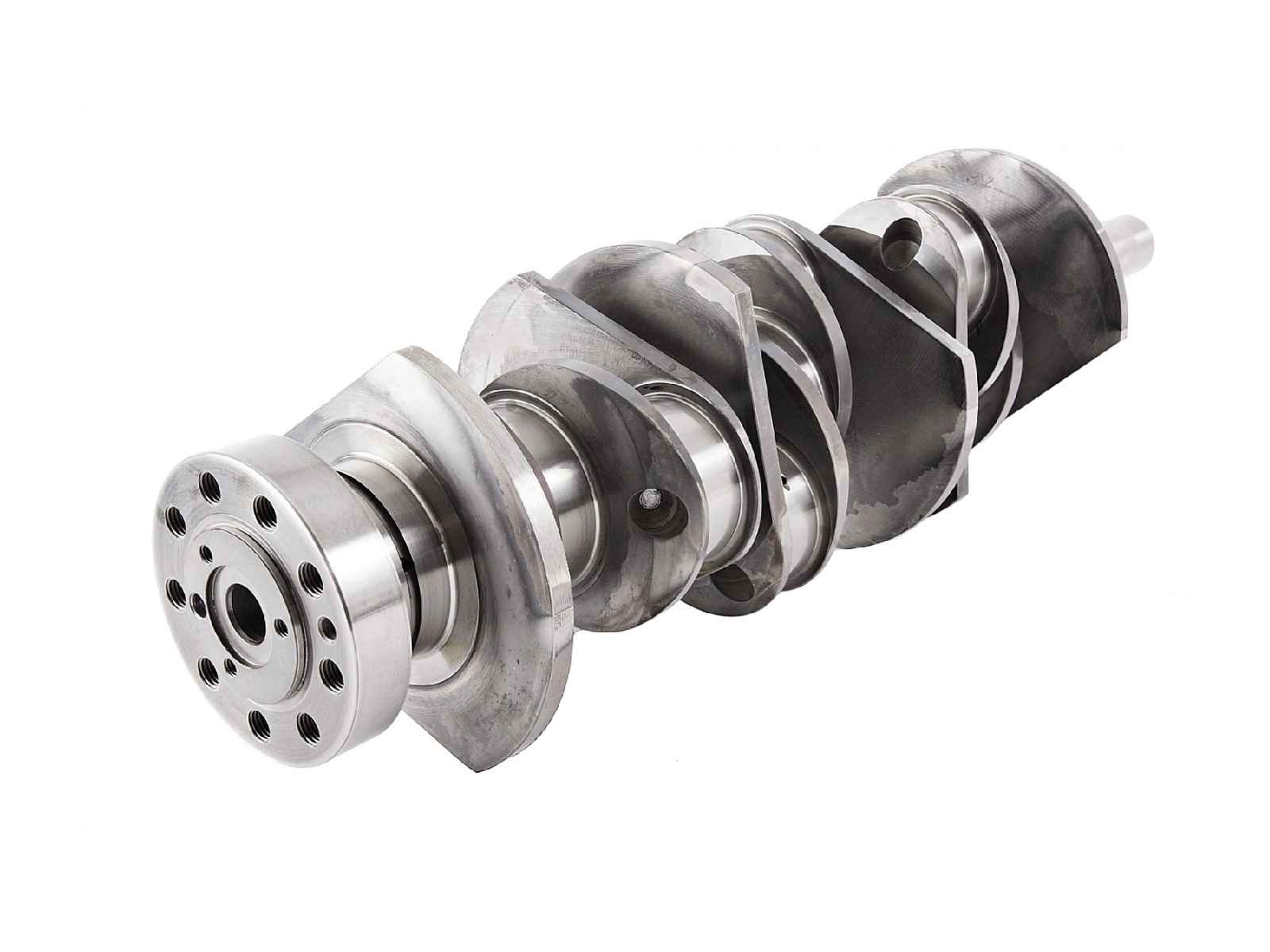
Crankshaft Standard (STD)
The
standard size (STD) crankshaft is a key rotating component for the classic Porsche
911 SC (3.0ltr).
Fits:
Engineered to match original build specifications, this crankshaft ensures proper journal dimensions, smooth rotation and long-term durability within the renowned air-cooled flat-six engine. Whether restoring a classic 911 SC or rebuilding a high-mileage bottom end, this precision-machined crankshaft plays a vital role in maintaining authentic Porsche performance.
Designed to maintain original journal dimensions and deliver exceptional strength, this crankshaft plays a crucial role in preserving the smoothness, reliability and performance expected from these high-value flat-six engines.
Whether performing a classic restoration, a bottom-end refresh or a full performance rebuild, this crankshaft is essential for ensuring correct bearing clearances, optimal lubrication and long-term engine integrity.
What the Engine Crankshaft Does
This crankshaft is responsible for key engine functions,
including:
- Converting
piston motion into rotational torque that drives the transmission
- Maintaining
accurate journal diameters to support proper bearing lubrication
- Providing
smooth, balanced rotation across the engine’s entire RPM range
- Distributing
oil internally through precision-machined lubrication galleries
- Supporting
turbocharged loads with a strong, durable crank web and journal design
- Forming the foundation of the bottom-end rotating assembly
A correct standard-size crankshaft is vital to the long-term reliability and performance of any air-cooled Porsche flat-six.
Why Crankshafts Can Fail
Even though Porsche engineered these crankshafts for
durability, decades of use and performance driving can lead to wear or damage.
Common causes of failure include:
- Oil
starvation resulting in journal scoring or bearing failure
- Metal
fatigue from high RPM use, boost pressure or detonation
- Contamination
in the oil supply causing abrasive wear
- Overheating
weakening the crankshaft’s molecular structure
- Incorrect
machining from past rebuilds creating imbalance or mismatched
tolerances
- Severe
knock events bending or cracking the crankshaft
- High-mileage wear reducing journal roundness and bearing clearances
Symptoms of crankshaft-related failure include low oil pressure, metallic knocking, vibration, bearing debris in oil, and uneven rotation during teardown.
Why You Should Replace a Damaged or Worn Crankshaft
Installing a new or precision-built standard size crankshaft—designed to match original Porsche performance tolerances—ensures a strong, balanced and reliable engine rebuild.
Key benefits include:
- Restored bearing clearances and stable oil pressure
- Smooth, balanced engine rotation at all RPM ranges
- Reduced vibration and improved power delivery
- Enhanced reliability under turbocharged loads
- Prevention of severe bottom-end failures
- Increased lifespan of pistons, rods and bearings
- Assurance of correct geometry for high-performance use
For a Porsche 911 SC rebuild, choosing the correct STD crankshaft is one of the most important steps in achieving a long-lasting, dependable engine.
Related reference numbers
Related, superseded, cross reference or alternative numbers for comparison.
93010201508
The product you are viewing cross references to these numbers
.jpg?width=197 "Crankshaft Standard (STD). Porsche 911 3.2 Carrera / 911 turbo / 964 turbo 3.3ltr - 93010201409, 930102014CX - 930 102 014")
.jpg)
- Porsche 911 1984-1986 3.2L
- Porsche 911 1987-1989 3.2L G50
- Porsche 911 1978-1989 3.3L Turbo (930)
- Porsche 964 (911) TURBO 3.3L 1991-93
Crankshaft Standard (STD)
This standard size crankshaft (STD) is a
precision-engineered rotating assembly component used in several iconic Porsche
air-cooled engines.
Fits:
- Porsche 911 1984-1986 3.2L
- Porsche 911 1987-1989 3.2L G50
- Porsche 911 1984 -1989 3.3L Turbo (930)
- Porsche 964 (911) TURBO 3.3L 1991-93
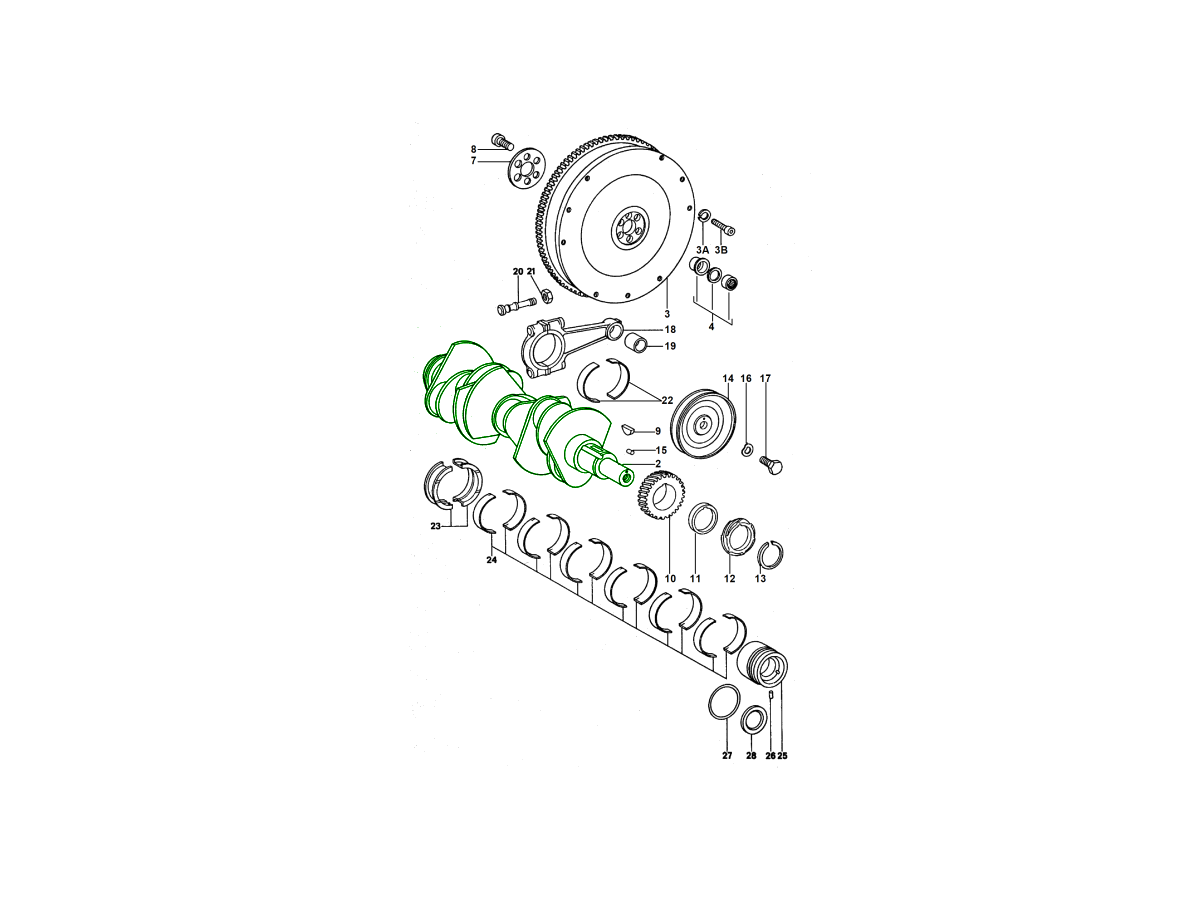
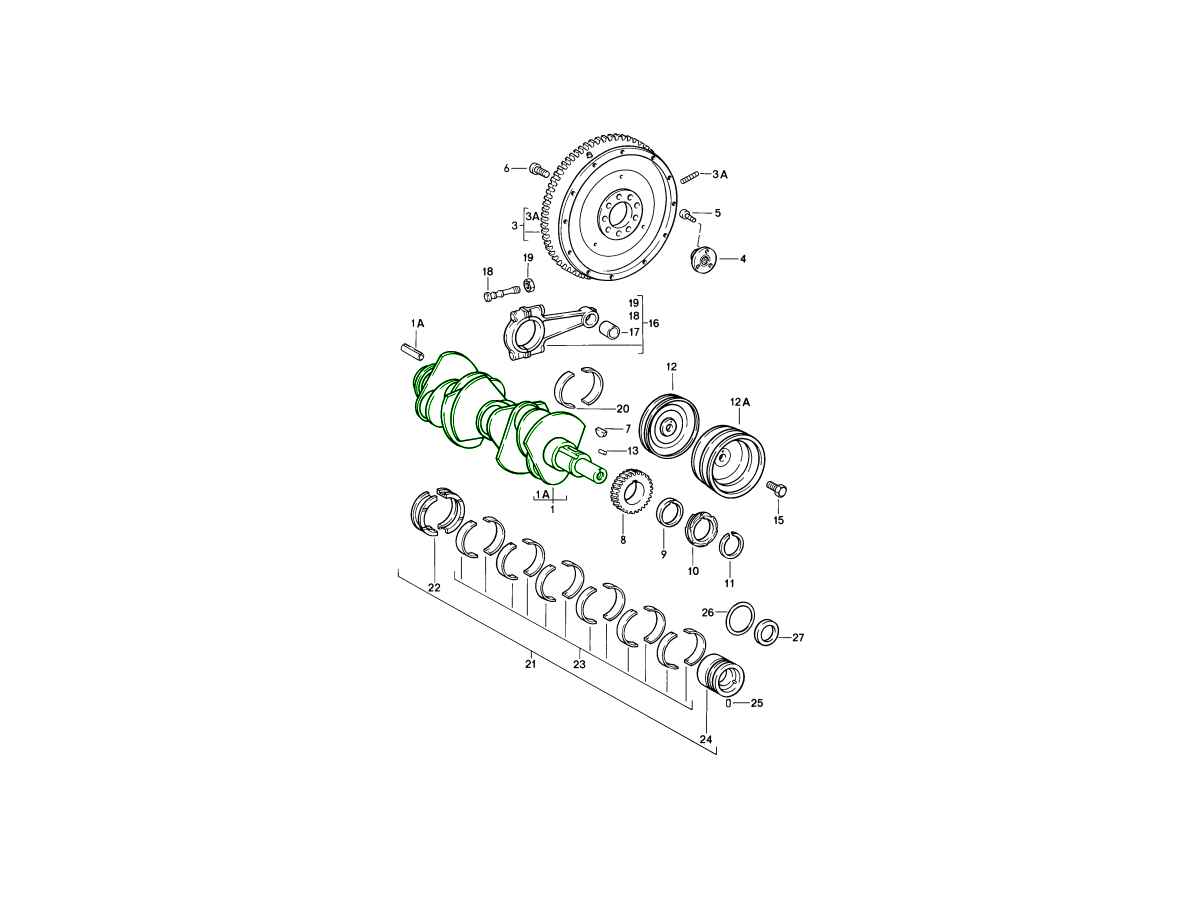
Diagram ref no 1
Designed to maintain original journal dimensions and deliver exceptional strength, this crankshaft plays a crucial role in preserving the smoothness, reliability and performance expected from these high-value flat-six engines.
Whether performing a classic restoration, a bottom-end refresh or a full performance rebuild, this crankshaft is essential for ensuring correct bearing clearances, optimal lubrication and long-term engine integrity.
What the Engine Crankshaft Does
This crankshaft is responsible for key engine functions,
including:
- Converting
piston motion into rotational torque that drives the transmission
- Maintaining
accurate journal diameters to support proper bearing lubrication
- Providing
smooth, balanced rotation across the engine’s entire RPM range
- Distributing
oil internally through precision-machined lubrication galleries
- Supporting
turbocharged loads with a strong, durable crank web and journal design
- Forming the foundation of the bottom-end rotating assembly
A correct standard-size crankshaft is vital to the long-term reliability and performance of any air-cooled Porsche flat-six.
Why Crankshafts Can Fail
Even though Porsche engineered these crankshafts for
durability, decades of use and performance driving can lead to wear or damage.
Common causes of failure include:
- Oil
starvation resulting in journal scoring or bearing failure
- Metal
fatigue from high RPM use, boost pressure or detonation
- Contamination
in the oil supply causing abrasive wear
- Overheating
weakening the crankshaft’s molecular structure
- Incorrect
machining from past rebuilds creating imbalance or mismatched
tolerances
- Severe
knock events bending or cracking the crankshaft
- High-mileage wear reducing journal roundness and bearing clearances
Symptoms of crankshaft-related failure include low oil pressure, metallic knocking, vibration, bearing debris in oil, and uneven rotation during teardown.
Why You Should Replace a Damaged or Worn Crankshaft
Installing a new or precision-built standard size crankshaft—designed to match original Porsche performance tolerances—ensures a strong, balanced and reliable engine rebuild.
Key benefits include:
- Restored bearing clearances and stable oil pressure
- Smooth, balanced engine rotation at all RPM ranges
- Reduced vibration and improved power delivery
- Enhanced reliability under turbocharged loads
- Prevention of severe bottom-end failures
- Increased lifespan of pistons, rods and bearings
- Assurance of correct geometry for high-performance use
For high-value Porsche models like the 911 Carrera 3.2 and Turbo variants, a correct, high-quality STD crankshaft is one of the most critical investments in any rebuild.
Related reference numbers
Related, superseded, cross reference or alternative numbers for comparison.
93010201409
The product you are viewing cross references to these numbers
- Porsche 95B.1 Macan Petrol 2.0L (237Bhp) 2014-18
- Porsche 95B.1 Macan S Petrol 3.0L V6 (340Bhp) 2014-18
- Porsche 95B.1 Macan S Diesel 3.0L V6 (258Bhp) 2014-18
- Porsche 95B.1 Macan GTS Petrol 3.0L V6 (360Bhp) 2014-18
- Porsche 95B.1 Macan Turbo 3.6L V6 (400Bhp) 2014-18
- Porsche 95B.2 Macan Petrol 2.0L (245Bhp) 2019-21
- Porsche 95B.2 Macan S Petrol 3.0L V6 (354Bhp) 2019-21
- Porsche 95B.2 Macan GTS Petrol 2.9L V6 (380Bhp) 2019-21
- Porsche 95B.2 Macan Turbo 2.9L V6 (440Bhp) 2019-21
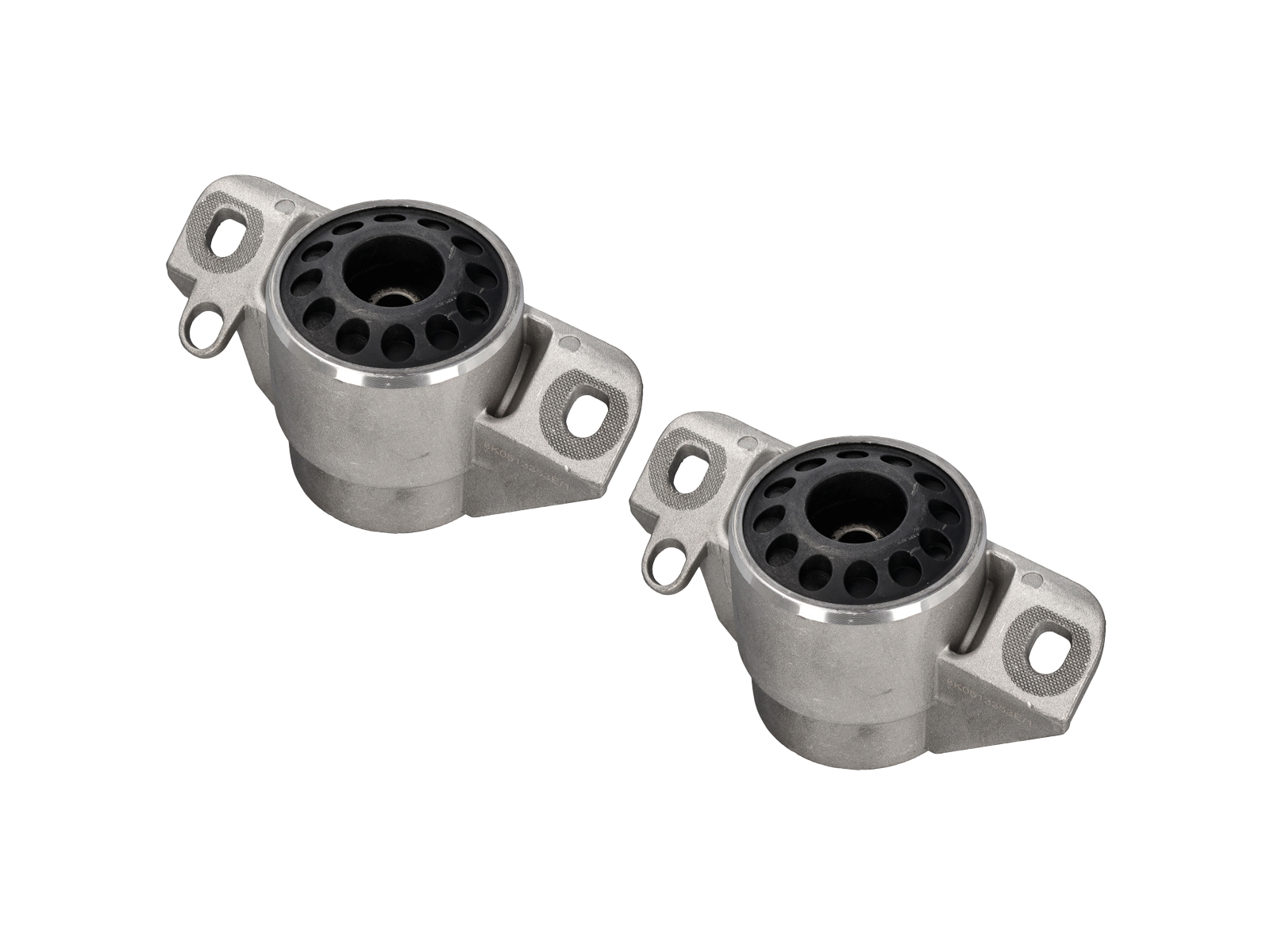
The shock mount plays a key role in keeping your ride smooth and quiet. It absorbs road noise and vibration while securely holding the shock in place. Over time, shock mounts naturally wear out, which can lead to clunking sounds, vibration, or reduced ride comfort.
For best results, we recommend replacing the shock mounts whenever you install new shocks to prevent premature wear. This kit includes everything you need to replace both faulty shock mounts and restore proper suspension performance.
Fits:
For cars with Suspension/dampers, standard (I1BA)
Porsche 95B Macan 2014-18
Porsche Macan II 2019>>
Click 'Zoom in' for large parts diagram.
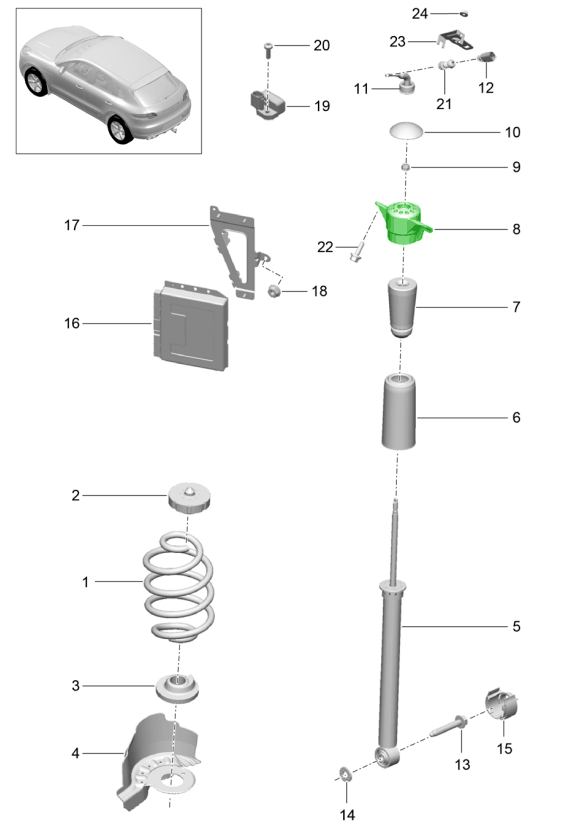
Diagram ref no 8
Related reference numbers
Related, superseded, cross reference or alternative numbers for comparison.
8K0513353E
The product you are viewing cross references to these numbers
This kit is comprised of the following items:

- Porsche 95B.1 Macan Petrol 2.0L (237Bhp) 2014-18
- Porsche 95B.1 Macan S Petrol 3.0L V6 (340Bhp) 2014-18
- Porsche 95B.1 Macan S Diesel 3.0L V6 (258Bhp) 2014-18
- Porsche 95B.1 Macan GTS Petrol 3.0L V6 (360Bhp) 2014-18
- Porsche 95B.1 Macan Turbo 3.6L V6 (400Bhp) 2014-18
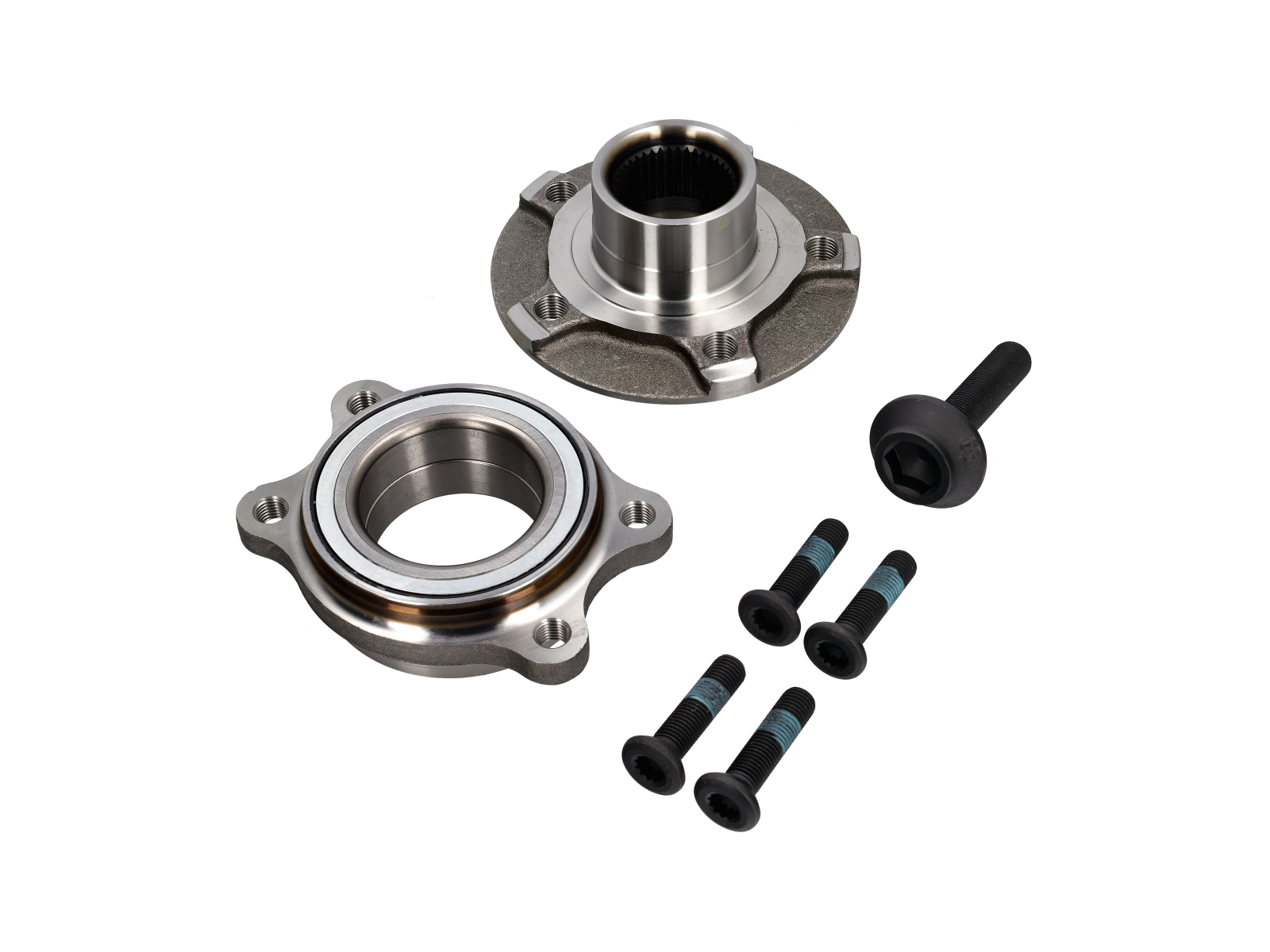
This Kit Includes:
- Wheel Bearing
- Wheel Bearing Hardware
- Wheel Hub
- Axle Bolt
Fits:
Porsche 95B Macan 2014-18 FRONT / REAR
Thickness: 72 mm,
Inner Diameter: 44 mm,
Outer diameter: 142 mm
Bolt Hole Circle Ø: 112 mm
vehicle-dependent installation sides
Click 'Zoom in' for large parts diagram.
Diagram ref no 2 & 3
Related reference numbers
Related, superseded, cross reference or alternative numbers for comparison.
PAC407613
The product you are viewing cross references to these numbers
This kit is comprised of the following items:
- Porsche 993 (911) C2 1994-97
- Porsche 993 (911) C4 1994-97
- Porsche 993 (911) RS 1994-97
- Porsche 993 (911) C2S 1994-97
- Porsche 993 (911) C4S 1994-97
- Porsche 993 (911) TURBO 1994-96
- Porsche 993 (911) GT2 1994-97
- Porsche 993 (911) TURBO S 1994-97
- Porsche 996 TURBO 2000-05
- Porsche 996 GT2 2001-05
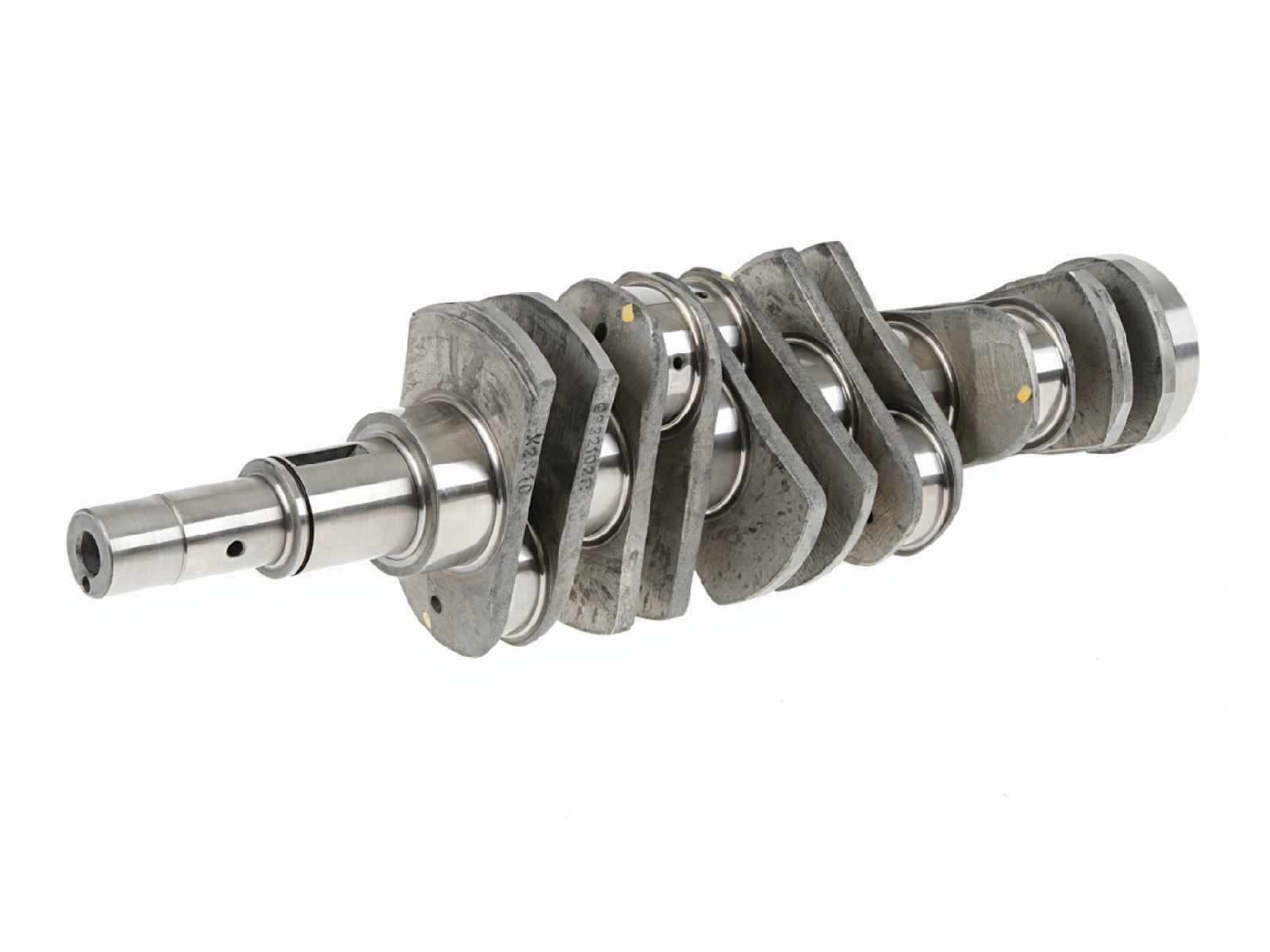
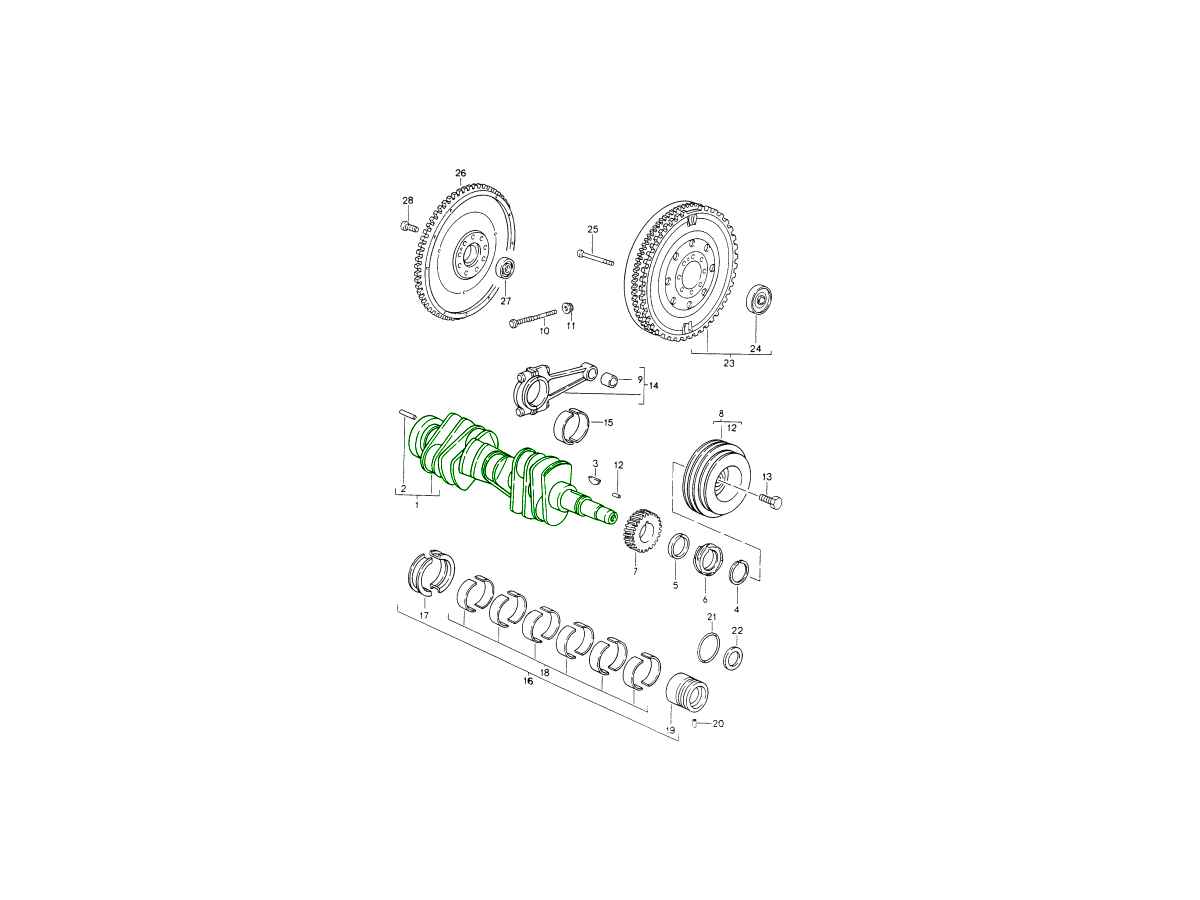
Crankshaft Standard (STD)
The
standard size crankshafts are key rotating components used in Porsche 993
engines and 996 Turbo models.
Fits:
Diagram ref no 1
The crankshaft delivers the precise journal dimensions, balance and strength needed for the high-performance flat-six architecture. Designed to maintain original tolerances, a standard-size crankshaft ensures correct bearing clearances, smooth rotation and reliable power delivery—crucial for both road and track-driven Porsches.
For any engine rebuild, restoration or major service involving these models, choosing a correctly machined and precision-balanced standard size crankshaft is essential to restoring authentic performance and long-term reliability.
What These Standard Size Porsche Crankshafts Do
Designed to work at the core of the bottom end
assembly, these crankshafts:
- Convert piston movement into rotational torque to power the drivetrain
- Maintain exact journal diameters for correct bearing oil film clearance
- Provide engine balance across all RPM ranges—crucial for high-revving Porsche flat-six engines
- Facilitate internal lubrication via precision oil galleries
- Support smooth, strong and consistent power delivery Ensure structural integrity under boost conditions in 996 turbo engines
These crankshafts are engineered to perform reliably under demanding thermal, mechanical and load environments typical of Porsche performance models.
Why Porsche 993 & 996 turbo Crankshafts Can Fail
Even though Porsche flat-six crankshafts are
exceptionally robust, years of use, high RPM and turbocharged forces can lead
to failure. Common causes include:
- Oil starvation or low pressure causing severe journal scoring
- Bearing shell failure damaging journals and lubrication paths
- Metal fatigue from aggressive driving, detonation or over-boost scenarios
- Overheating weakening the crankshaft material
- Contamination in oil scoring journals and reducing bearing life
- Imbalance from previous poor machining or unbalanced accessories
- High mileage fatigue affecting torsional stability
Symptoms of failure include persistent vibration, knocking noises, falling oil pressure, bearing debris in oil or visible wear during teardown.
Why You
Should Replace a Worn Crankshaft
Replacing a damaged crankshaft with a precision-built
standard size alternative engineered to match original performance
characteristics is crucial to achieving a reliable and long-lasting Porsche
engine rebuild.
Key benefits of replacement include:
- Restored correct bearing clearances for stable oil pressure
- Smoother rotation and reduced engine vibration
- Improved reliability for high-load, high-RPM and turbocharged conditions
- Prevention of catastrophic bottom-end failures
- Extended service life for bearings, rods and pistons
- Enhanced performance consistency and engine smoothness
With Porsche 993 and 996 Turbo engines now highly valued by enthusiasts, a precision crankshaft is foundational to any proper rebuild or restoration.
Related reference numbers
Related, superseded, cross reference or alternative numbers for comparison.
99310202102
The product you are viewing cross references to these numbers
- Porsche 95B.1 Macan Petrol 2.0L (237Bhp) 2014-18
- Porsche 95B.1 Macan S Petrol 3.0L V6 (340Bhp) 2014-18
- Porsche 95B.1 Macan S Diesel 3.0L V6 (258Bhp) 2014-18
- Porsche 95B.1 Macan GTS Petrol 3.0L V6 (360Bhp) 2014-18
- Porsche 95B.1 Macan Turbo 3.6L V6 (400Bhp) 2014-18
- Porsche 95B.2 Macan Petrol 2.0L (245Bhp) 2019-21
- Porsche 95B.2 Macan S Petrol 3.0L V6 (354Bhp) 2019-21
- Porsche 95B.2 Macan GTS Petrol 2.9L V6 (380Bhp) 2019-21
- Porsche 95B.2 Macan Turbo 2.9L V6 (440Bhp) 2019-21
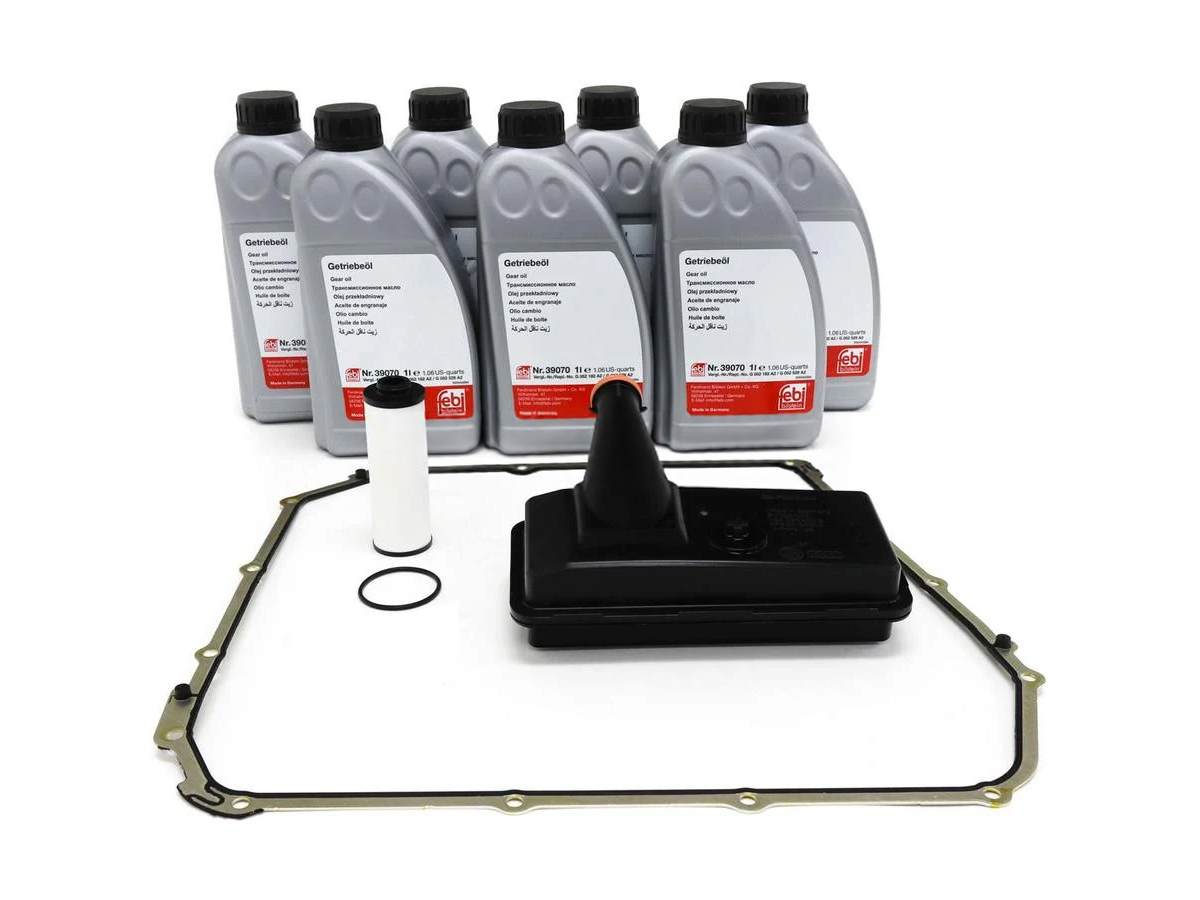
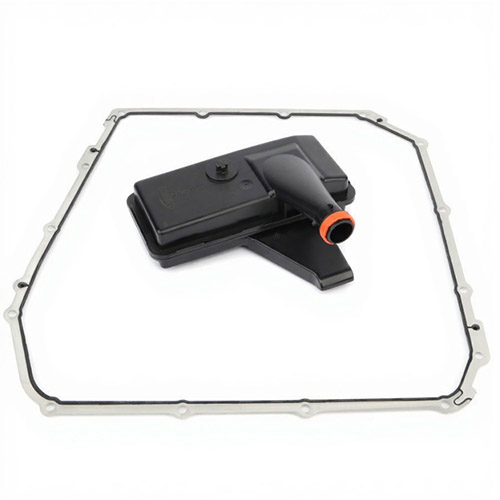
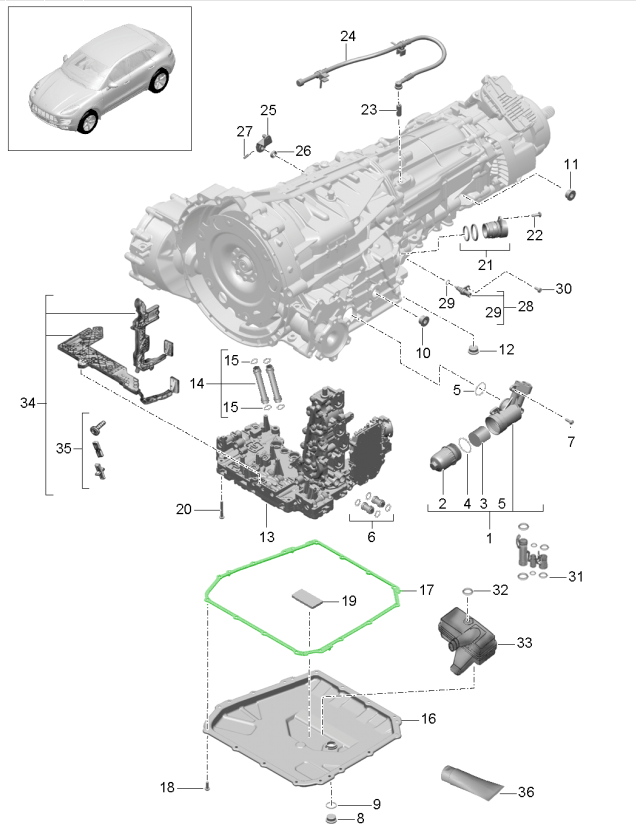
Transmission oil strainer, filter & sump gasket.
A transmission oil filter plays a crucial role in protecting your transmission by keeping harmful debris out of the valve body, solenoids, and internal fluid passages. When contaminants reach these components, they can cause a variety of shifting problems—such as delayed or harsh shifts, and in severe cases, complete loss of gear engagement.
This kit includes
Oil filter Ref No. PAC325330
Transmission oil sump gasket. Ref No. 9A732137100
Gearbox oil strainer. Ref No. 0B5325429E
7 Ltrs Gear Oil for direct shift gearbox (DCTF-1)
A clogged or restricted filter can also limit fluid flow, starving the transmission pump and leading to an RPM-dependent whining noise coming from the bell housing area. For proper transmission performance and longevity, the transmission oil filter should be replaced with every fluid service. It is especially important to install a new filter anytime major transmission components are replaced, including the torque converter, pump, or valve body.
Fits:
Porsche 95B Macan 2014-18
Porsche Macan II 2019>>
Symptoms of a Failing Transmission Filter Kit
- Whining noise from the transmission pump
- Poor drivability or shift quality, including harsh or delayed shifts
- No gear engagement in severe cases
Click 'Zoom in' for large parts diagram.
Diagram ref no 17 & 33
Related reference numbers
Related, superseded, cross reference or alternative numbers for comparison.
9A732137100
The product you are viewing cross references to these numbers
This kit is comprised of the following items: