





Enter your VAT number here and click Verify:
Your details have been verified. VAT number registered to:
,
.
Your order will now be zero rated for VAT purposes. We reserve the right to verify these details after your order request has been made and reinstate VAT if required.
Your VAT details were not recognised or were invalid. Your VAT number must be matched to your Billing Country as specified above. This is currently specified as . You do not need to enter the country code part of your VAT number as this has already been selected in your billing address details above.
The VAT number checking service is currently offline. Please supply your VAT details within the comments or special instructions field below and we will apply a VAT discount after placing your order request.
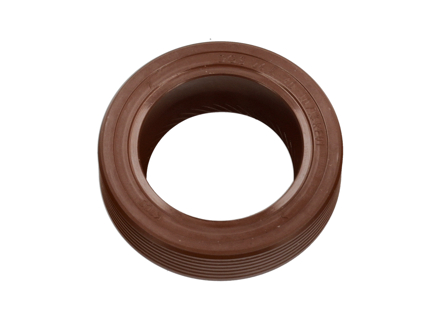
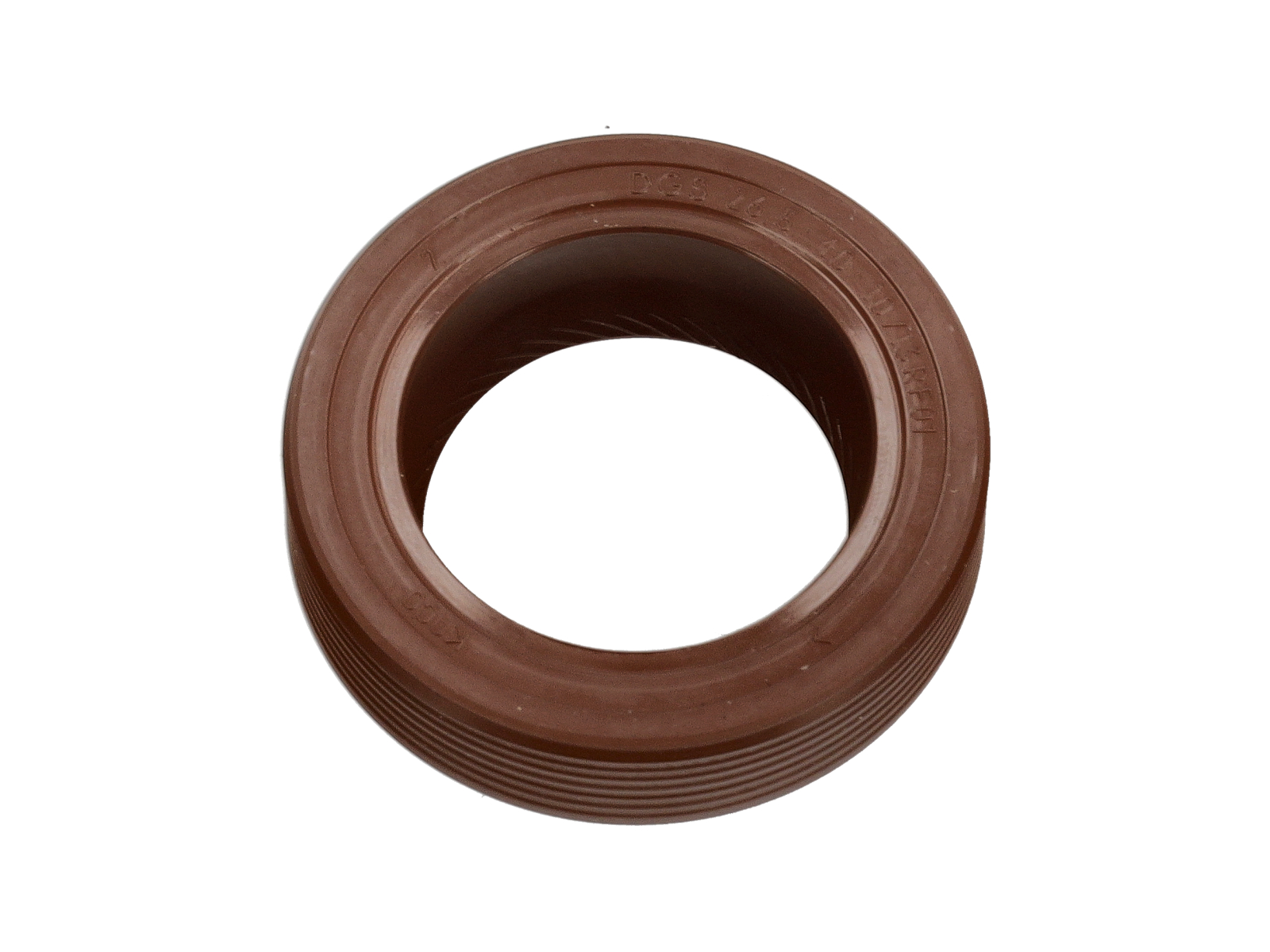
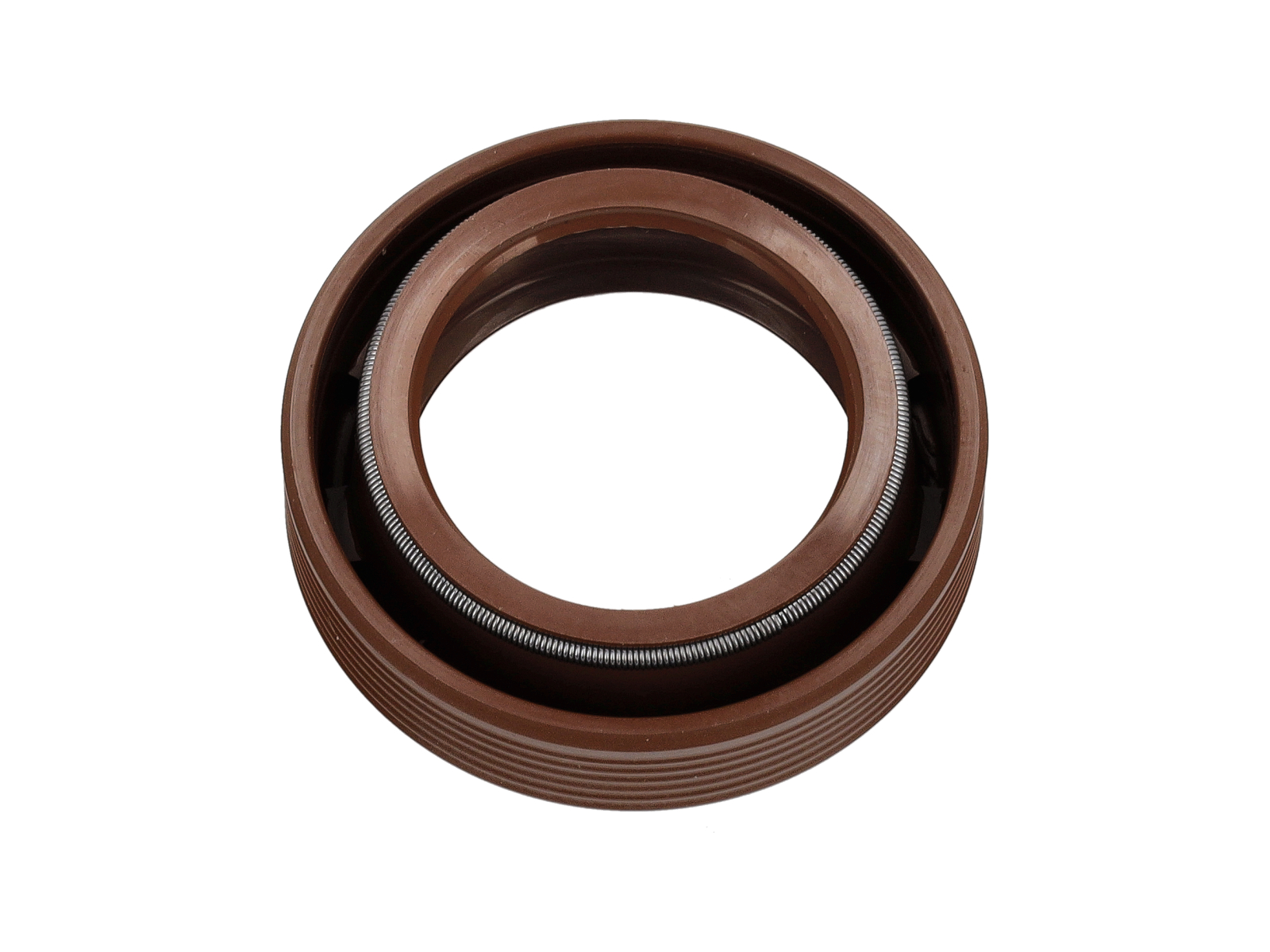
Manual transmission main shaft seal. Porsche 911 / 964 / 993 / 996 / 997 - 99911332641
99911332641/1

Vehicle Group
- Porsche 911 1987-1989 3.2L G50
- Porsche 911 1978-1989 3.3L Turbo (930)
- Porsche 964 (911) C2 1989-93
- Porsche 964 (911) C4 1989-93
- Porsche 964 (911) RS 3.6L 1991-93
- Porsche 964 (911) RS 3.8L 1991-93
- Porsche 964 (911) TURBO 3.3L 1991-93
- Porsche 964 (911) TURBO 3.6L 1991-93
- Porsche 993 (911) C2 1994-97
- Porsche 993 (911) C4 1994-97
- Porsche 993 (911) RS 1994-97
- Porsche 993 (911) C2S 1994-97
- Porsche 993 (911) C4S 1994-97
- Porsche 993 (911) TURBO 1994-96
- Porsche 993 (911) GT2 1994-97
- Porsche 993 (911) TURBO S 1994-97
- Porsche 996 TURBO 2000-05
- Porsche 996 GT2 2001-05
- Porsche 996 GT3 MKI 1999-02
- Porsche 996 GT3 MKII 2003>>
- Porsche 996 GT3 RS 2003-04
- Porsche 997 MK1 TURBO 2007-09
- Porsche 997 MK1 GT3 2007-09
- Porsche 997 MK1 GT2 2007-09
- Porsche 997 MKII GT3 2010-11
- Porsche 997 MKII Turbo 2010-13
- Porsche 997 MKII GT2 RS 2011-13
Information
Manual transmission main shaft seal. 26.5 x 40 mm.
Its function is to act as a primary seal to retain oil around the input (main) shaft of a manual transmission, preventing fluid leaks and protecting driveline components.
Fits:
Porsche 911 Carrera / Turbo 1987 - 1989
Porsche 964 Carrera / Turbo 1989 - 1994
Porsche 993 Carrera / Turbo 1995 - 1998
Porsche 996 Turbo / GT2 / GT3 2001 - 2005
Porsche 997.1 Turbo / GT2 2007 - 2009
Porsche 997.2 Turbo / GT2 2010 - 2013
Porsche 996 GT3 1999 - 2005
Porsche 997 GT3 2007 - 2011
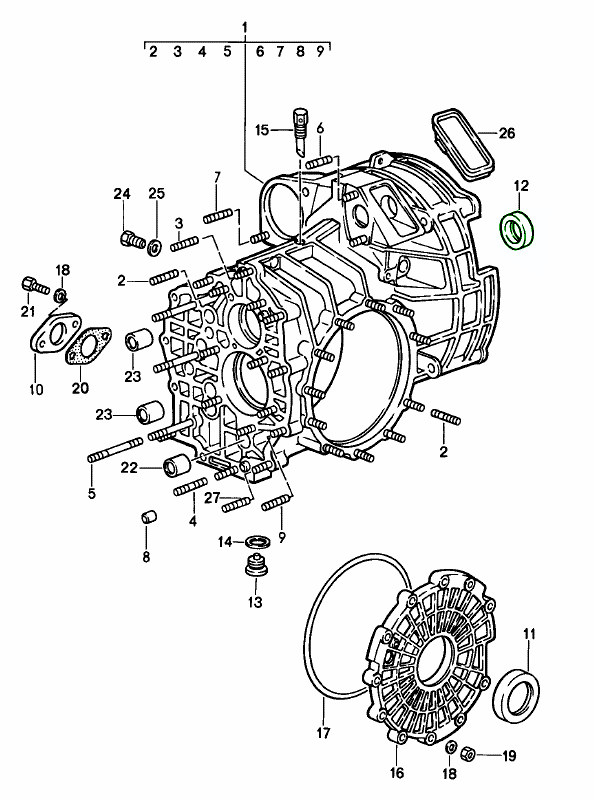
Diagram ref no 12
Application:
• Manual transmission input shaft oil seal
• Cross-referenced with superseded part number: 99911332640
The input shaft seal sits around the input/main shaft where it enters the transmission case. Its job is to keep transmission fluid from leaking out and to prevent contamination from entering the gearbox. By maintaining a secure seal around the rotating shaft, this component helps preserve optimal lubrication, reduce wear, and support smooth gear operation.
In a manual transmission, the input shaft takes power from the clutch and delivers it into the gearbox. The seal must endure rotation, pressure changes, heat, and exposure to transmission fluid, forming a durable barrier that keeps oil inside while preventing dirt and debris from entering. A properly functioning input shaft seal is crucial for transmission longevity and performance.
Over time and mileage, seals can harden, crack, or lose elasticity due to heat, oil exposure, and mechanical wear. A failed input shaft seal can lead to:
• Transmission fluid leaks
• Low fluid levels
• Increased gearbox noise
• Premature wear on gears and bearings
• Potential drivetrain damage
Replacing worn or leaking seals restores proper fluid containment and protects the integrity of the transmission system, preserving performance and reducing the risk of costly repairs.
Replace the input shaft seal if you notice:
• Visible transmission fluid leaks at the bellhousing area
• Low transmission fluid levels
• Gearbox whine or unusual noises
• Transmission slipping or crunching in gear shifts
• After transmission removal or overhaul
Related reference numbers
Related, superseded, cross reference or alternative numbers for comparison.
99911332641
The product you are viewing cross references to these numbers
Its function is to act as a primary seal to retain oil around the input (main) shaft of a manual transmission, preventing fluid leaks and protecting driveline components.
Fits:
Porsche 911 Carrera / Turbo 1987 - 1989
Porsche 964 Carrera / Turbo 1989 - 1994
Porsche 993 Carrera / Turbo 1995 - 1998
Porsche 996 Turbo / GT2 / GT3 2001 - 2005
Porsche 997.1 Turbo / GT2 2007 - 2009
Porsche 997.2 Turbo / GT2 2010 - 2013
Porsche 996 GT3 1999 - 2005
Porsche 997 GT3 2007 - 2011
Diagram ref no 12
Application:
• Manual transmission input shaft oil seal
• Cross-referenced with superseded part number: 99911332640
The input shaft seal sits around the input/main shaft where it enters the transmission case. Its job is to keep transmission fluid from leaking out and to prevent contamination from entering the gearbox. By maintaining a secure seal around the rotating shaft, this component helps preserve optimal lubrication, reduce wear, and support smooth gear operation.
In a manual transmission, the input shaft takes power from the clutch and delivers it into the gearbox. The seal must endure rotation, pressure changes, heat, and exposure to transmission fluid, forming a durable barrier that keeps oil inside while preventing dirt and debris from entering. A properly functioning input shaft seal is crucial for transmission longevity and performance.
Over time and mileage, seals can harden, crack, or lose elasticity due to heat, oil exposure, and mechanical wear. A failed input shaft seal can lead to:
• Transmission fluid leaks
• Low fluid levels
• Increased gearbox noise
• Premature wear on gears and bearings
• Potential drivetrain damage
Replacing worn or leaking seals restores proper fluid containment and protects the integrity of the transmission system, preserving performance and reducing the risk of costly repairs.
Replace the input shaft seal if you notice:
• Visible transmission fluid leaks at the bellhousing area
• Low transmission fluid levels
• Gearbox whine or unusual noises
• Transmission slipping or crunching in gear shifts
• After transmission removal or overhaul
Related reference numbers
Related, superseded, cross reference or alternative numbers for comparison.
99911332641
99911332641
99911332640
The product you are viewing cross references to these numbers
Price: €8.99
In stock
Related products
Vehicle Group
- Porsche 911 1965-1968 2.0L / 912 SWB (F)
- Porsche 911 1968-1973 2.2L / 2.4L / 2.7L RS LWB (F)
- Porsche 911 1974-1977 2.7L / 1976-77 3.0 Carrera
- Porsche 911 1978-1983 3.0L / SC
- Porsche 911 1984-1986 3.2L
- Porsche 911 1975-1977 3.0L Turbo (930)
- Porsche 911 1978-1989 3.3L Turbo (930)
- Porsche 912E 4CYL 1976
Information
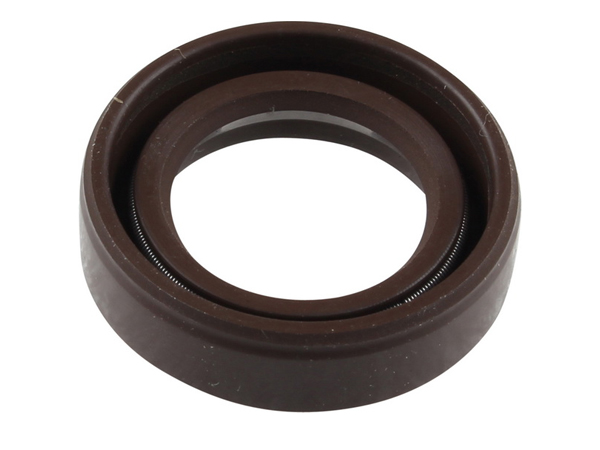
Oil seal for gear shifter by the gearbox housing. 15 X 24 X 7 mm.

Fits:
Porsche 911 2.0ltr - 3.2ltr 1963 to 1986
Porsche 930 3.0L - 3.3L 1975-89
Porsche 912 1.6ltr 1966 to 1976
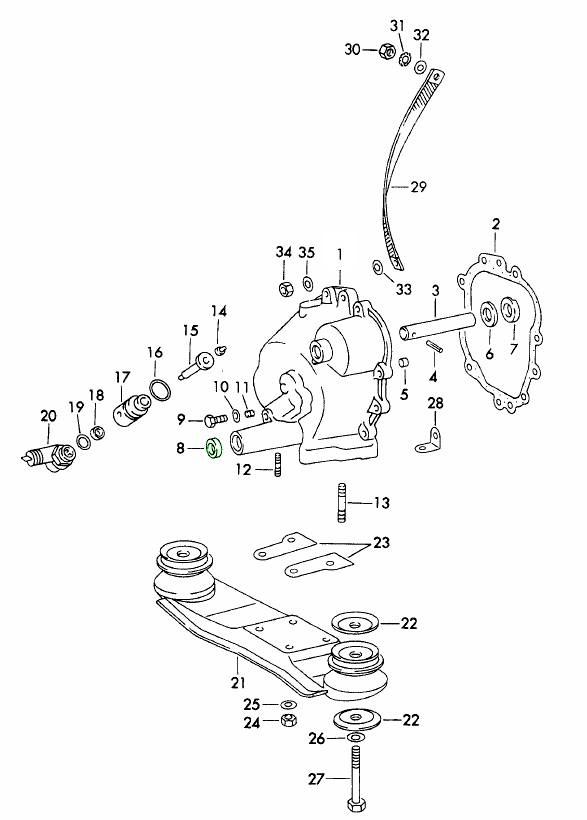
Click 'Zoom in' for large parts diagram.
Diagram ref no 8
Related reference numbers
Related, superseded, cross reference or alternative numbers for comparison.
99911318540
The product you are viewing cross references to these numbers
Fits:
Porsche 911 2.0ltr - 3.2ltr 1963 to 1986
Porsche 930 3.0L - 3.3L 1975-89
Porsche 912 1.6ltr 1966 to 1976
Click 'Zoom in' for large parts diagram.
Diagram ref no 8
Related reference numbers
Related, superseded, cross reference or alternative numbers for comparison.
99911318540
99911318540
90011200150
037.133
The product you are viewing cross references to these numbers
Price: €3.42
In stock