




Enter your VAT number here and click Verify:
Your details have been verified. VAT number registered to:
,
.
Your order will now be zero rated for VAT purposes. We reserve the right to verify these details after your order request has been made and reinstate VAT if required.
Your VAT details were not recognised or were invalid. Your VAT number must be matched to your Billing Country as specified above. This is currently specified as . You do not need to enter the country code part of your VAT number as this has already been selected in your billing address details above.
The VAT number checking service is currently offline. Please supply your VAT details within the comments or special instructions field below and we will apply a VAT discount after placing your order request.
Porsche

Porsche for Porsche
Porsche genuine parts and lifestyle products for Porsche models from Design911
A Quick Look at Porsche
Porsche information on this page is based on details supplied by the manufacturer or distributor, plus any OE references provided with the parts.
Choosing the Right Fit for Your Porsche
Where Porsche is listed for Porsche, use the supplied model coverage and OE references to confirm suitability. Check details that commonly affect fitment such as model year, side/position, and connector type where relevant.
- Typical reasons people replace these parts include maintaining originality, keeping factory specification, and choosing the latest genuine revisions for peace of mind.
- Common real-world issues behind many Porsche repairs are age and mileage: oil leaks, cooling system fatigue, brake and suspension wear, corrosion and electrical faults from moisture or heat cycling.
- Before ordering, confirm part numbers against VIN or option/PR codes, especially for safety‑critical or complex components.
- When upgrading, decide whether you want pure originality or performance changes, as some aftermarket options may suit specific goals better than genuine.
- For bigger jobs, replace related seals, hardware and consumables at the same time to avoid repeat labour and compatibility issues.
- Where available, follow the manufacturer’s fitting and bedding‑in guidance to get the best performance and longevity.
Browse by Category
If you already know the area you are working on, start with the category and then filter by Porsche model. Where real-world symptoms and typical reasons to replace are provided, use them to keep the wording grounded.
Brakes — Brake components are renewed to restore stopping performance, address wear or upgrade a Porsche for fast road or track use. Common symptoms include: Common symptoms include vibration under braking, increased stopping distances, squealing, pulling to one side, warning lights and visible wear to discs and pads.
- Check whether the parts are OE-equivalent replacements or performance upgrades and match this to how the Porsche is used.
- Follow any recommended bedding-in procedure and consider replacing discs, pads, sensors and fitting hardware together where advised.
Clothing & Gifts — Porsche-themed clothing and gifts let owners and enthusiasts show their passion off the road, or make ideal presents for fans of the marque. Common symptoms include: Items may become worn, faded, damaged or go out of style, prompting replacement with newer designs.
- Review available size, colour and material details to help choose the right item and ensure it matches how it will be used.
- Check any care or washing guidance so garments and accessories keep their appearance for longer.
Lifestyle — To explore different Porsche-inspired lifestyle products or gift ideas. Common symptoms include: General wear from handling or display.
- Confirm whether items are official Porsche lifestyle products or from trusted partner brands where stated.
- Consider who the item is for and how it will be used day to day to select the most suitable style or product type.
Keyring — To choose a different design, material or model theme. Common symptoms include: Scratches, worn finishes or loose fittings.
- Keyrings make simple, practical Porsche-themed gifts and can be matched to specific models or heritage designs where available.
- If a keyring shows damage or looseness, replace it to avoid losing keys or further wear to finishes.
Size chart — The size chart acts as a practical reference tool for all apparel purchases. Common symptoms include:
Explore Porsche at Design911
View the current Porsche range for Porsche at Design911, then filter by model and category to narrow down to the right parts.
- Porsche 992.1 GT3 4.0L / 992 S/T 4.0L 2021-24
- Porsche 992.1 GT3 RS 4.0L 2022-24
- Porsche 992.2 GT3 2025>>
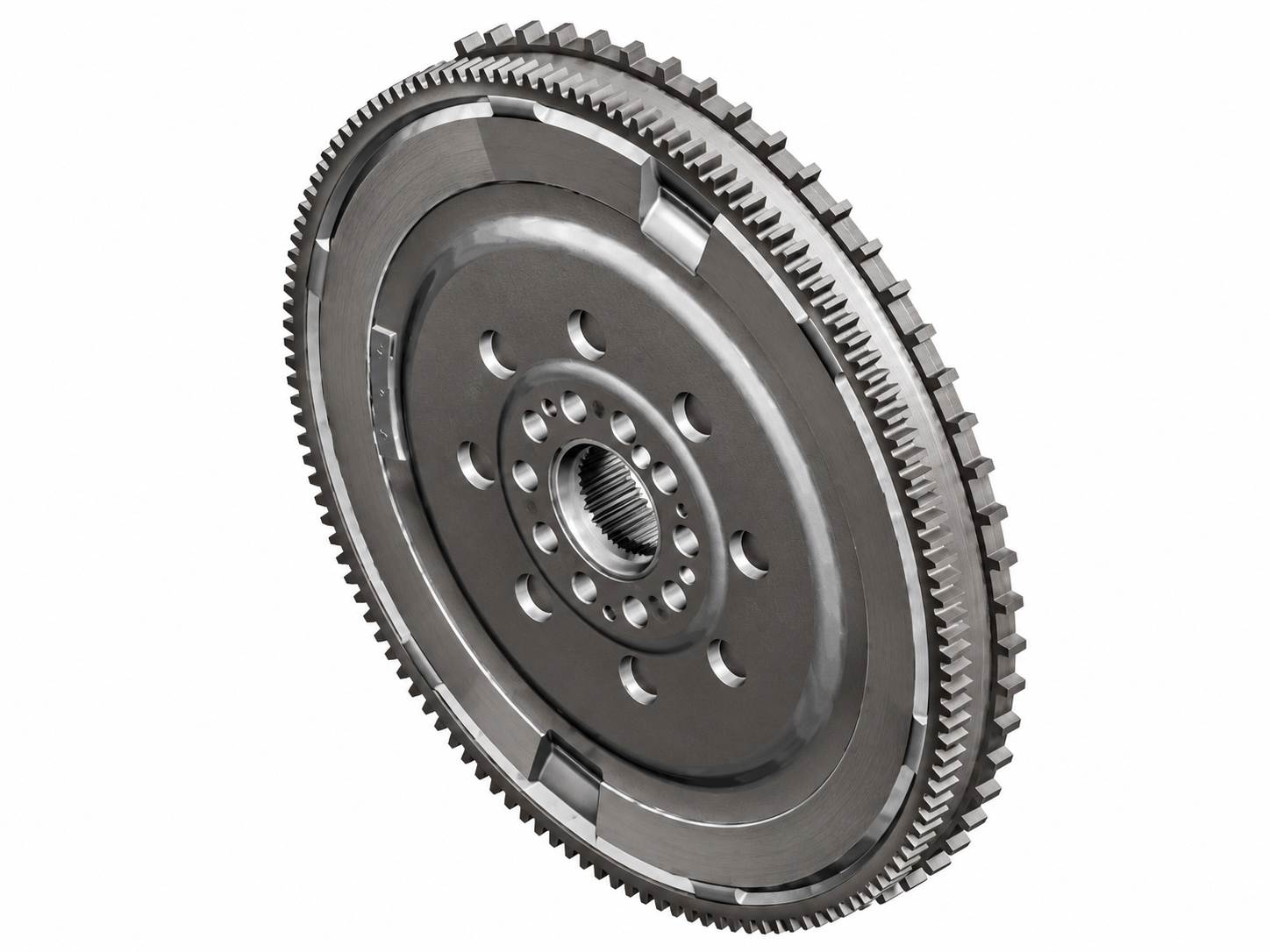
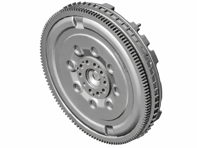
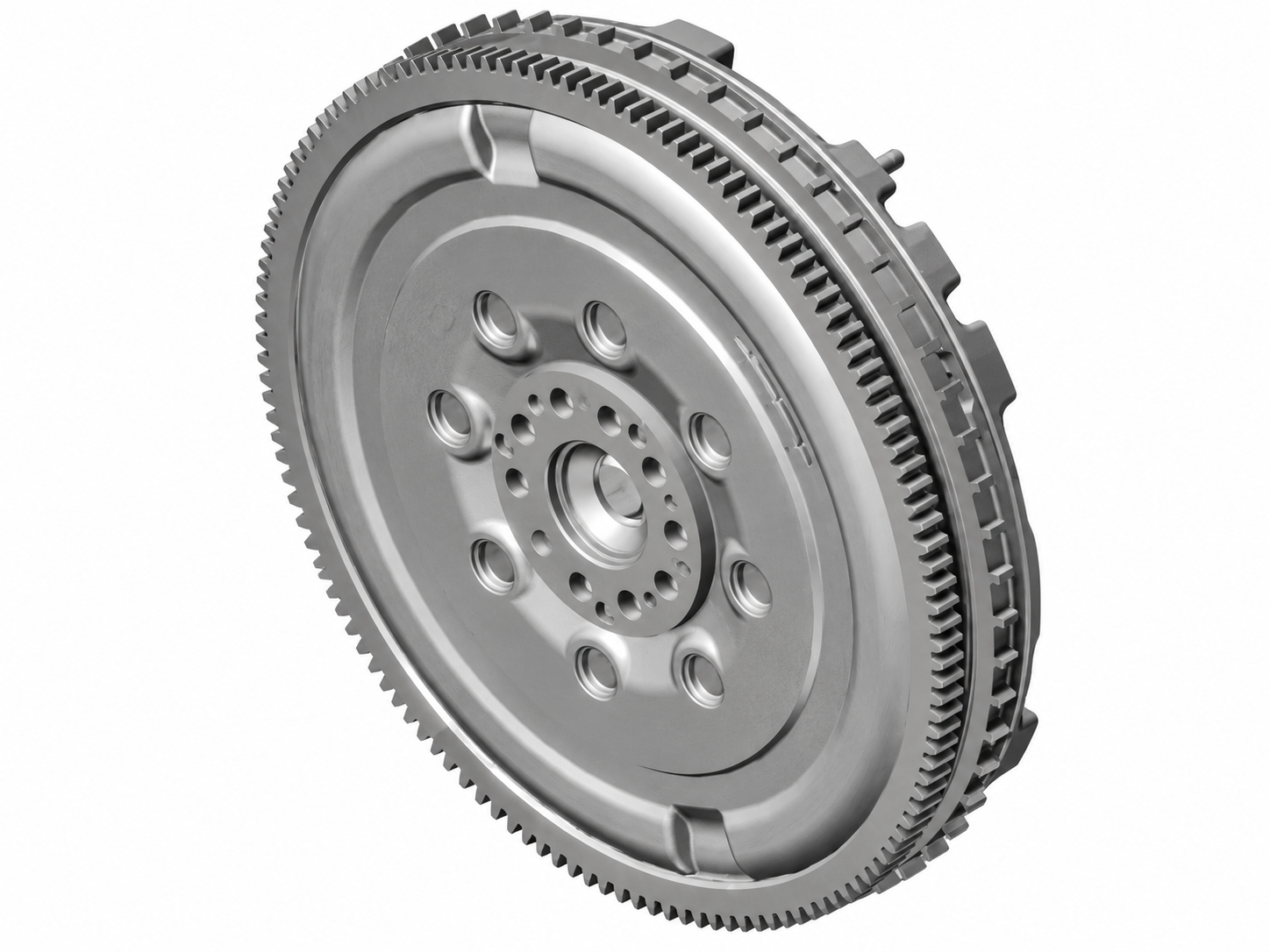
This original Porsche flywheel is designed for manual transmission GT3 applications, helping provide smooth clutch engagement, reduced drivetrain vibration and correct factory performance.
Fits:
For 6-speed manual gearbox for rear-wheel drive
Porsche 992.1 GT3 2021 - 2025 * not for S/T design
Porsche 992.2 GT3 4.0L 2025>>
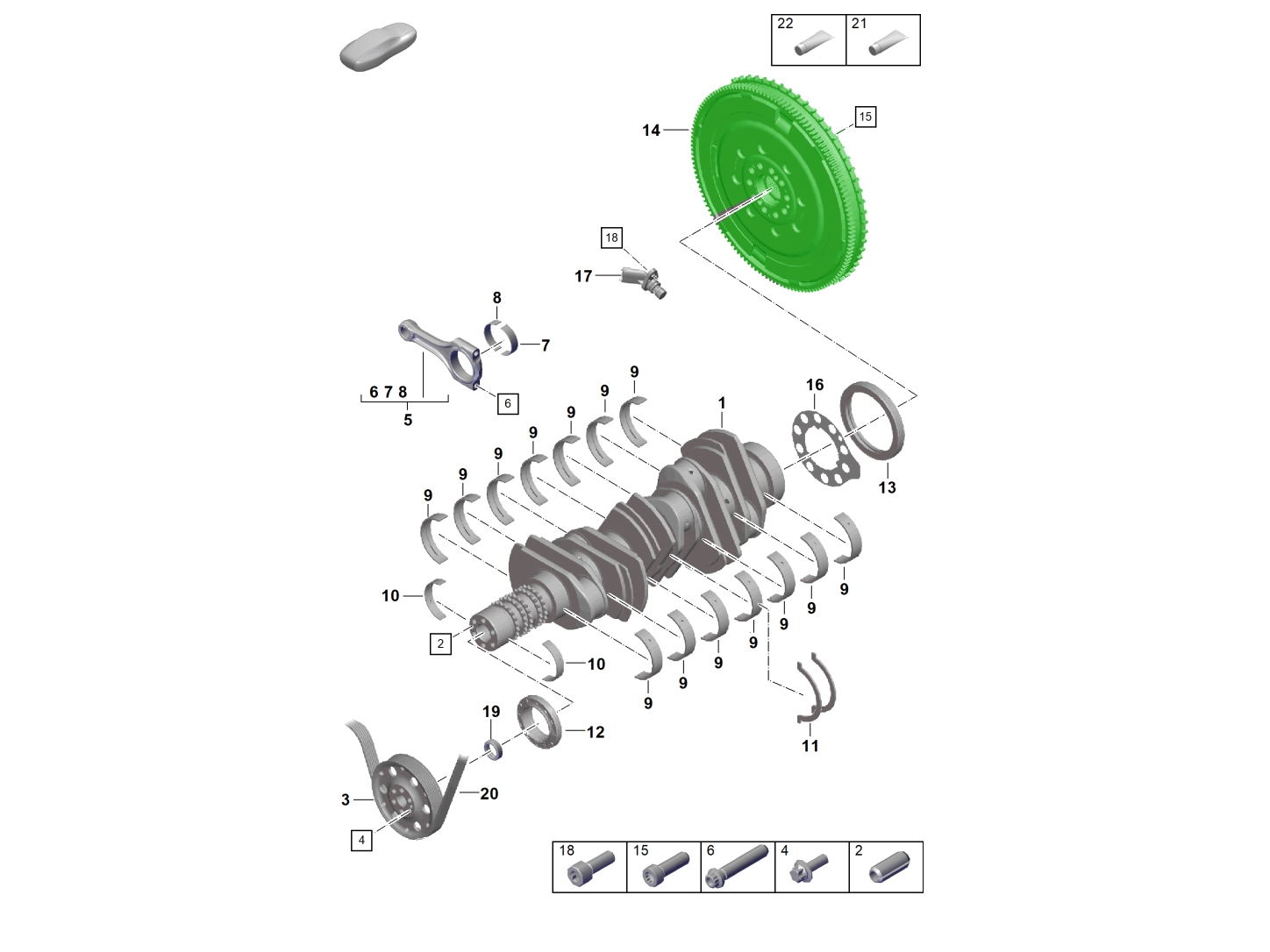
Diagram ref no 14
The Genuine Porsche 9P1105262F dual-mass flywheel is an OE manual transmission flywheel for selected Porsche 992 GT3 models with 6-speed manual gearbox and rear-wheel drive. It helps smooth torque delivery, reduce drivetrain vibration and support correct clutch operation. Ideal for clutch replacement, gearbox service or drivetrain repair using Genuine Porsche parts.
What This Part Does / Functions:
• Connects the engine crankshaft to the clutch and gearbox assembly
• Helps smooth engine torque pulses before they reach the transmission
• Reduces drivetrain vibration, noise and harshness
• Supports smooth clutch engagement and take-up
• Helps protect gearbox and driveline components from shock load
• Works with the manual clutch system to transfer engine power
• Replaces a worn, noisy, heat-damaged or failed original flywheel
Why Replace This Part?
A dual-mass flywheel is a wear-sensitive drivetrain component. It is exposed to clutch heat, high engine speed, torque load, vibration and repeated clutch engagement. Over time, the internal damping mechanism can wear, the friction surface can become heat damaged, or the flywheel can develop excessive rotational play.
A worn flywheel may cause vibration, clutch judder, rattling, poor clutch engagement or drivetrain harshness. Replacing it with a Genuine Porsche dual-mass flywheel helps restore smooth clutch operation and factory Porsche drivability.
Common Symptoms of a Worn Dual-Mass Flywheel
• Clutch judder during take-up
• Rattling noise from the bellhousing area
• Vibration at idle or when pulling away
• Harsh or uneven clutch engagement
• Excessive rotational play in the flywheel
• Gearbox vibration or driveline shudder
• Heat spots, scoring or cracking on the friction surface
• Noise when switching the engine off
• Wear found during clutch replacement.
When to Replace This Part
• During clutch replacement if the flywheel shows wear
• If the flywheel has excessive rotational or axial play
• If the friction surface is heat damaged, cracked or scored
• If clutch judder or drivetrain vibration is traced to the flywheel
• If the flywheel is noisy or the internal damping mechanism has failed
• During gearbox removal where flywheel condition is poor
• When replacing a failed clutch assembly
Where It Fits on the Car
This flywheel fits between the engine crankshaft and the manual clutch / gearbox assembly. It forms part of the drivetrain connection between the 4.0L engine and the 6-speed manual gearbox.
Correct installation requires the correct clutch components, correct fasteners, Porsche workshop torque settings and proper inspection of the clutch release system.
Related reference numbers
Related, superseded, cross reference or alternative numbers for comparison.
9P1105262F
The product you are viewing cross references to these numbers
- Porsche Boxster GTS 718 4.0L Manual (400 Bhp) 01/2019>>
- Porsche Boxster Spyder / Spyder RS 718 4.0L 01/2019>>
- Porsche Cayman GTS 718 4.0L Manual (400 Bhp)
- Porsche Cayman GT4 718 4.0L / GT4 RS 718 4.0L
This original Porsche flywheel is designed for cars equipped with the 6-speed manual transmission, option code 480, helping provide smooth clutch engagement, reduced drivetrain vibration and correct factory drivability.
Fits:
For cars with 6-speed manual transmission (option code: 480)
Porsche 718 Boxster GTS 4.0L 2017>>
Porsche 718 Boxster Spyder 4.0L 2019>>
Porsche 718 Cayman GTS 4.0L 2017>>
Porsche 718 Cayman GT4 4.0L 2019>>
Diagram ref no 14
The Genuine Porsche 982105262E dual-mass flywheel is an OE manual transmission flywheel for selected Porsche 718 Boxster GTS 4.0L, 718 Boxster Spyder 4.0L, 718 Cayman GTS 4.0L and 718 Cayman GT4 4.0L models. Designed for cars with the 6-speed manual transmission, option code 480, it helps smooth torque delivery, reduce drivetrain vibration and support correct clutch operation. Ideal for clutch replacement or drivetrain repair using Genuine Porsche parts.
What This Part Does / Functions
• Connects the engine crankshaft to the clutch and transmission assembly
• Helps smooth engine torque pulses before they reach the gearbox
• Reduces drivetrain vibration and harshness
• Supports smooth clutch engagement and take-up
• Helps protect gearbox and driveline components from excessive shock load
• Works with the manual clutch system to transfer engine power
• Replaces a worn, noisy, heat-damaged or failed original flywheel
• Provides correct Genuine Porsche fitment, balance and specification.
Why Replace This Part?
A dual-mass flywheel is a wear-sensitive drivetrain component. It is exposed to clutch heat, torque load, vibration, stop-start driving, aggressive clutch use and high engine speeds. Over time, the internal damping mechanism can wear, the friction surface can become heat damaged, or the flywheel can develop excessive rotational play.
A worn dual-mass flywheel can cause vibration, clutch judder, rattling noises, poor clutch engagement or drivetrain harshness. Replacing it with a Genuine Porsche dual-mass flywheel helps restore smooth clutch operation and factory Porsche drivability.
Common Symptoms of a Worn Dual-Mass Flywheel
• Clutch judder during take-up
• Rattling noise from the bellhousing area
• Vibration at idle or when pulling away
• Harsh or uneven clutch engagement
• Excessive rotational play in the flywheel
• Gearbox vibration or driveline shudder
• Heat spots or scoring on the friction surface
• Noise when switching the engine off
• Wear found during clutch replacement.
When to Replace This Part
• During clutch replacement if the flywheel shows wear
• If the flywheel has excessive rotational or axial play
• If the friction surface is heat damaged, cracked or scored
• If clutch judder or drivetrain vibration is traced to the flywheel
• If the flywheel is noisy or the internal damping mechanism has failed
• During gearbox removal where flywheel condition is poor
• When replacing a failed clutch assembly.
Where It Fits on the Car
This flywheel fits between the engine crankshaft and the manual clutch / gearbox assembly. It forms part of the drivetrain connection between the engine and the 6-speed manual transmission.
Correct installation requires the correct clutch components, correct fasteners, Porsche workshop torque settings and proper inspection of the clutch release system.
Related reference numbers
Related, superseded, cross reference or alternative numbers for comparison.
982105262E
The product you are viewing cross references to these numbers


- Porsche 911 1987-1989 3.2L G50
- Porsche 911 1978-1989 3.3L Turbo (930)
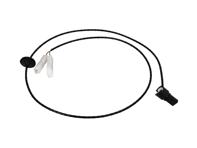
Genuine Porsche G50 gearbox speed sensor for the 911 Carrera 3.2L and 930 Turbo 3.3L applications listed below. This pulse sender forms part of the vehicle's speedometer system.
Fits
- Porsche 911 1987-1989 3.2L G50
- Porsche 911 1978-1989 3.3L Turbo (930)
What This Product Does
The sender supplies the electrical speed signal used by the speedometer. It is a gearbox-related vehicle-speed component, rather than an engine reference or knock sensor; those components perform different monitoring tasks.
Functions
- Provides a pulse signal for vehicle-speed indication.
- Connects gearbox speed sensing with the speedometer system.
Technical Details
- Brand: Genuine Porsche.
- Application: G50 gearbox speed sensing.
- Supplied part references: 91160691001 and 91160691002.
Symptoms of Fault
Intermittent electrical behaviour, damaged cable insulation or corroded connections warrant investigation. Inspect the sender wiring and connectors before attributing a speedometer problem to the sensor itself.
Why Replacement Matters
A confirmed sender fault can interrupt the speed signal. Replacement addresses the defective component, but damaged wiring or poor connections must also be corrected. Matching the part to the specific G50 installation helps avoid compatibility problems.
FAQs
- Is this an engine-speed sensor?
No. The supplied diagram identifies it as a pulse sender within the speedometer assembly. - Does the Turbo listing cover every model year?
The supplied fitment lists 1978-1989, while the diagram specifies 89- for this Turbo sender. Confirm the exact gearbox application before ordering. - Should the sensor be replaced without testing?
Check the wiring, connections and signal first. Similar electrical symptoms can have more than one cause.
Related reference numbers
Related, superseded, cross reference or alternative numbers for comparison.
91160691002
The product you are viewing cross references to these numbers
- Porsche 95C Macan-e Electric (265 kW / 360 PS) 2024>>
- Porsche 95C Macan-e 4 Electric (300 kW / 408 PS) 2024>>
- Porsche 95C Macan-e 4S Electric (380 kW / 516 PS) 2024>>
- Porsche 95C Macan-e Turbo Electric (470 kW / 639PS) 2024>>
- Porsche 95C Macan-e GTS Electric (420 kW / 571 PS) 2024>>
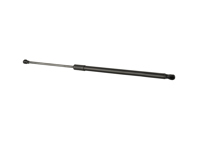
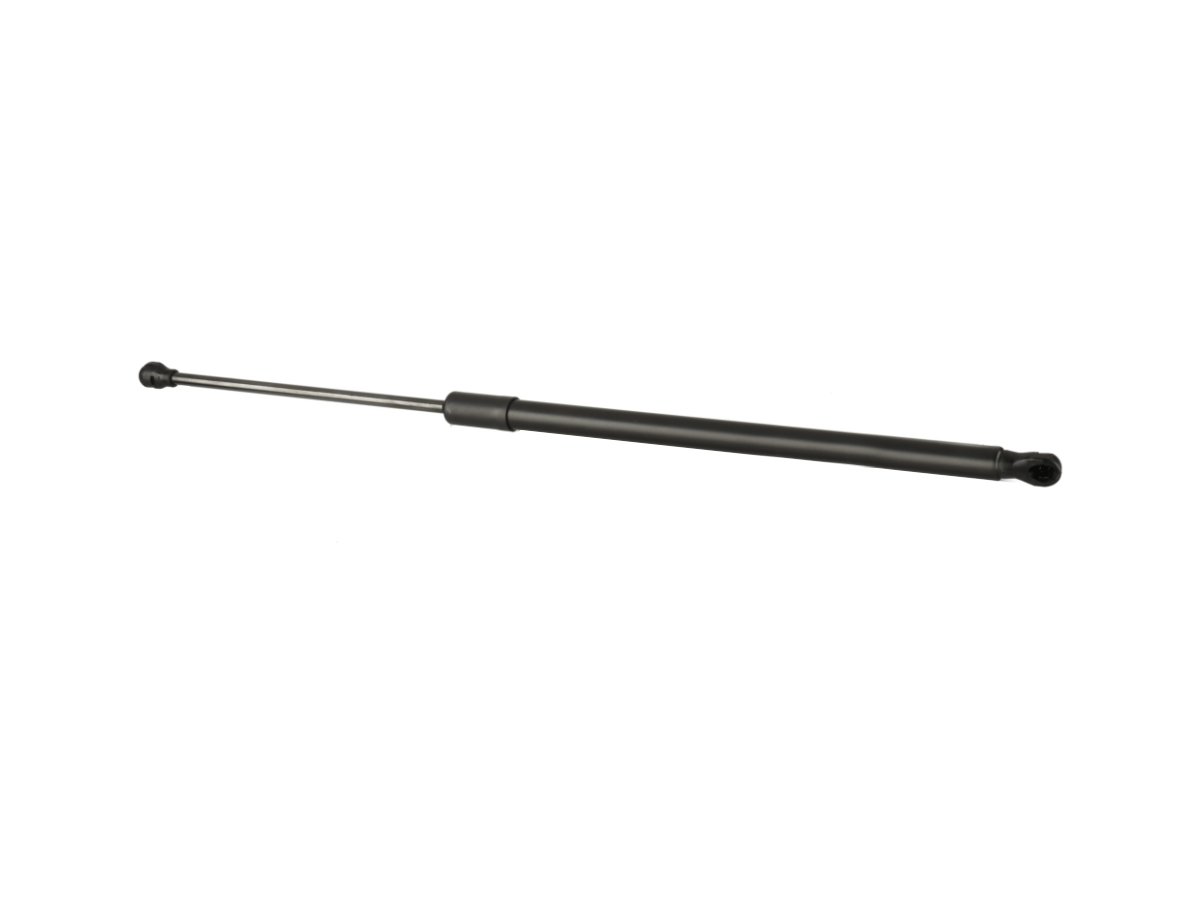
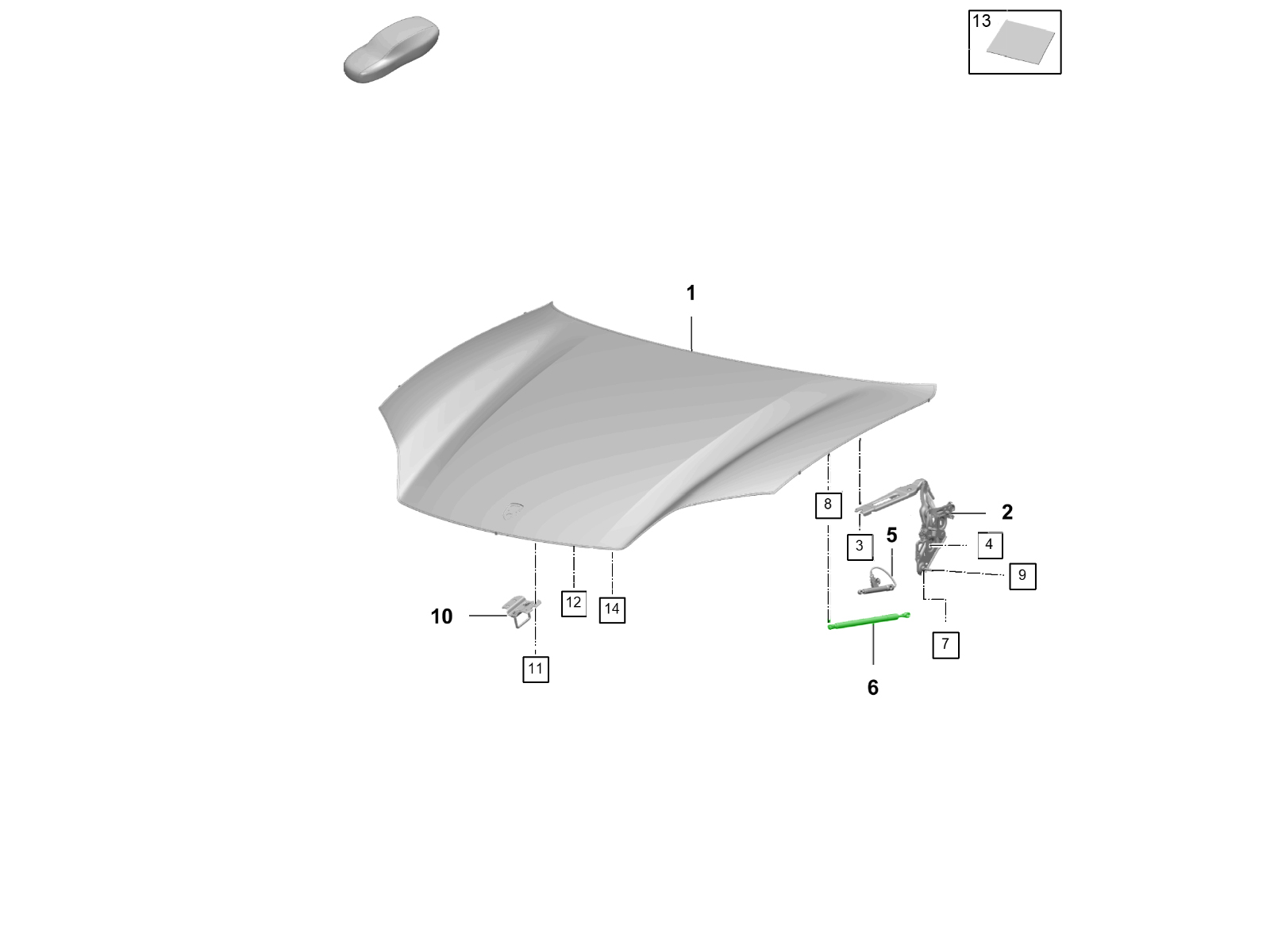
This original Porsche gas strut supports the front bonnet / front lid when open, helping the bonnet lift smoothly and stay securely raised during inspection, servicing or maintenance.
Sold individually. This damper fits left or right, so the same part can be used on either side where specified.
Fits:
Porsche 95C Macan-e Electric 2024>>
Porsche 95C Macan-e Electric 4 2024>>
Porsche 95C Macan-e Electric 4S 2024>>
Porsche 95C Macan-e Electric Turbo 2024>>
Porsche 95C Macan-e Electric GTS 2024>>
Diagram ref no 6
This part is used on the front bonnet / front lid assembly of selected Porsche 95C Macan-E models.
What This Part Does / Functions:
• Supports the front bonnet when open
• Helps raise and hold the bonnet securely
• Provides controlled bonnet opening and closing movement
• Helps prevent the bonnet from dropping unexpectedly
• Replaces a weak, leaking, damaged or failed original damper
• Provides correct OE Porsche length, pressure and end fitting
• Fits the left or right side where specified
• Helps maintain safe and convenient access to the front service area.
Why Replace This Part?
Bonnet dampers are gas-filled struts that weaken over time through age, use, temperature changes and seal wear. A tired or leaking damper may no longer support the bonnet properly, causing it to drop, close too quickly or require manual support. Replacing worn units with OE Genuine Porsche front bonnet dampers restores proper bonnet support, smooth operation and factory fitment.
Common Symptoms of a Weak Bonnet Damper
• Bonnet does not stay open
• Bonnet slowly drops after being raised
• Bonnet feels heavy to lift
• Bonnet closes too quickly
• Visible oil leakage from the damper
• Weak gas pressure in cold weather
• Damper rod is bent, corroded or damaged
• Bonnet support feels uneven from side to side.
When to Replace This Part
• If the bonnet will not stay securely open
• If one or both dampers have lost pressure
• If the damper is leaking, bent or damaged
• During front lid / bonnet service or repair
• After accident or front bodywork repair
• If the bonnet movement is uneven or uncontrolled
• When replacing aged bonnet support struts.
Where It Fits on the Car
This damper fits on the front bonnet / front lid assembly of the Porsche 95C Macan-E. It mounts between the vehicle body and bonnet to support the bonnet when open.
Related reference numbers
Related, superseded, cross reference or alternative numbers for comparison.
95C823359B
The product you are viewing cross references to these numbers

- Porsche 9YA Cayenne V6 3.0L Petrol (340Hp) 2018-23
- Porsche 9YA Cayenne Coupe V6 3.0L Petrol (340Hp) 2019-23
- Porsche 9YA Cayenne S V6 2.9L Petrol (440Hp) 2018-23
- Porsche 9YA Cayenne Coupe S V6 2.9L Petrol (440Hp) 2019-23
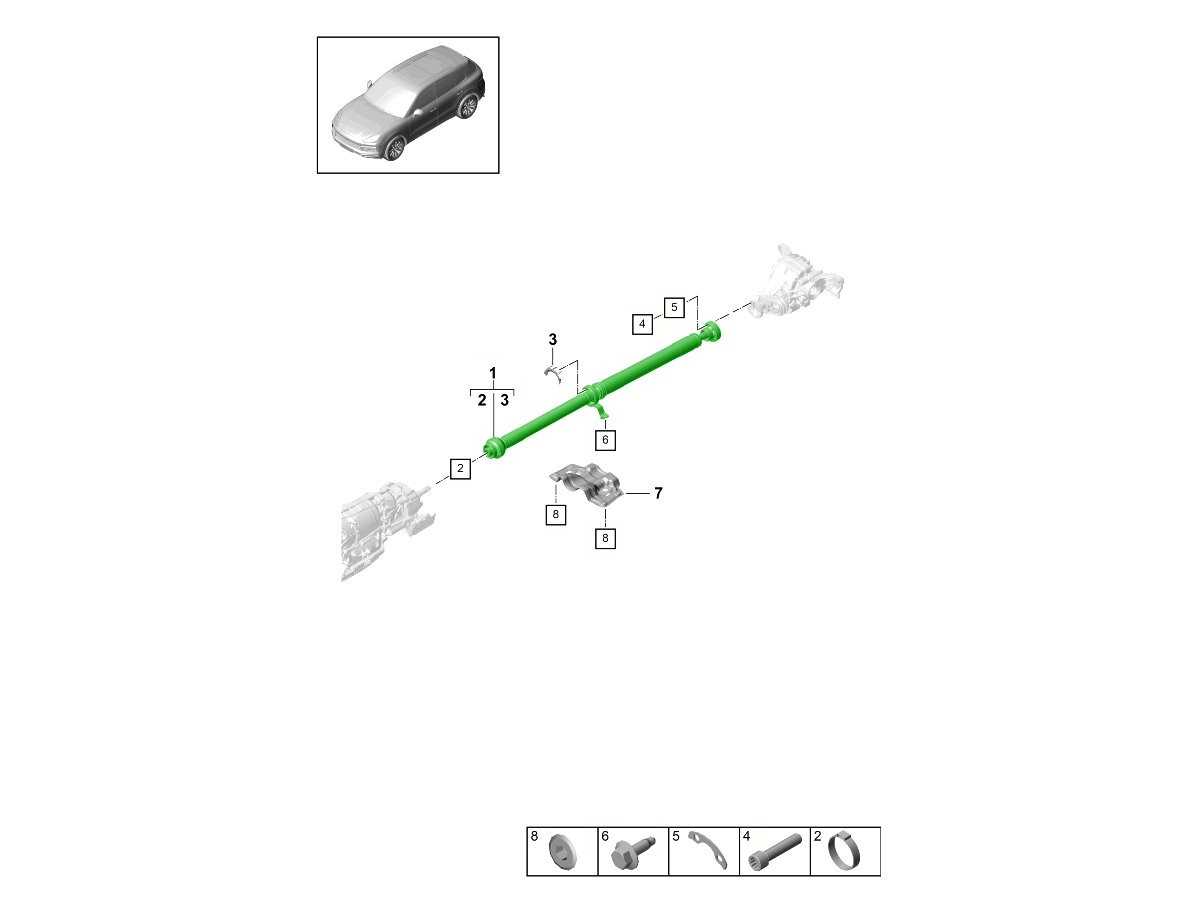
This original Porsche cardan shaft, also known as a prop shaft or drive shaft, transfers drive through the drivetrain system and helps deliver smooth torque transmission between driveline components.
Fits:
Porsche 958 Cayenne V6 3.0L (9YABB1) 2018 - 2024
Porsche 958 Cayenne S V6 2.9L (9YAAA1) 2018 - 2024
* incl. Coupe models
Diagram ref no 1
Why Replace This Part?
The cardan prop shaft is exposed to torque load, road conditions, heat, vibration and continuous rotational movement. Over time, the shaft joints, centre support, bearings or balancing components can wear. A worn or damaged prop shaft may cause vibration, knocking, driveline shudder or noise during acceleration. Replacing the assembly with an OE Genuine Porsche cardan prop shaft helps restore smooth drivetrain operation, correct shaft balance and factory Porsche driveline quality.
Common Symptoms of a Faulty Cardan Prop Shaft
• Driveline vibration under acceleration.
• Knocking or clunking from underneath the vehicle.
• Shudder during take-up of drive.
• Rumbling or bearing noise from the prop shaft area.
• Excess movement in the shaft joints or support bearing.
• Vibration at certain road speeds.
• Damage to the shaft, joints or mounting area.
• Fault confirmed during drivetrain inspection.
When to Replace This Part
• If the prop shaft is worn, damaged or out of balance.
• If vibration or knocking is traced to the cardan shaft.
• If joints, bearings or supports have excessive play.
• During drivetrain repair or overhaul.
• After underside impact or accident damage.
• If the shaft has been removed and inspection shows wear.
• When replacing related transfer case, differential or driveline components.
• When restoring the drivetrain with OE Genuine Porsche parts.
Where It Fits on the Car
This cardan prop shaft fits in the drivetrain / propeller shaft area of the Porsche Cayenne. It forms part of the torque transfer path between major driveline components and axle drive assemblies. Correct installation, alignment and torque settings are essential to avoid vibration and ensure smooth drivetrain operation.
Related reference numbers
Related, superseded, cross reference or alternative numbers for comparison.
PAB521101C
The product you are viewing cross references to these numbers


- Porsche Boxster 981 2.7L 2012-16
- Porsche Boxster 981 S / GTS 3.4L 2012-16
- Porsche Boxster 981 Spyder 3.8L 2016
- Porsche 991.1 Carrera C2 3.4L (350 Bhp) 2012-16
- Porsche 991.1 Carrera C2S / GTS 3.8L (400/430 Bhp) 2012-16
- Porsche 991.1 Carrera C4 3.4L (350 Bhp) 2012-16
- Porsche 991.1 Carrera C4S / GTS 3.8L (400/430 Bhp) 2012-16
- Porsche 991.1 Turbo 3.8L (520 Bhp) 2014-16
- Porsche 991.1 Turbo S 3.8L (560 Bhp) 2014-16
- Porsche 991.1 R 4.0L (500 Bhp) 2016
- Porsche 991.1 GT3 3.8L (475 Bhp) 2014-16
- Porsche 991.1 GT3 RS 4.0L (500 Bhp) 2015-16
- Porsche Cayman 2.7L 981 2013-16
- Porsche Cayman S / GTS 3.4L 981 2013-16
- Porsche Cayman GT4 3.8L 2015-16
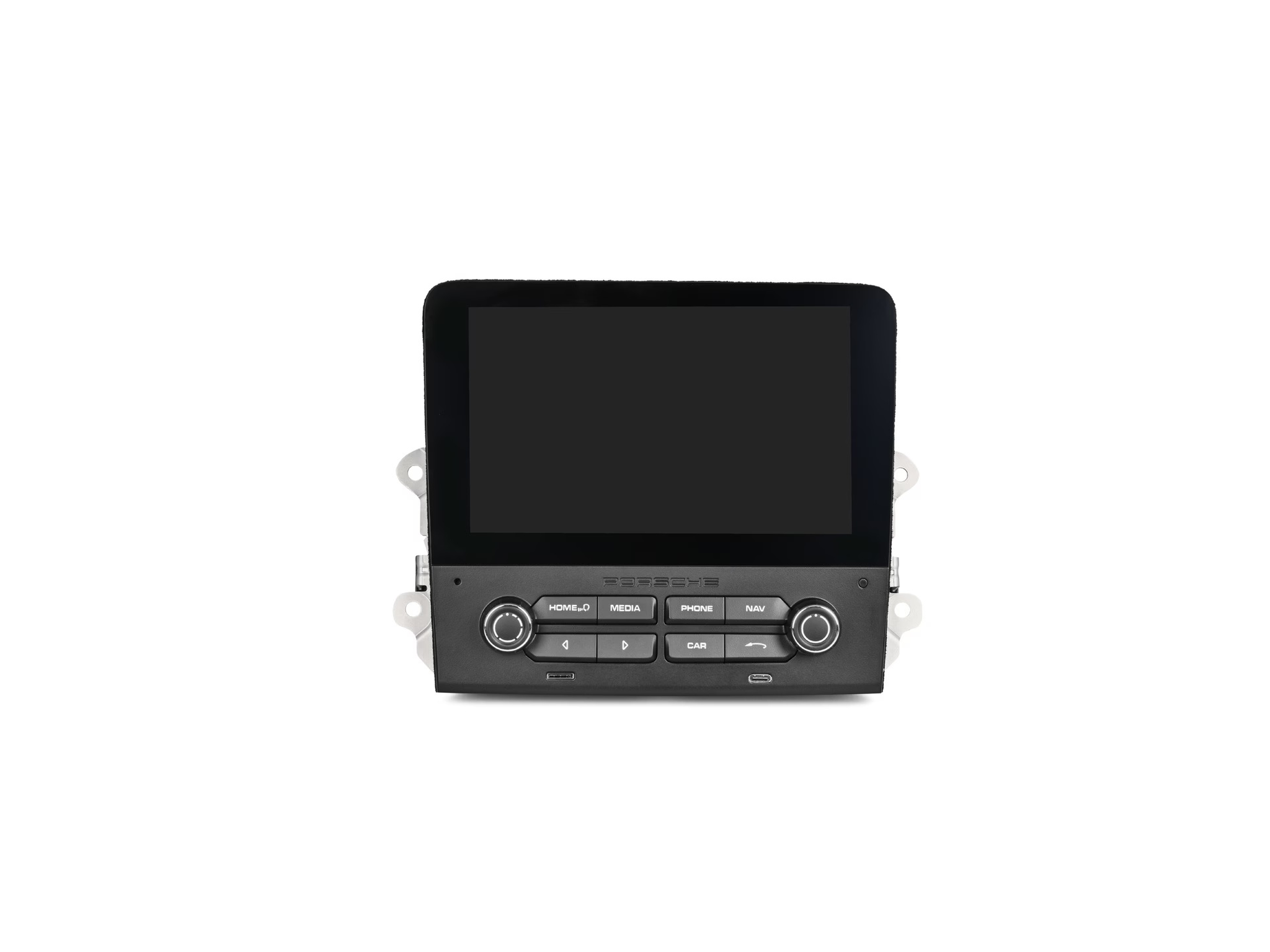
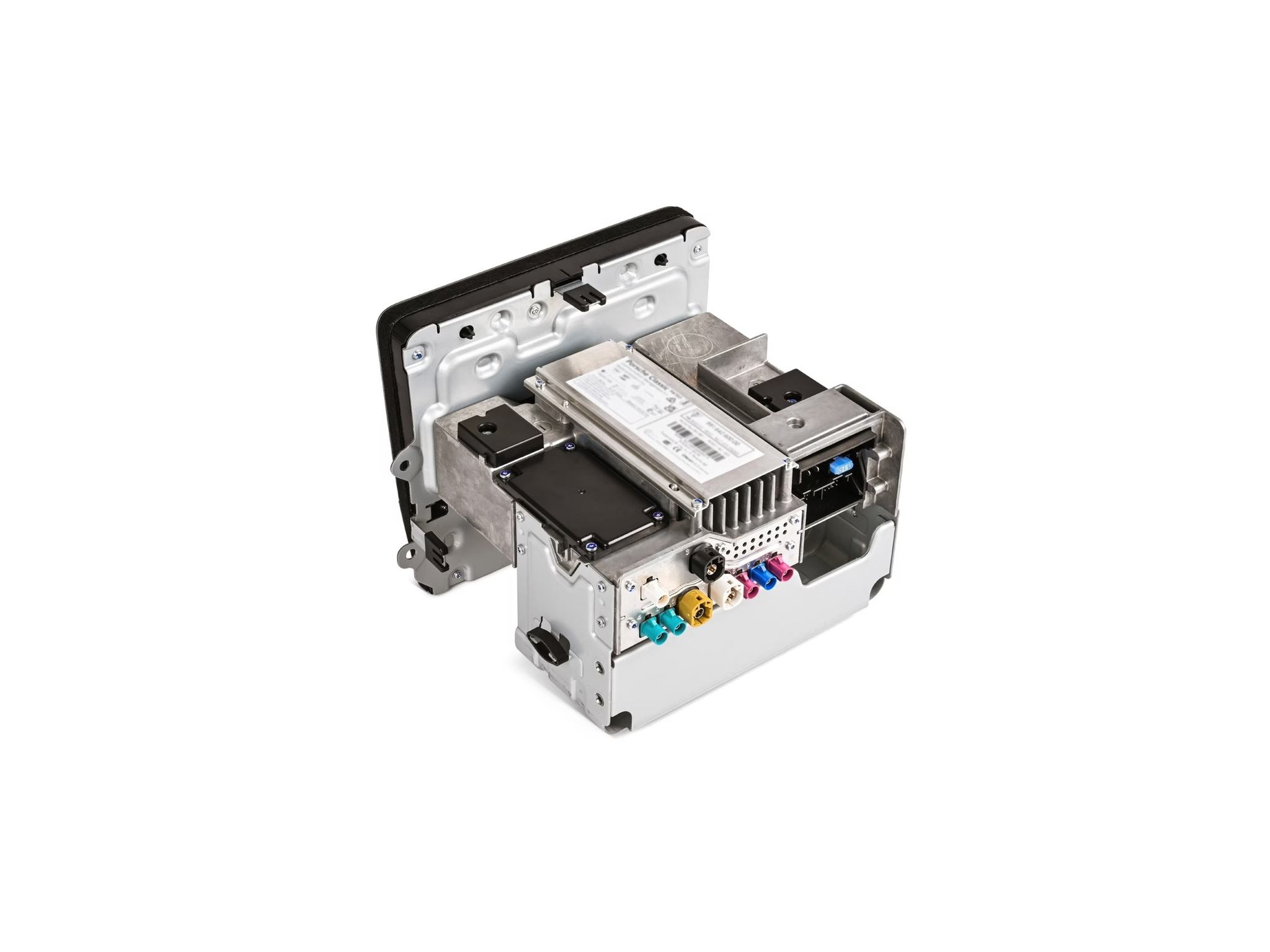
Porsche Classic Communication Management Plus (PCCM Plus) is a genuine Porsche infotainment retrofit for 911 type 991 I and Boxster/Cayman type 981 models up to model year 2016. Its integrated design combines modern connectivity and navigation with support for selected original vehicle functions.
Fits
- Porsche Boxster 981 2.7L 2012–16
- Porsche Boxster 981 S / GTS 3.4L 2012–16
- Porsche Boxster 981 Spyder 3.8L 2016
- Porsche 991.1 Carrera C2 3.4L (350 Bhp) 2012–16
- Porsche 991.1 Carrera C2S / GTS 3.8L (400/430 Bhp) 2012–16
- Porsche 991.1 Carrera C4 3.4L (350 Bhp) 2012–16
- Porsche 991.1 Carrera C4S / GTS 3.8L (400/430 Bhp) 2012–16
- Porsche 991.1 Turbo 3.8L (520 Bhp) 2014–16
- Porsche 991.1 Turbo S 3.8L (560 Bhp) 2014–16
- Porsche 991.1 R 4.0L (500 Bhp) 2016
- Porsche 991.1 GT3 3.8L (475 Bhp) 2014–16
- Porsche 991.1 GT3 RS 4.0L (500 Bhp) 2015–16
- Porsche Cayman 2.7L 981 2013–16
- Porsche Cayman S / GTS 3.4L 981 2013–16
- Porsche Cayman GT4 3.8L 2015–16
What This Product Does
PCCM Plus updates the vehicle's original multimedia system while retaining a dashboard-integrated appearance. It provides navigation, phone and media functions through a touchscreen, physical controls and, where supported, the factory multifunction steering wheel.
Functions
- Provides wireless Apple CarPlay® and Android Auto™ connectivity
- Supports wired smartphone connection and fast charging through USB
- Displays navigation instructions and selected information in the instrument cluster
- Integrates supported Park Assist, reversing-camera and factory sound-system functions
- Records driving time, range and average fuel consumption through the TRIP computer
- Displays oil temperature and oil pressure in the TRIP menu
Technical Details
- 7-inch touchscreen display with buttons and rotary controls
- Bluetooth® and WiFi connectivity for wireless smartphone integration
- DAB/HD/FM/AM dual tuner with online radio support
- Navigation features include online map updates, satellite imagery, speed-limit information and a winding-road preference
- Supports online media and video streaming where permitted
- Individual functions depend on vehicle equipment and country; an active internet connection is required for certain services
Symptoms of Fault
- Original multimedia unit freezes or restarts unexpectedly
- Navigation remains on the loading screen or provides unreliable positioning
- Display becomes dim, unresponsive or difficult to read
- Buttons, knobs or touchscreen controls stop responding correctly
- Radio reception or Bluetooth connectivity becomes intermittent
- Audio is lost because of a fault within the original multimedia system
Why Replacement Matters
Replacing an ageing original unit can restore dependable multimedia operation while adding current phone, navigation and streaming functions. This genuine Porsche system is designed to retain compatibility with supported factory controls, displays and assistance equipment rather than relying on a universal installation.
FAQs
- Does it support wireless Apple CarPlay and Android Auto?
Yes. Wireless connection uses Bluetooth and WiFi, while a USB connection is also supported. - Are the original parking and audio systems retained?
PCCM Plus supports Park Assist, the reversing camera and factory-installed sound systems where compatible with the vehicle's equipment. - Do online features require a data connection?
Yes. Online maps, radio and other connected services require an active internet connection. - Is specialist installation recommended?
Yes. Porsche recommends professional installation so the system can be configured for the vehicle and its fitted equipment.
Check fitment for your specific vehicle (model, year, engine) before ordering.
Related reference numbers
Related, superseded, cross reference or alternative numbers for comparison.
99764260000
The product you are viewing cross references to these numbers
- Porsche Boxster 987 2.7L 2005-08/08
- Porsche Cayman 2.7L 987C 2006-08
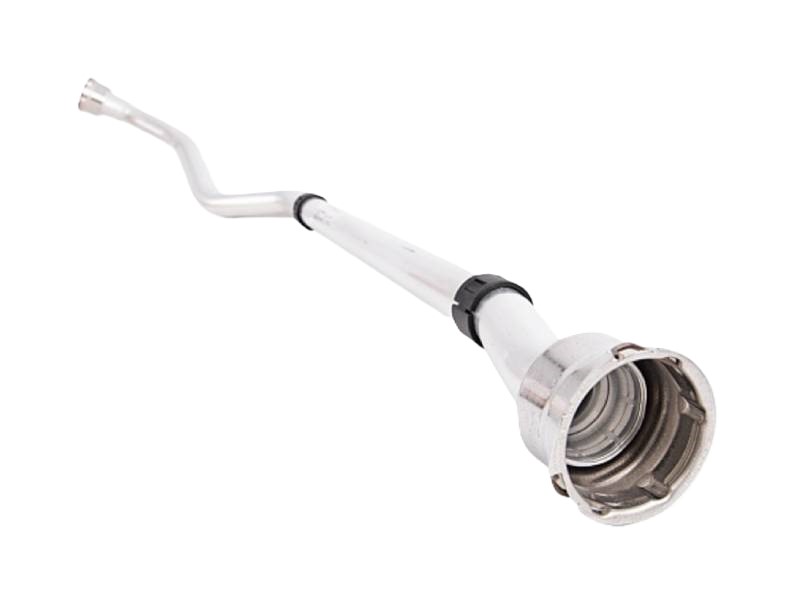
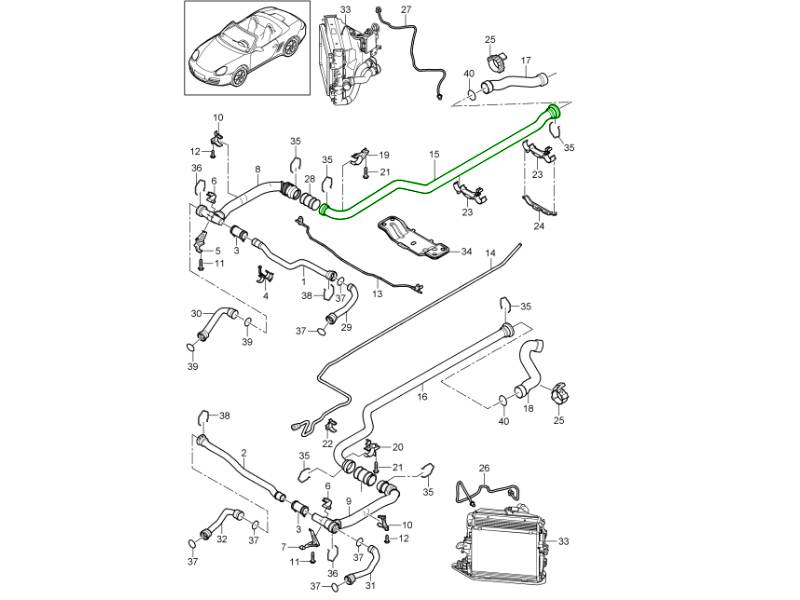
The Porsche Water Pipe, Supply Tunnel 98710685103 is a genuine Porsche replacement coolant supply pipe for selected 987 Boxster and 987 Cayman models.
Fits:
- Porsche Boxster 987 2.7L 2005-08/08
- Porsche Cayman 2.7L 987C 2006-08
Diagram Ref No 15
Running through the vehicle's centre tunnel, this pipe forms an important part of the main cooling circuit connecting the rear-mounted engine with the front-mounted radiators.
The Porsche 987 cooling system relies on long coolant pipes to move heated coolant from the engine toward the front radiators and return cooled fluid back to the engine. Maintaining these pipes in leak-free condition is therefore essential for reliable engine temperature control.
As a Genuine Porsche part, 98710685103 provides the correct factory-style dimensions, routing and connection points for the intended cooling-system application.
What This Product Does:
The tunnel supply pipe carries engine coolant through the centre section of the vehicle as part of the pressurised cooling system.
Its main functions include:
- Carrying coolant between the engine and front cooling circuit
- Maintaining continuous coolant circulation
- Supporting correct engine operating temperature
- Maintaining a sealed and pressurised cooling system
- Helping transfer engine heat to the front radiators
- Providing the correct coolant routing through the centre tunnel
- Connecting with the associated cooling hoses and pipework
- Preventing coolant loss when correctly installed and sealed
The supply pipe works alongside the corresponding return tunnel pipe to form the main coolant path between the engine and radiators.
Symptoms Of Wear Or Failure:
Coolant pipes can deteriorate because of age, corrosion, vibration, road contamination and repeated thermal cycling.
Common symptoms include:
- Coolant leaking beneath the centre of the vehicle
- Wetness around tunnel pipe connections
- Pink, white or crusty dried coolant deposits
- Falling coolant level
- Repeated need to top up the expansion tank
- Low coolant warning
- Sweet coolant smell
- Visible corrosion or pitting
- Damaged or distorted pipework
- Leakage around connectors or sealing rings
- Cooling-system pressure loss
- Fluctuating coolant temperature
- Higher-than-normal engine temperature
- Engine overheating
- Steam or coolant vapour after driving
Small leaks may only become visible once the engine reaches operating temperature and the cooling system becomes fully pressurised.
Why Replacement Matters:
A leaking supply pipe can gradually or rapidly reduce the quantity of coolant available to control engine temperature.
Continued operation with coolant loss may result in:
- Reduced cooling efficiency
- Loss of cooling-system pressure
- Air entering the cooling circuit
- Engine overheating
- Reduced heater performance
- Coolant warning messages
- Roadside breakdown
- Serious engine damage if overheating becomes severe
Replacing a deteriorated pipe restores the integrity of the cooling circuit and helps maintain reliable coolant circulation.
Related reference numbers
Related, superseded, cross reference or alternative numbers for comparison.
98710685103
The product you are viewing cross references to these numbers
- Porsche 997 MK1 Carrera 2 3.6L 2005-08
- Porsche 997 MK1 Carrera 2S 3.8L 2005-08
- Porsche 997 MK1 Carrera 4 3.6L 2005-08
- Porsche 997 MK1 Carrera 4S 3.8L 2005-08
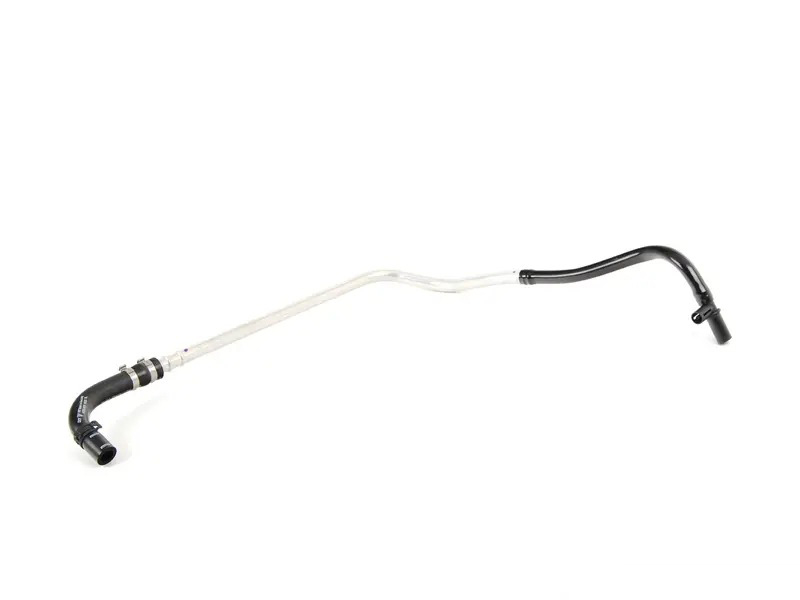
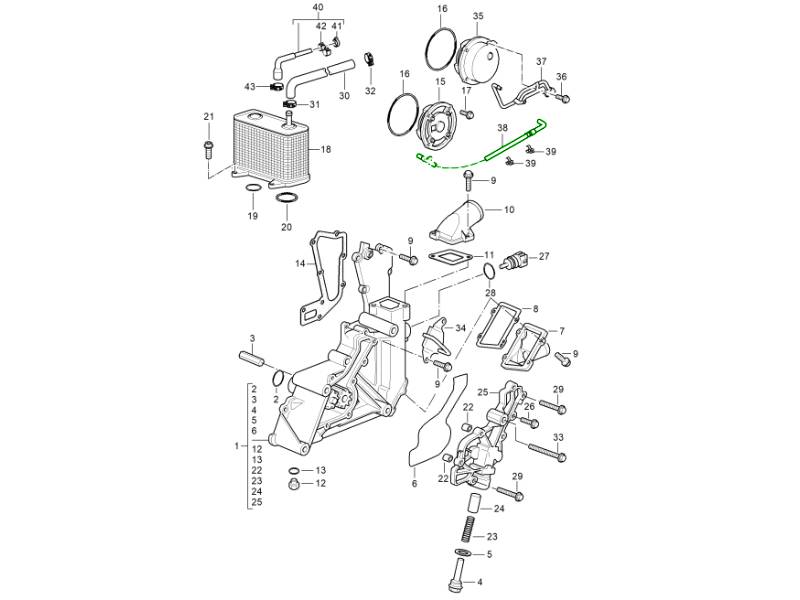
The Porsche Brake Pump Vacuum Line 99711005503 is a genuine replacement vacuum pipe for the brake-assistance system on Porsche 997.1 models.
Fits:
- Porsche 997 MK1 Carrera 2 3.6L 2005-08
- Porsche 997 MK1 Carrera 2S 3.8L 2005-08
- Porsche 997 MK1 Carrera 4 3.6L 2005-08
- Porsche 997 MK1 Carrera 4S 3.8L 2005-08
Diagram Ref No 38
The line carries vacuum from the engine-driven vacuum/tandem pump into the brake booster circuit. This vacuum allows the brake servo to provide power assistance when the brake pedal is pressed, reducing the amount of physical pedal force required from the driver.
Designed to follow the original Porsche routing and connection arrangement, this replacement is suitable for renewing an original line that has become cracked, brittle, damaged or unable to maintain a reliable vacuum seal.
What This Product Does:
The hydraulic braking system provides the actual braking force, while the brake booster uses vacuum to reduce the effort required at the brake pedal.
The vacuum pump generates the required vacuum, and this line transfers it to the brake-assistance system.
Its main functions include:
- Carrying vacuum from the vacuum/tandem pump
- Supplying the brake booster system with vacuum
- Maintaining a sealed vacuum circuit
- Supporting consistent power-assisted braking
- Reducing brake pedal effort
- Maintaining the correct factory vacuum-line routing
- Providing secure connections between the vacuum pump and brake-assistance system
The line does not create braking pressure itself. Instead, it enables the brake booster to assist the hydraulic braking system.
Symptoms Of Wear Or Failure:
Age, engine-bay heat and vibration can cause the original vacuum line and its connections to deteriorate. Cracking has been documented particularly around the transition between the metal pipe and flexible hose section.
Common symptoms may include:
- Brake pedal becoming unusually hard
- Increased effort required when braking
- Reduced brake servo assistance
- Inconsistent power-assisted braking
- Pedal becoming harder after repeated brake applications
- Hissing or vacuum-leak noises
- Visible cracks in the vacuum hose
- Splitting near hose-to-pipe connections
- Brittle or hardened hose material
- Loose or damaged vacuum connections
- Damaged retaining clips
- Line becoming detached or incorrectly supported
- Poor vacuum retention within the brake-assistance circuit
A hard brake pedal can also be caused by a faulty brake booster, vacuum pump, check valve or another vacuum-system component, so correct diagnosis is recommended.
Why Replacement Matters:
The brake booster relies on an adequate vacuum supply to provide normal power assistance.
If the vacuum line cracks or leaks, the available vacuum can fall and brake assistance may be reduced. The hydraulic braking system may still operate, but considerably more pedal force may be required to achieve the same braking effect.
This can make the vehicle more difficult to brake comfortably and predictably, particularly during repeated braking or situations requiring rapid deceleration.
Replacing a damaged vacuum line helps restore:
- Correct vacuum supply to the brake-assistance system
- Normal brake pedal assistance
- Consistent pedal effort
- Reliable brake servo operation
- Proper sealing of the vacuum circuit
- Correct factory hose routing and mounting
Because this component supports the braking assistance system, visible cracking, damaged connections or vacuum leakage should be addressed promptly.
Related reference numbers
Related, superseded, cross reference or alternative numbers for comparison.
99711005503
The product you are viewing cross references to these numbers
- Porsche 957 Cayenne 3.6L 2007-10
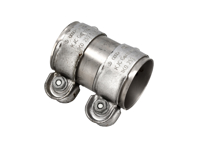
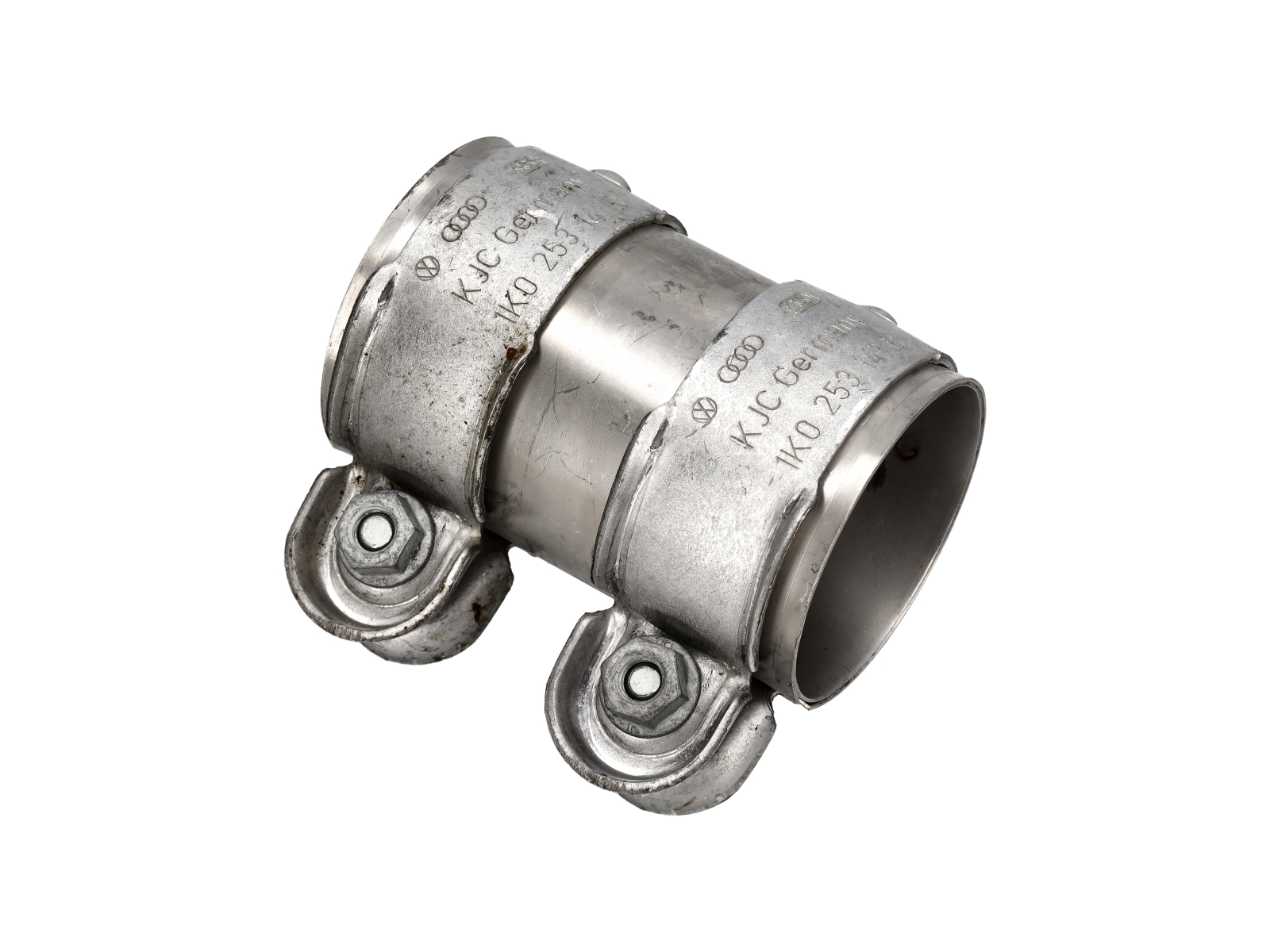
Genuine Porsche exhaust clamping sleeve for the Porsche Cayenne 9PA1 (957) 3.6L from 2007–10. Identified by part number 95511122030, it is used within the front silencer, rear silencer and tailpipe assembly.
What This Product Does
The sleeve secures the applicable exhaust connection, helping to hold the adjoining components in their correct position and maintain a sealed joint. It is intended for the specified factory exhaust arrangement rather than as a universal clamp.
Functions
- Clamps together the applicable exhaust components
- Supports correct alignment at the exhaust joint
- Helps maintain a secure, gas-tight connection
- Allows the relevant exhaust sections to be separated during servicing
Technical Details
- Genuine Porsche component
- Part number: 95511122030
- Component type: exhaust clamping sleeve
- Diagram application: front silencer, rear silencer and tailpipe assembly
- Applicable PR codes: D5X, 0P0 and 0P3
- Diagram quantity: 4
Symptoms of Fault
- Blowing or ticking noises around an exhaust joint
- Soot deposits near the sleeve connection
- Exhaust fumes caused by a leaking joint
- Rattling from loose or incorrectly aligned pipework
- Visible corrosion, distortion or damaged fasteners
Why Replacement Matters
A corroded, distorted or loose sleeve may prevent the exhaust sections from being secured and sealed correctly. Renewing a damaged clamp can help restore joint alignment and reduce leaks, fumes and unwanted movement. Inspect adjoining pipes, brackets, rubber mounts and fixings during installation, replacing deteriorated supporting hardware where required.
Fits
- Porsche Cayenne 9PA1 (957) 3.6L 2007–10
- Exhaust configurations with PR codes D5X, 0P0 or 0P3
FAQs
- Is this a universal exhaust clamp?
No. It is a model-specific Genuine Porsche sleeve for the listed Cayenne exhaust application. - How many sleeves are shown in the assembly?
The exploded-parts diagram specifies a quantity of four for the complete exhaust arrangement. - Should related hardware be inspected?
Yes. Check the adjoining exhaust sections, brackets, rubber supports and fixings for corrosion or damage. - How should compatibility be confirmed?
Match part number 95511122030 and the relevant PR code to the vehicle specification.
Check fitment for your specific vehicle (model, year, engine) before ordering.
Related reference numbers
Related, superseded, cross reference or alternative numbers for comparison.
95511122030
The product you are viewing cross references to these numbers
- Porsche 356A 1955-59
- Porsche 356B 1959-63
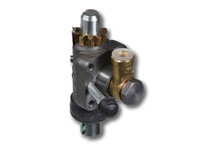
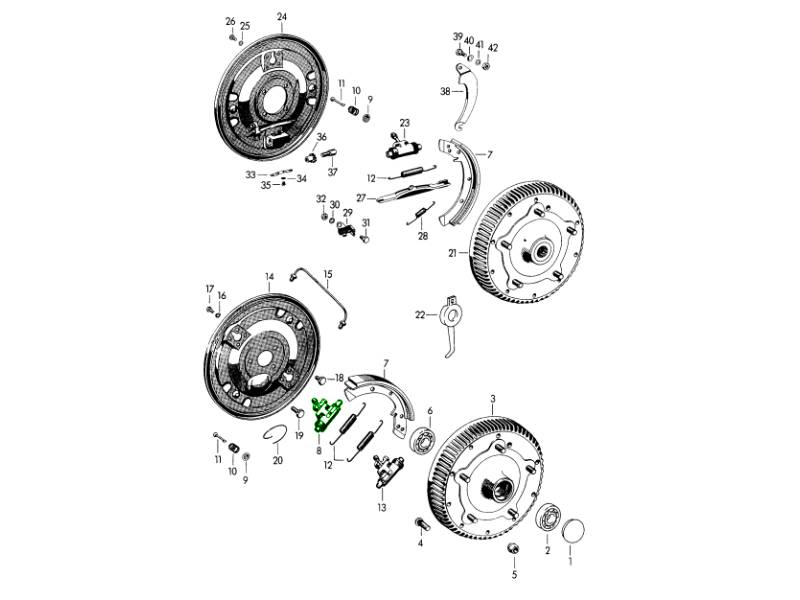
The Porsche Wheel Brake Cylinder 69535151200 is a replacement hydraulic brake cylinder used in the front right upper position of the drum-brake system on selected classic Porsche 356 models.
Fits:
- Porsche 356A 1955-59
- Porsche 356B 1959-63
Diagram Ref No 8
Featuring an approximately 19.05 mm bore, the wheel cylinder converts hydraulic brake-fluid pressure into mechanical movement, pushing the brake shoes outward against the inside of the brake drum when the brake pedal is applied.
As a critical hydraulic braking component, correct cylinder condition is essential for consistent braking force, balanced front braking and dependable pedal response.
What This Product Does:
When the driver presses the brake pedal, the master cylinder generates hydraulic pressure in the brake-fluid circuit.
This pressure reaches the wheel brake cylinder, where internal pistons move outward and apply force to the brake shoes.
The wheel brake cylinder helps:
- Convert hydraulic brake pressure into mechanical braking force
- Push the front brake shoes against the brake drum
- Generate braking force at the front wheel
- Maintain consistent hydraulic operation
- Support balanced braking across the front axle
- Maintain predictable brake-pedal response
- Allow the brake shoes to release correctly when pedal pressure is removed
It is an essential part of the original drum-brake system.
Symptoms Of Wear Or Failure:
Common symptoms of a failing wheel brake cylinder include:
- Brake-fluid leakage around the brake drum
- Wetness behind the brake backing plate
- Brake fluid on the brake shoes
- Soft or spongy brake pedal
- Brake pedal requiring additional travel
- Reduced braking performance
- Vehicle pulling to one side under braking
- Uneven front braking
- One wheel braking more strongly than the other
- Wheel cylinder pistons sticking or seizing
- Brake shoes failing to apply correctly
- Brake shoes failing to release fully
- Uneven brake-shoe wear
- Low brake-fluid level
- Repeated need to top up brake fluid
- Corrosion or pitting inside the cylinder bore
Any unexplained loss of brake fluid should be investigated immediately.
Why Replacement Matters:
The wheel brake cylinder is a safety-critical component.
A leaking or seized cylinder can reduce braking force at the affected wheel and upset the braking balance across the front axle.
Continued operation with a failing cylinder can contribute to:
- Increased stopping distance
- Unpredictable vehicle behaviour under braking
- Loss of brake fluid
- Air entering the hydraulic system
- Brake-shoe contamination
- Accelerated brake-component wear
- Reduced pedal firmness
- Partial loss of braking performance
Replacing a worn cylinder restores proper hydraulic sealing and piston movement.
Related reference numbers
Related, superseded, cross reference or alternative numbers for comparison.
69535151200
The product you are viewing cross references to these numbers
- Porsche Boxster 987 2.7L 2005-08/08
- Porsche Boxster 987 S 3.2/3.4L 2005-08/08
- Porsche Boxster 987 MKII 2.9L 2009-12
- Porsche Boxster S 987 MKII 3.4L 2009-12
- Porsche 997 MK1 Carrera 2 3.6L 2005-08
- Porsche 997 MK1 Carrera 2S 3.8L 2005-08
- Porsche 997 MK1 Carrera 4 3.6L 2005-08
- Porsche 997 MK1 Carrera 4S 3.8L 2005-08
- Porsche 997 MK1 TURBO 2007-09
- Porsche 997 MK1 GT3 / GT3 RS 2007-09
- Porsche 997 MK1 GT2 2007-09
- Porsche 997 MKII Carrera C2 3.6L 2009-12
- Porsche 997 MKII Carrera C4 3.6L 2009-12
- Porsche 997 MKII Carrera C2S 3.8L 2009-12
- Porsche 997 MKII Carrera C4S 3.8L 2009-12
- Porsche 997 MKII GT3 / GT3 RS 2010-11
- Porsche 997 MKII Turbo 2010-13
- Porsche 997 MKII GT2 RS 2011-13
- Porsche Cayman 2.7L 987C 2006-08
- Porsche Cayman S 3.4L 987C 2005-08
- Porsche Cayman 2.9L 987C MKII 2009-12
- Porsche Cayman S / R 3.4L 987C MKII 2009-12
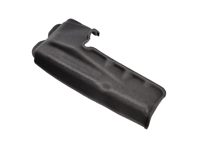
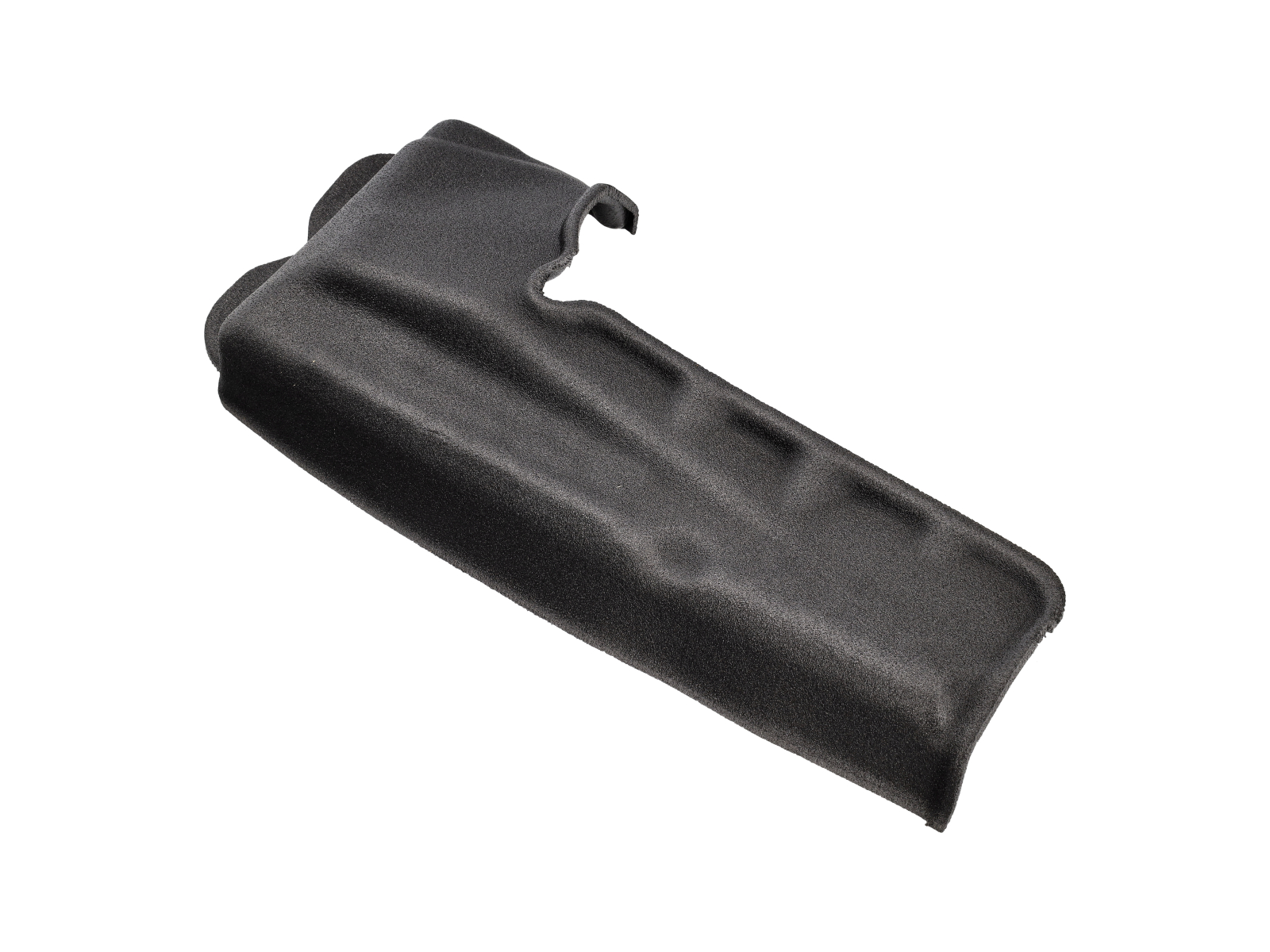
This Dust and pollen filter insert / cover is for right-hand-drive cars.
Fits
Porsche 997.1 Carrera 2 / Carrera 2S / Carrera 4 / Carrera 4S 2005–08
I099
Porsche 997.1 Turbo / GT2 2007–09
I099
Porsche 997 GT3 / GT3 RS 2007–11
I099
Porsche 997.2 Carrera C2 / C2S / C4 / C4S 2009–12
I099
Porsche 997.2 Turbo 2010–13 and GT2 RS 2011–13
I099
Porsche 987 Boxster / Boxster S 2005–08
I099
Porsche 987.2 Boxster / Boxster S 2009–12
I099
Porsche 987C.1 Cayman / Cayman S 2006–08
I099
Porsche 987C.2 Cayman / Cayman S / Cayman R 2009–12 I099
Check fitment for your specific vehicle, including model, year, engine and right-hand-drive specification, before ordering.
What This Product Does
The insert covers and protects the particulate-filter area beneath the cowl panel. It helps keep the assembly correctly enclosed and provides a factory-specification replacement when the original component is cracked, warped, missing or no longer securing properly.
Functions
- Covers the particulate-filter area within the cowl assembly
- Helps shield the filter housing from dust and loose debris
- Supports correct location of the surrounding cowl components
- Replaces a damaged, distorted or missing original insert
- Maintains the original appearance of the under-cowl area
Technical Details
- Genuine Porsche component
- Part number: 99757272903
- Description: dust and pollen filter insert / particulate-filter cover
- Application: right-hand-drive vehicles
- Option and diagram references: PR:099, I099, /RL and rhd
- Required quantity shown in the exploded diagrams: 1
Symptoms of Fault
- Cracks or splits in the plastic
- Broken retaining points or mounting tabs
- A loose panel or rattling from the cowl area
- Warping that prevents the insert from sitting correctly
- A missing cover leaving the filter assembly exposed
Why Replacement Matters
Renewing a damaged insert restores the intended enclosure around the particulate-filter assembly and helps prevent movement or rattling beneath the cowl. A genuine Porsche replacement also retains the original mounting arrangement and factory fit. Inspect the adjacent seal, panel nuts, screws and surrounding cowl covers during installation, as these are separate components.
Related reference numbers
Related, superseded, cross reference or alternative numbers for comparison.
99757272903
The product you are viewing cross references to these numbers
- Porsche 970.1 Panamera V6 3.6L 2WD 2009-13
- Porsche 970.1 Panamera 4 V6 3.6L 4WD 2009-13
- Porsche 970.1 Panamera Diesel V6 3.0L 2011-13
- Porsche 970.2 Panamera V6 3.6L 2WD (310Hp) 2014-16
- Porsche 970.2 Panamera 4 V6 3.6L 4WD (310Hp) 2014-16
- Porsche 970.2 Panamera S V6 Turbo 3.0L 2WD (420Hp) 2014-16
- Porsche 970.2 Panamera S V6 Turbo 3.0L 2WD Executive 2014-16
- Porsche 970.2 Panamera 4S V6 Turbo 3.0L 4WD (420Hp) 2014-16
- Porsche 970.2 Panamera 4S V6 Turbo 3.0L 4WD Executive 2014-16
- Porsche 970.2 Panamera Diesel V6 3.0L (250Hp) 2014-16
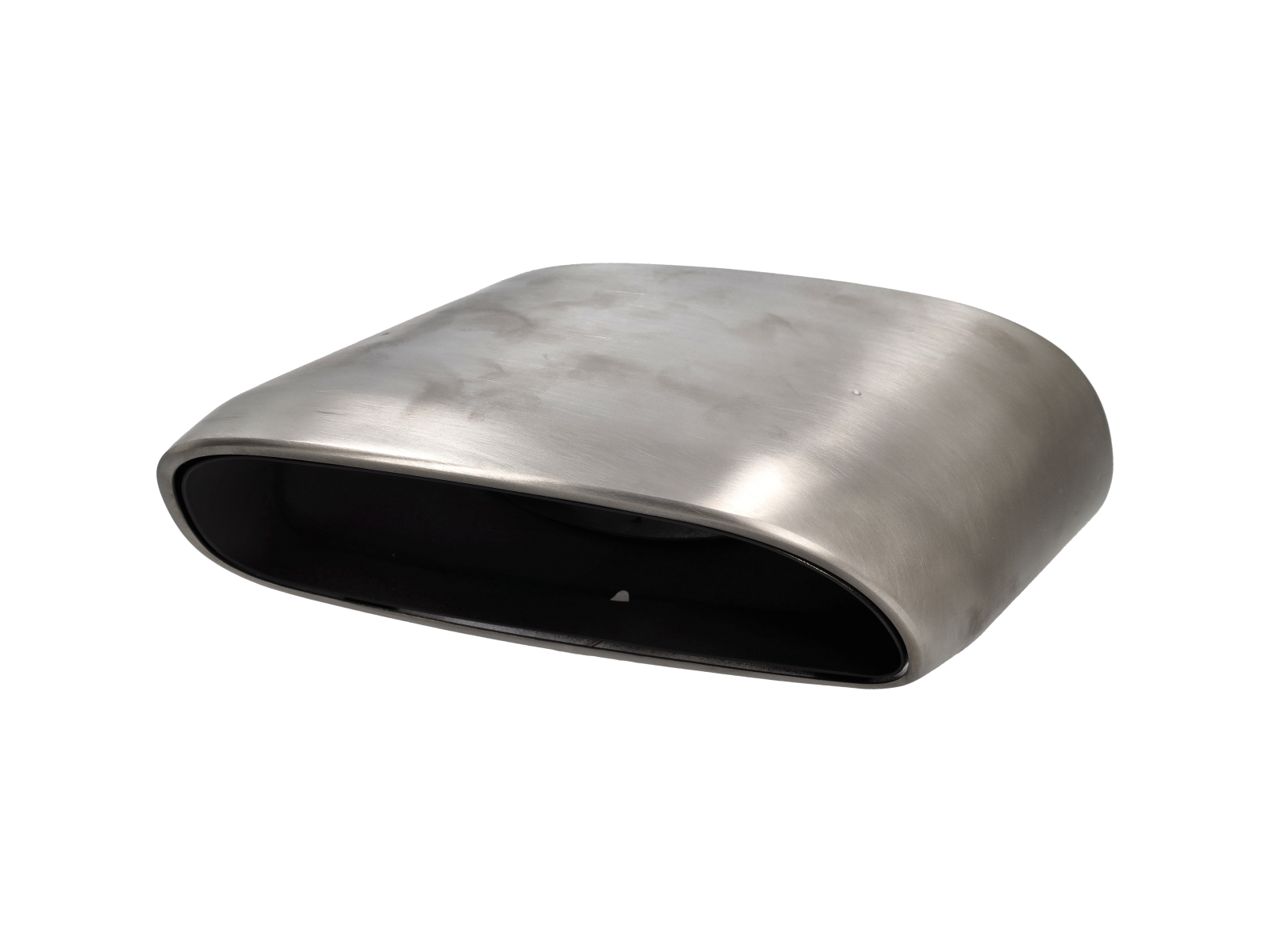
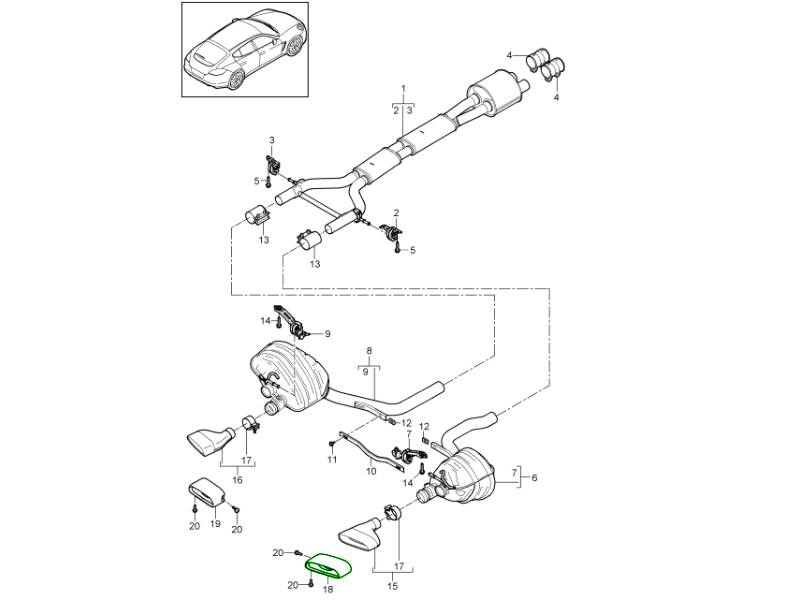
The Porsche Right Tailpipe 97011168622 is a genuine replacement exhaust outlet for the right-hand side of selected Porsche Panamera 970 models.
Fits:
- Porsche 970.1 Panamera V6 3.6L 2WD 2010-13
- Porsche 970.1 Panamera 4 V6 3.6L 4WD 2010-13
- Porsche 970.1 Panamera Diesel V6 3.0L 2011-13
- Porsche 970.2 Panamera V6 3.6L 2WD (310Hp) 2014-16
- Porsche 970.2 Panamera 4 V6 3.6L 4WD (310Hp) 2014-16
- Porsche 970.2 Panamera S V6 Turbo 3.0L 2WD (420Hp) 2014-16
- Porsche 970.2 Panamera S V6 Turbo 3.0L 2WD Executive 2014-16
- Porsche 970.2 Panamera 4S V6 Turbo 3.0L 4WD (420Hp) 2014-16
- Porsche 970.2 Panamera 4S V6 Turbo 3.0L 4WD Executive 2014-16
- Porsche 970.2 Panamera Diesel V6 3.0L (250Hp) 2014-16
Diagram Ref No 18
Positioned at the visible end of the exhaust system, the tailpipe provides the final outlet for exhaust gases while also forming an important part of the vehicle's rear appearance.
Designed to match the original Porsche exhaust system, this replacement tailpipe restores the correct fit, alignment and factory appearance when the original outlet has become scratched, corroded, dented or damaged.
What This Product Does:
The tailpipe is the final section of the exhaust system through which exhaust gases leave the vehicle.
Its main functions include:
- Directing exhaust gases away from the rear of the vehicle
- Providing the finished outlet for the exhaust system
- Maintaining correct alignment within the rear bumper opening
- Completing the factory appearance of the exhaust
- Providing a secure connection to the rear exhaust assembly
- Helping prevent unwanted movement or vibration at the exhaust outlet
- Protecting the end of the exhaust system from direct exposure and impact
Although the tailpipe does not provide a significant performance increase, correct fitment is important for exhaust alignment, appearance and secure operation.
Symptoms Of Wear Or Failure:
Exhaust tailpipes are continuously exposed to exhaust heat, condensation, road contamination and physical damage.
Common signs that replacement may be required include:
- Rust or surface corrosion
- Pitting or deterioration of the finish
- Permanent staining or heat discolouration
- Heavy soot accumulation
- Scratches or cosmetic damage
- Dents or deformation
- Loose or damaged mounting points
- Tailpipe rattling or vibrating
- Poor alignment within the bumper opening
- Cracks around joints or attachment areas
- Exhaust leakage around the connection
- Tailpipe contacting surrounding bumper trim
- A visibly different appearance compared with the opposite side
Severe corrosion or impact damage can weaken the mounting area and allow the tailpipe to become loose.
Why Replacement Matters:
The tailpipe is one of the most visible parts of the exhaust system, so deterioration can noticeably affect the appearance of the rear of the vehicle.
A damaged or loose tailpipe can also move excessively and contact the bumper or surrounding trim. This may cause:
- Rattling or vibration
- Damage to bumper trim
- Poor exhaust outlet alignment
- Increased stress on mounting hardware
- Exhaust leakage at the connection
- Further deterioration of the exhaust outlet
Replacing a damaged tailpipe helps restore:
- Correct exhaust outlet positioning
- Secure mounting
- Factory-style appearance
- Reduced rattling and movement
- Proper clearance from surrounding bodywork
- A clean and complete exhaust finish
Where the remainder of the exhaust system remains in good condition, replacing only the damaged tailpipe is a practical alternative to replacing larger exhaust components.
Related reference numbers
Related, superseded, cross reference or alternative numbers for comparison.
97011168622
The product you are viewing cross references to these numbers
- Porsche 911 1984-1986 3.2L
- Porsche 911 1987-1989 3.2L G50
Fits:
What This Product Does
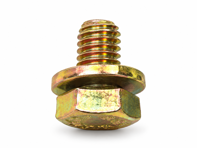
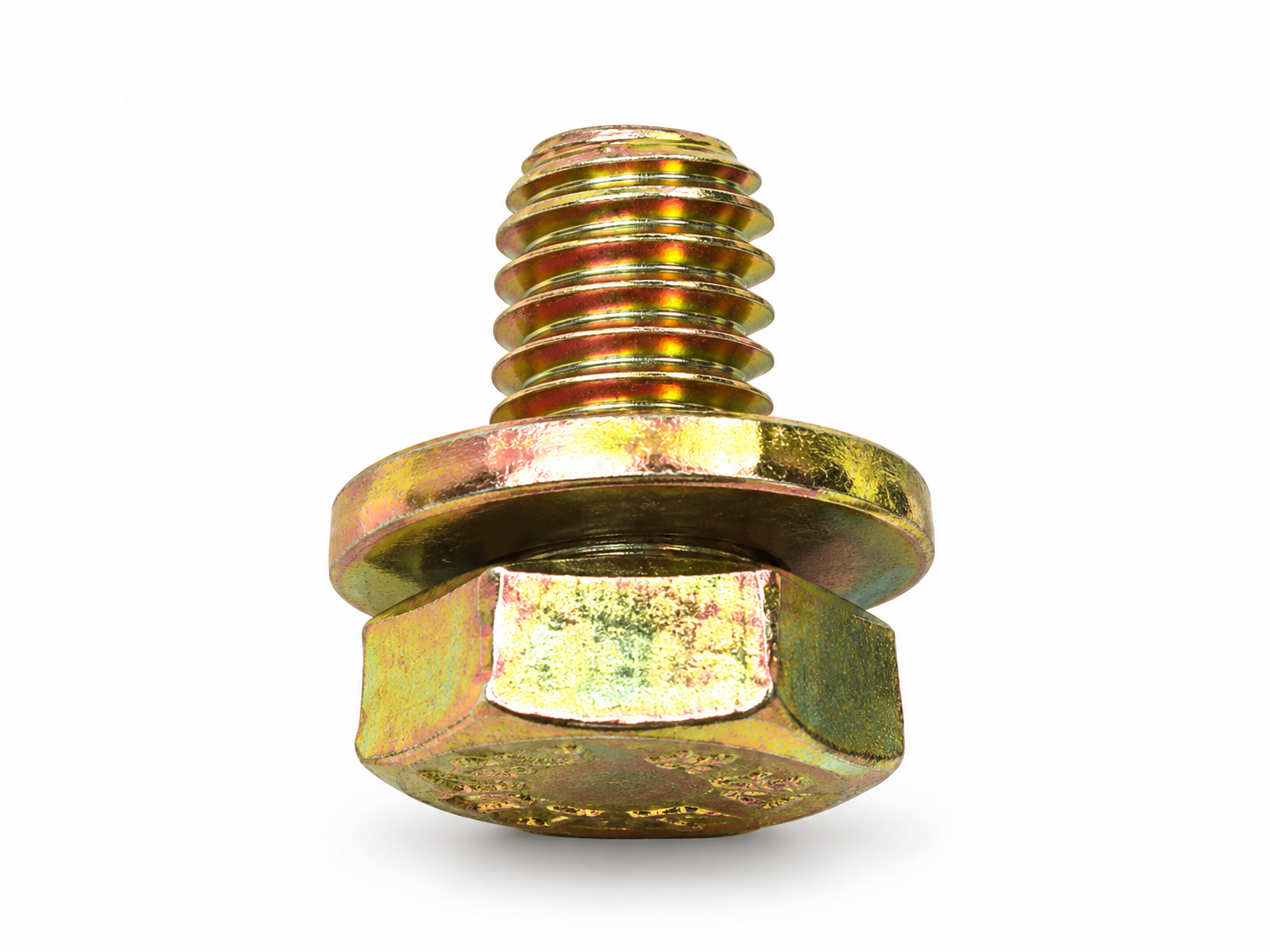
The combination screw joins and secures components within the relevant Porsche 968 assembly, with an integrated washer for fastening.
Functions
- Secures assembly components
- Provides fastening with an integrated washer
Technical Details
- Thread and length: M 6 X 10
- Part description: Combination screw
- Includes an integrated washer
Related reference numbers
Related, superseded, cross reference or alternative numbers for comparison.
9000753630B
The product you are viewing cross references to these numbers
- Porsche Boxster 986 2.5L 1997-99
- Porsche Boxster 986 2.7L 1999-02
- Porsche Boxster 986 2.7L 2003-04
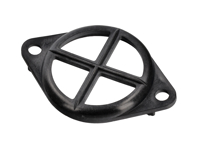
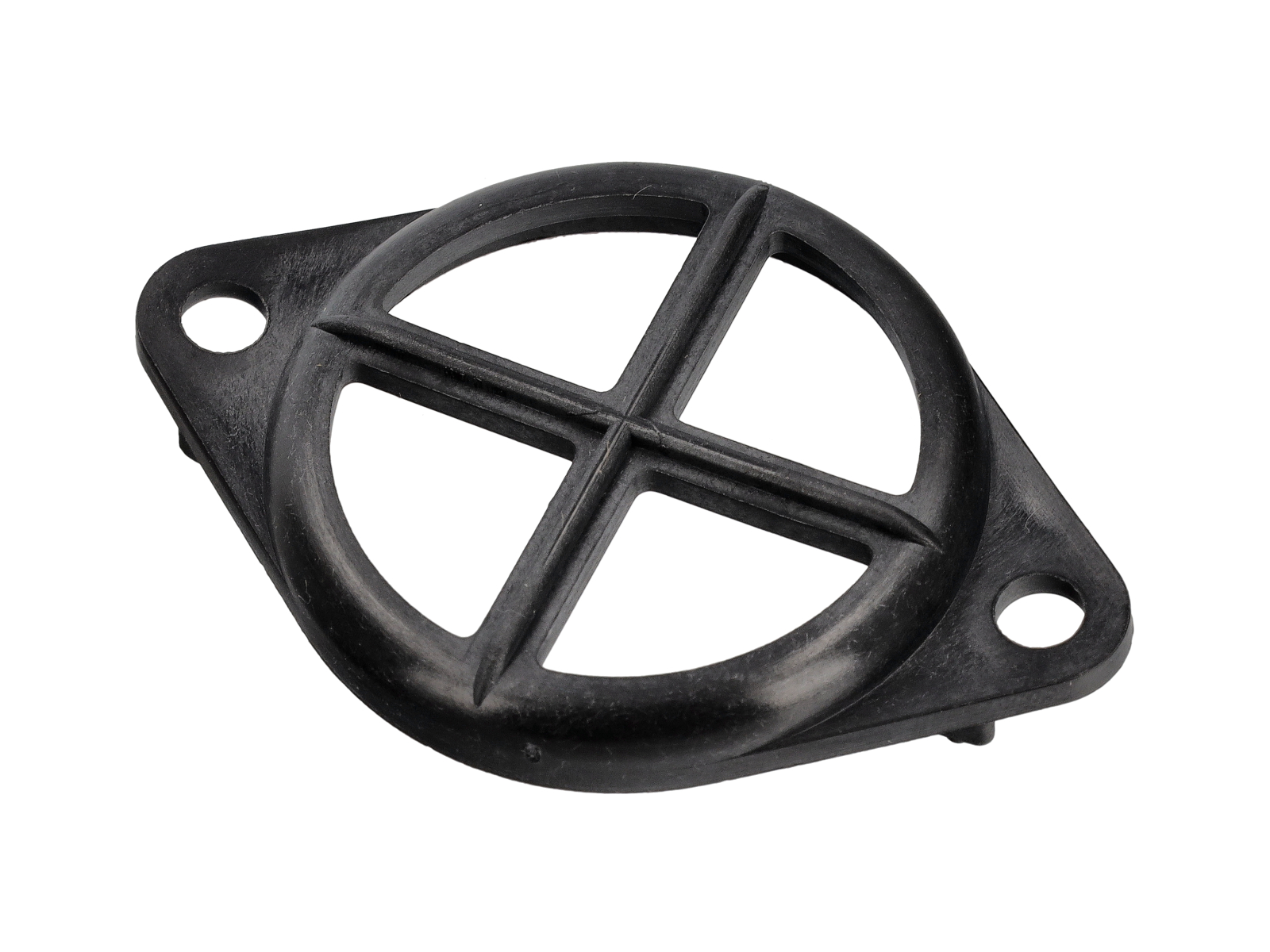
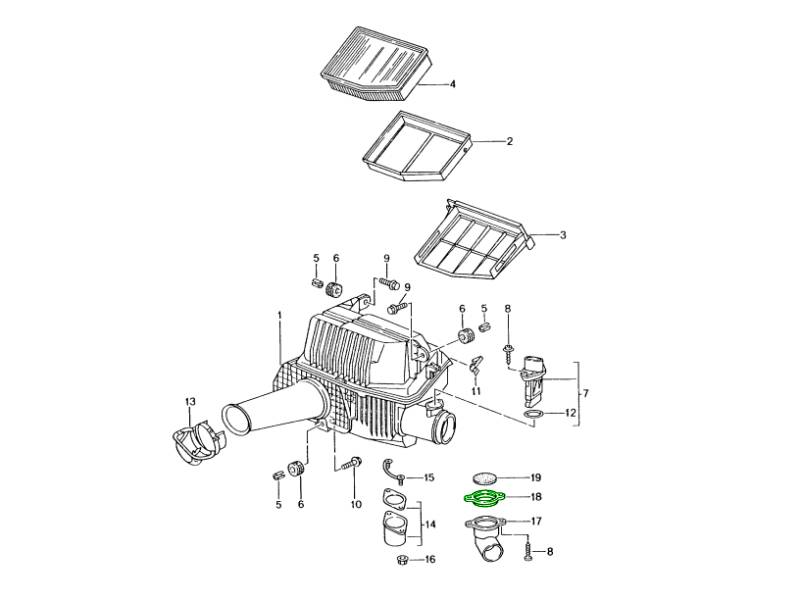
The Porsche Water Drain Tube 99611029700 is a genuine Porsche replacement drain pipe used within the air-cleaner and water-trap assembly on selected Porsche 986 Boxster models.
Fits:
- Porsche Boxster 986 2.5L 1997-99
- Porsche Boxster 986 2.7L 1999-02
- Porsche Boxster 986 2.7L 2003-04
Diagram Ref No 18
Located in the engine air-intake system, the tube provides a controlled route for water collected by the air-cleaner water trap to drain away rather than remaining around the intake assembly.
Its role is particularly important in helping keep accumulated rainwater and moisture away from the air-filter element and intake tract.
Manufactured as a genuine Porsche component, it provides the correct dimensions and fit for the original air-cleaner installation.
What This Product Does:
The air-cleaner system must provide the engine with clean intake air while helping prevent unwanted water and debris from reaching the filter and intake tract.
The water trap separates collected moisture from the incoming air path, while the drain tube allows this water to escape.
The water drain tube helps:
- Drain collected water from the air-cleaner water trap
- Prevent standing water around the air-filter assembly
- Reduce the risk of the air-filter element becoming unnecessarily wet
- Direct moisture away from the intake system
- Maintain the intended operation of the Porsche air-cleaner assembly
- Keep the original water-management system complete
- Replace a split, blocked, hardened or missing original drain pipe
Symptoms Of Wear Or Failure:
The drain tube can deteriorate through age, heat exposure, contamination and repeated temperature cycling.
Possible symptoms include:
- Visible cracks or splits in the tube
- Hardened or brittle material
- Tube becoming loose or detached
- Distorted or collapsed tubing
- Blockage from dirt or debris
- Water remaining in the air-cleaner water trap
- Moisture or standing water around the airbox
- Damp air-filter element
- Water staining around the air-cleaner assembly
- Incorrect drainage into the surrounding engine compartment
- Missing drain tube during inspection
Because this component is primarily a drainage part, deterioration may not immediately produce an engine warning light or obvious drivability problem.
Why Replacement Matters:
Although relatively small, the drain tube forms part of Porsche's original intake water-management system.
A damaged or obstructed tube can prevent collected water from draining correctly.
Continued use with a failed drain tube may contribute to:
- Persistent moisture around the air cleaner
- Premature air-filter deterioration
- Unwanted water accumulation
- Corrosion or staining of surrounding components
- Reduced effectiveness of the air-cleaner water trap
- Increased risk of moisture progressing further into the intake system
Replacing a deteriorated tube restores the intended drainage route and helps protect the air-cleaner assembly from unnecessary moisture accumulation.
Related reference numbers
Related, superseded, cross reference or alternative numbers for comparison.
99611029700
The product you are viewing cross references to these numbers
- Porsche 997 MKII Carrera C2 3.6L 2009-12
- Porsche 997 MKII Carrera C4 3.6L 2009-12
- Porsche 997 MKII Carrera C2S 3.8L 2009-12
- Porsche 997 MKII Carrera C4S 3.8L 2009-12
- Porsche 997 MKII Turbo 2010-13
- Porsche 997 MKII GT2 RS 2011-13
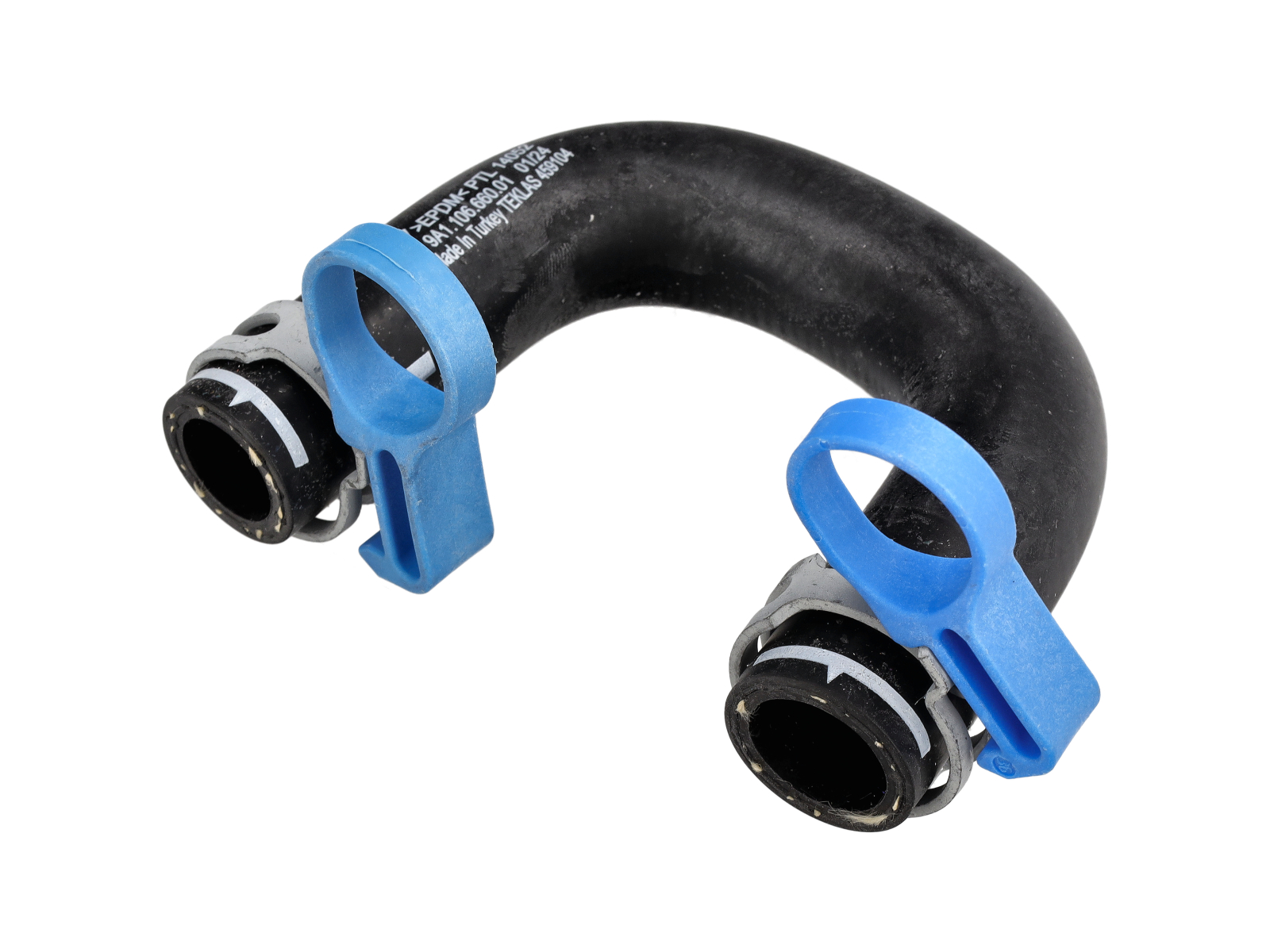
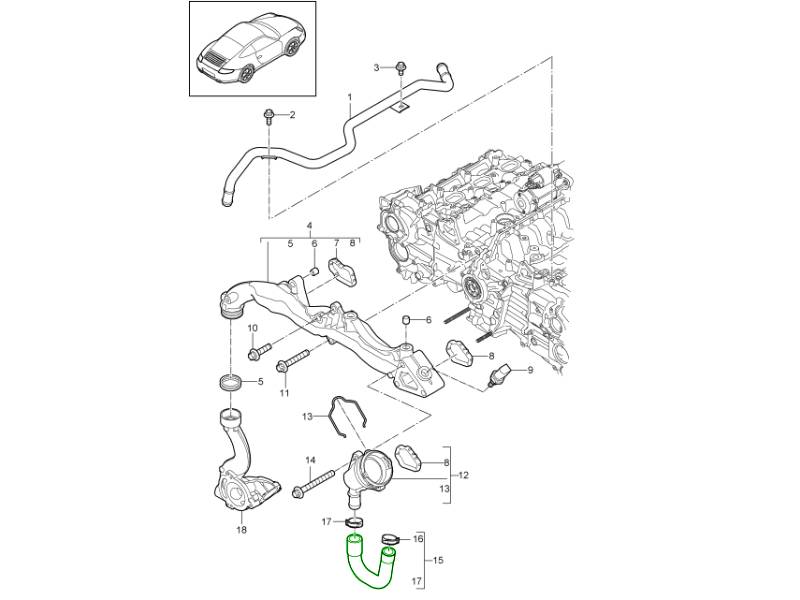
The Porsche Coolant Supply Hose 9A110666001 is a genuine Porsche replacement water hose used within the engine cooling system on selected Porsche 997-generation 911 models.
Fits:
- Porsche 997 MKII Carrera C2 3.6L 2009-12
- Porsche 997 MKII Carrera C4 3.6L 2009-12
- Porsche 997 MKII Carrera C2S 3.8L 2009-12
- Porsche 997 MKII Carrera C4S 3.8L 2009-12
- Porsche 997 MKII Turbo 2010-13
- Porsche 997 MKII GT2 RS 2011-13
Diagram Ref No 15
The hose forms part of the engine-side coolant pipework and carries pressurised coolant through the water-pipe assembly, helping maintain stable engine temperature under normal driving and high-load operating conditions.
What This Product Does:
The engine cooling system circulates coolant through the engine, radiators, thermostat and associated pipes to remove excess heat.
The coolant supply hose forms part of this sealed, pressurised circuit.
Its functions include:
- Carrying engine coolant through the cooling system
- Maintaining consistent coolant circulation
- Supporting stable engine operating temperature
- Connecting associated water-pipe and engine cooling components
- Containing coolant under pressure
- Helping prevent coolant loss
- Supporting correct thermostat and water-pump operation
- Maintaining the factory Porsche cooling-system layout
Although relatively small, a sound supply hose is essential for keeping the cooling circuit sealed and dependable.
Symptoms Of Wear Or Failure:
Coolant hoses deteriorate over time through heat, pressure, vibration and chemical exposure.
Possible signs of failure include:
- Visible coolant leakage
- Pink, white or coloured coolant residue around the hose
- Dampness around hose connections
- Cracks in the hose surface
- Splitting around the ends
- Swollen or bulging hose sections
- Hose becoming unusually soft
- Hose becoming hard or brittle
- Coolant smell around the engine
- Falling coolant level
- Frequent need to top up coolant
- Low-coolant warning
- Engine-temperature fluctuations
- Engine overheating
- Steam from the engine area
A hose may also deteriorate internally without severe external cracking, so condition should be assessed carefully during cooling-system maintenance.
Why Replacement Matters:
A deteriorated coolant hose can eventually leak or rupture.
Because the cooling system operates under pressure, even a small split can lead to rapid coolant loss once the engine reaches operating temperature.
Continued driving with a failed hose may result in:
- Loss of cooling-system pressure
- Reduced coolant circulation
- Engine overheating
- Turbocharger heat-management problems
- Damage to seals and gaskets
- Cylinder-head damage
- Severe engine damage in extreme cases
- Vehicle breakdown
Replacing an aged or leaking hose restores the integrity of the cooling circuit and reduces the risk of sudden coolant loss.
Related reference numbers
Related, superseded, cross reference or alternative numbers for comparison.
9A110666001
The product you are viewing cross references to these numbers
- Porsche 997 MK1 TURBO 2007-09
- Porsche 997 MK1 GT3 / GT3 RS 2007-09
- Porsche 997 MK1 GT2 2007-09
- Porsche 997 MKII GT3 / GT3 RS 2010-11
- Porsche 997 MKII Turbo 2010-13
- Porsche 997 MKII GT2 RS 2011-13
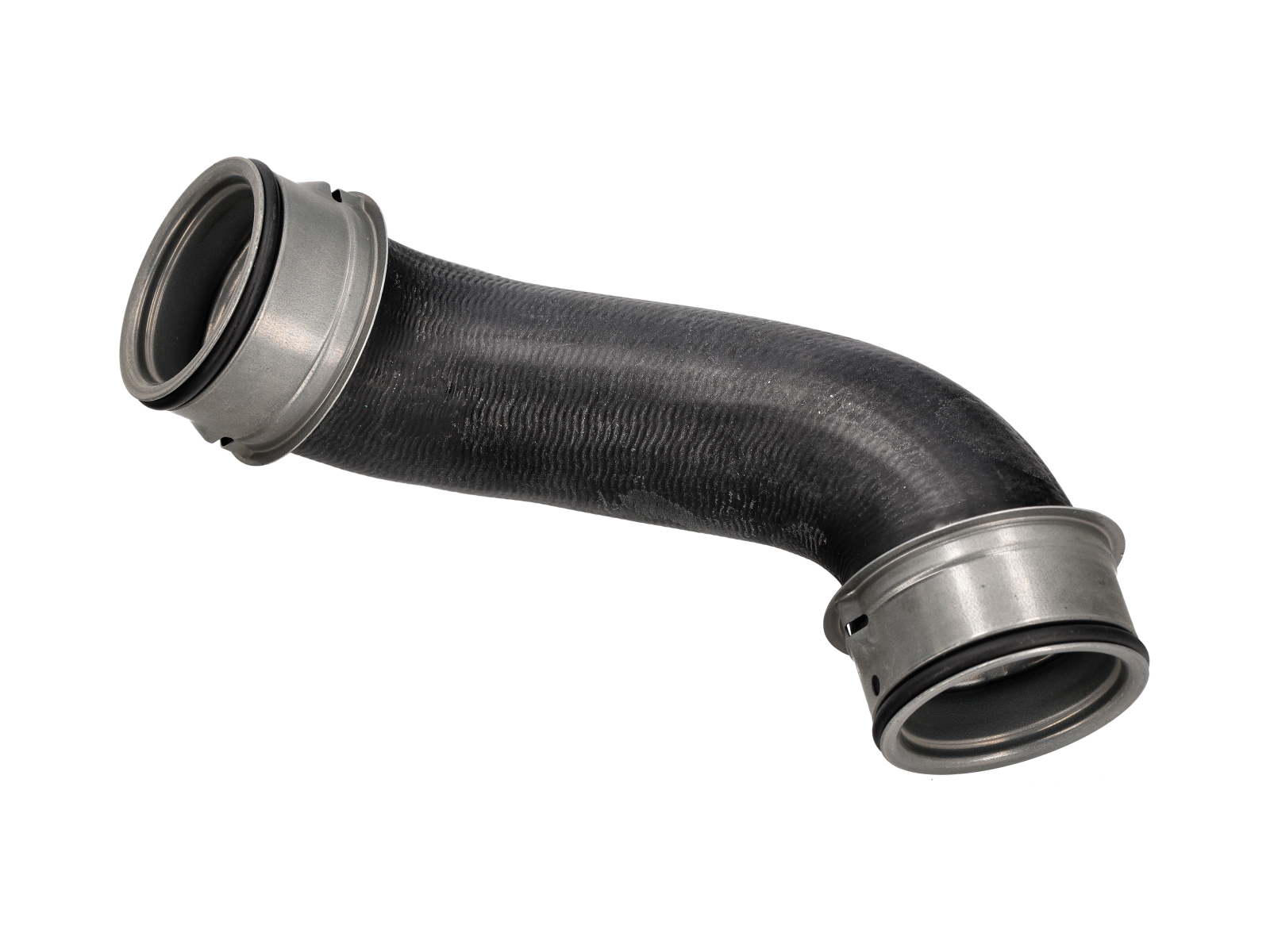
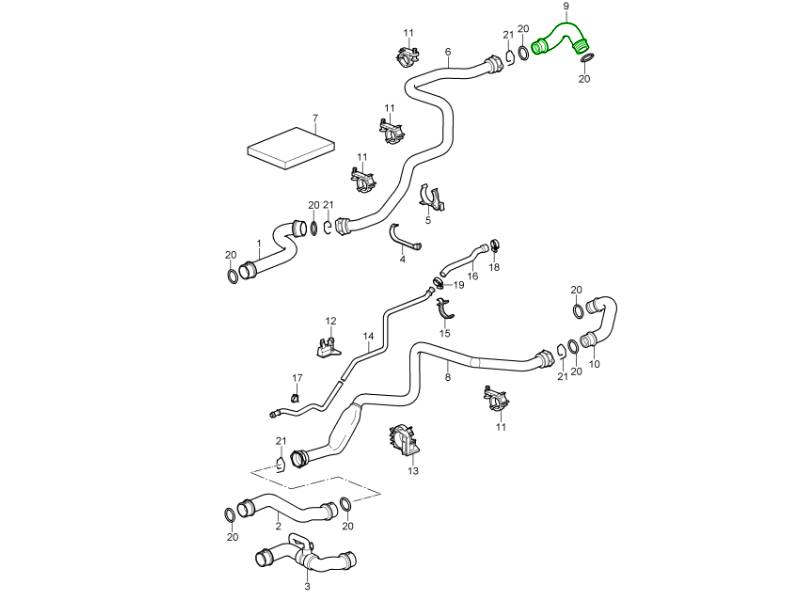
The Porsche Water Hose Supply 99710650101 is a genuine replacement coolant supply hose designed for selected Porsche 997 performance models.
Fits:
- Porsche 997 MK1 TURBO 2007-09
- Porsche 997 MK1 GT3 / GT3 RS 2007-09
- Porsche 997 MK1 GT2 2007-09
- Porsche 997 MKII GT3 / GT3 RS 2010-11
- Porsche 997 MKII Turbo 2010-13
- Porsche 997 MKII GT2 RS 2011-13
Diagram Ref No 9
Located on the right-hand side of the engine cooling circuit, the hose carries coolant from the supply pipe towards the engine, helping maintain continuous coolant circulation and stable operating temperatures.
Manufactured to Porsche specifications, this replacement restores the original hose routing, connections and sealing arrangement when the existing hose has become cracked, hardened, swollen or is leaking.
What This Product Does:
The engine cooling system continuously circulates coolant through the engine, radiators and associated pipework to absorb and dissipate heat.
This supply hose forms part of that circulation path and delivers coolant from the supply pipe into the engine cooling circuit.
Its main functions include:
- Carrying coolant towards the engine
- Maintaining continuous coolant circulation
- Helping maintain correct cooling-system pressure
- Supporting stable engine operating temperatures
- Providing a sealed connection between the coolant pipe and engine
- Helping prevent coolant loss
- Maintaining the original factory hose routing
- Supporting effective engine thermal management
The hose itself does not lower coolant temperature, but reliable coolant flow through it is essential for the cooling system to function correctly.
Symptoms Of Wear Or Failure:
Coolant hoses operate under continuous heat and pressure and can deteriorate as they age.
Common symptoms of a worn or failing coolant supply hose include:
- Visible coolant leakage
- Dampness around the hose or fittings
- Dried coolant residue around connection points
- Cracks or splits in the hose
- Rubber becoming hard or brittle
- Swelling or bulging sections
- Hose becoming excessively soft or spongy
- Damaged or loose hose connections
- Low coolant warning
- Repeated need to top up coolant
- Sweet coolant smell around the engine bay
- Engine temperature rising above normal
- Fluctuating coolant temperature
- Steam from the engine compartment in severe cases
Cooling-system leaks can also originate from radiators, expansion tanks, water pumps, pipe connections or other hoses, so the complete circuit should be inspected.
Why Replacement Matters:
The cooling system must remain sealed and properly pressurised to control engine temperature effectively.
If the supply hose begins to leak, coolant can escape and the system may gradually lose both fluid and pressure. As the coolant level falls, the engine becomes less able to transfer and dissipate heat.
A deteriorated hose may also split suddenly under operating pressure, causing rapid coolant loss.
Continued operation with insufficient coolant can lead to:
- Engine overheating
- Cylinder-head damage
- Head-gasket damage
- Damage to seals and cooling-system components
- Reduced engine reliability
- Breakdown caused by sudden coolant loss
Replacing a deteriorated hose helps restore:
- Correct coolant circulation
- Proper cooling-system pressure
- A sealed cooling circuit
- Stable engine temperature
- Reliable long-term cooling-system operation
Replacing a hose at the first sign of leakage, cracking or swelling can help prevent a relatively minor cooling-system fault from becoming a much more expensive engine repair.
Related reference numbers
Related, superseded, cross reference or alternative numbers for comparison.
99710650101
The product you are viewing cross references to these numbers