Your Vehicle
Porsche // 911 & 912 (1965-1989) // Any




Enter your VAT number here and click Verify:
Your details have been verified. VAT number registered to:
,
.
Your order will now be zero rated for VAT purposes. We reserve the right to verify these details after your order request has been made and reinstate VAT if required.
Your VAT details were not recognised or were invalid. Your VAT number must be matched to your Billing Country as specified above. This is currently specified as . You do not need to enter the country code part of your VAT number as this has already been selected in your billing address details above.
The VAT number checking service is currently offline. Please supply your VAT details within the comments or special instructions field below and we will apply a VAT discount after placing your order request.

Fuel Tank & Parts
- Porsche 911 1965-1968 2.0L / 912 SWB (F)
- Porsche 911 1968-1973 2.2L / 2.4L / 2.7L RS LWB (F)
- Porsche 911 1974-1977 2.7L / 1976-77 3.0 Carrera
- Porsche 911 1978-1983 3.0L / SC
- Porsche 911 1984-1986 3.2L
- Porsche 911 1987-1989 3.2L G50
- Porsche 911 1975-1977 3.0L Turbo (930)
- Porsche 911 1978-1989 3.3L Turbo (930)
- Porsche 356 1950-55
- Porsche 356A 1955-59
- Porsche 356B 1959-63
- Porsche 356C 1963-65
This kit will allow fuel filling through the centre of the bonnet while closed.
Fits:
Porsche 911 2.0-3.3 01/1963 - 07/1989
What it does:
• Allows refuelling with the bonnet closed via a secure cap and filler neck (centre mount).
• Restores proper sealing of the fuel system at the bonnet interface, helping prevent fuel vapour escape and maintaining correct appearance and function.
• Engineered to match the original equipment’s dimensions, fit and finish - ensuring correct alignment, safe fuel operation and the correct restoration look.
Over time, the original filler cap and assembly may suffer from corrosion, sealing deterioration, misalignment or damage - which can lead to fuel leaks, vapour escape, compromised aesthetics or difficulty in refuelling properly. Installing this kit ensures safe fuel system function, correct cap sealing, and restores the original design integrity and appearance.
Related reference numbers
Related, superseded, cross reference or alternative numbers for comparison.
1681150410
The product you are viewing cross references to these numbers

- Porsche 911 1965-1968 2.0L / 912 SWB (F)
- Porsche 911 1968-1973 2.2L / 2.4L / 2.7L RS LWB (F)
- Porsche 911 1974-1977 2.7L / 1976-77 3.0 Carrera
- Porsche 911 1978-1983 3.0L / SC
- Porsche 911 1984-1986 3.2L
- Porsche 911 1987-1989 3.2L G50
- Porsche 911 1975-1977 3.0L Turbo (930)
- Porsche 911 1978-1989 3.3L Turbo (930)
Fits:
Porsche 911 - 1965 to 1989
RSR fuel filler kit complete with Singer Style fuel cap.
The cap is engraved with "FUEL" and will allow fuel filling through the center of the bonnet while closed

- Porsche 911 1978-1983 3.0L / SC
- Porsche 911 1978-1989 3.3L Turbo (930)
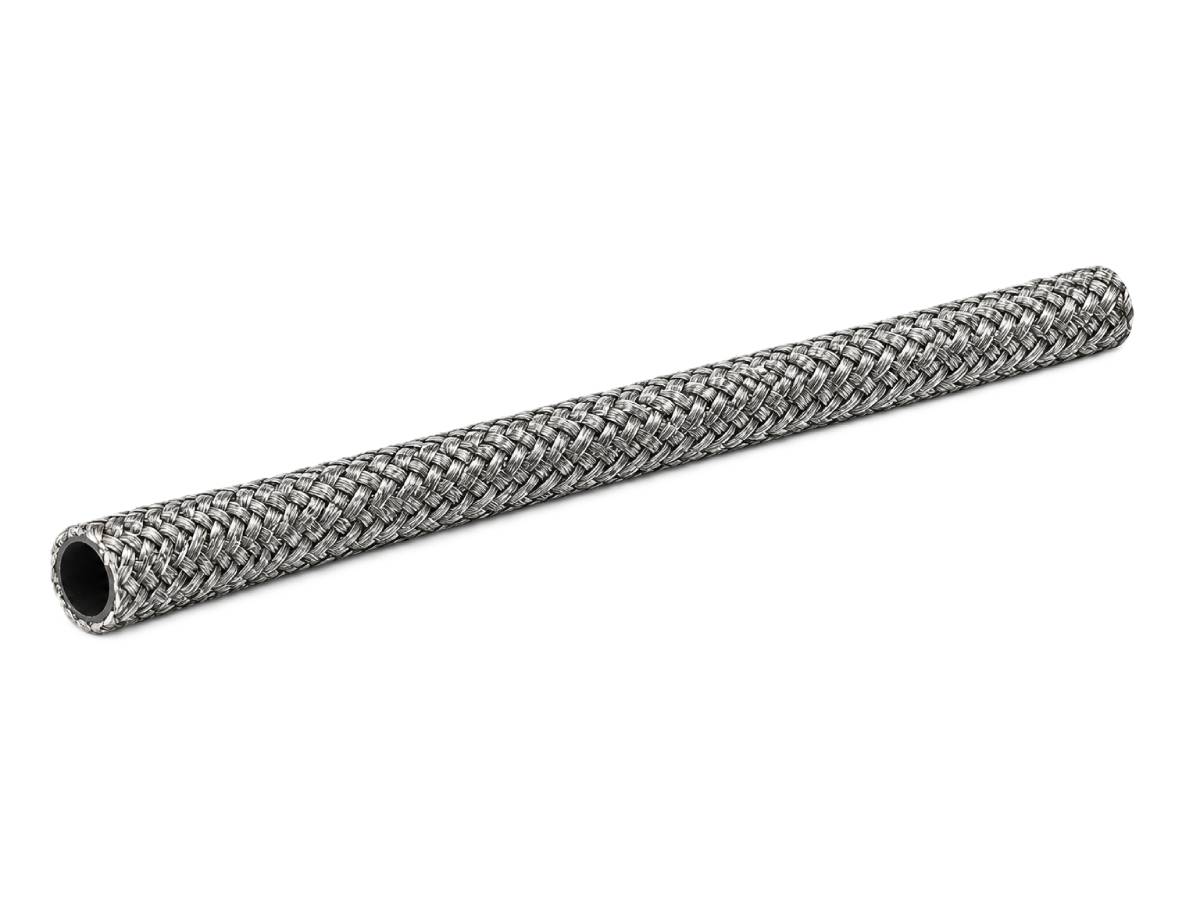
The Genuine Porsche Vent Hose (Part Number: 91120191501) is an original equipment fuel tank ventilation component designed for selected classic Porsche 911 and 930 Turbo models.
Fits:
- Porsche 911 1981-1983 3.0L / SC
- Porsche 911 1981-1983 3.3L Turbo (930)
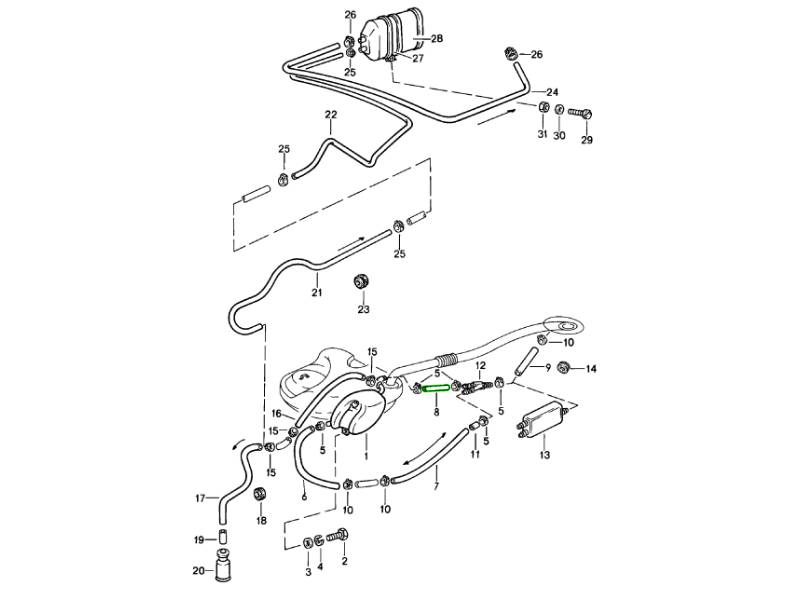
Diagram Ref No 8
Also described as a fuel tank breather hose, this component forms part of the vehicle's fuel tank ventilation system, allowing air and fuel vapours to move through the designated ventilation circuit.
The fuel tank ventilation system is essential for managing pressure changes within the fuel tank as fuel is consumed, temperatures change and petrol vapour develops.
Rather than allowing fuel vapours to escape through uncontrolled openings, the ventilation arrangement routes them through the appropriate hoses, expansion chambers and associated components.
The Genuine Porsche Vent Hose provides a flexible connection within this system, helping maintain the intended flow of air and fuel vapour.
The hose is associated with the fuel tank ventilation assemblies used on selected Porsche 911 SC and 930 Turbo vehicles.
During normal operation, the fuel level changes as the engine consumes petrol. At the same time, variations in ambient temperature can cause fuel vapour to expand or contract.
The ventilation system accommodates these changes, helping prevent excessive pressure or vacuum from developing within the fuel tank.
A correctly installed breather hose helps maintain the integrity of the ventilation circuit and reduces the risk of vapour escaping through damaged connections.
Over time, the original hose may deteriorate because of age, fuel vapour exposure, heat, vibration or repeated movement.
The material can become hardened, brittle, cracked or split, while the ends may lose their ability to form a reliable connection with the associated fittings.
A damaged vent hose can allow petrol vapours to escape, producing an unpleasant fuel smell around the vehicle. Depending on the location and nature of the damage, it may also affect the operation of the tank ventilation system.
Replacing a worn or damaged hose with a Genuine Porsche component helps restore the original ventilation arrangement, maintain secure vapour connections and support reliable fuel tank pressure management.
Ideal for classic Porsche fuel system maintenance, tank ventilation repairs and restoration projects, this Genuine Porsche Vent Hose provides a factory-specified replacement for compatible applications.
What This Product Does:
The vent hose is part of the fuel tank breathing and vapour management system.
Its primary function is to provide a passage through which air and petrol vapours can move between the designated components of the fuel tank ventilation circuit.
As fuel is consumed, air must be able to enter or move through the ventilation arrangement to prevent excessive vacuum developing inside the tank.
When fuel temperature rises, petrol vapour can expand and increase pressure inside the tank.
The ventilation system accommodates these pressure changes through its associated hoses, expansion tanks and vapour management components.
The vent hose supports this process by maintaining the required connection within the system.
Its main functions include:
- Allowing fuel tank ventilation: Provides a passage for air and fuel vapour within the specified ventilation circuit.
- Supporting pressure equalisation: Helps prevent excessive pressure differences from developing in the fuel tank.
- Accommodating fuel vapour expansion: Allows vapour movement as temperature and fuel conditions change.
- Supporting fuel tank breathing: Helps maintain the intended ventilation arrangement as petrol is consumed.
- Connecting ventilation components: Provides a flexible connection between associated pipes, fittings or expansion chambers.
- Limiting unwanted vapour escape: Helps contain fuel vapours within the designated ventilation pathway.
- Maintaining correct system routing: Preserves the factory-designed arrangement of ventilation hoses.
- Supporting reliable fuel tank operation: Helps prevent ventilation restrictions caused by a damaged or collapsed hose.
- Accommodating normal vehicle movement: Provides flexibility between connected components.
- Supporting fuel system maintenance: Allows deteriorated sections of the ventilation circuit to be renewed.
The vent hose does not pump fuel or deliver pressurised petrol to the engine.
It is a fuel tank ventilation component, separate from the main fuel supply and return hoses.
Symptoms Of Wear Or Failure:
Fuel tank ventilation hoses are exposed to petrol vapour, temperature changes and long periods of service.
On older Porsche vehicles, ageing rubber and deteriorated hose connections can cause ventilation faults.
Common signs and symptoms of a worn or damaged vent hose include:
- Petrol smell around the vehicle: Escaping fuel vapour may produce a noticeable petrol odour.
- Fuel smell in the luggage compartment: A leaking ventilation hose in the front luggage compartment area may allow vapours to accumulate.
- Fuel smell after refuelling: Vapour leakage may become more noticeable when the fuel tank is full.
- Fuel smell during warm weather: Higher temperatures can increase vapour generation and expose weaknesses in the ventilation circuit.
- Cracked hose material: Ageing may cause visible splits or cracks in the hose surface.
- Hardened or brittle hose: Rubber deterioration can reduce flexibility and sealing performance.
- Loose hose connections: Worn hose ends may no longer grip the connecting fittings securely.
- Split hose ends: Repeated removal or prolonged ageing may cause cracking around the connection points.
- Collapsed hose sections: Deformation may restrict the intended movement of air or vapour.
- Blocked ventilation passage: Debris, deterioration or incorrect hose routing may obstruct the circuit.
- Excessive pressure release when opening the fuel cap: Abnormal tank pressure may indicate a ventilation restriction.
- Fuel tank vacuum symptoms: A severely restricted ventilation system may interfere with normal fuel tank breathing.
- Visible hose swelling: Chemical exposure or incompatible hose materials may affect the hose's shape.
- Disconnected ventilation hose: A detached hose may leave the circuit open to the surrounding area.
- Deteriorated hose clamps: Corroded or loose retaining components may compromise the connection.
- Repeated fuel vapour odours after repairs: An incorrectly routed or inadequately secured hose may continue to leak vapour.
Why Replacement Matters:
Replacing a deteriorated fuel tank vent hose is important for maintaining the original fuel tank ventilation arrangement.
A cracked or split hose may allow petrol vapours to escape into areas where they should not be present.
A collapsed or obstructed hose may also interfere with the fuel tank's ability to manage normal pressure changes.
On classic Porsche vehicles, original rubber components may have experienced several decades of heat exposure, vibration and contact with fuel vapours.
Even where a hose appears intact, its ends may have hardened and become less effective at sealing against the connecting fittings.
Installing a Genuine Porsche replacement Vent Hose helps to:
- Restore fuel tank ventilation: Renew a damaged connection within the breathing system.
- Reduce unwanted petrol odours: Address vapour leakage caused by a confirmed defective hose.
- Support pressure equalisation: Maintain the intended movement of air and fuel vapour.
- Prevent unwanted vapour escape: Restore the appropriate connection between ventilation components.
- Replace deteriorated rubber: Renew cracked, brittle or hardened hose material.
- Maintain secure hose connections: Restore proper attachment to the associated fittings.
- Prevent ventilation restrictions: Replace collapsed or obstructed hose sections.
- Support fuel tank operation: Maintain the correct breathing arrangement during normal fuel consumption.
- Preserve factory hose routing: Restore Porsche's intended ventilation layout.
- Support fuel system refurbishment: Replace ageing components during tank or expansion chamber servicing.
- Improve long-term reliability: Reduce the likelihood of further hose deterioration.
- Support classic Porsche restoration: Maintain the original fuel tank ventilation system.
- Maintain Genuine Porsche specifications: Use the specified original equipment reference rather than an unverified generic hose.
Replacement is particularly recommended when the hose is visibly cracked, hardened, split, swollen, detached or otherwise damaged.
The surrounding ventilation hoses, expansion tanks, fittings and retaining clamps should also be inspected during replacement.
Related reference numbers
Related, superseded, cross reference or alternative numbers for comparison.
91120191501
The product you are viewing cross references to these numbers
Fuel Tanks & Components – Reliable Fuel Storage and Performance for Porsche Vehicles
Your Porsche’s fuel tank is the foundation of its fuel system, storing and supplying petrol safely to the engine. Working alongside essential components such as tank straps, seals, fittings, filters, and breather valves, the fuel tank ensures efficient flow, pressure stability, and safety in every driving condition.
At Design911, we offer a wide range of fuel tanks and replacement parts designed for Porsche models across generations — from air-cooled classics to high-performance GT cars. Each component is built from corrosion-resistant materials to deliver long-lasting durability, leak-free sealing, and reliable performance.
Whether you’re restoring a vintage 911 or maintaining a modern Porsche, our manufacturer-quality tanks and fittings provide superior build quality and exact fitment for peace of mind and long-term reliability.
What Do Fuel Tanks and Their Components Do?
The fuel tank stores petrol and ensures safe, uninterrupted supply to the fuel pump and injection system. Supporting parts such as hoses, straps, seals, and sensors maintain pressure balance and structural integrity.
Core Functions:
- Stores
and protects fuel from contamination and evaporation.
- Provides
consistent delivery to the fuel pump and injectors.
- Ventilation
and pressure regulation via breather systems.
- Ensures safe operation through leak prevention and corrosion resistance.
A properly functioning tank and its fittings are vital for engine performance, efficiency, and safety — especially in performance-focused Porsche engines.
Why Do Fuel Tanks and Components Fail?
Fuel tanks and fittings are constantly exposed to harsh conditions — fuel vapours, moisture, and road debris — all of which can lead to deterioration over time.
Common Causes of Failure Include:
- Corrosion
and rust due to moisture and ethanol-blended fuels.
- Cracked
hoses or fittings, leading to leaks and pressure loss.
- Deteriorated
seals or gaskets causing vapour emissions or odours.
- Physical
damage from road debris or accidents.
- Internal contamination from old fuel or sediment buildup.
Symptoms of fuel tank issues include fuel smells, visible leaks, poor pressure, or inconsistent fuel delivery, all of which affect performance and safety.
Why Replace with Precision-Engineered Fuel Tanks and Parts?
Upgrading or replacing damaged or aged components restores the integrity and safety of your Porsche’s fuel system. Our precision-fit, corrosion-resistant tanks and parts are designed to maintain proper fuel delivery and ventilation while preventing leaks and emissions.
Key Benefits:
- Restores reliable fuel storage and pressure regulation.
- Prevents leaks, vapour loss, and performance issues.
- Improves fuel efficiency and drivability.
- Constructed from high-grade steel or composite materials.
- Direct-fit
replacement for classic and modern Porsche models.
- Long-lasting protection against corrosion and vibration damage.
Essential for restorations and repairs, these components help ensure your Porsche continues to perform with precision and confidence.
Highlights:
- High-quality Porsche fuel tanks and replacement components.
- Corrosion- and pressure-resistant construction.
- Direct-fit
compatibility for a wide range of Porsche models.
- Ensures safe, efficient fuel storage and delivery.
- Ideal for restorations, upgrades, and maintenance projects.
- Designed for long-term reliability and performance.
-
 Fuel Filler Cap / Neck / Flap
-
Fuel Gauge / Level Sender
-
Fuel Filter and Fittings
-
Fuel Pumps
-
Pressure Valves / Sensors / Dampers / Regulators
-
Fuel Lines & Breather Hoses
-
Fuel Accumulator
-
Fuel Expansion Tank
-
Carbon Canister
-
Fuel Injectors
-
Fuel Carry Cans
-
Fuel Injection / Collection Rail
-
Fuel Distributor / Metering Head


.jpg)