




Enter your VAT number here and click Verify:
Your details have been verified. VAT number registered to:
,
.
Your order will now be zero rated for VAT purposes. We reserve the right to verify these details after your order request has been made and reinstate VAT if required.
Your VAT details were not recognised or were invalid. Your VAT number must be matched to your Billing Country as specified above. This is currently specified as . You do not need to enter the country code part of your VAT number as this has already been selected in your billing address details above.
The VAT number checking service is currently offline. Please supply your VAT details within the comments or special instructions field below and we will apply a VAT discount after placing your order request.

Engine Compartment Seals
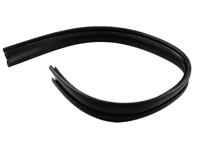

- Porsche 914 (1970-1976)
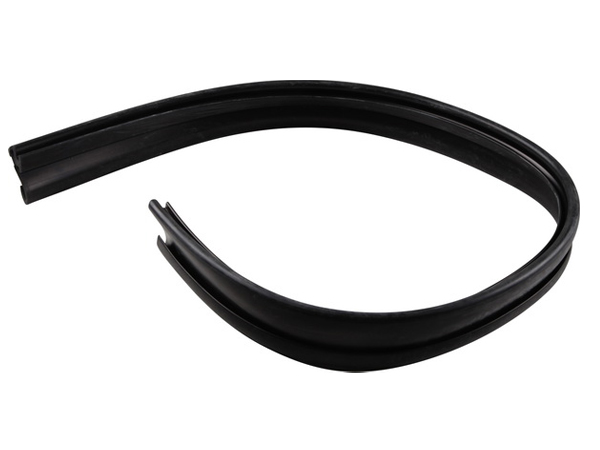
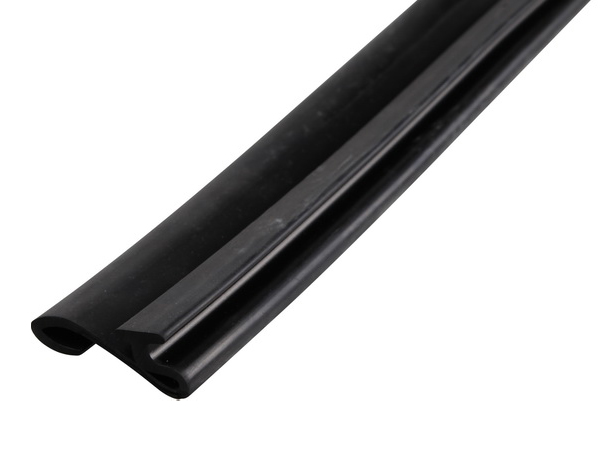
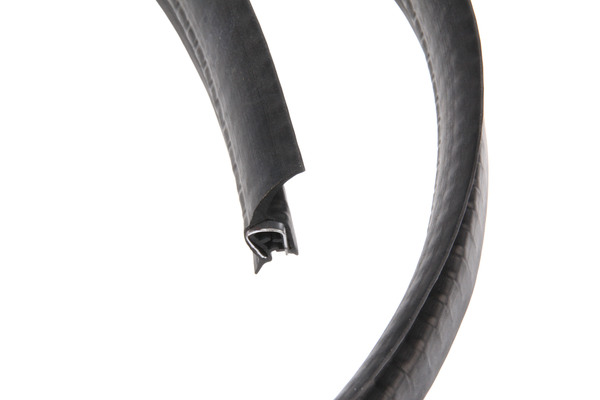
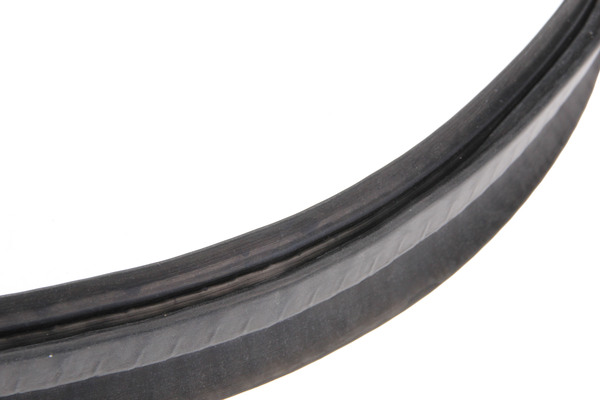
The OE Match Engine Compartment Seal is a replacement rubber seal designed for the engine bay of the Porsche 914 1.7–2.0.
Fits:- Porsche 914 (1970-1976)
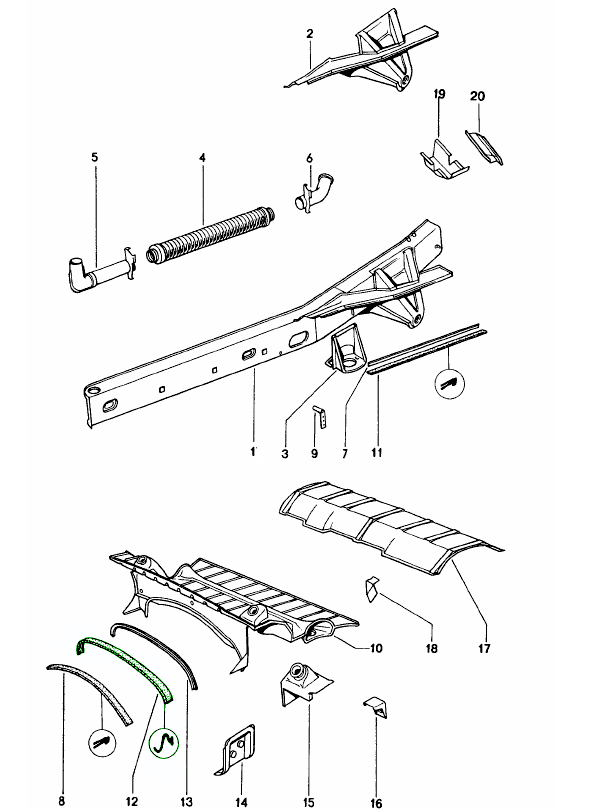
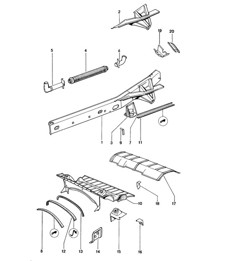
Diagram Ref No 12
The seal forms part of the engine compartment sealing system, helping separate the engine bay from surrounding body areas and maintain the correct airflow path around the air-cooled engine.
Because the Porsche 914 relies heavily on controlled cooling airflow, a complete and correctly fitted engine compartment seal is important for keeping hot air, dirt and debris from circulating where they should not.
This OE Match replacement is ideal for restoring an original seal that has become hardened, cracked, shrunken, damaged or missing through age.
What This Product Does:
The engine compartment seal helps create a controlled environment around the engine.
Its main functions include:
- Sealing gaps around the engine compartment
- Helping direct cooling air correctly
- Reducing recirculation of hot air around the engine
- Helping keep dirt, dust and road debris out of the engine bay
- Limiting moisture intrusion
- Supporting correct engine temperature management
- Helping protect surrounding wiring, hoses and components
- Maintaining the original factory-style engine bay sealing arrangement
On an air-cooled Porsche, correct airflow is particularly important because cooling performance depends on directing air through the intended cooling path rather than allowing hot air to circulate back into the engine compartment.
Symptoms Of Wear Or Failure:
Engine compartment seals deteriorate naturally through age, heat, oil vapour and repeated compression.
Common signs that replacement may be required include:
- Rubber becoming hard or brittle
- Cracks or splits in the seal
- Sections breaking away
- Seal shrinking and leaving visible gaps
- Loss of flexibility or elasticity
- Flattened or permanently compressed rubber
- Seal no longer sitting securely in position
- Missing sections of the original seal
- Increased dirt or debris entering the engine bay
- Visible gaps around the engine compartment
- Hot air being able to recirculate around the engine
- Deterioration found during engine removal or restoration
Even if an old seal appears complete, decades of heat exposure may have reduced its ability to seal effectively. Design911 notes that engine-bay seals commonly degrade from heat, oil vapour, compression fatigue and general ageing.
Why Replacement Matters:
- A damaged or incomplete engine compartment seal can allow hot air to recirculate into areas intended to receive cooler airflow.
- On an air-cooled Porsche 914, this can reduce the effectiveness of the engine's cooling arrangement and make temperature control less efficient.
- Gaps in the seal can also allow more dirt, moisture and road contamination into the engine compartment, increasing contamination around electrical connections, hoses and other components.
- Replacing a hardened, cracked or missing seal helps restore the original airflow path and creates a more complete barrier around the engine compartment.
- It is particularly worthwhile during engine removal, rebuilding or restoration, when access to the sealing areas is easier and ageing rubber components can be renewed as part of the overall refurbishment.
Related reference numbers
Related, superseded, cross reference or alternative numbers for comparison.
91450415510
The product you are viewing cross references to these numbers
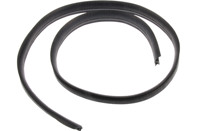
- Porsche 914 (1970-1976)
Fits:
Porsche 914 - 1970 to 1976
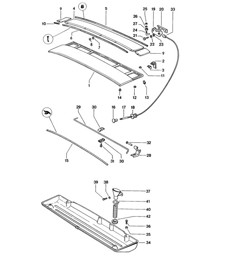
Click 'Zoom in' for large parts diagram.
Diagram ref no 15
Related reference numbers
Related, superseded, cross reference or alternative numbers for comparison.
91451231910
The product you are viewing cross references to these numbers
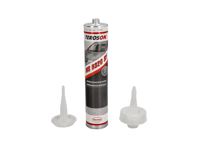

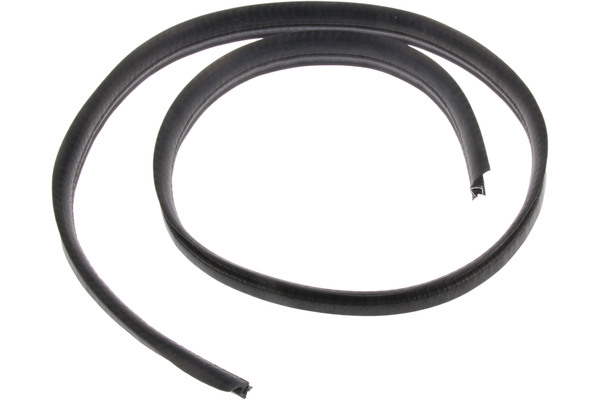
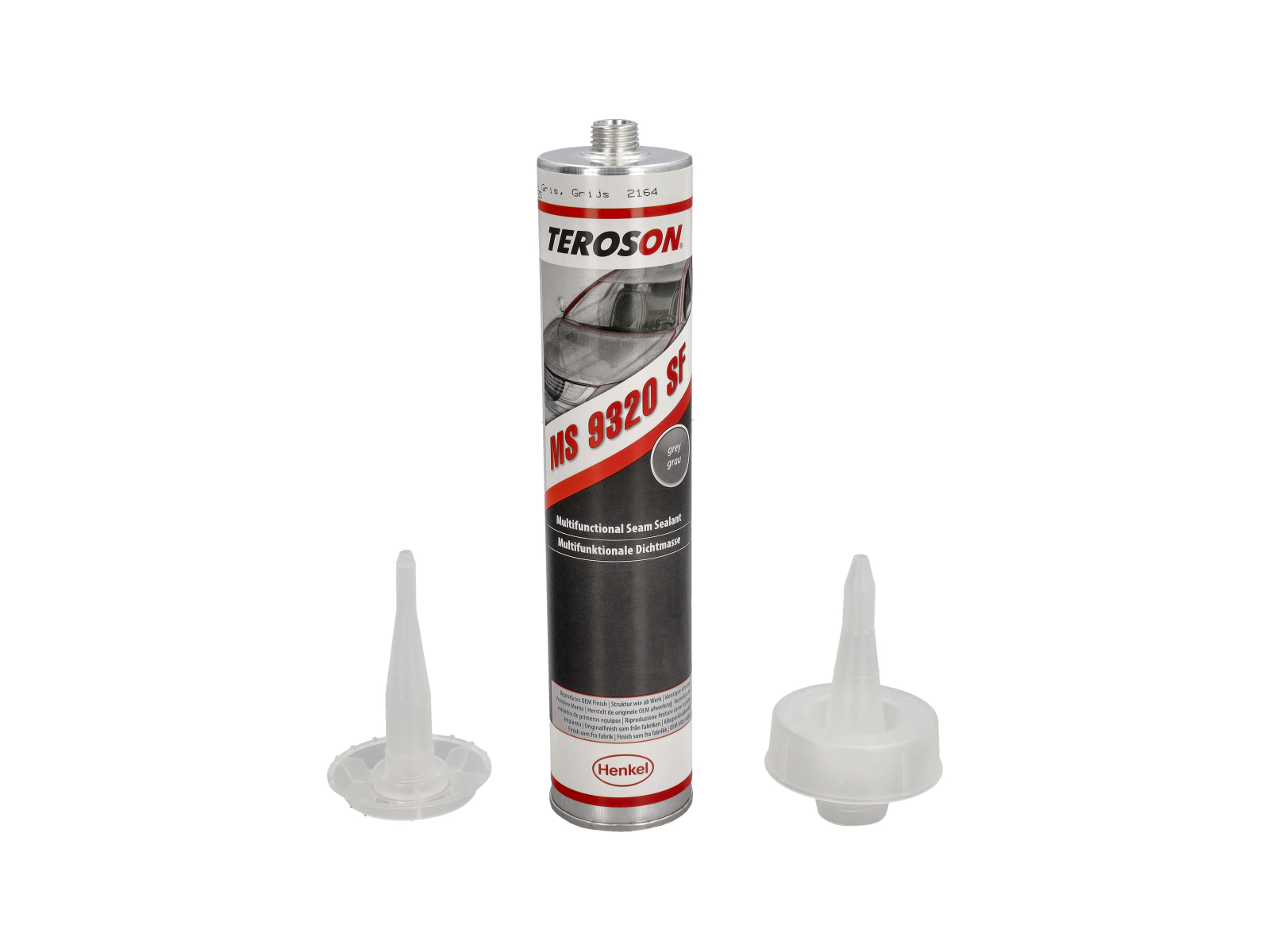
Perfect for sealing weatherstripping to door, hood, and trunk panels.
Related reference numbers
Related, superseded, cross reference or alternative numbers for comparison.
00004330532
The product you are viewing cross references to these numbers
Porsche Engine Compartment Seals | Design911 Rubber Seals for Cooling, Protection & Performance
Engine compartment seals are a vital component in maintaining your Porsche’s performance, cooling efficiency, and longevity. These precision-moulded rubber seals create a secure barrier between the engine bay and body panels, keeping out dust, debris, heat, and water while directing airflow correctly through the cooling system. A properly sealed engine bay not only protects critical components but also preserves optimal temperature balance for reliable performance.
At Design911, we supply a premium range of engine compartment rubber seals engineered for exact fitment, durability, and long-lasting elasticity. Crafted from high-temperature EPDM or neoprene rubber, each seal is designed to resist heat, oil, and environmental damage. Whether you’re restoring a classic air-cooled 911, maintaining a Cayman, or upgrading your 718 for performance, our engine compartment seals deliver professional-grade protection and performance.
What Do Engine Compartment Seals Do?
Engine compartment seals are designed to create a controlled environment around the engine, ensuring efficient airflow and protection against contaminants.
Core Functions:
• Prevent dirt, dust, and water from entering the engine bay.
• Direct cooling airflow efficiently to the engine and exhaust system.
• Reduce heat transfer to surrounding body panels and interiors.
• Protect wiring, hoses, and sensors from debris and moisture.
• Minimise vibration and maintain structural sealing integrity.
A well-fitted engine compartment seal helps maintain Porsche’s engineering precision — keeping performance consistent under all driving conditions.
Why Do Engine Compartment Seals Fail or Degrade?
Due to constant exposure to heat, oil vapour, and environmental elements, engine seals gradually lose flexibility and sealing effectiveness over time.
Common Causes of Failure Include:
• High heat causing hardening, cracking, or shrinking of rubber.
• Exposure to oil, fuel, and engine chemicals degrading the material.
• Compression fatigue from vibration and pressure changes.
• Age-related deterioration reducing elasticity and sealing contact.
• Incorrect installation or body panel misalignment.
When these seals fail, the engine compartment becomes exposed to moisture, dust, and heat fluctuations — leading to corrosion, overheating, and reduced efficiency.
Why Replace or Upgrade Your Porsche Engine Compartment Seal?
Replacing worn or damaged seals restores the original airflow control and protective sealing that Porsche performance depends on. High-quality replacement materials offer improved resilience against modern fuels, heat, and oil exposure.
Key Benefits:
• Restores proper airflow and cooling efficiency.
• Prevents corrosion, heat damage, and contamination.
• Improves engine bay cleanliness and protection.
• Constructed from high-grade heat- and oil-resistant rubber.
• Available for Porsche 911, 944, 968, Cayman, Boxster, and 718 models.
• Ideal for restorations, engine rebuilds, and performance upgrades.
Design911’s Porsche engine compartment seals ensure your car’s engine remains clean, cool, and protected — preserving both reliability and performance longevity.
Highlights
• Premium Porsche engine compartment and cooling bay rubber
seals.
• Heat-, oil-, and weather-resistant construction.
• Improves airflow and prevents contamination.
• Precision-fit for both classic and modern Porsche models.
• Essential for restorations, rebuilds, or maintenance projects.
• Engineered for long-term performance and durability.