




Enter your VAT number here and click Verify:
Your details have been verified. VAT number registered to:
,
.
Your order will now be zero rated for VAT purposes. We reserve the right to verify these details after your order request has been made and reinstate VAT if required.
Your VAT details were not recognised or were invalid. Your VAT number must be matched to your Billing Country as specified above. This is currently specified as . You do not need to enter the country code part of your VAT number as this has already been selected in your billing address details above.
The VAT number checking service is currently offline. Please supply your VAT details within the comments or special instructions field below and we will apply a VAT discount after placing your order request.
OE Match

OE Match for Porsche
OE Match is a brand that provides a wide range of Porsche components, from gaskets to suspension hardware, engine parts, and interior trim. Over 6,700 individual part numbers, and over 11,800 OE cross-references catalogued, and are constantly developing new lines.OE Match has over 100 new products currently in the engineering phase, which will be quality-controlled and added to their catalog. The mission is to keep all Porsche vehicles on the road by offering a vast selection of parts that can address various problems across different Porsche generations
A Quick Look at OE Match
OE Match information on this page is based on details supplied by the manufacturer or distributor, plus any OE references provided with the parts.
Choosing the Right Fit for Your Porsche
Where OE Match is listed for Porsche, use the supplied model coverage and OE references to confirm suitability. Check details that commonly affect fitment such as model year, side/position, and connector type where relevant.
- Often chosen when owners want OE-equivalent quality with sensible running costs, especially for routine service and wear items.
- Typical reasons to replace include restoring reliability, addressing age-related wear, or refreshing multiple components during larger repair work.
- Common defects from incorrect application include noise, premature wear, leaks, or fitment quirks if the wrong variant is selected or fitted with old seals/hardware.
- Watch for symptoms such as unusual noises, early wear, or repeat failures after recent work, which can indicate mismatched parts or supporting items left worn.
- Always cross-check OEM part numbers, read model-year notes, and verify compatibility before ordering.
- For safety-critical components, confirm specification and fitment carefully and have installation checked by a competent technician.
Browse by Category
If you already know the area you are working on, start with the category and then filter by Porsche model. Where real-world symptoms and typical reasons to replace are provided, use them to keep the wording grounded.
Brakes — Brake components are renewed to restore stopping performance, address wear or upgrade a Porsche for fast road or track use. Common symptoms include vibration under braking, longer stopping distances, squealing, pulling to one side, warning lights and visible wear to discs and pads.
Brake Pad Wear Sensors — Brake pad wear sensors are replaced when pads are renewed or when warning lights indicate a broken or worn sensor. Symptoms include brake wear warnings even with new pads, damaged sensor cables, or broken clips around the caliper area.
Engine Electrical — Engine electrical parts are changed when there are starting, charging, ignition, or sensor-related faults that affect drivability and reliability, such as intermittent no-start, misfires, rough idle, poor charging, warning lights or heat-soak failures.
Service Parts — Service parts are replaced as routine maintenance to keep the engine and systems reliable, efficient, and protected, often resolving hard starting, rough idle, poor fuel economy and warning lights caused by clogged filters or worn ignition components.
Service Kits — Service kits bundle key service components to simplify maintenance and set the car back to a known baseline, especially useful when catching up on overdue servicing or dealing with general sluggish running, inconsistent idle and reduced performance.
- For brake parts, confirm whether items are OE-equivalent replacements or performance upgrades and check if new fitting kits and sensors are required.
- On service items and kits, match the kit to your exact Porsche model, engine and year, and review what is included so you can add any extra “while you are there” parts.
Explore OE Match at Design911
View the current OE Match range for Porsche at Design911, then filter by model and category to narrow down to the right parts.

- Porsche 924S 2.5L 1986-87
- Porsche 924S 2.5L 1988
- Porsche 944 2.5L 8V 1982-87
- Porsche 944 2.7L 8V 1988-89
- Porsche 944S 2.5L 16V 1987-88
- Porsche 944S2 3.0L 16V 1989-91
- Porsche 968 3.0L 1992-94
- Porsche 968 Sport 3.0L 1994-95
- Porsche 968 CS 3.0L 1993-95
- Porsche 968 Turbo S 3.0L 1993-94
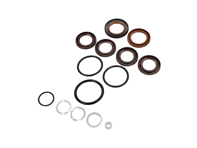
This OE Match engine timing dust seal and gasket set is designed for Porsche 944 and Porsche 968 models. The kit contains the seals and gaskets used around the front timing and balance shaft area of the engine, helping protect the timing components and maintain proper sealing of the front engine housing.
Fits:
Porsche 944
Porsche 968
Porsche 924S
Contents list:
3 x 944 105 321 00 Gasket
2 x 999 113 281 40 Aux. Shaft Seal
2 x 999 113 282 40 Camshaft seal Aux. Shaft Seal
1 x 999 113 331 40 Oil Pump/Front main seal Seal
1 x 999 113 349 40 Cam Seal
1 x 999 701 602 40 Cam O-Ring
2 x 999 701 652 40 Aux. O-Ring
1 x 928 105 184 01 Sealing Ring
1 x 999 707 283 40 O-ring for oil pump front crankshaft
The timing section of the Porsche 944/968 engine contains critical rotating components including the camshaft, balance shafts and crankshaft, all protected by covers and seals at the front of the engine. The OE Match dust seal and gasket set provides the sealing elements required when servicing this area.
The kit includes seals and gaskets designed to prevent contamination and leakage around the timing housing. These components are typically replaced during timing belt service, front engine resealing or engine rebuild work.
High-quality gasket materials are used to withstand the temperature, oil exposure and mechanical stresses present in performance engines.
Function
• Leak Prevention: Seals the front timing housing to prevent oil leakage
• Component Protection: Keeps dust and debris away from timing components
• Engine Reliability: Supports proper operation of camshaft and balance shafts
• Service Solution: Ideal for timing belt replacement or front engine rebuild
Seals and gaskets around the timing assembly are exposed to heat, oil and constant engine vibration. Over time these components can harden, crack or lose elasticity, leading to oil leaks or contamination of the timing area. Replacing them during maintenance helps protect the timing components and maintain engine reliability.
Consider replacing the timing dust seal and gasket set when:
• Performing a timing belt replacement
• Rebuilding or resealing the front of the engine
• Oil leaks appear from the timing cover area
• Old seals show cracking or deterioration
Related reference numbers
Related, superseded, cross reference or alternative numbers for comparison.
00004306500
The product you are viewing cross references to these numbers

- Porsche 924 2.0L 1980-85
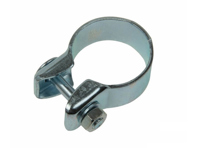
The OE Match Exhaust Clamp is a premium-quality replacement exhaust fastening component designed to securely join exhaust pipes and system components on compatible Porsche models. Manufactured to OE specifications for fit, strength and durability, this clamp provides a reliable, leak-free connection while allowing the exhaust system to remain correctly aligned under varying operating temperatures and engine loads.
Fits:
- Porsche 924 2.0L 1980-85
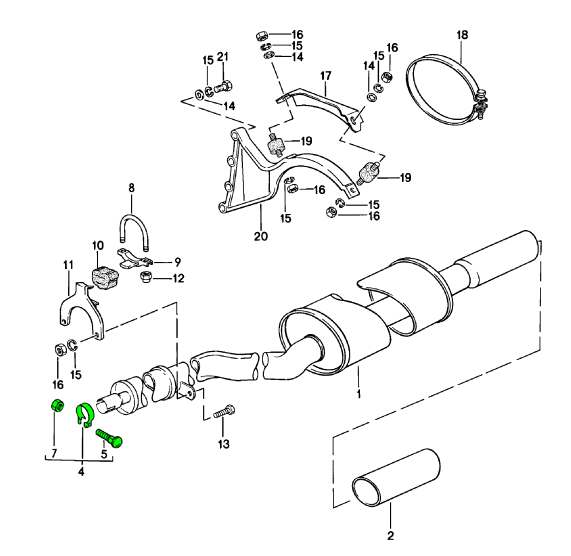
Diagram Ref No 4
Manufactured from high-quality corrosion-resistant steel, the exhaust clamp is engineered to withstand continuous exposure to high exhaust temperatures, moisture, road salt and vibration. Precision-manufactured for OE-style fitment, it delivers consistent clamping force, helping maintain the integrity of the exhaust system while simplifying installation and future servicing.
What This Product Does:
- Secures adjoining exhaust pipes and components.
- Maintains a strong, leak-free exhaust connection.
- Helps ensure correct exhaust system alignment.
- Reduces movement and vibration between exhaust sections.
- Supports efficient exhaust gas flow.
- Withstands high operating temperatures and corrosion.
- Allows straightforward installation and future maintenance.
- Forms an essential part of the exhaust mounting system.
Symptoms Of Wear Or Failure:
- Exhaust gas leaks at pipe joints.
- Blowing or hissing noises from the exhaust system.
- Loose or misaligned exhaust components.
- Rattling noises beneath the vehicle.
- Corrosion or rust on the clamp.
- Broken or seized clamp hardware.
- Visible movement at exhaust joints.
- Increased exhaust vibration.
- MOT or vehicle inspection failure due to exhaust leaks.
- Premature wear of adjoining exhaust components.
Why Replacement Matters:
- Exhaust clamps are continually exposed to extreme heat, moisture, road salt and vibration. Over time, corrosion, metal fatigue or damaged fastening hardware can reduce their ability to maintain adequate clamping force, allowing exhaust joints to loosen or leak.
- A failing exhaust clamp can cause exhaust gas leaks, increased noise and movement throughout the exhaust system. If left unresolved, loose exhaust components can place additional strain on pipes, silencers, catalytic converters and mounting brackets, potentially resulting in more extensive and costly repairs.
- Replacing a worn or damaged exhaust clamp restores a secure, leak-free connection and helps maintain the correct alignment of the exhaust system. The OE Match replacement provides factory-style fitment, durable corrosion-resistant construction and long-lasting reliability, ensuring quiet operation, optimum exhaust performance and dependable service from your Porsche.
Related reference numbers
Related, superseded, cross reference or alternative numbers for comparison.
191253139G
The product you are viewing cross references to these numbers
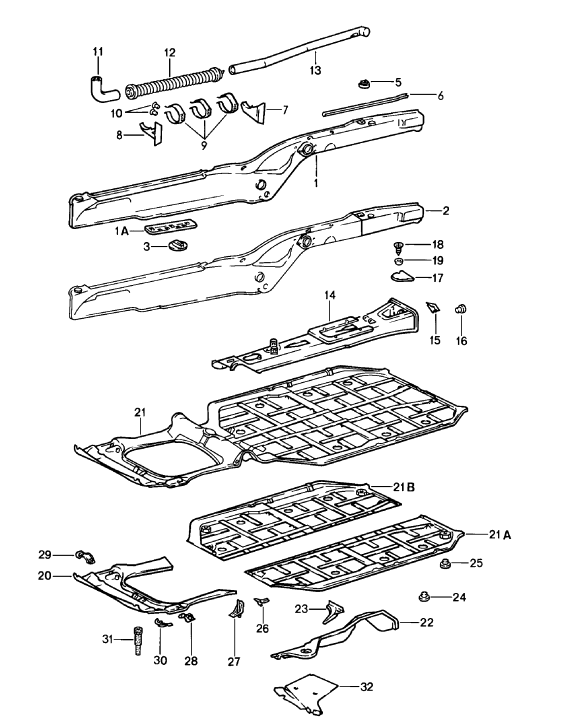
- Porsche 911 1965-1968 2.0L / 912 SWB (F)
- Porsche 911 1968-1973 2.2L / 2.4L / 2.7L RS LWB (F)
- Porsche 911 1974-1977 2.7L / 1976-77 3.0 Carrera
- Porsche 911 1978-1983 3.0L / SC
- Porsche 911 1984-1986 3.2L
- Porsche 911 1987-1989 3.2L G50
- Porsche 911 1975-1977 3.0L Turbo (930)
- Porsche 911 1978-1989 3.3L Turbo (930)
Fits
Porsche 911 1965-89
Porsche 911 (930) Turbo 1975-89
Diagram ref no 29
Related reference numbers
Related, superseded, cross reference or alternative numbers for comparison.
90150142721GRV
The product you are viewing cross references to these numbers

- Porsche 924 2.0L 1976-79
- Porsche 924 2.0L 1980-85
- Porsche 924 Turbo 2.0L 1979-81
- Porsche 924 Turbo 2.0L 1982-84
- Porsche 924 Carrera GT 2.0L 1981
- Porsche 924 Carrera GTS 2.0L 1982
- Porsche 924S 2.5L 1986-87
- Porsche 924S 2.5L 1988
- Porsche 944 2.5L 8V 1982-87
- Porsche 944 2.7L 8V 1988-89
- Porsche 944S 2.5L 16V 1987-88
- Porsche 944S2 3.0L 16V 1989-91
- Porsche 944 Turbo 2.5L 8V 1985-88
- Porsche 944 Turbo 2.5L 8V 1989-91
- Porsche 944 Turbo S 2.5L 8V 1988
- Porsche 968 3.0L 1992-94
- Porsche 968 Sport 3.0L 1994-95
- Porsche 968 CS 3.0L 1993-95
- Porsche 968 Turbo S 3.0L 1993-94
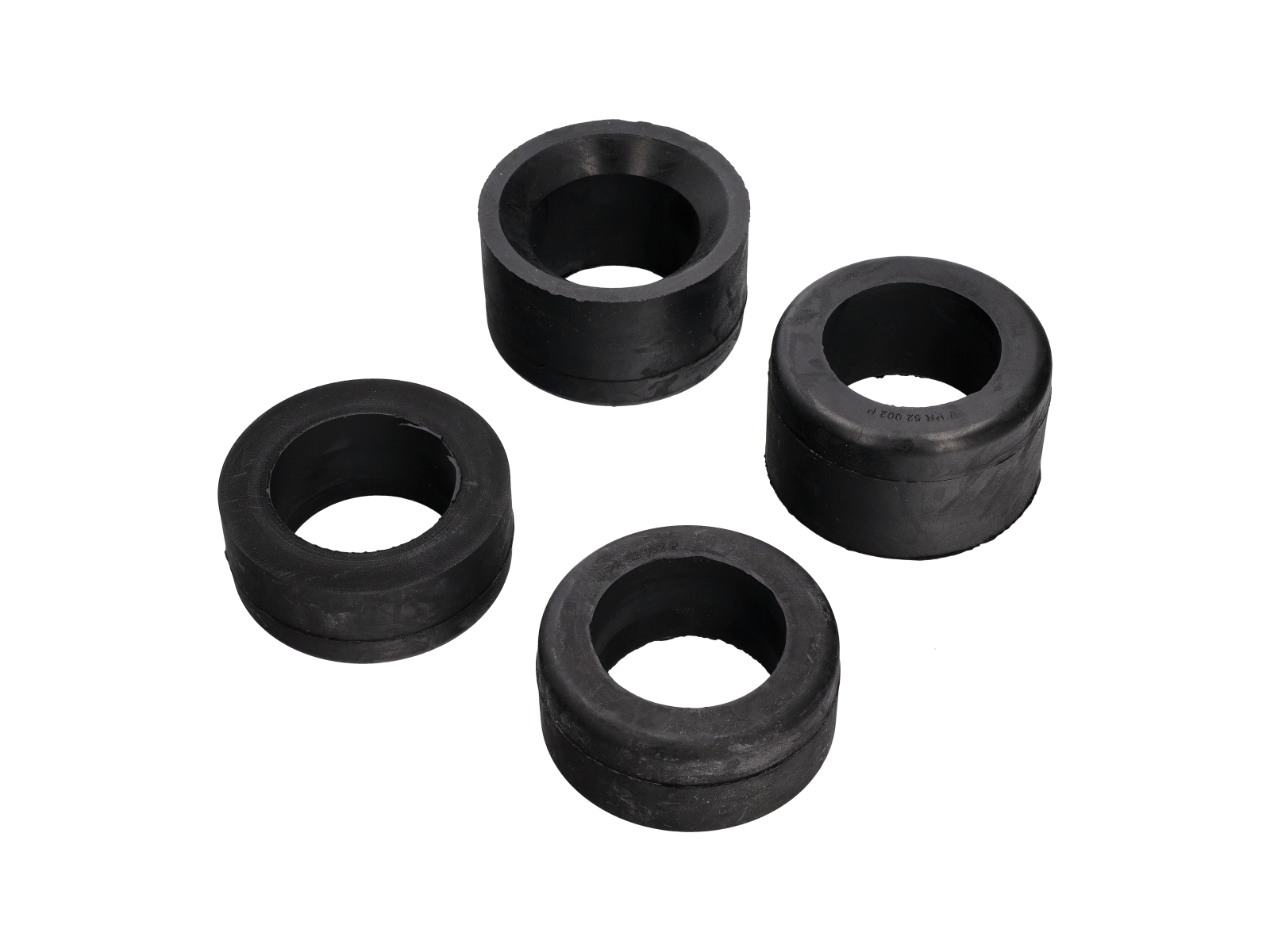
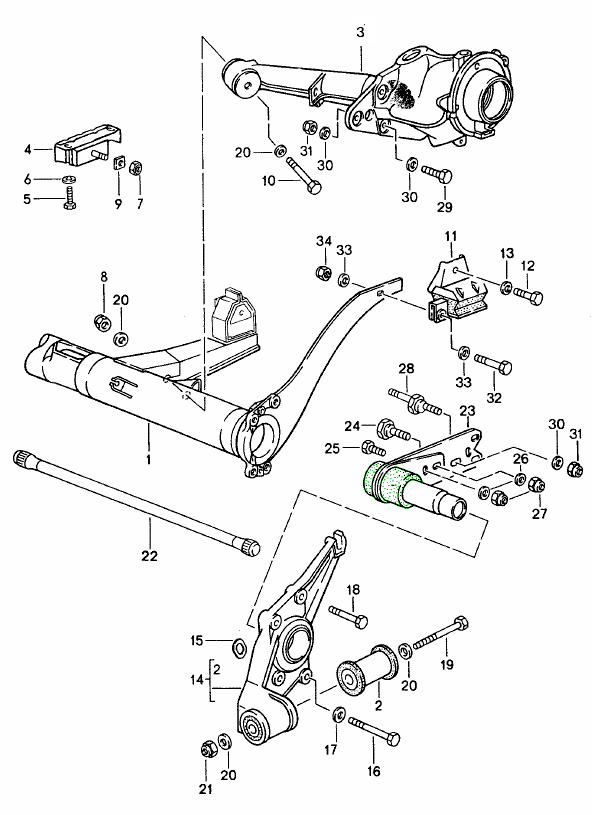
The OE Match Spring Plate Solid Bushing is a premium-quality replacement suspension bush designed to provide a firm, precise mounting point for the rear spring plate on compatible Porsche models. Manufactured to OE specifications for fit and durability, this solid bushing minimises unwanted suspension movement while maintaining accurate suspension geometry for improved handling, stability and driver feedback.
Fits:
- Porsche 924 2.0L 1976-79
- Porsche 924 2.0L 1980-85
- Porsche 924 Turbo 2.0L 1979-81
- Porsche 924 Turbo 2.0L 1982-84
- Porsche 924 Carrera GT 2.0L 1981
- Porsche 924 Carrera GTS 2.0L 1982
- Porsche 924S 2.5L 1986-87
- Porsche 924S 2.5L 1988
- Porsche 944 2.5L 8V 1982-87
- Porsche 944 2.7L 8V 1988-89
- Porsche 944S 2.5L 16V 1987-88
- Porsche 944S2 3.0L 16V 1989-91
- Porsche 944 Turbo 2.5L 8V 1985-88
- Porsche 944 Turbo 2.5L 8V 1989-91
- Porsche 944 Turbo S 2.5L 8V 1988
- Porsche 968 3.0L 1992-94
- Porsche 968 Sport 3.0L 1994-95
- Porsche 968 CS 3.0L 1993-95
- Porsche 968 Turbo S 3.0L 1993-94
Manufactured from high-quality, wear-resistant material, the solid bushing is engineered to withstand heavy suspension loads, repeated articulation, road impacts and exposure to oil, moisture and road contaminants. Precision-machined for direct OE-style fitment, it restores the secure location of the spring plate and helps maintain consistent rear suspension performance.
What This Product Does:
- Secures the rear spring plate to the suspension mounting point.
- Maintains accurate rear suspension geometry.
- Reduces unwanted suspension movement and deflection.
- Improves handling precision and vehicle stability.
- Supports consistent wheel alignment.
- Helps optimise suspension response during acceleration, braking and cornering.
- Reduces excessive movement under load.
- Forms an essential part of the rear suspension system.
Symptoms Of Wear Or Failure:
- Knocking or clunking noises from the rear suspension.
- Excessive rear suspension movement.
- Poor handling or reduced cornering stability.
- Uneven or accelerated rear tyre wear.
- Rear wheel alignment drifting out of specification.
- Vague or inconsistent steering feel.
- Visible cracking, deformation or deterioration of the bushing.
- Rear suspension movement during braking or acceleration.
- Increased vibration transmitted through the chassis.
- MOT or vehicle inspection failure due to worn suspension bushes.
Why Replacement Matters:
- The spring plate bushing is subjected to continuous suspension movement, heavy cornering loads, braking forces and exposure to road debris, moisture and temperature fluctuations. Over time, the original bushing can wear, compress or deteriorate, allowing excessive movement within the rear suspension.
- A worn spring plate bushing can negatively affect wheel alignment, handling precision and tyre wear while placing additional strain on surrounding suspension components. Excessive movement may also reduce vehicle stability and driver confidence, particularly during spirited driving or high-speed cornering.
- Replacing a worn spring plate bushing restores the correct positioning of the rear suspension and improves chassis control. The OE Match solid bushing provides factory-style fitment, exceptional durability and reduced suspension deflection, helping to deliver sharper handling, improved stability and the precise driving characteristics expected from your Porsche.
Related reference numbers
Related, superseded, cross reference or alternative numbers for comparison.
95133302100A
The product you are viewing cross references to these numbers


- Porsche 911 1968-1973 2.2L / 2.4L / 2.7L RS LWB (F)
- Porsche 911 1974-1977 2.7L / 1976-77 3.0 Carrera
- Porsche 911 1978-1983 3.0L / SC
Brand New units sold without an exchange

Porsche 911 1969 - 1972 E/S
Porsche 911 1973 - 1983 2.7L / 3.0L SC
OE Match, brand-new rear “M-type” brake caliper made to match original fitment and braking performance on classic Porsche 911 models from 1969–1983. It’s sold outright (no exchange/surcharge required).
Built to OE-matching dimensions and specifications, it restores proper pad clamping and consistent braking feel when your original caliper is sticking, leaking, corroded, or worn internally. Supplied as a new unit, it avoids the downtime and core-return hassle of exchange calipers.
It converts hydraulic brake pressure into mechanical clamping force, pressing the pads onto the rotor to slow and stop the vehicle. A healthy caliper helps deliver even pad wear, stable braking response, and predictable pedal feel - especially important on older cars where original calipers may suffer from age-related corrosion and seal deterioration.
Function:
• Hydraulic-to-mechanical braking: Uses piston movement to clamp pads against the disc.
• Braking balance & stability: Supports even braking on the rear axle for controlled stops.
• Service-friendly replacement: New caliper unit simplifies restoration/maintenance without needing a core return.
A tired caliper can cause pulling under braking, uneven pad wear, overheating, leaks, or a soft/inconsistent pedal. Replacing the caliper helps restore safe, consistent braking performance and protects rotors and pads from damage caused by sticking pistons or uneven clamping.
When to replace :
• Brake fluid leak around the caliper/piston area
• Caliper sticking (wheel running hot, dragging brakes)
• Uneven pad wear side-to-side
• Pulling under braking or inconsistent pedal feel
• Corrosion damage or seized bleed screw issues during servicing
Related reference numbers
Related, superseded, cross reference or alternative numbers for comparison.
91135290
The product you are viewing cross references to these numbers

- Porsche 911 1974-1977 2.7L / 1976-77 3.0 Carrera
- Porsche 911 1978-1983 3.0L / SC
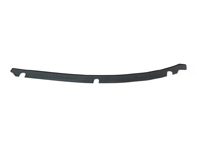
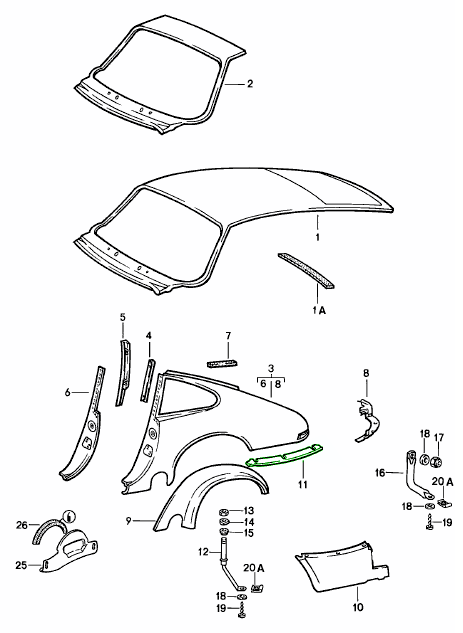
The OE Match Rear Quarter Panel to Body Seal is a premium-quality replacement sealing strip designed to fit between the rear quarter panel and the vehicle body on compatible Porsche models. Manufactured to OE specifications for fit, profile and durability, these seals provide an effective barrier against water, dust and road contaminants while maintaining the original factory appearance and panel fitment.
Fits:
- Porsche 911 1974-1977 2.7L / 1976-77 3.0 Carrera
- Porsche 911 1978-1983 3.0L / SC
Diagram Ref No 11
Manufactured from high-quality automotive-grade EPDM rubber, the seals offer outstanding resistance to UV exposure, ozone, moisture and temperature extremes. Precision-profiled to replicate the original factory design, they ensure a secure fit, long-lasting flexibility and dependable sealing performance. Ideal for restoration projects or replacing hardened, cracked or deteriorated original seals, they help preserve both the appearance and integrity of the bodywork.
What This Product Does:
- Creates a weatherproof seal between the rear quarter panel and body.
- Prevents water, dust and road debris from entering body cavities.
- Helps protect hidden body panels from corrosion.
- Reduces vibration and panel movement.
- Prevents rubbing between adjoining body panels.
- Maintains correct panel alignment and fitment.
- Restores the original factory appearance.
- Forms an essential part of the vehicle's exterior body sealing system.
Symptoms Of Wear Or Failure:
- Water ingress around the rear quarter panel.
- Cracked, split or hardened rubber.
- Visible gaps between the panel and body.
- Loose or detached seal.
- Increased vibration or panel rattles.
- Dirt and debris accumulating between body panels.
- Moisture-related corrosion around the panel edges.
- Perished rubber caused by age or UV exposure.
- Cosmetic deterioration affecting the bodywork.
- Poor panel fitment following restoration.
Why Replacement Matters:
- The rear quarter panel seal is constantly exposed to rain, road spray, UV radiation, road salt and changing temperatures. Over time, the rubber can harden, shrink or crack, reducing its ability to provide an effective seal between the panel and body.
- A deteriorated seal can allow moisture and dirt to enter concealed body cavities, increasing the risk of corrosion while also causing panel vibration, rattles and reduced refinement. On classic Porsche models, maintaining the correct body seals is essential for preserving originality, preventing long-term body damage and achieving factory-quality panel fitment.
- Replacing worn or damaged rear quarter panel seals restores the weatherproof integrity of the bodywork and helps protect against corrosion and unnecessary wear. The OE Match replacement provides factory-style fitment, premium EPDM rubber construction and long-lasting durability, making it the ideal choice for Porsche restoration, repair and preventative maintenance.
Related reference numbers
Related, superseded, cross reference or alternative numbers for comparison.
91150318
The product you are viewing cross references to these numbers

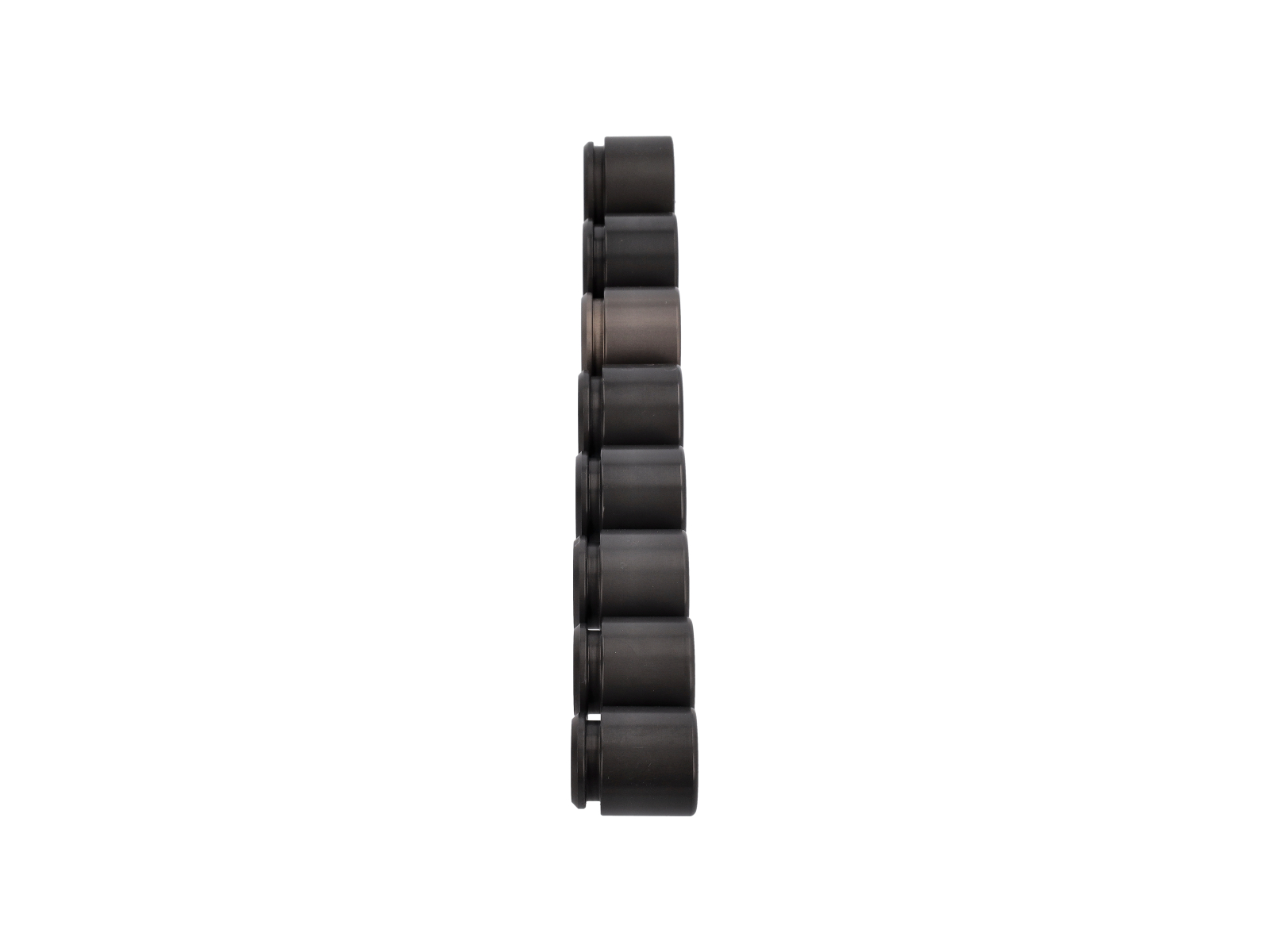
Brake Caliper Replacement Pistons for Brembo Calipers
Sold each
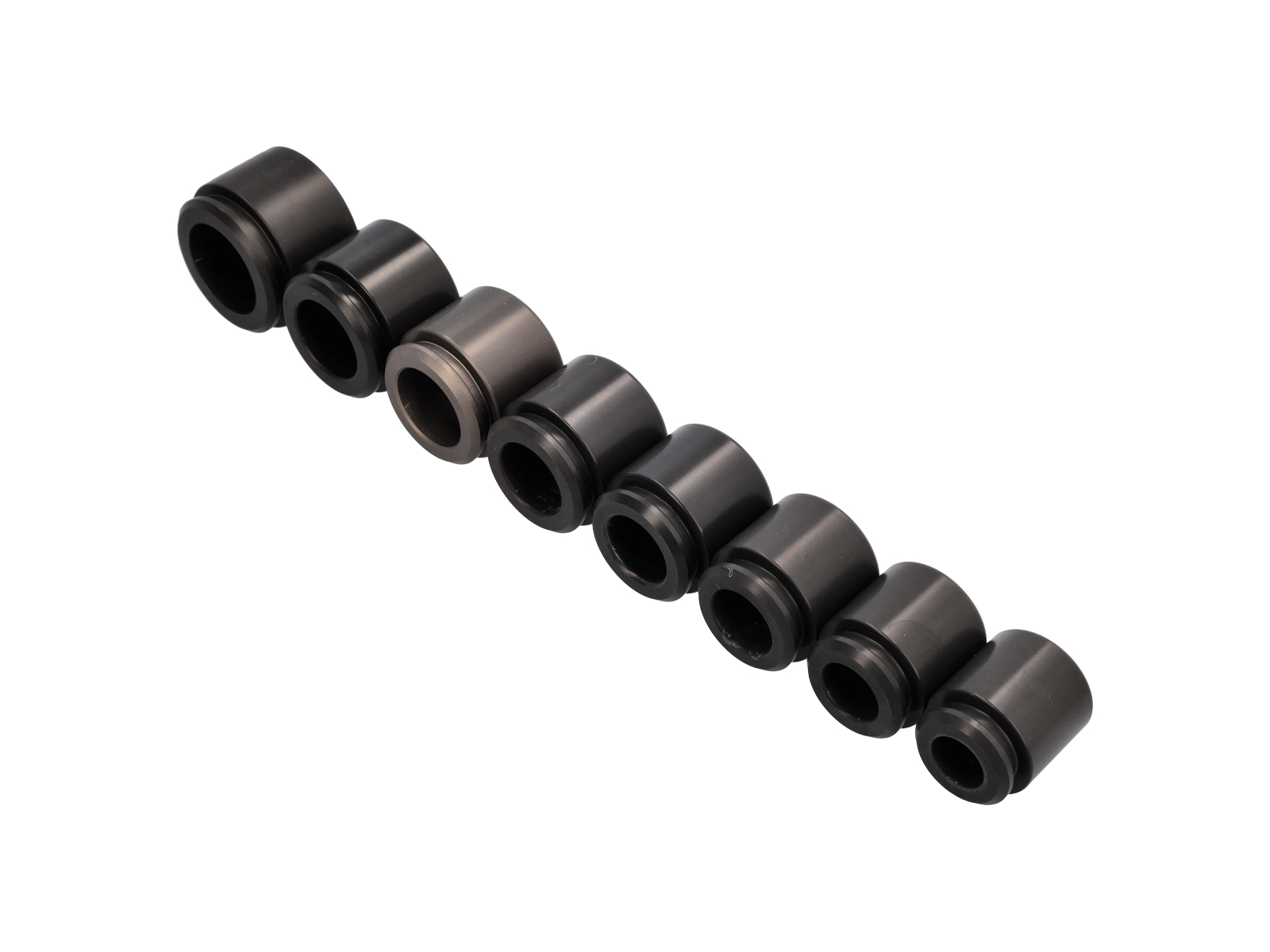
Restore the performance and reliability of your Porsche Brembo braking system with these OE Match Brake Caliper Replacement Pistons. Manufactured to original equipment specifications, these precision-engineered pistons are designed for rebuilding Brembo brake calipers fitted to a wide range of Porsche models.
Available in 28mm, 30mm, 32mm, 34mm, 36mm, 38mm, 40mm and 44mm outer diameters, every piston has an overall height of 32mm and is manufactured to deliver the correct fit, smooth operation and dependable sealing performance when used with new piston seals and dust boots.
Important: Please check the piston diameter required for your specific caliper before ordering. Many Brembo calipers use two different piston diameters within the same caliper to optimise braking performance. The sizes listed refer to the outer diameter (OD) of the piston.
What Does a Brake Caliper Piston Do?
The brake caliper piston is one of the most important components inside the braking system. Hydraulic brake fluid pressure pushes the piston forward, forcing the brake pad firmly against the brake disc to generate the friction required to slow or stop the vehicle.
Its primary functions include:
- Converting hydraulic pressure into braking force.
- Applying even pressure across the brake pads.
- Ensuring smooth and consistent piston movement.
- Maintaining balanced braking performance.
- Supporting Porsche ABS and stability control systems.
- Delivering precise pedal feel and braking response.
Correctly functioning pistons are essential for maintaining the powerful, progressive braking performance expected from Porsche Brembo calipers.
Why Do Brake Caliper Pistons Fail?
Brake caliper pistons operate in harsh conditions and are continually exposed to heat, moisture and brake dust. Over time they can become damaged or worn.
Common causes include:
- Corrosion caused by moisture ingress.
- Torn or damaged dust boots.
- Contaminated brake fluid.
- Surface pitting.
- Heat generated during heavy braking.
- Seized pistons caused by corrosion.
- Damage during previous repairs.
- High mileage and normal wear.
A damaged piston can prevent the caliper from operating correctly, leading to reduced braking performance and uneven brake pad wear.
Symptoms of a Worn or Damaged Caliper Piston
Common symptoms include:
- Sticking or seized brake calipers.
- Uneven brake pad wear.
- Vehicle pulling during braking.
- Reduced braking performance.
- Overheating brakes. Brake drag.
- Fluid leaks around the piston seal.
- Difficulty retracting the piston during servicing.
Replacing damaged pistons during a caliper overhaul restores smooth operation and reliable braking performance.
When Should Brake Caliper Pistons Be Replaced?
Replacement is recommended whenever:
- Corrosion or pitting is visible.
- Pistons become seized or difficult to move.
- The caliper is being rebuilt.
- Dust boots have failed allowing contamination.
- Brake fluid leaks occur around the piston.
- Uneven pad wear is caused by sticking pistons.
- Restoring older Brembo brake calipers.
- During preventative maintenance on ageing braking systems.
For the best results, new pistons should always be installed with new piston seals and dust protection boots.
OE Match Quality You Can Trust
These OE Match Brake Caliper Replacement Pistons offer:
- Manufactured to original equipment specifications.
- Precision-machined finish.
- Excellent corrosion resistance.
- Smooth piston movement.
- Direct replacement fitment.
- Suitable for Brembo brake calipers.
- Available in 28mm, 30mm, 32mm, 34mm, 36mm, 38mm, 40mm and 44mm diameters.
- Uniform piston height of 32mm.
- Ideal for professional caliper rebuilding.
Related reference numbers
Related, superseded, cross reference or alternative numbers for comparison.
1055955
The product you are viewing cross references to these numbers


- Porsche 996 C4 3.4L 1997-08/01
- Porsche 996 C4 3.6L 09/01-2005
- Porsche 996 C4S 3.6L 09/01-2005
- Porsche 996 TURBO 2000-05
- Porsche 996 GT2 2001-05
- Porsche 997 MK1 Carrera 2 3.6L 2005-08
- Porsche 997 MK1 Carrera 2S 3.8L 2005-08
- Porsche 997 MK1 Carrera 4 3.6L 2005-08
- Porsche 997 MK1 Carrera 4S 3.8L 2005-08
- Porsche 997 MK1 TURBO 2007-09
- Porsche 997 MKII Turbo 2010-13
Upgraded Cardan Driveshaft Flex Disc (Guibo)
Restore smooth, vibration-free power delivery with this OE
Match Upgraded Cardan Driveshaft Flex Disc (Guibo).
Fits:
- Porsche 996 C4 3.4L 1997-08/01
- Porsche 996 C4 3.6L 09/01-2005
- Porsche 996 C4S 3.6L 09/01-2005
- Porsche 996 TURBO 2000-05
- Porsche 996 GT2 2001-05
- Porsche 997 MK1 Carrera 2 3.6L 2005-08
- Porsche 997 MK1 Carrera 2S 3.8L 2005-08
- Porsche 997 MK1 Carrera 4 3.6L 2005-08
- Porsche 997 MK1 Carrera 4S 3.8L 2005-08
- Porsche 997 MK1 TURBO 2007-09
- Porsche 997 MKII Turbo 2010-13
Fits to No 8 on the diagram
This direct-fit upgraded replacement eliminates the need to purchase an expensive complete propshaft assembly. Instead, simply replace the worn rear flex disc with this high-quality OE Match component, restoring the smooth driveline performance your Porsche was designed to deliver while saving hundreds over replacing the complete shaft.
Manufactured using a durable reinforced rubber body with precision-engineered steel bushings, this upgraded flex disc effectively absorbs drivetrain shock and vibration while transmitting engine torque smoothly through the AWD driveline.
What Does the Flex Disc (Guibo) Do?
The flex disc, also known as the guibo, connects the rear section of the cardan driveshaft to the drivetrain while allowing controlled flexibility during operation.
Its primary functions include:
- Transmitting engine torque from the gearbox to the driveshaft.
- Absorbing driveline shock loads. Reducing drivetrain vibration.
- Minimising transmission noise.
- Compensating for slight driveline movement.
- Protecting the transmission, differential and propshaft from excessive stress.
- Delivering smooth power transfer through the AWD system.
Without a correctly functioning flex disc, excessive vibration and driveline shock can rapidly accelerate wear of surrounding components.
Why Do Flex Discs Fail?
The flex disc operates under constant torsional load and is exposed to significant heat and drivetrain movement. Over time, the rubber element naturally deteriorates.
Common causes include:
- Age-related rubber degradation.
- Repeated torque loading.
- Heat from the transmission and exhaust system.
- Oil contamination. High mileage.
- Aggressive driving.
- Hard launches.
- General material fatigue.
Eventually the rubber develops cracks, loses flexibility and allows excessive movement within the driveline.
Symptoms of a Worn Flex Disc
A failing flex disc commonly causes:
- Clunking noises when accelerating or changing gear.
- Driveline vibration.
- Knocking during take-off.
- Excessive drivetrain movement.
- Jerky power delivery.
- Visible cracks in the rubber coupling.
- Deteriorated rubber around the metal bushes.
Replacing the flex disc before complete failure helps prevent damage to the propshaft, differential and transmission.
When Should the Flex Disc Be Replaced?
Replacement is recommended whenever:
- Cracks appear in the rubber body.
- Driveline vibration develops.
- Clunking noises occur during acceleration or gear changes.
- The propshaft is removed for servicing.
- During clutch or transmission work.
- High mileage vehicles are undergoing preventative maintenance.
- Excessive movement is detected during inspection.
Replacing a worn flex disc restores smooth drivetrain operation and protects expensive AWD transmission components.
Why Choose This Upgraded OE Match Flex Disc?
Unlike replacing the complete propshaft assembly, this upgraded OE Match flex disc provides a cost-effective repair while maintaining OE fitment and performance.
Benefits include:
- Direct-fit replacement.
- Upgraded reinforced construction.
- High-strength rubber compound.
- Precision steel bushings.
- Excellent vibration isolation.
- Smooth torque transmission.
- Significant cost saving over complete driveshaft replacement.
- OE-quality fit and reliability.
Related reference numbers
Related, superseded, cross reference or alternative numbers for comparison.
99642101000
The product you are viewing cross references to these numbers


- Porsche 911 1965-1968 2.0L / 912 SWB (F)
- Porsche 911 1968-1973 2.2L / 2.4L / 2.7L RS LWB (F)
- Porsche 911 1974-1977 2.7L / 1976-77 3.0 Carrera
- Porsche 911 1978-1983 3.0L / SC
- Porsche 911 1975-1977 3.0L Turbo (930)
- Porsche 911 1978-1989 3.3L Turbo (930)
Replacement card board type cover with fixing points
This OE Match luggage compartment dash cover is a direct replacement for the original Porsche front trunk trim panel fitted to 911 models from August 1968 through July 1975. Manufactured to factory specifications, it replicates the original cardboard-backed trim panel with integrated fixing points, ensuring correct fitment and authentic appearance.
Fits:
Porsche 911 08/1968 - 07/1975
LHD or RHD cars
Section of diagram ref no 32
Installed inside the front luggage compartment (front boot area), the panel covers the front bulkhead and heater/ventilation components, creating a clean and finished appearance while helping protect internal systems from debris and accidental contact. It also contributes to the original interior presentation of the luggage compartment.
Designed for both left-hand drive (LHD) and right-hand drive (RHD) vehicles, the panel is precision-cut to OE dimensions for straightforward installation using factory mounting points.
This component is ideal for restoration, refurbishment, or replacement of warped, damaged, or deteriorated original trunk trim panels in classic Porsche 911 models.
The luggage compartment dash cover conceals and protects the front bulkhead, ventilation, and heating components inside the front trunk area. It improves the appearance of the luggage compartment while helping shield internal systems from dirt and damage.
Function
• Covers front luggage compartment bulkhead area
• Protects ventilation and heating system components
• Restores factory-correct trunk appearance
• Helps reduce exposure to dirt and debris
• Provides clean and finished interior presentation
Original luggage compartment trim panels often deteriorate with age due to moisture, heat, and repeated handling. Warped or damaged panels can leave internal components exposed and reduce the overall appearance of the trunk area. Replacing the panel restores the original factory look and helps maintain a clean, protected luggage compartment.
When to replace
• Original panel is warped, damaged, or missing
• Visible deterioration from moisture or age
• Loose or broken mounting points
• During front trunk restoration or refurbishment
• To restore original factory appearance
Related reference numbers
Related, superseded, cross reference or alternative numbers for comparison.
91155106704
The product you are viewing cross references to these numbers

- Porsche 911 1984-1986 3.2L
- Porsche 911 1987-1989 3.2L G50
- Porsche 911 1978-1989 3.3L Turbo (930)
- Porsche 964 (911) C2 1989-93
- Porsche 964 (911) C4 1989-93
- Porsche 964 (911) TURBO 3.3L 1991-93
- Porsche 964 (911) TURBO 3.6L 1991-93
- Porsche 993 (911) C2 1994-97
- Porsche 993 (911) C4 1994-97
- Porsche 993 (911) C2S 1994-97
- Porsche 993 (911) C4S 1994-97
- Porsche 993 (911) TURBO 1994-96
- Porsche 993 (911) TURBO S 1994-97
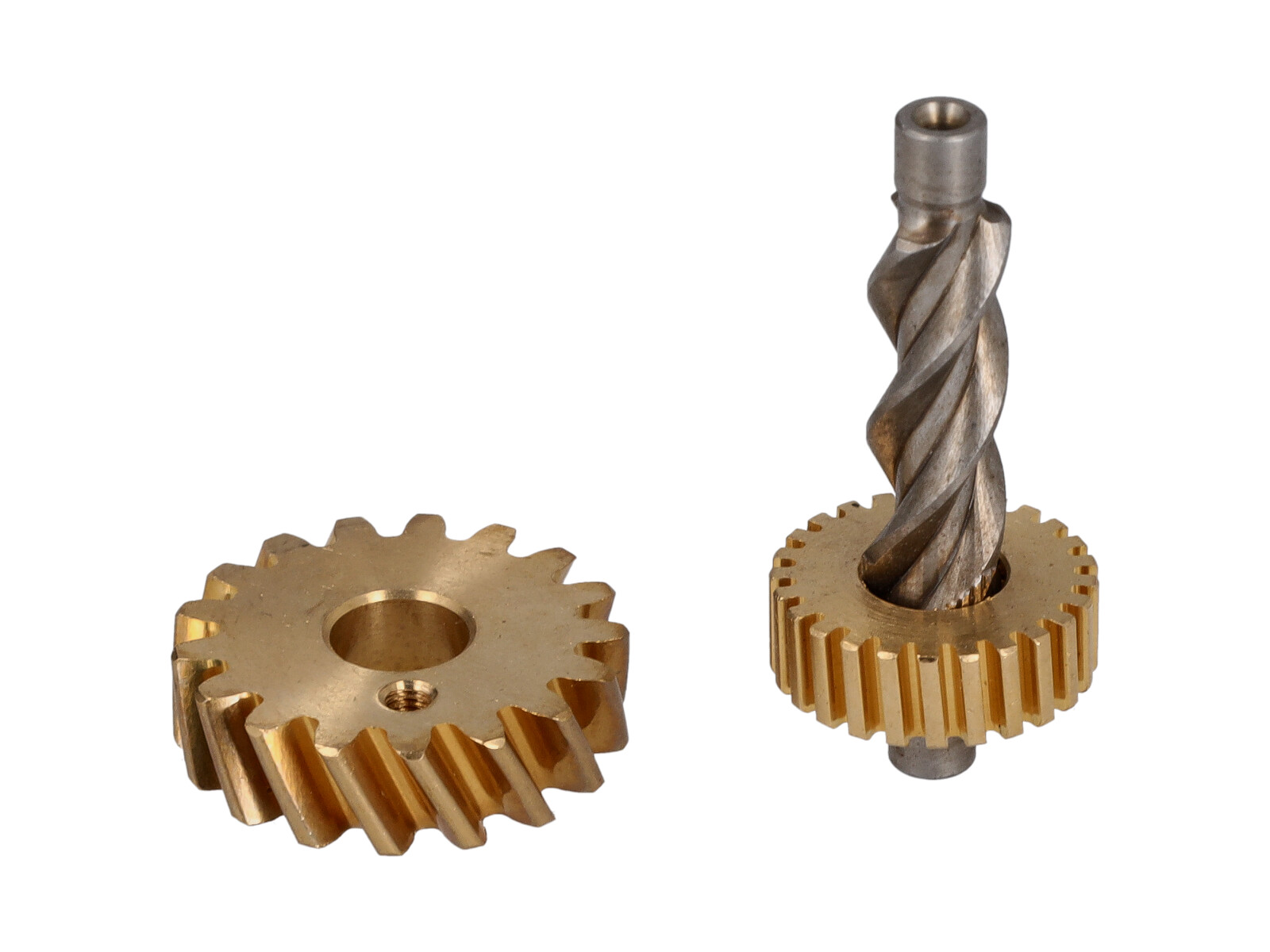
The OE Match Cabriolet Hood Latch Motor Cog Repair Kit is a high-quality replacement repair solution designed to restore the operation of the electric hood latch motor on compatible Porsche Cabriolet models. Manufactured to OE specifications for fit, strength and durability, the kit replaces the worn or damaged internal drive cog that commonly fails over time, eliminating the need to replace the complete latch motor assembly.
Fits:
- Porsche 911 1984-1986 3.2L
- Porsche 911 1987-1989 3.2L G50
- Porsche 911 1978-1989 3.3L Turbo (930)
- Porsche 964 (911) C2 1989-93
- Porsche 964 (911) C4 1989-93
- Porsche 964 (911) TURBO 3.3L 1991-93
- Porsche 964 (911) TURBO 3.6L 1991-93
- Porsche 993 (911) C2 1994-97
- Porsche 993 (911) C4 1994-97
- Porsche 993 (911) C2S 1994-97
- Porsche 993 (911) C4S 1994-97
- Porsche 993 (911) TURBO 1994-96
- Porsche 993 (911) TURBO S 1994-97
Manufactured from high-strength, wear-resistant engineering material, the replacement cog is precision-machined to match the original dimensions and tooth profile, ensuring smooth engagement with the motor drive mechanism. The repair kit offers a cost-effective and reliable solution for restoring correct hood locking and unlocking operation while extending the service life of the original latch motor.
What This Product Does:
- Replaces the worn internal drive cog within the hood latch motor.
- Restores electric cabriolet hood latch operation.
- Allows smooth locking and unlocking of the convertible roof.
- Eliminates slipping caused by worn gear teeth.
- Restores proper engagement of the hood latch mechanism.
- Extends the service life of the original latch motor.
- Provides a cost-effective alternative to replacing the complete motor.
- Forms an essential part of the convertible roof locking system.
Symptoms Of Wear Or Failure:
- Convertible roof failing to lock or unlock correctly.
- Clicking or grinding noises from the latch motor.
- Hood latch motor running without engaging the latch.
- Intermittent operation of the roof locking mechanism.
- Roof operation stopping before completing its cycle.
- Warning message relating to the convertible roof system.
- Roof requiring manual assistance to latch.
- Visible worn or stripped gear teeth during inspection.
- Incomplete hood locking.
- Convertible roof becoming inoperative.
Why Replacement Matters:
- The hood latch motor cog is subjected to repeated mechanical loading every time the convertible roof is operated. Over time, the gear teeth can wear, crack or strip, preventing the latch motor from transferring drive to the locking mechanism correctly.
- A failed drive cog can leave the convertible roof unable to lock or unlock securely, affecting vehicle security, weather sealing and safe roof operation. Replacing the entire latch motor can be expensive when only the internal gear has failed.
- The OE Match Cabriolet Hood Latch Motor Cog Repair Kit offers an economical and effective solution by replacing the failed internal component while retaining the original motor assembly. Precision-manufactured for OE-style fitment, the kit restores smooth, reliable roof latch operation, helping maintain the convenience, safety and functionality of your Porsche Cabriolet.
Related reference numbers
Related, superseded, cross reference or alternative numbers for comparison.
91162405603K
The product you are viewing cross references to these numbers


- Porsche 911 1968-1973 2.2L / 2.4L / 2.7L RS LWB (F)
The Left (OE ref no 91163194300) and Right (OE ref no 91163194400) Front Indicator Lenses are high-quality replacement lenses designed for the front turn signal assemblies on classic Porsche 911 Long Wheel Base (LWB) models from 1967 to 1974. These lenses are supplied with a black rim.
Fits:
Porsche 911 1967 - 1974 Long Wheel Base cars (LWB)
They feature a clear/amber lens with a black outer rim, engineered for direct fitment into the existing front indicator housings. Ideal for restoration projects or replacing faded, cracked, or worn lenses, they help preserve the classic look while delivering reliable signalling performance.
The front indicator lenses protect the turn signal bulbs and ensure that your direction signals are clearly visible to other road users.
When installed over the front indicator bulbs, these lenses diffuse and channel the light for proper signal visibility, while shielding the bulb and housing from moisture, dust, and debris. Their shape ensures accurate light projection and reliable performance.
Indicator lenses can become cracked, faded, or cloudy over time, reducing visibility and detracting from the classic Porsche look. Replacing restores proper signal clarity and helps maintain the authentic front-end appearance of your 911.
When to replace:
• Lens is cracked, faded, or cloudy
• Reduced signal visibility
• During restoration or bodywork refinishing
• After removal of the indicator housing
• As part of preventive maintenance
Related reference numbers
Related, superseded, cross reference or alternative numbers for comparison.
91163194
The product you are viewing cross references to these numbers



- Porsche 911 1984-1986 3.2L
- Porsche 911 1987-1989 3.2L G50
- Porsche 911 1978-1989 3.3L Turbo (930)
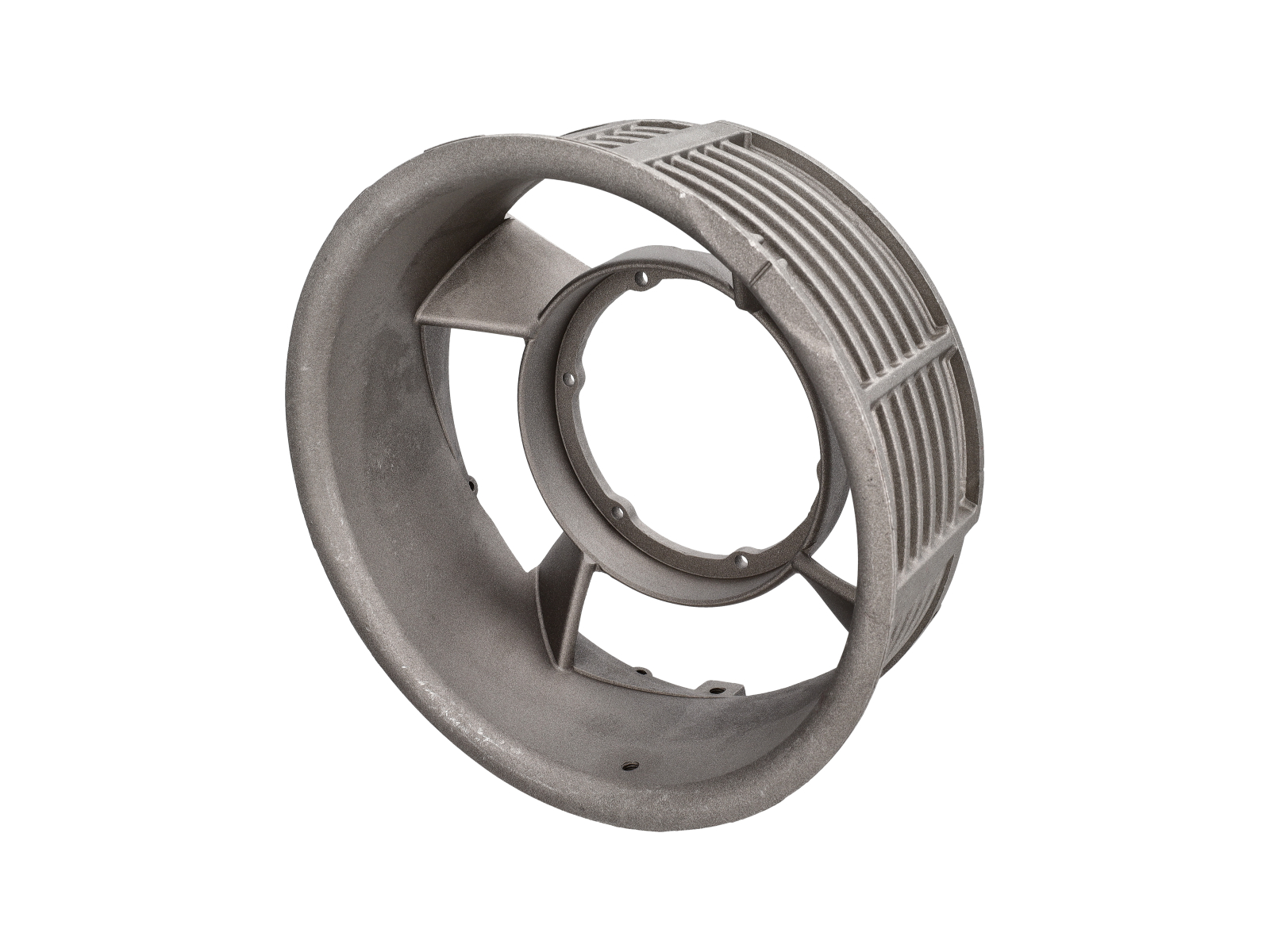
The OE Match Alloy Alternator Fan Housing is a premium-quality replacement engine cooling component designed to securely mount the alternator and cooling fan while directing airflow across the air-cooled engine on compatible Porsche models. Manufactured to OE specifications for fit, strength and durability, this alloy fan housing restores the original cooling efficiency and appearance of the engine bay.
Fits:
- Porsche 911 1984-1986 3.2L
- Porsche 911 1987-1989 3.2L G50
- Porsche 911 1978-1989 3.3L Turbo (930)
Manufactured from high-quality cast aluminium alloy, the housing offers excellent structural rigidity, corrosion resistance and heat dissipation. Precision-machined mounting points ensure accurate alignment of the alternator and cooling fan, providing proper belt tracking and optimum airflow throughout the engine cooling system. It is ideal for restoration projects or replacing cracked, corroded or damaged original fan housings.
What This Product Does:
- Supports and positions the alternator and engine cooling fan.
- Directs cooling airflow over the engine cylinders and cylinder heads.
- Maintains correct fan and alternator alignment.
- Ensures proper drive belt tracking.
- Helps maximise engine cooling efficiency.
- Provides secure mounting for associated engine components.
- Restores the original appearance of the engine compartment.
- Forms an essential part of the air-cooled engine cooling system.
Symptoms Of Wear Or Failure:
- Cracks or fractures in the housing.
- Corrosion or oxidisation of the alloy.
- Misaligned cooling fan or alternator.
- Excessive fan belt wear or belt misalignment.
- Fan rubbing against the housing.
- Increased engine operating temperatures.
- Unusual noises from the fan assembly.
- Loose mounting points or damaged fixing threads.
- Visible impact damage.
- Poor engine bay appearance during restoration.
Why Replacement Matters:
- The alternator fan housing is exposed to constant engine vibration, high operating temperatures and repeated thermal expansion and contraction. Over time, the alloy housing can develop cracks, corrosion or damaged mounting points, affecting the alignment and efficiency of the engine cooling fan and alternator.
- A damaged fan housing can reduce cooling airflow, increase fan belt wear and place additional strain on the alternator and cooling fan assembly. In air-cooled Porsche engines, reduced cooling efficiency can contribute to elevated engine temperatures, which may affect reliability and long-term engine durability.
- Replacing a worn or damaged alternator fan housing restores the correct positioning of the cooling fan and alternator, ensuring efficient engine cooling and reliable accessory drive operation. The OE Match replacement provides factory-style fitment, high-quality cast alloy construction and exceptional durability, helping preserve the performance, reliability and authentic appearance of your Porsche.
Related reference numbers
Related, superseded, cross reference or alternative numbers for comparison.
93010600611
The product you are viewing cross references to these numbers

- Porsche 911 1965-1968 2.0L / 912 SWB (F)
- Porsche 911 1968-1973 2.2L / 2.4L / 2.7L RS LWB (F)
- Porsche 911 1974-1977 2.7L / 1976-77 3.0 Carrera
- Porsche 911 1978-1983 3.0L / SC
- Porsche 911 1984-1986 3.2L
- Porsche 911 1987-1989 3.2L G50
- Porsche 911 1975-1977 3.0L Turbo (930)
- Porsche 911 1978-1989 3.3L Turbo (930)
- Porsche 964 (911) C2 1989-93
- Porsche 964 (911) C4 1989-93
- Porsche 964 (911) RS 3.6L 1991-93
- Porsche 964 (911) RS 3.8L 1991-93
- Porsche 964 (911) TURBO 3.3L 1991-93
- Porsche 964 (911) TURBO 3.6L 1991-93
- Porsche 993 (911) C2 1994-97
- Porsche 993 (911) C4 1994-97
- Porsche 993 (911) RS 1994-97
- Porsche 993 (911) C2S 1994-97
- Porsche 993 (911) C4S 1994-97
- Porsche 993 (911) TURBO 1994-96
- Porsche 993 (911) GT2 1994-97
- Porsche 993 (911) TURBO S 1994-97
- Porsche 924 Turbo 2.0L 1979-81
- Porsche 924 Turbo 2.0L 1982-84
- Porsche 924 Carrera GT 2.0L 1981
- Porsche 924 Carrera GTS 2.0L 1982
- Porsche 924S 2.5L 1986-87
- Porsche 924S 2.5L 1988
- Porsche 944 2.5L 8V 1982-87
- Porsche 944 2.7L 8V 1988-89
- Porsche 944S 2.5L 16V 1987-88
- Porsche 944S2 3.0L 16V 1989-91
- Porsche 944 Turbo 2.5L 8V 1985-88
- Porsche 944 Turbo 2.5L 8V 1989-91
- Porsche 944 Turbo S 2.5L 8V 1988
- Porsche 968 3.0L 1992-94
- Porsche 968 Sport 3.0L 1994-95
- Porsche 968 CS 3.0L 1993-95
- Porsche 968 Turbo S 3.0L 1993-94
- Porsche 928 4.5L 1978-82
- Porsche 928S 4.7L 1981-83
- Porsche 928S2 4.7L 1984-86
- Porsche 928S4 5.0L 1987-92
- Porsche 928GT 5.0L 1989-91
- Porsche 928GTS 5.4L 1992-95
Wheel Nuts Pack of 20 – Silver
Complete your Porsche wheel installation with this OE
Match Pack of 20 Silver Wheel Nuts. Manufactured
to original equipment specifications, these high-quality replacement wheel nuts
provide the correct fit, strength and finish required to securely fasten your
alloy or steel wheels while maintaining the factory appearance of your Porsche.
Fits:
- Porsche 911
- Porsche 964
- Porsche 993
- Porsche 944
- Porsche 968
- Porsche 928
- Porsche 924 turbo
- Porsche 924 S
Finished in a durable silver coating, these wheel nuts are designed to withstand the high clamping forces, repeated wheel removals and harsh environmental conditions experienced throughout the life of the vehicle. Supplied as a complete pack of 20, they are ideal for replacing a full set during wheel refurbishment, restoration or routine maintenance.
What Do Wheel Nuts Do?
Wheel nuts are one of the most critical safety components on your Porsche. They clamp the wheel securely to the hub, ensuring the wheel remains correctly centred and firmly attached under acceleration, braking and cornering.
Their primary functions include:
- Securing the wheel safely to the hub.
- Maintaining the correct clamping force.
- Ensuring accurate wheel centring.
- Preventing wheel movement under load.
- Supporting safe handling and braking.
- Providing reliable long-term wheel retention.
Correctly fitted wheel nuts are essential for maintaining both safety and the driving characteristics Porsche engineered into every model.
Why Do Wheel Nuts Fail?
Although manufactured from high-strength steel, wheel nuts
can deteriorate over time through repeated use and environmental exposure.
Common causes include:
- Corrosion from moisture and road salt.
- Rounded or damaged hexagonal heads.
- Cross-threading during installation.
- Thread wear from repeated removal.
- Over-tightening or incorrect torque settings.
- Impact gun damage.
- Cosmetic deterioration of the silver finish.
- Age-related corrosion.
Damaged or worn wheel nuts may no longer provide the correct clamping force, increasing the risk of wheel movement or making future removal difficult.
When Should Wheel Nuts Be Replaced?
Replacement is recommended whenever:
- Threads become damaged or worn.
- The hexagonal head is rounded.
- Corrosion affects the threads or seating face.
- Wheel nuts have been cross-threaded.
- Wheels are being restored or refurbished.
- Replacing missing wheel nuts.
- Restoring a classic Porsche.
- Cosmetic appearance has significantly deteriorated.
Replacing all 20 wheel nuts together ensures consistent appearance, even clamping force and dependable long-term reliability.
Related reference numbers
Related, superseded, cross reference or alternative numbers for comparison.
99918200341
The product you are viewing cross references to these numbers
This kit is comprised of the following items:

.jpg?width=197 "Wheel Nuts PACK OF 20 Black. Porsche 911 1965-89 / 964 / 993 / 944 / 968 / 928 / 924 - 99918200336, 999.182.003.36, 999-182-003-36")
.jpg)
- Porsche 911 1965-1968 2.0L / 912 SWB (F)
- Porsche 911 1968-1973 2.2L / 2.4L / 2.7L RS LWB (F)
- Porsche 911 1974-1977 2.7L / 1976-77 3.0 Carrera
- Porsche 911 1978-1983 3.0L / SC
- Porsche 911 1984-1986 3.2L
- Porsche 911 1987-1989 3.2L G50
- Porsche 911 1975-1977 3.0L Turbo (930)
- Porsche 911 1978-1989 3.3L Turbo (930)
- Porsche 964 (911) C2 1989-93
- Porsche 964 (911) C4 1989-93
- Porsche 964 (911) RS 3.6L 1991-93
- Porsche 964 (911) RS 3.8L 1991-93
- Porsche 964 (911) TURBO 3.3L 1991-93
- Porsche 964 (911) TURBO 3.6L 1991-93
- Porsche 993 (911) C2 1994-97
- Porsche 993 (911) C4 1994-97
- Porsche 993 (911) RS 1994-97
- Porsche 993 (911) C2S 1994-97
- Porsche 993 (911) C4S 1994-97
- Porsche 993 (911) TURBO 1994-96
- Porsche 993 (911) GT2 1994-97
- Porsche 993 (911) TURBO S 1994-97
- Porsche 924 2.0L 1976-79
- Porsche 924 2.0L 1980-85
- Porsche 924 Turbo 2.0L 1979-81
- Porsche 924 Turbo 2.0L 1982-84
- Porsche 924 Carrera GT 2.0L 1981
- Porsche 924 Carrera GTS 2.0L 1982
- Porsche 924S 2.5L 1986-87
- Porsche 924S 2.5L 1988
- Porsche 944 2.5L 8V 1982-87
- Porsche 944 2.7L 8V 1988-89
- Porsche 944S 2.5L 16V 1987-88
- Porsche 944S2 3.0L 16V 1989-91
- Porsche 944 Turbo 2.5L 8V 1985-88
- Porsche 944 Turbo 2.5L 8V 1989-91
- Porsche 944 Turbo S 2.5L 8V 1988
- Porsche 968 3.0L 1992-94
- Porsche 968 Sport 3.0L 1994-95
- Porsche 968 CS 3.0L 1993-95
- Porsche 968 Turbo S 3.0L 1993-94
- Porsche 928 4.5L 1978-82
- Porsche 928S 4.7L 1981-83
- Porsche 928S2 4.7L 1984-86
- Porsche 928S4 5.0L 1987-92
- Porsche 928GT 5.0L 1989-91
- Porsche 928GTS 5.4L 1992-95
Wheel nuts also known as lug nut in black anodized. Used on a wide range of Porsche models: 911 (including 964/993), 912, 911 Turbo (1965-89), 924, 928, 944, 968. original product reference number 999.182.003.36 Thread spec: M14 × 1.5 (this is standard for many Porsche wheel nuts)

Fits:
- Porsche 911 1965-1968 2.0L / 912 SWB (F)
- Porsche 911 1968-1973 2.2L / 2.4L / 2.7L RS LWB (F)
- Porsche 911 1974-1977 2.7L / 1976-77 3.0 Carrera
- Porsche 911 1978-1983 3.0L / SC
- Porsche 911 1984-1986 3.2L
- Porsche 911 1987-1989 3.2L G50
- Porsche 911 1975-1977 3.0L Turbo (930)
- Porsche 911 1978-1989 3.3L Turbo (930)
- Porsche 964 (911) C2 1989-93
- Porsche 964 (911) C4 1989-93
- Porsche 964 (911) RS 3.6L 1991-93
- Porsche 964 (911) RS 3.8L 1991-93
- Porsche 964 (911) TURBO 3.3L 1991-93
- Porsche 964 (911) TURBO 3.6L 1991-93
- Porsche 993 (911) C2 1994-97
- Porsche 993 (911) C4 1994-97
- Porsche 993 (911) RS 1994-97
- Porsche 993 (911) C2S 1994-97
- Porsche 993 (911) C4S 1994-97
- Porsche 993 (911) TURBO 1994-96
- Porsche 993 (911) GT2 1994-97
- Porsche 993 (911) TURBO S 1994-97
- Porsche 924 2.0L 1976-79
- Porsche 924 2.0L 1980-85
- Porsche 924 Turbo 2.0L 1979-81
- Porsche 924 Turbo 2.0L 1982-84
- Porsche 924 Carrera GT 2.0L 1981
- Porsche 924 Carrera GTS 2.0L 1982
- Porsche 924S 2.5L 1986-87
- Porsche 924S 2.5L 1988
- Porsche 944 2.5L 8V 1982-87
- Porsche 944 2.7L 8V 1988-89
- Porsche 944S 2.5L 16V 1987-88
- Porsche 944S2 3.0L 16V 1989-91
- Porsche 944 Turbo 2.5L 8V 1985-88
- Porsche 944 Turbo 2.5L 8V 1989-91
- Porsche 944 Turbo S 2.5L 8V 1988>>
- Porsche 968 3.0L 1992-94
- Porsche 968 Sport 3.0L 1994-95
- Porsche 968 CS 3.0L 1993-95
- Porsche 968 Turbo S 3.0L 1993-94
- Porsche 928 4.5L 1978-82
- Porsche 928S 4.7L 1981-83
- Porsche 928S2 4.7L 1984-86
- Porsche 928S4 5.0L 1987-92
- Porsche 928GT 5.0L 1989-91
- Porsche 928GTS 5.4L 1992-95
Related reference numbers
Related, superseded, cross reference or alternative numbers for comparison.
99918200336
The product you are viewing cross references to these numbers
This kit is comprised of the following items:

- Porsche 911 1974-1977 2.7L / 1976-77 3.0 Carrera
- Porsche 911 1978-1983 3.0L / SC
- Porsche 911 1984-1986 3.2L
- Porsche 911 1987-1989 3.2L G50
- Porsche 911 1978-1989 3.3L Turbo (930)
- Porsche 964 (911) C2 1989-93
- Porsche 964 (911) C4 1989-93
- Porsche 964 (911) RS 3.6L 1991-93
- Porsche 964 (911) RS 3.8L 1991-93
- Porsche 964 (911) TURBO 3.3L 1991-93
- Porsche 964 (911) TURBO 3.6L 1991-93
- Porsche 993 (911) C2 1994-97
- Porsche 993 (911) C4 1994-97
- Porsche 993 (911) RS 1994-97
- Porsche 993 (911) C2S 1994-97
- Porsche 993 (911) C4S 1994-97
- Porsche 993 (911) TURBO 1994-96
- Porsche 993 (911) GT2 1994-97
- Porsche 993 (911) TURBO S 1994-97
- Porsche 996 TURBO 2000-05
- Porsche 996 GT2 2001-05
- Porsche 996 GT3 MKI 1999-02
- Porsche 996 GT3 MKII 2003>>
- Porsche 996 GT3 RS 2003-04
- Porsche 924S 2.5L 1986-87
- Porsche 924S 2.5L 1988
- Porsche 944 2.5L 8V 1982-87
- Porsche 944 2.7L 8V 1988-89
- Porsche 944S 2.5L 16V 1987-88
- Porsche 944S2 3.0L 16V 1989-91
- Porsche 944 Turbo 2.5L 8V 1985-88
- Porsche 944 Turbo 2.5L 8V 1989-91
- Porsche 944 Turbo S 2.5L 8V 1988
- Porsche 968 3.0L 1992-94
- Porsche 968 Sport 3.0L 1994-95
- Porsche 968 CS 3.0L 1993-95
- Porsche 968 Turbo S 3.0L 1993-94
- Porsche 928 4.5L 1978-82
- Porsche 928S 4.7L 1981-83
- Porsche 928S2 4.7L 1984-86
- Porsche 928S4 5.0L 1987-92
- Porsche 928GT 5.0L 1989-91
- Porsche 928GTS 5.4L 1992-95
Fits:
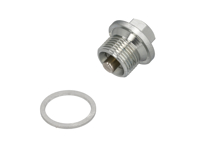
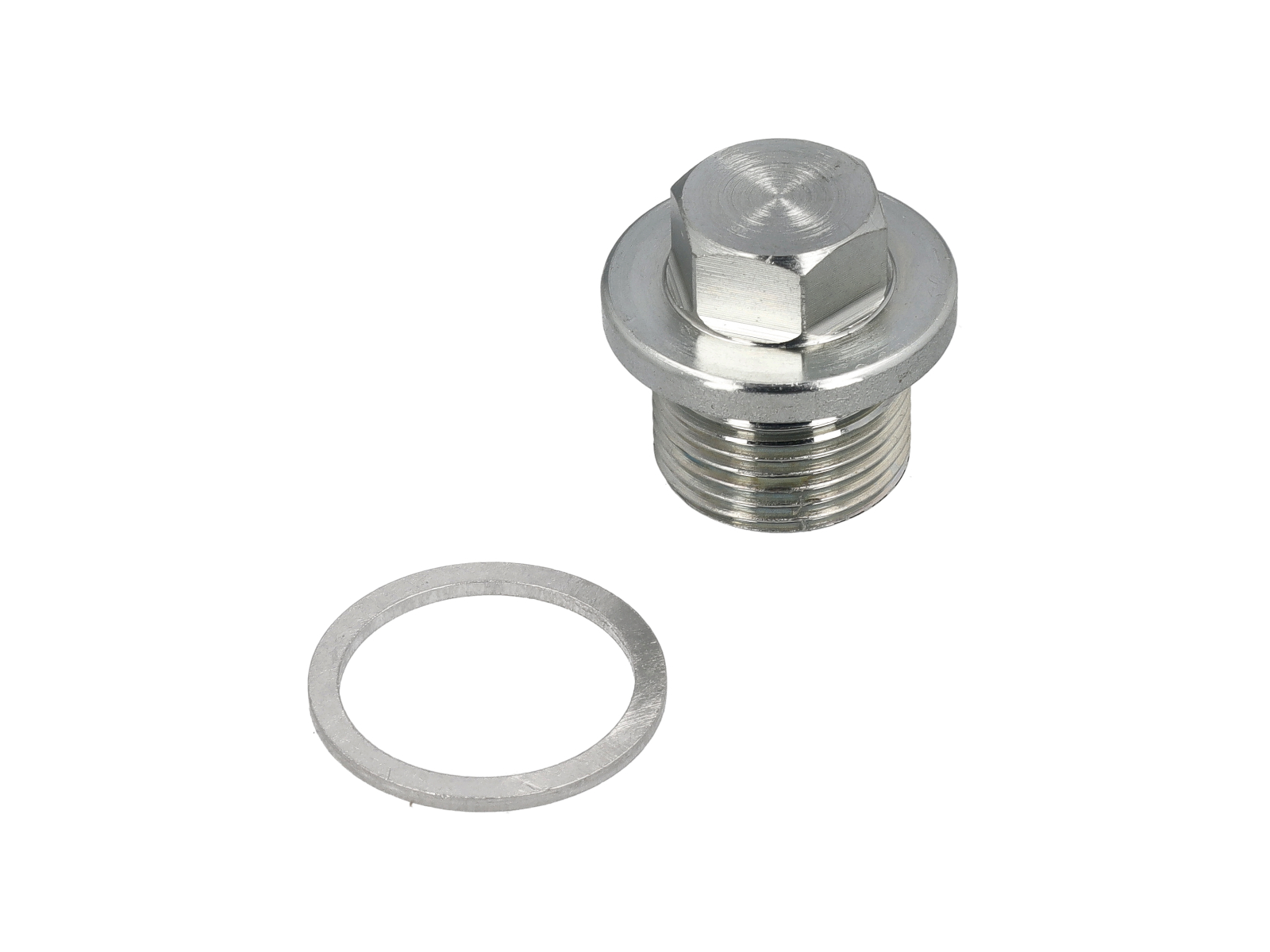
Porsche 911 3.2 Carrera - 1984 to 1989 Oil Drain Plug for side of crankcase
Porsche 911 - 1978 to 1984 Oil Drain plug for sump plate
Porsche 964 - 1989 to 1994
Porsche 993 - 1995 to 1998
Porsche 996 turbo / GT3 -
Porsche 924S - 1986 to 1988
Porsche 944 - 1982 to 1991
Porsche 968 - 1992 to 1995
Porsche 928 - 1978 to 1995
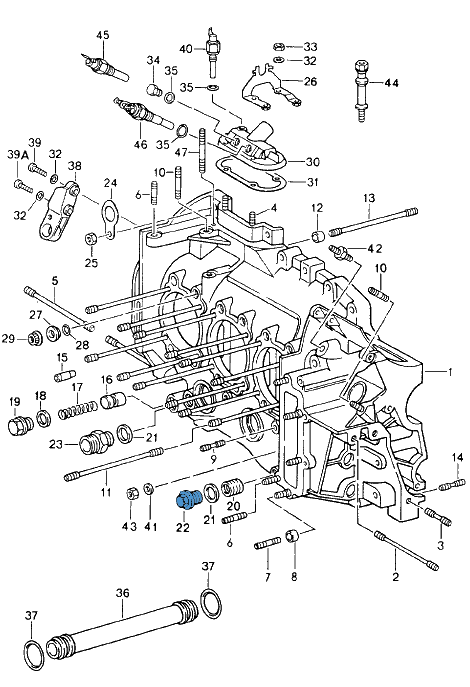
Diagram ref no 22
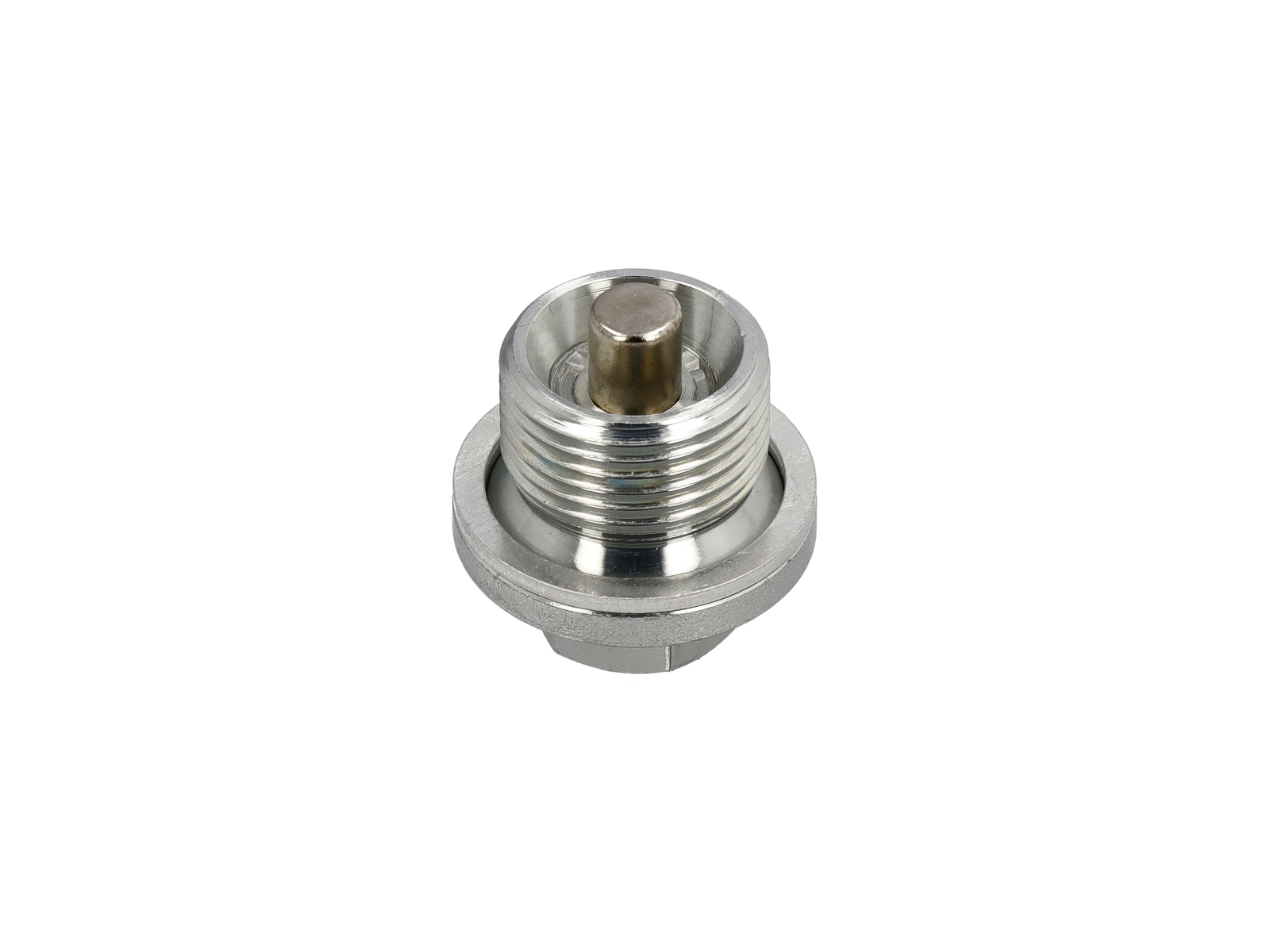
A magnetic sump oil drain plug is a type of oil drain plug that contains a small magnet designed to attract and capture metallic particles that may be present in your engine's oil. While this type of drain plug is not exclusive to Porsche and can be used in various vehicles, it can provide several benefits, including:
Improved Engine Longevity: The magnet in the drain plug helps to capture tiny metal particles, such as iron, steel, or aluminum, that may circulate in the engine oil. Removing these particles can reduce wear and tear on engine components, potentially extending the engine's lifespan.
Enhanced Engine Performance: By reducing the presence of contaminants in the oil, a magnetic drain plug can help maintain the oil's lubricating properties, which is crucial for smooth engine operation. Clean oil can also contribute to improved fuel efficiency.
Early Detection of Problems: As the magnetic drain plug collects metallic debris, it can serve as an early warning system. By inspecting the drain plug during oil changes, you can get an idea of the engine's condition and detect any unusual wear or damage before it becomes a major issue.
Reduced Maintenance Costs: Regularly inspecting and cleaning a magnetic drain plug can prevent larger issues from developing over time. Addressing potential problems early can save you money on more extensive repairs down the road.
Peace of Mind: Knowing that you are taking steps to protect your engine from premature wear and tear can give you peace of mind as a vehicle owner. It's a relatively inexpensive and simple modification that can provide added assurance.
Easy Installation: Magnetic drain plugs are typically straightforward to install. They often replace the existing drain plug and require no special tools or modifications.
While magnetic drain plugs can offer these benefits, it's essential to remember that they are not a substitute for regular oil changes and proper maintenance. Regular oil changes with the appropriate oil and filter are still crucial for the health and longevity of your engine. Additionally, magnetic drain plugs may not capture all types of contaminants, so they should be seen as a supplementary measure rather than a comprehensive solution.
Related reference numbers
Related, superseded, cross reference or alternative numbers for comparison.
94410719711
The product you are viewing cross references to these numbers
- Porsche 911 1974-1977 2.7L / 1976-77 3.0 Carrera
- Porsche 911 1978-1983 3.0L / SC
- Porsche 911 1984-1986 3.2L
- Porsche 911 1987-1989 3.2L G50
- Porsche 911 1978-1989 3.3L Turbo (930)
- Porsche 964 (911) TURBO 3.3L 1991-93
- Porsche 964 (911) TURBO 3.6L 1991-93
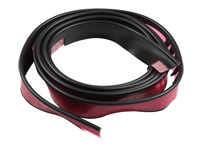
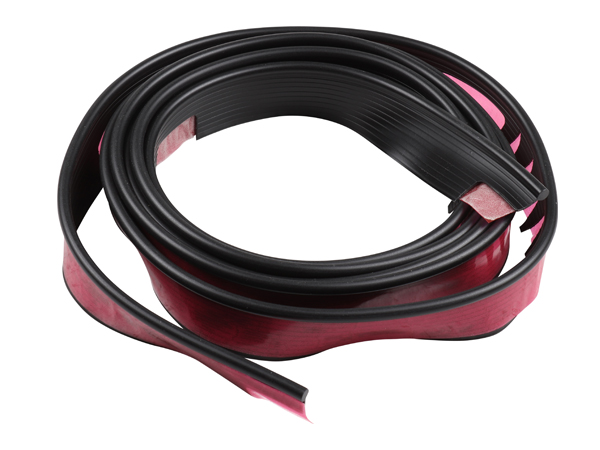
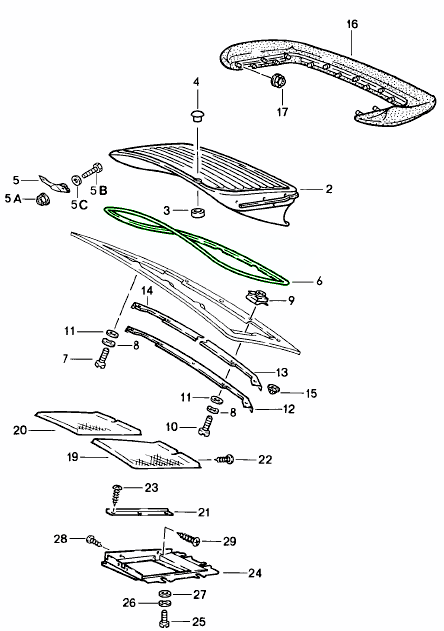
The spoiler gasket is an replacement designed to seal the junction between the rear spoiler and the engine lid panel on classic Porsche 911 and 964 models. It acts as a protective and sealing buffer, completing the factory-installed spoiler assembly.
Fits:
Porsche 911 1981-89 Turbo / Turbo-Look
Porsche 964 1989-94 Turbo / Turbo-Look
Diagram ref no 6
This gasket creates a clean, protective seal between the rear spoiler and the body, preventing water, dirt, and debris from entering the gap. It cushions the spoiler to avoid vibration and paint wear while ensuring the spoiler sits evenly for a proper factory appearance.
Over time, the original seal can harden, crack, or shrink, allowing moisture and dirt to accumulate beneath the spoiler and causing paint damage or corrosion. Replacing it restores a tight, protective seal, preserves the finish of the engine lid, and improves the overall fit and look of the spoiler.
Replace this spoiler seal if:
• The existing gasket is cracked, hard, or shrunken
• There’s visible wear between the spoiler and the engine lid
• Water or dust is accumulating under the spoiler
• The spoiler sits unevenly due to a flattened seal
• You are repainting, restoring, or replacing the spoiler
Related reference numbers
Related, superseded, cross reference or alternative numbers for comparison.
93051221500
The product you are viewing cross references to these numbers