





Enter your VAT number here and click Verify:
Your details have been verified. VAT number registered to:
,
.
Your order will now be zero rated for VAT purposes. We reserve the right to verify these details after your order request has been made and reinstate VAT if required.
Your VAT details were not recognised or were invalid. Your VAT number must be matched to your Billing Country as specified above. This is currently specified as . You do not need to enter the country code part of your VAT number as this has already been selected in your billing address details above.
The VAT number checking service is currently offline. Please supply your VAT details within the comments or special instructions field below and we will apply a VAT discount after placing your order request.

OE Match

OE Match for Porsche
OE Match is a brand that provides a wide range of Porsche components, from gaskets to suspension hardware, engine parts, and interior trim. Over 6,700 individual part numbers, and over 11,800 OE cross-references catalogued, and are constantly developing new lines.OE Match has over 100 new products currently in the engineering phase, which will be quality-controlled and added to their catalog. The mission is to keep all Porsche vehicles on the road by offering a vast selection of parts that can address various problems across different Porsche generations
A Quick Look at OE Match
OE Match information on this page is based on details supplied by the manufacturer or distributor, plus any OE references provided with the parts.
Choosing the Right Fit for Your Porsche
Where OE Match is listed for Porsche, use the supplied model coverage and OE references to confirm suitability. Check details that commonly affect fitment such as model year, side/position, and connector type where relevant.
- Often chosen when owners want OE-equivalent quality with sensible running costs, especially for routine service and wear items.
- Typical reasons to replace include restoring reliability, addressing age-related wear, or refreshing multiple components during larger repair work.
- Common defects from incorrect application include noise, premature wear, leaks, or fitment quirks if the wrong variant is selected or fitted with old seals/hardware.
- Watch for symptoms such as unusual noises, early wear, or repeat failures after recent work, which can indicate mismatched parts or supporting items left worn.
- Always cross-check OEM part numbers, read model-year notes, and verify compatibility before ordering.
- For safety-critical components, confirm specification and fitment carefully and have installation checked by a competent technician.
Browse by Category
If you already know the area you are working on, start with the category and then filter by Porsche model. Where real-world symptoms and typical reasons to replace are provided, use them to keep the wording grounded.
Brakes — Brake components are renewed to restore stopping performance, address wear or upgrade a Porsche for fast road or track use. Common symptoms include vibration under braking, longer stopping distances, squealing, pulling to one side, warning lights and visible wear to discs and pads.
Brake Pad Wear Sensors — Brake pad wear sensors are replaced when pads are renewed or when warning lights indicate a broken or worn sensor. Symptoms include brake wear warnings even with new pads, damaged sensor cables, or broken clips around the caliper area.
Engine Electrical — Engine electrical parts are changed when there are starting, charging, ignition, or sensor-related faults that affect drivability and reliability, such as intermittent no-start, misfires, rough idle, poor charging, warning lights or heat-soak failures.
Service Parts — Service parts are replaced as routine maintenance to keep the engine and systems reliable, efficient, and protected, often resolving hard starting, rough idle, poor fuel economy and warning lights caused by clogged filters or worn ignition components.
Service Kits — Service kits bundle key service components to simplify maintenance and set the car back to a known baseline, especially useful when catching up on overdue servicing or dealing with general sluggish running, inconsistent idle and reduced performance.
- For brake parts, confirm whether items are OE-equivalent replacements or performance upgrades and check if new fitting kits and sensors are required.
- On service items and kits, match the kit to your exact Porsche model, engine and year, and review what is included so you can add any extra “while you are there” parts.
Explore OE Match at Design911
View the current OE Match range for Porsche at Design911, then filter by model and category to narrow down to the right parts.

- Porsche 991.1 Turbo 3.8L (520 Bhp) 2014-16
- Porsche 991.1 Turbo S 3.8L (560 Bhp) 2014-16
- Porsche 991.2 Turbo Coupe 3.8L (540 Bhp) 2016-19
- Porsche 991.2 Turbo S Coupe 3.8L (580 Bhp) 2016-19
- Porsche 991.2 Turbo Cabriolet 3.8L (540 Bhp) 2016-19
- Porsche 991.2 Turbo S Cabriolet 3.8L (580 Bhp) 2016-19
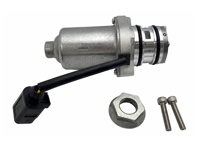
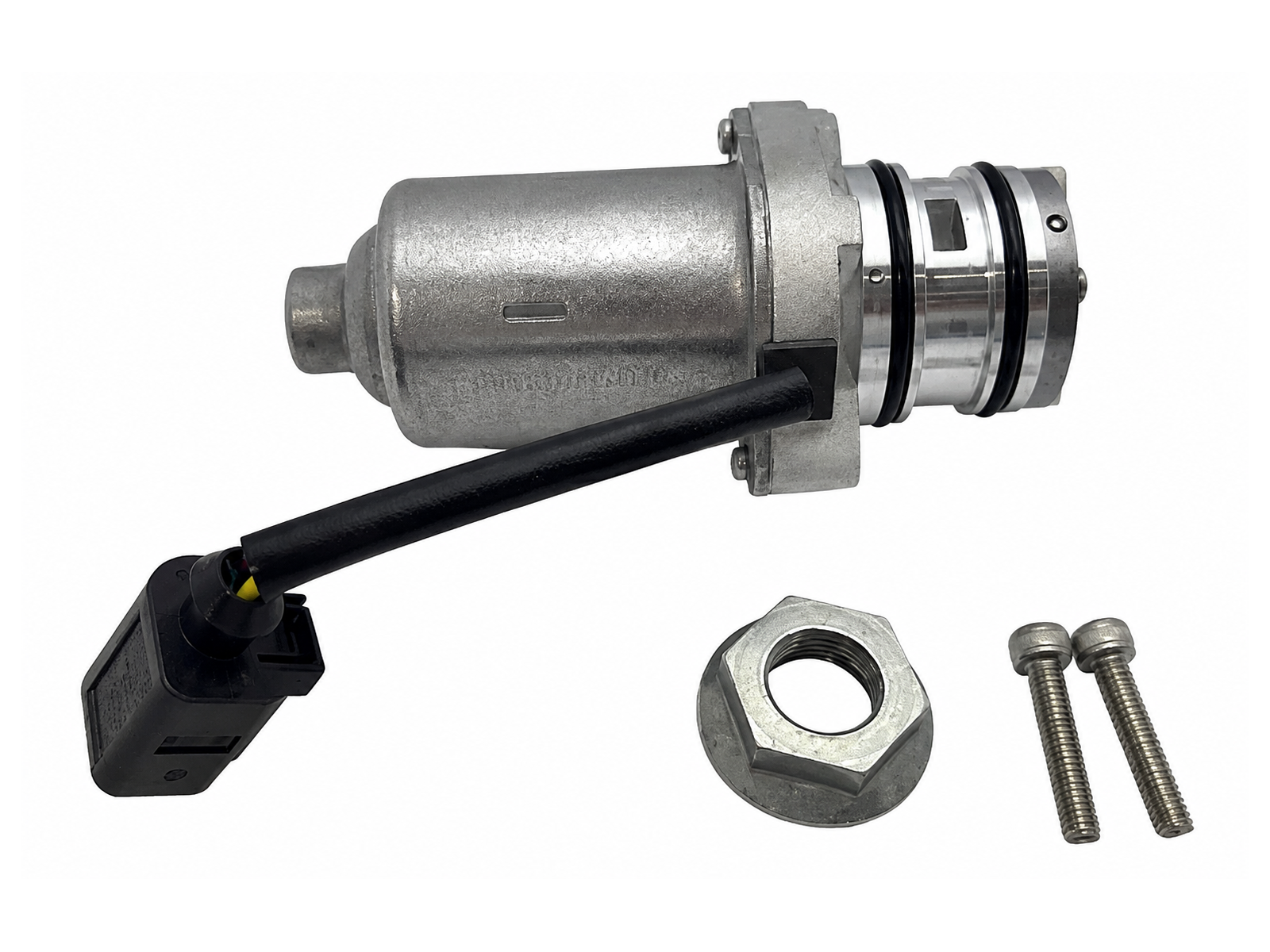
OE Match pump for front axle differential for Porsche 991 Turbo and 991 Turbo S models from 2014 to 2020. This replacement pump supports correct front differential system operation, helping maintain reliable drivetrain function and all-wheel drive performance.
Fits:
Porsche 991 Turbo / Turbo S 3.8L 2014–2020
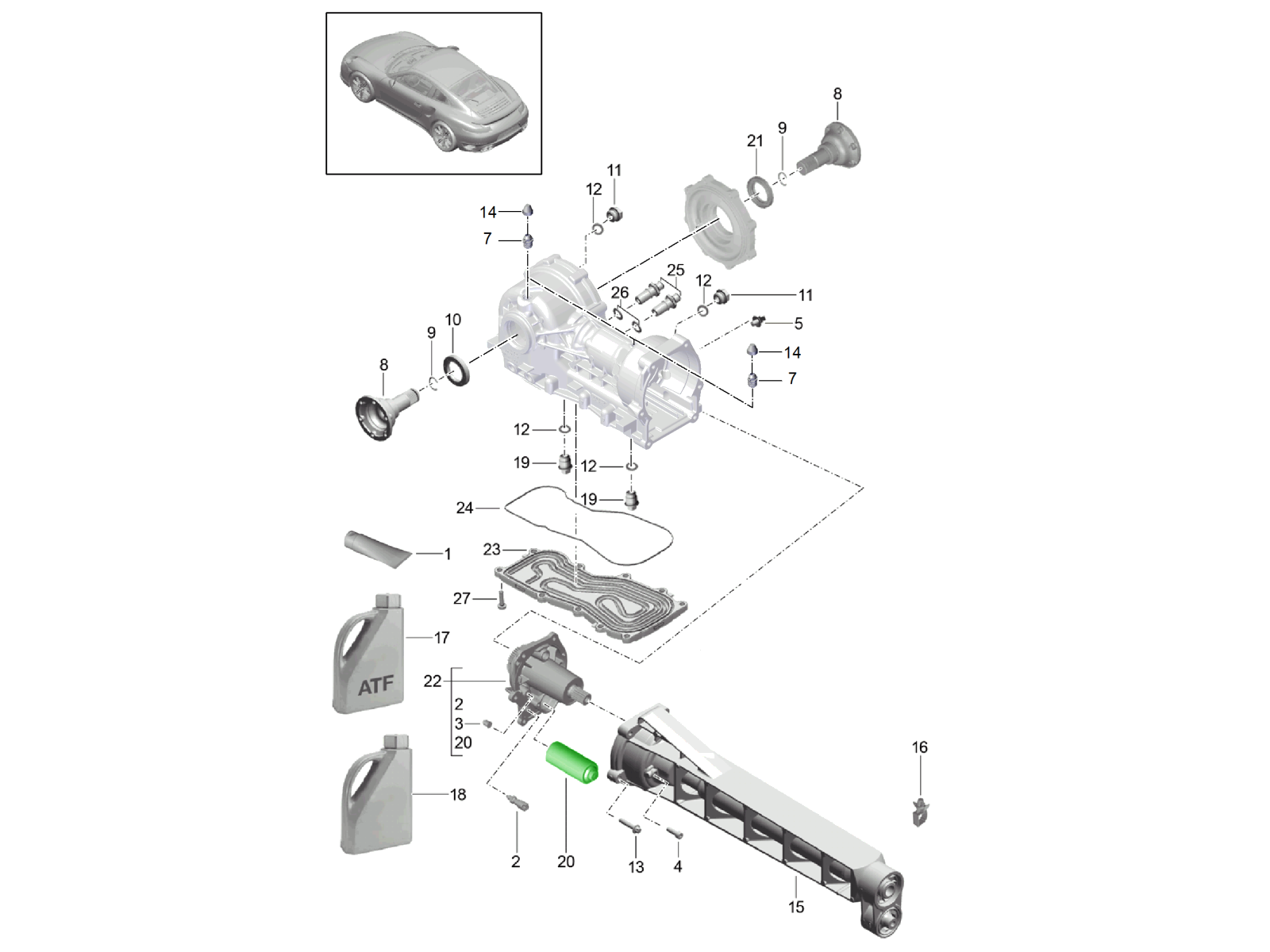
Diagram ref no 20
Fitting Position: 1st rear axle
Operating Mode: hydraulic
Number of pins: 2 terminal
Clutch ID: HALDEX GEN V
The pump helps supply and control fluid pressure within the front axle differential system. Correct pump operation supports the front driveline system, helping the vehicle distribute drive effectively through the all-wheel drive system and maintain consistent performance.
Functions
• Replaces the front axle differential pump
• Supports front differential system operation
• Helps maintain correct fluid pressure or actuation within the system
• Supports Porsche all-wheel drive drivetrain function
• Helps restore reliable front axle drive engagement
• Suitable for drivetrain fault diagnosis or repair
• OE Match replacement for Porsche 991 Turbo front differential service.
Why Replace This Part?
Front axle differential pumps can fail due to age, fluid contamination, electrical faults, wear, overheating, internal pump failure, or long-term drivetrain load. A faulty pump may cause drivetrain warning messages, all-wheel drive faults, poor front axle engagement, unusual noises, pressure-related fault codes, or reduced traction system performance. Replacing the pump helps restore correct front differential operation and drivetrain reliability.
When to Replace This Part
• Front axle differential pump fault code is present
• All-wheel drive warning or drivetrain fault is displayed
• Front differential system pressure is incorrect
• Front axle engagement is inconsistent
• Pump is noisy, weak, or not operating
• Drivetrain diagnosis points to pump failure
• Front differential or all-wheel drive system service is being carried out.
Where it fits on the car
This pump fits within the front axle differential / front driveline system on Porsche 991 Turbo and 991 Turbo S models.
Related reference numbers
Related, superseded, cross reference or alternative numbers for comparison.
9P1906271B
The product you are viewing cross references to these numbers
- Porsche 356 1950-55
- Porsche 356A 1955-59
- Porsche 356B 1959-63
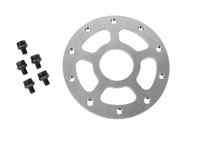
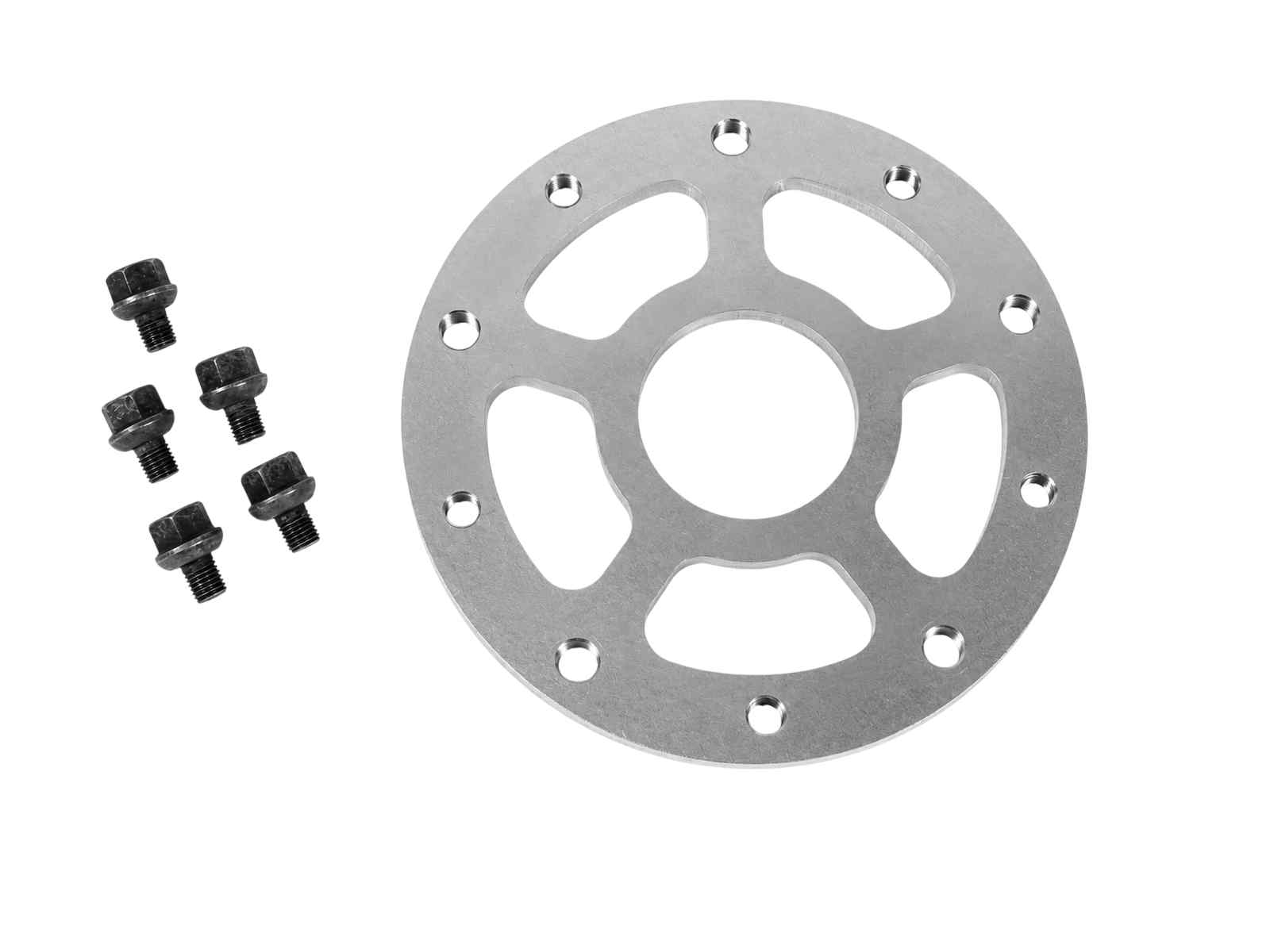
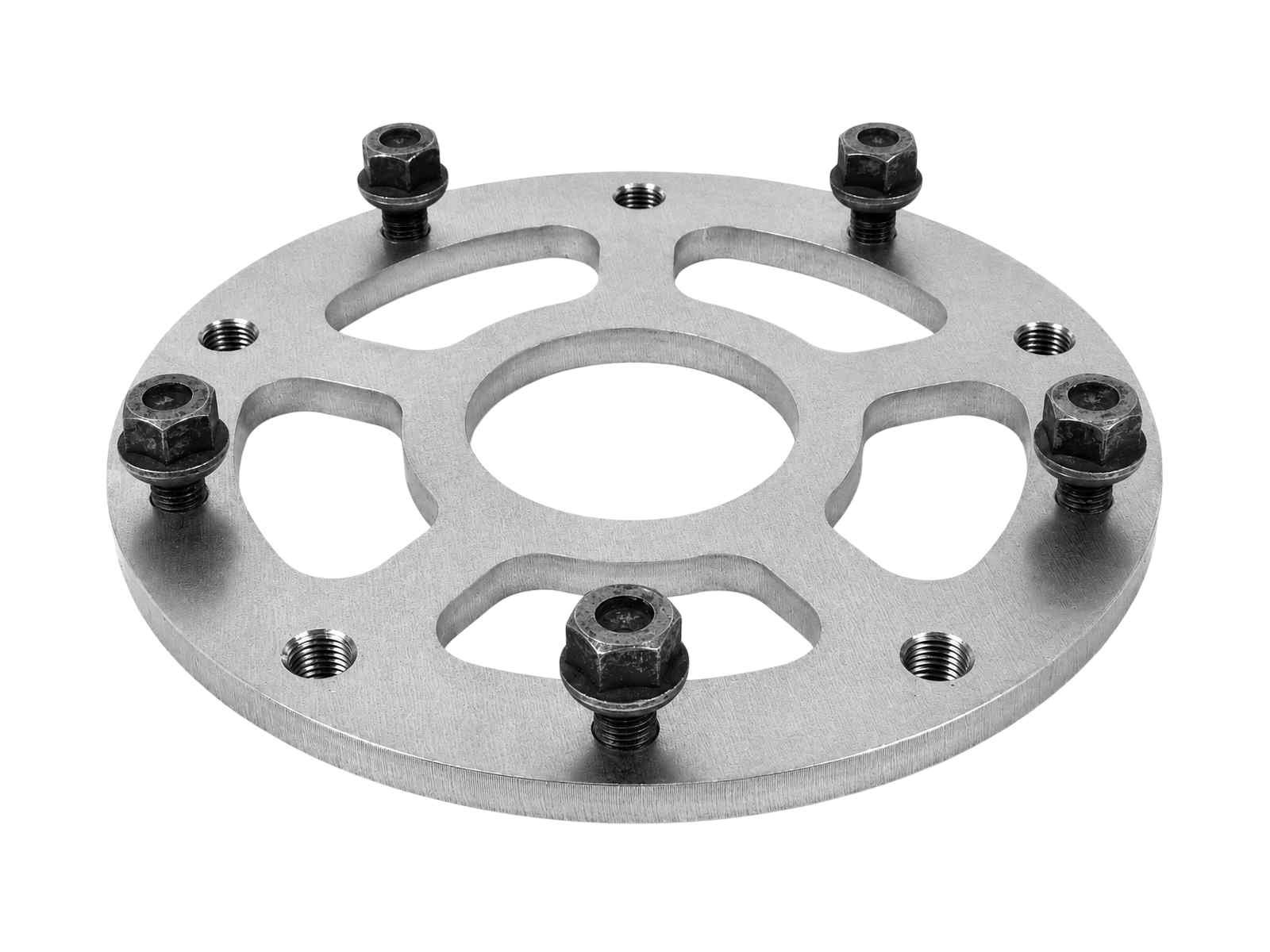
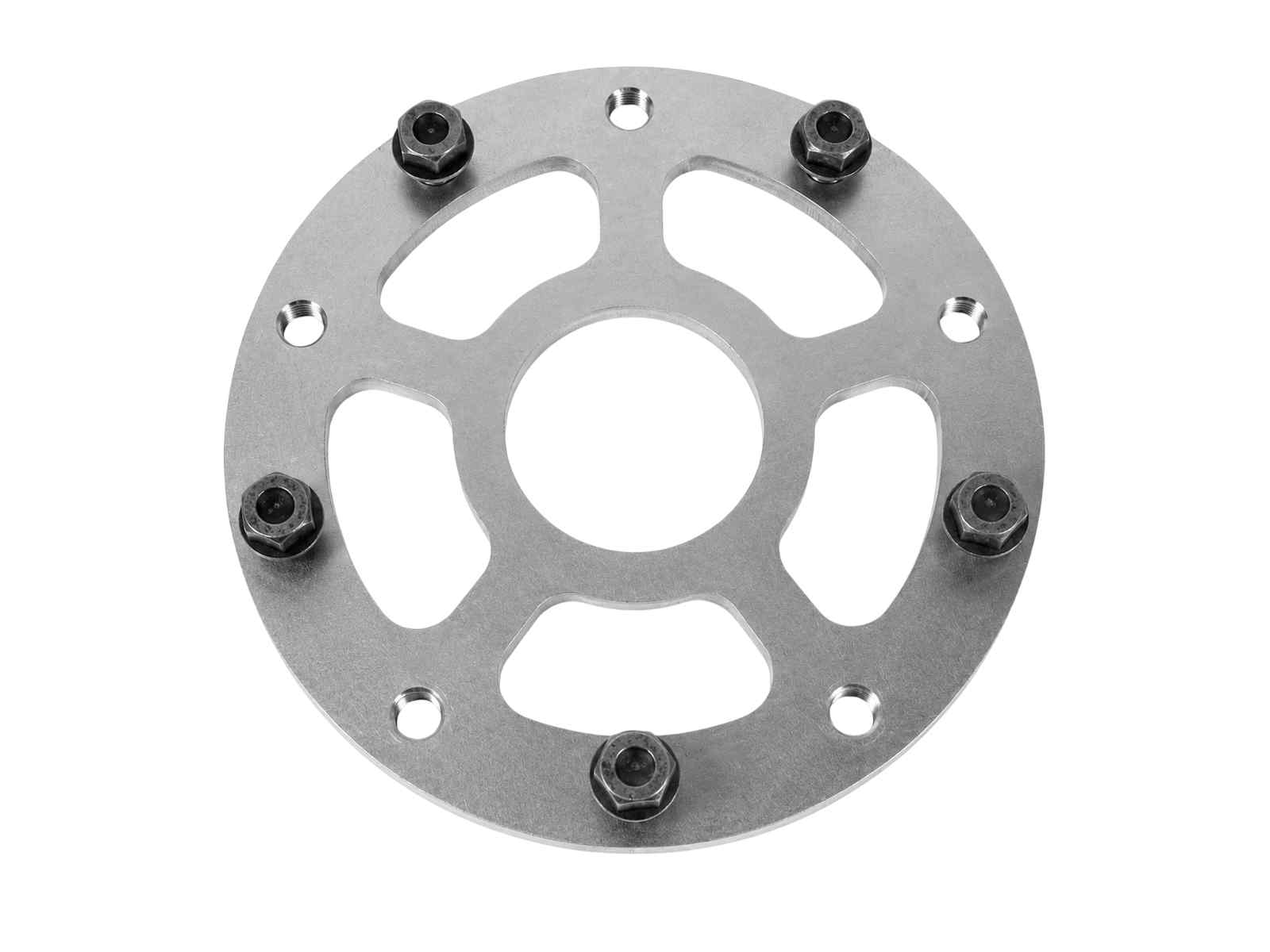
Wheel Balancing Adaptor for 5x205 Rims – Includes M12x1.5 Fixing Bolts
Accurately balance classic wheels with a 5x205 bolt pattern
using this OE Match Wheel Balancing Adaptor, designed to allow wide 5-pattern
rims to be securely mounted on modern wheel balancing machines.
Fits:
- Porsche 356 1950-55
- Porsche 356A 1955-59
- Porsche 356B 1959-63
Many modern balancing machines are designed around wheels with a conventional centre bore and can be difficult to use accurately with older 5x205 wheels. This specialist adaptor provides the correct mounting interface, allowing the wheel to be securely clamped and centred on the balancing machine.
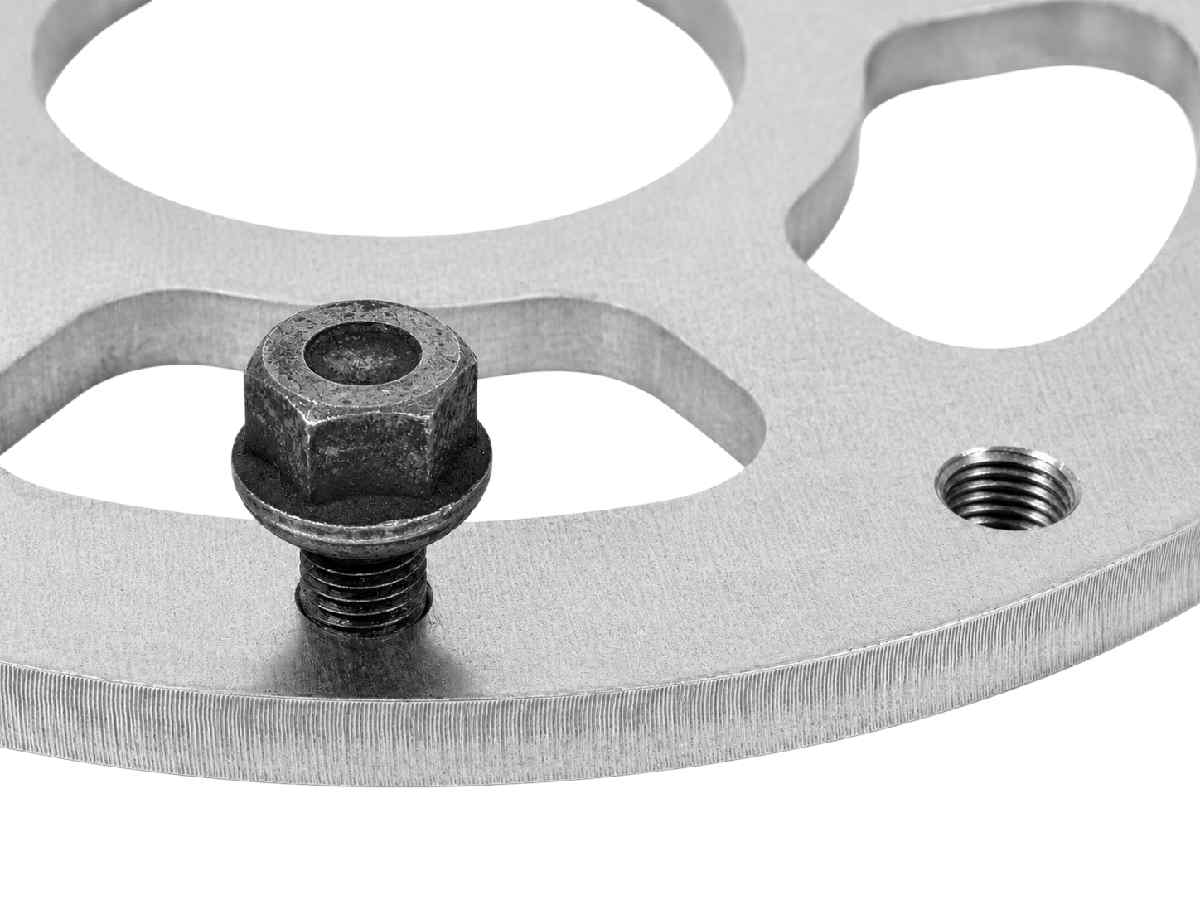
The adaptor can be used with M12x1.5 or M14x1.5 fixing bolts and is supplied complete with five M12x1.5 bolts.
What Does the Wheel Balancing Adaptor Do?
For a wheel to be balanced correctly, it must be accurately centred and securely mounted on the balancing machine.
Classic 5x205 wheels use a large-diameter five-bolt mounting pattern that may not be compatible with the standard cones and mounting equipment supplied with many modern wheel balancers.
This adaptor provides a dedicated mounting solution for 5x205 rims, allowing the wheel to be attached through its bolt pattern and then mounted to the balancing machine.
This helps provide:
- Accurate mounting of 5x205 wheels
- Secure positioning on modern wheel balancing machines
- Correct wheel centring
- More reliable wheel balancing
- Compatibility with classic wide 5-pattern wheels
- Easier servicing of vehicles using 5x205 rims
Why Is the Correct Balancing Adaptor Important?
Accurate wheel balancing depends on the wheel being correctly centred on the balancing machine.
If a 5x205 wheel is mounted incorrectly or is not perfectly centred, the balancing machine may produce inaccurate readings. This can result in unnecessary wheel weights being fitted or a wheel that still produces vibration once installed on the vehicle.
Using a dedicated 5x205 balancing adaptor allows the wheel to be mounted using its fixing pattern, providing a suitable solution for balancing classic wheels on modern workshop equipment.
How Is the Adaptor Used?
The wheel is secured to the adaptor through its 5x205 mounting holes using suitable fixing bolts.
The adaptor is then clamped onto the balancing machine using its 75mm inner diameter for the clamping sleeve. Once correctly mounted and centred, the wheel can be balanced using the normal operating procedure of the balancing machine.
The adaptor accepts:
- M12x1.5 fixing bolts M14x1.5 fixing bolts
- Five M12x1.5 fixing bolts are included with the adaptor.
Ideal for Classic Porsche and 5x205 Wheel Applications
The 5x205 bolt pattern is commonly associated with classic vehicles and requires specialist equipment when using many modern wheel balancing machines.
This adaptor is particularly useful for classic car specialists, Porsche workshops, restoration businesses and enthusiasts who regularly work with wide 5-pattern wheels.
Having the correct adaptor available eliminates the difficulty of trying to mount these wheels using equipment designed primarily for later wheel designs.
Technical Specifications
- Bolt pattern: 5x205
- Compatible fixing bolts: M12x1.5 and M14x1.5
- Inner diameter for clamping sleeve: 75mm
- Fixing bolts supplied: 5 x M12x1.5
5x205 Wheel Balancing Adaptors & Classic Porsche Workshop Tools
Correct wheel balancing is essential for smooth driving, predictable handling and reducing unnecessary vibration through the steering and suspension.
Classic 5x205 wheels can present a problem for modern tyre shops because many contemporary balancing machines are not equipped with the correct mounting hardware for wide 5-pattern rims.
A dedicated 5x205 wheel balancing adaptor bridges the gap between classic wheel designs and modern workshop equipment. By providing a secure and accurately centred mounting point, the adaptor allows older wheels to be balanced using contemporary balancing machines.
This makes it a useful workshop tool for classic Porsche maintenance, wheel restoration, tyre replacement and complete vehicle restoration projects.
- Porsche 911 1965-1968 2.0L / 912 SWB (F)
- Porsche 356 1950-55
- Porsche 356A 1955-59
- Porsche 356B 1959-63
- Porsche 356C 1963-65
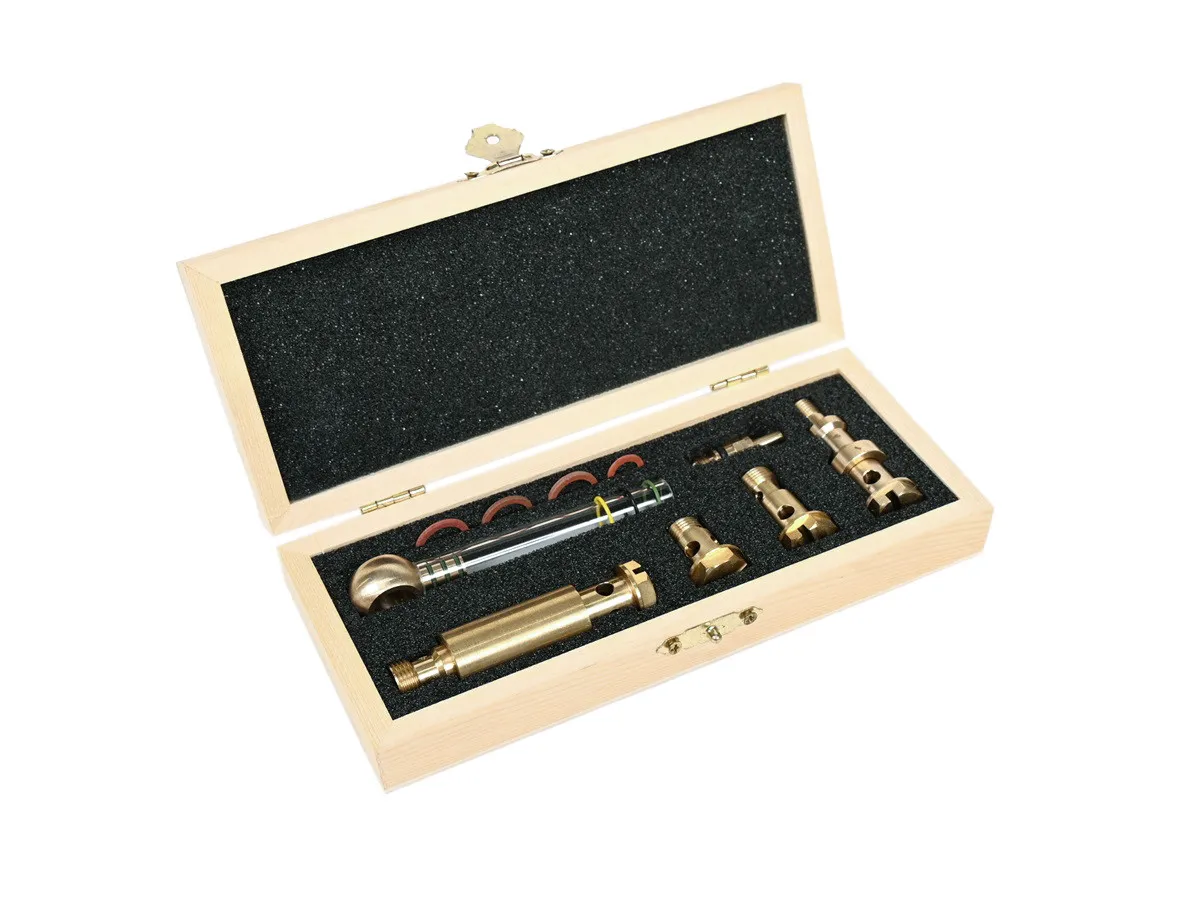
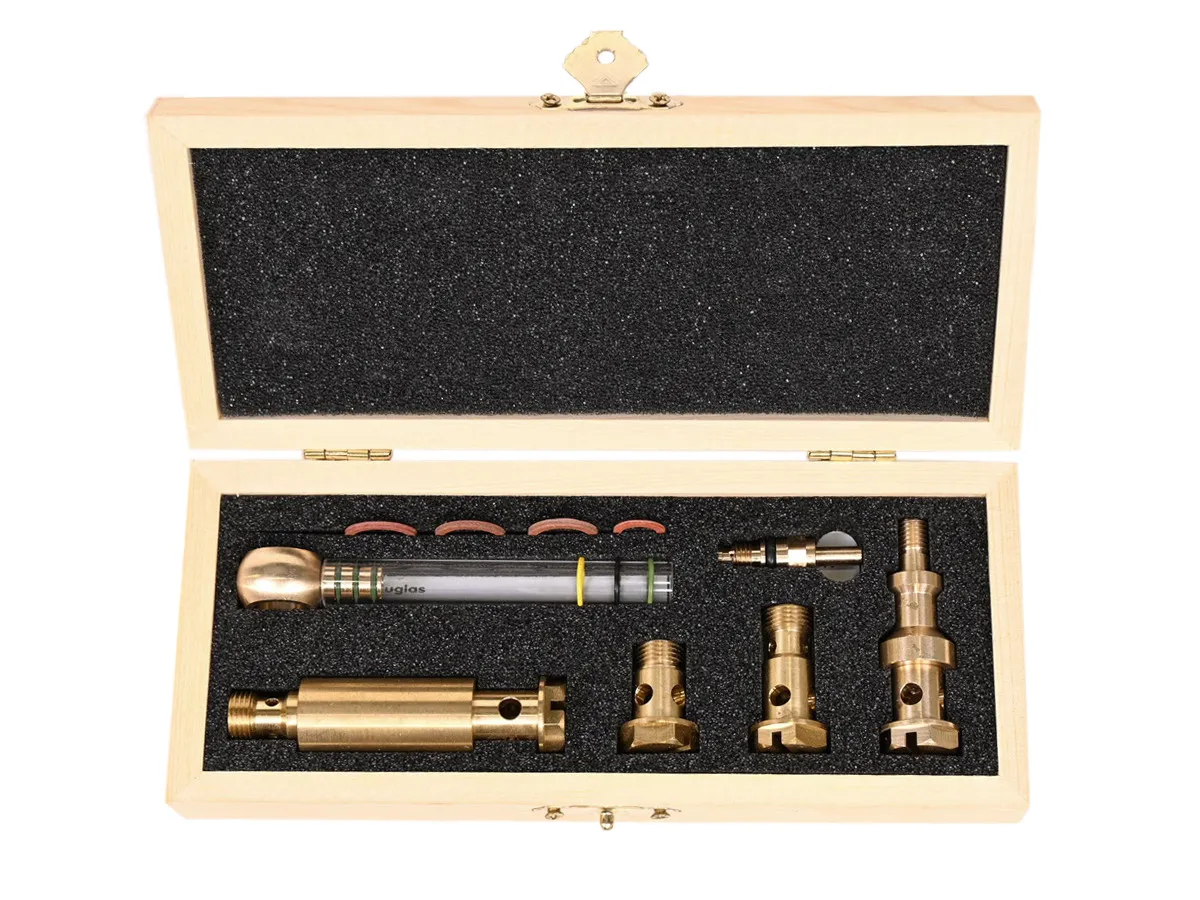
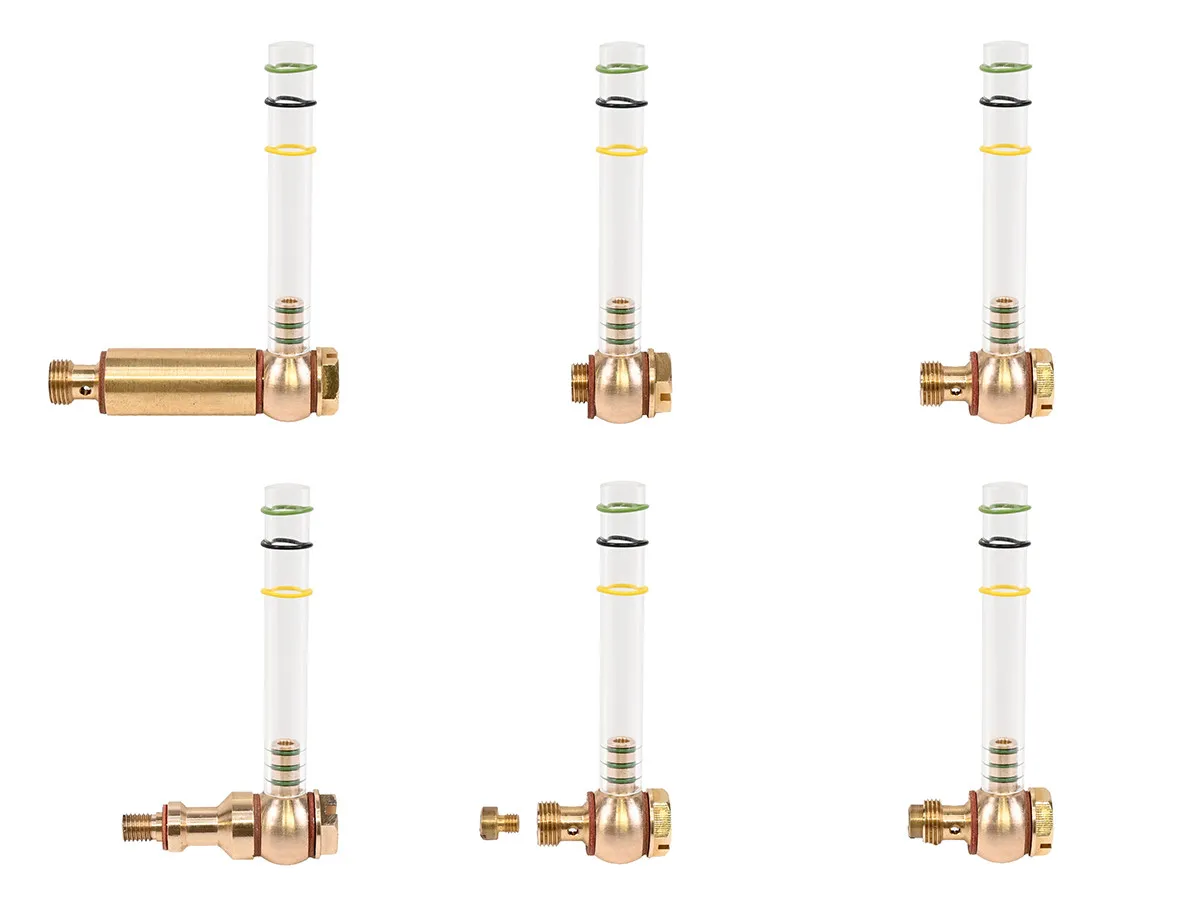
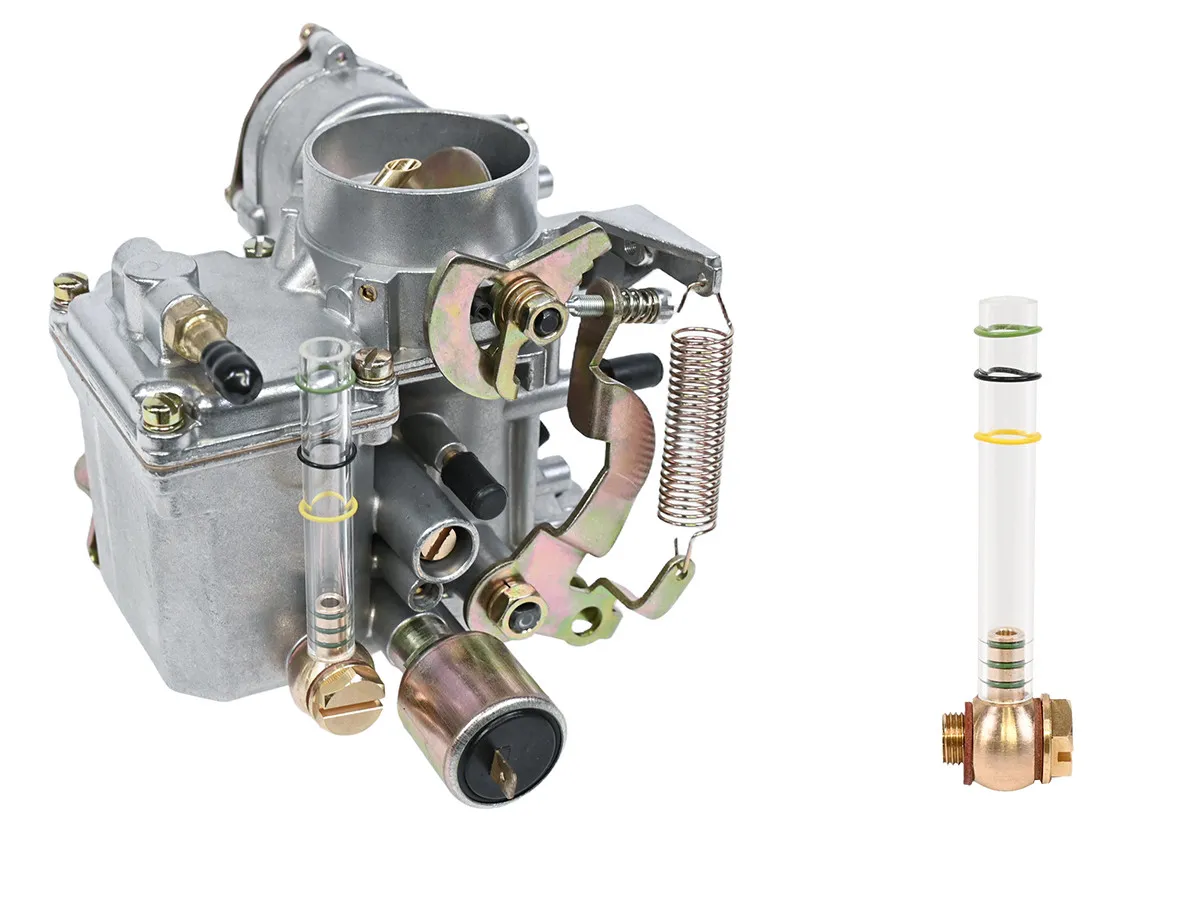
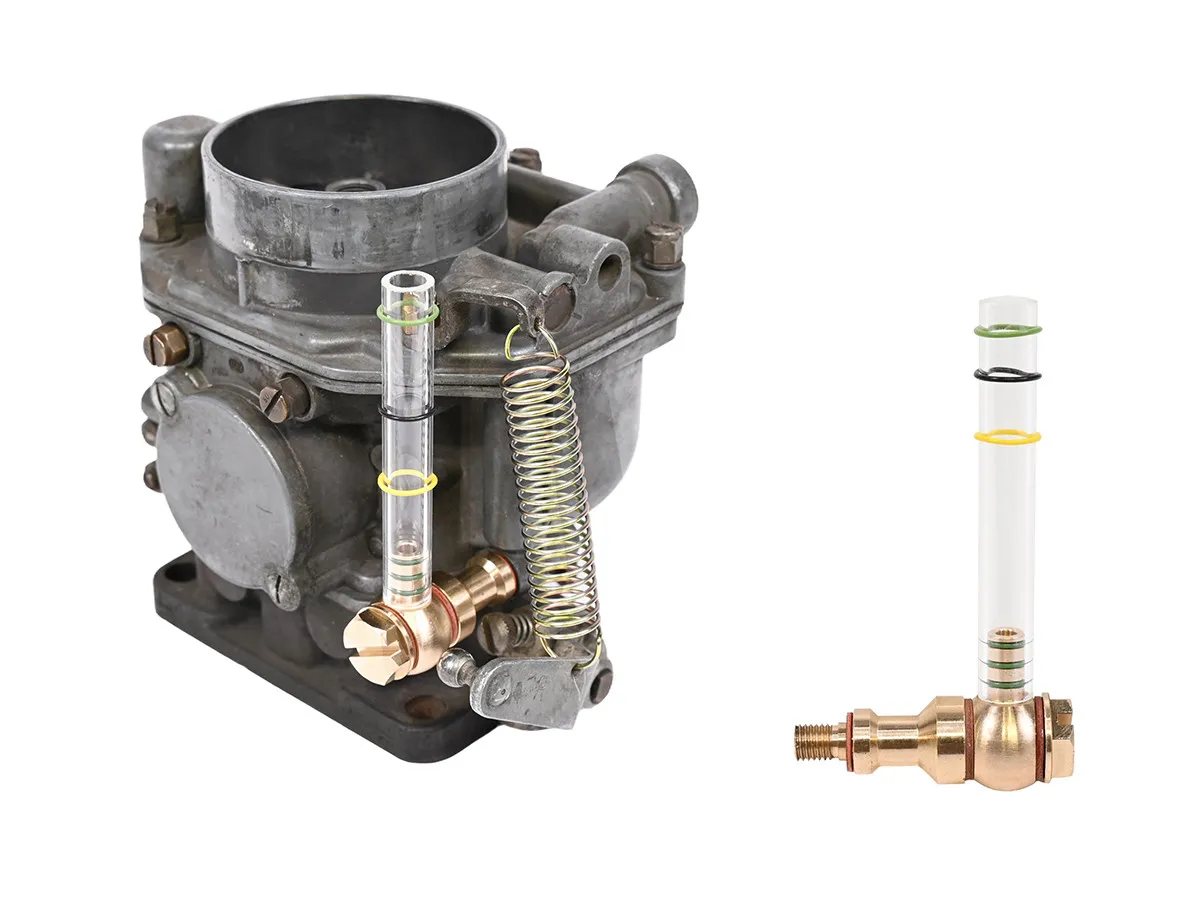
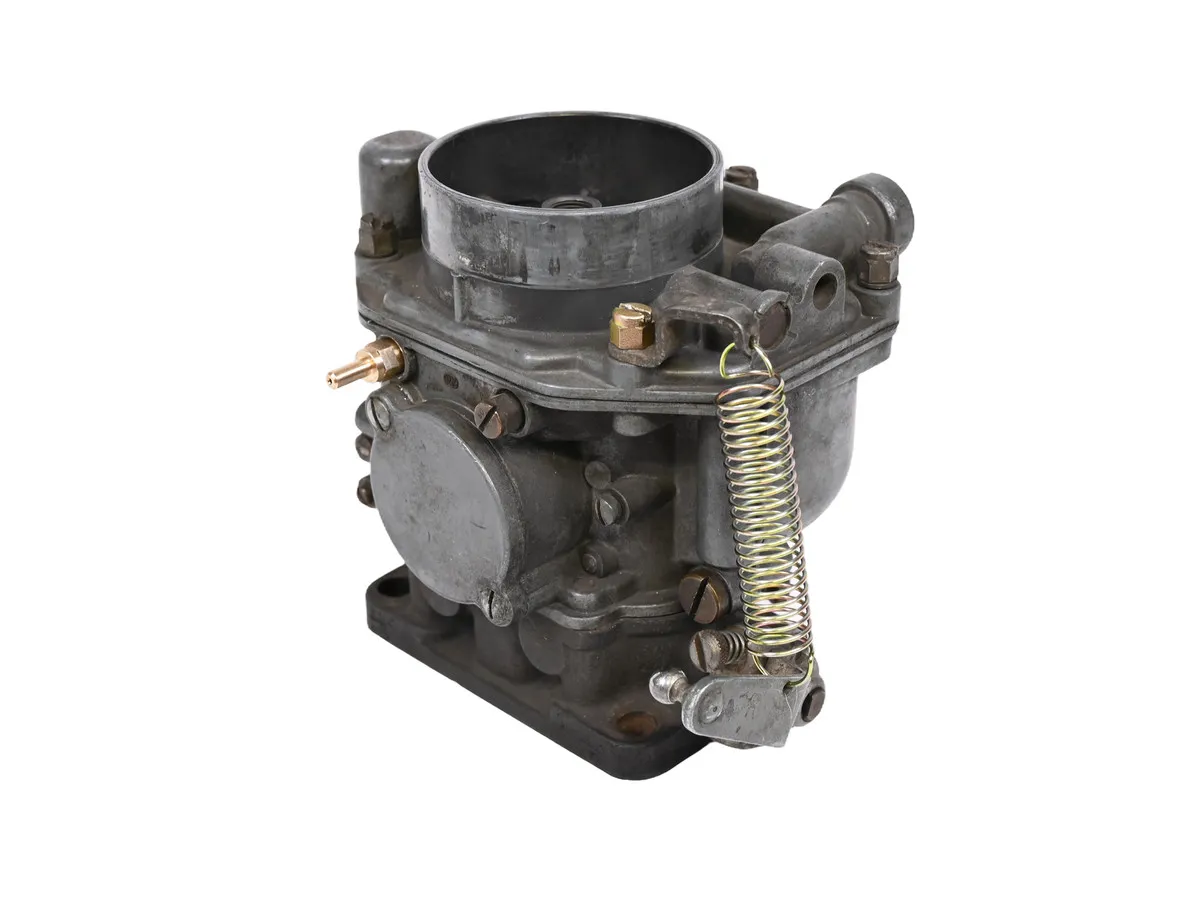
Carburettor Fuel Level Measuring Device – Solex / Zenith with Zenith Injection Quantity Tester
Accurately check and set carburettor fuel levels with this
specialist measuring kit for Solex and Zenith carburettors.
Fits:
- Porsche 912 SWB 1965-1968 (F)
- Porsche 356 1950-55
- Porsche 356A 1955-59
- Porsche 356B 1959-63
- Porsche 356C 1963-65
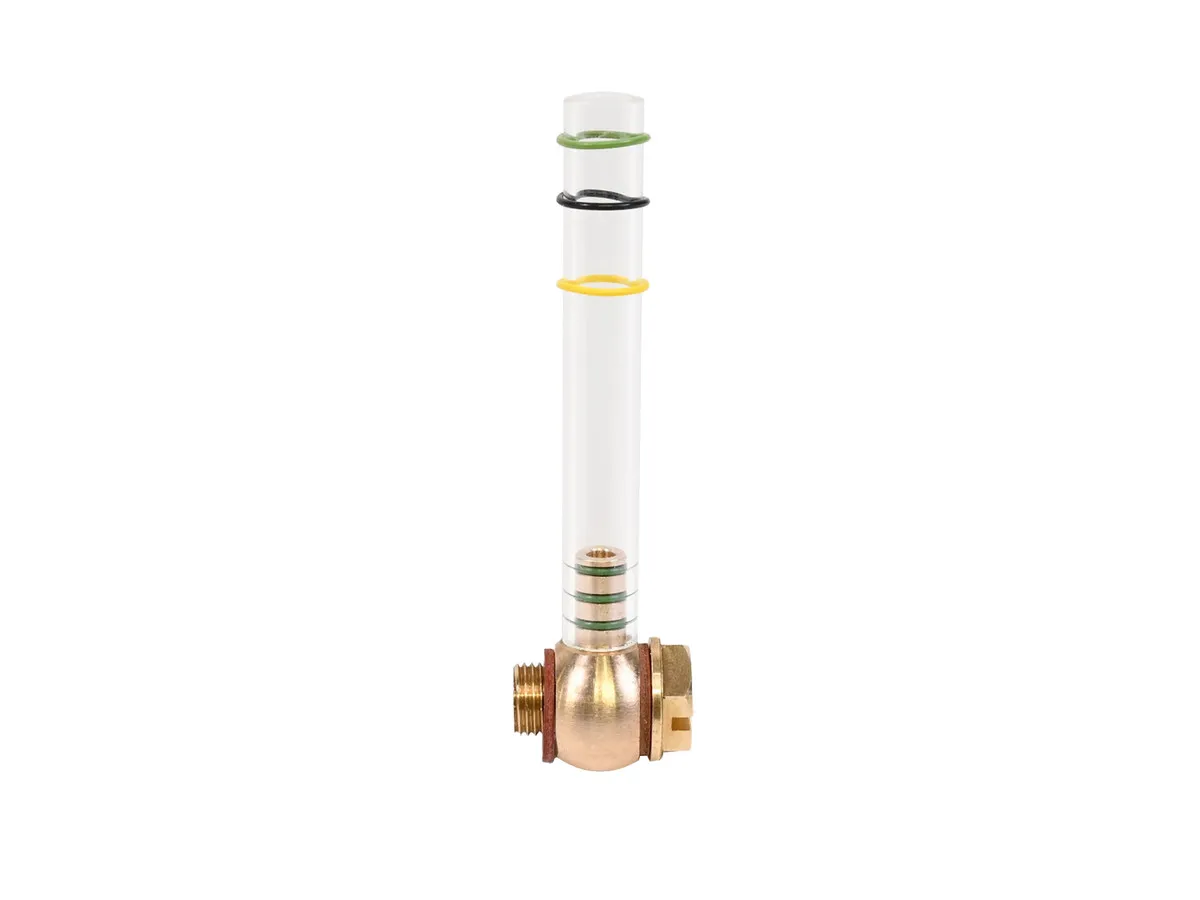
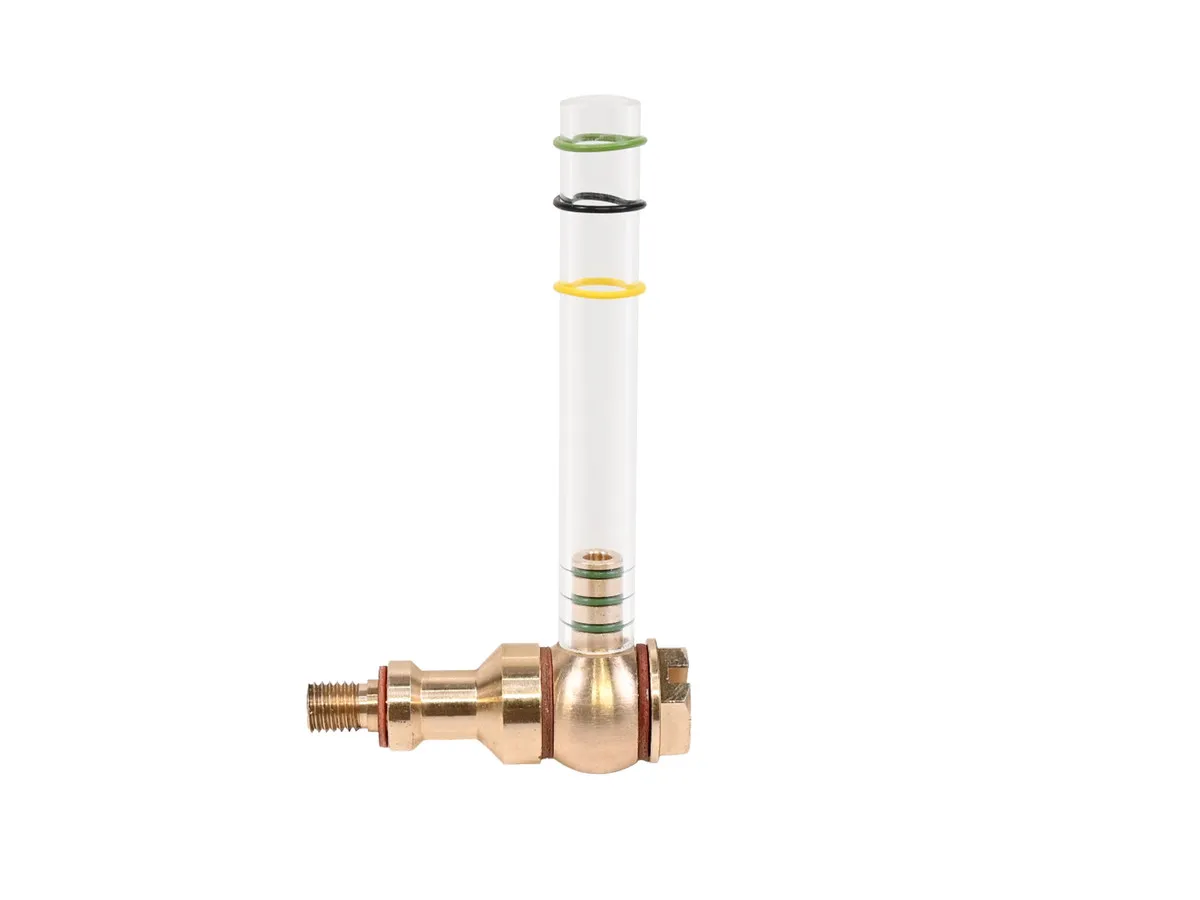
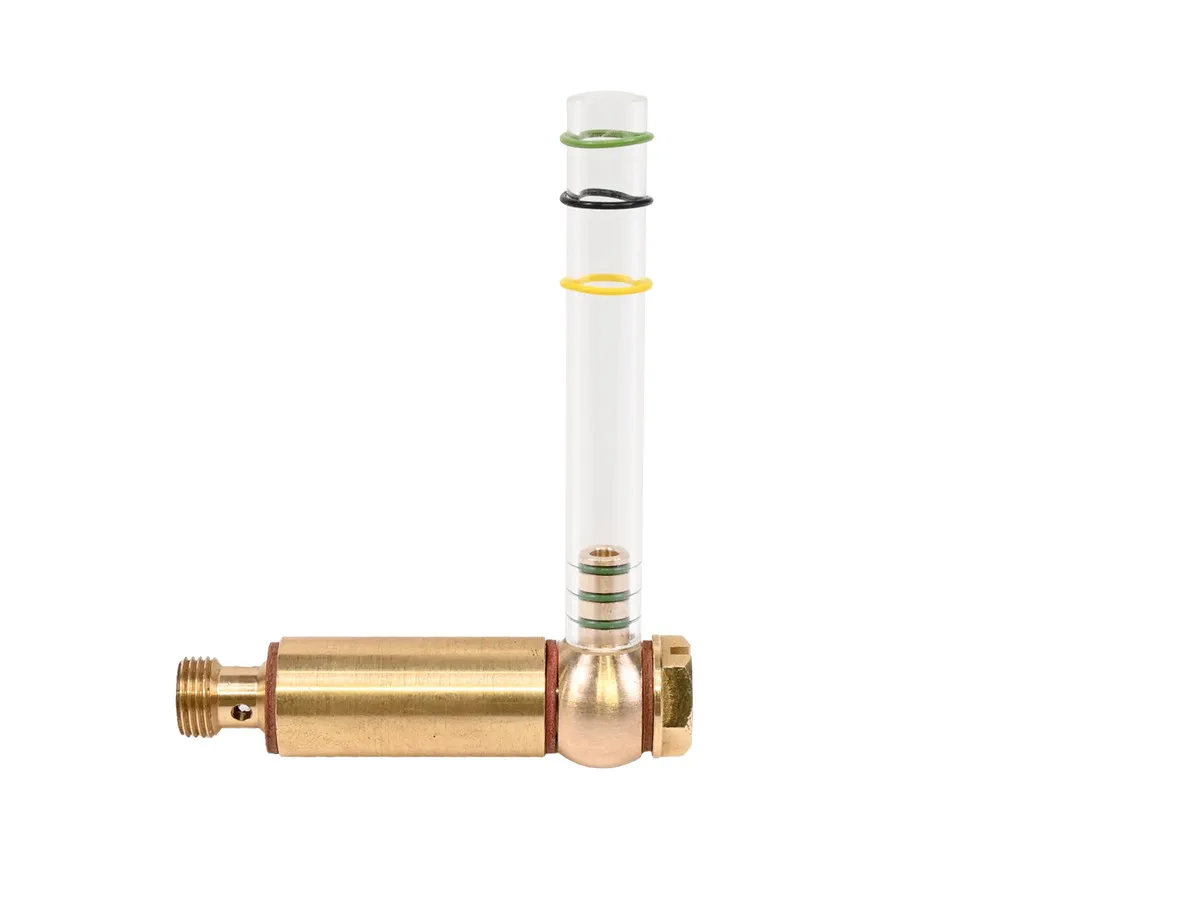
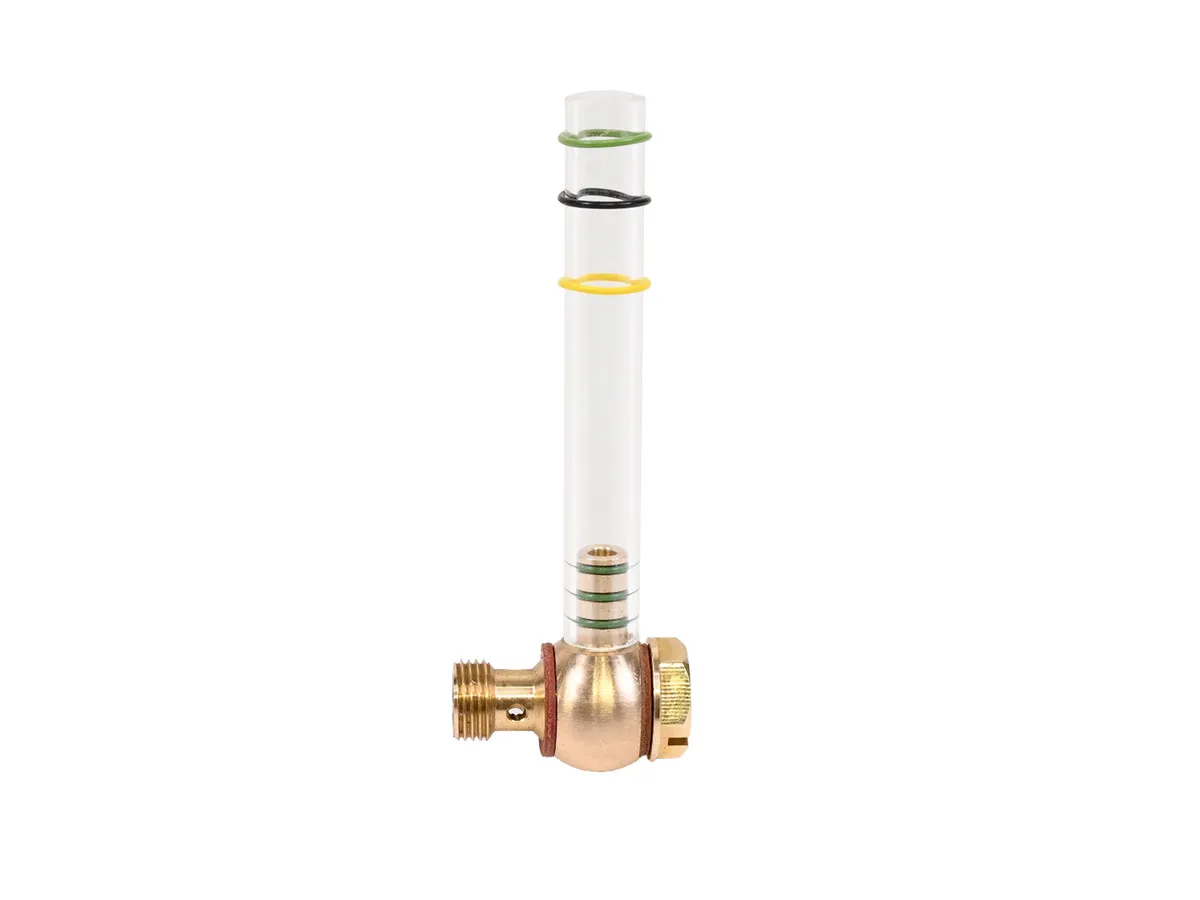
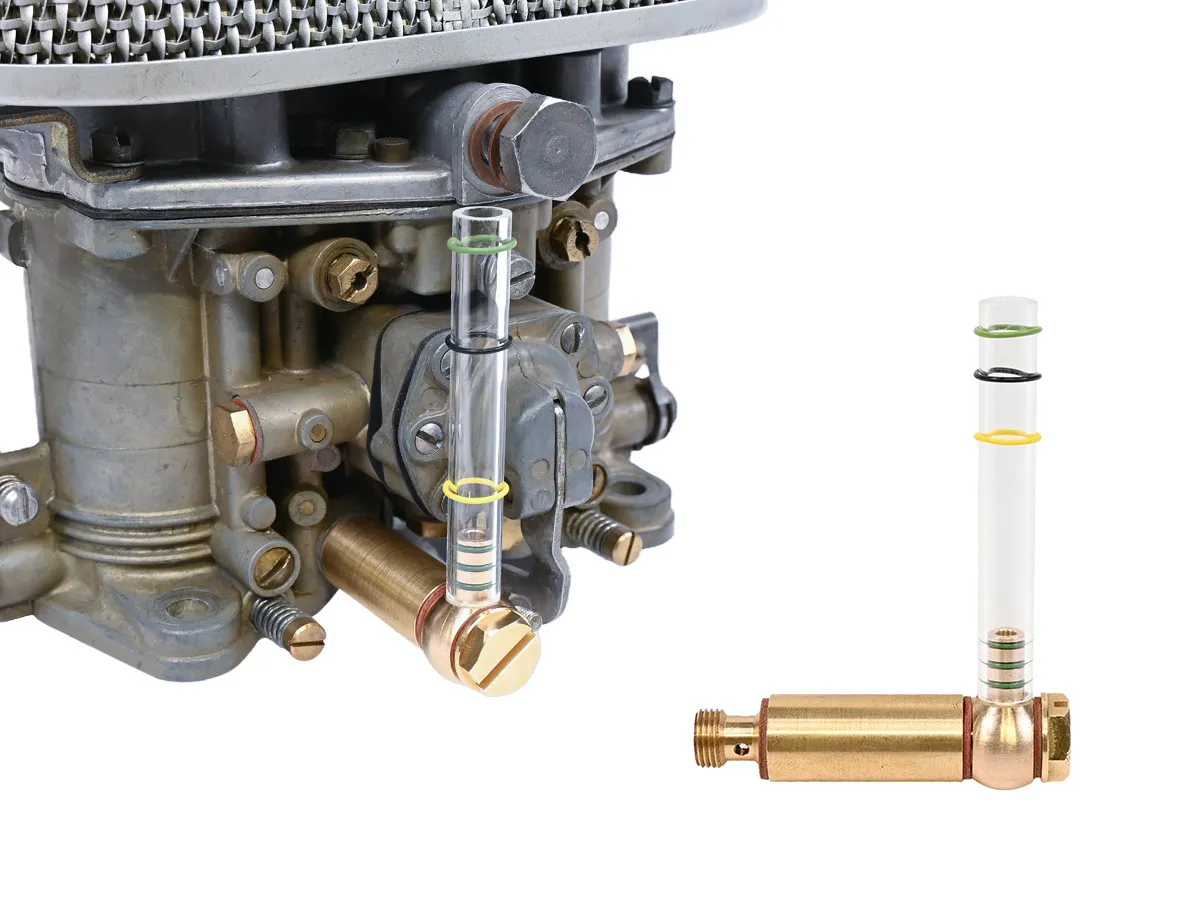
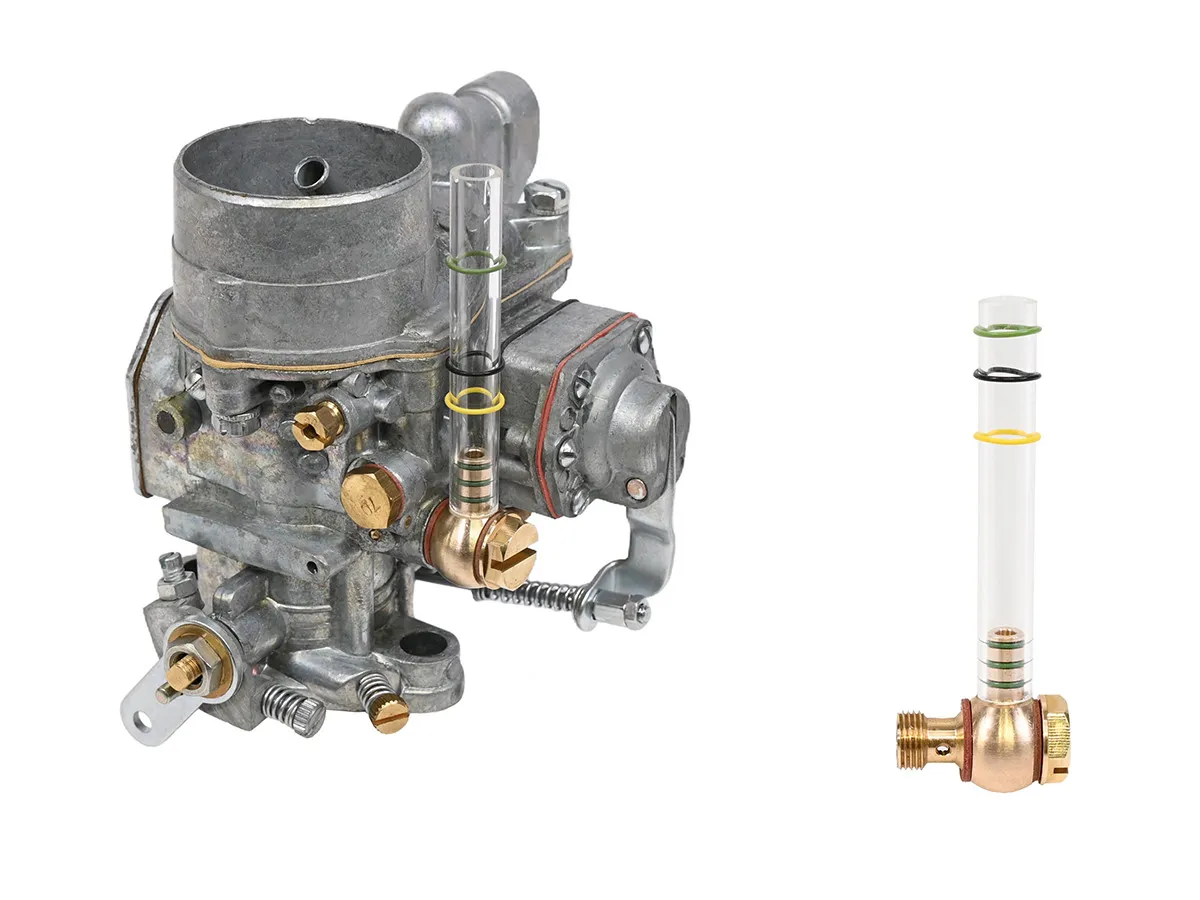
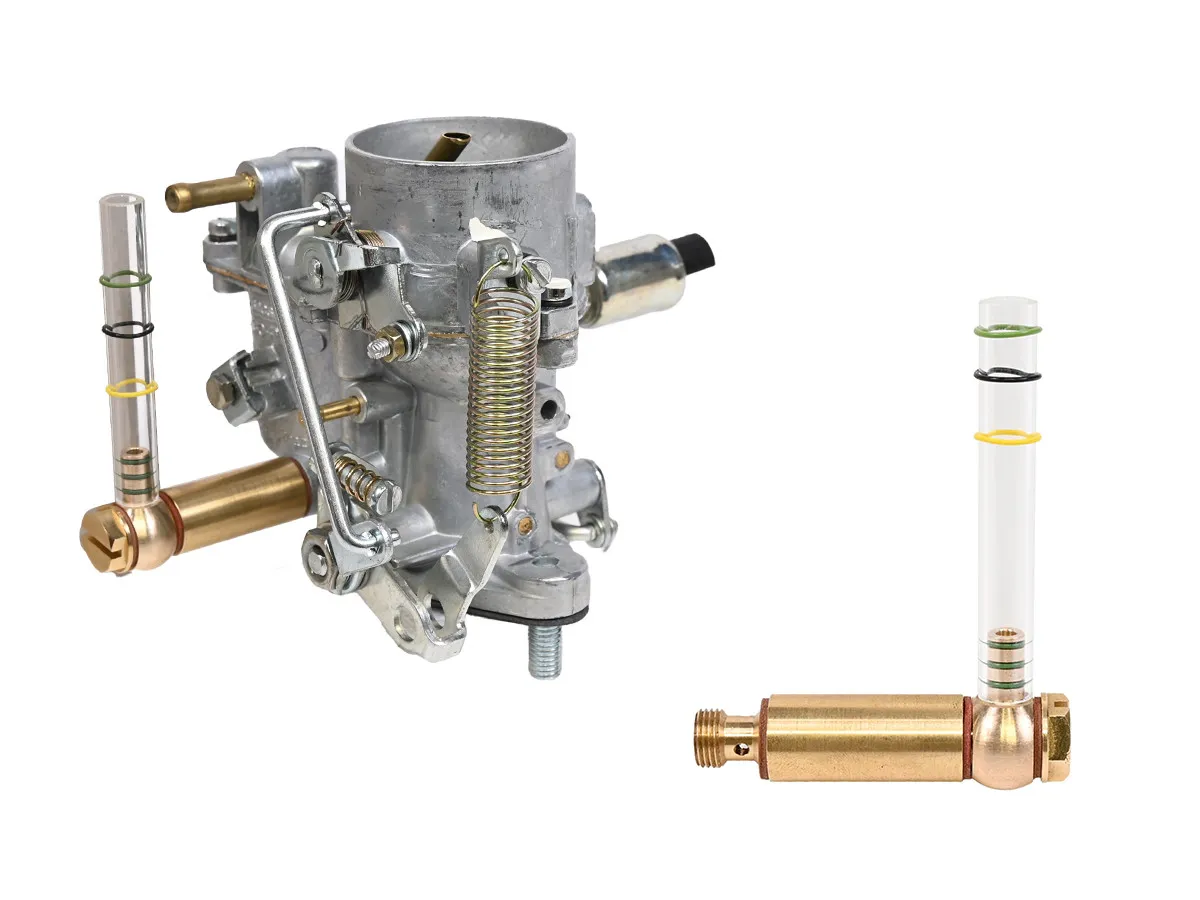
Designed to measure the fuel level while the carburettor is operating, the kit uses a transparent sight glass connected directly to the carburettor. This allows the actual fuel level inside the float chamber to be viewed and compared with the manufacturer's specified setting.
Three rings on the sight glass provide clear visual reference points when checking the fuel level.
The kit also includes a special injector for Zenith NDIX carburettors, allowing the accelerator pump injection quantity to be measured according to the relevant workshop repair procedure.
What Does the Carburettor Level Measuring Kit Do?
Correct fuel level inside the float chamber is essential for accurate carburettor operation.
If the level is too high, excessive fuel can enter the engine, potentially resulting in an overly rich mixture, poor running and increased fuel consumption. If the level is too low, insufficient fuel supply can contribute to hesitation and weak running, particularly when greater fuel delivery is required.
This tool allows the fuel level to be observed directly while the carburettor is operating rather than relying solely on measurements taken with the carburettor dismantled.
The three rings fitted to the sight glass act as convenient visual references for comparing the measured fuel level with the specification given in the appropriate repair guide.
How Is the Kit Used?
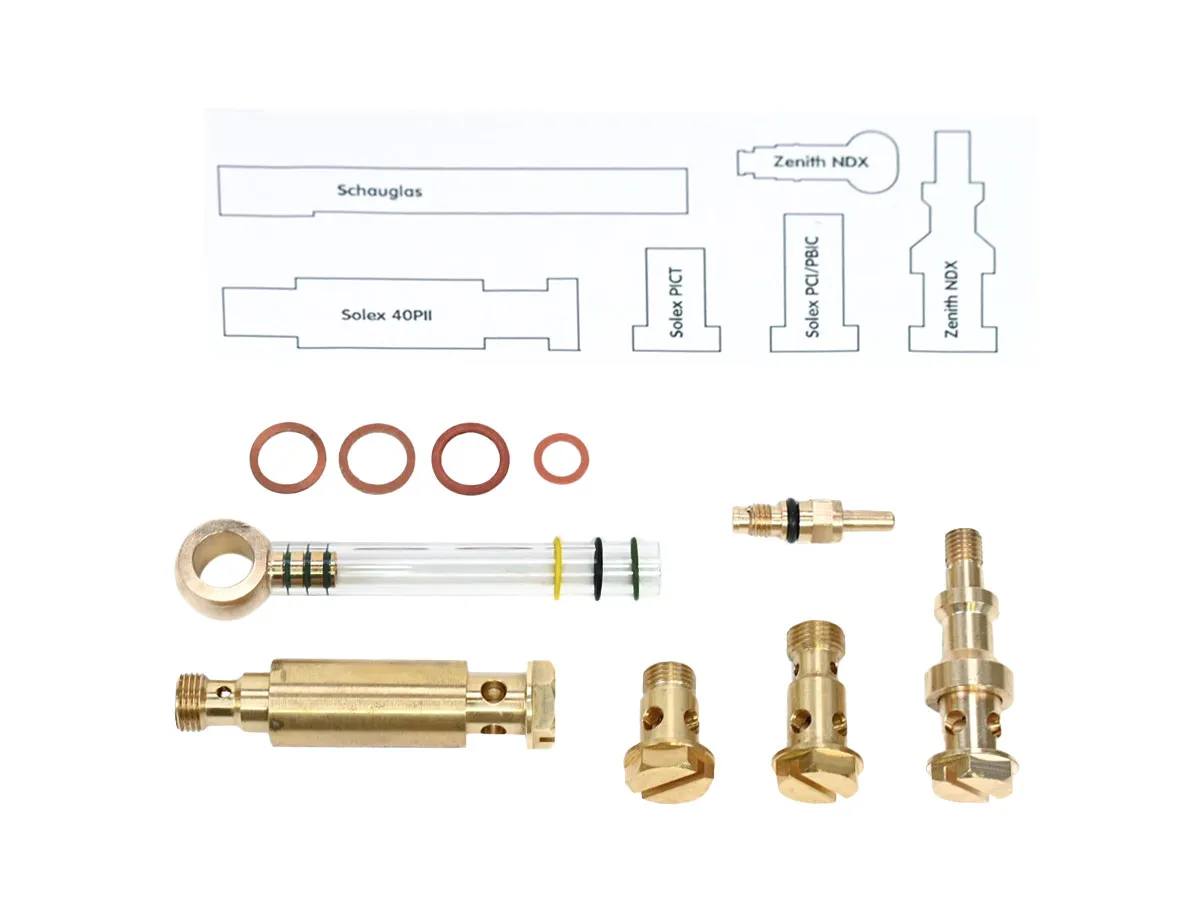
Different adaptors supplied with the kit allow the sight glass to be connected to several Solex and Zenith carburettor types.
For Solex 40 PII carburettors, the extended special main nozzle carrier is installed with the main nozzle fitted into the carrier. The sight glass can then be connected so the operating fuel level can be observed.
For Solex PICT carburettors, the supplied banjo bolt and sight glass are fitted to the float chamber.
For Solex PBIC and PICB carburettors, the corresponding extended main nozzle carrier supplied with the kit is used.
For Zenith NDIX carburettors, the sight glass is installed using the long banjo bolt and supplied spacer.
Once connected, the carburettor can be operated and the fuel level viewed through the sight glass. The measured level should then be compared with the specification given in the relevant manufacturer's repair guide.
Zenith NDIX Injection Quantity Measurement
The kit also provides a method of checking the accelerator pump injection quantity on Zenith NDIX carburettors.
The supplied special Zenith injector operates differently from the normal injector. Instead of delivering fuel into the injection pipe, it directs the fuel outwards.
The discharged fuel can then be collected in a suitable graduated glass measuring cylinder and the quantity compared with the specification in the appropriate repair guide.
Please note that the measuring cylinder is not included.
This provides a practical way of checking whether the accelerator pump is delivering the specified quantity of fuel and allows adjustments to be made where required.
Why Is Correct Carburettor Fuel Level Important?
The float chamber must maintain the fuel at the correct height for the carburettor circuits to operate as intended.
Incorrect fuel levels can affect mixture strength and
general engine behaviour and may contribute to:
- Rich or lean running
- Poor idle quality
- Hesitation during acceleration
- Difficult starting
- Excessive fuel consumption
- Inconsistent carburettor performance
- Poor response when accelerating
Accurately checking the fuel level is therefore an important part of carburettor setup, troubleshooting and synchronisation.
Ideal for Carburettor Setup and Rebuilding
This kit is particularly useful when rebuilding, setting up or diagnosing classic Solex and Zenith carburettors.
It provides a direct visual method of checking the operating fuel level and, with Zenith NDIX applications, an additional method of measuring accelerator pump injection quantity.
It is suitable for professional workshops, engine builders and experienced enthusiasts carrying out accurate carburettor servicing and adjustment.
Scope of Delivery
- 1 x sight glass with 3 reference rings
- 1 x main nozzle carrier for Solex 40 PII
- 1 x banjo bolt for Solex PICT
- 1 x main nozzle carrier for Solex PBIC/PICB
- 1 x banjo bolt with adaptor for Zenith NDIX
- 1 x special injector for Zenith NDIX
- 1 x Zenith fibre gasket
- 3 x fibre seals for sight glass/Solex
The correct fuel levels and injection quantities should always be taken from the relevant workshop or repair guide for the specific carburettor and application.
Solex & Zenith Carburettor Setup, Tuning & Measuring Tools
Correct carburettor adjustment is essential for achieving smooth running, reliable starting and good throttle response on classic Porsche and other vehicles equipped with Solex or Zenith carburettors.
Specialist carburettor measuring tools make it possible to diagnose and adjust areas that cannot be accurately assessed through basic external adjustment alone. Checking the float chamber fuel level and accelerator pump delivery can be particularly useful when rebuilding carburettors or investigating poor running, hesitation or inconsistent fuelling.
This Solex and Zenith carburettor level measuring kit supports Solex 40 PII, PICT, PBIC/PICB and Zenith NDIX applications using the dedicated adaptors supplied.
- Porsche 911 1965-1968 2.0L / 912 SWB (F)
- Porsche 356 1950-55
- Porsche 356A 1955-59
- Porsche 356B 1959-63
- Porsche 356C 1963-65
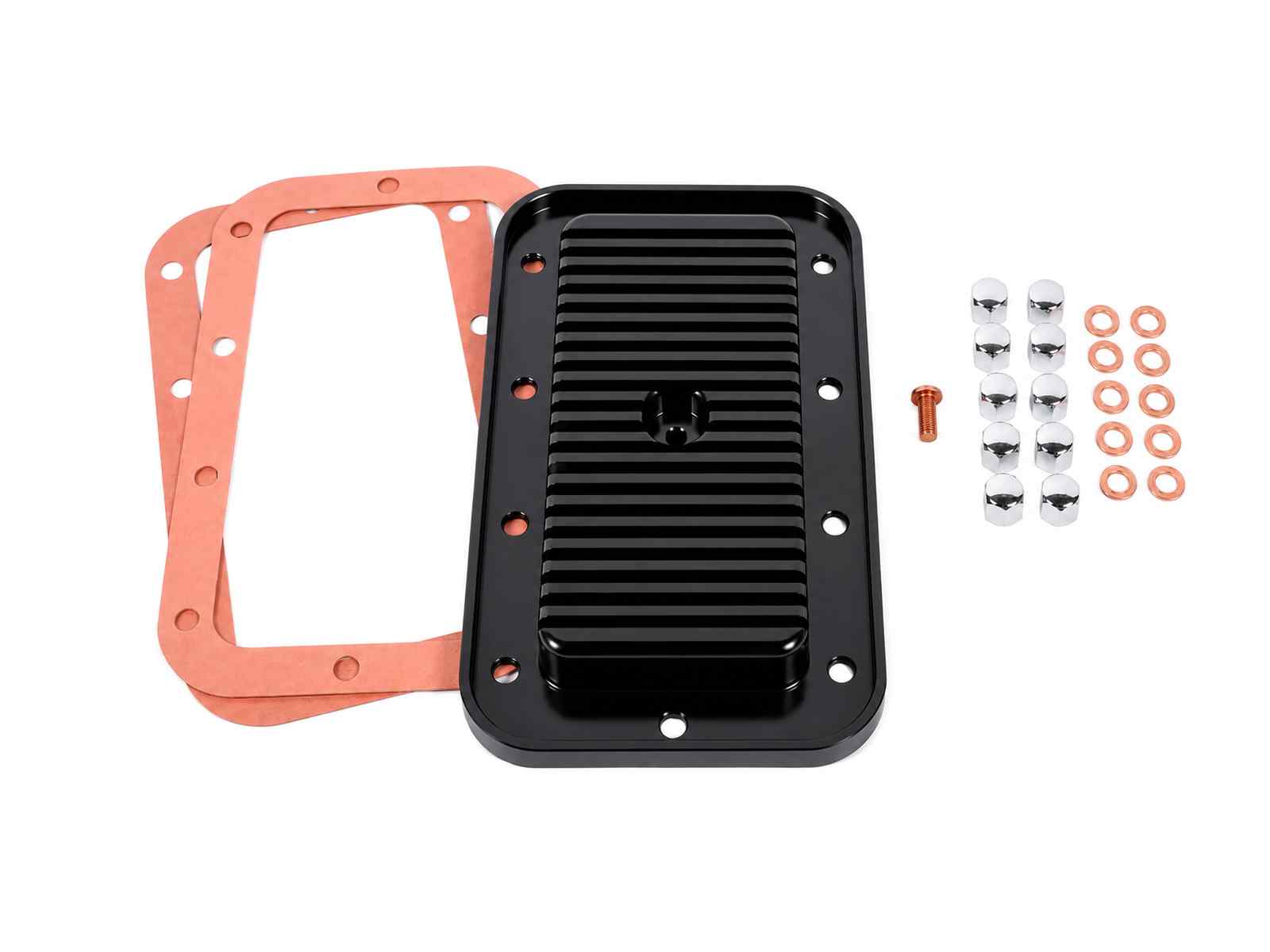
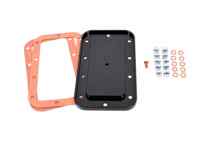
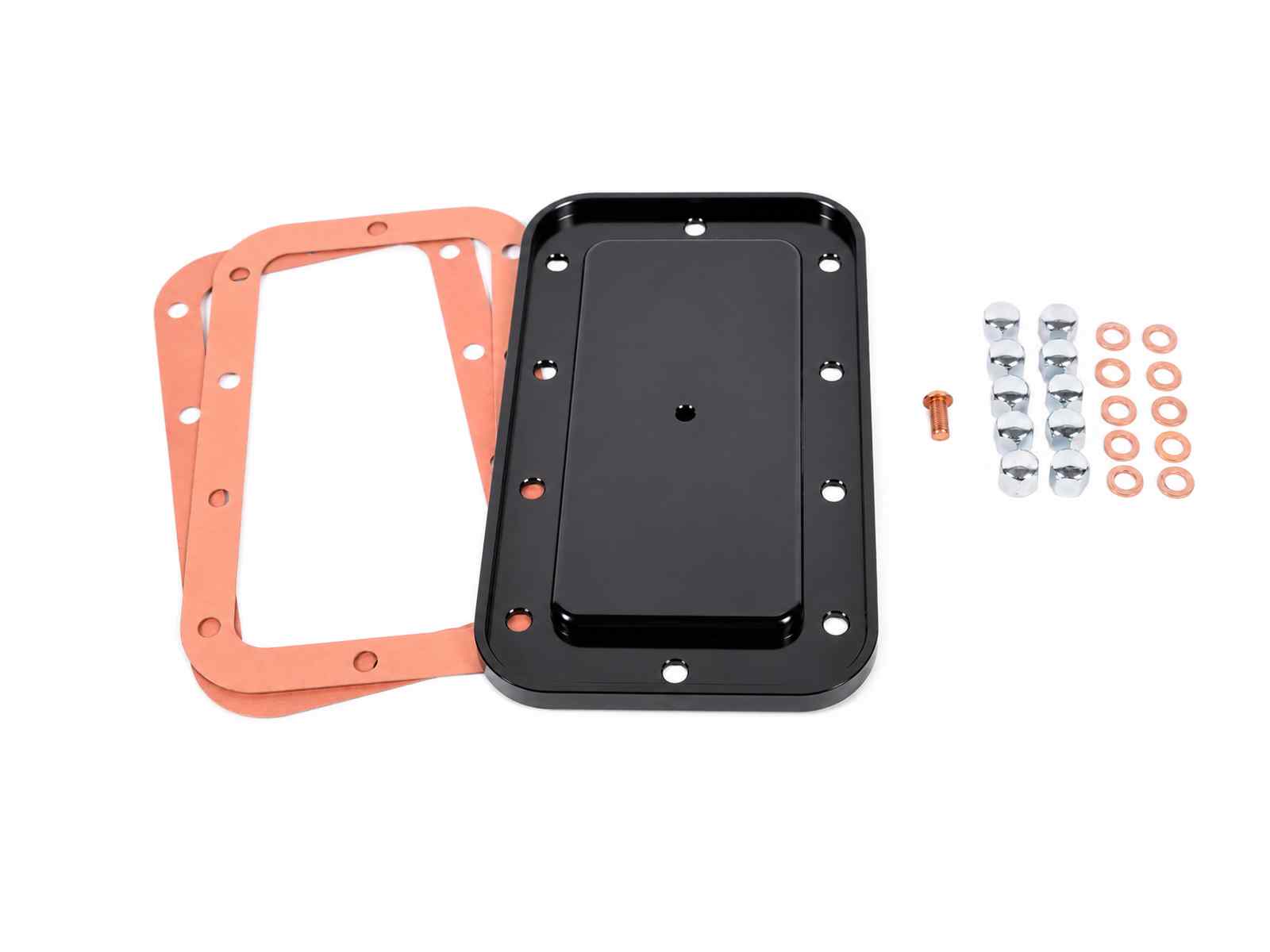
Billet Aluminium Oil Drain / Strainer Cover with Cooling Fins
Upgrade the engine lubrication system on your classic
Porsche with this OE Match Billet Aluminium Oil Drain and Strainer Cover with
21 Cooling Fins.
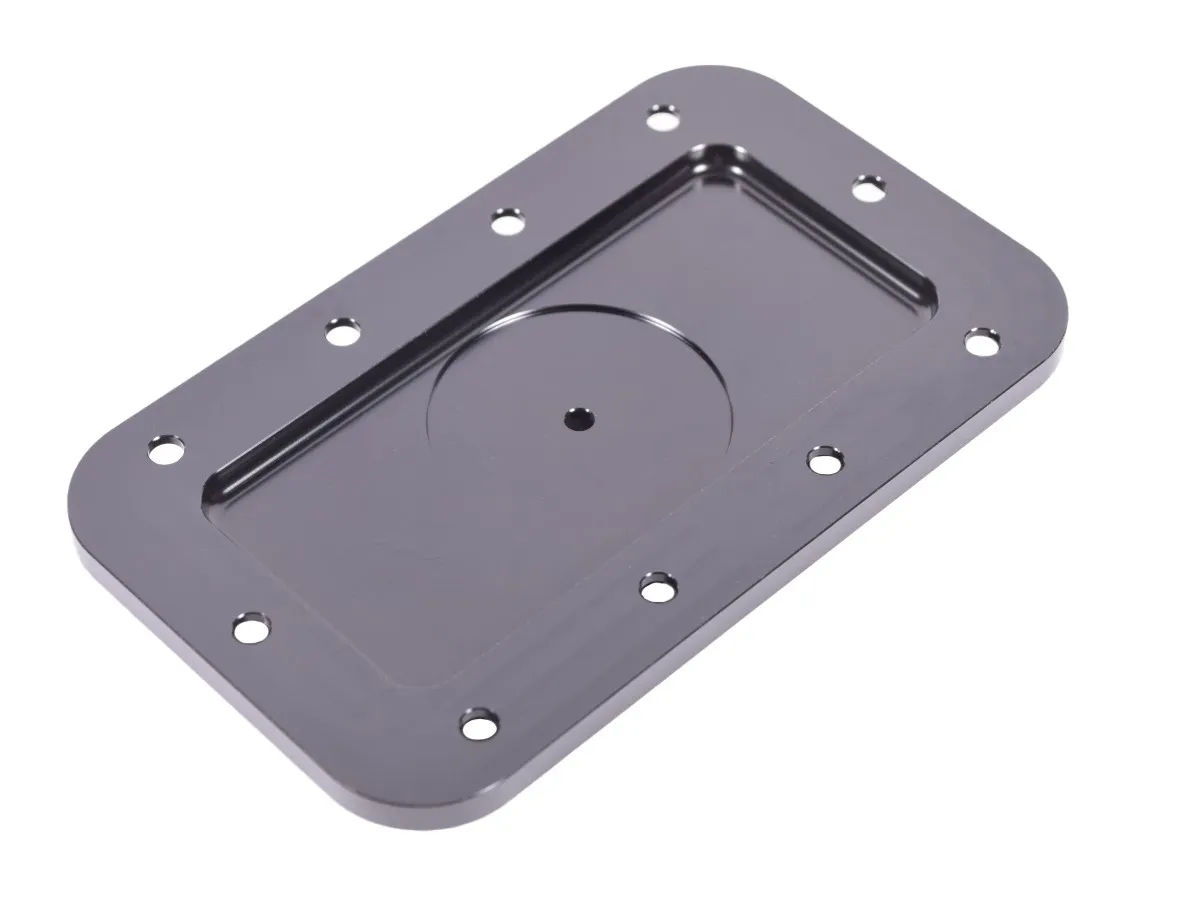
Designed for all Porsche 356 and 912 engines using the 3-piece engine case, this upgraded cover is CNC machined from aluminium to provide a precise, perfectly flat contact surface.
Fits:
- Porsche 912 SWB 1965-1968 (F)
- Porsche 356 1950-55
- Porsche 356A 1955-59
- Porsche 356B 1959-63
- Porsche 356C 1963-65
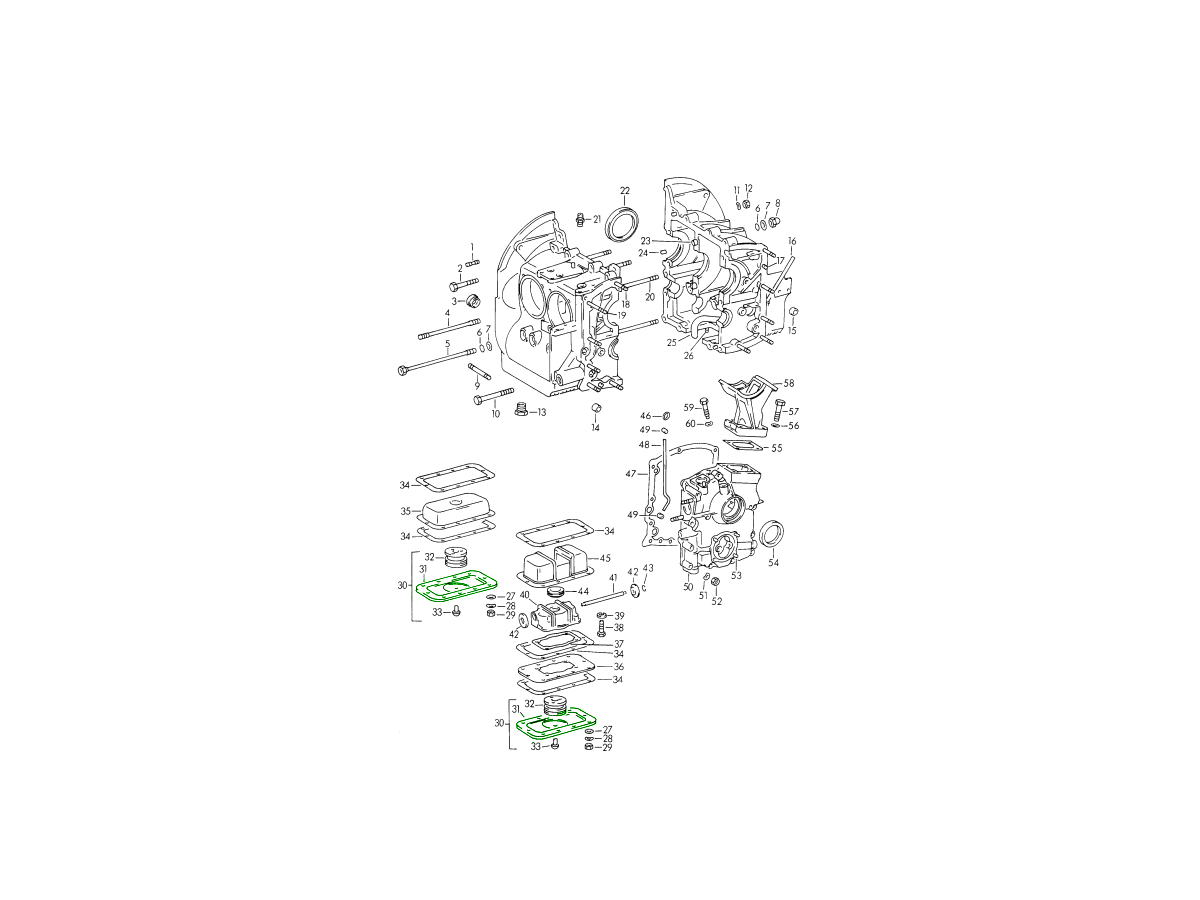
Diagram ref no 31
The improved rigidity of the billet aluminium construction
helps maintain an even sealing surface when installed, making it a worthwhile
upgrade over an old, distorted or damaged original cover. In addition, 21 integral cooling fins increase the cover's
external surface area, helping transfer heat from the engine oil to the
surrounding airflow. This provides a useful additional oil-cooling effect while
retaining a straightforward bolt-on installation.
Magnet Installation
Please note that a magnet is not included with this cover.
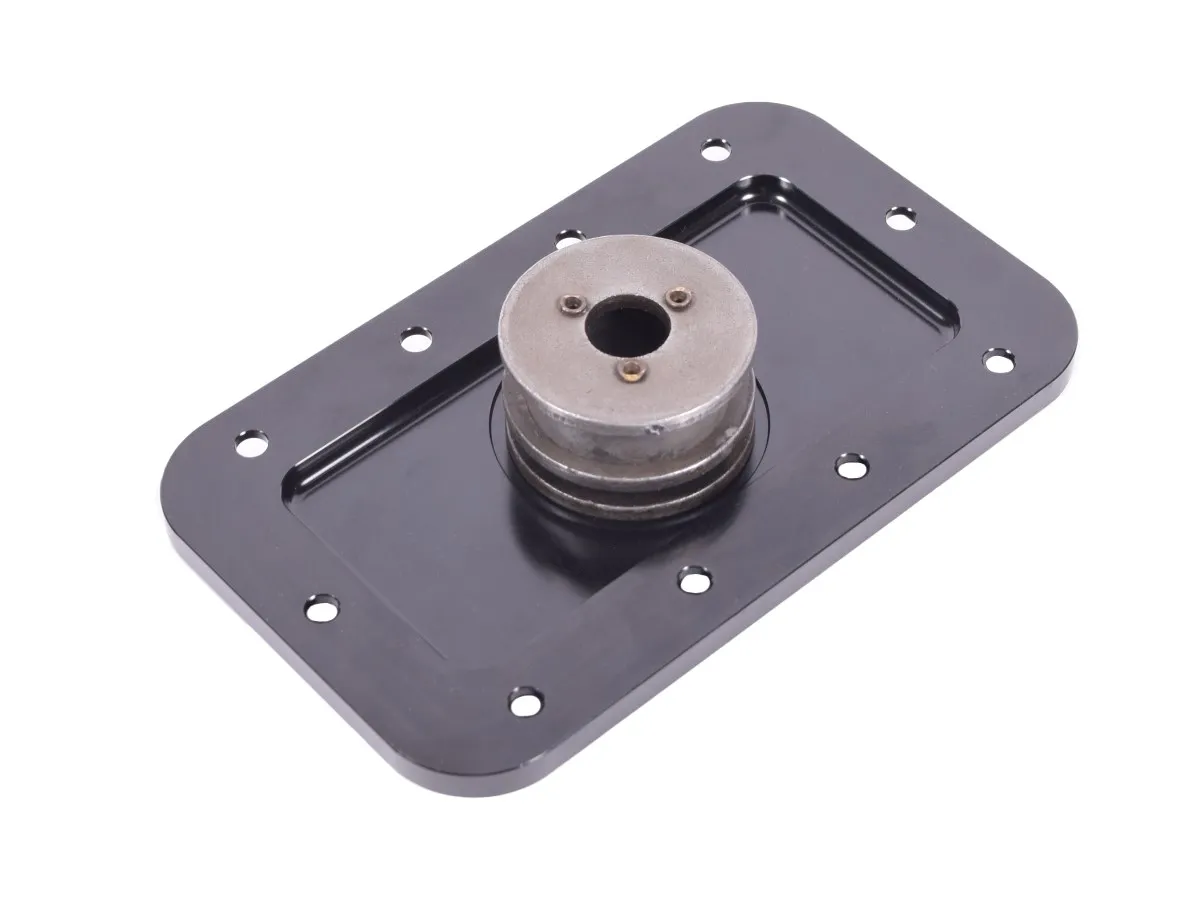
The magnet from the existing oil strainer cover must be transferred to the new billet aluminium cover and secured using the supplied rivet.
This allows the original magnetic function to be retained while benefiting from the upgraded CNC-machined cover.
Finished in black for a discreet appearance, the cover can be installed using the original engine studs, with no longer replacement studs required.
What Does the Oil Strainer Cover Do?
The oil strainer cover is located on the underside of the engine and closes the opening containing the engine oil strainer.
The strainer helps prevent larger particles and contaminants from circulating through the engine lubrication system, while the cover seals the assembly and keeps the engine oil contained.
Because this area is accessed during oil and strainer servicing, the condition and flatness of the cover are particularly important for achieving a reliable seal.
A correctly fitted oil strainer cover helps:
Seal the engine oil strainer opening Prevent oil leakage Secure the oil strainer assembly Provide access during oil system servicing Maintain the integrity of the lubrication system
What Do the 21 Cooling Fins Do?
This upgraded version incorporates 21 cooling fins directly into the aluminium cover.
The fins increase the surface area exposed to airflow underneath the vehicle. As heat passes from the engine oil into the aluminium cover, the increased surface area helps dissipate some of this heat into the surrounding air.
The fins therefore provide supplementary oil cooling without requiring an additional external oil cooler or major modifications to the engine.
This can be particularly useful on engines exposed to sustained higher temperatures during enthusiastic road driving or other demanding operating conditions.
Why Do Original Oil Strainer Covers Fail?
Original-style covers can deteriorate or become distorted after decades of use and repeated servicing.
One of the most common problems is deformation around the mounting holes caused by repeated tightening or previous over-tightening. Once the cover is no longer completely flat, the gasket may not be compressed evenly against the engine case.
Common problems include:
- Warping or distortion
- Deformation around mounting holes
- Over-tightened mounting hardware
- Damaged sealing surfaces
- Scratches and corrosion
- Repeated removal and installation
- General age-related deterioration
A distorted cover can contribute to oil seepage even when new gaskets are fitted.
Why Upgrade to a Billet Aluminium Version?
The major advantage of this upgraded cover is its rigid CNC-machined aluminium construction.
Machining the component provides a precise, flat sealing surface, helping the gasket sit evenly between the cover and engine case. The increased rigidity also makes the cover less prone to the distortion commonly found on older conventional drain plates.
Benefits include:
- CNC-machined aluminium construction
- Perfectly flat contact surface Increased rigidity
- Reduced tendency to distort
- Improved support for the sealing gasket 21 integrated cooling fins
- Additional oil heat dissipation
- Durable replacement for an ageing original cover
- Black finish
- Straightforward installation using original studs
For Porsche 356 and 912 engines suffering from a distorted original cover, or where improved oil cooling is desirable, the billet finned version combines improved sealing characteristics with an additional cooling function.
Easy Installation
The cover has been designed to fit using the original engine case studs.
No longer studs are required, helping maintain the original mounting arrangement and making this a straightforward upgrade during routine oil system servicing or an engine rebuild.
Finned Oil Strainer Covers & Engine Oil Cooling Upgrades
Maintaining effective lubrication and controlling engine oil temperature are important considerations for classic Porsche 356 and 912 engines.
Original oil strainer covers can become distorted after years of servicing, potentially making it difficult for the gasket to seal correctly. Replacing a warped cover with a CNC-machined billet aluminium version provides a flatter and more rigid sealing surface while retaining straightforward access to the oil strainer.
The addition of 21 cooling fins provides another useful advantage. By increasing the surface area of the aluminium cover exposed to airflow beneath the vehicle, additional heat can be dissipated from the oil system.
This makes the finned billet cover a practical upgrade for owners looking to combine improved sealing, increased component rigidity and supplementary oil cooling in a single direct-fit component.
When replacing the oil strainer cover, it is also worthwhile inspecting the oil strainer, gaskets, magnet, mounting hardware and engine case sealing surface before reassembly.
Related reference numbers
Related, superseded, cross reference or alternative numbers for comparison.
53901150
The product you are viewing cross references to these numbers
- Porsche 911 1965-1968 2.0L / 912 SWB (F)
- Porsche 356 1950-55
- Porsche 356A 1955-59
- Porsche 356B 1959-63
- Porsche 356C 1963-65
Billet Aluminium Oil Drain / Strainer Cover
Upgrade one of the most commonly disturbed sealing surfaces
on your classic Porsche engine with this OE Match Billet Aluminium Oil Drain
and Strainer Cover. Designed for all Porsche 356 and 912 engines using the
3-piece engine case, this upgraded cover is CNC machined from aluminium to
provide a precise, perfectly flat contact surface.
Fits:
- Porsche 912 SWB 1965-1968 (F)
- Porsche 356 1950-55
- Porsche 356A 1955-59
- Porsche 356B 1959-63
- Porsche 356C 1963-65
Diagram ref no 31
The improved rigidity of the billet aluminium construction
helps maintain an even sealing surface when installed, making it a worthwhile
upgrade over an old, distorted or damaged original cover.
Magnet Installation
Please note that a magnet is not included with this cover.
The magnet from the existing oil strainer cover must be transferred to the new billet aluminium cover and secured using the supplied rivet.
This allows the original magnetic function to be retained while benefiting from the upgraded CNC-machined cover.
Finished in black for a discreet appearance, the cover can be installed using the original engine studs, with no longer replacement studs required.
What Does the Oil Strainer Cover Do?
The oil strainer cover is fitted to the underside of the engine and closes the opening for the engine oil strainer.
The strainer itself helps prevent larger particles and contaminants from circulating through the engine lubrication system, while the cover provides the sealing surface required to contain the engine oil.
Because the cover is removed during servicing and oil strainer maintenance, maintaining a flat and correctly sealed surface is particularly important.
A correctly fitted oil strainer cover helps:
- Seal the engine oil strainer opening
- Prevent engine oil leaks
- Secure the oil strainer assembly
- Provide access during oil system servicing
- Maintain the integrity of the engine lubrication system
Why Do Original Oil Strainer Covers Fail?
Original-style covers can become distorted after years of use and repeated removal and installation.
One of the most common problems is deformation around the mounting holes caused by repeated tightening of the retaining nuts. Once the plate is no longer completely flat, the gasket may struggle to seal evenly against the engine case.
Other causes of deterioration can include:
- Repeated tightening and removal
- Over-tightening of mounting hardware
- Distortion around the stud holes
- Damage to the sealing surface
- Corrosion and general age
- Scratches or previous incorrect installation
A distorted cover can contribute to the familiar oil seepage sometimes found around the bottom of older Porsche 356 and 912 engines.
Why Upgrade to Billet Aluminium?
The main advantage of this upgraded cover is its CNC-machined billet aluminium construction.
Rather than relying on a thinner plate that can become distorted over time, the billet design provides a rigid and accurately machined sealing surface.
Benefits include:
- CNC machined from aluminium
- Perfectly flat contact surface
- Increased rigidity
- Reduced tendency to distort
- Improved support for the sealing gasket
- Durable replacement for an ageing original cover
- Black finish for a discreet appearance
- Reuses the original mounting studs
For engines that are regularly serviced or have experienced persistent seepage around the strainer cover, upgrading to a rigid billet version can provide a more dependable foundation for achieving a good seal.
Installation
The 53901150 cover has been designed to fit using the original engine case studs.
There is no requirement to replace the standard studs with longer versions, simplifying installation and maintaining the original mounting arrangement.
Oil Strainer Covers, Drain Plates & Engine Lubrication Parts
Oil leaks around the lower engine area are a common concern when maintaining older Porsche 356 and 912 engines. While replacing gaskets is often the first step, a gasket cannot always compensate for a cover that has become warped or distorted.
A CNC-machined billet aluminium oil strainer cover provides a rigid, accurately machined sealing surface and is therefore a useful upgrade during an engine rebuild, restoration or routine oil system refurbishment.
When replacing the oil strainer cover, it is also worthwhile inspecting the strainer, gaskets, mounting hardware and surrounding sealing surfaces. Correct installation and tightening are important to avoid damaging components and to achieve an effective seal.
Related reference numbers
Related, superseded, cross reference or alternative numbers for comparison.
53901150
The product you are viewing cross references to these numbers
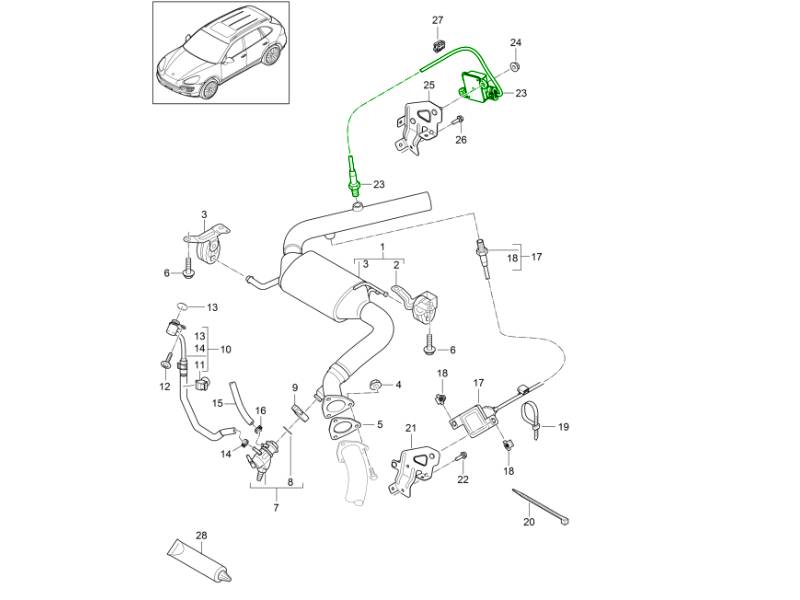
- Porsche 958 Cayenne V6 3.0L Diesel (245Hp) 2010-17
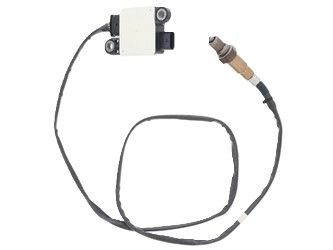
The OE MATCH Particulate Matter Sensor is an exhaust emissions-monitoring sensor specified for compatible USA-market Porsche applications. It is designed to monitor particulate levels within the exhaust system and provide measurement data to the vehicle's engine and emissions-control electronics.
Fits:
- Porsche 958 Cayenne V6 3.0L Diesel (245Hp) 2010-17 (USA MARKET ONLY)
Diagram Ref No 23
Particulate matter sensors form part of the vehicle's sophisticated exhaust aftertreatment and onboard diagnostic system. Their readings allow the control system to monitor the effectiveness of the relevant particulate filtration and emissions equipment and identify conditions that may indicate an emissions-system fault.
What This Product Does:
The particulate matter sensor monitors particulate content in the exhaust gas and communicates relevant information to the vehicle's electronic control system.
Its role is primarily related to emissions monitoring and diagnostics. Depending on the specific vehicle and exhaust configuration, the sensor allows the control system to evaluate whether the associated exhaust aftertreatment and particulate filtration system is operating within its expected parameters.
A correctly functioning particulate matter sensor helps:
- Monitor particulate levels in the exhaust
- Support emissions-system diagnostics
- Monitor exhaust aftertreatment performance
- Help detect abnormal particulate emissions
- Provide accurate information to the vehicle's control electronics
- Support onboard diagnostic functions
- Help ensure correct operation of emissions-related systems
Symptoms Of Wear Or Failure:
A particulate matter sensor operates in a demanding environment with exposure to hot exhaust gases, soot, moisture and repeated temperature cycles.
Common signs of sensor failure can include:
- Check Engine Light / engine-management warning
- Emissions-system warning messages
- Stored particulate sensor fault codes
- Exhaust aftertreatment-related diagnostic codes
- Implausible or inconsistent sensor readings
- No sensor signal during diagnostic testing
- Failed sensor self-diagnostics
- Intermittent emissions warnings
- Failed emissions or inspection testing
- Damaged sensor wiring
- Heat-damaged electrical connections
- Corroded or damaged connectors
In some cases there may be little or no noticeable difference in normal driving behaviour, with the fault primarily appearing as a warning light or diagnostic code.
Why Replacement Matters:
A failed particulate matter sensor can prevent the vehicle's control system from accurately monitoring exhaust emissions and the operation of associated aftertreatment equipment.
Replacing a confirmed defective sensor helps restore:
- Accurate particulate monitoring
- Correct emissions-system feedback
- Reliable onboard diagnostics
- Proper exhaust aftertreatment monitoring
- Accurate identification of emissions faults
- Reduced likelihood of recurring sensor-related warning messages
- Correct communication between the exhaust sensor and vehicle electronics
Leaving a failed sensor in place may result in persistent warning lights and can make it more difficult to identify faults elsewhere in the emissions system.
Related reference numbers
Related, superseded, cross reference or alternative numbers for comparison.
958906261
The product you are viewing cross references to these numbers

- Porsche 911 1974-1977 2.7L / 1976-77 3.0 Carrera
- Porsche 911 1978-1983 3.0L / SC
- Porsche 911 1984-1986 3.2L
- Porsche 911 1987-1989 3.2L G50
- Porsche 911 1975-1977 3.0L Turbo (930)
- Porsche 911 1978-1989 3.3L Turbo (930)
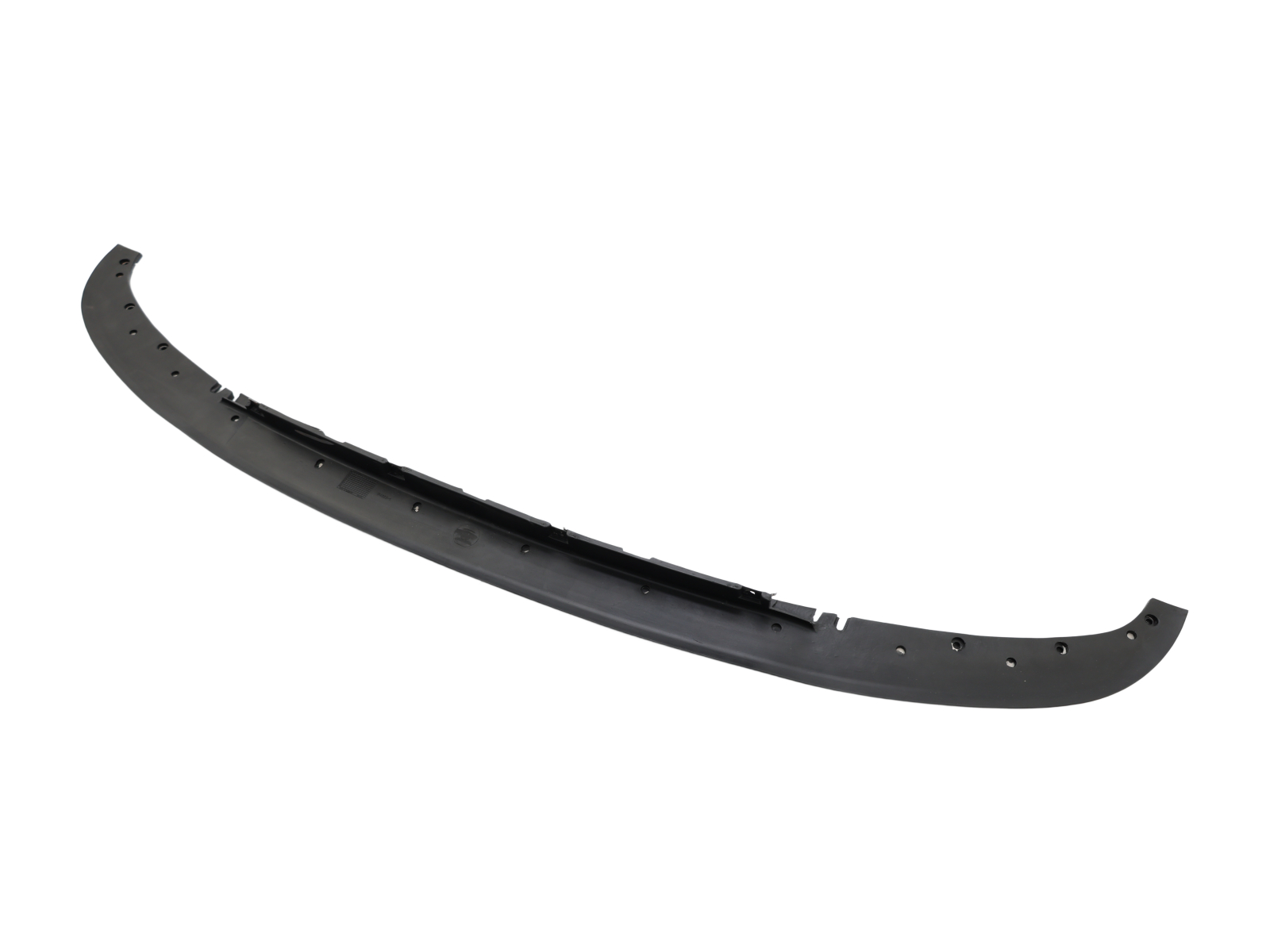
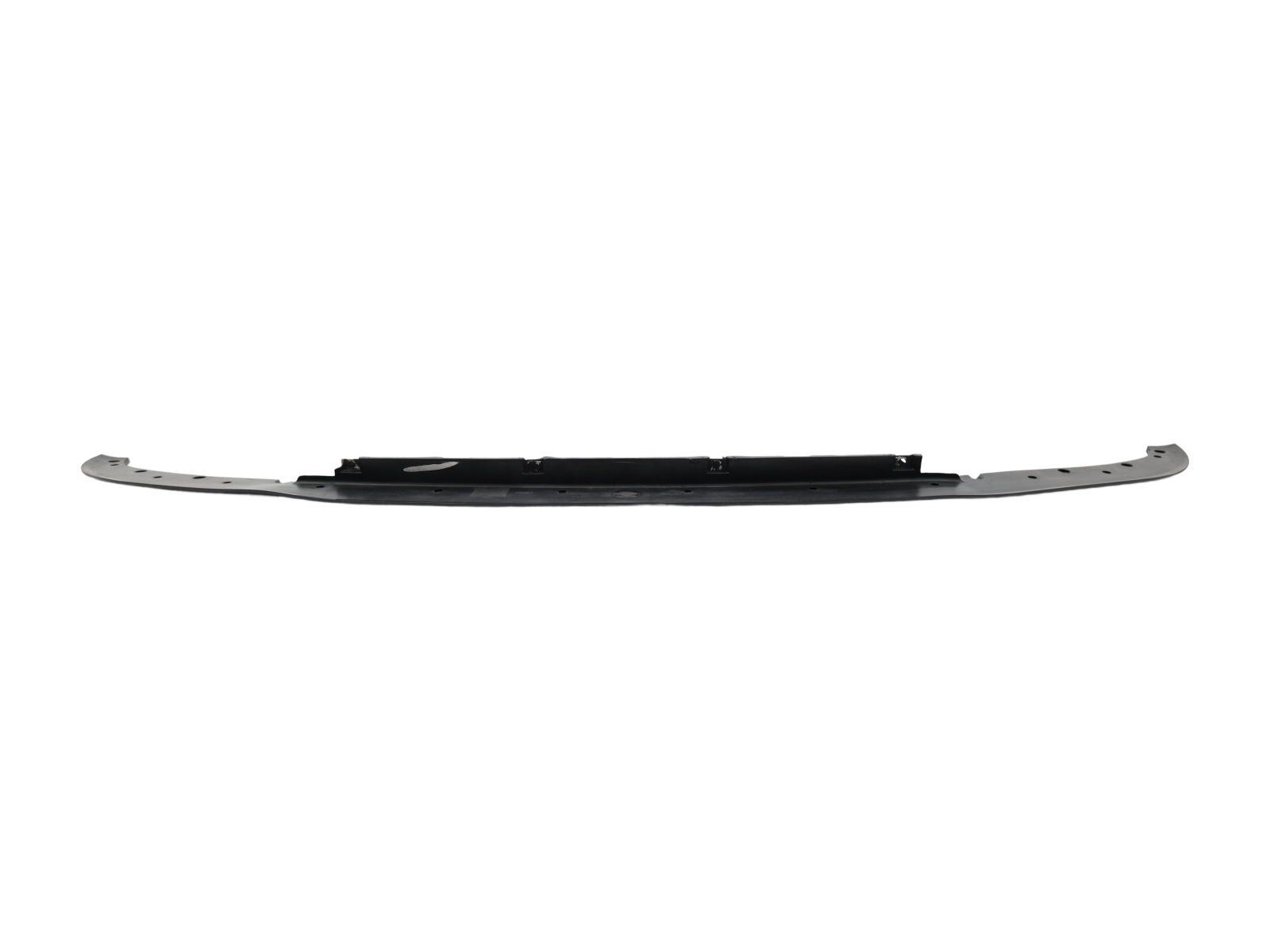
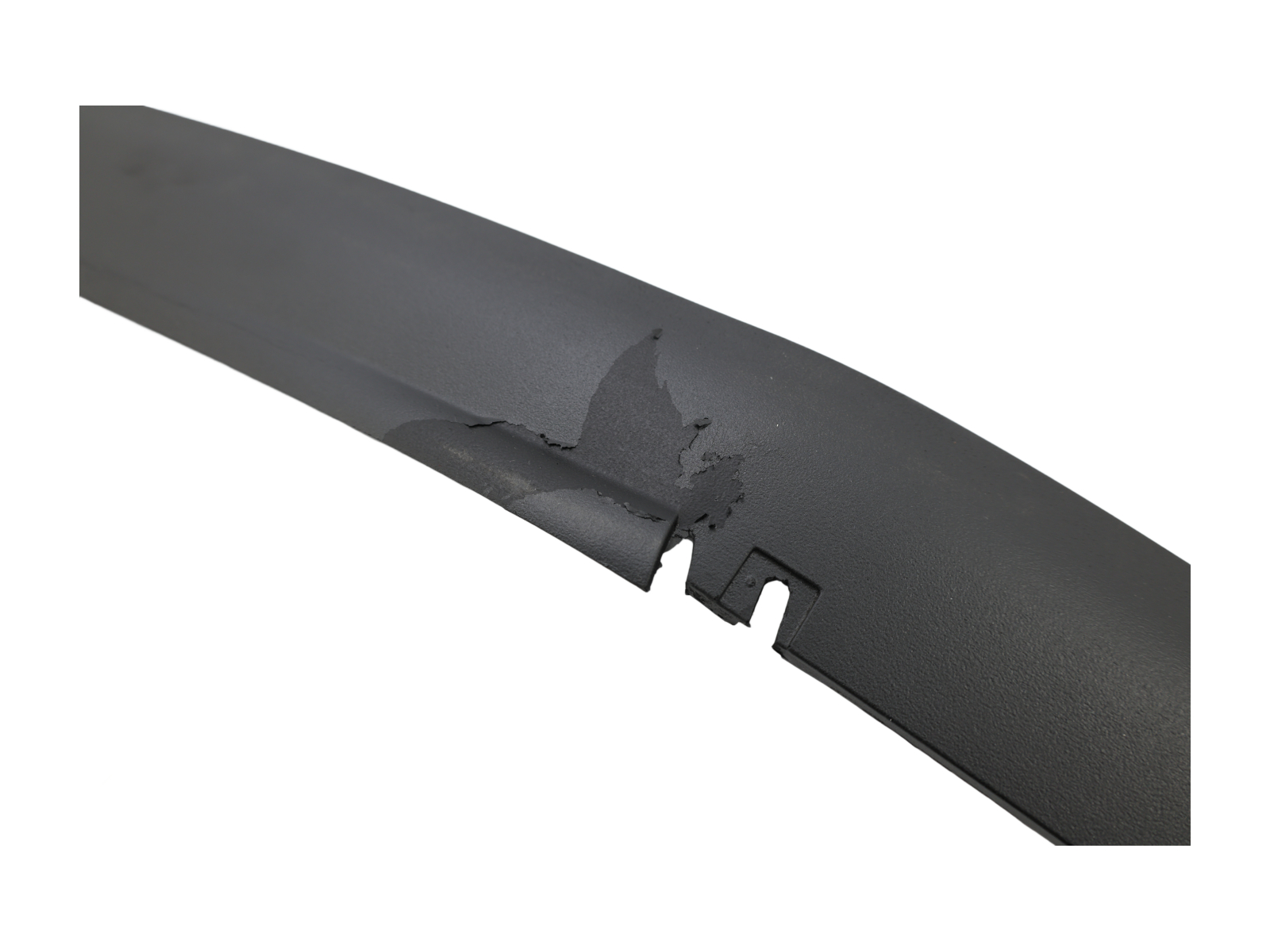
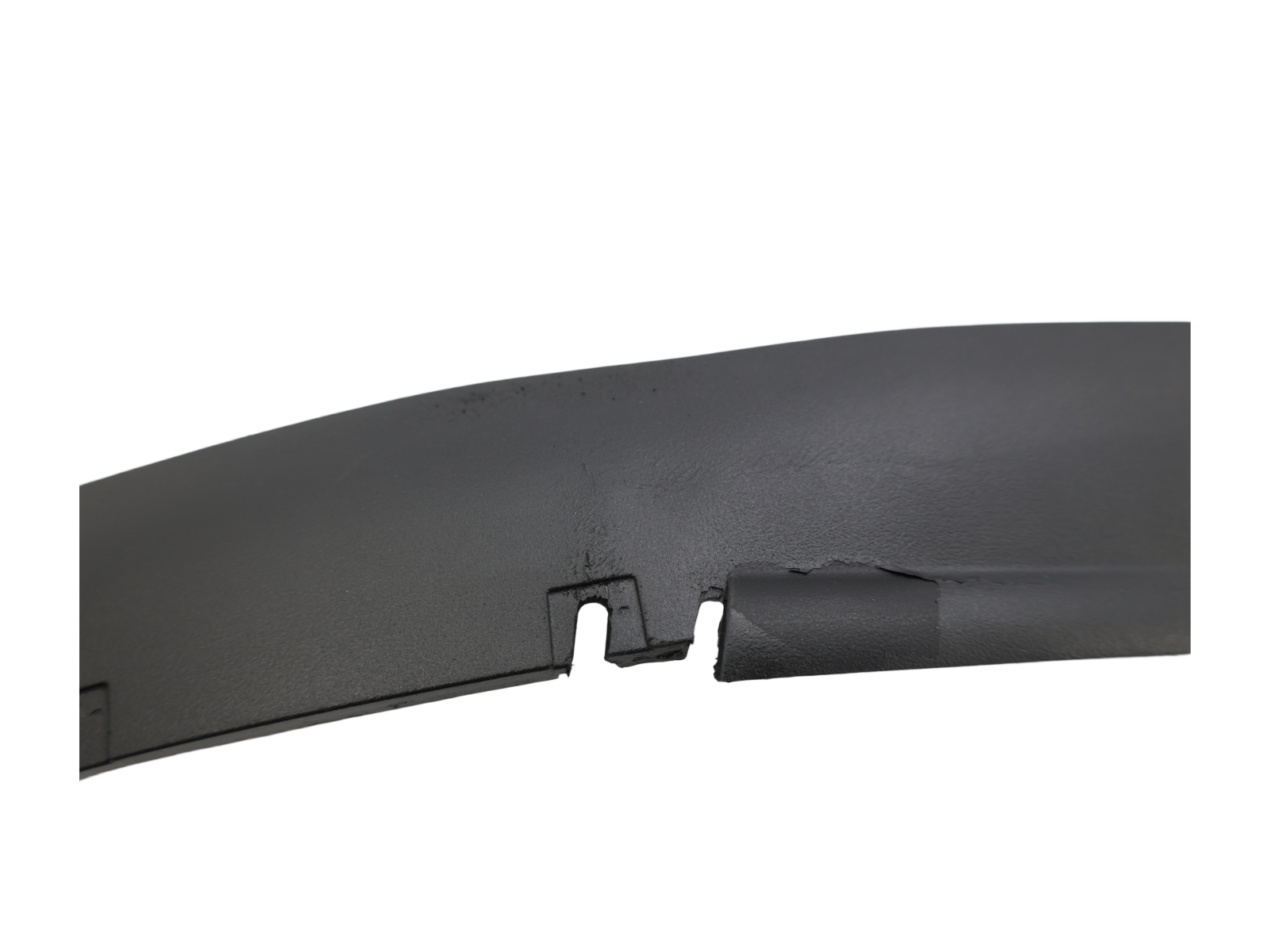
DAMAGED Front Smile Rubber.
This is a damaged in transit part and has a visible crack, offered for parts or refurbishment purposes only. Ideal for restoration specialists, collectors, or workshops looking for components at reduced cost.
NOTE: For spares, repair, or core replacement only.
Condition:
This Front Smile Rubber is brand new and never been fitted. It has some transport damage which is repairable.
Please see the gallery of images before purchasing.
Fits:
- Porsche 911 1974-1977 2.7L / 1976-77 3.0 Carrera
- Porsche 911 1978-1983 3.0L / SC
- Porsche 911 1984-1986 3.2L
- Porsche 911 1987-1989 3.2L G50
- Porsche 911 1975-1977 3.0L Turbo (930)
- Porsche 911 1978-1989 3.3L Turbo (930)
Related reference numbers
Related, superseded, cross reference or alternative numbers for comparison.
91150518705
The product you are viewing cross references to these numbers
- Porsche 957 Cayenne S / GTS 4.8L 2007-10
- Porsche 957 Cayenne Turbo / Turbo S 4.8L 2007-10
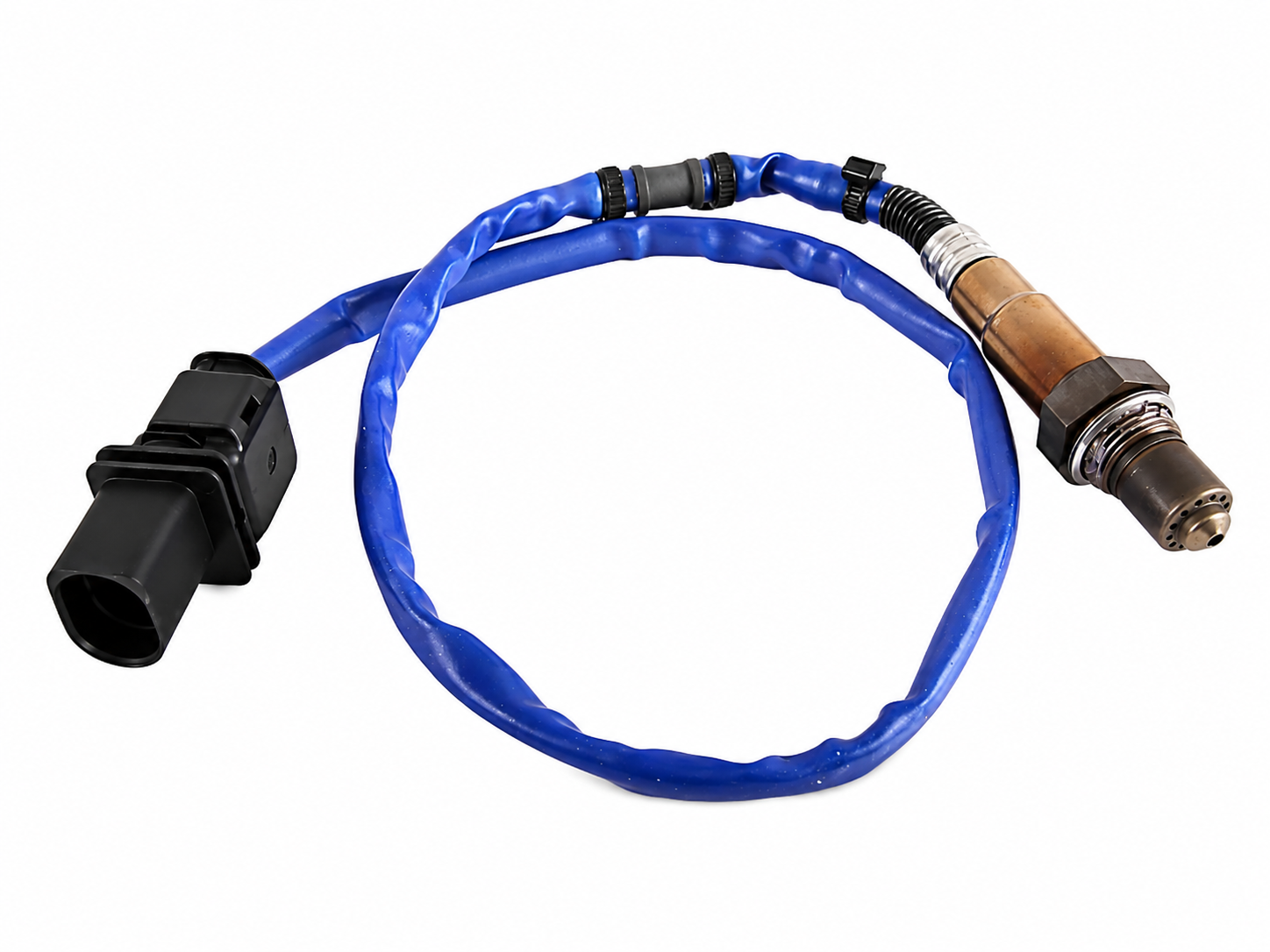
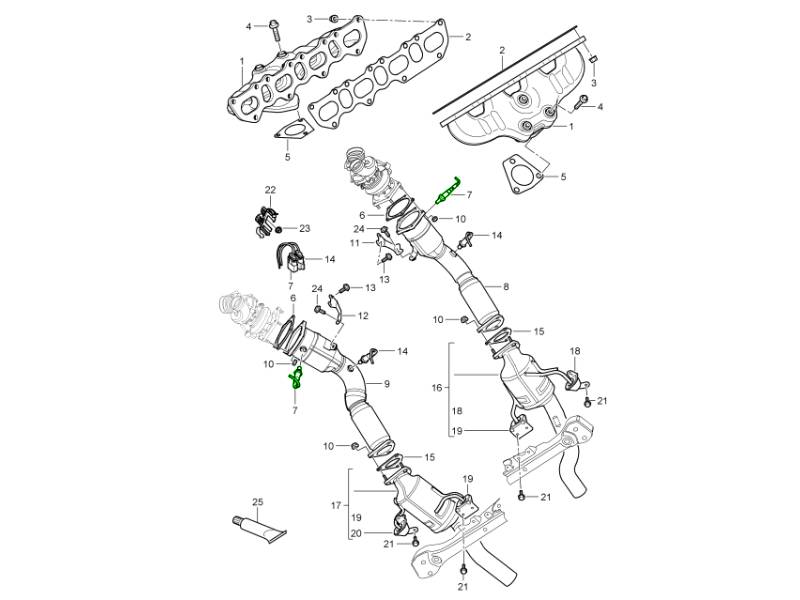
The OE MATCH Lambda Oxygen Sensor is an exhaust-gas sensor designed for installation before the catalytic converter, also known as the pre-cat or upstream position.
Fits:
- Porsche 957 Cayenne S / GTS 4.8L 2007-10
- Porsche 957 Cayenne Turbo / Turbo S 4.8L 2007-10
Diagram Ref No 7
The sensor measures the oxygen content of the exhaust gases leaving the engine and sends this information to the engine control unit (ECU). The ECU uses this feedback as part of its engine-management strategy to maintain the correct air/fuel mixture and efficient combustion.
What This Product Does:
The lambda sensor continuously measures the amount of oxygen remaining in the exhaust gases.
This information allows the ECU to determine whether the engine is operating with a mixture that is relatively rich or lean. The ECU can then make appropriate adjustments to fuel delivery to maintain efficient combustion under applicable operating conditions.
A correctly functioning pre-cat oxygen sensor helps:
- Monitor the engine's air/fuel mixture
- Provide exhaust oxygen information to the ECU
- Support accurate fuel-control adjustments
- Promote efficient combustion
- Maintain responsive engine operation
- Support good fuel economy
- Reduce unnecessary exhaust emissions
- Help protect catalytic converter performance
Symptoms Of Wear Or Failure:
Lambda sensors operate in an extremely demanding environment and are continually exposed to hot exhaust gases, combustion deposits and repeated temperature cycles.
As a sensor ages, its response can become slower or its readings can become inaccurate.
Common symptoms of a worn or failing pre-cat oxygen sensor can include:
- Check Engine Light / engine-management warning
- Lambda or oxygen-sensor fault codes
- Rich or lean mixture fault codes
- Increased fuel consumption
- Poor fuel economy
- Rough or inconsistent idle
- Hesitation during acceleration
- Reduced engine response
- Increased exhaust emissions
- Failed emissions test
- Irregular engine operation
- Incorrect or slow sensor readings during diagnostics
- Damaged wiring or electrical connectors
The exact symptoms depend on the nature of the failure and the vehicle's engine-management strategy.
Why Replacement Matters:
The ECU depends on accurate information from the pre-cat lambda sensor to help manage combustion effectively.
If the sensor becomes slow or inaccurate, the ECU may receive incorrect information about the oxygen content of the exhaust gases. This can affect fuel control and potentially lead to poor engine operation, increased fuel consumption and higher emissions.
Replacing a confirmed defective sensor can help restore:
- Accurate air/fuel mixture feedback
- Correct engine-management operation
- Efficient fuel delivery
- Smoother engine performance
- Improved fuel economy where the failed sensor was causing excessive consumption
- Correct emissions monitoring
- Reduced risk of recurring lambda-related fault codes
Related reference numbers
Related, superseded, cross reference or alternative numbers for comparison.
95560616802
The product you are viewing cross references to these numbers
- Porsche 970.1 Panamera S Hybrid V6 3.0L 2011-13
- Porsche 970.2 Panamera S E-Hybrid V6 3.0L (416Hp) 2014-16
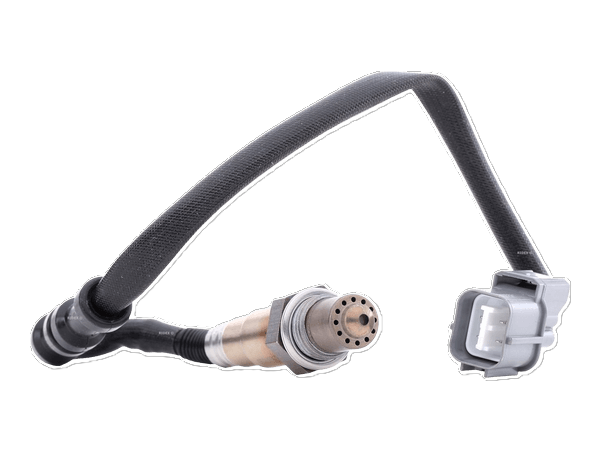
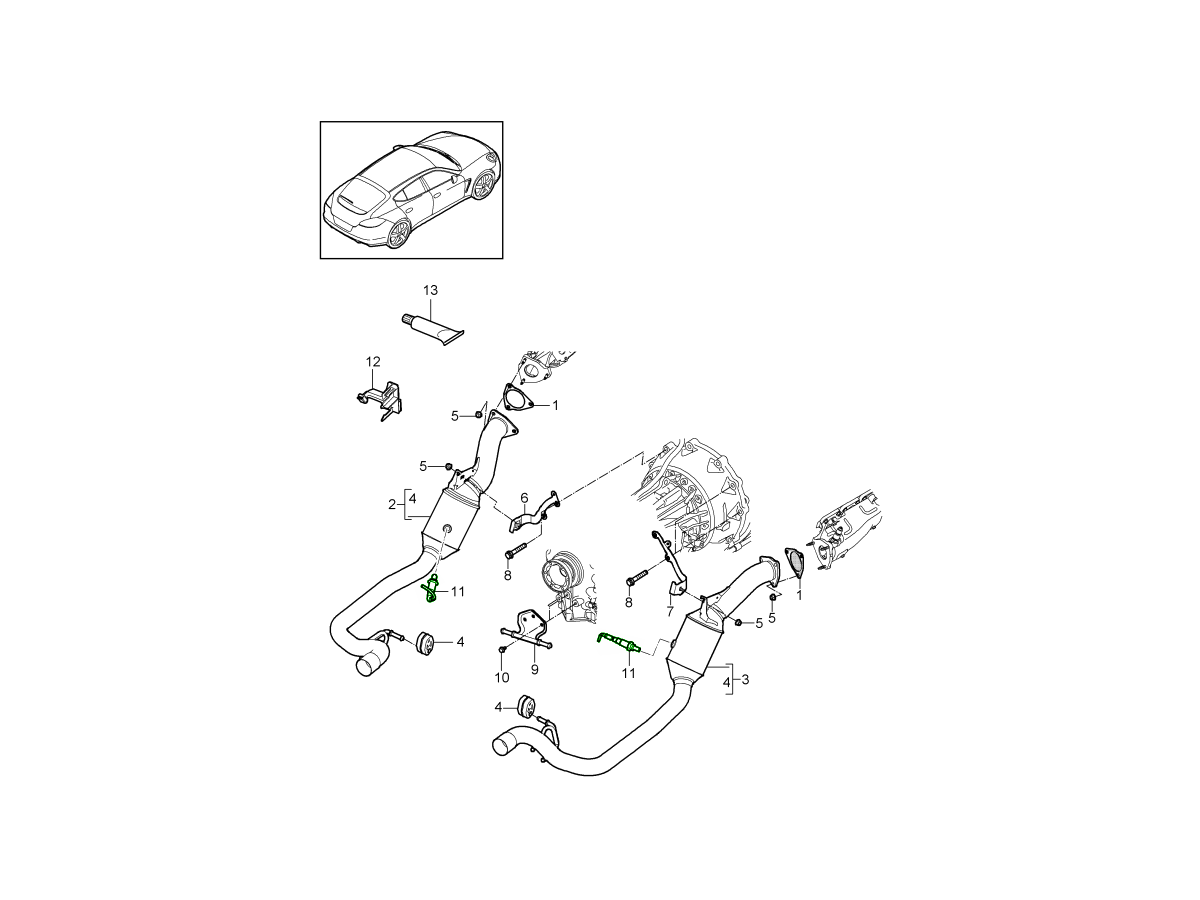
The OE MATCH Lambda/Oxygen Sensor is a replacement exhaust-gas sensor designed for installation in the post-catalytic converter (downstream) position on compatible Porsche applications.
Fits:
- Porsche 970.1 Panamera S Hybrid V6 3.0L 2011-13
- Porsche 970.2 Panamera S E-Hybrid V6 3.0L (416Hp) 2014-16
Diagram Ref No 11
Also known as an O2 sensor, lambda sensor or lambda probe, this component measures the oxygen content of the exhaust gases after they have passed through the catalytic converter. The information is sent to the vehicle's engine control unit (ECU), allowing the emissions-management system to monitor catalytic converter operation and identify abnormal exhaust conditions.
What This Product Does:
The oxygen sensor measures the amount of residual oxygen present in the exhaust gases and converts this information into an electrical signal that can be interpreted by the ECU.
Because this sensor is located after the catalytic converter, its role is primarily associated with monitoring exhaust conditions downstream of the catalyst.
The catalytic converter is designed to reduce harmful exhaust emissions. By comparing relevant sensor information before and after the catalyst, the engine-management system can assess whether the catalytic converter is performing as expected.
A correctly functioning post-cat oxygen sensor helps:
- Monitor catalytic converter efficiency
- Measure oxygen levels downstream of the catalyst
- Support onboard emissions diagnostics
- Detect abnormal catalyst performance
- Provide accurate exhaust information to the ECU
- Identify emissions-system faults
- Support correct engine-management monitoring
Symptoms Of Wear Or Failure:
Lambda sensors operate in a particularly demanding environment, exposed to extremely hot exhaust gases and repeated heating and cooling cycles.
Over time, the sensing element can become contaminated or respond more slowly. Wiring and electrical connections can also deteriorate.
Common symptoms of a worn or failed post-cat oxygen sensor include:
- Check Engine Light / engine-management warning light
- Stored oxygen-sensor fault codes
- Emissions-related diagnostic trouble codes
- Catalyst-efficiency fault codes
- Failed emissions testIncorrect or unstable sensor readings
- Slow sensor response
- Intermittent engine-management warnings
- Increased exhaust emissions
- Abnormal diagnostic live-data readings
- Damaged sensor wiring
- Corroded or damaged electrical connections
Depending on the vehicle and the nature of the fault, other engine-management or efficiency symptoms may also occur.
Why Replacement Matters:
Accurate oxygen-sensor information is important for the operation of the vehicle's engine management and emissions-control systems.
A sensor that becomes slow, inaccurate or completely inoperative may prevent the ECU from reliably monitoring exhaust conditions after the catalytic converter.
Replacing a confirmed defective post-cat lambda sensor helps restore:
- Accurate exhaust oxygen measurement
- Reliable catalytic converter monitoring
- Correct emissions-system diagnostics
- Consistent ECU feedback
- Proper onboard diagnostic operation
- Reduced likelihood of recurring sensor-related fault codes
Prompt replacement also makes it easier to distinguish genuine catalytic converter problems from incorrect readings caused by a deteriorated sensor.
Related reference numbers
Related, superseded, cross reference or alternative numbers for comparison.
97060617601
The product you are viewing cross references to these numbers
- Porsche 958 Cayenne S V8 4.8L Petrol (400Hp) 2010-17
- Porsche 958 Cayenne GTS V8 4.8L Petrol (400Hp) 2010-17
- Porsche 958 Cayenne Turbo V8 4.8L Petrol (500Hp) 2010-17
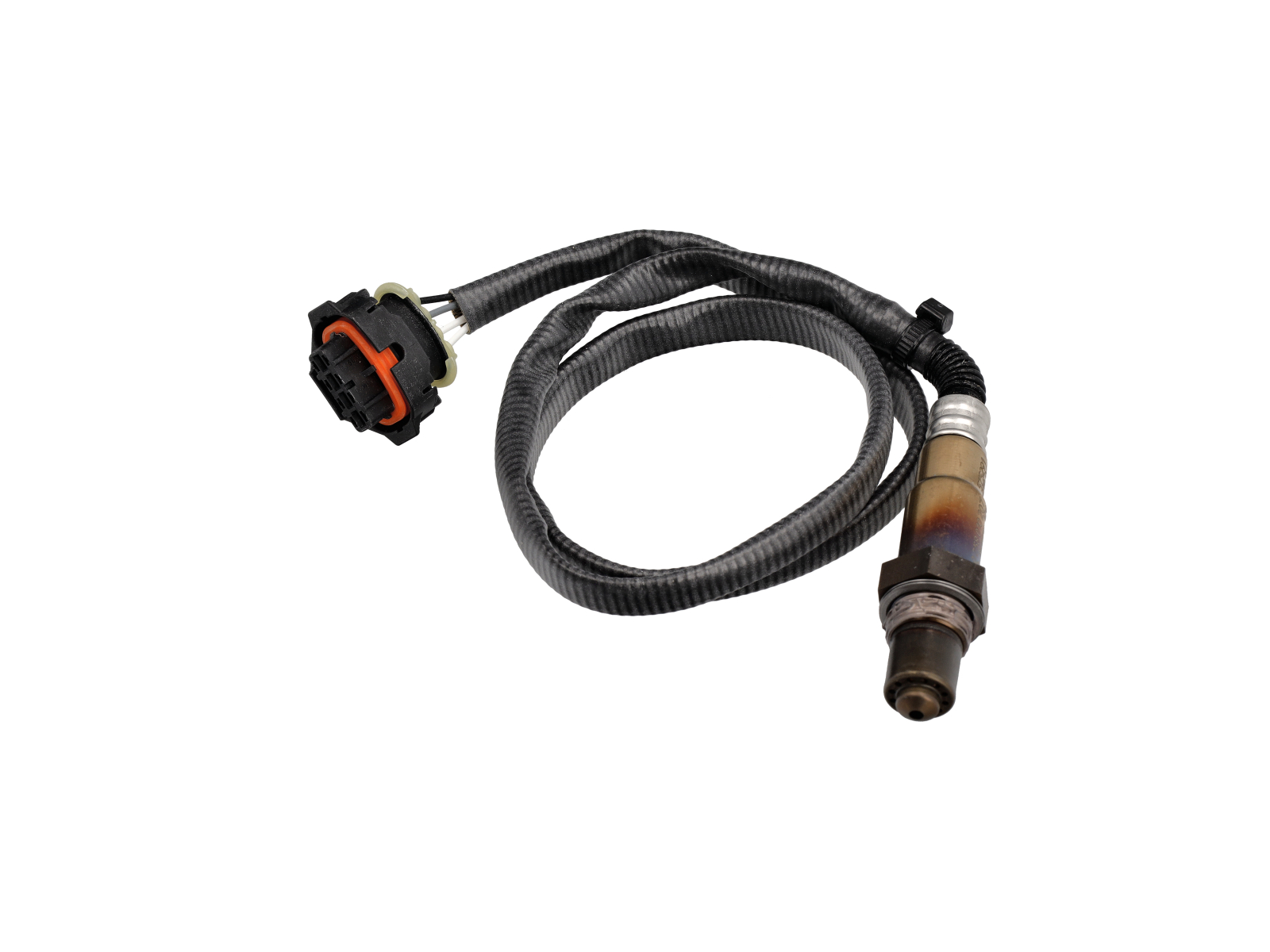
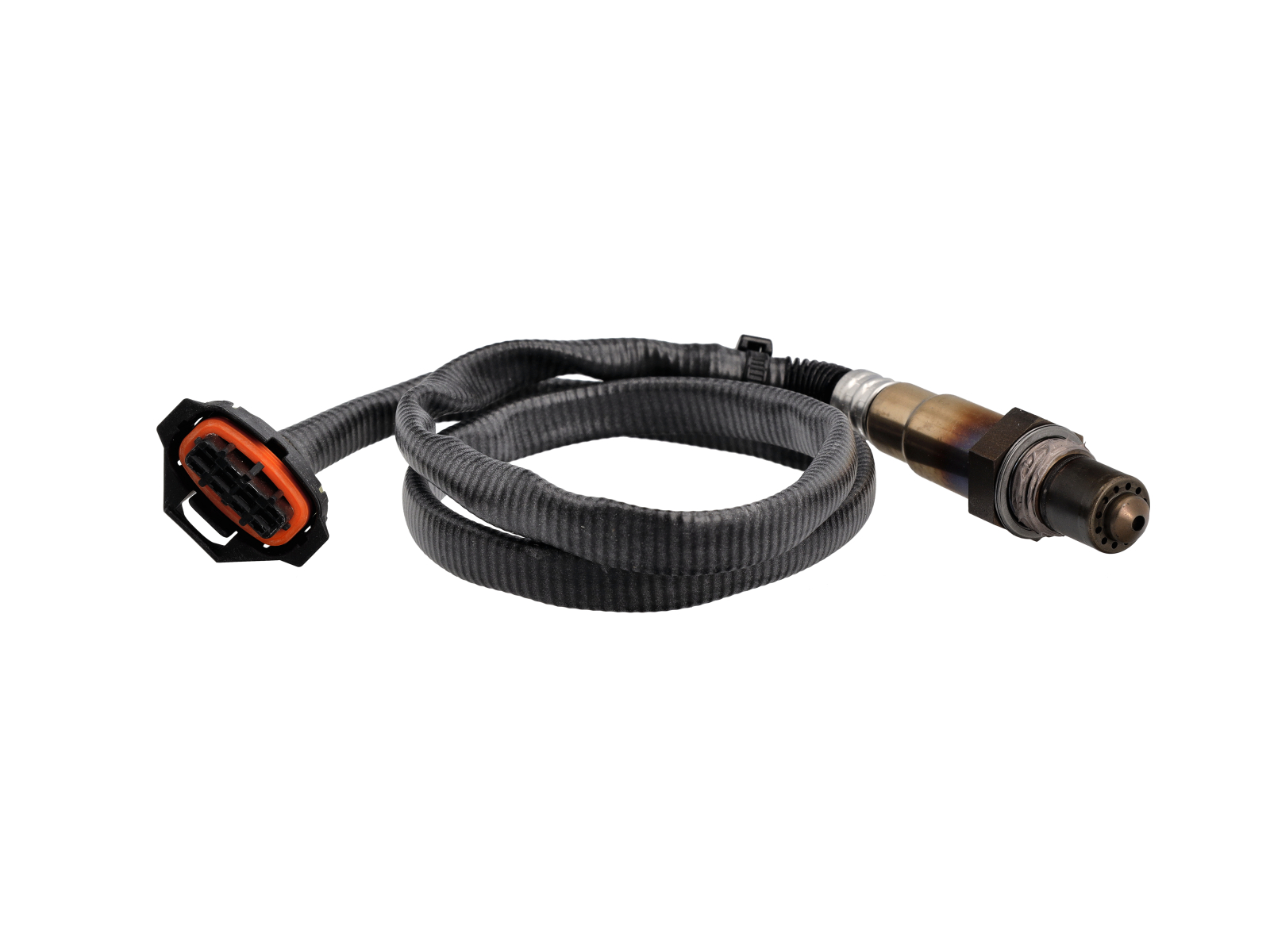
The OE MATCH Lambda Oxygen Sensor is a replacement exhaust-gas sensor designed for installation after the catalytic converter. Also known as an oxygen sensor, O2 sensor or post-cat lambda sensor, it monitors the oxygen content of the exhaust gases downstream of the catalytic converter.
Fits:
- Porsche 958 Cayenne S V8 4.8L Petrol (400Hp) 2010-17
- Porsche 958 Cayenne GTS V8 4.8L Petrol (400Hp) 2010-17
- Porsche 958 Cayenne Turbo V8 4.8L Petrol (500Hp) 2010-17
The information produced by the sensor allows the vehicle's engine management and emissions-control systems to monitor catalytic converter efficiency and identify abnormal exhaust or emissions conditions.
What This Product Does:
The lambda sensor measures the oxygen content in the exhaust gases and sends an electrical signal to the vehicle's engine control unit (ECU).
This particular sensor is positioned after the catalytic converter, meaning its primary role differs from an oxygen sensor installed before the catalyst.
The upstream sensor is generally more directly involved in monitoring combustion and fuel mixture, while the post-catalytic-converter sensor monitors the exhaust after it has passed through the catalyst.
This allows the ECU to compare exhaust-gas information and assess whether the catalytic converter is operating effectively.
The post-cat lambda sensor helps:
- Monitor catalytic converter performance
- Measure oxygen levels after the catalyst
- Support emissions-system diagnostics
- Detect abnormal catalyst operation
- Provide feedback to the engine management system
- Identify emissions-related faults
- Help maintain correct onboard diagnostic monitoring
Symptoms Of Wear Or Failure:
Lambda sensors operate in an extremely demanding environment and are continually exposed to high exhaust temperatures, combustion gases and contaminants.
Over time, the sensing element can become contaminated or respond more slowly, while wiring and electrical connections can also deteriorate.
Common symptoms of a failing post-cat oxygen sensor include:
- Check Engine Light / engine-management warning light
- Emissions-related fault codes
- Oxygen sensor fault codes
- Catalyst-efficiency fault codes
- Failed emissions testIncorrect or inconsistent sensor readings
- Slow sensor responseIntermittent engine-management warnings
- Increased emissionsAbnormal diagnostic readings
- Wiring or connector faults
- Physical damage to the sensor or cable
Depending on the vehicle's engine-management strategy, additional drivability or efficiency symptoms may also occur.
Why Replacement Matters:
The vehicle relies on accurate sensor information to monitor its engine and emissions-control systems.
If the post-cat lambda sensor becomes slow, inaccurate or completely inoperative, the ECU may no longer receive reliable information about exhaust conditions downstream of the catalytic converter.
Replacing a confirmed faulty sensor can help restore:
- Accurate exhaust oxygen measurement
- Correct catalytic converter monitoring
- Reliable emissions-system diagnostics
- Proper ECU feedback
- Reduced risk of recurring oxygen-sensor fault codes
- Correct operation of the vehicle's onboard emissions monitoring system
A functioning lambda sensor is particularly important when diagnosing emissions-related warning lights or preparing a vehicle to meet applicable emissions requirements.
Related reference numbers
Related, superseded, cross reference or alternative numbers for comparison.
95860617201
The product you are viewing cross references to these numbers
- Porsche Carrera GT 2003-06
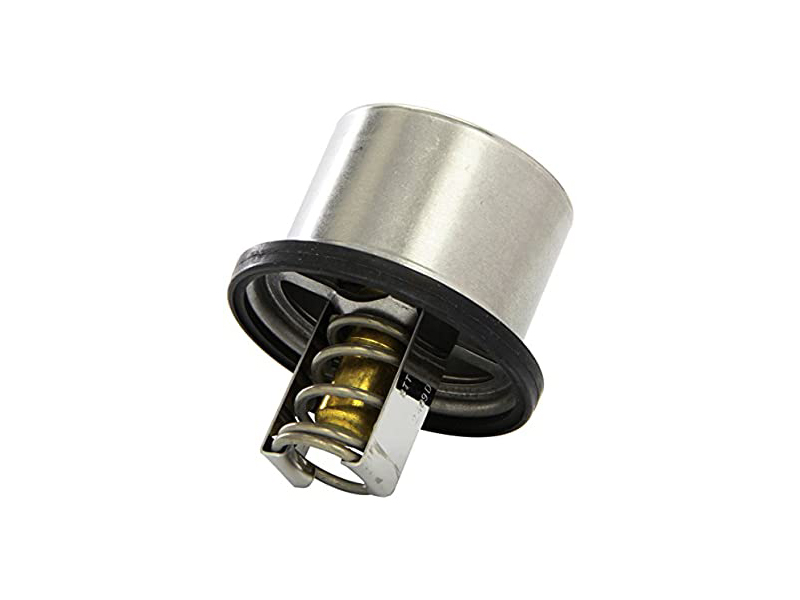
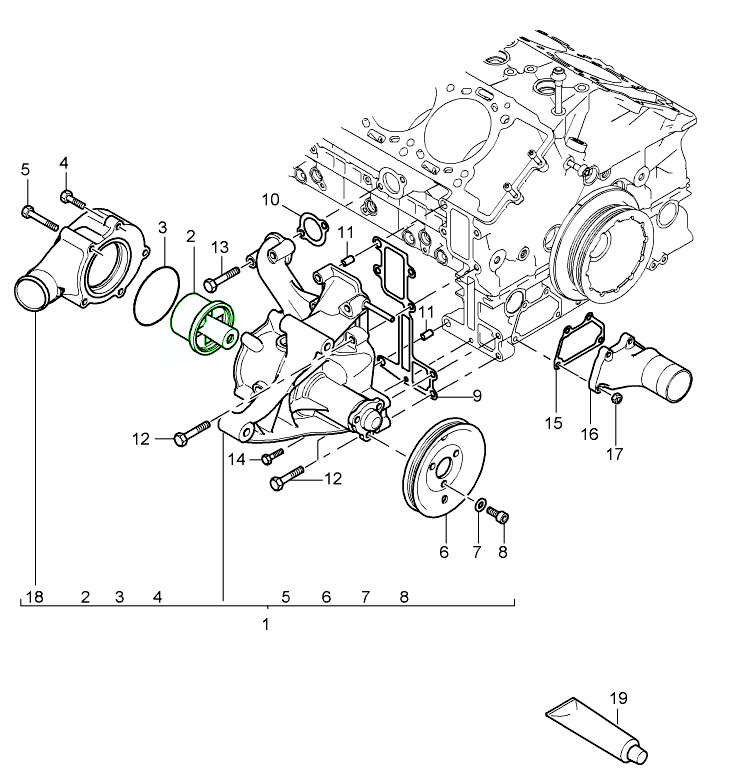
The OE MATCH 82°C Thermostat Insert is a replacement engine cooling-system component designed to regulate coolant circulation according to engine temperature. It helps the engine warm up efficiently while allowing increased coolant flow through the cooling system as operating temperature rises.
Fits:
- Porsche Carrera GT 2003-06
Diagram Ref No 2
Rated at 82°C, this thermostat insert is designed for compatible applications requiring this temperature specification. Correct thermostat operation is essential for maintaining stable coolant temperatures and protecting the engine from excessive heat.
What This Product Does:
The thermostat insert functions as a temperature-controlled valve within the engine cooling system.
When the engine is cold, the thermostat restricts coolant circulation through the radiator, helping the engine reach its intended operating temperature efficiently.
As coolant temperature rises towards the thermostat's specified operating range, the thermostat begins to open. This allows increased coolant circulation through the radiator so excess heat can be removed.
A correctly functioning 82°C thermostat insert helps:
- Regulate coolant circulation
- Control engine operating temperature
- Promote efficient engine warm-up
- Increase radiator flow as coolant temperature rises
- Prevent unnecessary overcooling
- Reduce the risk of excessive engine temperatures
- Maintain consistent cooling-system operation
- Support dependable engine performance
Symptoms Of Wear Or Failure:
Thermostats operate continuously through repeated heating and cooling cycles. Over time, the internal mechanism can become sluggish, stick in one position or fail to open and close correctly.
Common symptoms include:
- Engine overheating
- Engine running hotter than expected
- Temperature gauge readings fluctuating
- Sudden increases in coolant temperature
- Engine taking unusually long to warm up
- Engine consistently running too cool
- Poor or inconsistent cabin heater performance
- Cooling fans operating more frequently than normal
- Coolant temperature warning messages
- Reduced fuel efficiencyInconsistent engine operating temperature
These symptoms can vary depending on whether the thermostat has become stuck closed, stuck open or partially restricted.
Why Replacement Matters:
Correct engine temperature is essential for performance, efficiency and long-term engine reliability.
The thermostat provides the balance between rapid warm-up and effective cooling. Once it can no longer regulate coolant flow accurately, the engine may operate outside its intended temperature range.
Replacing a worn or defective thermostat insert helps restore:
- Controlled coolant circulation
- Stable engine operating temperature
- Effective radiator cooling
- Predictable engine warm-up
- Consistent cabin heater performance
- Efficient engine operation
- Protection against overheating
Ignoring a malfunctioning thermostat can place unnecessary stress on other cooling-system components and, in severe overheating situations, may lead to significantly more expensive engine repairs.
Related reference numbers
Related, superseded, cross reference or alternative numbers for comparison.
9971062258A
The product you are viewing cross references to these numbers


- Porsche 957 Cayenne 3.6L 2007-10
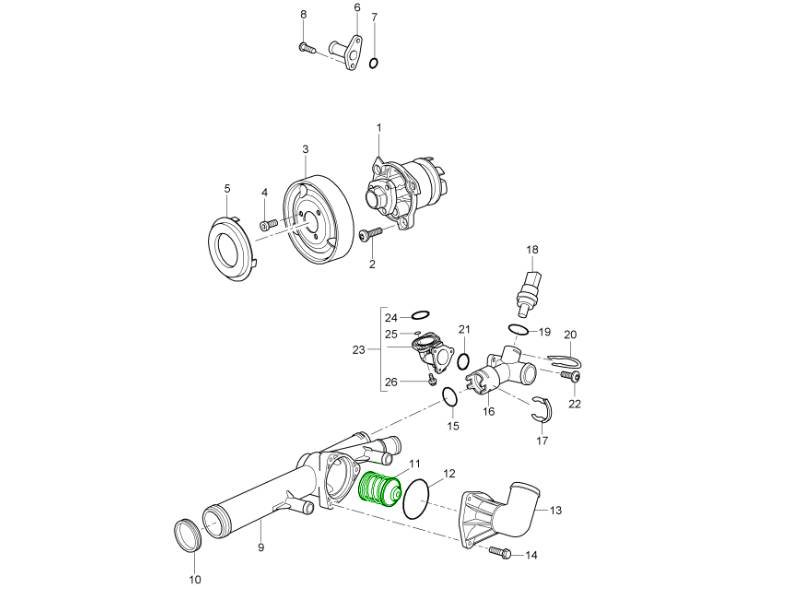
The OE MATCH 80°C Thermostat is a replacement engine cooling-system thermostat designed to regulate coolant circulation and help maintain controlled engine operating temperatures.
Fits:
- Porsche 957 Cayenne 3.6L 2007-10
Diagram Ref No 11
With an 80°C temperature rating, this thermostat begins regulating coolant flow according to its specified operating range. It provides an alternative replacement option for compatible applications where an 80°C thermostat is required.
What This Product Does:
The thermostat acts as a temperature-controlled valve within the engine cooling circuit.
When the engine is cold, the thermostat restricts coolant circulation through the radiator. This helps the engine reach its normal operating temperature efficiently.
As coolant temperature increases towards the thermostat's operating range, the thermostat opens to allow increased coolant circulation through the radiator. Heat can then be transferred away from the engine.
The 80°C thermostat helps:
- Regulate engine coolant circulation
- Control engine operating temperature
- Allow efficient engine warm-up
- Increase radiator coolant flow as temperature rises
- Reduce the risk of excessive engine temperatures
- Maintain more consistent cooling-system operation
- Support dependable engine performance
Symptoms Of Wear Or Failure:
Thermostats are continually exposed to hot coolant and repeated heating and cooling cycles. Over time, the internal mechanism can deteriorate, become sluggish or seize.
Common symptoms of thermostat problems include:
- Engine overheating
- Engine running hotter than expected
- Temperature gauge fluctuating unexpectedly
- Sudden increases in coolant temperature
- Engine taking too long to warm up
- Engine consistently running too cool
- Poor or inconsistent cabin heater performance
- Cooling fans operating unusually frequently
- Coolant temperature warning messages
- Changes in fuel economyInconsistent engine operating temperature
The symptoms will depend largely on whether the thermostat has become stuck closed, stuck open or is only partially opening.
Why Replacement Matters:
Maintaining controlled engine temperature is essential for reliable performance and engine protection.
A correctly functioning thermostat balances two competing requirements: allowing the engine to warm up efficiently while providing sufficient coolant circulation when temperatures increase.
Replacing a worn or malfunctioning thermostat can help restore:
- Controlled coolant circulation
- Stable engine temperature
- Effective radiator cooling
- Predictable engine warm-up
- Consistent heater performance
- Efficient engine operation
- Protection against overheating
Ignoring thermostat problems can place unnecessary stress on the cooling system and, in cases of severe overheating, potentially result in expensive engine damage.
Related reference numbers
Related, superseded, cross reference or alternative numbers for comparison.
95510612601
The product you are viewing cross references to these numbers

- Porsche 911 1968-1973 2.2L / 2.4L / 2.7L RS LWB (F)
- Porsche 911 1974-1977 2.7L / 1976-77 3.0 Carrera
- Porsche 911 1978-1983 3.0L / SC
- Porsche 911 1984-1986 3.2L
- Porsche 911 1987-1989 3.2L G50
- Porsche 911 1975-1977 3.0L Turbo (930)
- Porsche 911 1978-1989 3.3L Turbo (930)
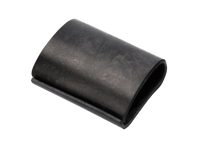
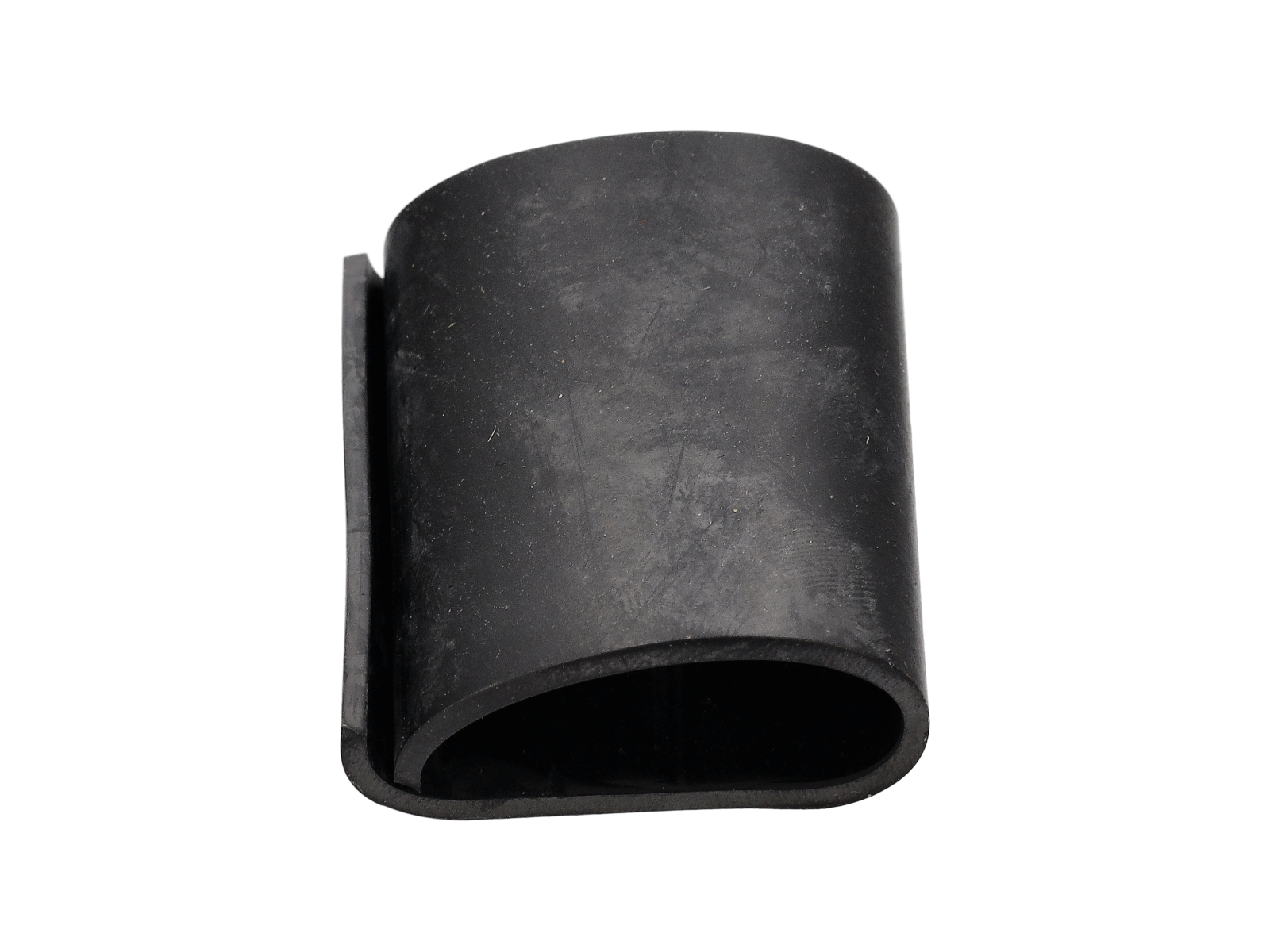
OE Match oil tube mount hose for Porsche 911 models from 1972 to 1989. This replacement hose is used within the engine oil system, helping support correct oil line connection, sealing, and routing.
Sol individually
Fits:
Porsche 911 1972 - 1989
Porsche 911 (930) Turbo 1975 - 1977
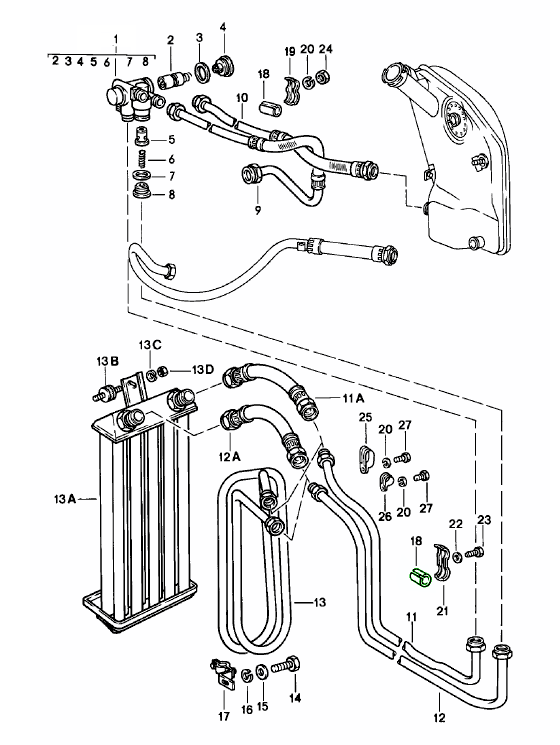
Diagram Ref No 18
The oil tube mount hose helps connect and support the engine oil tube or related oil line assembly. A correctly fitted hose helps maintain oil system integrity, prevent leaks, and keep the oil line routing secure within the engine bay or oil circuit area.
Functions
• Replaces the oil tube mount hose
• Supports correct oil tube or oil line connection
• Helps maintain oil system sealing
• Helps prevent oil leaks from aged or cracked hose sections
• Supports correct oil line routing
• Suitable for engine oil system service or restoration
• OE Match replacement for Porsche 911 oil system repair
Why Replace This Part?
Oil hoses can harden, crack, swell, split, or leak due to age, heat, oil exposure, vibration, and engine bay conditions. A worn or damaged oil tube mount hose may cause oil seepage, leaks, oil smell, loose routing, or poor sealing at the connection point. Replacing the hose helps restore reliable oil system operation and a cleaner engine bay.
When to Replace This Part
• Oil hose is cracked, brittle, swollen, or leaking
• Oil seepage is visible around the tube or hose connection
• Oil smell or residue is present in the engine bay
• Engine oil line service is being carried out
• Oil system restoration or engine rebuild work is in progress
• Hose has become soft, loose, damaged, or oil-soaked
• Preventive replacement is required during classic Porsche maintenance
Where it fits on the car
This hose fits within the engine oil system / oil tube mounting area on Porsche 911 models from 1972 to 1989.
Related reference numbers
Related, superseded, cross reference or alternative numbers for comparison.
91120730200
The product you are viewing cross references to these numbers
- Porsche 914 (1970-1976)
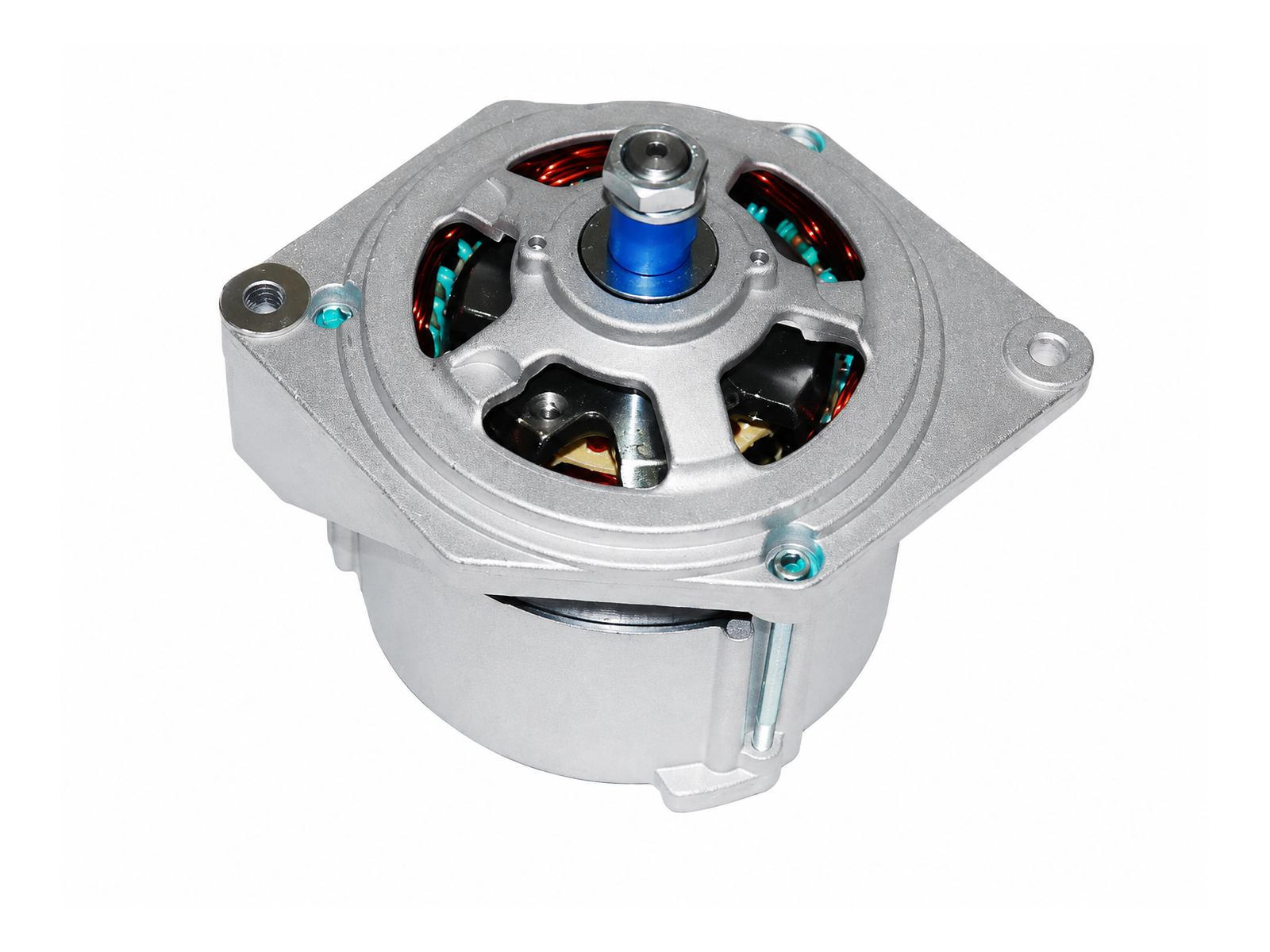
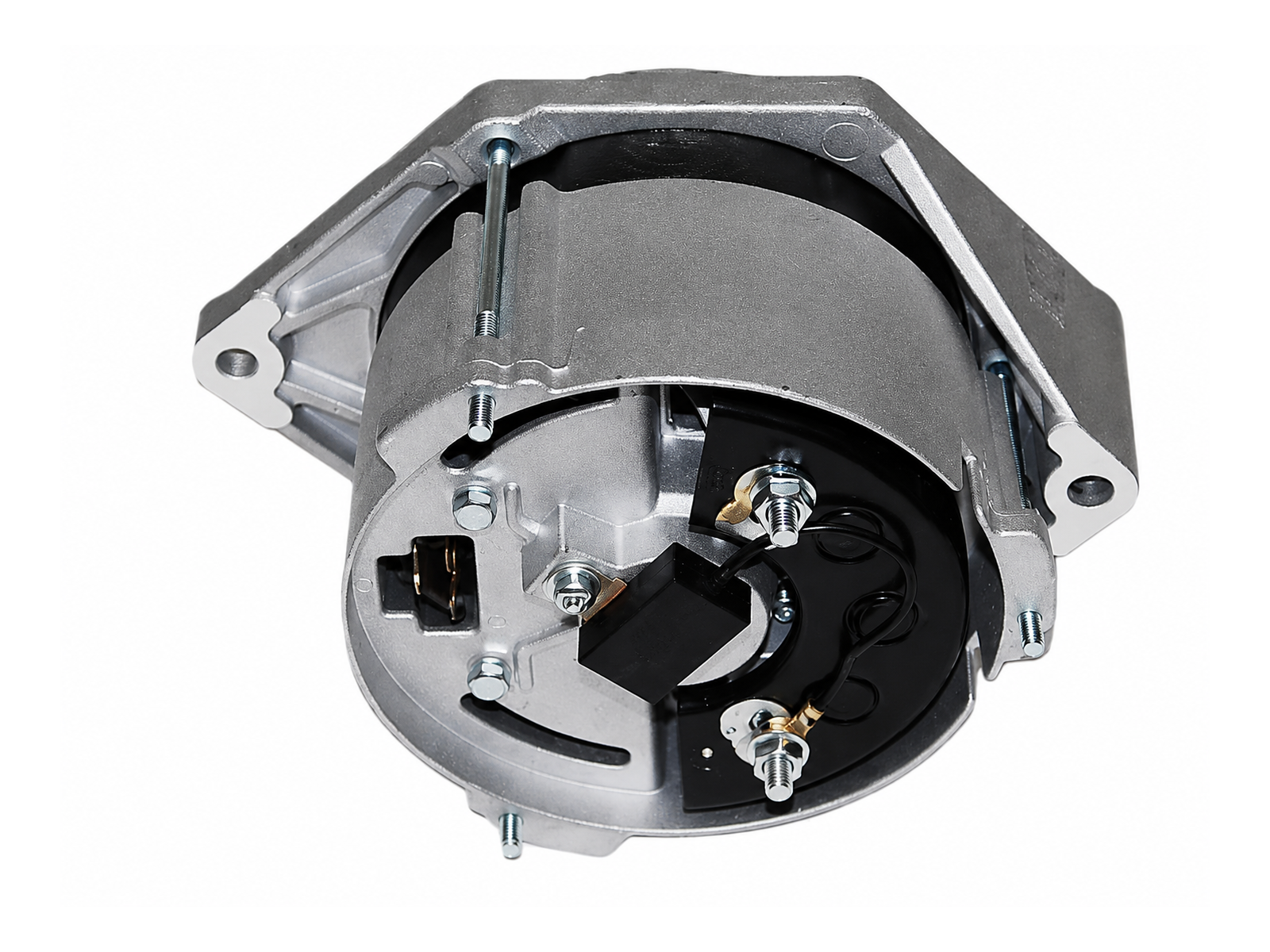
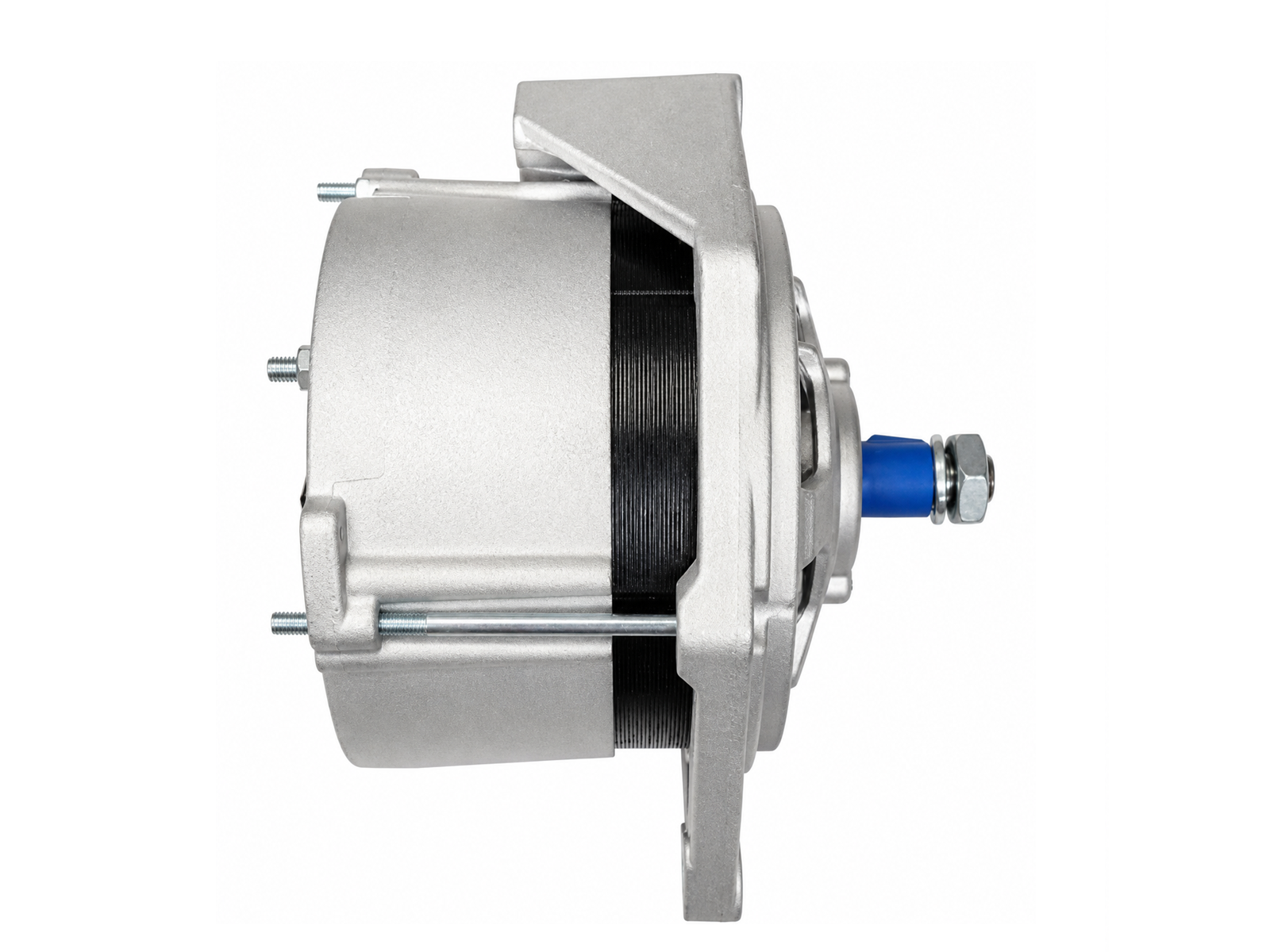
Brand-new 12V 50 Amp alternator for Porsche 914-4 models fitted with the 1.7L or 1.8L four-cylinder engine.
Fits:
Porsche 914-4 1.7L - 1.8 1969 - 1976
Unlike a rebuilt or remanufactured alternator, this is a completely new, unused unit, making it an ideal replacement for a worn, unreliable or failed original alternator.
Designed as a direct-fit replacement, the alternator offers straightforward installation and restores reliable charging performance to your Porsche 914.
With no exchange or old-unit return required, installation is simple and hassle-free – fit the new alternator and keep your 914 on the road.
Product Features:
• Brand-new alternator
• 12 Volt 50 Amp output
• Direct-fit replacement
• No exchange unit required
• No old alternator return required
• Suitable for Porsche 914-4 For 1.7L and 1.8L four-cylinder engines
OE Reference Part Number: 022.903.023
Related reference numbers
Related, superseded, cross reference or alternative numbers for comparison.
022903023
The product you are viewing cross references to these numbers
- Porsche Boxster 981 2.7L 2012-16
- Porsche Boxster 981 S / GTS 3.4L 2012-16
- Porsche Boxster 981 Spyder 3.8L 2016
- Porsche Boxster 718 2.0L Manual (300 Bhp) 2017>>
- Porsche Boxster 718 2.0L PDK (300 Bhp) 2017>>
- Porsche Boxster S 718 2.5L Manual (350 Bhp) 05/2017>>
- Porsche Boxster S 718 2.5L PDK (350 Bhp) 05/2017>>
- Porsche Boxster T 718 2.0L Manual (300 Bhp) 01/2019>>
- Porsche Boxster T 718 2.0L PDK (300 Bhp) 01/2019>>
- Porsche Boxster GTS 718 2.5L Manual (365 Bhp) 05/2017>>
- Porsche Boxster GTS 718 2.5L PDK (365 Bhp) 05/2017>>
- Porsche Boxster GTS 718 4.0L Manual (400 Bhp) 01/2019>>
- Porsche Boxster GTS 718 4.0L PDK (400 Bhp) 01/2019>>
- Porsche Boxster Spyder / Spyder RS 718 4.0L 01/2019>>
- Porsche 991.1 Carrera C2 3.4L (350 Bhp) 2012-16
- Porsche 991.1 Carrera C2S / GTS 3.8L (400/430 Bhp) 2012-16
- Porsche 991.1 Carrera C4 3.4L (350 Bhp) 2012-16
- Porsche 991.1 Carrera C4S / GTS 3.8L (400/430 Bhp) 2012-16
- Porsche 991.1 Turbo 3.8L (520 Bhp) 2014-16
- Porsche 991.1 Turbo S 3.8L (560 Bhp) 2014-16
- Porsche 991.1 R 4.0L (500 Bhp) 2016
- Porsche 991.1 GT3 3.8L (475 Bhp) 2014-16
- Porsche 991.1 GT3 RS 4.0L (500 Bhp) 2015-16
- Porsche 991.2 Carrera 2 3.0L (370 Bhp) 2016-19
- Porsche 991.2 Carrera 2S / GTS 3.0L (420/450 Bhp) 2016-19
- Porsche 991.2 Carrera 4 3.0L (370 Bhp) 2016-19
- Porsche 991.2 Carrera 4S / GTS 3.0L (420/450 Bhp) 2016-19
- Porsche 991.2 Cabriolet 2 3.0L (370 Bhp) 2016-19
- Porsche 991.2 Cabriolet 2S / GTS 3.0L (420/450 Bhp) 2016-19
- Porsche 991.2 Cabriolet 4 3.0L (370 Bhp) 2016-19
- Porsche 991.2 Cabriolet 4S / GTS 3.0L (420/450 Bhp) 2016-19
- Porsche 991.2 Targa 4 3.0L (370 Bhp) 2016-19
- Porsche 991.2 Targa 4S / GTS 3.0L (420/450 Bhp) 2016-19
- Porsche 991.2 Turbo Coupe 3.8L (540 Bhp) 2016-19
- Porsche 991.2 Turbo S Coupe 3.8L (580 Bhp) 2016-19
- Porsche 991.2 Turbo Cabriolet 3.8L (540 Bhp) 2016-19
- Porsche 991.2 Turbo S Cabriolet 3.8L (580 Bhp) 2016-19
- Porsche 991.2 GT2 RS 3.8L PDK (700 bhp) 2018-19
- Porsche Cayman 2.7L 981 2013-16
- Porsche Cayman S / GTS 3.4L 981 2013-16
- Porsche Cayman GT4 3.8L 2015-16
- Porsche Cayman 718 2.0L Manual (300 Bhp)
- Porsche Cayman 718 2.0L PDK (300 Bhp)
- Porsche Cayman S 718 2.5L Manual (350 Bhp)
- Porsche Cayman S 718 2.5L PDK (350 Bhp)
- Porsche Cayman T 718 2.0L Manual (300 Bhp)
- Porsche Cayman T 718 2.0L PDK (300 Bhp)
- Porsche Cayman GTS 718 2.5L Manual (365 Bhp)
- Porsche Cayman GTS 718 2.5L PDK (365 Bhp)
- Porsche Cayman GTS 718 4.0L Manual (400 Bhp)
- Porsche Cayman GTS 718 4.0L PDK (400 Bhp)
- Porsche Cayman GT4 718 4.0L / GT4 RS 718 4.0L
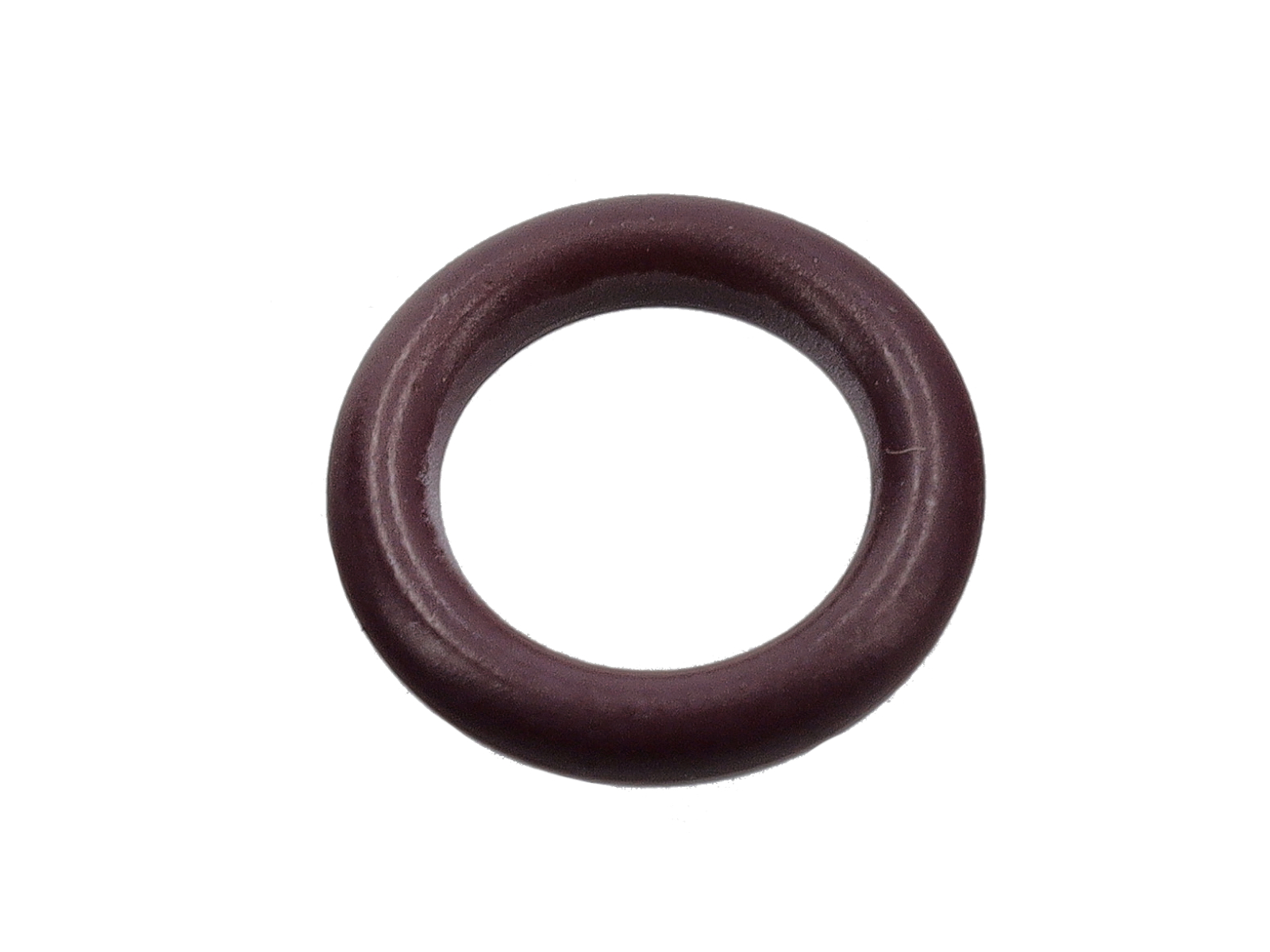
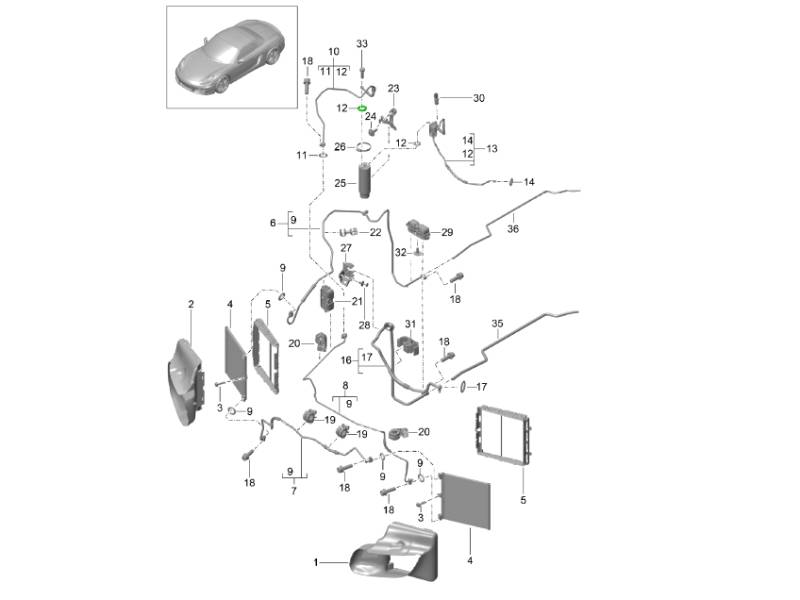
The OE MATCH Air Conditioning O-Ring is a precision sealing ring designed for use at compatible connections within the vehicle's air conditioning system. Measuring 7.0 x 1.9 mm, it creates a secure seal between mating A/C components, helping prevent refrigerant and lubricant from escaping from the system.
Fits:
- Porsche Boxster 981 2.7L 2012-16
- Porsche Boxster 981 S / GTS 3.4L 2012-16
- Porsche Boxster 981 Spyder 3.8L 2016
- Porsche Boxster 718 2.0L Manual (300 Bhp) 2017>>
- Porsche Boxster 718 2.0L PDK (300 Bhp) 2017>>
- Porsche Boxster S 718 2.5L Manual (350 Bhp) 05/2017>>
- Porsche Boxster S 718 2.5L PDK (350 Bhp) 05/2017>>
- Porsche Boxster T 718 2.0L Manual (300 Bhp) 01/2019>>
- Porsche Boxster T 718 2.0L PDK (300 Bhp) 01/2019>>
- Porsche Boxster GTS 718 2.5L Manual (365 Bhp) 05/2017>>
- Porsche Boxster GTS 718 2.5L PDK (365 Bhp) 05/2017>>
- Porsche Boxster GTS 718 4.0L Manual (400 Bhp) 01/2019>>
- Porsche Boxster GTS 718 4.0L PDK (400 Bhp) 01/2019>>
- Porsche Boxster Spyder / Spyder RS 718 4.0L 01/2019>>
- Porsche 991.1 Carrera C2 3.4L (350 Bhp) 2012-16
- Porsche 991.1 Carrera C2S / GTS 3.8L (400/430 Bhp) 2012-16
- Porsche 991.1 Carrera C4 3.4L (350 Bhp) 2012-16
- Porsche 991.1 Carrera C4S / GTS 3.8L (400/430 Bhp) 2012-16
- Porsche 991.1 Turbo 3.8L (520 Bhp) 2014-16
- Porsche 991.1 Turbo S 3.8L (560 Bhp) 2014-16
- Porsche 991.1 R 4.0L (500 Bhp) 2016
- Porsche 991.1 GT3 3.8L (475 Bhp) 2014-16
- Porsche 991.1 GT3 RS 4.0L (500 Bhp) 2015-16
- Porsche 991.2 Carrera 2 3.0L (370 Bhp) 2016-19
- Porsche 991.2 Carrera 2S / GTS 3.0L (420/450 Bhp) 2016-19
- Porsche 991.2 Carrera 4 3.0L (370 Bhp) 2016-19
- Porsche 991.2 Carrera 4S / GTS 3.0L (420/450 Bhp) 2016-19
- Porsche 991.2 Cabriolet 2 3.0L (370 Bhp) 2016-19
- Porsche 991.2 Cabriolet 2S / GTS 3.0L (420/450 Bhp) 2016-19
- Porsche 991.2 Cabriolet 4 3.0L (370 Bhp) 2016-19
- Porsche 991.2 Cabriolet 4S / GTS 3.0L (420/450 Bhp) 2016-19
- Porsche 991.2 Targa 4 3.0L (370 Bhp) 2016-19
- Porsche 991.2 Targa 4S / GTS 3.0L (420/450 Bhp) 2016-19
- Porsche 991.2 Turbo Coupe 3.8L (540 Bhp) 2016-19
- Porsche 991.2 Turbo S Coupe 3.8L (580 Bhp) 2016-19
- Porsche 991.2 Turbo Cabriolet 3.8L (540 Bhp) 2016-19
- Porsche 991.2 Turbo S Cabriolet 3.8L (580 Bhp) 2016-19
- Porsche 991.2 GT2 RS 3.8L PDK (700 bhp) 2018-19
- Porsche Cayman 2.7L 981 2013-16
- Porsche Cayman S / GTS 3.4L 981 2013-16
- Porsche Cayman GT4 3.8L 2015-16
- Porsche Cayman 718 2.0L Manual (300 Bhp)
- Porsche Cayman 718 2.0L PDK (300 Bhp)
- Porsche Cayman S 718 2.5L Manual (350 Bhp)
- Porsche Cayman S 718 2.5L PDK (350 Bhp)
- Porsche Cayman T 718 2.0L Manual (300 Bhp)
- Porsche Cayman T 718 2.0L PDK (300 Bhp)
- Porsche Cayman GTS 718 2.5L Manual (365 Bhp)
- Porsche Cayman GTS 718 2.5L PDK (365 Bhp)
- Porsche Cayman GTS 718 4.0L Manual (400 Bhp)
- Porsche Cayman GTS 718 4.0L PDK (400 Bhp)
- Porsche Cayman GT4 718 4.0L / GT4 RS 718 4.0L
Diagram Ref No 12
Air conditioning systems operate under pressure and depend on correctly sized, serviceable seals at their connections. Even a small or inexpensive O-ring can be critical to maintaining system integrity and reliable A/C performance.
What This Product Does:
The A/C O-ring seals the joint between compatible air conditioning pipes, hoses and components.
When the connection is assembled, the O-ring is compressed between the mating surfaces to create a pressure-tight seal. This helps keep refrigerant and circulating compressor lubricant contained within the closed air conditioning circuit.
A correctly functioning O-ring helps:
- Prevent refrigerant leakage
- Maintain A/C system pressure
- Prevent loss of refrigerant oil at the connection
- Keep moisture and contamination out of the system
- Support efficient air conditioning operation
- Maintain a secure seal between connected A/C components
Correct dimensions and material compatibility are especially important in an air conditioning system because the seals are exposed to refrigerant, lubricant, pressure and temperature changes.
Symptoms Of Wear Or Failure:
Over time, an O-ring can deteriorate through age, heat, chemical exposure and repeated temperature and pressure cycles.
Common signs of a leaking or failed air conditioning O-ring include:
- Air conditioning gradually losing cooling performance
- A/C blowing warmer than expected
- Refrigerant charge repeatedly becoming low
- Refrigerant leakage detected around a connection
- Oily residue around an A/C pipe or fitting
- System unable to maintain pressure
- O-ring becoming hard or brittle
- Cracks or splits in the sealing material
- Flattened or permanently compressed O-ring
- Cuts, nicks or deformation after removal
A refrigerant leak can be extremely small and may not always be visually obvious. Proper A/C leak-detection and diagnostic equipment may therefore be required to identify the source accurately.
Why Replacement Matters:
The air conditioning system relies on being sealed and correctly charged to operate effectively. A deteriorated O-ring can allow refrigerant to escape gradually, resulting in reduced cooling performance and eventually preventing the A/C system from operating correctly.
Loss of refrigerant can also be accompanied by loss of compressor lubricant from the affected connection. Maintaining the correct refrigerant and lubricant charge is important for dependable system operation.
Replacing a leaking or damaged O-ring helps restore:
- A secure A/C connectionRefrigerant retention
- Correct system pressure
- Reliable cooling performance
- Protection against moisture and contamination entering the system
Addressing a small seal leak promptly can also prevent repeated refrigerant loss and unnecessary recharging of the system.
Related reference numbers
Related, superseded, cross reference or alternative numbers for comparison.
99970766040
The product you are viewing cross references to these numbers

- Porsche Boxster 986 2.5L 1997-99
- Porsche Boxster 986 2.7L 1999-02
- Porsche Boxster S 986 3.2L 1999-02
- Porsche Boxster 986 2.7L 2003-04
- Porsche Boxster S 986 3.2L 2003-04
- Porsche 996 C2 3.4L 1997-08/01
- Porsche 996 C4 3.4L 1997-08/01
- Porsche 996 C2 3.6L 09/01-2005
- Porsche 996 C4 3.6L 09/01-2005
- Porsche 996 C4S 3.6L 09/01-2005
- Porsche 996 TURBO 2000-05
- Porsche 996 GT2 2001-05
- Porsche 996 GT3 MKI 1999-02
- Porsche 996 GT3 MKII 2003>>
- Porsche 996 GT3 RS 2003-04
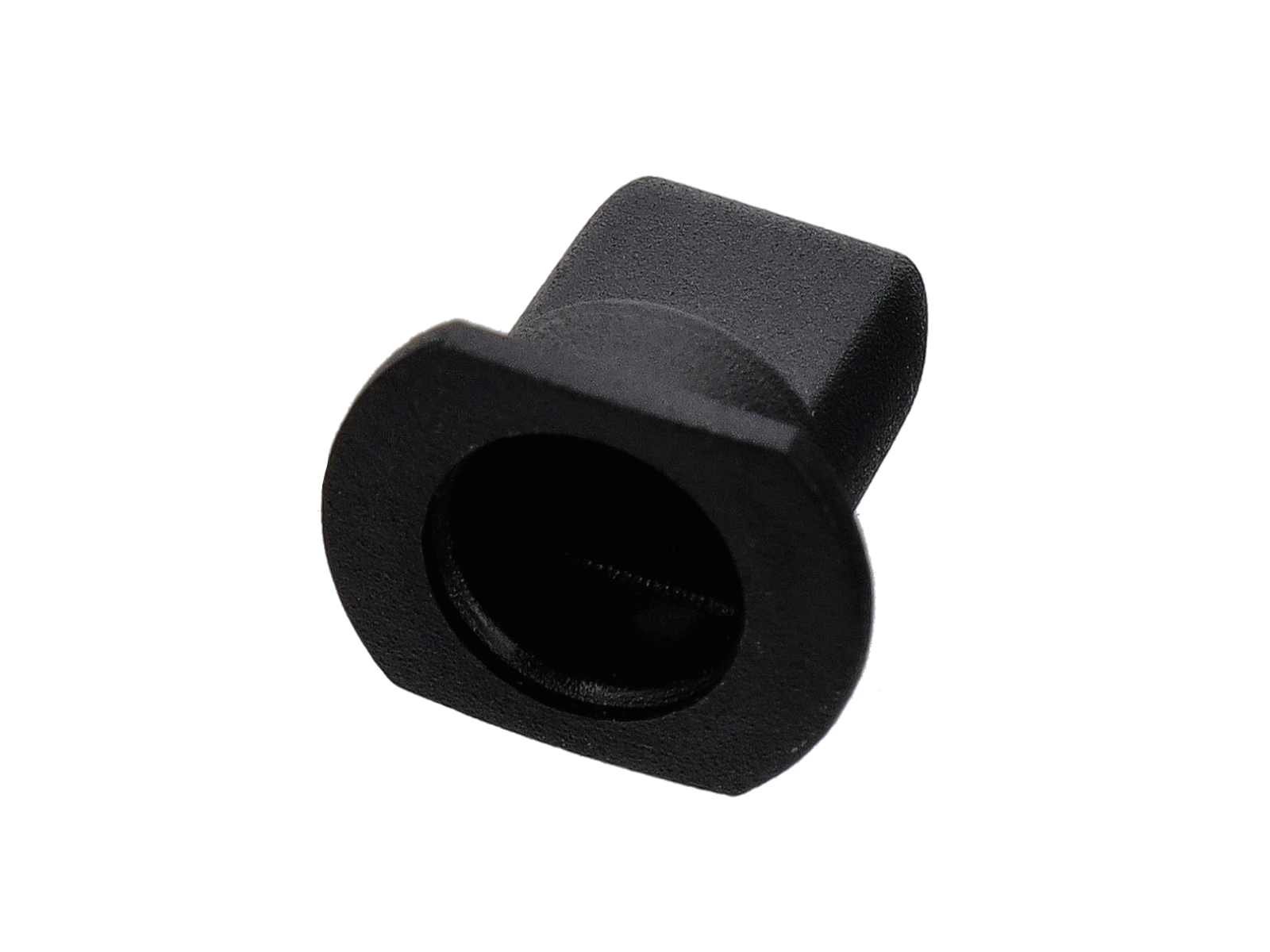
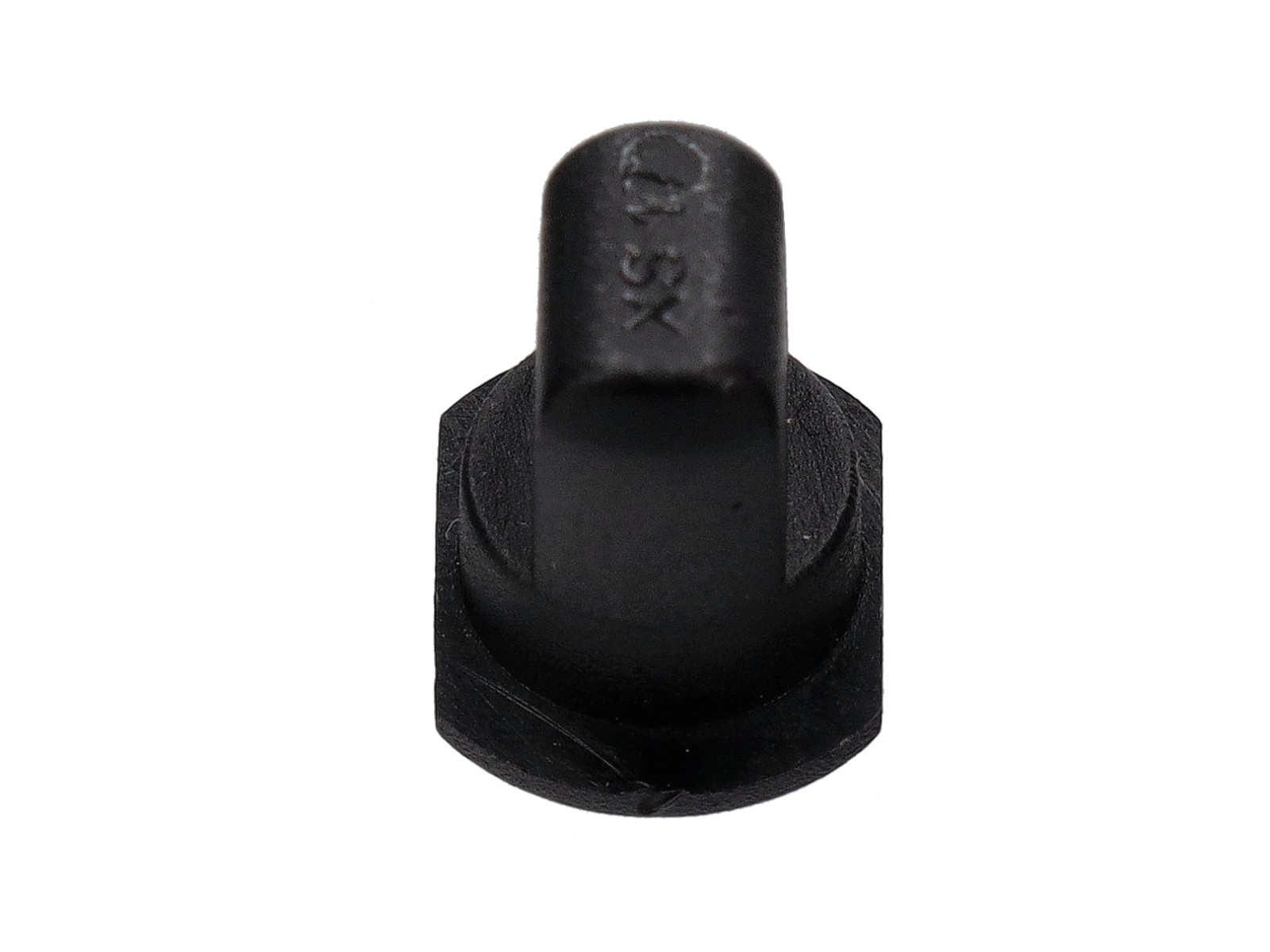
OE Match door trim grommet for Porsche 986 Boxster and 996 models. This replacement trim fixing grommet helps secure the door trim panel correctly, supporting a clean interior finish and reducing unwanted movement, rattles, or loose panel fitment.
Sold individually
Fits:
Porsche 986 Boxster 1997 - 2004
Porsche 996 Carrera 1998 - 2005
Porsche 996 Turbo / GT2
Porsche 996 GT3 1999 - 2005
Diagram ref no 1
The door trim grommet provides a secure fixing point for the door trim fastener or clip. A correctly fitted grommet helps the door panel sit firmly against the door shell, maintaining correct alignment and reducing noise or looseness from the interior trim.
Functions
• Replaces the door trim grommet
• Provides a secure fixing point for door trim clips or fasteners
• Helps hold the door trim panel in position
• Supports correct door card alignment
• Helps reduce rattles, vibration, and loose trim movement
• Suitable for door card removal, refit, repair, or restoration
• OE Match replacement for Porsche interior trim repair.
Why Replace This Part?
Door trim grommets can become brittle, cracked, worn, missing, or damaged during door card removal, speaker repair, window regulator service, lock repair, or interior restoration. A damaged or missing grommet can cause loose trim, poor panel alignment, rattling, or insecure door card fitment. Replacing worn grommets helps restore a secure and factory-style interior trim finish.
When to Replace This Part
• Door trim grommet is missing, cracked, worn, or damaged
• Door card is loose or not sitting correctly
• Interior trim rattling or vibration is present
• Door trim panel has been removed for repair or service
• Window regulator, speaker, lock, or handle work is being carried out
• Door interior trim restoration is in progress
• Original fixing points no longer hold securely.
Where it fits on the car
This grommet fits in the door trim / door card fixing area on Porsche 986 Boxster and 996 models.
Related reference numbers
Related, superseded, cross reference or alternative numbers for comparison.
191853615A
The product you are viewing cross references to these numbers