





Enter your VAT number here and click Verify:
Your details have been verified. VAT number registered to:
,
.
Your order will now be zero rated for VAT purposes. We reserve the right to verify these details after your order request has been made and reinstate VAT if required.
Your VAT details were not recognised or were invalid. Your VAT number must be matched to your Billing Country as specified above. This is currently specified as . You do not need to enter the country code part of your VAT number as this has already been selected in your billing address details above.
The VAT number checking service is currently offline. Please supply your VAT details within the comments or special instructions field below and we will apply a VAT discount after placing your order request.
OE Match

OE Match for Porsche
OE Match is a brand that provides a wide range of Porsche components, from gaskets to suspension hardware, engine parts, and interior trim. Over 6,700 individual part numbers, and over 11,800 OE cross-references catalogued, and are constantly developing new lines.OE Match has over 100 new products currently in the engineering phase, which will be quality-controlled and added to their catalog. The mission is to keep all Porsche vehicles on the road by offering a vast selection of parts that can address various problems across different Porsche generations
A Quick Look at OE Match
OE Match information on this page is based on details supplied by the manufacturer or distributor, plus any OE references provided with the parts.
Choosing the Right Fit for Your Porsche
Where OE Match is listed for Porsche, use the supplied model coverage and OE references to confirm suitability. Check details that commonly affect fitment such as model year, side/position, and connector type where relevant.
- Often chosen when owners want OE-equivalent quality with sensible running costs, especially for routine service and wear items.
- Typical reasons to replace include restoring reliability, addressing age-related wear, or refreshing multiple components during larger repair work.
- Common defects from incorrect application include noise, premature wear, leaks, or fitment quirks if the wrong variant is selected or fitted with old seals/hardware.
- Watch for symptoms such as unusual noises, early wear, or repeat failures after recent work, which can indicate mismatched parts or supporting items left worn.
- Always cross-check OEM part numbers, read model-year notes, and verify compatibility before ordering.
- For safety-critical components, confirm specification and fitment carefully and have installation checked by a competent technician.
Browse by Category
If you already know the area you are working on, start with the category and then filter by Porsche model. Where real-world symptoms and typical reasons to replace are provided, use them to keep the wording grounded.
Brakes — Brake components are renewed to restore stopping performance, address wear or upgrade a Porsche for fast road or track use. Common symptoms include vibration under braking, longer stopping distances, squealing, pulling to one side, warning lights and visible wear to discs and pads.
Brake Pad Wear Sensors — Brake pad wear sensors are replaced when pads are renewed or when warning lights indicate a broken or worn sensor. Symptoms include brake wear warnings even with new pads, damaged sensor cables, or broken clips around the caliper area.
Engine Electrical — Engine electrical parts are changed when there are starting, charging, ignition, or sensor-related faults that affect drivability and reliability, such as intermittent no-start, misfires, rough idle, poor charging, warning lights or heat-soak failures.
Service Parts — Service parts are replaced as routine maintenance to keep the engine and systems reliable, efficient, and protected, often resolving hard starting, rough idle, poor fuel economy and warning lights caused by clogged filters or worn ignition components.
Service Kits — Service kits bundle key service components to simplify maintenance and set the car back to a known baseline, especially useful when catching up on overdue servicing or dealing with general sluggish running, inconsistent idle and reduced performance.
- For brake parts, confirm whether items are OE-equivalent replacements or performance upgrades and check if new fitting kits and sensors are required.
- On service items and kits, match the kit to your exact Porsche model, engine and year, and review what is included so you can add any extra “while you are there” parts.
Explore OE Match at Design911
View the current OE Match range for Porsche at Design911, then filter by model and category to narrow down to the right parts.
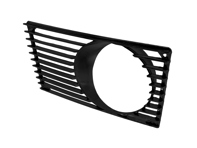

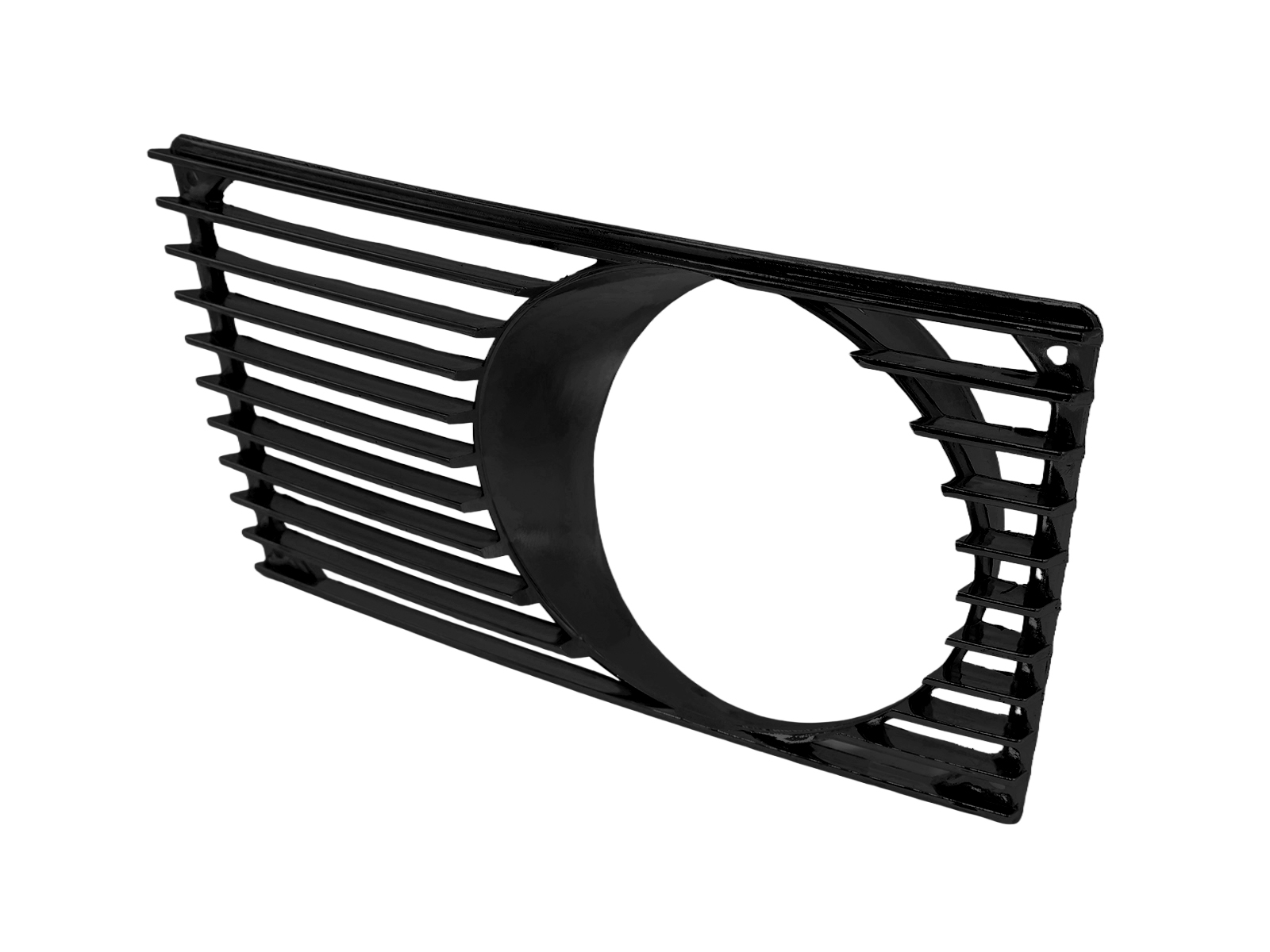
- Porsche 914 (1970-1976)
Colour: Black
Equipment Variant: For fog light
Fitting Position: Front

Fits:
Porsche 914 1.7-2.0 01/69-02/76
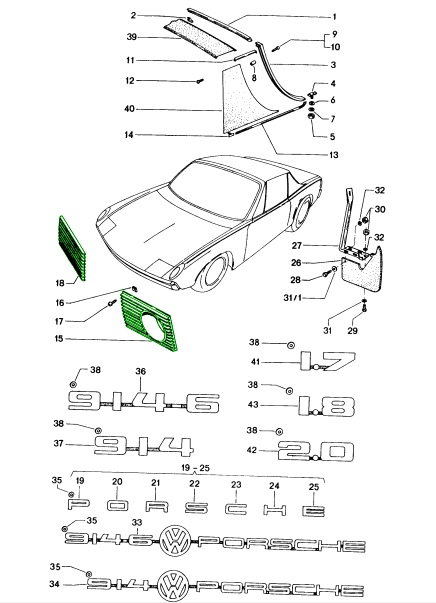
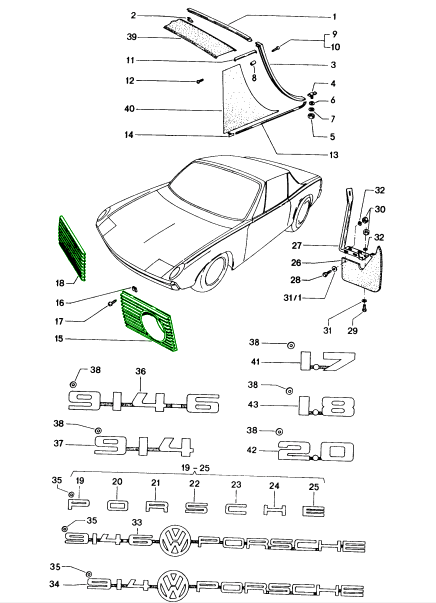
Click 'Zoom in' for large parts diagram.
Diagram ref no 15 (LEFT)
Related reference numbers
Related, superseded, cross reference or alternative numbers for comparison.
91455923
The product you are viewing cross references to these numbers
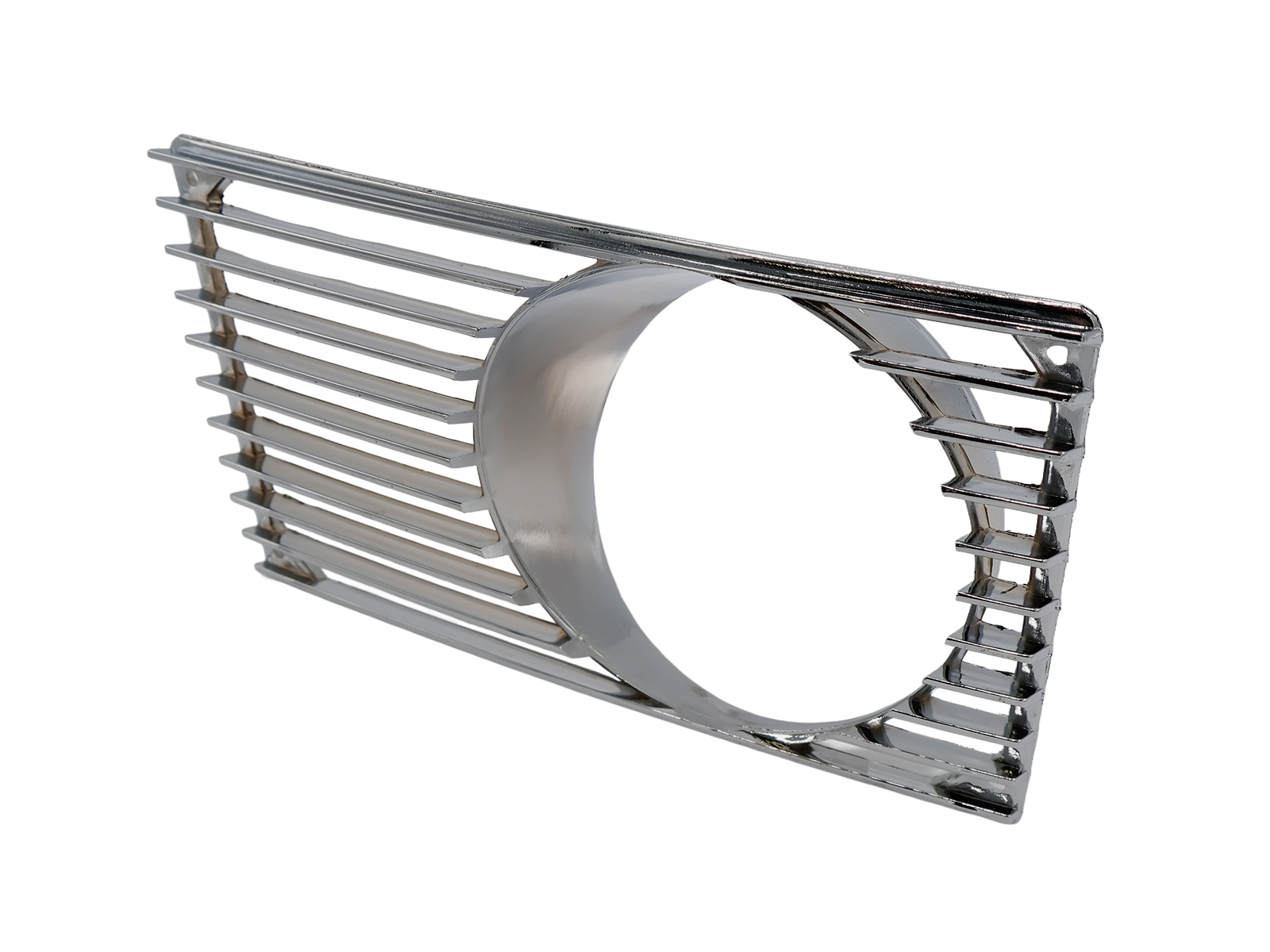
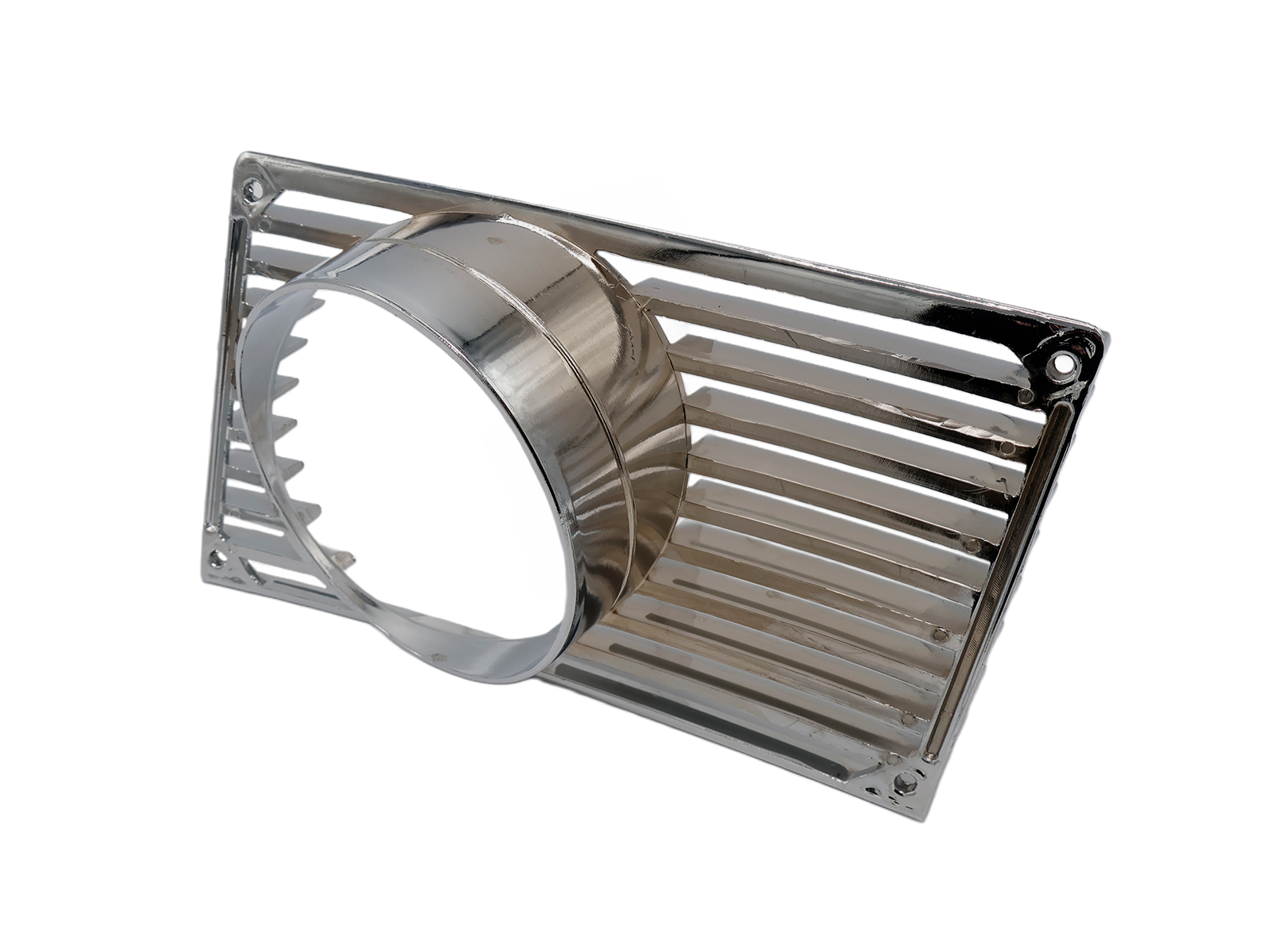
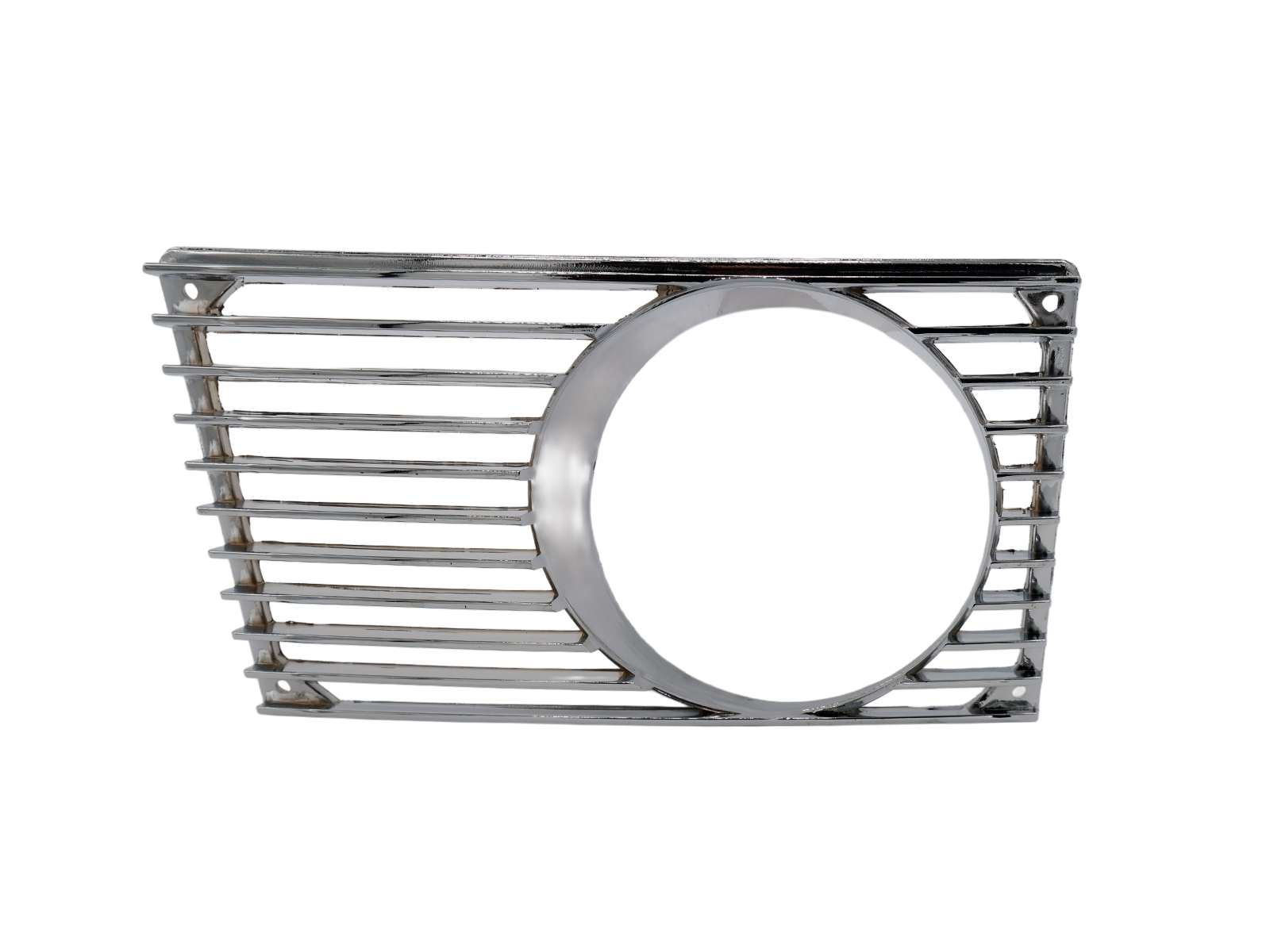
- Porsche 914 (1970-1976)
Chrome Grille for Additional Headlight
Restore the distinctive front-end appearance of your classic
Porsche with this OE Match Chrome Grille for the additional headlight/fog light
position.
Fits:
- Porsche 914 (1970-1976)
Diagram ref no 15 (Left) / 18 (Right)
Located in the front bumper area, these grilles surround the additional light opening and form an important part of the characteristic Porsche 914 front-end design. The chrome finish provides the correct classic appearance and makes these grilles particularly suitable for restoration or replacement of damaged, faded or missing originals.
What Does the Additional Headlight Grille Do?
The grille fits around the additional headlight or fog light opening at the front of the Porsche 914. Its primary purpose is to provide a neat surround for the light while completing the styling of the front bumper area.
A correctly fitted grille helps:
- Provide the correct surround for the additional headlight/fog light
- Protect the light area from larger road debris
- Maintain the correct appearance of the front bumper
- Finish the opening neatly around the lamp
- Restore the classic chrome detailing of the Porsche 914
These versions feature the opening for cars equipped with the additional fog light.
Why Do Porsche 914 Grilles Fail?
Because they are mounted low at the front of the vehicle, the grilles are continually exposed to weather, road dirt and debris.
After decades of use, common problems can include:
- Stone chip and impact damage
- Cracked or broken grille sections
- Deterioration of the chrome finish
- Scratches and surface damage
- Discolouration and weathering
- Damaged mounting points
Age can also make original components increasingly fragile, particularly when they are removed during front bumper or fog lamp servicing.
When Should the Grille Be Replaced?
Replacement should be considered if:
- The grille is cracked or broken
- Chrome plating is badly deteriorated
- Mounting points are damaged
- The grille no longer sits securely
- Sections of the grille are missing
- One side has been lost or previously removed
- The fog lights are being refurbished
- The front bumper is undergoing restoration
Replacing tired or mismatched left and right-hand grilles can make a noticeable improvement to the appearance of a restored Porsche 914.
Related reference numbers
Related, superseded, cross reference or alternative numbers for comparison.
91455923
The product you are viewing cross references to these numbers
- Porsche 964 (911) RS 3.6L 1991-93
- Porsche 964 (911) RS 3.8L 1991-93
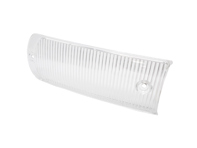
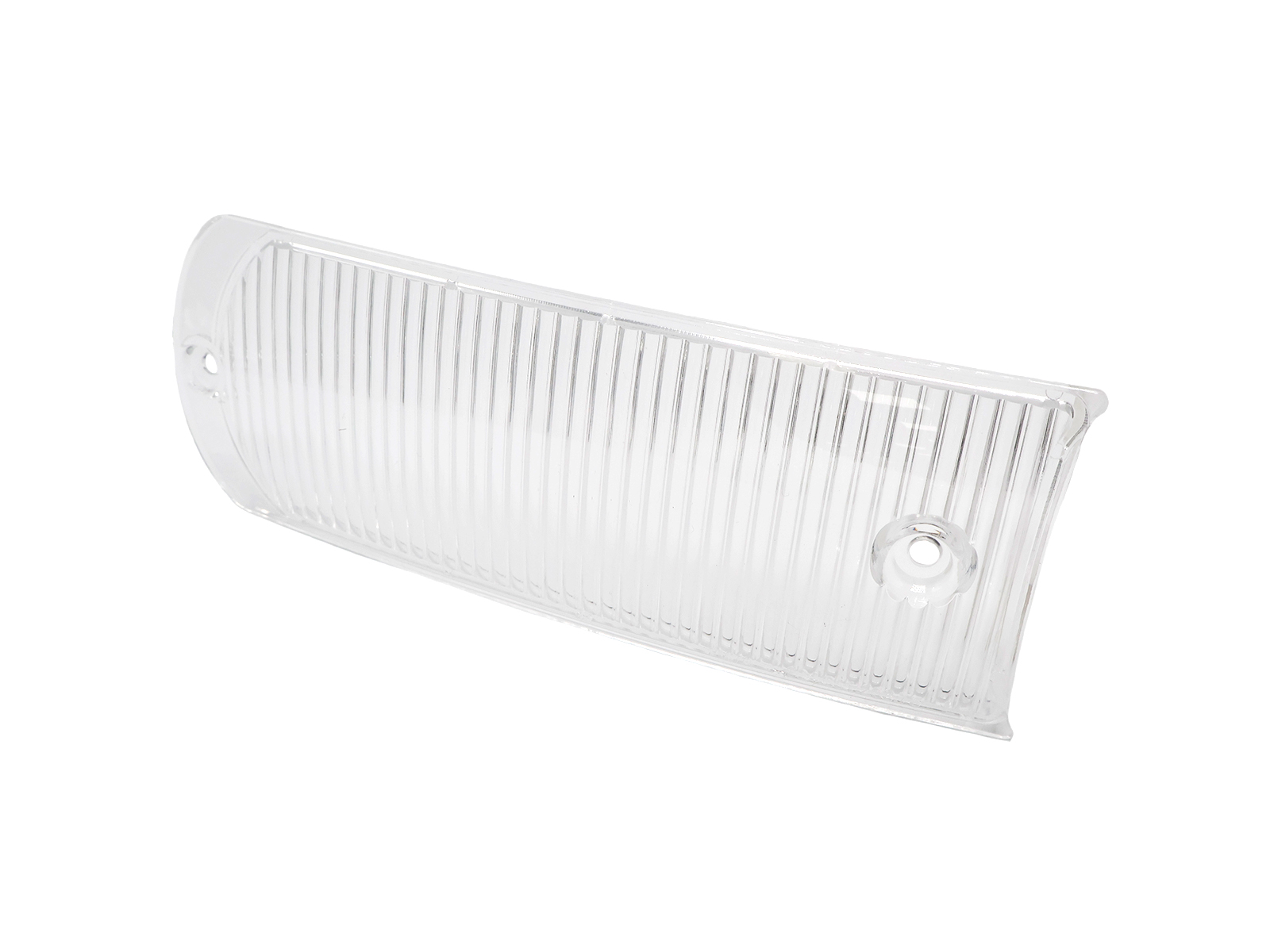
Fog Lamp Lens
Restore the distinctive front-end appearance
of your Porsche 964 Carrera RS with this OE Match Fog Lamp Lens - Left and right-hand versions.
Fits:
- Porsche 964 (911) RS 3.6L 1991-93
- Porsche 964 (911) RS 3.8L 1991-93
Designed as a replacement for a damaged,
cracked, faded or missing original lens, this component helps maintain the
clean, factory-style appearance of the Carrera RS front bumper.
What Does
the Fog Lamp Lens Do?
The lens forms the visible outer section of the fog lamp position in the front bumper. In addition to contributing to the characteristic appearance of the 964 Carrera RS, it covers the opening and helps protect the area behind it from direct exposure to dirt, water and road debris.
Correctly fitted lenses help provide:
- Factory-style Carrera RS front-end appearance
- Coverage of the original fog lamp position
- Protection from road dirt and debris
- Correct left and right-hand fitment
- A clean finish to the front bumper
- An important detail for accurate 964 Carrera RS restoration
The OE Match versions cross-reference Porsche numbers 96463120375 and 96463120475 and are listed for Porsche 964 3.6–3.8L Carrera RS applications.
Why Do Fog Lamp Lenses Fail?
Because of their low position at the front of the vehicle, these lenses are particularly exposed to road debris and environmental damage.
Common causes of deterioration include:
- Stone chips and impact damage
- Cracking
Scratches and surface damage
- UV and age-related deterioration
- Damage around mounting points
- Previous accident or bumper damage
- Incorrect removal or installation
- Missing components following previous modifications
On older Porsche 964 models, cosmetic deterioration can also become increasingly noticeable as the surrounding bodywork is restored.
When Should the Fog Lamp Lens Be Replaced?
Replacement should be considered if:
- The lens is cracked or broken
- Heavy scratches affect its appearance
- Mounting points are damaged
- The lens no longer sits correctly in the bumper
- One side is missing
- The front bumper is being refurbished
- The vehicle is undergoing an RS restoration
- You want to restore a cleaner, more original-looking front end
Replacing damaged or mismatched lenses as a pair can also help achieve a more consistent appearance across the front of the vehicle.
Porsche 964 Carrera RS Fog Lamp Lenses & Front Lighting Parts
The front lighting and bumper components are an important part of the distinctive appearance of the Porsche 964 Carrera RS. Lenses, indicators and associated trim are positioned in an area particularly vulnerable to stone chips, road debris, moisture and accidental damage.
For owners restoring a Porsche 964 Carrera RS, replacing cracked, scratched or missing front lenses can make a significant improvement to the overall presentation of the vehicle.
When replacing a fog lamp lens, it is also worthwhile inspecting the surrounding bumper, mounting points, fixings, indicators and associated trim for damage or deterioration.
Related reference numbers
Related, superseded, cross reference or alternative numbers for comparison.
96463120
The product you are viewing cross references to these numbers

- Porsche 964 (911) C2 1989-93
- Porsche 964 (911) C4 1989-93
- Porsche 964 (911) RS 3.6L 1991-93
- Porsche 964 (911) RS 3.8L 1991-93
- Porsche 964 (911) TURBO 3.3L 1991-93
- Porsche 964 (911) TURBO 3.6L 1991-93
Fits:
Porsche 964 3.3-3.6 12/88-06/94
Related reference numbers
Related, superseded, cross reference or alternative numbers for comparison.
96463140600
The product you are viewing cross references to these numbers

- Porsche 964 (911) C2 1989-93
- Porsche 964 (911) C4 1989-93
- Porsche 964 (911) RS 3.6L 1991-93
- Porsche 964 (911) RS 3.8L 1991-93
- Porsche 964 (911) TURBO 3.3L 1991-93
- Porsche 964 (911) TURBO 3.6L 1991-93
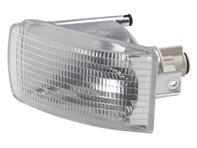
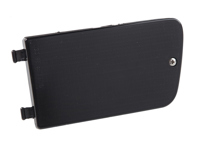
The OE MATCH Smoked Front Indicator Reflector is a replacement front lighting component designed to give the Porsche 964 a darker, more purposeful appearance while retaining the essential function of the front direction indicator assembly.
Fits:
US SPEC
- Porsche 964 (911) C2 1989-93
- Porsche 964 (911) C4 1989-93
- Porsche 964 (911) RS 3.6L 1991-93
- Porsche 964 (911) RS 3.8L 1991-93
- Porsche 964 (911) TURBO 3.3L 1991-93
- Porsche 964 (911) TURBO 3.6L 1991-93
What This Product Does:
The front indicator reflector forms part of the vehicle's direction indicator lighting system, helping provide a clearly identifiable flashing signal when the driver intends to turn or change direction.
In addition to its signalling function, the lens/reflector helps protect the internal lamp components from exposure to:
- Water and moisture
- Road dirt
- DustInsects and debris
- General environmental contamination
A correctly fitted reflector therefore contributes to both reliable indicator operation and protection of the lamp assembly.
The smoked finish also changes the visual character of the front lighting, giving the Porsche 964 a darker and more performance-oriented appearance.
Symptoms Of Wear Or Failure:
Indicator lenses and reflectors are constantly exposed to sunlight, weather, temperature changes and road debris. After years of use, the original units can become brittle, discoloured or physically damaged.
Common signs that replacement may be required include:
- Cracked or split lens
- Stone chips or impact damage
- Cloudy, hazy or faded appearance
- Yellowing or discolouration
- Moisture or condensation inside the indicator
- Water entering the lamp housing
- Broken or damaged mounting points
- Reflector becoming loose
- Poor fit against the surrounding bodywork
- Reduced clarity or consistency of the indicator signal
- One side appearing noticeably more aged than the other
Damage can also occur during minor impacts, body repairs or removal of an old and brittle indicator assembly.
Why Replacement Matters:
- The indicators are an important part of the vehicle's road-safety signalling system. A cracked, heavily deteriorated or incorrectly fitted reflector can reduce the effectiveness of the lamp and allow contamination into the housing.
- Water entering through a damaged lens can cause corrosion of bulb holders, contacts and electrical connections, potentially turning a simple lens problem into a more extensive lighting repair.
- Replacing a damaged reflector helps restore a properly enclosed lamp assembly while maintaining a clear and dependable direction signal.
- It can also make a substantial cosmetic improvement. Front indicator lenses are highly visible on the Porsche 964, and replacing faded or damaged units can immediately give the front of the vehicle a cleaner, sharper and better-maintained appearance.
Related reference numbers
Related, superseded, cross reference or alternative numbers for comparison.
96463141
The product you are viewing cross references to these numbers
- Porsche 964 (911) C2 1989-93
- Porsche 964 (911) C4 1989-93
- Porsche 964 (911) RS 3.6L 1991-93
- Porsche 964 (911) RS 3.8L 1991-93
- Porsche 964 (911) TURBO 3.3L 1991-93
- Porsche 964 (911) TURBO 3.6L 1991-93
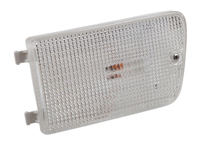
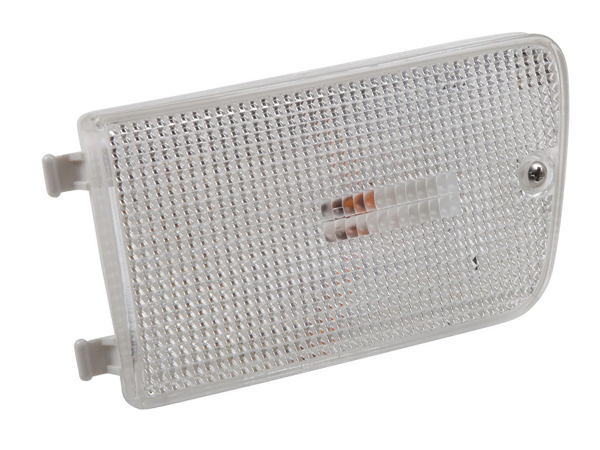
The OE MATCH Crystal Clear Front Indicator Reflector is a replacement lighting component designed to restore the appearance and effectiveness of the front indicator assembly on compatible Porsche models. Supplied in a crystal-clear finish, it provides a clean, sharp appearance while replacing an original reflector or lens that has become cracked, faded, cloudy or otherwise damaged.
Fits:
US SPEC
- Porsche 964 (911) C2 1989-93
- Porsche 964 (911) C4 1989-93
- Porsche 964 (911) RS 3.6L 1991-93
- Porsche 964 (911) RS 3.8L 1991-93
- Porsche 964 (911) TURBO 3.3L 1991-93
- Porsche 964 (911) TURBO 3.6L 1991-93
Designed to match the fit and function of the original components, it is suitable for maintenance, accident repair, lighting refurbishment or restoration where a fresh, high-quality front indicator appearance is required.
What This Product Does:
- The front indicator reflector forms part of the vehicle's direction indicator lighting assembly. It helps ensure that the light produced by the indicator is presented clearly and effectively so that other road users can recognise the driver's intention to turn or change direction.
- The reflector/lens also provides a protective barrier for the internal lighting components, helping shield them against water, road dirt, dust and debris.
- A clear, correctly fitted unit therefore contributes to both the appearance of the vehicle and the reliable operation of an important signalling system.
Symptoms Of Wear Or Failure:
Front lighting components are constantly exposed to sunlight, weather, road debris and temperature changes. With age, the original material can deteriorate or become damaged.
Common signs that replacement may be required include:
- Cracks or splits in the reflector/lens
- Cloudy, hazy or dull appearance
- Yellowing or discolouration
- Stone chips and heavy surface damage
- Moisture or condensation inside the indicator assembly
- Damaged mounting or attachment points
- Reflector becoming loose or poorly seated
- Reduced clarity of the indicator light
- Water or dirt entering the lamp housing
- One side looking noticeably more aged than the other
- Damage following a minor impact or accident
Even where the indicator bulb continues to operate, a badly deteriorated reflector can negatively affect both the appearance and condition of the complete lamp assembly.
Why Replacement Matters:
- Direction indicators are an important vehicle safety and communication system. Other road users rely on a clear, visible flashing signal to understand when the vehicle is turning or changing direction.
- Replacing a cracked, cloudy or damaged reflector helps maintain clear indicator visibility and protects the internal lamp components from contamination and moisture.
- A cracked unit can allow water into the housing, potentially leading to corrosion of bulb contacts, electrical connections and other internal components. Replacing the damaged reflector early can therefore help prevent deterioration elsewhere in the indicator assembly.
- For classic Porsche models, fresh front lighting components also make a significant cosmetic difference. Old lenses and reflectors often become faded or dull over time, so fitting a crystal-clear replacement can provide a cleaner and more refreshed front-end appearance.
Related reference numbers
Related, superseded, cross reference or alternative numbers for comparison.
96463141
The product you are viewing cross references to these numbers
- Porsche 911 1974-1977 2.7L / 1976-77 3.0 Carrera
- Porsche 914 (1970-1976)
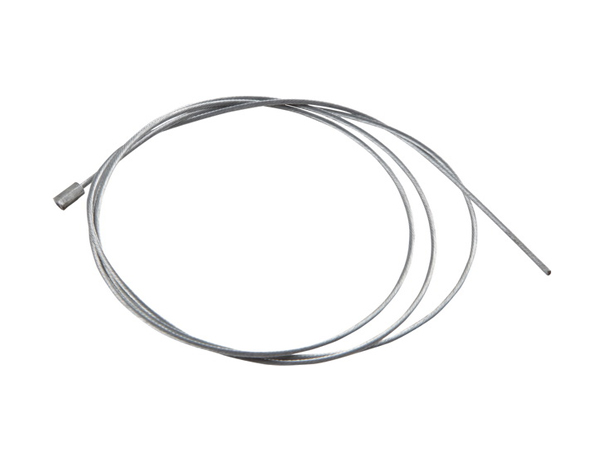
The OE MATCH Thermostat Control Cable is a replacement cable designed for the engine cooling thermostat system on applicable classic air-cooled Porsche applications. Measuring 469mm in length, it provides the mechanical connection required for the thermostat-controlled cooling arrangement to operate correctly.
Fits:
- Porsche 911 1974-1977 2.7L / 1976-77 3.0 Carrera
- Porsche 914 (1970-1976)
What This Product Does:
The thermostat control cable forms part of the engine cooling-air regulation system. It transfers movement from the thermostat to the cooling-air control mechanism as engine temperature changes.
When the engine is cold, the thermostat system regulates cooling airflow to help the engine reach its normal operating temperature efficiently. As the engine warms, the thermostat responds to increasing temperature and the cable allows the cooling-air control mechanism to move accordingly.
This helps ensure that the engine receives the appropriate cooling airflow for its operating temperature, rather than maximum cooling being applied regardless of conditions.
A correctly functioning cable therefore contributes to:
- Proper operation of the thermostat system
- Controlled engine warm-up
- Correct cooling-air regulation
- Stable engine operating temperatures
- Reliable operation of the associated cooling flaps and linkage
Symptoms Of Wear Or Failure:
The cable is exposed to repeated movement, engine heat and age-related deterioration. Over time it can stretch, fray, seize or break.
Common symptoms include:
- Broken or snapped thermostat cable
- Cable becoming frayed or visibly damaged
- Cable sticking or failing to move freely
- Excessive slack in the cable
- Thermostat mechanism failing to operate the cooling controls
- Cooling flaps remaining in one position
- Engine taking unusually long to reach operating temperature
- Abnormal or inconsistent engine operating temperatures
- Thermostat movement not being transferred to the cooling-air mechanism
- Cable corrosion or deterioration around its attachment points
During engine servicing or restoration, a cable that feels stiff, damaged or excessively stretched should be inspected carefully and replaced where necessary.
Why Replacement Matters:
- The thermostat system is designed to regulate cooling according to engine temperature. If the control cable fails, the cooling-air mechanism may no longer respond correctly to thermostat movement.
- If the cooling controls remain in a position that provides insufficient airflow once the engine is hot, engine temperatures can rise beyond their intended range. Excessive heat is particularly undesirable in an air-cooled engine and can place unnecessary thermal stress on engine components and lubricating oil.
- If the system remains permanently in a maximum-cooling position, the engine may take longer to reach its intended operating temperature, particularly in colder conditions.
- Replacing a damaged or unreliable cable restores the mechanical connection between the thermostat and cooling controls, helping the system operate as originally designed.
Related reference numbers
Related, superseded, cross reference or alternative numbers for comparison.
021119751
The product you are viewing cross references to these numbers
- Porsche 914 (1970-1976)
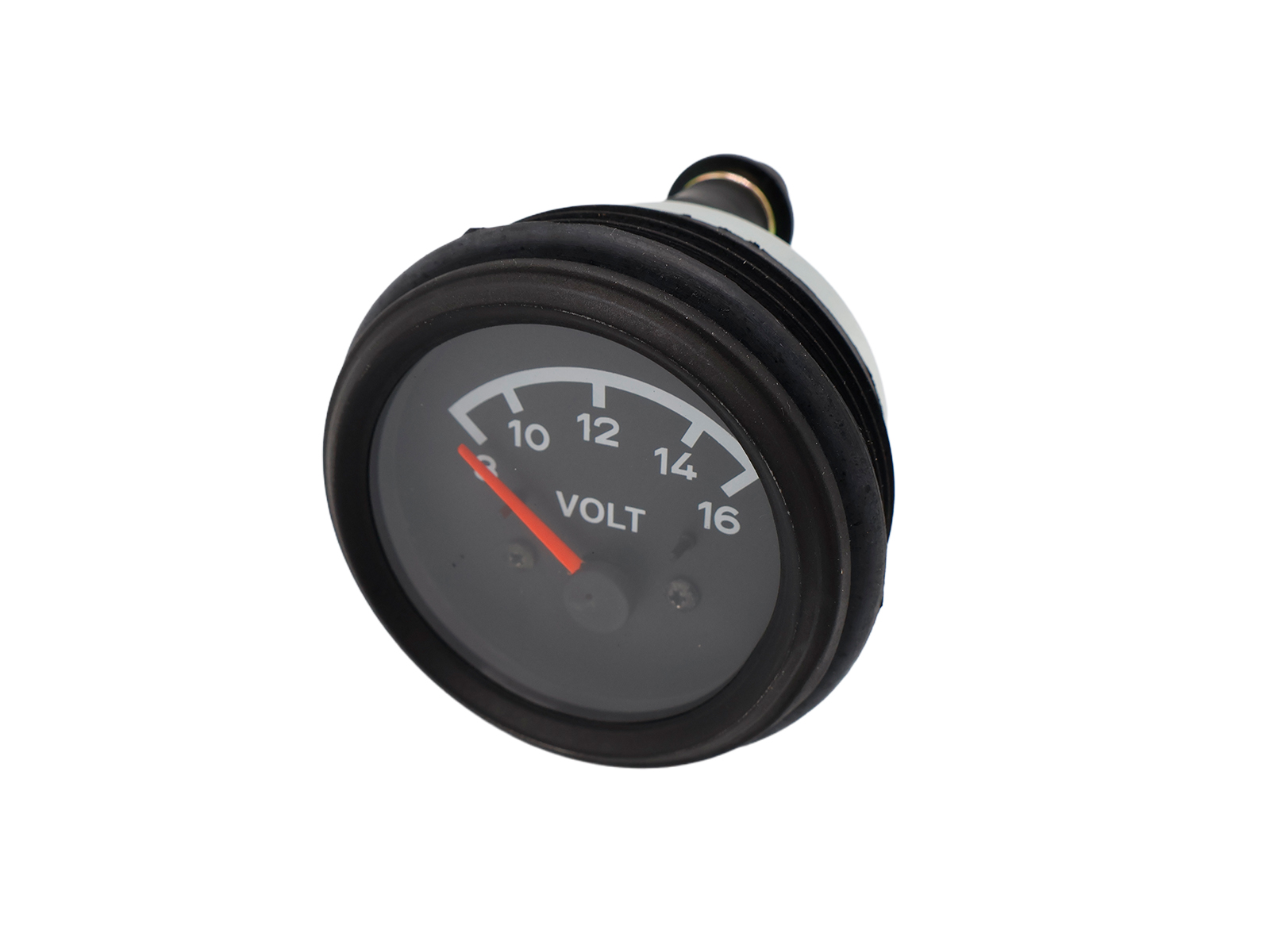
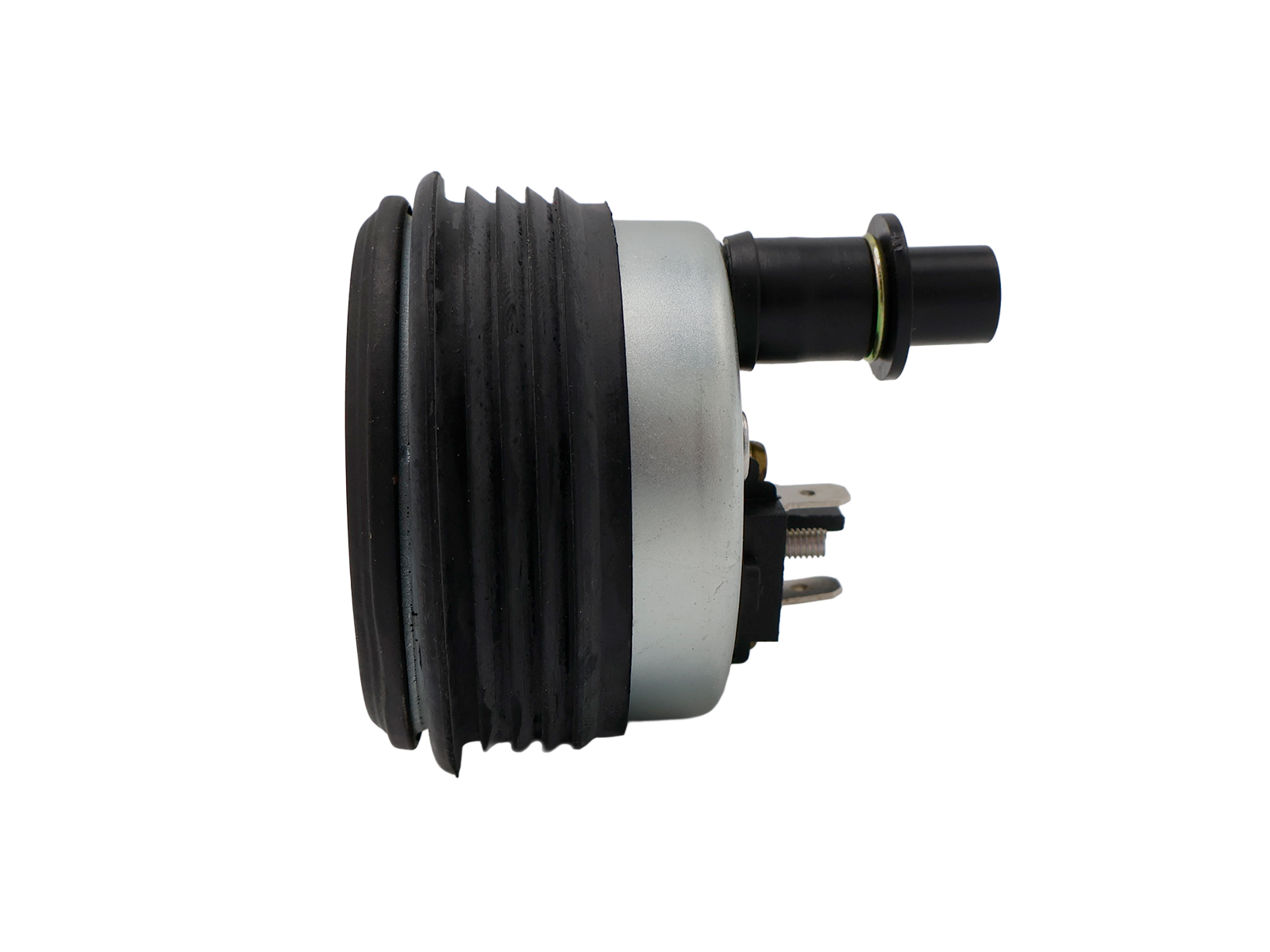
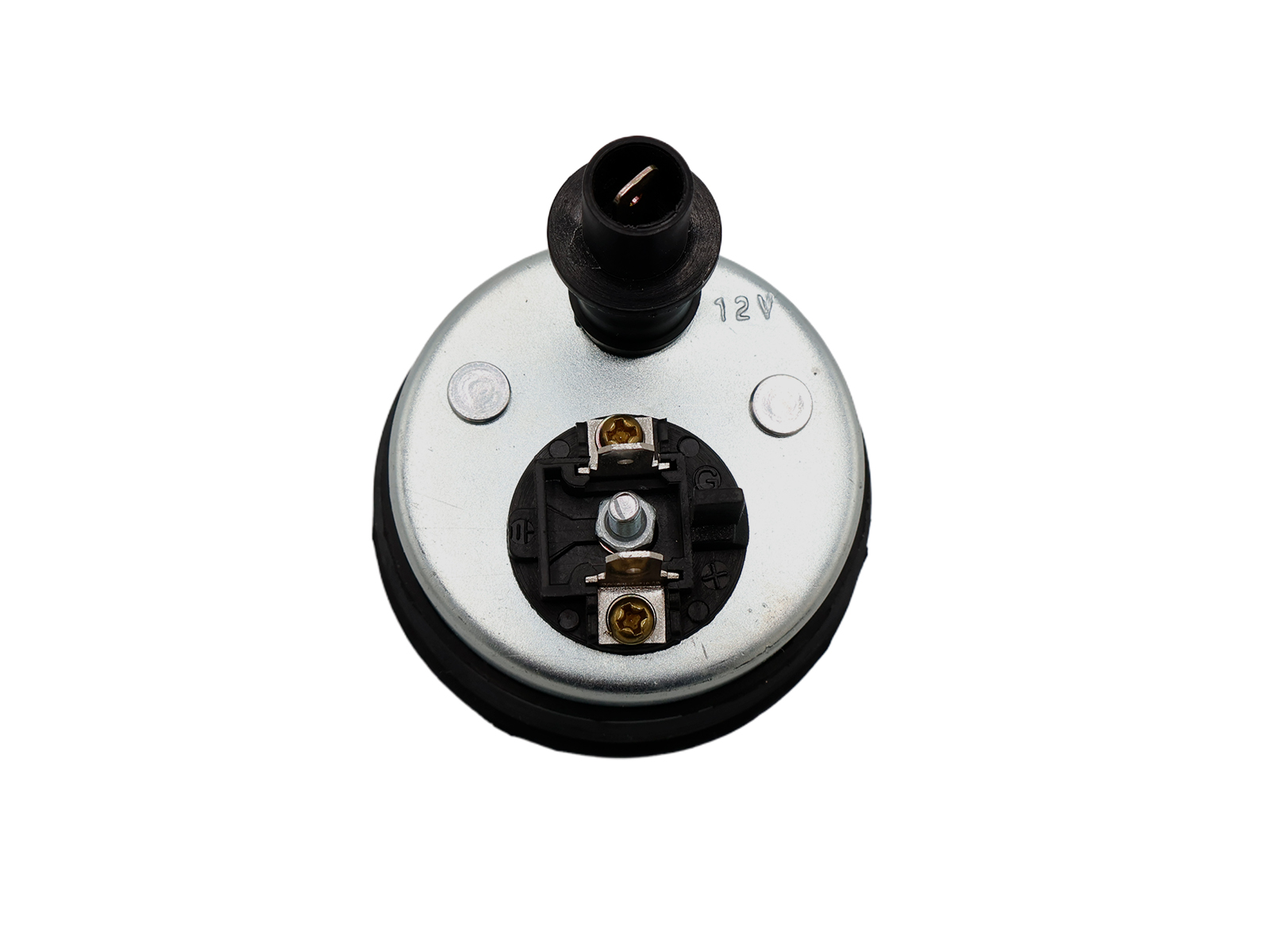
The OE MATCH Battery Voltage Gauge is a VDO-style electrical gauge designed to provide a clear indication of the vehicle’s battery and charging-system voltage. With an 8–16 volt display range, it allows the driver to monitor electrical system performance from the cockpit and identify abnormal voltage conditions before they develop into starting or reliability problems.
Fits:
- Porsche 914 (1970-1976)
What This Product Does:
The battery voltage gauge acts as a real-time monitor for the vehicle’s electrical system. With the ignition and engine running, it allows the driver to see whether the alternator and charging system are maintaining an appropriate voltage.
When the engine is switched off, the gauge can also provide an indication of battery voltage when the relevant electrical circuit is energised.
Monitoring voltage can help alert the driver to problems involving components such as the:
- Battery
- Alternator
- Voltage regulator
- Charging circuit
- Electrical connections and wiring
Rather than waiting for a weak battery or charging failure to leave the vehicle unable to start, a functioning voltmeter can provide an early visual indication that something in the electrical system requires investigation.
Symptoms Of Wear Or Failure:
Ageing gauges and their internal electrical components can eventually become inaccurate or stop operating altogether. Typical symptoms include:
- Gauge needle not moving
- Needle permanently reading too high or too low
- Voltage reading that appears obviously inaccurate
- Intermittent or fluctuating readings unrelated to actual system voltage
- Needle sticking or responding slowly
- Gauge working only occasionally
- Internal or electrical failure
- Physical damage to the gauge face, needle or housing
- Faded or difficult-to-read markings
- Poor illumination, where applicable
Before replacing the gauge, wiring, earth connections and actual battery voltage should also be checked, as an unusual reading can indicate a genuine charging-system problem rather than a faulty instrument.
Why Replacement Matters:
- A failed or inaccurate voltage gauge removes a useful source of information about the condition of the vehicle’s electrical system.
- If the alternator stops charging correctly, battery voltage can gradually fall until there is insufficient electrical power to operate the vehicle reliably or restart the engine. Conversely, excessive charging voltage may indicate a regulator or charging-system fault that should be investigated.
- Replacing a defective gauge restores the driver's ability to monitor voltage at a glance, providing useful advance warning of potential battery or charging issues.
- For classic vehicles, reliable electrical monitoring can be particularly valuable because ageing wiring, connectors, grounds, alternators and voltage regulators may all contribute to charging-system problems.
Related reference numbers
Related, superseded, cross reference or alternative numbers for comparison.
91464111510
The product you are viewing cross references to these numbers


- Porsche 911 1965-1968 2.0L / 912 SWB (F)
- Porsche 911 1968-1973 2.2L / 2.4L / 2.7L RS LWB (F)
- Porsche 911 1974-1977 2.7L / 1976-77 3.0 Carrera
- Porsche 911 1978-1983 3.0L / SC
- Porsche 911 1984-1986 3.2L
- Porsche 911 1987-1989 3.2L G50
- Porsche 911 1975-1977 3.0L Turbo (930)
- Porsche 911 1978-1989 3.3L Turbo (930)
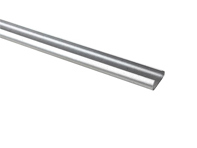
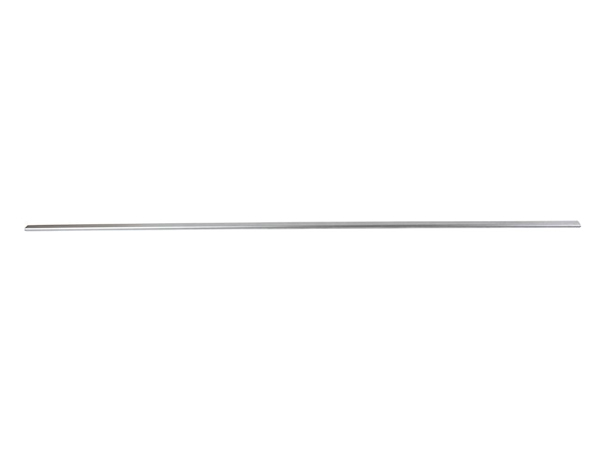
Length: 1 METER.
The OE MATCH Rear Profile Rail for Engine Bay Seal is a replacement retaining rail designed to secure the engine bay sealing profile in its correct position. Located at the rear of the engine compartment, this rail forms part of the engine bay sealing system and provides the correct mounting channel and support for the rubber seal.
Fits:
- Porsche 911 2.0-3.3 01/63-07/89
Diagram Ref No 4
On older classic Porsche models, the original rail can become corroded, bent, damaged or weakened, particularly after decades of exposure to moisture, engine heat and previous repair work. This OE MATCH replacement is ideal for restoration work or when renewing the surrounding engine bay seals and bodywork.
What This Product Does:
- The profile rail acts as a retaining and locating channel for the engine bay rubber seal. It holds the seal securely against the bodywork so that it can maintain the intended separation between the engine compartment and surrounding body panels.
- A correctly fitted rail helps the rubber sealing profile sit at the proper height, position and orientation, preventing sections of the seal from becoming loose, displaced or incorrectly seated.
- Although simple in design, the rail is an important supporting component of the engine bay sealing arrangement. A new rubber seal cannot perform as intended if the rail securing it is badly corroded, distorted or missing.
Symptoms Of Wear Or Failure:
Because the profile rail is a structural retaining component rather than a conventional moving part, deterioration is usually visible during inspection or when removing the engine bay seal.
Common signs that replacement may be required include:
- Rust or corrosion along the profile rail
- Perforation or severe metal deterioration
- Rail becoming bent, crushed or distorted
- Engine bay seal repeatedly coming loose
- Rubber seal no longer sitting evenly in its channel
- Sections of the retaining rail becoming detached
- Damage caused during previous bodywork or restoration
- Missing sections of the original rail
- Difficulty installing or retaining a replacement engine bay seal
- Poor or inconsistent sealing around the rear engine compartment
Corrosion can be particularly problematic because deterioration may be hidden beneath or behind the rubber sealing profile until the seal is removed.
Why Replacement Matters:
- A damaged profile rail can prevent the engine bay seal from being securely and correctly installed. Even a new seal may lift, move or sit incorrectly when fitted into a deteriorated retaining channel.
- Replacing the rail provides a sound mounting surface for the engine bay seal and helps restore the original sealing arrangement of the engine compartment. Correct sealing is important for managing the airflow and separation intended by the vehicle's original engine bay design, as well as helping limit the transfer of dirt, debris and moisture through unwanted gaps.
- Addressing corrosion at the rail also matters during restoration. Leaving a badly rusted retaining section in place can compromise otherwise good bodywork and make future seal replacement more difficult.
Related reference numbers
Related, superseded, cross reference or alternative numbers for comparison.
90150179720
The product you are viewing cross references to these numbers

- Porsche 914 (1970-1976)
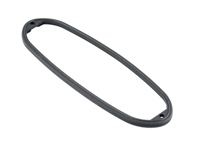
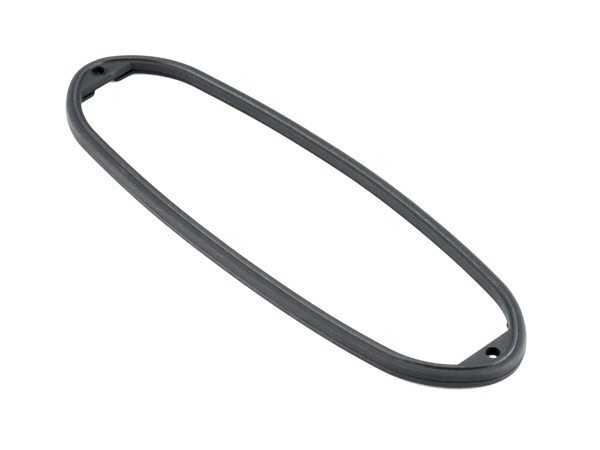
Made from a high-quality rubber that installs directly onto the housing just like the factory part did. This OE Match front indicator seal is a replacement rubber sealing gasket for the front indicator / turn signal lamp assembly on Porsche 914 models. It is designed to match the original-style fitment and helps provide a clean seal between the indicator lamp and the surrounding bodywork.
One piece seal
Fits:
Porsche 914 1970 - 1976
Diagram ref no 3
The front indicator seal fits around the indicator lamp assembly, helping prevent water, dirt, and debris from entering behind the lamp unit. It also helps reduce vibration, supports correct lamp fitment, and restores the original finished appearance around the front indicator area.
Functions
• Seals the front indicator / turn signal lamp assembly
• Helps prevent water, dirt, and debris entering behind the lamp
• Supports correct indicator lamp fitment
• Helps reduce vibration around the light assembly
• Restores a clean OE-style finish around the front indicator
• Replaces cracked, flattened, perished, or missing original seals
• OE Match replacement for lighting repair and restoration.
Why Replace This Part?
Indicator seals can harden, crack, shrink, flatten, split, or perish over time due to age, UV exposure, moisture, and weathering. A damaged or missing seal can allow water or dirt behind the lamp, may cause poor lamp fitment, and can leave the front lighting area looking unfinished. Replacing the seal helps restore proper protection and correct exterior detail.
When to Replace This Part
• The original indicator seal is cracked, split, flattened, or missing
• Water or dirt is entering behind the indicator lamp
• The front indicator lamp has been removed or replaced
• The lamp does not sit correctly against the bodywork
• The rubber has hardened, shrunk, or perished
• The front panel or lighting area is being restored
• The vehicle is undergoing Porsche 914 exterior restoration.
Where it fits on the car
This seal fits around the front indicator / turn signal lamp assembly on Porsche 914 models. It sits between the lamp unit and the surrounding body panel to provide the correct seal and OE-style finish.
Related reference numbers
Related, superseded, cross reference or alternative numbers for comparison.
91463195710
The product you are viewing cross references to these numbers

- Porsche 914 (1970-1976)
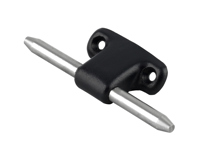
The OE MATCH Sun Visor Mount is a replacement mounting component for the sun visor assembly on Porsche 914 models. Designed to match the fit and function of the original part, it provides a secure attachment and pivot point for the sun visor, helping restore correct operation to an ageing or damaged interior.
Fits:
- Porsche 914
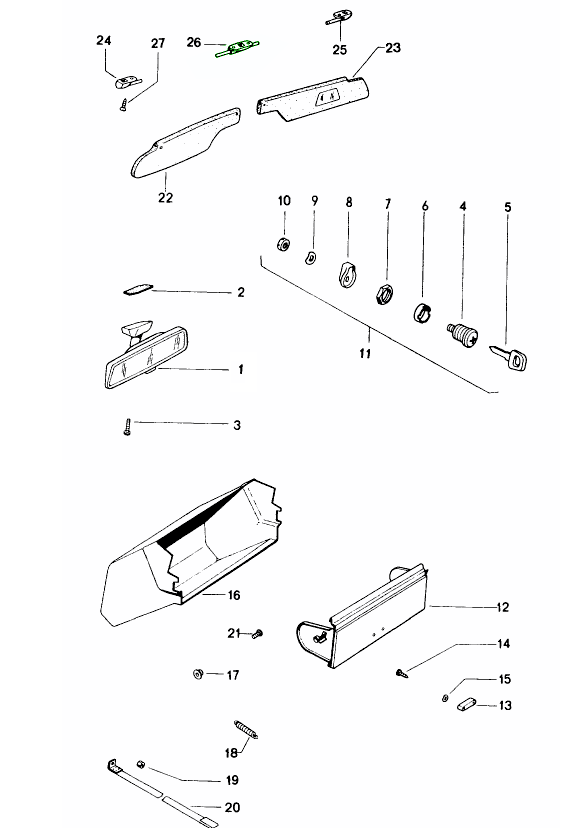
Diagram Ref No 26
On classic Porsche 914 models, decades of use, heat and UV exposure can leave original plastic mounting components brittle, cracked or loose. Replacing a deteriorated mount is a straightforward way to improve both the function and appearance of the sun visor assembly.
What This Product Does:
- The sun visor mount secures the sun visor to the vehicle and supports its pivoting movement. It allows the visor to be raised and lowered as required while keeping it correctly located and supported.
- When functioning correctly, the mount helps the visor remain securely positioned and provides controlled movement when adjusting it to reduce sunlight and glare through the windscreen.
Symptoms Of Wear Or Failure:
Over time, repeated visor adjustment and ageing of the original material can cause the mounting point to deteriorate. Signs that replacement may be required include:
- Sun visor sagging or hanging down
- Visor dropping unexpectedly while driving
- Excessive movement or play around the mounting point
- Visor failing to remain securely positioned
- Cracked, split or broken mounting components
- Brittle or deteriorated original plastic
- Visor sitting incorrectly or appearing misaligned
- Loose attachment between the visor and vehicle
- Difficulty raising, lowering or positioning the visor correctly
Visible cracking around the mount is a particularly important warning sign, as continued operation can eventually cause the mounting component to fail completely.
Why Replacement Matters:
- A damaged sun visor mount can make the visor difficult to use and may allow it to drop or move unexpectedly. For the driver, an unsecured visor can become distracting and may temporarily obstruct the field of vision.
- Replacing a worn or broken mount restores secure visor attachment, correct positioning and reliable operation. It can also prevent unnecessary movement from placing additional strain on the visor and associated mounting components.
- For a Porsche 914 undergoing interior restoration, replacing ageing visor hardware also helps return the cabin to a tidy, properly functioning and factory-style condition.
Related reference numbers
Related, superseded, cross reference or alternative numbers for comparison.
91473132710
The product you are viewing cross references to these numbers


- Porsche 911 1968-1973 2.2L / 2.4L / 2.7L RS LWB (F)
- Porsche 911 1974-1977 2.7L / 1976-77 3.0 Carrera
- Porsche 911 1978-1983 3.0L / SC
- Porsche 911 1984-1986 3.2L
- Porsche 911 1987-1989 3.2L G50
- Porsche 911 1975-1977 3.0L Turbo (930)
- Porsche 911 1978-1989 3.3L Turbo (930)
- Porsche 964 (911) C2 1989-93
- Porsche 964 (911) C4 1989-93
- Porsche 993 (911) C2 1994-97
- Porsche 993 (911) C4 1994-97
- Porsche 993 (911) C2S 1994-97
- Porsche 993 (911) C4S 1994-97
- Porsche 944S2 3.0L 16V 1989-91
- Porsche 944 Turbo 2.5L 8V 1985-88
- Porsche 944 Turbo 2.5L 8V 1989-91
- Porsche 944 Turbo S 2.5L 8V 1988
- Porsche 968 3.0L 1992-94
- Porsche 914 (1970-1976)
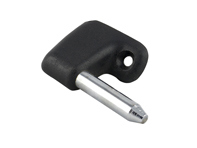
The OE MATCH Sun Visor Mount is a direct replacement mounting component designed to securely support the sun visor and restore its correct movement and positioning. It is suitable for a range of classic Porsche models, including selected 911, 914, 944, 964, 993 and 968 applications.
Fits:
- Porsche 911 1970-89 Targa / Cabrio
- Porsche 914
- Porsche 944.2 Cabrio
- Porsche 964 Targa / Cabrio
- Porsche 993 Cabrio
- Porsche 968 Cabrio
What This Product Does:
- The sun visor mount forms the pivot and attachment point between the sun visor and the vehicle's roof/windscreen frame area. It supports the visor while allowing it to be raised, lowered and repositioned to shield the driver or passenger from sunlight and glare.
- A correctly functioning mount keeps the visor securely positioned so that it does not sag, swing or move unexpectedly while driving. It also maintains correct visor alignment and provides smooth, controlled movement when the visor is adjusted.
Symptoms Of Wear Or Failure:
Sun visor mounts on older vehicles can deteriorate through age, repeated use, heat and UV exposure. Plastic around the mounting or pivot area may eventually become brittle, crack or lose its ability to hold the pivot securely.
Typical signs of a failing mount include:
- Sun visor sagging or dropping down unexpectedly
- Visor will not remain in the raised position
- Excessive looseness or play at the pivot
- Visor swings or moves while driving
- Difficulty keeping the visor at the required angle
- Cracks or damage around the mounting point
- Brittle or deteriorated original plastic
- Visor sitting crooked or incorrectly aligned
- Mount becoming loose from repeated visor operation
A cracked mounting housing can allow the pivot to lose its secure fit, resulting in the familiar problem of a visor that continually drops or refuses to stay where it is positioned.
Why Replacement Matters:
- A loose or damaged sun visor mount is more than an interior annoyance. If the visor unexpectedly drops or swings while driving, it can interfere with the driver's field of vision and become a distraction.
- Replacing a worn mount restores the visor's correct support, alignment and movement, allowing it to remain securely positioned when raised or lowered. It also prevents continued movement from placing unnecessary stress on the visor and surrounding mounting components.
- For classic Porsche interiors, replacing deteriorated mounts is also an effective way to restore the factory-style appearance and operation of the sun visor assembly without replacing an otherwise serviceable visor.
Related reference numbers
Related, superseded, cross reference or alternative numbers for comparison.
9647313
The product you are viewing cross references to these numbers

- Porsche 914 (1970-1976)
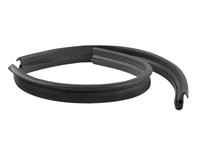
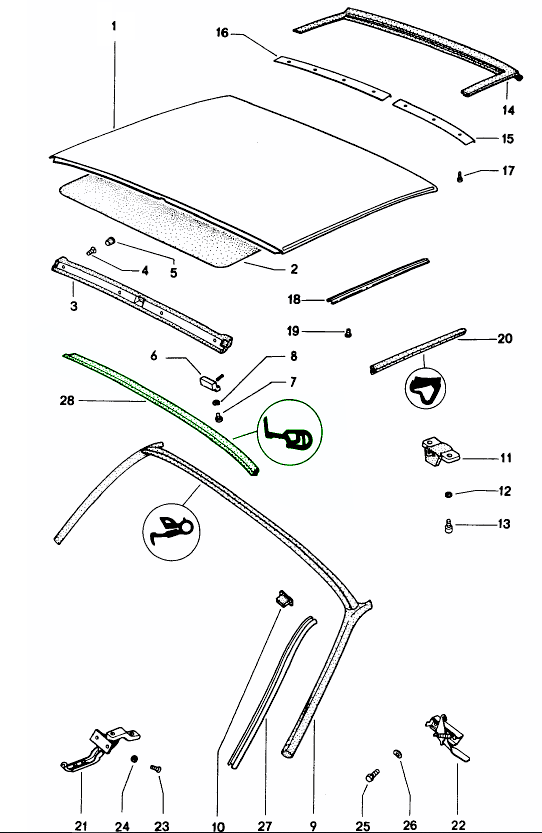
Restore an important weatherproofing point around your vehicle's roof and windscreen area with the Front Windshield Frame to Roof Lower Seal.
Fits:
- Porsche 914 1970-76
Diagram Ref No 28
This seal is positioned at the interface between the front windshield frame and the lower/front section of the removable roof assembly, creating a close-fitting barrier when the roof is correctly installed and secured.
The seal has several important functions. It helps prevent rainwater, moisture, wind and exterior contamination from passing through the joint between the roof and windshield frame while also helping the roof sit correctly against the body.
As these vehicles age, the original rubber seal can become hard, compressed, cracked, distorted or damaged. Once the seal loses its flexibility and original profile, it may no longer make consistent contact with the mating surfaces. This can result in water ingress, increased wind noise and deterioration of the surrounding interior.
Replacing a deteriorated windshield frame-to-roof seal helps restore the sealing integrity of this critical roof joint.
What This Product Does:
- Seal the joint between the windshield frame and roof.
- Prevent rainwater entering through the roof joint.
- Reduce wind penetration around the front roof edge.
- Help minimise wind noise at speed.
- Keep moisture away from the vehicle interior.
- Prevent dirt and exterior contamination entering the joint.
- Provide a compliant contact surface between adjoining components.
- Help maintain correct roof sealing when the roof is installed.
- Protect surrounding trim and interior materials from water exposure.
- Maintain the vehicle's original weather-sealing system.
Symptoms Of Wear Or Failure:
Age, UV exposure, temperature changes and years of compression can cause the original rubber to deteriorate. Common signs that replacement may be required include:
- Water leaking into the cabin, particularly around the front of the targa roof.
- Wind noise or whistling from the roof-to-windshield-frame area.
- Rubber that has become hard, brittle, cracked or split.
- A seal that appears flattened or permanently compressed and no longer contacts the roof correctly.
- Visible gaps or poor sealing between the targa roof and windshield frame.
- Dampness, moisture staining or water accumulation around the upper windshield and cabin.
- A seal that is missing, damaged or distorted following roof or windshield-frame restoration.
Weather seals naturally deteriorate through exposure to sunlight, ozone, weather and repeated compression, reducing their ability to maintain an effective seal.
Why Replacement Matters:
- A deteriorated lower roof seal can allow water to bypass the main targa seal and enter the vehicle. Over time, persistent moisture can contribute to interior damage, corrosion around the windshield frame and deterioration of surrounding trim and sealing components.
- Replacing the seal restores this important secondary weather barrier, helping to keep the cabin dry, quieter and better protected from the elements. It is particularly worthwhile during a Porsche 914 restoration, targa seal overhaul or whenever the original rubber has hardened or deteriorated.
- OE MATCH provides a replacement designed to replicate the fit and function of the original component, making it suitable for maintaining the correct sealing arrangement of the classic Porsche 914.
Related reference numbers
Related, superseded, cross reference or alternative numbers for comparison.
91456331910
The product you are viewing cross references to these numbers
- Porsche 914 (1970-1976)
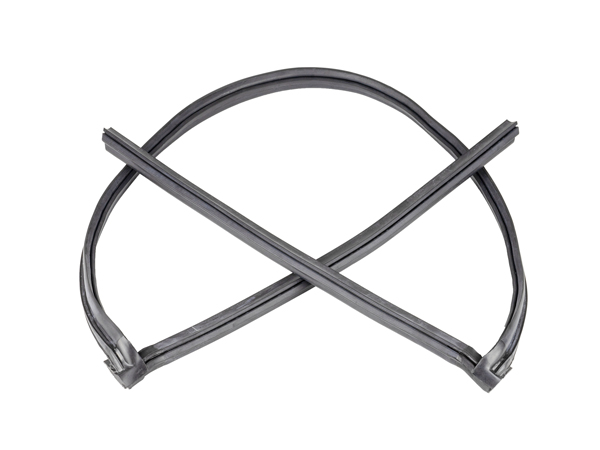
Restore an effective weather seal around the front windscreen with this OE Match Front Windscreen Frame Seal, designed for compatible Porsche applications.
Fits:
- Porsche 914 (1970-1976)
Diagram Ref No 9
The windscreen frame seal sits between the front windscreen glass and the surrounding body aperture, helping locate the glass correctly while creating a barrier against rainwater, moisture, wind, dust and road contamination.
On classic vehicles, windscreen seals are particularly vulnerable to age-related deterioration. Decades of exposure to sunlight, temperature changes, moisture and environmental contamination can cause the rubber to harden, shrink, crack or lose flexibility. Once this happens, the seal may no longer sit tightly against the glass and bodywork.
A deteriorated windscreen seal can allow water to enter around the screen, potentially causing damp carpets, interior trim damage and corrosion around the windscreen aperture. It may also contribute to increased wind noise.
Replacing an ageing seal with this OE Match Front Windscreen Frame Seal helps restore weather protection, correct glass sealing and a cleaner finished appearance.
What This Product Does:
- Seals around the front windscreen.
- Helps locate the windscreen within the body aperture.
- Creates a barrier between the glass and surrounding bodywork.
- Helps prevent rainwater entering the cabin.
- Reduces moisture ingress around the windscreen.
- Helps prevent dust and dirt entering around the glass.
- Reduces unwanted wind penetration.
- Helps maintain a neat finished appearance around the windscreen.
- Protects the windscreen aperture from prolonged moisture exposure.
- Replaces a cracked, hardened, shrunken or damaged original seal.
- Supports classic Porsche restoration.
- Provides an OE Match replacement for compatible Porsche applications.
- Water entering around the windscreen.
- Dampness inside the vehicle after rain.
- Wet carpets or trim.
- Water staining around the windscreen.
- Increased wind noise at speed.
- Visible cracks in the rubber.
- Hardened or brittle rubber.
- Seal shrinking away from corners.
- Gaps between the seal and bodywork.
- Gaps between the seal and glass.
- Rubber splitting or tearing.
- Seal becoming distorted.
- Sections of the seal lifting from position.
- Perished or deteriorated rubber.
- Visible corrosion around the windscreen frame.
- Previous sealant repairs around the windscreen.
Why Replacement Matters:
- The windscreen seal performs more than a cosmetic function.
- It helps protect the vehicle interior and windscreen aperture from water and environmental contamination.
- Replacing a failed seal early can help prevent much more extensive restoration work later.
Related reference numbers
Related, superseded, cross reference or alternative numbers for comparison.
91456303910
The product you are viewing cross references to these numbers
- Porsche 914 (1970-1976)
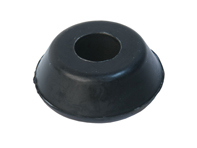
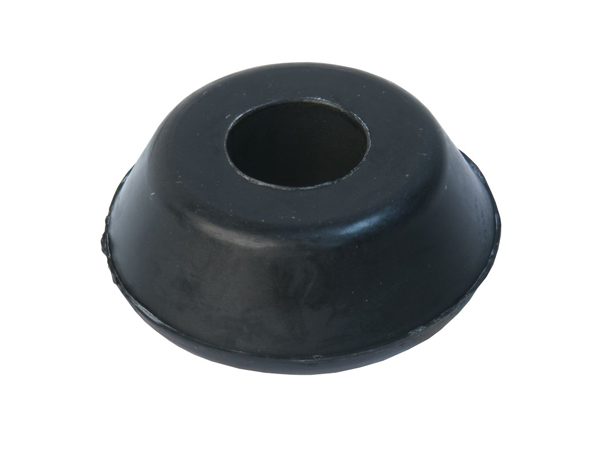
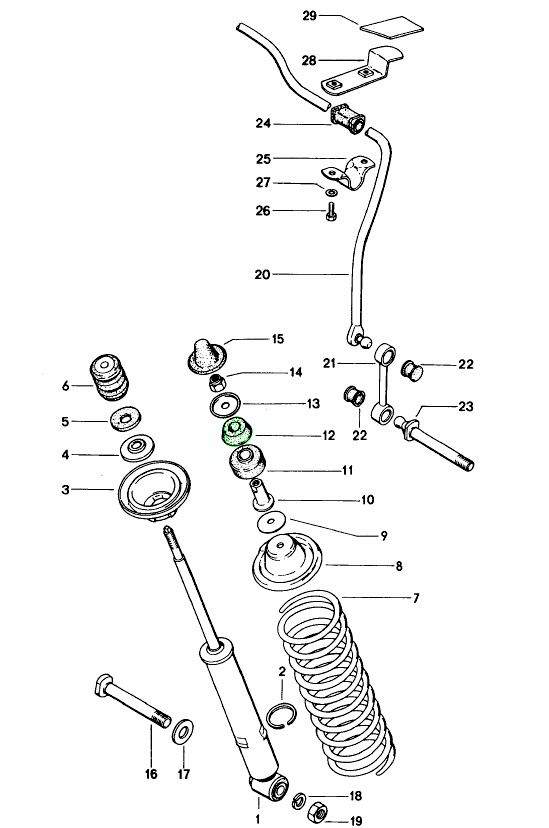
This is installed on the Shock after inserting the top through the Pot for Shock Absorber (Shock Tower).
Restore secure rear shock absorber mounting and controlled suspension performance with this OE Match Upper Shock Absorber Mounting Bush, designed for compatible Porsche rear axle applications.
Fits:
- Porsche 914 1970-76
The upper shock absorber mounting bush forms the resilient connection between the rear shock absorber and its upper mounting point. It helps locate the damper securely while absorbing vibration, impact and small movements generated as the suspension operates.
During normal driving, the rear shock absorbers continuously compress and extend as the wheels respond to bumps, road imperfections, acceleration, braking and cornering. These forces are transmitted through the mounting bushes, making their condition important for both suspension performance and refinement.
Over time, the rubber can harden, crack, compress, distort or separate from its associated metal components. A deteriorated upper mounting bush can allow unwanted shock absorber movement, resulting in knocking noises, increased vibration and less precise suspension operation.
Replacing a worn bush with this OE Match Upper Rear Shock Absorber Mounting Bush 91433351401/1 helps restore a secure damper connection and supports predictable rear suspension behaviour.
Diagram Ref No 12
What This Product Does:
- Secures the upper section of the rear shock absorber.
- Provides a resilient connection between the damper and chassis.
- Helps locate the shock absorber correctly.
- Allows the designed degree of movement at the mounting point.
- Absorbs vibration and suspension impacts.
- Helps isolate road noise from the vehicle body.
- Reduces the possibility of metal-to-metal contact.
- Controls unwanted movement around the upper damper mounting.
- Supports consistent shock absorber operation.
- Helps maintain rear suspension refinement.
- Helps reduce knocking and rattling caused by worn mounting components.
- Replaces a cracked, compressed, distorted or deteriorated bush.
- Provides an OE Match replacement for compatible Porsche applications.
Symptoms Of Wear Or Failure:
- Knocking from the rear suspension.
- Clunking when travelling over bumps.
- Rattling around the upper shock absorber mounting.
- Increased suspension noise.
- Creaking from the rear suspension.
- Excessive shock absorber movement.
- Increased vibration transmitted into the body.
- Rear suspension feeling less controlled.
- Reduced ride refinement.
- Visible cracking in the rubber.
- Hardened or brittle rubber.
- Bush visibly compressed or distorted.
- Rubber separating from its metal components.
- Excessive play around the upper shock mounting.
- Damaged or displaced mounting bush.
- Shock absorber no longer sitting securely within its mounting.
Why Replacement Matters:
- The shock absorber needs secure mounting points to control suspension movement effectively.
- If the upper mounting bush deteriorates, the damper may move within its mounting before it can properly react to suspension movement.
- Replacing a worn Upper Rear Shock Absorber Bush helps restore the intended connection between the damper and vehicle structure.
Related reference numbers
Related, superseded, cross reference or alternative numbers for comparison.
91433351401
The product you are viewing cross references to these numbers
- Porsche 914 (1970-1976)
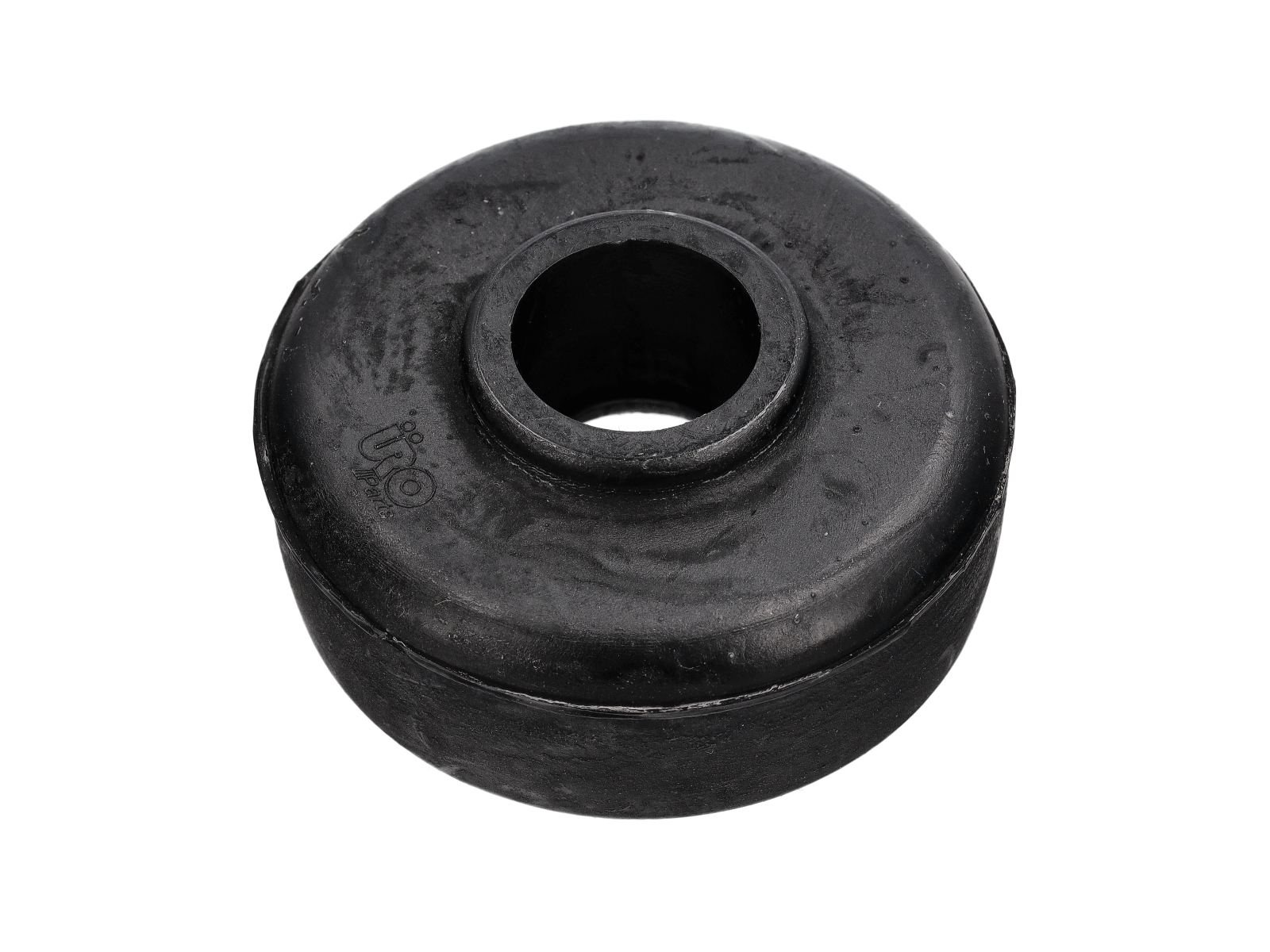
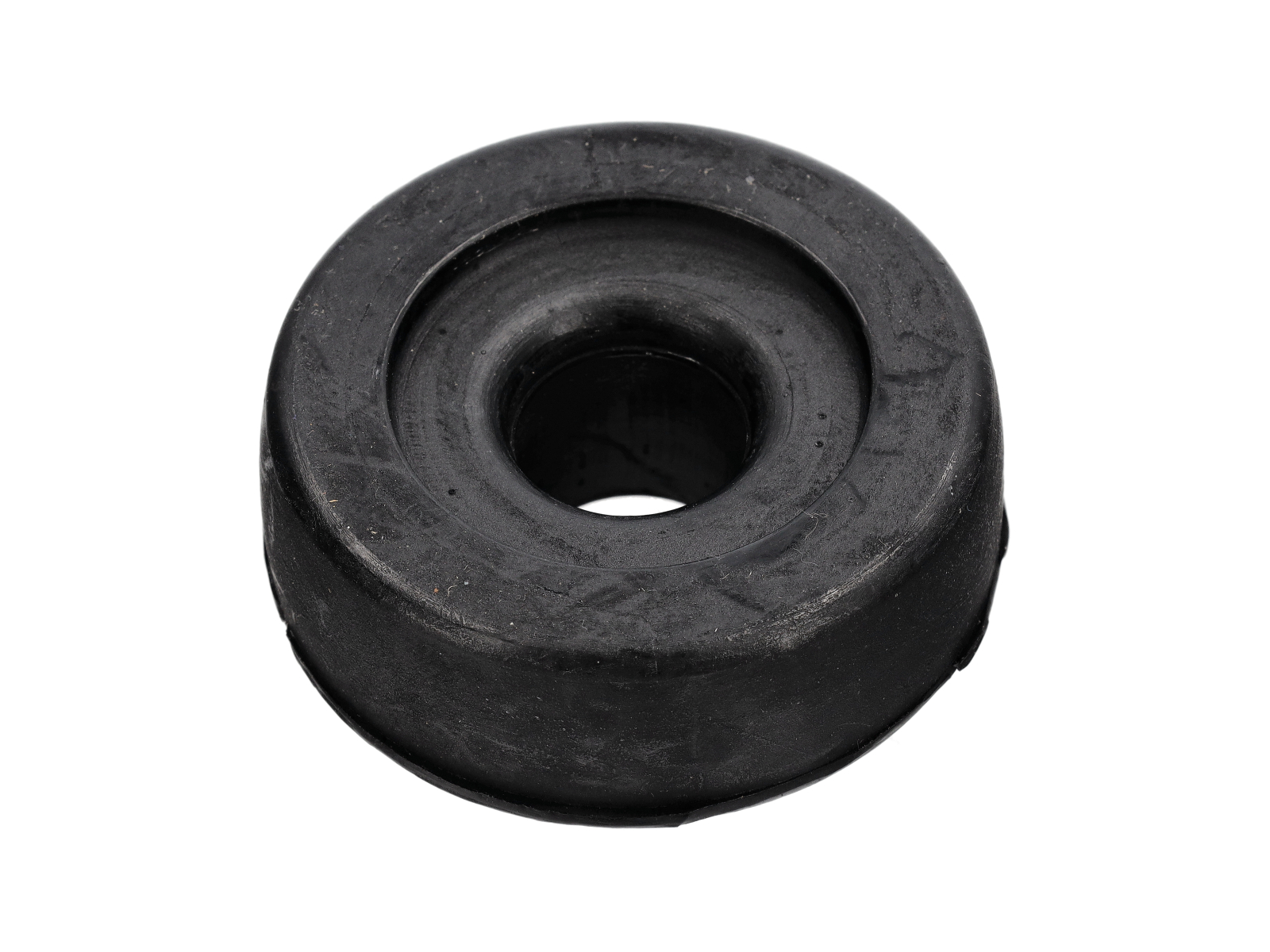
Restore secure rear shock absorber mounting and controlled suspension operation with this OE Match Shock Absorber Mounting Bush, Bottom designed for compatible Porsche rear axle applications.
This is installed on the Shock before inserting the top through the Pot for Shock Absorber (Shock Tower).
2 required per car, 1 per side
Fits:
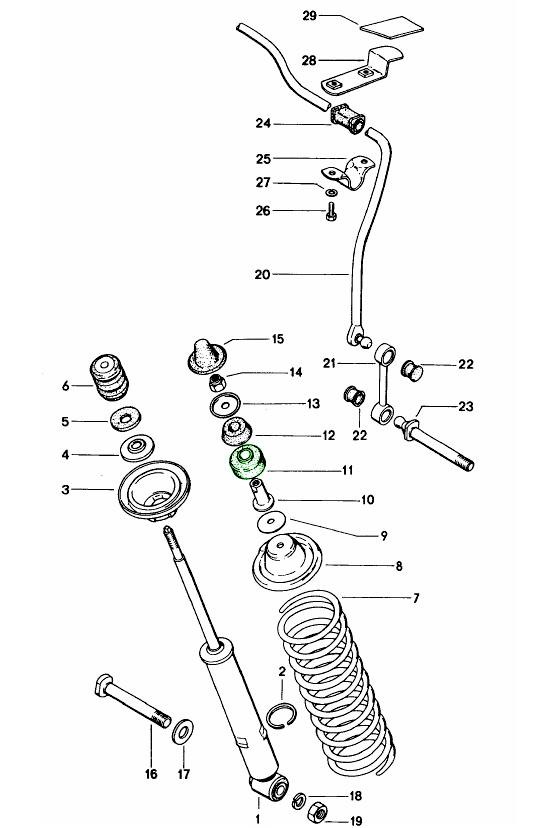
Diagram Ref No 11
The lower shock absorber mounting bush sits at the connection between the rear shock absorber and its mounting point. It provides a resilient interface that allows the shock absorber to operate through normal suspension movement while helping isolate vibration, impact and mechanical noise from the chassis.
Every time the suspension moves, the mounting bush is subjected to compression, twisting and changing loads. Age, mileage, road conditions and deterioration of the rubber can eventually cause the bush to harden, crack, distort or separate from its metal components.
A worn lower shock absorber bush can allow excessive movement at the mounting point, potentially producing knocking noises and reducing the precision with which the damper controls suspension movement.
Replacing a deteriorated bush with this OE Match Rear Lower Shock Absorber Mounting Bush helps restore secure damper mounting, reduce unwanted movement and maintain predictable rear suspension performance.
What This Product Does:
- Secures the lower end of the rear shock absorber.
- Provides a resilient interface between the damper and mounting point.
- Allows controlled movement as the suspension travels.
- Helps absorb vibration and road shock.
- Reduces transmission of suspension noise into the chassis.
- Helps prevent metal-to-metal contact at the mounting point.
- Maintains accurate shock absorber positioning.
- Controls unwanted movement around the lower damper mounting.
- Supports effective shock absorber operation.
- Helps maintain rear suspension stability.
- Replaces a cracked, worn, distorted or separated mounting bush.
- Provides an OE Match replacement for compatible Porsche applications.
Symptoms Of Wear Or Failure:
- Knocking from the rear suspension.
- Clunking when travelling over bumps.
- Rattling from the lower shock absorber area.
- Increased suspension noise.
- Excessive movement at the shock absorber mounting point.
- Rear suspension feeling loose or unsettled.
- Reduced suspension refinement.
- Increased vibration transmitted through the chassis.
- Visible cracking in the rubber bush.
- Rubber becoming hard or brittle.
- Bush becoming distorted.
- Rubber separating from the metal sleeve.
- Damaged or displaced mounting bush.
- Excessive play around the lower shock absorber mounting.
- Uneven or unusual shock absorber movement.
Why Replacement Matters:
- The shock absorber needs a secure mounting point to control suspension movement effectively.
- If the lower bush becomes excessively worn, the damper can move relative to its mounting rather than transmitting suspension forces through the intended path.
- Replacing a worn bush helps restore a controlled connection between the shock absorber and rear suspension.
Related reference numbers
Related, superseded, cross reference or alternative numbers for comparison.
91433351301
The product you are viewing cross references to these numbers