


Enter your VAT number here and click Verify:
Your details have been verified. VAT number registered to:
,
.
Your order will now be zero rated for VAT purposes. We reserve the right to verify these details after your order request has been made and reinstate VAT if required.
Your VAT details were not recognised or were invalid. Your VAT number must be matched to your Billing Country as specified above. This is currently specified as . You do not need to enter the country code part of your VAT number as this has already been selected in your billing address details above.
The VAT number checking service is currently offline. Please supply your VAT details within the comments or special instructions field below and we will apply a VAT discount after placing your order request.
OE Match

OE Match for Porsche
OE Match is a brand that provides a wide range of Porsche components, from gaskets to suspension hardware, engine parts, and interior trim. Over 6,700 individual part numbers, and over 11,800 OE cross-references catalogued, and are constantly developing new lines.OE Match has over 100 new products currently in the engineering phase, which will be quality-controlled and added to their catalog. The mission is to keep all Porsche vehicles on the road by offering a vast selection of parts that can address various problems across different Porsche generations
A Quick Look at OE Match
OE Match information on this page is based on details supplied by the manufacturer or distributor, plus any OE references provided with the parts.
Choosing the Right Fit for Your Porsche
Where OE Match is listed for Porsche, use the supplied model coverage and OE references to confirm suitability. Check details that commonly affect fitment such as model year, side/position, and connector type where relevant.
- Often chosen when owners want OE-equivalent quality with sensible running costs, especially for routine service and wear items.
- Typical reasons to replace include restoring reliability, addressing age-related wear, or refreshing multiple components during larger repair work.
- Common defects from incorrect application include noise, premature wear, leaks, or fitment quirks if the wrong variant is selected or fitted with old seals/hardware.
- Watch for symptoms such as unusual noises, early wear, or repeat failures after recent work, which can indicate mismatched parts or supporting items left worn.
- Always cross-check OEM part numbers, read model-year notes, and verify compatibility before ordering.
- For safety-critical components, confirm specification and fitment carefully and have installation checked by a competent technician.
Browse by Category
If you already know the area you are working on, start with the category and then filter by Porsche model. Where real-world symptoms and typical reasons to replace are provided, use them to keep the wording grounded.
Brakes — Brake components are renewed to restore stopping performance, address wear or upgrade a Porsche for fast road or track use. Common symptoms include vibration under braking, longer stopping distances, squealing, pulling to one side, warning lights and visible wear to discs and pads.
Brake Pad Wear Sensors — Brake pad wear sensors are replaced when pads are renewed or when warning lights indicate a broken or worn sensor. Symptoms include brake wear warnings even with new pads, damaged sensor cables, or broken clips around the caliper area.
Engine Electrical — Engine electrical parts are changed when there are starting, charging, ignition, or sensor-related faults that affect drivability and reliability, such as intermittent no-start, misfires, rough idle, poor charging, warning lights or heat-soak failures.
Service Parts — Service parts are replaced as routine maintenance to keep the engine and systems reliable, efficient, and protected, often resolving hard starting, rough idle, poor fuel economy and warning lights caused by clogged filters or worn ignition components.
Service Kits — Service kits bundle key service components to simplify maintenance and set the car back to a known baseline, especially useful when catching up on overdue servicing or dealing with general sluggish running, inconsistent idle and reduced performance.
- For brake parts, confirm whether items are OE-equivalent replacements or performance upgrades and check if new fitting kits and sensors are required.
- On service items and kits, match the kit to your exact Porsche model, engine and year, and review what is included so you can add any extra “while you are there” parts.
Explore OE Match at Design911
View the current OE Match range for Porsche at Design911, then filter by model and category to narrow down to the right parts.
- Porsche 911 1965-1968 2.0L / 912 SWB (F)
- Porsche 911 1968-1973 2.2L / 2.4L / 2.7L RS LWB (F)
- Porsche 911 1974-1977 2.7L / 1976-77 3.0 Carrera
- Porsche 911 1978-1983 3.0L / SC
- Porsche 911 1984-1986 3.2L
- Porsche 911 1987-1989 3.2L G50
- Porsche 911 1975-1977 3.0L Turbo (930)
- Porsche 911 1978-1989 3.3L Turbo (930)
The OE MATCH Rear Boot Lid Hinge, Left is a replacement hinge designed to support, locate and guide the rear boot or engine lid through its opening and closing movement on compatible Porsche applications.
Fits:
- Porsche 911 1965-1968 2.0L / 912 SWB (F)
- Porsche 911 1968-1973 2.2L / 2.4L / 2.7L RS LWB (F)
- Porsche 911 1974-1977 2.7L / 1976-77 3.0 Carrera
- Porsche 911 1978-1983 3.0L / SC
- Porsche 911 1984-1986 3.2L
- Porsche 911 1987-1989 3.2L G50
- Porsche 911 1975-1977 3.0L Turbo (930)
- Porsche 911 1978-1989 3.3L Turbo (930)
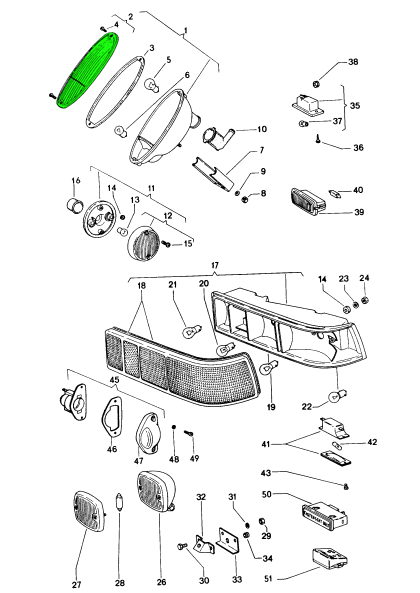
Diagram Ref No 2
The hinge forms an important connection between the lid and vehicle body. Correct hinge condition is essential for smooth operation, accurate panel alignment and consistent shut-line gaps. A worn, bent or corroded hinge can cause the lid to sit incorrectly, become difficult to operate or make contact with surrounding bodywork.
What This Product Does:
The rear boot lid hinge provides the pivoting connection that allows the rear lid to open and close while remaining correctly located relative to the vehicle body.
Working with the corresponding hinge and associated lid hardware, it helps:
- Support the rear lid
- Provide a controlled pivot point
- Guide the lid during opening and closing
- Maintain correct panel positioning
- Maintain consistent body-panel gaps
- Help the lid align correctly with the latch
- Prevent unnecessary contact with surrounding bodywork
- Support smooth and predictable lid operation
Correct hinge geometry is particularly important because even a relatively small amount of wear or distortion can affect the position of the lid.
Symptoms Of Wear Or Failure:
Rear lid hinges can deteriorate through age, corrosion, repeated use, accident damage or excessive force being applied to the lid.
Common symptoms include:
- Rear lid sitting too high or too low
- Uneven panel gapsLid appearing twisted or misaligned
- Difficulty opening or closing the lid
- Lid requiring excessive force to close
- Poor alignment with the latch
- Binding or stiffness during movement
- Excessive movement or play at the hinge
- Squeaking or creaking
- Visible corrosion
- Bent or distorted hinge components
- Cracked or damaged mounting areas
- Lid rubbing against surrounding bodywork
If the lid has suffered previous impact damage, the hinge should be inspected even if the damage is not immediately obvious.
Why Replacement Matters:
Replacing a worn, bent or corroded rear boot lid hinge helps restore the correct movement and positioning of the lid.
Replacement can help:
- Restore smooth opening and closing
- Improve rear lid alignment
- Restore consistent panel gaps
- Improve latch engagement
- Reduce unwanted movement
- Prevent the lid rubbing against adjacent panels
- Reduce stress on the opposite hinge
- Protect surrounding paint and bodywork
- Restore the correct exterior appearance
Proper lid alignment is especially important on classic vehicles where panel fit and shut-line consistency contribute significantly to the overall appearance.
Related reference numbers
Related, superseded, cross reference or alternative numbers for comparison.
91151203500
The product you are viewing cross references to these numbers
- Porsche 356 1950-55
- Porsche 356A 1955-59
- Porsche 356B 1959-63
- Porsche 356C 1963-65
The OE MATCH Headlight Stone Guard is a chrome-finished protective accessory designed to help shield the headlight from stones, gravel and other road debris. Combining practical protection with classic styling, it provides an attractive period-style addition to the front of the vehicle.
Fits Left And Right.
Fits:
- Porsche 356 1950-55
- Porsche 356A 1955-59
- Porsche 356B 1959-63
- Porsche 356C 1963-65
Mounted in front of the headlight, the stone guard creates an additional physical barrier between the lamp and debris encountered during normal road use. This can be particularly valuable on classic vehicles, where protecting existing headlight lenses and assemblies helps preserve both their condition and appearance.
What This Product Does:
The headlight stone guard is positioned in front of the headlight to provide an additional layer of physical protection.
During normal driving, stones, gravel and other debris can be thrown towards the front of the vehicle. A direct impact against the headlight can potentially chip, crack or damage the lens.
The stone guard helps:
- Protect the headlight against stones and road debris
- Reduce direct exposure of the headlight lens to impacts
- Provide an additional physical barrier in front of the lamp
- Reduce the risk of accidental headlight damage
- Preserve the appearance of the headlight
- Add a classic chrome styling detail
- Complement traditional exterior brightwork
It combines practical protection with a distinctive period-style appearance.
Symptoms Of Wear Or Failure:
A headlight stone guard does not normally suffer mechanical failure in the same way as an engine or suspension component. Instead, deterioration generally results from corrosion, impacts, vibration, environmental exposure or damaged mounting points.
Signs that replacement may be required include:
- Bent or distorted guard
- Broken sections
- Damaged mounting points
- Loose or insecure fitment
- Missing mounting hardware
- Corrosion or rust
- Pitted chrome finish
- Peeling or flaking finish
- Heavy scratches or scuffs
- Impact damage
- Excessive movement or rattling
- Guard contacting the headlight lens
- Missing stone guard
A bent or loose guard should be addressed promptly, particularly if it can contact the headlight or surrounding bodywork.
Why Replacement Matters:
Replacing a worn, damaged, corroded or missing headlight stone guard helps maintain both the protection and appearance of the vehicle.
Replacement can help:
- Restore protection against stones and road debris
- Reduce direct exposure of the headlight lens to impacts
- Protect valuable headlight components
- Restore secure mounting
- Eliminate rattling from a loose or damaged guard
- Replace bent or distorted components
- Replace corroded or heavily pitted chrome
- Restore the correct front-end appearance
- Maintain classic period styling
For restoration projects, replacing a missing or badly deteriorated stone guard can also provide an important finishing detail.
- Porsche Boxster 986 2.5L 1997-99
- Porsche Boxster 986 2.7L 1999-02
- Porsche Boxster S 986 3.2L 1999-02
- Porsche Boxster 986 2.7L 2003-04
- Porsche Boxster S 986 3.2L 2003-04
- Porsche Boxster 987 2.7L 2005-08/08
- Porsche Boxster 987 S 3.2/3.4L 2005-08/08
- Porsche Boxster 987 MKII 2.9L 2009-12
- Porsche Boxster S 987 MKII 3.4L 2009-12
- Porsche Boxster 981 2.7L 2012-16
- Porsche Boxster 981 S / GTS 3.4L 2012-16
- Porsche Boxster 981 Spyder 3.8L 2016
- Porsche 964 (911) C2 1989-93
- Porsche 964 (911) C4 1989-93
- Porsche 964 (911) RS 3.6L 1991-93
- Porsche 964 (911) RS 3.8L 1991-93
- Porsche 964 (911) TURBO 3.3L 1991-93
- Porsche 964 (911) TURBO 3.6L 1991-93
- Porsche 993 (911) C2 1994-97
- Porsche 993 (911) C4 1994-97
- Porsche 993 (911) RS 1994-97
- Porsche 993 (911) C2S 1994-97
- Porsche 993 (911) C4S 1994-97
- Porsche 993 (911) TURBO 1994-96
- Porsche 993 (911) GT2 1994-97
- Porsche 993 (911) TURBO S 1994-97
- Porsche 996 C2 3.4L 1997-08/01
- Porsche 996 C4 3.4L 1997-08/01
- Porsche 996 C2 3.6L 09/01-2005
- Porsche 996 C4 3.6L 09/01-2005
- Porsche 996 C4S 3.6L 09/01-2005
- Porsche 996 TURBO 2000-05
- Porsche 996 GT2 2001-05
- Porsche 996 GT3 MKI 1999-02
- Porsche 996 GT3 MKII 2003>>
- Porsche 996 GT3 RS 2003-04
- Porsche 997 MK1 Carrera 2 3.6L 2005-08
- Porsche 997 MK1 Carrera 2S 3.8L 2005-08
- Porsche 997 MK1 Carrera 4 3.6L 2005-08
- Porsche 997 MK1 Carrera 4S 3.8L 2005-08
- Porsche 997 MK1 TURBO 2007-09
- Porsche 997 MK1 GT3 / GT3 RS 2007-09
- Porsche 997 MK1 GT2 2007-09
- Porsche 997 MKII Carrera C2 3.6L 2009-12
- Porsche 997 MKII Carrera C4 3.6L 2009-12
- Porsche 997 MKII Carrera C2S 3.8L 2009-12
- Porsche 997 MKII Carrera C4S 3.8L 2009-12
- Porsche 997 MKII GT3 / GT3 RS 2010-11
- Porsche 997 MKII Turbo 2010-13
- Porsche 991.1 Carrera C2 3.4L (350 Bhp) 2012-16
- Porsche 991.1 Carrera C2S / GTS 3.8L (400/430 Bhp) 2012-16
- Porsche 991.1 Carrera C4 3.4L (350 Bhp) 2012-16
- Porsche 991.1 Carrera C4S / GTS 3.8L (400/430 Bhp) 2012-16
- Porsche 991.1 Turbo 3.8L (520 Bhp) 2014-16
- Porsche 991.1 Turbo S 3.8L (560 Bhp) 2014-16
- Porsche 991.1 R 4.0L (500 Bhp) 2016
- Porsche 991.1 GT3 3.8L (475 Bhp) 2014-16
- Porsche 991.1 GT3 RS 4.0L (500 Bhp) 2015-16
- Porsche 991.2 Carrera 2 3.0L (370 Bhp) 2016-19
- Porsche 991.2 Carrera 2S / GTS 3.0L (420/450 Bhp) 2016-19
- Porsche 991.2 Carrera 4 3.0L (370 Bhp) 2016-19
- Porsche 991.2 Carrera 4S / GTS 3.0L (420/450 Bhp) 2016-19
- Porsche 991.2 Cabriolet 2 3.0L (370 Bhp) 2016-19
- Porsche 991.2 Cabriolet 2S / GTS 3.0L (420/450 Bhp) 2016-19
- Porsche 991.2 Cabriolet 4 3.0L (370 Bhp) 2016-19
- Porsche 991.2 Cabriolet 4S / GTS 3.0L (420/450 Bhp) 2016-19
- Porsche 991.2 Targa 4 3.0L (370 Bhp) 2016-19
- Porsche 991.2 Targa 4S / GTS 3.0L (420/450 Bhp) 2016-19
- Porsche 991.2 Turbo Coupe 3.8L (540 Bhp) 2016-19
- Porsche 991.2 Turbo S Coupe 3.8L (580 Bhp) 2016-19
- Porsche 991.2 Turbo Cabriolet 3.8L (540 Bhp) 2016-19
- Porsche 991.2 Turbo S Cabriolet 3.8L (580 Bhp) 2016-19
- Porsche 991.2 Speedster 4.0L (510Bhp) 2019
- Porsche 991.2 GT3 4.0L (500 Bhp) / GT3 RS 4.0L (520 Bhp) 2017-19
- Porsche 991.2 GT2 RS 3.8L PDK (700 bhp) 2018-19
- Porsche Cayman 2.7L 987C 2006-08
- Porsche Cayman S 3.4L 987C 2005-08
- Porsche Cayman 2.9L 987C MKII 2009-12
- Porsche Cayman S / R 3.4L 987C MKII 2009-12
- Porsche Cayman 2.7L 981 2013-16
- Porsche Cayman S / GTS 3.4L 981 2013-16
- Porsche Cayman GT4 3.8L 2015-16
- Porsche Cayman 718 2.0L Manual (300 Bhp)
- Porsche Cayman 718 2.0L PDK (300 Bhp)
- Porsche Cayman S 718 2.5L Manual (350 Bhp)
- Porsche Cayman S 718 2.5L PDK (350 Bhp)
- Porsche Cayman T 718 2.0L Manual (300 Bhp)
- Porsche Cayman T 718 2.0L PDK (300 Bhp)
- Porsche Cayman GTS 718 2.5L Manual (365 Bhp)
- Porsche Cayman GTS 718 2.5L PDK (365 Bhp)
- Porsche Cayman GTS 718 4.0L Manual (400 Bhp)
- Porsche Cayman GTS 718 4.0L PDK (400 Bhp)
- Porsche Cayman GT4 718 4.0L / GT4 RS 718 4.0L
- Porsche 968 3.0L 1992-94
- Porsche 968 Sport 3.0L 1994-95
- Porsche 968 CS 3.0L 1993-95
- Porsche 968 Turbo S 3.0L 1993-94
- Porsche 928 4.5L 1978-82
- Porsche 928S 4.7L 1981-83
- Porsche 928S2 4.7L 1984-86
- Porsche 928S4 5.0L 1987-92
- Porsche 928GT 5.0L 1989-91
- Porsche 928GTS 5.4L 1992-95
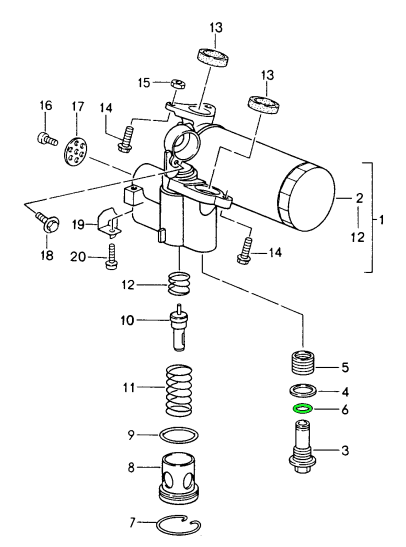
We recommend changing the receiver/dryer when changing the AC radiator.
(also purchase 2 o-rings Part No 99970726240)
Fits:
Porsche 968 1992 - 1995
Porsche 964 1993 >>
Porsche 993 C2, C4, Turbo
Porsche 996 C2, C4, GT2, GT3, Turbo
Porsche 997 Turbo
Porsche 997 C2, C2S, C4, C4S,
Porsche 991 Turbo
Porsche 991 C2, C2S, C4, C4S,
Porsche Boxster 986, 987, 981, 718 (982) 1997>>
Porsche Cayman 987C, 981C, 718C (982C) 2005>>
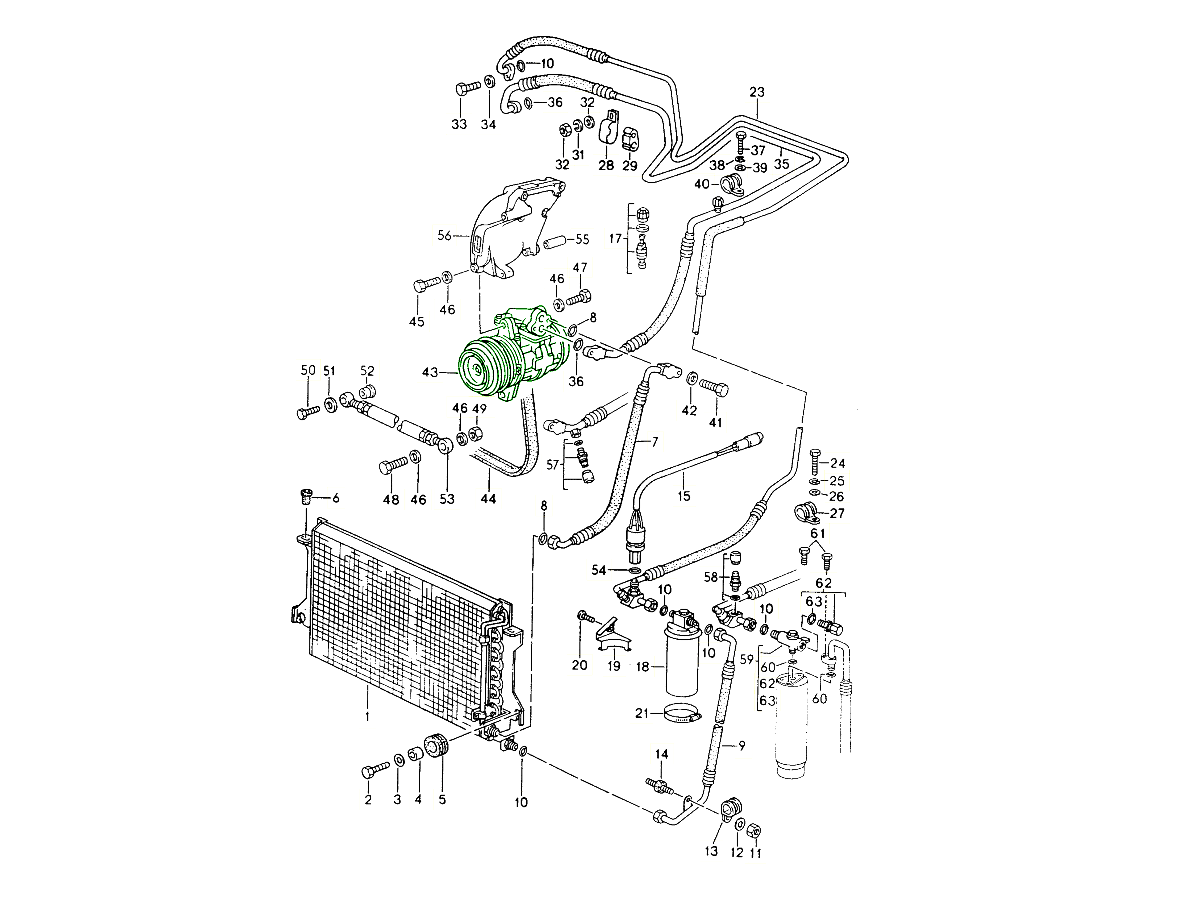
Diagram Ref No 3.
Also known as the A/C desiccator or condenser dryer, this component filters refrigerant and removes moisture, ensuring the system operates efficiently and reliably.
Location: In the A/C system, mounted in line between the condenser and the expansion valve
What this product does:
• Removes moisture and contaminants from the refrigerant
• Acts as a reservoir for refrigerant in the A/C system
• Protects the compressor and other A/C components from damage caused by water or debris
• Helps maintain cold, efficient air conditioning
Over time, the receiver/drier becomes saturated with moisture or clogged with debris, reducing cooling efficiency and potentially damaging the A/C compressor. Replacing it with an OE Match unit during A/C service or after opening the system ensures long-lasting cooling performance, reliability, and protection for expensive components.
Related reference numbers
Related, superseded, cross reference or alternative numbers for comparison.
94457314301
The product you are viewing cross references to these numbers
- Porsche 911 1965-1968 2.0L / 912 SWB (F)
- Porsche 911 1968-1973 2.2L / 2.4L / 2.7L RS LWB (F)
- Porsche 911 1974-1977 2.7L / 1976-77 3.0 Carrera
- Porsche 911 1978-1983 3.0L / SC
- Porsche 911 1984-1986 3.2L
- Porsche 911 1987-1989 3.2L G50
- Porsche 911 1975-1977 3.0L Turbo (930)
- Porsche 911 1978-1989 3.3L Turbo (930)
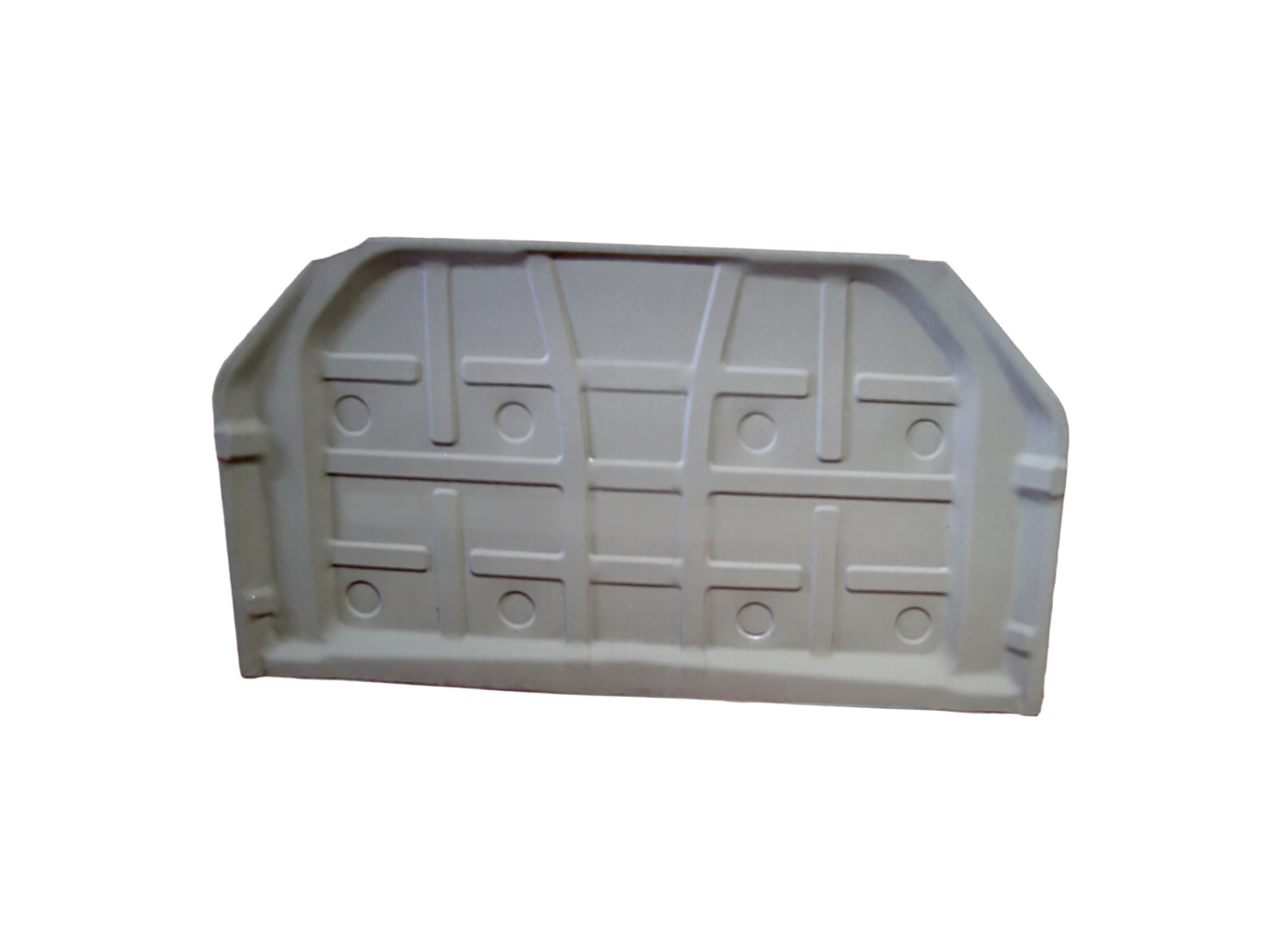
The OE MATCH Rear Floor Pan Repair Panel is a replacement body repair panel designed for restoring the rear floor pan area of compatible Porsche 911 models.
Fits:
- Porsche 911 1966-1968 2.0L / 912 SWB (F)
- Porsche 911 1968-1973 2.2L / 2.4L / 2.7L RS LWB (F)
- Porsche 911 1974-1977 2.7L / 1976-77 3.0 Carrera
- Porsche 911 1978-1983 3.0L / SC
- Porsche 911 1984-1986 3.2L
- Porsche 911 1987-1989 3.2L G50
- Porsche 911 1975-1977 3.0L Turbo (930)
- Porsche 911 1978-1989 3.3L Turbo (930)
Manufactured as an OE-style replacement, this panel is suitable for restoration and body repairs where the original rear floor section has suffered from corrosion, rust perforation, accident damage or deterioration caused by previous repairs.
The floor pan forms an important part of the vehicle's lower body shell. Replacing severely weakened or damaged metal helps restore a solid floor structure, provides sound joining surfaces for surrounding panels and creates a strong foundation for long-term corrosion protection.
What This Product Does:
The rear floor pan forms part of the lower body structure of the Porsche 911.
It creates a solid floor section while connecting with and supporting surrounding areas of the body shell.
Its functions include:
- Forming part of the lower body structure
- Providing a solid rear floor section
- Supporting surrounding body panels
- Maintaining the shape and integrity of the floor area
- Providing joining surfaces for adjacent panels
- Separating the interior from the underside of the vehicle
- Helping prevent water, dirt and road debris entering the cabin
- Providing a sound structural foundation for restoration work
When the original floor is badly corroded, replacing the affected section is often preferable to repeatedly patching weakened metal.
Symptoms Of Wear Or Failure:
A floor pan does not normally wear through mechanical movement. Its most common causes of deterioration are corrosion, trapped moisture, physical damage and poor previous repairs.
Signs that the rear floor pan may require repair or replacement include:
- Visible rust
- Rust bubbles beneath paint or underseal
- Perforation or holes
- Soft or weakened metal
- Heavy surface pitting
- Flaking metal
- Cracks or splits
- Corrosion around seams
- Failed spot-welded areas
- Water entering the cabin
- Damp carpets or insulation
- Distorted floor sections
- Damage caused by incorrect lifting
- Failed previous patch repairs
- Separation between overlapping panels
- Excessive seam sealer hiding deterioration
Corrosion should always be assessed beyond the immediately visible area.
Why Replacement Matters:
A heavily corroded rear floor pan is more than a cosmetic issue.
The floor forms part of the body shell, and extensive deterioration can weaken the panel itself and the connections between adjoining sections.
Replacing damaged metal helps:
- Restore the integrity of the rear floor
- Remove perforated and weakened steel
- Provide sound metal for welding
- Restore correct panel geometry
- Reinstate secure joints with adjoining panels
- Reduce the risk of water and debris entering the interior
- Prevent corrosion being hidden underneath additional patches
- Provide a solid foundation for underbody protection
- Improve the quality and longevity of a restoration
For a classic Porsche restoration, replacing extensively deteriorated steel can provide a considerably better long-term repair than simply covering it.
Related reference numbers
Related, superseded, cross reference or alternative numbers for comparison.
9115010529
The product you are viewing cross references to these numbers
- Porsche 911 1965-1968 2.0L / 912 SWB (F)
- Porsche 911 1968-1973 2.2L / 2.4L / 2.7L RS LWB (F)
- Porsche 911 1974-1977 2.7L / 1976-77 3.0 Carrera
- Porsche 911 1978-1983 3.0L / SC
- Porsche 911 1984-1986 3.2L
- Porsche 911 1987-1989 3.2L G50
- Porsche 911 1975-1977 3.0L Turbo (930)
- Porsche 911 1978-1989 3.3L Turbo (930)
The OE MATCH Front Floor Pan Repair Panel is a replacement body repair panel designed for repairing the front floor pan area of compatible Porsche 911 models.
Fits:
- Porsche 911 1966-1968 2.0L / 912 SWB (F)
- Porsche 911 1968-1973 2.2L / 2.4L / 2.7L RS LWB (F)
- Porsche 911 1974-1977 2.7L / 1976-77 3.0 Carrera
- Porsche 911 1978-1983 3.0L / SC
- Porsche 911 1984-1986 3.2L
- Porsche 911 1987-1989 3.2L G50
- Porsche 911 1975-1977 3.0L Turbo (930)
- Porsche 911 1978-1989 3.3L Turbo (930)
Manufactured as an OE-style replacement, this panel provides a practical solution when the original front floor section has become corroded, perforated, damaged or weakened. It is particularly suitable for classic Porsche restoration projects where repairing isolated rust with small patches is no longer appropriate.
The front floor pan forms an important part of the vehicle's lower body structure. Replacing badly deteriorated metal helps restore the strength, shape and integrity of the body shell while providing a sound foundation for long-term corrosion protection.
What This Product Does:
The front floor pan forms part of the lower body structure of the Porsche 911.
It provides a solid metal floor section while helping connect and support surrounding areas of the body shell.
Its functions include:
- Forming part of the vehicle's lower body structure
- Providing a solid floor section
- Supporting surrounding bodywork
- Maintaining the correct shape of the floor area
- Providing joining surfaces for adjacent panels
- Helping maintain body-shell integrity
- Separating the passenger compartment from the underside of the vehicle
- Providing protection against water, dirt and road debris
When the original floor pan becomes extensively corroded, replacing the affected section with a correctly fitted repair panel provides a more permanent solution than repeatedly patching severely deteriorated metal.
Symptoms Of Wear Or Failure:
Floor pans do not normally wear out through ordinary mechanical movement. Their most common problem is corrosion, although accident damage, incorrect lifting and previous poor-quality repairs can also cause deterioration.
Signs that the front floor pan may require repair or replacement include:
- Visible rust
- Bubbling paint or underseal
- Rust perforation or holes
- Soft or weakened metal
- Flaking or heavily pitted steel
- Cracks or splits in the floor
- Water entering the cabin
- Damp carpets
- Corrosion around seams and welded joints
- Separation between overlapping panels
- Distortion from accident damage
- Damage caused by incorrect jacking or lifting
- Failed previous patch repairs
- Excessive body filler or seam sealer hiding corrosion
- Visible corrosion underneath carpets or sound insulation
Any significant corrosion should be investigated beyond the immediately visible area.
Why Replacement Matters:
A badly corroded front floor pan is more than a cosmetic problem.
The floor forms part of the vehicle's body shell, and extensive corrosion can weaken the surrounding structure and joining points.
Replacing deteriorated metal helps:
- Restore the integrity of the floor area
- Remove weakened and perforated steel
- Restore correct body-panel geometry
- Provide sound metal for welding
- Improve the strength of surrounding joints
- Prevent corrosion from continuing beneath old repairs
- Reduce the risk of water and road debris entering the cabin
- Provide a solid foundation for underbody protection
- Improve the quality and longevity of a restoration
For a classic Porsche undergoing extensive restoration, properly replacing severely corroded sections is generally preferable to covering deteriorated metal with additional patches.
Related reference numbers
Related, superseded, cross reference or alternative numbers for comparison.
9115010519
The product you are viewing cross references to these numbers
- Porsche Boxster 986 2.5L 1997-99
- Porsche Boxster 986 2.7L 1999-02
- Porsche Boxster S 986 3.2L 1999-02
- Porsche Boxster 986 2.7L 2003-04
- Porsche Boxster S 986 3.2L 2003-04
- Porsche Boxster 987 2.7L 2005-08/08
- Porsche Boxster 987 S 3.2/3.4L 2005-08/08
- Porsche Boxster 987 MKII 2.9L 2009-12
- Porsche Boxster S 987 MKII 3.4L 2009-12
- Porsche Boxster 981 2.7L 2012-16
- Porsche Boxster 981 S / GTS 3.4L 2012-16
- Porsche Boxster 718 2.0L Manual (300 Bhp) 2017>>
- Porsche Boxster 718 2.0L PDK (300 Bhp) 2017>>
- Porsche Boxster S 718 2.5L Manual (350 Bhp) 05/2017>>
- Porsche Boxster S 718 2.5L PDK (350 Bhp) 05/2017>>
- Porsche Boxster T 718 2.0L Manual (300 Bhp) 01/2019>>
- Porsche Boxster T 718 2.0L PDK (300 Bhp) 01/2019>>
- Porsche Boxster GTS 718 2.5L Manual (365 Bhp) 05/2017>>
- Porsche Boxster GTS 718 2.5L PDK (365 Bhp) 05/2017>>
- Porsche Boxster GTS 718 4.0L Manual (400 Bhp) 01/2019>>
- Porsche Boxster GTS 718 4.0L PDK (400 Bhp) 01/2019>>
- Porsche Boxster Spyder / Spyder RS 718 4.0L 01/2019>>
- Porsche Boxster 25 Years 718 4.0L Manual (400 Bhp) 01/2020>>
- Porsche Boxster 25 Years 718 4.0L PDK (400 Bhp) 01/2020>>
- Porsche 996 C2 3.4L 1997-08/01
- Porsche 996 C4 3.4L 1997-08/01
- Porsche 996 C2 3.6L 09/01-2005
- Porsche 996 C4 3.6L 09/01-2005
- Porsche 996 C4S 3.6L 09/01-2005
- Porsche 996 TURBO 2000-05
- Porsche 996 GT2 2001-05
- Porsche 996 GT3 MKI 1999-02
- Porsche 996 GT3 MKII 2003>>
- Porsche 996 GT3 RS 2003-04
- Porsche 997 MK1 Carrera 2 3.6L 2005-08
- Porsche 997 MK1 Carrera 2S 3.8L 2005-08
- Porsche 997 MK1 Carrera 4 3.6L 2005-08
- Porsche 997 MK1 Carrera 4S 3.8L 2005-08
- Porsche 997 MK1 TURBO 2007-09
- Porsche 997 MK1 GT3 / GT3 RS 2007-09
- Porsche 997 MK1 GT2 2007-09
- Porsche 997 MKII Carrera C2 3.6L 2009-12
- Porsche 997 MKII Carrera C4 3.6L 2009-12
- Porsche 997 MKII Carrera C2S 3.8L 2009-12
- Porsche 997 MKII Carrera C4S 3.8L 2009-12
- Porsche 997 MKII GT3 / GT3 RS 2010-11
- Porsche 997 MKII Turbo 2010-13
- Porsche 997 MKII GT2 RS 2011-13
- Porsche 991.1 Carrera C2 3.4L (350 Bhp) 2012-16
- Porsche 991.1 Carrera C2S / GTS 3.8L (400/430 Bhp) 2012-16
- Porsche 991.1 Carrera C4 3.4L (350 Bhp) 2012-16
- Porsche 991.1 Carrera C4S / GTS 3.8L (400/430 Bhp) 2012-16
- Porsche 991.1 Turbo 3.8L (520 Bhp) 2014-16
- Porsche 991.1 Turbo S 3.8L (560 Bhp) 2014-16
- Porsche 991.1 GT3 3.8L (475 Bhp) 2014-16
- Porsche 991.2 Carrera 2 3.0L (370 Bhp) 2016-19
- Porsche 991.2 Carrera 2S / GTS 3.0L (420/450 Bhp) 2016-19
- Porsche 991.2 Carrera 4 3.0L (370 Bhp) 2016-19
- Porsche 991.2 Carrera 4S / GTS 3.0L (420/450 Bhp) 2016-19
- Porsche 991.2 Cabriolet 2 3.0L (370 Bhp) 2016-19
- Porsche 991.2 Cabriolet 2S / GTS 3.0L (420/450 Bhp) 2016-19
- Porsche 991.2 Cabriolet 4 3.0L (370 Bhp) 2016-19
- Porsche 991.2 Cabriolet 4S / GTS 3.0L (420/450 Bhp) 2016-19
- Porsche 991.2 Targa 4 3.0L (370 Bhp) 2016-19
- Porsche 991.2 Targa 4S / GTS 3.0L (420/450 Bhp) 2016-19
- Porsche 991.2 Turbo Coupe 3.8L (540 Bhp) 2016-19
- Porsche 991.2 Turbo S Coupe 3.8L (580 Bhp) 2016-19
- Porsche 991.2 Turbo Cabriolet 3.8L (540 Bhp) 2016-19
- Porsche 991.2 Turbo S Cabriolet 3.8L (580 Bhp) 2016-19
- Porsche 992.1 Carrera 2 3.0L 2019-24
- Porsche 992.1 Carrera 4 3.0L 2019-24
- Porsche 992.1 Carrera 2 Cabriolet 3.0L 2019-24
- Porsche 992.1 Carrera 4 Cabriolet 3.0L 2019-24
- Porsche 992.1 Carrera 2S / GTS 3.0L 2019-24
- Porsche 992.1 Carrera 4S / GTS 3.0L 2019-24
- Porsche 992.1 Carrera 2S / GTS Cabriolet 3.0L 2019-24
- Porsche 992.1 Carrera 4S / GTS Cabriolet 3.0L 2019-24
- Porsche 992.1 Targa 4 3.0L 2020-24
- Porsche 992.1 Targa 4S / GTS 3.0L 2020-24
- Porsche 992.1 Speedster 4.0L 2019-24
- Porsche 992.1 Turbo 3.8L 2020-24
- Porsche 992.1 Turbo S 3.8L 2020-24
- Porsche 992.1 Turbo Cabriolet 3.8L 2020-24
- Porsche 992.1 Turbo S Cabriolet 3.8L 2020-24
- Porsche 992.2 Carrera 2 3.0L 2024>>
- Porsche 992.2 Carrera 2S 3.0L 2024>>
- Porsche 992.2 Carrera T 3.0L 2024>>
- Porsche 992.2 Carrera 2 GTS 3.6L 2024>>
- Porsche 992.2 Carrera 4 GTS 3.6L 2024>>
- Porsche 992.2 Carrera 2 3.0L Cabriolet 2024>>
- Porsche 992.2 Carrera 2 GTS 3.6L Cabriolet 2024>>
- Porsche 992.2 Carrera 4 GTS 3.6L Cabriolet 2024>>
- Porsche 992.2 Targa 4 GTS 3.6L 2024>>
- Porsche 992.2 Turbo 3.6L 2024>>
- Porsche Cayman 2.7L 987C 2006-08
- Porsche Cayman S 3.4L 987C 2005-08
- Porsche Cayman 2.9L 987C MKII 2009-12
- Porsche Cayman S / R 3.4L 987C MKII 2009-12
- Porsche Cayman 2.7L 981 2013-16
- Porsche Cayman S / GTS 3.4L 981 2013-16
- Porsche Cayman 718 2.0L Manual (300 Bhp)
- Porsche Cayman 718 2.0L PDK (300 Bhp)
- Porsche Cayman S 718 2.5L Manual (350 Bhp)
- Porsche Cayman S 718 2.5L PDK (350 Bhp)
- Porsche Cayman T 718 2.0L Manual (300 Bhp)
- Porsche Cayman T 718 2.0L PDK (300 Bhp)
- Porsche Cayman GTS 718 2.5L Manual (365 Bhp)
- Porsche Cayman GTS 718 2.5L PDK (365 Bhp)
- Porsche Cayman GTS 718 4.0L Manual (400 Bhp)
- Porsche Cayman GTS 718 4.0L PDK (400 Bhp)
- Porsche Cayman GT4 718 4.0L / GT4 RS 718 4.0L
- Porsche 955 Cayenne 3.2L V6 2003-06
- Porsche 955 Cayenne S 4.5L V8 2003-06
- Porsche 955 Cayenne Turbo 4.5L 2003-06
- Porsche 955 Cayenne Turbo S 4.5L 2006>>
- Porsche 957 Cayenne 3.0L Diesel 2007-10
- Porsche 957 Cayenne 3.6L 2007-10
- Porsche 957 Cayenne S / GTS 4.8L 2007-10
- Porsche 957 Cayenne Turbo / Turbo S 4.8L 2007-10
- Porsche 958 Cayenne V6 3.6L Petrol (300Hp) 2010-17
- Porsche 958 Cayenne V6 3.0L Diesel (245Hp) 2010-17
- Porsche 958 Cayenne S V6 3.0L Hybrid (380Hp) 2010-17
- Porsche 958 Cayenne S V8 4.8L Petrol (400Hp) 2010-17
- Porsche 958 Cayenne S V8 4.2L Diesel (382Hp) 2010-17
- Porsche 958 Cayenne GTS V8 4.8L Petrol (400Hp) 2010-17
- Porsche 958 Cayenne Turbo V8 4.8L Petrol (500Hp) 2010-17
- Porsche 958 Cayenne Turbo S V8 4.8L Petrol (550Hp) 2010-17
- Porsche 9YA Cayenne V6 3.0L Petrol (340Hp) 2018-23
- Porsche 9YA Cayenne Coupe V6 3.0L Petrol (340Hp) 2019-23
- Porsche 9YA Cayenne E-Hybrid V6 3.0L V6 (340Hp) 2018-23
- Porsche 9YA Cayenne Coupe E-Hybrid V6 3.0L (340Hp) 2020-23
- Porsche 9YA Cayenne S V6 2.9L Petrol (440Hp) 2018-23
- Porsche 9YA Cayenne Coupe S V6 2.9L Petrol (440Hp) 2019-23
- Porsche 9YA Cayenne GTS V8 4.0L Petrol (460Hp) 2020-23
- Porsche 9YA Cayenne Coupe GTS V8 4.0L Petrol (460Hp) 2021-23
- Porsche 9YA Cayenne Turbo V8 4.0L Petrol (550Hp) 2020-23
- Porsche 9YA Cayenne Coupe Turbo V8 4.0L Petrol (550Hp) 2019-23
- Porsche 9YA Cayenne Turbo S E-Hybrid V8 4.0L (550Hp) 2019-23
- Porsche 9YA Cayenne Coupe Turbo S E-Hybrid V8 4.0L (550Hp) 2020-23
- Porsche 9YA Cayenne Coupe Turbo GT V8 4.0L (640Hp) 2021-23
- Porsche 9YA.2 Cayenne V6 3.0L Petrol (353Hp) 2023>>
- Porsche 9YA.2 Cayenne Coupe V6 3.0L (353Hp) 2023>>
- Porsche 9YA.2 Cayenne E-Hybrid V6 3.0L (470Hp) 2023>>
- Porsche 9YA.2 Cayenne E-Hybrid Coupe V6 3.0L (470Hp) 2023>>
- Porsche 9YA.2 Cayenne S V8 4.0L Petrol (474Hp) 2023>>
- Porsche 9YA.2 Cayenne S Coupe V8 4.0L (474Hp) 2023>>
- Porsche 9YA.2 Cayenne S E-Hybrid V6 3.0L (519Hp) 2023>>
- Porsche 9YA.2 Cayenne S E-Hybrid Coupe V6 3.0L (519Hp) 2023>>
- Porsche 9YA.2 Cayenne GTS V8 4.0L Bi-Turbo Petrol 2023>>
- Porsche 9YA.2 Cayenne GTS Coupe V8 4.0L Bi-Turbo 2023>>
- Porsche 9YA.2 Cayenne Turbo E-Hybrid V8 4.0L (739Hp) 2023>>
- Porsche 9YA.2 Cayenne Turbo E-Hybrid Coupe V8 4.0L (739Hp) 2023>>
- Porsche 9YA.2 Cayenne Turbo E-Hybrid Coupe with GT Package V8 4.0 (739Hp) 2023>>
- Porsche 970.1 Panamera V6 3.6L 2WD 2009-13
- Porsche 970.1 Panamera 4 V6 3.6L 4WD 2009-13
- Porsche 970.1 Panamera S V8 4.8L 2009-13
- Porsche 970.1 Panamera 4S V8 4.8L 2009-13
- Porsche 970.1 Panamera GTS V8 4.8L 2011-13
- Porsche 970.1 Panamera Turbo V8 4.8L 2009-13
- Porsche 970.1 Panamera Turbo S V8 4.8L 2009-13
- Porsche 970.1 Panamera Diesel V6 3.0L 2011-13
- Porsche 970.1 Panamera S Hybrid V6 3.0L 2011-13
- Porsche 970.2 Panamera V6 3.6L 2WD (310Hp) 2014-16
- Porsche 970.2 Panamera 4 V6 3.6L 4WD (310Hp) 2014-16
- Porsche 970.2 Panamera S V6 Turbo 3.0L 2WD (420Hp) 2014-16
- Porsche 970.2 Panamera S V6 Turbo 3.0L 2WD Executive 2014-16
- Porsche 970.2 Panamera 4S V6 Turbo 3.0L 4WD (420Hp) 2014-16
- Porsche 970.2 Panamera 4S V6 Turbo 3.0L 4WD Executive 2014-16
- Porsche 970.2 Panamera GTS V8 4.8L 4WD (440Hp) 2014-16
- Porsche 970.2 Panamera Turbo V8 4.8L (520Hp) 2014-16
- Porsche 970.2 Panamera Turbo V8 Executive 2014-16
- Porsche 970.2 Panamera Turbo S V8 4.8L 2014-16
- Porsche 970.2 Panamera Diesel V6 3.0L (250Hp) 2014-16
- Porsche 970.2 Panamera S E-Hybrid V6 3.0L (416Hp) 2014-16
- Porsche 971.1 Panamera V6 3.0L 2WD (330 Hp) 2017-20
- Porsche 971.1 Panamera 4 V6 3.0L 4WD (330 Hp) 2017-20
- Porsche 971.1 Panamera 4 V6 3.0L 4WD Executive 2017-20
- Porsche 971.1 Panamera 4 3.0L Turbocharged V6 Sport Turismo 2017-20
- Porsche 971.1 Panamera 4S V6 3.0L 4WD (440 Hp) 2017-20
- Porsche 971.1 Panamera 4S V6 3.0L 4WD Executive 2017-20
- Porsche 971.1 Panamera 4S 2.9L Twin-Turbo V6 Sport Turismo 2017-20
- Porsche 971.1 Panamera 4S Diesel V8 4.0L 4WD (422 Hp) 2017-18
- Porsche 971.1 Panamera 4S Diesel 4.0L Twin-Turbo V8 Sport Turismo 2017-18
- Porsche 971.1 Panamera 4 E-Hybrid V6 2.9L 4WD 2017-20
- Porsche 971.1 Panamera 4 E-Hybrid V6 2.9L 4WD Executive 2017-20
- Porsche 971.1 Panamera 4 E-Hybrid 2.9L Twin-Turbo V6 Sport Turismo 2017-20
- Porsche 971.1 Panamera Turbo V8 4.0L 4WD (550 Hp) 2017-20
- Porsche 971.1 Panamera Turbo V8 4.0L 4WD Executive 2017-20
- Porsche 971.1 Panamera Turbo 4.0L Twin-Turbo V8 Sport Turismo 2017-20
- Porsche 971.1 Panamera Turbo S E-Hybrid V8 4.0L 4WD 2017-20
- Porsche 971.1 Panamera Turbo S E-Hybrid V8 4.0L 4WD Executive 2017-20
- Porsche 971.2 Panamera 2.9L V6 2021-23
- Porsche 971.2 Panamera 4 2.9L V6 2021-23
- Porsche 971.2 Panamera 4 Sport Turismo 2.9L V6 2021-23
- Porsche 971.2 Panamera 4S 2.9L V6 2021-23
- Porsche 971.2 Panamera 4S Sport Turismo 2.9L V6 2021-23
- Porsche 971.2 Panamera 4 E-Hybrid 2.9L V6 2021-23
- Porsche 971.2 Panamera 4 E-Hybrid Sport Turismo 2.9L V6 2021-23
- Porsche 971.2 Panamera 4S E-Hybrid 2.9L V6 2021-23
- Porsche 971.2 Panamera 4S E-Hybrid Sport Turismo 2.9L V6 2021-23
- Porsche 971.2 Panamera GTS 4.0L V8 2021-23
- Porsche 971.2 Panamera GTS Sport Turismo 4.0L V8 2021-23
- Porsche 971.2 Panamera Turbo S 4.0L V8 2021-23
- Porsche 971.2 Panamera Turbo S Sport Turismo 4.0L V8 2021-23
- Porsche 971.2 Panamera Turbo S E-Hybrid 4.0L V8 2021-23
- Porsche 971.2 Panamera Turbo S E-Hybrid Sport Turismo 4.0L V8 2021-23
- Porsche 976 Panamera V6 2.9L 2023>>
- Porsche 976 Panamera 4 V6 2.9L 2023>>
- Porsche 976 Panamera Turbo E-Hybrid V8 4.0L 2023>>
- Porsche 95B.1 Macan Petrol 2.0L (237Bhp) 2014-18
- Porsche 95B.1 Macan S Petrol 3.0L V6 (340Bhp) 2014-18
- Porsche 95B.1 Macan S Diesel 3.0L V6 (258Bhp) 2014-18
- Porsche 95B.1 Macan GTS Petrol 3.0L V6 (360Bhp) 2014-18
- Porsche 95B.1 Macan Turbo 3.6L V6 (400Bhp) 2014-18
- Porsche 95B.2 Macan Petrol 2.0L (245Bhp) 2019-21
- Porsche 95B.2 Macan S Petrol 3.0L V6 (354Bhp) 2019-21
- Porsche 95B.2 Macan GTS Petrol 2.9L V6 (380Bhp) 2019-21
- Porsche 95B.2 Macan Turbo 2.9L V6 (440Bhp) 2019-21
- Porsche 95B.3 Macan Petrol 2.0L (265Bhp) 2022>>
- Porsche 95B.3 Macan T Petrol 2.0L (265Bhp) 2022>>
- Porsche 95B.3 Macan S Petrol 2.9L V6 (380Bhp) 2022>>
- Porsche 95B.3 Macan GTS Petrol 2.9L V6 (440Bhp) 2022>>
Fits:
Porsche 996
Porsche 997
Porsche 986 Boxster
Porsche 987 Boxster
Porsche 987C Cayman
Porsche 991.1 &991.2
Porsche 981 Boxster
Porsche 992
Porsche Macan
Porsche Panamera
Length 61 mm
Outer thread M14 x 1,5 mm
Thread Length 20 mm
Quality/ Grade 10.9
Spanner Size 19
Bolt Head-/Nut Design Male Hex
Wheel Fastening Ball seat A/G
Surface Geomitrised
Screw length below head 29 mm
Related reference numbers
Related, superseded, cross reference or alternative numbers for comparison.
99736120302
The product you are viewing cross references to these numbers
This kit is comprised of the following items:
- We are unable to provide fitting details for this product at this time. Please contact us for further information.
Related reference numbers
Related, superseded, cross reference or alternative numbers for comparison.
0549290110
The product you are viewing cross references to these numbers
- Porsche 911 1968-1973 2.2L / 2.4L / 2.7L RS LWB (F)
Intermediate Ring
Restore the correct positioning and appearance of the
ignition switch with this OE Match Intermediate Ring. Also known as the ignition switch intermediate ring or
spacer, this small component sits behind the ignition starter rosette and helps
correctly position the ignition switch within the dashboard assembly.
Fits:
- Porsche 911 1968-1973 2.2L / 2.4L / 2.7L RS LWB (F)
Diagram ref no. 8
What Does the Intermediate Ring Do?
The intermediate ring fits between components of the ignition switch and its dashboard surround, acting as a spacer and support for the assembly.
A correctly fitted intermediate ring helps:
- Position the ignition switch correctly
- Support the ignition starter rosette
- Maintain correct spacing within the dashboard
- Prevent unwanted movement of the switch assembly
- Provide the correct finished appearance around the ignition switch
Why Do Intermediate Rings Fail?
The intermediate ring has no scheduled service interval, but after more than 50 years the original component may have deteriorated.
Common problems include:
- Cracking with age
- Material becoming brittle
- Heat-related deterioration
- Damage during ignition switch removal
- Distortion or deformation
- Previous incorrect installation
- Missing components during earlier repairs or restoration
A damaged ring can prevent the ignition switch and surrounding rosette from sitting correctly in the dashboard.
When Should the Intermediate Ring Be Replaced?
Replacement should be considered if:
- The original ring is cracked or broken
- The ignition switch is incorrectly positioned
- The ignition switch assembly feels loose
- The ring is distorted or deteriorated
- The original component is missing
- The ignition switch is being rebuilt or restored
- The dashboard is undergoing restoration
Because this component sits behind the rosette faceplate, it is also sensible to inspect it whenever the ignition switch assembly is removed.
Important Ignition Switch Checks
If the ignition switch itself feels loose or operates incorrectly, inspect the complete assembly rather than assuming the intermediate ring is responsible.
Check the ignition switch, steering lock, electrical switch,
rosette, mounting components and surrounding dashboard area for wear or damage.
Ignition Switch Rings & Dashboard Components
The ignition switch assembly on the early Porsche 911 uses several individual components to correctly locate and finish the switch within the dashboard.
Age, previous repairs and repeated removal can leave these small components cracked, damaged or missing. Replacing deteriorated ignition switch trim and mounting parts helps restore the correct fit and appearance of the dashboard.
Related reference numbers
Related, superseded, cross reference or alternative numbers for comparison.
91161316300
The product you are viewing cross references to these numbers
- Porsche 911 1965-1968 2.0L / 912 SWB (F)
- Porsche 911 1968-1973 2.2L / 2.4L / 2.7L RS LWB (F)
- Porsche 911 1974-1977 2.7L / 1976-77 3.0 Carrera
- Porsche 911 1978-1983 3.0L / SC
- Porsche 911 1984-1986 3.2L
- Porsche 911 1987-1989 3.2L G50
- Porsche 964 (911) C2 1989-93
- Porsche 964 (911) C4 1989-93
- Porsche 964 (911) RS 3.6L 1991-93
- Porsche 964 (911) RS 3.8L 1991-93
- Porsche 964 (911) TURBO 3.3L 1991-93
- Porsche 964 (911) TURBO 3.6L 1991-93
- Porsche 993 (911) C2 1994-97
- Porsche 993 (911) C4 1994-97
- Porsche 993 (911) RS 1994-97
- Porsche 993 (911) C2S 1994-97
- Porsche 993 (911) C4S 1994-97
- Porsche 993 (911) TURBO 1994-96
- Porsche 993 (911) GT2 1994-97
- Porsche 993 (911) TURBO S 1994-97
- Porsche 924 2.0L 1976-79
- Porsche 924 2.0L 1980-85
- Porsche 924 Turbo 2.0L 1979-81
- Porsche 924 Turbo 2.0L 1982-84
- Porsche 924 Carrera GT 2.0L 1981
- Porsche 924 Carrera GTS 2.0L 1982
- Porsche 924S 2.5L 1986-87
- Porsche 924S 2.5L 1988
- Porsche 944 2.5L 8V 1982-87
- Porsche 944 2.7L 8V 1988-89
- Porsche 944S 2.5L 16V 1987-88
- Porsche 944S2 3.0L 16V 1989-91
- Porsche 944 Turbo 2.5L 8V 1985-88
- Porsche 944 Turbo 2.5L 8V 1989-91
- Porsche 944 Turbo S 2.5L 8V 1988
- Porsche 968 3.0L 1992-94
- Porsche 968 Sport 3.0L 1994-95
- Porsche 968 CS 3.0L 1993-95
- Porsche 968 Turbo S 3.0L 1993-94
- Porsche 914 (1970-1976)
Wheel Hub Stud, Standard
Sold each
Replace damaged or worn wheel mounting hardware with this OE
Match Standard Wheel Hub Stud. Wheel studs are pressed into the hub and provide the
threaded mounting points for the wheel nuts. Their condition is essential for
securely locating and retaining the wheel against the hub.
Fits:
- Porsche 911 1965-1968 2.0L / 912 SWB (F)
- Porsche 911 1968-1973 2.2L / 2.4L / 2.7L RS LWB (F)
- Porsche 911 1974-1977 2.7L / 1976-77 3.0 Carrera
- Porsche 911 1978-1983 3.0L / SC
- Porsche 911 1984-1986 3.2L
- Porsche 911 1987-1989 3.2L G50
- Porsche 964 (911) C2 1989-93
- Porsche 964 (911) C4 1989-93
- Porsche 964 (911) RS 3.6L 1991-93
- Porsche 964 (911) RS 3.8L 1991-93
- Porsche 964 (911) TURBO 3.3L 1991-93
- Porsche 964 (911) TURBO 3.6L 1991-93
- Porsche 993 (911) C2 1994-97
- Porsche 993 (911) C4 1994-97
- Porsche 993 (911) RS 1994-97
- Porsche 993 (911) C2S 1994-97
- Porsche 993 (911) C4S 1994-97
- Porsche 993 (911) TURBO 1994-96
- Porsche 993 (911) GT2 1994-97
- Porsche 993 (911) TURBO S 1994-97
- Porsche 924 2.0L 1976-79
- Porsche 924 2.0L 1980-85
- Porsche 924 Turbo 2.0L 1979-81
- Porsche 924 Turbo 2.0L 1982-84
- Porsche 924 Carrera GT 2.0L 1981
- Porsche 924 Carrera GTS 2.0L 1982
- Porsche 924S 2.5L 1986-87
- Porsche 924S 2.5L 1988
- Porsche 944 2.5L 8V 1982-87
- Porsche 944 2.7L 8V 1988-89
- Porsche 944S 2.5L 16V 1987-88
- Porsche 944S2 3.0L 16V 1989-91
- Porsche 944 Turbo 2.5L 8V 1985-88
- Porsche 944 Turbo 2.5L 8V 1989-91
- Porsche 944 Turbo S 2.5L 8V 1988
- Porsche 968 3.0L 1992-94
- Porsche 968 Sport 3.0L 1994-95
- Porsche 968 CS 3.0L 1993-95
- Porsche 968 Turbo S 3.0L 1993-94
- Porsche 914 (1970-1976)
What Does a Wheel Hub Stud Do?
Each wheel stud passes through the hub and provides a strong threaded fixing for the wheel nut.
When the wheel nuts are correctly tightened, the studs provide the clamping force required to securely hold the wheel against the hub.
A correctly functioning wheel stud helps:
- Secure the wheel to the hub
- Provide the mounting thread for the wheel nut
- Maintain correct wheel clamping force
- Allow safe wheel installation and removal
- Keep the wheel correctly seated against the hub
Why Do Wheel Hub Studs Fail?
Wheel studs are strong components but can become damaged through repeated wheel removal, incorrect tightening or corrosion.
Common causes include:
- Damaged or stripped threads
- Cross-threaded wheel nuts
- Excessive wheel nut torque
- Corrosion Impact damage
- Incorrect wheel installation
- Repeated use of unsuitable tools
- General wear from frequent wheel changes
Using an impact wrench incorrectly or overtightening wheel nuts can stretch or damage the stud and its threads.
When Should a Wheel Stud Be Replaced?
Replacement should be considered if:
- Threads are stripped or damaged
- A wheel nut will not tighten correctly
- The stud is bent or distorted
- Heavy corrosion is present
- The stud has been cross-threaded
- A stud has broken
- The stud is loose within the hub
- Damage is discovered during wheel or brake servicing
A damaged wheel stud should not be reused, as correct wheel clamping depends on the condition of both the stud and wheel nut.
Important Wheel Mounting Checks
When replacing a wheel stud, inspect the wheel nut and hub for corresponding damage.
Wheel nuts should thread smoothly onto the studs by hand before final tightening. Always tighten wheel nuts to the correct specified torque.
If several studs show similar corrosion or thread damage, inspect the remaining studs and consider replacing any that are no longer serviceable.
Wheel Studs
Wheel studs are an essential part of the wheel and hub assembly on many classic and modern-classic Porsche models.
Although designed for long service life, repeated wheel removal, corrosion, cross-threading and excessive tightening can eventually damage the threads or weaken the stud.
When carrying out wheel, brake or hub maintenance, each stud should be inspected for damaged threads, corrosion or distortion. Replacing defective studs helps ensure the wheel can be correctly and securely mounted.
Related reference numbers
Related, superseded, cross reference or alternative numbers for comparison.
99333167104
The product you are viewing cross references to these numbers
- Porsche 911 1974-1977 2.7L / 1976-77 3.0 Carrera
- Porsche 911 1978-1983 3.0L / SC
- Porsche 911 1984-1986 3.2L
- Porsche 911 1975-1977 3.0L Turbo (930)
Handbrake Cover – Cars with Manual Heating Control
Restore the appearance of your classic Porsche interior with
this OE Match Handbrake Cover. The cover fits around the handbrake and manual heating
control area on the centre tunnel, providing a neat finished appearance while
helping protect the mechanism and surrounding components.
Fits:
- Porsche 911 1974-1977 2.7L / 1976-77 3.0 Carrera
- Porsche 911 1978-1983 3.0L / SC
- Porsche 911 1984-1986 3.2L
- Porsche 911 1975-1977 3.0L Turbo (930)
What Does the Handbrake Cover Do?
The handbrake cover is primarily an interior trim and protective component. It surrounds the handbrake lever and heating control area while concealing the mechanical components beneath.
A correctly fitted cover helps:
- Provide a neat factory-style appearance
- Cover the handbrake mechanism
- Accommodate the manual heating controls
- Protect components from dirt and debris
- Finish the centre tunnel area
- Improve the appearance of a restored interior
This version is specifically intended for cars equipped with manual heating controls.
Why Do Handbrake Covers Fail?
Unlike a mechanical component, the handbrake cover does not normally fail through operation. Instead, deterioration occurs through age, repeated use and general interior wear.
Common problems include:
- Cracking or splitting with age
- Surface wear and deterioration
- Damage around mounting points
- Distortion or warping
- Previous incorrect removal or installation
- Missing or damaged original trim
- General deterioration during interior restoration
On older Porsche 911 models, original interior trim can become brittle after decades of heat and temperature changes.
When Should the Handbrake Cover Be Replaced?
Replacement should be considered if:
- The original cover is cracked or split
- Mounting points are damaged
- The cover has become distorted
- The surface is heavily worn
- The original cover is missing
- It no longer fits securely
- The interior is undergoing restoration
- A damaged cover affects the appearance of the centre tunnel
Replacing worn trim is particularly worthwhile during a complete interior restoration where maintaining the correct period appearance is important.
Important Fitment Checks
Before ordering, confirm that the vehicle is equipped with the manual heating system, as different heating arrangements may use different handbrake covers or surrounding trim.
The handbrake lever, heating controls and mounting points should also be inspected while the cover is removed.
Porsche 911 1973-85 Handbrake Covers & Interior Trim
Interior trim is an important part of maintaining the original appearance of a classic Porsche 911.
After decades of use, handbrake covers and centre tunnel trim can become cracked, worn, distorted or damaged. Replacing deteriorated components helps restore a cleaner, more complete interior while protecting the mechanisms underneath.
For Porsche 911 models with manual heating, selecting the correct handbrake cover is important because the trim must accommodate the associated heating controls.
Related reference numbers
Related, superseded, cross reference or alternative numbers for comparison.
91142459102
The product you are viewing cross references to these numbers
- Porsche 958 Cayenne S V6 3.0L Hybrid (380Hp) 2010-17
- Porsche 970.1 Panamera S Hybrid V6 3.0L 2011-13
- Porsche 970.2 Panamera S E-Hybrid V6 3.0L (416Hp) 2014-16
Crankshaft Pulley with Dampener – Porsche 958 Cayenne / 970
Panamera Hybrid
Restore smooth and reliable engine operation with this OE
Match Crankshaft Pulley with Dampener. The crankshaft pulley is mounted to the front of the
crankshaft and drives the auxiliary belt system. Its integrated vibration
dampener also helps absorb torsional vibrations generated by the engine,
reducing stress on the crankshaft and belt-driven components.
Fits:
- Porsche 958 Cayenne S V6 3.0L Hybrid (380Hp) 2010-17
- Porsche 970.1 Panamera S Hybrid V6 3.0L 2011-13
- Porsche 970.2 Panamera S E-Hybrid V6 3.0L (416Hp) 2014-16
Diagram ref no 4
What Does the Crankshaft Pulley with Dampener Do?
As the engine runs, the crankshaft produces small twisting vibrations with each combustion cycle. The dampener helps absorb these vibrations before they are transferred through the crankshaft and auxiliary drive system.
The pulley also transfers crankshaft rotation to the auxiliary drive belt.
A correctly functioning crankshaft pulley helps:
- Drive the auxiliary belt system
- Reduce crankshaft torsional vibration
- Maintain smooth belt operation
- Reduce vibration transmitted to engine components
- Protect associated pulleys and belt-driven equipment
- Support smooth engine operation
Why Do Crankshaft Pulleys and Dampeners Fail?
The dampener is exposed to constant vibration, heat and engine speed changes. Over time, the rubber damping material between the pulley sections can deteriorate, crack or separate.
Common causes include:
- Age-related rubber deterioration
- Repeated heating and cooling cycles
- Engine vibration
- Contamination from engine oil or other fluids
- Cracking or separation of the damping material
- Pulley distortion or damage
- High mileage and general wear
Once the damping material deteriorates, the inner and outer sections of the pulley can begin moving independently.
When Should the Crankshaft Pulley Be Replaced?
Replacement should be considered if:
- The pulley visibly wobbles while the engine is running
- Cracks appear in the rubber dampening section
- The rubber begins separating from the pulley
- Unusual vibration develops from the front of the engine
- The auxiliary belt runs unevenly
- Squeaking, knocking or rattling noises are present
- The pulley is physically damaged or distorted
- Inspection confirms deterioration of the dampener
A failing crankshaft pulley should not be ignored, as complete separation can affect the auxiliary drive system and potentially damage surrounding components.
Important Auxiliary Drive Checks
When replacing the crankshaft pulley, inspect the auxiliary drive belt, tensioner, idler pulleys and surrounding components for wear or damage.
Any oil or coolant leaks contaminating the pulley should also be repaired, as fluids can accelerate deterioration of the rubber damping material.
Porsche Cayenne 958 & Panamera 970 Hybrid Crankshaft Pulleys
The crankshaft pulley and vibration dampener form an important part of the engine's auxiliary drive and vibration-control system.
As Porsche Cayenne 958 and Panamera 970 Hybrid models age, the rubber damping element can deteriorate through heat, vibration and general wear. Typical signs include pulley wobble, abnormal vibration, belt movement and noise from the auxiliary drive area.
During diagnosis, the pulley should be inspected alongside the auxiliary belt, tensioner and idler pulleys to identify any additional worn components.
Audi numbers:- 06E105251F
- 06E105251E
Also fits:
Audi A7 C7 3.0T
Audi B8 S4 Quattro 3.0T
Audi B8 S5 Quattro 3.0T Cabriolet
Audi B8 S5 Quattro 3.0T Coupe
Audi B8 SQ5 GTI 3.0T
Audi C6 A6 All V6 3.0T
Audi C7 A6 FWD V6 3.0T
Audi C7 A6 Quattro V6 3.0T
Audi Q5 GTI 3.0T
Audi Q7 GTI 3.0T
Related reference numbers
Related, superseded, cross reference or alternative numbers for comparison.
95810224111
The product you are viewing cross references to these numbers
- Porsche 911 1965-1968 2.0L / 912 SWB (F)
OE Match rear wheel bearing outer seal engineered to replicate the original factory sealing component used on early Porsche 911 and 912 models (1965–1968). It is designed to fit into the wheel hub to seal the outer side of the rear wheel bearing, keeping lubricant in and contaminants out.
Sold per each, 2 required per car.
Fits:
Porsche 911 2.0 01/1963 - 07/1968
Porsche 912 1.6 01/1965 - 07/1968
Diagram Ref No 10
The rear wheel bearing outer seal prevents lubricant loss from the wheel hub and keeps dirt, water, and debris out of the bearing assembly. By maintaining correct lubrication and preventing contamination, the seal helps ensure smooth bearing rotation and prolongs the service life of the wheel bearings.
Function:
Installed on the outer side of the rear wheel hub, this seal:
• Retains bearing lubricant inside the hub assembly
• Keeps water, mud, dust, and road contaminants out
• Protects internal bearing surfaces from corrosion and wear
• Maintains correct contact with the rotating bearing outer race
Accurate lip geometry and correct seal dimensions are essential to form a tight sealing interface while accommodating hub rotation and slight shaft movement.
Wheel bearing seals protect the integrity of the bearing assembly - a critical rotational component subjected to high loads, speed, and road conditions. A worn, cracked, or leaking seal can allow grease to escape and contaminants to enter, resulting in accelerated bearing wear, noise, vibration, and ultimately bearing failure. Installing fresh OE Match seals helps preserve bearing lubrication and contributes to smooth, quiet rear wheel rotation and long service life.
When to replace:
• During wheel bearing service or rebuild
• If seal lip is cracked, hardened, or visibly worn
• When grease appears contaminated, leaking, or lost
• After water exposure or road debris impact
• As preventive maintenance on unrestored classic vehicles
Related reference numbers
Related, superseded, cross reference or alternative numbers for comparison.
99911308540
The product you are viewing cross references to these numbers
- Porsche 944 2.5L 8V 1982-87
- Porsche 944 2.7L 8V 1988-89
- Porsche 944S 2.5L 16V 1987-88
- Porsche 944S2 3.0L 16V 1989-91
- Porsche 944 Turbo 2.5L 8V 1985-88
- Porsche 944 Turbo 2.5L 8V 1989-91
- Porsche 944 Turbo S 2.5L 8V 1988
- Porsche 968 3.0L 1992-94
- Porsche 968 Sport 3.0L 1994-95
- Porsche 968 CS 3.0L 1993-95
- Porsche 968 Turbo S 3.0L 1993-94
- Porsche 928 4.5L 1978-82
- Porsche 928S 4.7L 1981-83
- Porsche 928S2 4.7L 1984-86
- Porsche 928S4 5.0L 1987-92
- Porsche 928GT 5.0L 1989-91
- Porsche 928GTS 5.4L 1992-95
Front INNER Wheel Bearing
Sold each
Restore smooth and reliable front wheel rotation with this
OE Match Front Inner Wheel Bearing. The wheel bearing allows the front hub and wheel to rotate
smoothly while supporting the weight and cornering loads placed on the
suspension. A worn bearing can cause noise, excessive play and poor wheel
control.
Fits:
- Porsche 944 2.5L 8V 1987
- Porsche 944 2.7L 8V 1988-89
- Porsche 944S 2.5L 16V 1987-88
- Porsche 944S2 3.0L 16V 1989-91
- Porsche 944 Turbo 2.5L 8V 1985-88
- Porsche 944 Turbo 2.5L 8V 1989-91
- Porsche 944 Turbo S 2.5L 8V 1988
- Porsche 968 3.0L 1992-94
- Porsche 968 Sport 3.0L 1994-95
- Porsche 968 CS 3.0L 1993-95
- Porsche 968 Turbo S 3.0L 1993-94
- Porsche 928 4.5L 1978-82
- Porsche 928S 4.7L 1981-83
- Porsche 928S2 4.7L 1984-86
- Porsche 928S4 5.0L 1987-92
- Porsche 928GT 5.0L 1989-91
- Porsche 928GTS 5.4L 1992-95
Diagram Ref No 5
What Does the Front Inner Wheel Bearing Do?
The inner wheel bearing sits within the front hub assembly and works with the outer bearing to support the rotating hub.
A correctly functioning wheel bearing helps:
- Allow smooth wheel and hub rotation
- Support vehicle and cornering loads
- Maintain correct hub alignment
- Minimise friction during wheel rotation
- Prevent excessive movement at the wheel
- Support consistent steering and handling
Why Do Wheel Bearings Fail?
Wheel bearings are subjected to continuous rotation, road impacts, heat and heavy suspension loads. Wear gradually develops with mileage and age.
Common causes include:
- Normal bearing wear
- Incorrect bearing adjustment
- Insufficient or contaminated grease
- Water and dirt contamination
- Damaged bearing seals
- Corrosion
- Heavy impacts from potholes or kerbs
- Incorrect installation or overtightening
Poor lubrication or incorrect adjustment can considerably shorten bearing life.
When Should the Front Wheel Bearing Be Replaced?
Replacement should be considered if:
- A humming, rumbling or grinding noise is present
- Noise increases with road speed
- Excessive play is detected at the front wheel
- The bearing feels rough when rotated
- Steering or wheel stability becomes inconsistent
- The bearing shows corrosion or surface damage
- Inspection reveals worn rollers or bearing races
Wheel bearing noise can sometimes be confused with tyre or suspension noise, so inspection is recommended before replacement.
Important Front Hub Checks
When replacing the inner wheel bearing, the complete front hub assembly should be inspected.
Check the outer wheel bearing, bearing races, seals, spindle and hub for wear or damage. Bearings should be correctly lubricated and adjusted during installation.
If the mating bearing race is worn, scored or damaged, it should also be replaced rather than fitting a new bearing against a damaged surface.
Porsche 944, 928 & 968 Front Wheel Bearings
Front wheel bearings are essential components of the Porsche 944, 928 and 968 suspension and hub assemblies, allowing the wheels to rotate smoothly while supporting substantial vehicle and cornering loads.
As these models age, bearing wear, deteriorated grease and contamination can cause increased noise, roughness or excessive wheel movement.
When servicing Porsche front wheel bearings, the inner and outer bearings, races, seals and hub should all be inspected to ensure the complete assembly remains in good condition.
Related reference numbers
Related, superseded, cross reference or alternative numbers for comparison.
99905909000
The product you are viewing cross references to these numbers
- Porsche 911 1965-1968 2.0L / 912 SWB (F)
- Porsche 911 1968-1973 2.2L / 2.4L / 2.7L RS LWB (F)
Auxiliary Support Cross Tube for Cars with Spring Struts
Restore the front suspension structure of your
classic Porsche with this OE Match Auxiliary Support Cross Tube. The cross tube forms part of the front
suspension assembly, providing a strong mounting structure that helps locate
and support suspension components while maintaining correct geometry.
Fits:
- Porsche 911 1965-1968 2.0L / 912 SWB (F)
- Porsche 911 1968-1973 2.2L / 2.4L / 2.7L RS LWB (F)
Diagram ref no 1
What Does the Auxiliary Support Cross Tube Do?
The auxiliary support cross tube is mounted across the front underside of the vehicle and forms an important structural part of the suspension system.
Its functions include:
- Supporting front suspension components
- Providing secure suspension mounting points
- Helping maintain correct suspension geometry
- Maintaining structural rigidity across the front suspension
- Supporting accurate steering and suspension operation
Because suspension loads are transferred through this area, the condition and alignment of the cross tube are important for correct handling.
Why Do Auxiliary Support Cross Tubes Fail?
Unlike a normal service component, the cross tube does not have a scheduled replacement interval. Damage is generally caused by age, corrosion, accident damage or previous repairs.
Common problems include:
- Corrosion and rust
- Damage around mounting points
- Distortion caused by accident impact
- Cracks or metal fatigue
- Damage from incorrect jacking or lifting
- Worn or enlarged mounting holes
- Previous poor-quality repairs
- General deterioration on older vehicles
Corrosion is particularly important on early Porsche 911 models, where decades of exposure to moisture and road contamination can weaken suspension mounting areas.
When Should the Cross Tube Be Replaced?
Replacement should be considered if:
- Significant corrosion is present
- Suspension mounting points are damaged
- The cross tube is bent or distorted
- Cracks or structural damage are found
- Suspension geometry cannot be correctly adjusted
- Accident damage has affected the front suspension
- Previous repairs have compromised its strength
- The component is unsuitable for reuse during restoration
Any suspected structural damage should be carefully inspected before the vehicle is returned to the road.
Important Front Suspension Checks
When replacing the auxiliary support cross tube, the surrounding suspension and mounting areas should also be inspected.
Check the spring struts, suspension arms, bushes, ball joints, steering components, mounting hardware and body attachment points for wear, corrosion or damage.
A wheel alignment should be carried out where necessary after suspension components have been replaced or disturbed.
Porsche 911 1969-71 Front Suspension Cross Tubes
Early Porsche 911 suspension components are now several decades old, making corrosion, previous accident damage and general deterioration increasingly common.
The auxiliary support cross tube is an important part of the front suspension structure. Damage or corrosion can affect suspension mounting, alignment and overall front suspension integrity.
During restoration of a 1969, 1970 or 1971 Porsche 911, the cross tube and surrounding suspension mounting areas should be carefully inspected, particularly where corrosion or previous repairs are visible.
Related reference numbers
Related, superseded, cross reference or alternative numbers for comparison.
90134101304
The product you are viewing cross references to these numbers
- Porsche 911 1984-1986 3.2L
- Porsche 911 1987-1989 3.2L G50
- Porsche 911 1978-1989 3.3L Turbo (930)
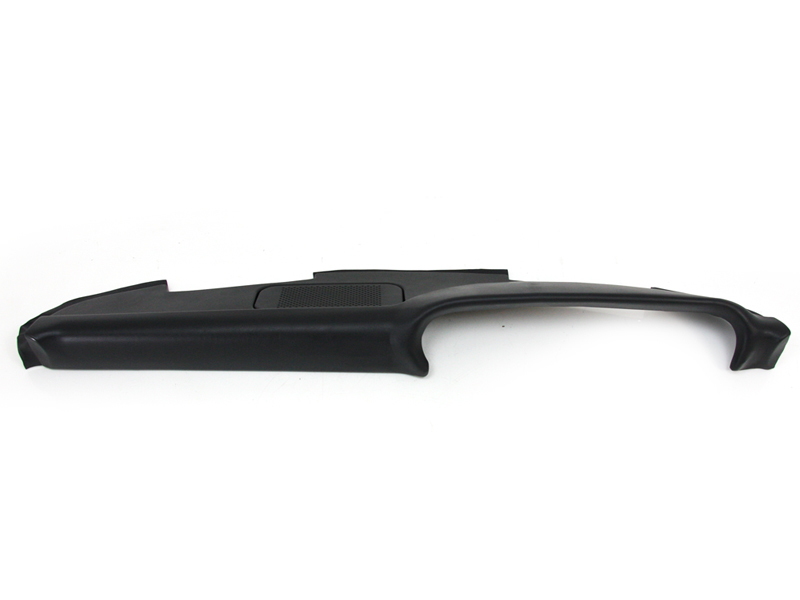
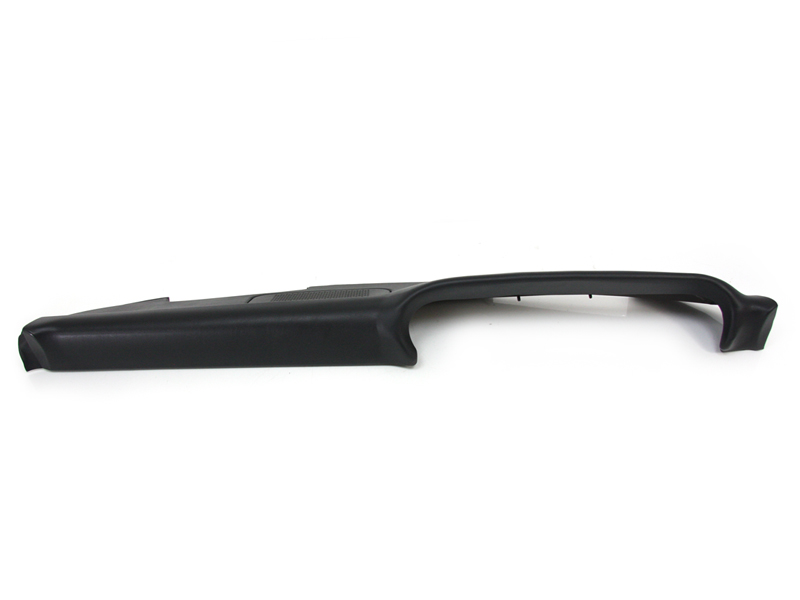
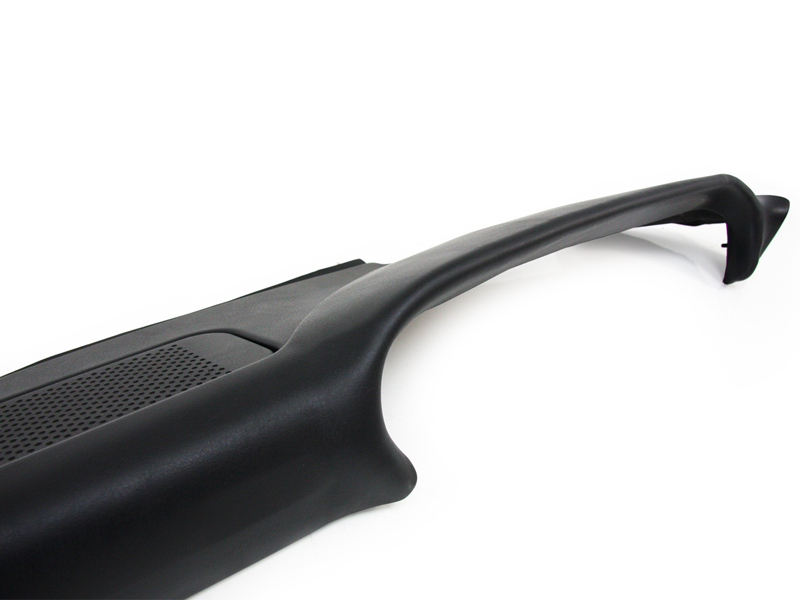
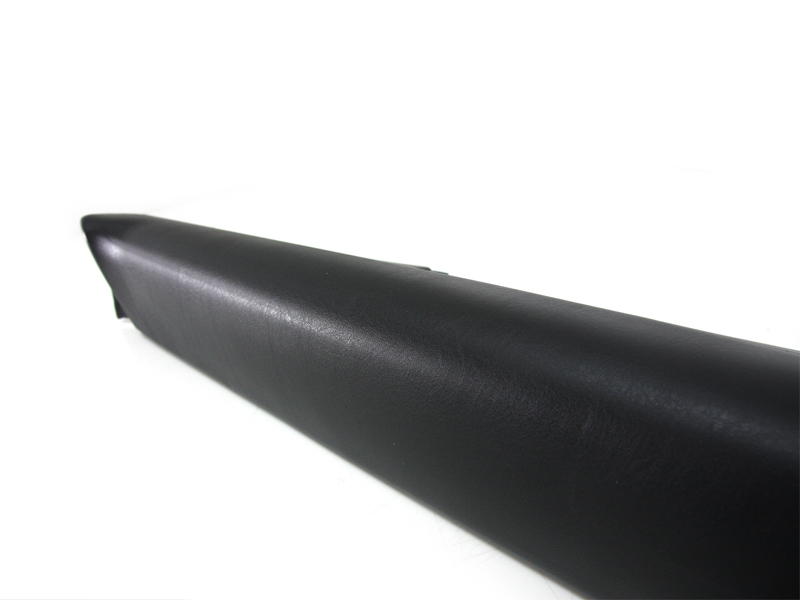
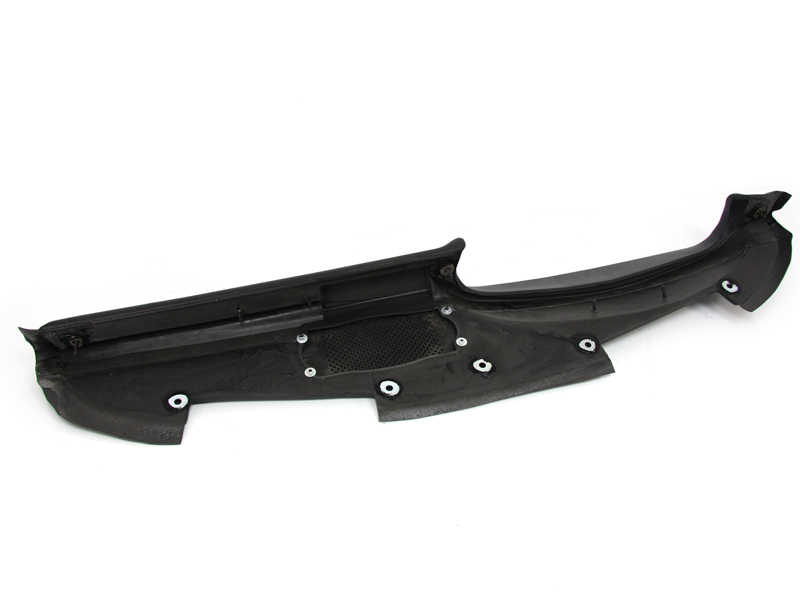
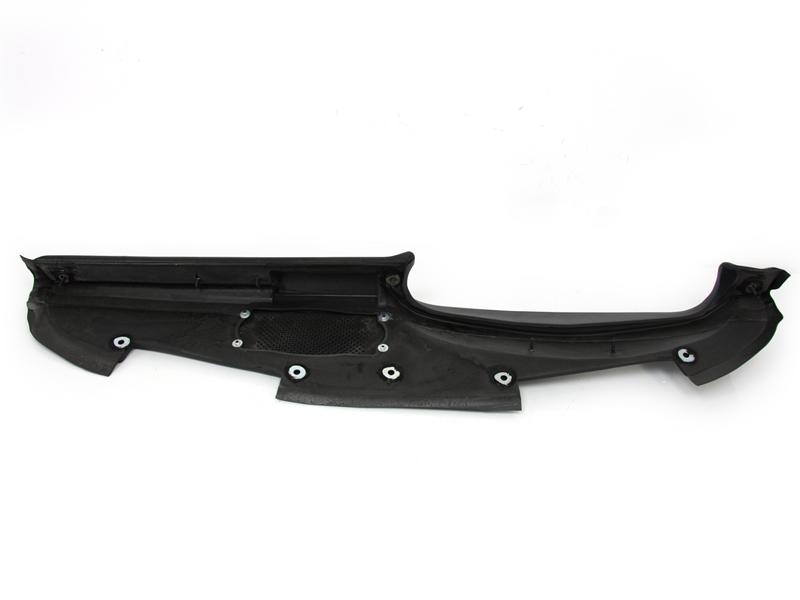
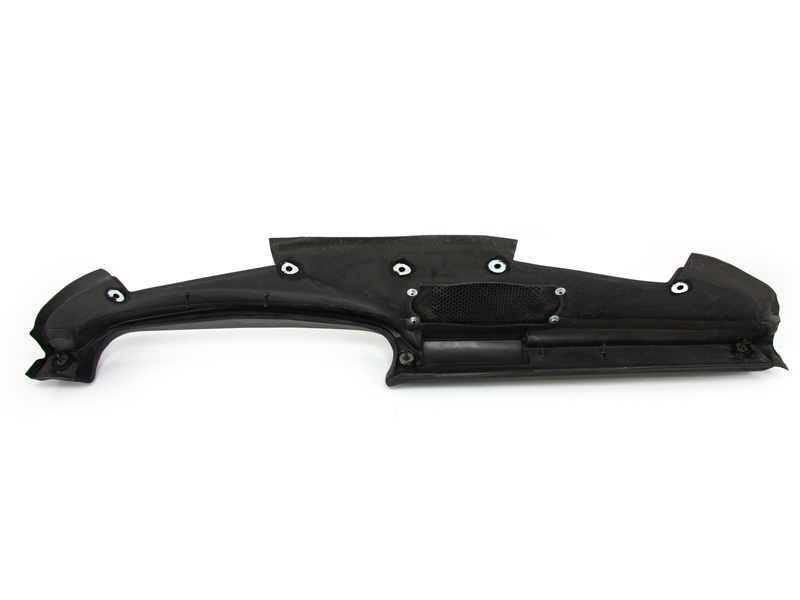
The OE MATCH Complete Dashboard with Front Air Vent Hole is a replacement dashboard designed for compatible left-hand-drive (LHD) Porsche applications. Finished in black, it provides a solution for restoring an interior where the original dashboard has become cracked, warped, faded or otherwise damaged through age and exposure.
Fits:
- Porsche 911 1986 3.2L
- Porsche 911 1987-1989 3.2L G50
- Porsche 911 1978-1989 3.3L Turbo (930)
The dashboard is one of the most visually prominent parts of a classic Porsche interior. Years of sunlight, heat and temperature changes can cause the original material to deteriorate, particularly around the windscreen, instrument area and ventilation openings.
This replacement dashboard is supplied with the front air vent hole configuration and is intended for LHD vehicles where this dashboard specification is required.
What This Product Does:
The dashboard forms the main upper structure and finished surface of the vehicle's front cabin.
As well as defining the appearance of the interior, it provides the surrounding structure and mounting environment for various dashboard components and controls.
Depending on the vehicle specification, these can include:
- Instrument cluster and gauges
- Air ventsSwitchgear
- Heating and ventilation controls
- Trim components
- Associated dashboard fittings
The dashboard also creates the finished transition between the cabin, windscreen area and vehicle controls.
A dashboard in good condition therefore contributes to both interior functionality and the overall appearance of the vehicle.
Symptoms Of Wear Or Failure:
Dashboard deterioration is usually visually obvious.
Common signs include:
- Cracks across the dashboard surface
- Splitting around air vents
- Cracks around the instrument area
- Damage near the windscreen edge
- Warped or distorted dashboard sections
- Shrinkage of the covering material
- Raised or uneven surfaces
- Faded or discoloured finish
- Loose or separating trim
- Damaged mounting areas
- Previous repairs becoming visible
- Poorly fitting dashboard components
- Cuts, holes or other physical damage
Small cracks can gradually spread as the dashboard continues to experience temperature changes.
Why Replacement Matters:
A deteriorated dashboard does not normally affect the basic mechanical operation of the vehicle, but it can have a major impact on the quality and appearance of the interior.
Replacing a badly cracked or damaged dashboard helps:
- Restore the appearance of the cabin
- Eliminate prominent cracks and splits
- Improve the fit of dashboard trim and components
- Restore a clean surface around instruments and vents
- Improve the quality of an interior restoration
- Replace previous poor-quality dashboard repairs
- Maintain the presentation of a classic Porsche
- Provide a fresh foundation for surrounding interior components
For restoration projects, the dashboard is particularly important because it occupies such a large and highly visible area of the cabin.
Related reference numbers
Related, superseded, cross reference or alternative numbers for comparison.
911552055057AE
The product you are viewing cross references to these numbers
- Porsche 955 Cayenne 3.2L V6 2003-06
- Porsche 955 Cayenne S 4.5L V8 2003-06
- Porsche 955 Cayenne Turbo 4.5L 2003-06
- Porsche 955 Cayenne Turbo S 4.5L 2006>>
- Porsche 957 Cayenne 3.0L Diesel 2007-10
- Porsche 957 Cayenne 3.6L 2007-10
- Porsche 957 Cayenne S / GTS 4.8L 2007-10
- Porsche 957 Cayenne Turbo / Turbo S 4.8L 2007-10
The transfer-case electric servo motor - also called a transfer case/shift motor, actuator, or servomotor - is a compact electric actuator that controls the Cayenne’s transfer case. It adjusts the internal gearing and clutch positions, enabling all-wheel-drive engagement and managing the low/high reduction functions inside the transfer box. This part is sold under Porsche part number PAB-341-601 (superseded by 955-624-601-00 and 955-624-601-01).
Fits:
- Porsche 955 Cayenne 3.2L V6 2003-06
- Porsche 955 Cayenne S 4.5L V8 2003-06
- Porsche 955 Cayenne Turbo 4.5L 2003-06
- Porsche 955 Cayenne Turbo S 4.5L 2006>>
- Porsche 957 Cayenne 3.0L Diesel 2007-10
- Porsche 957 Cayenne 3.6L 2007-10
- Porsche 957 Cayenne S/GTS 4.8L 2007-10
- Porsche 957 Cayenne Turbo / Turbo S 4.8L 2007-10
Diagram ref no 14
Why Replace It ?
A servo motor should be replaced if it fails to operate or communicate properly, or if it shows signs of electrical damage or corrosion. Common symptoms include:AWD warning lights in the instrument clusterVehicle operating as 2WD instead of AWDSlow, noisy, or delayed engagementClunks or unusual noises when slowing downStored transfer-case diagnostic trouble codes (DTCs)Because the motor contains sensors (potentiometers) and the connector seals can deteriorate, many failures are electrical rather than purely mechanical.
Common Symptoms & Failure Signs of AWD Systems
- Dashboard Warnings: Messages like “All-wheel drive system defective” may appear, often accompanied by reduced or no AWD functionality.
- AWD Engagement Issues: Vehicle stuck in 2WD or transfer case fails to shift into longitudinal reduction.
- Drivetrain Noises: Clunks, slow engagement, or unusual sounds at low speeds, sometimes intermittent.
- Diagnostic Trouble Codes (DTCs)
- Common codes related to AWD/transfer case issues include:
- 2040: Voltage supply to transfer box servo motor
- 2041: Ground supply
- 2042: Activation
- 2039 / 2033: Other transfer case errors
- These codes typically prompt technicians to inspect the servo motor, wiring, and connector pins.
- Connector Corrosion & Moisture Issues
- Porsche technical bulletins note that the servo motor plug can allow moisture ingress, leading to corroded pins. Recommended solutions include:
- Repair kit (replacing a section of cable/plug)
- Full replacement of motor + cable, depending on damage
- Tip: Don’t assume the motor is faulty before checking connectors and wiring.
- Transfer Case Mechanical Wear
- Sometimes, noisy or slipping transfer cases are due to mechanical issues rather than the servo motor. Common problems include:
- Stretched chain
- Worn internal components
- These failures are especially common on higher-mileage Porsche 955/957 models. Always consider mechanical wear as a potential cause when diagnosing AWD problems.
- When replacing you will need a new ECU module to fit or reprogrammed
Related reference numbers
Related, superseded, cross reference or alternative numbers for comparison.
PAB341601
The product you are viewing cross references to these numbers