




Enter your VAT number here and click Verify:
Your details have been verified. VAT number registered to:
,
.
Your order will now be zero rated for VAT purposes. We reserve the right to verify these details after your order request has been made and reinstate VAT if required.
Your VAT details were not recognised or were invalid. Your VAT number must be matched to your Billing Country as specified above. This is currently specified as . You do not need to enter the country code part of your VAT number as this has already been selected in your billing address details above.
The VAT number checking service is currently offline. Please supply your VAT details within the comments or special instructions field below and we will apply a VAT discount after placing your order request.
OE Match

OE Match for Porsche
OE Match is a brand that provides a wide range of Porsche components, from gaskets to suspension hardware, engine parts, and interior trim. Over 6,700 individual part numbers, and over 11,800 OE cross-references catalogued, and are constantly developing new lines.OE Match has over 100 new products currently in the engineering phase, which will be quality-controlled and added to their catalog. The mission is to keep all Porsche vehicles on the road by offering a vast selection of parts that can address various problems across different Porsche generations
A Quick Look at OE Match
OE Match information on this page is based on details supplied by the manufacturer or distributor, plus any OE references provided with the parts.
Choosing the Right Fit for Your Porsche
Where OE Match is listed for Porsche, use the supplied model coverage and OE references to confirm suitability. Check details that commonly affect fitment such as model year, side/position, and connector type where relevant.
- Often chosen when owners want OE-equivalent quality with sensible running costs, especially for routine service and wear items.
- Typical reasons to replace include restoring reliability, addressing age-related wear, or refreshing multiple components during larger repair work.
- Common defects from incorrect application include noise, premature wear, leaks, or fitment quirks if the wrong variant is selected or fitted with old seals/hardware.
- Watch for symptoms such as unusual noises, early wear, or repeat failures after recent work, which can indicate mismatched parts or supporting items left worn.
- Always cross-check OEM part numbers, read model-year notes, and verify compatibility before ordering.
- For safety-critical components, confirm specification and fitment carefully and have installation checked by a competent technician.
Browse by Category
If you already know the area you are working on, start with the category and then filter by Porsche model. Where real-world symptoms and typical reasons to replace are provided, use them to keep the wording grounded.
Brakes — Brake components are renewed to restore stopping performance, address wear or upgrade a Porsche for fast road or track use. Common symptoms include vibration under braking, longer stopping distances, squealing, pulling to one side, warning lights and visible wear to discs and pads.
Brake Pad Wear Sensors — Brake pad wear sensors are replaced when pads are renewed or when warning lights indicate a broken or worn sensor. Symptoms include brake wear warnings even with new pads, damaged sensor cables, or broken clips around the caliper area.
Engine Electrical — Engine electrical parts are changed when there are starting, charging, ignition, or sensor-related faults that affect drivability and reliability, such as intermittent no-start, misfires, rough idle, poor charging, warning lights or heat-soak failures.
Service Parts — Service parts are replaced as routine maintenance to keep the engine and systems reliable, efficient, and protected, often resolving hard starting, rough idle, poor fuel economy and warning lights caused by clogged filters or worn ignition components.
Service Kits — Service kits bundle key service components to simplify maintenance and set the car back to a known baseline, especially useful when catching up on overdue servicing or dealing with general sluggish running, inconsistent idle and reduced performance.
- For brake parts, confirm whether items are OE-equivalent replacements or performance upgrades and check if new fitting kits and sensors are required.
- On service items and kits, match the kit to your exact Porsche model, engine and year, and review what is included so you can add any extra “while you are there” parts.
Explore OE Match at Design911
View the current OE Match range for Porsche at Design911, then filter by model and category to narrow down to the right parts.


- Porsche Boxster 986 2.5L 1997-99
- Porsche Boxster 986 2.7L 1999-02
- Porsche Boxster S 986 3.2L 1999-02
- Porsche Boxster 986 2.7L 2003-04
- Porsche Boxster S 986 3.2L 2003-04
- Porsche 996 C2 3.4L 1997-08/01
- Porsche 996 C4 3.4L 1997-08/01
- Porsche 996 C2 3.6L 09/01-2005
- Porsche 996 C4 3.6L 09/01-2005
- Porsche 996 C4S 3.6L 09/01-2005
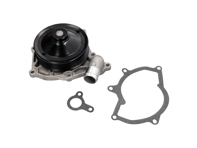
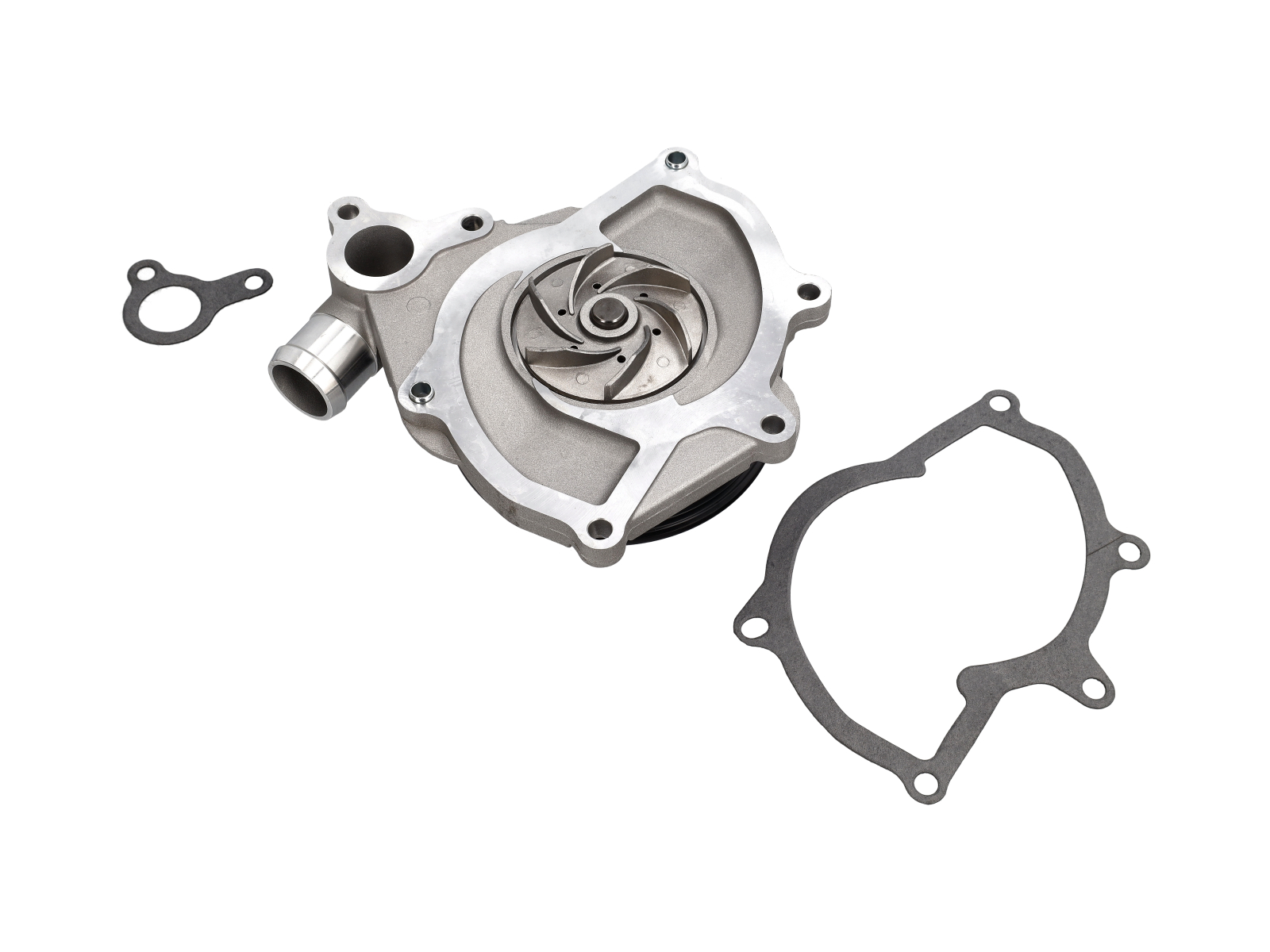
The water pump product code 996 106 011 57, is also known as a coolant water pump supplied with gasket, ensuring seal integrity. Porsche specialist typically recommended this is checked or replaced every 60,000 miles or 4–5 years, whichever comes first, as part of routine maintenance to prevent sudden failure. It’s best practice to replace the thermostat, gaskets, and serpentine belt at the same time for a comprehensive cooling system refresh. Our kits bundle all these components.
Fits:
Porsche 996 Carrera C2/C4 (1997–2001 3.4L; 2002–2005 3.6L)
Porsche Boxster 986 (all models, 2.5L, 2.7L , 3.2S, 1997–2004)
Common issues & symptoms:
• Overheating & Rapid Deterioration: If the pump fully fails, coolant circulation stops, leading to overheating—which can cause serious engine damage.
• Strange Noises: Squealing, creaking, or grinding noises can indicate bearing failure or internal damage within the pump.
• Coolant Leaks: A failing or worn water pump may begin leaking coolant, often noticeable as puddles beneath the rear of the vehicle or in the engine bay.
• Accessory Belt Problems: A failed pump can throw off the serpentine drive belt, potentially causing accessory drive issues.
• Maintenance Insights Proactive Replacement: Given the catastrophic failure risk and potentially swift progression from minor to major leaks, many enthusiasts and mechanics recommend replacing the water pump pre-emptively at the 60,000-mile interval.
Related reference numbers
Related, superseded, cross reference or alternative numbers for comparison.
99610601157
The product you are viewing cross references to these numbers

- Porsche 911 1965-1968 2.0L / 912 SWB (F)
- Porsche 911 1968-1973 2.2L / 2.4L / 2.7L RS LWB (F)
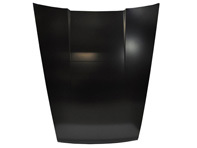
Restore the distinctive appearance and correct front body profile of an early Porsche 911 with this OE Match Reproduction Front Bonnet. Designed for compatible early Porsche 911 models using the long-bonnet configuration, this reproduction panel provides a replacement solution for an original bonnet that is corroded, damaged, distorted, previously repaired or missing.
Fits:
Porsche 911 1965-73
Material: Steel
The long bonnet is one of the defining exterior features of early Porsche 911 models. It forms the upper closure of the front luggage compartment and contributes significantly to the characteristic proportions, panel lines and appearance of the vehicle.
What This Product Does:
- Replaces the long-type bonnet on compatible early Porsche 911 models.
- Covers and protects the front luggage compartment.
- Restores the characteristic early 911 long-bonnet exterior profile.
- Provides the foundation for correct bonnet-to-wing and body panel gaps.
- Works with the appropriate hinges, latch, seals and associated hardware.
- Allows normal access to the front luggage compartment.
- Replaces a corroded, accident-damaged, distorted or missing bonnet.
- Provides a practical solution for body restoration projects.
- Helps return a modified or damaged vehicle to an early long-bonnet appearance.
- Is supplied as a reproduction replacement panel.
Symptoms Of Wear Or Failure:
- Significant corrosion or rust.
- Perforation caused by advanced corrosion.
- Accident or impact damage.
- Large dents, creases or distortion.
- Poor bonnet-to-body alignment.
- Uneven panel gaps that cannot be corrected through normal adjustment.
- Damage around the hinge mounting areas.
- Damage or deformation around the latch area.
- Previous repairs that have significantly distorted the panel.
- Cracking or deterioration around repaired sections.
- A bonnet that no longer opens or closes correctly due to panel damage.
- An incorrect bonnet fitted during a previous restoration or modification.
- A missing original bonnet during a restoration project.
Why Replacement Matters:
- The front bonnet is a major exterior body panel and has a significant influence on both the appearance and functionality of an early Porsche 911.
- Severe corrosion can weaken mounting, edge or latch areas and make permanent repair increasingly difficult. Likewise, badly distorted accident damage can prevent the bonnet from aligning correctly with the surrounding wings and body panels.
- Correct fit is especially important around the latch mechanism. A bonnet that does not latch securely or has damaged mounting areas requires immediate attention, as reliable bonnet retention is essential during vehicle operation.
- For restoration projects, panel shape and alignment are also fundamental to achieving a high-quality finished result. The long bonnet creates a prominent part of the early 911's characteristic front-end styling, so incorrect contours or inconsistent panel gaps can be particularly noticeable.
Related reference numbers
Related, superseded, cross reference or alternative numbers for comparison.
90151101024GRV
The product you are viewing cross references to these numbers
PLEASE NOTE:
Due to its size, weight or fragility, this item requires additional protective packaging to make sure it reaches you undamaged. A small packing surcharge is applied to cover these specialist materials and the extra care taken preparing your order for transit.
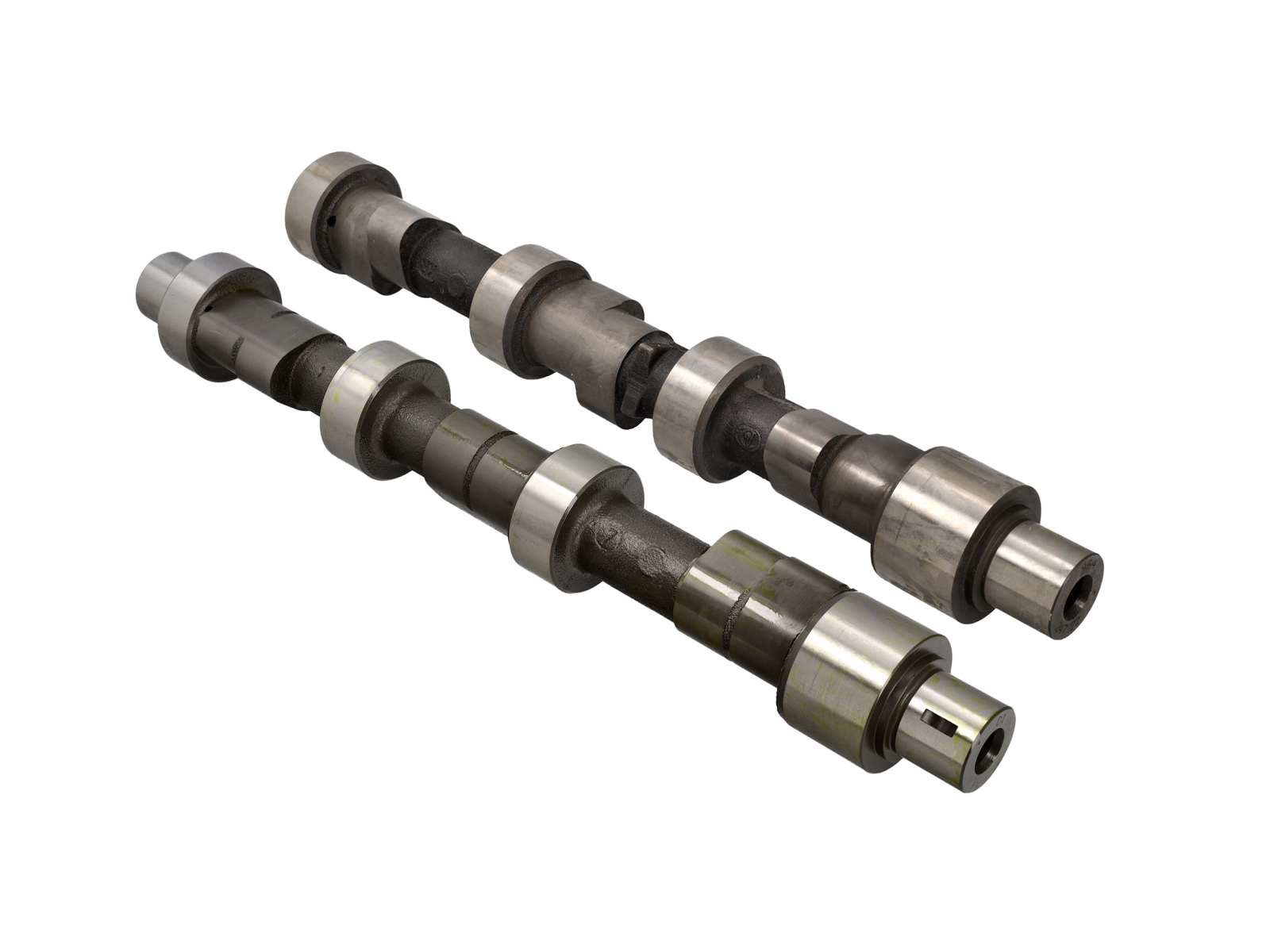
- Porsche 964 (911) C2 1989-93
- Porsche 964 (911) C4 1989-93
- Porsche 964 (911) RS 3.6L 1991-93
- Porsche 964 (911) RS 3.8L 1991-93

Fits:
Porsche 964 C4 / C4 1989-94
Porsche 964 C2 1990-94 TIPTRONIC
Porsche 964 Carrera RS 1992
Related reference numbers
Related, superseded, cross reference or alternative numbers for comparison.
CAMSHAFTKIT04
The product you are viewing cross references to these numbers
This kit is comprised of the following items:


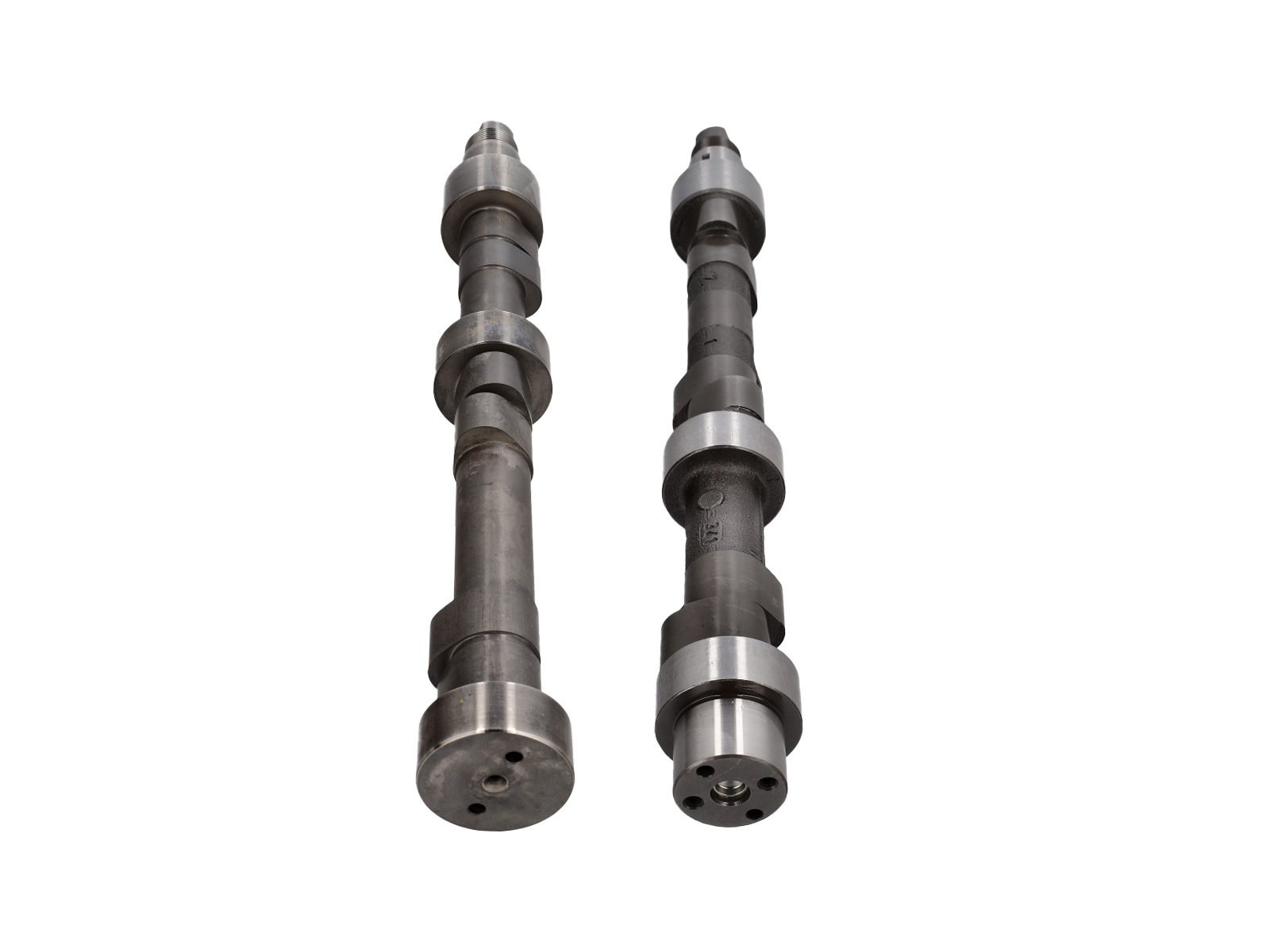
- Porsche 911 1965-1968 2.0L / 912 SWB (F)
- Porsche 911 1968-1973 2.2L / 2.4L / 2.7L RS LWB (F)
- Porsche 911 1974-1977 2.7L / 1976-77 3.0 Carrera
Restore accurate valve timing and correct operation of a mechanically fuel-injected engine with this OE Match Camshaft Set of 2. Designed for compatible engines equipped with a Mechanical Fuel Injection (MFI) pump, this matched two-camshaft set provides a replacement solution for engine rebuilds, restorations and repairs where the existing camshafts are worn, damaged or unsuitable.
Fits:
Porsche 911S 1965-73
Porsche 911 Carrera 2.7L 1974-77
Camshafts are precision internal engine components that control the opening and closing of the intake and exhaust valves. Their carefully engineered lobe profiles determine valve lift, duration and timing, directly influencing cylinder filling, exhaust gas evacuation, combustion efficiency, torque and engine performance.
What This Product Does:
- Includes 2 camshafts for the compatible engine application.
- Is designed for engines equipped with a mechanical fuel injection pump.
- Controls the opening and closing of the intake and exhaust valves.
- Maintains the required valve timing relative to crankshaft position.
- Determines valve lift through the cam lobe profiles.
- Determines how long the valves remain open.
- Works with the associated rocker arms and valve-train components.
- Supports correct operation of the engine alongside the MFI system.
- Helps provide efficient cylinder filling and exhaust gas evacuation.
- Supports smooth combustion and consistent engine performance.
- Influences power delivery, torque and throttle response.
- Replaces worn, damaged or unsuitable camshafts during an engine rebuild.
Symptoms Of Wear Or Failure:
- Ticking, tapping or abnormal valve-train noises.
- Reduced engine power.
- Poor or inconsistent throttle response.
- Rough or unstable idle.Engine misfires.
- Uneven performance between cylinders.
- Difficulty maintaining correct valve clearances.
- Repeated changes in valve adjustment.
- Reduced valve lift.
- Flattened or excessively worn camshaft lobes.
- Pitting, scoring or surface damage on the cam lobes.
- Excessive wear on rocker arms or other mating components.
- Abnormal camshaft journal wear.
- Metallic particles in the engine oil or oil filter.
- Visible camshaft damage during engine disassembly.
Why Replacement Matters:
- Camshaft condition directly affects the engine's ability to breathe correctly. As cam lobes wear, their effective shape changes, potentially reducing valve lift or altering the period for which a valve remains open.
- This can restrict the intake charge entering a cylinder or interfere with the efficient evacuation of exhaust gases. The resulting symptoms may include reduced power, poor throttle response, rough running and uneven cylinder performance.
- Correct camshaft specification is especially important with Mechanical Fuel Injection. The MFI system is mechanically coordinated with engine operation, so the camshafts must be appropriate for the engine and injection configuration. Incorrect valve timing or an unsuitable camshaft profile can compromise the intended relationship between airflow and fuel delivery.
- Camshaft wear can also damage associated valve-train components. Worn or pitted cam lobes may accelerate deterioration of rocker-arm contact surfaces, while damaged mating components can rapidly wear a replacement camshaft. Metal generated by this wear can circulate through the engine oil and potentially damage other internal components.
Related reference numbers
Related, superseded, cross reference or alternative numbers for comparison.
CAMSHAFTKIT03
The product you are viewing cross references to these numbers
This kit is comprised of the following items:
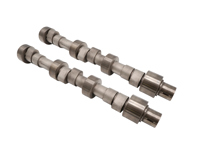
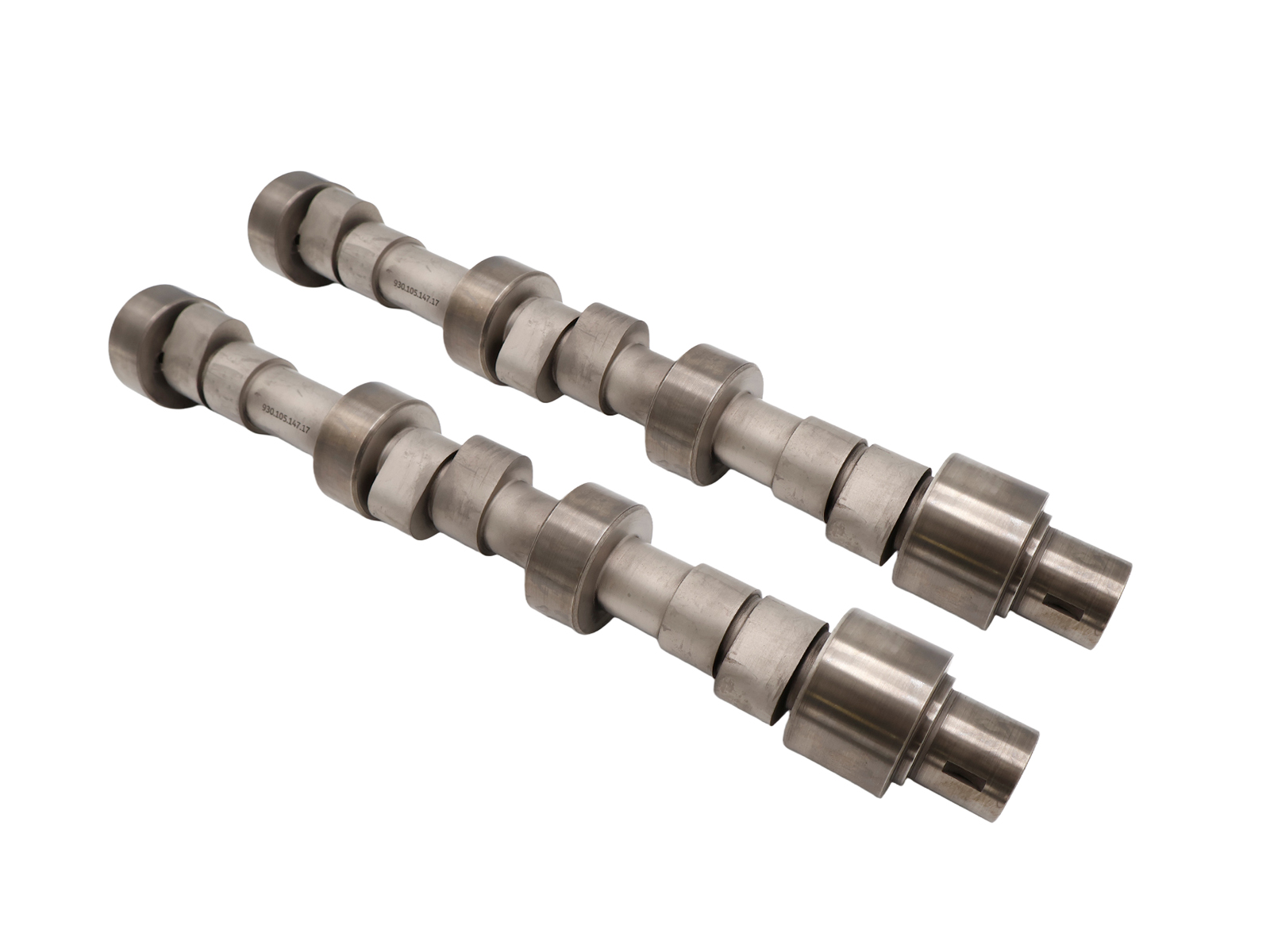
- Porsche 911 1978-1983 3.0L / SC
- Porsche 911 1984-1986 3.2L
- Porsche 911 1987-1989 3.2L G50
Fits:
Porsche 911 SC 3.0L 1978-83
Porsche 911 Carrera 3.2L 1984-89
Related reference numbers
Related, superseded, cross reference or alternative numbers for comparison.
CAMSHAFTKIT02
The product you are viewing cross references to these numbers
This kit is comprised of the following items:
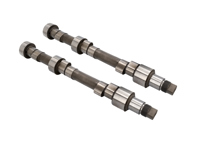

- Porsche 911 1965-1968 2.0L / 912 SWB (F)
- Porsche 911 1968-1973 2.2L / 2.4L / 2.7L RS LWB (F)
- Porsche 914 (1970-1976)
SET OF 2 Left & Right.
Restore accurate valve-train operation and dependable engine performance with this OE Match Camshaft Kit. Designed for compatible engine applications, this kit provides essential components for camshaft replacement or engine rebuilding, helping restore correct valve timing, valve lift and overall valve-train operation.
Fits:
Porsche 911 TU/T 1965-69
Porsche 911 T 1970>>
Porsche 911 T-V 1972>>
Porsche 914-6 1970-76
The camshaft is one of the engine's most important internal components. Its precisely shaped lobes control the movement of the intake and exhaust valves through the associated valve-train components. Camshaft profile determines critical characteristics including valve lift, duration and timing, all of which influence cylinder filling, exhaust gas evacuation, combustion efficiency and engine performance.
What This Product Does:
- Restore correct camshaft and valve-train operation.
- Control the opening and closing of the intake and exhaust valves.
- Maintain correct valve timing relative to crankshaft position.
- Provide the required valve lift and duration.
- Support efficient cylinder filling with the intake charge.
- Allow effective evacuation of exhaust gases.
- Maintain consistent valve operation across the engine.
- Support smooth combustion and dependable engine performance.
- Replace worn or damaged camshaft-related components.
- Provide a coordinated solution for compatible engine rebuilds and repairs.
- Restore valve-train functionality when correctly installed and timed.
Symptoms Of Wear Or Failure:
- Ticking, tapping or abnormal valve-train noise.
- Reduced engine power or acceleration.
- Poor throttle response.
- Rough or inconsistent idle.
- Engine misfires.
- Uneven performance between cylinders.
- Difficulty maintaining correct valve clearances.
- Repeated changes in valve adjustment.
- Reduced valve lift.
- Flattened or excessively worn cam lobes.
- Pitting or scoring on camshaft surfaces.
- Excessive wear of mating followers, lifters or rocker components.
- Metallic particles in the engine oil or oil filter.
- Abnormal camshaft journal wear.
- Visible valve-train damage during engine disassembly.
Why Replacement Matters:
- The camshaft directly controls the engine's valve movement. When a cam lobe becomes worn, its effective profile changes, potentially reducing how far or how long the corresponding valve opens.
- Reduced valve lift or incorrect effective duration can restrict the amount of air and fuel entering the cylinder or interfere with the removal of exhaust gases. The result may be reduced power, rough running, poor throttle response and inefficient combustion.
- Camshaft wear can also spread to associated valve-train components. A damaged cam lobe may accelerate wear of its mating follower, lifter or rocker component, while a damaged mating component can quickly deteriorate a replacement camshaft. Metallic debris produced by this wear can then circulate through the lubrication system and potentially damage other internal engine components.
Related reference numbers
Related, superseded, cross reference or alternative numbers for comparison.
CAMSHAFTKIT01
The product you are viewing cross references to these numbers
This kit is comprised of the following items:
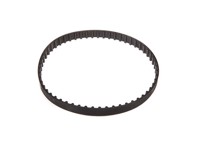
- Porsche 911 1978-1983 3.0L / SC
- Porsche 911 1984-1986 3.2L
- Porsche 911 1987-1989 3.2L G50
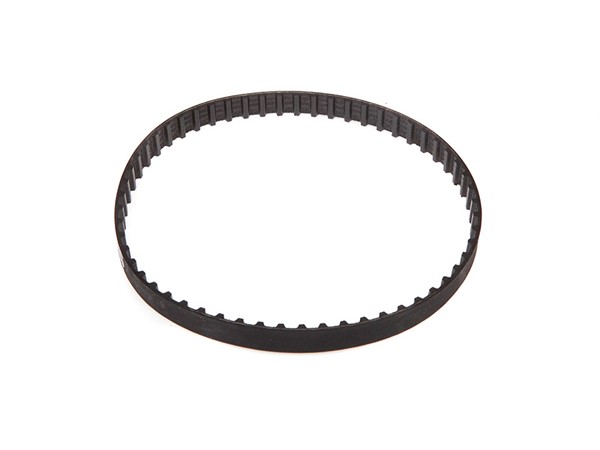
Restore reliable distributor drive operation and accurate ignition timing with this OE Match Distributor Drive Belt. Designed for compatible Porsche ignition applications, this belt forms part of the distributor drive mechanism and ensures that the associated distributor components rotate in the correct relationship to engine operation.
Fits:
Porsche 911 1978-89
The distributor plays a critical role in delivering ignition to the cylinders at precisely the right time. Where a drive belt is incorporated within the distributor assembly, the condition of that belt is essential to maintaining correct synchronisation. A worn, stretched, cracked or broken belt can disrupt distributor operation and lead to ignition timing problems, misfires or loss of correct ignition distribution.
What This Product Does:
- Forms part of the distributor's internal drive mechanism.
- Transfers rotational movement between associated distributor components.
- Maintains correct synchronisation within the distributor assembly.
- Supports accurate ignition distribution to the engine cylinders.
- Helps maintain correct ignition timing.
- Supports smooth and consistent engine operation.
- Helps prevent ignition irregularities caused by a deteriorated drive belt.
- Replaces a cracked, stretched, hardened, worn or broken distributor belt.
- Provides an OE-style replacement for compatible Porsche ignition systems.
- Is suitable for preventative maintenance during distributor rebuilding or servicing.
Symptoms Of Wear Or Failure:
- Engine misfires or irregular running.
- Rough or unstable idle.
- Reduced engine performance.
- Hesitation during acceleration.
- Poor throttle response.
- Difficulty starting the engine.
- Intermittent ignition problems.
- Incorrect or unstable ignition timing.
- Uneven ignition operation between cylinders.
- Visible cracks or deterioration in the belt.
- Missing or damaged belt teeth where applicable.
- Belt stretching, looseness or excessive wear.
- Hardened or brittle belt material.
- A completely broken distributor drive belt.
- Age-related deterioration discovered during distributor servicing.
Why Replacement Matters:
- Correct ignition timing is fundamental to engine performance. The spark must occur at the appropriate point in the combustion cycle, and the distributor drive mechanism must remain correctly synchronised for this to happen consistently.
- A worn or stretched distributor belt may introduce unwanted movement or incorrect synchronisation within the distributor. This can contribute to inconsistent ignition, rough running, reduced power and poor throttle response.
- More significantly, a belt that breaks can interrupt the intended operation of the distributor assembly. Depending on the ignition-system configuration, this may result in serious misfiring or loss of correct ignition to affected cylinders.
- Age is an important consideration with distributor drive belts. Rubber components can deteriorate even on vehicles covering relatively little mileage. Years of exposure to engine-bay temperatures can cause the belt material to harden, crack and lose flexibility, increasing the likelihood of failure.
Related reference numbers
Related, superseded, cross reference or alternative numbers for comparison.
93060213400
The product you are viewing cross references to these numbers
- Porsche 964 (911) C2 1989-93
- Porsche 964 (911) C4 1989-93
- Porsche 964 (911) RS 3.6L 1991-93
- Porsche 964 (911) RS 3.8L 1991-93
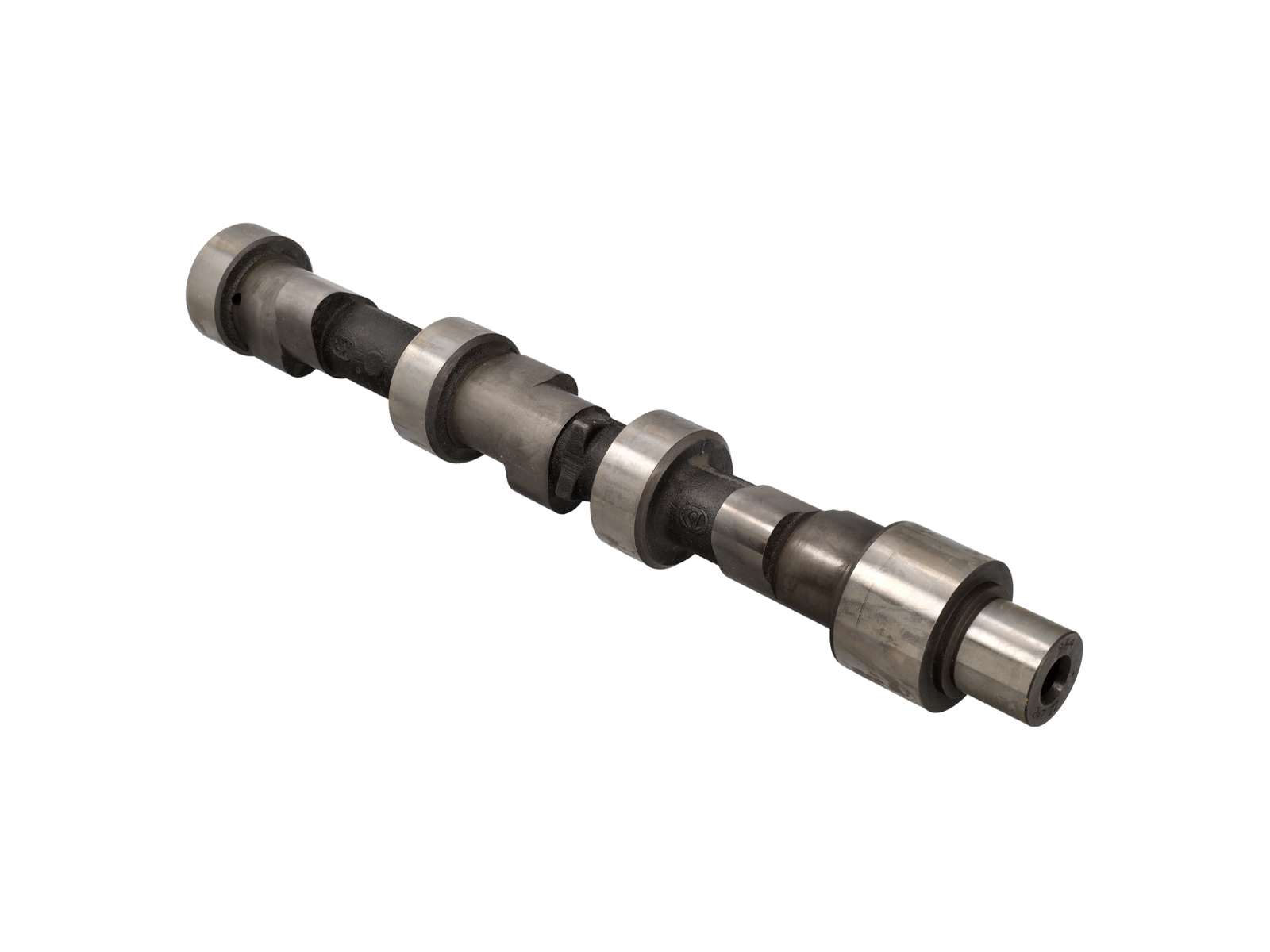
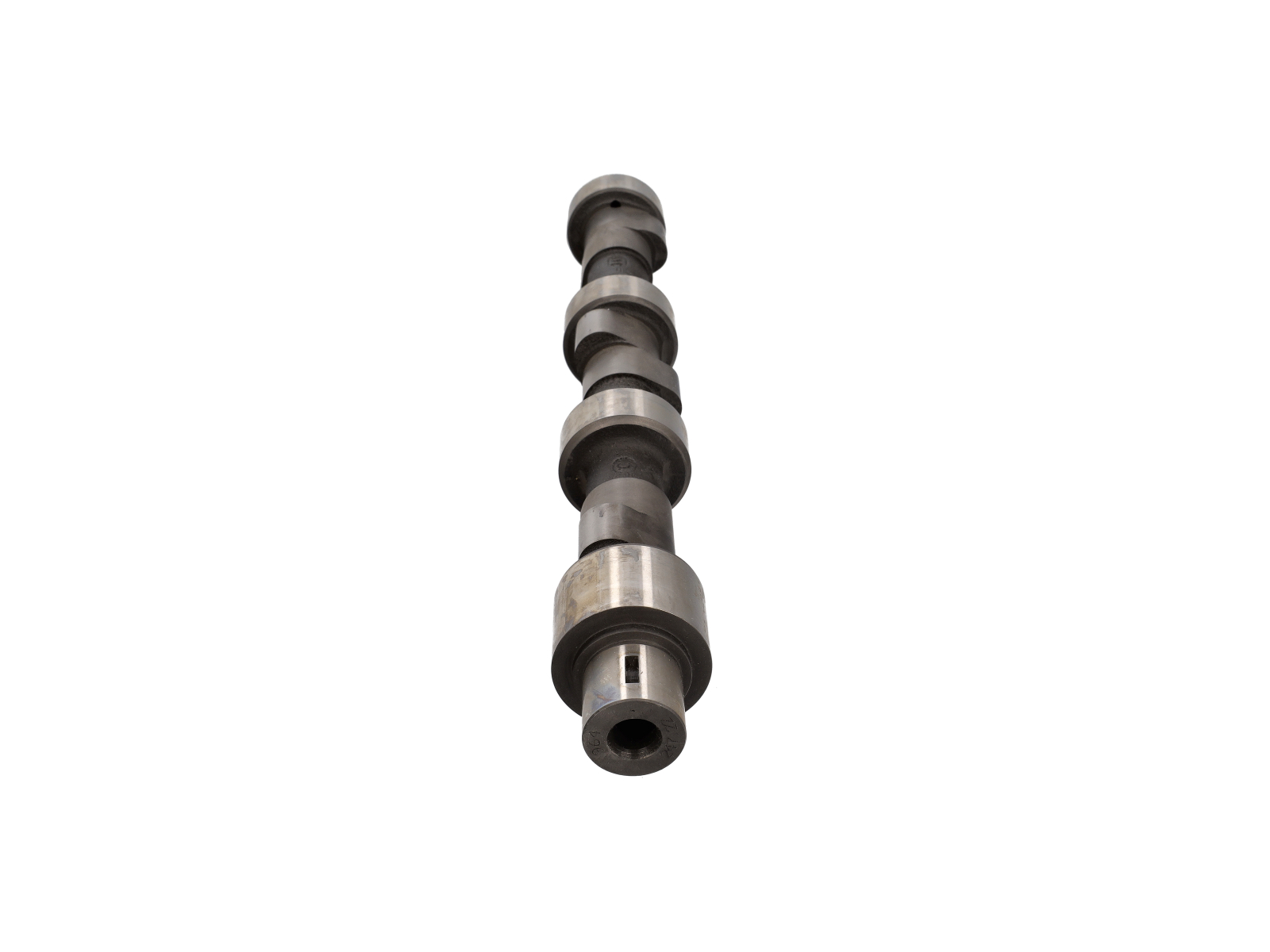
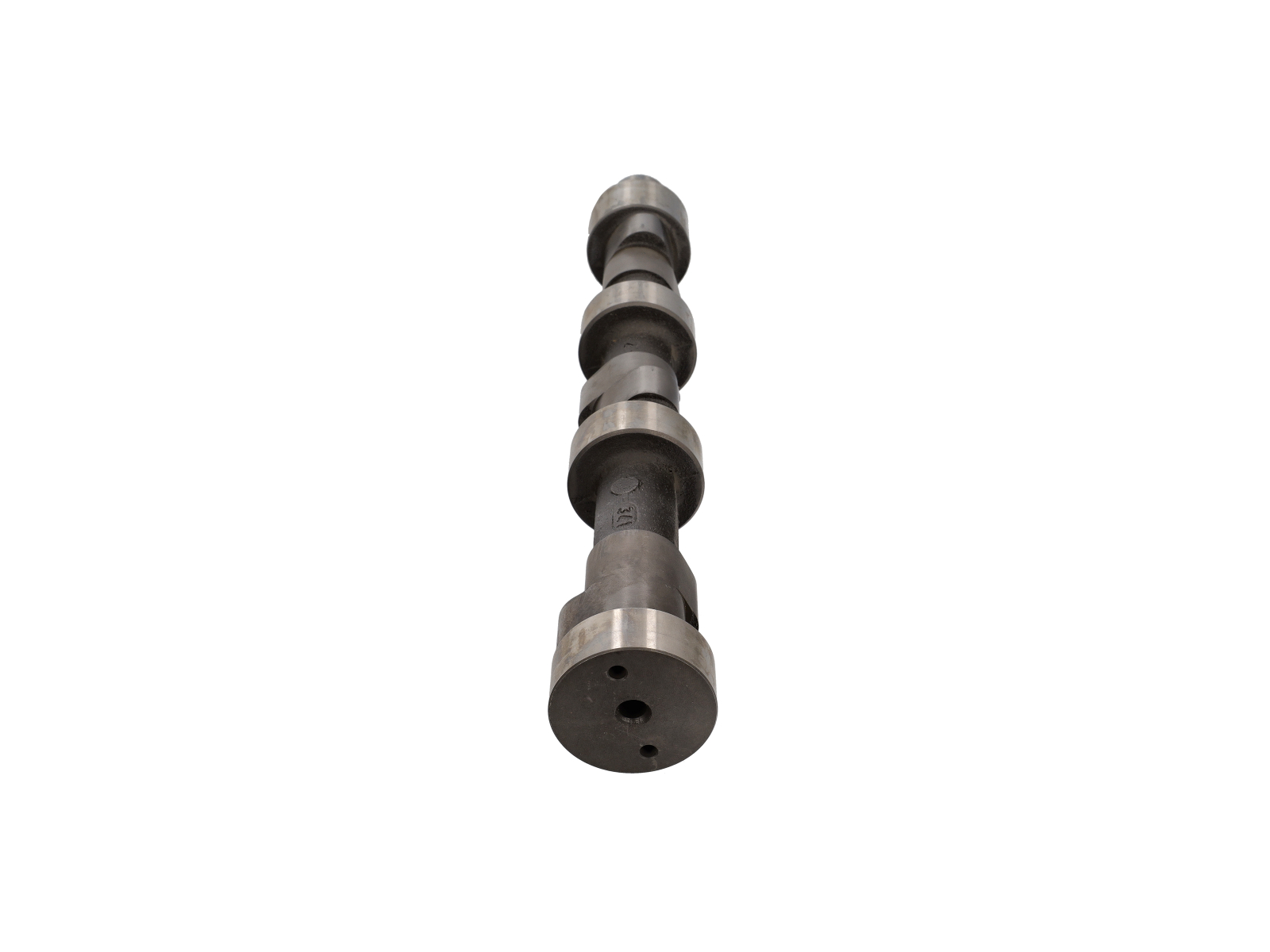
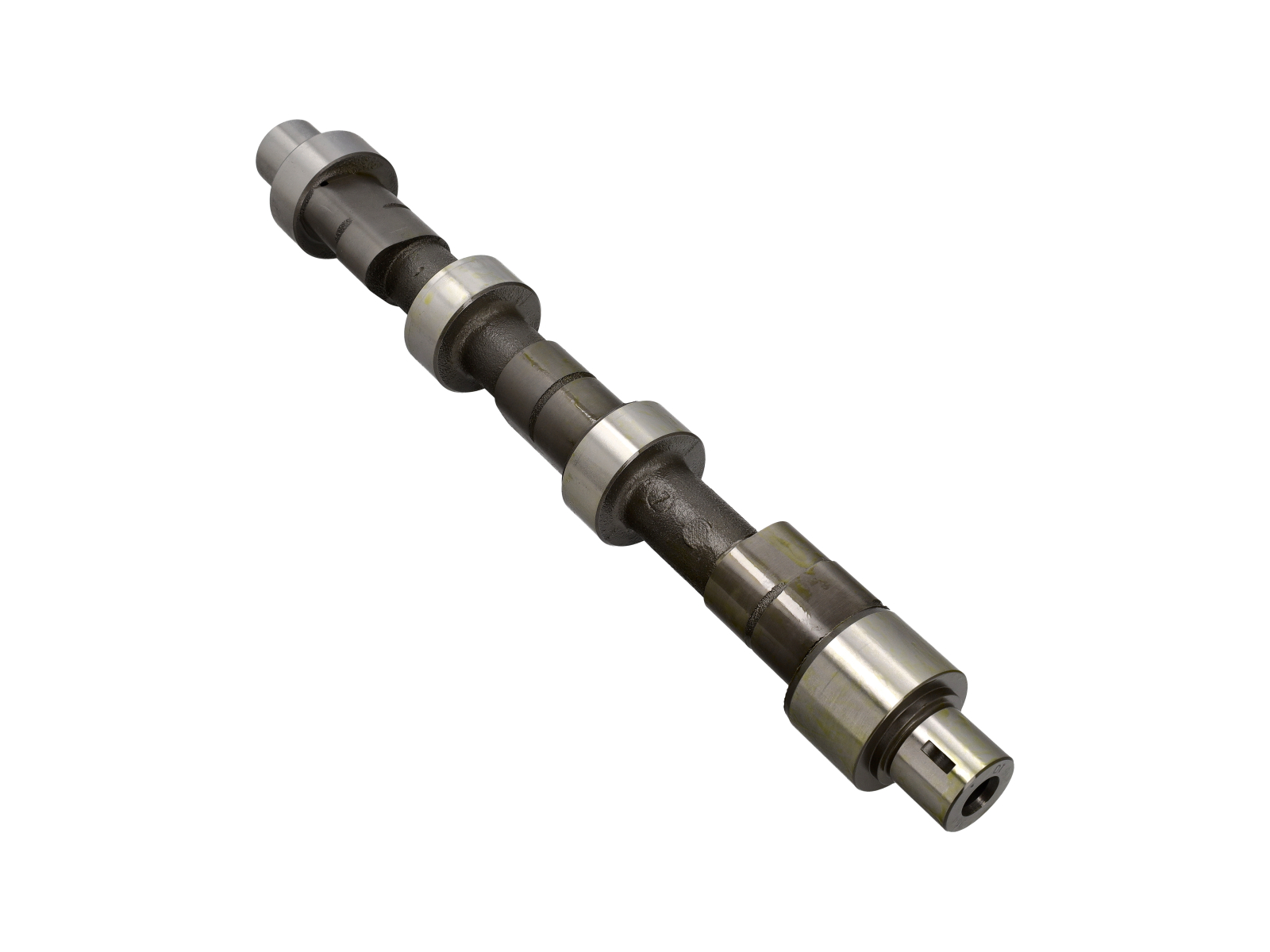
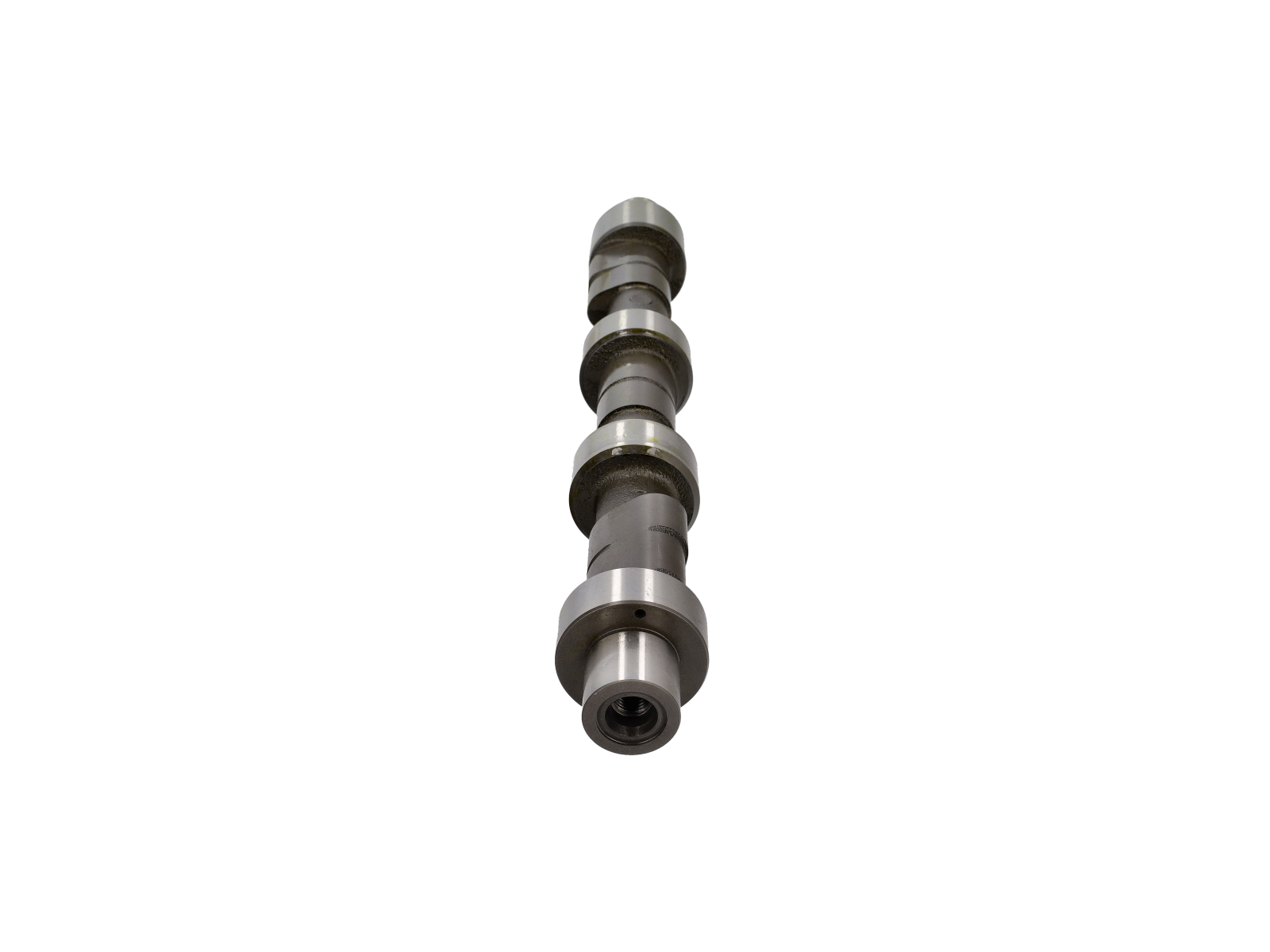
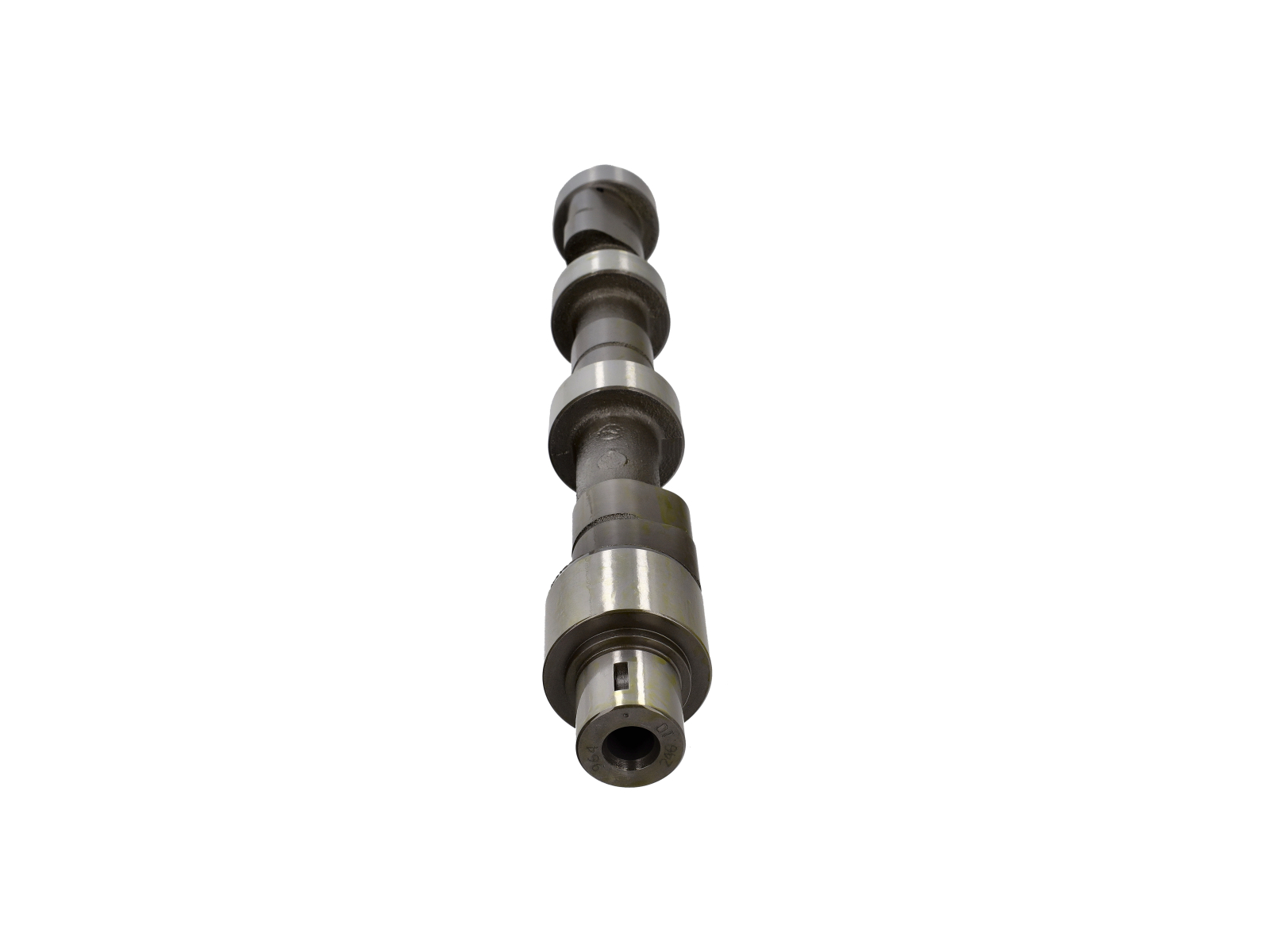
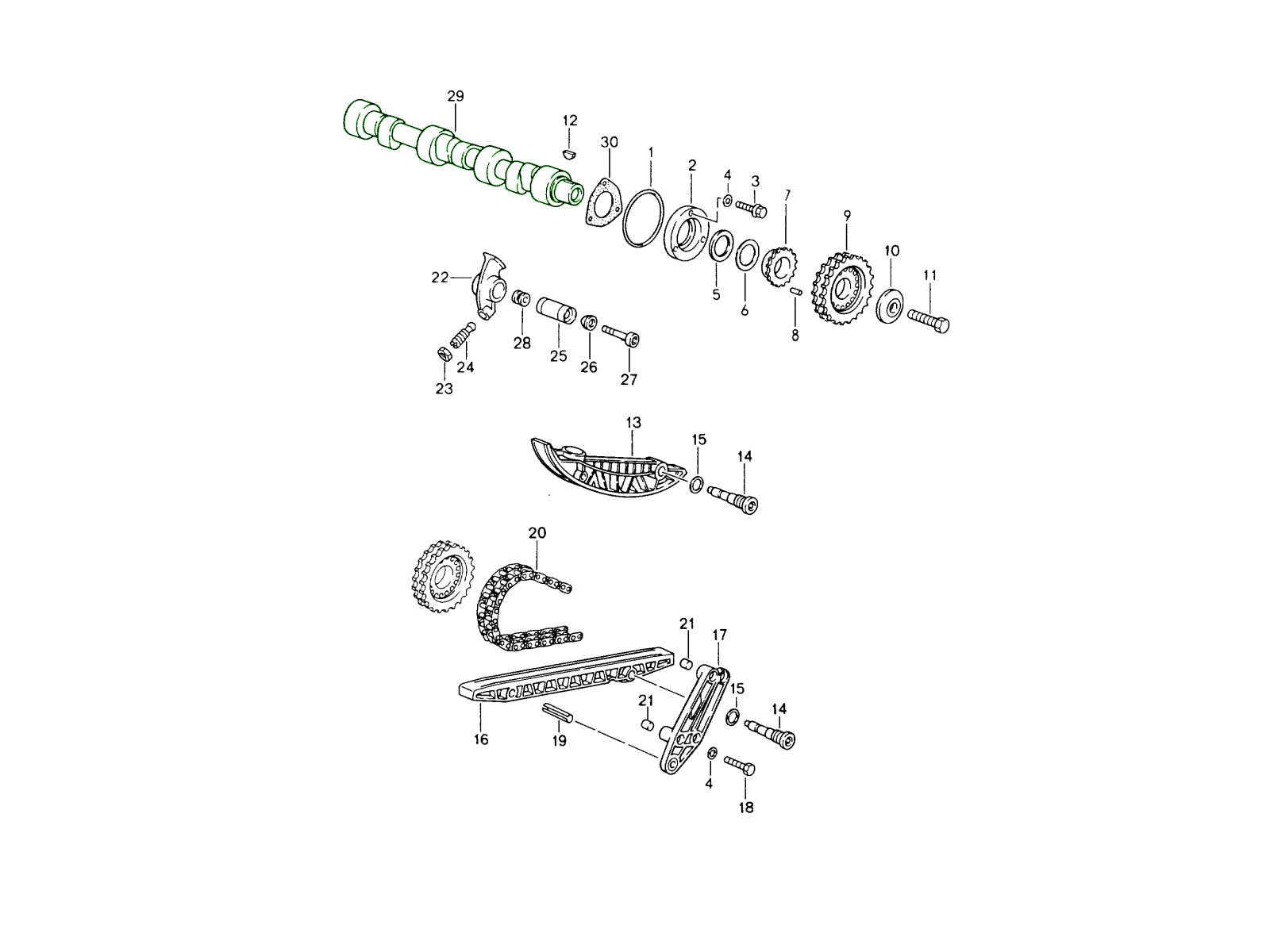
The camshaft controls valve timing by actuating the valve train in sync with the crankshaft, ensuring correct breathing and engine operation. These OE Match camshafts are manufactured to replicate the original Porsche cam profile, journal dimensions, and key mounting/drive features for direct installation in compatible Porsche 964 engines.
Fits:
Porsche 964 C4 / C4 1989 - 1994
Porsche 964 C2 1990 - 1994 TIPTRONIC
Porsche 964 Carrera RS 1992
Diagram ref no 29
The camshaft opens and closes the intake/exhaust valves at precisely timed intervals, managing airflow through the engine. Replacing a worn camshaft helps restore correct valve timing behaviour, improving drivability, efficiency, and overall engine smoothness.
Function: Driven by the engine timing system, the camshaft’s lobes convert rotational motion into controlled valve lift. Correct cam geometry is essential for proper combustion, stable idle, and consistent performance throughout the rev range.
Camshafts wear over time from mileage, oil quality issues, or lubrication breakdown - leading to reduced valve lift, noisy valve train operation, and performance loss. Installing an OE Match replacement restores correct valve actuation and helps protect the rest of the valve train from abnormal wear.
When to replace:
• Visible lobe/journal wear, scoring, or pitting
• Excessive valve train noise traced to cam wear
• Engine rebuild/overhaul
• Persistent performance loss linked to valve timing/lift issues
• Oil contamination or lubrication failure events
Related reference numbers
Related, superseded, cross reference or alternative numbers for comparison.
96410524
The product you are viewing cross references to these numbers
- Porsche 911 1965-1968 2.0L / 912 SWB (F)
- Porsche 911 1968-1973 2.2L / 2.4L / 2.7L RS LWB (F)
- Porsche 911 1974-1977 2.7L / 1976-77 3.0 Carrera
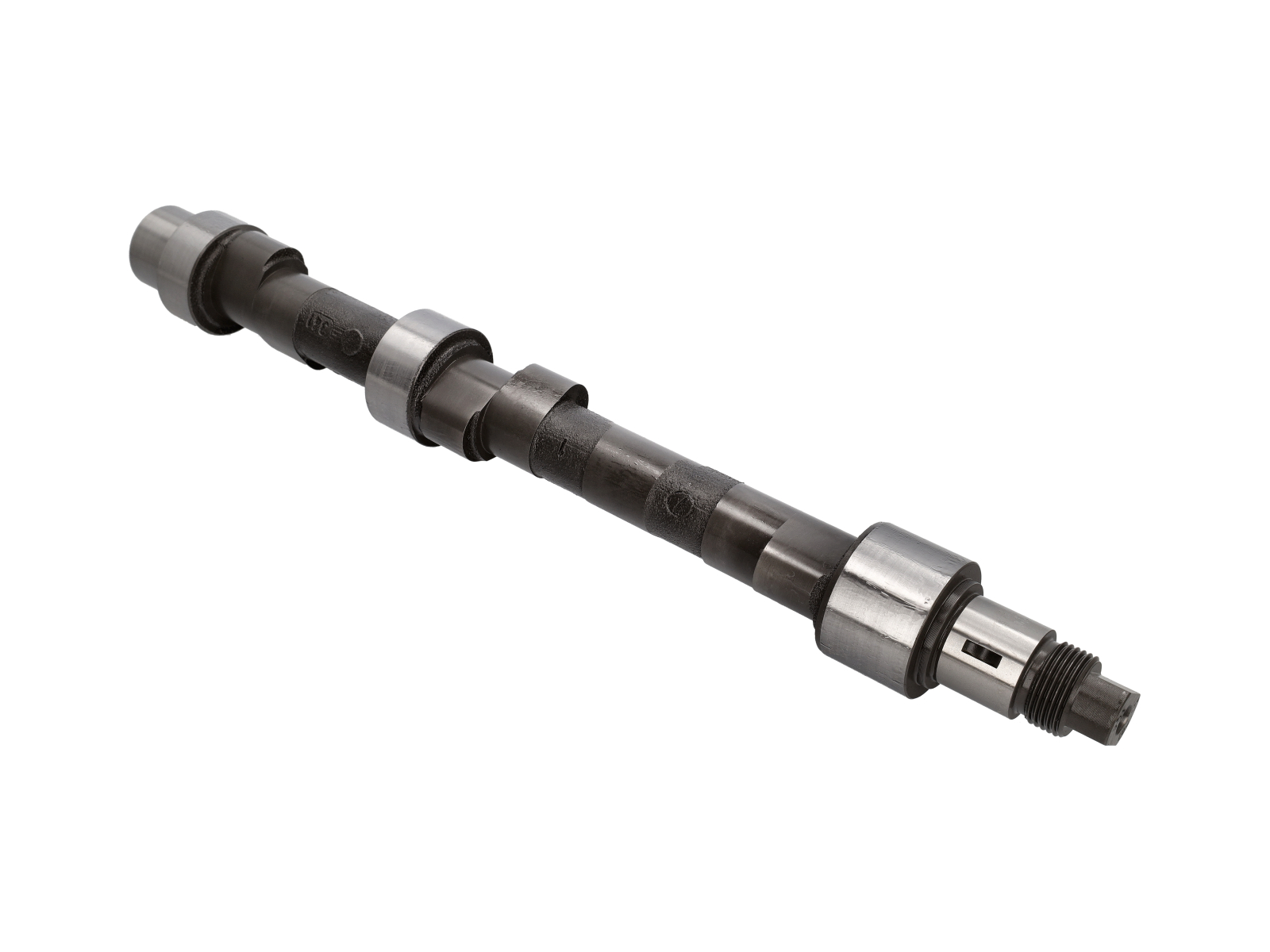
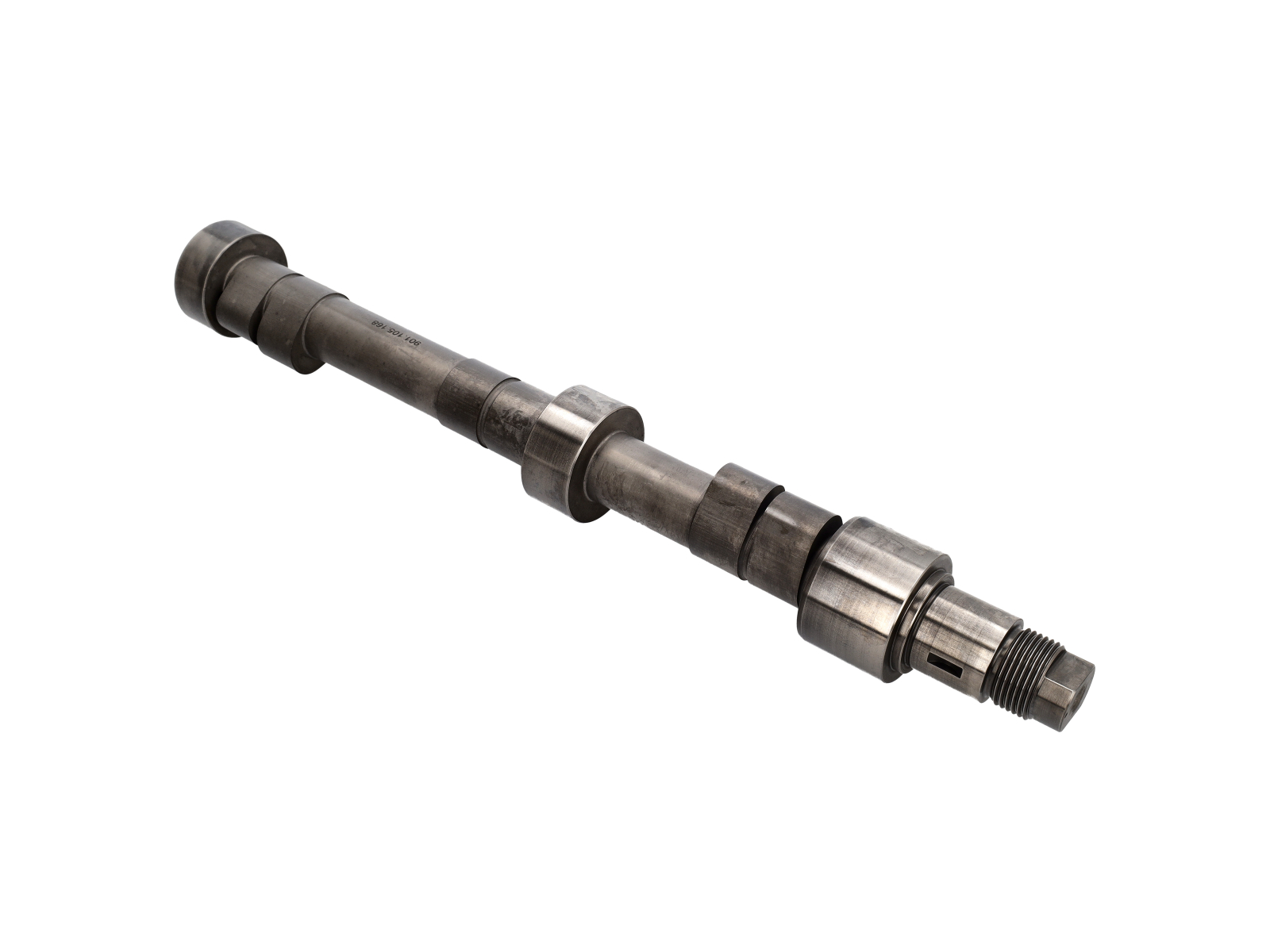
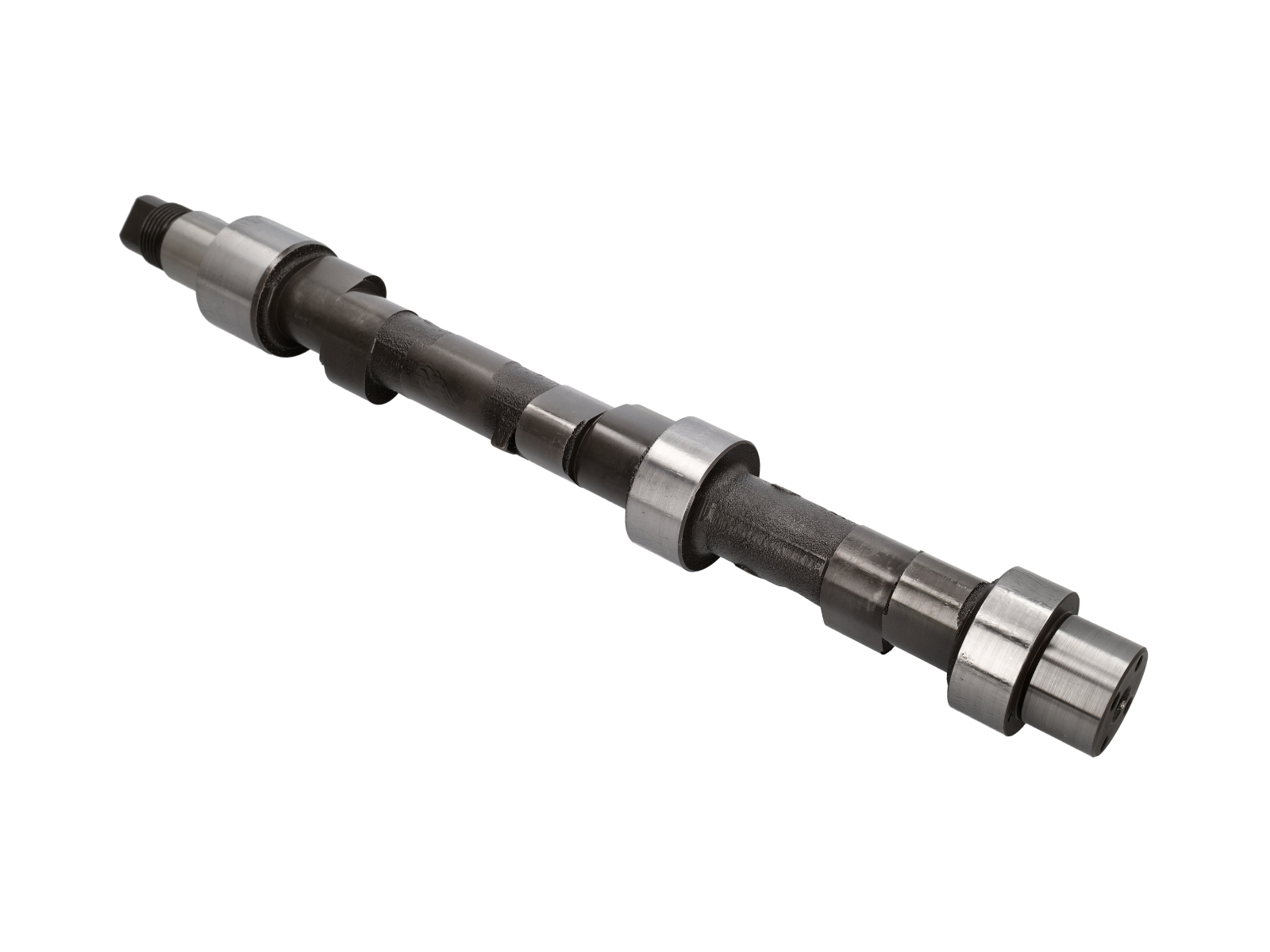
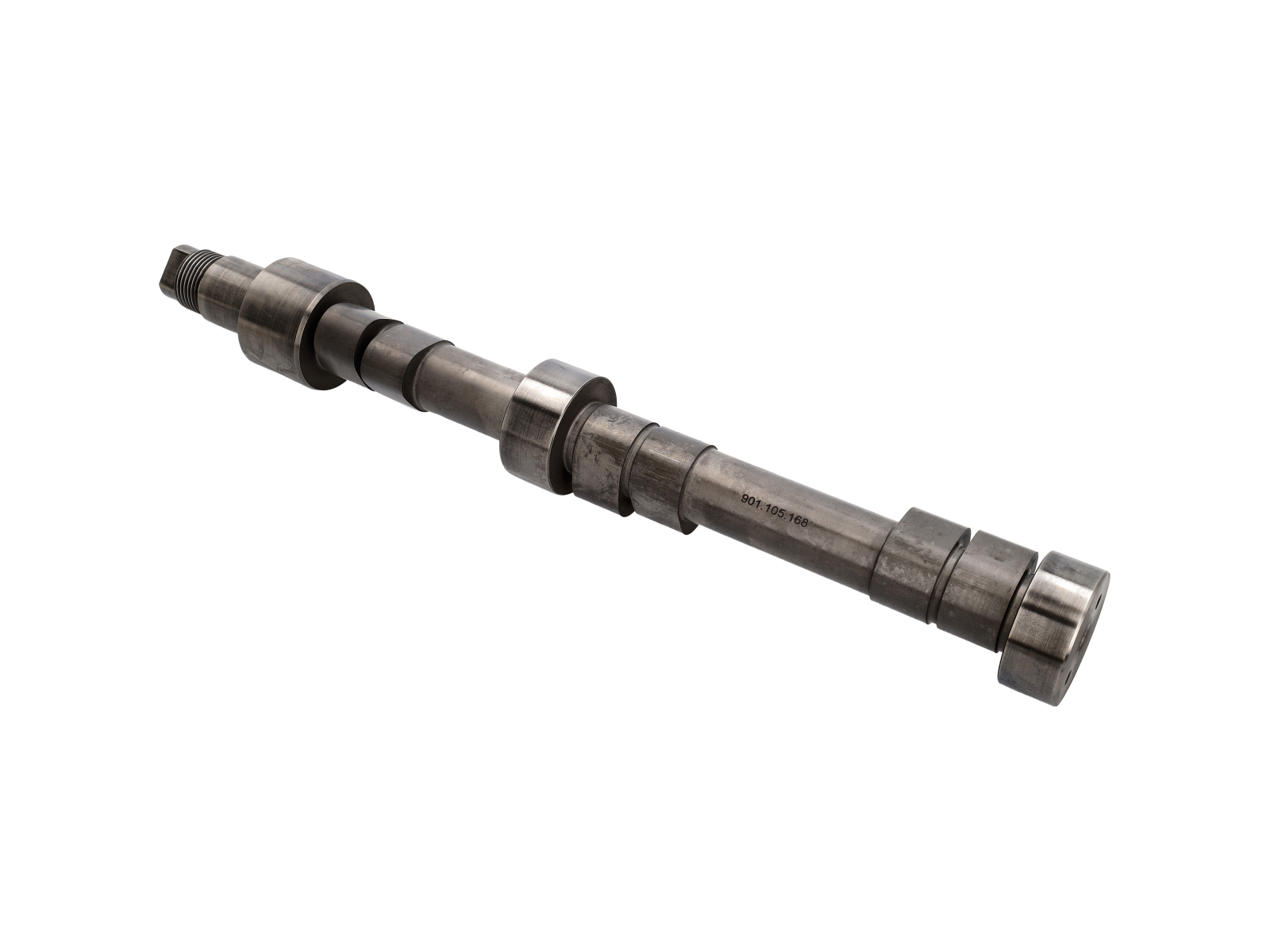
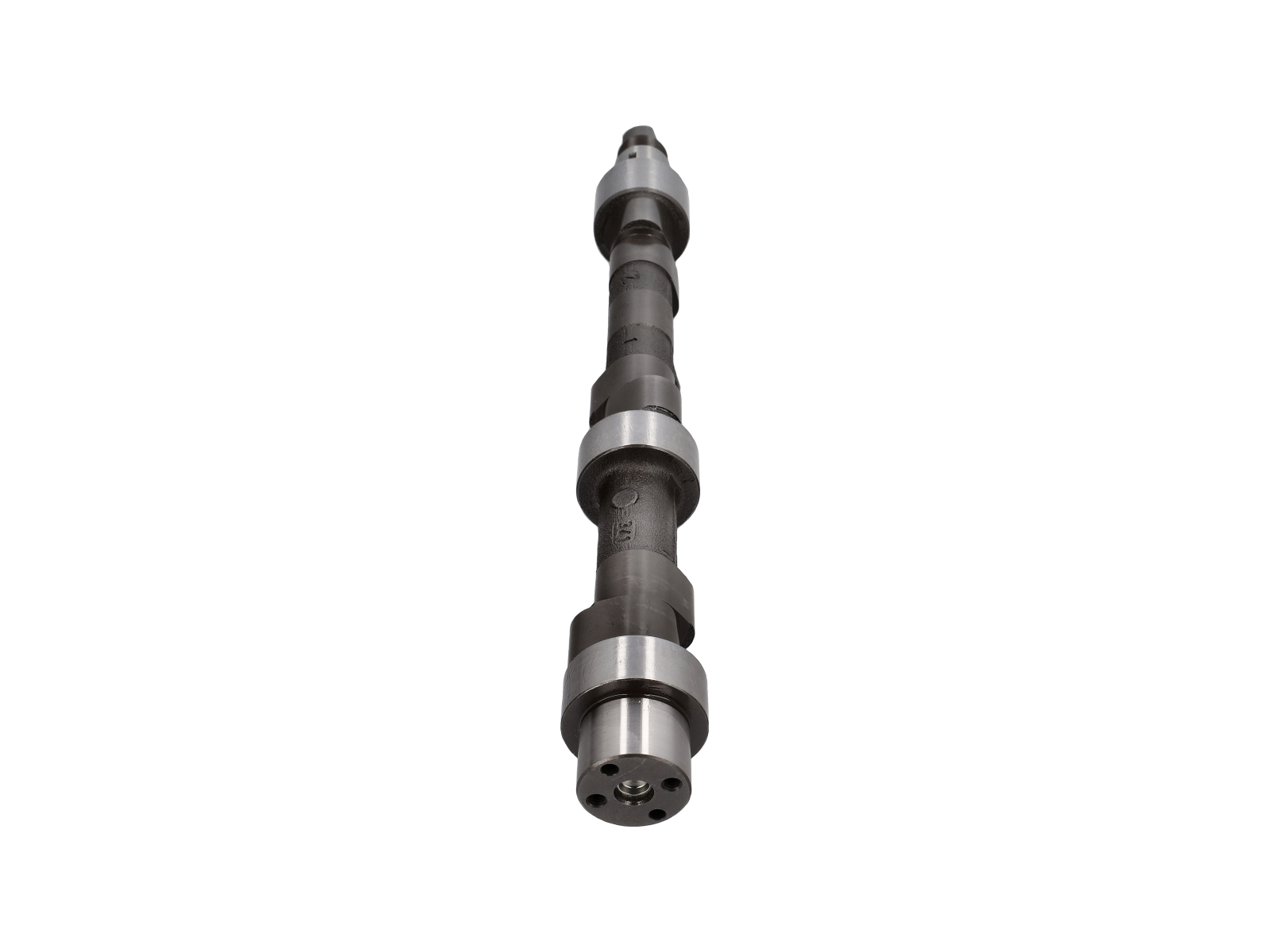
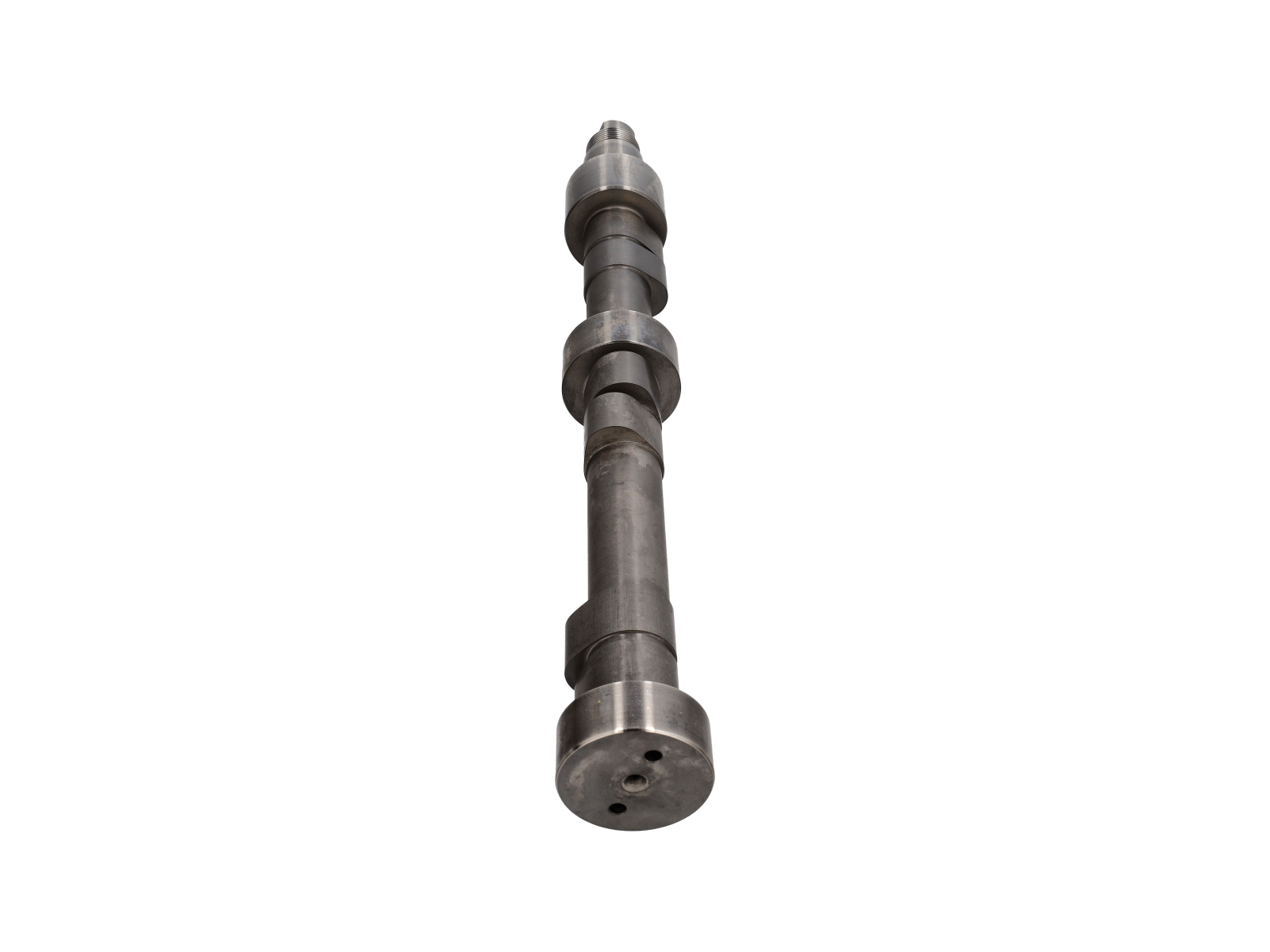
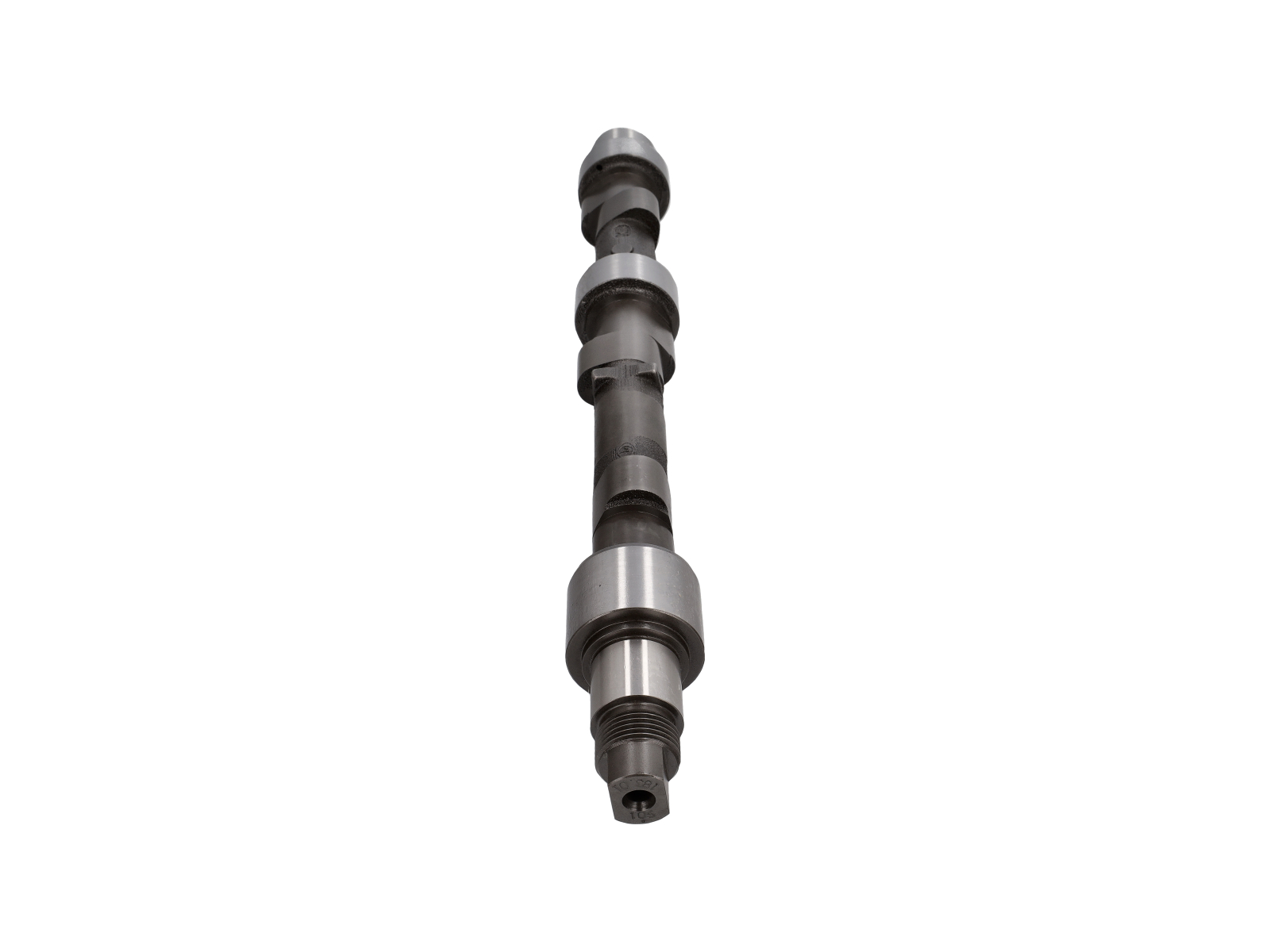
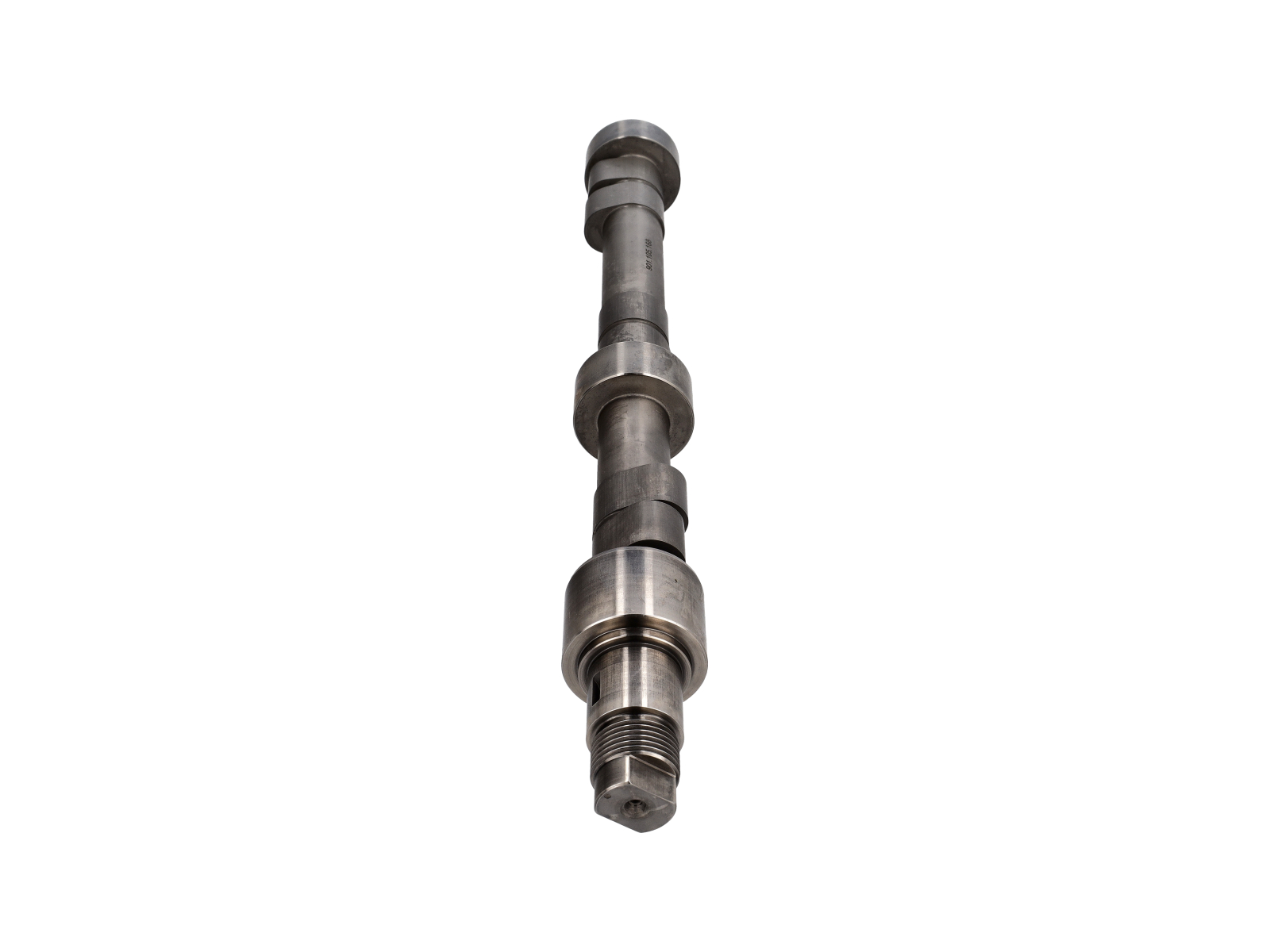
Restore accurate valve-train operation and correct compatibility with the mechanical fuel injection system using these OE Match Camshafts for engines equipped with a Mechanical Fuel Injection (MFI) pump.
Material: Steel
Fits:
Porsche 911S 1965-73
Porsche 911 Carrera 2.7L 1974-77
The camshaft is a precision internal engine component responsible for controlling the opening and closing of the intake and exhaust valves. Its carefully designed lobes determine valve lift, duration and timing, ensuring that each valve operates at the correct point in the engine's combustion cycle.
What This Product Does:
- Control the opening and closing of the intake and exhaust valves.
- Are intended for compatible engines fitted with a mechanical fuel injection pump.
- Maintain correct valve timing relative to crankshaft position.
- Determine valve lift through the shape of the cam lobes.
- Determine how long the valves remain open.
- Work with the rocker arms and associated valve-train components.
- Help coordinate engine operation with the requirements of the MFI system.
- Support efficient cylinder filling and exhaust gas evacuation.
- Help maintain consistent combustion and engine performance.
- Influence engine torque, power delivery and throttle response.
- Replace worn, damaged or unsuitable existing camshafts.
- Provide an OE-style solution for compatible Porsche MFI engine rebuilds.
Symptoms Of Wear Or Failure:
- Ticking, tapping or abnormal valve-train noise.
- Reduced engine power or acceleration.
- Poor throttle response.
- Rough or inconsistent engine operation.
- Engine misfires or uneven cylinder performance.
- Difficulty maintaining correct valve clearances.
- Reduced valve lift.
- Flattened or excessively worn cam lobes.
- Pitting, scoring or deterioration of the cam surfaces.
- Abnormal wear on rocker arms or other mating components.
- Excessive wear of the camshaft journals.
- Metallic particles discovered in the engine oil or filter.
- Visible camshaft damage during engine disassembly.
Why Replacement Matters:
- The camshaft determines when and how far the engine's valves open, making its condition fundamental to correct engine breathing and combustion.
- If a cam lobe becomes worn, the corresponding valve may not open as far as intended or may effectively remain open for a shorter period. This can restrict cylinder filling or exhaust flow, resulting in reduced power, rough running and inconsistent performance.
- Correct specification is particularly important on an engine fitted with mechanical fuel injection. The MFI system is mechanically coordinated with engine operation, and the correct camshaft configuration must be used for the intended engine and injection arrangement. An incorrect or unsuitable camshaft can compromise the relationship between valve operation, engine speed and fuel delivery.
- Camshaft deterioration can also damage associated components. Worn or pitted cam surfaces may accelerate rocker-arm wear, while metallic debris produced by deteriorating components can circulate through the engine lubrication system.
Related reference numbers
Related, superseded, cross reference or alternative numbers for comparison.
9011051
The product you are viewing cross references to these numbers

- Porsche 911 1965-1968 2.0L / 912 SWB (F)
- Porsche 911 1968-1973 2.2L / 2.4L / 2.7L RS LWB (F)
- Porsche 914 (1970-1976)
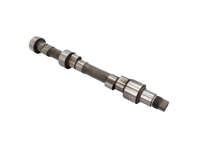
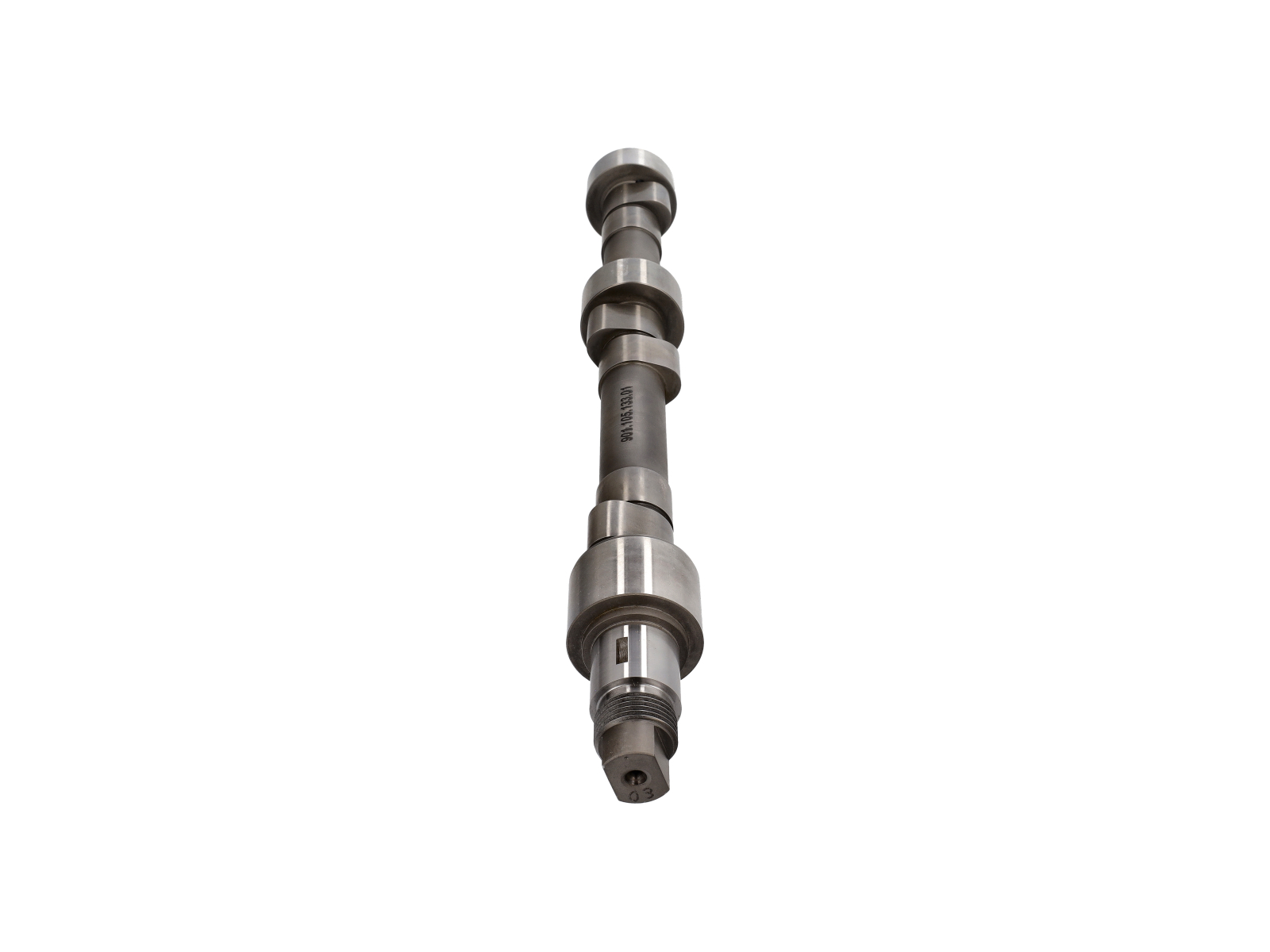
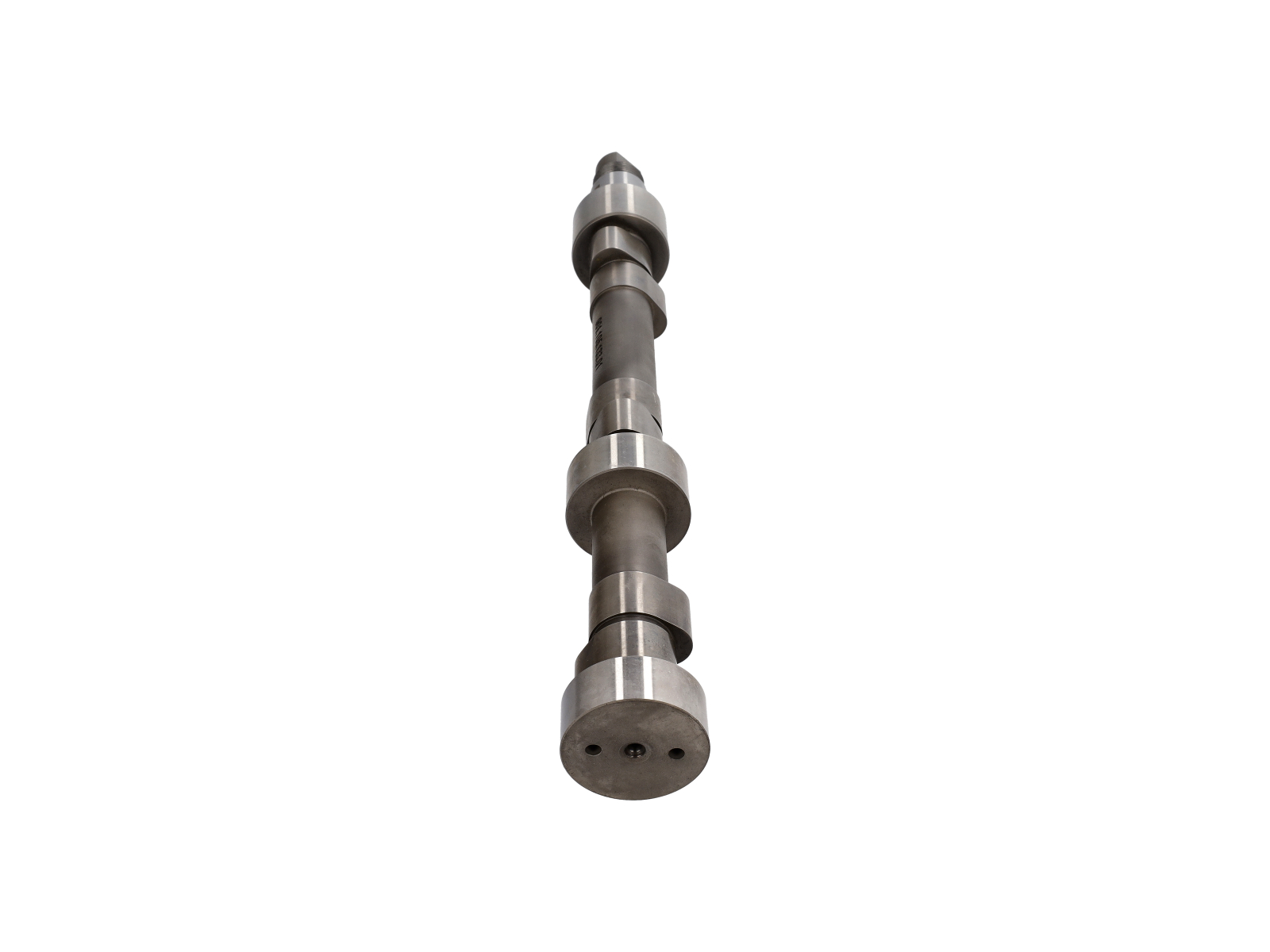
Restore accurate valve timing and dependable engine performance with these OE Match Camshafts. Designed for compatible Porsche engine applications, the camshafts are critical internal components responsible for controlling the opening and closing of the intake and exhaust valves.
Fits:
Porsche 911 TU/T 1965-69
Porsche 911 T 1970>>
Porsche 911 T-V 1972>>
Porsche 914-6 1970-76
As the engine rotates, precisely shaped lobes on each camshaft operate the corresponding valve-train components. The profile of these lobes determines valve lift, duration and timing, ensuring that the valves open and close at the correct points in the combustion cycle.
What This Product Does:
- Control the opening and closing of the intake and exhaust valves.
- Maintain correct valve timing relative to crankshaft position.
- Determine valve lift through the profile of the camshaft lobes.
- Control how long each valve remains open.
- Transfer rotational movement through the valve train.
- Help the cylinders receive the correct intake charge.
- Support efficient evacuation of exhaust gases.
- Help maintain smooth and consistent combustion.
- Influence engine power, torque and throttle response.
- Maintain coordinated valve operation across the engine.
- Replace worn, scored, pitted or damaged original camshafts.
- Provide OE-style replacements for compatible Porsche engine applications.
Symptoms Of Wear Or Failure:
- Ticking, tapping or abnormal valve-train noises.
- Reduced engine power or acceleration.
- Rough or inconsistent engine operation.
- Engine misfires.
- Uneven performance between cylinders.
- Difficulty maintaining correct valve clearances.
- Repeated changes in valve adjustment.
- Reduced valve lift.
- Flattened or excessively worn camshaft lobes.
- Scoring, pitting or surface deterioration on the lobes.
- Abnormal wear on rocker arms or other cam-contact components.
- Excessive camshaft journal wear.
- Metallic particles in the engine oil or oil filter.
- Visible camshaft damage during an engine rebuild.
Why Replacement Matters:
- The camshaft determines when and how far the engine's valves open. Even relatively small changes caused by cam lobe wear can affect how efficiently a cylinder draws in its intake charge and expels exhaust gases.
- A worn cam lobe may provide less valve lift than intended. This can restrict engine breathing and contribute to reduced power, poor throttle response, rough running or uneven performance between cylinders.
- Camshaft wear can also affect associated valve-train components. Damaged contact surfaces may accelerate wear of rocker arms or other components that operate against the camshaft. Metal particles generated by this deterioration can circulate through the lubrication system and contribute to further internal engine wear.
- Severe camshaft or journal damage may also compromise smooth camshaft rotation and correct valve timing. Continued operation can turn a valve-train problem into a more extensive and expensive engine repair.
Related reference numbers
Related, superseded, cross reference or alternative numbers for comparison.
90110513
The product you are viewing cross references to these numbers
- Porsche 911 1965-1968 2.0L / 912 SWB (F)
- Porsche 911 1968-1973 2.2L / 2.4L / 2.7L RS LWB (F)
- Porsche 911 1974-1977 2.7L / 1976-77 3.0 Carrera
- Porsche 911 1978-1983 3.0L / SC
- Porsche 911 1975-1977 3.0L Turbo (930)
- Porsche 911 1978-1989 3.3L Turbo (930)
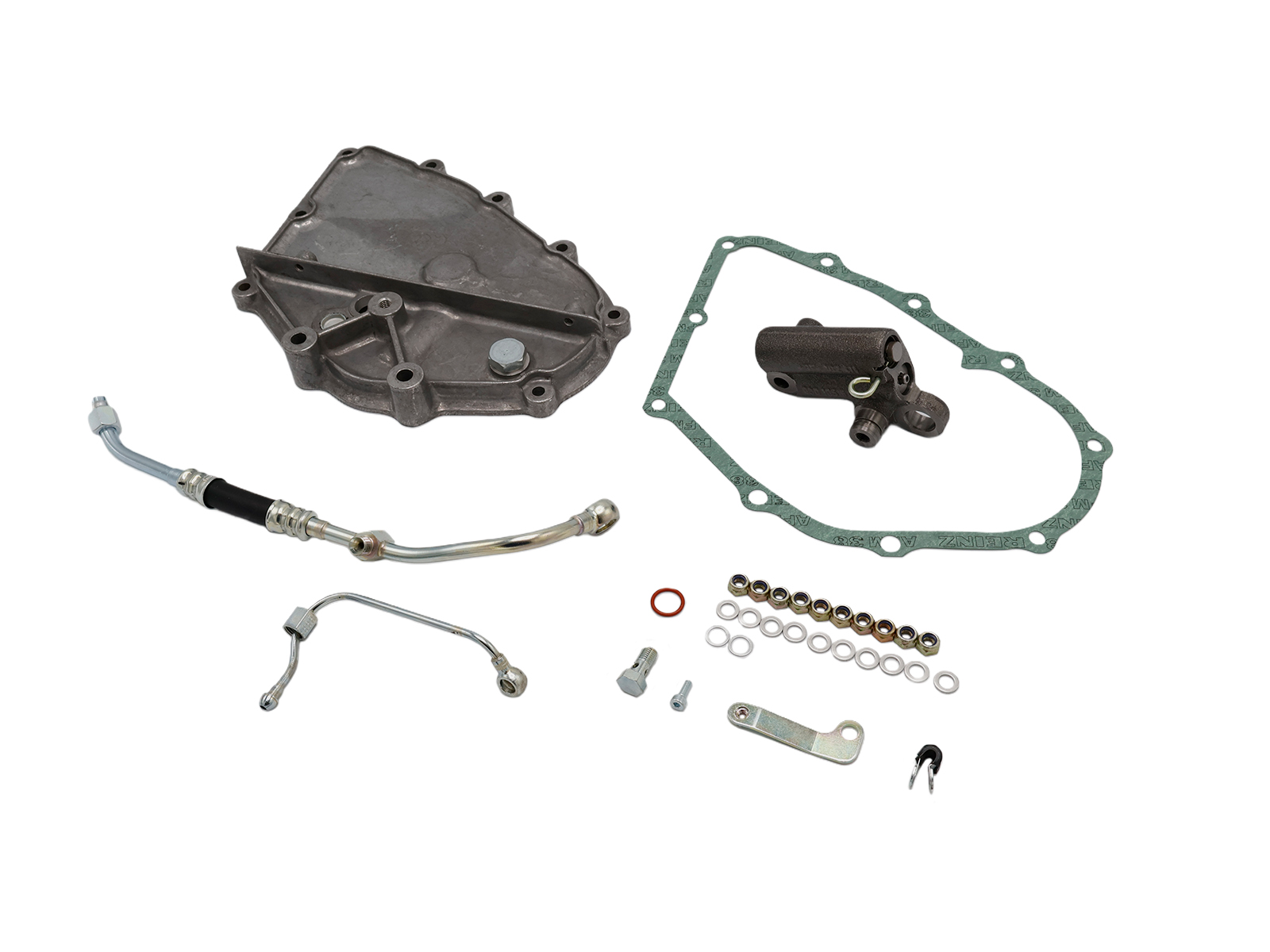
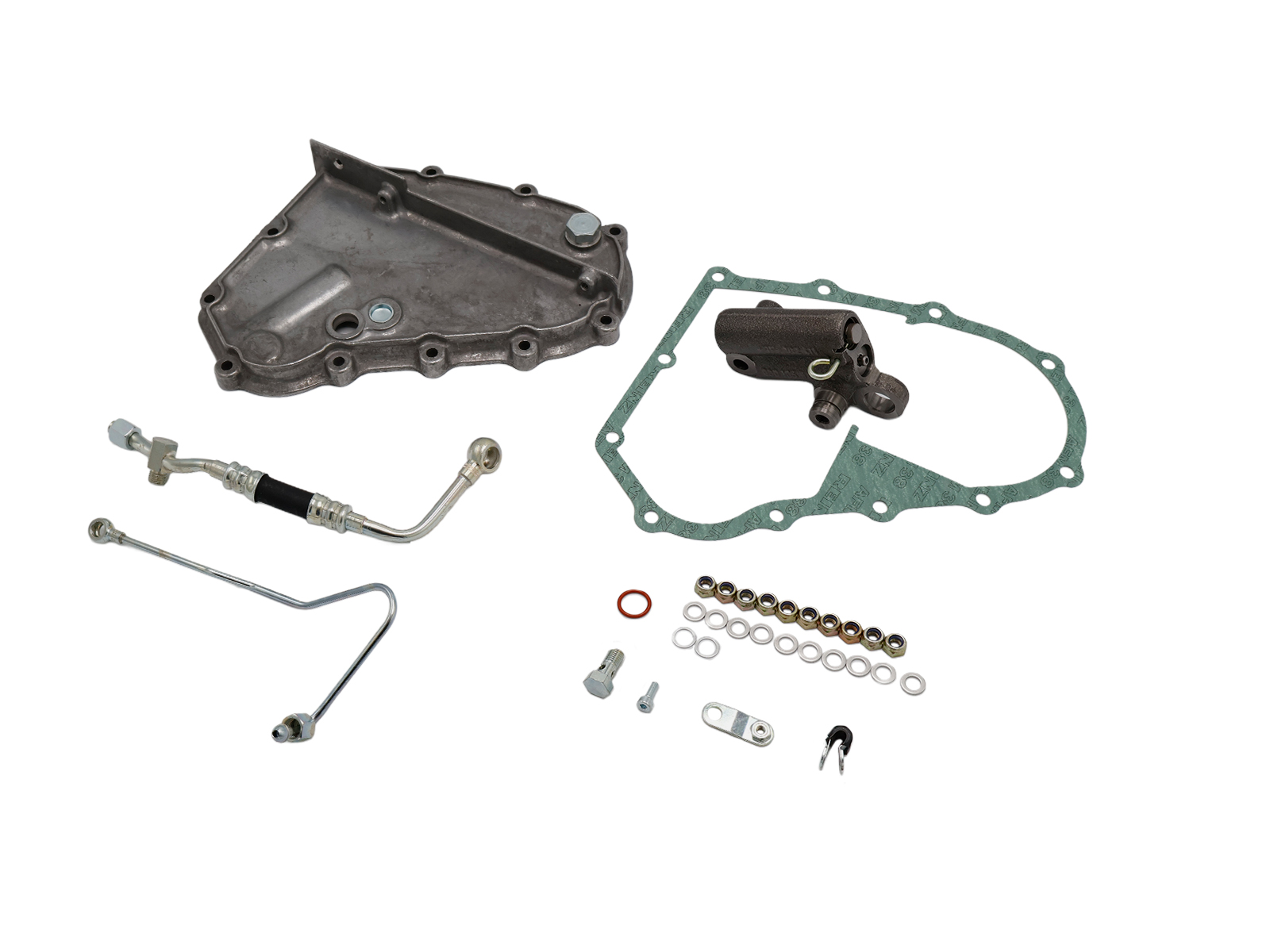
These kits are for each side, Includes cam timing chain housing covers, oil lines, tensioner and other necessary fittings. Select Left or Right Side
Fits:
Porsche 911 2.7L / 3.0L
Porsche 930 3.0L / 3.3L Turbo
Important Note: For early models with engines smaller than 2.7L (such as 2.2L or 2.4L), an additional pipe (Part No. 930107348XX) will be required. Furthermore, for pre-1980 models, a spacer may be necessary between the chain tensioner arm and the tensioner itself. Two spacers are needed—one for each side. You’ll have the option to include these items when adding this kit to your basket.
Related reference numbers
Related, superseded, cross reference or alternative numbers for comparison.
93010591
The product you are viewing cross references to these numbers

- Porsche 356 1950-55
- Porsche 356A 1955-59
- Porsche 356B 1959-63
- Porsche 356C 1963-65
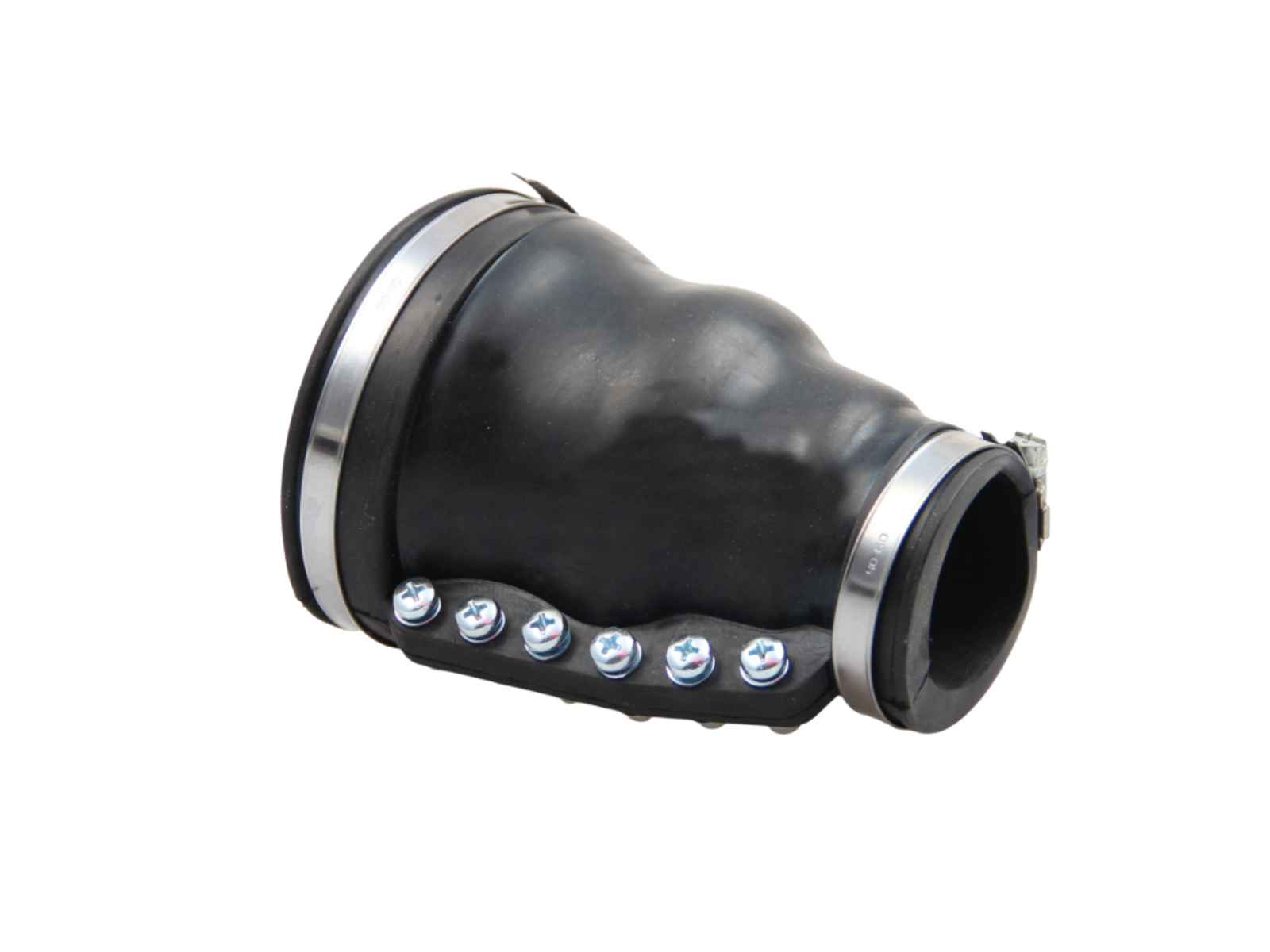
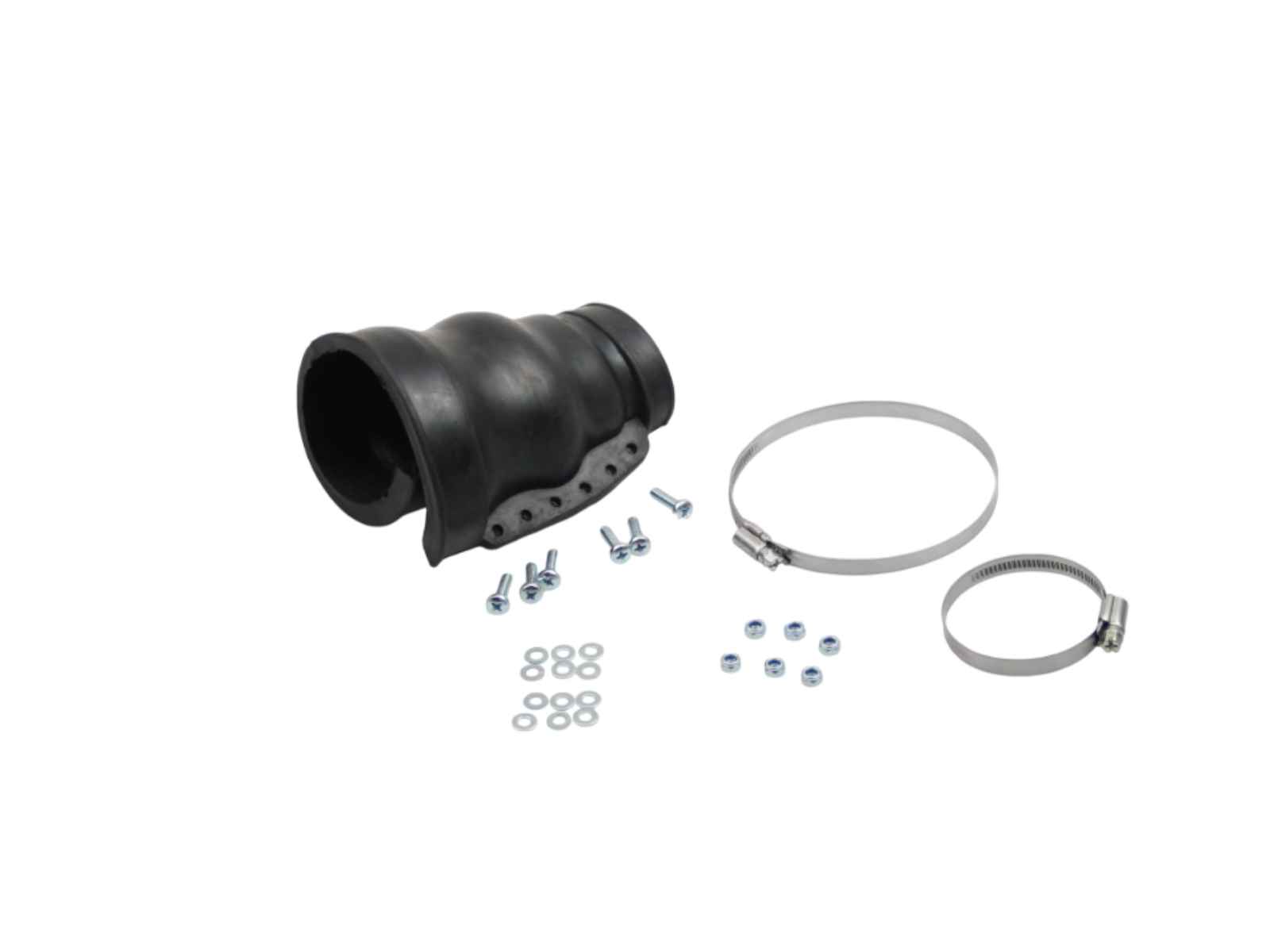
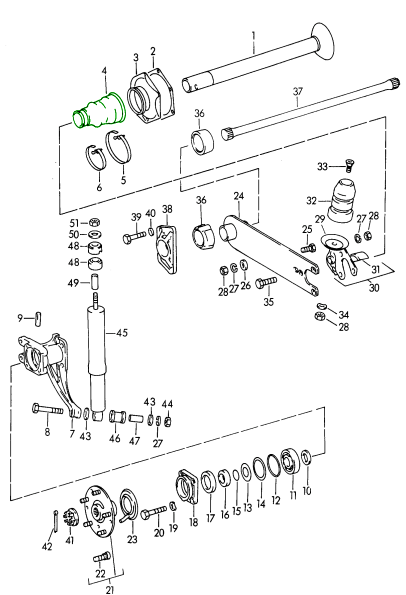
Restore protection around the rear axle cross tube assembly with this OE Match Rubber Boot. Designed for compatible Porsche applications, this flexible rubber component helps protect the associated axle and suspension area from dirt, moisture, road debris and other contaminants.
Fits:
Porsche 356 (1950 to 1969)
Diagram Ref No 4
The boot acts as a protective barrier around the relevant cross-tube connection or moving component while retaining the flexibility required for normal suspension and axle movement. Keeping this area properly protected helps reduce contamination and deterioration of the components located beneath or around the boot.
What This Product Does:
- Provides a protective covering for the associated rear axle cross tube area.
- Helps prevent dirt and road debris reaching protected components.
- Helps reduce moisture and contamination entering the assembly.
- Provides flexibility to accommodate normal suspension and axle movement.
- Helps protect associated components from premature contamination-related wear.
- Provides a barrier against everyday road grime.
- Helps maintain the condition of the rear axle and suspension assembly.
- Replaces a cracked, split, hardened, perished or missing boot.
- Helps restore a clean and complete appearance during suspension restoration.
- Provides an OE-style replacement for compatible Porsche applications.
Symptoms Of Wear Or Failure:
- Visible cracks in the rubber.
- Splits or tears in the boot.
- Rubber that has become hard or brittle.
- Perishing or surface deterioration.
- The boot no longer fitting securely in position.
- Sections of the protected assembly becoming exposed.
- Dirt or road debris accumulating beneath the boot.
- Moisture or contamination around the protected components.
- Distortion or loss of flexibility.
- Oil or chemical contamination causing the rubber to swell or soften.
- The original boot is completely missing.
- Deterioration discovered during rear suspension or axle servicing.
Why Replacement Matters:
- The rubber boot is designed to isolate vulnerable components from the harsh environment beneath the vehicle. Once the rubber cracks or splits, dirt, water and abrasive road debris can reach areas that would normally remain protected.
- Contamination can accelerate wear and corrosion of surrounding components. Dirt trapped around moving or contacting surfaces can act as an abrasive, while persistent moisture may encourage corrosion on metal parts.
- A deteriorated boot may initially appear to be only a cosmetic issue, but leaving the protected assembly exposed can contribute to more expensive component wear over time. Replacing the boot before significant contamination occurs is generally preferable to repairing damaged axle or suspension components later.
- Rubber deterioration is particularly common on classic vehicles because original components may have been subjected to decades of heating, cooling and environmental exposure. Even a boot that appears intact can become stiff and develop cracks when disturbed during servicing.
Related reference numbers
Related, superseded, cross reference or alternative numbers for comparison.
PCG341911
The product you are viewing cross references to these numbers


- Porsche 911 1965-1968 2.0L / 912 SWB (F)
- Porsche 911 1968-1973 2.2L / 2.4L / 2.7L RS LWB (F)
- Porsche 911 1974-1977 2.7L / 1976-77 3.0 Carrera
- Porsche 911 1978-1983 3.0L / SC
- Porsche 911 1984-1986 3.2L
- Porsche 911 1987-1989 3.2L G50
- Porsche 911 1975-1977 3.0L Turbo (930)
- Porsche 911 1978-1989 3.3L Turbo (930)
- Porsche 914 (1970-1976)
Restore reliable brake light operation with this OE Match Brake Light Switch. Designed for compatible Porsche applications, the brake light switch is an important electrical component that activates the rear brake lights when the braking system is operated.
Fits:
Porsche 911 01/1963 - 07/1989
Porsche 914 01/1969 - 02/1976
Diagram Ref No 76
Brake lights provide an essential warning to following road users that the vehicle is slowing down or stopping. The switch detects brake operation and completes the electrical circuit required to illuminate the brake lamps. A correctly functioning switch ensures that the lights respond consistently whenever the brakes are applied.
What This Product Does:
- Activates the rear brake lights when the braking system is operated.
- Provides an electrical signal for brake lamp operation.
- Alerts following drivers that the vehicle is slowing or stopping.
- Helps ensure consistent brake light response.
- Switches the brake lamp circuit on and off as required.
- Supports safe communication with other road users.
- Replaces a worn, sticking, damaged or failed brake light switch.
- Helps restore correct operation when brake lights are intermittent.
- Provides an OE-style replacement for compatible Porsche applications.
Symptoms Of Wear Or Failure:
- Brake lights do not illuminate when braking.
- Brake lights operate only intermittently.
- Brake lights illuminate later than expected.
- Excessive brake operation is required before the lights come on.
- Brake lights remain illuminated after the brakes are released.
- Brake lamps flicker or operate inconsistently.
- The switch works when cold but becomes unreliable as the vehicle warms up.
- A known-good bulb does not illuminate despite the rest of the circuit being functional.
- Visible corrosion or damage around the switch or electrical terminals.
- Electrical testing indicates inconsistent or no continuity through the switch.
Why Replacement Matters:
- Brake lights are a critical vehicle safety feature. They provide following drivers with immediate visual warning that the vehicle is braking, giving them additional time to react and reduce speed.
- A failed switch may leave the brake lights completely inoperative, increasing the risk of a following vehicle being unable to recognise that you are slowing down. An intermittent or delayed switch can be similarly problematic because brake light activation may not accurately correspond with braking.
- A switch that remains permanently closed creates a different problem. Continuously illuminated brake lights can prevent following drivers from recognising when the brakes are actually being applied and may also discharge the battery when the vehicle is stationary, depending on the electrical system design.
Related reference numbers
Related, superseded, cross reference or alternative numbers for comparison.
91161341101
The product you are viewing cross references to these numbers


- Porsche 911 1968-1973 2.2L / 2.4L / 2.7L RS LWB (F)
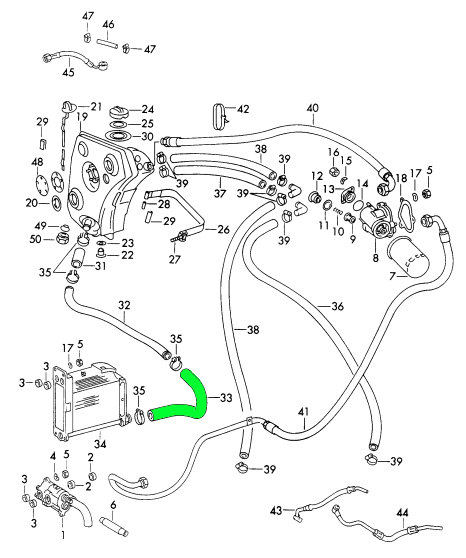
Restore dependable oil circulation between the engine and oil cooling system with this OE Match Engine Oil Cooler Suction Hose. Designed for compatible Porsche applications, this hose forms part of the engine lubrication and oil cooling circuit, providing a secure pathway for engine oil between associated components.
Fits:
Porsche 911 T-E/E/S 1972
Porsche 911 T-V 1972
Diagram Ref No 33
The oil cooling system plays an important role in controlling engine oil temperature, particularly in an air-cooled performance engine where the oil contributes significantly to both lubrication and heat management. The suction hose must maintain a reliable, unrestricted connection while coping with hot engine oil, vibration, temperature changes and normal engine movement.
What This Product Does:
- Forms part of the engine's oil circulation and cooling system.
- Provides a secure pathway for engine oil between associated components.
- Helps maintain consistent oil circulation through the system.
- Supports effective engine oil temperature management.
- Helps ensure the lubrication system remains properly supplied.
- Accommodates normal engine movement and vibration.
- Withstands exposure to hot engine oil and changing operating temperatures.
- Helps prevent external engine oil leakage when correctly installed.
- Replaces a cracked, hardened, damaged or leaking original hose.
- Provides an OE-style replacement for compatible Porsche applications.
Symptoms Of Wear Or Failure:
- Engine oil leaking from the hose.
- Oil seepage around the hose connections or fittings.
- Oil drops or patches underneath the vehicle.
- A gradual reduction in engine oil level.
- Wet or oily areas around the oil cooling system.
- A strong smell of hot or burning engine oil.
- Smoke if leaked oil reaches hot engine or exhaust components.
- Visible cracks or splits in the hose.
- Hardened or brittle hose material.
- Swelling, softening or deterioration of the hose.
- Kinks, crushing or deformation that may restrict oil flow.
- Corrosion or damage around associated fittings.
- Deterioration discovered during engine or oil-system servicing.
Why Replacement Matters:
- The engine depends on continuous oil circulation to lubricate bearings, crankshaft components, camshaft and valve-train parts, pistons and other internal surfaces. The oil cooling circuit also helps manage the temperature of this lubricant under demanding operating conditions.
- A deteriorated suction hose can create two primary problems: oil leakage and restricted oil flow.
- An external leak can gradually reduce the engine oil level. If sufficient oil is lost, lubrication may be compromised, potentially leading to increased friction, elevated temperatures and accelerated internal engine wear. Significant oil loss can ultimately result in severe engine damage.
- Oil leaking onto hot engine or exhaust components may also create smoke, unpleasant odours and a potential fire hazard, making significant leaks particularly important to address promptly.
- A hose that has deteriorated internally, become crushed or developed a kink may restrict oil movement even without an obvious external leak. Maintaining the correct hose condition and routing therefore helps support reliable oil circulation and cooling-system performance.
Related reference numbers
Related, superseded, cross reference or alternative numbers for comparison.
91120731802
The product you are viewing cross references to these numbers
- Porsche 911 1965-1968 2.0L / 912 SWB (F)
- Porsche 911 1968-1973 2.2L / 2.4L / 2.7L RS LWB (F)
- Porsche 911 1974-1977 2.7L / 1976-77 3.0 Carrera
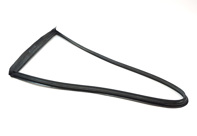
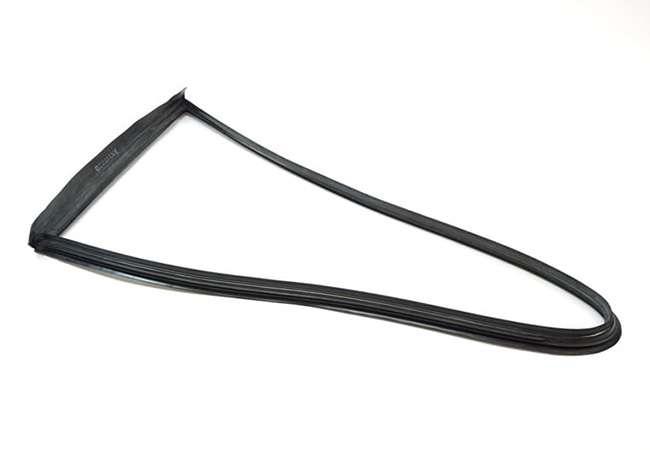
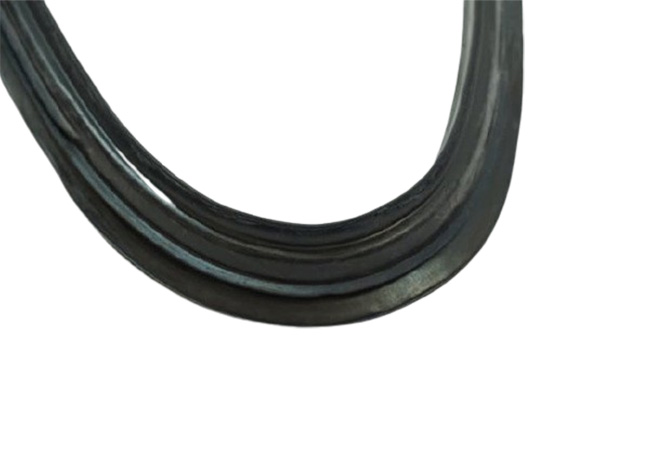
Restore a secure, weather-resistant seal around the opening rear quarter windows with these OE Match Rear 1/4 Glass Seals – Opening Window Type. Designed for compatible classic Porsche applications equipped with opening rear quarter glass, these seals fit around the quarter window assembly to help create an effective barrier between the glass and vehicle body.
Fits:
- Porsche 911 1965-1968 2.0L / 912 SWB (F)
- Porsche 911 1968-1973 2.2L / 2.4L / 2.7L RS LWB (F)
- Porsche 911 1974-1977 2.7L / 1976-77 3.0 Carrera
Diagram Ref No 4
Rear quarter window seals are exposed continuously to sunlight, temperature changes, rain, moisture and general ageing. Over time, the rubber can harden, shrink, crack or lose its flexibility, preventing the opening window from sealing correctly when closed.
What This Product Does:
- Seals around the opening rear quarter window.
- Helps prevent rainwater and moisture entering the cabin.
- Reduces unwanted wind entering around the glass.
- Helps minimise wind noise at speed.
- Provides a cushioned sealing surface between the glass and surrounding structure.
- Helps the opening quarter window sit securely when closed.
- Accommodates normal opening and closing of the quarter glass.
- Helps protect the surrounding interior from moisture.
- Replaces hardened, cracked, shrinking or damaged rubber seals.
- Restores a cleaner, original-style appearance around the quarter window.
- Is specifically intended for compatible opening rear quarter window applications.
Symptoms Of Wear Or Failure:
- Water entering around the rear quarter window.
- Dampness or water staining inside the vehicle.
- Increased wind noise around the quarter glass.
- Draughts entering the cabin at speed.
- Visible cracks or splits in the rubber.
- Hardened or brittle seal material.
- Rubber shrinking away from corners or edges.
- Flattened sections that no longer contact the glass correctly.
- The quarter window becoming difficult to seal when closed.
- Excessive movement or rattling from the glass.
- Deterioration or discolouration affecting the vehicle's appearance.
- Water collecting around the window aperture after rain or washing.
Why Replacement Matters:
- A rear quarter window seal must remain flexible enough to conform to the glass and surrounding aperture whenever the window is closed. As the rubber ages and hardens, it becomes less capable of maintaining consistent contact, allowing gaps to develop.
- Water entering through these gaps can damage interior trim, upholstery and surrounding materials. Persistent moisture may also encourage corrosion in concealed bodywork around the window aperture, potentially creating a significantly more involved restoration problem.
- A poor seal can also increase wind noise and draughts, making the cabin less comfortable at speed. On an opening quarter window, deterioration may prevent the glass from seating evenly when latched, potentially contributing to rattles and additional stress on the window hardware.
- For a classic Porsche restoration, fresh window seals also make an important cosmetic difference. Old, cracked or shrunken rubber can detract from otherwise well-restored glass, trim and bodywork.
Related reference numbers
Related, superseded, cross reference or alternative numbers for comparison.
90154390
The product you are viewing cross references to these numbers


- Porsche 996 GT2 2001-05
- Porsche 996 GT3 MKI 1999-02
- Porsche 996 GT3 MKII 2003>>
- Porsche 996 GT3 RS 2003-04
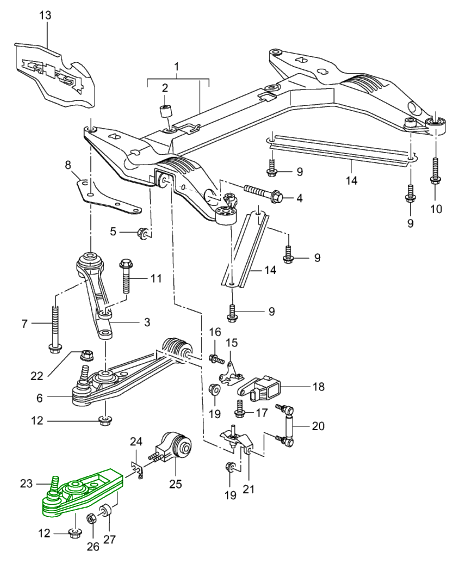
Improve suspension adjustability, wheel control and chassis setup with these OE Match Motorsport Adjustable Control Arms. Designed for compatible Porsche applications, these motorsport-oriented suspension components provide an adjustable alternative to fixed control arms, allowing suspension geometry to be set more precisely for the vehicle's intended use.
Fits:
Porsche 996 GT2 / GT3 / GT3RS
Replacement For Item No 21
Control arms are critical suspension links that locate the wheel assembly relative to the chassis while allowing controlled suspension movement. Their geometry directly influences wheel alignment and therefore affects tyre contact, steering response, stability and handling.
The adjustable design is particularly valuable on competition, track-prepared or modified vehicles where suspension geometry may need to be optimised following changes to ride height, wheel and tyre specifications or other chassis settings. Adjustment can allow a specialist to achieve alignment settings that may not be possible with a standard fixed arm.
What This Product Does:
Symptoms Of Wear Or Failure:
- Knocking, clunking or rattling from the suspension.
- Excessive play in the control arm joints or mounting points.
- Loose or worn spherical joints, bushes or associated components.
- Steering that feels vague or inconsistent.
- Reduced stability during braking or cornering.
- Vehicle pulling or wandering on the road.
- Difficulty maintaining the required wheel alignment.
- Uneven or accelerated tyre wear.
- Changes in handling or steering response.
- Visible bending, cracking or physical damage.
- Corrosion or deterioration affecting the component.
- Adjustment hardware that is damaged or can no longer be securely set.
- Suspension geometry moving out of specification after adjustment.
- Damage discovered following heavy track use or an impact.
Why Replacement Matters:
- Control arms are structural suspension components that directly influence wheel position and alignment. Excessive wear, damage or movement can allow suspension geometry to change while the vehicle is being driven, negatively affecting steering precision, tyre contact and vehicle stability.
- This becomes especially important in motorsport and high-performance applications. Higher cornering forces, aggressive braking, track kerbs and performance tyres can place substantial loads on suspension components. Any unwanted movement within the control arm or its joints can compromise an otherwise carefully configured chassis setup.
- Incorrect suspension geometry can also cause rapid or uneven tyre wear. On a performance vehicle, relatively small alignment changes may noticeably alter steering response, cornering balance and tyre behaviour.
- Adjustable control arms additionally depend on their adjustment and locking mechanisms remaining secure. Damaged, incorrectly adjusted or inadequately secured hardware can allow the geometry to move away from its intended setting.
Related reference numbers
Related, superseded, cross reference or alternative numbers for comparison.
99634112
The product you are viewing cross references to these numbers