




Enter your VAT number here and click Verify:
Your details have been verified. VAT number registered to:
,
.
Your order will now be zero rated for VAT purposes. We reserve the right to verify these details after your order request has been made and reinstate VAT if required.
Your VAT details were not recognised or were invalid. Your VAT number must be matched to your Billing Country as specified above. This is currently specified as . You do not need to enter the country code part of your VAT number as this has already been selected in your billing address details above.
The VAT number checking service is currently offline. Please supply your VAT details within the comments or special instructions field below and we will apply a VAT discount after placing your order request.
OE Match

OE Match for Porsche
OE Match is a brand that provides a wide range of Porsche components, from gaskets to suspension hardware, engine parts, and interior trim. Over 6,700 individual part numbers, and over 11,800 OE cross-references catalogued, and are constantly developing new lines.OE Match has over 100 new products currently in the engineering phase, which will be quality-controlled and added to their catalog. The mission is to keep all Porsche vehicles on the road by offering a vast selection of parts that can address various problems across different Porsche generations
A Quick Look at OE Match
OE Match information on this page is based on details supplied by the manufacturer or distributor, plus any OE references provided with the parts.
Choosing the Right Fit for Your Porsche
Where OE Match is listed for Porsche, use the supplied model coverage and OE references to confirm suitability. Check details that commonly affect fitment such as model year, side/position, and connector type where relevant.
- Often chosen when owners want OE-equivalent quality with sensible running costs, especially for routine service and wear items.
- Typical reasons to replace include restoring reliability, addressing age-related wear, or refreshing multiple components during larger repair work.
- Common defects from incorrect application include noise, premature wear, leaks, or fitment quirks if the wrong variant is selected or fitted with old seals/hardware.
- Watch for symptoms such as unusual noises, early wear, or repeat failures after recent work, which can indicate mismatched parts or supporting items left worn.
- Always cross-check OEM part numbers, read model-year notes, and verify compatibility before ordering.
- For safety-critical components, confirm specification and fitment carefully and have installation checked by a competent technician.
Browse by Category
If you already know the area you are working on, start with the category and then filter by Porsche model. Where real-world symptoms and typical reasons to replace are provided, use them to keep the wording grounded.
Brakes — Brake components are renewed to restore stopping performance, address wear or upgrade a Porsche for fast road or track use. Common symptoms include vibration under braking, longer stopping distances, squealing, pulling to one side, warning lights and visible wear to discs and pads.
Brake Pad Wear Sensors — Brake pad wear sensors are replaced when pads are renewed or when warning lights indicate a broken or worn sensor. Symptoms include brake wear warnings even with new pads, damaged sensor cables, or broken clips around the caliper area.
Engine Electrical — Engine electrical parts are changed when there are starting, charging, ignition, or sensor-related faults that affect drivability and reliability, such as intermittent no-start, misfires, rough idle, poor charging, warning lights or heat-soak failures.
Service Parts — Service parts are replaced as routine maintenance to keep the engine and systems reliable, efficient, and protected, often resolving hard starting, rough idle, poor fuel economy and warning lights caused by clogged filters or worn ignition components.
Service Kits — Service kits bundle key service components to simplify maintenance and set the car back to a known baseline, especially useful when catching up on overdue servicing or dealing with general sluggish running, inconsistent idle and reduced performance.
- For brake parts, confirm whether items are OE-equivalent replacements or performance upgrades and check if new fitting kits and sensors are required.
- On service items and kits, match the kit to your exact Porsche model, engine and year, and review what is included so you can add any extra “while you are there” parts.
Explore OE Match at Design911
View the current OE Match range for Porsche at Design911, then filter by model and category to narrow down to the right parts.


- Porsche 928 4.5L 1978-82
- Porsche 928S 4.7L 1981-83
- Porsche 928S2 4.7L 1984-86
- Porsche 928S4 5.0L 1987-92
- Porsche 928GT 5.0L 1989-91
- Porsche 928GTS 5.4L 1992-95
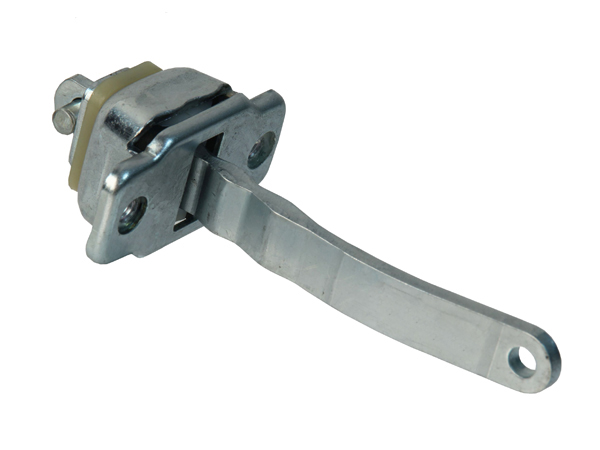
Restore controlled and secure door movement with this OE Match Door Check Strap. Designed for compatible vehicle applications, the door check strap forms part of the door hinge and restraint system, controlling how far the door opens and helping hold it in predetermined open positions.
Fits:
- Porsche 928 4.5L 1978-82
- Porsche 928S 4.7L 1981-83
- Porsche 928S2 4.7L 1984-86
- Porsche 928S4 5.0L 1987-92
- Porsche 928GT 5.0L 1989-91
- Porsche 928GTS 5.4L 1992-95
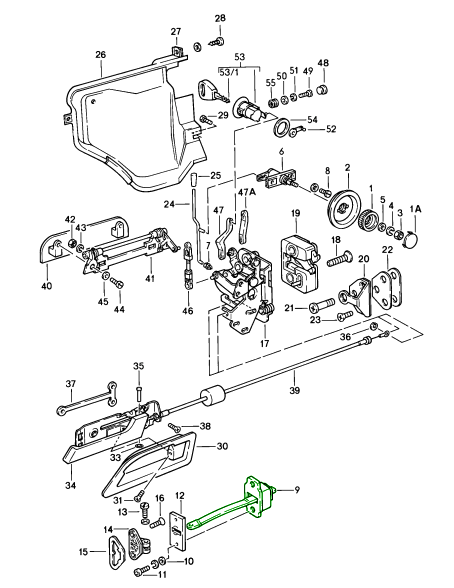
Diagram Ref No 9
Also known as a door stay, door limiter or door check, this component prevents the door from swinging freely through its full range of movement. When functioning correctly, it provides resistance as the door opens and helps keep the door stationary at designated positions, making entry and exit easier and reducing uncontrolled movement.
What This Product Does:
- Controls the movement of the door as it opens.
- Limits the maximum opening travel of the door.
- Helps prevent the door from opening further than intended.
- Provides resistance at predetermined door positions.
- Helps hold the door open during entry and exit.
- Reduces uncontrolled door movement on slopes or in windy conditions.
- Helps protect hinges and surrounding bodywork from excessive door travel.
- Supports smooth and controlled door operation.
- Replaces a worn, loose, damaged or seized door check.
- Provides an OE-style replacement for compatible vehicle applications.
Symptoms Of Wear Or Failure:
- Clicking, cracking or clunking noises when opening or closing the door.
- The door no longer stays open at its normal positions.
- The door swings open or closed too freely.
- Excessive movement or play in the check strap.
- Jerky or uneven door movement.
- A stiff or binding sensation when opening the door.
- The door opening further than intended.
- Visible wear, corrosion or physical damage.
- Loose or damaged mounting points.
- Movement around the mounting hardware when the door is operated.
- The check strap sticking or seizing.
- Damage discovered during door hinge or bodywork servicing.
Why Replacement Matters:
- The door check strap provides controlled movement every time the door is opened. When it becomes worn or damaged, the door may swing freely and become difficult to control, particularly on an incline or in windy conditions.
- An uncontrolled door can open suddenly and strike nearby vehicles, walls or other objects, potentially damaging the door edge, paintwork or surrounding property. Excessive opening travel can also place additional stress on the hinges, wiring, seals and other components passing between the door and body.
- A worn check mechanism can also create persistent clicking or clunking noises. If the mounting points become loose, continued operation may enlarge or damage the mounting area, potentially making the eventual repair more involved.
- A seized or binding check strap presents a different problem. Excessive resistance can place unnecessary load on the door structure and mounting points each time the door is operated.
Related reference numbers
Related, superseded, cross reference or alternative numbers for comparison.
92853703304
The product you are viewing cross references to these numbers

- Porsche 911 1965-1968 2.0L / 912 SWB (F)
- Porsche 911 1968-1973 2.2L / 2.4L / 2.7L RS LWB (F)
- Porsche 911 1975-1977 3.0L Turbo (930)
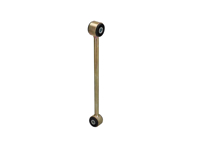
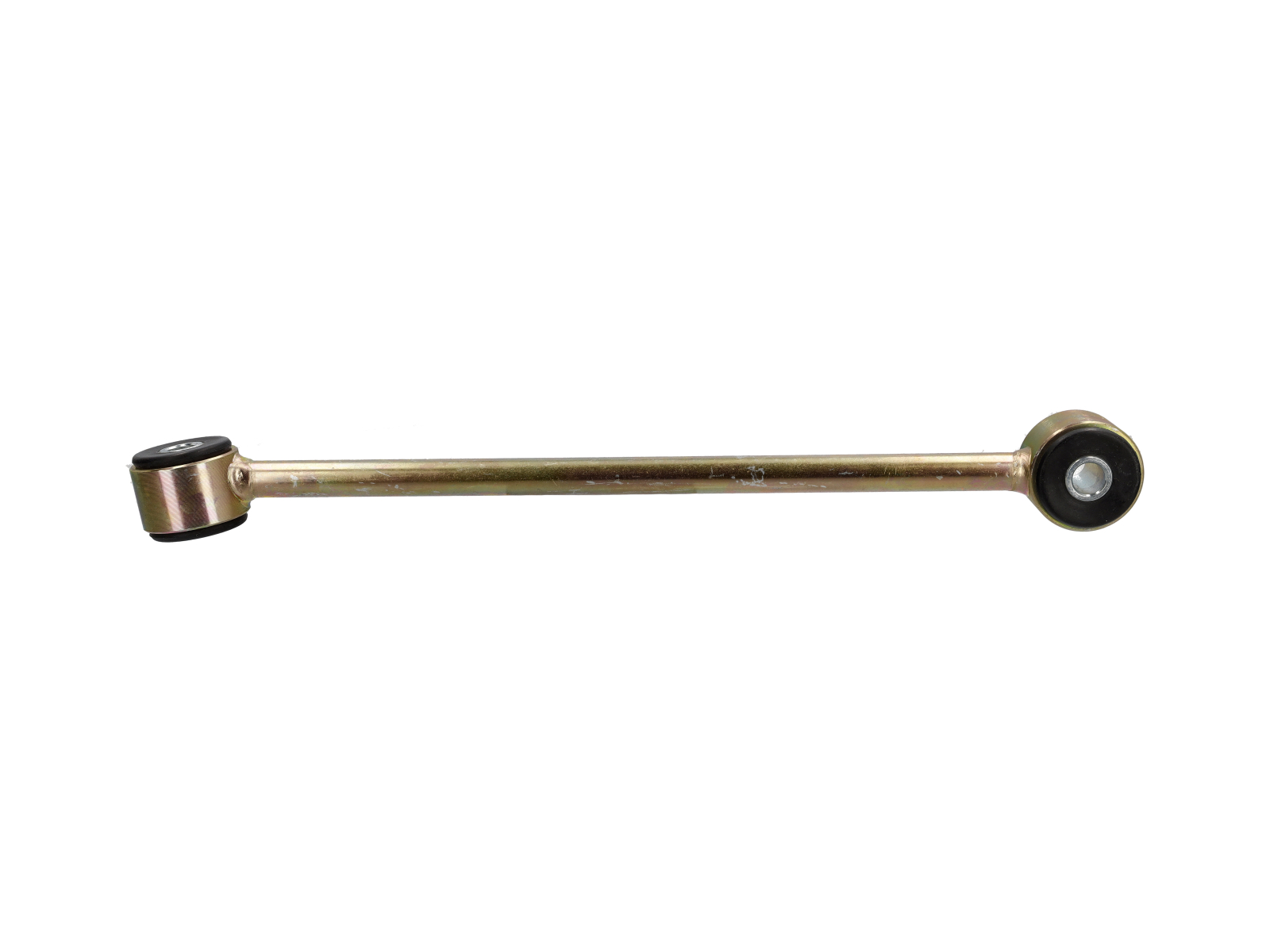
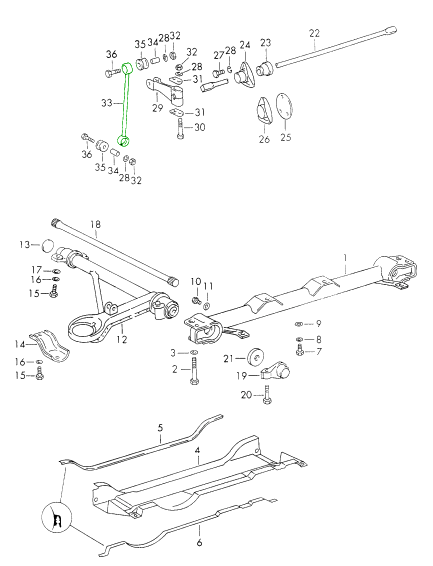
Restore correct anti-roll bar operation and predictable front suspension response with this OE Match Front Drop Link. Designed for compatible vehicle applications, the drop link forms an important connection between the front anti-roll bar and suspension, allowing the anti-roll bar to react to movement between the left and right sides of the vehicle.
Fits Left And Right.
Fits:
- Porsche 911 1965-1968 2.0L / 912 SWB (F)
- Porsche 911 1968-1973 2.2L / 2.4L / 2.7L RS LWB (F)
- Porsche 911 1975-1977 3.0L Turbo (930)
Diagram Ref No 33
Drop links are continually subjected to suspension movement, vibration, road impacts, dirt and moisture. Over time, joints, bushes or mounting areas can wear and develop excessive movement. A worn drop link may produce knocking noises and reduce the effectiveness of the anti-roll bar.
What This Product Does:
- Connects the front anti-roll bar to the associated suspension component.
- Transfers suspension movement to the anti-roll bar.
- Allows the anti-roll bar to resist excessive body roll during cornering.
- Helps maintain predictable front suspension behaviour.
- Contributes to vehicle stability during directional changes.
- Helps keep the anti-roll bar operating as designed.
- Supports controlled handling on uneven and changing road surfaces.
- Replaces a worn, loose, damaged or corroded drop link.
- Provides an OE-style replacement for compatible vehicle applications.
Symptoms Of Wear Or Failure:
- Knocking or clunking noises from the front suspension.
- Rattling when travelling over rough or uneven roads.
- Noise when driving over speed bumps.
- Excessive play in the drop link or its mounting points.
- Worn or deteriorated bushes where applicable.
- Loose or damaged joints.
- Visible corrosion, bending or physical damage.
- Reduced stability during cornering.
- Increased or less controlled body roll.
- A vague or less precise feeling from the front suspension.
- Abnormal movement discovered during suspension inspection.
- Damage found while servicing the anti-roll bar or surrounding suspension.
Why Replacement Matters:
- The drop link enables suspension movement to be transferred effectively to the anti-roll bar. If the link develops excessive play or becomes damaged, the anti-roll bar may no longer respond to suspension movement as intended.
- This can result in knocking or rattling noises and may reduce the anti-roll bar's effectiveness during cornering. The vehicle may feel less controlled during changes of direction, particularly when driving on uneven roads or through bends.
- Excessive play can also place additional movement and loading on associated anti-roll bar mountings and suspension components. Addressing a worn link promptly helps maintain the intended relationship between the anti-roll bar and suspension.
- Replacing a worn or damaged component with this OE Match Front Drop Link helps restore correct anti-roll bar operation, reduce unwanted suspension noise and maintain predictable handling characteristics.
Related reference numbers
Related, superseded, cross reference or alternative numbers for comparison.
90134307603
The product you are viewing cross references to these numbers
- Porsche 964 (911) C2 1989-93
- Porsche 964 (911) C4 1989-93
- Porsche 964 (911) TURBO 3.3L 1991-93
- Porsche 964 (911) TURBO 3.6L 1991-93
- Porsche 993 (911) C2 1994-97
- Porsche 993 (911) C4 1994-97
- Porsche 993 (911) C2S 1994-97
- Porsche 993 (911) C4S 1994-97
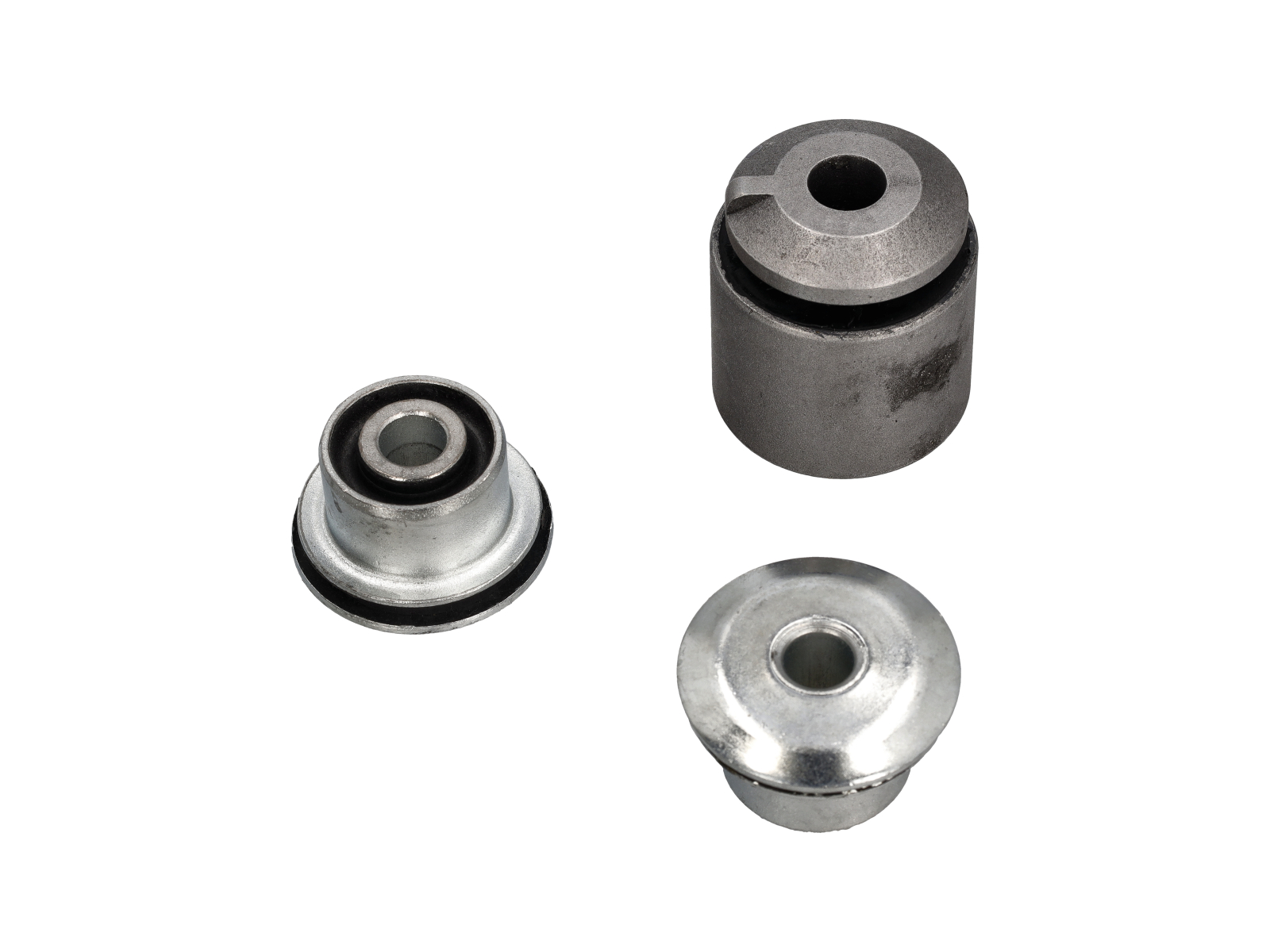
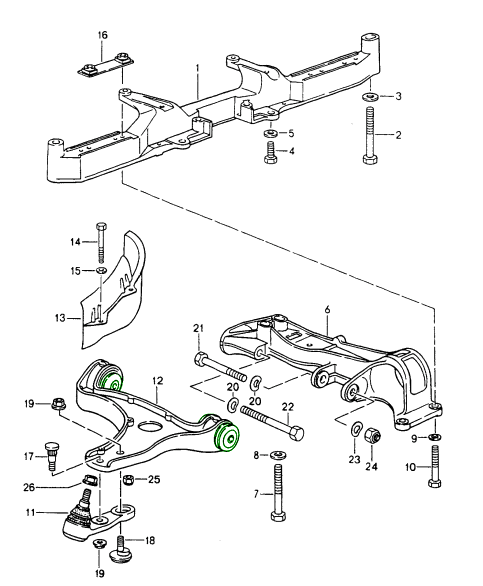
This kit contains the bushes for ONE wishbone / control arm
The OE Match front wishbone bush kit is a suspension repair component designed for Porsche 911 (964) and Porsche 911 (993) models. This kit provides the replacement rubber bushings for one front wishbone (control arm), allowing worn suspension bushes to be replaced without changing the entire control arm assembly.
Fits:
Porsche 964 1989 - 1994 (not RS)
Porsche 993 (not RS)
Front wishbones (also known as control arms) connect the suspension hub to the chassis and allow controlled movement of the front wheels during suspension travel. Rubber bushings are fitted inside the wishbone mounting points to isolate vibration and allow flexible movement between suspension components.
This OE Match kit contains the bushings required for one front control arm, making it an ideal solution for repairing worn or deteriorated suspension mounts while keeping the original wishbone.
The bushings act as flexible mounting points between the wishbone and the chassis. They absorb road vibrations and maintain the correct suspension geometry as the vehicle moves over uneven surfaces.
Replacing worn bushings restores proper suspension articulation, improves steering response and eliminates excessive movement in the front suspension.
Function
• Suspension Articulation: Allows controlled movement of the front wishbone
• Vibration Isolation: Rubber bushings absorb road shocks and vibrations
• Geometry Stability: Maintains correct suspension alignment and steering precision
• Repair Solution: Enables wishbone refurbishment without replacing the full arm
Front suspension bushings are constantly subjected to road impacts, braking forces and suspension movement. Over time the rubber can harden, crack or deteriorate, causing excessive play in the suspension. This may lead to poor steering response, uneven tyre wear and knocking noises. Replacing worn bushings restores proper suspension geometry and improves vehicle handling and ride comfort.
Consider replacing the wishbone bushings if you notice:
• Clunking or knocking noises from the front suspension
• Excessive play in the front control arms
• Uneven tyre wear or alignment issues
• Cracked or deteriorated rubber bushings
Related reference numbers
Related, superseded, cross reference or alternative numbers for comparison.
96434100100
The product you are viewing cross references to these numbers

- Porsche 964 (911) C2 1989-93
- Porsche 964 (911) C4 1989-93
- Porsche 964 (911) RS 3.6L 1991-93
- Porsche 964 (911) RS 3.8L 1991-93
- Porsche 964 (911) TURBO 3.3L 1991-93
- Porsche 964 (911) TURBO 3.6L 1991-93
- Porsche 993 (911) C2 1994-97
- Porsche 993 (911) C4 1994-97
- Porsche 993 (911) RS 1994-97
- Porsche 993 (911) C2S 1994-97
- Porsche 993 (911) C4S 1994-97
- Porsche 993 (911) TURBO 1994-96
- Porsche 993 (911) GT2 1994-97
- Porsche 993 (911) TURBO S 1994-97
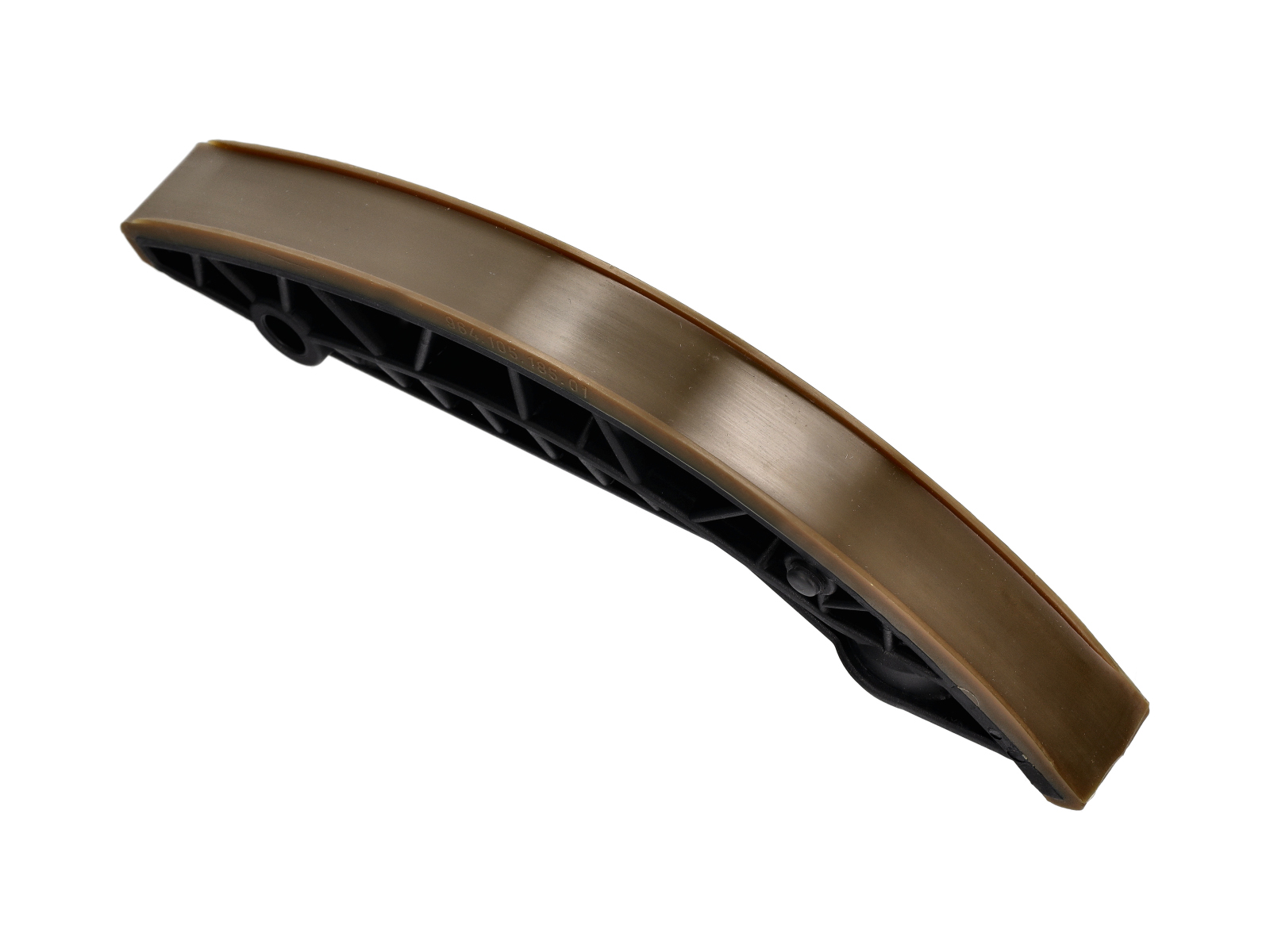
This chain tensioner blade is an OE-Match replacement built to Porsche’s original specifications. It ensures proper timing chain tension, smooth operation, and reduced noise and wear within the engine’s timing system.
Fits left or right side, Sold each.
Fits:
Porsche 964 1989 - 1994
Porsche 993 1994 - 1998
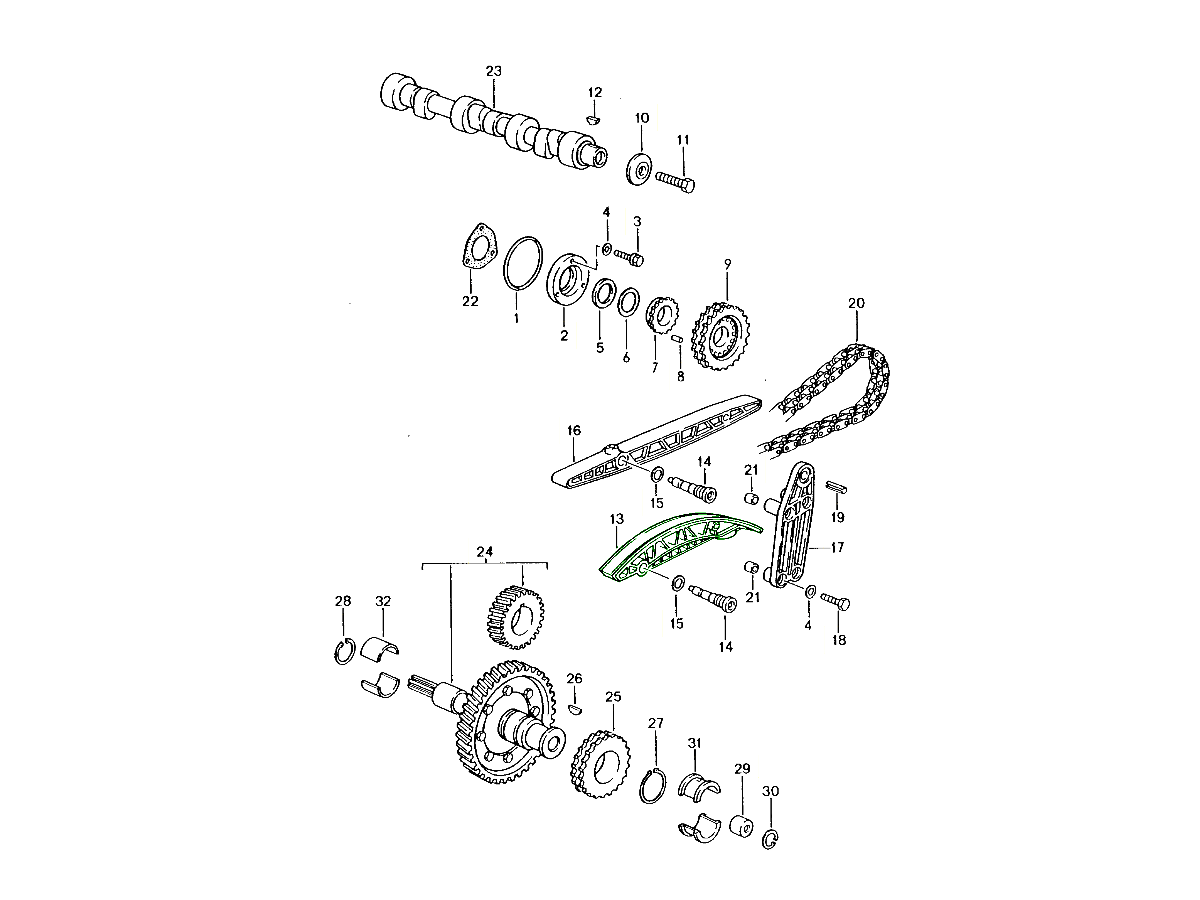
Diagram Ref 13
The tensioner blade maintains proper tension on the timing chain, keeping it securely in place as it runs between the camshaft and crankshaft sprockets. By guiding chain movement, it ensures smooth operation, accurate valve timing, and reduced friction and wear. It also minimizes chain noise, helping the engine run quietly and efficiently.
The tensioner blade is located inside the timing chain assembly. It is mounted against the chain path, where it works with the hydraulic chain tensioner to keep the chain properly aligned and tensioned throughout all engine speeds and loads.
Over time, chain tensioner blades can wear, crack, or deform due to constant stress, heat, and oil exposure. A failing blade may cause the timing chain to loosen, rattle, or fall out of alignment. This can result in inaccurate timing, loss of performance, or even major engine damage. Installing an replacement restores the correct fit and function. Ensures long-term reliability, smoother operation, and protection of engine health.
Related reference numbers
Related, superseded, cross reference or alternative numbers for comparison.
96410504302
The product you are viewing cross references to these numbers
- Porsche 356 1950-55
- Porsche 356A 1955-59
- Porsche 356B 1959-63
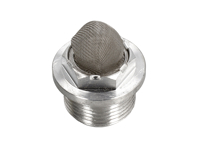
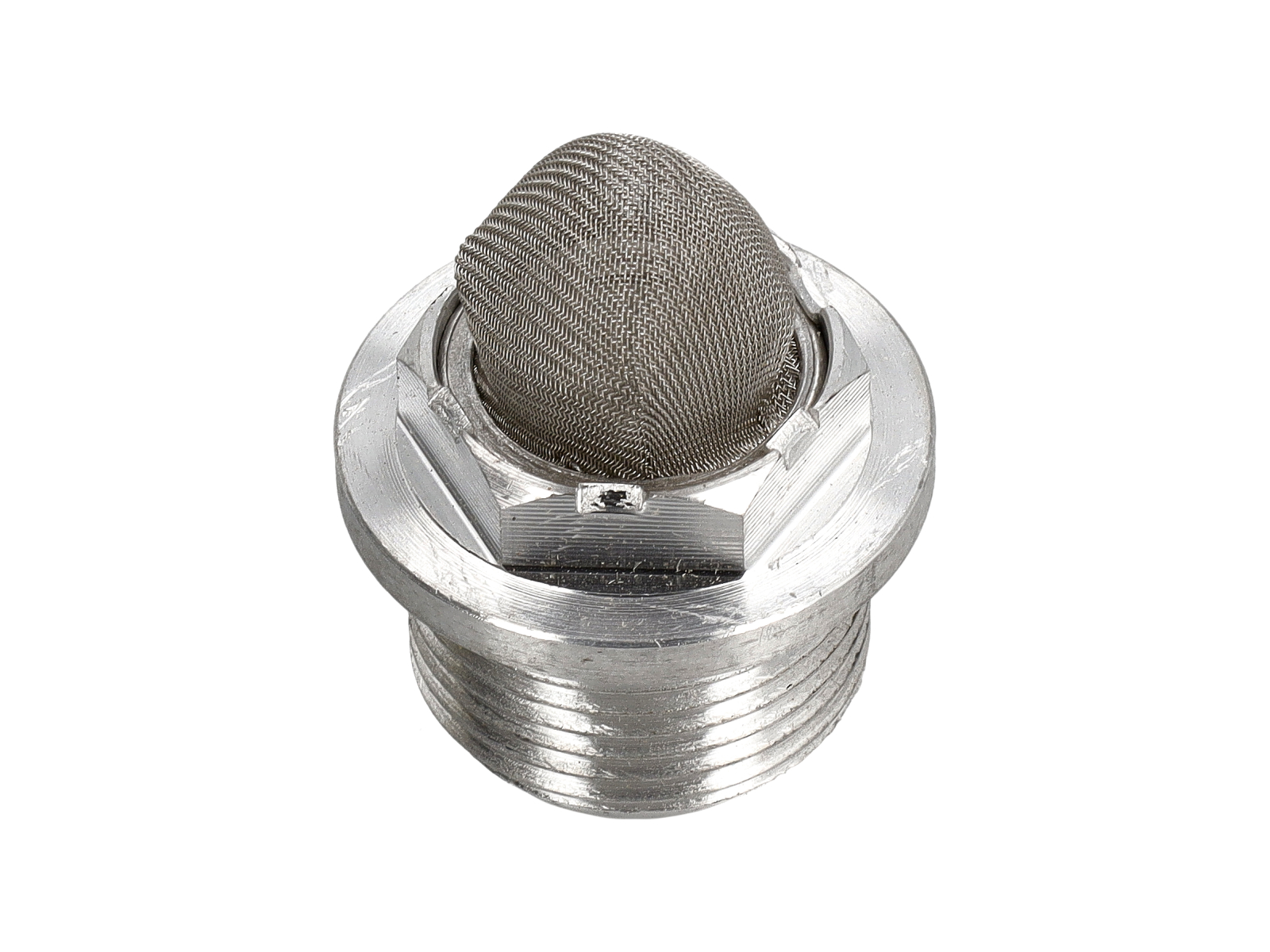
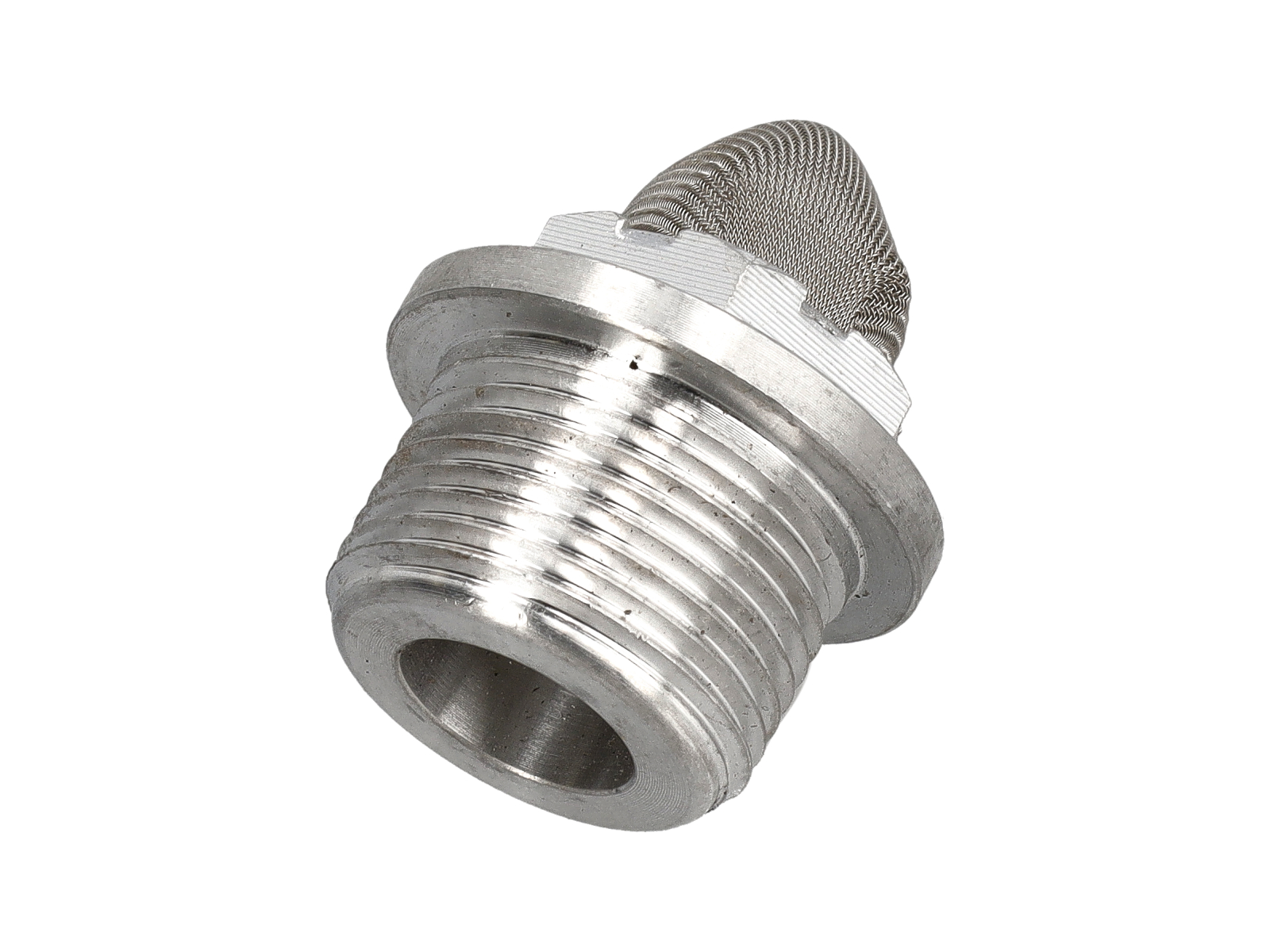
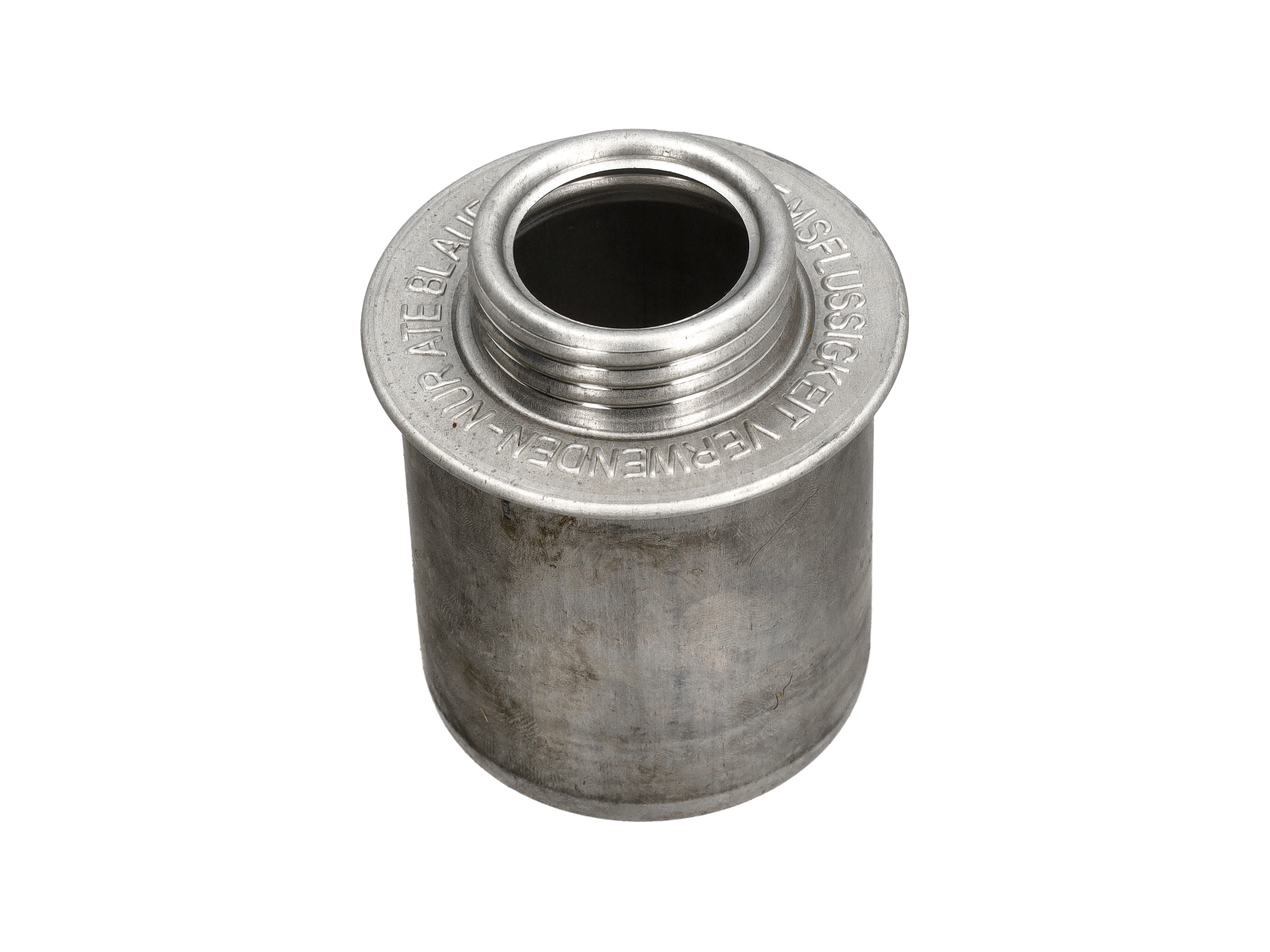
Restore a clean and dependable connection within the braking hydraulic system with this OE Match Union and Strainer for Brake Fluid Tank. Designed for compatible classic vehicle applications, this component combines the connection between the brake fluid reservoir and associated fluid supply system with a strainer that helps prevent larger contaminants from entering the hydraulic circuit.
Fits:
Porsche 356 - 1950 to 1955
Porsche 356A - 1955 to 1959
Porsche 356B - 1959 to 1963
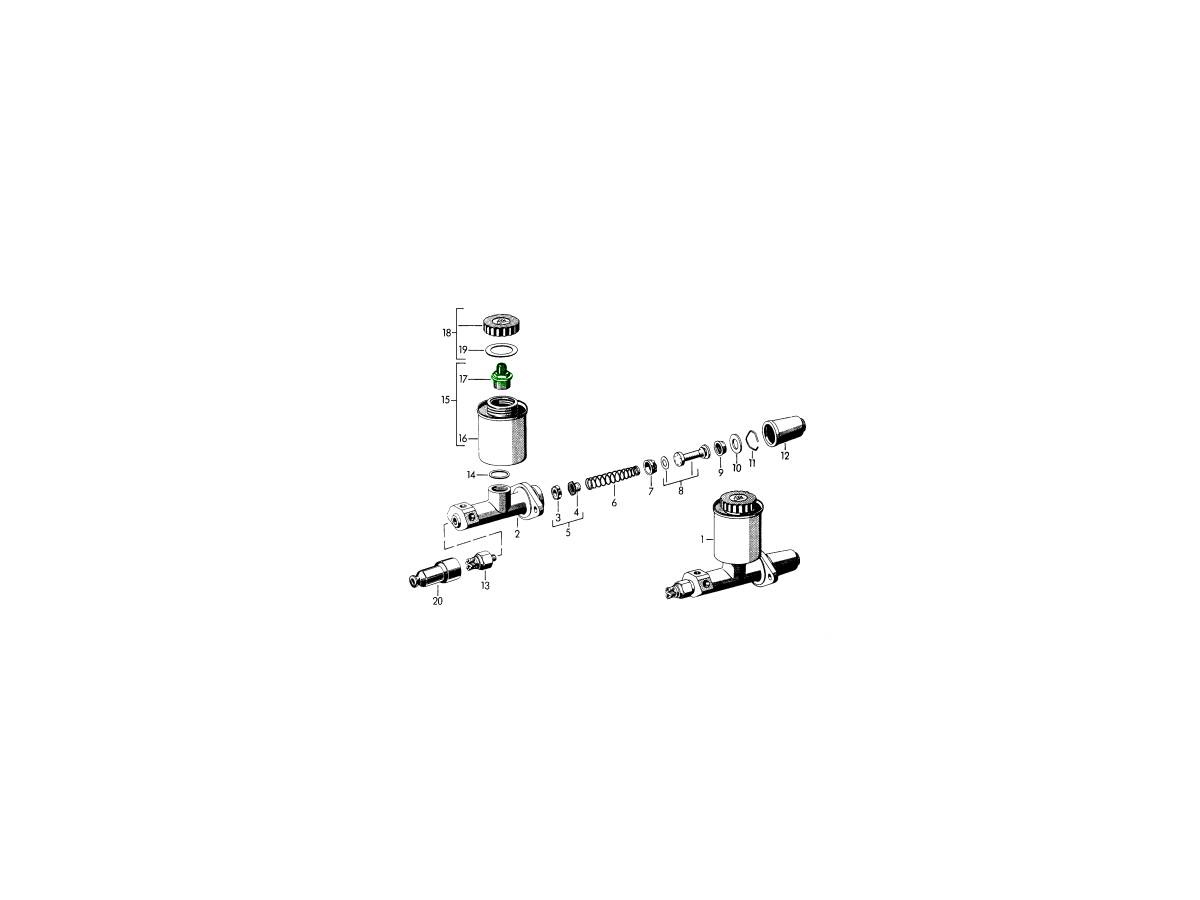
This is a Concourse quality gland nut strainer screen, for your ATE Metal master cylinder reservoir tanks. These screens are a good idea to replace after few years, since the brake fluid will over time clog the screen. These can easily unscrew off and be replaced when bleeding your brake fluid.
Diagram Ref No 17
The brake fluid reservoir stores the hydraulic fluid required for brake operation. From the reservoir, fluid must travel through secure connections to the master cylinder and the rest of the braking system. The union provides an important connection point, while the integrated strainer helps keep unwanted particles and debris from passing further into the system.
What This Product Does:
- Provides a connection at the brake fluid reservoir.
- Helps transfer brake fluid from the reservoir into the hydraulic supply system.
- Incorporates a strainer to help capture larger particles and debris.
- Helps protect downstream hydraulic components from contamination.
- Supports a clean and reliable brake fluid supply.
- Helps maintain a secure connection at the brake fluid tank.
- Supports correct operation of the master cylinder and hydraulic braking system.
- Replaces a damaged, contaminated, corroded, blocked, or missing component.
- Provides an OE-style replacement for compatible classic vehicle applications.
- Is suitable for brake system maintenance and restoration projects.
Symptoms Of Wear Or Failure:
- Brake fluid leaking around the reservoir connection.
- Wetness or fluid staining around the union.
- A brake fluid level that repeatedly falls.
- Visible corrosion or deterioration of the union.
- Cracks, deformation, or physical damage.
- A damaged or contaminated strainer.
- Debris or deposits restricting the strainer.
- Reduced or restricted brake fluid flow.
- Difficulty obtaining a secure, leak-free connection.
- Contamination discovered within the brake fluid reservoir.
- Deterioration found during brake system restoration or servicing.
- The original union or strainer is missing.
Why Replacement Matters:
- The hydraulic braking system relies on a clean and uninterrupted supply of brake fluid. Contamination within the system can damage precision hydraulic components, interfere with seals, and contribute to premature deterioration of the master cylinder, wheel cylinders, or brake calipers.
- The strainer provides an additional level of protection by helping prevent larger debris from travelling from the reservoir into the hydraulic system. If the strainer becomes damaged or is missing, contaminants may have a more direct path into sensitive braking components.
- A blocked or heavily contaminated strainer can also restrict fluid movement. Any restriction within the brake fluid supply system should be investigated because reliable hydraulic operation is essential for consistent braking performance.
- The union must also maintain a dependable fluid-tight connection. Leakage can gradually lower the reservoir level, and if sufficient fluid is lost, air may enter the hydraulic system. This can result in a soft or spongy brake pedal and reduced braking effectiveness.
Related reference numbers
Related, superseded, cross reference or alternative numbers for comparison.
35642412
The product you are viewing cross references to these numbers
- Porsche 914 (1970-1976)
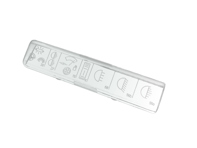
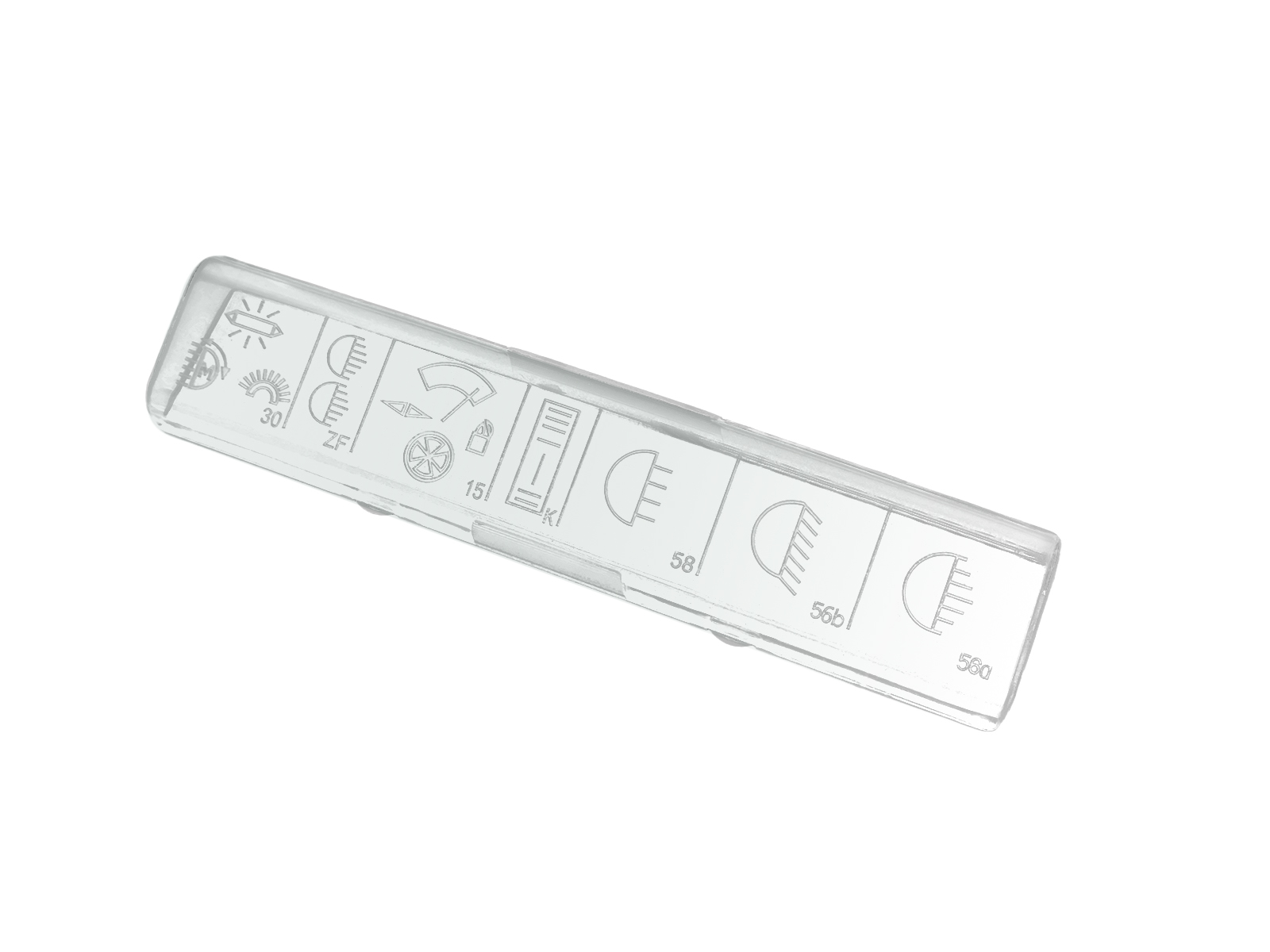
Restore protection and an original-style finish to the vehicle's electrical system with this OE Match Fuse Box Cover. Designed for compatible Porsche applications, the cover fits over the fuse box to help shield the fuses, terminals, and electrical connections from accidental contact, dirt, dust, and other contamination.
Fits:
Porsche 914 1.7L-2.0L 01/1969-02/1976
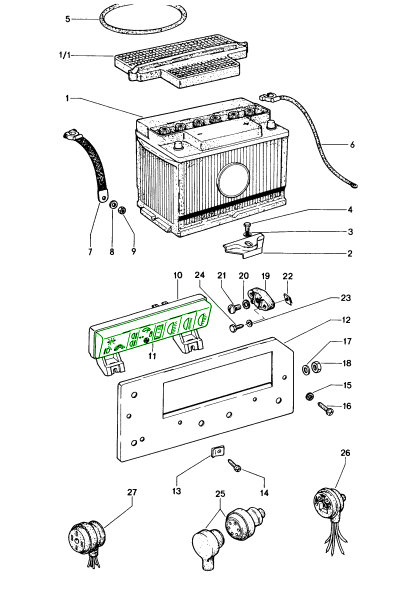
Diagram Ref No 11
The fuse box contains important electrical protection devices for multiple vehicle circuits. Each fuse is designed to interrupt electrical current if a circuit becomes overloaded or develops a fault, helping protect wiring and connected components. Keeping the fuse box properly covered helps protect these components and reduces unnecessary exposure of the electrical terminals.
What This Product Does:
- Fits over and protects the vehicle's fuse box.
- Helps shield fuses and electrical terminals from dirt and dust.
- Reduces the risk of accidental contact with exposed electrical connections.
- Helps protect the fuse area from foreign objects and contamination.
- Keeps the fuse box installation tidy and properly enclosed.
- Helps prevent accidental disturbance of the fuses.
- Supports reliable long-term protection of electrical components.
- Restores an original-style appearance to the fuse box area.
- Replaces a cracked, broken, warped, loose, or missing cover.
- Provides an OE-style replacement for compatible Porsche applications.
Symptoms Of Wear Or Failure:
- The original fuse box cover is missing.
- Cracks or splits in the cover.
- Broken retaining or mounting points.
- The cover no longer stays securely in position.
- Warping or distortion caused by age or heat.
- Brittle or deteriorated material.
- Sections of the fuse box remain exposed when the cover is fitted.
- Excessive dirt or dust accumulating around the fuses.
- Previous repairs or modifications to a damaged cover.
- Poor appearance within an otherwise restored vehicle.
- Damage discovered while servicing the vehicle's electrical system.
Why Replacement Matters:
- Although the fuse box cover does not control the electrical circuits directly, it provides valuable physical protection for the fuses and their connections. Leaving the fuse box exposed makes it easier for dirt, dust, loose objects, and accidental contact to affect the area.
- Contamination around electrical terminals can contribute to corrosion and poor electrical connections over time. Loose or corroded fuse contacts may cause intermittent electrical faults, increased resistance, or unreliable operation of the circuits they protect.
- A damaged cover may also fail to remain securely attached. If it moves or falls away, the fuse box loses the protection the cover was designed to provide.
- For classic Porsche restoration, the fuse box cover is also an important finishing detail. A missing, cracked, or unsuitable cover can detract from an otherwise carefully restored electrical installation and vehicle interior.
- Replacing a damaged or missing component with this OE Match Fuse Box Cover helps protect the fuse box and electrical connections while restoring a clean, complete, and original-style appearance.
Related reference numbers
Related, superseded, cross reference or alternative numbers for comparison.
91461231610
The product you are viewing cross references to these numbers


- Porsche 356B 1959-63
- Porsche 356C 1963-65
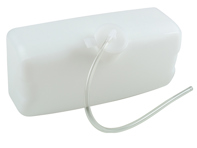
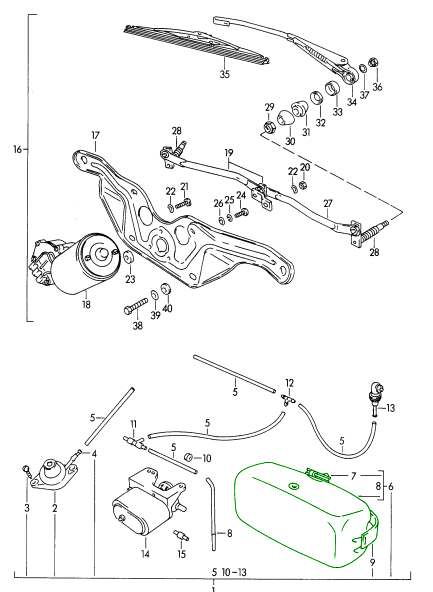
Restore reliable windscreen washer operation with this OE Match Washer Tank Kit, supplied complete with cover, socket and hose. Designed for compatible classic vehicle applications, the washer tank provides the reservoir required to store and supply washer fluid for cleaning the windscreen.
Fits:
Porsche 356B T6 - 1962 to 1963
Porsche 356C - 1963 to 1965
Brand new OEM quality washer tank with the cover lid the 90 degree socket elbow, the bottom screen, and we have included a 10 1/2" hose with it that will cover up to the first connection to the jet. This is a complete kit! to replace that cracked worn out washer reservoir tank and get a new one today.
The screen on the bottom of the cap has the original metal valve to help with the suction. This is to avoid burning out the wiper motor.
The windscreen washer system plays an important role in maintaining clear visibility by delivering cleaning fluid to the windscreen, where it works with the wipers to remove road dirt, dust, insects, salt and other contamination. The reservoir must securely contain the washer fluid and provide a dependable connection to the rest of the washer system.
What This Product Does:
- Stores the fluid used by the windscreen washer system.
- Supplies washer fluid for windscreen cleaning.
- Helps maintain a readily available supply of cleaning fluid.
- Works with the vehicle's washer system to support clear forward visibility.
- Includes the washer tank, cover, socket and hose.
- Replaces multiple worn or missing washer-system components together.
- Helps prevent fluid loss caused by a cracked or damaged reservoir.
- Provides secure connections when correctly installed.
- Supports consistent and reliable washer operation.
- Provides an OE-style solution suitable for classic vehicle restoration.
Symptoms Of Wear Or Failure:
- Washer fluid leaking from the reservoir.
- The washer fluid level dropping without frequent use.
- Visible cracks, splits or deterioration in the tank.
- Fluid leaking around fittings or hose connections.
- Brittle, cracked, hardened or damaged washer hoses.
- Loose or damaged connections.
- A damaged or missing reservoir cover.
- Washer fluid collecting underneath or around the tank.
- Weak or inconsistent washer fluid delivery.
- Difficulty keeping the washer reservoir filled.
- Washer fluid failing to reach the windscreen.
- Age-related deterioration discovered during vehicle restoration.
Why Replacement Matters:
- A cracked or leaking washer reservoir can allow the cleaning fluid to escape, leaving little or no fluid available when the windscreen needs cleaning. This may become particularly problematic during wet or dirty driving conditions when road spray can quickly reduce visibility.
- Clear forward visibility is essential for safe vehicle operation. The windscreen washer system complements the wipers by helping loosen and remove contamination that cannot be effectively cleared by the wiper blades alone.
- Ageing hoses, fittings and related components can also compromise washer operation. A hardened or split hose may leak fluid before it reaches the windscreen, while damaged connections can cause intermittent or complete loss of washer function.
- Replacing the tank together with associated components can be particularly beneficial during a classic vehicle restoration. It reduces reliance on aged parts and helps provide a cleaner, more complete and original-style installation.
- Replacing worn, damaged or missing components with this OE Match Washer Tank Kit with Cover, Socket & Hose helps restore dependable washer fluid storage and delivery, supporting effective windscreen cleaning and a well-finished restoration.
Related reference numbers
Related, superseded, cross reference or alternative numbers for comparison.
64462872007
The product you are viewing cross references to these numbers
- Porsche 356 1950-55
- Porsche 356A 1955-59
- Porsche 356B 1959-63
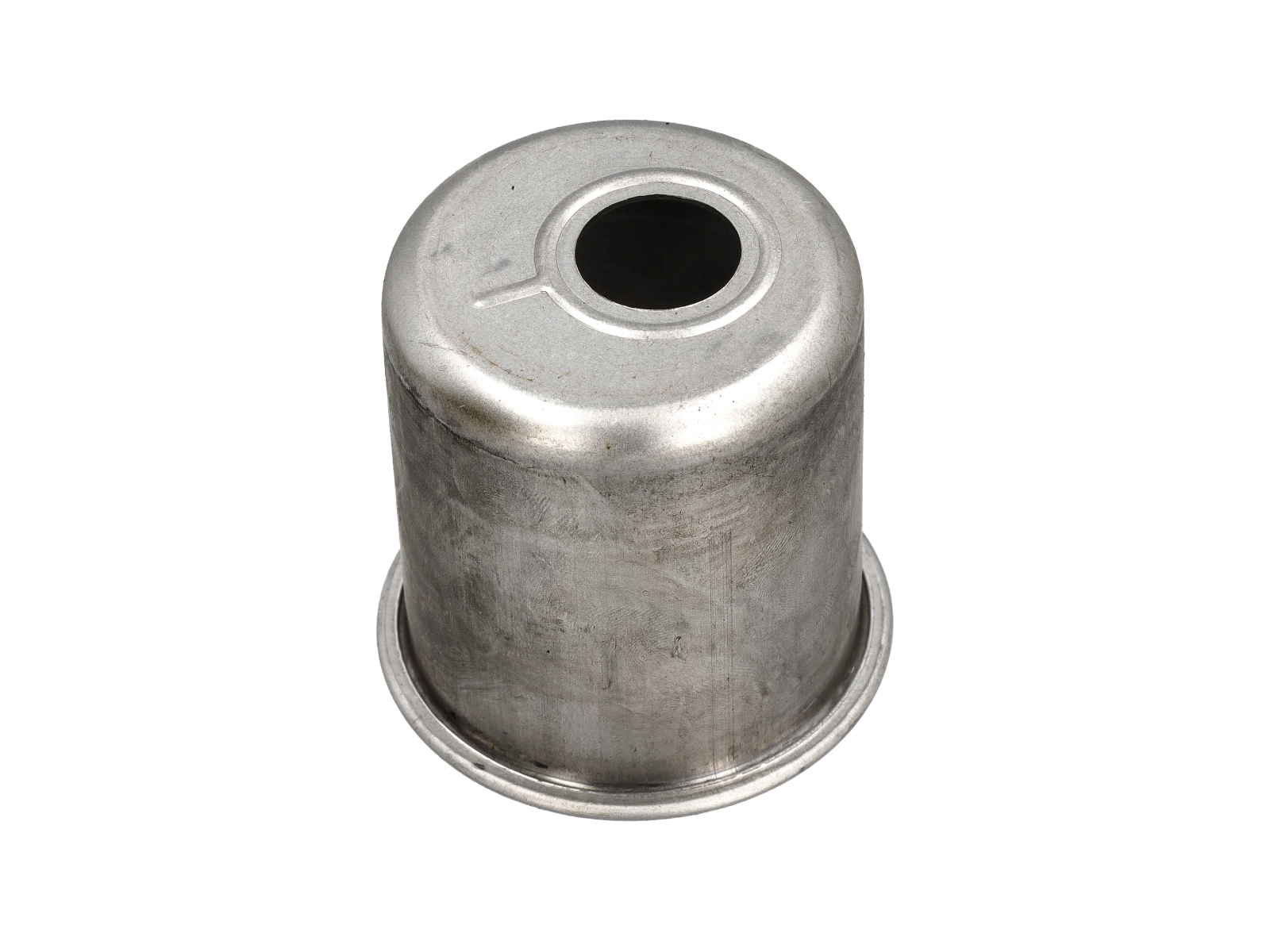
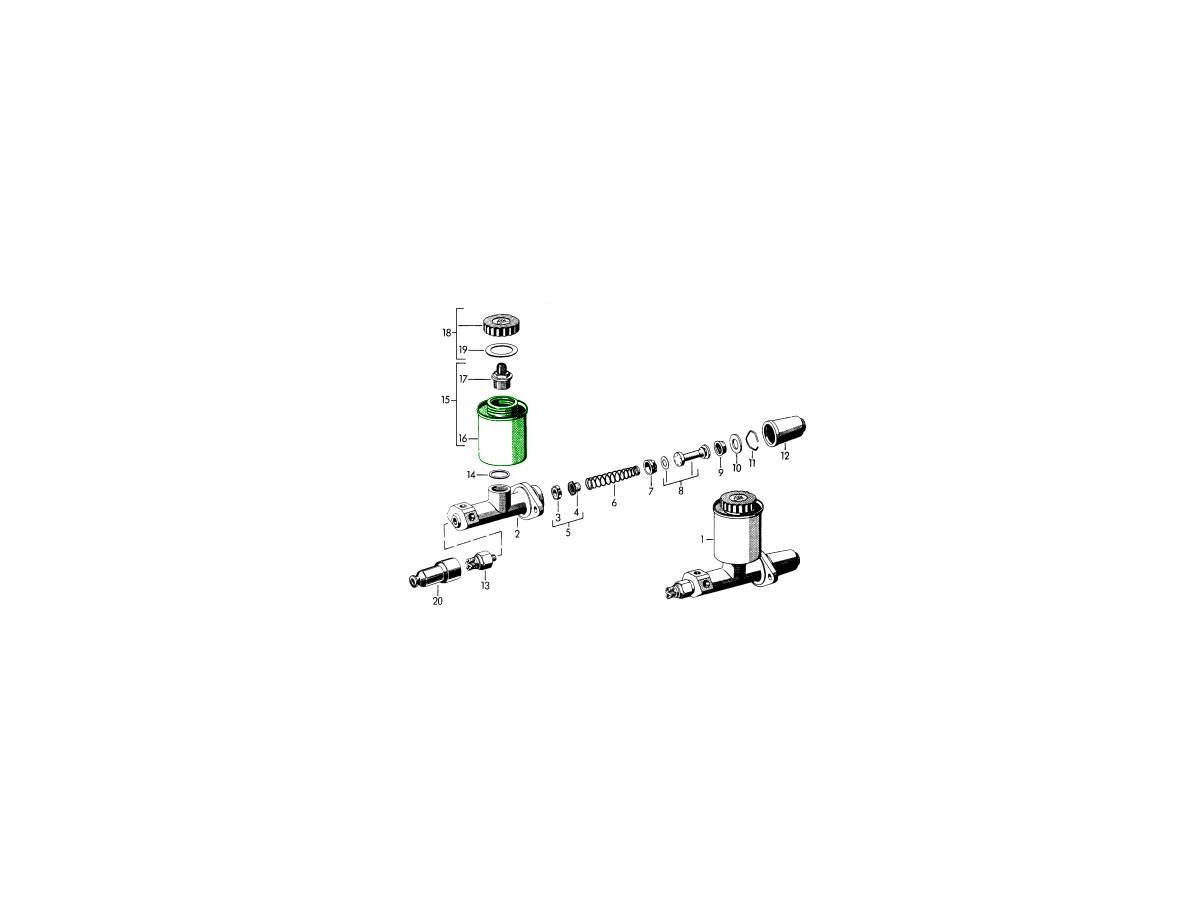
Restore a key part of the braking hydraulic system while maintaining a period-correct appearance with this OE Match Aluminium Brake Fluid Tank. Manufactured in aluminium with an OE-style appearance, this reservoir is designed for compatible classic vehicle applications where originality, durability, and reliable brake fluid storage are important.
Fits:
Porsche 356 - 1950 to 1955
Porsche 356A - 1955 to 1959
Porsche 356B - 1959 to 1963
Diagram Ref No 16
The brake fluid tank stores the hydraulic fluid required by the braking system. As the brakes are applied, brake fluid transmits hydraulic pressure through the system, allowing the braking components at the wheels to operate. The reservoir provides a supply of fluid to the hydraulic circuit and allows the fluid level to be monitored and maintained.
What This Product Does:
- Stores the brake fluid required by the hydraulic braking system.
- Maintains a reserve supply of fluid for the brake hydraulic circuit.
- Helps ensure the braking system remains adequately supplied with fluid.
- Allows the brake fluid level to be monitored and maintained.
- Provides connection points for the associated hydraulic supply components.
- Features aluminium construction for durability.
- Provides an OE-style appearance suitable for classic vehicle restoration.
- Replaces a corroded, leaking, damaged, or unsuitable brake fluid reservoir.
- Helps maintain a clean and correctly presented braking system installation.
- Is supplied without a reservoir cap.
Symptoms Of Wear Or Failure:
- Brake fluid leaking from the reservoir.
- Fluid wetness around the tank, seams, or connections.
- A brake fluid level that repeatedly drops.
- Visible corrosion or deterioration of the original reservoir.
- Cracks, dents, deformation, or other physical damage.
- Damaged or deteriorated hose connections.
- Contamination visible inside the reservoir.
- Difficulty maintaining a dependable seal around associated fittings.
- A reservoir damaged during servicing or restoration.
- An original tank that has deteriorated beyond reliable continued use.
Why Replacement Matters:
- The brake fluid reservoir is an important part of the vehicle's hydraulic braking system. It must securely contain the fluid needed for reliable brake operation and prevent contamination from entering the hydraulic circuit.
- A leaking reservoir can gradually reduce the brake fluid level. If the fluid level becomes sufficiently low, air may enter the hydraulic system. Air in the brake lines can result in a soft or spongy pedal and reduced braking effectiveness.
- Brake fluid leakage should therefore never be ignored. Any unexplained loss of brake fluid requires immediate investigation because it can indicate a fault capable of compromising braking performance.
- Corrosion or internal contamination is another reason to replace an ageing reservoir. Dirt, corrosion products, moisture, or other contaminants entering the hydraulic system can contribute to deterioration of master cylinders, wheel cylinders, calipers, and other braking components.
Related reference numbers
Related, superseded, cross reference or alternative numbers for comparison.
35642091
The product you are viewing cross references to these numbers


- Porsche 911 1974-1977 2.7L / 1976-77 3.0 Carrera
- Porsche 911 1978-1983 3.0L / SC
- Porsche 911 1984-1986 3.2L
- Porsche 911 1987-1989 3.2L G50
- Porsche 911 1975-1977 3.0L Turbo (930)
- Porsche 911 1978-1989 3.3L Turbo (930)
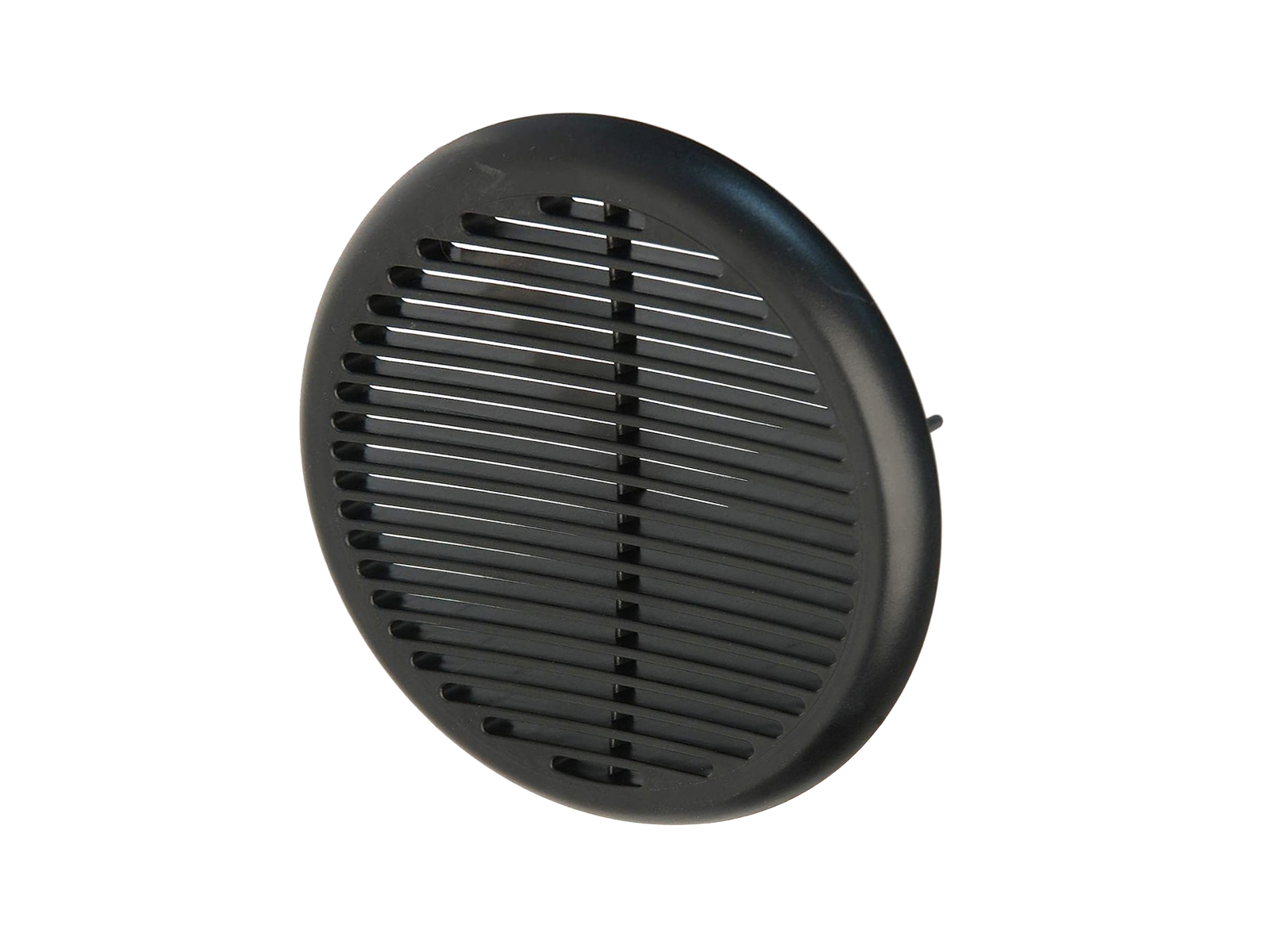
Restore the appearance and protection of the door-mounted speaker with this OE Match Door Speaker Cover with Inner Cloth Cover. Designed for compatible Porsche applications, this replacement speaker cover provides a finished appearance while helping protect the speaker cone and other delicate components from accidental contact and larger debris.
Suitable for Porsche 911G 1975-1984
Fits for models 911S, 911 2.7 S, 911 3.0 SC, 911 3.2 Carrera, 930 Turbo
Outer Diameter: 15.2 cm
Colour: black
Perfect new part according to the original.
Price for 1 piece.
The cover incorporates an inner cloth cover, providing the layered appearance associated with the original-style speaker installation while allowing sound to pass through from the speaker behind it. It is an ideal replacement for a cover that has become cracked, broken, faded, distorted, or lost during previous interior work.
What This Product Does:
- Covers and protects the door-mounted speaker.
- Helps protect the speaker cone from accidental contact and larger debris.
- Includes an inner cloth cover for an original-style finished appearance.
- Allows sound from the speaker to pass into the cabin.
- Helps conceal the speaker and mounting hardware.
- Provides a clean and complete appearance to the door trim.
- Helps protect delicate speaker components during normal vehicle use.
- Replaces a cracked, broken, faded, distorted, or missing speaker cover.
- Supports restoration of the vehicle's original-style interior presentation.
- Provides an OE-style replacement for compatible Porsche applications.
Symptoms Of Wear Or Failure:
- Cracks or splits in the speaker cover.
- Broken sections or mounting points.
- A loose or rattling speaker grille.
- The speaker cover no longer sitting correctly against the door trim.
- Missing sections of the grille.
- Torn, deteriorated, or missing inner cloth.
- Significant fading or discolouration.
- Warping or distortion caused by age or heat.
- Scratches or cosmetic deterioration.
- The speaker itself is exposed because the original cover is missing.
- An incomplete or untidy appearance following interior restoration.
Why Replacement Matters:
- A speaker cover performs both protective and cosmetic functions. Without the cover, the speaker cone and surrounding components are more exposed to accidental contact and damage. Speaker cones can be relatively delicate, and physical damage may affect sound quality or require replacement of the speaker itself.
- A damaged or loose cover can also create unwanted rattles or vibrations, particularly when music is played at higher volume or when the vehicle travels over uneven road surfaces.
- The condition of the speaker grille is also important to the overall appearance of a classic Porsche interior. Cracked plastic, missing grille sections, deteriorated cloth, or an exposed speaker can detract from an otherwise carefully maintained or restored door panel.
- The integrated inner cloth cover further contributes to the correct finished appearance while concealing the speaker behind the grille.
- Replacing a worn or missing component with this OE Match Door Speaker Cover with Inner Cloth Cover helps protect the speaker, eliminate problems associated with a damaged grille, and restore a clean, original-style appearance to the vehicle's interior.
Related reference numbers
Related, superseded, cross reference or alternative numbers for comparison.
91155501300
The product you are viewing cross references to these numbers


- Porsche 911 1974-1977 2.7L / 1976-77 3.0 Carrera
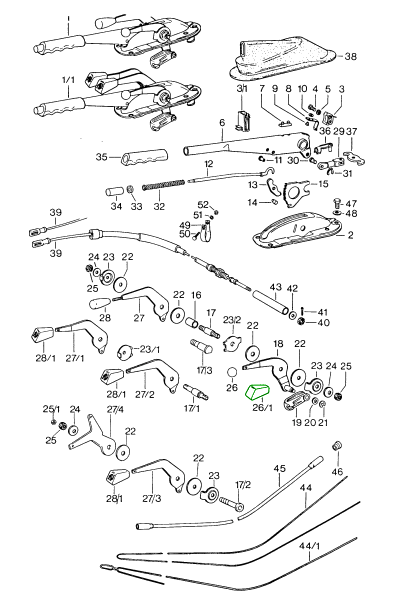
Restore the correct appearance and convenient operation of the throttle control mechanism with this OE Match Throttle Control Lever Knob. Designed for compatible Porsche applications, this replacement knob fits to the throttle control lever and provides the driver with a comfortable, secure contact point for operating the control.
Fits:
- Porsche 911 1972-75 USA Spec cars
Diagram Ref No 26/1
Although small, the throttle control lever knob is an important finishing component. It allows the lever to be operated without gripping the bare metal mechanism and contributes to the original appearance and functionality of the vehicle's interior controls.
What This Product Does:
- Fits to the vehicle's throttle control lever.
- Provides a comfortable surface for operating the lever.
- Improves grip compared with using an exposed lever.
- Helps provide smooth and convenient manual operation of the control.
- Protects the end of the operating lever.
- Helps maintain the correct appearance of the interior controls.
- Replaces a cracked, worn, loose, damaged, or missing knob.
- Provides an OE-style solution for compatible Porsche applications.
- Is suitable for maintenance and restoration projects where original-style presentation is important.
Symptoms Of Wear Or Failure:
- The throttle control lever knob is missing.
- Cracks or splits in the existing knob.
- The knob has become loose on the lever.
- Excessive movement when operating the control.
- The knob repeatedly pulls off during use.
- Significant surface wear or deterioration.
- Fading or discolouration affecting the interior appearance.
- Chipped, broken, or damaged edges.
- Difficulty gripping or comfortably operating the lever.
- The original knob has become brittle due to age.
- Damage discovered during interior restoration or control-system servicing.
Why Replacement Matters:
- A damaged or missing throttle control lever knob may not prevent the underlying mechanism from functioning, but it can make the control less comfortable and less convenient to operate. Using the exposed lever can also make precise operation more difficult and detract from the finished appearance of the interior.
- Age-related deterioration is particularly relevant on classic vehicles. Plastics and similar materials can become brittle after decades of exposure to temperature changes, sunlight, and repeated handling. Once cracking begins, the knob may loosen or eventually break away completely.
- For restored or well-maintained classic Porsche interiors, small details such as control knobs also contribute significantly to an authentic and complete appearance. Replacing a missing or visibly damaged knob provides a simple way to improve both usability and presentation.
- Replacing a worn or missing component with this OE Match Throttle Control Lever Knob helps restore comfortable control operation and an original-style interior finish.
Related reference numbers
Related, superseded, cross reference or alternative numbers for comparison.
91142479200
The product you are viewing cross references to these numbers
- Porsche 356B 1959-63
- Porsche 356C 1963-65
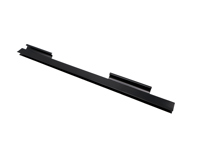
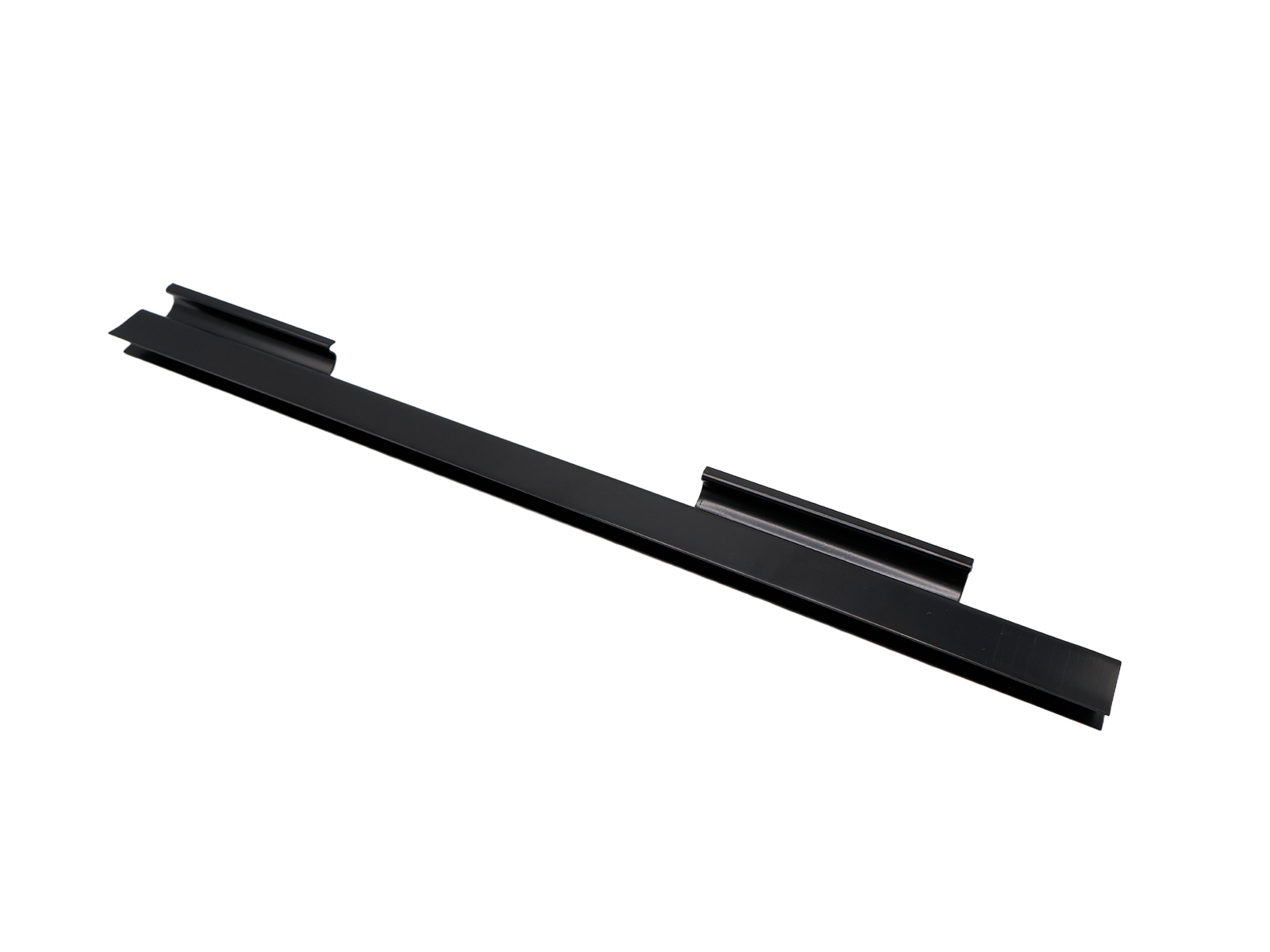
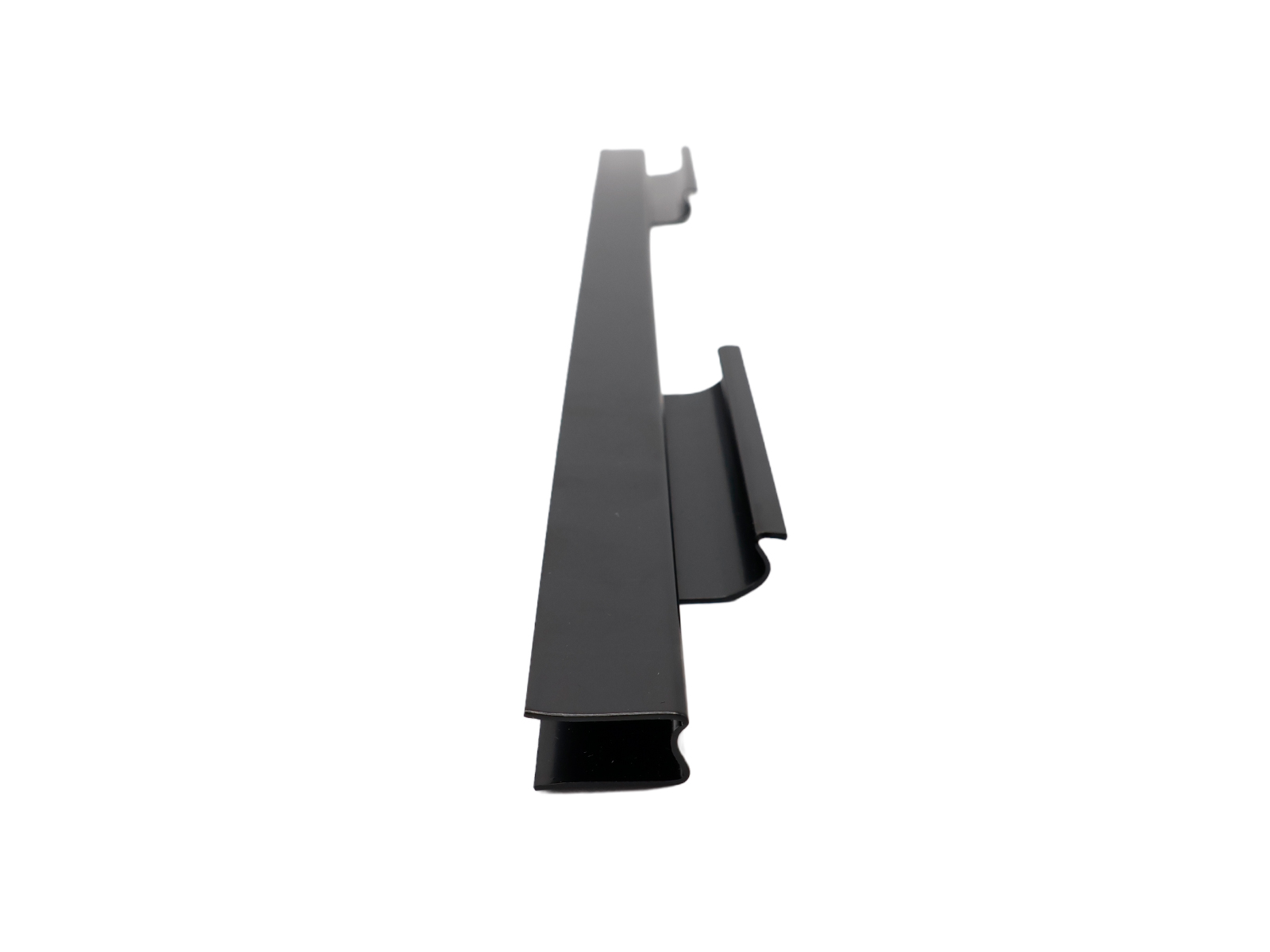
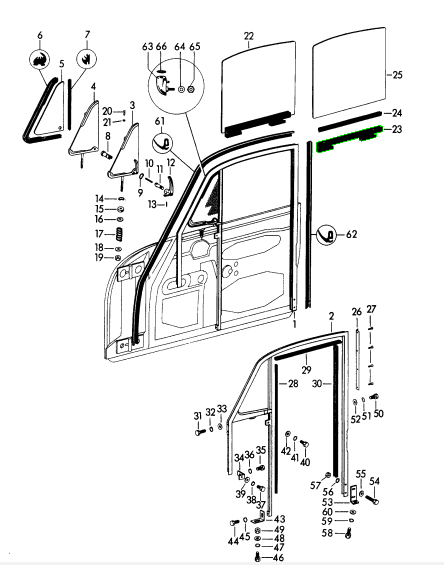
Restore smooth and reliable window operation with this OE Match Window Lifting Rail. Designed for compatible vehicle applications, the lifting rail forms part of the door window regulator mechanism and helps support, guide, and control the movement of the window glass as it is raised or lowered.
Fits:
- Porsche 356B 1959-63 (COUPE)
- Porsche 356C 1963-65 (COUPE)
Diagram Ref No 23
The window lifting mechanism relies on correctly aligned rails, guides, regulator components, and mounting points to move the glass smoothly through the door frame. A worn, bent, corroded, or damaged lifting rail can interfere with this movement, causing the window to become stiff, uneven, noisy, or difficult to operate.
What This Product Does:
- Forms part of the window lifting and regulator mechanism.
- Helps support the window glass during operation.
- Guides the glass as the window is raised and lowered.
- Helps maintain correct window alignment within the door.
- Supports smooth and controlled window movement.
- Helps prevent excessive glass movement or tilting.
- Works with the associated regulator, guides, and mounting components.
- Helps the window close correctly against its seals.
- Replaces a worn, bent, corroded, or damaged lifting rail.
- Provides an OE-style replacement for compatible vehicle applications.
Symptoms Of Wear Or Failure:
- Window glass tilting while being raised or lowered.
- Uneven or jerky window movement.
- Window becoming difficult to raise or lower.
- Excessive resistance when operating the window.
- Scraping, grinding, clicking, or rattling noises inside the door.
- Window glass dropping or becoming loose within the mechanism.
- Window failing to close fully.
- Poor alignment between the glass and window seals.
- Excessive movement of the glass when partially open.
- Visible corrosion, bending, distortion, or damage to the lifting rail.
- Damage discovered while repairing the window regulator mechanism.
Why Replacement Matters:
- The lifting rail plays an important role in keeping the window glass correctly supported and aligned. If the rail becomes bent, worn, corroded, or damaged, the glass may no longer travel through the door smoothly.
- Continued operation with a faulty rail can place additional strain on the window regulator and associated components. Increased resistance or misalignment may accelerate regulator wear and can potentially cause further damage to guides, rollers, cables, mounting points, or the glass itself.
- Incorrect window alignment can also prevent the glass from sealing properly when closed. This may contribute to increased wind noise, water ingress, rattling, or difficulty securing the vehicle.
- Replacing a worn or damaged component with the correct OE Match Window Lifting Rail helps restore smooth window movement, correct glass alignment, reliable closure, and dependable operation of the window lifting mechanism.
Related reference numbers
Related, superseded, cross reference or alternative numbers for comparison.
64454204
The product you are viewing cross references to these numbers
- Porsche 911 1965-1968 2.0L / 912 SWB (F)
- Porsche 356B 1959-63
- Porsche 356C 1963-65
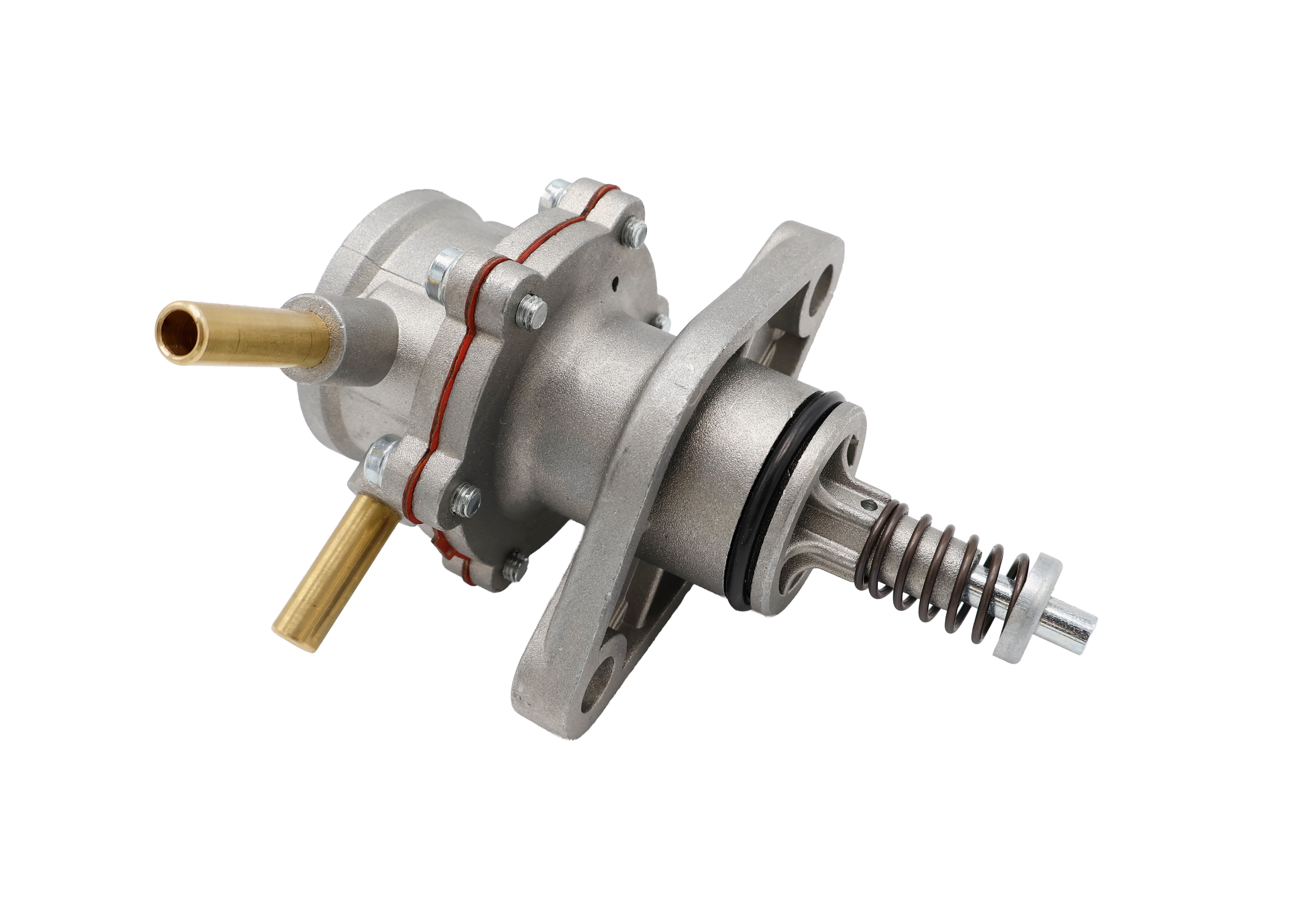
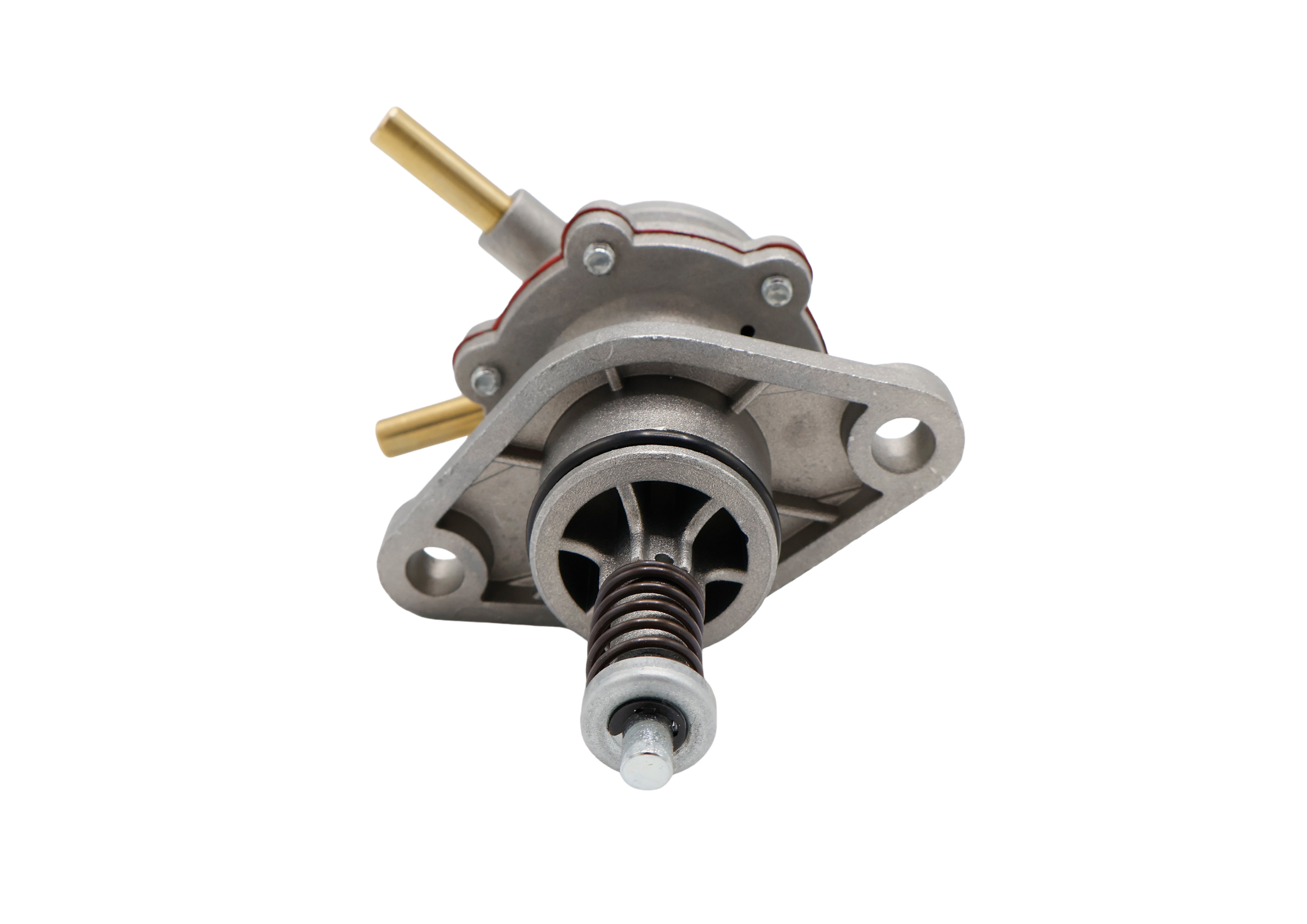
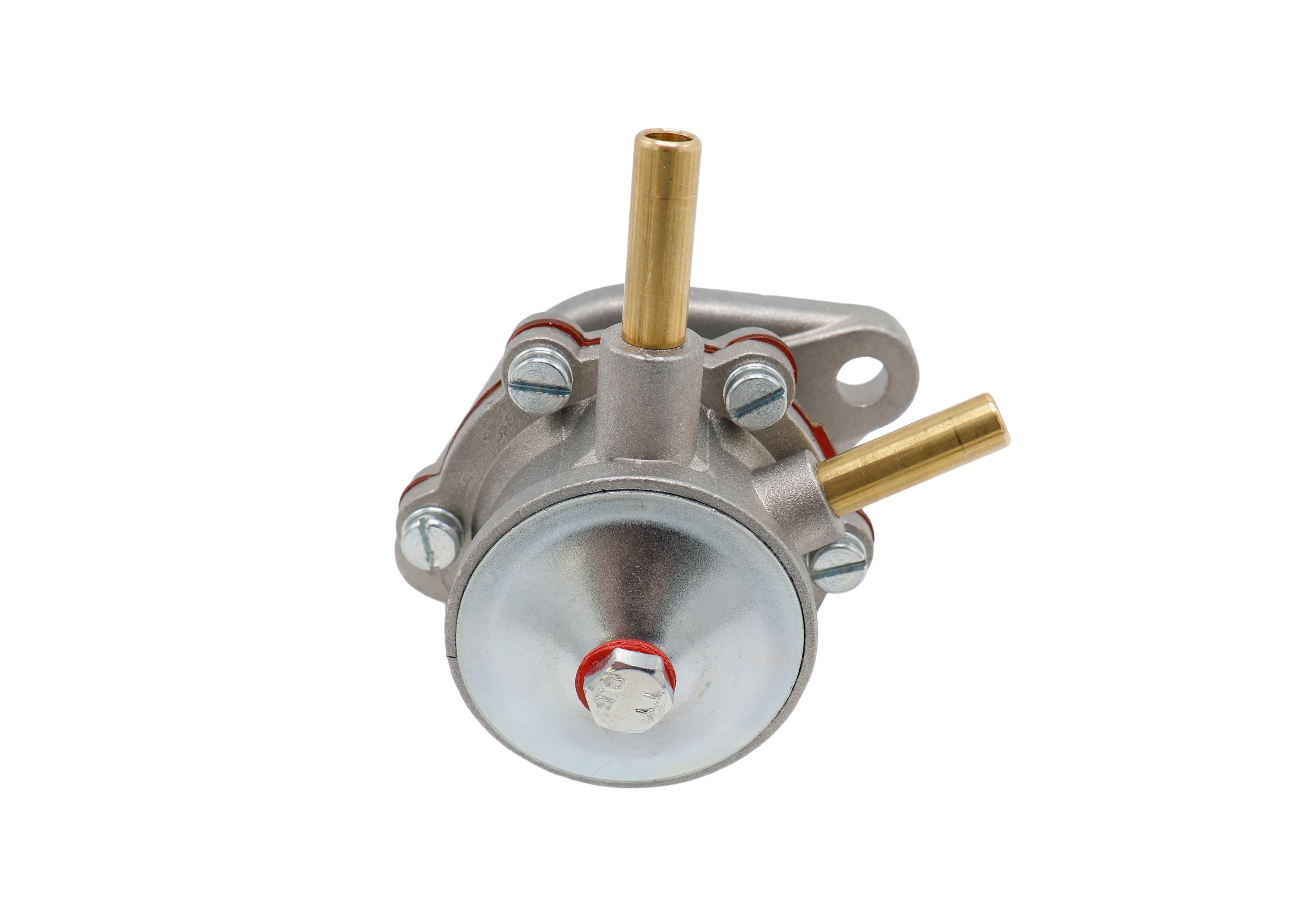
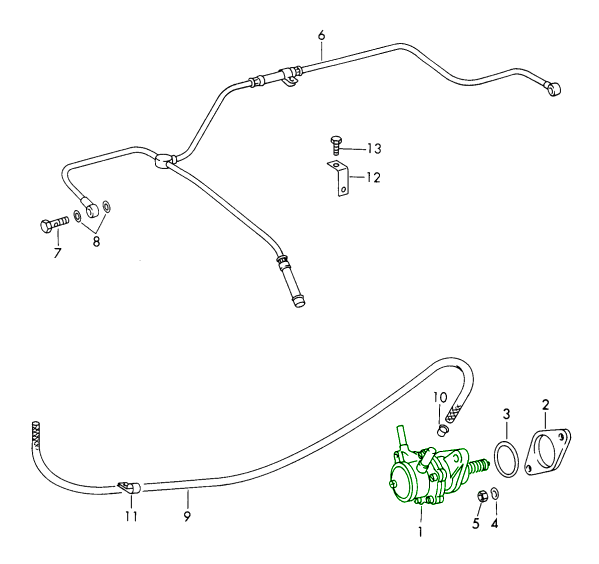
Restore dependable fuel delivery and consistent engine operation with this OE Match Fuel Pump. Designed for compatible engine applications, the fuel pump is a critical part of the fuel system, responsible for supplying fuel from the tank to the engine at the required flow and pressure.
Fits:
- Porsche 912 SWB (F)
- Porsche 356B 1959-63
- Porsche 356C 1963-65
The fuel pump ensures that the engine receives a consistent supply of fuel across different operating conditions, from starting and idling through to acceleration and higher engine loads. Correct fuel delivery is essential for maintaining the appropriate air-to-fuel mixture, smooth combustion, reliable starting, and consistent engine performance.
What This Product Does:
- Supplies fuel from the fuel system to the engine.
- Maintains the fuel flow required for dependable engine operation.
- Helps provide consistent fuel delivery during starting, idling, acceleration, and cruising.
- Supports the correct air-to-fuel mixture and efficient combustion.
- Helps maintain smooth and consistent engine performance.
- Provides sufficient fuel delivery as engine demand increases.
- Supports reliable cold and warm engine starting.
- Replaces a worn, leaking, damaged, or failed fuel pump.
- Provides an OE-style replacement for compatible engine applications.
Symptoms Of Wear Or Failure:
- Difficulty starting the engine.
- Extended cranking before the engine starts.
- Engine failing to start despite having fuel in the tank.
- Hesitation or stumbling during acceleration.
- Loss of power under load or at higher engine speeds.
- Intermittent engine cutting out or stalling.
- Rough or inconsistent engine operation.
- Fuel starvation symptoms.
- Insufficient fuel reaching the engine.
- Visible fuel leakage around the pump.
- Strong smell of petrol around the engine or fuel pump area.
- Deteriorated seals, fittings, or pump components discovered during inspection.
Why Replacement Matters:
- The engine depends on a consistent fuel supply for reliable combustion. A worn or failing fuel pump may deliver insufficient fuel, particularly when engine demand increases during acceleration or sustained higher-speed operation. This can result in hesitation, loss of power, poor running, or unexpected stalling.
- A fuel pump that has developed an external leak requires prompt attention. Petrol is highly flammable, and fuel leaking into the engine compartment presents a significant fire risk, particularly when it comes into contact with hot engine or exhaust components.
- Internal deterioration can also reduce the pump's ability to maintain consistent fuel delivery. Even if the engine continues to run, an inadequate fuel supply can cause poor performance and unreliable starting.
- Replacing a worn, leaking, or failed component with this OE Match Fuel Pump helps restore dependable fuel delivery, reliable starting, smooth engine operation, and consistent performance.
Related reference numbers
Related, superseded, cross reference or alternative numbers for comparison.
61610840100
The product you are viewing cross references to these numbers


- Porsche 911 1965-1968 2.0L / 912 SWB (F)
- Porsche 911 1968-1973 2.2L / 2.4L / 2.7L RS LWB (F)
- Porsche 911 1974-1977 2.7L / 1976-77 3.0 Carrera
- Porsche 911 1978-1983 3.0L / SC
- Porsche 911 1984-1986 3.2L
- Porsche 911 1987-1989 3.2L G50
- Porsche 911 1975-1977 3.0L Turbo (930)
- Porsche 911 1978-1989 3.3L Turbo (930)
- Porsche 964 (911) C2 1989-93
- Porsche 964 (911) C4 1989-93
- Porsche 964 (911) RS 3.6L 1991-93
- Porsche 964 (911) RS 3.8L 1991-93
- Porsche 964 (911) TURBO 3.3L 1991-93
- Porsche 964 (911) TURBO 3.6L 1991-93
- Porsche 993 (911) C2 1994-97
- Porsche 993 (911) C4 1994-97
- Porsche 993 (911) RS 1994-97
- Porsche 993 (911) C2S 1994-97
- Porsche 993 (911) C4S 1994-97
- Porsche 993 (911) TURBO 1994-96
- Porsche 993 (911) GT2 1994-97
- Porsche 993 (911) TURBO S 1994-97
- Porsche 944 2.5L 8V 1982-87
- Porsche 944 2.7L 8V 1988-89
- Porsche 944S 2.5L 16V 1987-88
- Porsche 944S2 3.0L 16V 1989-91
- Porsche 944 Turbo 2.5L 8V 1985-88
- Porsche 944 Turbo 2.5L 8V 1989-91
- Porsche 944 Turbo S 2.5L 8V 1988
- Porsche 968 3.0L 1992-94
- Porsche 968 Sport 3.0L 1994-95
- Porsche 968 CS 3.0L 1993-95
- Porsche 968 Turbo S 3.0L 1993-94
- Porsche 928 4.5L 1978-82
- Porsche 928S 4.7L 1981-83
- Porsche 928S2 4.7L 1984-86
- Porsche 928S4 5.0L 1987-92
- Porsche 928GT 5.0L 1989-91
- Porsche 914 (1970-1976)
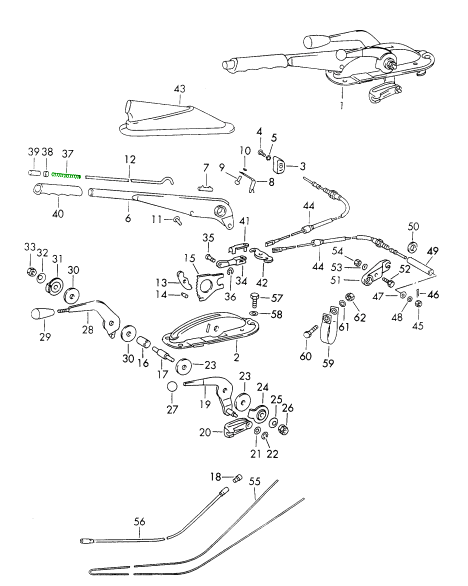
Handbrake Lever Compression Spring
Restore the
correct operation and feel of your Porsche handbrake mechanism with this OE
Match Handbrake Lever Compression spring. This spring forms part of the handbrake lever assembly and helps the
locking and release mechanism operate correctly. Although a relatively small
component, correct spring tension is important for smooth and consistent
operation of the parking brake lever.
Fits:
- Porsche 911 1965-1968 2.0L / 912 SWB (F)
- Porsche 911 1968-1973 2.2L / 2.4L / 2.7L RS LWB (F)
- Porsche 911 1974-1977 2.7L / 1976-77 3.0 Carrera
- Porsche 911 1978-1983 3.0L / SC
- Porsche 911 1984-1986 3.2L
- Porsche 911 1987-1989 3.2L G50
- Porsche 911 1975-1977 3.0L Turbo (930)
- Porsche 911 1978-1989 3.3L Turbo (930)
- Porsche 964 (911) C2 1989-93
- Porsche 964 (911) C4 1989-93
- Porsche 964 (911) RS 3.6L 1991-93
- Porsche 964 (911) RS 3.8L 1991-93
- Porsche 964 (911) TURBO 3.3L 1991-93
- Porsche 964 (911) TURBO 3.6L 1991-93
- Porsche 993 (911) C2 1994-97
- Porsche 993 (911) C4 1994-97
- Porsche 993 (911) RS 1994-97
- Porsche 993 (911) C2S 1994-97
- Porsche 993 (911) C4S 1994-97
- Porsche 993 (911) TURBO 1994-96
- Porsche 993 (911) GT2 1994-97
- Porsche 993 (911) TURBO S 1994-97
- Porsche 944 2.5L 8V 1982-87
- Porsche 944 2.7L 8V 1988-89
- Porsche 944S 2.5L 16V 1987-88
- Porsche 944S2 3.0L 16V 1989-91
- Porsche 944 Turbo 2.5L 8V 1985-88
- Porsche 944 Turbo 2.5L 8V 1989-91
- Porsche 944 Turbo S 2.5L 8V 1988
- Porsche 968 3.0L 1992-94
- Porsche 968 Sport 3.0L 1994-95
- Porsche 968 CS 3.0L 1993-95
- Porsche 968 Turbo S 3.0L 1993-94
- Porsche 928 4.5L 1978-82
- Porsche 928S 4.7L 1981-83
- Porsche 928S2 4.7L 1984-86
- Porsche 928S4 5.0L 1987-92
- Porsche 928GT 5.0L 1989-91
- Porsche 914 (1970-1976)
Diagram ref no 37
Over time, the original spring can weaken, become damaged or corroded, particularly on older Porsche models. Replacing a worn spring is a simple but important step when repairing or restoring the handbrake lever assembly.
What Does a Handbrake Lever Compression Spring Do?
The compression spring provides controlled spring pressure within the handbrake lever mechanism, helping the associated locking and release components return and engage correctly during operation.
A correctly
functioning spring helps provide:
- Smooth handbrake lever operation
- Consistent spring pressure
- Correct operation of the locking mechanism
- Positive engagement and release
- Reliable operation of the handbrake lever assembly
When Should the Compression Spring Be Replaced?
Replacement
should be considered if:
- The spring is broken or damaged
- Corrosion is visible
- Spring tension has weakened
- The handbrake release mechanism feels loose or inconsistent
- The handbrake lever assembly is being rebuilt or restored
When servicing the handbrake lever, it is also advisable to inspect the locking segment, pawl and related components for signs of wear.
Porsche Handbrake Lever & Parking Brake Components
A correctly functioning handbrake relies on several small mechanical components working together. Springs, locking segments, pawls and other handbrake lever parts can gradually wear or corrode, affecting the feel and operation of the parking brake.
Replacing worn handbrake mechanism components during maintenance or restoration helps return the assembly to correct working order and is particularly worthwhile when rebuilding the handbrake lever on a classic Porsche.
Related reference numbers
Related, superseded, cross reference or alternative numbers for comparison.
90142454300
The product you are viewing cross references to these numbers

- Porsche 911 1965-1968 2.0L / 912 SWB (F)
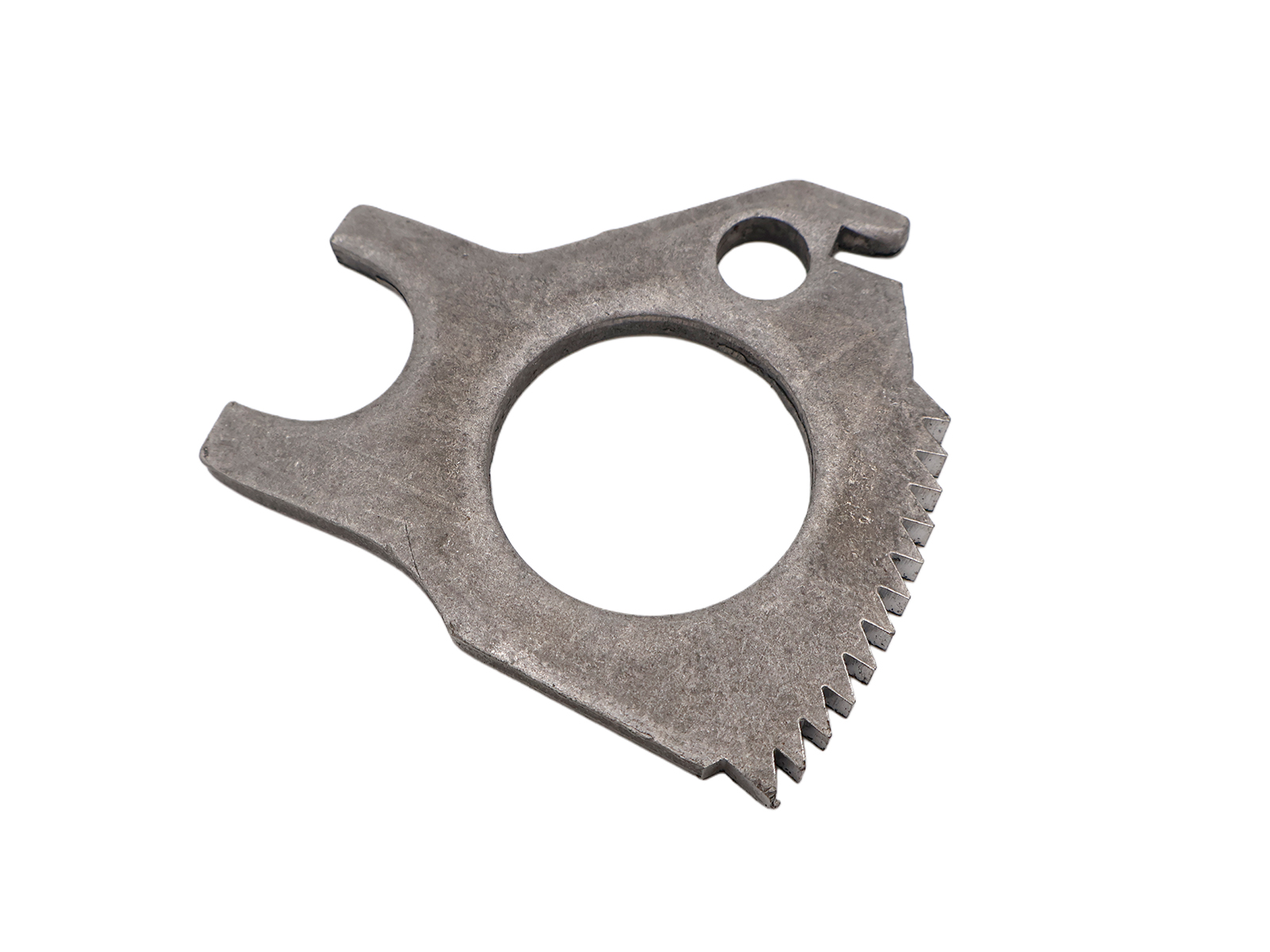
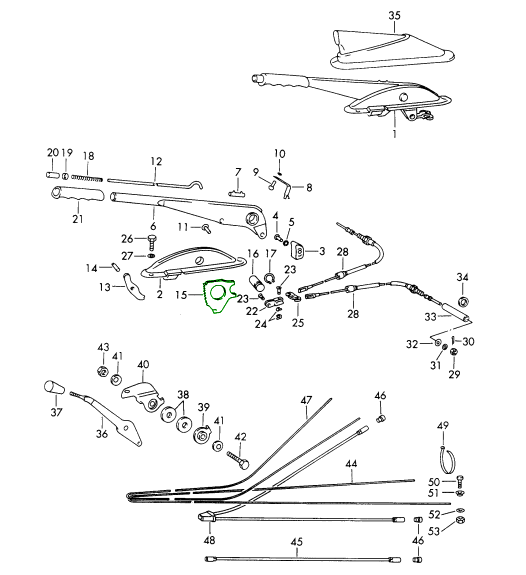
Handbrake Locking Segment
Restore the correct operation of your Porsche 911 handbrake with this OE Match Handbrake Locking Segment.
The locking segment forms part of the
handbrake lever's ratchet mechanism. Its toothed profile works with the
handbrake pawl to hold the lever securely at the selected position when the
parking brake is applied.
Fits:
- Porsche 911 1965-1968 2.0L / 912 SWB (F)
Diagram ref no 16
Over time, repeated operation can cause the teeth of the locking segment to become worn or damaged. This can result in poor engagement, slipping or difficulty keeping the handbrake lever securely locked in position.
Replacing a worn locking segment helps restore positive ratchet engagement and correct operation of the handbrake mechanism.
What Does a Handbrake Locking Segment Do?
When the handbrake lever is raised, the pawl moves across the teeth of the locking segment. Each tooth allows the lever to remain securely in position until the release button is pressed.
A correctly functioning locking segment
provides:
- Positive handbrake lever engagement
- Secure ratchet operation
- Consistent lever positioning
- Reliable interaction between the ratchet and pawl
- Correct operation of the parking brake lever mechanism
When Should the Locking Segment Be Replaced?
Replacement may be required if:
- Ratchet teeth are visibly worn or damaged
- The handbrake lever slips after being applied
- The lever no longer locks positively
- Ratchet engagement feels inconsistent
- The handbrake mechanism is being restored or rebuilt
When replacing the locking segment, it is also advisable to inspect the mating pawl and other handbrake lever components for wear.
Porsche 911 Handbrake & Parking Brake Components
The Porsche 911 handbrake system relies on several mechanical components working together to provide secure and predictable operation. Wear to the locking segment, pawl or associated lever mechanism can affect how positively the handbrake engages and releases.
Replacing worn components with correctly specified parts helps restore the original feel and function of the parking brake mechanism, making these parts particularly important during the restoration or maintenance of a classic Porsche 911.
Related reference numbers
Related, superseded, cross reference or alternative numbers for comparison.
90142454101
The product you are viewing cross references to these numbers

- Porsche 993 (911) TURBO 1994-96
- Porsche 993 (911) TURBO S 1994-97
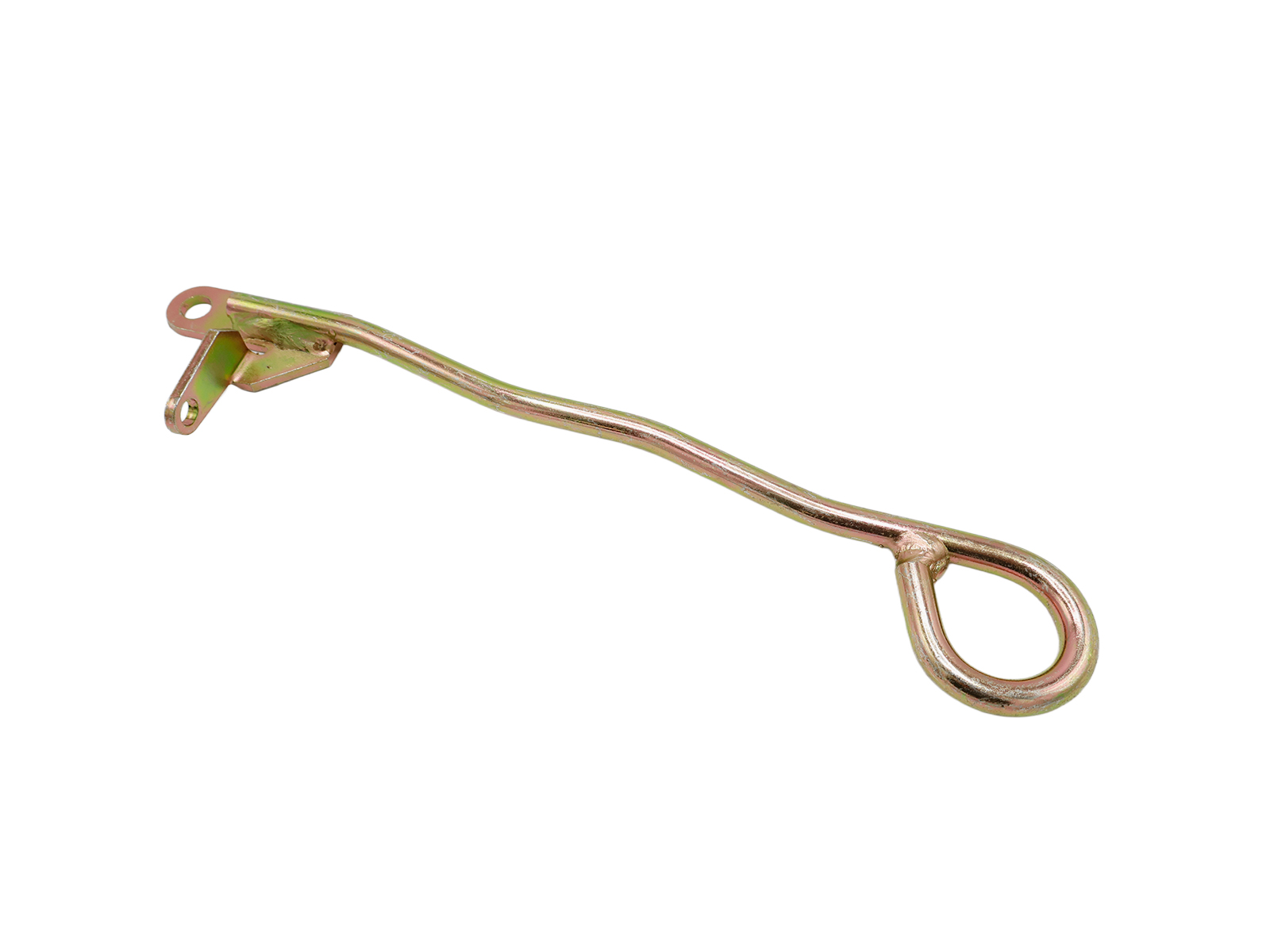
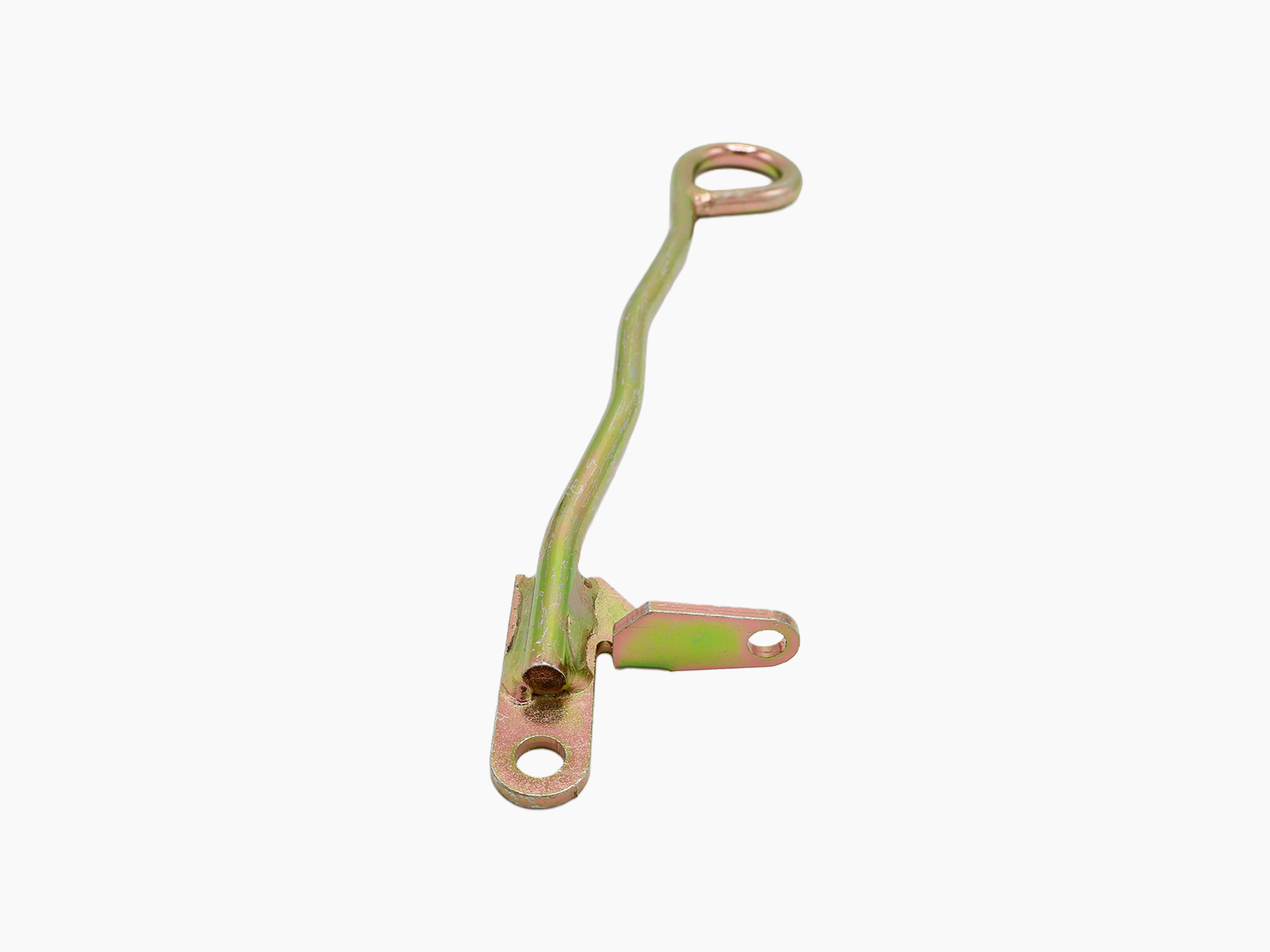
Retaining Bar for Crankcase
Restore your Porsche 993 turbo engine with this OE Match
Crankcase Retaining Bar.
Designed for use within the crankcase assembly, this
component helps maintain the correct positioning and retention of associated
engine components. Accurate fitment is particularly important on a
high-performance air-cooled engine such as the Porsche 993 Turbo, making a
correctly manufactured replacement an essential consideration during an engine
rebuild or crankcase overhaul.
Fits:
- Porsche 993 (911) TURBO 1994-96
- Porsche 993 (911) TURBO S 1994-97
Diagram Ref No 38
This OE Match component provides a practical replacement where the original retaining bar has become damaged, worn or unsuitable for reuse.
What Does a Crankcase Retaining Bar Do?
The retaining bar forms part of the crankcase assembly and is designed to secure and correctly locate the components it supports within the engine.
Its functions include:
- Providing secure retention within the crankcase assembly
- Maintaining correct component positioning
- Supporting reliable engine assembly
- Helping restore the crankcase to the correct configuration during rebuilding
Although relatively simple in appearance, retaining components are important to the correct assembly and long-term reliability of the engine.
Why Do Crankcase Retaining Bars Fail?
Unlike routine service components, a crankcase retaining bar does not normally have a fixed replacement interval. Replacement is generally required because of age, damage or issues discovered during engine disassembly.
Common reasons for replacement can include:
- Physical damage during previous engine work
- Corrosion or deterioration
- Distortion
- Damaged mounting or contact areas
- Previous incorrect installation
- Unsuitability for reuse during a comprehensive engine rebuild
When Should It Be Replaced?
The retaining bar should be inspected whenever the relevant crankcase components are dismantled.
Replacement is recommended when:
- The original component is damaged or distorted
- Corrosion or deterioration is present
- Correct fitment can no longer be guaranteed
- Carrying out a major Porsche 993 Turbo engine rebuild
- Restoring an engine where previous repair quality is unknown
- The original retaining component is missing
Replacing questionable retaining hardware during an engine rebuild can help ensure the assembly is returned to the correct specification.
Porsche 993 Turbo Crankcase and Engine Rebuild Parts
Rebuilding a Porsche 993 Turbo engine requires careful attention to both major internal components and the smaller retaining hardware used throughout the crankcase assembly.
Components such as the crankcase retaining bar should be carefully inspected during disassembly. Reusing damaged, distorted or heavily deteriorated parts can compromise the quality of an otherwise comprehensive engine rebuild.
For customers searching for Porsche 993 Turbo crankcase parts, Porsche 993 engine rebuild components or replacement part number 99310115150, this OE Match retaining bar provides a suitable solution for maintenance, restoration and complete engine overhaul projects.
Benefits of OE Match Porsche 993 Turbo Engine Parts
- Suitable for specialist Porsche engine rebuilds
- Replacement for ageing or damaged original components
- Helps restore correct engine assembly
- Ideal for Porsche 993 Turbo restoration projects
- Useful during crankcase inspection and overhaul
- Cost-effective alternative when replacing worn components
Related reference numbers
Related, superseded, cross reference or alternative numbers for comparison.
99310115150
The product you are viewing cross references to these numbers
- Porsche 911 1965-1968 2.0L / 912 SWB (F)
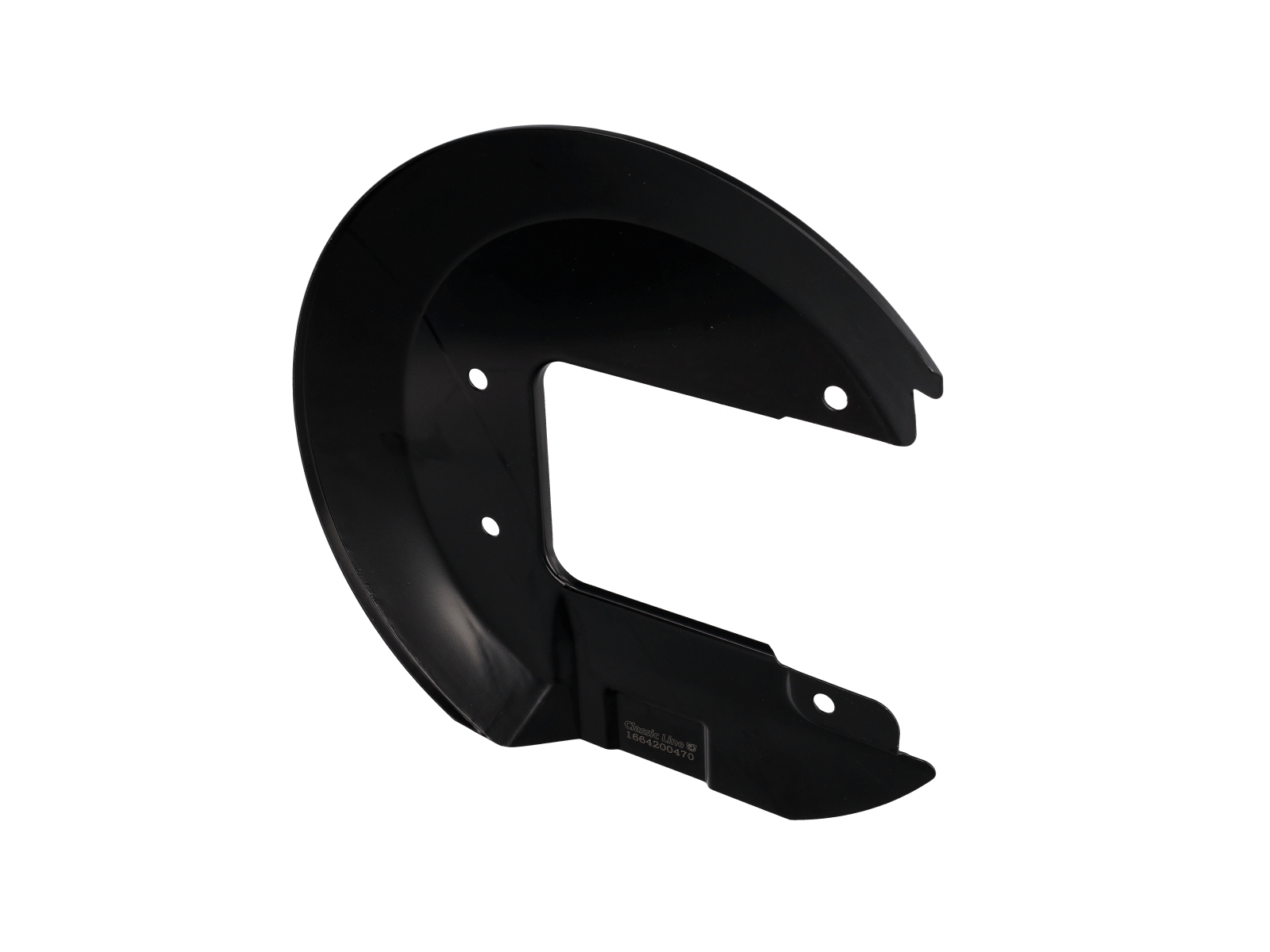
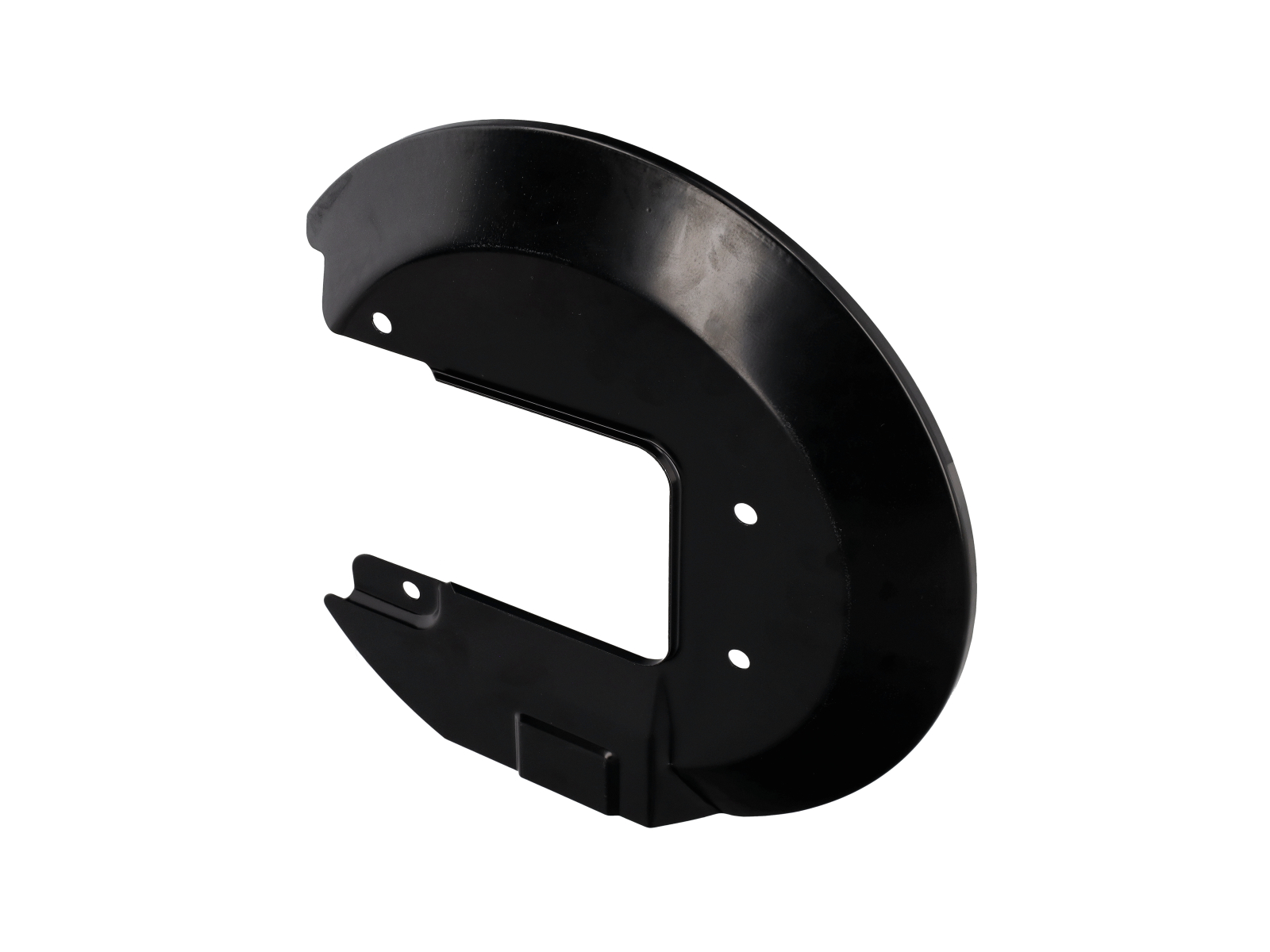
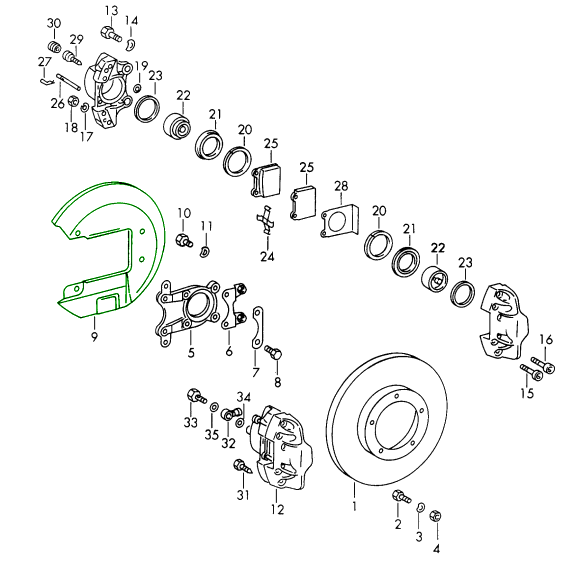
Brake Disc Cover Plate, Front
Restore an important protective component of your classic
Porsche braking system with this OE Match Front Brake Disc Cover Plate. The cover plate sits behind the front brake disc and
helps protect the braking assembly from road dirt, stones, water and other
debris.
Fits:
- Porsche 911 1965-1968 2.0L / 912 SWB (F)
Diagram ref no 9
On early Porsche 911 models, the original cover plates can suffer significant deterioration after decades of exposure to moisture, road contamination and repeated heating and cooling cycles. Replacing a damaged or heavily corroded plate is particularly worthwhile when carrying out a front brake overhaul or restoration.
What Does a Brake Disc Cover Plate Do?
The front brake disc cover plate, also commonly referred to as a brake backing plate or dust shield, sits behind the brake disc and provides a protective barrier around the braking assembly.
Its functions include:
- Helping shield braking components from road debris
- Reducing exposure to dirt and contamination
- Protecting the rear face of the brake disc area
- Maintaining the correct factory-style brake assembly
- Providing a complete finish during restoration
Why Do Brake Disc Cover Plates Fail?
Brake disc cover plates operate in a harsh environment where they are continuously exposed to moisture, road grime, heat and temperature changes.
Age-related corrosion is particularly common on classic Porsche 911 models. The plate can eventually weaken, crack or lose material around its edges and mounting points.
Damage may also occur during previous brake, wheel bearing, hub or suspension work. A distorted plate can potentially contact the rotating brake disc and create unwanted scraping or rubbing noises.
When Should They Be Replaced?
Replacement should be considered when:
- The original plate is heavily corroded
- Sections have rusted away
- The plate is cracked or distorted
- Mounting points are damaged
- The plate is rubbing against the brake disc
- Restoring or rebuilding the front braking system
- Carrying out a comprehensive classic
- Porsche restoration
Replacing deteriorated cover plates while the front brake assembly is already dismantled can also help avoid additional labour later.
Porsche 911 1965-68 Front Brake Disc Cover Plates
Maintaining the braking system of an early Porsche 911 involves more than replacing brake discs and pads. Protective components such as the front brake disc cover plate can deteriorate considerably over time and should be inspected whenever the front braking, hub or wheel bearing assembly is dismantled.
For owners searching for a Porsche 911 1965-68 front brake backing plate, brake dust shield or brake disc protector, this OE Match replacement provides a practical solution for restoring an ageing braking system.
Replacing corroded brake cover plates alongside other front brake components helps return the assembly to a clean, complete and properly protected condition, making them particularly suitable for restoration projects and preventative maintenance.
Benefits of OE Match Front Brake Disc Cover Plates
- Direct replacement for ageing original components
- Helps protect brake components from contamination
- Suitable for Porsche 911 1965-68 restoration projects
- Ideal during front brake refurbishment
- Useful when replacing discs, bearings or associated brake components
- Helps maintain the original brake assembly configuration
Related reference numbers
Related, superseded, cross reference or alternative numbers for comparison.
90135180
The product you are viewing cross references to these numbers