
Your Porsche



Enter your VAT number here and click Verify:
Your details have been verified. VAT number registered to:
,
.
Your order will now be zero rated for VAT purposes. We reserve the right to verify these details after your order request has been made and reinstate VAT if required.
Your VAT details were not recognised or were invalid. Your VAT number must be matched to your Billing Country as specified above. This is currently specified as . You do not need to enter the country code part of your VAT number as this has already been selected in your billing address details above.
The VAT number checking service is currently offline. Please supply your VAT details within the comments or special instructions field below and we will apply a VAT discount after placing your order request.
OE Match

OE Match for Porsche
OE Match is a specialist replacement-parts brand developed around Porsche applications, covering routine maintenance, mechanical repairs, restoration and difficult-to-source components for classic and modern models. Design911 selects brands for quality and Porsche fitment, with knowledgeable specialists available to help owners and workshops choose suitable parts.
The OE Match story
OE Match is focused on preserving Porsche vehicles by returning hard-to-find and no-longer-available components to the market. Its purpose is to keep Porsche vehicles maintained, repaired, restored and usable for the future, particularly where original components have become expensive, difficult to source or discontinued.
Supplied catalogue information records over 8000 individual part numbers, more than 11,800 OE cross-references and over 100 new products in engineering, while the wider product programme contains more than 9,000 variants; these figures describe different measures of the range. Continuing development involves researching the parts owners and workshops genuinely need, working with specialist manufacturers, reviewing engineering specifications, assessing samples, testing and approving components before release. From small seals, clips and brackets to major mechanical components, the aim is to prevent a difficult-to-source item from holding up an entire repair or restoration: preserving Porsche, one part at a time.
Why choose OE Match for your Porsche
OE Match is a quality aftermarket and OE-equivalent replacement option developed specifically around Porsche applications rather than adapted from a general aftermarket range. Original references, vehicle fitment information, dimensions, materials and component specifications are used to identify suitable replacements for routine service, age-related wear, larger mechanical repairs and restoration work.
Its research, development and quality-control processes assess material and manufacturing quality, dimensions and specification, OE-reference compatibility, vehicle application, fit and function, supplier samples, product consistency, packaging and presentation. Where appropriate, physical inspection and fitment evaluation form part of final approval, and products must meet the programme's requirements before entering the catalogue.
Coverage includes the Porsche 356, 911, 912, 914, 924, 944 and 928, alongside the 964, 993, Boxster 986, 996, Cayenne, Cayman and 997. This gives owners, enthusiasts, independent specialists and professional workshops a Porsche-focused replacement option alongside Genuine Porsche parts. OE Match is intended to provide correctly specified, OE-equivalent replacements with sensible running costs rather than simply serving as a lower-cost alternative. Design911 selects the brands it carries for quality and fitment and can advise customers on suitable options for maintenance, restoration or upgrades.
- A replacement-parts programme developed specifically around Porsche applications.
- More than 9,000 product variants within the wider programme.
- Original Porsche part-number cross-references wherever applicable.
- Dedicated research, development, sample evaluation and quality-control processes.
- Classic and modern Porsche coverage for maintenance, repairs and restoration.
- Development focused on difficult-to-source and discontinued applications.
Categories we stock from this brand
Design911 stocks OE Match across an extensive range of Porsche mechanical, electrical, body, interior and maintenance categories. Original Porsche references help identify replacements where part numbers have been superseded or several versions exist. Always check the model, production year, engine, transmission, side or position, connector type where relevant and individual product notes. Incorrect application, mismatched versions, reused seals or hardware and worn supporting components can cause noise, premature wear, leaks, fitment problems or repeat failures. Safety-critical specifications and installation should be checked by a competent technician.
Engine components
OE Match engine coverage supports maintenance, repair and rebuilding work, ranging from small retaining hardware and brackets to components associated with the cylinder heads, crankcase, valve train and supporting engine systems.
- Confirm the engine type, capacity, production year and original reference.
- Inspect associated seals, fasteners and supporting components during engine work.
- Check whether components require specialist measuring, machining or installation procedures.
Engine seals and gaskets
Replacement seals and gaskets help address oil, coolant, air and vacuum leaks throughout classic and modern Porsche engines. The range supports individual repairs as well as more extensive engine resealing and rebuilding projects.
- Identify the source of a leak before replacing components.
- Check mating surfaces, housings and fasteners for wear or damage.
- Use the correct gasket or seal version for the engine and production year.
Cooling systems and radiators
OE Match cooling-system coverage includes components used to circulate coolant, control temperature and transfer heat away from the engine. These parts support repairs involving radiators, pipework, hoses, fittings and related cooling hardware.
- Investigate coolant loss, overheating, staining and damaged hoses promptly.
- Check pressure caps, clips, seals and connecting pipes during cooling-system work.
- Bleed and refill the system using the correct model-specific procedure.
Oil system components
Oil-system parts support engine lubrication, oil circulation, filtration and leak repair. Coverage can assist with routine servicing as well as work on oil lines, fittings, housings, seals and associated hardware.
- Confirm thread sizes, connection types and component position.
- Inspect flexible lines and seals for age-related hardening or leakage.
- Verify the required oil specification and system capacity separately.
Transmission and drivetrain
OE Match transmission and drivetrain parts support manual and automatic gearbox repairs, clutch operation, gear selection and the transfer of power to the driven wheels.
- Match parts to the exact gearbox or transmission code where specified.
- Check splines, bearings, seals, joints and supporting hardware for related wear.
- Diagnose noise, vibration or difficult gear selection before ordering components.
Engine and gearbox mounts
Replacement mounts help support the powertrain, maintain alignment and control unwanted engine and transmission movement. Worn mounts may contribute to vibration, knocking, drivetrain shunt or unsettled gear changes.
- Inspect mounts for cracking, collapse, separation and oil contamination.
- Check mounting bolts, washers, brackets and surrounding hardware.
- Consider replacing paired mounts together where required by the application.
Suspension and steering
OE Match suspension hardware and steering components support repairs intended to restore accurate wheel control, alignment and predictable steering response. Coverage includes wear-related items used around suspension joints, mounting points and steering assemblies.
- Investigate play, knocking, uneven tyre wear and unstable handling.
- Check left- and right-hand applications and axle position carefully.
- Arrange wheel alignment after replacing components that affect geometry.
Braking components
OE Match braking components form part of its Porsche-specific replacement programme. Brake work may address wear, restore stopping performance or prepare a car for fast-road or track use, but the specification of each component must suit the intended application.
- Symptoms prompting inspection include vibration, longer stopping distances, squealing, pulling to one side, warning lights and visible disc or pad wear.
- Confirm whether the selected component is an OE-equivalent replacement or a performance upgrade.
- Check whether new fitting kits, seals, hardware and pad wear sensors are required.
Electrical and ignition
Electrical and ignition coverage supports Porsche repairs involving starting, charging, ignition and engine-management faults. Correct diagnosis is particularly important because wiring, supply voltage, earth connections and other supporting components can produce similar symptoms.
- Typical symptoms include intermittent no-start, misfires, rough idle, poor charging, warning lights and heat-soak failures.
- Check the original reference, engine, production year and connector type.
- Test power supplies, earths and wiring before replacing electrical components.
Sensors and switches
OE Match sensors and switches provide replacement options for systems that monitor or control engine operation, temperature, pressure, position, lighting and driver warnings.
- Similar-looking sensors may have different calibrations, connectors or applications.
- Use fault codes as a diagnostic guide rather than proof that a sensor has failed.
- Inspect connectors for corrosion, damaged terminals and degraded wiring.
Heating and air conditioning
Heating, ventilation and air-conditioning components support cabin temperature control, airflow and demisting. The range covers replacement needs involving blower assemblies, controls, ducts, valves, fittings and related hardware.
- Check whether parts differ between left- and right-hand-drive vehicles.
- Confirm connector, housing and production-year variations.
- Refrigerant-system work should be completed by an appropriately qualified technician.
Exhaust components
OE Match exhaust coverage supports repairs to worn, corroded or leaking parts of the exhaust system, together with associated brackets, clamps, seals and fittings.
- Inspect joints, flanges, fixings and heat shields when replacing exhaust parts.
- Check emissions equipment and sensor positions for the specific model.
- Corroded fasteners may require additional hardware during installation.
Rubber seals and hoses
Rubber components are important throughout a Porsche for sealing fluids, air, weather and noise. OE Match coverage assists with replacing hardened, split, swollen, leaking or missing hoses, boots, grommets and sealing profiles.
- Match the shape, dimensions, connection points and intended fluid or system.
- Inspect adjoining clips, pipes and sealing surfaces.
- Age-related rubber deterioration can affect several nearby components at once.
Exterior trim and body components
Exterior and body coverage supports accident repair, cosmetic refurbishment and restoration. It includes replacement needs involving trim, lamps, brackets, fixings, seals and other model-specific body fittings.
- Confirm body style, side, position, colour and finish where applicable.
- Check whether clips, seals or mounting hardware are supplied separately.
- Compare the original component and reference before installation.
Interior components
OE Match interior products support the repair and restoration of cabin fittings that may have worn, faded, broken or become difficult to source with age.
- Check colour, finish, side and model-year variations.
- Inspect clips, brackets and fixing points before fitting replacement trim.
- Some interior components may differ according to body style or equipment specification.
Service and maintenance parts
OE Match service components support scheduled upkeep across Porsche generations, helping owners and workshops maintain reliability, efficiency and system protection while addressing everyday wear.
- Hard starting, rough idle, poor fuel economy and warning lights can accompany clogged filters or worn ignition components.
- Select service items against the exact Porsche model, engine, production year and required specification.
- Review related seals, hardware and other maintenance items when planning a larger service.
Restoration hardware
Restoration hardware covers the small but essential fasteners, brackets, clips, fittings and retaining components needed to complete repairs accurately and securely.
- Record the position and orientation of original hardware during dismantling.
- Check thread, length, finish, quantity and model application.
- Replacing damaged or heavily corroded hardware can prevent delays during reassembly.
Difficult-to-source and discontinued applications
A central purpose of the OE Match programme is identifying gaps where original Porsche parts have become difficult to obtain or are no longer available. Reintroduced components can help prevent one missing seal, clip, bracket or mechanical part from delaying an otherwise complete repair or restoration.
- Use OE cross-references and dimensions to verify the intended application.
- Check whether the original number has been superseded.
- Review product-specific fitment notes where several component versions exist.
Brake Pad Wear Sensors
OE Match brake pad wear sensors provide replacement options for Porsche brake servicing. Sensors may need renewal when pads are replaced or when a worn or damaged sensor causes a brake wear warning.
- Warning messages with new pads, damaged sensor cables and broken clips warrant inspection.
- Match the OE reference, caliper application, model year, connector and sensor position.
- Check the quantity required and whether sensors are included with the selected brake parts.
Engine Electrical
OE Match engine electrical parts cover starting, charging, ignition, sensor and switch applications. They support repairs involving intermittent no-start, misfires, rough idle, stalling, battery drain, poor charging, warning lights, inconsistent readings and heat-related failures.
- Similar-looking components may have different electrical or vehicle applications.
- Repeat faults can indicate a mismatched component or a worn supporting item.
- Battery condition, earth straps, connectors and voltage drop should be checked during diagnosis.
Service Parts
OE Match service parts cover everyday maintenance requirements intended to protect the engine, gearbox and other major systems. Routine replacement can address natural wear caused by heat, friction, fluid degradation and environmental exposure.
- Match filters, ignition parts, belts and fluids to the exact vehicle specification.
- Many symptoms overlap, so establishing a sound service baseline can assist diagnosis.
- Keep a service record to support future maintenance and fault finding.
Service Kits
OE Match service kits group key maintenance components to simplify servicing and establish a known baseline. They are particularly useful when catching up on overdue maintenance or assessing sluggish running, inconsistent idle, poor economy and reduced performance.
- Match each kit to the exact Porsche model, engine and production year.
- Contents vary, so review the included components rather than assuming every service item is supplied.
- Add any required while-you-are-there items, such as spark plugs, belts, fluids, seals or hardware.
Explore the range
Browse the OE Match Porsche range at Design911, then narrow your selection by model and category and cross-check the original part references and fitment notes. Whether you are planning routine maintenance, a workshop repair or a complete restoration, Design911's Porsche specialists can help identify suitable components within a programme focused on fitment, quality and long-term vehicle preservation.


- Porsche 911 1965-1968 2.0L / 912 SWB (F)
- Porsche 911 1968-1973 2.2L / 2.4L / 2.7L RS LWB (F)
- Porsche 911 1974-1977 2.7L / 1976-77 3.0 Carrera
Aluminium Engine Baffle Kit – 8 Piece
Restore the efficiency of your air-cooled engine with this Aluminium Engine Baffle Kit, comprising 8 precision-manufactured
aluminium baffle plates. This complete kit helps ensure cooling air is directed exactly
where Porsche intended, protecting your engine from excessive operating
temperatures.
Fits:
- Porsche 911 1965-1968 2.0L / 912 SWB (F)
- Porsche 911 1968-1973 2.2L / 2.4L / 2.7L RS LWB (F)
- Porsche 911 1974-1977 2.7L / 1976-77 3.0 Carrera
Unlike a water-cooled engine, the classic Porsche flat-six relies entirely on carefully managed airflow generated by the engine cooling fan. The aluminium baffle plates fit between the cylinders and cylinder heads, sealing critical gaps and directing cooling air through the cooling fins rather than allowing it to escape around the engine.
Without these baffles in place, cooling efficiency is significantly reduced, allowing hot spots to develop around the cylinders and heads. This can lead to increased engine temperatures, reduced reliability and accelerated engine wear.
Manufactured to OE Match standards from lightweight, corrosion-resistant aluminium, this 8-piece kit offers factory-style fitment and is an essential component during engine rebuilds, restorations or whenever the engine is stripped for maintenance.
What Do Engine Baffle Plates Do?
Engine baffle plates are a critical part of the Porsche air-cooled engine's cooling system. Installed between the cylinders and beneath the cylinder heads, they ensure the airflow produced by the cooling fan is forced through the cylinder and head cooling fins.
Their primary functions include:
- Directing cooling air through the cylinders and heads
- Preventing cooling air from escaping through unwanted gaps
- Promoting even engine temperatures
- Reducing the risk of localised overheating
- Improving cooling efficiency throughout the engine
Although hidden once the engine is assembled, these small aluminium panels play a vital role in maintaining the longevity and performance of the flat-six engine.
Why Do Engine Baffles Fail?
Over many decades of service, engine baffles are exposed to continual heat cycles, vibration, corrosion and repeated engine dismantling.
Common causes of failure include:
- Corrosion caused by moisture and oxidation
- Distortion from excessive heat
- Cracking due to vibration or incorrect handling
- Damage during engine disassembly
- Missing panels following previous engine repairs
- Incorrectly fitted replacements
Bent or damaged baffles may no longer seal correctly against the cylinders, allowing valuable cooling air to bypass the cooling fins. Even small gaps can reduce the effectiveness of the air-cooling system.
When Should Engine Baffles Be Replaced?
Because these components are only accessible during engine disassembly, replacement is highly recommended whenever the engine is apart.
Replacement should be considered if:
- The engine is being rebuilt
- Cylinder heads or barrels are removed
- Baffles show corrosion or oxidation
- Panels are bent or distorted
- Cracks are visible
- One or more baffles are missing
- Previous repairs have used damaged or incorrect parts
Installing new OE Match aluminium baffles during an engine rebuild helps restore the original cooling efficiency and contributes to the long-term reliability of the engine.
Porsche 911 Engine Cooling & Air-Cooled Engine Components
Efficient cooling is fundamental to the performance and longevity of every classic air-cooled Porsche engine. Unlike water-cooled engines, the Porsche flat-six depends entirely on carefully controlled airflow to dissipate heat from the cylinders and cylinder heads.
Every component within the cooling system—including the engine fan, fan housing, engine tinware and internal aluminium baffles—works together to ensure cooling air is distributed evenly throughout the engine.
Replacing worn or missing baffles during an engine rebuild helps restore the factory cooling system to its original efficiency, reducing the risk of overheating and contributing to longer engine life.
Whether you're completing a concours restoration or a high-quality engine rebuild, correctly fitted aluminium baffles are an essential part of achieving reliable performance.
Benefits of Replacing the Engine Baffle Kit
- Restores correct cooling airflow
- Improves cylinder and cylinder head cooling
- Reduces the risk of overheating
- Replaces corroded or damaged original baffles
- Helps maximise engine reliability and longevity
- Provides factory-style fitment
- Essential for professional engine rebuilds and restorations
Related reference numbers
Related, superseded, cross reference or alternative numbers for comparison.
90110603501
The product you are viewing cross references to these numbers


- Porsche Boxster 986 2.5L 1997-99
- Porsche Boxster 986 2.7L 1999-02
- Porsche Boxster S 986 3.2L 1999-02
- Porsche Boxster 986 2.7L 2003-04
- Porsche Boxster S 986 3.2L 2003-04
- Porsche Boxster 987 2.7L 2005-08/08
- Porsche Boxster 987 S 3.2/3.4L 2005-08/08
- Porsche Boxster 987 MKII 2.9L 2009-12
- Porsche Boxster S 987 MKII 3.4L 2009-12
- Porsche Boxster 981 2.7L 2012-16
- Porsche Boxster 981 S / GTS 3.4L 2012-16
- Porsche Boxster 718 2.0L Manual (300 Bhp) 2017>>
- Porsche Boxster 718 2.0L PDK (300 Bhp) 2017>>
- Porsche Boxster S 718 2.5L Manual (350 Bhp) 05/2017>>
- Porsche Boxster S 718 2.5L PDK (350 Bhp) 05/2017>>
- Porsche 996 C2 3.4L 1997-08/01
- Porsche 996 C4 3.4L 1997-08/01
- Porsche 996 C2 3.6L 09/01-2005
- Porsche 996 C4 3.6L 09/01-2005
- Porsche 996 C4S 3.6L 09/01-2005
- Porsche 996 GT2 2001-05
- Porsche 996 GT3 MKI 1999-02
- Porsche 996 GT3 MKII 2003>>
- Porsche 996 GT3 RS 2003-04
- Porsche 997 MK1 Carrera 2 3.6L 2005-08
- Porsche 997 MK1 Carrera 2S 3.8L 2005-08
- Porsche 997 MK1 Carrera 4 3.6L 2005-08
- Porsche 997 MK1 Carrera 4S 3.8L 2005-08
- Porsche 997 MK1 TURBO 2007-09
- Porsche 997 MK1 GT3 / GT3 RS 2007-09
- Porsche 997 MK1 GT2 2007-09
- Porsche 997 MKII Carrera C2 3.6L 2009-12
- Porsche 997 MKII Carrera C4 3.6L 2009-12
- Porsche 997 MKII Carrera C2S 3.8L 2009-12
- Porsche 997 MKII Carrera C4S 3.8L 2009-12
- Porsche 997 MKII GT3 / GT3 RS 2010-11
- Porsche 997 MKII Turbo 2010-13
- Porsche 997 MKII GT2 RS 2011-13
- Porsche 991.1 Carrera C2 3.4L (350 Bhp) 2012-16
- Porsche 991.1 Carrera C2S / GTS 3.8L (400/430 Bhp) 2012-16
- Porsche 991.1 Carrera C4 3.4L (350 Bhp) 2012-16
- Porsche 991.1 Carrera C4S / GTS 3.8L (400/430 Bhp) 2012-16
- Porsche 991.1 Turbo 3.8L (520 Bhp) 2014-16
- Porsche 991.1 Turbo S 3.8L (560 Bhp) 2014-16
- Porsche 991.2 Turbo Coupe 3.8L (540 Bhp) 2016-19
- Porsche 991.2 Turbo S Coupe 3.8L (580 Bhp) 2016-19
- Porsche 991.2 Turbo Cabriolet 3.8L (540 Bhp) 2016-19
- Porsche 991.2 Turbo S Cabriolet 3.8L (580 Bhp) 2016-19
- Porsche Cayman 2.7L 987C 2006-08
- Porsche Cayman S 3.4L 987C 2005-08
- Porsche Cayman 2.9L 987C MKII 2009-12
- Porsche Cayman S / R 3.4L 987C MKII 2009-12
- Porsche Cayman 2.7L 981 2013-16
- Porsche Cayman S / GTS 3.4L 981 2013-16
- Porsche Cayman GT4 3.8L 2015-16
- Porsche Cayman 718 2.0L Manual (300 Bhp)
- Porsche Cayman 718 2.0L PDK (300 Bhp)
- Porsche Cayman S 718 2.5L Manual (350 Bhp)
- Porsche Cayman S 718 2.5L PDK (350 Bhp)
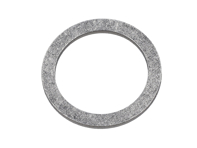
This small but critical component creates a secure, leak-proof seal between the oil drain plug and the engine’s oil pan to prevent engine oil seepage. It is sized and manufactured to match the original Porsche specification for a reliable fit and sealing performance.
Sold each
Fits:
Porsche 986 Boxster
Porsche 987 Boxster
Porsche 981 Boxster
Porsche 982 (718) Boxster
Porsche 987C Cayman
Porsche 981C Cayman
Porsche 982 (718) Cayman
Porsche 996
Porsche 997
Porsche 991
Diagram ref no 24
This premium OE Match seal ring (also referred to as a crush washer or gasket) is engineered to the correct inner/outer diameters and material thickness used by Porsche on multiple model platforms.
The seal ring is ideal for use during every oil change where the drain plug has been removed and reinstalled, and whenever the original ring shows signs of compression set, distortion, corrosion, or damage. This OE Match version delivers a direct fit and consistent sealing performance comparable to the factory-specified part.
The oil drain plug seal ring sits between the oil drain plug head and the engine oil pan surface. When the drain plug is torqued to specification, the seal ring compresses slightly to form a fluid-tight barrier, preventing engine oil from escaping the sump under pressure or vibration. A proper seal helps maintain correct oil levels and prevents messy leaks on the road or in the garage.
Function: Installed each time the engine oil drain plug is removed, the seal ring is “crushed” into place during installation, creating an even seal around the drain hole. Its function is critical because even small oil leaks can lead to reduced oil levels, potential engine damage, and contamination of suspension or exhaust components. The OE Match ring reproduces the original’s sealing surface characteristics so that torque and compression behavior remain within factory-designed tolerances.
Oil drain plug seal rings are single-use sealing components that deform each time the plug is installed. Reusing an old or compressed ring can lead to oil drips or leaks, especially under heat cycling and vibration. A proper OE Match seal ring ensures a dependable oil-tight seal, helping to preserve engine lubrication integrity, avoid oil loss, and protect against environmental contamination.
When to replace:
• Every time the **oil drain plug is removed”
• If existing seal ring shows cracks, flattening, or corrosion
• When performing routine oil and filter service
• After discovering minor oil seepage at the drain plug
• During engine maintenance or oil pan removal
Related reference numbers
Related, superseded, cross reference or alternative numbers for comparison.
90012310630
The product you are viewing cross references to these numbers


- Porsche 911 1965-1968 2.0L / 912 SWB (F)
- Porsche 911 1968-1973 2.2L / 2.4L / 2.7L RS LWB (F)
- Porsche 914 (1970-1976)
(For Cars With Butterfly Or Hockey Puck Type Horn Button)
Maintain reliable operation of your Porsche's steering wheel electrical functions with this OE Match Steering Wheel Column Contact Plate, manufactured as a direct replacement. Produced to OE-style specifications, this contact plate provides a continuous electrical connection between the steering column and steering wheel, ensuring dependable operation of the horn and other applicable steering wheel-mounted electrical functions while allowing the steering wheel to rotate freely.
Fits:
- Porsche 911 1965-1968 2.0L / 912 SWB (F)
- Porsche 911 1968-1973 2.2L / 2.4L / 2.7L RS LWB (F)
- Porsche 914 (1970-1976)
Diagram Ref No 29
Over time, the original contact plate can wear through repeated steering movement, develop corrosion on the contact surfaces, or become damaged due to age and regular use. These issues can result in intermittent or complete loss of the horn function and unreliable electrical contact. Replacing a worn or damaged contact plate restores dependable electrical continuity and helps ensure the steering wheel controls operate correctly. This OE Match steering wheel column contact plate is ideal for routine maintenance, electrical repairs, and Porsche restoration projects.
What This Product Does:
- Provides a continuous electrical connection between the steering column and steering wheel.
- Allows electrical circuits to remain connected while the steering wheel rotates.
- Supports reliable horn operation.
- Maintains consistent electrical contact during steering movement.
- Replaces worn, corroded, or damaged original contact plates.
- Restores dependable steering wheel electrical functions.
- Provides an OE-style fit and dependable quality.
Symptoms Of Wear Or Failure:
- Horn operating intermittently.
- Horn failing to operate altogether.
- Inconsistent electrical contact when turning the steering wheel.
- Worn or damaged contact surfaces.
- Corrosion affecting the contact plate.
- Excessive wear identified during steering column servicing.
- Electrical faults discovered during restoration.
Why Replacement Matters:
- The steering wheel column contact plate is an essential part of the Porsche steering column electrical system, maintaining continuous electrical contact between the fixed steering column and the rotating steering wheel. A worn or damaged contact plate can lead to unreliable horn operation and intermittent electrical faults, reducing both convenience and vehicle safety.
- Replacing a faulty contact plate restores dependable electrical continuity, ensures reliable horn operation, and helps maintain the correct function of the steering column electrical system. Manufactured as a direct replacement and produced to OE-style specifications, this OE Match Steering Wheel Column Contact Plate provides the correct fit, reliable performance, and long-lasting durability, making it an excellent choice for Porsche maintenance, repairs, and restoration projects.
Related reference numbers
Related, superseded, cross reference or alternative numbers for comparison.
90161391500
The product you are viewing cross references to these numbers


- Porsche 356B 1959-63
- Porsche 356C 1963-65
OE Match front bonnet handle for Porsche 356B and 356C models. Faithfully replicates the original factory design, offering perfect fit, polished finish, and authentic vintage styling—ideal for restorations or replacements.
Fits:
Porsche 356B / 356C 1960 - 1965
Diagram ref no 14
This handle is mounted on the front trunk / hood lid and allows the owner to pull open or latch the hood smoothly. It also acts as a decorative touch on vintage models, maintaining period-correct appearance.
Original hood handles can corrode, weaken, or break over time, detracting from both functionality and appearance. A new replacement handle restores reliable opening and closing of the hood, preserves exterior aesthetics, and ensures proper fit without needing modifications.
Related reference numbers
Related, superseded, cross reference or alternative numbers for comparison.
64455902105
The product you are viewing cross references to these numbers


- Porsche 356B 1959-63
- Porsche 356C 1963-65
Improve safety and restore the original appearance of your Porsche with this OE Match Reverse Light, manufactured as a direct replacement. Produced to OE-style specifications, this reverse light is designed to provide clear rearward illumination when reversing while signalling your intentions to other road users. It also restores the factory appearance of the rear lighting assembly with the correct fit and finish.
Fits:
- Porsche 356B 1959-63
- Porsche 356C 1963-65
Over time, the original reverse light can become cracked, faded, discoloured, or damaged through impact, UV exposure, and moisture ingress. A deteriorated light unit can reduce light output, allow water into the housing, and compromise both visibility and the appearance of the vehicle. Replacing a worn or damaged reverse light restores effective illumination and helps maintain the safe operation of the rear lighting system. This OE Match reverse light is ideal for routine maintenance, accident repairs, and Porsche restoration projects.
What This Product Does:
- Illuminates the area behind the vehicle when reversing.
- Signals to other road users that the vehicle is reversing.
- Restores the original appearance of the rear lighting assembly.
- Provides clear and consistent rearward illumination.
- Replaces cracked, faded, or damaged original reverse lights.
- Helps maintain safe reversing manoeuvres.
- Provides an OE-style fit and dependable quality.
Symptoms Of Wear Or Failure:
- Cracked or damaged reverse light lens.
- Reduced light output when reversing.
- Moisture or condensation inside the light unit.
- Discoloured or faded lens.
- Broken mounting points or housing.
- Water ingress affecting the light assembly.
- Damage identified during restoration or rear body repairs.
Why Replacement Matters:
- The reverse light is an essential component of the Porsche rear lighting system, improving visibility when reversing while alerting pedestrians and other road users that the vehicle is moving backwards. A damaged or deteriorated reverse light can reduce illumination, allow moisture to enter the light assembly, and negatively affect both safety and the appearance of the vehicle.
- Replacing a worn reverse light restores dependable rearward illumination, enhances reversing safety, and preserves the original factory appearance of the rear lighting assembly. Manufactured as a direct replacement and produced to OE-style specifications, this OE Match Reverse Light provides the correct fit, reliable performance, and long-lasting durability, making it an excellent choice for Porsche maintenance, repairs, and restoration projects.
Related reference numbers
Related, superseded, cross reference or alternative numbers for comparison.
64463163105
The product you are viewing cross references to these numbers


- Porsche 356 1950-55
- Porsche 356A 1955-59
- Porsche 356B 1959-63
Reproduction Hirschmann Red Tip Manual Antenna
Restore the authentic appearance and radio performance of
your classic Porsche with this OE Match reproduction Hirschmann Red Tip Manual Antenna. This antenna faithfully
reproduces the distinctive Hirschmann design that became synonymous with many
period-correct Porsche vehicles.
Fits:
- Porsche 356 1950-55
- Porsche 356A 1955-59
- Porsche 356B 1959-63
Featuring the iconic red tip and manually extendable telescopic mast, this antenna not only enhances the originality of your vehicle but also provides reliable AM and FM radio reception. It is the ideal finishing touch for concours restorations, period-correct refurbishments and owners wishing to retain the authentic character of their classic Porsche.
Manufactured to OE Match standards, this manual antenna delivers excellent fit, quality and appearance while maintaining the traditional operation expected from the original Hirschmann unit.
What Does the Manual Antenna Do?
The manual antenna receives radio signals and transmits them to the vehicle's radio receiver, allowing clear reception of AM and FM broadcasts. The telescopic mast can be manually extended for optimum signal strength or retracted when not in use to help protect it from accidental damage.
Beyond its practical purpose, the Hirschmann antenna is also an important visual detail on early Porsche models, contributing to the authentic factory appearance that collectors and enthusiasts value.
Why Do Manual Antennas Fail?
After decades of exposure to the elements, manual antennas naturally suffer from wear and deterioration.
Common causes of failure include:
- Corrosion of the telescopic mast
- Dirt and oxidation causing the mast to stick or seize
- Bent mast sections from accidental impact
- Worn or damaged internal extension mechanism
- Perished mounting seals allowing water ingress
- Corrosion of the antenna base or electrical connections
As corrosion develops, the antenna may become difficult to extend or retract, while damaged mast sections can significantly reduce radio reception. Water entering through deteriorated seals can also lead to corrosion within the wing and surrounding bodywork.
When Should the Manual Antenna Be Replaced?
Replacement is recommended whenever the antenna no longer operates smoothly or can no longer provide reliable radio reception.
Typical signs include:
- Poor or intermittent radio reception
- Bent or damaged telescopic mast
- Mast that sticks or will not fully extend
- Corrosion or pitting on the chrome sections
- Damaged or missing red tip
- Water leaks around the antenna mounting
- During concours restorations or bodywork refurbishment
Replacing the antenna restores both functionality and the period-correct appearance of the vehicle while helping to protect the bodywork from water ingress.
Porsche 356 Exterior Trim & Electrical Components
Attention to detail is what distinguishes an exceptional Porsche restoration, and exterior accessories such as the reproduction Hirschmann antenna play an important role in maintaining factory authenticity. While modern antennas may offer convenience, nothing matches the appearance and operation of the classic manually operated red tip aerial fitted to many early Porsche models.
Replacing a damaged or worn antenna not only improves radio reception but also restores one of the subtle styling features that defines the character of the Porsche 356.
Whether completing a concours restoration or simply replacing an ageing original component, an OE Match Hirschmann-style antenna provides the correct look and dependable performance expected from a premium restoration part.
Benefits of Replacing the Manual Antenna
- Restores clear radio reception
- Returns smooth manual extension and retraction
- Enhances the original factory appearance
- Reduces the risk of water ingress around the mounting point
- Complements concours-quality restorations
- Manufactured for accurate fit and long service life
- Faithfully reproduces the iconic Hirschmann red tip design
Related reference numbers
Related, superseded, cross reference or alternative numbers for comparison.
64464500100
The product you are viewing cross references to these numbers


- Porsche 911 1965-1968 2.0L / 912 SWB (F)
- Porsche 911 1968-1973 2.2L / 2.4L / 2.7L RS LWB (F)
- Porsche 914 (1970-1976)
For Marellli S112AX and S112BX distributors.
Produced in original Bakelite and it looks and performs as original.
Fits:
Porsche 911 T/S 1969 - 1971
Porsche 914-6
The distributor cap is the critical link in the ignition system that routes high-voltage energy from the ignition coil, via the rotor, to each spark plug in the proper sequence. A properly functioning cap ensures consistent spark delivery, accurate ignition timing, smooth combustion and efficient engine operation - all essential for reliable engine performance and drivability.
Over time, distributor caps can suffer from heat, vibration, moisture and electrical stress. This may lead to cracks, carbon tracking, corrosion on contacts or degraded insulation - all of which can cause misfires, rough idle, ignition instability or failure to start. Installing the correct distributor cap restores clean, dependable spark delivery, improves reliability and helps avoid ignition-related issues.
When to replaces:
• Visible cracks, wear or carbon tracking on the cap surface or contacts
• Intermittent misfires, rough idling or poor engine performance
• Difficulty starting, especially in damp conditions
• Original cap is decades old or suspected to be brittle
• Conducting a full ignition system refresh (rotor, points, cap, wires)
• After exposure to dampness, oil, or contaminants - ensuring the ignition system is sealed and protected
Related reference numbers
Related, superseded, cross reference or alternative numbers for comparison.
90160295300
The product you are viewing cross references to these numbers

- Porsche 911 1965-1968 2.0L / 912 SWB (F)
- Porsche 911 1968-1973 2.2L / 2.4L / 2.7L RS LWB (F)
- Porsche 911 1974-1977 2.7L / 1976-77 3.0 Carrera
- Porsche 911 1978-1983 3.0L / SC
- Porsche 911 1984-1986 3.2L
- Porsche 911 1987-1989 3.2L G50
- Porsche 911 1975-1977 3.0L Turbo (930)
- Porsche 911 1978-1989 3.3L Turbo (930)
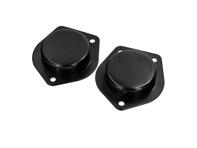
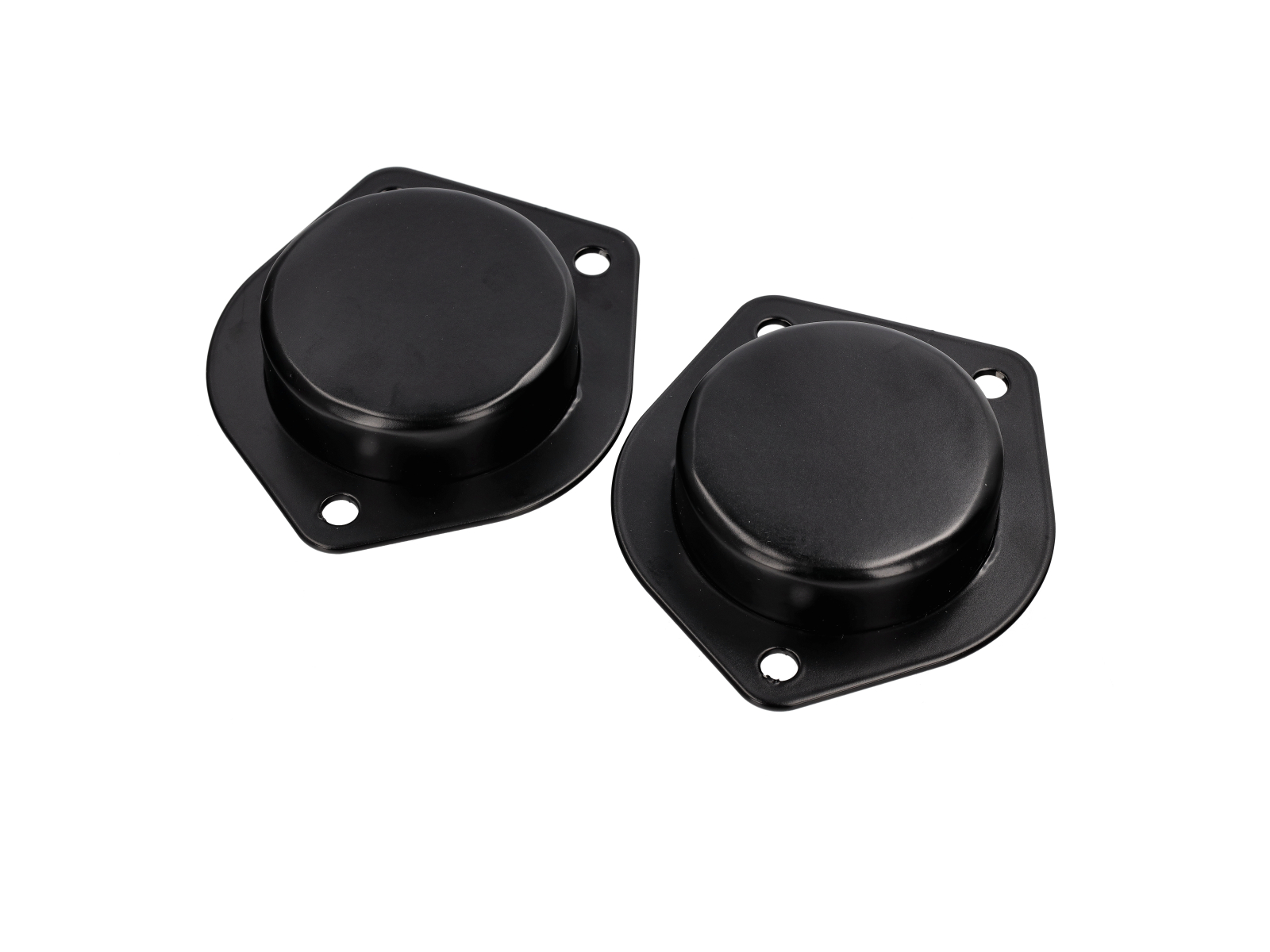
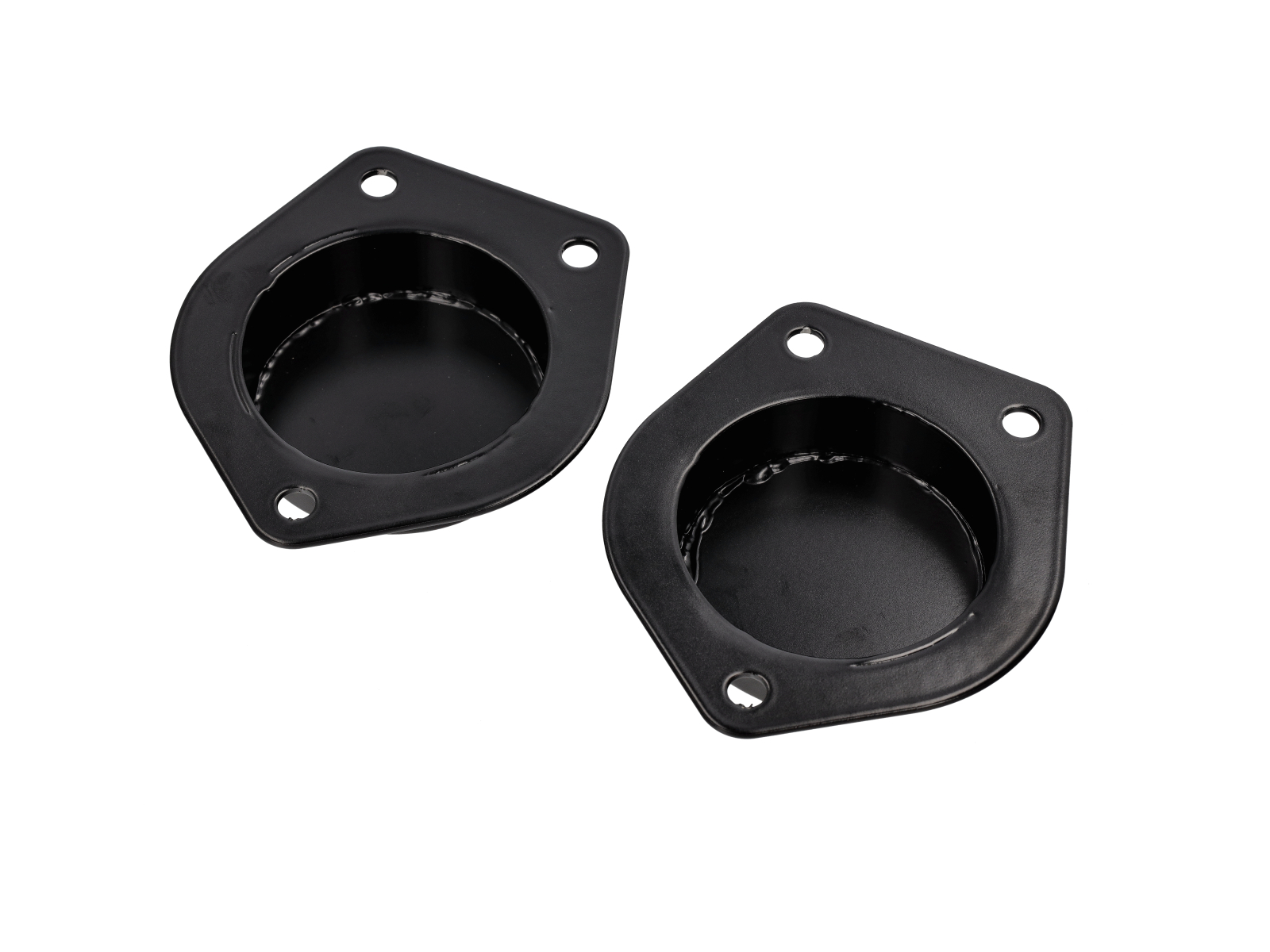
Heating Block Off Plates (Pair)
Complete your engine restoration or heater system
modification with this Heating Block Off Plate Kit, supplied as
a pair. These plates provide a secure seal for unused heater
outlets, helping maintain the correct airflow through the engine cooling
system.
Fits:
- Porsche 911 1965-1968 2.0L / 912 SWB (F)
- Porsche 911 1968-1973 2.2L / 2.4L / 2.7L RS LWB (F)
- Porsche 911 1974-1977 2.7L / 1976-77 3.0 Carrera
- Porsche 911 1978-1983 3.0L / SC
- Porsche 911 1984-1986 3.2L
- Porsche 911 1987-1989 3.2L G50
- Porsche 911 1975-1977 3.0L Turbo (930)
- Porsche 911 1978-1989 3.3L Turbo (930)
Replaces number 1 on diagram attached
On air-cooled Porsche engines, the engine cooling fan supplies air to both the engine cooling system and the cabin heating system via heat exchangers. When the heating system has been removed, modified or is no longer required, the unused heater outlets must be properly sealed. These block off plates prevent valuable cooling air from escaping, ensuring it is directed through the engine's cooling fins where it is needed most.
Manufactured to OE Match standards, these plates provide factory-style fitment and are ideal for heater delete conversions, competition vehicles, engine rebuilds and concours-quality restorations.
What Do Heating Block Off Plates Do?
Heating block off plates are designed to seal the heater duct outlets on the engine fan housing or associated heating components when the original heater system is no longer in use.
Their primary functions include:
- Preventing cooling air from escaping unused heater outlets
- Maintaining correct airflow across the engine cylinders and heads
- Improving cooling efficiency
- Preventing dirt, dust and debris entering unused heater duct openings
- Providing a clean, factory-style appearance within the engine bay
Correctly sealing unused heater outlets is particularly important on air-cooled engines, where efficient airflow is critical to maintaining stable operating temperatures.
Why Do Heating Block Off Plates Need Replacing?
Original block off plates, or the components they replace, can become damaged, corroded or distorted after decades of exposure to engine heat, moisture and road debris.
In many cases, older vehicles that have undergone heater delete conversions may have improvised blanking plates made from unsuitable materials, or the outlets may simply have been left open altogether. This allows cooling air to escape, reducing the efficiency of the engine cooling system.
Replacement is also recommended if the original plates are:
- Corroded or rusted
- Bent or distorted
- Poorly fitting
- Missing altogether
- Damaged during previous engine work
Installing correctly manufactured OE Match block off plates restores the engine bay to a professional standard while ensuring the cooling system operates as intended.
When Should They Be Replaced?
Heating block off plates should be installed or replaced
whenever:
- Performing a heater delete conversion
- Removing or modifying the original heating system
- Rebuilding the engine
- Restoring the engine bay
- Replacing damaged or corroded engine tinware
- Missing or incorrect blanking plates are discovered
Replacing worn or incorrect plates helps maximise cooling efficiency while improving the appearance and reliability of the engine compartment.
Porsche 911, 912 & 930 Heating & Engine Cooling Components
The air-cooled Porsche engine relies on carefully managed airflow to maintain safe operating temperatures. Every component of the cooling system, including engine tinware, ducting and heater outlet covers, plays an important role in directing cooling air exactly where Porsche intended.
When the heating system has been removed or modified, fitting correctly engineered block off plates helps prevent cooling air losses and ensures maximum airflow reaches the cylinders and cylinder heads.
Whether restoring a road car, preparing a competition vehicle or completing a detailed engine rebuild, replacing missing or damaged heating block off plates is a simple but important step towards maintaining engine efficiency and achieving a factory-quality finish.
Benefits of Replacing the Heating Block Off Plates
- Restores correct engine cooling airflow
- Prevents cooling air escaping through unused heater outlets
- Helps maintain stable engine operating temperatures
- Protects unused heater duct openings from dirt and debris
- Improves engine bay appearance
- Provides a factory-style finish
- Ideal for heater delete conversions and restoration projects
Related reference numbers
Related, superseded, cross reference or alternative numbers for comparison.
91121129700
The product you are viewing cross references to these numbers


- Porsche 911 1965-1968 2.0L / 912 SWB (F)
- Porsche 911 1968-1973 2.2L / 2.4L / 2.7L RS LWB (F)
Shelf Repair Section Under Rear Window
Restore the strength and originality of your classic Porsche
with this Parcel Shelf Repair Section Under Rear Window. This repair panel accurately reproduces the original factory pressing, making
it the ideal solution for repairing corrosion or accident damage beneath the
rear window.
Fits:
- Porsche 911 1965-1968 2.0L / 912 SWB (F)
- Porsche 911 1968-1971 2.2L LWB (F)
The panel beneath the rear window forms a vital part of the Porsche 911 bodyshell. It connects the rear window aperture to the parcel shelf and rear bulkhead, helping to reinforce the passenger compartment while supporting the rear window frame, interior trim and sound insulation. As a structural body panel, maintaining its condition is essential for preserving the rigidity, safety and originality of the vehicle.
Manufactured to OE Match standards from high-quality automotive-grade steel, this repair section provides excellent dimensional accuracy and fitment, reducing fabrication work and helping achieve a professional-quality restoration.
What Does the Parcel Shelf Repair Section Do?
Located directly beneath the rear window, this panel
performs several important structural and functional roles:
- Reinforces the rear window aperture
- Forms part of the rear parcel shelf assembly
- Adds rigidity to the rear body structure
- Supports the rear interior trim and insulation
- Provides the correct mounting profile for surrounding body panels
- Helps maintain the alignment of the rear window opening
Because it is integrated into the bodyshell, deterioration in this area can affect both the structural integrity and appearance of the vehicle.
Why Does This Panel Fail?
The repair section beneath the rear window is one of the most common corrosion areas on early Porsche 911 models.
Over time, the rear window seal naturally hardens and shrinks, allowing rainwater to pass behind the glass. Moisture then becomes trapped beneath the parcel shelf insulation and between overlapping body panels, where it often remains unnoticed for many years.
Additional causes of failure include:
- Condensation trapped beneath interior trim
- Failed seam sealer
- Poor previous repairs
- Accident damage
- Long-term vehicle storage in damp environments
As corrosion develops from the inside out, the visible damage is often only a small indication of more extensive deterioration hidden beneath the surface.
If left untreated, rust can spread into the rear window aperture, parcel shelf, rear seat panel, inner wings and adjacent structural sections, making repairs significantly more extensive and expensive.
When Should It Be Replaced?
Replacement is recommended whenever corrosion has weakened the original panel or accident damage has affected its structural integrity.
Typical signs include:
- Rust bubbles beneath the rear window
- Corrosion around the rear window seal
- Soft or perforated metal
- Water entering the rear interior
- Damp rear carpets or insulation
- Previous poor-quality weld repairs
- Distorted or damaged rear window aperture
- During bare-shell restorations or full body rebuilds
Replacing corroded metal with a correctly manufactured OE Match repair section restores the vehicle's strength and provides a solid foundation for body finishing and paintwork.
Porsche 911 Rear Body Repair & Restoration Panels
The area beneath the rear window is one of the most corrosion-prone sections of the classic Porsche 911 bodyshell. Because moisture is often trapped behind ageing window seals and insulation, rust can remain hidden for decades before becoming visible.
Replacing corroded body sections with accurately manufactured OE Match repair panels helps preserve the original structure of the vehicle while significantly reducing fabrication time during restoration.
Whether carrying out a concours restoration, repairing accident damage or restoring a long-term project, replacing weakened structural panels ensures your Porsche retains its strength, value and factory appearance.
Benefits of Replacing the Rear Window Parcel Shelf Repair
Section
- Restores structural rigidity to the rear bodyshell
- Eliminates corrosion and weakened metal
- Prevents rust spreading into surrounding panels
- Restores the correct rear window aperture profile
- Reduces fabrication during restoration
- Provides a strong foundation for paint and trim installation
- Essential for professional-quality body repairs
Related reference numbers
Related, superseded, cross reference or alternative numbers for comparison.
91150195100
The product you are viewing cross references to these numbers


- Porsche 911 1965-1968 2.0L / 912 SWB (F)
- Porsche 911 1968-1973 2.2L / 2.4L / 2.7L RS LWB (F)
Fuel Line Clamp
Sold each - 4 required per car
Keep your Porsche's fuel system secure and correctly supported with this
Fuel Line Clamp. This clamp ensures the fuel lines remain firmly positioned,
protecting them from vibration, chafing and unnecessary movement.
Fits:
- Porsche 911 1965-1968 2.0L / 912 SWB (F)
- Porsche 911 1968-1971 2.2L LWB (F)
Diagram ref no 31
Although small in size, the fuel line clamp performs an essential role in the safe operation of the fuel system. It securely holds the fuel hose in its intended position, preventing it from rubbing against surrounding bodywork, engine components or sharp edges. By maintaining the correct routing of the fuel line, the clamp helps reduce stress on hose connections and minimises the risk of premature hose wear or fuel leaks.
Manufactured to OE Match standards, this replacement clamp offers factory-style fitment and durability, making it ideal for fuel system repairs, engine bay restoration projects and preventative maintenance on classic air-cooled Porsche 911 models.
What Does the Fuel Line Clamp Do?
The fuel line clamp is designed to securely retain the fuel hose while allowing the fuel system to operate safely under normal engine movement and vibration.
Correctly positioned fuel lines are essential to ensure:
- Fuel hoses cannot move excessively
- Hoses are protected from abrasion
- Connections remain under minimal stress
- Fuel lines are routed safely away from heat sources and moving components
- The fuel delivery system remains reliable and safe
While often overlooked during restoration, missing or damaged clamps can significantly reduce the lifespan of new fuel hoses.
Why Do Fuel Line Clamps Fail?
Fuel line clamps spend decades exposed to heat, moisture, road dirt, oil contamination and continual engine vibration. Over time they can become corroded, bent or weakened, reducing their ability to securely retain the fuel line.
During previous repairs, clamps are sometimes omitted altogether or damaged when fuel hoses are replaced. Incorrectly fitted aftermarket clamps may also fail to hold the hose in the correct position, allowing movement that can cause the fuel line to rub through over time.
Because the original clamps on many early Porsche 911 models are now more than fifty years old, replacement is often recommended whenever the fuel system is refurbished.
When Should the Fuel Line Clamp Be Replaced?
The fuel line clamp should be inspected whenever fuel hoses or other fuel system components are serviced.
Replacement is recommended if you notice:
- Corrosion or rust
- Bent or distorted clamp shape
- Loose or missing clamp
- Fuel hose movement
- Signs of hose chafing or abrasion
- Previous incorrect repairs
- During fuel hose replacement
- During engine bay restoration or full vehicle restoration
Replacing worn or missing clamps helps ensure the fuel system remains correctly routed, reducing the risk of hose damage and improving long-term reliability.
Porsche 911 Fuel System Components
The fuel system on every classic Porsche relies on more than just pumps, filters and hoses. Correct routing and secure support of every fuel line is equally important for maintaining safety, reliability and factory-correct operation.
Small hardware items such as fuel line clamps are frequently overlooked during restoration, yet they play a critical role in preventing vibration damage and ensuring the fuel system continues to perform as Porsche intended.
Whether carrying out a complete fuel system overhaul or replacing ageing fuel hoses, fitting new OE Match clamps helps complete the job to the highest standard.
Benefits of Replacing the Fuel Line Clamp
- Secures fuel hoses correctly
- Prevents unnecessary hose movement
- Reduces abrasion and chafing
- Helps minimise stress on hose connections
- Supports safe and reliable fuel system operation
- Restores factory-correct engine bay appearance
- Ideal during fuel hose replacement and restoration work
Related reference numbers
Related, superseded, cross reference or alternative numbers for comparison.
91611033000
The product you are viewing cross references to these numbers


- Porsche 911 1968-1973 2.2L / 2.4L / 2.7L RS LWB (F)
- Porsche 911 1974-1977 2.7L / 1976-77 3.0 Carrera
This Fuel-Injector Pipe Bracket is a support bracket designed to secure the fuel injection or supply pipes on Porsche 911 models (1969–1977). It firmly anchors the injector lines in place, prevents vibration-induced wear, and ensures correct pipe routing for long-term system integrity.
Fits:
Porsche 911 1969 - 1977
Diagram ref no 11
Manufactured to match the original Porsche design, this bracket installs directly into the factory mounting points and provides durable, OE-type reliability.
• Function: Secures injection or fuel supply pipe to cylinder head or injection pump assembly
• Position: Engine – fuel injection system / cylinder head area
• Benefits: Reinforces fuel line routing, minimizes vibration wear, and maintains proper alignment
Fuel-injection brackets are constantly exposed to engine vibration, heat, and stress. Over time, the original parts can become loose, corroded, or bent, leading to unstable pipe support or even potential fuel leaks.
Replace this bracket when:
• Performing a fuel-injection system service or rebuild
• You observe loose, vibrating, or misaligned injection lines
• The original bracket shows corrosion or distortion
• Re-installing injection plumbing after cylinder head or pump removal
Related reference numbers
Related, superseded, cross reference or alternative numbers for comparison.
91111033300
The product you are viewing cross references to these numbers


- Porsche 911 1965-1968 2.0L / 912 SWB (F)
Throttle Linkage with Deflector Levers
Restore the crisp throttle response of your
early Porsche with this Throttle Linkage with Deflector Levers. This
assembly accurately replicates the original factory component, ensuring smooth,
precise and reliable throttle operation.
- Porsche 911 1965-1968 2.0L / 912 SWB (F)
Diagram ref no 58, 59, 60, 72, 73 and 74
The throttle linkage is a vital part of the engine's control system, transferring movement from the accelerator pedal through the vehicle's mechanical linkage to the throttle bodies or carburettors. The integrated deflector levers ensure the linkage moves smoothly through its intended range of travel while maintaining correct geometry and helping prevent interference with surrounding engine components.
On early air-cooled Porsche 911 models, the throttle linkage directly influences throttle accuracy, pedal feel and engine responsiveness. Any wear or distortion within the linkage can reduce precision, making the car less enjoyable to drive and affecting engine performance.
Manufactured to OE Match standards, this replacement linkage provides excellent dimensional accuracy, correct operation and factory-style fitment, making it ideal for restoration projects, engine rebuilds and routine maintenance.
What Does the Throttle Linkage Do?
The throttle linkage forms the mechanical connection between the accelerator pedal and the engine's throttle mechanism. As the driver presses the accelerator, the linkage transfers this movement to progressively open the throttle butterflies, regulating the amount of air entering the engine and, in turn, controlling engine speed and power output.
The deflector levers help guide the linkage through its correct operating path, ensuring smooth movement while reducing the risk of binding or interference. Correctly functioning linkage components are essential for predictable throttle response, smooth acceleration and accurate engine control.
Why Does the Throttle Linkage Fail?
After decades of service, throttle linkage components are subjected to constant movement, engine vibration, road contamination and moisture. Over time, pivot points and linkage joints can wear, allowing unwanted free play to develop within the system.
Corrosion may cause moving parts to stiffen or seize, while accidental damage or previous incorrect adjustments can alter the linkage geometry. In some cases, worn or bent deflector levers can prevent the linkage from moving freely, resulting in inconsistent throttle operation or incomplete throttle opening.
As many original components are now over fifty years old, deterioration is common on unrestored vehicles.
When Should It Be Replaced?
The throttle linkage should be inspected whenever engine tuning, carburettor adjustment or restoration work is carried out.
Replacement is recommended if you notice:
- Excessive free play in the throttle linkage
- Sticky or stiff accelerator pedal
- Inconsistent throttle response
- Difficulty achieving full throttle opening
- Corrosion or seized pivot points
- Bent or damaged linkage components
- Excessive wear around the deflector levers
- During engine rebuilds or full vehicle restorations
Replacing worn linkage components restores precise throttle control and helps the engine deliver smooth, predictable performance.
Porsche 911 Throttle Linkage & Engine Control Components
The mechanical throttle linkage fitted to early Porsche 911 models is a defining feature of the driving experience, delivering the direct accelerator response for which these cars are renowned. Maintaining every linkage component in good condition is essential for smooth engine operation, accurate throttle modulation and maximum driver confidence.
As classic Porsche vehicles age, worn linkage assemblies can gradually reduce throttle precision without owners realising how much performance has been lost. Replacing worn components restores the original feel of the accelerator and ensures the throttle opens and closes exactly as Porsche intended.
Whether you're restoring a short wheelbase 911 to concours standard or simply maintaining its drivability, renewing the throttle linkage is an important investment in reliability and driving enjoyment.
Benefits of
Replacing the Throttle Linkage
- Restores smooth and accurate throttle operation
- Improves accelerator pedal feel
- Eliminates excess free play in the linkage
- Helps achieve full throttle opening
- Reduces the risk of sticking or binding
- Supports more accurate engine tuning
- Ideal for restoration and preventative maintenance
Related reference numbers
Related, superseded, cross reference or alternative numbers for comparison.
90110806101
The product you are viewing cross references to these numbers


- Porsche 911 1968-1973 2.2L / 2.4L / 2.7L RS LWB (F)
- Porsche 911 1974-1977 2.7L / 1976-77 3.0 Carrera
- Porsche 911 1978-1983 3.0L / SC
- Porsche 911 1984-1986 3.2L
- Porsche 911 1987-1989 3.2L G50
- Porsche 911 1975-1977 3.0L Turbo (930)
- Porsche 911 1978-1989 3.3L Turbo (930)
Parcel Shelf Repair Panel – Long Wheel Base (LWB)
Restore the structural integrity of your
classic Porsche with this Parcel Shelf Repair Panel..
Suitable for Long Wheel Base (LWB) Porsche 911 models built from August 1971
to July 1989, this repair panel has been designed to accurately replace
corroded or damaged sections of the rear parcel shelf while maintaining the
original factory profile and fit.
Fits:
- Porsche 911 1968-1973 2.2L / 2.4L / 2.7L RS LWB (F)
- Porsche 911 1974-1977 2.7L / 1976-77 3.0 Carrera
- Porsche 911 1978-1983 3.0L / SC
- Porsche 911 1984-1986 3.2L
- Porsche 911 1987-1989 3.2L G50
- Porsche 911 1975-1977 3.0L Turbo (930)
- Porsche 911 1978-1989 3.3L Turbo (930)
The rear parcel shelf is much more than an interior trim support. It forms an integral part of the 911's bodyshell, tying together the rear bulkhead, inner wings and surrounding body structure. Positioned directly behind the rear seats and above the engine compartment, it provides rigidity to the passenger compartment while supporting the rear interior trim, sound insulation and rear window area.
Because of its location, the parcel shelf is regularly exposed to moisture, condensation and water ingress from deteriorated rear window seals or body seams. Left untreated, corrosion can spread into neighbouring structural panels, making timely repairs essential for preserving the vehicle's strength and originality.
Manufactured to OE Match standards, this repair panel offers excellent dimensional accuracy, making it ideal for restoration projects, accident repairs and corrosion repairs on classic air-cooled Porsche 911 models.
Why Do Parcel Shelf Panels Fail?
The parcel shelf is one of the most common corrosion areas on classic Porsche 911 models. Water entering through ageing rear window seals, damaged seam sealant or blocked drainage paths often collects beneath the rear window and becomes trapped beneath insulation and trim.
Over many years this trapped moisture causes corrosion to develop from the inside out. Because much of the damage remains hidden beneath carpets, insulation and upholstery, extensive rust is often only discovered during restoration.
In addition to corrosion, parcel shelves may also become damaged through previous accident repairs, poor-quality welding or modifications carried out over the vehicle's lifetime.
If left untreated, corrosion can spread into the rear window aperture, inner wings, rear seat panel and chassis structure, significantly increasing repair costs.
When Should the Parcel Shelf Panel Be Replaced?
Replacement is recommended whenever corrosion or structural damage has compromised the original panel.
Typical signs include:
- Rust bubbles beneath the rear window
- Corrosion around the parcel shelf seams
- Soft or perforated metal
- Water leaks into the rear interior
- Previous poor-quality repairs
- Accident damage
- During complete body restorations or bare-metal rebuilds
Replacing the damaged section restores the original strength of the bodyshell while providing a solid foundation for paint, trim and rear window installation.
Porsche 911 Body Repair & Restoration Panels
Classic Porsche 911 bodyshells rely on strong, corrosion-free structural panels to maintain their rigidity, safety and value. The rear parcel shelf forms an important part of the passenger compartment and rear body structure, making it a key area to inspect during any restoration.
Replacing rusted panels with correctly manufactured OE Match repair sections helps preserve the originality of the vehicle while reducing the amount of fabrication required during body repairs. Combined with correct welding, rust prevention and cavity protection, a quality repair panel ensures a durable, long-lasting restoration.
Whether you're carrying out a concours rebuild, repairing accident damage or eliminating corrosion, replacing the parcel shelf panel is an investment in the long-term integrity of your Porsche 911.
Benefits of Replacing the Parcel Shelf Panel
Restores structural strength to the bodyshell Eliminates corrosion and weakened metal Prevents rust spreading into surrounding body panels Provides the correct fit for rear trim and window installation Reduces fabrication time during restoration Improves the quality and longevity of body repairs Ideal for concours restorations and professional bodyshopsRelated reference numbers
Related, superseded, cross reference or alternative numbers for comparison.
91150195200
The product you are viewing cross references to these numbers


- Porsche 911 1965-1968 2.0L / 912 SWB (F)
Restore the structural integrity of your Porsche bodywork with this OE Match Parcel Shelf Repair Section Under Rear Window, manufactured as a direct replacement. Produced to OE-style specifications, this painted steel repair panel is designed to replace the corroded or damaged section of the parcel shelf beneath the rear window, restoring strength, correct panel contours, and the original factory appearance.
Fits:
- Porsche 911 1965-1968 2.0L / 912 SWB (F)
The parcel shelf area is particularly susceptible to corrosion caused by moisture entering through ageing rear window seals, condensation, or prolonged exposure to the elements. Rust in this area can spread quickly, weakening the surrounding body structure and compromising the fit of the rear window and interior trim. Replacing the affected section with a correctly formed repair panel helps restore the vehicle's structural integrity and provides a sound foundation for high-quality body repairs. This OE Match parcel shelf repair section is ideal for accident repairs, corrosion repairs, and Porsche restoration projects.
What This Product Does:
- Replaces the corroded or damaged parcel shelf beneath the rear window.
- Restores structural strength to the rear body section.
- Recreates the original factory panel profile.
- Provides a solid foundation for body restoration.
- Helps maintain the correct fit of the rear window and interior trim.
- Replaces rusted or accident-damaged sheet metal.
- Provides an OE-style fit and dependable quality.
Symptoms Of Wear Or Failure:
- Rust beneath the rear window.
- Corrosion around the parcel shelf panel.
- Water damage caused by leaking rear window seals.
- Perforated or weakened sheet metal.
- Distorted or accident-damaged rear parcel shelf.
- Loose or poorly fitting rear window or interior trim.
- Corrosion identified during restoration or body repairs.
Why Replacement Matters:
- The parcel shelf beneath the rear window forms an important part of the Porsche body structure, supporting the rear window aperture while contributing to the rigidity of the rear body shell. Corrosion in this area can spread into adjacent panels, weaken the surrounding structure, and significantly increase the complexity and cost of future repairs if left untreated.
- Replacing the damaged section with a correctly manufactured repair panel restores structural strength, ensures accurate panel alignment, and provides the proper foundation for a long-lasting body restoration. Manufactured as a direct replacement and produced to OE-style specifications, this OE Match Parcel Shelf Repair Section Under Rear Window in painted steel provides the correct fit, dependable quality, and durable construction, making it an excellent choice for Porsche maintenance, corrosion repairs, and restoration projects.
Related reference numbers
Related, superseded, cross reference or alternative numbers for comparison.
90150107101
The product you are viewing cross references to these numbers


- Porsche 356B 1959-63
- Porsche 356C 1963-65
Fits:
Porsche 356B (1959–1963)
Porsche 356C (1963–1965)
This 52-litre fuel tank is manufactured as an OE-match replacement, designed to replicate the fit, function, and appearance of the original Porsche fuel tank used in classic 356 models. Produced to high manufacturing standards, the tank features the correct top-mounted position for the fuel gauge sender, ensuring accurate fuel level readings and seamless integration with the vehicle’s original fuel system.
Diagram Reference:
Ref No. 1
What This Product Does
- Stores fuel safely until required by the engine
- Supplies fuel to the pump and fuel lines for combustion
- Supports the fuel gauge system via the correctly positioned sender mounting
- Maintains proper fuel capacity and system balance within the fuel supply system
Symptoms of Wear or Failure
- Fuel leaks or strong petrol smell around the vehicle
- Visible rust, corrosion, or physical damage to the tank
- Fuel contamination caused by internal corrosion or debris
- Blocked fuel lines or clogged filters
- Incorrect fuel gauge readings due to damaged sender mounting
Why Replacement Matters
- Prevents fuel leaks and potential fire hazards
- Ensures clean and consistent fuel delivery to the engine
- Protects fuel pumps, filters, and carburettors from contamination
- Restores correct fuel capacity and accurate fuel gauge operation
- Maintains originality during classic Porsche restoration
Related reference numbers
Related, superseded, cross reference or alternative numbers for comparison.
64420100107
The product you are viewing cross references to these numbers


- Porsche 911 1965-1968 2.0L / 912 SWB (F)
Refresh the appearance and comfort of your Porsche interior with this OE Match Door Arm Rest Cover, manufactured as a direct replacement for. Produced to OE-style specifications, this arm rest cover is designed to restore the original look and feel of the door trim while protecting the arm rest from everyday wear and maintaining a factory-correct interior finish.
Fits:
- Porsche 911 1965-1968 2.0L / 912 SWB (F)
Diagram Ref No 19
Over time, the original arm rest cover can become cracked, faded, scuffed, split, or worn due to regular use, UV exposure, and age. A deteriorated arm rest cover can detract from the overall appearance of the cabin and reduce driver and passenger comfort. Replacing the worn cover restores the interior's original presentation and provides a clean, professional finish. This OE Match door arm rest cover is ideal for routine interior maintenance, refurbishment, and Porsche restoration projects.
What This Product Does:
- Restores the appearance of the door arm rest.
- Provides a comfortable resting surface for the driver or passenger.
- Protects the arm rest from everyday wear.
- Replaces cracked, faded, or damaged original covers.
- Enhances the overall appearance of the door trim.
- Helps achieve a factory-correct interior finish.
- Provides an OE-style fit and dependable quality.
Symptoms Of Wear Or Failure:
- Cracked or split arm rest cover.
- Faded or discoloured surface.
- Scuffs, scratches, or excessive wear.
- Loose or poorly fitting arm rest trim.
- Perished material due to age or UV exposure.
- Interior refurbishment requiring replacement trim.
- Restoration work requiring factory-style finishing components.
Why Replacement Matters:
- The door arm rest cover is an important interior trim component that contributes to both the comfort and appearance of the Porsche cabin. Although primarily cosmetic, a worn or damaged cover can significantly reduce the quality of the interior and diminish the vehicle's original factory presentation.
- Replacing the arm rest cover restores comfort, enhances the appearance of the door panel, and helps preserve the authentic character of the vehicle's interior. Manufactured as a direct replacement and produced to OE-style specifications, this OE Match Door Arm Rest Cover provides the correct fit, high-quality finish, and long-lasting durability, making it an excellent choice for Porsche maintenance, interior repairs, and restoration projects.
Related reference numbers
Related, superseded, cross reference or alternative numbers for comparison.
90155545
The product you are viewing cross references to these numbers