


Enter your VAT number here and click Verify:
Your details have been verified. VAT number registered to:
,
.
Your order will now be zero rated for VAT purposes. We reserve the right to verify these details after your order request has been made and reinstate VAT if required.
Your VAT details were not recognised or were invalid. Your VAT number must be matched to your Billing Country as specified above. This is currently specified as . You do not need to enter the country code part of your VAT number as this has already been selected in your billing address details above.
The VAT number checking service is currently offline. Please supply your VAT details within the comments or special instructions field below and we will apply a VAT discount after placing your order request.

Porsche

Porsche for Porsche
Porsche genuine parts and lifestyle products for Porsche models from Design911
A Quick Look at Porsche
Porsche information on this page is based on details supplied by the manufacturer or distributor, plus any OE references provided with the parts.
Choosing the Right Fit for Your Porsche
Where Porsche is listed for Porsche, use the supplied model coverage and OE references to confirm suitability. Check details that commonly affect fitment such as model year, side/position, and connector type where relevant.
- Typical reasons people replace these parts include maintaining originality, keeping factory specification, and choosing the latest genuine revisions for peace of mind.
- Common real-world issues behind many Porsche repairs are age and mileage: oil leaks, cooling system fatigue, brake and suspension wear, corrosion and electrical faults from moisture or heat cycling.
- Before ordering, confirm part numbers against VIN or option/PR codes, especially for safety‑critical or complex components.
- When upgrading, decide whether you want pure originality or performance changes, as some aftermarket options may suit specific goals better than genuine.
- For bigger jobs, replace related seals, hardware and consumables at the same time to avoid repeat labour and compatibility issues.
- Where available, follow the manufacturer’s fitting and bedding‑in guidance to get the best performance and longevity.
Browse by Category
If you already know the area you are working on, start with the category and then filter by Porsche model. Where real-world symptoms and typical reasons to replace are provided, use them to keep the wording grounded.
Brakes — Brake components are renewed to restore stopping performance, address wear or upgrade a Porsche for fast road or track use. Common symptoms include: Common symptoms include vibration under braking, increased stopping distances, squealing, pulling to one side, warning lights and visible wear to discs and pads.
- Check whether the parts are OE-equivalent replacements or performance upgrades and match this to how the Porsche is used.
- Follow any recommended bedding-in procedure and consider replacing discs, pads, sensors and fitting hardware together where advised.
Clothing & Gifts — Porsche-themed clothing and gifts let owners and enthusiasts show their passion off the road, or make ideal presents for fans of the marque. Common symptoms include: Items may become worn, faded, damaged or go out of style, prompting replacement with newer designs.
- Review available size, colour and material details to help choose the right item and ensure it matches how it will be used.
- Check any care or washing guidance so garments and accessories keep their appearance for longer.
Lifestyle — To explore different Porsche-inspired lifestyle products or gift ideas. Common symptoms include: General wear from handling or display.
- Confirm whether items are official Porsche lifestyle products or from trusted partner brands where stated.
- Consider who the item is for and how it will be used day to day to select the most suitable style or product type.
Keyring — To choose a different design, material or model theme. Common symptoms include: Scratches, worn finishes or loose fittings.
- Keyrings make simple, practical Porsche-themed gifts and can be matched to specific models or heritage designs where available.
- If a keyring shows damage or looseness, replace it to avoid losing keys or further wear to finishes.
Size chart — The size chart acts as a practical reference tool for all apparel purchases. Common symptoms include:
Explore Porsche at Design911
View the current Porsche range for Porsche at Design911, then filter by model and category to narrow down to the right parts.
- Porsche 997 MK1 Carrera 4 3.6L 2005-08
- Porsche 997 MK1 Carrera 4S 3.8L 2005-08
- Porsche 997 MKII Carrera C4 3.6L 2009-12
- Porsche 997 MKII Carrera C4S 3.8L 2009-12
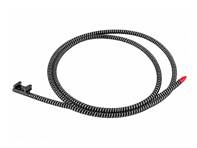
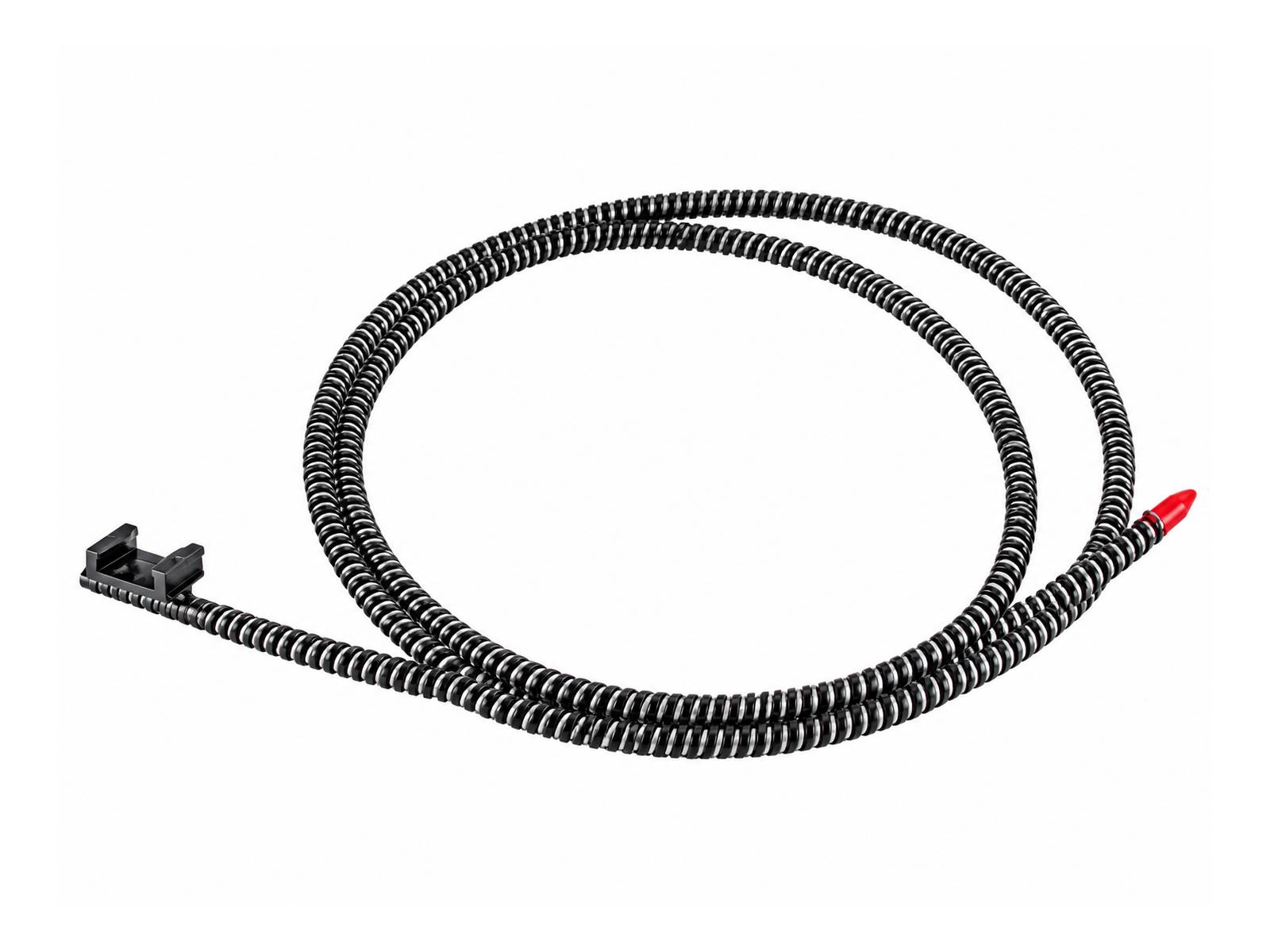
Targa Roof Drive Cables
Replacement Targa Roof Drive Cables for the Porsche 911
(997), designed to restore reliable operation of the electrically operated
sliding glass roof.
Fits:
- Porsche 997 MK1 Targa 4 3.6L 2005-08
- Porsche 997 MK1 Targa 4S 3.8L 2005-08
- Porsche 997 MKII Targa C4 3.6L 2009-12
- Porsche 997 MKII Targa C4S 3.8L 2009-12
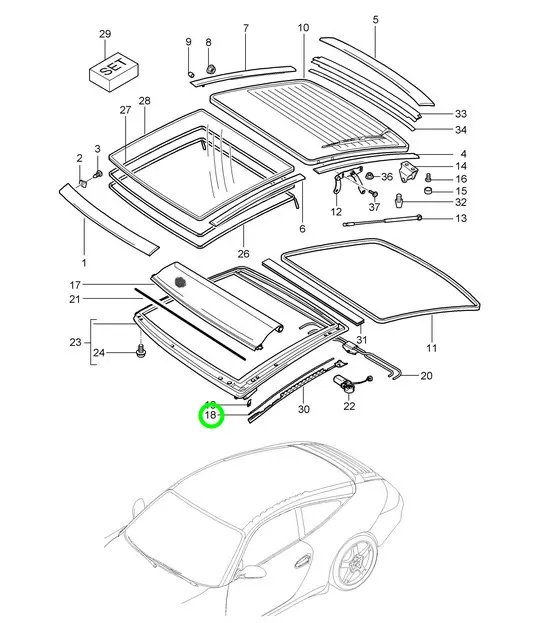
Diagram Ref No 18
These cables form part of the Targa roof drive mechanism, helping transfer movement through the roof system to open and close the glass panel smoothly.
What Do They Do?
The drive cables transmit movement from the roof drive mechanism to the sliding roof assembly, helping the glass panel travel smoothly along its guides.
Why Do They Fail?
Common causes include:
- Wear from repeated roof operation
- Deterioration of the cable drive mechanism
- Excessive resistance from dirty or damaged roof guides
- Incorrect roof alignment Age-related mechanical wear
When Should They Be Replaced?
Inspect or replace the cables if the Targa roof becomes slow, jerky, uneven or fails to open or close correctly.
Damaged cables should be replaced promptly to prevent further damage to the roof mechanism.
Checks & Diagnosis
Before replacement, inspect the roof guides, drive mechanism and associated components for obstructions, wear or misalignment. Check that the cables engage correctly and that the roof moves evenly.
Installation Notes
Correct cable positioning and roof alignment are essential during installation. Inspect the roof guides and drive components before reassembly.
The roof mechanism should be checked and adjusted according to Porsche workshop procedures.
Porsche 997 Targa Roof Cables & Sliding Roof Repair Parts
The Porsche 997 Targa features an electrically operated glass roof that relies on correctly functioning drive cables and guide mechanisms.
Worn or damaged cables can cause uneven movement, sticking or complete failure of the roof operation.
Related reference numbers
Related, superseded, cross reference or alternative numbers for comparison.
99756291
The product you are viewing cross references to these numbers
- Porsche 992.1 Carrera 2S / GTS 3.0L 2019-24
- Porsche 992.1 Carrera 4S / GTS 3.0L 2019-24
- Porsche 992.1 Carrera 2S / GTS Cabriolet 3.0L 2019-24
- Porsche 992.1 Carrera 4S / GTS Cabriolet 3.0L 2019-24
- Porsche 992.1 Targa 4S / GTS 3.0L 2020-24
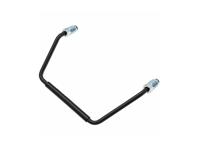
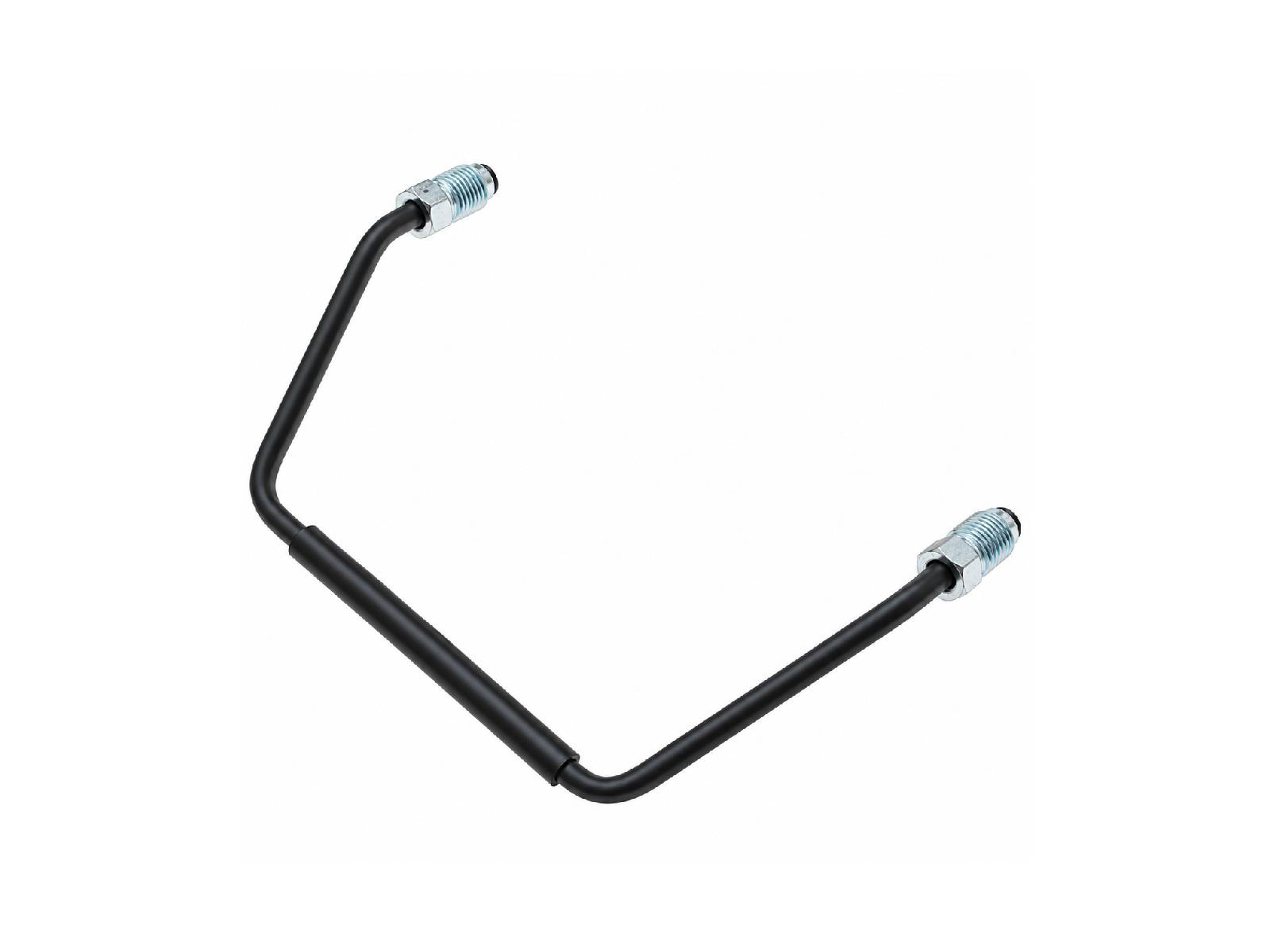
Brake Caliper Connecting Line, Front - fits left or right hand side
The Front Brake Caliper Connecting Line is a replacement hydraulic brake component designed for the Porsche 992.1 Carrera S and Carrera 4S.
Fits:
- Porsche 992.1 Carrera 2S 3.0L 2019-24
- Porsche 992.1 Carrera 4S 3.0L 2019-24
- Porsche 992.1 Carrera 2S Cabriolet 3.0L 2019-24
- Porsche 992.1 Carrera 4S Cabriolet 3.0L 2019-24
- Porsche 992.1 Targa 4S 3.0L 2020-24
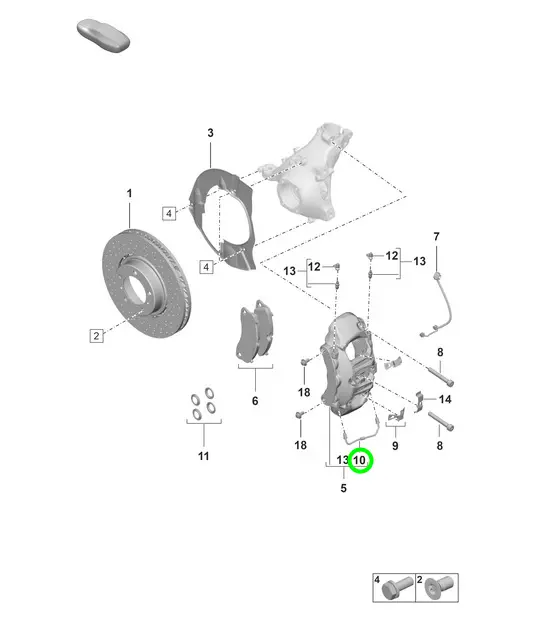
Diagram Ref No 10
This connecting line forms part of the front brake caliper assembly, allowing brake fluid to flow between the relevant hydraulic passages and ensuring consistent braking pressure.
What Does It Do?
The connecting line transfers pressurised brake fluid within the front brake caliper assembly, helping ensure the brake pistons operate correctly when the brake pedal is applied.
Why Does It Fail?
Common causes include:
- Corrosion and moisture exposure
- Damage from road debris
- Deterioration of pipe connections
- Damage during brake servicing
- Age-related wear or accidental bending
When Should It Be Replaced?
Replace the connecting line if it shows signs of corrosion, cracking, damage or brake fluid leakage.
Replacement may also be necessary during brake caliper refurbishment or repair.
Checks & Diagnosis
Inspect the line and its connections for fluid leaks, corrosion and physical damage. A falling brake fluid level, soft brake pedal or reduced braking performance requires immediate investigation.
Confirm compatibility using the vehicle VIN, brake specification and original part number.
Installation Notes
Installation should be carried out by a qualified technician. Inspect the hydraulic connections, use the correct tightening procedures and bleed the brake system according to Porsche specifications.
Check thoroughly for leaks before returning the vehicle to service.
Porsche 992 Front Brake Caliper Pipes & Hydraulic Components
The Porsche 992 Carrera S and Carrera 4S braking systems rely on correctly functioning hydraulic components to provide consistent braking performance.
A damaged or leaking brake caliper connecting line can compromise hydraulic pressure and should be replaced promptly.
Related reference numbers
Related, superseded, cross reference or alternative numbers for comparison.
9P1615701
The product you are viewing cross references to these numbers
- Porsche Boxster 986 2.5L 1997-99
- Porsche Boxster 986 2.7L 1999-02
- Porsche Boxster S 986 3.2L 1999-02
- Porsche Boxster 986 2.7L 2003-04
- Porsche Boxster S 986 3.2L 2003-04
- Porsche Boxster 987 2.7L 2005-08/08
- Porsche Boxster 987 S 3.2/3.4L 2005-08/08
- Porsche 996 C2 3.4L 1997-08/01
- Porsche 996 C4 3.4L 1997-08/01
- Porsche 996 C2 3.6L 09/01-2005
- Porsche 996 C4 3.6L 09/01-2005
- Porsche 996 C4S 3.6L 09/01-2005
- Porsche Cayman 2.7L 987C 2006-08
- Porsche Cayman S 3.4L 987C 2005-08
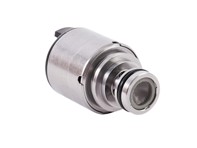
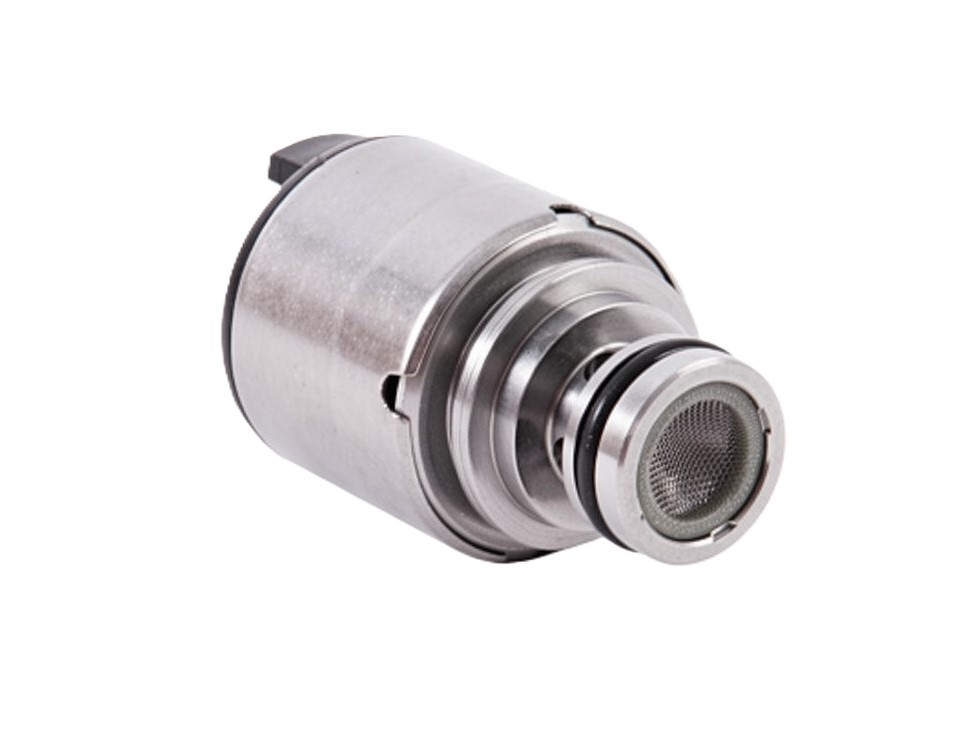
Tiptronic Pressure Regulator.
The Genuine Porsche Tiptronic Pressure Regulator 98632560300 is an electro-hydraulic control component installed inside the valve body of selected Porsche Tiptronic automatic transmissions.
Sold Each.
x3 Required Per Car.
Fits:
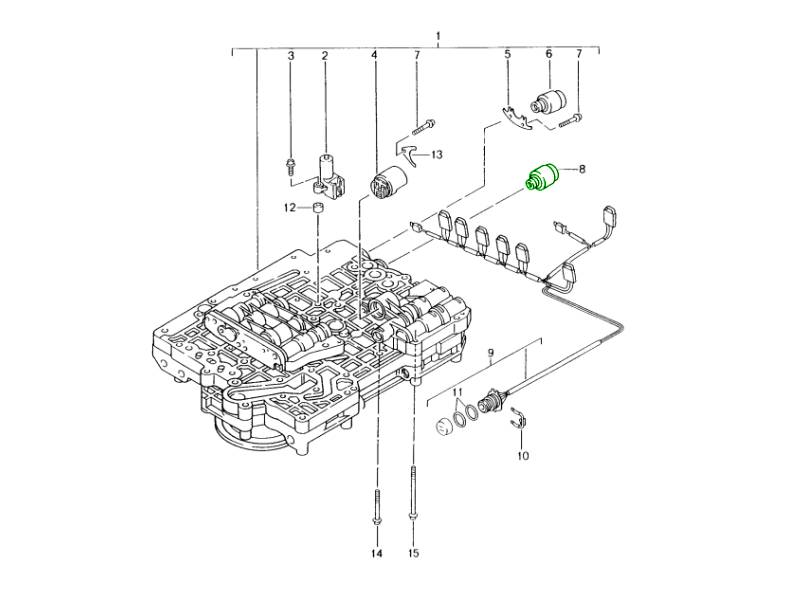
Diagram Ref No 8
Its job is to regulate hydraulic transmission-fluid pressure in response to electrical commands from the Tiptronic transmission control system.
Automatic transmissions depend on accurately controlled hydraulic pressure to operate their internal clutches and braking elements. By varying this pressure, the transmission can engage and release the appropriate internal components smoothly and at the correct time.
A worn, sticking or electrically defective pressure regulator can interfere with this process and may contribute to harsh gear changes, delayed engagement, slipping, irregular shift quality or transmission fault warnings.
Replacing a confirmed faulty regulator helps restore proper hydraulic pressure control and allows the Tiptronic transmission to perform gear changes as designed.
What This Product Does:
The Tiptronic Pressure Regulator converts an electrical control signal from the transmission-management system into controlled hydraulic pressure within the automatic transmission.
Its main functions include:
- Regulating automatic transmission fluid pressure.
- Controlling hydraulic pressure within the valve body.
- Supporting smooth clutch and brake-element engagement.
- Helping control gear-change quality.
- Supporting consistent transmission operation.
- Responding to commands from the Tiptronic control system.
- Helping maintain correct hydraulic operation under different loads.
- Replacing a sticking, electrically failed or mechanically worn regulator.
Symptoms Of Wear Or Failure:
Possible symptoms can include:
- Harsh gear changes.
- Jerking during shifts.
- Delayed gear engagement.
- Delayed selection of Drive.
- Delayed selection of Reverse.
- Transmission slipping.
- Engine speed flaring between gears.
- Irregular shift timing.
- Transmission remaining in one gear.
- Limp-home or emergency operating mode.
- Tiptronic warning indication.
- Transmission fault message.
- Stored transmission fault codes.
- Inconsistent shifts when hot.
- Inconsistent shifts when cold.
- Excessively firm engagement.
- Poor low-speed shift quality.
These symptoms are not unique to the pressure regulator and proper diagnosis is essential.
Why Replacement Matters:
Replacing a confirmed faulty Tiptronic Pressure Regulator helps restore:
- Correct hydraulic-pressure control.
- More consistent gear changes.
- Smoother clutch engagement.
- Correct transmission response.
- Reduced slipping.
- Reduced drivetrain shock.
- Proper Tiptronic control.
- Reliable automatic transmission operation.
Related reference numbers
Related, superseded, cross reference or alternative numbers for comparison.
98632560300
The product you are viewing cross references to these numbers
.jpg?width=197 "Transfer Box Input Shaft Oil Seal. Porsche 9YA / 9YA.2 Cayenne 2018>> - 9Y0321199B, 9Y0321199A")
.jpg)
- Porsche 9YA Cayenne V6 3.0L Petrol (340Hp) 2018-23
- Porsche 9YA Cayenne Coupe V6 3.0L Petrol (340Hp) 2019-23
- Porsche 9YA Cayenne E-Hybrid V6 3.0L V6 (340Hp) 2018-23
- Porsche 9YA Cayenne Coupe E-Hybrid V6 3.0L (340Hp) 2020-23
- Porsche 9YA Cayenne S V6 2.9L Petrol (440Hp) 2018-23
- Porsche 9YA Cayenne Coupe S V6 2.9L Petrol (440Hp) 2019-23
- Porsche 9YA Cayenne GTS V8 4.0L Petrol (460Hp) 2020-23
- Porsche 9YA Cayenne Coupe GTS V8 4.0L Petrol (460Hp) 2021-23
- Porsche 9YA Cayenne Turbo V8 4.0L Petrol (550Hp) 2020-23
- Porsche 9YA Cayenne Coupe Turbo V8 4.0L Petrol (550Hp) 2019-23
- Porsche 9YA Cayenne Turbo S E-Hybrid V8 4.0L (550Hp) 2019-23
- Porsche 9YA Cayenne Coupe Turbo S E-Hybrid V8 4.0L (550Hp) 2020-23
- Porsche 9YA Cayenne Coupe Turbo GT V8 4.0L (640Hp) 2021-23
- Porsche 9YA.2 Cayenne V6 3.0L Petrol (353Hp) 2023>>
- Porsche 9YA.2 Cayenne Coupe V6 3.0L (353Hp) 2023>>
- Porsche 9YA.2 Cayenne E-Hybrid V6 3.0L (470Hp) 2023>>
- Porsche 9YA.2 Cayenne E-Hybrid Coupe V6 3.0L (470Hp) 2023>>
- Porsche 9YA.2 Cayenne S V8 4.0L Petrol (474Hp) 2023>>
- Porsche 9YA.2 Cayenne S Coupe V8 4.0L (474Hp) 2023>>
- Porsche 9YA.2 Cayenne S E-Hybrid V6 3.0L (519Hp) 2023>>
- Porsche 9YA.2 Cayenne S E-Hybrid Coupe V6 3.0L (519Hp) 2023>>
- Porsche 9YA.2 Cayenne GTS V8 4.0L Bi-Turbo Petrol 2023>>
- Porsche 9YA.2 Cayenne GTS Coupe V8 4.0L Bi-Turbo 2023>>
- Porsche 9YA.2 Cayenne Turbo E-Hybrid V8 4.0L (739Hp) 2023>>
- Porsche 9YA.2 Cayenne Turbo E-Hybrid Coupe V8 4.0L (739Hp) 2023>>
- Porsche 9YA.2 Cayenne Turbo E-Hybrid Coupe with GT Package V8 4.0 (739Hp) 2023>>
Transfer Box Input Shaft Oil Seal.
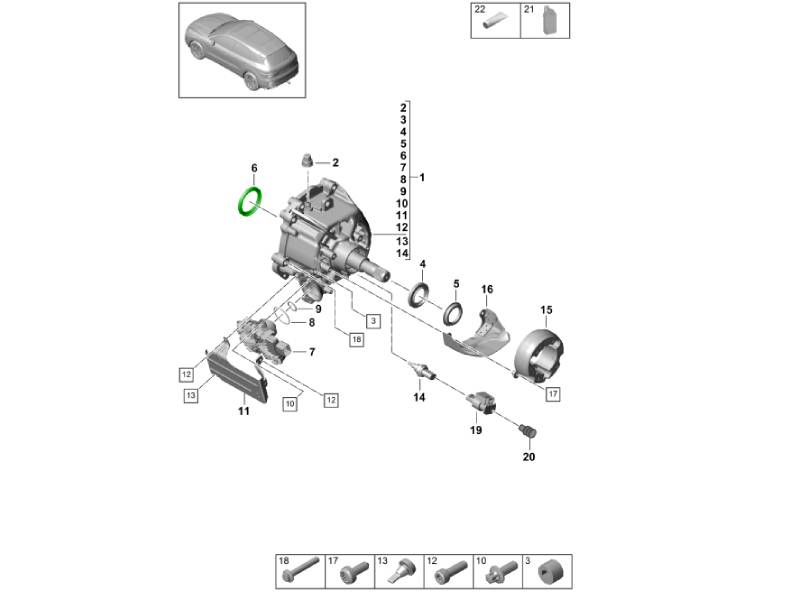
The Genuine Porsche Transfer Box Input Shaft Oil Seal (Part Number 9Y0321199B) is a precision-engineered drivetrain sealing component designed to prevent oil leakage from the transfer box on compatible Porsche Cayenne models.
Fits:
Diagram Ref No 6
Manufactured to Porsche's original equipment specifications, this radial shaft seal provides a reliable sealing barrier around the rotating input shaft where it enters the transfer box housing.
The transfer box is an essential component of the Porsche Cayenne's four-wheel-drive system, responsible for distributing engine torque through the drivetrain. Its internal gears, bearings and associated moving components rely on the correct quantity of lubricating oil to operate efficiently and minimise friction.
The input shaft oil seal helps retain this vital lubricant within the transfer box while limiting the entry of dirt, moisture and external contaminants.
Constructed for demanding drivetrain operating conditions, the seal is designed to accommodate continuous shaft rotation, temperature changes and normal mechanical loads.
Over time, the original oil seal can deteriorate due to ageing, heat exposure, friction, shaft wear or contamination. A worn or damaged seal may allow transfer box oil to escape, potentially reducing lubrication and increasing wear on internal drivetrain components.
Replacing a leaking or damaged seal with a Genuine Porsche component helps restore the transfer box's sealing integrity, maintain the correct lubricant level and protect the four-wheel-drive system against avoidable mechanical damage.
Ideal for transfer box oil leak repairs, drivetrain servicing and preventative maintenance, this genuine replacement oil seal offers factory-correct dimensions and fitment for the specified Porsche application.
What This Product Does:
The transfer box input shaft oil seal is a critical sealing component within the vehicle's four-wheel-drive transmission system.
Its primary functions include:
- Prevents Transfer Box Oil Leakage: Creates a seal around the rotating input shaft to help prevent lubricant from escaping the transfer box housing.
- Maintains Lubrication Levels: Helps retain the correct quantity of oil required for reliable transfer box operation.
- Protects Internal Gears and Bearings: Supports effective lubrication of the transfer box's mechanical components.
- Prevents Contamination: Helps reduce the entry of dirt, dust and moisture around the input shaft opening.
- Accommodates Shaft Rotation: Maintains sealing contact around the shaft during normal drivetrain operation.
- Reduces Lubricant Loss: Helps prevent gradual oil loss caused by a worn or deteriorated sealing surface.
- Supports Drivetrain Reliability: Helps preserve the operating conditions required for dependable four-wheel-drive performance.
- Reduces Premature Component Wear: Helps maintain the lubricant supply necessary to minimise friction and mechanical wear.
- Maintains Transfer Box Integrity: Provides the factory-specified sealing arrangement between the input shaft and transfer box housing.
- Supports Long-Term Transmission Durability: Helps protect the internal drivetrain components against damage associated with insufficient lubrication.
Symptoms Of Wear Or Failure:
Transfer box input shaft oil seals are exposed to continuous shaft rotation, lubricant pressure, temperature fluctuations and mechanical vibration.
Over time, the sealing lip may harden, wear or become damaged, allowing lubricant to escape.
Common symptoms of a worn or failing transfer box input shaft oil seal include:
- Transfer Box Oil Leakage: Oil may seep or drip from the area where the input shaft enters the transfer box housing.
- Oil Stains Beneath the Vehicle: Small oil spots or puddles may develop underneath the transmission or transfer box area.
- Visible Oil Residue: Wet or oily deposits may appear around the input shaft flange, transfer box housing or nearby components.
- Low Transfer Box Oil Level: Continued leakage can gradually reduce the amount of lubricant within the transfer box.
- Hardened or Deteriorated Seal: Ageing and heat exposure may cause the sealing material to lose flexibility.
- Damaged Sealing Lip: Wear, tearing or deformation of the sealing lip may prevent effective sealing.
- Contaminated Surrounding Components: Escaping oil may spread onto nearby drivetrain components or underbody surfaces.
- Increased Drivetrain Noise: Significant lubricant loss may contribute to whining, humming or grinding noises from the transfer box.
- Drivetrain Vibration or Roughness: Severe lubrication loss or resulting internal wear may contribute to abnormal drivetrain behaviour.
- Overheating of Internal Components: Insufficient lubrication may increase friction and operating temperatures within the transfer box.
- Oil Leakage Following Repairs: Incorrect installation or damage during previous drivetrain work may prevent the seal from functioning correctly.
- Visible Shaft or Flange Wear: Damage to the rotating sealing surface may cause repeated leakage, even after a new seal has been installed.
Why Replacement Matters:
Replacing a worn or leaking input shaft oil seal is important for maintaining transfer box lubrication, drivetrain reliability and the long-term performance of the Porsche Cayenne's four-wheel-drive system.
Key Benefits of Replacement:
- Restores Effective Oil Sealing: Replaces worn or damaged sealing surfaces to help prevent transfer box oil leakage.
- Maintains Correct Lubrication Levels: Helps retain the lubricant necessary for normal transfer box operation.
- Protects Internal Gears and Bearings: Reduces the risk of excessive wear caused by inadequate lubrication.
- Helps Prevent Expensive Transfer Box Damage: Addressing oil leakage promptly may prevent more serious internal drivetrain problems.
- Reduces Oil Contamination: Helps protect the interior of the transfer box against external dirt and moisture.
- Supports Smooth Drivetrain Operation: Helps maintain the lubrication conditions required for reliable torque transfer.
- Reduces Premature Component Wear: Maintains a protective lubricant film between internal moving components.
- Genuine Porsche Quality: Manufactured to Porsche's original equipment dimensions and application requirements.
- Correct Factory Fitment: Designed to match the specified input shaft sealing arrangement.
- Supports Four-Wheel-Drive Reliability: Helps preserve the mechanical condition of the transfer box assembly.
- Ideal During Transfer Box Repairs: Suitable for replacement when the input shaft flange or related drivetrain components are removed.
- Cost-Effective Preventative Maintenance: Replacing a defective oil seal may help avoid the considerably higher cost of repairing or replacing a damaged transfer box.
Although the transfer box input shaft oil seal is a relatively small component, it performs an essential protective function within the drivetrain.
Even a minor oil leak can gradually reduce the transfer box lubricant level. If left unresolved, insufficient lubrication may increase friction, accelerate internal component wear and eventually lead to serious transfer box damage.
Replacing a defective seal with a Genuine Porsche component helps restore the original sealing arrangement and protect the transfer box against avoidable lubricant loss.
Related reference numbers
Related, superseded, cross reference or alternative numbers for comparison.
9Y0321199B
The product you are viewing cross references to these numbers
- Porsche Boxster 718 2.0L Manual (300 Bhp) 2017>>
- Porsche Boxster S 718 2.5L Manual (350 Bhp) 05/2017>>
- Porsche Boxster T 718 2.0L Manual (300 Bhp) 01/2019>>
- Porsche Boxster GTS 718 2.5L Manual (365 Bhp) 05/2017>>
- Porsche Cayman 718 2.0L Manual (300 Bhp)
- Porsche Cayman S 718 2.5L Manual (350 Bhp)
- Porsche Cayman T 718 2.0L Manual (300 Bhp)
- Porsche Cayman GTS 718 2.5L Manual (365 Bhp)
Hydraulic Clutch Tube With Hose.
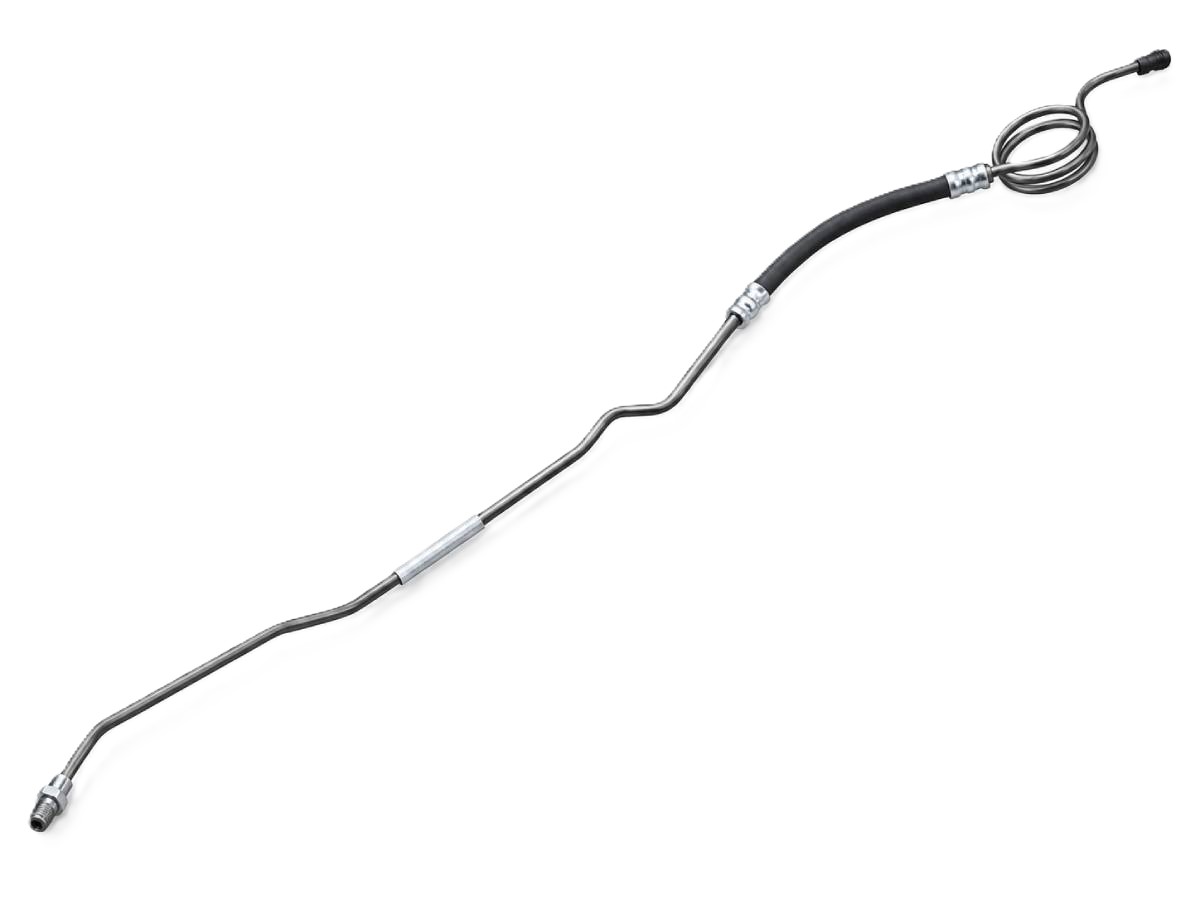
The Porsche Hydraulic Clutch Tube With Hose 982721387A is a genuine Porsche replacement hydraulic pressure line used within the clutch operating system of selected Porsche 718 Boxster and 718 Cayman (982) models with manual transmission.
Fits:
Diagram Ref No 7
The assembly combines rigid hydraulic pipework with a flexible hose section, allowing clutch fluid pressure to be transferred through the vehicle while accommodating movement and vibration between components.
When the clutch pedal is pressed, hydraulic pressure generated by the clutch master cylinder is transmitted through the clutch line to the slave-cylinder side of the system. This allows the clutch mechanism to disengage so that gears can be selected smoothly.
What This Product Does:
The hydraulic clutch line forms a sealed pressure path within the clutch operating circuit.
Its main functions include:
- Carrying pressurised hydraulic fluid through the clutch system
- Transferring clutch-pedal input to the clutch release mechanism
- Supporting smooth clutch engagement and disengagement
- Allowing the clutch to fully disengage during gear changes
- Maintaining hydraulic pressure within the clutch circuit
- Accommodating drivetrain movement through its flexible hose section
- Preventing hydraulic fluid loss when the system is correctly sealed
- Maintaining the original Porsche hydraulic clutch layout
Correct operation of this line is essential for consistent clutch-pedal feel and reliable manual gear selection.
Symptoms Of Wear Or Failure:
A hydraulic clutch tube or hose can deteriorate through heat, age, vibration, corrosion or physical damage.
Possible symptoms include:
- Hydraulic fluid leaking from the clutch line
- Dampness around pipe or hose connections
- Visible fluid residue on the line
- Cracked or deteriorated flexible hose material
- Corrosion on rigid pipe sections
- Damaged or kinked pipework
- Bulging hose sections
- Loose or damaged fittings
- Soft or spongy clutch pedal
- Clutch pedal travelling farther than normal
- Clutch pedal slowly sinking
- Clutch pedal failing to return correctly
- Difficulty selecting gears
- Difficulty engaging first or reverse gear
- Gear grinding during selection
- Clutch dragging when the pedal is fully depressed
- Changing clutch engagement point
- Loss of clutch hydraulic pressure
A soft clutch pedal can also result from a failing master cylinder, slave cylinder or air elsewhere in the hydraulic circuit, so the complete system should be inspected.
Why Replacement Matters:
A damaged clutch line can lead to progressive pressure loss and eventually prevent the clutch from disengaging.
Continued use with a deteriorating line can result in:
- Increasing difficulty changing gear
- Clutch drag
- Gear grinding
- Increased wear on gearbox synchronisers
- Loss of clutch-pedal function
- Complete hydraulic failure
- Vehicle becoming difficult or impossible to drive
- Unexpected breakdown
Replacing a leaking or damaged hydraulic line restores the sealed pressure path required for correct clutch operation.
Related reference numbers
Related, superseded, cross reference or alternative numbers for comparison.
982721387A
The product you are viewing cross references to these numbers
- Porsche Boxster 987 MKII 2.9L 2009-12
- Porsche Boxster S 987 MKII 3.4L 2009-12
- Porsche 997 MKII Carrera C2 3.6L 2009-12
- Porsche 997 MKII Carrera C4 3.6L 2009-12
- Porsche 997 MKII Carrera C2S 3.8L 2009-12
- Porsche 997 MKII Carrera C4S 3.8L 2009-12
- Porsche 997 MKII Turbo 2010-13
- Porsche Cayman 2.9L 987C MKII 2009-12
- Porsche Cayman S / R 3.4L 987C MKII 2009-12
Oil Pump Chain Guide Rail.
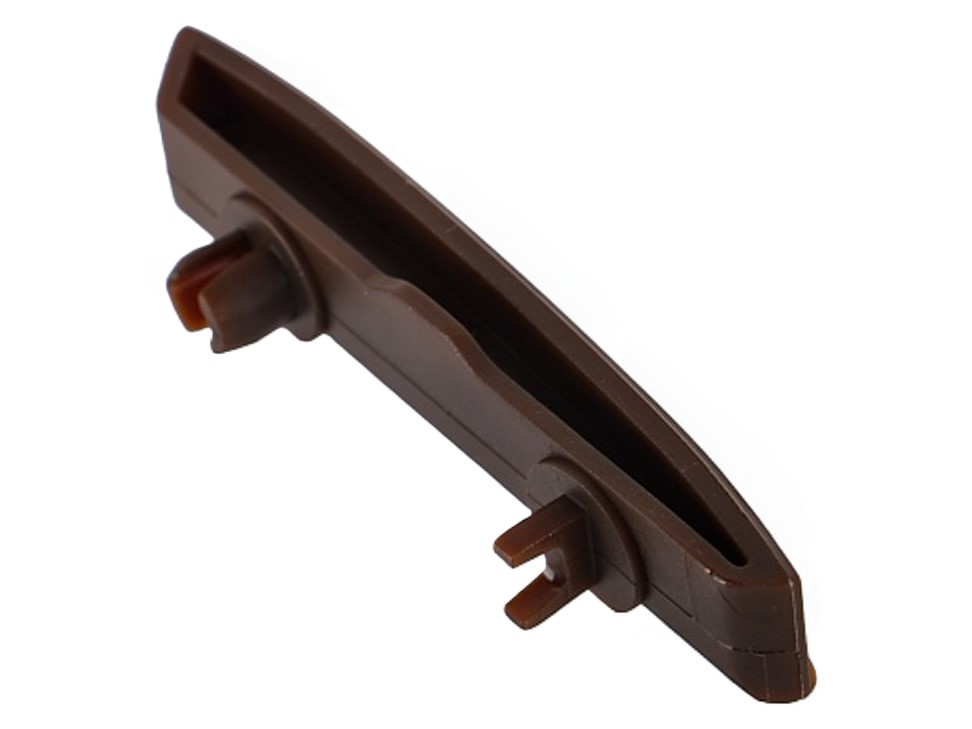
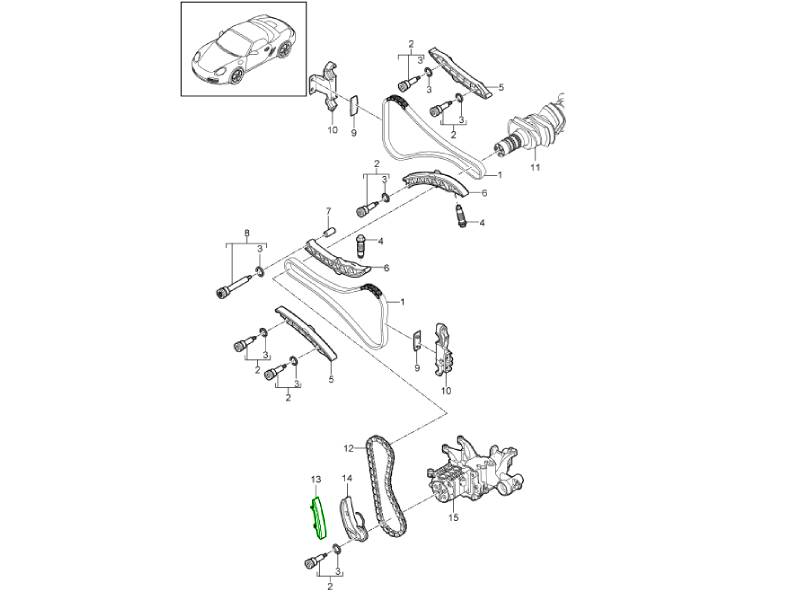
The Genuine Porsche Oil Pump Chain Guide Rail 9A110523702 is a replacement guide rail for the chain-driven engine oil pump used on selected Porsche 911, Boxster and Cayman models equipped with the 9A1-family engine.
Fits:
Diagram Ref No 13
The engine oil pump is mechanically driven from the crankshaft by a dedicated chain. This guide rail provides a controlled running surface for that chain, helping keep it correctly positioned as it travels between the crankshaft drive and oil pump sprocket.
Although the guide rail is a relatively small component, it performs an important role in the engine lubrication system.
The oil pump must rotate reliably whenever the engine is running so that engine oil can be circulated under pressure to critical internal components.
If the guide rail becomes excessively worn, cracked or damaged, the oil-pump chain may no longer run as smoothly or securely as intended. This can contribute to chain noise, abnormal chain movement, accelerated chain or sprocket wear and, in severe cases, disruption of the oil-pump drive.
Replacing a damaged guide rail helps restore the correct oil-pump chain path and supports reliable engine lubrication.
What This Product Does:
The Oil Pump Chain Guide Rail provides a smooth, accurately positioned running surface for the oil-pump drive chain.
Its main functions are to:
- Guide the oil-pump drive chain.
- Maintain correct chain alignment.
- Control chain movement.
- Reduce unwanted chain vibration.
- Prevent excessive chain whip.
- Help maintain correct engagement with the drive sprockets.
- Work with the oil-pump chain tensioner.
- Support reliable oil-pump operation.
- Reduce abnormal chain and sprocket wear.
- Replace a cracked, worn or damaged original guide.
Symptoms Of Wear Or Failure:
Possible symptoms or inspection findings can include:
- Chain rattling from the engine.
- Mechanical rattling at start-up.
- Persistent chain noise.
- Abnormal noise increasing with engine speed.
- Excessive oil-pump chain movement.
- Visible wear grooves in the guide.
- Cracked guide material.
- Broken guide sections.
- Missing guide material.
- Debris found in the engine oil or sump.
- Abnormal oil-pump chain wear.
- Chain alignment problems.
- Damaged oil-pump sprocket teeth.
- Low oil-pressure warning in severe drive-system failure.
Many of these symptoms can also originate from other engine components, so diagnosis is essential.
Why Replacement Matters:
Replacing a worn or damaged Oil Pump Chain Guide Rail helps restore:
- Correct chain alignment.
- Controlled oil-pump chain movement.
- Proper chain tracking.
- Reduced chain vibration.
- Reliable sprocket engagement.
- Smooth oil-pump drive.
- Long-term lubrication-system reliability.
Related reference numbers
Related, superseded, cross reference or alternative numbers for comparison.
9A110523702
The product you are viewing cross references to these numbers
.jpg?width=197 "Coolant Hose, Complete. Porsche 958 Cayenne 3.0L Hybrid 2013–17 - 95810631022")
.jpg)
- Porsche 958 Cayenne S V6 3.0L Hybrid (380Hp) 2010-17
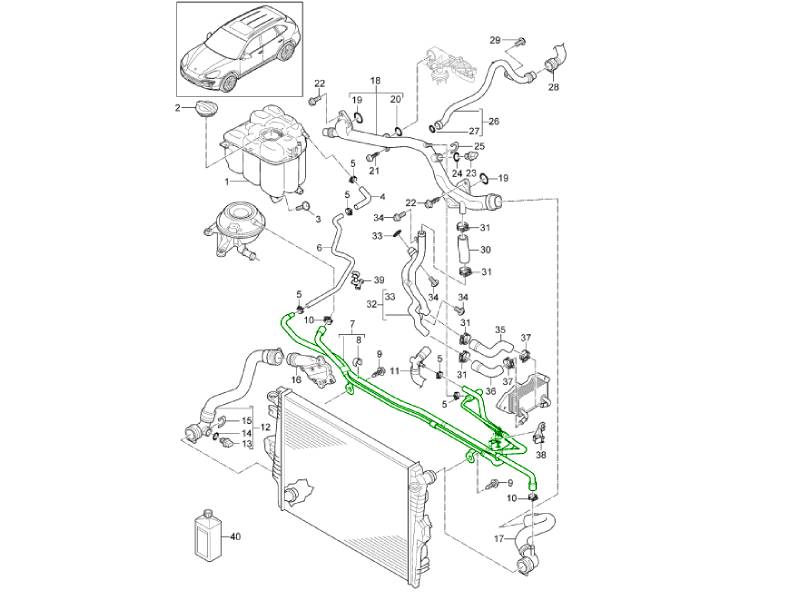
The Genuine Porsche Coolant Hose, Complete (95810631022) is an original equipment cooling system replacement component designed for selected Porsche Cayenne 958 models equipped with the 3.0-litre hybrid powertrain.
Fits:
- Porsche 958 Cayenne S V6 3.0L Hybrid (380Hp) 2010-17
Diagram Ref No 7
Also referred to as a complete water hose or water radiator hose assembly, this component forms part of the vehicle's engine cooling system, carrying coolant between its designated connection points.
The Porsche Cayenne uses a carefully engineered liquid cooling system to regulate operating temperatures and protect the engine during a wide range of driving conditions.
During operation, coolant circulates through the engine and associated cooling system components, absorbing heat and transferring it towards the appropriate heat exchangers.
For the cooling system to perform correctly, coolant must remain contained within a sealed circuit and flow through the correct hoses and passages.
The Porsche complete coolant hose 95810631022 provides one of these connections within the Cayenne's original cooling system arrangement.
Its construction and connection layout are intended to match the relevant factory cooling system specification.
This is important because different Porsche Cayenne engines and production years use different hose configurations.
The coolant hose is continually exposed to high operating temperatures, pressure changes, engine vibration and coolant chemicals.
Over time, these conditions can cause the hose material or its connections to deteriorate.
Ageing hoses may become hard, brittle, swollen or weakened, while damaged connections can allow coolant to escape.
A coolant leak may initially appear as minor dampness around the hose, but continued deterioration can lead to greater coolant loss and potentially compromise engine cooling.
If the cooling system loses too much coolant, the engine may begin to run at an abnormally high temperature.
Severe overheating can damage engine seals, cylinder heads and other internal components.
Replacing a worn or leaking hose with Genuine Porsche part number 95810631022 helps restore the original coolant connection, maintain system integrity and support dependable engine temperature regulation.
This complete hose assembly is particularly suitable for coolant leak repairs, cooling system refurbishment and replacement of deteriorated original pipework.
As a Genuine Porsche part, it provides the specified original equipment replacement for compatible Cayenne cooling system configurations.
What This Product Does:
The coolant hose provides a dedicated passage for coolant circulation within the Porsche Cayenne engine cooling system.
Its main functions include:
- Transfers Engine Coolant: Carries coolant between the relevant cooling system components.
- Maintains Coolant Circulation: Supports uninterrupted flow through the designated cooling circuit.
- Provides a Sealed Connection: Helps prevent coolant escaping from the system.
- Supports Cooling System Pressure: Maintains the integrity of the pressurised coolant circuit.
- Helps Regulate Engine Temperature: Allows coolant to participate in the engine's heat-management process.
- Supports Heat Transfer: Helps coolant circulate through the system so heat can be absorbed and dissipated.
- Maintains Factory Coolant Routing: Preserves the original hose layout and connection positions.
- Accommodates Engine Movement: Provides a suitable connection within an environment exposed to vibration and thermal movement.
- Supports Engine Reliability: Helps prevent coolant loss that could interfere with cooling performance.
- Restores Original Equipment Fitment: Replaces worn or damaged factory coolant pipework.
Symptoms Of Wear Or Failure:
Coolant hoses are subject to repeated heating, cooling, expansion and contraction.
Age, mileage and environmental conditions can gradually affect the hose and its connections.
Typical symptoms:
- Wetness around the hose.
- Coolant dripping from a connection.
- Fluid collecting beneath the vehicle.
- Dried coolant residue around the hose ends.
- Coolant staining on nearby components.
- Leaks becoming more noticeable when the engine is hot.
- Low coolant warning on the dashboard.
- Expansion tank level falling below the recommended mark.
- Repeated need to top up coolant.
- Cooling system warnings after longer journeys.
- Sweet odour after driving.
- Coolant smell around the front of the vehicle.
- Smell becoming stronger when the engine is warm.
- Coolant residue on nearby engine components.
Why Replacement Matters:
The coolant hose plays an essential supporting role in the vehicle's engine cooling system.
Although it is a relatively simple component, a failed hose can cause significant coolant loss and potentially lead to serious engine damage.
Replacing a defective hose helps restore the system's ability to retain coolant and maintain the intended circulation path.
- Prevents Coolant Leaks: Restores a sealed connection where the original hose is leaking.
- Maintains Correct Coolant Circulation: Preserves the factory coolant routing.
- Supports Stable Engine Temperatures: Helps ensure the cooling system can operate as designed.
- Restores Pressure Integrity: Helps maintain the correct sealed cooling circuit.
- Reduces Overheating Risk: Addresses hose-related coolant loss before it becomes severe.
- Protects Engine Components: Helps prevent damage associated with inadequate cooling.
- Reduces Unplanned Breakdowns: Replaces a deteriorated component before complete failure.
- Supports Cooling System Reliability: Maintains a dependable connection between cooling components.
- Restores Factory Fitment: Uses the original Porsche hose configuration for compatible vehicles.
- Suitable for Preventative Maintenance: Allows replacement of an ageing or weakened hose during other cooling system repairs.
Related reference numbers
Related, superseded, cross reference or alternative numbers for comparison.
95810631022
The product you are viewing cross references to these numbers
- Porsche 9YA Cayenne GTS V8 4.0L Petrol (460Hp) 2020-23
- Porsche 9YA Cayenne Coupe GTS V8 4.0L Petrol (460Hp) 2021-23
- Porsche 9YA Cayenne Turbo V8 4.0L Petrol (550Hp) 2020-23
- Porsche 9YA Cayenne Coupe Turbo V8 4.0L Petrol (550Hp) 2019-23
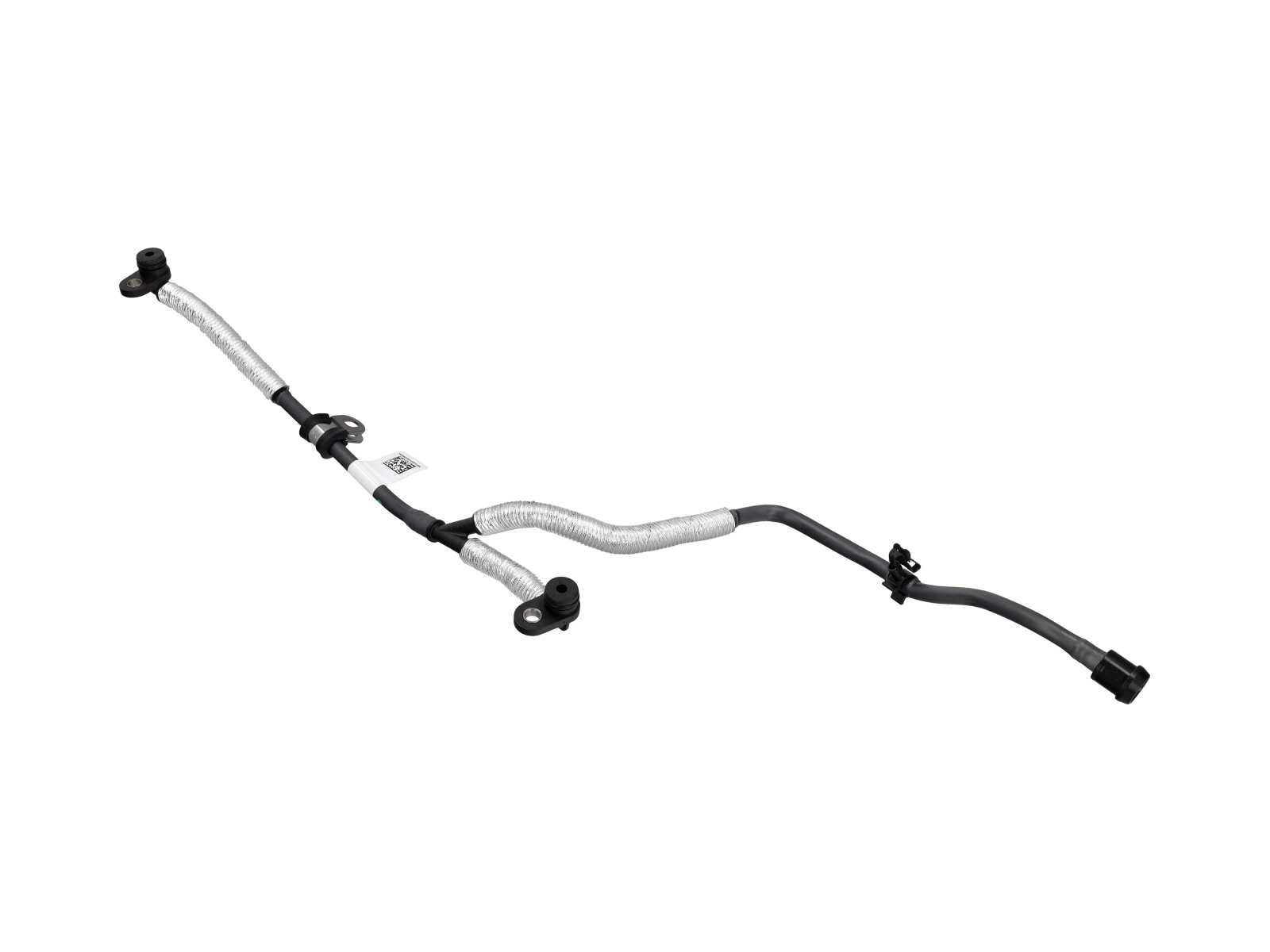
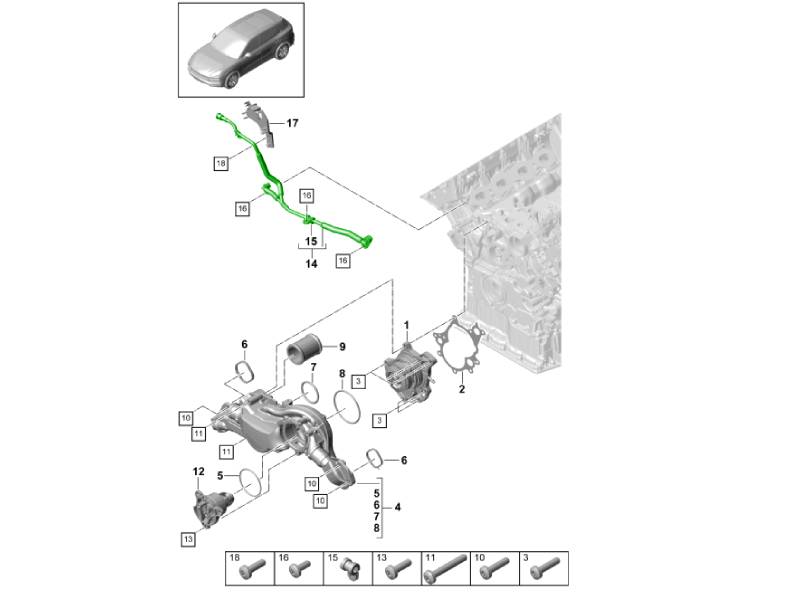
The Genuine Porsche Coolant Breather Line (PAB121455A) is an original equipment replacement component designed for the engine cooling system of selected third-generation Porsche Cayenne 9YA models equipped with the 4.0-litre V8 engine.
Fits:
- Porsche 9YA Cayenne GTS V8 4.0L Petrol (460Hp) 2020-23
- Porsche 9YA Cayenne Coupe GTS V8 4.0L Petrol (460Hp) 2021-23
- Porsche 9YA Cayenne Turbo V8 4.0L Petrol (550Hp) 2020-23
- Porsche 9YA Cayenne Coupe Turbo V8 4.0L Petrol (550Hp) 2019-23
Diagram Ref No 14
Also known as a coolant vent pipe or breather tube, this component forms part of the cooling system's air-bleeding and coolant circulation arrangement.
The Porsche Cayenne V8 engine produces substantial heat during operation, making effective temperature regulation essential for performance, reliability and engine protection.
Its liquid cooling system circulates coolant through the engine, radiator and associated heat exchangers to absorb and dissipate heat.
For this system to operate correctly, coolant must circulate through the intended passages without excessive air accumulation.
Air trapped within the cooling circuit can interfere with coolant flow, reduce heat transfer and contribute to fluctuating engine temperatures.
The coolant breather line PAB121455A provides a dedicated flow path within the engine cooling system, helping manage trapped air and coolant movement through the corresponding venting circuit.
Its design is specific to the compatible Cayenne V8 cooling system arrangement.
During operation, coolant hoses and pipes are exposed to repeated temperature changes, system pressure, vibration and the chemical properties of engine coolant.
Over time, these conditions can contribute to cracks, damaged connections, deterioration of sealing surfaces or leaks.
If a coolant breather line becomes damaged, the cooling system may lose coolant or admit air during cooling cycles.
This can compromise the system's ability to remain correctly filled and bled, potentially contributing to reduced cooling efficiency.
The Genuine Porsche replacement PAB121455A is designed to restore the original breather connection and maintain the factory cooling system configuration.
It is particularly suitable for cooling system repairs, water pump servicing, investigation of coolant leaks and replacement of damaged coolant ventilation pipework.
As an original equipment component, it provides the intended connection layout for the applicable Porsche engine specification.
What This Product Does:
The coolant breather line forms part of the engine cooling system's ventilation and coolant routing arrangement.
Its main functions include:
- Helps Remove Trapped Air: Provides a route for air and coolant movement through the designated breather circuit.
- Supports Correct System Bleeding: Helps maintain the intended cooling system ventilation pathway.
- Maintains Coolant Circuit Integrity: Connects the specified cooling system components.
- Helps Prevent Airlocks: Supports the movement of trapped air away from areas where it could interfere with cooling.
- Supports Efficient Cooling: Helps the cooling system maintain consistent coolant circulation.
- Maintains System Pressure Integrity: Provides a sealed connection within the pressurised cooling circuit.
- Helps Prevent Coolant Loss: A correctly installed, undamaged line prevents leakage from its own connections and pipework.
- Supports Stable Engine Temperatures: Contributes to correct cooling system operation.
- Preserves Original Routing: Maintains the factory cooling system layout.
Symptoms Of Wear Or Failure:
Coolant breather lines operate in a demanding environment involving heat, pressure and vibration.
Although they are not normally replaced at fixed service intervals, damage or deterioration can develop over time.
Typical symptoms:
- Wet areas around the breather line.
- Coolant dripping from nearby pipe connections.
- Coolant stains or residue.
- Fluid accumulating beneath the vehicle.
- Repeated coolant loss.
- Low coolant warning message.
- Coolant expansion tank level dropping.
- Frequent top-ups.
- Cooling system warnings appearing after driving.
- Coolant odour from the engine compartment.
- Smell becoming stronger after driving.
- Visible residue near the affected hose or pipe.
Why Replacement Matters:
A properly functioning coolant breather line helps preserve the integrity of the engine cooling system.
Replacing a damaged component is important for preventing coolant loss, maintaining correct venting and protecting the engine from overheating.
- Helps Prevent Coolant Loss: Restores a sealed connection where the original line is leaking.
- Maintains Cooling System Ventilation: Preserves the intended breather route.
- Helps Prevent Air Pockets: Supports correct removal and management of trapped air.
- Supports Stable Engine Temperatures: Helps maintain effective cooling system operation.
- Restores System Pressure Integrity: Replaces damaged pipework or connections.
- Reduces Overheating Risk: Addresses faults that can interfere with coolant circulation or system filling.
- Protects Engine Components: Helps reduce the risk of damage associated with coolant loss and overheating.
- Supports Long-Term Reliability: Maintains an important part of the V8 cooling circuit.
- Suitable for Cooling System Repairs: Ideal when replacing damaged pipework during water pump or coolant system maintenance.
- Genuine Porsche Replacement: Preserves the original manufacturer specification.
Related reference numbers
Related, superseded, cross reference or alternative numbers for comparison.
PAB121455A
The product you are viewing cross references to these numbers
- Porsche 997 MK1 Carrera 2 3.6L 2005-08
- Porsche 997 MK1 Carrera 2S 3.8L 2005-08
- Porsche 997 MK1 Carrera 4 3.6L 2005-08
- Porsche 997 MK1 Carrera 4S 3.8L 2005-08
- Porsche 997 MK1 TURBO 2007-09
- Porsche 997 MK1 GT3 / GT3 RS 2007-09
- Porsche 997 MK1 GT2 2007-09
- Porsche 997 MKII Carrera C2 3.6L 2009-12
- Porsche 997 MKII Carrera C4 3.6L 2009-12
- Porsche 997 MKII Carrera C2S 3.8L 2009-12
- Porsche 997 MKII Carrera C4S 3.8L 2009-12
- Porsche 997 MKII GT3 / GT3 RS 2010-11
- Porsche 997 MKII Turbo 2010-13
- Porsche 997 MKII GT2 RS 2011-13
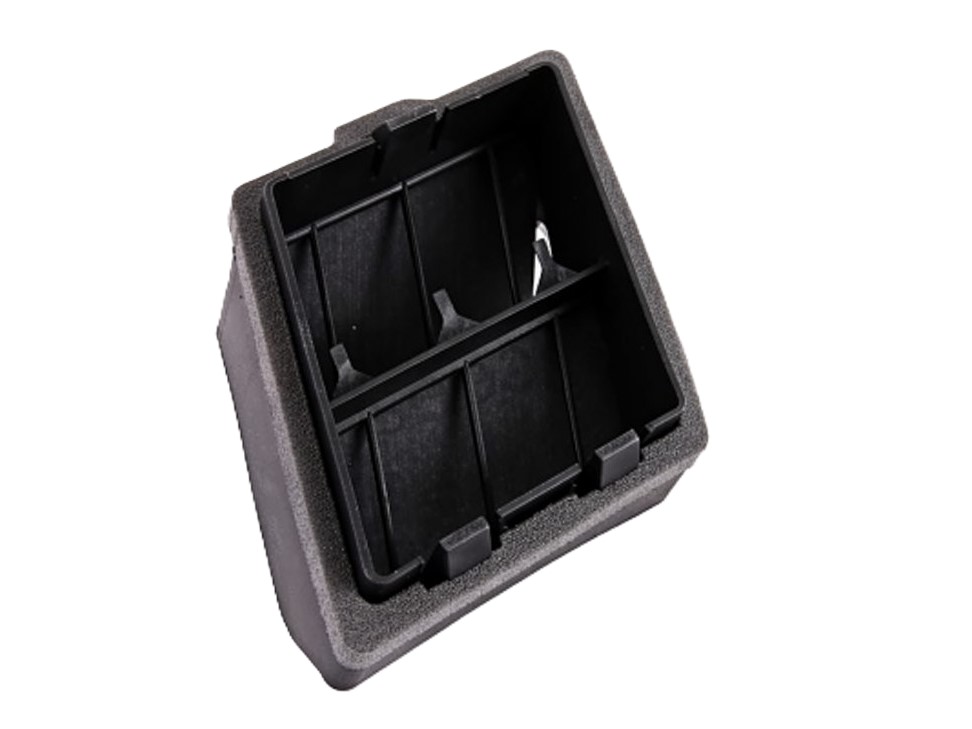
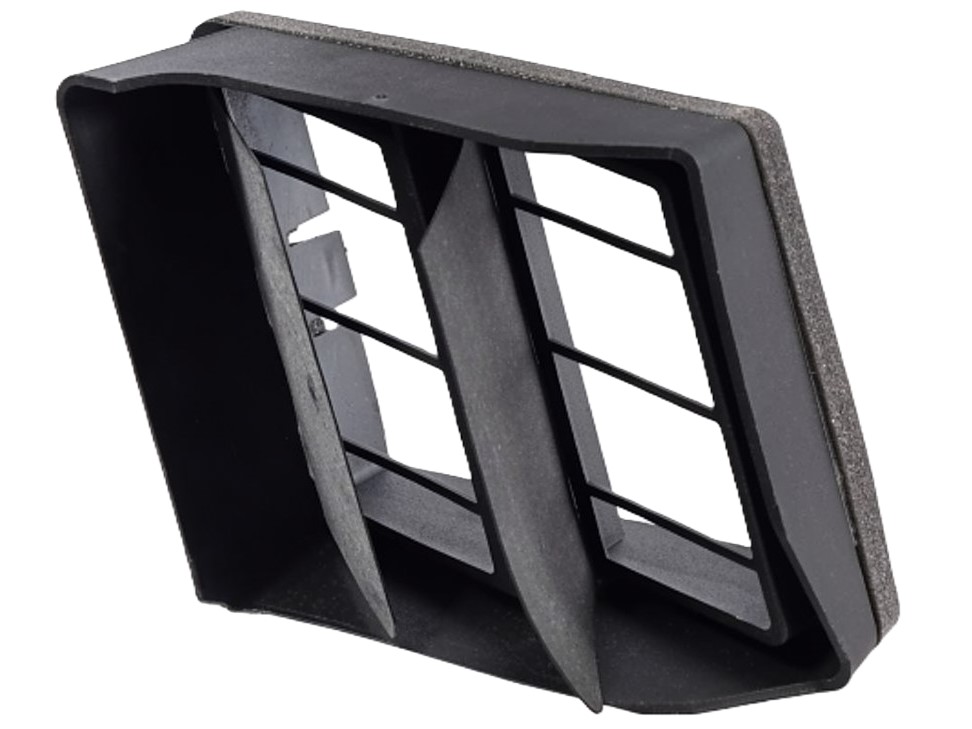
The Genuine Porsche Splash Guards 99757231101 and 99757231202 are protective body components used within the rear side-section and sill area of selected Porsche 911 997 models.
Fits:
- Porsche 997 MK1 Carrera 2 3.6L 2005-08
- Porsche 997 MK1 Carrera 2S 3.8L 2005-08
- Porsche 997 MK1 Carrera 4 3.6L 2005-08
- Porsche 997 MK1 Carrera 4S 3.8L 2005-08
- Porsche 997 MK1 TURBO 2007-09
- Porsche 997 MK1 GT3 / GT3 RS 2007-09
- Porsche 997 MK1 GT2 2007-09
- Porsche 997 MKII Carrera C2 3.6L 2009-12
- Porsche 997 MKII Carrera C4 3.6L 2009-12
- Porsche 997 MKII Carrera C2S 3.8L 2009-12
- Porsche 997 MKII Carrera C4S 3.8L 2009-12
- Porsche 997 MKII GT3 / GT3 RS 2010-11
- Porsche 997 MKII Turbo 2010-13
- Porsche 997 MKII GT2 RS 2011-13
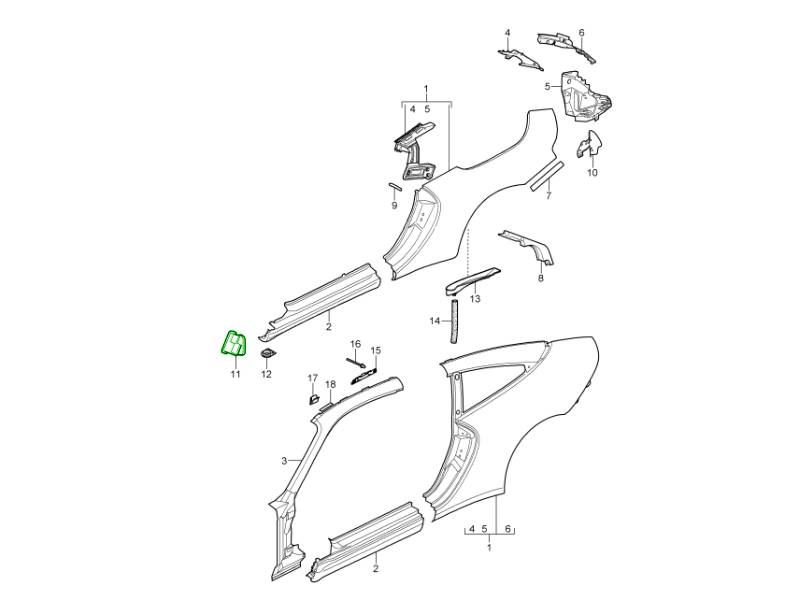
Diagram Ref No 11
Although commonly described as splash guards, these components should not be confused with the larger plastic wheel-arch liners normally fitted directly around the tyres.
Porsche parts catalogues position these components within the outer side-body and rear-quarter structure and describe them as:
Water protection
and, in later specialist catalogues:
Drain valve / forced ventilation trim.
Their role is to help protect the body ventilation and drainage area from direct water spray, dirt and road contamination while allowing the vehicle's intended body-cavity ventilation and drainage arrangement to function correctly.
The left and right guards sit within the side-body structure close to the rear quarter and sill area, where they help reduce the amount of spray and debris entering sensitive body cavities.
Over time, the original components can become cracked, brittle, distorted, loose or lost during body repairs. A damaged or missing guard can leave the surrounding cavity more exposed to water, mud and debris and may interfere with the intended drainage or forced-ventilation arrangement.
Replacing deteriorated guards helps restore the original Porsche body protection and ventilation configuration.
What This Product Does:
The Splash Guard / Water Protection component forms part of the Porsche 997 rear side-body protection and ventilation system.
Its main functions are to:
- Help shield the rear side-body cavity from water spray.
- Help prevent road dirt and debris entering the protected area.
- Protect the forced-ventilation opening.
- Support the intended body-cavity ventilation arrangement.
- Work alongside the sill water-drain system.
- Help direct moisture away from internal body sections.
- Reduce direct exposure of body cavities to road contamination.
- Restore the correct factory arrangement after body repair.
- Replace cracked, missing or distorted original guards.
Symptoms Of Wear Or Failure:
Typical symptoms or inspection findings include:
- Guard completely missing.
- Cracked plastic.
- Split edges.
- Broken mounting points.
- Distorted shape.
- Guard sitting loose.
- Rattling from the side-body area.
- Road debris accumulating around the ventilation opening.
- Increased dirt inside the rear side cavity.
- Water staining around the surrounding bodywork.
- Dampness within the associated cavity.
- Previous accident or body repair leaving the guard incorrectly fitted.
- Damaged clips or fixings.
- Guard no longer sitting flush.
Why Replacement Matters:
Replacing a damaged or missing Splash Guard helps restore:
- Correct water protection.
- Protection of the forced-ventilation area.
- Reduced dirt and debris intrusion.
- Proper body drainage arrangement.
- Original body-cavity configuration.
- Secure trim installation.
- Factory-standard appearance and function.
Related reference numbers
Related, superseded, cross reference or alternative numbers for comparison.
99757231
The product you are viewing cross references to these numbers
- Porsche 964 (911) C2 1989-93
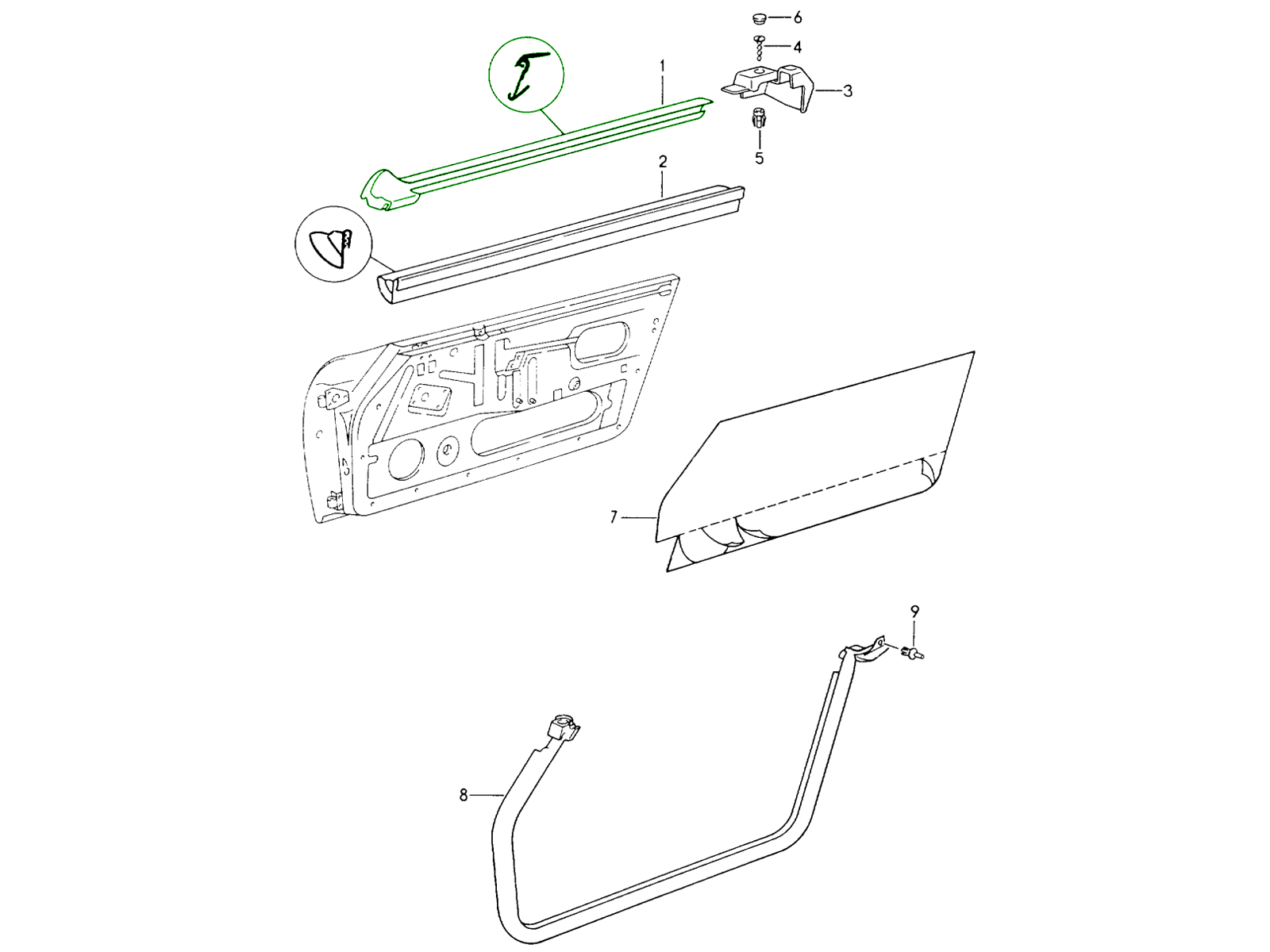
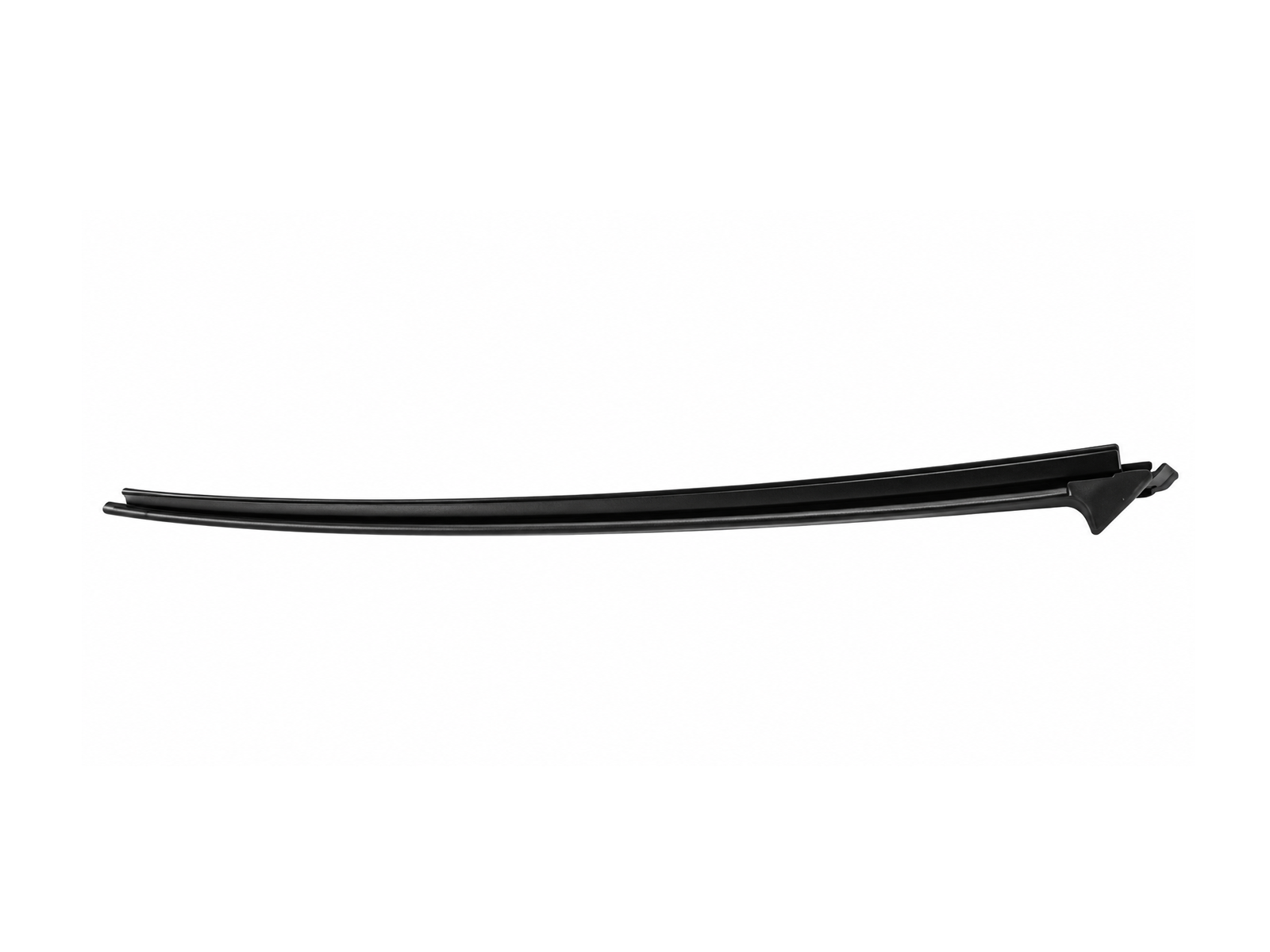
Genuine Porsche door window slot seal for Porsche 964 Speedster models. This original Porsche window sealing strip fits along the door window slot area, helping seal the glass-to-door opening and maintain the correct factory exterior finish.
Fits:
Porsche 964 Speedster 1993 - 1994
Diagram ref no
These seals are used at the door window opening where the glass passes into the door.
What This Part Does / Functions
• Seals the door window slot area
• Helps reduce water, dirt and debris entering the door cavity
• Provides a clean finished edge along the door glass opening
• Helps support correct window-to-door sealing
• Replaces cracked, perished, shrunken or damaged original seals
• Helps reduce wind noise and water ingress around the door glass
• Provides correct Genuine Porsche profile and fitment
• Supports factory-correct restoration of the 964 Speedster door assembly.
Why Replace This Part?
Door window slot seals are exposed to sunlight, rain, temperature changes, dirt, window movement and age-related rubber deterioration. Over time, the rubber can harden, crack, shrink, split or lose its sealing edge. A worn seal may allow water and debris into the door cavity or make the exterior door trim look aged and unfinished.
Replacing the seal with a Genuine Porsche door window slot seal helps restore the correct factory appearance and weather protection around the door glass.
Common Symptoms of a Worn Window Slot Seal
• Cracked, hardened or perished rubber
• Shrinking or lifting at the seal ends
• Water entering the door cavity
• Dirt or debris collecting inside the door
• Poor window sealing
• Wind noise around the door glass
• Seal damaged during door or glass repair
• Exterior door trim looking worn or incomplete
When to Replace This Part
• During door glass or window regulator service
• During door seal replacement or body restoration
• If the original seal is cracked, brittle, split or missing
• If water ingress is found around the door window slot
• When repainting or rebuilding the door
• During Porsche 964 Speedster restoration
• If the seal no longer sits correctly against the glass.
Where It Fits on the Car
This seal fits along the door window slot / outer door glass opening on the Porsche 964 Speedster. It sits at the base of the side window where the glass lowers into the door.
Correct alignment is important to ensure the seal follows the window opening cleanly and sits flush against the glass and door.
Related reference numbers
Related, superseded, cross reference or alternative numbers for comparison.
9645312
The product you are viewing cross references to these numbers
- Porsche 928 4.5L 1978-82
- Porsche 928S 4.7L 1981-83
- Porsche 928S2 4.7L 1984-86
- Porsche 928S4 5.0L 1987-92
- Porsche 928GT 5.0L 1989-91
- Porsche 928GTS 5.4L 1992-95
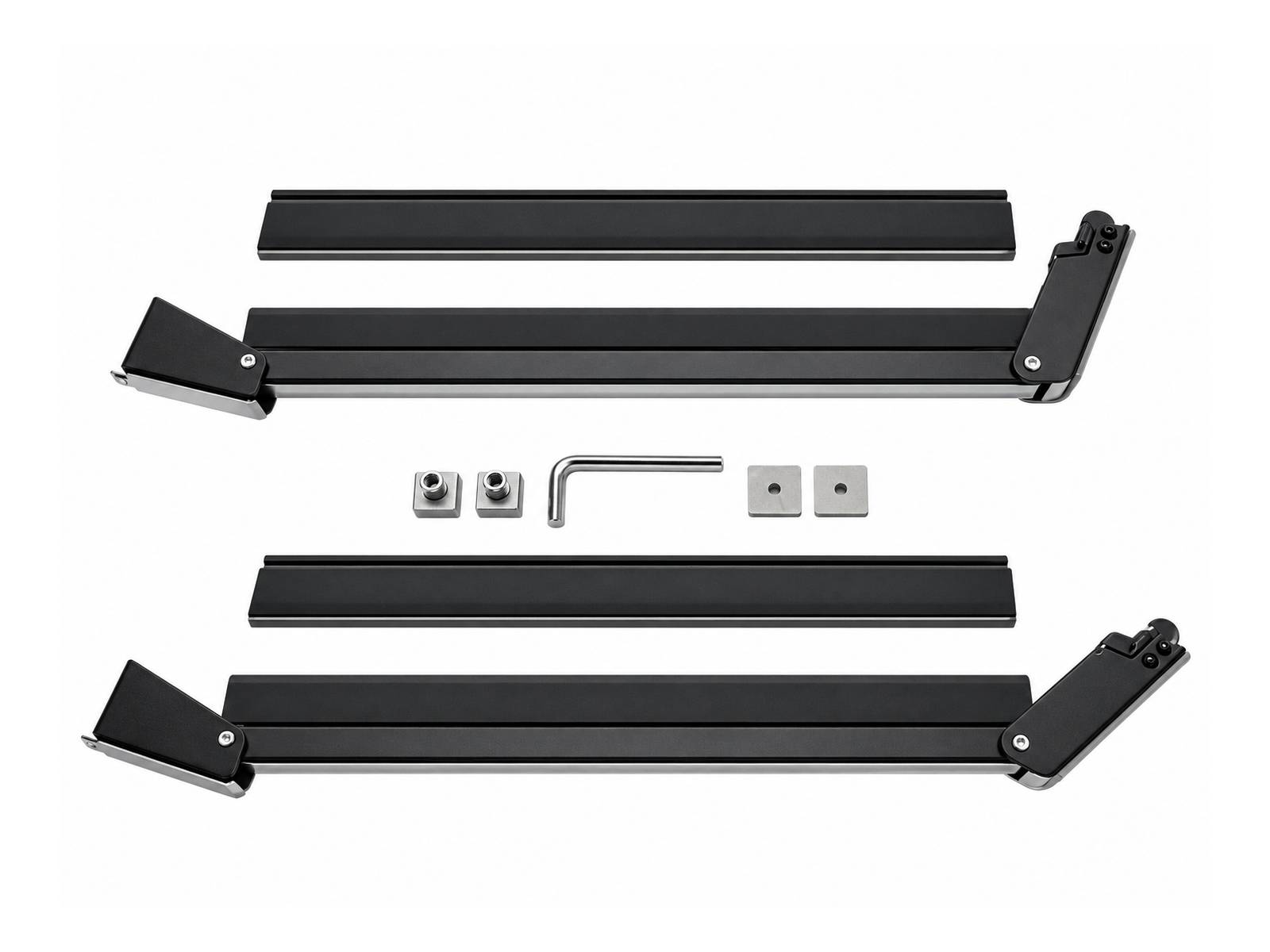
Ski Holder Clamping Bow.
Fits:
- Porsche 928 4.5L 1978-82
- Porsche 928S 4.7L 1981-83
- Porsche 928S2 4.7L 1984-86
- Porsche 928S4 5.0L 1987-92
- Porsche 928GT 5.0L 1989-91
- Porsche 928GTS 5.4L 1992-95
What This Product Does
The holder forms part of the equipment used to carry skis on a compatible roof transport system
Technical Details
- Brand: Porsche.
- Part number: 00004400004.
- Product type: ski holder.
Symptoms of Fault
Check the carrier assembly for worn gripping surfaces, seized mechanisms and loose or rattling fittings. Establish which component is damaged before selecting a replacement.
Why Replacement Matters
Renewing a worn or damaged holder addresses deterioration in the ski-carrying assembly. Inspect the associated fittings as well, rather than assuming that replacing one component will resolve every issue.
FAQs
Will it fit any Porsche roof rack?
Compatibility should be checked using part number 00004400004, the vehicle details and the installed roof transport system.
What is its carrying capacity?
A ski quantity or weight limit has not been supplied for this component. Consult the instructions for the complete carrier and roof system.
Check fitment for your specific vehicle (model, year, engine) before ordering.
Related reference numbers
Related, superseded, cross reference or alternative numbers for comparison.
00004400004
The product you are viewing cross references to these numbers
High quality microfibre cleaning cloth
Suitable for screens and sensitive surfaces
High-quality microfibre cloth with embossed "PORSCHE" logo.
For efficient and gentle cleaning of screens and other sensitive surfaces in the interior.
Related reference numbers
Related, superseded, cross reference or alternative numbers for comparison.
00004400196
The product you are viewing cross references to these numbers
- Porsche 992.1 GT3 4.0L / 992 S/T 4.0L 2021-24
- Porsche 992.1 GT3 RS 4.0L 2022-24
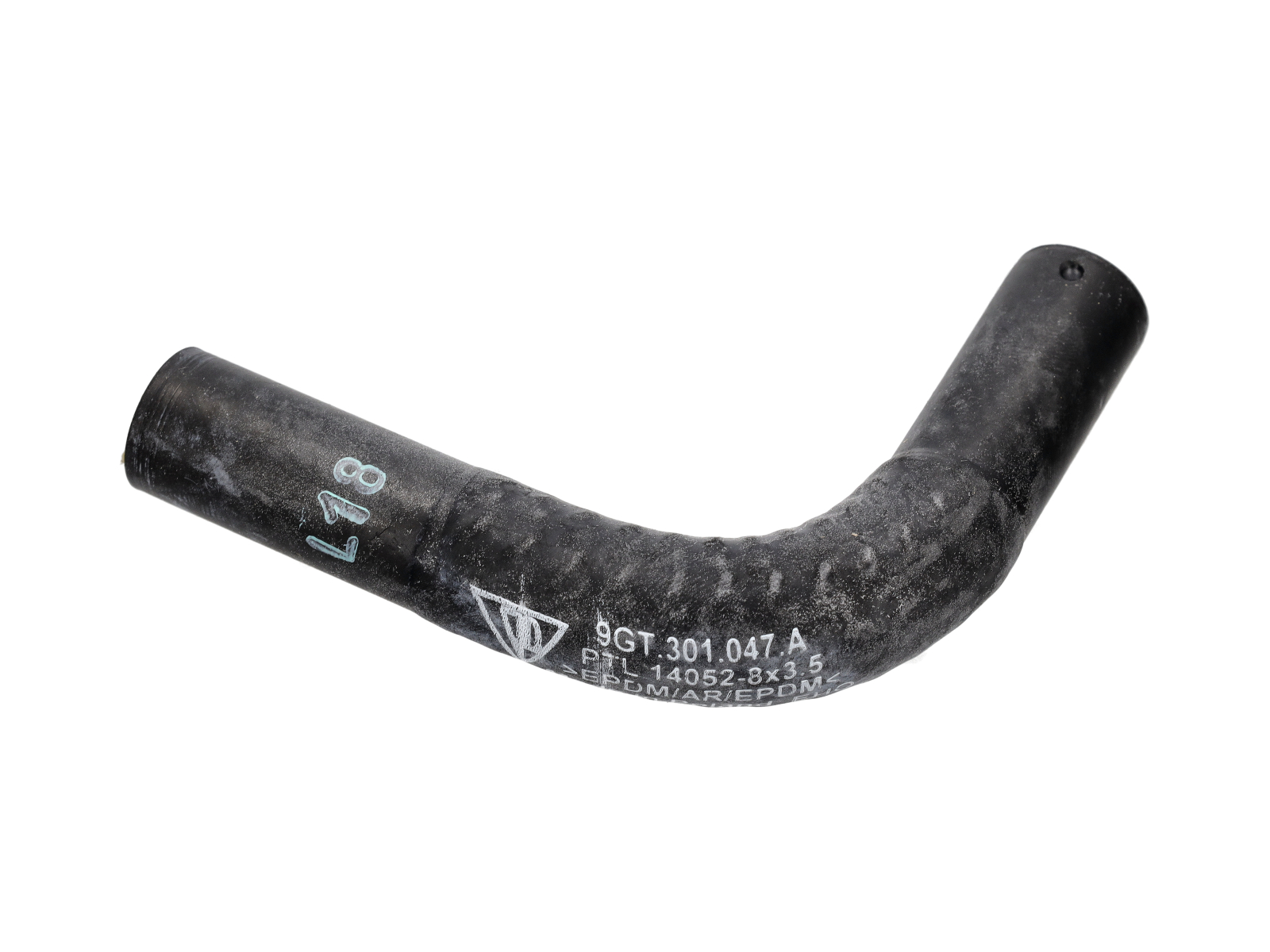
The Porsche Breather Line 9GT301047A is a genuine Porsche replacement ventilation line used within the PDK transmission and clutch breather system on selected Porsche 911 GT3 applications.
Fits:
- Porsche 992.1 GT3 4.0L / 992 S/T 4.0L 2021-24
- Porsche 992.1 GT3 RS 4.0L 2022-24
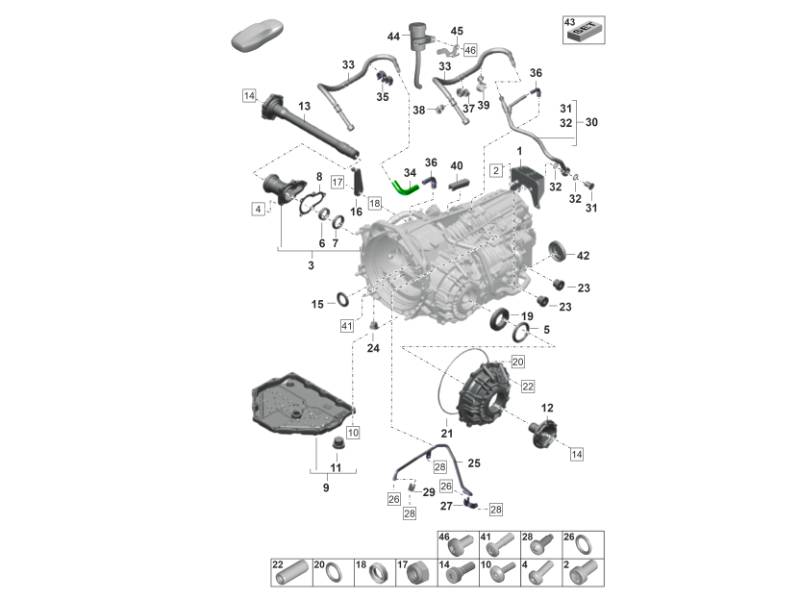
Diagram Ref No 34
The line forms part of the gearbox ventilation arrangement, providing a controlled route for pressure equalisation as the transmission and clutch assembly heat up and cool down during operation.
Porsche catalogues the part for the 7-speed PDK transmission code CBG.91, where it is fitted as a single breather line within the transmission assembly.
Manufactured as a genuine Porsche component, it provides the correct dimensions, connections and routing for the original installation.
What This Product Does:
During operation, transmission components and lubricants become hot.
As temperature increases, the air and vapour inside the transmission housing expand. A properly functioning breather system allows these pressure changes to be managed without excessive internal pressure building inside the gearbox.
The breather line helps:
- Vent the PDK transmission and clutch housing correctly
- Allow internal pressure to equalise as temperatures change
- Route gearbox vapour through the intended ventilation path
- Prevent excessive pressure building inside the transmission
- Support correct operation of gearbox seals and gaskets
- Reduce the likelihood of oil being forced past sealing surfaces
- Maintain the original Porsche gearbox ventilation arrangement
Although it does not directly control gear selection or clutch engagement, it supports the environment in which these components operate.
Symptoms Of Wear Or Failure:
Breather lines can deteriorate through heat, vibration, age or physical damage.
Possible symptoms include:
- Visible cracking or splitting
- Hardened or brittle hose material
- Kinked or crushed tubing
- Loose connections
- Line becoming detached
- Oil mist around the breather connection
- Transmission oil residue around the gearbox
- Dampness around adjacent fittings
- Unusual oil seepage from gearbox seals
- Repeated transmission oil leaks with no obvious seal failure
- Contamination or debris blocking the breather line
- Damaged retaining clips or supports
Because this is a passive ventilation component, a failed line may not immediately trigger a dashboard warning.
Why Replacement Matters:
A damaged, disconnected or blocked breather line can interfere with the transmission's ability to manage internal pressure.
Continued operation with a defective breather may contribute to:
- Increased gearbox oil leakage
- Additional stress on transmission seals
- Oil contamination around surrounding components
- Loss of transmission lubricant
- Dirt or moisture entering the breather system
- Premature deterioration of associated seals
- Increased maintenance requirements
Replacing a failed line restores the intended ventilation route and helps maintain the transmission's designed operating environment.
Related reference numbers
Related, superseded, cross reference or alternative numbers for comparison.
9GT301047A
The product you are viewing cross references to these numbers
- Porsche 993 (911) C2 1994-97
- Porsche 993 (911) C4 1994-97
- Porsche 993 (911) RS 1994-97
- Porsche 993 (911) C2S 1994-97
- Porsche 993 (911) C4S 1994-97
- Porsche 993 (911) TURBO 1994-96
- Porsche 993 (911) GT2 1994-97
- Porsche 993 (911) TURBO S 1994-97
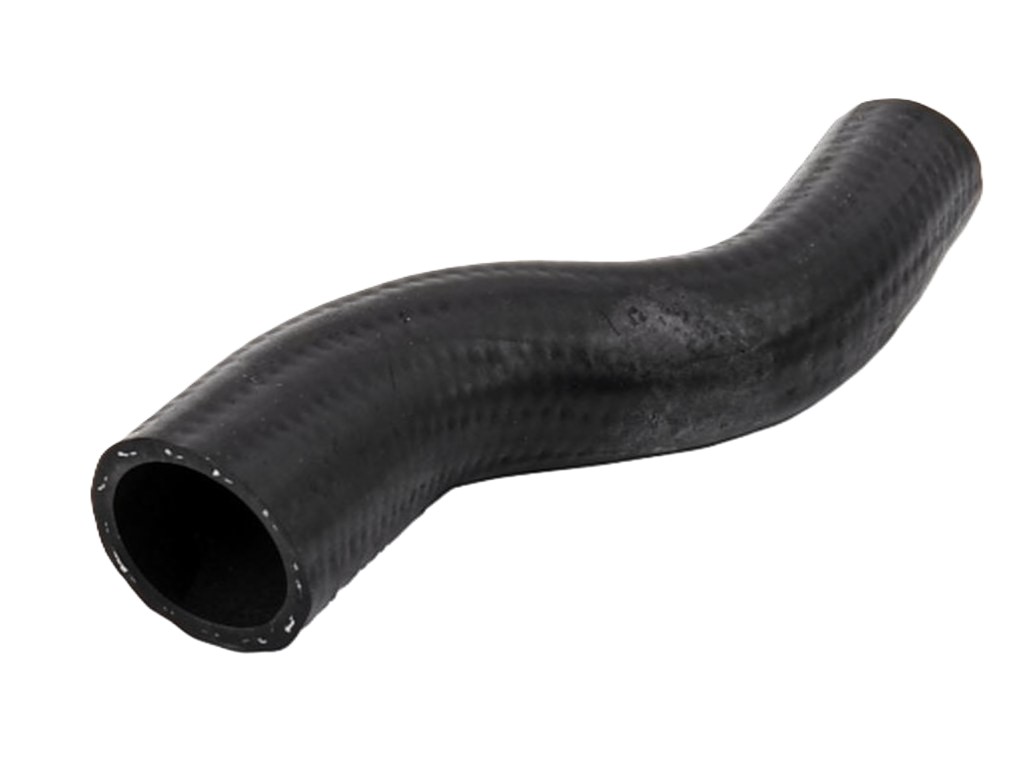
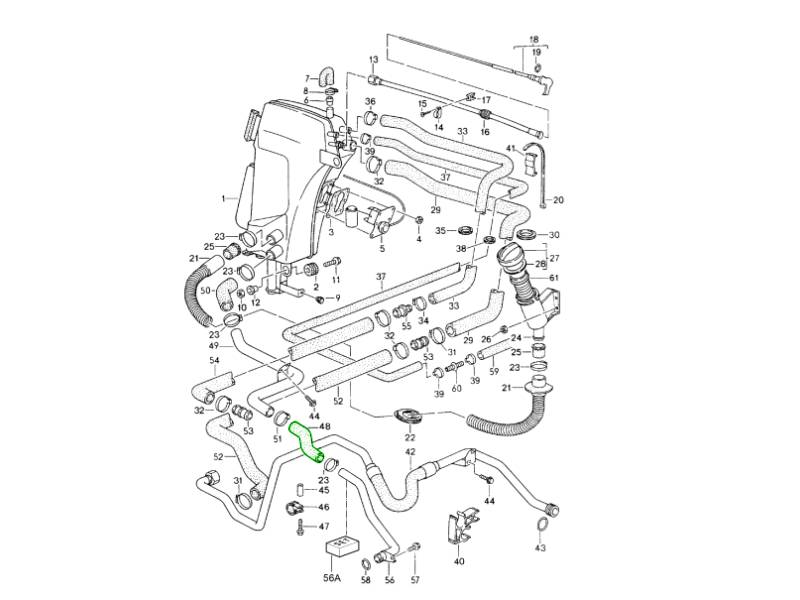
The Porsche Oil Hose 99320725301 is a genuine replacement oil-system hose designed for Porsche 993 models.
Fits:
- Porsche 993 (911) C2 1994-97
- Porsche 993 (911) C4 1994-97
- Porsche 993 (911) RS 1994-97
- Porsche 993 (911) C2S 1994-97
- Porsche 993 (911) C4S 1994-97
- Porsche 993 (911) TURBO 1994-96
- Porsche 993 (911) GT2 1994-97
- Porsche 993 (911) TURBO S 1994-97
Diagram Ref No 48
The hose forms part of the engine oil circulation and cooling system, providing a secure route for engine oil between associated pipes and oil-system components.
Because the air-cooled Porsche 993 relies heavily on engine oil for both lubrication and heat management, maintaining leak-free oil hoses is especially important.
This genuine Porsche replacement is suitable for renewing an original hose that has become hardened, cracked, oil-soaked, damaged or is beginning to leak.
What This Product Does:
Engine oil performs several critical functions within the Porsche 993, including lubrication, cleaning and heat removal.
The oil hose forms part of the circuit that allows oil to circulate between the engine and associated oil-system components.
Its main functions include:
- Carrying engine oil through the lubrication and cooling circuit
- Maintaining a sealed oil connection
- Supporting reliable engine oil circulation
- Helping maintain correct oil pressure and flow
- Supporting engine lubrication
- Helping transfer heat away from internal engine components
- Preventing oil loss when correctly sealed
- Maintaining the original factory oil-system routing
The hose itself does not generate oil pressure, but it must remain unrestricted and leak-free for the oil system to operate correctly.
Symptoms Of Wear Or Failure:
Oil hoses deteriorate over time due to heat, oil exposure, vibration and repeated thermal cycling.
Common signs that replacement may be required include:
- Visible engine oil leakage
- Wet or oily deposits around the hose
- Oil seepage around hose connections
- Cracks or splits in the hose material
- Rubber becoming hard or brittle
- Hose becoming swollen or unusually soft
- Deterioration of the outer surface
- Corroded or damaged hose fittings
- Falling engine oil level
- Oil stains beneath the vehicle
- Burning-oil smell after driving
- Smoke if leaking oil reaches hot exhaust components
- Oil contamination around surrounding engine components
A falling oil level can also originate elsewhere in the engine, so the complete lubrication system should be inspected when a leak is found.
Why Replacement Matters:
Reliable oil circulation is essential to the longevity of the Porsche 993's air-cooled engine.
If an oil hose begins to leak, the engine can gradually lose oil. Even a relatively small leak may eventually reduce the oil level enough to compromise lubrication and cooling.
More significant oil loss can contribute to:
- Reduced engine lubrication
- Increased friction and wear
- Higher operating temperatures
- Reduced oil pressure
- Bearing or internal engine damage
- Breakdown caused by severe oil loss
Leaking oil may also reach hot exhaust or engine components, producing smoke and creating an increased fire risk.
Replacing a deteriorated oil hose helps restore:
- A sealed engine oil circuit
- Reliable oil circulation
- Correct oil-system integrity
- Reduced risk of oil loss
- Effective engine lubrication
- Reliable heat management
On an air-cooled Porsche, maintaining the oil circuit is particularly important because engine oil plays a major role in controlling operating temperature as well as lubricating internal components.
Related reference numbers
Related, superseded, cross reference or alternative numbers for comparison.
99320725301
The product you are viewing cross references to these numbers
.jpg?width=197 "Clutch Power Spring. Porsche 986 Boxster 1997–04 - 98642308112, 98642308104, 98642308105, 98642308106, 98642308107")
.jpg)
- Porsche Boxster 986 2.5L 1997-99
- Porsche Boxster 986 2.7L 1999-02
- Porsche Boxster S 986 3.2L 1999-02
- Porsche Boxster 986 2.7L 2003-04
- Porsche Boxster S 986 3.2L 2003-04
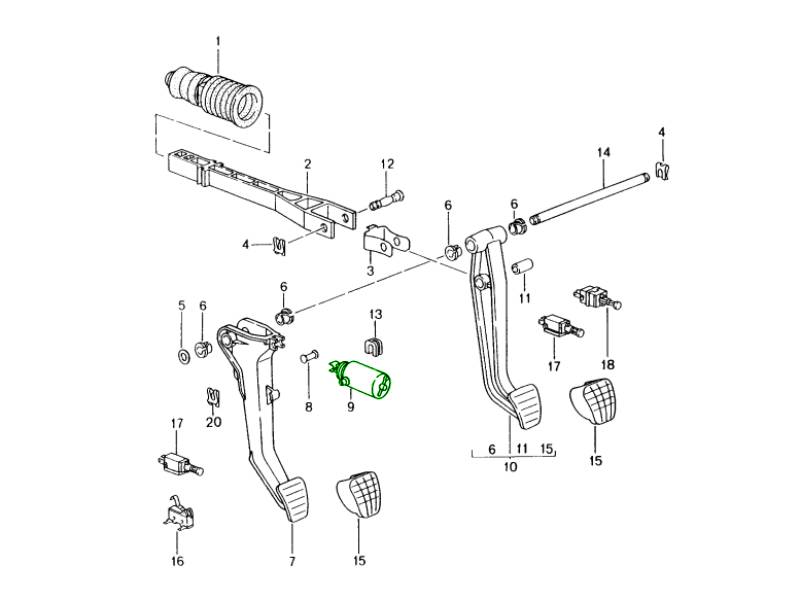
The Genuine Porsche Clutch Power Spring is a replacement clutch pedal assistance spring designed for early Porsche Boxster 986 manual-transmission models.
Fits:
- Porsche Boxster 986 2.5L 1997-99
- Porsche Boxster 986 2.7L 1999-02
- Porsche Boxster S 986 3.2L 1999-02
- Porsche Boxster 986 2.7L 2003-04
- Porsche Boxster S 986 3.2L 2003-04
Diagram Ref No 9
Installed within the driver-side pedal assembly, the spring assists the movement of the clutch pedal as it is pressed and released. It helps provide the characteristic factory pedal effort and contributes to smooth, consistent clutch pedal operation.
The component is sometimes referred to as a clutch pedal power spring, servo spring, boost spring or clutch assist spring. It is part of the pedal mechanism rather than the clutch assembly inside the transmission bellhousing.
Over time, the spring and its associated mounting points can wear, become noisy, lose tension or suffer mechanical damage. A faulty power spring can make the clutch pedal feel heavier, inconsistent or rough and may cause squeaking or scraping noises during pedal movement.
What This Product Does:
The clutch power spring assists movement of the clutch pedal throughout its operating range.
It is designed to:
- Assist clutch pedal movement.
- Help reduce excessive pedal effort.
- Provide the intended factory clutch pedal feel.
- Support smooth pedal travel.
- Assist the pedal during clutch engagement and disengagement.
- Help the pedal return predictably.
- Work with the clutch pedal and hydraulic clutch-control system.
- Replace a worn, noisy, damaged or missing original spring.
- Maintain consistent clutch control during normal driving.
The spring does not operate the clutch by itself. The driver still moves the clutch pedal, which operates the clutch master cylinder and hydraulic release system. The power spring modifies and assists the force required at the pedal.
Symptoms Of Wear Or Failure:
Possible symptoms include:
- Clutch pedal feeling unusually heavy.
- Pedal effort changing through its travel.
- Clutch pedal feeling inconsistent.
- Squeaking when pressing or releasing the pedal.
- Scraping noises from the pedal area.
- Clicking or creaking from the driver footwell.
- Pedal movement becoming rough or notchy.
- Pedal returning less smoothly than normal.
- Excessive free movement around the spring mechanism.
- Spring visibly cracked or broken.
- Spring becoming detached from its mounting.
- Damage to the spring casing or mounting points.
- Clutch pedal feel changing suddenly.
- Pedal requiring greater effort than previously.
Similar symptoms can also be caused by the clutch master cylinder, pedal bushes, hydraulic system or clutch release components, so the complete clutch-control system should be inspected.
Why Replacement Matters:
The power spring contributes directly to clutch pedal feel and driver control.
A worn or broken spring may increase pedal effort or make the pedal movement inconsistent, particularly during repeated clutch operation in traffic.
Replacing a defective spring helps restore:
- Correct clutch pedal assistance.
- More consistent pedal effort.
- Smoother clutch operation.
- Predictable pedal return.
- Reduced pedal-area noise.
- Factory-style clutch pedal feel.
- Easier clutch modulation.
Related reference numbers
Related, superseded, cross reference or alternative numbers for comparison.
98642308112
The product you are viewing cross references to these numbers
- Porsche Cayman 718 2.0L Manual (300 Bhp)
- Porsche Cayman 718 2.0L PDK (300 Bhp)
- Porsche Cayman S 718 2.5L Manual (350 Bhp)
- Porsche Cayman S 718 2.5L PDK (350 Bhp)
- Porsche Cayman T 718 2.0L Manual (300 Bhp)
- Porsche Cayman T 718 2.0L PDK (300 Bhp)
- Porsche Cayman GTS 718 2.5L Manual (365 Bhp)
- Porsche Cayman GTS 718 2.5L PDK (365 Bhp)
- Porsche Cayman GTS 718 4.0L Manual (400 Bhp)
- Porsche Cayman GTS 718 4.0L PDK (400 Bhp)
- Porsche Cayman GT4 718 4.0L / GT4 RS 718 4.0L
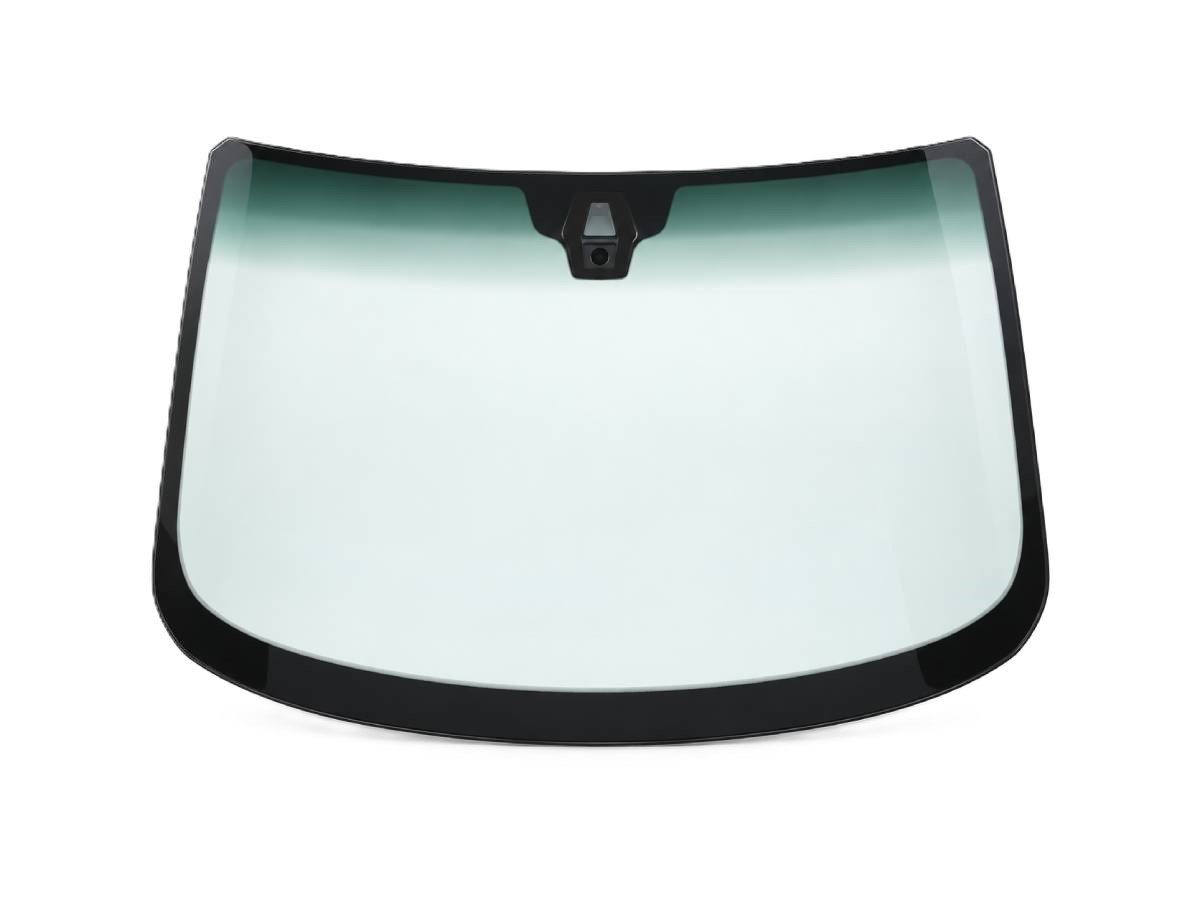
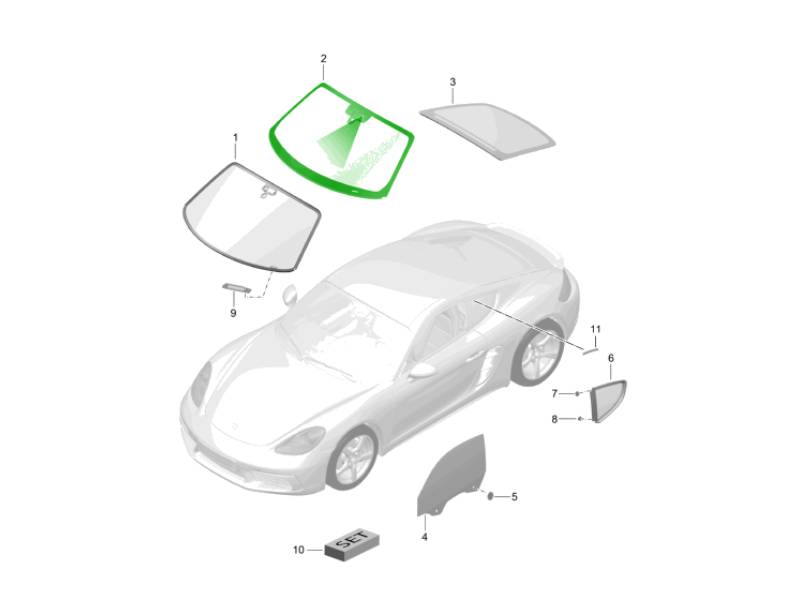
Windscreen, With Camera Provision.
The Genuine Porsche Windscreen 982845011AP is a replacement front windscreen designed for appropriately equipped Porsche 718 Cayman 982 models using a forward-facing camera installation.
POSTING GLASS & WINDSCREENS
Although we take great care in packaging glass, we cannot offer insurance to cover breakage. Therefore, we advise customers that they purchase glass by mail order at their own risk.
Packing Surcharge
Wind screens and rear screens can be packed for national delivery and export at a charge this is for the card board box with insert and foam fill.
Fits:
Diagram Ref No 2
Manufactured to Porsche's original glazing specification, the windscreen provides the driver's primary forward field of vision while also incorporating the correct provision around the upper central area for the applicable camera system.
The glass forms an important structural, visibility and driver-assistance component of the vehicle.
It provides protection from wind, rain, road debris and airborne objects while maintaining a clear and optically correct view of the road ahead.
On camera-equipped vehicles, the exact glass design is particularly important because the forward-facing camera must look through a precisely defined section of the windscreen.
Using the correct camera-compatible windscreen helps maintain the correct camera mounting position, viewing area and optical characteristics required by the vehicle's associated assistance systems.
Replacement is required when the original windscreen is cracked, severely chipped, delaminated, heavily scratched, optically distorted or otherwise damaged beyond safe repair.
What This Product Does:
The Windscreen performs several important functions within the Porsche 718 Cayman.
Its primary functions are to:
- Provide clear forward visibility.
- Protect occupants from wind and weather.
- Protect the cabin from road debris.
- Provide the correct glazing area for the forward-facing camera.
- Support correct camera positioning.
- Maintain the intended optical path for camera-based systems.
- Contribute to the vehicle body's bonded glass structure.
- Support correct sealing of the passenger compartment.
- Reduce wind noise when correctly installed.
- Provide the correct factory tint and upper-screen configuration where specified.
- Replace cracked, chipped or damaged original glass.
Symptoms Of Wear Or Failure:
Common reasons for windscreen replacement include:
- Long cracks.
- Cracks extending from the edge.
- Large stone chips.
- Multiple chips.
- Damage within the driver's line of sight.
- Delamination.
- Clouding around the glass edges.
- Deep scratches.
- Heavy surface pitting.
- Optical distortion.
- Water leakage.
- Wind noise.
- Damaged camera viewing area.
- Camera-system faults following glass damage.
- Damage around the camera mounting provision.
Why Replacement Matters:
Replacing a damaged windscreen helps restore:
- Clear forward visibility.
- Correct optical quality.
- Structural glass integrity.
- Weather sealing.
- Camera viewing quality.
- Factory appearance.
- Reduced glare.
- Reliable camera-system operation.
Related reference numbers
Related, superseded, cross reference or alternative numbers for comparison.
982845011AP
The product you are viewing cross references to these numbers
PLEASE NOTE:
Due to its size, weight or fragility, this item requires additional protective packaging to make sure it reaches you undamaged. A small packing surcharge is applied to cover these specialist materials and the extra care taken preparing your order for transit.