




Enter your VAT number here and click Verify:
Your details have been verified. VAT number registered to:
,
.
Your order will now be zero rated for VAT purposes. We reserve the right to verify these details after your order request has been made and reinstate VAT if required.
Your VAT details were not recognised or were invalid. Your VAT number must be matched to your Billing Country as specified above. This is currently specified as . You do not need to enter the country code part of your VAT number as this has already been selected in your billing address details above.
The VAT number checking service is currently offline. Please supply your VAT details within the comments or special instructions field below and we will apply a VAT discount after placing your order request.
OE Match

OE Match for Porsche
OE Match is a brand that provides a wide range of Porsche components, from gaskets to suspension hardware, engine parts, and interior trim. Over 6,700 individual part numbers, and over 11,800 OE cross-references catalogued, and are constantly developing new lines.OE Match has over 100 new products currently in the engineering phase, which will be quality-controlled and added to their catalog. The mission is to keep all Porsche vehicles on the road by offering a vast selection of parts that can address various problems across different Porsche generations
A Quick Look at OE Match
OE Match information on this page is based on details supplied by the manufacturer or distributor, plus any OE references provided with the parts.
Choosing the Right Fit for Your Porsche
Where OE Match is listed for Porsche, use the supplied model coverage and OE references to confirm suitability. Check details that commonly affect fitment such as model year, side/position, and connector type where relevant.
- Often chosen when owners want OE-equivalent quality with sensible running costs, especially for routine service and wear items.
- Typical reasons to replace include restoring reliability, addressing age-related wear, or refreshing multiple components during larger repair work.
- Common defects from incorrect application include noise, premature wear, leaks, or fitment quirks if the wrong variant is selected or fitted with old seals/hardware.
- Watch for symptoms such as unusual noises, early wear, or repeat failures after recent work, which can indicate mismatched parts or supporting items left worn.
- Always cross-check OEM part numbers, read model-year notes, and verify compatibility before ordering.
- For safety-critical components, confirm specification and fitment carefully and have installation checked by a competent technician.
Browse by Category
If you already know the area you are working on, start with the category and then filter by Porsche model. Where real-world symptoms and typical reasons to replace are provided, use them to keep the wording grounded.
Brakes — Brake components are renewed to restore stopping performance, address wear or upgrade a Porsche for fast road or track use. Common symptoms include vibration under braking, longer stopping distances, squealing, pulling to one side, warning lights and visible wear to discs and pads.
Brake Pad Wear Sensors — Brake pad wear sensors are replaced when pads are renewed or when warning lights indicate a broken or worn sensor. Symptoms include brake wear warnings even with new pads, damaged sensor cables, or broken clips around the caliper area.
Engine Electrical — Engine electrical parts are changed when there are starting, charging, ignition, or sensor-related faults that affect drivability and reliability, such as intermittent no-start, misfires, rough idle, poor charging, warning lights or heat-soak failures.
Service Parts — Service parts are replaced as routine maintenance to keep the engine and systems reliable, efficient, and protected, often resolving hard starting, rough idle, poor fuel economy and warning lights caused by clogged filters or worn ignition components.
Service Kits — Service kits bundle key service components to simplify maintenance and set the car back to a known baseline, especially useful when catching up on overdue servicing or dealing with general sluggish running, inconsistent idle and reduced performance.
- For brake parts, confirm whether items are OE-equivalent replacements or performance upgrades and check if new fitting kits and sensors are required.
- On service items and kits, match the kit to your exact Porsche model, engine and year, and review what is included so you can add any extra “while you are there” parts.
Explore OE Match at Design911
View the current OE Match range for Porsche at Design911, then filter by model and category to narrow down to the right parts.


- Porsche 911 1965-1968 2.0L / 912 SWB (F)
- Porsche 911 1974-1977 2.7L / 1976-77 3.0 Carrera
- Porsche 911 1978-1983 3.0L / SC
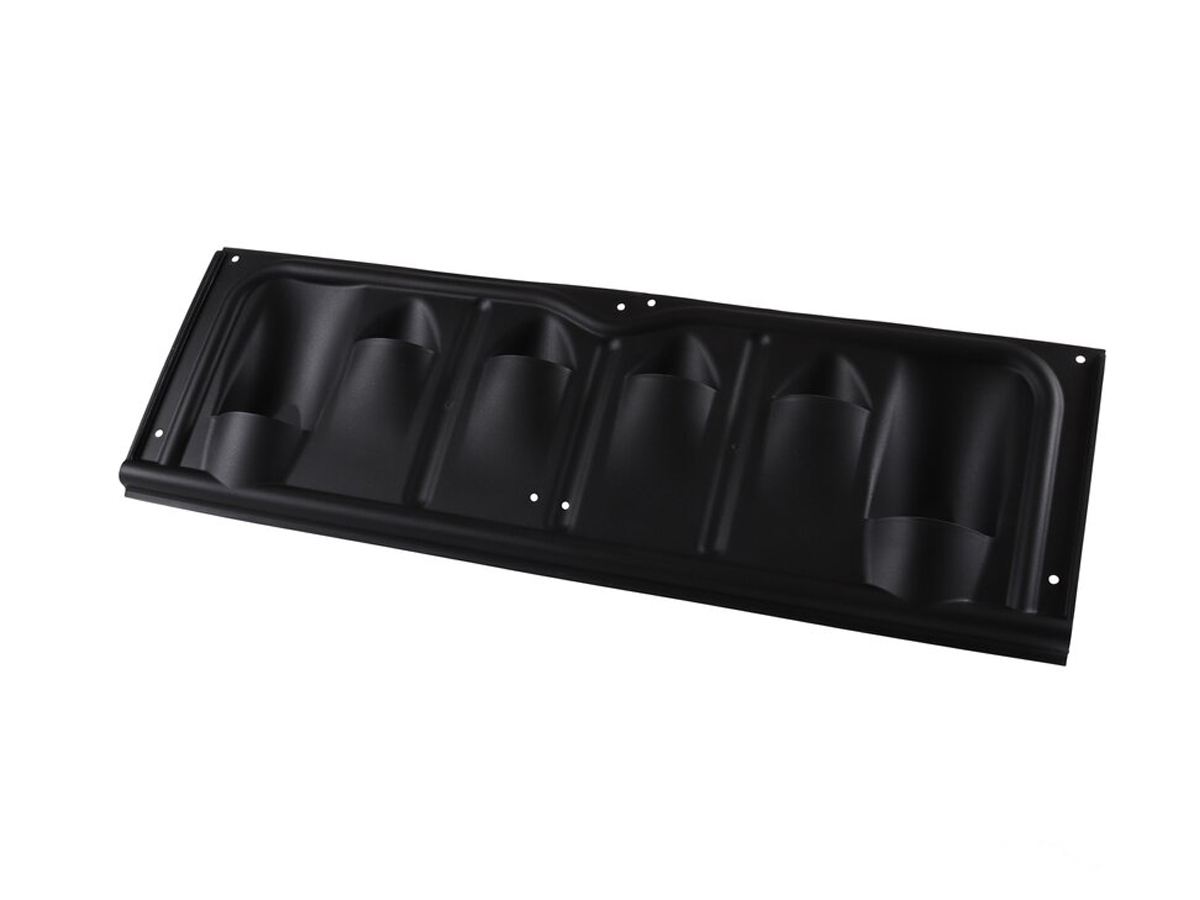
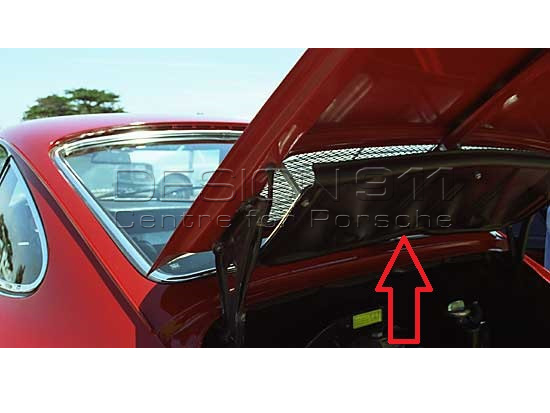
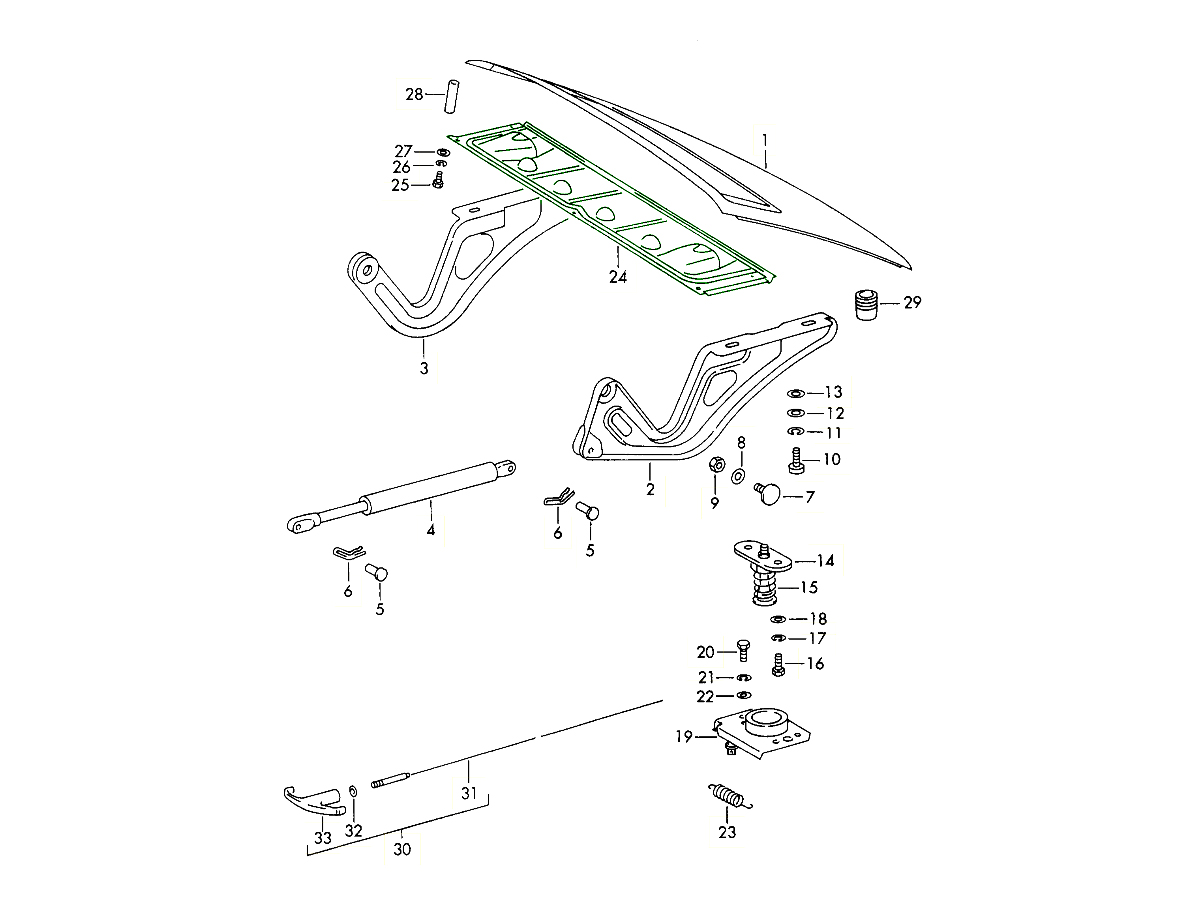
The rain-water shield is protective panel designed to sit beneath the engine-lid grille on early Porsche 911 (1965-73) and all Porsche 912 (1965-69, 1976) models. Its purpose is to catch and divert rainwater or splashed moisture that enters through the grille, preventing it from reaching the engine compartment - particularly the induction stacks (for models using open velocity stacks) or other sensitive components. Installed under the grille.
Fits:
Porsche 911 models with open velocity stacks
Porsche 912 1965 - 1969
Porsche 912 E 1976
Diagram ref no 24
Please note:
The following parts are needed, but not included:
(6) Rain Tray Spacer Tubes, part number 902.512.125.20
(6) Flat Washers, part number 900.025.003.02
(6) Split Lock Washers, part number N.012.005.3
(6) Hexagon Head Bolts, part number N.010.207.17
Over time, old or missing rain-trays expose the engine bay directly to water and moisture. Without a proper shield, rain or wash-water can enter through the grille - risking water ingestion (especially on engines with open intake stacks), corrosion, or damage to metal and rubber parts in the engine compartment. A correctly fitted rain-shield dramatically reduces these risks, preserving engine health and longevity.
When to replace or fit:
• When the original rain tray is cracked, broken or missing after many years.
• If you’re restoring or rebuilding the rear lid or engine-lid grille assembly.
• Before installing a set-up with open velocity stacks or exposed induction components.
• After heavy cleaning or pressure-washing of the car, to ensure proper drainage and water protection.
• When restoring an older 911/912 to as-built spec, to maintain correct water-management safeguards.
Related reference numbers
Related, superseded, cross reference or alternative numbers for comparison.
90251212720
The product you are viewing cross references to these numbers


- Porsche 911 1965-1968 2.0L / 912 SWB (F)
- Porsche 911 1968-1973 2.2L / 2.4L / 2.7L RS LWB (F)
- Porsche 911 1974-1977 2.7L / 1976-77 3.0 Carrera
- Porsche 911 1978-1983 3.0L / SC
- Porsche 911 1984-1986 3.2L
- Porsche 911 1987-1989 3.2L G50
- Porsche 911 1975-1977 3.0L Turbo (930)
- Porsche 911 1978-1989 3.3L Turbo (930)
- Porsche 964 (911) C2 1989-93
- Porsche 964 (911) C4 1989-93
- Porsche 944 2.5L 8V 1982-87
- Porsche 944 2.7L 8V 1988-89
- Porsche 944S 2.5L 16V 1987-88
- Porsche 944S2 3.0L 16V 1989-91
- Porsche 944 Turbo 2.5L 8V 1985-88
- Porsche 944 Turbo 2.5L 8V 1989-91
- Porsche 944 Turbo S 2.5L 8V 1988
- Porsche 928 4.5L 1978-82
- Porsche 928S 4.7L 1981-83
- Porsche 928S2 4.7L 1984-86
- Porsche 928S4 5.0L 1987-92
- Porsche 928GT 5.0L 1989-91
- Porsche 928GTS 5.4L 1992-95
- Porsche 914 (1970-1976)
Fits:
Porsche 911 1969 - 1989
Porsche 914/6 1970 - 1972
Porsche 930 1976 - 1989
Porsche 964 C2/C4 1989 - 1994
Porsche 944
Porsche 928
Related reference numbers
Related, superseded, cross reference or alternative numbers for comparison.
PCG602502A
The product you are viewing cross references to these numbers
- Porsche 911 1965-1968 2.0L / 912 SWB (F)
- Porsche 356A 1955-59
- Porsche 356B 1959-63
- Porsche 356C 1963-65
- Porsche 914 (1970-1976)
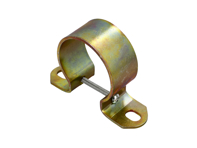
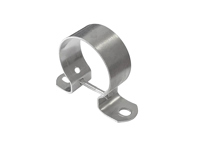
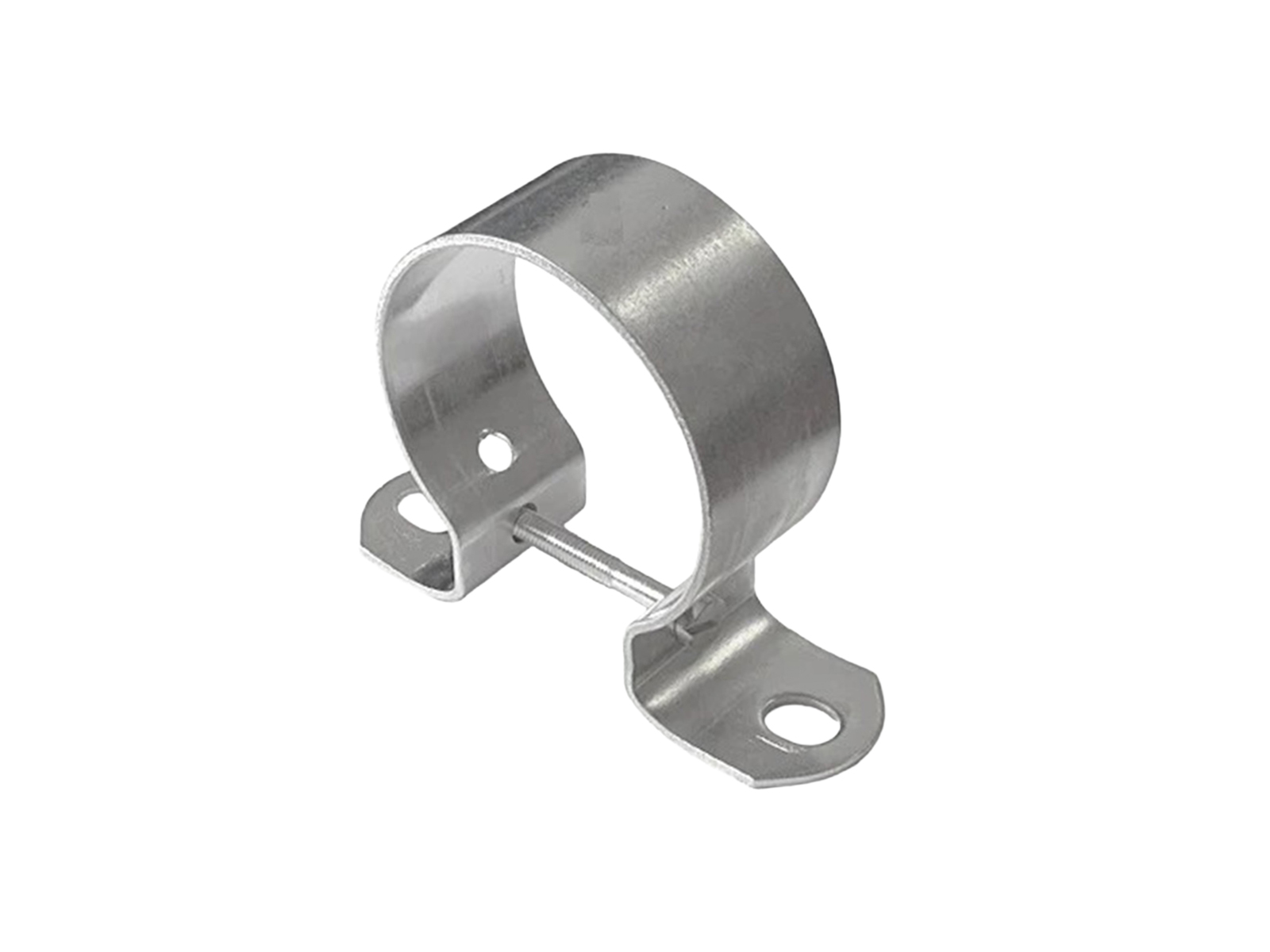
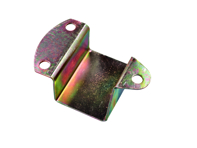
The OE Match Ignition Coil Bracket is a premium-quality replacement engine mounting component designed to securely support and position the ignition coil on compatible Porsche models. Manufactured to OE specifications for fit, strength and durability, this precision-engineered bracket ensures the ignition coil remains firmly mounted, protecting it from excessive vibration while maintaining correct alignment with the ignition wiring and engine components.
Fits:
- Porsche 911 1965-1968 2.0L / 912 SWB (F)
- Porsche 356A 1955-59Porsche 356B 1959-63
- Porsche 356C 1963-65Porsche 914 (1970-1976)
Manufactured from high-strength automotive-grade steel with a durable corrosion-resistant finish, the ignition coil bracket is engineered to withstand continual engine vibration, heat, moisture and exposure to oil and road contaminants. Precision-formed to replicate the original Porsche mounting points, it provides direct OE-style fitment, making it the ideal replacement for damaged, corroded or missing brackets during engine restoration, repair or routine maintenance.
What This Product Does:
- Securely mounts the ignition coil in its correct position.
- Maintains proper alignment of the ignition system components.
- Reduces vibration transmitted to the ignition coil.
- Supports reliable electrical connections.
- Helps prevent unnecessary stress on ignition wiring.
- Restores factory ignition component mounting.
- Supports dependable engine ignition performance.
- Forms an essential part of the engine ignition system.
Symptoms Of Wear Or Failure:
- Loose or unstable ignition coil.
- Excessive vibration of the ignition coil.
- Rattling noises from the engine bay.
- Corroded or rusted bracket.
- Bent, cracked or broken mounting bracket.
- Damaged or stretched ignition wiring caused by incorrect positioning.
- Loose mounting hardware.
- Difficulty securing the ignition coil correctly.
- Premature wear of the ignition coil due to excessive movement.
- Untidy or incomplete engine bay appearance.
Why Replacement Matters:
- The ignition coil bracket is continually exposed to engine vibration, heat, moisture and repeated thermal cycling. Over time, corrosion, fatigue or accidental damage can weaken the bracket, reducing its ability to securely support the ignition coil.
- A damaged or loose bracket can allow excessive movement of the ignition coil, placing strain on electrical connectors and wiring while increasing the risk of premature component failure. Maintaining secure coil mounting is essential for reliable ignition system operation and long-term engine performance.
- Replacing a worn or damaged bracket with the OE Match Ignition Coil Bracket restores secure mounting and factory-correct positioning of the ignition coil. Manufactured to OE standards using premium-quality corrosion-resistant materials, it provides factory-style fitment, exceptional durability and dependable long-term reliability, helping maintain the performance, reliability and original appearance of your Porsche's ignition system.
Related reference numbers
Related, superseded, cross reference or alternative numbers for comparison.
SMC602108
The product you are viewing cross references to these numbers

- Porsche 356 1950-55
- Porsche 356A 1955-59
- Porsche 356B 1959-63
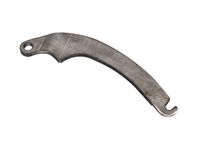
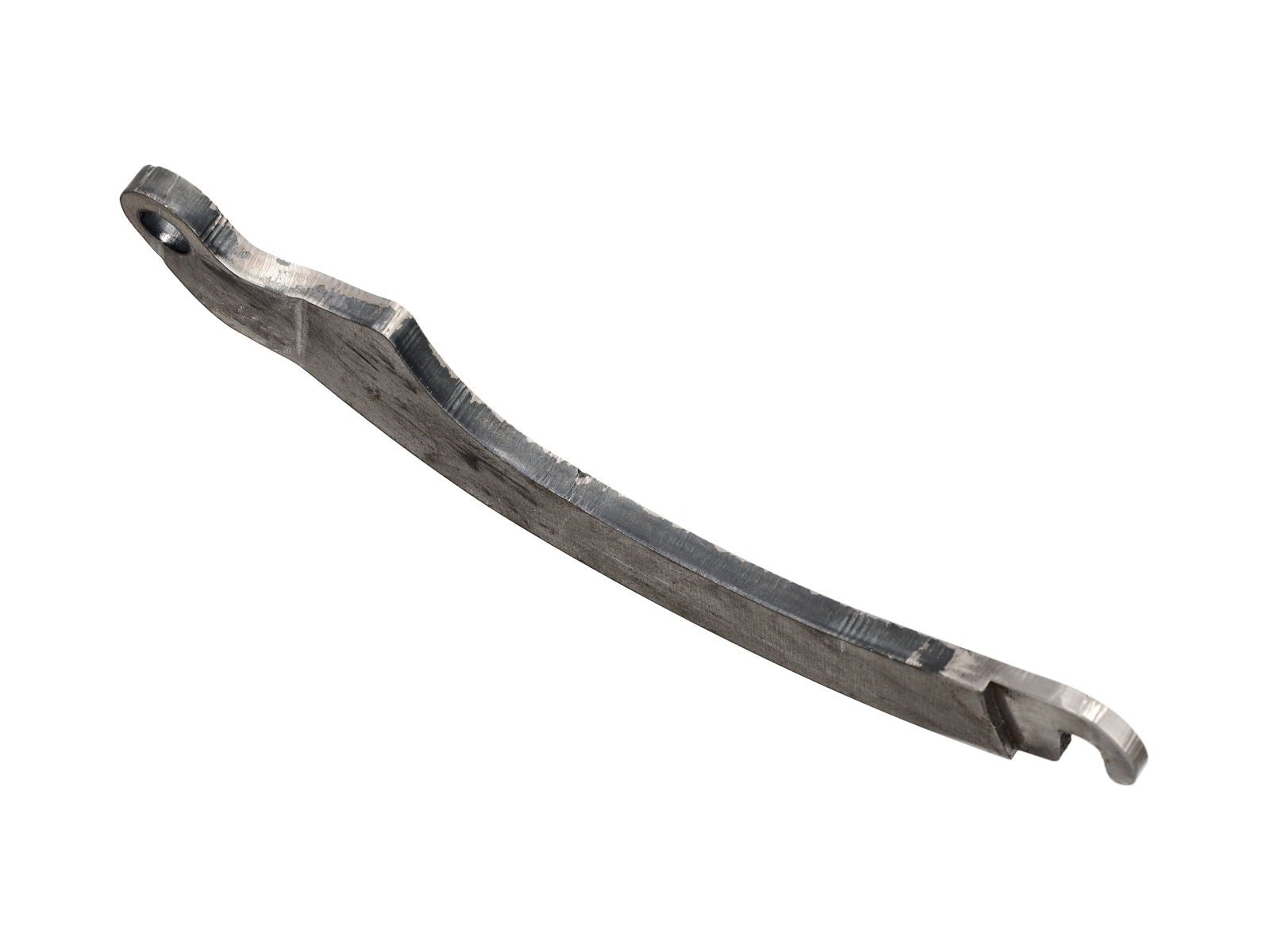
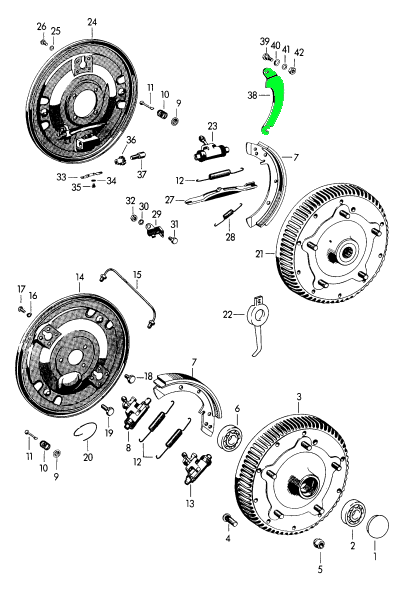
The OE Match Handbrake Shoes Lever is a premium-quality replacement parking brake component designed to transfer force from the handbrake cable to the handbrake shoes on compatible classic Porsche models. Manufactured to OE specifications for fit, strength and durability, this precision-engineered lever ensures smooth, reliable engagement of the parking brake mechanism, providing secure vehicle holding when parked.
Fits:
- Porsche 356 1950-55
- Porsche 356A 1955-59
- Porsche 356B 1959-63
Diagram Ref No 38
Manufactured from high-strength automotive-grade steel with a durable corrosion-resistant finish, the handbrake shoe lever is engineered to withstand repeated mechanical loading, vibration, moisture and road contaminants. Precision-formed to replicate the original Porsche dimensions and pivot geometry, it provides direct OE-style fitment, making it ideal for parking brake overhauls, restoration projects or replacing worn or corroded original components.
What This Product Does:
- Transfers force from the handbrake cable to the brake shoes.
- Enables smooth engagement and release of the parking brake.
- Maintains correct operation of the handbrake mechanism.
- Supports even application of the parking brake shoes.
- Helps ensure secure vehicle holding when parked.
- Restores factory parking brake functionality.
- Reduces excessive play within the handbrake mechanism.
- Forms an essential part of the rear parking brake assembly.
Symptoms Of Wear Or Failure:
- Reduced parking brake effectiveness.
- Excessive handbrake lever travel.
- Uneven application of the handbrake shoes.
- Sticking or binding handbrake mechanism.
- Difficulty releasing the parking brake.
- Corroded or seized lever pivot.
- Bent or damaged lever.
- Rattling noises from the rear brake assembly.
- Inconsistent parking brake operation.
- MOT or vehicle inspection failure due to poor parking brake performance.
Why Replacement Matters:
- The handbrake shoe lever is subjected to continual mechanical movement, moisture, road salt and brake dust throughout its service life. Over time, corrosion, wear or accidental damage can affect the lever's ability to pivot freely and transfer force efficiently to the brake shoes.
- A worn or seized lever can reduce parking brake performance, cause uneven brake shoe application or prevent the handbrake from releasing correctly. This can lead to increased brake wear, poor vehicle security when parked and potential MOT failures.
- Replacing a worn or damaged component with the OE Match Handbrake Shoes Lever restores smooth parking brake operation and reliable braking performance. Manufactured to OE standards using premium-quality corrosion-resistant materials, it provides factory-style fitment, exceptional durability and dependable long-term reliability, helping maintain the safety, functionality and originality expected from your Porsche.
Related reference numbers
Related, superseded, cross reference or alternative numbers for comparison.
3564214
The product you are viewing cross references to these numbers
- Porsche 356 1950-55
- Porsche 356A 1955-59
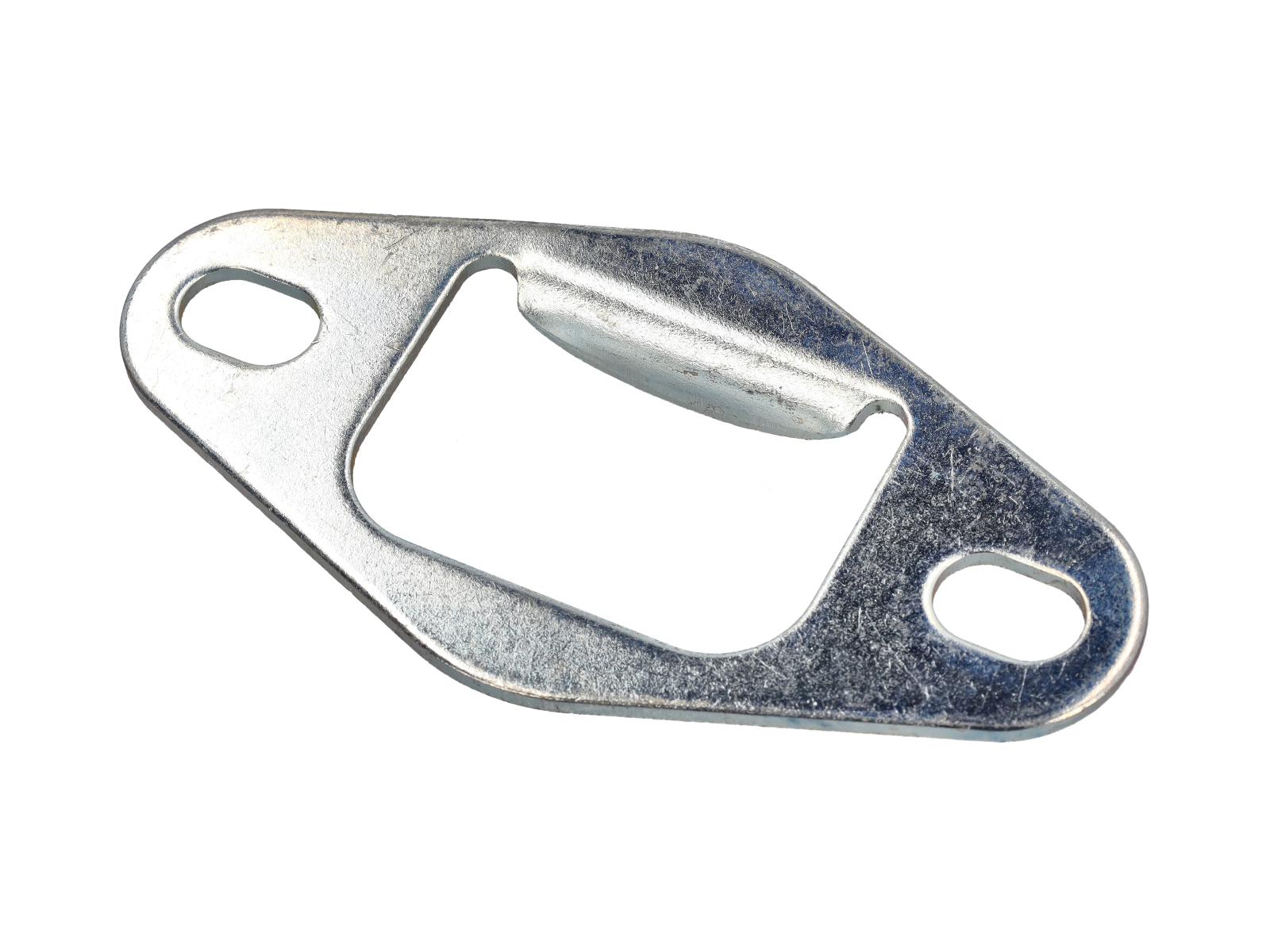
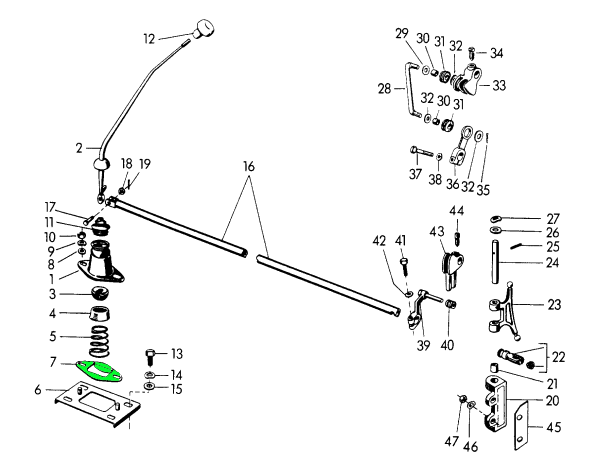
The OE Match Gearshift Lever Stop Plate is a premium-quality replacement transmission component designed to provide precise guidance and limit the movement of the gearshift lever on compatible classic Porsche models. Manufactured to OE specifications for fit, strength and durability, this precision-engineered stop plate ensures accurate gear selection by correctly positioning the gear lever within the shift gate, helping to prevent mis-shifts and maintain the smooth, positive gear changes expected from the original Porsche transmission.
Fits:
- Porsche 356 1950-55
- Porsche 356A 1955-59
Diagram Ref No 7
Manufactured from high-strength automotive-grade steel with a durable corrosion-resistant finish, the stop plate is engineered to withstand continual movement, vibration and repeated gear changes without distortion or excessive wear. Precision-machined to match the original Porsche dimensions and mounting points, it provides direct OE-style fitment, making it ideal for gearbox rebuilds, gear linkage servicing or restoration projects.
What This Product Does:
- Guides the movement of the gearshift lever.
- Limits gear lever travel to the correct shift pattern.
- Promotes accurate and positive gear selection.
- Helps prevent accidental mis-shifts.
- Maintains correct alignment of the gearshift mechanism.
- Supports smooth and precise gear engagement.
- Restores factory gearshift operation.
- Forms an essential part of the manual gearshift assembly.
Symptoms Of Wear Or Failure:
- Loose or vague gearshift feel.
- Difficulty selecting gears.
- Excessive movement of the gear lever.
- Increased likelihood of selecting the wrong gear.
- Grinding during gear engagement caused by poor alignment.
- Worn or damaged shift gate surfaces.
- Bent or distorted stop plate.
- Rattling or excessive play within the gearshift assembly.
- Inconsistent gear selection.
- Reduced driving precision and shifting confidence.
Why Replacement Matters:
- The gearshift lever stop plate is subjected to continual contact and mechanical loading every time the vehicle is driven. Over time, repeated gear changes, vibration and normal wear can cause the plate to become worn, bent or damaged, reducing the accuracy of the gearshift mechanism.
- A worn stop plate can result in vague gear selection, excessive lever movement and an increased risk of mis-shifting, negatively affecting driving enjoyment and placing unnecessary strain on the gearbox and synchronisers. For classic Porsche models, maintaining precise gearshift operation is essential for preserving the original driving characteristics.
- Replacing a worn or damaged component with the OE Match Gearshift Lever Stop Plate restores accurate gear lever guidance and factory-correct shifting performance. Manufactured to OE standards using premium-quality materials, it provides factory-style fitment, exceptional durability and dependable long-term reliability, helping maintain the precision, reliability and authentic driving experience expected from your Porsche.
Related reference numbers
Related, superseded, cross reference or alternative numbers for comparison.
35624174
The product you are viewing cross references to these numbers
- Porsche 356C 1963-65
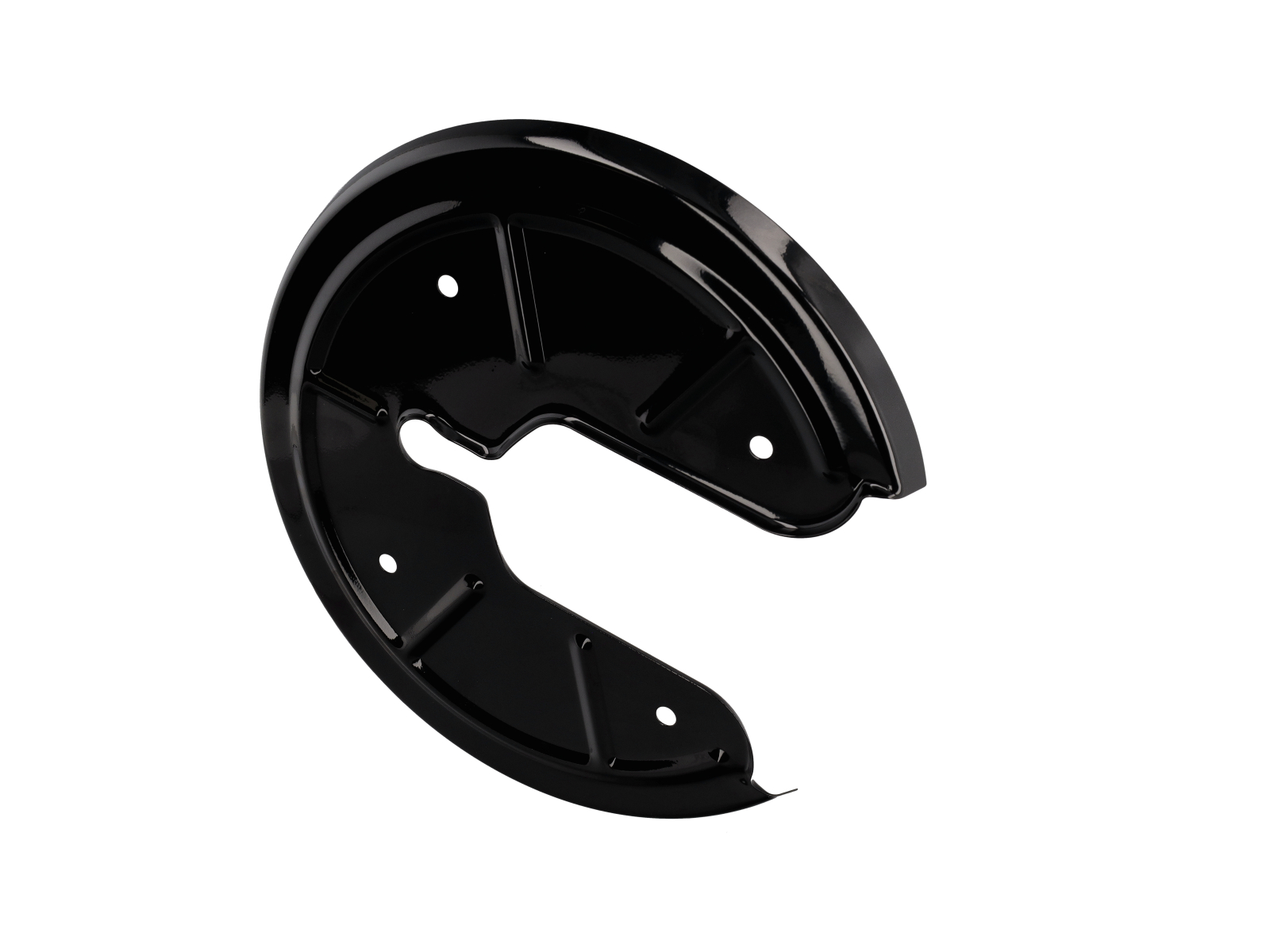
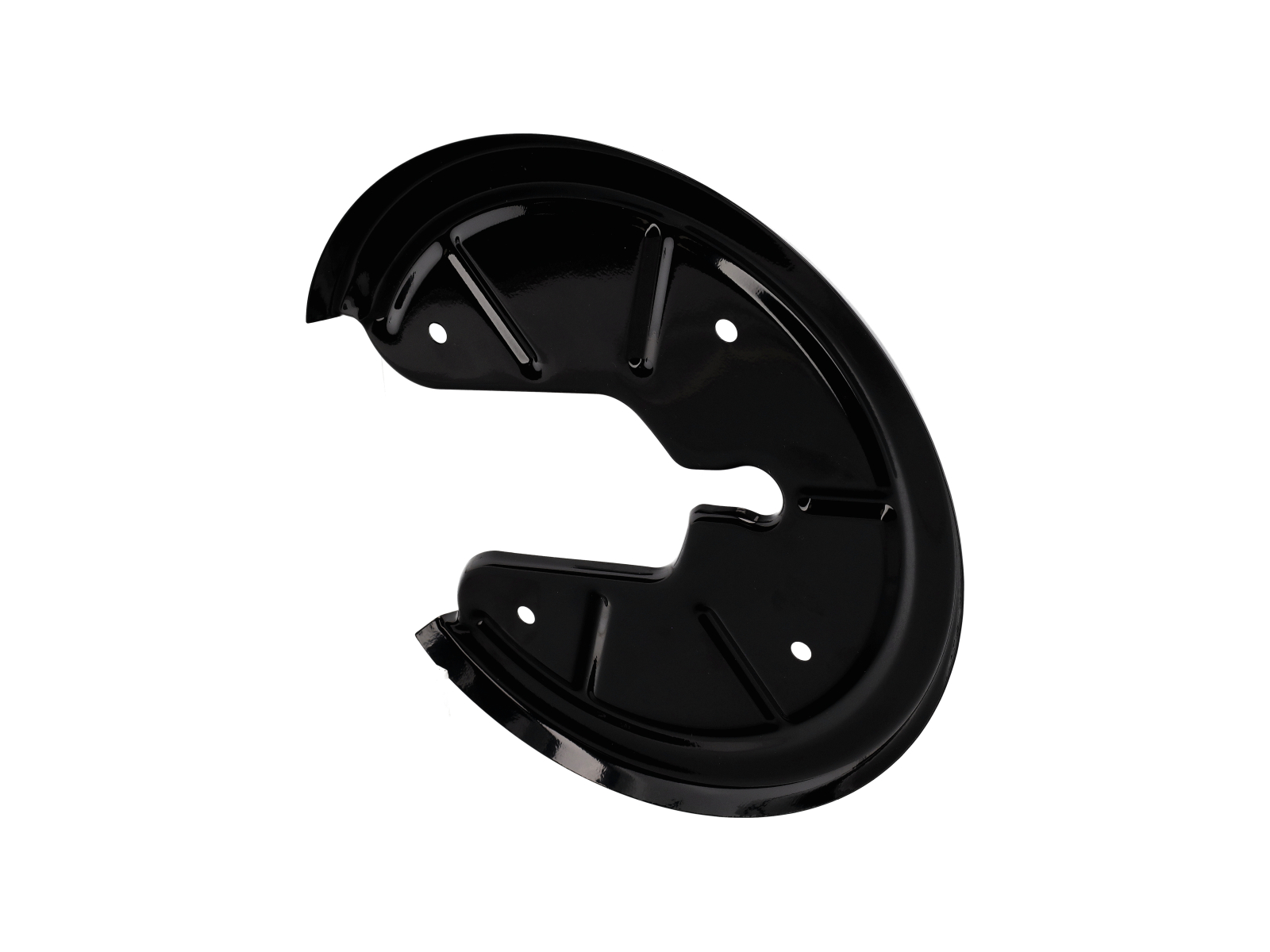
The OE Match Rear Brake Disc Cover Plate is a premium-quality replacement brake and suspension component designed to protect the rear brake disc and braking assembly on compatible Porsche models. Manufactured to OE specifications for fit, strength and durability, this precision-engineered backing plate acts as a protective shield, helping to prevent dirt, water, stones and road debris from reaching the brake disc while supporting efficient brake cooling and prolonging component life.
Sold Each.
x2 Required Per Car.
Fits:
- Porsche 356C 1963-65
Manufactured from high-quality automotive-grade pressed steel with a durable corrosion-resistant coating, the cover plate is engineered to withstand continual exposure to moisture, road salt, brake dust and extreme operating temperatures. Precision-formed to match the original Porsche dimensions and mounting points, it provides direct OE-style fitment, making it the ideal replacement during brake overhauls, suspension repairs or restoration projects.
What This Product Does:
- Protects the rear brake disc from road debris and contaminants.
- Helps shield the braking system from water, dirt and stones.
- Supports efficient airflow around the brake assembly.
- Reduces the risk of premature brake component wear.
- Maintains correct positioning behind the brake disc.
- Helps protect the parking brake components where fitted.
- Restores factory brake protection.
- Forms an essential part of the rear braking system.
Symptoms Of Wear Or Failure:
- Corroded or rusted backing plate.
- Bent or distorted cover plate contacting the brake disc.
- Scraping or rubbing noises while driving.
- Missing or damaged brake disc shield.
- Increased exposure of brake components to dirt and debris.
- Loose or broken mounting points.
- Visible corrosion or deterioration.
- Excessive brake dust accumulation around protected components.
- Reduced protection for parking brake assemblies where applicable.
- MOT or inspection advisory due to damaged brake shield.
Why Replacement Matters:
- The rear brake disc cover plate is constantly exposed to harsh road conditions, including water, mud, salt, brake dust and stone impacts. Over time, corrosion and physical damage can weaken the plate, causing it to rust through, distort or detach from its mounting points.
- A damaged cover plate can rub against the brake disc, creating unwanted noise and potentially affecting braking performance. Without adequate protection, brake components become more susceptible to contamination, corrosion and premature wear, reducing their service life.
- Replacing a worn or damaged cover plate with the OE Match Rear Brake Disc Cover Plate restores factory protection for the rear braking system. Manufactured to OE standards using premium corrosion-resistant materials, it provides factory-style fitment, exceptional durability and dependable long-term reliability, helping maintain braking performance, component longevity and the safety expected from your Porsche.
Related reference numbers
Related, superseded, cross reference or alternative numbers for comparison.
69535280110
The product you are viewing cross references to these numbers

- Porsche 356 1950-55
- Porsche 356A 1955-59
- Porsche 356B 1959-63
- Porsche 356C 1963-65
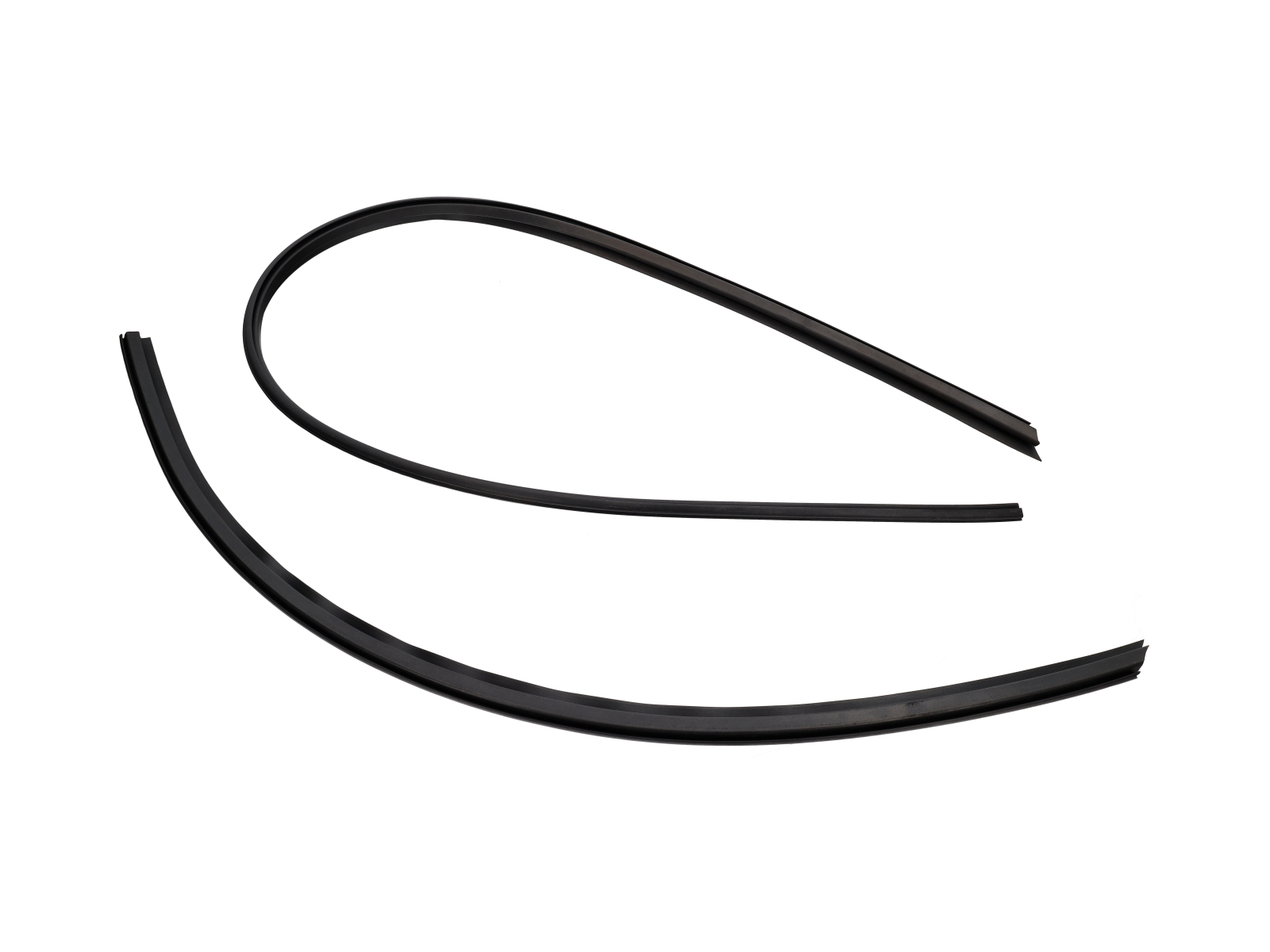
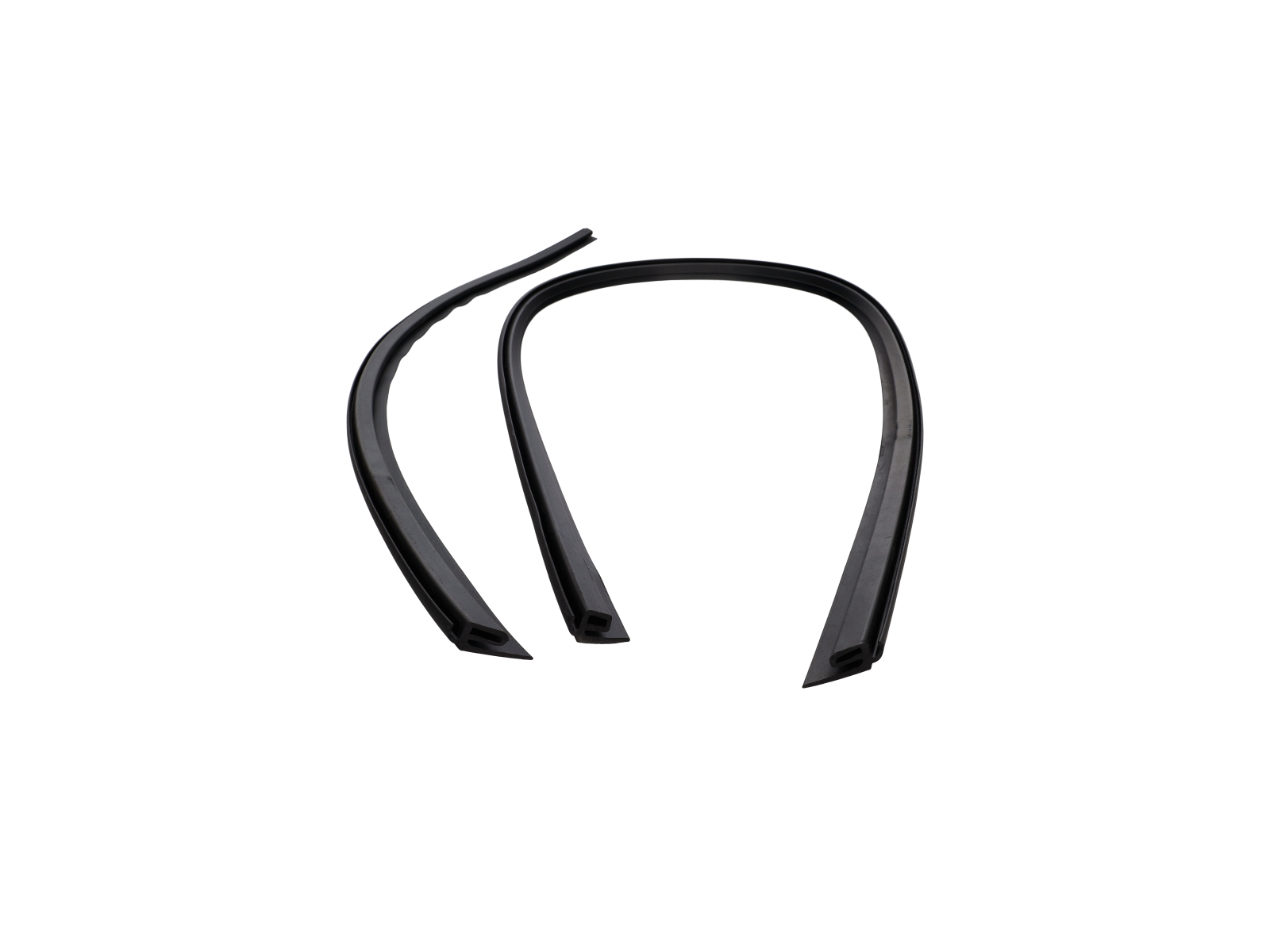
The OE Match Rubber Door Seal, Attaches to Body is a premium-quality replacement body seal designed to provide a weatherproof barrier between the door and body on compatible classic Porsche models. Manufactured to OE specifications for fit, profile and durability, this precision-moulded door seal attaches directly to the body aperture, preventing the ingress of water, wind, dust and road noise while maintaining the original factory fit and finish.
Fits:
- Porsche 356 1950-55
- Porsche 356A 1955-59
- Porsche 356B 1959-63
- Porsche 356C 1963-65
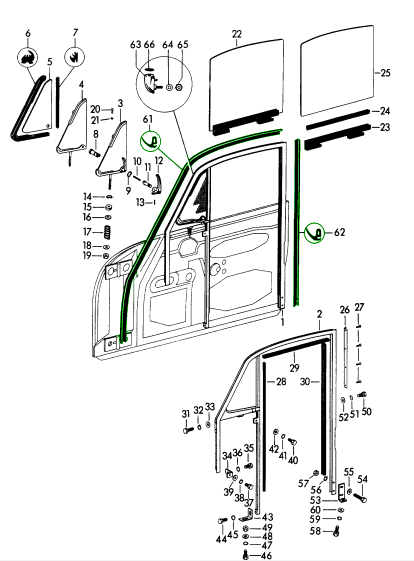
Diagram Ref No 61 And 62
Manufactured from high-quality automotive-grade EPDM rubber, the seal is engineered to resist UV exposure, ozone, moisture, temperature extremes and continual compression without hardening, shrinking or cracking. Precision-extruded to replicate the original Porsche profile, it provides direct OE-style installation, ensuring consistent sealing performance, smooth door operation and long-lasting durability. It is ideal for restorations, accident repairs or replacing worn original seals.
What This Product Does:
- Creates a weatherproof seal between the door and body.
- Prevents water, dust and road debris from entering the cabin.
- Reduces wind noise during driving.
- Helps maintain a dry and comfortable interior.
- Cushions the door when closing.
- Protects the interior from moisture-related damage.
- Restores factory sealing performance.
- Forms an essential part of the vehicle's body sealing system.
Symptoms Of Wear Or Failure:
- Water leaks into the cabin.
- Increased wind noise at speed.
- Dust entering the interior.
- Cracked, hardened or split rubber.
- Flattened or compressed sealing profile.
- Doors requiring excessive force to close or failing to seal correctly.
- Visible gaps between the door and body.
- Moisture-related corrosion around the door aperture.
- Damp carpets or interior trim.
- Deteriorated or peeling rubber due to age and UV exposure.
Why Replacement Matters:
- Door seals are continually exposed to sunlight, moisture, changing temperatures and repeated compression every time the doors are opened and closed. Over time, the rubber naturally hardens, shrinks or loses its elasticity, reducing its ability to maintain an effective seal against the body.
- A deteriorated door seal can allow water, wind and dust to enter the vehicle, resulting in increased cabin noise, damp interiors, corrosion and reduced passenger comfort. In classic Porsche models, worn seals also affect door alignment, closing feel and the overall quality of the vehicle.
- Replacing worn or damaged seals with the OE Match Rubber Door Seal restores the original weatherproof barrier and factory-correct door fitment. Manufactured to OE standards using premium EPDM rubber, it provides factory-style installation, excellent weather resistance and long-lasting durability, helping preserve the comfort, refinement and originality of your Porsche.
Related reference numbers
Related, superseded, cross reference or alternative numbers for comparison.
64453192
The product you are viewing cross references to these numbers
- Porsche 911 1965-1968 2.0L / 912 SWB (F)
- Porsche 911 1968-1973 2.2L / 2.4L / 2.7L RS LWB (F)
- Porsche 911 1974-1977 2.7L / 1976-77 3.0 Carrera
- Porsche 911 1978-1983 3.0L / SC
- Porsche 911 1984-1986 3.2L
- Porsche 911 1987-1989 3.2L G50
- Porsche 911 1975-1977 3.0L Turbo (930)
- Porsche 911 1978-1989 3.3L Turbo (930)
- Porsche 964 (911) C2 1989-93
- Porsche 964 (911) C4 1989-93
- Porsche 964 (911) RS 3.6L 1991-93
- Porsche 964 (911) RS 3.8L 1991-93
- Porsche 964 (911) TURBO 3.3L 1991-93
- Porsche 964 (911) TURBO 3.6L 1991-93
- Porsche 356A 1955-59
- Porsche 356B 1959-63
- Porsche 356C 1963-65
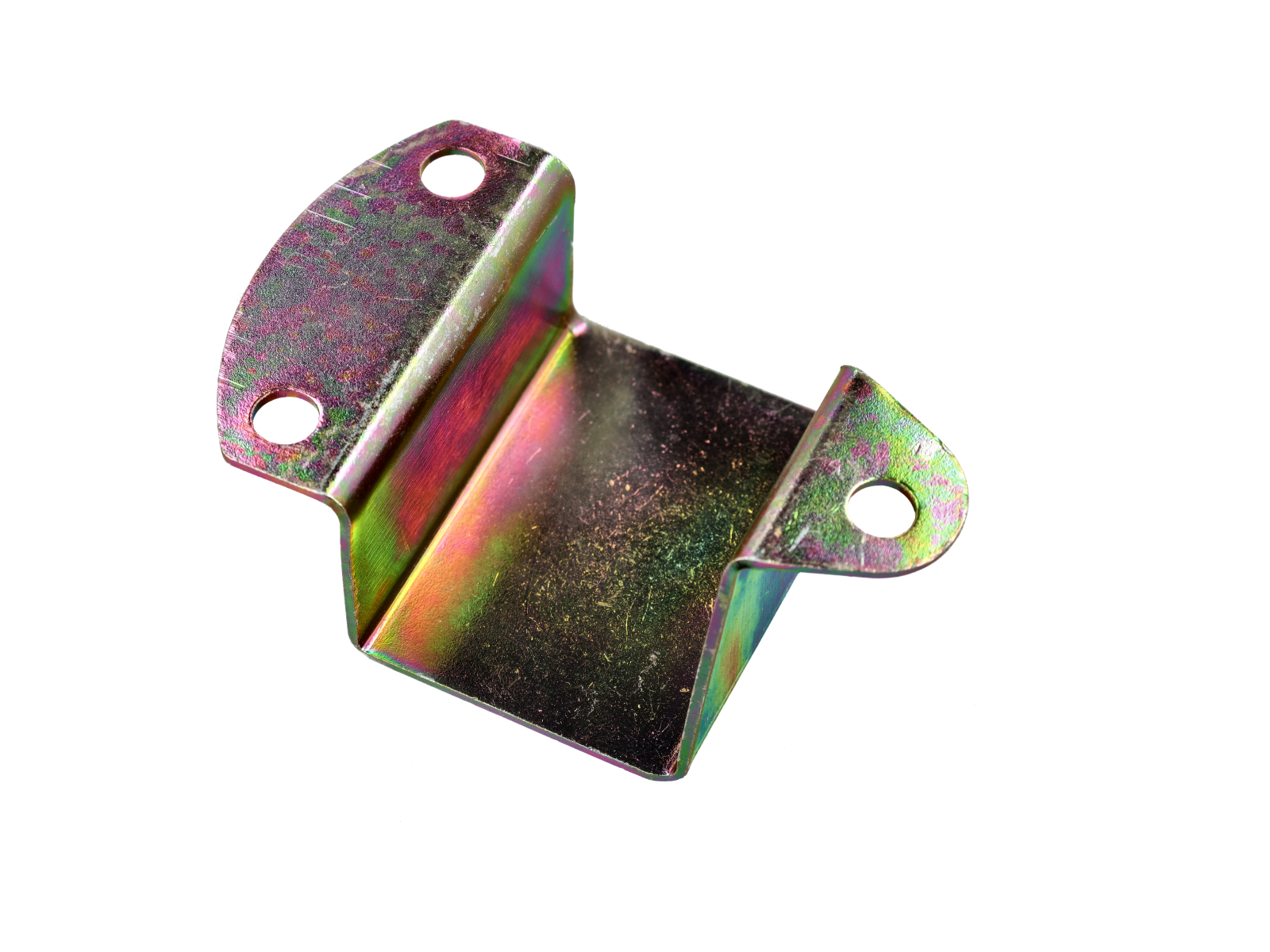
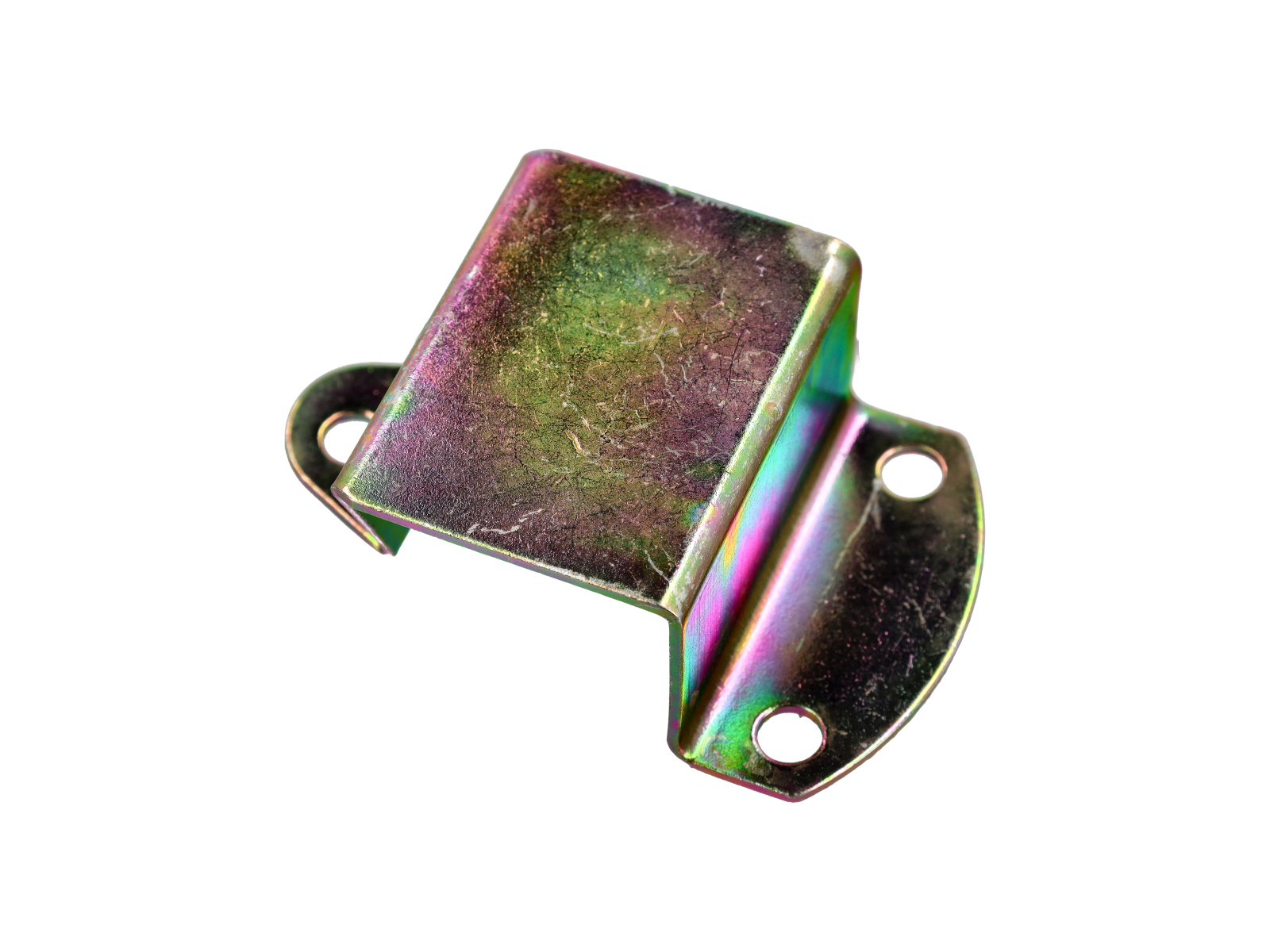
The OE Match Fuel Tank Sender Protective Cover is a premium-quality replacement fuel system component designed to protect the fuel tank sender unit and its electrical connections on compatible classic Porsche models. Manufactured to OE specifications for fit, finish and durability, this precision-engineered protective cover shields the fuel level sender from dirt, moisture, dust and accidental damage while maintaining the original factory appearance of the fuel tank assembly.
Fits:
- Porsche 911 1965-1968 2.0L / 912 SWB (F)
- Porsche 911 1968-1973 2.2L / 2.4L / 2.7L RS LWB (F)
- Porsche 911 1974-1977 2.7L / 1976-77 3.0 Carrera
- Porsche 911 1978-1983 3.0L / SC
- Porsche 911 1984-1986 3.2L
- Porsche 911 1987-1989 3.2L G50
- Porsche 911 1975-1977 3.0L Turbo (930)
- Porsche 911 1978-1989 3.3L Turbo (930)
- Porsche 964 (911) C2 1989-93
- Porsche 964 (911) C4 1989-93
- Porsche 964 (911) RS 3.6L 1991-93
- Porsche 964 (911) RS 3.8L 1991-93
- Porsche 964 (911) TURBO 3.3L 1991-93
- Porsche 964 (911) TURBO 3.6L 1991-93
- Porsche 356A 1955-59
- Porsche 356B 1959-63
- Porsche 356C 1963-65
Manufactured from high-quality automotive-grade material with excellent resistance to corrosion, vibration and environmental exposure, the protective cover is engineered to withstand continual temperature fluctuations, fuel vapours and moisture. Precision-manufactured to replicate the original Porsche dimensions and mounting profile, it provides direct OE-style fitment, making it ideal during fuel tank restoration, sender replacement or routine maintenance.
What This Product Does:
- Protects the fuel tank sender unit from external damage.
- Shields electrical connections from dirt and moisture.
- Helps prevent contamination around the sender assembly.
- Maintains the integrity of the fuel level sender installation.
- Supports reliable fuel level sensor operation.
- Preserves the original appearance of the fuel tank assembly.
- Restores factory protection for the sender unit.
- Forms an essential part of the vehicle's fuel tank system.
Symptoms Of Wear Or Failure:
- Exposed fuel tank sender unit.
- Dirt or debris accumulating around the sender assembly.
- Moisture reaching the sender electrical connections.
- Corrosion on the sender or terminals.
- Loose or damaged protective cover.
- Increased risk of accidental damage during servicing.
- Poor appearance of the fuel tank area.
- Premature deterioration of sender components.
- Intermittent fuel level sender electrical issues caused by contamination.
- Missing factory protection around the sender unit.
Why Replacement Matters:
- The fuel tank sender protective cover is continually exposed to vibration, moisture, dirt and changing temperatures. Over time, the original cover can become damaged, corroded or misplaced, leaving the fuel level sender and its electrical connections vulnerable to contamination and accidental damage.
- Without adequate protection, moisture and debris can accelerate corrosion of the sender unit and electrical terminals, potentially leading to unreliable fuel level readings, unnecessary repairs and reduced component life. A missing or damaged cover can also detract from the originality and presentation of the fuel tank assembly during restoration.
- Replacing the original component with the OE Match Fuel Tank Sender Protective Cover restores factory protection and appearance. Manufactured to OE standards using premium-quality materials, it provides factory-style fitment, excellent durability and dependable long-term performance, helping protect the fuel sender assembly and maintain the reliability and authenticity of your Porsche.
Related reference numbers
Related, superseded, cross reference or alternative numbers for comparison.
90120127530
The product you are viewing cross references to these numbers
- Porsche 356 1950-55
- Porsche 356A 1955-59
- Porsche 356B 1959-63
- Porsche 356C 1963-65
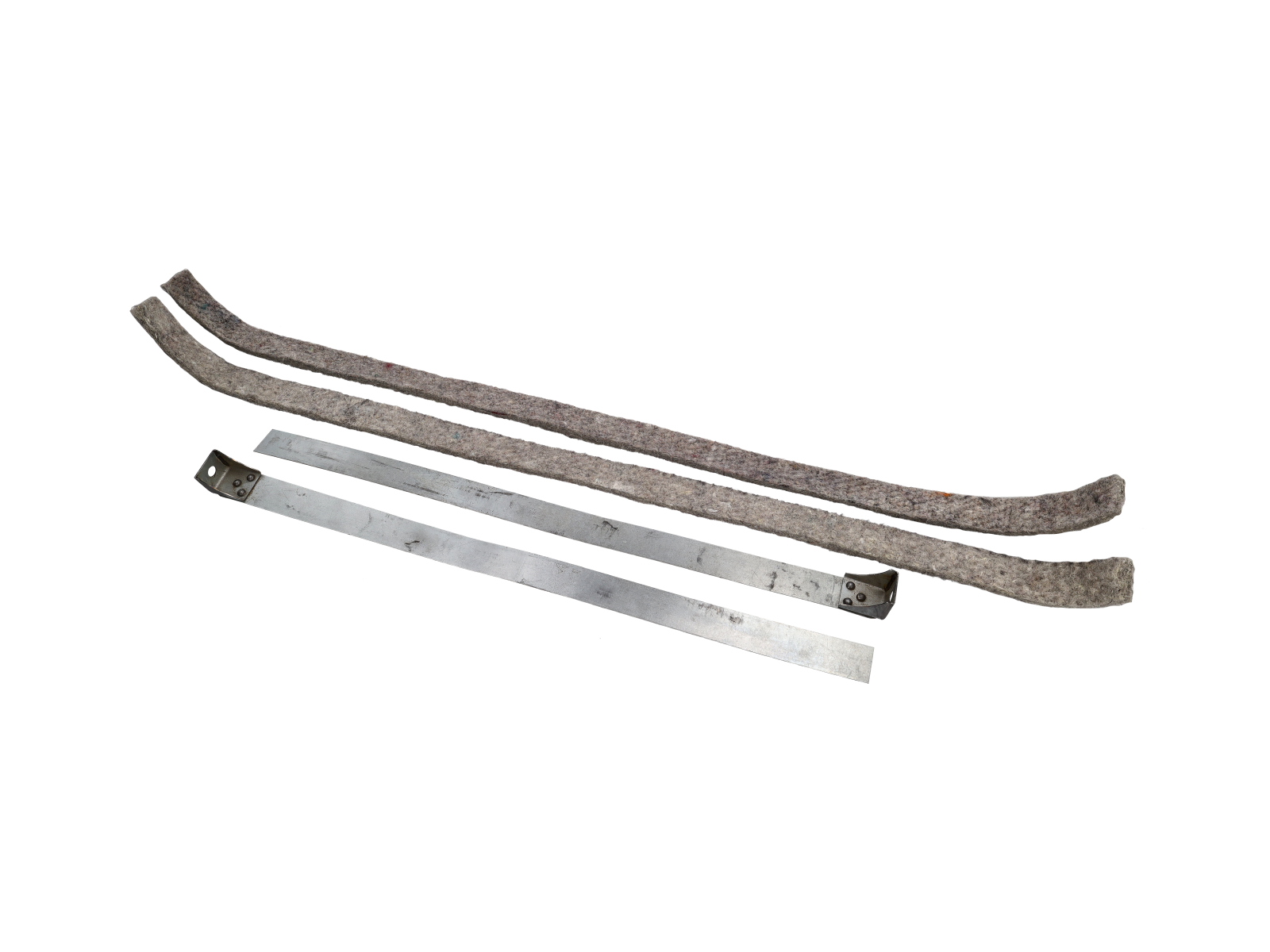
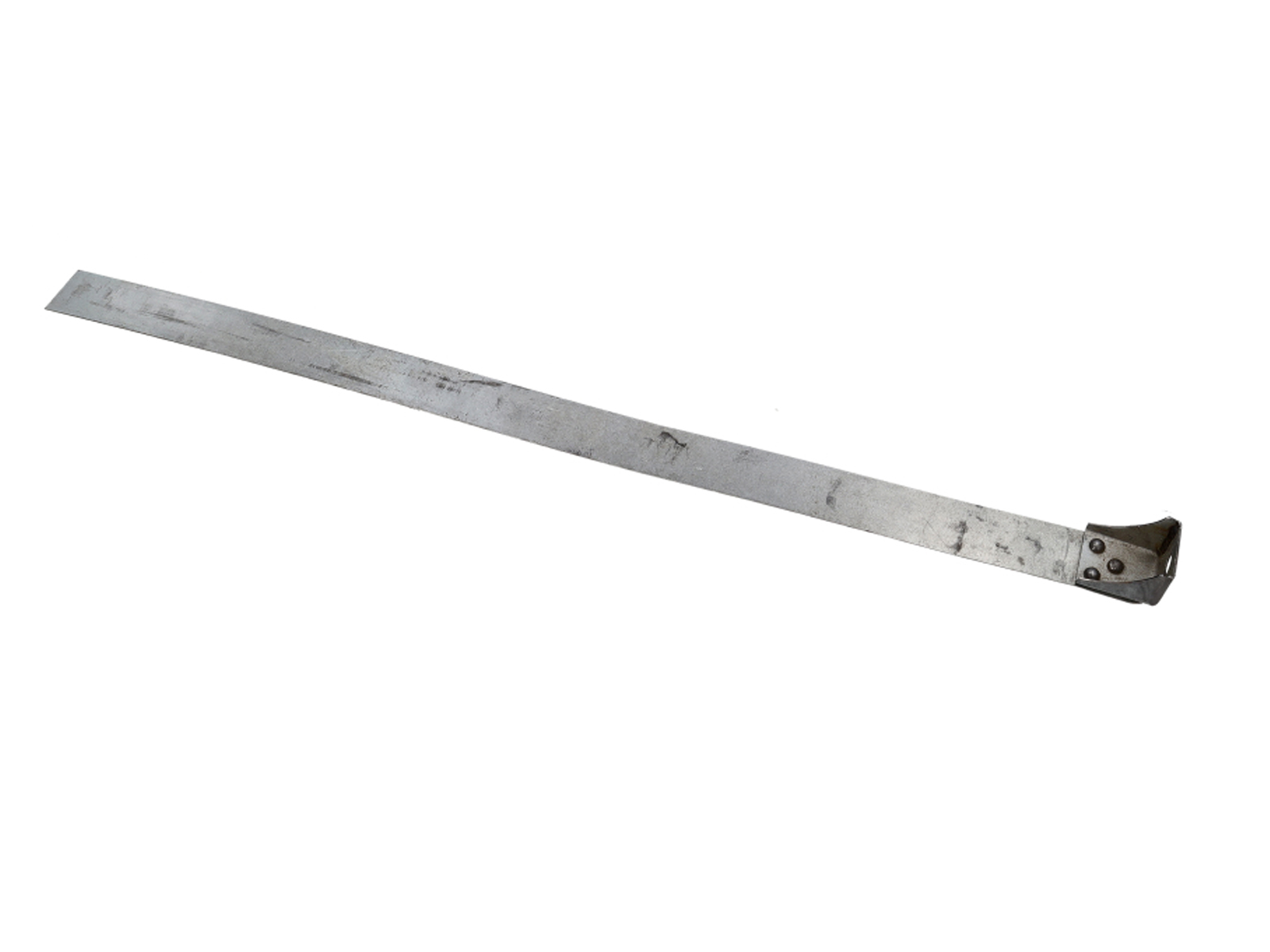
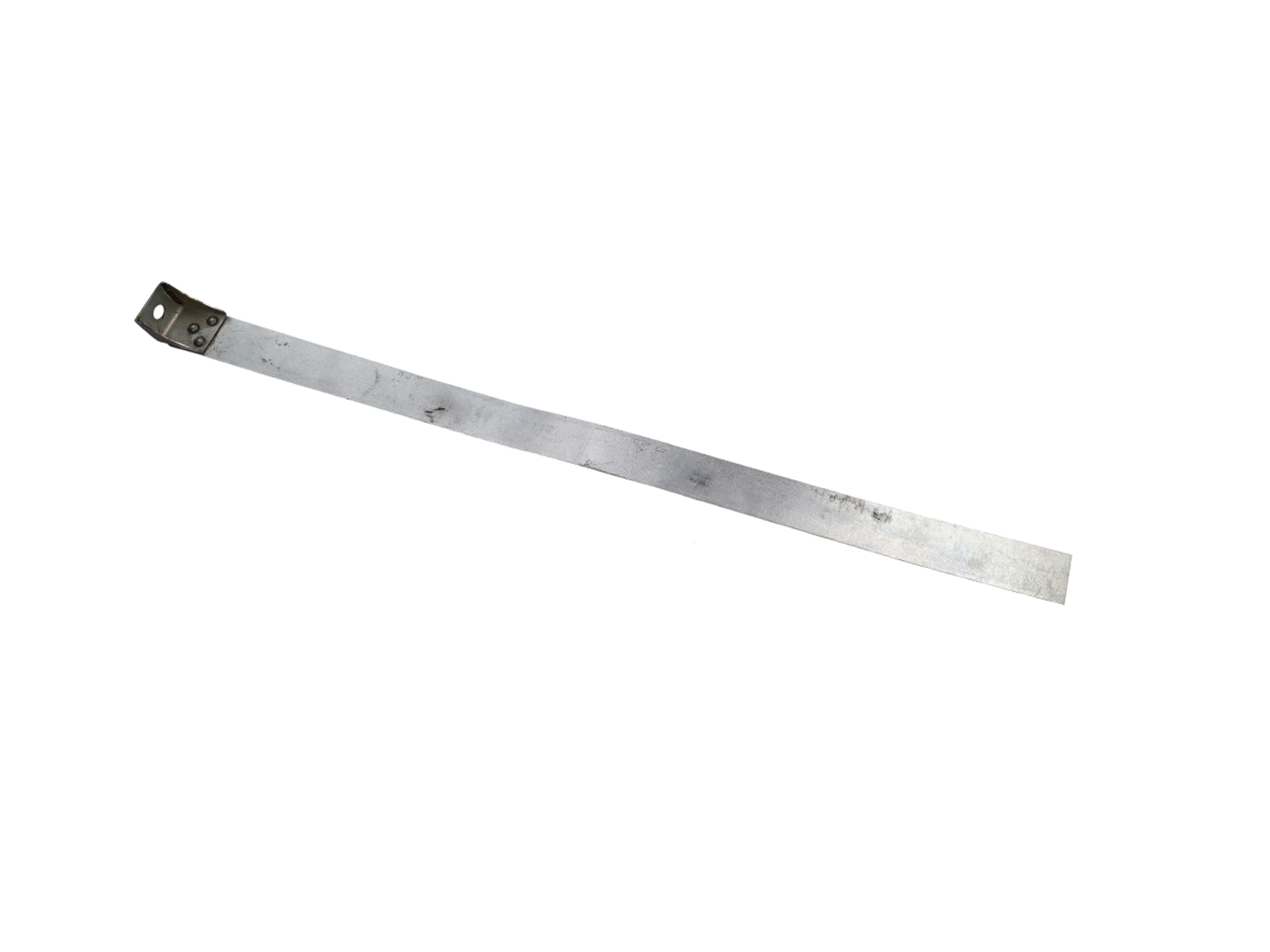
The OE Match Fuel Tank Strap Kit is a premium-quality replacement mounting kit designed to securely support and retain the fuel tank on compatible classic Porsche models. Manufactured to OE specifications for fit, strength and durability, this complete kit includes fuel tank retaining straps and the associated mounting hardware required for a safe and secure installation, ensuring the fuel tank remains correctly positioned under all driving conditions.
Fits:
- Porsche 356 1950-55
- Porsche 356A 1955-59
- Porsche 356B 1959-63
- Porsche 356C 1963-65
Manufactured from high-strength automotive-grade steel with a durable corrosion-resistant zinc-plated finish, the straps are engineered to withstand the weight of a full fuel tank, continual road vibration, moisture, road salt and changing temperatures. Designed to replicate the original Porsche dimensions and mounting points, the kit provides direct OE-style fitment, making it ideal for fuel tank replacement, restoration projects, chassis refurbishment and preventative maintenance.
What This Product Does:
- Securely supports and retains the fuel tank.
- Prevents unwanted fuel tank movement during driving.
- Maintains correct alignment of the fuel tank and mounting points.
- Reduces stress on fuel lines, filler necks and associated components.
- Minimises vibration transmitted through the fuel tank assembly.
- Replaces worn, corroded or damaged fuel tank mounting hardware.
- Restores factory fuel tank mounting performance.
- Forms an essential part of the vehicle's fuel system support assembly.
Symptoms Of Wear Or Failure:
- Corroded or heavily rusted fuel tank straps.
- Loose or unstable fuel tank.
- Rattling or knocking noises from beneath the vehicle.
- Bent or distorted retaining straps.
- Cracked or weakened mounting hardware.
- Excessive movement of the fuel tank during driving.
- Difficulty securing the fuel tank correctly.
- Visible deterioration caused by corrosion or age.
- Increased stress on fuel hoses or fuel lines.
- MOT or inspection failure due to insecure fuel tank mounting.
Why Replacement Matters:
- Fuel tank straps and their mounting hardware are continuously exposed to harsh environmental conditions, including water, road salt, dirt and constant vibration. Over time, corrosion and metal fatigue can weaken the straps and fixings, reducing their ability to securely support the fuel tank.
- A weakened mounting system can allow the fuel tank to move excessively, placing additional strain on fuel hoses, filler necks and mounting points. If left unresolved, this movement can lead to premature wear, fuel system damage and, in severe cases, compromise vehicle safety.
- Replacing worn or corroded components with the OE Match Fuel Tank Strap Kit restores secure fuel tank retention and factory-correct installation. Manufactured to OE standards using premium-quality corrosion-resistant materials, this complete kit provides factory-style fitment, exceptional strength and long-lasting durability, helping preserve the safety, reliability and originality of your Porsche.
Related reference numbers
Related, superseded, cross reference or alternative numbers for comparison.
64420103100
The product you are viewing cross references to these numbers
- Porsche 356 1950-55
- Porsche 356A 1955-59
- Porsche 356B 1959-63
- Porsche 356C 1963-65
The OE Match Fuel Tank Strap is a premium-quality replacement fuel tank mounting component designed to securely support and retain the fuel tank on compatible classic Porsche models. Manufactured to OE specifications for fit, strength and durability, this precision-engineered strap provides the correct clamping force to hold the fuel tank firmly in place, preventing unwanted movement while protecting the integrity of the fuel system during normal driving.
Fits:
- Porsche 356 1950-55
- Porsche 356A 1955-59
- Porsche 356B 1959-63
- Porsche 356C 1963-65
Manufactured from high-strength automotive-grade steel with a durable corrosion-resistant zinc-plated finish, the fuel tank strap is engineered to withstand the weight of a full fuel tank, constant road vibration, moisture, road salt and harsh environmental conditions. Precision-formed to match the original Porsche dimensions and mounting profile, it provides direct OE-style fitment, making it the ideal replacement during fuel tank restoration, replacement or chassis refurbishment.
What This Product Does:
- Securely supports and retains the fuel tank.
- Prevents unwanted movement of the fuel tank during driving.
- Maintains the correct alignment of the fuel tank assembly.
- Reduces stress on fuel lines, hoses and mounting points.
- Helps minimise vibration from the fuel tank.
- Supports the safe operation of the vehicle's fuel system.
- Restores factory fuel tank mounting performance.
- Forms an essential part of the fuel tank support assembly.
Symptoms Of Wear Or Failure:
- Corroded or heavily rusted fuel tank strap.
- Loose or unstable fuel tank.
- Rattling or knocking noises from beneath the vehicle.
- Bent, distorted or weakened strap.
- Cracked or damaged mounting points.
- Difficulty securing the fuel tank correctly.
- Excessive movement of the fuel tank while driving.
- Visible deterioration caused by age or corrosion.
- Increased stress on fuel lines or filler neck connections.
- MOT or vehicle inspection failure due to insecure fuel tank mounting.
Why Replacement Matters:
- Fuel tank straps are continually exposed to moisture, road salt, dirt and vibration beneath the vehicle. Over time, corrosion and metal fatigue can weaken the strap, reducing its ability to safely support the fuel tank. A weakened or damaged strap can allow the tank to move excessively, placing unnecessary strain on fuel hoses, filler necks and mounting hardware.
- If left unresolved, excessive fuel tank movement can lead to premature wear of fuel system components, unwanted noise and, in severe cases, compromise the security of the fuel tank. Replacing worn straps is an important part of maintaining the safety and reliability of the vehicle.
- Replacing the original component with the OE Match Fuel Tank Strap restores secure fuel tank retention and factory-correct installation. Manufactured to OE standards using premium-quality corrosion-resistant materials, it provides factory-style fitment, exceptional strength and long-lasting durability, helping preserve the safety, reliability and originality expected from your Porsche.
Related reference numbers
Related, superseded, cross reference or alternative numbers for comparison.
64420103100
The product you are viewing cross references to these numbers
- Porsche 911 1965-1968 2.0L / 912 SWB (F)
- Porsche 911 1968-1973 2.2L / 2.4L / 2.7L RS LWB (F)
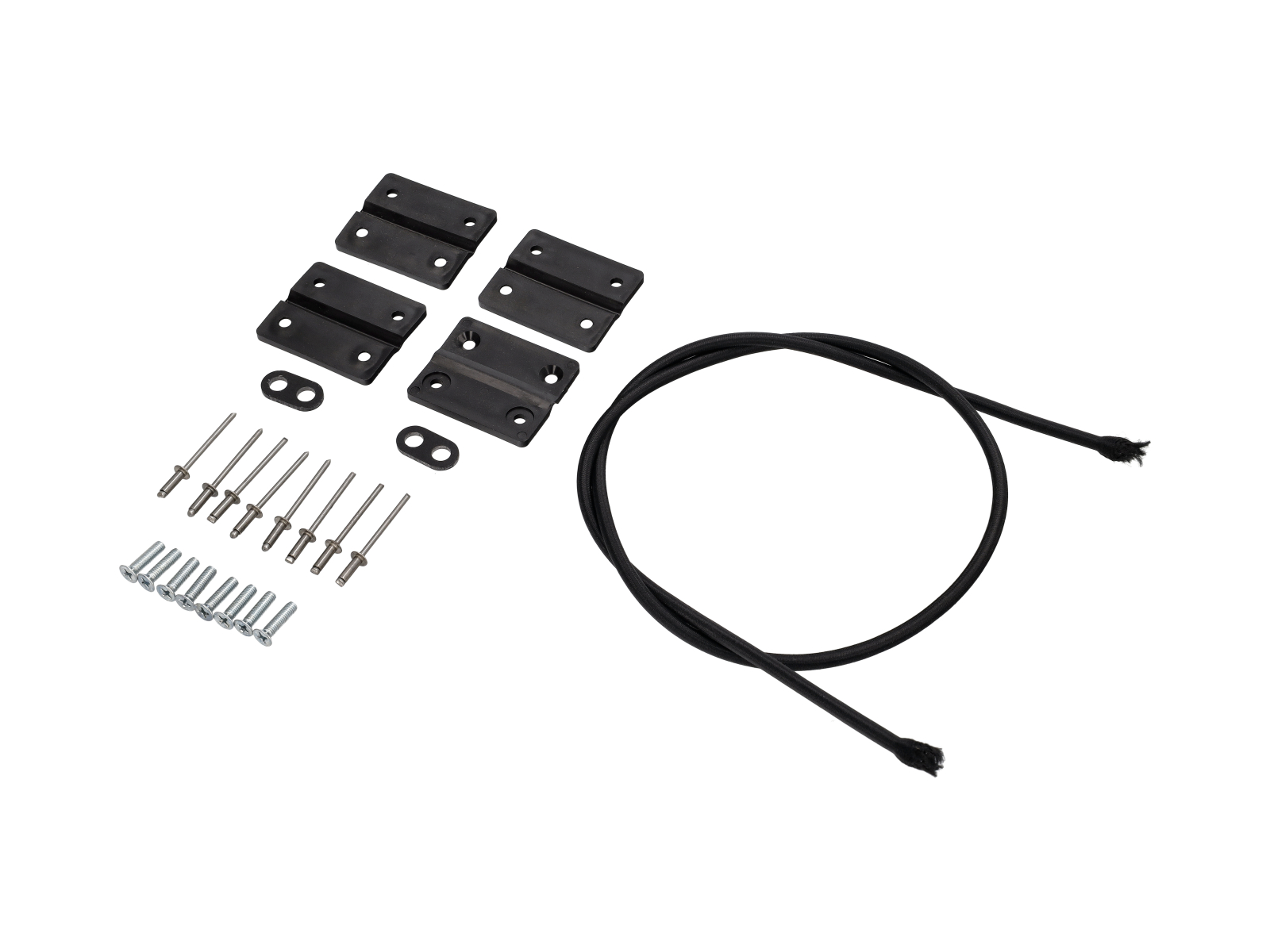
The OE Match Door Pockets Hardware Kit is a premium-quality fastening kit designed to provide the correct hardware for securely installing or replacing door pockets on compatible classic Porsche models. Manufactured to OE specifications for fit, finish and durability, this comprehensive hardware kit contains the essential mounting components required to achieve secure installation while maintaining the authentic factory appearance of the interior.
Fits:
- Porsche 911 1965-1968 2.0L / 912 SWB (F)
- Porsche 911 1968-1973 2.2L / 2.4L / 2.7L RS LWB (F)
Manufactured from high-quality automotive-grade steel with a corrosion-resistant finish, each fastener is engineered to withstand continual vibration, regular use and changing cabin temperatures. Designed to match the original Porsche hardware specifications, this kit provides direct OE-style fitment, making it ideal for interior restorations, refurbishment projects or replacing missing, worn or incorrect mounting hardware.
What This Product Does:
- Provides the correct hardware for mounting door pockets.
- Secures the door pockets firmly to the door panel.
- Helps maintain correct alignment of the interior trim.
- Replaces missing, damaged or corroded mounting hardware.
- Supports a secure, rattle-free installation.
- Preserves the original factory appearance.
- Restores factory interior assembly standards.
- Forms an essential part of professional interior restoration.
Symptoms Of Wear Or Failure:
- Loose or unstable door pockets.
- Rattling noises from the door trim.
- Missing or incorrect fasteners.
- Difficulty securing the door pocket correctly.
- Corroded or damaged mounting hardware.
- Door pockets pulling away from the door panel.
- Poor alignment of interior trim components.
- Visible wear or damage around mounting points.
- Incomplete or untidy interior appearance.
- Reduced originality during restoration.
Why Replacement Matters:
- Door pocket mounting hardware is subjected to continual vibration, repeated opening and closing of the doors and regular use throughout the vehicle's life. Over time, fasteners can become loose, corroded, damaged or lost during previous repairs, compromising the security and appearance of the door pockets.
- Loose or incorrectly mounted door pockets can create unwanted rattles, reduce storage functionality and detract from the quality of the vehicle's interior. Using the correct hardware also helps prevent damage to surrounding trim panels and ensures the door pockets remain securely positioned.
- Replacing worn or missing fasteners with the OE Match Door Pockets Hardware Kit restores secure installation and factory-correct interior assembly. Manufactured to OE standards using premium-quality materials with a corrosion-resistant finish, this kit provides factory-style fitment, long-lasting durability and the authentic finishing detail expected for classic Porsche restoration and refurbishment.

- Porsche 911 1965-1968 2.0L / 912 SWB (F)
- Porsche 911 1968-1973 2.2L / 2.4L / 2.7L RS LWB (F)
- Porsche 911 1974-1977 2.7L / 1976-77 3.0 Carrera
- Porsche 911 1978-1983 3.0L / SC
- Porsche 911 1984-1986 3.2L
- Porsche 911 1987-1989 3.2L G50
- Porsche 911 1975-1977 3.0L Turbo (930)
- Porsche 911 1978-1989 3.3L Turbo (930)
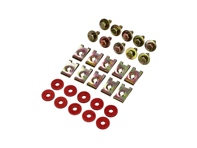
The OE Match Fender Hardware Kit is a premium-quality body fastening kit designed to provide the correct hardware for securing the front wings (fenders) on compatible classic Porsche models. Manufactured to OE specifications for fit, finish and durability, this comprehensive kit includes correctly zinc-finished fasteners and authentic dark red fibre washers, accurately replicating the original factory hardware used during production.
Contents:
10x Screw with collar washer
10x Dark red fibre washer
10x Panel nut receiver
Fits:
- Porsche 911 1965-1968 2.0L / 912 SWB (F)
- Porsche 911 1968-1973 2.2L / 2.4L / 2.7L RS LWB (F)
- Porsche 911 1974-1977 2.7L / 1976-77 3.0 Carrera
- Porsche 911 1978-1983 3.0L / SC
- Porsche 911 1984-1986 3.2L
- Porsche 911 1987-1989 3.2L G50
- Porsche 911 1975-1977 3.0L Turbo (930)
- Porsche 911 1978-1989 3.3L Turbo (930)
Please note: One pack will fit one fender for cars from 1965 to 1973 as those cars had 10 fixings per side. Cars from 1974 onwards had 16 fixings per side and you will have to order more than one pack to fit one panel. Please order accordingly to your requirements.
Manufactured from high-strength automotive-grade steel with a durable zinc-plated finish for corrosion resistance, each fastener is precision-engineered to ensure secure panel attachment while maintaining the original factory appearance. The included dark red fibre washers provide the correct period-correct finish while helping protect painted body panels from damage during installation. This kit is ideal for concours restorations, accident repairs and complete body refurbishments.
What This Product Does:
- Securely fastens the front fenders to the body shell.
- Restores the correct factory mounting hardware.
- Includes authentic zinc-finished fasteners.
- Features correct dark red fibre washers for OE appearance.
- Helps protect painted surfaces during installation.
- Ensures proper panel alignment and secure attachment.
- Restores factory body assembly details.
- Forms an essential part of professional restoration and body repair.
Symptoms Of Wear Or Failure:
- Loose or misaligned front fenders.
- Corroded or rusted mounting hardware.
- Missing or damaged fibre washers.
- Paint damage around mounting points.
- Rattles or movement from the body panels.
- Rounded, seized or damaged bolt heads.
- Incorrect replacement hardware affecting originality.
- Poor panel fitment or uneven panel gaps.
- Visible corrosion reducing appearance.
- Reduced concours authenticity.
Why Replacement Matters:
- Original fender hardware is continually exposed to moisture, road salt, vibration and repeated removal during servicing or restoration. Over time, fasteners can corrode, seize or become damaged, while fibre washers can deteriorate or be lost altogether. Using incorrect replacement hardware can compromise panel fitment and diminish the authentic appearance of a classic Porsche.
- Replacing old or incorrect hardware with the OE Match Fender Hardware Kit restores secure panel mounting, helps achieve correct panel alignment and preserves the original factory finish. The correct zinc-plated fasteners provide excellent corrosion resistance, while the authentic dark red fibre washers protect painted surfaces and replicate original Porsche assembly details.
- Manufactured to OE standards, the OE Match Fender Hardware Kit delivers factory-style fitment, outstanding durability and concours-correct presentation, making it the ideal choice for professional restorations, body repairs and enthusiasts seeking original Porsche authenticity.
Related reference numbers
Related, superseded, cross reference or alternative numbers for comparison.
91150300100
The product you are viewing cross references to these numbers
- Porsche 356 1950-55
- Porsche 356A 1955-59
- Porsche 356B 1959-63
- Porsche 356C 1963-65
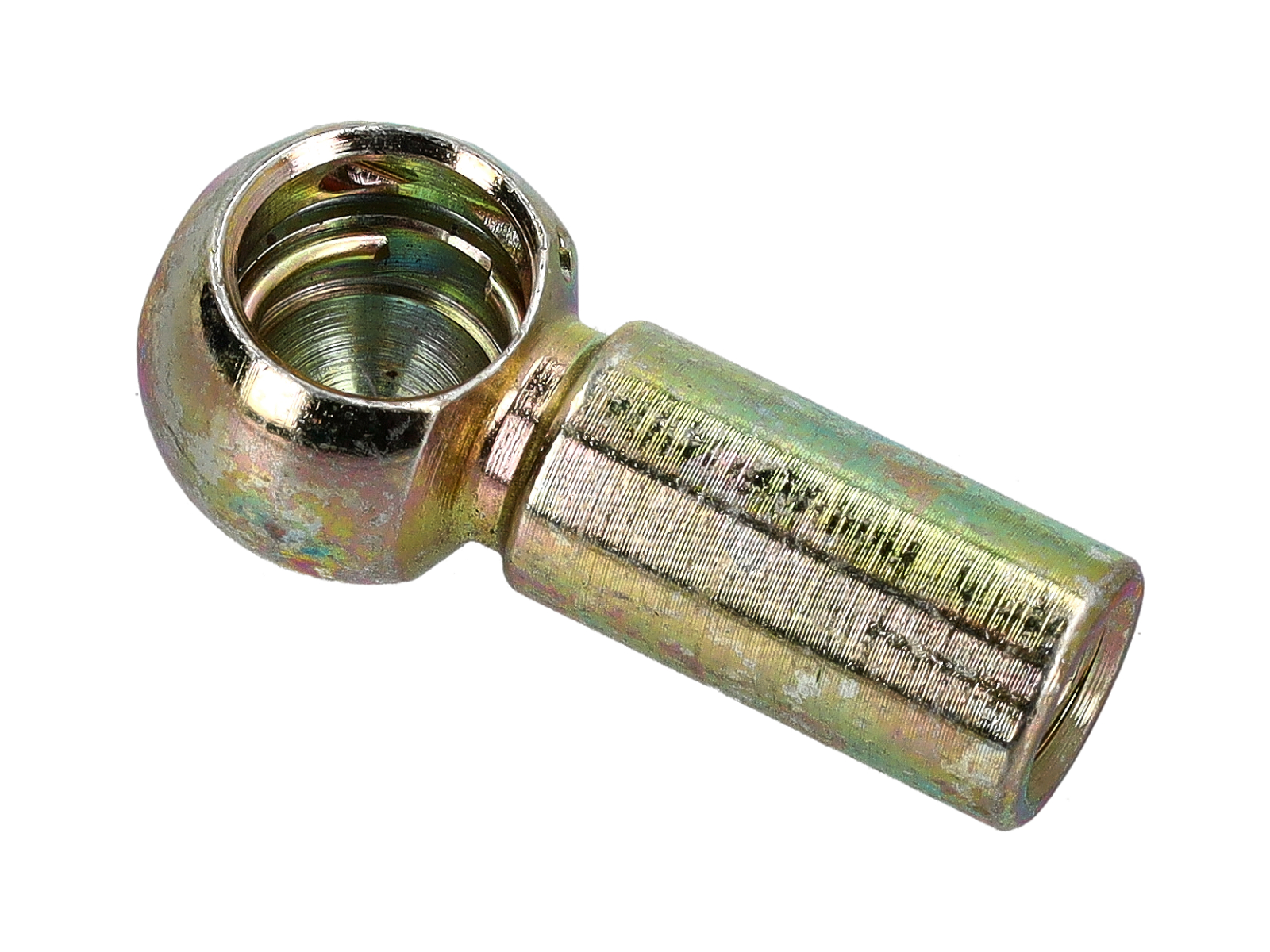
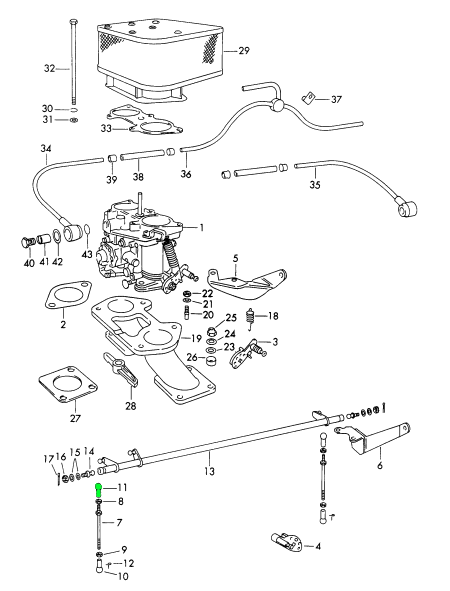
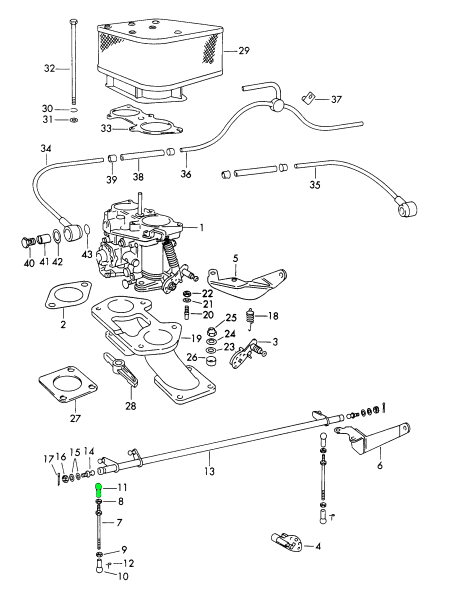
The OE Match Ball Socket Linkage, Yellow is a premium-quality replacement linkage connector designed to provide a secure and precise pivot connection between mechanical linkage components on compatible Porsche models. Manufactured to OE specifications for fit, strength and durability, this precision-engineered ball socket linkage ensures smooth articulation and accurate transfer of movement between connected components, helping maintain the correct operation of the vehicle's mechanical control systems. Finished in the correct yellow colour, it also preserves the original factory appearance during maintenance and restoration.
Sold Each.
Fits:
- Porsche 356 1950-55
- Porsche 356A 1955-59
- Porsche 356B 1959-63
- Porsche 356C 1963-65
Diagram Ref No 11
Manufactured from high-quality automotive-grade polymer with a durable, wear-resistant construction, the ball socket linkage is engineered to withstand continual movement, vibration, varying loads and exposure to heat, oils and road contaminants. Precision-moulded to OE dimensions, it provides direct OE-style fitment, making it ideal for replacing worn, damaged or loose linkage connectors during routine servicing, repairs or restoration.
What This Product Does:
- Connects mechanical linkage components using a secure ball-and-socket joint.
- Allows smooth articulation throughout the linkage's range of movement.
- Maintains accurate transfer of mechanical motion.
- Reduces free play within the linkage assembly.
- Provides secure retention under normal operating conditions.
- Supports smooth and precise control operation.
- Restores factory linkage performance.
- Forms an essential part of the vehicle's mechanical linkage system.
Symptoms Of Wear Or Failure:
- Excessive free play within the linkage.
- Loose or disconnected linkage components.
- Poor or inconsistent operation of the connected control.
- Clicking or knocking noises during movement.
- Increased resistance or stiffness in the linkage.
- Cracked, worn or enlarged socket.
- Reduced precision of linkage operation.
- Difficulty operating the connected mechanism.
- Excessive movement caused by socket wear.
- Complete linkage separation if the socket fails.
Why Replacement Matters:
- Ball socket linkages are subjected to continual articulation, vibration and mechanical loading throughout normal vehicle operation. Over time, the socket can wear, lose its retaining strength or become brittle, reducing its ability to securely retain the mating ball joint and maintain accurate movement.
- A worn linkage socket can introduce excessive free play, reduce control precision and, in severe cases, allow the linkage to disconnect completely. Depending on its application, this may affect gear selection, throttle operation or other mechanical control systems, compromising both vehicle performance and driving confidence.
- Replacing a worn or damaged linkage with the OE Match Ball Socket Linkage restores secure mechanical engagement and smooth, precise movement. Manufactured to OE standards using premium-quality materials, it provides factory-style fitment, exceptional wear resistance and dependable long-term reliability, ensuring the performance, precision and originality expected from your Porsche.
Related reference numbers
Related, superseded, cross reference or alternative numbers for comparison.
90016901302
The product you are viewing cross references to these numbers
- Porsche 356 1950-55
- Porsche 356A 1955-59
- Porsche 356B 1959-63
- Porsche 356C 1963-65
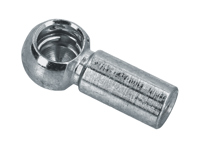
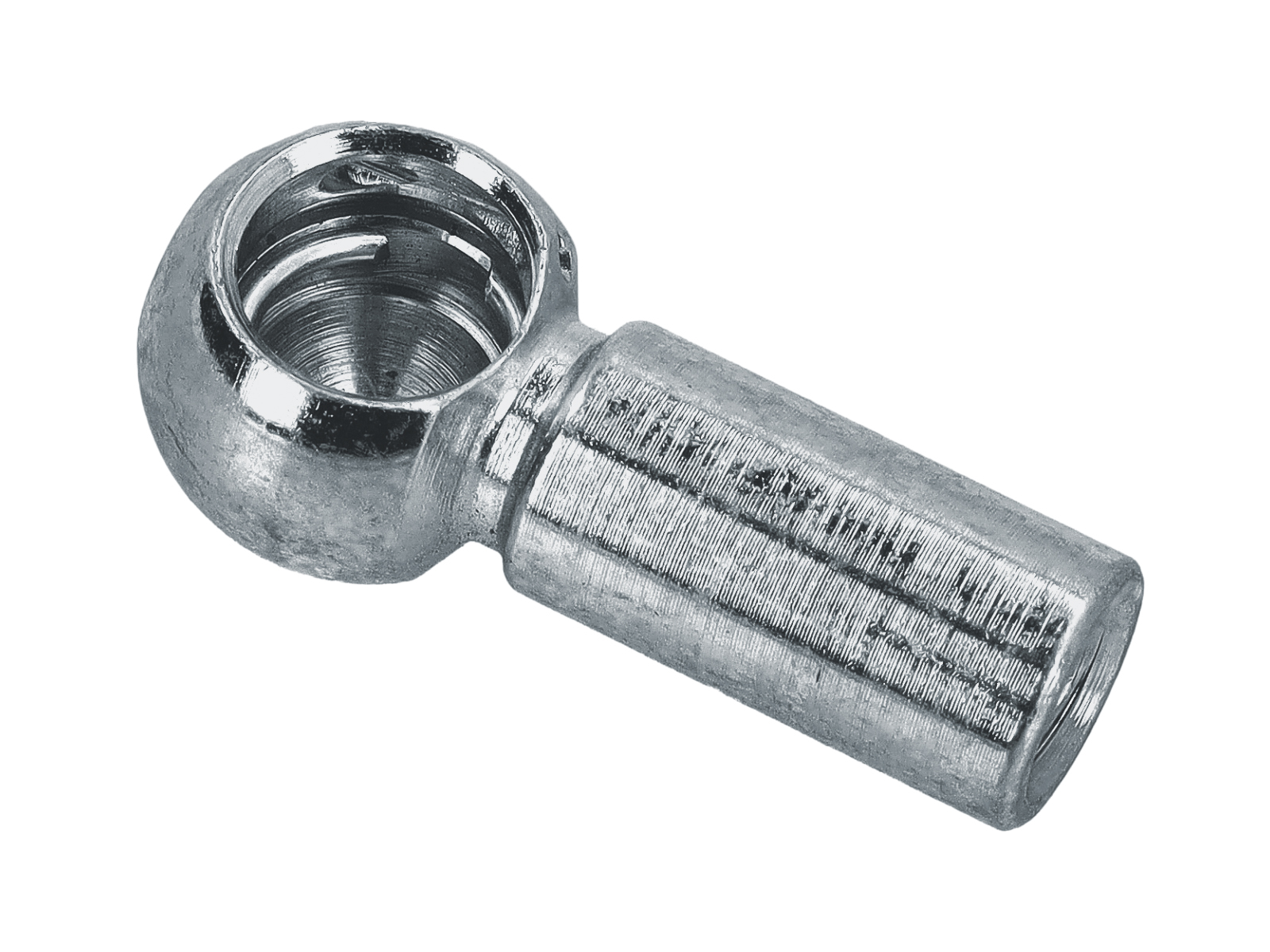
The OE Match Ball Socket Linkage, Silver is a premium-quality replacement linkage connector designed to provide a secure and precise pivot connection between mechanical linkage components on compatible Porsche models. Manufactured to OE specifications for fit, strength and durability, this precision-engineered ball socket linkage ensures smooth articulation and accurate transfer of movement between connected components, helping maintain the correct operation of the vehicle's mechanical control systems.
Fits:
- Porsche 356 1950-55
- Porsche 356A 1955-59
- Porsche 356B 1959-63
- Porsche 356C 1963-65
Diagram Ref No 11
Manufactured from high-strength automotive-grade steel with a durable silver corrosion-resistant finish, the ball socket linkage is engineered to withstand continual movement, vibration, varying loads and exposure to moisture, dirt and road contaminants. Precision-machined to OE dimensions, it provides direct OE-style fitment, making it ideal for replacing worn, damaged or loose linkage connectors during routine servicing, repairs or restoration.
What This Product Does:
- Connects mechanical linkage components using a secure ball-and-socket joint.
- Allows smooth articulation throughout the linkage's range of movement.
- Maintains accurate transfer of mechanical motion.
- Reduces free play within the linkage assembly.
- Provides secure retention under normal operating conditions.
- Supports smooth and precise control operation.
- Restores factory linkage performance.
- Forms an essential part of the vehicle's mechanical linkage system.
Symptoms Of Wear Or Failure:
- Excessive free play within the linkage.
- Loose or disconnected linkage components.
- Poor or inconsistent operation of the connected control.
- Clicking, knocking or rattling noises during movement.
- Increased resistance or stiffness in the linkage.
- Worn or enlarged ball socket.
- Corrosion affecting movement or fitment.
- Reduced precision of linkage operation.
- Difficulty operating the connected mechanism.
- Complete linkage separation if the socket fails.
Why Replacement Matters:
- Ball socket linkages are subjected to continual articulation, vibration and mechanical loading throughout normal vehicle operation. Over time, the socket can wear, loosen or corrode, reducing its ability to securely retain the mating ball joint and maintain accurate movement.
- A worn linkage socket can introduce excessive free play, reduce control precision and, in severe cases, allow the linkage to disconnect completely. Depending on its application, this may affect gear selection, throttle controls, heating controls or other mechanical systems, compromising both vehicle performance and driver confidence.
- Replacing a worn or damaged linkage with the OE Match Ball Socket Linkage restores secure mechanical engagement and smooth, precise movement. Manufactured to OE standards using premium-quality materials and a corrosion-resistant silver finish, it provides factory-style fitment, exceptional durability and dependable long-term reliability, ensuring the performance and precision expected from your Porsche.
Related reference numbers
Related, superseded, cross reference or alternative numbers for comparison.
90016901302
The product you are viewing cross references to these numbers
- Porsche 356 1950-55
- Porsche 356A 1955-59
- Porsche 356B 1959-63
- Porsche 356C 1963-65
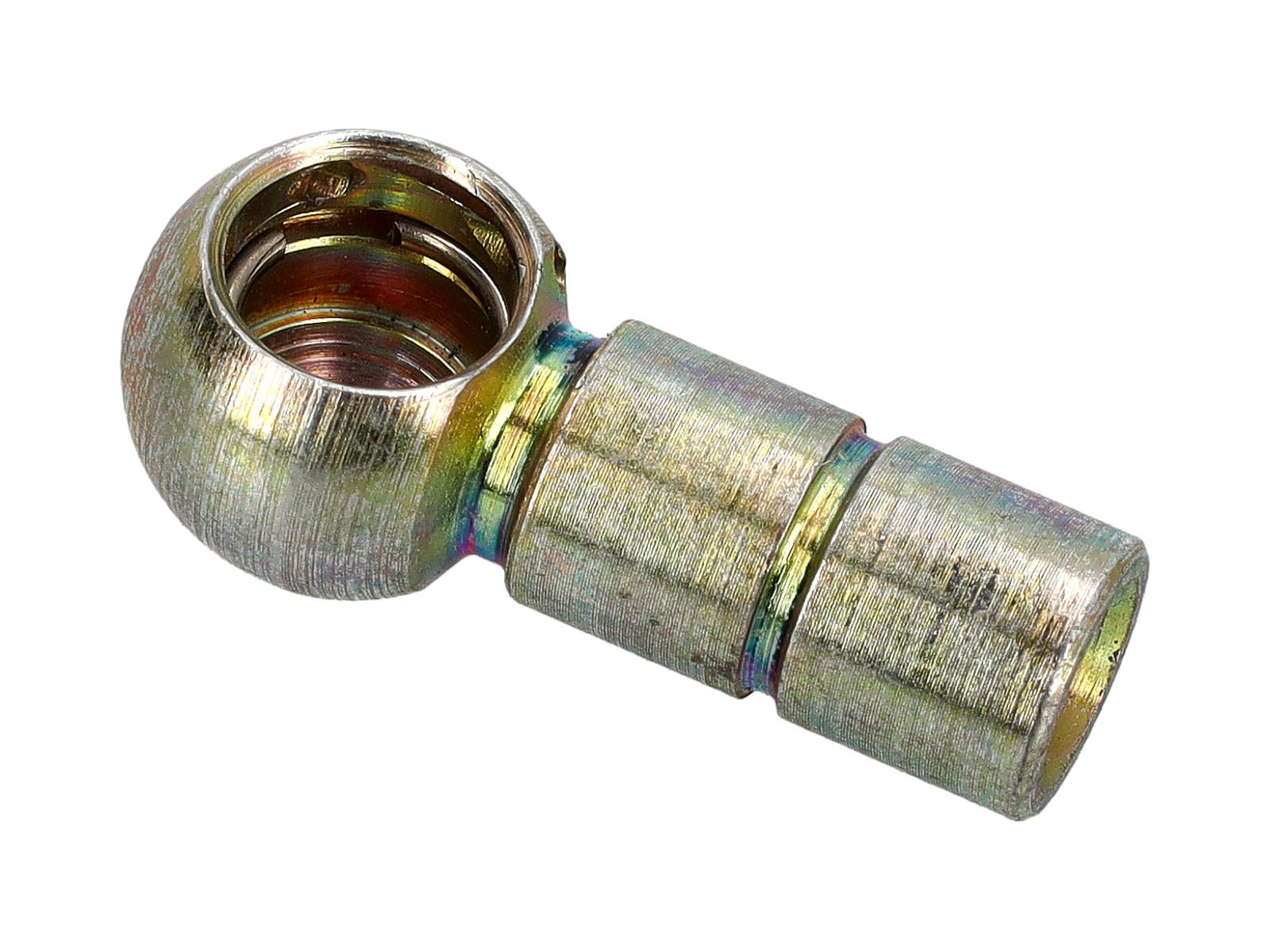
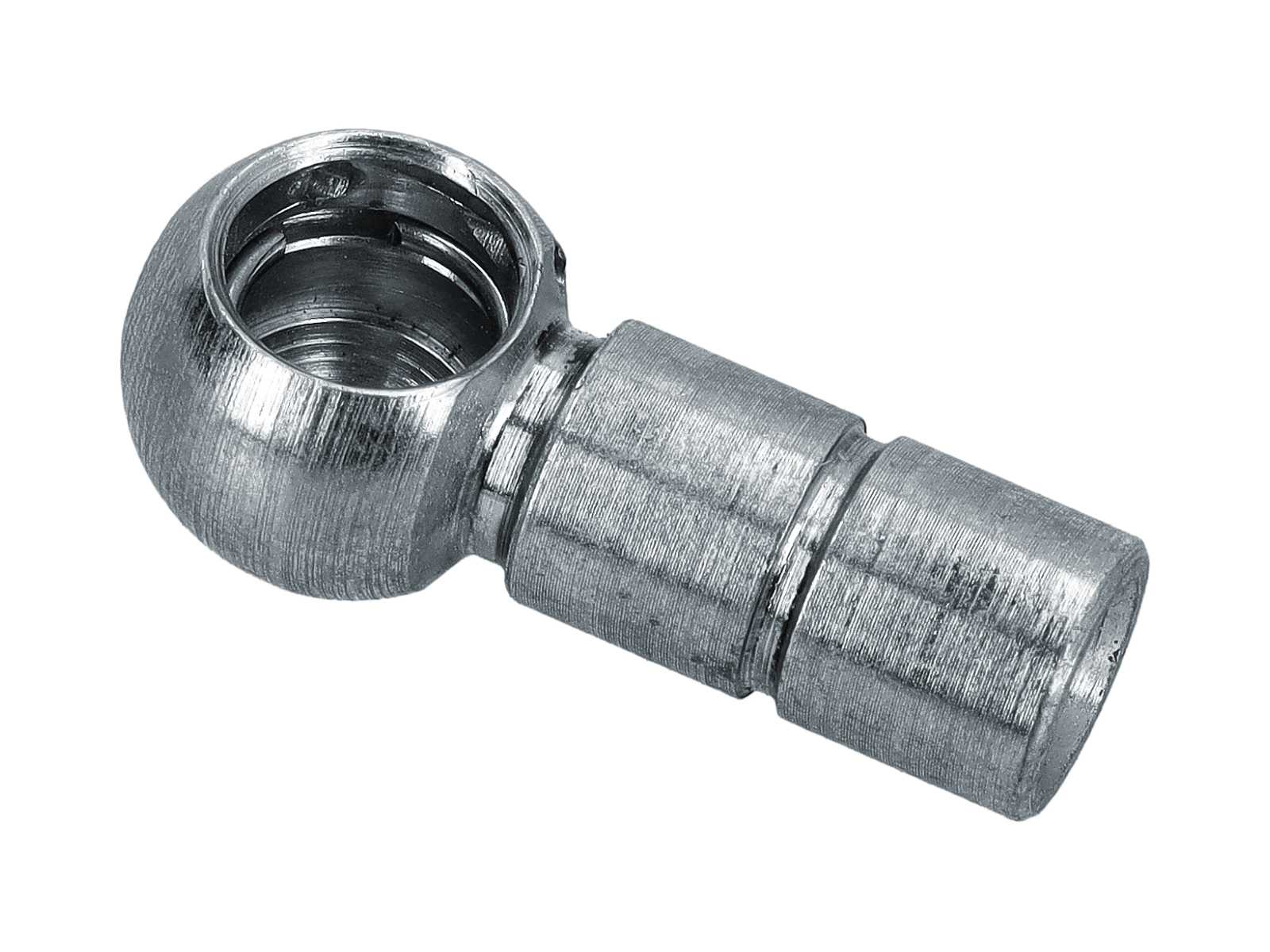
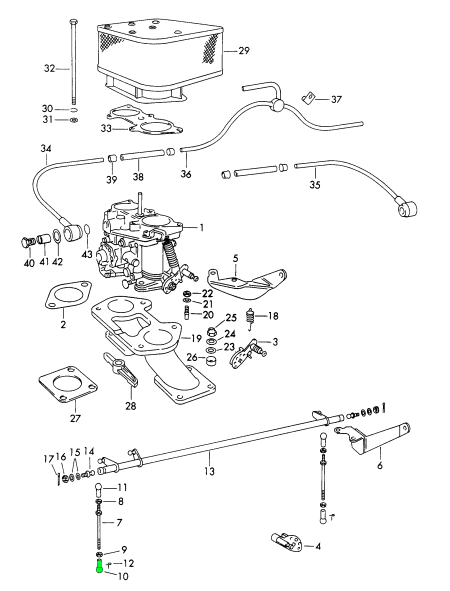
The OE Match Ball Socket Linkage, Yellow is a premium-quality replacement linkage connector designed to provide a secure, low-friction pivot connection between mechanical control linkages on compatible Porsche models. Manufactured to OE specifications for fit, strength and durability, this precision-engineered ball socket linkage ensures smooth, accurate movement of the connected linkage while maintaining reliable operation of the associated mechanical system. Finished in the correct yellow colour, it is ideal for maintaining an authentic factory appearance during repairs and restorations.
Sold Each.
Fits:
- Porsche 356 1950-55
- Porsche 356A 1955-59
- Porsche 356B 1959-63
- Porsche 356C 1963-65
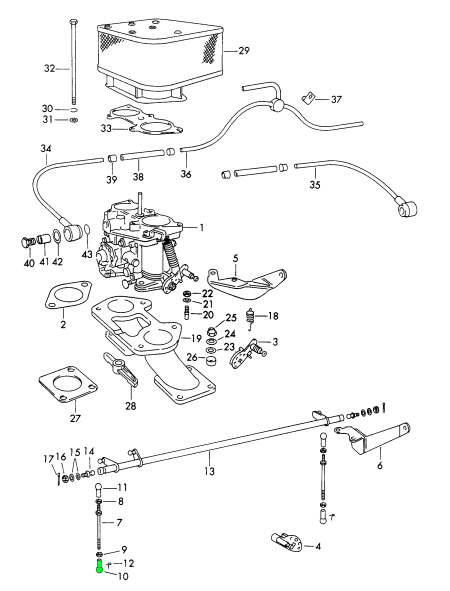
Diagram Ref No 10
Manufactured from high-quality automotive-grade polymer with a durable, wear-resistant construction, the ball socket is engineered to withstand continual articulation, vibration, temperature fluctuations and exposure to oils and contaminants. Precision-moulded to OE dimensions, it provides direct OE-style fitment, making it the ideal replacement for worn, loose or damaged linkage sockets.
What This Product Does:
- Connects linkage components using a secure ball-and-socket joint.
- Allows smooth articulation and controlled movement.
- Maintains accurate operation of the connected mechanical system.
- Reduces free play within the linkage assembly.
- Provides reliable retention during normal operation.
- Supports precise movement of associated controls.
- Restores factory linkage performance.
- Forms an essential part of the vehicle's mechanical linkage system.
Symptoms Of Wear Or Failure:
- Excessive play in the linkage assembly.
- Loose or disconnected linkage components.
- Inconsistent or imprecise control operation.
- Clicking or knocking noises during movement.
- Increased stiffness or resistance in the linkage.
- Cracked or worn socket housing.
- Difficulty selecting or operating the connected mechanism.
- Excessive movement caused by socket wear.
- Reduced responsiveness of the linkage.
- Complete linkage separation if the socket fails.
Why Replacement Matters:
- Ball socket linkages are subjected to continual movement, vibration and repeated mechanical loads throughout their service life. Over time, the socket can wear, become brittle or lose its ability to securely retain the mating ball joint, resulting in excessive free play or eventual separation.
- A worn or damaged ball socket can reduce the accuracy and reliability of the linkage system, affecting the operation of the associated controls. If left unresolved, complete failure of the socket can disconnect the linkage entirely, preventing correct operation of the connected component.
- Replacing a worn or damaged ball socket with the OE Match Ball Socket Linkage restores smooth, precise movement and dependable mechanical engagement. Manufactured to OE standards using premium-quality materials, it provides factory-style fitment, excellent wear resistance and long-lasting durability, ensuring the reliable operation and originality expected from your Porsche.
Related reference numbers
Related, superseded, cross reference or alternative numbers for comparison.
90016900802
The product you are viewing cross references to these numbers
- Porsche 356 1950-55
- Porsche 356A 1955-59
- Porsche 356B 1959-63
- Porsche 356C 1963-65
The OE Match Ball Socket Linkage, Silver is a premium-quality replacement linkage connector designed to provide a secure, low-friction pivot connection between mechanical control linkages on compatible Porsche models. Manufactured to OE specifications for fit, strength and durability, this precision-engineered ball socket linkage ensures smooth and accurate movement of the connected linkage while maintaining reliable operation of the associated mechanical system.
Fits:
- Porsche 356 1950-55
- Porsche 356A 1955-59
- Porsche 356B 1959-63
- Porsche 356C 1963-65
Diagram Ref No 10
Manufactured from high-strength automotive-grade steel with a durable silver corrosion-resistant finish, the ball socket is engineered to withstand continual movement, vibration, changing loads and exposure to moisture and road contaminants. Precision-machined to OE dimensions, it provides direct OE-style fitment, making it ideal for replacing worn, loose or damaged linkage sockets during routine maintenance or restoration.
What This Product Does:
- Connects linkage components using a secure ball-and-socket joint.
- Allows smooth articulation and controlled movement.
- Maintains accurate operation of the connected mechanical system.
- Reduces play within the linkage assembly.
- Provides reliable retention under normal operating loads.
- Supports precise movement of associated controls.
- Restores factory linkage performance.
- Forms an essential part of the vehicle's mechanical linkage system.
Symptoms Of Wear Or Failure:
- Excessive play in the linkage.
- Loose or disconnected linkage components.
- Poor or inconsistent control operation.
- Clicking or knocking noises during movement.
- Increased resistance or stiffness in the linkage.
- Worn or enlarged socket.
- Corrosion affecting movement or fitment.
- Difficulty selecting or operating the connected mechanism.
- Reduced precision of linkage movement.
- Complete linkage separation if the socket fails.
Why Replacement Matters:
- Ball socket linkages are subjected to continual movement, vibration and mechanical loading throughout normal vehicle operation. Over time, the socket can wear, loosen or corrode, reducing the accuracy and reliability of the linkage system.
- A worn ball socket can introduce excessive free play, reduce control precision and, in severe cases, allow the linkage to become disconnected. Depending on its application, this may affect gear selection, throttle operation, heating controls or other mechanically operated systems, compromising both performance and driving confidence.
- Replacing a worn or damaged ball socket linkage with the OE Match Ball Socket Linkage restores smooth, precise operation and secure mechanical engagement. Manufactured to OE standards using premium-quality materials and a corrosion-resistant silver finish, it provides factory-style fitment, exceptional durability and dependable long-term performance, helping maintain the reliability and precision expected from your Porsche.
Related reference numbers
Related, superseded, cross reference or alternative numbers for comparison.
90016900802
The product you are viewing cross references to these numbers