




Enter your VAT number here and click Verify:
Your details have been verified. VAT number registered to:
,
.
Your order will now be zero rated for VAT purposes. We reserve the right to verify these details after your order request has been made and reinstate VAT if required.
Your VAT details were not recognised or were invalid. Your VAT number must be matched to your Billing Country as specified above. This is currently specified as . You do not need to enter the country code part of your VAT number as this has already been selected in your billing address details above.
The VAT number checking service is currently offline. Please supply your VAT details within the comments or special instructions field below and we will apply a VAT discount after placing your order request.
OE Match

OE Match for Porsche
OE Match is a brand that provides a wide range of Porsche components, from gaskets to suspension hardware, engine parts, and interior trim. Over 6,700 individual part numbers, and over 11,800 OE cross-references catalogued, and are constantly developing new lines.OE Match has over 100 new products currently in the engineering phase, which will be quality-controlled and added to their catalog. The mission is to keep all Porsche vehicles on the road by offering a vast selection of parts that can address various problems across different Porsche generations
A Quick Look at OE Match
OE Match information on this page is based on details supplied by the manufacturer or distributor, plus any OE references provided with the parts.
Choosing the Right Fit for Your Porsche
Where OE Match is listed for Porsche, use the supplied model coverage and OE references to confirm suitability. Check details that commonly affect fitment such as model year, side/position, and connector type where relevant.
- Often chosen when owners want OE-equivalent quality with sensible running costs, especially for routine service and wear items.
- Typical reasons to replace include restoring reliability, addressing age-related wear, or refreshing multiple components during larger repair work.
- Common defects from incorrect application include noise, premature wear, leaks, or fitment quirks if the wrong variant is selected or fitted with old seals/hardware.
- Watch for symptoms such as unusual noises, early wear, or repeat failures after recent work, which can indicate mismatched parts or supporting items left worn.
- Always cross-check OEM part numbers, read model-year notes, and verify compatibility before ordering.
- For safety-critical components, confirm specification and fitment carefully and have installation checked by a competent technician.
Browse by Category
If you already know the area you are working on, start with the category and then filter by Porsche model. Where real-world symptoms and typical reasons to replace are provided, use them to keep the wording grounded.
Brakes — Brake components are renewed to restore stopping performance, address wear or upgrade a Porsche for fast road or track use. Common symptoms include vibration under braking, longer stopping distances, squealing, pulling to one side, warning lights and visible wear to discs and pads.
Brake Pad Wear Sensors — Brake pad wear sensors are replaced when pads are renewed or when warning lights indicate a broken or worn sensor. Symptoms include brake wear warnings even with new pads, damaged sensor cables, or broken clips around the caliper area.
Engine Electrical — Engine electrical parts are changed when there are starting, charging, ignition, or sensor-related faults that affect drivability and reliability, such as intermittent no-start, misfires, rough idle, poor charging, warning lights or heat-soak failures.
Service Parts — Service parts are replaced as routine maintenance to keep the engine and systems reliable, efficient, and protected, often resolving hard starting, rough idle, poor fuel economy and warning lights caused by clogged filters or worn ignition components.
Service Kits — Service kits bundle key service components to simplify maintenance and set the car back to a known baseline, especially useful when catching up on overdue servicing or dealing with general sluggish running, inconsistent idle and reduced performance.
- For brake parts, confirm whether items are OE-equivalent replacements or performance upgrades and check if new fitting kits and sensors are required.
- On service items and kits, match the kit to your exact Porsche model, engine and year, and review what is included so you can add any extra “while you are there” parts.
Explore OE Match at Design911
View the current OE Match range for Porsche at Design911, then filter by model and category to narrow down to the right parts.


- Porsche 911 1965-1968 2.0L / 912 SWB (F)
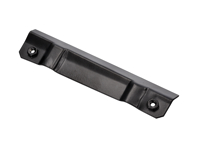
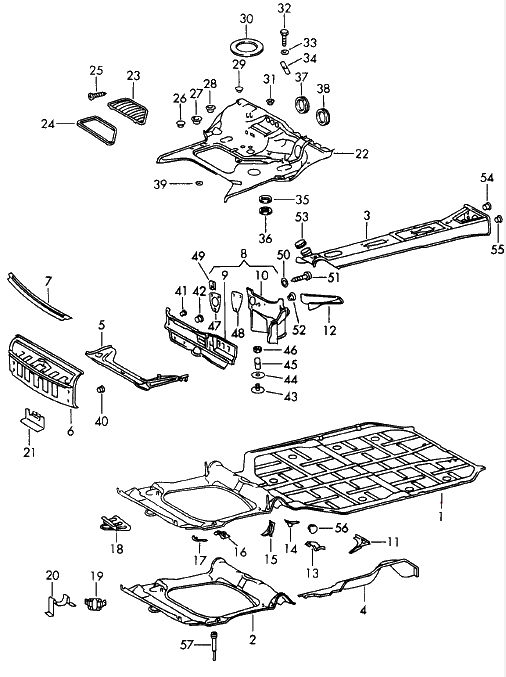
The OE Match Washer Tank Mount for Front Partition Nose Panel is a premium-quality replacement mounting bracket designed to securely support the windscreen washer fluid reservoir on compatible Porsche models. Manufactured to OE specifications for fit, strength and durability, this precision-engineered mount ensures the washer tank remains correctly positioned on the front partition nose panel, protecting it from excessive movement, vibration and potential damage.
Fits:
- Porsche 911 1965-1968 2.0L / 912 SWB (F)
Fits On To Diagram Ref No 6
Manufactured from high-quality automotive-grade steel with a durable corrosion-resistant finish, the washer tank mount is engineered to withstand continual vibration, moisture, road salt and changing weather conditions. Precision-formed to replicate the original Porsche mounting points and dimensions, it provides direct OE-style fitment, making it ideal for accident repairs, rust restoration projects or replacing damaged original brackets.
What This Product Does:
- Securely supports the windscreen washer fluid reservoir.
- Maintains the correct position of the washer tank.
- Reduces movement and vibration during driving.
- Protects the washer bottle from unnecessary stress and damage.
- Ensures correct alignment of washer hoses and pump connections.
- Supports reliable operation of the windscreen washer system.
- Restores factory mounting performance.
- Forms an essential part of the vehicle's front body and washer system.
Symptoms Of Wear Or Failure:
- Loose or unstable washer fluid reservoir.
- Excessive vibration of the washer bottle.
- Rattling noises from the front luggage compartment or nose panel.
- Cracked, bent or corroded mounting bracket.
- Misaligned washer reservoir.
- Stress or damage to washer hoses or electrical connectors.
- Difficulty securing the washer tank during installation.
- Visible rust or deterioration of the mounting bracket.
- Broken mounting points following accident damage or corrosion.
- Premature wear or damage to the washer reservoir caused by movement.
Why Replacement Matters:
- The washer tank mount is continually exposed to road vibration, moisture, dirt and corrosion, particularly within the front nose section of the vehicle. Over time, the bracket can weaken due to rust, fatigue or accidental damage, reducing its ability to securely support the washer fluid reservoir.
- A damaged or loose mounting bracket can allow excessive movement of the washer tank, placing unnecessary strain on the washer pump, hoses and electrical connections. Continued movement may eventually lead to fluid leaks, damaged components or unreliable operation of the windscreen washer system.
- Replacing a worn or damaged bracket with the OE Match Washer Tank Mount for Front Partition Nose Panel restores secure support and factory-correct alignment of the washer reservoir. Manufactured to OE standards using premium-quality corrosion-resistant materials, it provides factory-style fitment, exceptional durability and long-lasting reliability, ensuring dependable operation and preserving the original quality of your Porsche.
Related reference numbers
Related, superseded, cross reference or alternative numbers for comparison.
1680501200
The product you are viewing cross references to these numbers
- Porsche 911 1965-1968 2.0L / 912 SWB (F)
- Porsche 911 1968-1973 2.2L / 2.4L / 2.7L RS LWB (F)
- Porsche 911 1974-1977 2.7L / 1976-77 3.0 Carrera
- Porsche 911 1978-1983 3.0L / SC
- Porsche 911 1984-1986 3.2L
- Porsche 911 1987-1989 3.2L G50
- Porsche 911 1975-1977 3.0L Turbo (930)
- Porsche 911 1978-1989 3.3L Turbo (930)
- Porsche 964 (911) C2 1989-93
- Porsche 964 (911) C4 1989-93
- Porsche 964 (911) RS 3.6L 1991-93
- Porsche 964 (911) RS 3.8L 1991-93
- Porsche 964 (911) TURBO 3.3L 1991-93
- Porsche 964 (911) TURBO 3.6L 1991-93
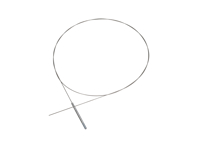
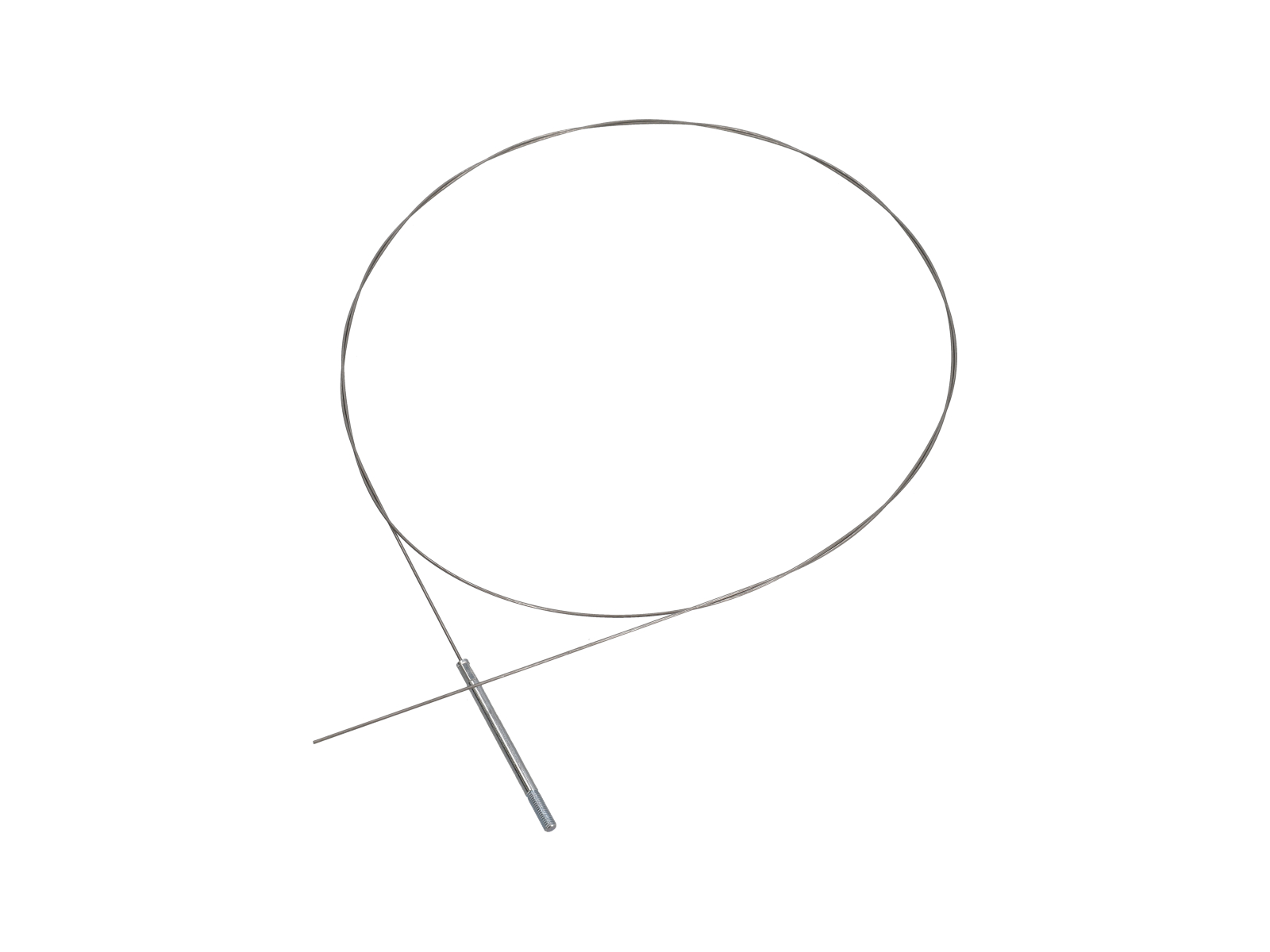
This OE Match rear lid release cable is a replacement engine lid / rear decklid release cable for Porsche 911 models from 1965 to 1989 and Porsche 964 models. It is designed to match the original-style fitment and function, helping restore smooth and reliable rear lid opening.
Fits:
Porsche 911 1965 - 1989 REAR
Porsche 911 (930) Turbo 1978 - 1989 REAR
Porsche 964 1989 - 1994 REAR
This product supersedes Porsche's old part numbers:
- 90151107320
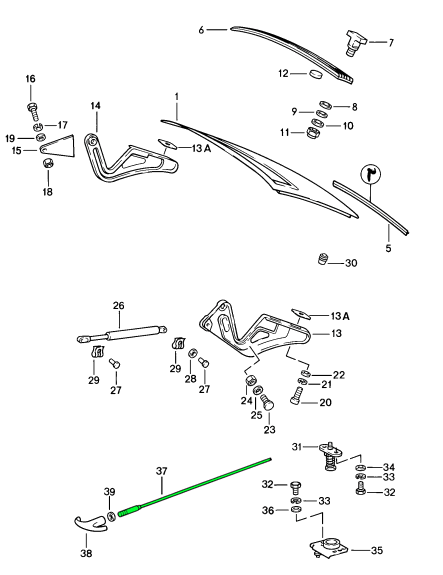
Diagram ref no 37
The rear lid release cable connects the interior release handle or lever to the rear lid latch mechanism. When operated, the cable pulls the latch release, allowing the rear engine lid to open. A correctly working release cable is essential for access to the engine bay and rear service area.
Functions
• Connects the rear lid release control to the latch mechanism
• Allows the rear engine lid / decklid to open correctly
• Transfers pull movement from the cabin release to the rear latch
• Helps restore smooth and reliable lid release operation
• Replaces stretched, seized, frayed, snapped, or damaged original cables
• Supports correct access to the engine compartment
• OE Match replacement for body, trim, and latch system repair
Why Replace This Part?
Rear lid release cables can stretch, fray, seize, corrode, snap, or become stiff over time due to age, moisture, dirt, and repeated use. A worn or damaged cable may make the rear lid difficult to open, may require excessive force, or may fail completely and prevent access to the engine bay. Replacing the cable helps restore dependable rear lid release operation and correct classic Porsche functionality.
When to Replace This Part
• The rear lid release cable is stretched, seized, frayed, or snapped
• The rear engine lid is difficult to open
• The release handle feels loose, stiff, or has excessive travel
• The latch does not release consistently
• The cable outer casing is damaged or corroded
• The rear lid latch or release handle is being serviced
• The vehicle is undergoing Porsche 911 or 964 bodywork restoration
Where it fits on the car
This cable fits within the rear lid release system, running between the release control and the rear lid latch mechanism. It is used to operate the engine lid / rear decklid latch on Porsche 911 and 964 models.
Related reference numbers
Related, superseded, cross reference or alternative numbers for comparison.
90151107321
The product you are viewing cross references to these numbers

- Porsche 911 1965-1968 2.0L / 912 SWB (F)
- Porsche 911 1968-1973 2.2L / 2.4L / 2.7L RS LWB (F)
- Porsche 911 1974-1977 2.7L / 1976-77 3.0 Carrera
- Porsche 911 1975-1977 3.0L Turbo (930)
- Porsche 911 1978-1989 3.3L Turbo (930)
- Porsche 964 (911) TURBO 3.3L 1991-93
- Porsche 914 (1970-1976)
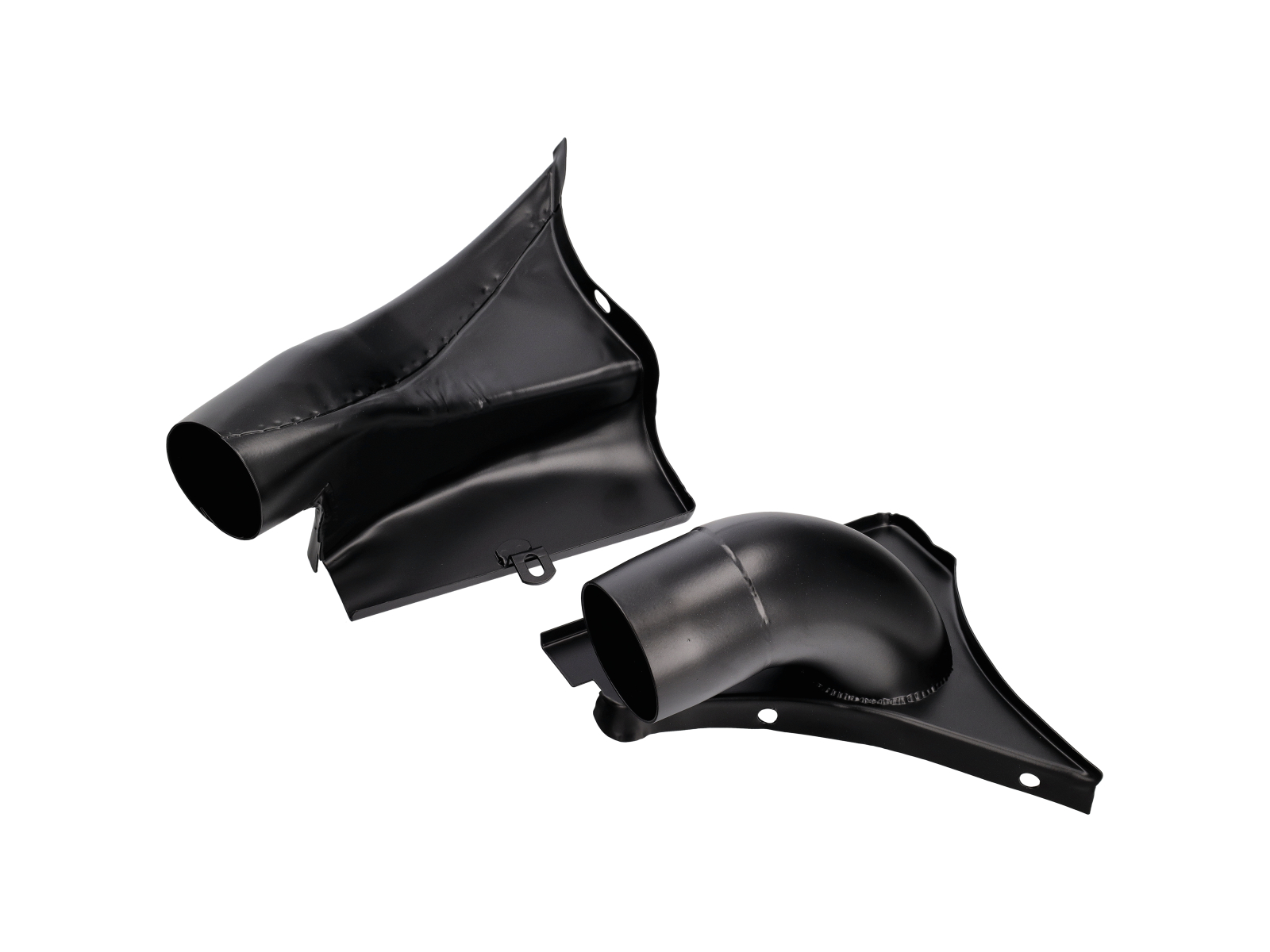
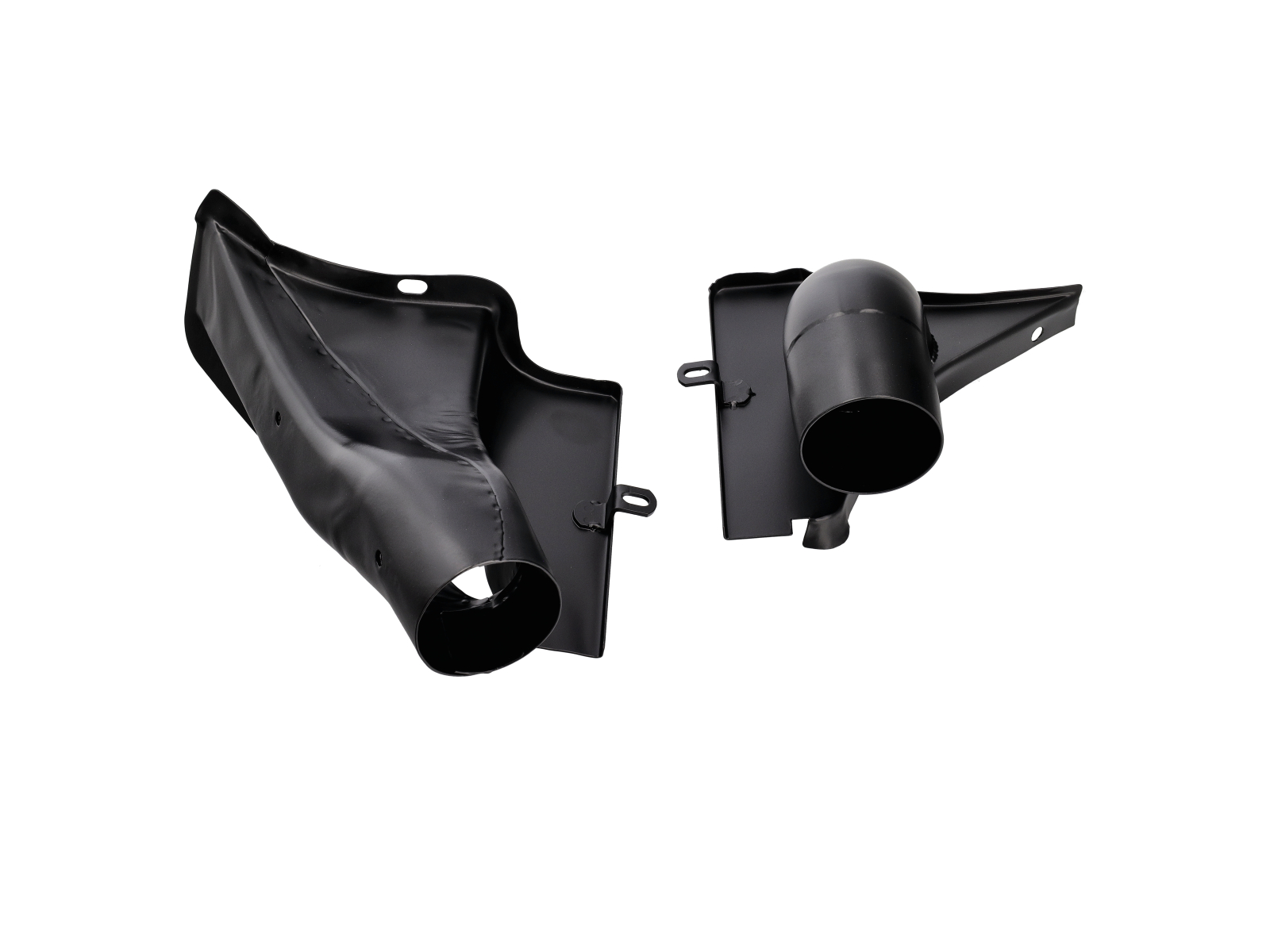
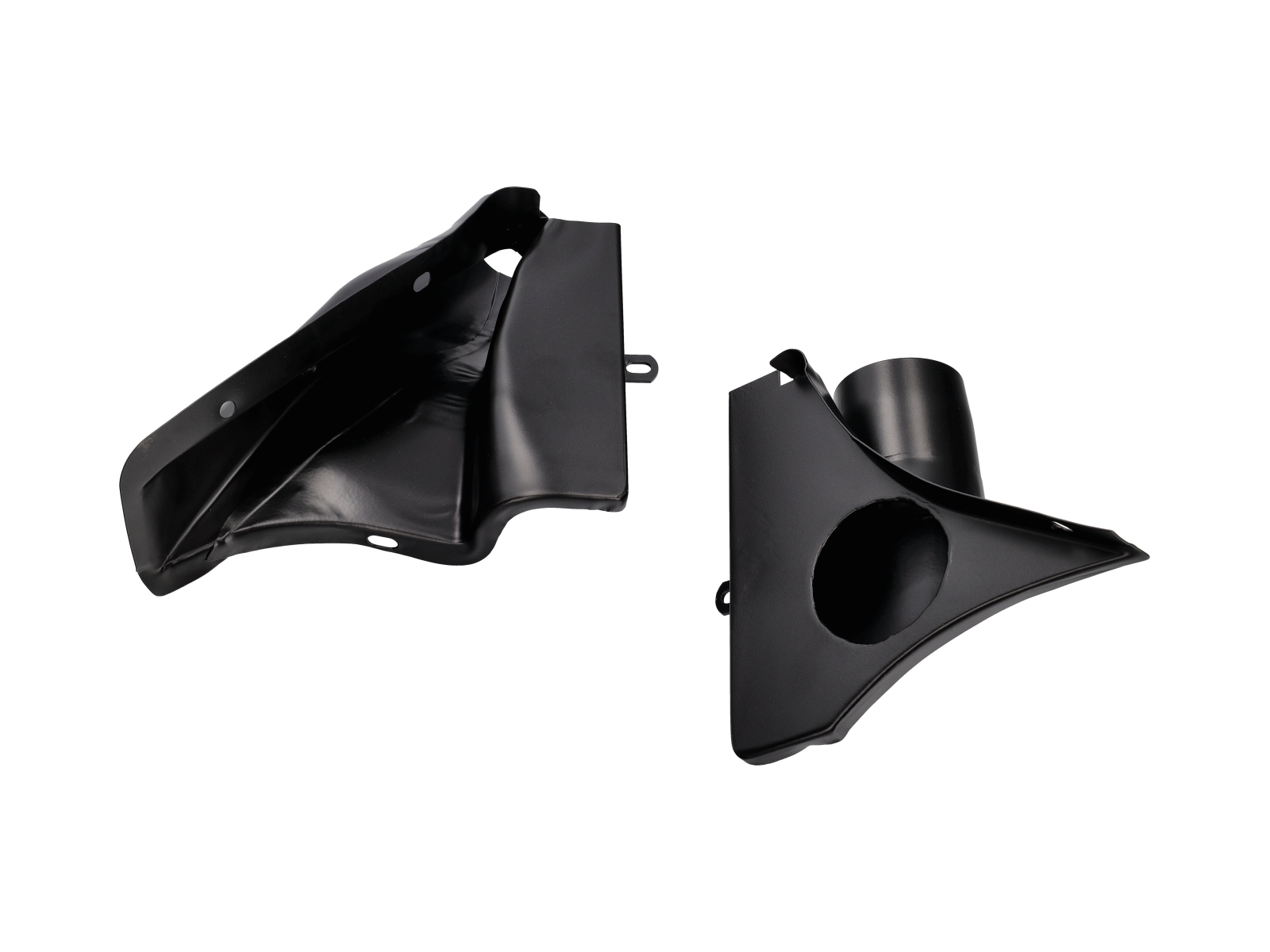
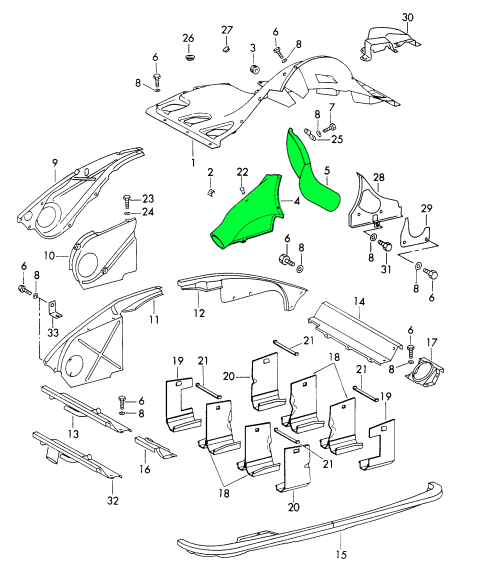
This set includes both left and right air outlet shrouds, offering a complete replacement when one or both originals have deteriorated due to age, cracking, distortion, or previous repair.
SET OF 2
Fits:
Porsche 911 F model T/E/S 1970-73
Porsche 914/6
Porsche 930 turbo 3.0/3.3 ('75-'89)
Porsche 911 2.7 S/SC ('74-'77)
Porsche 964 turbo (965)
This is the early sheet metal variant
This is a replacement set for Porsche parts numbers:
• Left side: 91110632700
• Right side: 90110632102 , 90110603101, 90110602150, 93016032102.
Set of two OE Match engine fan housing air outlet shrouds, designed as direct-fit replacements for the original Porsche fan outlet ducting on air-cooled engine models. These shrouds direct cooling air from the engine fan toward the cylinder heads and accessories, ensuring optimum engine temperature control and airflow management.
The fan housing air outlet shrouds channel warm airflow from the engine cooling fan, directing it efficiently around the engine’s critical hot spots. By shaping and focusing the fan’s output, these shrouds help maintain even and effective cooling, which is vital for controlling cylinder head and oil temperatures, especially under spirited driving conditions.
On air-cooled Porsche engines, effective airflow is critical to maintaining acceptable operating temperatures. Over time, original fan shrouds and outlets can crack, warp, or deteriorate, leading to air leaks, reduced cooling performance, and elevated cylinder head/oil temperatures. These conditions increase wear on internal components and can lead to performance losses or mechanical issues. Replacing damaged or missing shrouds with an OE Match set restores proper airflow paths, ensuring the fan’s air is directed where it’s needed most, and helps preserve engine health, reliability, and coolant-free performance.
When to replace:
• Original shrouds are cracked, warped, or missing
• During engine rebuild or cooling system service
• When upgrading other cooling components (e.g., fans, housings)
• If overheating or uneven temperature issues are detected
• Preventive replacement on high-mile engines
Related reference numbers
Related, superseded, cross reference or alternative numbers for comparison.
93016032102
The product you are viewing cross references to these numbers
- Porsche 911 1978-1983 3.0L / SC
- Porsche 911 1984-1986 3.2L
- Porsche 911 1987-1989 3.2L G50
- Porsche 911 1975-1977 3.0L Turbo (930)
- Porsche 911 1978-1989 3.3L Turbo (930)
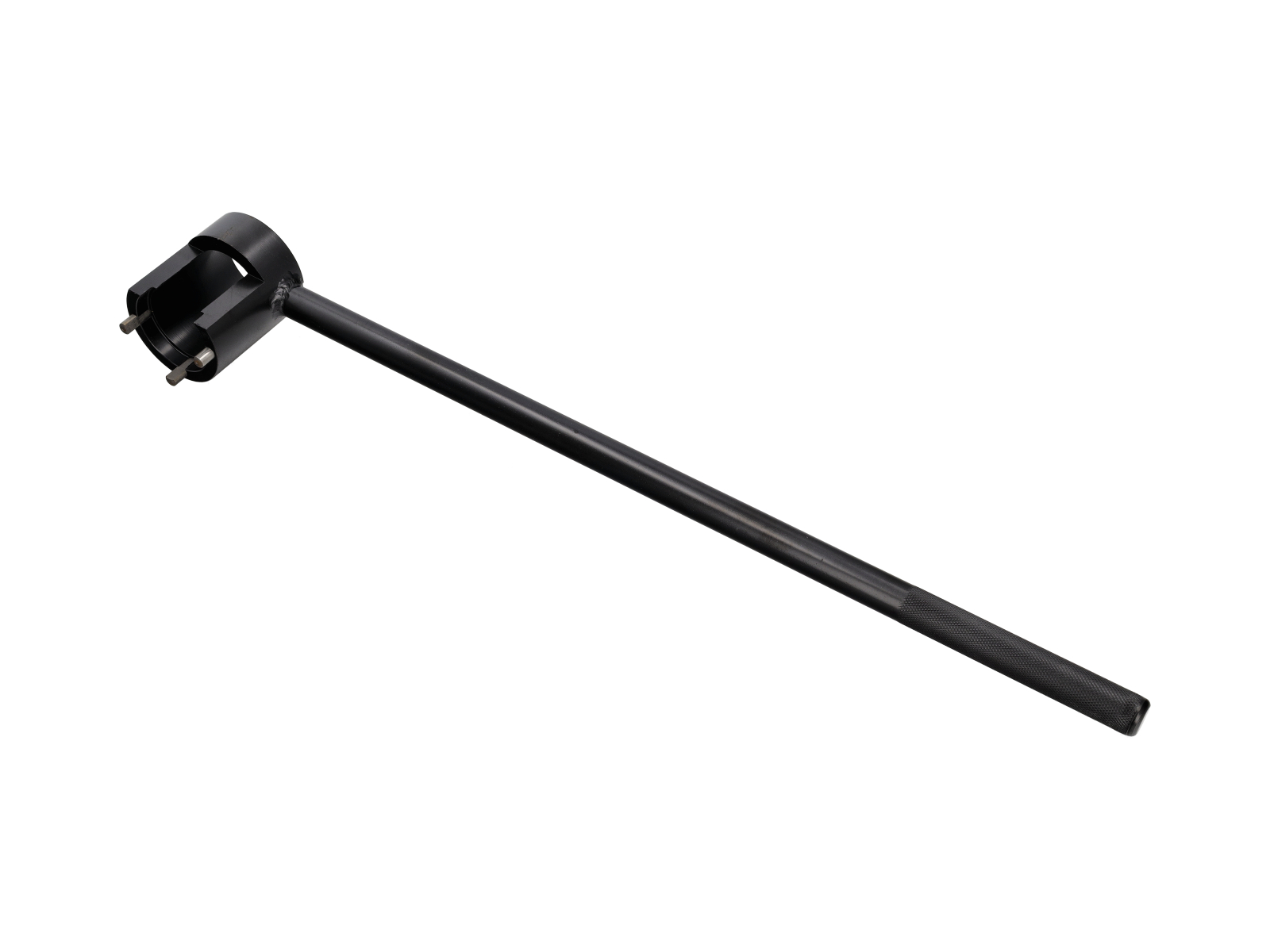
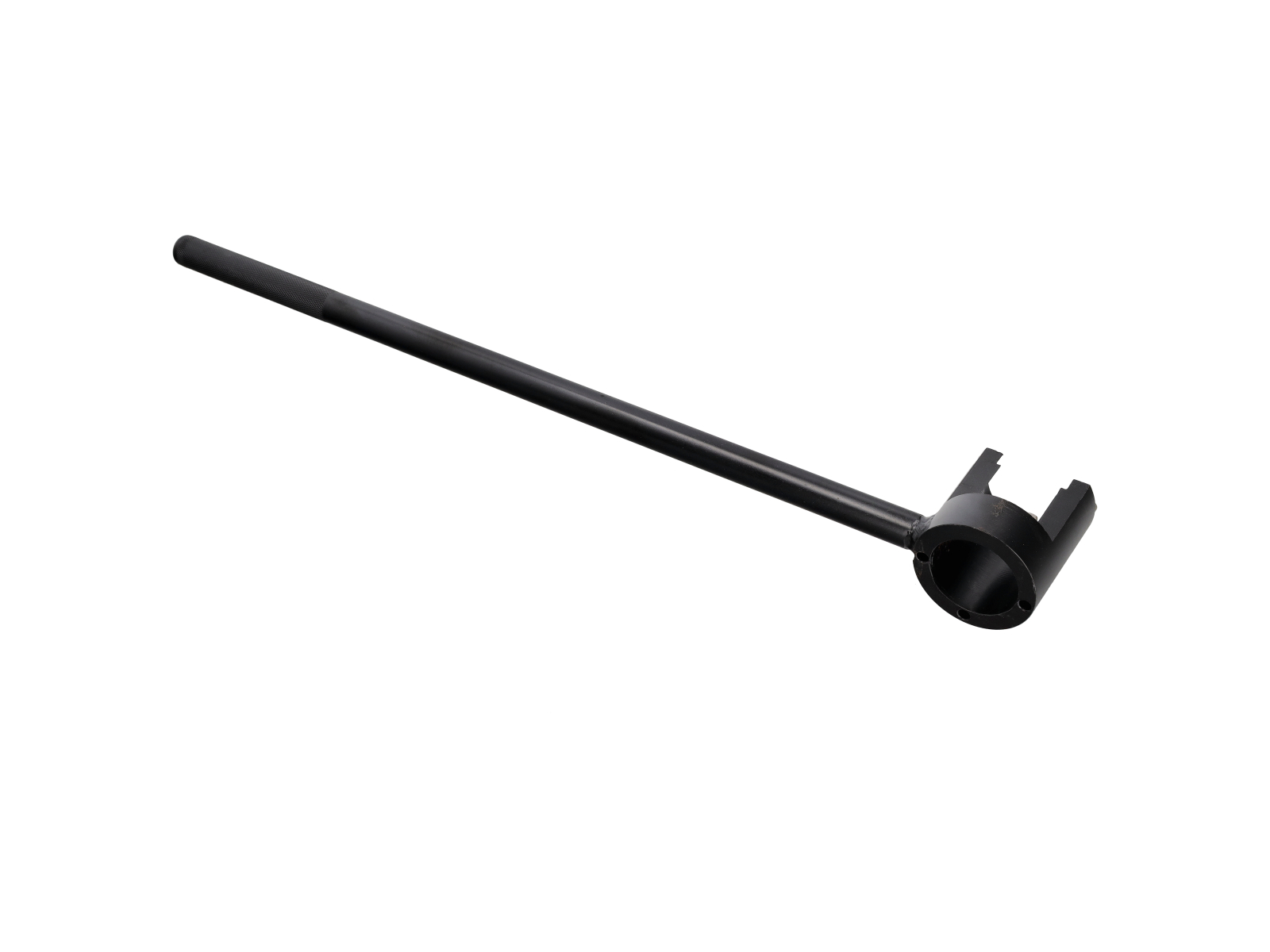
The OE Match Camshaft Tool Securing Bar is a precision-engineered engine timing service tool designed to securely lock and hold the camshafts in the correct position during engine maintenance and timing procedures on compatible Porsche models. Manufactured to OE specifications for accuracy, fit and durability, this specialist workshop tool ensures precise camshaft alignment, helping technicians carry out timing chain, timing belt, cylinder head and camshaft repairs safely and accurately.
Fits:
- Porsche 911 1978-1983 3.0L / SC
- Porsche 911 1984-1986 3.2L
- Porsche 911 1987-1989 3.2L G50
- Porsche 911 1975-1977 3.0L Turbo (930)
- Porsche 911 1978-1989 3.3L Turbo (930)
Manufactured from high-strength, heat-treated steel with a durable corrosion-resistant finish, the securing bar is engineered to withstand repeated workshop use while maintaining dimensional accuracy. Precision-machined to match the original Porsche service tool, it provides secure engagement with the camshafts, helping eliminate movement during critical engine assembly and timing operations.
What This Product Does:
- Locks the camshafts securely in the correct timing position.
- Prevents camshaft movement during engine repairs.
- Assists with accurate engine timing procedures.
- Supports timing chain and timing belt replacement.
- Helps simplify cylinder head and camshaft servicing.
- Reduces the risk of incorrect camshaft alignment.
- Provides OE-style workshop accuracy.
- Forms an essential tool for professional Porsche engine servicing.
Symptoms Of Wear Or Failure:
- Difficulty achieving accurate camshaft alignment.
- Excessive play when fitted to the camshafts.
- Bent or distorted tool body.
- Damaged locating surfaces.
- Excessive wear from repeated workshop use.
- Corrosion affecting fitment or operation.
- Difficulty securing the camshafts correctly.
- Visible cracks or impact damage.
- Inaccurate engine timing during servicing due to damaged tooling.
- Reduced confidence in timing accuracy.
Why Replacement Matters:
- Accurate camshaft positioning is critical when carrying out engine timing procedures. Even slight movement of the camshafts during servicing can result in incorrect valve timing, poor engine performance or, on interference engines, costly internal engine damage.
- A worn, bent or damaged securing bar may not hold the camshafts securely, increasing the risk of inaccurate timing during assembly. Using a precision-engineered replacement tool ensures the camshafts remain correctly positioned throughout the repair process, helping technicians complete servicing efficiently and accurately.
- The OE Match Camshaft Tool Securing Bar is manufactured to OE standards using high-strength materials and precision machining, providing factory-style accuracy, exceptional durability and dependable long-term workshop performance. It is the ideal tool for professional Porsche workshops, engine rebuild specialists and experienced enthusiasts carrying out timing system maintenance.
Related reference numbers
Related, superseded, cross reference or alternative numbers for comparison.
00072191910
The product you are viewing cross references to these numbers



- Porsche 911 1965-1968 2.0L / 912 SWB (F)
- Porsche 911 1968-1973 2.2L / 2.4L / 2.7L RS LWB (F)
- Porsche 911 1974-1977 2.7L / 1976-77 3.0 Carrera
- Porsche 911 1978-1983 3.0L / SC
- Porsche 911 1984-1986 3.2L
- Porsche 911 1987-1989 3.2L G50
- Porsche 911 1975-1977 3.0L Turbo (930)
- Porsche 911 1978-1989 3.3L Turbo (930)
- Porsche 964 (911) C2 1989-93
- Porsche 964 (911) C4 1989-93
- Porsche 964 (911) RS 3.6L 1991-93
- Porsche 964 (911) RS 3.8L 1991-93
- Porsche 964 (911) TURBO 3.3L 1991-93
- Porsche 964 (911) TURBO 3.6L 1991-93
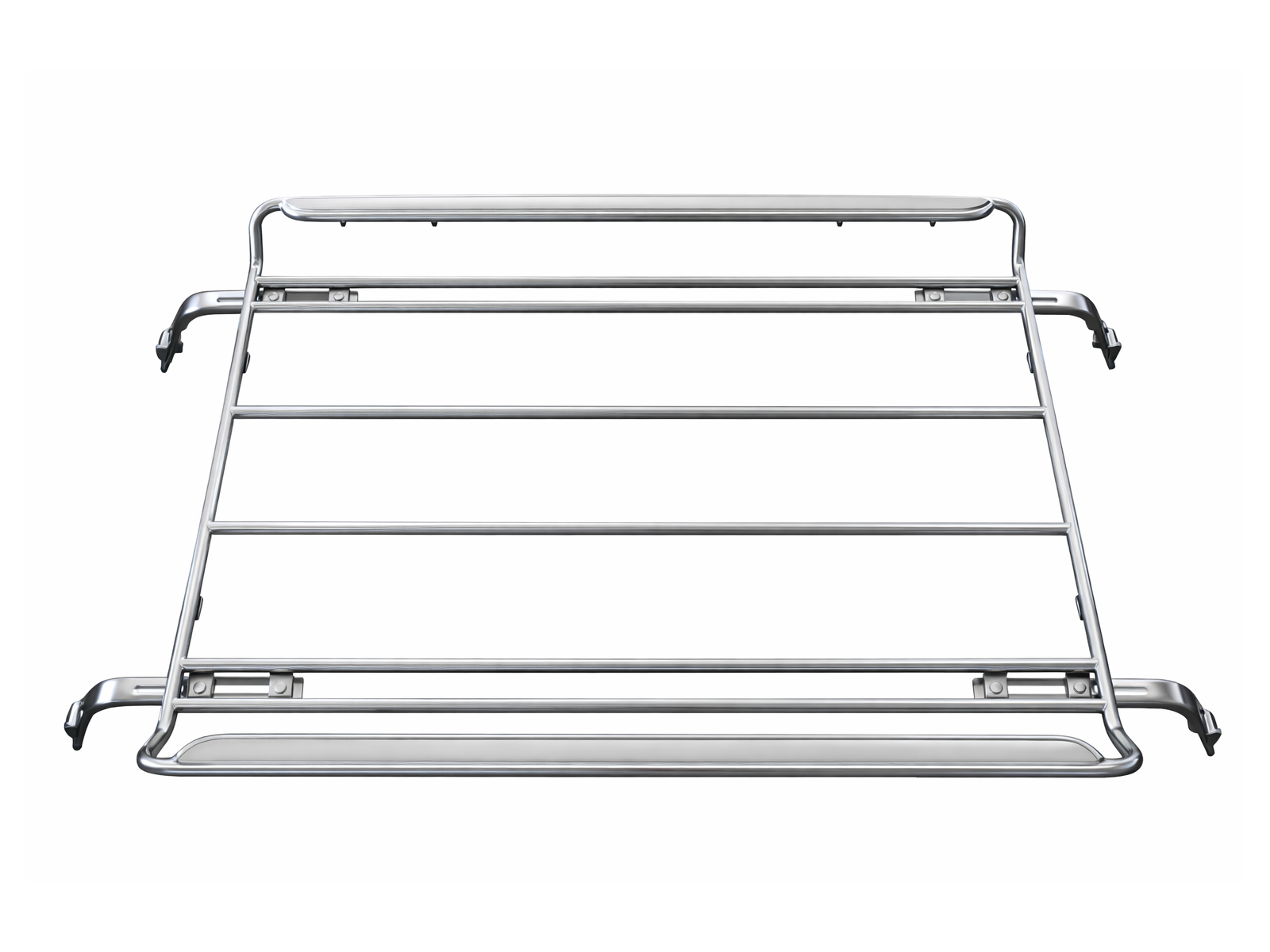
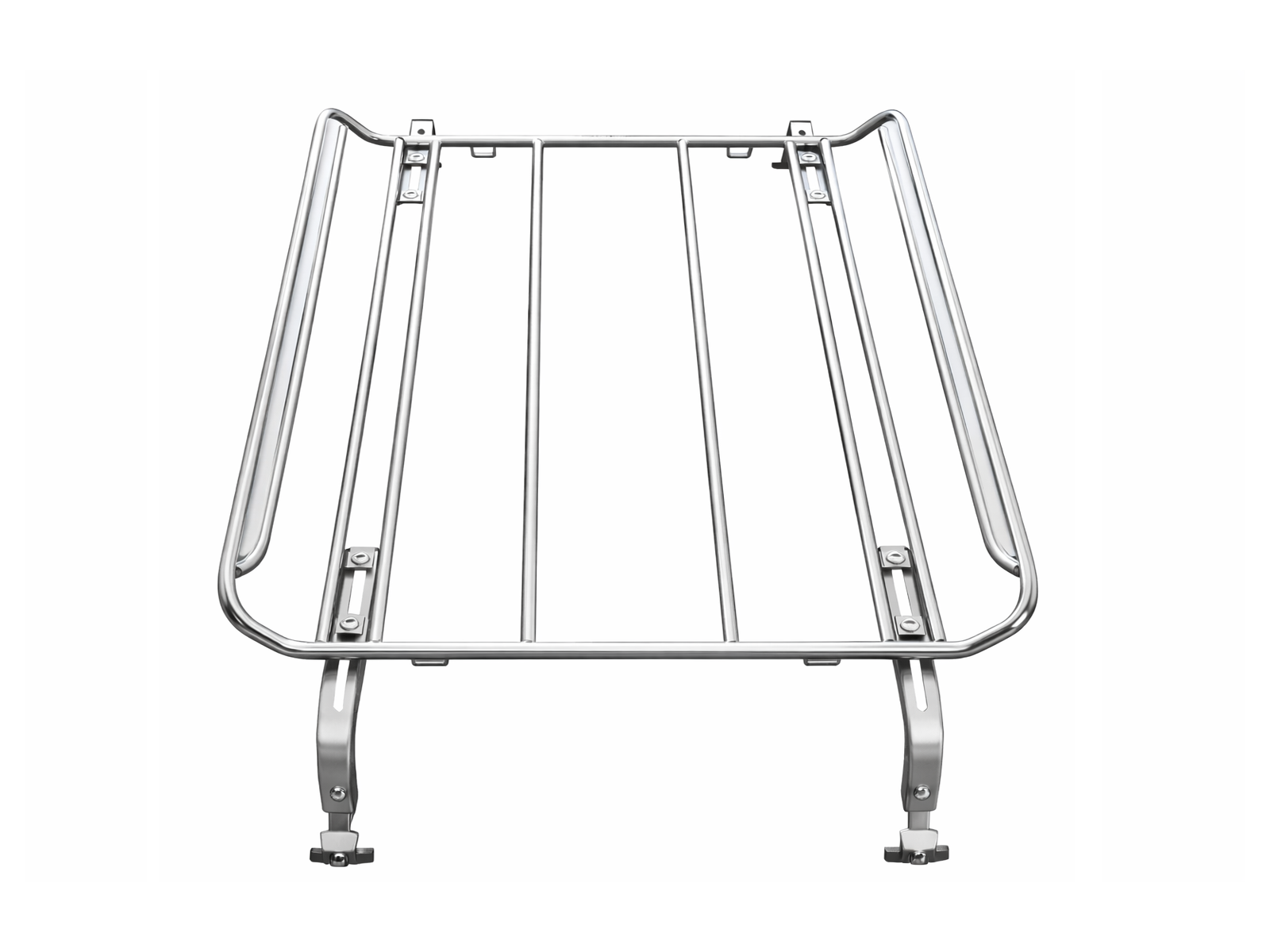
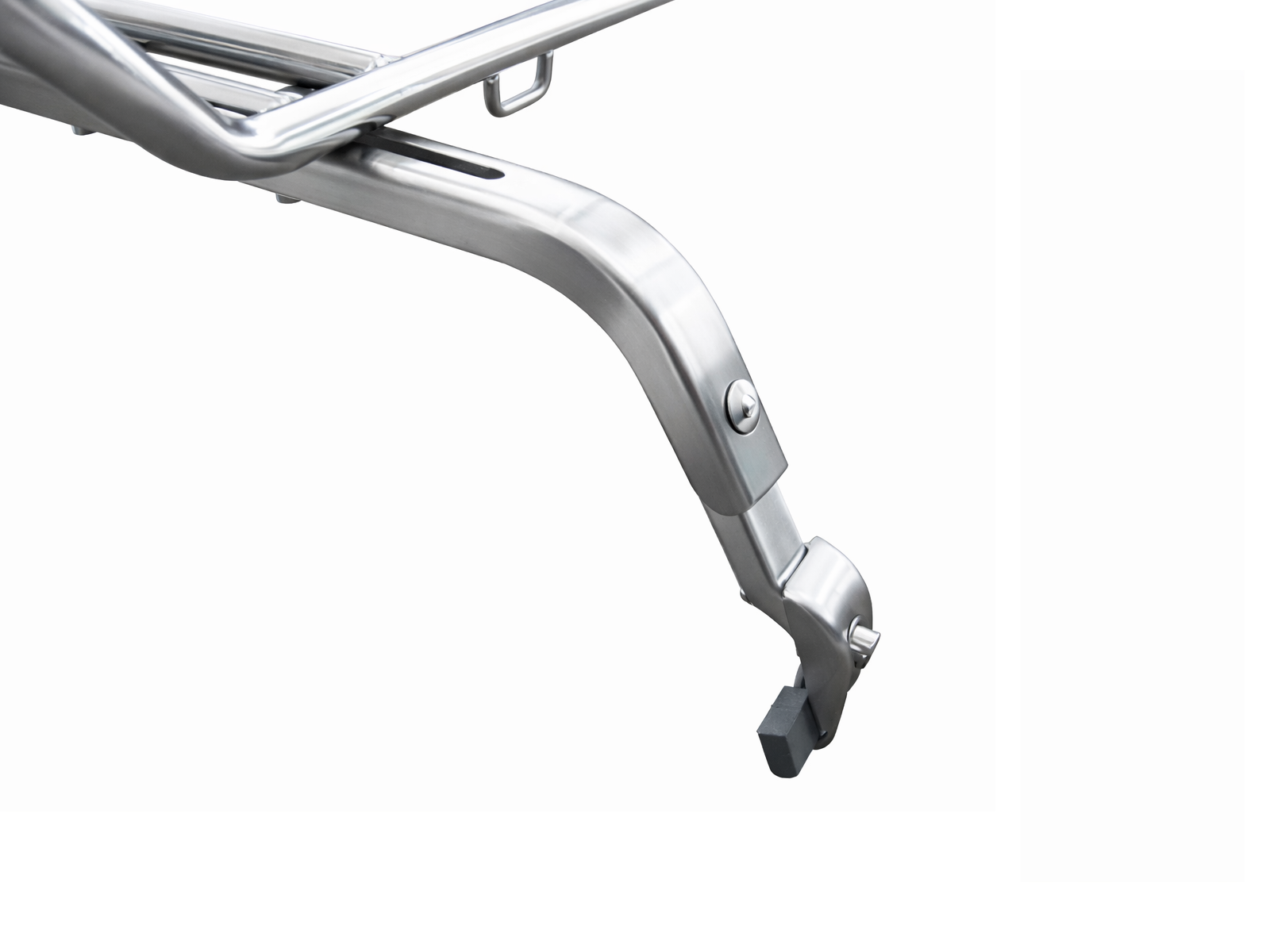
Lietz Style Luggage Rack is made of stainless steel. It fits all Porsche 911 1965+ Coupe models. Compatible to the old Porsche number 90180101001.
The luggage rack provides a stable platform on the engine lid for carrying soft luggage, bags, or classic-style travel gear - expanding the storage capability of the iconic 911 beyond the limited front and rear compartments.
Fits
Porsche 911 1965 onwards
Porsche 912
Porsche 964
This luggage rack is modelled after the original Porsche-issued “Lietz Style” rack used on early 911 roadcars and rally cars. It features high-quality stainless steel tubing and corrosion-resistant hardware, engineered to fit the engine lid / rear deck panel mounting points used on Porsche 911s from 1965 onwards.
The rack’s design provides secure support for bags, travel luggage, or period-correct accessories mounted on the rear engine lid - a classic visual and functional detail beloved by restorers and enthusiasts of early 911s.
It’s ideal for restoration projects, concours-inspired builds, or owners seeking the vintage touring look while maintaining correct proportions and mounting compatibility.
Related reference numbers
Related, superseded, cross reference or alternative numbers for comparison.
90180101001
The product you are viewing cross references to these numbers
- Porsche 964 (911) C2 1989-93
- Porsche 964 (911) C4 1989-93
- Porsche 964 (911) RS 3.6L 1991-93
- Porsche 964 (911) RS 3.8L 1991-93
- Porsche 964 (911) TURBO 3.3L 1991-93
- Porsche 964 (911) TURBO 3.6L 1991-93
- Porsche 993 (911) C2 1994-97
- Porsche 993 (911) C4 1994-97
- Porsche 993 (911) RS 1994-97
- Porsche 993 (911) C2S 1994-97
- Porsche 993 (911) C4S 1994-97
- Porsche 993 (911) TURBO 1994-96
- Porsche 993 (911) GT2 1994-97
- Porsche 993 (911) TURBO S 1994-97
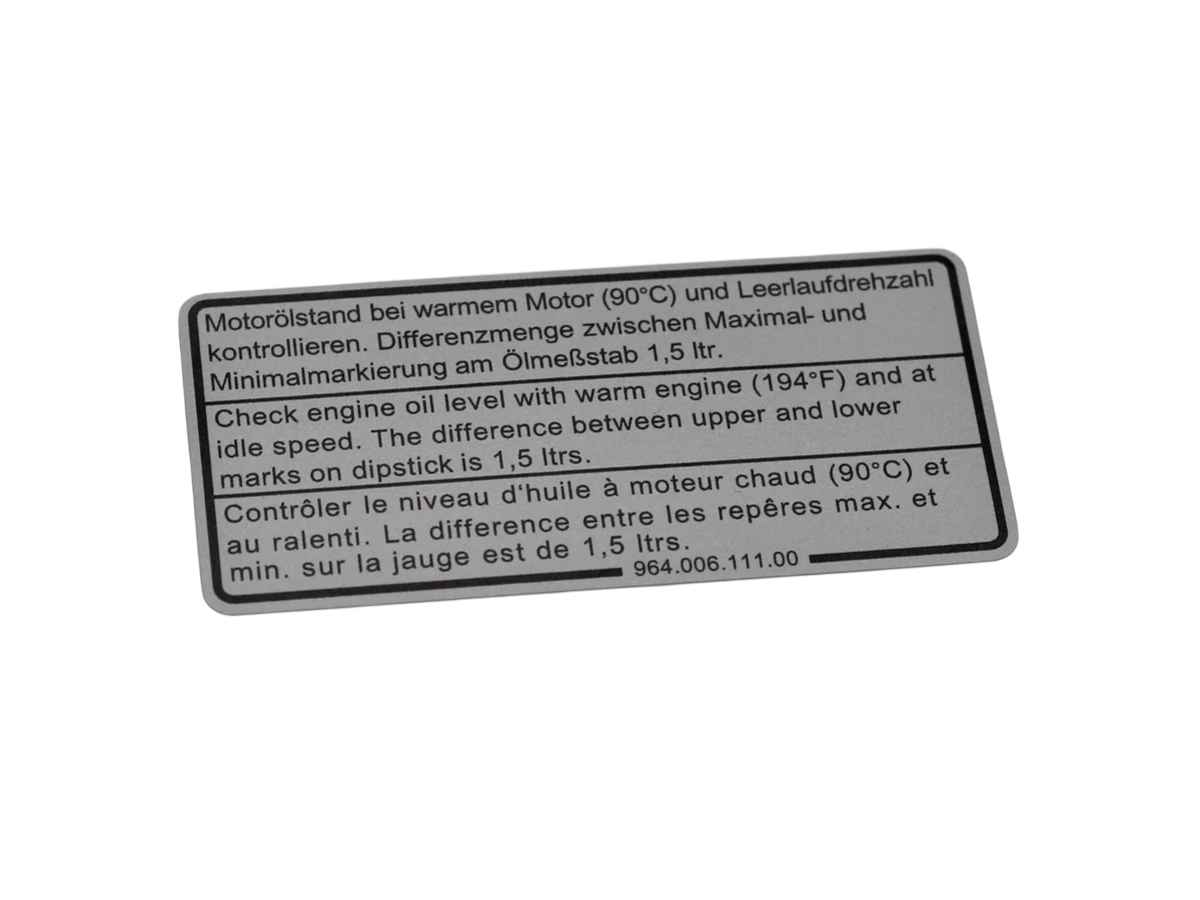
Oil Level Sticker – Engine Bay Indicator Decal
High-quality reproduction oil level sticker designed for Porsche 964 and Porsche 993 models.
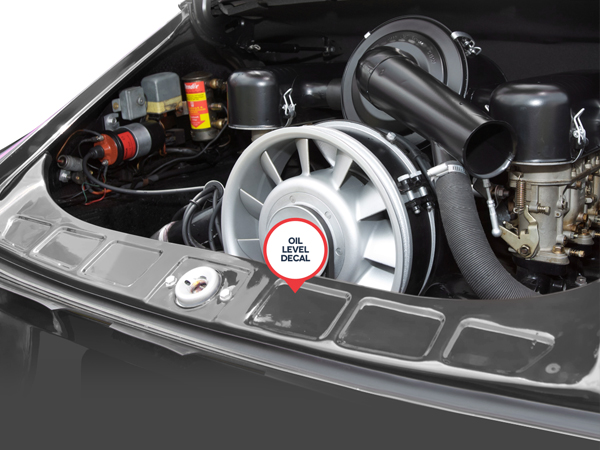
This OEM-style decal provides clear oil level indication
guidance and is typically positioned within the engine bay near the oil tank or
filler area, ensuring visibility during routine checks and maintenance.
Fits:
- Porsche 964 (911) C2 1989-93
- Porsche 964 (911) C4 1989-93
- Porsche 964 (911) RS 3.6L 1991-93
- Porsche 964 (911) RS 3.8L 1991-93
- Porsche 964 (911) TURBO 3.3L 1991-93
- Porsche 964 (911) TURBO 3.6L 1991-93
- Porsche 993 (911) C2 1994-97
- Porsche 993 (911) C4 1994-97
- Porsche 993 (911) RS 1994-97
- Porsche 993 (911) C2S 1994-97
- Porsche 993 (911) C4S 1994-97
- Porsche 993 (911) TURBO 1994-96
- Porsche 993 (911) GT2 1994-97
- Porsche 993 (911) TURBO S 1994-97
Manufactured using durable laminated film with reinforced adhesive backing, this sticker is designed to withstand high temperatures, oil exposure, and engine bay conditions while maintaining a clean, factory-correct appearance.
A faithful reproduction, this oil level indicator label is an essential detail for both accurate maintenance and restoration authenticity.
Key Features
• Accurate reproduction of original oil level sticker
• Suitable for Porsche 964 and Porsche 993 models
• Designed for engine bay / oil tank placement
• OEM-style appearance for factory-correct restoration
• High-quality laminated film for durability
• Reinforced adhesive for long-lasting application
Function and Purpose
This sticker provides clear guidance for checking and maintaining correct engine oil levels.
It helps to:
• Ensure accurate oil level readings during maintenance
• Prevent overfilling or underfilling
• Maintain factory service guidance
• Support proper engine care and longevity
Why Replace Your Oil Level Sticker
Original decals can degrade over time due to heat and oil exposure.
Common issues include:
• Faded or unreadable markings
• Peeling or lifting edges
• Oil contamination damage
• Missing labels
Replacing the sticker restores both usability and factory-correct engine bay detailing.
Related reference numbers
Related, superseded, cross reference or alternative numbers for comparison.
96400611100
The product you are viewing cross references to these numbers
- Porsche 928S4 5.0L 1987-92
- Porsche 928GT 5.0L 1989-91
- Porsche 928GTS 5.4L 1992-95
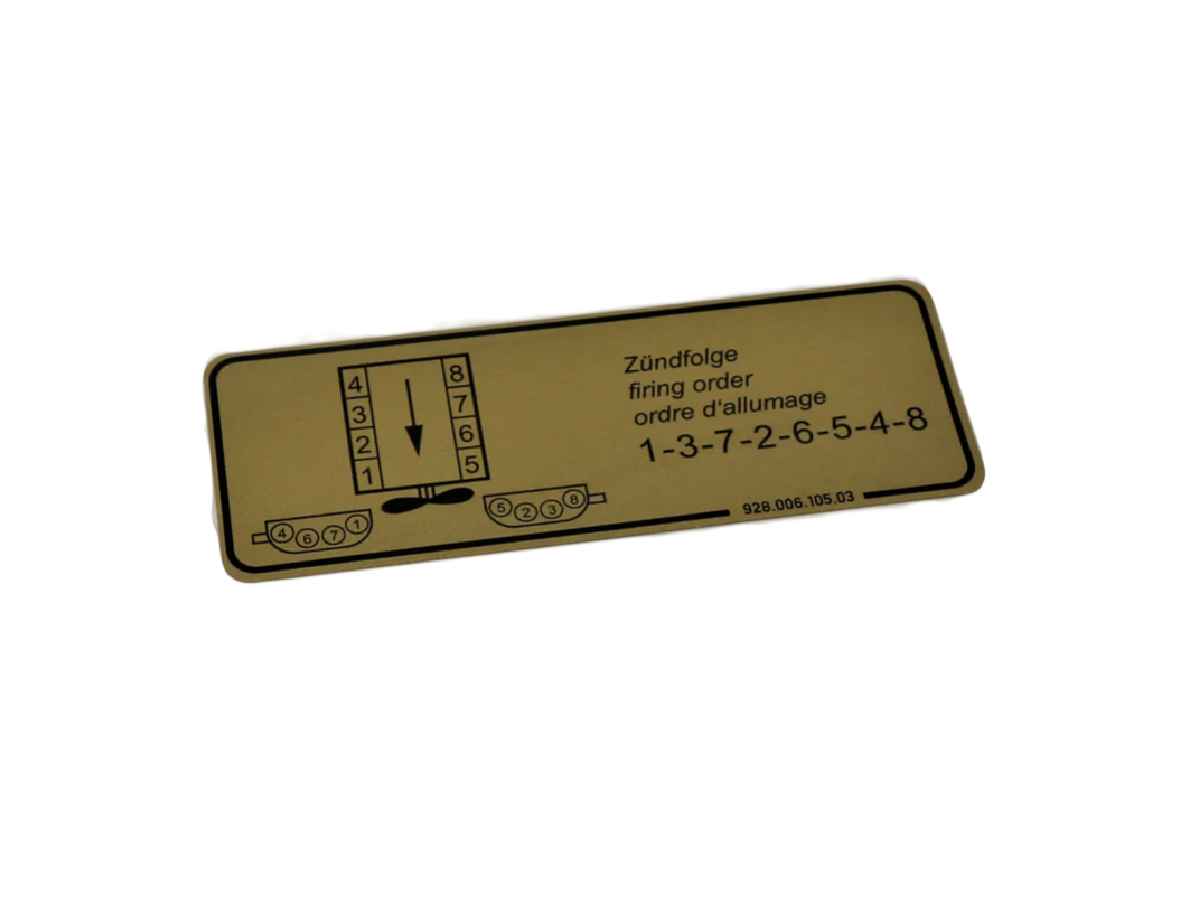
Firing Order Sticker
High-quality reproduction firing order sticker designed for
Porsche 928 S4, GT, and GTS models produced from 1987 onwards.
Fits:
- Porsche 928S4 5.0L 1987-92
- Porsche 928GT 5.0L 1989-91
- Porsche 928GTS 5.4L 1992-95
This OEM-style engine bay decal is applied to the radiator panel, positioned directly next to the “Caution: High Voltage” warning sticker, replicating the original factory layout.
A faithful reproduction, this sticker provides clear ignition sequence information while restoring the correct factory appearance of your engine bay.
Key Features
• Correct reproduction for Porsche 928 S4, GT, and GTS
models
• Designed for radiator placement next to high voltage warning sticker
• OEM-style finish for factory-correct restoration
• Clear and accurate ignition firing order display
• Ideal replacement for worn, faded, or missing decals
Function and Purpose
This firing order sticker displays the correct ignition sequence for the engine, providing a quick reference for maintenance and diagnostics.
It helps to:
• Ensure correct ignition timing
• Assist with servicing and troubleshooting
• Maintain factory engine bay layout
• Replace deteriorated or missing original stickers
Correct Factory Placement
This sticker is designed to be installed:
• On the radiator panel
• Directly beside the “Caution: High Voltage” warning label
Correct placement ensures authenticity and matches original Porsche factory specifications.
Related reference numbers
Related, superseded, cross reference or alternative numbers for comparison.
92800610503
The product you are viewing cross references to these numbers


- Porsche 964 (911) C2 1989-93
- Porsche 964 (911) C4 1989-93
- Porsche 964 (911) RS 3.6L 1991-93
- Porsche 964 (911) TURBO 3.6L 1991-93
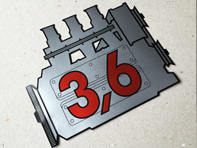
The OE Match Rear Window 3.6L Engine Sticker is a premium-quality reproduction decal designed to accurately replicate the original factory rear window engine designation fitted to compatible classic Porsche models equipped with the 3.6-litre engine. Manufactured to OE specifications for size, typography, colour and finish, this high-quality sticker is the ideal finishing touch for concours restorations, vehicle refurbishment or replacing faded or damaged original decals.
LAST ONE IN STOCK
Fits:
- Porsche 964 (911) C2 1989-93
- Porsche 964 (911) C4 1989-93
- Porsche 964 (911) RS 3.6L 1991-93
- Porsche 964 (911) TURBO 3.6L 1991-93
Manufactured from premium automotive-grade self-adhesive vinyl with UV-resistant inks and a weatherproof finish, the sticker is engineered to withstand prolonged exposure to sunlight, rain, temperature fluctuations and regular vehicle washing without fading, peeling or cracking. Precision-cut to match the original factory dimensions, it provides excellent adhesion and an authentic appearance, preserving the originality and heritage of your Porsche.
What This Product Does:
- Restores the original factory rear window engine designation.
- Enhances the authentic appearance of the vehicle.
- Replicates the original Porsche graphics, dimensions and finish.
- Provides durable adhesion to the rear window.
- Resists fading, peeling and weathering.
- Complements restoration and concours projects.
- Restores factory-style exterior detailing.
- Forms an important finishing touch to the vehicle's exterior presentation.
Symptoms Of Wear Or Failure:
- Faded or discoloured graphics.
- Cracked or peeling vinyl.
- Edges lifting away from the glass.
- Missing sections of the decal.
- Scratches affecting the printed finish.
- Poor adhesion to the rear window.
- Weather-related deterioration.
- Reduced visibility of the engine designation.
- Loss of originality during restoration.
- Diminished overall vehicle presentation.
Why Replacement Matters:
- Rear window decals are continually exposed to UV rays, rain, temperature fluctuations and regular cleaning, causing the original material to fade, crack or peel over time. As the decal deteriorates, it can detract from the authenticity and appearance of the vehicle, particularly on restored or collector-grade examples.
- Replacing a worn or missing rear window engine sticker restores the original factory appearance and helps preserve the period-correct styling of your Porsche. It is a subtle but important detail that enhances the vehicle's overall presentation and originality, especially for enthusiasts and concours restorations.
- The OE Match Rear Window 3.6L Engine Sticker is manufactured to OE standards using premium automotive-grade materials, providing factory-style dimensions, excellent weather resistance and long-lasting durability. It is the ideal finishing detail for restoring the authentic appearance and heritage of your Porsche.
Related reference numbers
Related, superseded, cross reference or alternative numbers for comparison.
9117011020036
The product you are viewing cross references to these numbers
- Porsche 911 1984-1986 3.2L
- Porsche 911 1987-1989 3.2L G50
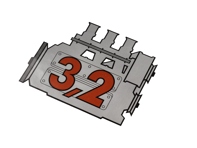
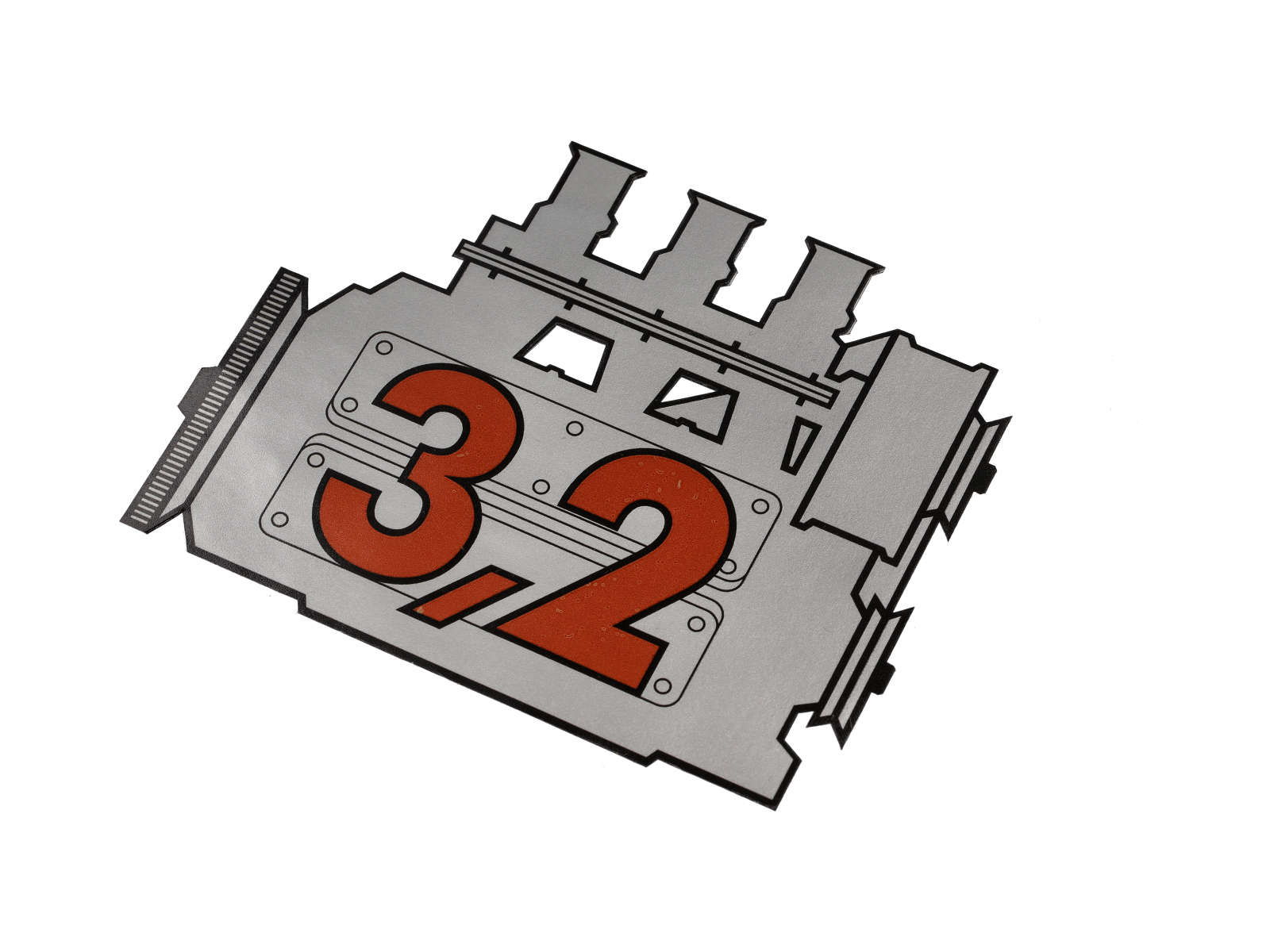
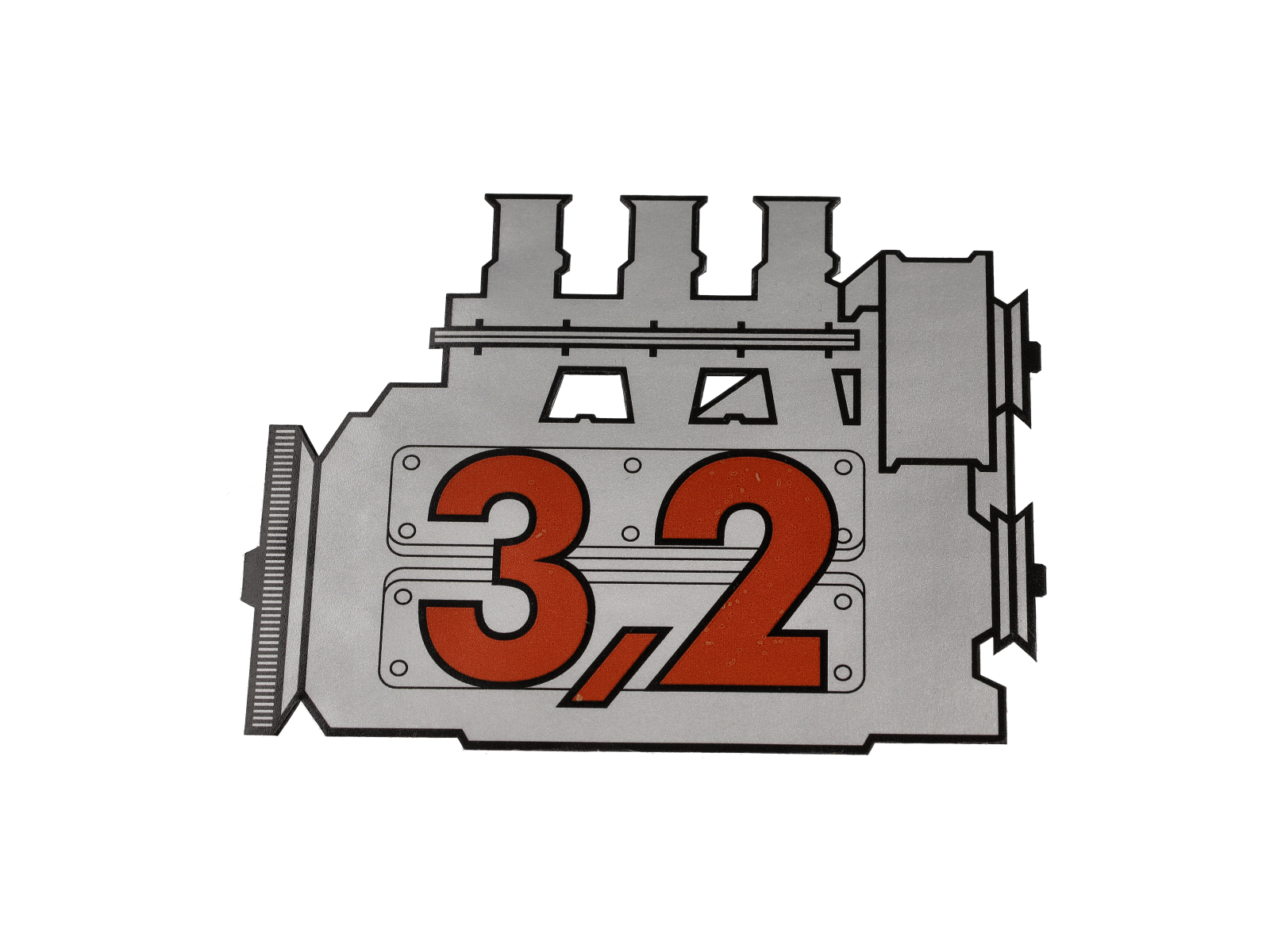
The OE Match Rear Window 3.2L Engine Sticker is a premium-quality reproduction decal designed to accurately replicate the original factory rear window engine designation fitted to compatible classic Porsche models equipped with the 3.2-litre engine. Manufactured to OE specifications for size, colour, typography and finish, this high-quality sticker is the perfect finishing touch for concours restorations, vehicle refurbishment or replacing faded or damaged original decals.
Fits:
- Porsche 911 1984-1986 3.2L
- Porsche 911 1987-1989 3.2L G50
Manufactured from premium automotive-grade self-adhesive vinyl with UV-resistant inks and a weatherproof finish, the sticker is engineered to withstand prolonged exposure to sunlight, moisture, temperature fluctuations and regular vehicle washing without fading, peeling or cracking. Precision-cut to match the original factory dimensions, it provides excellent adhesion and an authentic appearance, preserving the originality and heritage of your Porsche.
What This Product Does:
- Restores the original factory rear window engine designation.
- Enhances the authentic appearance of the vehicle.
- Replicates the original Porsche graphics, dimensions and finish.
- Provides durable adhesion to the rear window.
- Resists fading, peeling and weathering.
- Complements restoration and concours projects.
- Restores factory-style exterior detailing.
- Forms an important finishing touch to the vehicle's exterior presentation.
Symptoms Of Wear Or Failure:
- Faded or discoloured graphics.
- Cracked or peeling vinyl.
- Edges lifting away from the glass.
- Missing sections of the decal.
- Scratches affecting the printed finish.
- Poor adhesion to the rear window.
- Weather-related deterioration.
- Reduced visibility of the engine designation.
- Loss of originality during restoration.
- Diminished overall vehicle presentation.
Why Replacement Matters:
- Rear window decals are continually exposed to UV rays, rain, temperature fluctuations and regular cleaning, causing the original material to fade, crack or peel over time. As the decal deteriorates, it can detract from the authenticity and appearance of the vehicle, particularly on restored or collector-grade examples.
- Replacing a worn or missing rear window engine sticker restores the original factory appearance and helps preserve the period-correct styling of your Porsche. It is a small but important detail that enhances the vehicle's overall presentation and originality, especially for enthusiasts and concours restorations.
- The OE Match Rear Window 3.2L Engine Sticker is manufactured to OE standards using premium automotive-grade materials, providing factory-style dimensions, excellent weather resistance and long-lasting durability. It is the ideal finishing detail for restoring the authentic appearance and heritage of your Porsche.
Related reference numbers
Related, superseded, cross reference or alternative numbers for comparison.
9117011020032
The product you are viewing cross references to these numbers


- Porsche 911 1974-1977 2.7L / 1976-77 3.0 Carrera
- Porsche 911 1978-1983 3.0L / SC
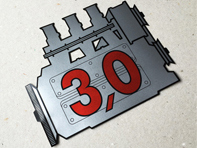
The OE Match Rear Window 3.0L Engine Sticker is a premium-quality reproduction decal designed to accurately replicate the original factory rear window engine designation fitted to compatible classic Porsche models equipped with the 3.0-litre engine. Manufactured to OE specifications for size, colour, typography and finish, this high-quality sticker is ideal for concours restorations, vehicle refurbishment or replacing faded or damaged original decals.
Fits:
- Porsche 911 1974-1977 2.7L / 1976-77 3.0 Carrera
- Porsche 911 1978-1983 3.0L / SC
Manufactured from premium automotive-grade self-adhesive vinyl with UV-resistant inks and a weatherproof finish, the sticker is engineered to withstand prolonged exposure to sunlight, moisture, temperature fluctuations and regular vehicle washing without fading, peeling or cracking. Precision-cut for factory-style positioning, it delivers an authentic appearance that complements the originality of your Porsche.
What This Product Does:
- Restores the original factory rear window engine designation.
- Enhances the authentic appearance of the vehicle.
- Replicates the original Porsche graphics and dimensions.
- Provides long-lasting adhesion to the rear window.
- Resists fading, peeling and weathering.
- Supports concours and restoration projects.
- Restores factory-style exterior detailing.
- Forms an important finishing touch to the vehicle's exterior presentation.
Symptoms Of Wear Or Failure:
- Faded or discoloured graphics.
- Cracked or peeling vinyl.
- Edges lifting away from the glass.
- Missing sections of the decal.
- Scratches affecting the printed finish.
- Poor adhesion to the rear window.
- Weather-related deterioration.
- Reduced visibility of the engine designation.
- Loss of originality during restoration.
- Diminished overall vehicle presentation.
Why Replacement Matters:
- Rear window decals are continuously exposed to UV rays, rain, temperature changes and regular cleaning, causing the original material to fade, crack or peel over time. As the decal deteriorates, it can detract from the authenticity and appearance of the vehicle, particularly on restored or collector-grade examples.
- Replacing a worn or missing rear window engine sticker restores the original factory look and helps preserve the period-correct appearance of your Porsche. It is a simple yet effective finishing detail that enhances the overall presentation and originality of the vehicle.
- The OE Match Rear Window 3.0L Engine Sticker is manufactured to OE standards using premium automotive-grade materials, providing factory-style dimensions, durable weather resistance and an authentic finish, making it the perfect choice for Porsche restoration, refurbishment and concours preparation.
Related reference numbers
Related, superseded, cross reference or alternative numbers for comparison.
9117011020030
The product you are viewing cross references to these numbers

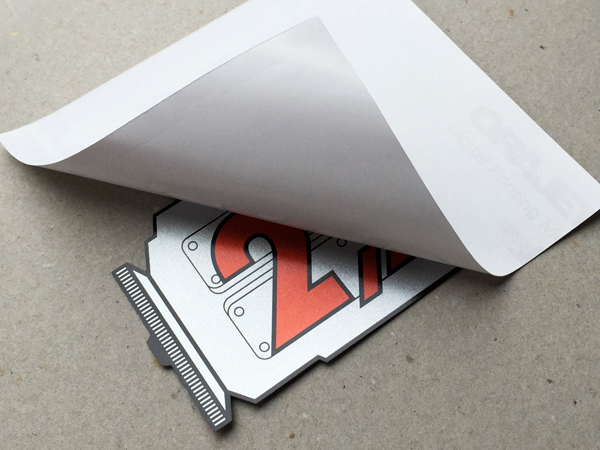

- Porsche 911 1968-1973 2.2L / 2.4L / 2.7L RS LWB (F)
LAST ONE IN STOCK
Details:
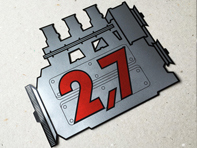
Printed on solid foil, which gives it a very close resemblance to the original.
Stickers are installed on the inner side of the window.
Related reference numbers
Related, superseded, cross reference or alternative numbers for comparison.
9117011020027
The product you are viewing cross references to these numbers
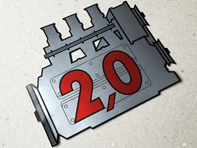


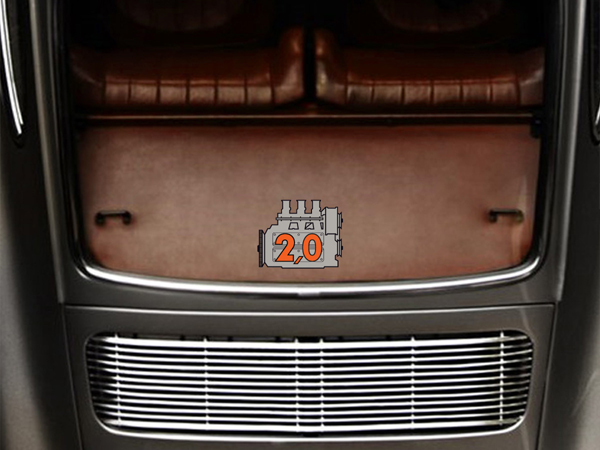
- Porsche 911 1965-1968 2.0L / 912 SWB (F)
LAST ONE IN STOCK
Details:
Printed on solid foil, which gives it a very close resemblance to the original.
Stickers are installed on the inner side of the window.
Related reference numbers
Related, superseded, cross reference or alternative numbers for comparison.
9117011020020
The product you are viewing cross references to these numbers
- Porsche 911 1965-1968 2.0L / 912 SWB (F)
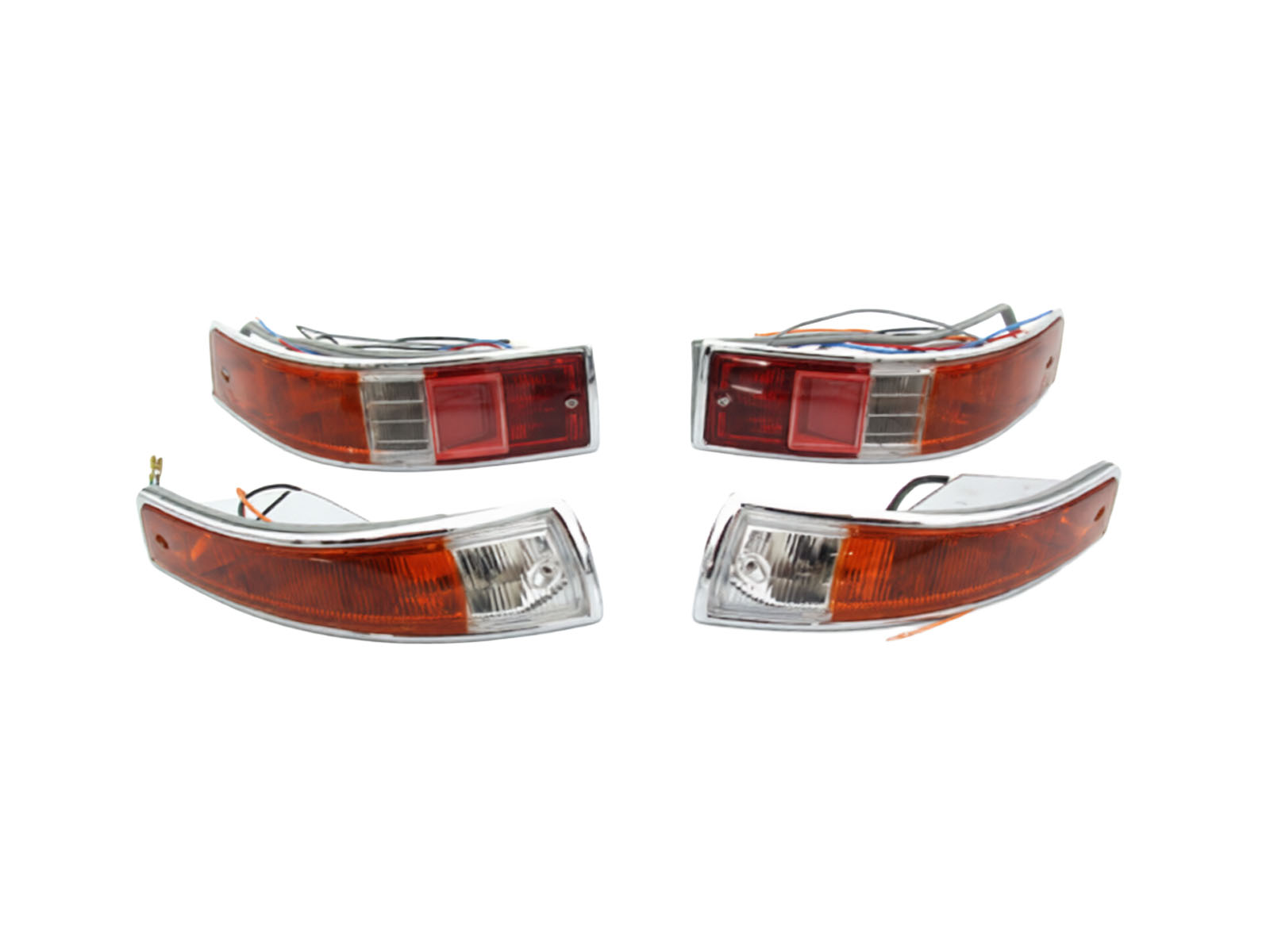
The OE Match Indicator Lamps and Lens Front & Rear Kit is a premium-quality restoration kit designed to renew the complete indicator lighting system on compatible classic Porsche models. Manufactured to OE specifications for fit, appearance and durability, this comprehensive kit includes front and rear indicator lamp assemblies and lenses, providing an ideal solution for replacing faded, cracked or damaged lighting components while restoring the vehicle's original factory appearance.
Kit Includes:
1 x Rear Indicator Lamp Unit Right
1 x Rear Indicator Lamp Unit Left
1 x Rear Indicator Lamp Lens Right
1 x Rear Indicator Lamp Lens Left
1 x Rear Indicator Lamp Seal Right
1 x Rear Indicator Lamp Seal Left
1 x Front Indicator Lamp Unit Right
1 x Front Indicator Lamp Unit Left
1 x Front Indicator Lamp Lens Right
1 x Front Indicator Lamp Lens Left
1 x Front Indicator Lamp Seal Right
1 x Front Indicator Lamp Seal Left
Fits:
- Porsche 911 1965-1968 2.0L / 912 SWB (F)
Manufactured using high-quality UV-resistant lenses, precision-moulded housings and weather-resistant seals, each component is engineered to withstand prolonged exposure to sunlight, moisture, road debris and changing weather conditions. Designed for direct OE-style installation, the kit provides excellent light transmission, reliable weather protection and seamless integration with the vehicle's original electrical system, making it ideal for restorations, accident repairs or routine refurbishment.
What This Product Does:
- Restores the front and rear indicator lighting system.
- Provides clear and highly visible turn signal illumination.
- Improves vehicle visibility to other road users.
- Replaces faded, cracked or damaged indicator lenses.
- Helps protect internal bulb holders and electrical components from moisture.
- Restores the original appearance of the vehicle.
- Provides factory-style fitment and reliable operation.
- Forms an essential part of the vehicle's exterior lighting system.
Symptoms Of Wear Or Failure:
- Cracked or broken indicator lenses.
- Faded, cloudy or discoloured lenses reducing light output.
- Moisture or condensation inside the lamp assemblies.
- Water ingress causing electrical faults.
- Loose or damaged lamp housings.
- Corroded bulb holders or electrical connections.
- Reduced visibility of the turn signals.
- Intermittent or non-functioning indicators.
- Damaged mounting points.
- MOT or vehicle inspection failure due to defective indicator lighting.
Why Replacement Matters:
- Indicator lamps and lenses are continually exposed to UV radiation, road debris, moisture and changing weather conditions. Over time, lenses can become faded, brittle or cracked, while seals may deteriorate, allowing water to enter the lamp assemblies and damage the internal electrical components.
- Damaged or poorly functioning indicators reduce the visibility of your intentions to other road users, increasing the risk of accidents and potentially resulting in MOT failure. Moisture ingress can also lead to corrosion, intermittent electrical faults and premature bulb failure.
- Replacing worn or damaged components with the OE Match Indicator Lamps and Lens Front & Rear Kit restores reliable signalling performance, weather protection and the original factory appearance of your Porsche. Manufactured to OE standards using premium-quality materials, this complete kit provides factory-style fitment, excellent durability and dependable long-term performance, making it the ideal choice for Porsche restoration, repair and preventative maintenance.
Related reference numbers
Related, superseded, cross reference or alternative numbers for comparison.
LIGHTKIT58
The product you are viewing cross references to these numbers
This kit is comprised of the following items:

- Porsche 911 1968-1973 2.2L / 2.4L / 2.7L RS LWB (F)
- Porsche 911 1974-1977 2.7L / 1976-77 3.0 Carrera
- Porsche 911 1978-1983 3.0L / SC
- Porsche 911 1984-1986 3.2L
- Porsche 911 1987-1989 3.2L G50
- Porsche 914 (1970-1976)
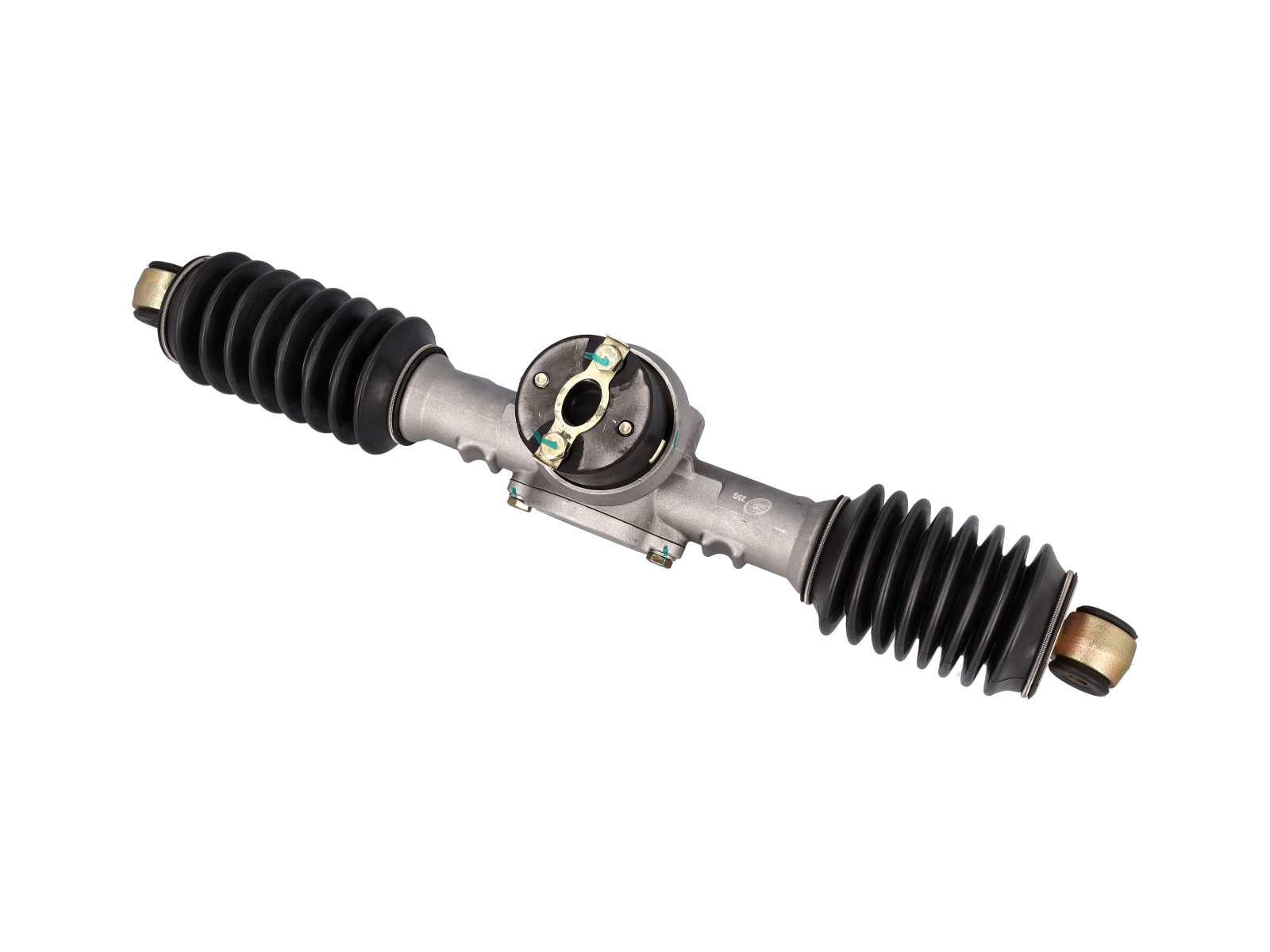
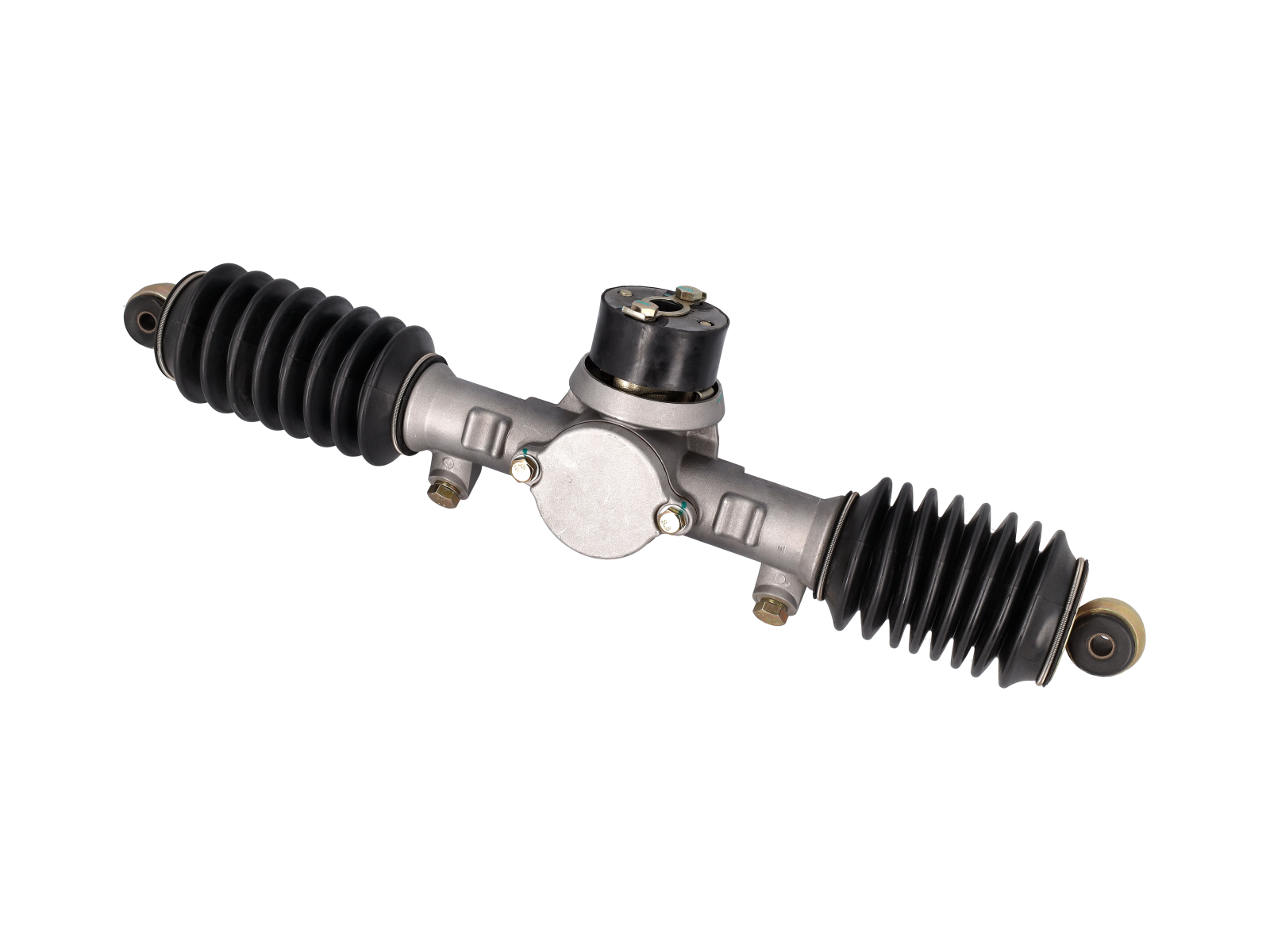
The OE Match New Steering Rack is a premium-quality replacement steering component designed to restore precise steering control and responsive handling on compatible Porsche models. Manufactured to OE specifications for fit, performance and durability, this brand-new steering rack provides smooth and accurate transfer of steering input from the steering wheel to the front wheels, ensuring predictable handling, improved vehicle stability and confident driving.
Fits:
- Porsche 911 1968-1973 2.2L / 2.4L / 2.7L RS LWB (F)
- Porsche 911 1974-1977 2.7L / 1976-77 3.0 Carrera
- Porsche 911 1978-1983 3.0L / SC
- Porsche 911 1984-1986 3.2L
- Porsche 911 1987-1989 3.2L G50
- Porsche 914 (1970-1976)
Manufactured from high-strength steel and precision-machined internal components, the steering rack features accurately engineered rack and pinion gears, durable seals and heavy-duty bearings to provide long-lasting, reliable operation. Supplied as a new unit rather than a reconditioned assembly, it offers direct OE-style fitment and seamless integration with the original steering system, making it the ideal solution for steering repairs, restorations and preventative maintenance.
What This Product Does:
- Transfers steering wheel movement to the front wheels.
- Provides precise and responsive steering control.
- Maintains accurate steering geometry.
- Supports stable vehicle handling and cornering.
- Reduces steering play and improves steering feel.
- Ensures smooth steering operation throughout the steering range.
- Restores factory steering performance.
- Forms an essential part of the vehicle's steering system.
Symptoms Of Wear Or Failure:
- Excessive play in the steering wheel.
- Knocking or clunking noises during steering.
- Heavy or inconsistent steering effort.
- Vehicle wandering or poor directional stability.
- Uneven tyre wear caused by steering misalignment.
- Fluid leaks from the steering rack on power-assisted systems.
- Steering wheel failing to self-centre correctly.
- Vibration through the steering wheel.
- Stiff spots during steering movement.
- MOT or vehicle inspection failure due to excessive steering wear.
Why Replacement Matters:
- The steering rack is subjected to continual steering inputs, road impacts and suspension loads throughout the life of the vehicle. Over time, the internal gears, bearings, seals and bushings can wear, resulting in excessive steering play, reduced precision and, on power-assisted systems, fluid leaks.
- A worn steering rack can compromise handling, steering accuracy and overall vehicle safety. Delayed steering response or excessive movement can reduce driver confidence and accelerate tyre and suspension wear if left unresolved.
- Replacing a worn or damaged steering rack with the OE Match New Steering Rack restores precise steering response, correct steering geometry and dependable handling. Manufactured to OE standards using premium-quality materials, this brand-new steering rack provides factory-style fitment, exceptional durability and long-lasting reliability, ensuring the steering performance, comfort and driving confidence expected from your Porsche.
Related reference numbers
Related, superseded, cross reference or alternative numbers for comparison.
91434701006
The product you are viewing cross references to these numbers
- Porsche 955 Cayenne 3.2L V6 2003-06
- Porsche 955 Cayenne S 4.5L V8 2003-06
- Porsche 955 Cayenne Turbo 4.5L 2003-06
- Porsche 955 Cayenne Turbo S 4.5L 2006>>
- Porsche 957 Cayenne 3.0L Diesel 2007-10
- Porsche 957 Cayenne 3.6L 2007-10
- Porsche 957 Cayenne S / GTS 4.8L 2007-10
- Porsche 957 Cayenne Turbo / Turbo S 4.8L 2007-10
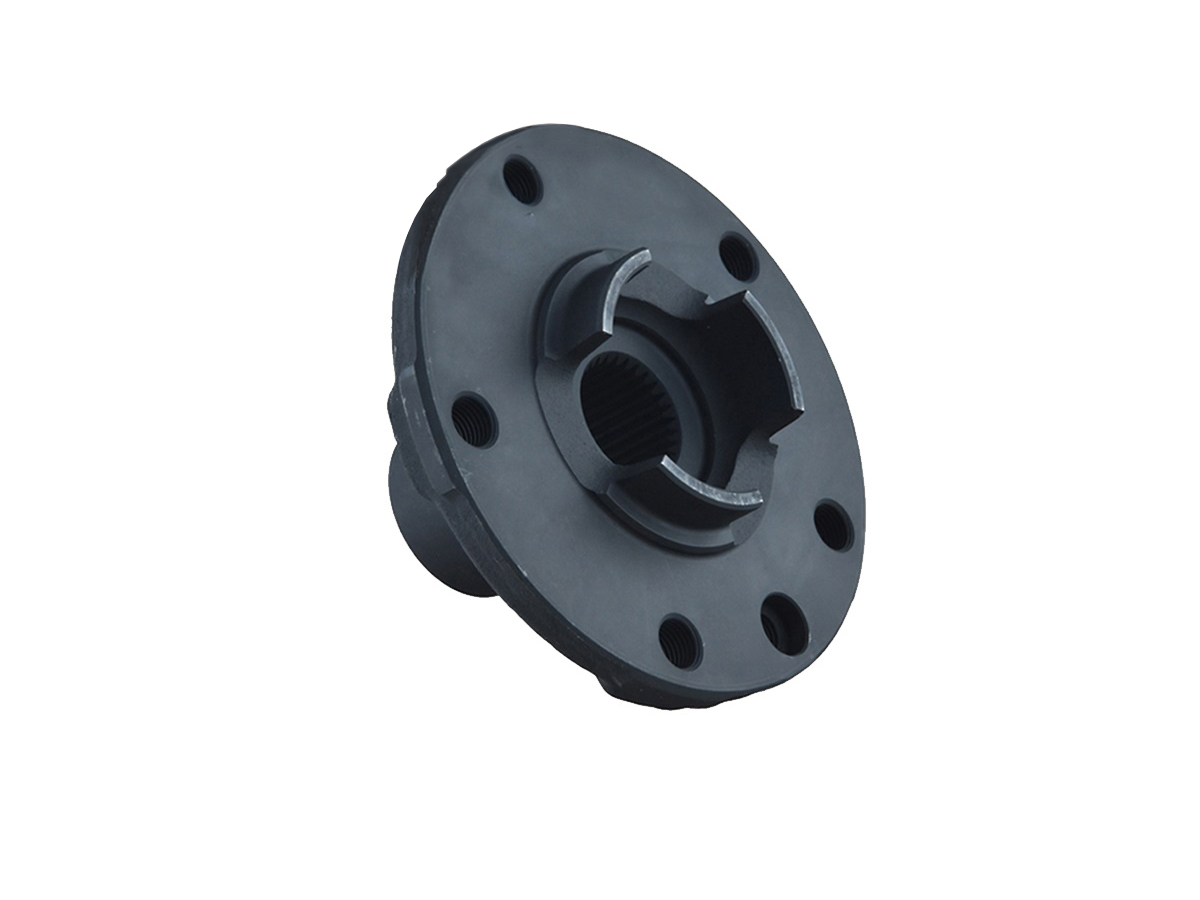
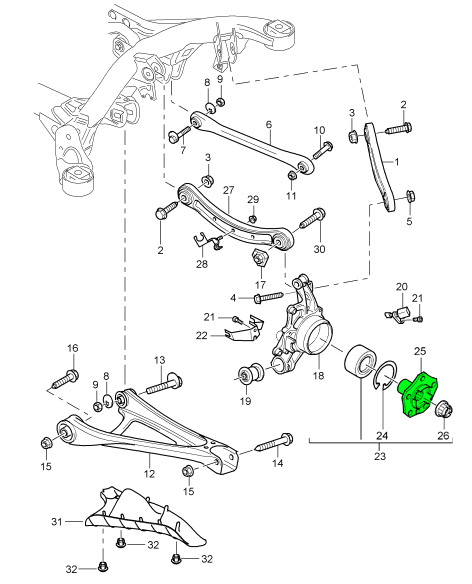
The OE Match Rear Wheel Hub is a premium-quality replacement suspension and driveline component designed to securely mount the rear wheel and brake assembly on compatible Porsche models. Manufactured to OE specifications for fit, strength and durability, this precision-engineered wheel hub provides the mounting point for the wheel, brake disc and wheel bearing, ensuring smooth wheel rotation, accurate alignment and dependable vehicle handling.
Fits:
- Porsche 955 Cayenne 3.2L V6 2003-06
- Porsche 955 Cayenne S 4.5L V8 2003-06
- Porsche 955 Cayenne Turbo 4.5L 2003-06
- Porsche 955 Cayenne Turbo S 4.5L 2006>>
- Porsche 957 Cayenne 3.0L Diesel 2007-10
- Porsche 957 Cayenne 3.6L 2007-10
- Porsche 957 Cayenne S / GTS 4.8L 2007-10
- Porsche 957 Cayenne Turbo / Turbo S 4.8L 2007-10
Diagram Ref No 6
Manufactured from high-strength forged steel with precision-machined mounting faces and bearing journals, the rear wheel hub is engineered to withstand heavy cornering loads, braking forces, drivetrain torque and continual road impacts. Designed for direct OE-style installation, it provides factory-correct fitment with the original wheel bearing, driveshaft and brake components, making it ideal for suspension repairs, wheel bearing replacement and complete rear axle overhauls.
What This Product Does:
- Provides the mounting point for the rear wheel and brake disc.
- Supports smooth and accurate wheel rotation.
- Interfaces with the rear wheel bearing assembly.
- Transfers drive torque from the driveshaft to the wheel.
- Maintains correct rear wheel alignment and stability.
- Supports safe braking and suspension performance.
- Restores factory rear axle functionality.
- Forms an essential part of the rear suspension and drivetrain assembly.
Symptoms Of Wear Or Failure:
- Wheel bearing noise or humming from the rear axle.
- Excessive play in the rear wheel.
- Vibration felt through the vehicle.
- Uneven tyre wear.
- Difficulty maintaining wheel alignment.
- Visible damage or corrosion to the hub.
- Wobbling brake disc or wheel.
- ABS warning light caused by hub or sensor alignment issues (where applicable).
- Clicking or knocking noises from the rear suspension.
- MOT or vehicle inspection failure due to excessive wheel play.
Why Replacement Matters:
- The rear wheel hub is subjected to continuous rotational forces, suspension loads, braking forces and drivetrain torque throughout the life of the vehicle. Over time, corrosion, impact damage, worn bearing mounting surfaces or thread damage can compromise the hub's structural integrity and affect the performance of surrounding components.
- A damaged or worn wheel hub can lead to excessive wheel movement, accelerated wheel bearing wear, brake vibration and poor vehicle handling. If left unresolved, it may compromise braking performance and vehicle safety while placing additional stress on the suspension and drivetrain.
- Replacing a worn or damaged hub with the OE Match Rear Wheel Hub restores precise wheel alignment, smooth rotation and reliable rear axle performance. Manufactured to OE standards using premium-quality forged steel, this replacement hub provides factory-style fitment, exceptional strength and long-lasting durability, ensuring the handling, safety and reliability expected from your Porsche.
Related reference numbers
Related, superseded, cross reference or alternative numbers for comparison.
95534160511
The product you are viewing cross references to these numbers
- Porsche 955 Cayenne 3.2L V6 2003-06
- Porsche 955 Cayenne S 4.5L V8 2003-06
- Porsche 955 Cayenne Turbo 4.5L 2003-06
- Porsche 955 Cayenne Turbo S 4.5L 2006>>
- Porsche 957 Cayenne 3.0L Diesel 2007-10
- Porsche 957 Cayenne 3.6L 2007-10
- Porsche 957 Cayenne S / GTS 4.8L 2007-10
- Porsche 957 Cayenne Turbo / Turbo S 4.8L 2007-10
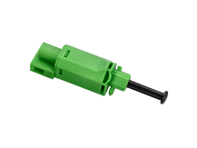
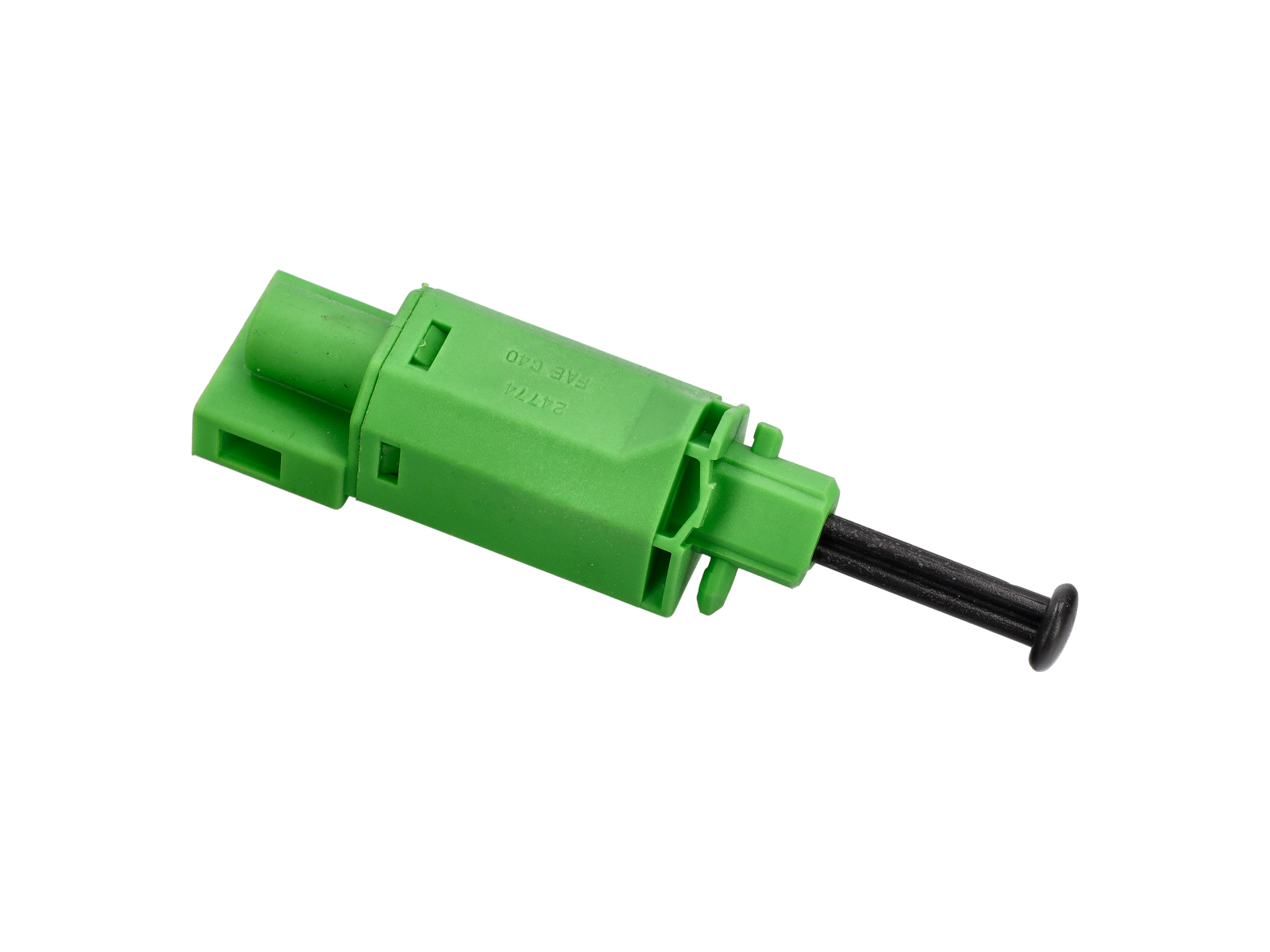
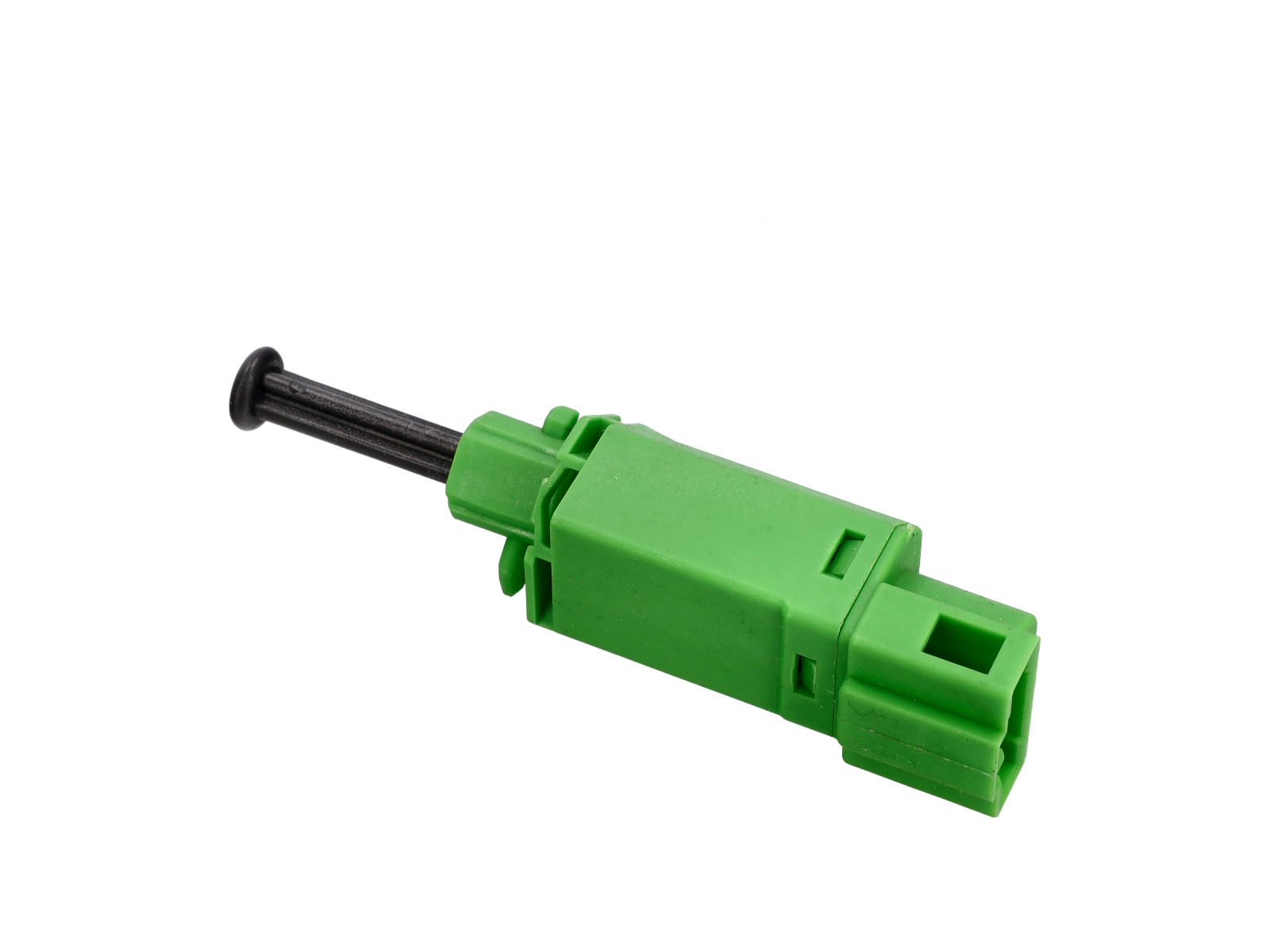
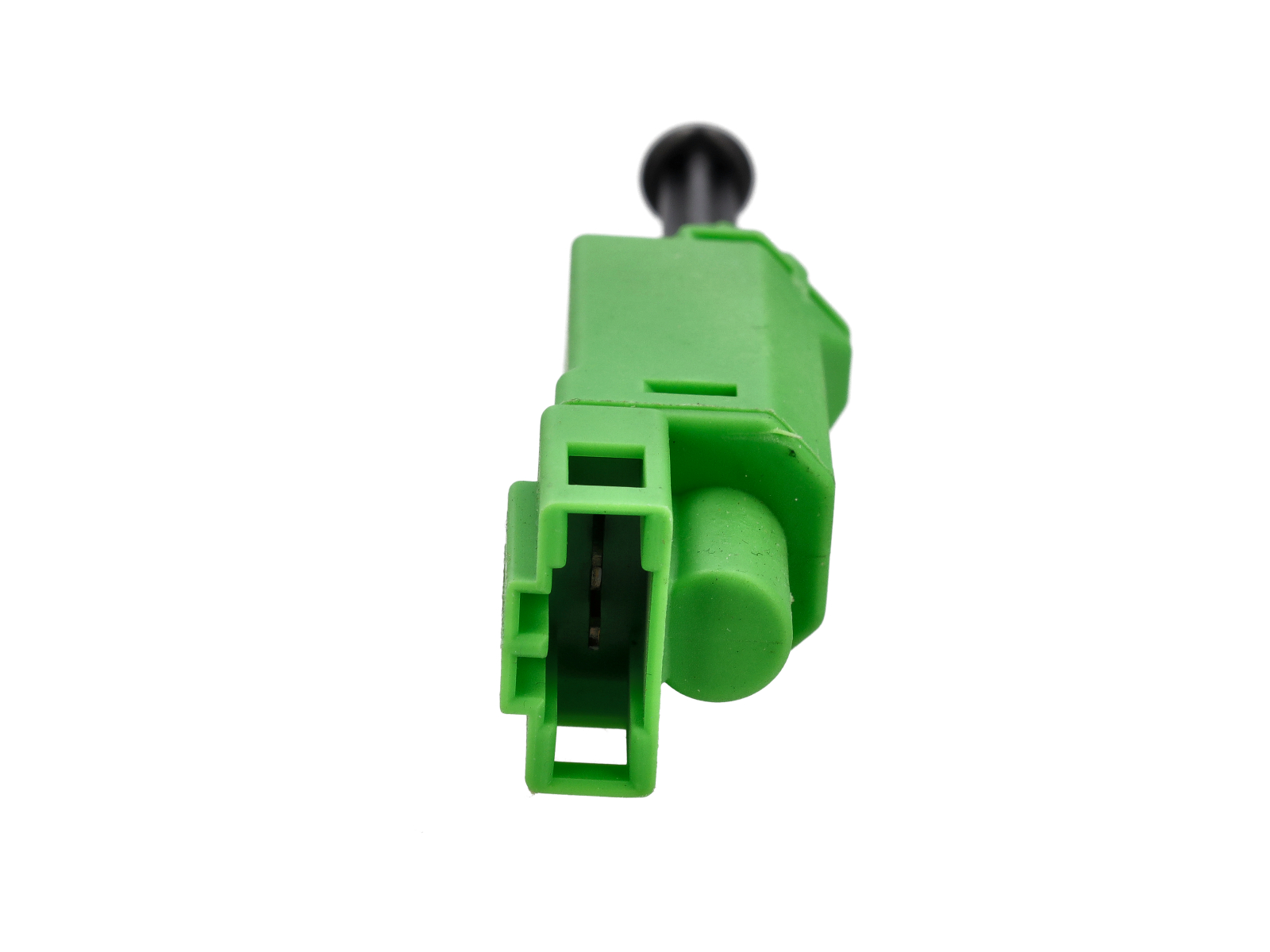
The OE Match Clutch Pedal Switch is a premium-quality replacement electrical component designed to accurately detect the position of the clutch pedal on compatible Porsche models. Manufactured to OE specifications for fit, performance and durability, this precision switch communicates clutch pedal status to the vehicle's engine management and electrical systems, ensuring the correct operation of features such as engine starting, cruise control and clutch position monitoring.
Fits:
- Porsche 955 Cayenne 3.2L V6 2003-06
- Porsche 955 Cayenne S 4.5L V8 2003-06
- Porsche 955 Cayenne Turbo 4.5L 2003-06
- Porsche 955 Cayenne Turbo S 4.5L 2006>>
- Porsche 957 Cayenne 3.0L Diesel 2007-10
- Porsche 957 Cayenne 3.6L 2007-10
- Porsche 957 Cayenne S / GTS 4.8L 2007-10
- Porsche 957 Cayenne Turbo / Turbo S 4.8L 2007-10
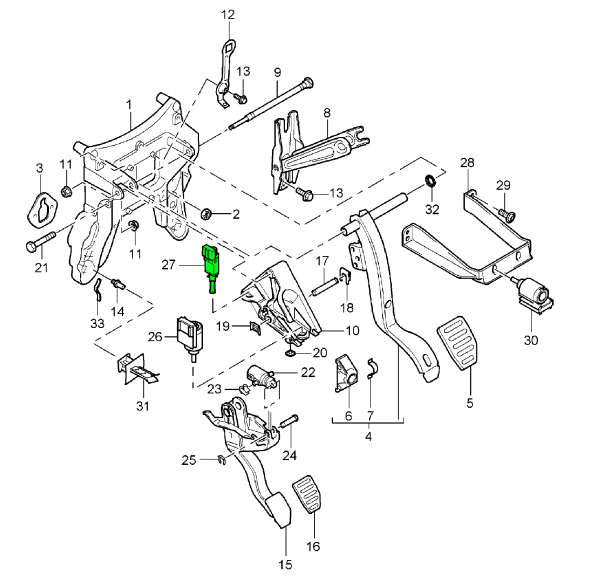
Diagram Ref No 27
Manufactured using high-quality automotive-grade electrical contacts housed within a durable, heat-resistant composite body, the clutch pedal switch is engineered to withstand repeated pedal operation, vibration and long-term use. Precision-calibrated for reliable switching performance, it provides direct OE-style installation and seamless integration with the vehicle's original wiring harness and control systems.
What This Product Does:
- Detects the position of the clutch pedal.
- Sends clutch pedal status to the engine control unit (ECU).
- Enables the engine start interlock system where applicable.
- Supports correct operation of the cruise control system.
- Assists engine management functions during gear changes.
- Provides accurate electrical switching for vehicle control systems.
- Restores factory clutch pedal sensing performance.
- Forms an essential part of the vehicle's clutch and electrical system.
Symptoms Of Wear Or Failure:
- Engine failing to start when the clutch pedal is depressed.
- Cruise control failing to engage or disengage correctly.
- Intermittent starting issues.
- Clutch switch fault codes stored in the ECU.
- Inconsistent clutch pedal recognition.
- Dashboard warning lights relating to the clutch or engine management system.
- Erratic operation of driver assistance systems.
- Electrical faults associated with clutch pedal input.
- Poor switch response or complete switch failure.
- Reduced reliability of vehicle control systems.
Why Replacement Matters:
- The clutch pedal switch is activated every time the clutch pedal is pressed and released, making it one of the most frequently operated electrical switches in the vehicle. Over time, the internal contacts can wear, become contaminated or fail, resulting in unreliable electrical signals to the engine management and vehicle control systems.
- A faulty clutch pedal switch can prevent the engine from starting, disable cruise control or interfere with other systems that rely on accurate clutch pedal position information. These issues can affect both convenience and vehicle safety, particularly in manual transmission models.
- Replacing a worn or faulty switch restores reliable communication between the clutch pedal and the vehicle's electronic systems. The OE Match Clutch Pedal Switch is manufactured to OE standards using premium-quality materials, providing factory-style fitment, dependable switching performance and long-lasting durability, ensuring the reliability and functionality expected from your Porsche.
Related reference numbers
Related, superseded, cross reference or alternative numbers for comparison.
95561311301
The product you are viewing cross references to these numbers