




Enter your VAT number here and click Verify:
Your details have been verified. VAT number registered to:
,
.
Your order will now be zero rated for VAT purposes. We reserve the right to verify these details after your order request has been made and reinstate VAT if required.
Your VAT details were not recognised or were invalid. Your VAT number must be matched to your Billing Country as specified above. This is currently specified as . You do not need to enter the country code part of your VAT number as this has already been selected in your billing address details above.
The VAT number checking service is currently offline. Please supply your VAT details within the comments or special instructions field below and we will apply a VAT discount after placing your order request.
OE Match

OE Match for Porsche
OE Match is a brand that provides a wide range of Porsche components, from gaskets to suspension hardware, engine parts, and interior trim. Over 6,700 individual part numbers, and over 11,800 OE cross-references catalogued, and are constantly developing new lines.OE Match has over 100 new products currently in the engineering phase, which will be quality-controlled and added to their catalog. The mission is to keep all Porsche vehicles on the road by offering a vast selection of parts that can address various problems across different Porsche generations
A Quick Look at OE Match
OE Match information on this page is based on details supplied by the manufacturer or distributor, plus any OE references provided with the parts.
Choosing the Right Fit for Your Porsche
Where OE Match is listed for Porsche, use the supplied model coverage and OE references to confirm suitability. Check details that commonly affect fitment such as model year, side/position, and connector type where relevant.
- Often chosen when owners want OE-equivalent quality with sensible running costs, especially for routine service and wear items.
- Typical reasons to replace include restoring reliability, addressing age-related wear, or refreshing multiple components during larger repair work.
- Common defects from incorrect application include noise, premature wear, leaks, or fitment quirks if the wrong variant is selected or fitted with old seals/hardware.
- Watch for symptoms such as unusual noises, early wear, or repeat failures after recent work, which can indicate mismatched parts or supporting items left worn.
- Always cross-check OEM part numbers, read model-year notes, and verify compatibility before ordering.
- For safety-critical components, confirm specification and fitment carefully and have installation checked by a competent technician.
Browse by Category
If you already know the area you are working on, start with the category and then filter by Porsche model. Where real-world symptoms and typical reasons to replace are provided, use them to keep the wording grounded.
Brakes — Brake components are renewed to restore stopping performance, address wear or upgrade a Porsche for fast road or track use. Common symptoms include vibration under braking, longer stopping distances, squealing, pulling to one side, warning lights and visible wear to discs and pads.
Brake Pad Wear Sensors — Brake pad wear sensors are replaced when pads are renewed or when warning lights indicate a broken or worn sensor. Symptoms include brake wear warnings even with new pads, damaged sensor cables, or broken clips around the caliper area.
Engine Electrical — Engine electrical parts are changed when there are starting, charging, ignition, or sensor-related faults that affect drivability and reliability, such as intermittent no-start, misfires, rough idle, poor charging, warning lights or heat-soak failures.
Service Parts — Service parts are replaced as routine maintenance to keep the engine and systems reliable, efficient, and protected, often resolving hard starting, rough idle, poor fuel economy and warning lights caused by clogged filters or worn ignition components.
Service Kits — Service kits bundle key service components to simplify maintenance and set the car back to a known baseline, especially useful when catching up on overdue servicing or dealing with general sluggish running, inconsistent idle and reduced performance.
- For brake parts, confirm whether items are OE-equivalent replacements or performance upgrades and check if new fitting kits and sensors are required.
- On service items and kits, match the kit to your exact Porsche model, engine and year, and review what is included so you can add any extra “while you are there” parts.
Explore OE Match at Design911
View the current OE Match range for Porsche at Design911, then filter by model and category to narrow down to the right parts.

- Porsche 911 1965-1968 2.0L / 912 SWB (F)
- Porsche 911 1968-1973 2.2L / 2.4L / 2.7L RS LWB (F)
- Porsche 911 1974-1977 2.7L / 1976-77 3.0 Carrera
- Porsche 911 1978-1983 3.0L / SC
- Porsche 911 1984-1986 3.2L
- Porsche 911 1987-1989 3.2L G50
- Porsche 911 1975-1977 3.0L Turbo (930)
- Porsche 911 1978-1989 3.3L Turbo (930)
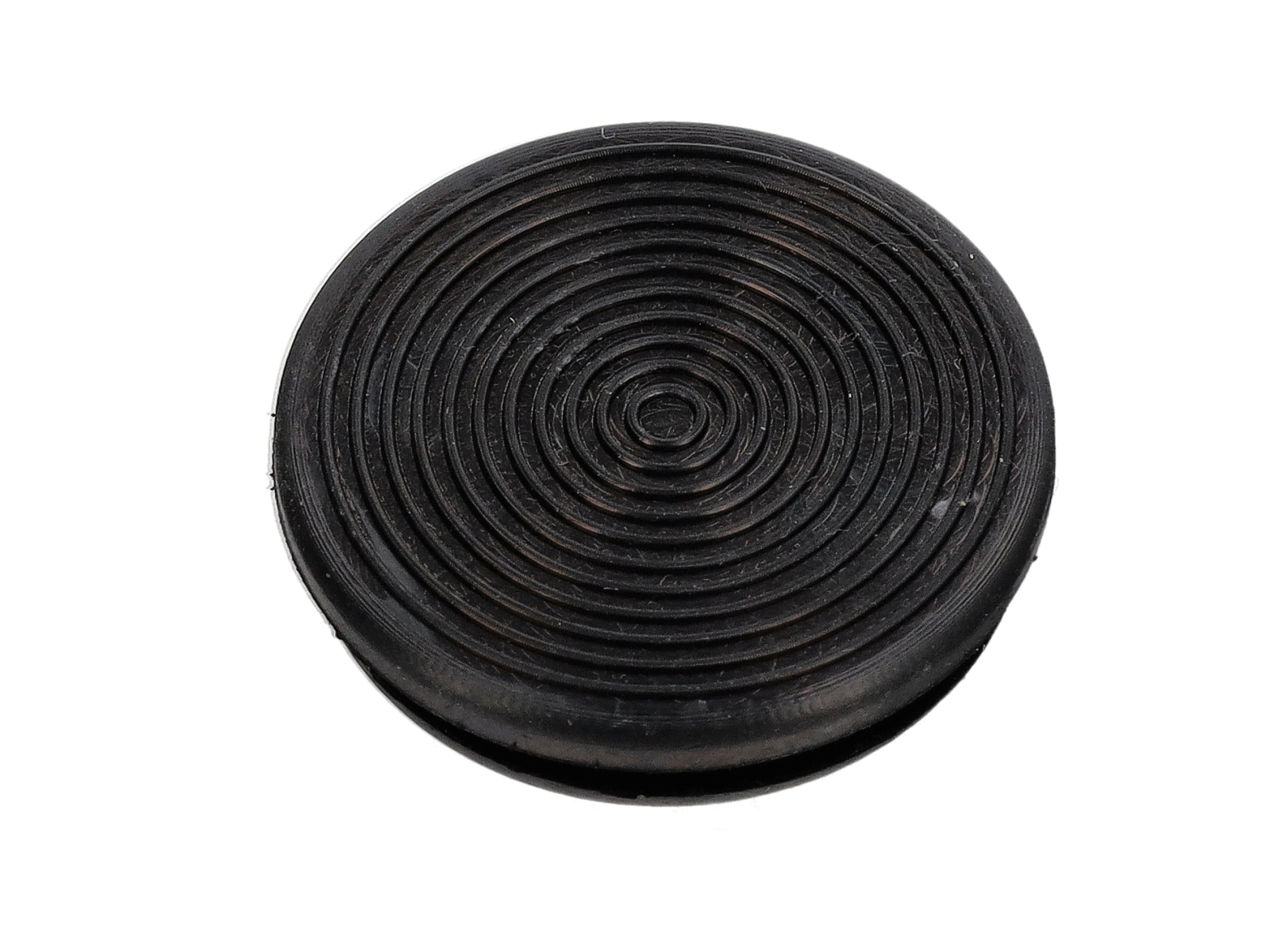
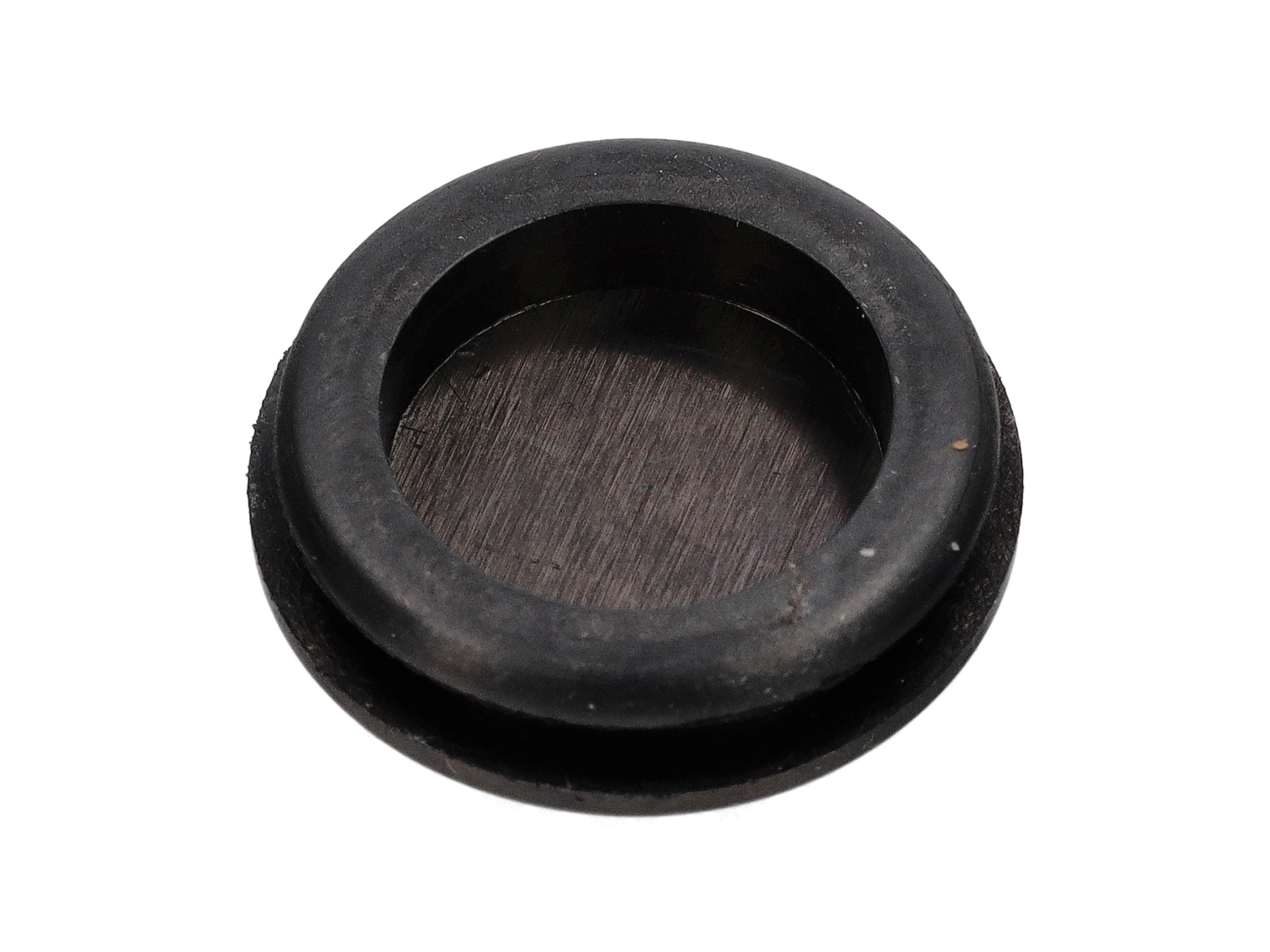
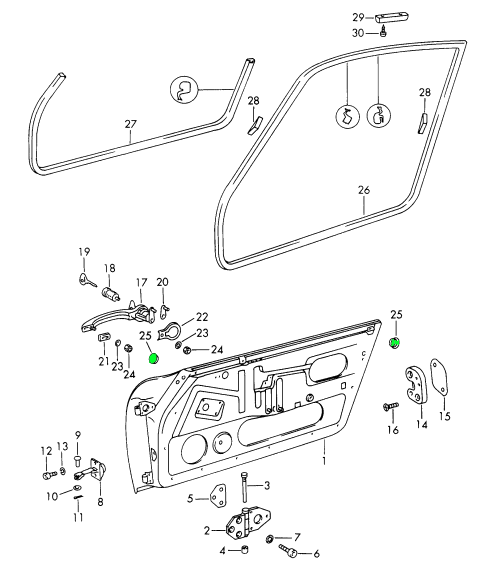
The OE Match Door Round Rubber Plug, 20mm is a premium-quality replacement body sealing component designed to close and protect factory access holes within the door assembly on compatible Porsche models. Manufactured to OE specifications for fit, flexibility and durability, this precision-moulded rubber plug provides a secure weatherproof seal that helps prevent the ingress of water, dirt, dust and road debris while maintaining the original appearance and integrity of the door.
Fits:
- Porsche 911 1965-1968 2.0L / 912 SWB (F)
- Porsche 911 1968-1973 2.2L / 2.4L / 2.7L RS LWB (F)
- Porsche 911 1974-1977 2.7L / 1976-77 3.0 Carrera
- Porsche 911 1978-1983 3.0L / SC
- Porsche 911 1984-1986 3.2L
- Porsche 911 1987-1989 3.2L G50
- Porsche 911 1975-1977 3.0L Turbo (930)
- Porsche 911 1978-1989 3.3L Turbo (930)
Diagram Ref No 25
Manufactured from high-quality automotive-grade EPDM rubber, the plug is engineered to resist moisture, UV exposure, ozone, temperature extremes and continual vibration without hardening, shrinking or cracking. Precision-moulded to fit 20mm diameter apertures, it provides direct OE-style installation, making it ideal for replacing missing, damaged or deteriorated body plugs during restoration, accident repair or routine maintenance.
What This Product Does:
- Seals 20mm factory access holes within the door assembly.
- Prevents the ingress of water, dust and road debris.
- Helps protect the inside of the door from corrosion.
- Reduces the risk of moisture entering the door cavity.
- Maintains the original appearance of the bodywork.
- Provides a secure, vibration-resistant fit.
- Restores factory sealing performance.
- Forms an essential part of the vehicle's body sealing system.
Symptoms Of Wear Or Failure:
- Missing rubber plug.
- Cracked, hardened or split rubber.
- Loose-fitting or partially dislodged plug.
- Water entering the door cavity.
- Increased dirt or debris inside the door.
- Corrosion developing around exposed access holes.
- Wind noise caused by unsealed openings.
- Moisture-related damage within the door.
- Visible deterioration due to age or UV exposure.
- Untidy appearance of the door assembly.
Why Replacement Matters:
- Door sealing plugs are continually exposed to water, road salt, dirt, vibration and changing temperatures. Over time, the rubber can harden, shrink or crack, reducing its ability to provide an effective seal. Missing or damaged plugs leave factory access holes exposed, allowing contaminants and moisture to enter the door cavity.
- Water ingress can accelerate internal corrosion, damage door components and contribute to rattles, unwanted noise and premature deterioration of electrical and mechanical parts inside the door. Replacing damaged or missing plugs is a simple yet effective way to protect the vehicle's body structure and preserve its long-term condition.
- Replacing the original component with the OE Match Door Round Rubber Plug restores the integrity of the door sealing system. Manufactured to OE standards using premium automotive-grade EPDM rubber, it provides factory-style fitment, excellent weather resistance and long-lasting durability, helping protect your Porsche against corrosion while maintaining its original finish and build quality.
Related reference numbers
Related, superseded, cross reference or alternative numbers for comparison.
99970304050
The product you are viewing cross references to these numbers
- Porsche 911 1965-1968 2.0L / 912 SWB (F)
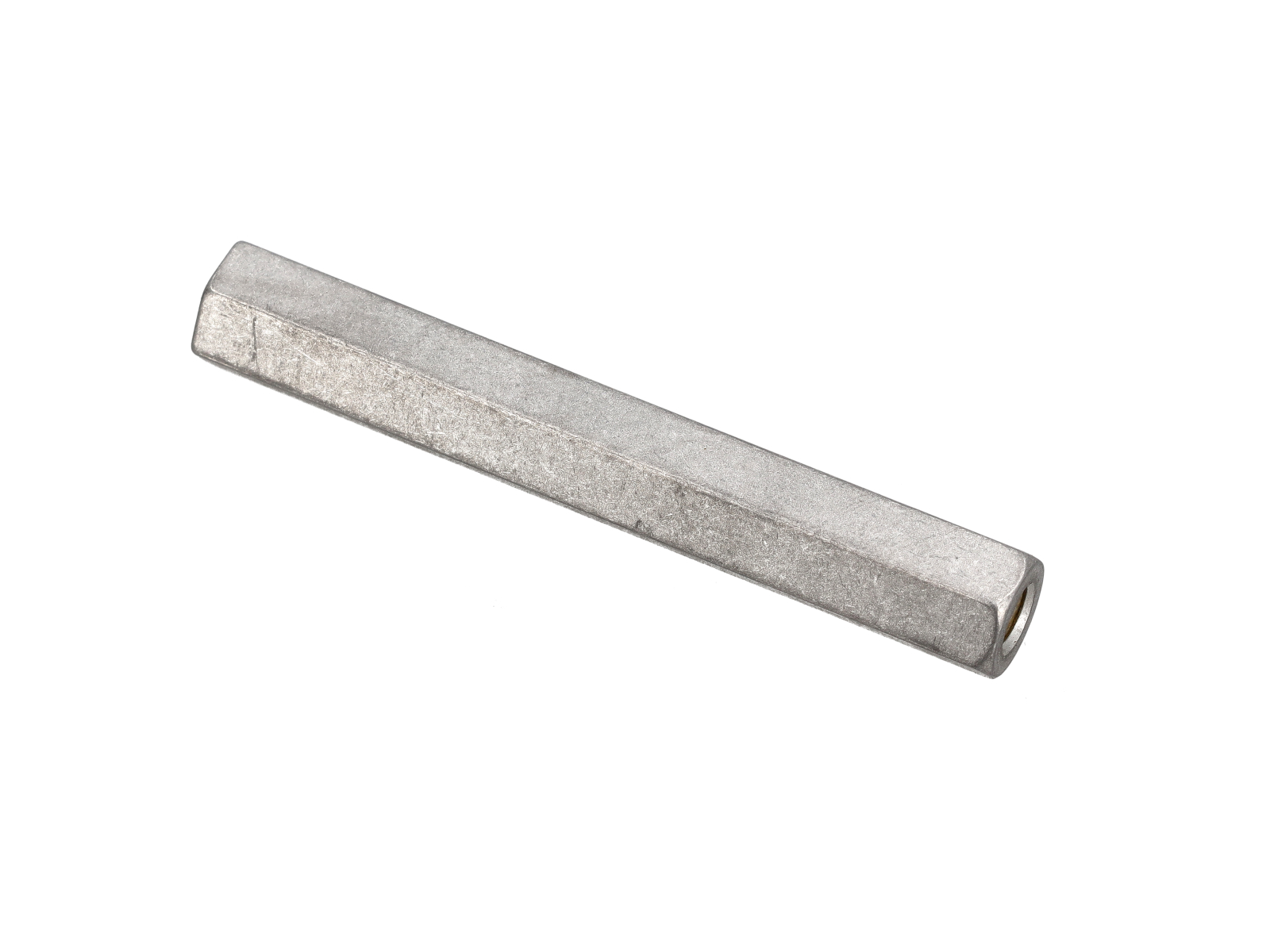
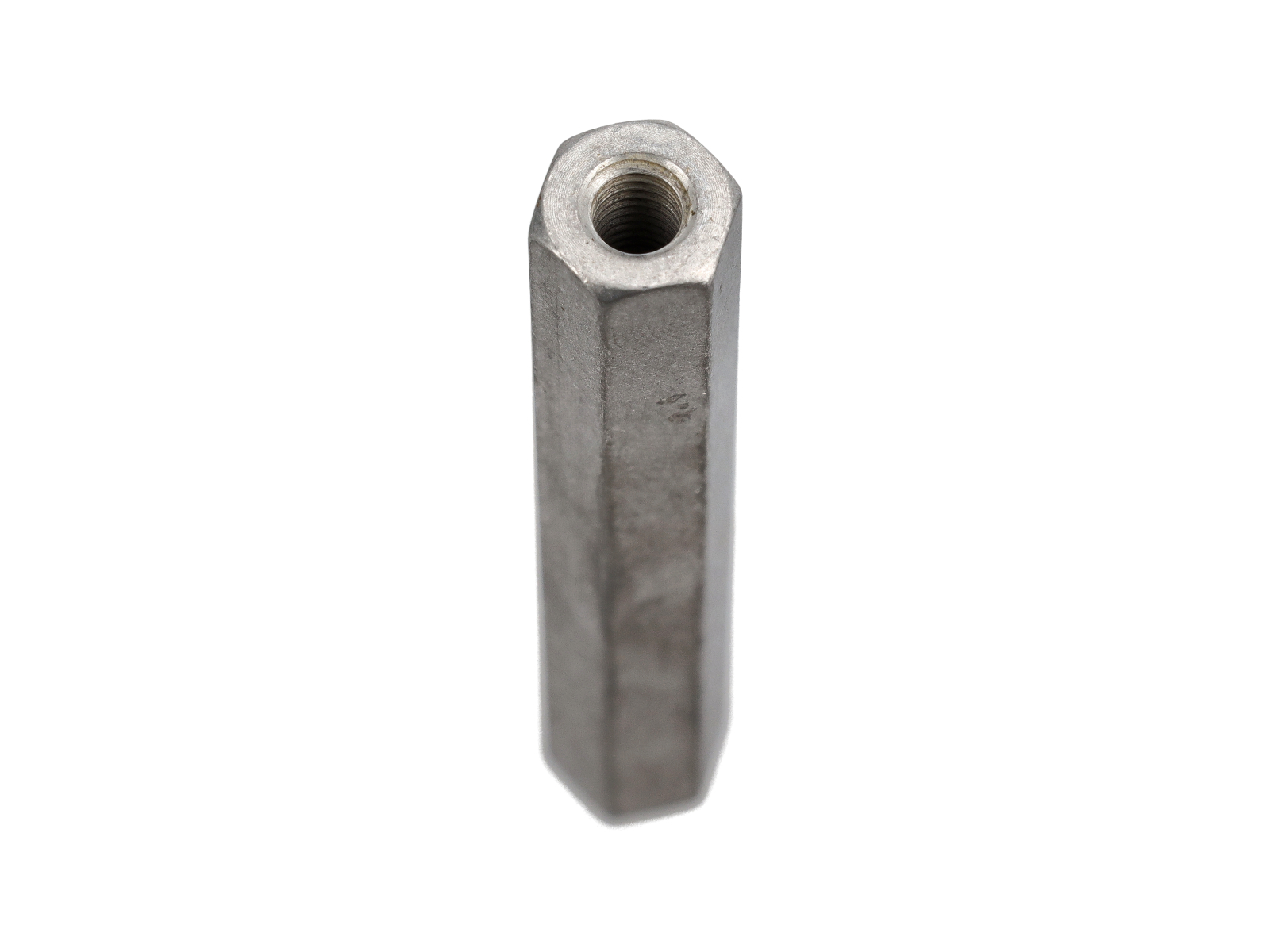
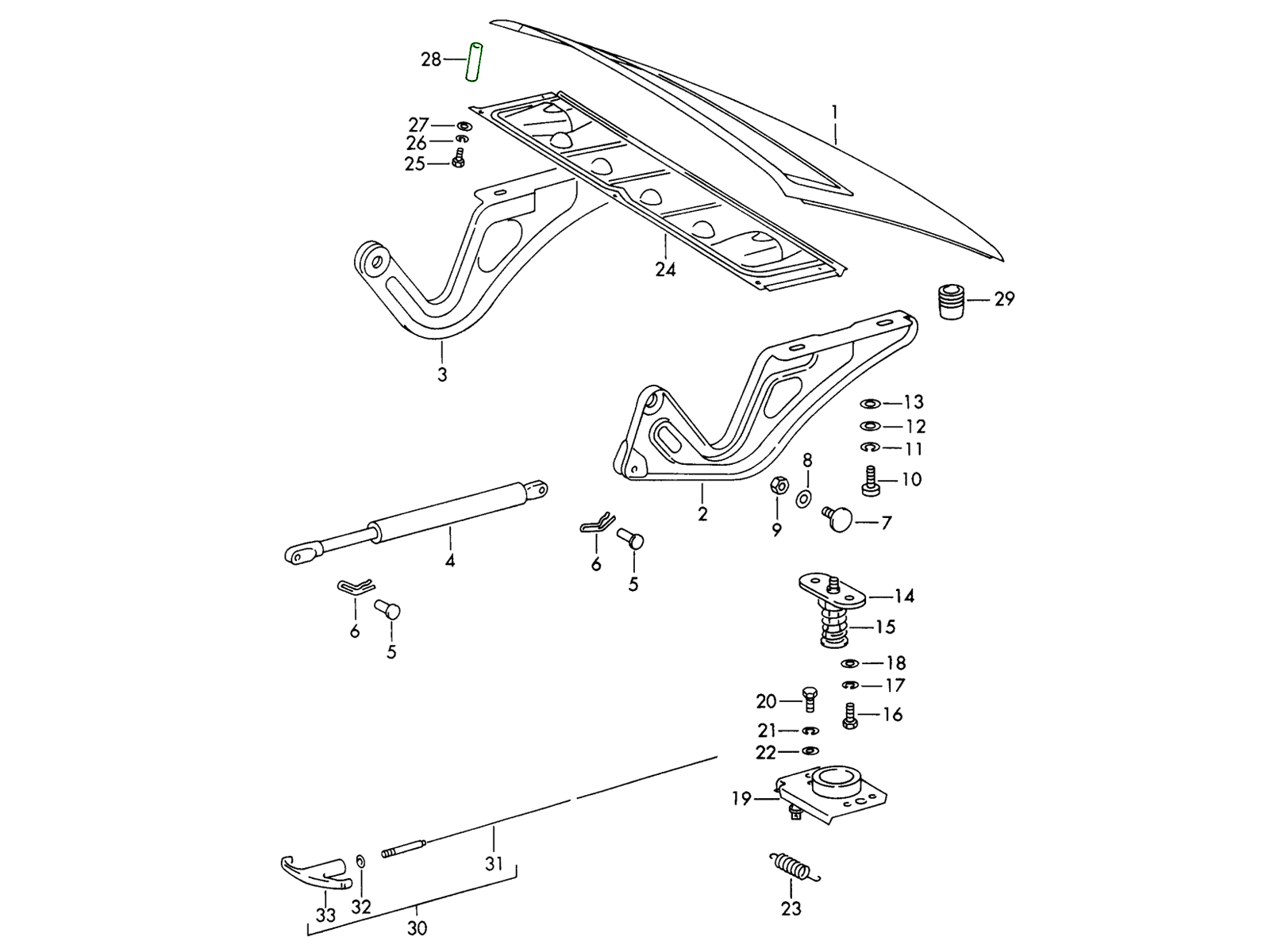
OE Match spacer tube used in the mounting of the engine lid rain tray on the Porsche 912 (1969). These tubular spacers are fitted between the rain tray and the engine lid structure to maintain the correct stand-off distance and prevent distortion during installation.
6 required. Price id for each.
Fits:
Porsche 912 1969
Diagram ref no 28
The spacer tube maintains a precise gap between the engine lid rain tray and the mounting surface, ensuring correct alignment and preventing damage when the fixing bolts are tightened.
The OE Match spacer tube restores the factory-correct mounting geometry, helping the rain tray sit flat and securely while maintaining proper drainage and airflow characteristics around the engine lid.
Without the correct spacer tubes, the rain tray can be pulled out of alignment or damaged during installation, reducing its effectiveness and potentially allowing water into the engine compartment. Replacing missing or incorrect spacers ensures the rain tray is mounted exactly as Porsche intended, preserving both function and originality.
When to replace:
• Rain tray removed during repainting or restoration
• Original spacers are missing, corroded, or crushed
• Rain tray does not sit flat or rattles
• Engine lid refurbishment or hardware replacement
• Correcting previous incorrect installations
Related reference numbers
Related, superseded, cross reference or alternative numbers for comparison.
90251212520
The product you are viewing cross references to these numbers

- Porsche 356 1950-55
- Porsche 356A 1955-59
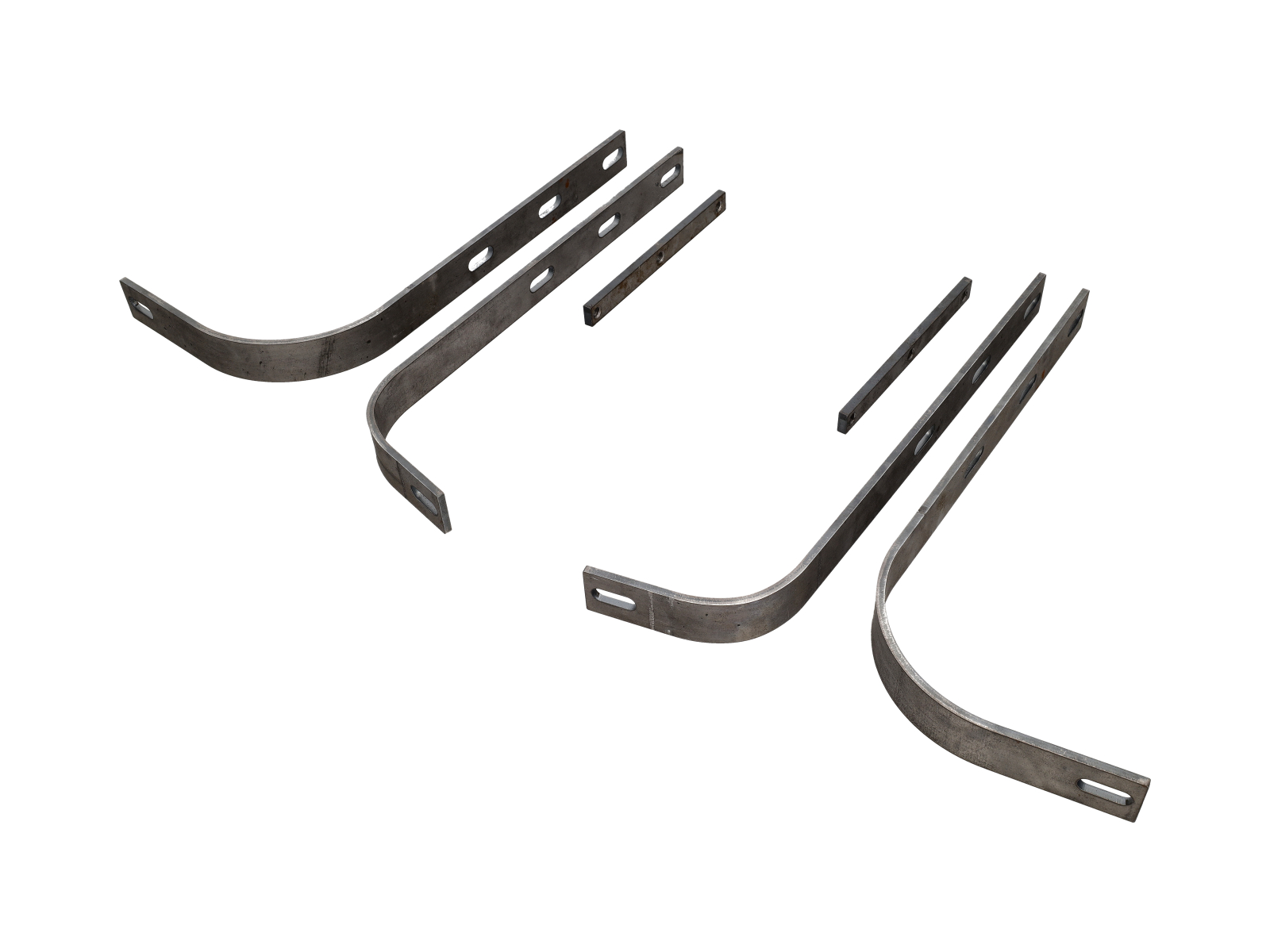
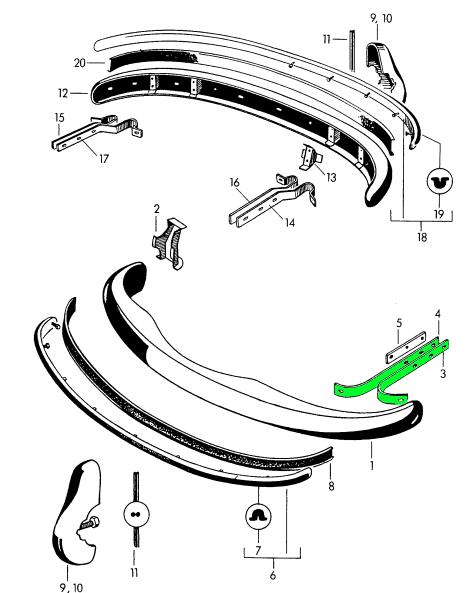
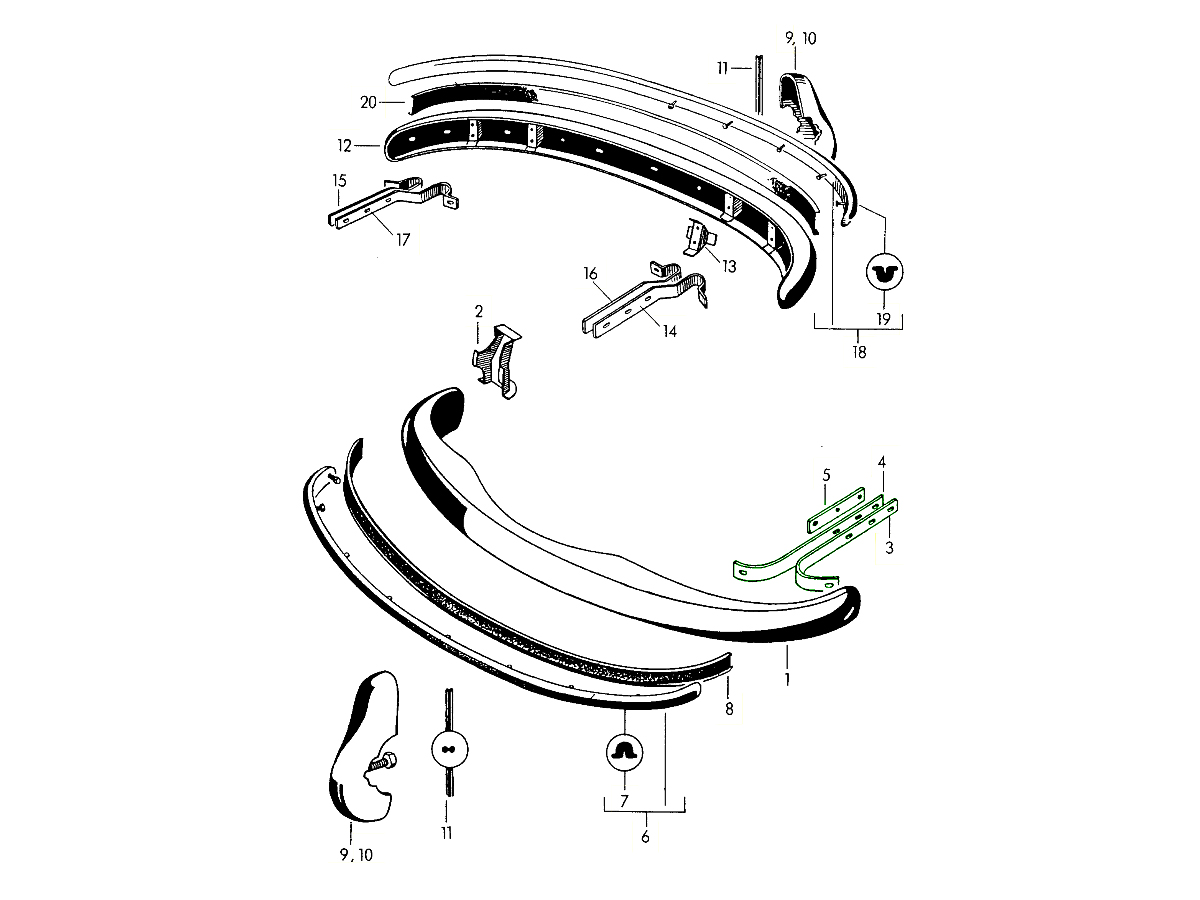
This set is manufactured replacement kit designed for the front bumper mounting of Porsche 356 (mid 1952-55) and Porsche 356A (1955-59) vehicles. These brackets replicate the original geometry, drilling, and mounting hardware specification so your bumper aligns perfectly, sits securely, and retains classic appearance.
Fits:
Porsche 356 Mid 1952 - 1955
Porsche 356A 1955 - 1959
Diagram ref no 3, 4 and 5.
• Position on Vehicle: Front of vehicle — left and right side bumper bracket mounts connecting bumper to body/chassis.
• Applications: Ideal when original brackets are missing, bent, corroded or when restoring the vehicle’s exterior to original condition.
Properly aligned and securely mounted bumpers are essential for vehicle appearance, safety and panel fitment. Worn or distorted brackets can cause misaligned bumpers, poor gaps, vibrations or damage in minor impacts. Replacing with this kit restores precision mount geometry, improves the front end’s visual integrity and helps protect investment in your classic.
When and why to replace:
• Original bumper brackets are bent, damaged or corroded.
• Gaps around the bumper are uneven or the bumper is misaligned.
• During front-end restoration, repainting or bodywork where the bumper needs removal.
• When authenticity and correct fitment are required for a classic Porsche build.
Related reference numbers
Related, superseded, cross reference or alternative numbers for comparison.
64450513100
The product you are viewing cross references to these numbers
- Porsche 356A 1955-59
- Porsche 356B 1959-63
- Porsche 356C 1963-65
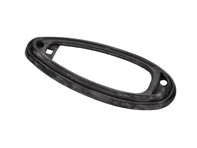
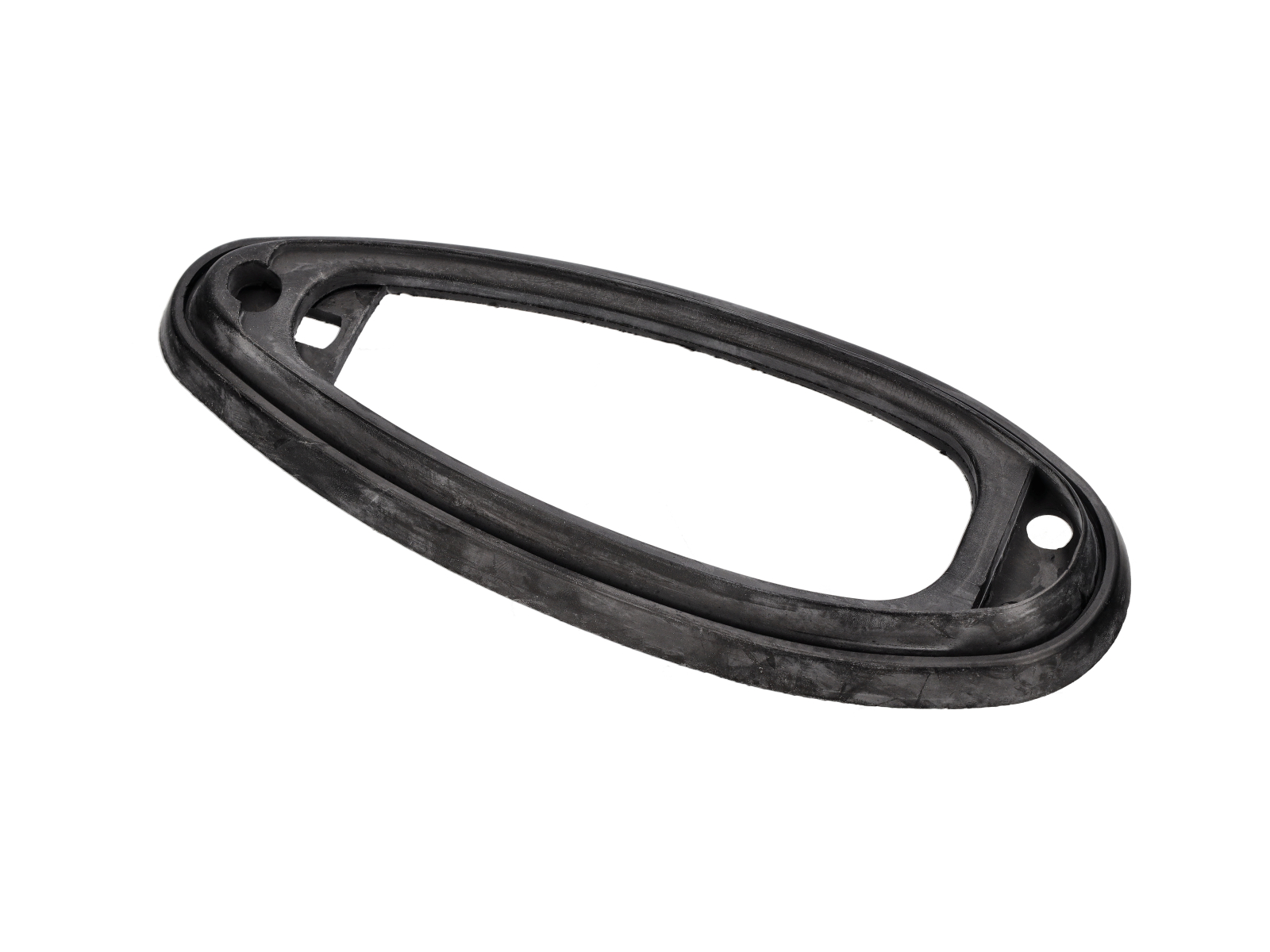
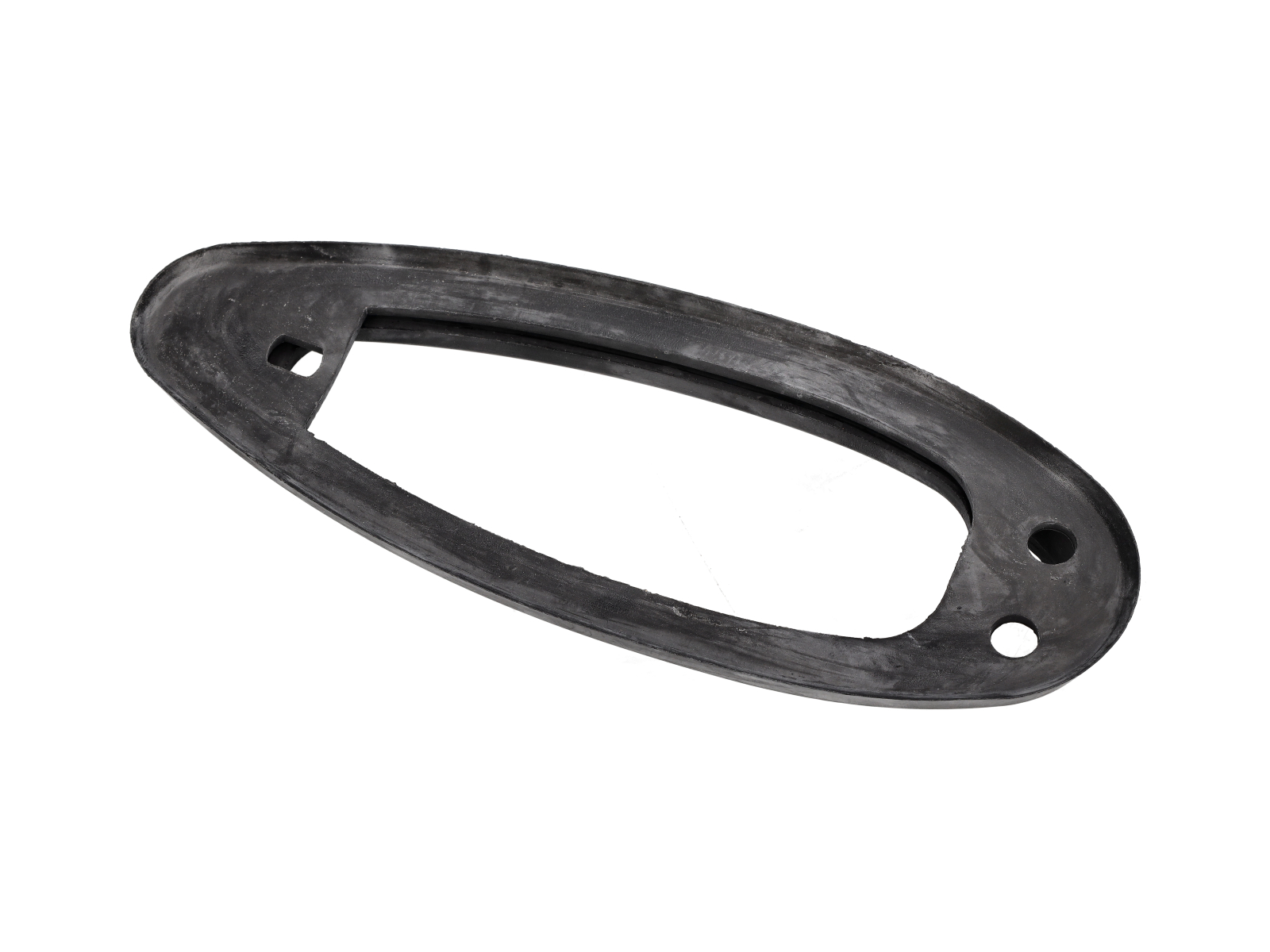
Rear Indicator Rubber Gasket – fits Left or Right Hand Side
Sold each - 2 required per car
Restore the weatherproof seal and factory fit of your
classic Porsche lighting with this OE Rear Indicator Rubber Gasket. This high-quality replacement gasket provides a reliable seal
between the rear indicator housing and the bodywork, helping to protect the
electrical components while maintaining the original appearance of the vehicle.
Fits:
- Porsche 356A 1955-59
- Porsche 356B 1959-63
- Porsche 356C 1963-65
Over time, the original rubber gasket can harden, crack, shrink or deteriorate due to constant exposure to sunlight, moisture, road dirt and changing temperatures. A worn gasket can allow water to enter the indicator housing, leading to corrosion, electrical faults and damage to surrounding paintwork.
Manufactured to OE standards using premium-quality rubber, this replacement gasket delivers an accurate fit and dependable sealing performance, making it the ideal choice for concours restorations, body repairs or routine maintenance.
What Does the Rear Indicator Rubber Gasket Do?
The rear indicator gasket creates a protective seal between the rear indicator lamp assembly and the vehicle body.
Its primary functions include:
- Preventing water from entering the indicator housing.
- Protecting electrical connections from moisture.
- Reducing dirt and debris ingress.
- Cushioning the lamp assembly against vibration.
- Protecting the surrounding bodywork.
- Maintaining a neat, factory-correct installation.
A correctly fitted gasket helps prolong the life of the indicator assembly while preserving the finish of the surrounding body panels.
Why Replace the Rear Indicator Gasket?
Rubber components naturally deteriorate over time, particularly on classic vehicles.
Common signs of failure include:
- Cracked or split rubber.
- Hardened or brittle material.
- Shrinking gasket causing poor sealing.
- Water ingress into the light housing.
- Corrosion around the lamp mounting area.
- Damaged paint caused by trapped moisture.
- Gasket flattened through years of compression.
Replacing the gasket restores effective sealing and helps prevent costly repairs to the lamp assembly and bodywork.
Features
- OE replacement rear indicator rubber gasket.
- Manufactured from high-quality, weather-resistant rubber.
- Precision moulded for accurate fitment.
- Creates a secure watertight seal.
- Helps protect indicator housing and electrical components.
- Reduces vibration between the lamp and bodywork.
- Restores factory-style fit and appearance.
- Ideal for restoration and maintenance projects.
- Direct
replacement for the original gasket.
Please verify compatibility with your vehicle's model year, VIN or original part number before ordering.
Why Choose OE Restoration Parts?
OE restoration parts are manufactured to provide the quality, fit and reliability expected by Porsche enthusiasts and restoration specialists. Designed to meet the original specifications, they help preserve the authenticity, functionality and value of classic Porsche models. Whether you're carrying out a complete concours restoration or replacing worn weather seals, OE components provide the confidence of dependable performance and factory-quality fitment.
Related reference numbers
Related, superseded, cross reference or alternative numbers for comparison.
64463149101
The product you are viewing cross references to these numbers
.jpg)
- Porsche 356 1950-55
- Porsche 356A 1955-59
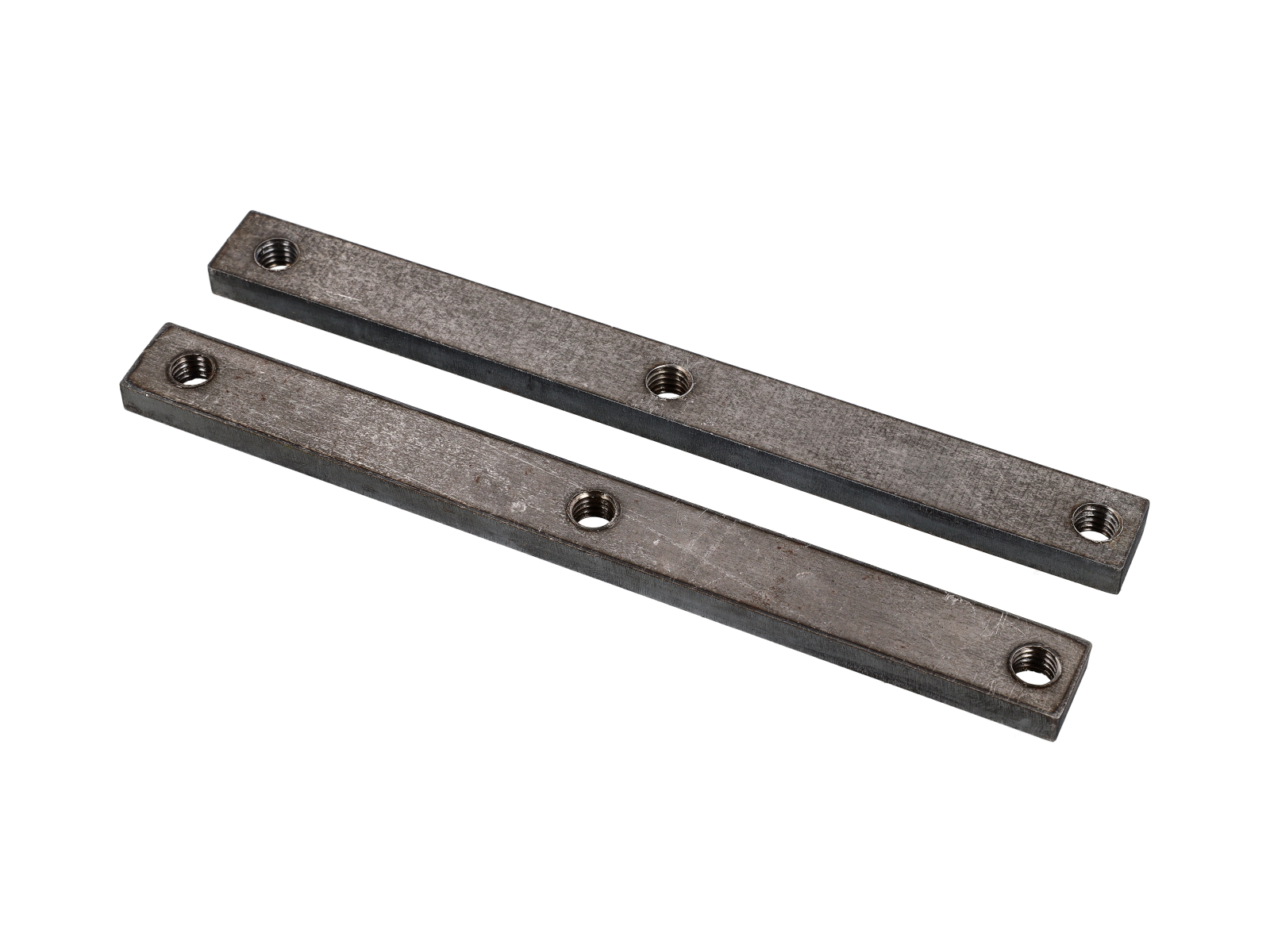
Front Bumper Bracket Bar Threaded Plate Set
Restore the structural integrity and precise alignment of
your classic Porsche's front bumper with this OE Match Front Bumper Bracket
Bar Threaded Plate Set. Manufactured to provide secure mounting and accurate fitment, this
high-quality replacement set is an essential component for restorations,
accident repairs and the replacement of worn or damaged bumper hardware.
Fits:
- Porsche 356 1950-55
- Porsche 356A 1955-59
Diagram ref no 5
The threaded plates form an integral part of the front bumper mounting system, providing secure threaded fixing points for the bumper brackets. Years of exposure to moisture, corrosion, road debris and previous repairs can leave the original plates seized, stripped or weakened, making bumper installation difficult and preventing correct alignment.
Manufactured to OE Match standards, this threaded plate set restores reliable mounting points while helping to achieve the factory-correct bumper position and panel gaps expected on a professionally restored Porsche 356.
What Does the Bumper Bracket Bar Threaded Plate Set Do?
The threaded plates fit within the bumper bracket assembly, providing strong threaded anchor points that allow the front bumper brackets to be securely fastened to the vehicle.
Their primary functions include:
- Providing secure threaded mounting points.
- Supporting the front bumper bracket assembly.
- Maintaining correct bumper alignment.
- Helping achieve consistent body panel gaps.
- Preventing movement within the bumper mounting system.
- Supporting the overall structural integrity of the bumper installation.
Correct bumper mounting hardware is essential for maintaining the appearance and safety of the front bumper assembly.
Why Replace the Threaded Plate Set?
After decades of use, original threaded plates often become worn or damaged.
Common issues include:
- Rust and corrosion.
- Stripped or damaged threads.
- Seized mounting hardware.
- Bent or distorted plates.
- Damage caused by previous accident repairs.
- Missing or incorrect restoration components.
- Difficulty achieving correct bumper alignment.
Replacing the threaded plate set helps ensure secure bumper installation while simplifying future maintenance and adjustment.
Features
- OE Match front bumper bracket bar threaded plate set.
- Precision manufactured for accurate fitment.
- Heavy-duty steel construction.
- Precision-cut threaded mounting points.
- Restores secure bumper bracket attachment.
- Helps maintain factory bumper alignment.
- Durable corrosion-resistant finish.
- Ideal for body restoration and accident repair.
- Direct
replacement for worn or damaged original components.
Why Choose OE Match Body Restoration Parts?
OE Match restoration components are developed for Porsche enthusiasts and restoration professionals seeking authentic appearance, precise fitment and dependable durability. Manufactured using quality materials and careful engineering, OE Match parts help preserve the originality of classic Porsche models while providing the reliability expected from modern production methods. From bumper hardware and body fittings to seals, trim and interior components, OE Match products provide the finishing details that complete a first-class restoration.
Related reference numbers
Related, superseded, cross reference or alternative numbers for comparison.
64450513100
The product you are viewing cross references to these numbers
- Porsche 911 1965-1968 2.0L / 912 SWB (F)
- Porsche 911 1968-1973 2.2L / 2.4L / 2.7L RS LWB (F)
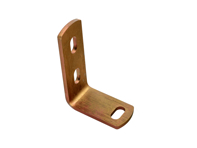
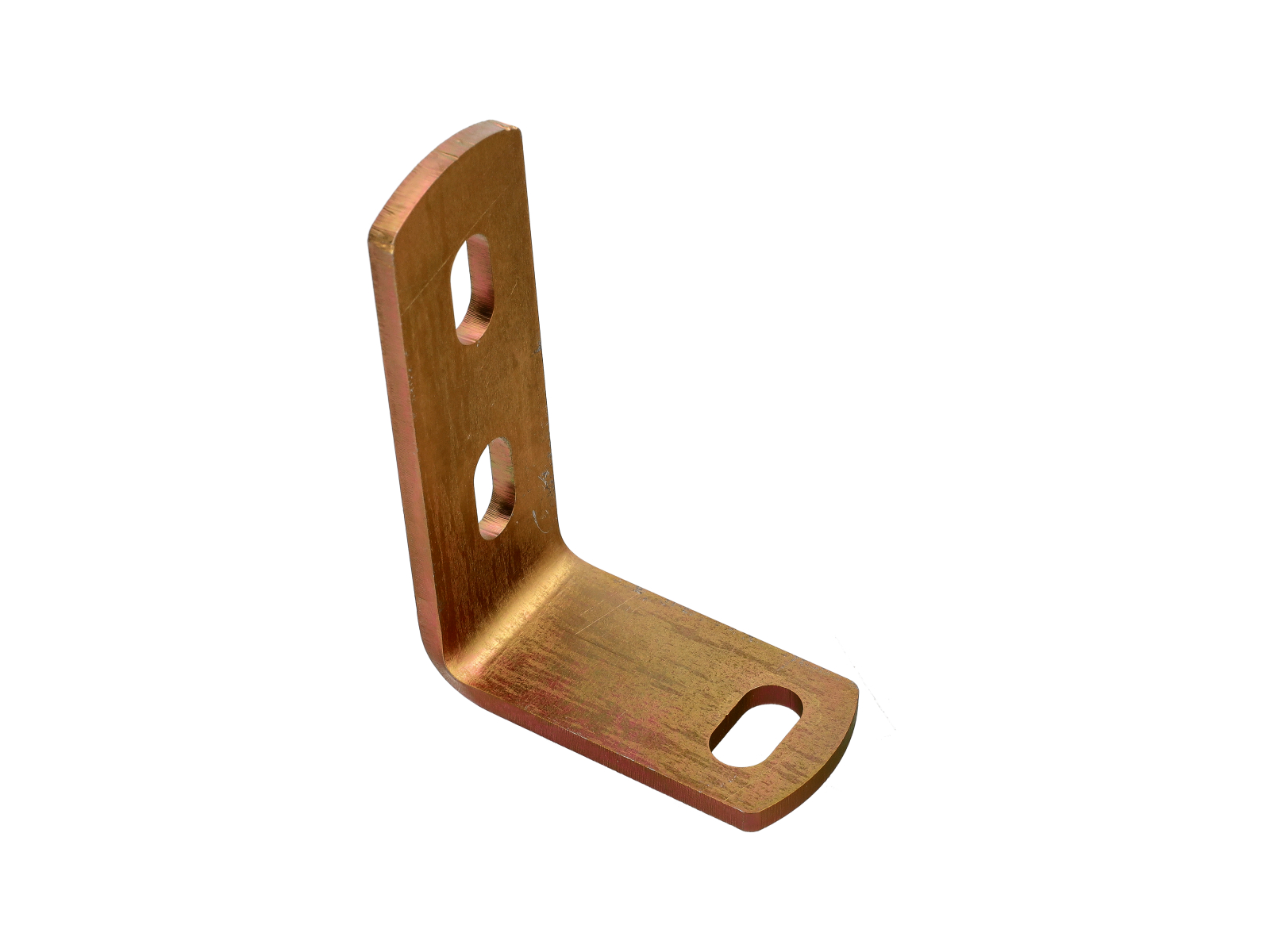
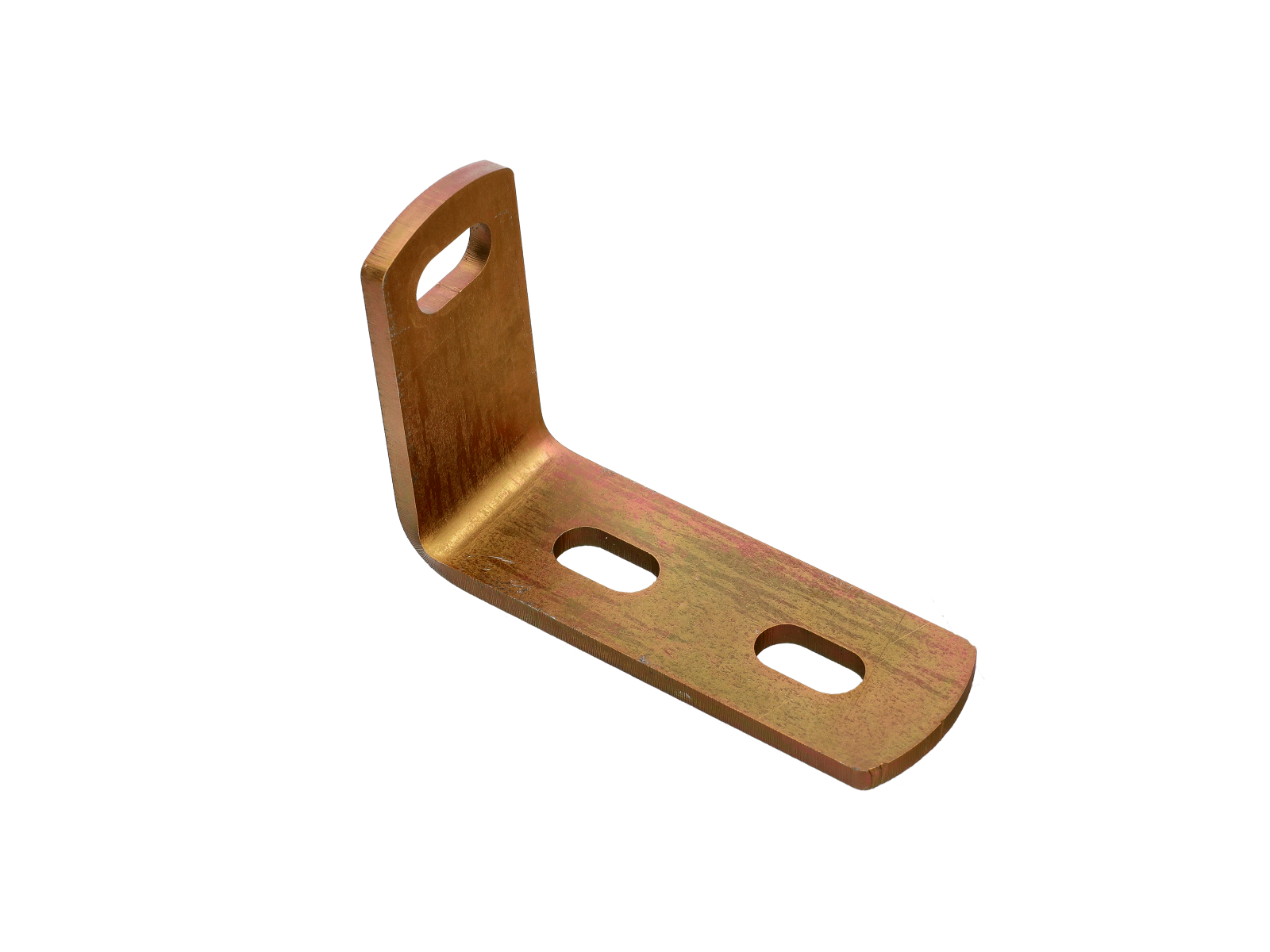
Front Bumper Side Bracket fits Left or Right Hand Side
Sold each - 2 required per car
Restore the precise fit and alignment of your classic
Porsche's front bumper with this OE Match Front Bumper Side Bracket. Designed specifically for Porsche 911 and 912
models, this high-quality replacement bracket provides a secure mounting point
for the outer section of the front bumper, ensuring correct positioning and
maintaining the clean, flowing body lines synonymous with early air-cooled
Porsche models.
Fits:
- Porsche 911 1965-1968 2.0L / 912 SWB (F)
- Porsche 911 1968-1973 2.2L / 2.4L / 2.7L RS LWB (F)
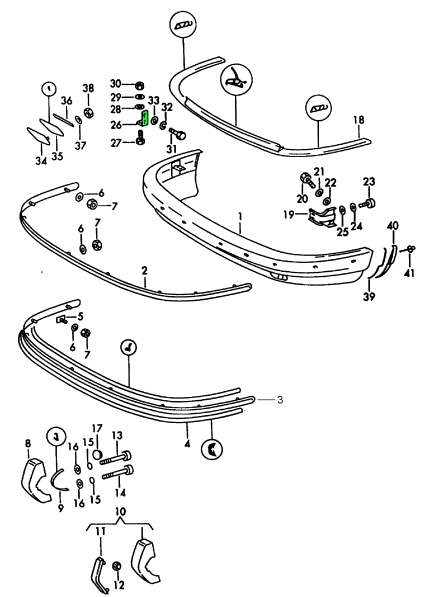
Diagram ref no 26
The front bumper side bracket is an essential structural component that supports the bumper assembly while helping maintain even panel gaps and overall body alignment. Over time, original brackets can become bent, corroded or weakened through age, accident damage or previous repairs. Replacing worn or damaged brackets restores the bumper to its correct position while providing a solid and dependable mounting solution.
Manufactured to OE Match standards, this replacement bracket offers excellent fitment, durability and a factory-style finish, making it ideal for concours restorations, body repairs or routine refurbishment projects.
What Does the Front Bumper Side Bracket Do?
The front bumper side bracket secures the outer section of the front bumper to the body, providing structural support and maintaining correct alignment.
Its key functions include:
- Securing the front bumper assembly.
- Maintaining accurate bumper positioning.
- Supporting even panel gaps.
- Reducing unwanted bumper movement and vibration.
- Providing structural stability.
- Preserving the original appearance of the vehicle.
A correctly installed bumper bracket is essential for achieving the factory fit and finish expected of a professionally restored Porsche.
Why Replace the Front Bumper Side Bracket?
After decades of service, bumper brackets often deteriorate due to age and environmental exposure.
Common reasons for replacement include:
- Corrosion and rust.
- Bent or distorted brackets following minor impacts.
- Fatigue from years of vibration.
- Poor bumper alignment.
- Damaged mounting points.
- Body restoration or accident repair.
- Missing or incorrect replacement hardware.
Replacing the bracket helps restore secure bumper mounting while improving the overall presentation of the vehicle.
Please verify compatibility with your vehicle's model year, VIN and original part number before ordering.
Why Choose OE Match Body Restoration Parts?
OE Match restoration components are engineered for Porsche enthusiasts who demand authentic appearance, dependable quality and precision fitment. Manufactured with close attention to original factory specifications, OE Match parts help preserve the character and integrity of classic Porsche models. Whether completing a full concours restoration or replacing individual body components, OE Match products deliver the quality and confidence expected by owners and professional restoration specialists alike.
Related reference numbers
Related, superseded, cross reference or alternative numbers for comparison.
90150513501
The product you are viewing cross references to these numbers
- Porsche 911 1965-1968 2.0L / 912 SWB (F)
- Porsche 911 1968-1973 2.2L / 2.4L / 2.7L RS LWB (F)
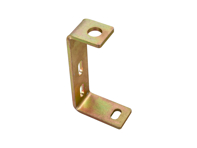
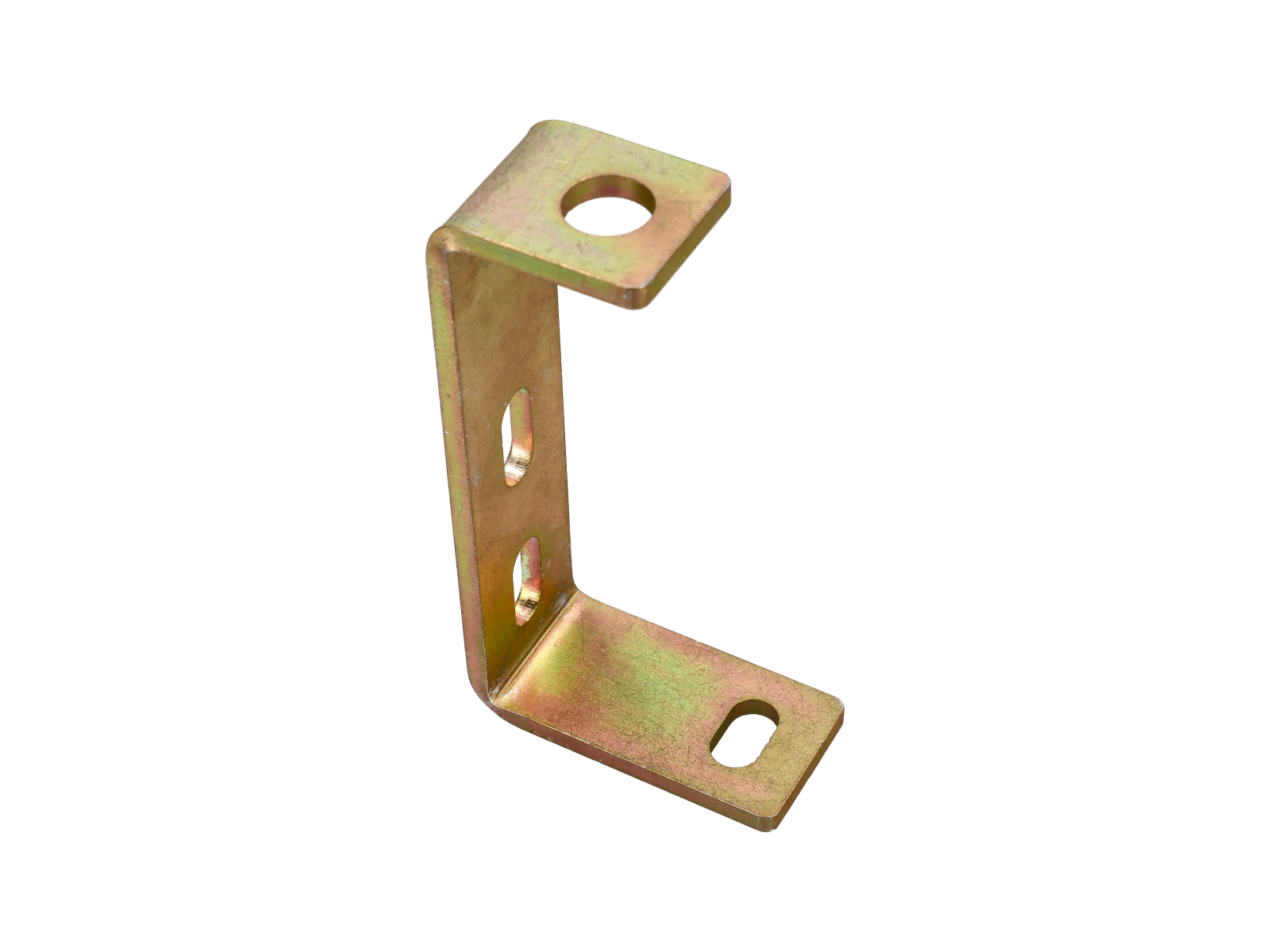
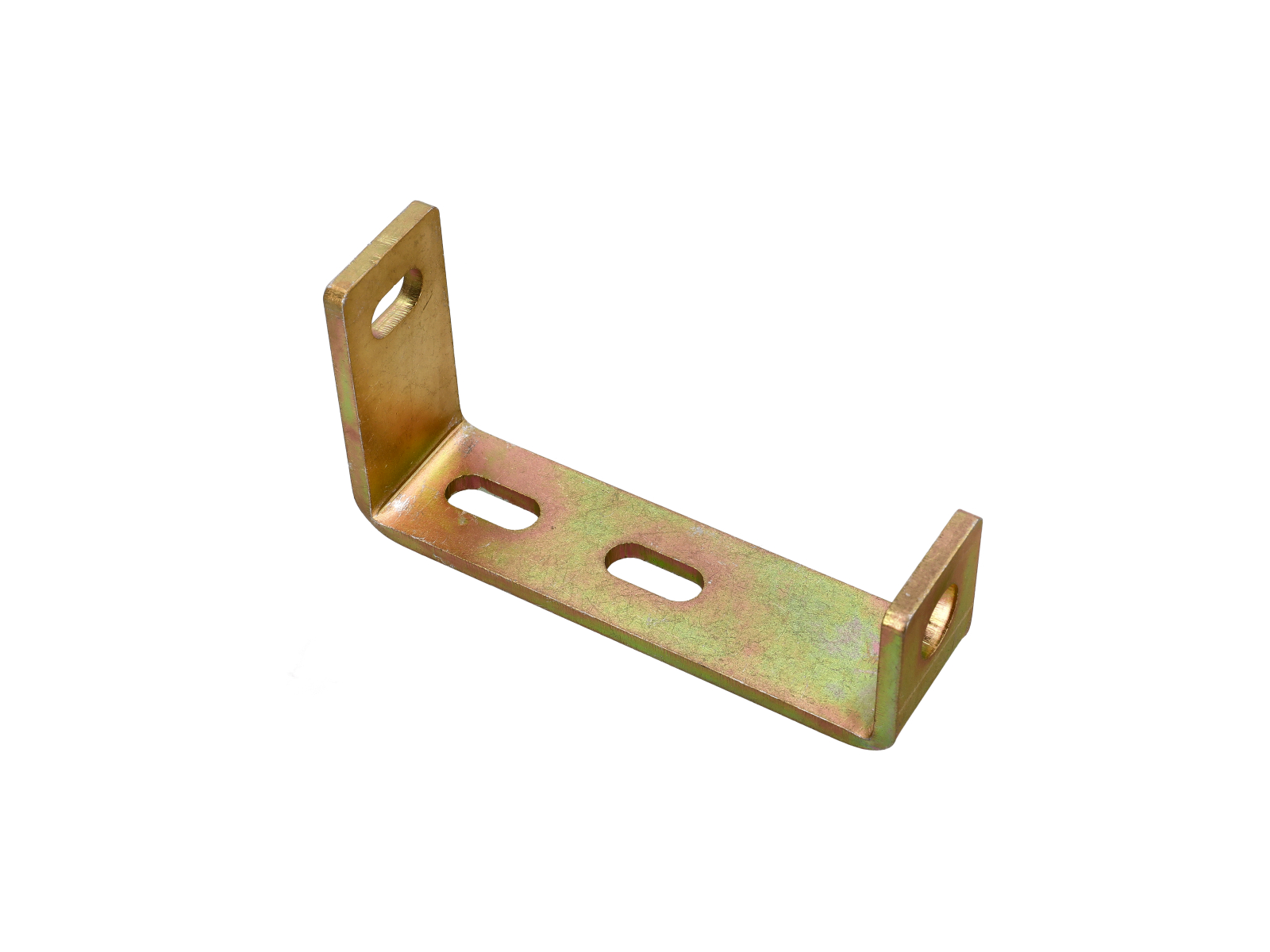
Front Bumper Side Bracket fits Left or Right Hand Side
Sold each - 2 required per car
Restore the correct alignment and secure installation of
your classic Porsche's front bumper with this OE Match Front Bumper Side
Bracket.. Designed specifically for Porsche
911 and 912 models, this precision-engineered replacement bracket provides the
strength and accurate positioning required to support the front bumper while
maintaining the clean body lines that define these iconic air-cooled models.
Fits:
- Porsche 911 1965-1968 2.0L / 912 SWB (F)
- Porsche 911 1968-1973 2.2L / 2.4L / 2.7L RS LWB (F)
The front bumper side bracket is a vital structural component that secures the outer section of the bumper assembly to the vehicle body. Over time, original brackets can become bent, corroded or damaged due to minor impacts, age or previous repair work. Replacing worn or distorted brackets restores correct bumper positioning, improves panel alignment and helps eliminate unwanted movement or vibration.
Manufactured to OE Match standards, this replacement bracket delivers excellent fit, durability and a factory-style appearance, making it the ideal solution for concours restorations, accident repairs or routine body refurbishment.
What Does the Front Bumper Side Bracket Do?
The front bumper side bracket supports and locates the outer section of the front bumper assembly.
Its primary functions include:
- Providing a secure mounting point for the front bumper.
- Maintaining accurate bumper alignment.
- Supporting correct body panel gaps.
- Reducing bumper movement and vibration.
- Helping preserve the structural integrity of the bumper assembly.
- Maintaining the original appearance of the vehicle.
Correctly aligned bumper brackets are essential for achieving a factory-quality finish during any restoration.
Why Replace the Front Bumper Side Bracket?
After decades of use, bumper brackets often suffer from wear and deterioration.
Common reasons for replacement include:
- Rust and corrosion.
- Bent or distorted brackets following minor impacts.
- Fatigue caused by years of vibration.
- Poor bumper alignment.
- Damaged mounting points.
- Restoration following accident repairs.
- Replacing missing or incorrect hardware.
Installing a new OE Match bracket restores secure mounting and helps ensure the bumper sits correctly against the bodywork.
Features
OE Match replacement front bumper side bracket. Precision manufactured for accurate fitment. Heavy-duty steel construction. Strong and durable design. Restores correct bumper positioning. Helps maintain factory body panel alignment. Ideal for restoration, accident repair and refurbishment. Direct replacement for worn or damaged original brackets. Suitable for concours-quality restorations.Why Choose OE Match Body Restoration Parts?
OE Match restoration components are developed for Porsche enthusiasts seeking authentic appearance, dependable quality and precision fitment. Every component is manufactured with attention to the original design, helping preserve the character and value of classic Porsche models. Whether you're restoring a concours-winning example or maintaining a cherished driver's car, OE Match parts provide the confidence of quality engineering and factory-inspired fitment.
Related reference numbers
Related, superseded, cross reference or alternative numbers for comparison.
SMC50513555
The product you are viewing cross references to these numbers
- Porsche 356B 1959-63
- Porsche 356C 1963-65
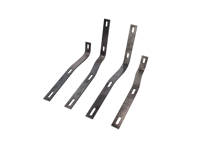
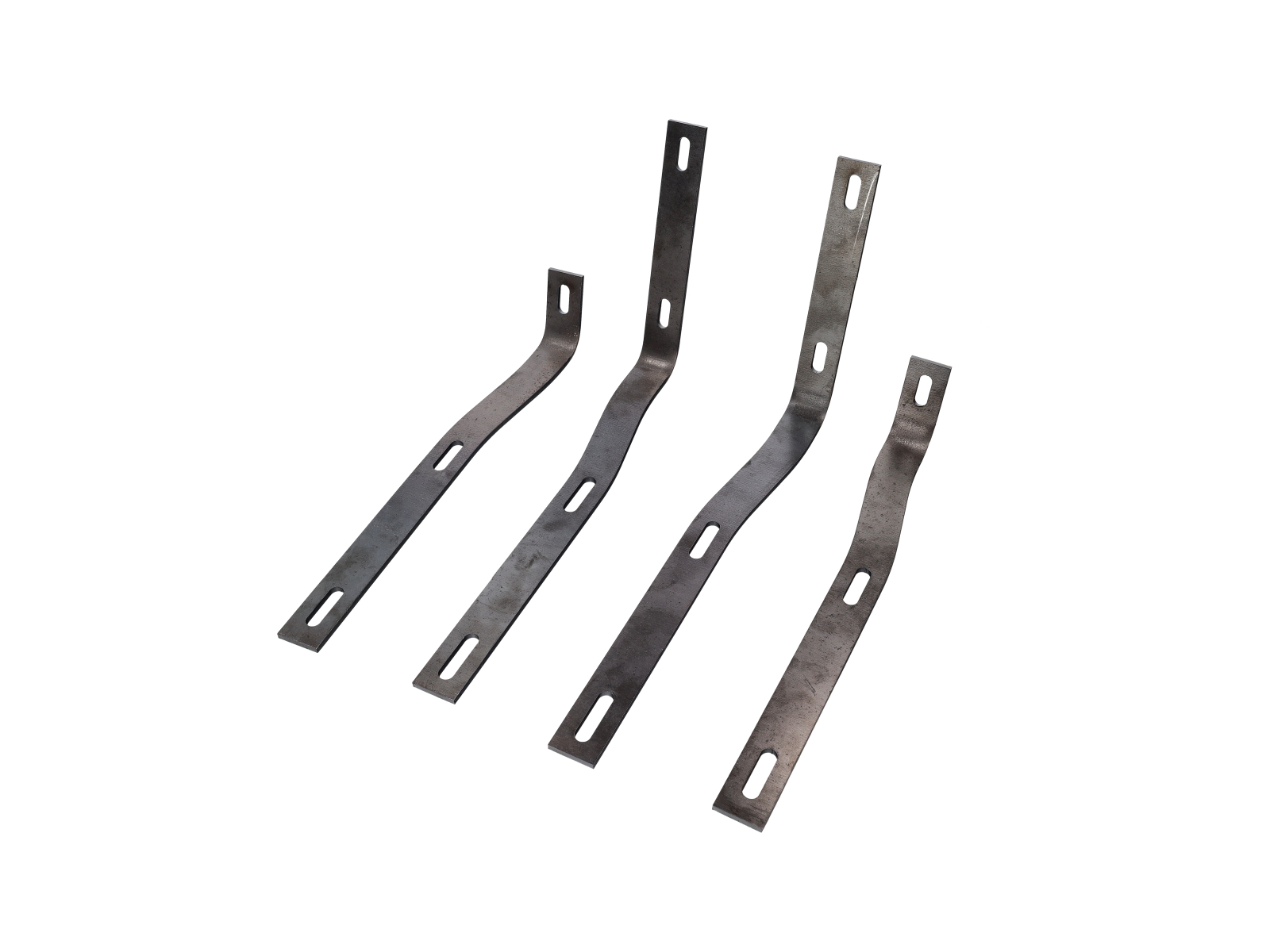
Rear Bumper Bracket Set
Restore the correct fit and alignment of your classic
Porsche's rear bumper with this OE Match Rear Bumper Bracket Set. This high-quality replacement bracket set provides the strength and
precision required to securely mount the rear bumper while maintaining the
vehicle's original appearance.
Fits:
- Porsche 356B 1959-63
- Porsche 356C 1963-65
The rear bumper brackets are critical structural components that support the bumper assembly and ensure it sits correctly in relation to the bodywork. Over time, original brackets can suffer from corrosion, accident damage, metal fatigue or distortion, leading to poor bumper alignment, uneven panel gaps and insecure mounting.
Manufactured to OE Match standards, this bracket set is engineered for accurate fitment and dependable durability, making it the ideal choice for concours restorations, accident repairs or complete body restorations.
What Does the Rear Bumper Bracket Set Do?
The rear bumper brackets form the mounting structure between the vehicle body and the rear bumper assembly.
Their primary functions include:
- Supporting the rear bumper assembly.
- Maintaining correct bumper alignment.
- Providing secure mounting points.
- Helping achieve even body panel gaps.
- Absorbing normal operational loads.
- Preserving the original appearance of the rear bodywork.
Correctly aligned bumper brackets are essential for both the appearance and structural integrity of the bumper installation.
Why Replace the Rear Bumper Brackets?
After many years of use, bumper brackets can deteriorate or become damaged.
Common reasons for replacement include:
- Rust and corrosion.
- Bent or distorted brackets following minor impacts.
- Metal fatigue.
- Poor bumper alignment.
- Loose or damaged mounting points.
- Restoration following body repairs.
- Missing or incorrect replacement components.
Replacing worn or damaged bumper brackets helps restore the bumper to its correct factory position while ensuring a secure installation.
Features
OE Match rear bumper bracket set. Manufactured for accurate fitment. Heavy-duty steel construction. Provides secure rear bumper mounting. Restores correct bumper alignment. Durable corrosion-resistant finish. Ideal for restoration and accident repair. Suitable for concours-quality restorations. Direct replacement for worn or damaged original brackets.Please verify compatibility with your vehicle's VIN, model year and original part number before ordering.
Why Choose OE Match Body Restoration Parts?
OE Match restoration components are developed for Porsche owners who demand authenticity, quality and precision. Every part is manufactured to provide excellent fitment while preserving the original styling and engineering of classic Porsche models. Whether you're completing a full bare-metal restoration or replacing individual body components, OE Match parts help ensure your Porsche retains its factory appearance and structural integrity.
Related reference numbers
Related, superseded, cross reference or alternative numbers for comparison.
64450523105
The product you are viewing cross references to these numbers
- Porsche 911 1965-1968 2.0L / 912 SWB (F)
- Porsche 911 1968-1973 2.2L / 2.4L / 2.7L RS LWB (F)
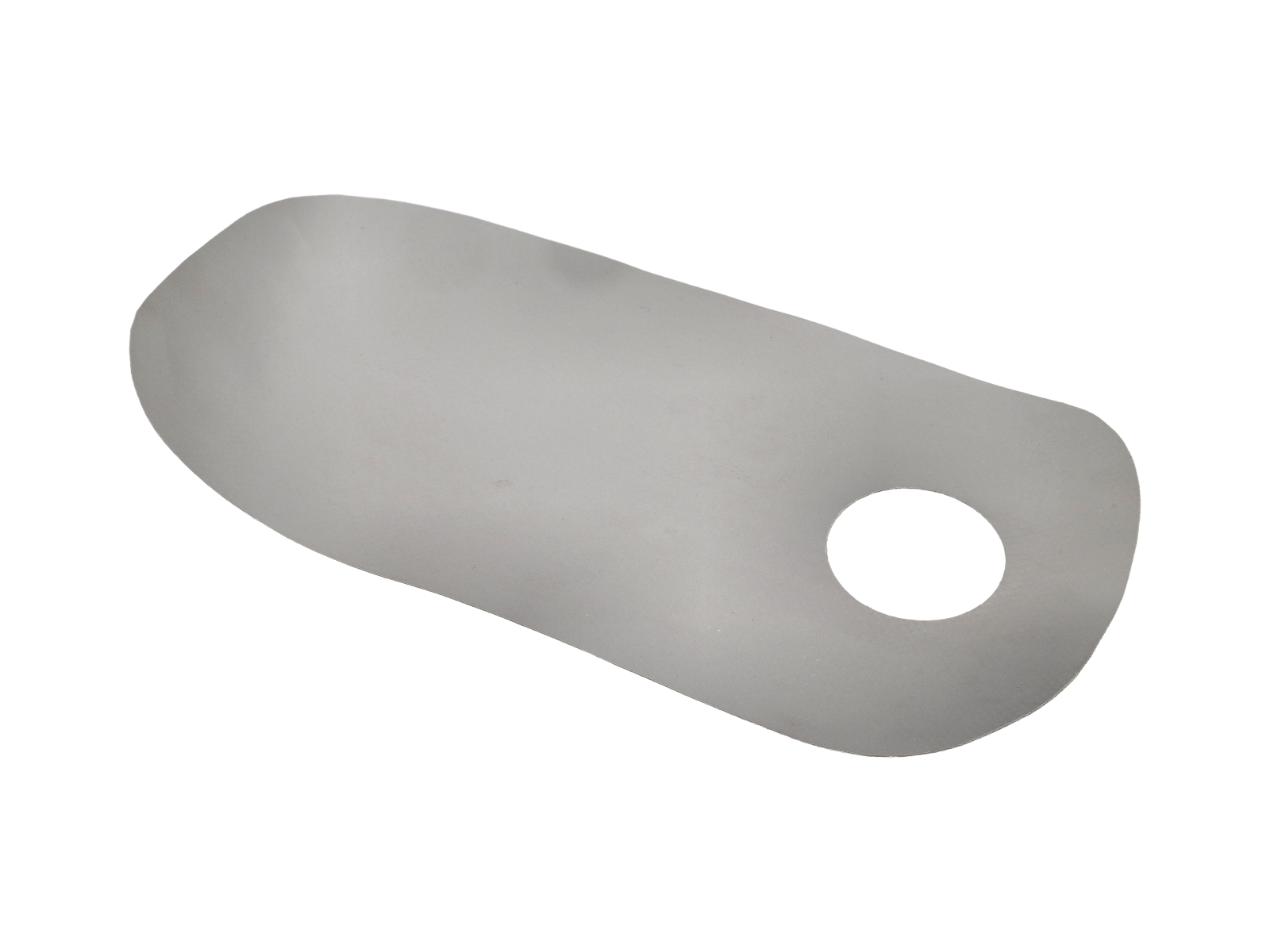
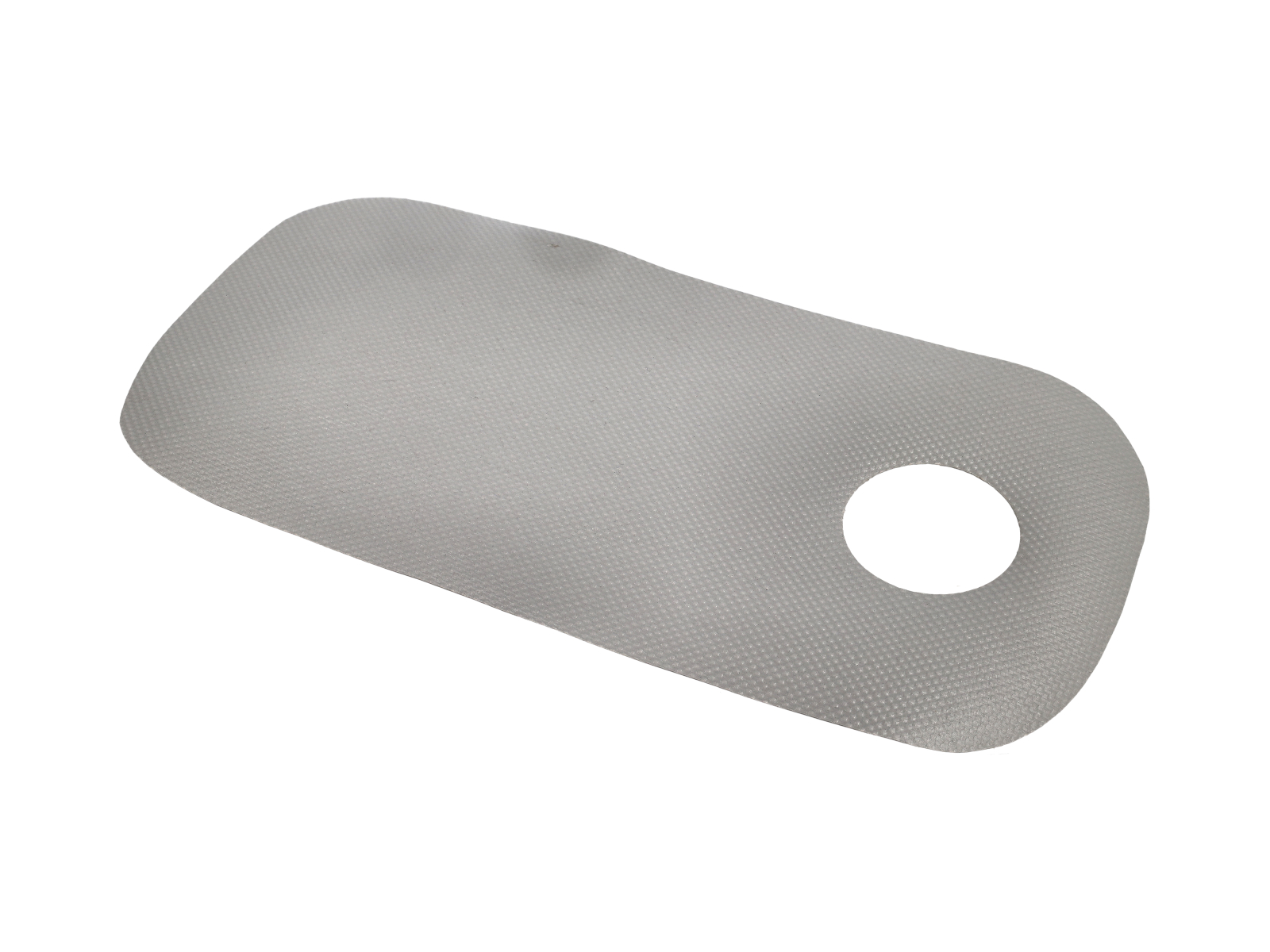
Petrol / Fuel Flap Protective Rubber Pad – Correct Grey Colour
Restore one of the often-overlooked details of your classic
Porsche with this OE Match Petrol / Fuel Flap Protective Rubber Pad. This high-quality replacement pad
protects the painted surfaces around the fuel filler area while helping the
fuel flap close securely and quietly.
Fits:
- Porsche 911 1965-1968 2.0L / 912 SWB (F)
- Porsche 911 1968-1973 2.2L / 2.4L / 2.7L RS LWB (F)
Although small in size, the protective rubber pad performs an important role by cushioning the contact point between the fuel flap and bodywork. Over time, the original rubber hardens, cracks, compresses or disappears altogether due to age, fuel exposure and changing temperatures. Once worn, the fuel flap can rattle, sit incorrectly or cause damage to surrounding paintwork.
Manufactured to OE Match standards, this replacement rubber pad restores both the appearance and functionality of the original assembly, making it an ideal choice for concours restorations, sympathetic refurbishments or routine maintenance.
What Does the Fuel Flap Protective Rubber Pad Do?
The protective rubber pad acts as a cushion between the fuel flap and the surrounding bodywork.
Its primary functions include:
- Preventing metal-to-metal contact.
- Protecting surrounding paintwork from wear.
- Reducing vibration and rattles.
- Supporting correct fuel flap alignment.
- Providing a cushioned closing point.
- Preserving the original factory design.
Despite its simple design, it plays an important role in maintaining the fit and finish of the fuel filler area.
Why Replace the Fuel Flap Rubber Pad?
After decades of service, original rubber components naturally deteriorate.
Common signs of failure include:
- Cracked or split rubber.
- Hardened material.
- Missing protective pad.
- Fuel flap rattles.
- Paint marks around the filler opening.
- Poor fuel flap alignment.
- Rubber damaged by fuel or age.
Replacing the rubber pad is an inexpensive way to restore the proper operation and appearance of the fuel filler flap while helping to protect your Porsche's bodywork.
Features
- OE Match replacement fuel flap protective rubber pad.
- Manufactured from durable, fuel-resistant rubber.
- Helps protect painted bodywork.
- Reduces fuel flap vibration and rattles.
- Restores correct fuel flap cushioning.
- Manufactured for accurate fitment.
- Ideal for restoration and maintenance projects.
- Simple direct replacement.
- Designed for long service life.
Please confirm compatibility using your vehicle's VIN, model year or original part number before ordering.
Why Choose OE Match Restoration Parts?
OE Match restoration components are designed for Porsche enthusiasts who value originality, precision and long-lasting quality. Every component is carefully manufactured to provide an authentic appearance and dependable fit while maintaining the character of your classic Porsche. From body seals and fuel system components to interior trim and engine bay details, OE Match products provide the finishing touches that distinguish an exceptional restoration.
Related reference numbers
Related, superseded, cross reference or alternative numbers for comparison.
90120127721
The product you are viewing cross references to these numbers
- Porsche 911 1965-1968 2.0L / 912 SWB (F)
- Porsche 911 1968-1973 2.2L / 2.4L / 2.7L RS LWB (F)
- Porsche 911 1974-1977 2.7L / 1976-77 3.0 Carrera
- Porsche 911 1978-1983 3.0L / SC
- Porsche 911 1975-1977 3.0L Turbo (930)
- Porsche 356B 1959-63
- Porsche 356C 1963-65
- Porsche 914 (1970-1976)
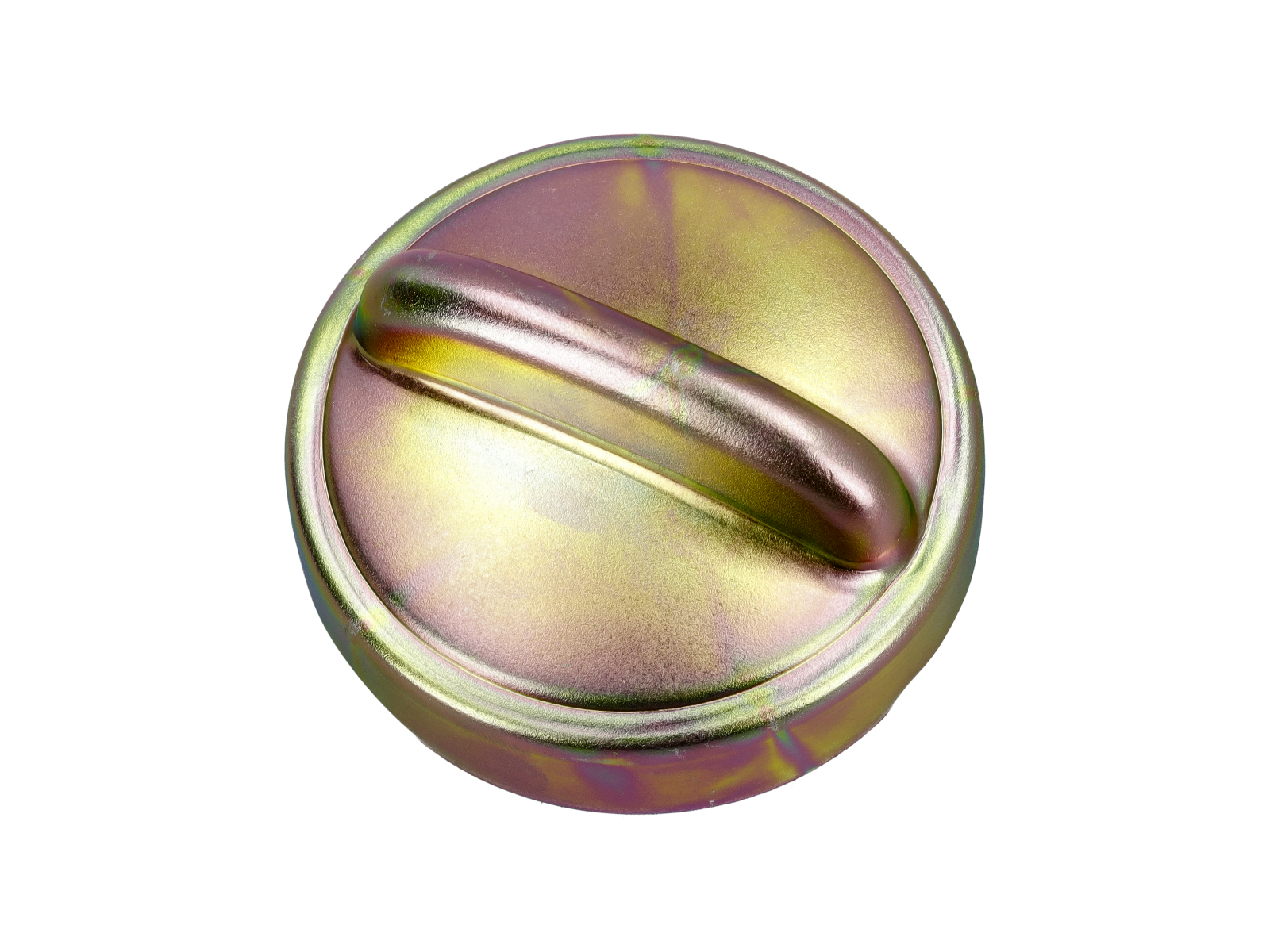
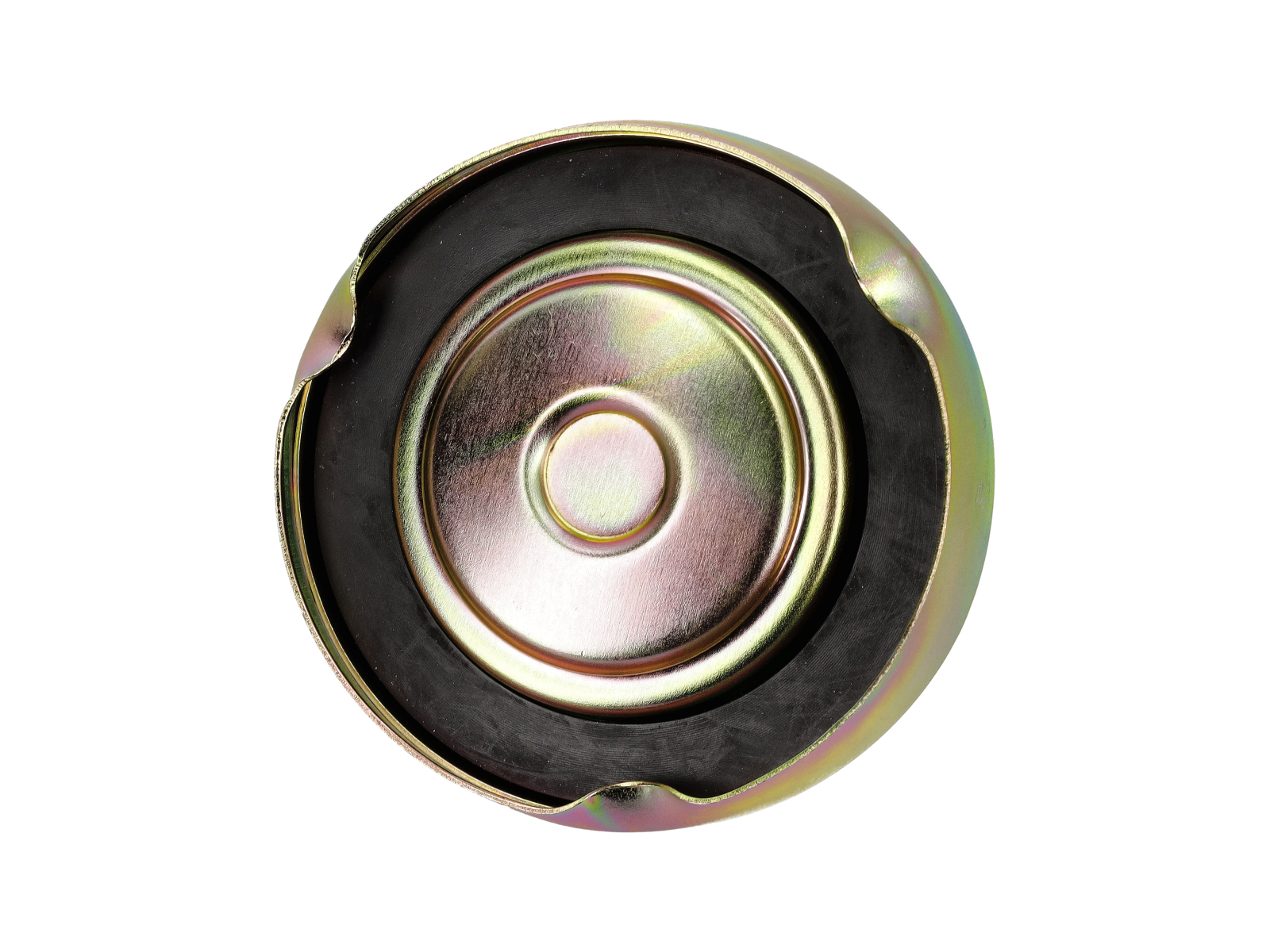
Fuel Tank Cap – Yellow Zinc
Complete your classic Porsche restoration with this OE
Match Fuel Tank Cap, finished in the
correct yellow zinc plating for an authentic factory appearance. This premium replacement fuel cap restores both the functionality
and originality of your vehicle's fuel system.
Fits:
- Porsche 911 1965-1968 2.0L / 912 SWB (F)
- Porsche 911 1968-1973 2.2L / 2.4L / 2.7L RS LWB (F)
- Porsche 911 1974-1977 2.7L / 1976-77 3.0 Carrera
- Porsche 911 1978-1983 3.0L / SC
- Porsche 911 1975-1977 3.0L Turbo (930)
- Porsche 356B 1959-63
- Porsche 356C 1963-65
- Porsche 914 (1970-1976)
The fuel tank cap plays an essential role in sealing the fuel tank, helping to prevent fuel contamination while reducing the risk of fuel vapour escaping. Over time, original caps can suffer from corrosion, worn sealing surfaces, damaged threads and deteriorated finishes, particularly after decades of use and exposure to moisture, fuel and changing temperatures.
Manufactured to OE Match standards, this replacement cap combines dependable sealing performance with the correct period-correct yellow zinc finish, making it an ideal choice for concours restorations, sympathetic refurbishments and routine maintenance.
What Does the Fuel Tank Cap Do?
The fuel tank cap provides a secure seal for the fuel filler neck, protecting the fuel system from dirt, dust and moisture while helping maintain correct tank pressure.
Its primary functions include:
- Sealing the fuel tank.
- Helping prevent fuel leaks.
- Protecting against contamination.
- Reducing fuel vapour loss.
- Maintaining safe operation of the fuel system.
- Completing the original appearance of the fuel filler compartment.
A properly functioning fuel cap is an important component for both vehicle safety and reliable operation.
Why Replace the Fuel Tank Cap?
Years of regular use and environmental exposure can cause the fuel cap to deteriorate.
Common issues include:
- Corrosion of the original finish.
- Damaged or worn sealing surfaces.
- Worn locking tabs or threads.
- Fuel odours caused by poor sealing.
- Cosmetic deterioration during restoration.
- Missing or incorrect replacement caps.
Replacing the fuel cap restores both the appearance and functionality of the fuel system while helping maintain the originality of your classic Porsche.
Features
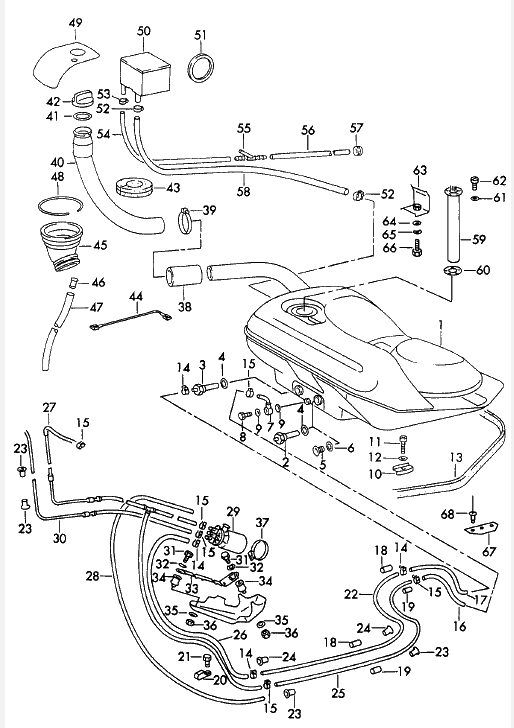
OE Match replacement fuel tank cap. Correct yellow zinc plated finish. Manufactured for accurate fitment. High-quality steel construction. Helps provide a secure seal. Corrosion-resistant finish. Restores factory-correct appearance. Ideal for concours restorations and classic Porsche refurbishment. Simple direct replacement installation.Diagram ref no 42
Related reference numbers
Related, superseded, cross reference or alternative numbers for comparison.
90120127102
The product you are viewing cross references to these numbers
- Porsche 356B 1959-63
- Porsche 356C 1963-65
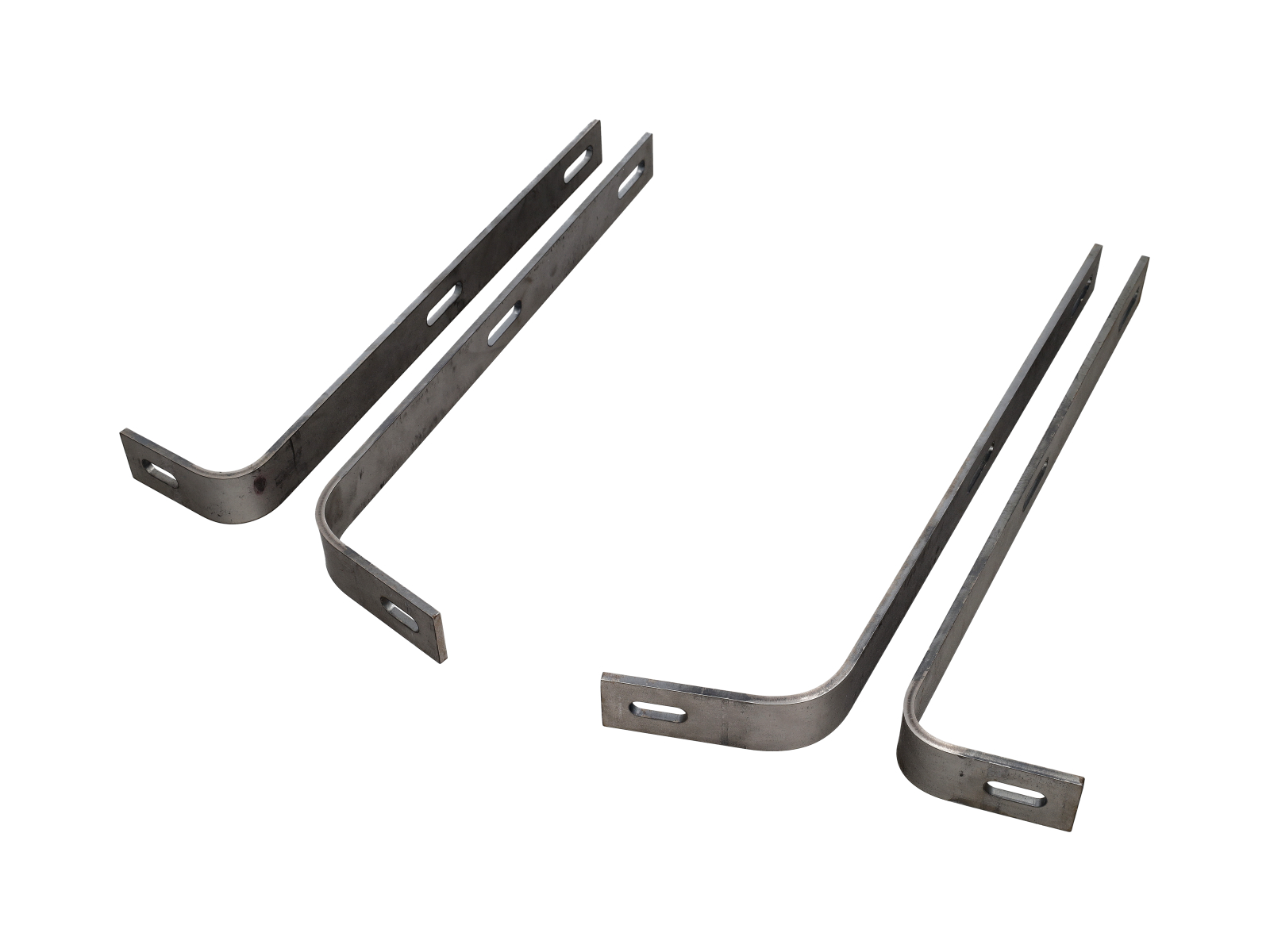
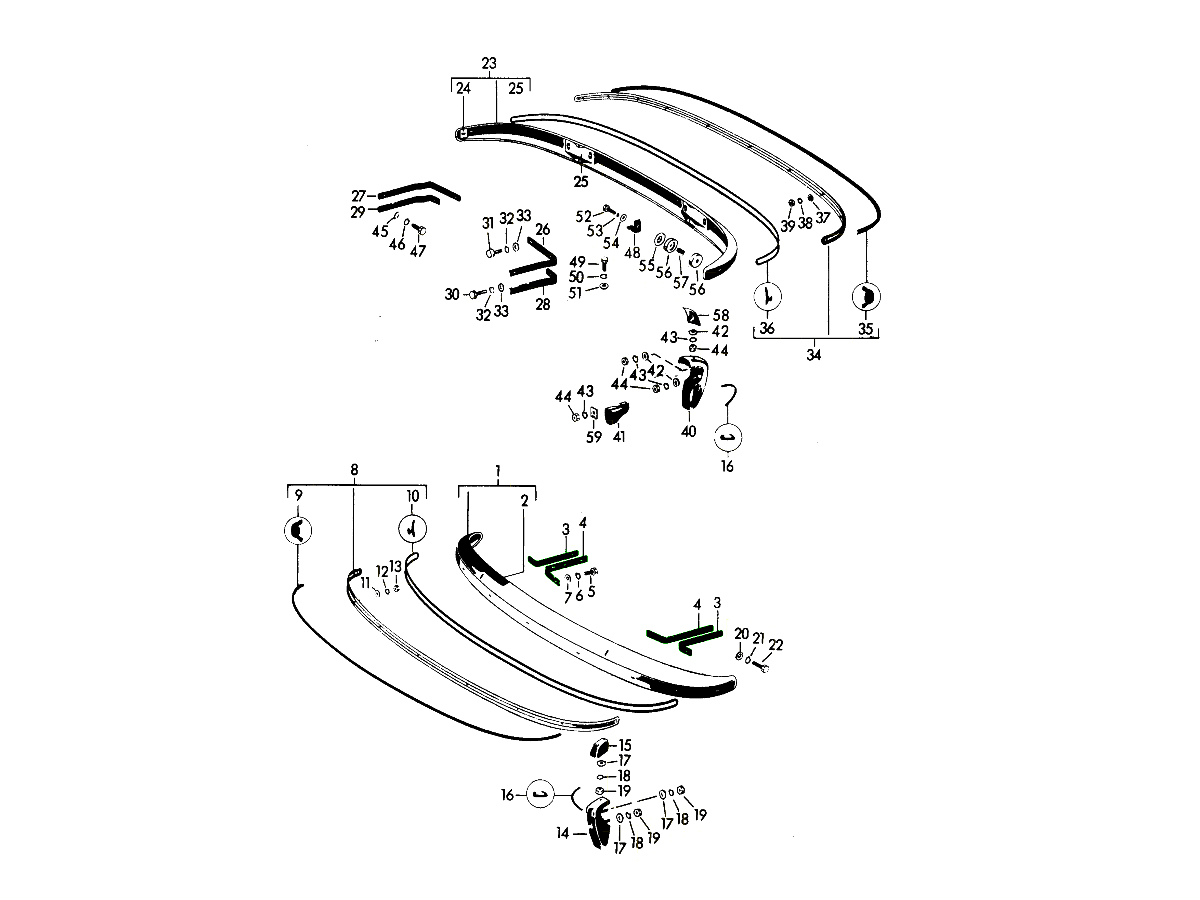
This 4-piece front bumper bracket set precisely replicates the factory inner/outer mounting arms that secure the front bumper to the chassis horns on Porsche 356 B/C models. Press-formed from the correct-thickness steel with OE-style bends and slotted mounting holes for alignment, each bracket restores proper bumper position, panel gap, and contour to the front fenders. A corrosion-resistant finish helps resist rust and road grime for long service life.
Fits:
Porsche 356B 1960 - 1963
Porsche 356C 1964 - 1965
Diagram ref no 3 and 4
Includes:
2 × 64450513105 – Front bumper outer brackets (LH/RH)
2 × 64450513305 – Front bumper inner brackets (LH/RH)
Why to replace:
Front bumper brackets often suffer from rust, deformation, or impact damage over time. Corroded or bent brackets can cause misalignment, sagging corners, or uneven body gaps, affecting both appearance and structural support. Replacing them ensures the bumper sits correctly and maintains the classic Porsche contour and integrity.
When to replace:
Replacement is recommended during front-end restorations, bumper repainting, or after minor collisions. It’s also wise to install new brackets if you notice difficulty aligning the bumper or visible corrosion around the mounts.
Installation notes:
Always trial-fit the bumper loosely, align it to the body lines, and then torque fasteners securely. Use proper shims, spacers, and fresh mounting hardware or isolators to achieve perfect fit and long-term stability.
Related reference numbers
Related, superseded, cross reference or alternative numbers for comparison.
64450513105
The product you are viewing cross references to these numbers

- Porsche 356 1950-55
- Porsche 356A 1955-59
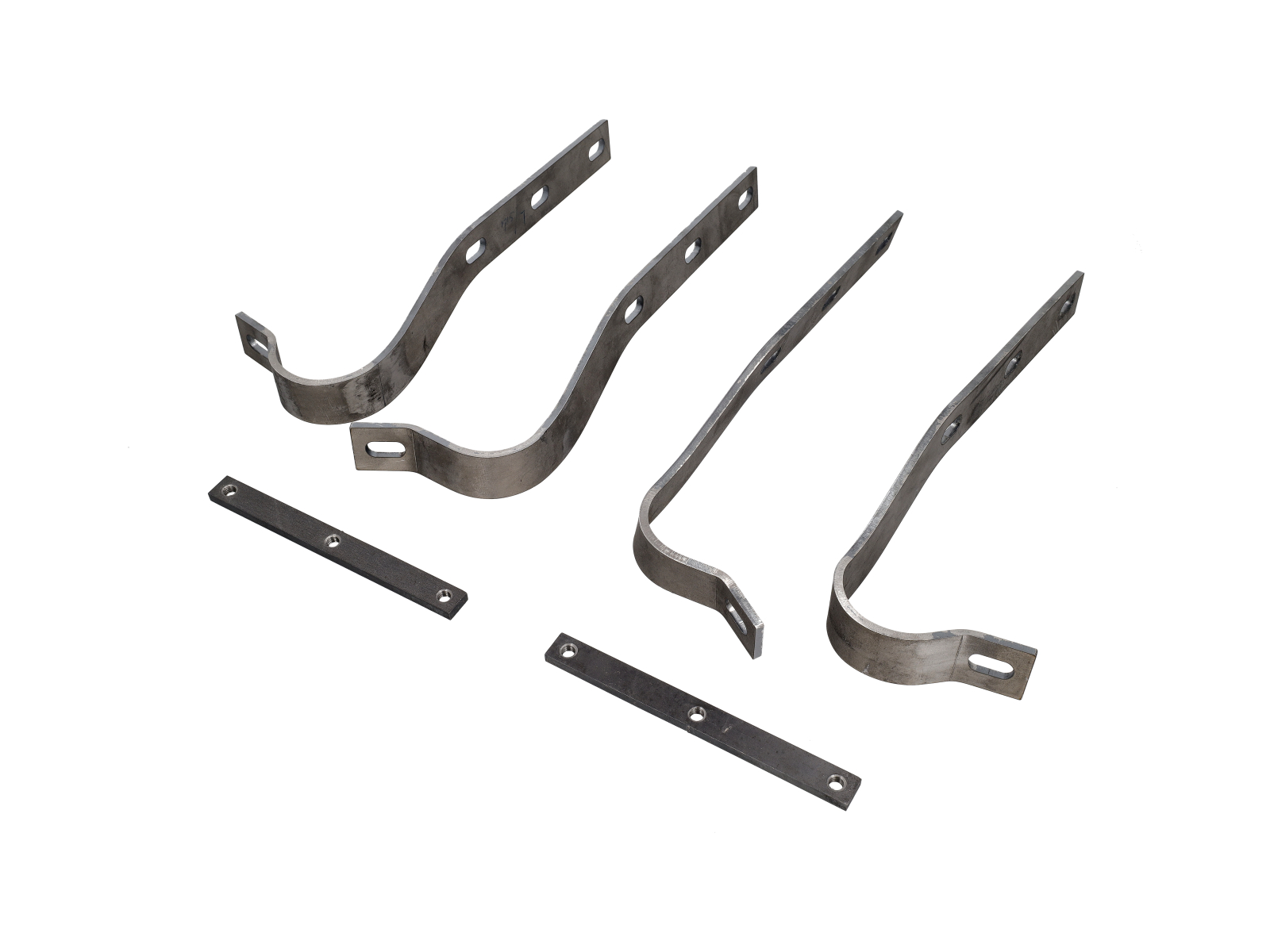
This rear bumper bracket set comprises four mounting brackets (644 505 231 00, 644 505 232 00, 644 505 233 00 & 644 505 234 00) designed to replicate the original Porsche hardware used with the rear bumper of the 356/356A series.
Fits:
Porsche 356 1952 - 1955
Porsche 356A 1955 - 1959
Diagram ref no 14, 15, 16 and 17.
• Position on Vehicle: Rear of the vehicle – both left and right bumper bracket mounts that secure the bumper to the bodywork.
• Applications: Ideal when original bumper brackets are missing, bent, rusted or mismatched - essential for restoring correct bumper fitment, vehicle aesthetics and structural integrity.
Properly positioned and secure bumper bracketry is critical for preservation of body alignment, panel gaps, vibration-free mounting and safety. When brackets are bent, missing or corroded, you may observe uneven bumper gaps, rattles, movement during driving, or decreased visual quality. Replacing the brackets with this matched set restores factory geometry, prevents misalignment stress and supports the original appearance and value of your vehicle.
When and why to replace:
• Bumper gaps appear inconsistent, mis-aligned or uneven around the rear.
• Brackets are visibly corroded, deformed or have been previously welded/modified.
• During body restoration, repainting, or panel-repair when the bumper is removed.
• When upgrading to high-fitment standard for restoration or concours-level finish.
• On vehicles where original hardware has aged, corroded or been removed in previous repairs.
Related reference numbers
Related, superseded, cross reference or alternative numbers for comparison.
64450523100
The product you are viewing cross references to these numbers
- Porsche 911 1965-1968 2.0L / 912 SWB (F)
- Porsche 911 1968-1973 2.2L / 2.4L / 2.7L RS LWB (F)
- Porsche 911 1974-1977 2.7L / 1976-77 3.0 Carrera
- Porsche 911 1978-1983 3.0L / SC
- Porsche 356B 1959-63
- Porsche 356C 1963-65
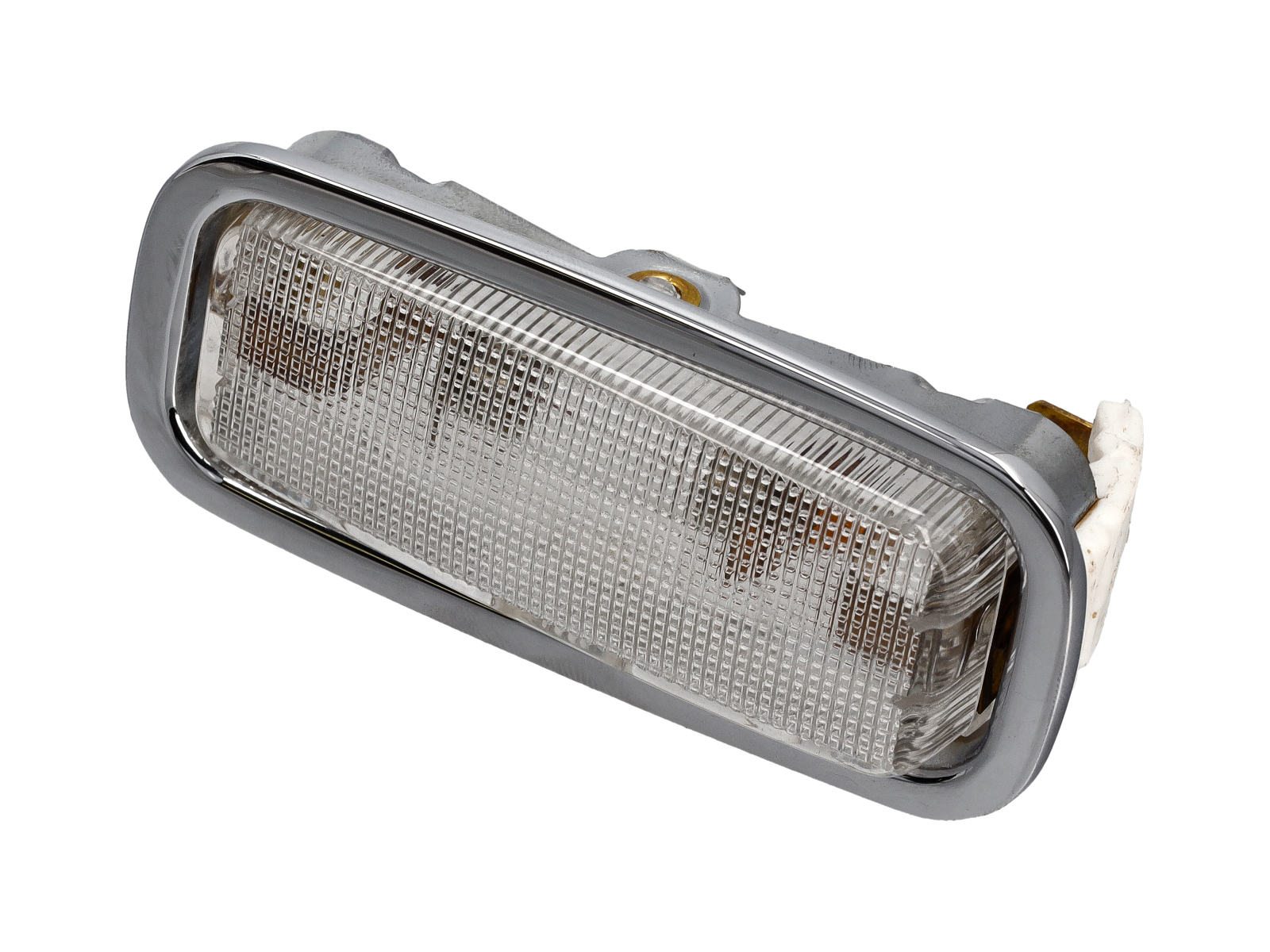
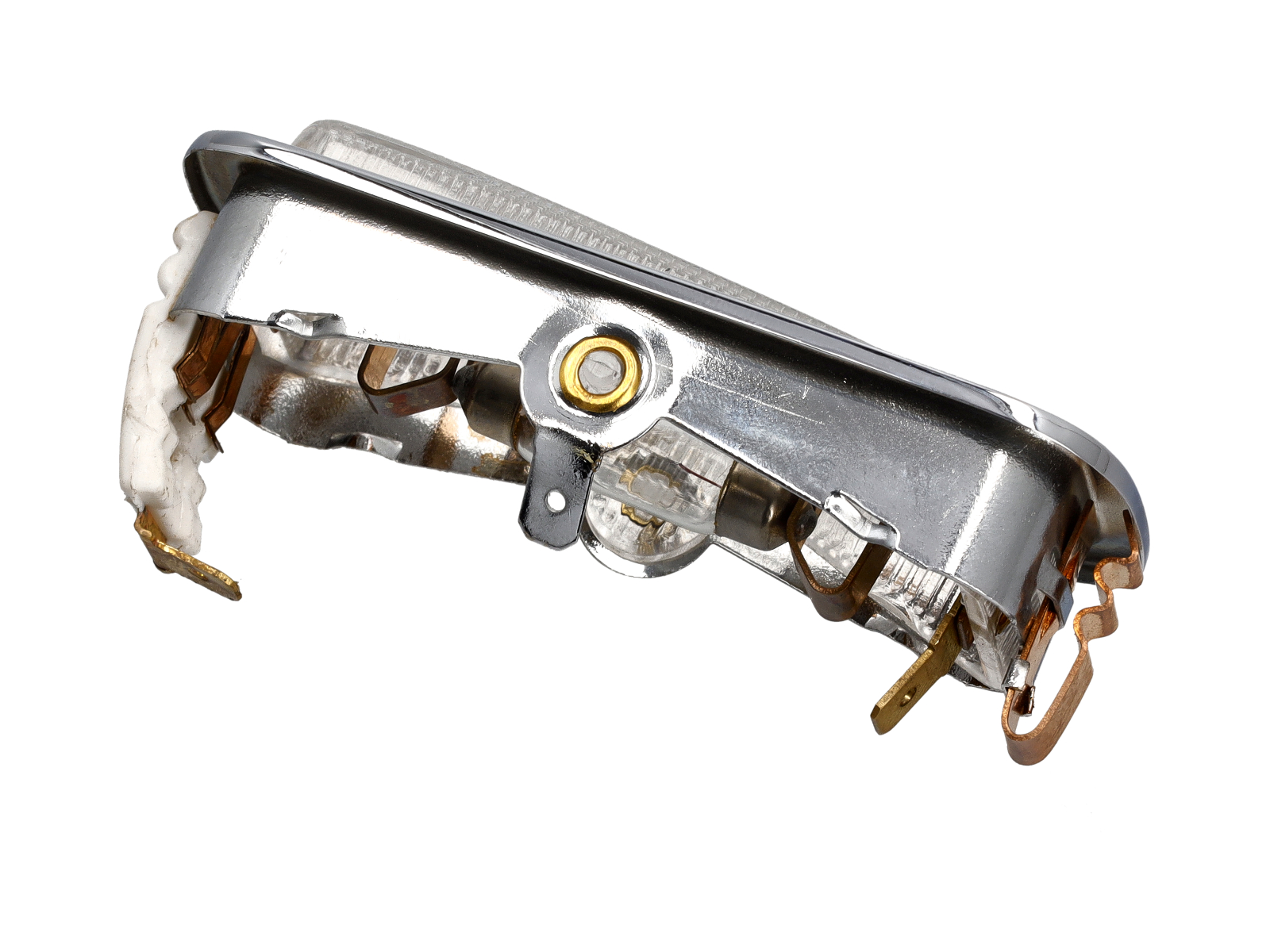
Interior Light with Chrome Bezel
Sold each
Restore the ambience and originality of your classic Porsche
with this OE Match Interior Light with Chrome Bezel. This premium replacement
interior light combines dependable illumination with a factory-inspired
appearance, making it the perfect finishing touch for any interior restoration
or refurbishment.
Fits:
- Porsche 911 1965-1968 2.0L / 912 SWB (F)
- Porsche 911 1968-1973 2.2L / 2.4L / 2.7L RS LWB (F)
- Porsche 911 1974-1977 2.7L / 1976-77 3.0 Carrera
- Porsche 911 1978-1983 3.0L / SC
- Porsche 356B 1959-63
- Porsche 356C 1963-65
Mounted within the cabin, the interior light provides convenient illumination when entering or exiting the vehicle and enhances visibility inside the cabin during low-light conditions. Over time, original units can become discoloured, cracked or suffer from corrosion and electrical faults, detracting from both the appearance and functionality of the interior.
Featuring an attractive chrome bezel, this OE Match replacement restores the elegant period styling of your Porsche while providing reliable operation and a high-quality finish worthy of concours restorations and cherished classics alike.
What Does the Interior Light Do?
The interior light illuminates the passenger compartment, making it easier to access controls, locate personal items and enter or exit the vehicle in poor lighting conditions.
Its primary functions include:
- Illuminating the cabin when doors are opened.
- Improving interior visibility at night.
- Enhancing convenience and safety.
- Completing the original interior appearance.
- Providing a refined finishing detail within the cabin.
Why Replace the Interior Light?
Classic Porsche interior lights are exposed to decades of
use and ageing, often resulting in:
- Cracked or yellowed lenses.
- Corroded chrome bezels.
- Faded or worn finishes.
- Faulty electrical contacts.
- Broken housings or mounting points.
- Damage during previous restoration work.
Replacing the complete interior light restores both functionality and the authentic appearance of your Porsche interior.
Features
- OE Match replacement interior light.
- Attractive chrome bezel finish.
- High-quality housing and lens.
- Manufactured for accurate fitment.
- Restores factory-style interior appearance.
- Reliable illumination.
- Ideal for restoration and refurbishment projects.
- Easy installation using the original mounting location.
- Suitable for concours and everyday classic Porsche ownership.
Please verify compatibility with your vehicle's model year, VIN or original part number before ordering.
Why Choose OE Match Interior Components?
OE Match interior components are developed to provide Porsche enthusiasts with premium-quality replacement parts that preserve the original character of their vehicle. Designed with careful attention to fit, finish and period-correct styling, OE Match products are ideal for complete restorations, sympathetic refurbishments and routine maintenance. Every component is selected to help maintain the authenticity and value of your classic Porsche.
Related reference numbers
Related, superseded, cross reference or alternative numbers for comparison.
90163210100
The product you are viewing cross references to these numbers
- Porsche 356A 1955-59
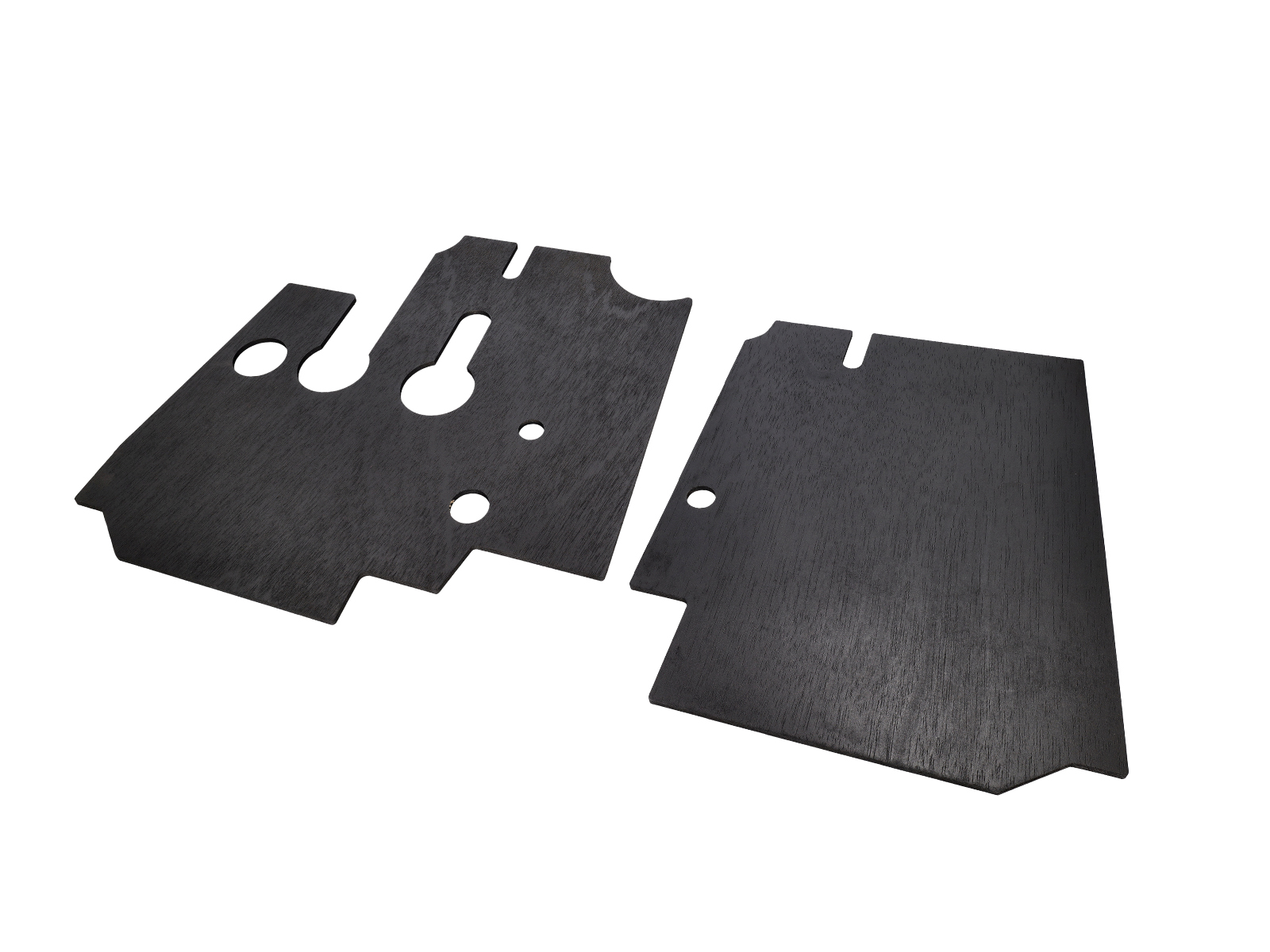
The OE Match Pedal Floor Board Set is a premium-quality replacement interior panel kit designed to restore the original structure, support and appearance of the driver's footwell on compatible classic Porsche models. Manufactured to OE specifications for fit, finish and durability, this complete pedal floor board set provides the correct support for the pedal assembly while protecting the floor pan and ensuring the authentic factory layout of the vehicle's interior.
Fits:
- Porsche 356A 1955-59
Manufactured from high-quality moisture-resistant fibreboard with a durable factory-style finish, each panel is engineered to withstand continual foot traffic, vibration, heat and moisture. Precision-cut to match the original Porsche dimensions and mounting points, the set provides direct OE-style fitment, making it ideal for full interior restorations, refurbishment projects or replacing worn, warped or damaged original floor boards.
What This Product Does:
- Restores the complete pedal floor board assembly.
- Provides structural support within the driver's footwell.
- Protects the floor pan beneath the pedal assembly.
- Maintains the correct positioning of carpets and interior trim.
- Supports the original layout of the pedal compartment.
- Helps reduce movement and vibration in the footwell.
- Restores factory interior fitment and appearance.
- Forms an essential part of the driver's footwell assembly.
Symptoms Of Wear Or Failure:
- Warped, cracked or broken floor boards.
- Soft or weakened material caused by moisture damage.
- Loose or unstable panels in the footwell.
- Excessive movement around the pedal area.
- Damaged or missing mounting points.
- Difficulty securing carpets or floor coverings correctly.
- Rattling or vibration from the footwell.
- Worn or deteriorated panel surfaces.
- Untidy or incomplete interior appearance.
- Reduced originality during restoration.
Why Replacement Matters:
- The pedal floor boards are continually exposed to foot pressure, moisture, dirt and vibration throughout the life of the vehicle. Over time, the original material can absorb moisture, warp, crack or deteriorate, reducing structural support and affecting the appearance and functionality of the driver's footwell.
- Damaged floor boards can compromise the fitment of carpets and trim, create unwanted movement around the pedal assembly and detract from the overall presentation of the interior. During restoration projects, replacing the complete floor board set ensures a factory-correct fit and finish while preserving the authenticity of the vehicle.
- Replacing the original components with the OE Match Pedal Floor Board Set restores the structural integrity, appearance and proper fitment of the driver's footwell. Manufactured to OE standards using premium-quality materials, this complete set provides factory-style fitment, excellent durability and an authentic finish, making it the ideal solution for classic Porsche restoration, refurbishment and long-term ownership.
Related reference numbers
Related, superseded, cross reference or alternative numbers for comparison.
64455160100
The product you are viewing cross references to these numbers
- Porsche 356 1950-55
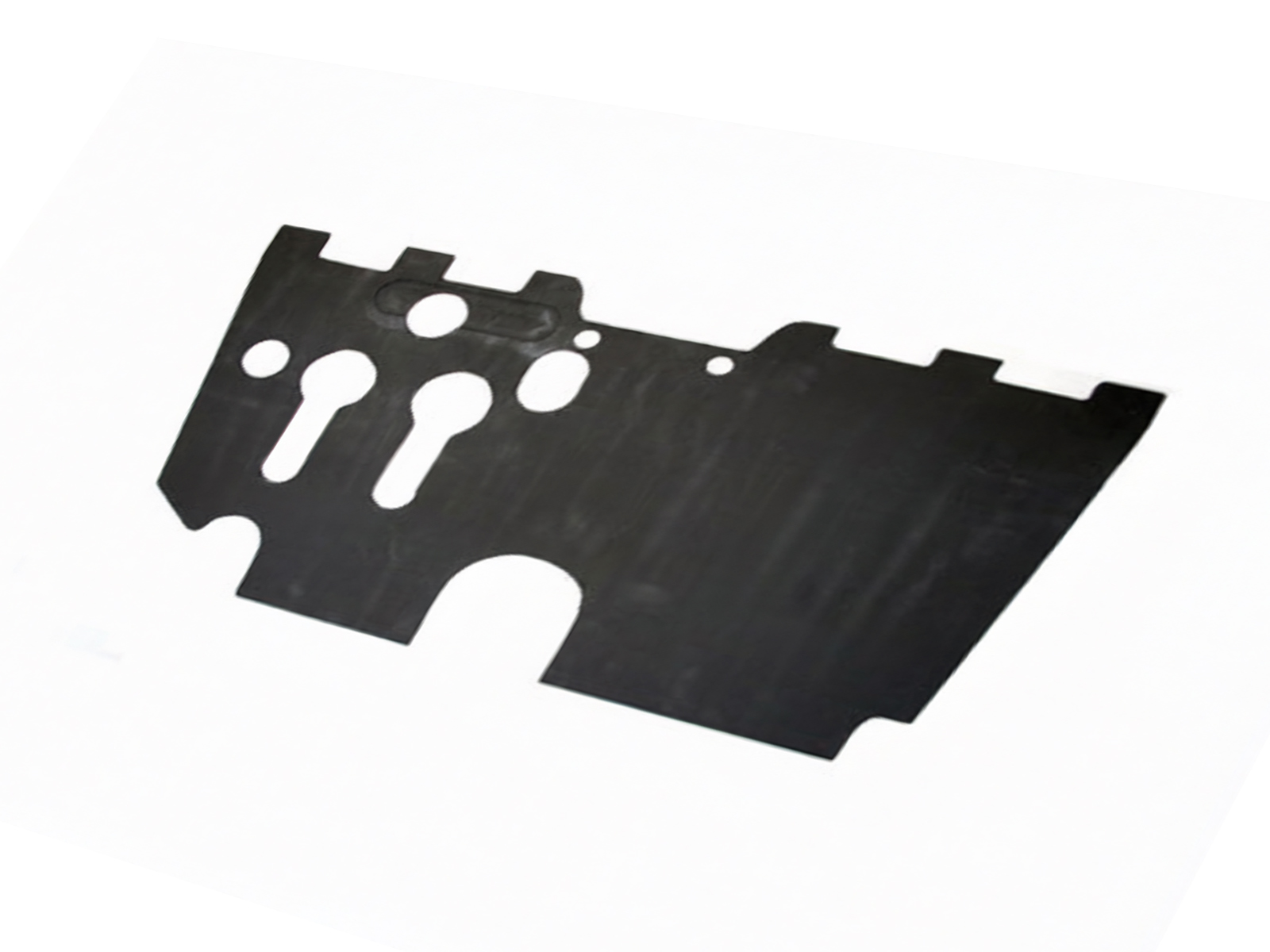
The OE Match Pedal Floor Board is a premium-quality replacement interior panel designed to restore the original structure, support and appearance of the driver's footwell on compatible classic Porsche models. Manufactured to OE specifications for fit, finish and durability, this precision-engineered pedal floor board provides a stable platform within the pedal area while protecting the floor pan and maintaining the authentic factory layout of the vehicle's interior.
Fits:
- Porsche 356 1950-55
Manufactured from high-quality moisture-resistant fibreboard with a durable factory-style finish, the pedal floor board is engineered to withstand continual foot traffic, vibration, moisture and temperature changes. Precision-cut to match the original Porsche dimensions and mounting points, it provides direct OE-style fitment, making it the ideal replacement during restoration projects, interior refurbishment or when replacing worn, warped or damaged original floor boards.
What This Product Does:
- Provides structural support within the driver's footwell.
- Protects the floor pan beneath the pedal assembly.
- Maintains the correct positioning of carpets and interior trim.
- Supports the original layout of the pedal compartment.
- Helps reduce movement and vibration in the footwell.
- Replaces worn, damaged or moisture-affected floor boards.
- Restores factory interior fitment and appearance.
- Forms an essential part of the driver's footwell assembly.
Symptoms Of Wear Or Failure:
- Warped, cracked or broken floor board.
- Soft or weakened material caused by moisture damage.
- Loose or unstable fitment in the footwell.
- Excessive movement around the pedal area.
- Damaged or missing mounting points.
- Difficulty securing carpets or floor coverings correctly.
- Rattling or vibration from the footwell.
- Worn or deteriorated surface finish.
- Untidy interior appearance.
- Reduced originality during restoration.
Why Replacement Matters:
- The pedal floor board is subjected to continual foot pressure, vibration, dirt and moisture throughout the life of the vehicle. Over time, the original material can absorb moisture, warp, crack or deteriorate, reducing its strength and affecting both the appearance and functionality of the driver's footwell.
- A damaged pedal floor board can compromise the fitment of carpets and interior trim, create unwanted movement around the pedal assembly and detract from the overall presentation of the interior. During restoration projects, replacing deteriorated floor boards is essential for achieving a factory-correct finish and preserving the authenticity of the vehicle.
- Replacing the original component with the OE Match Pedal Floor Board restores the structural support, appearance and proper fitment of the driver's footwell. Manufactured to OE standards using premium-quality materials, it provides factory-style fitment, excellent durability and an authentic finish, making it the ideal choice for classic Porsche restoration, refurbishment and long-term ownership.
Related reference numbers
Related, superseded, cross reference or alternative numbers for comparison.
35653105
The product you are viewing cross references to these numbers
- Porsche 911 1965-1968 2.0L / 912 SWB (F)
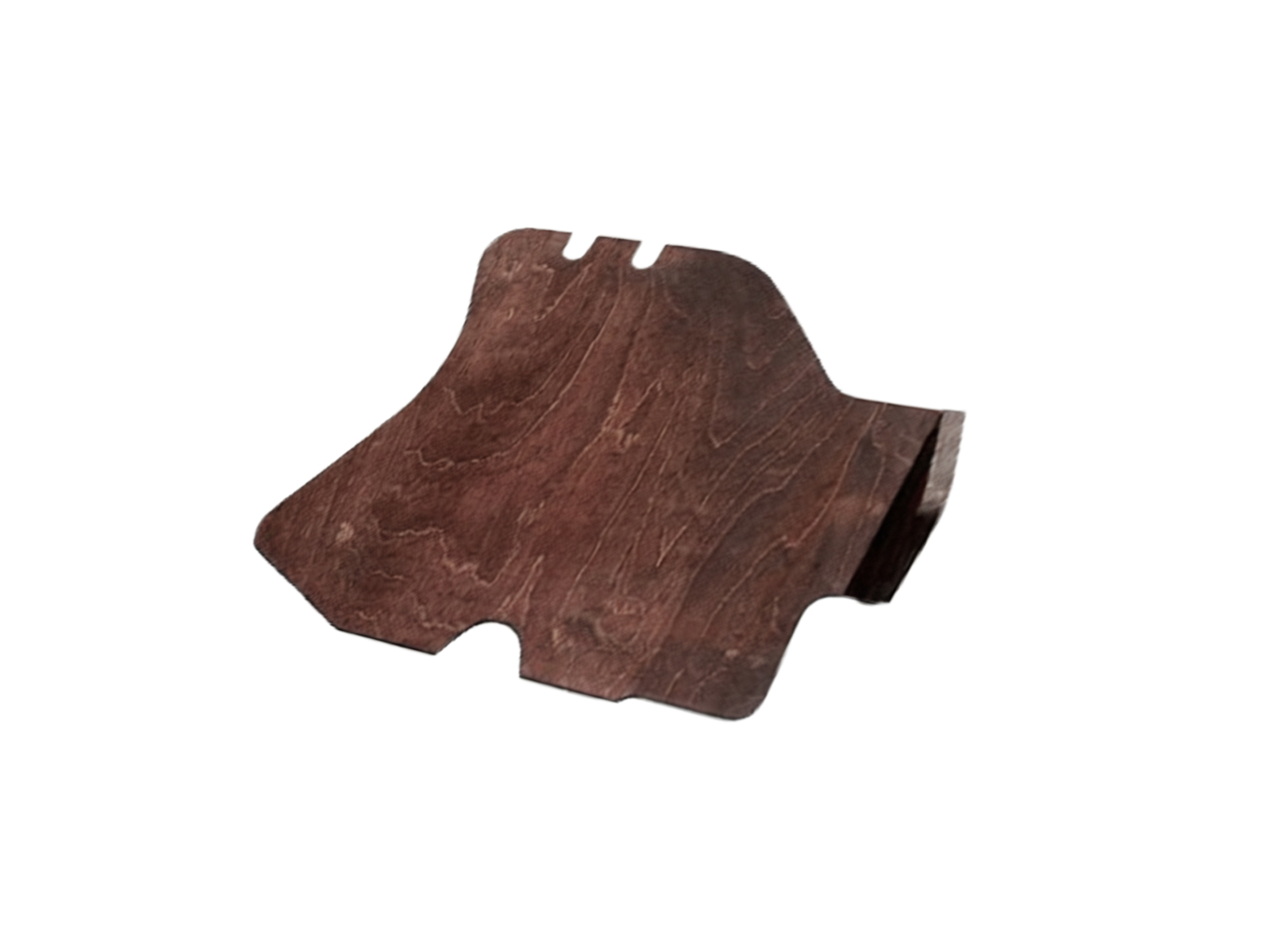
The OE Match Right Pedal Floor Board is a premium-quality replacement interior panel designed to restore the original structure, protection and appearance of the driver's footwell on compatible classic Porsche models. Manufactured to OE specifications for fit, finish and durability, this precision-engineered floor board provides a solid support panel within the pedal area while maintaining the authentic factory layout and protecting the floor pan beneath.
Fits:
- Porsche 911 1965-1968 2.0L / 912 SWB (F)
Manufactured from high-quality moisture-resistant fibreboard with a durable factory-style finish, the pedal floor board is engineered to withstand continual foot traffic, vibration, heat and moisture. Precision-cut to match the original Porsche dimensions and mounting points, it provides direct OE-style fitment, making it the ideal replacement for damaged, warped or deteriorated original floor boards during restoration or interior refurbishment.
What This Product Does:
- Provides structural support within the driver's footwell.
- Protects the vehicle's floor pan beneath the pedal area.
- Maintains the correct positioning of carpets and interior trim.
- Supports the original layout of the pedal compartment.
- Helps reduce movement and vibration in the footwell.
- Replaces worn, damaged or moisture-affected floor boards.
- Restores factory interior appearance and fitment.
- Forms an essential part of the driver's footwell assembly.
Symptoms Of Wear Or Failure:
- Warped, cracked or broken floor board.
- Soft or weakened material caused by moisture damage.
- Loose or unstable fitment in the driver's footwell.
- Damaged or missing mounting points.
- Difficulty securing carpets or floor coverings.
- Excessive movement around the pedal area.
- Rattles or vibration from the footwell.
- Worn or deteriorated surface finish.
- Untidy interior appearance.
- Reduced originality during restoration.
Why Replacement Matters:
- The pedal floor board is continually exposed to moisture, dirt, repeated foot pressure and vibration throughout the vehicle's life. Over time, the original material can absorb moisture, warp, crack or deteriorate, reducing its strength and affecting both the appearance and function of the driver's footwell.
- A damaged floor board can compromise the fitment of carpets and interior trim, create unwanted movement around the pedal area and detract from the overall presentation of the cabin. For restoration projects, replacing worn interior panels is essential for achieving a factory-correct finish and preserving the originality of the vehicle.
- Replacing the original component with the OE Match Right Pedal Floor Board restores the strength, appearance and proper fitment of the driver's footwell. Manufactured to OE standards using premium-quality materials, it provides factory-style fitment, excellent durability and an authentic finish, making it the ideal solution for classic Porsche restoration, refurbishment and long-term ownership.
Related reference numbers
Related, superseded, cross reference or alternative numbers for comparison.
90155106440
The product you are viewing cross references to these numbers