




Enter your VAT number here and click Verify:
Your details have been verified. VAT number registered to:
,
.
Your order will now be zero rated for VAT purposes. We reserve the right to verify these details after your order request has been made and reinstate VAT if required.
Your VAT details were not recognised or were invalid. Your VAT number must be matched to your Billing Country as specified above. This is currently specified as . You do not need to enter the country code part of your VAT number as this has already been selected in your billing address details above.
The VAT number checking service is currently offline. Please supply your VAT details within the comments or special instructions field below and we will apply a VAT discount after placing your order request.
OE Match

OE Match for Porsche
OE Match is a brand that provides a wide range of Porsche components, from gaskets to suspension hardware, engine parts, and interior trim. Over 6,700 individual part numbers, and over 11,800 OE cross-references catalogued, and are constantly developing new lines.OE Match has over 100 new products currently in the engineering phase, which will be quality-controlled and added to their catalog. The mission is to keep all Porsche vehicles on the road by offering a vast selection of parts that can address various problems across different Porsche generations
A Quick Look at OE Match
OE Match information on this page is based on details supplied by the manufacturer or distributor, plus any OE references provided with the parts.
Choosing the Right Fit for Your Porsche
Where OE Match is listed for Porsche, use the supplied model coverage and OE references to confirm suitability. Check details that commonly affect fitment such as model year, side/position, and connector type where relevant.
- Often chosen when owners want OE-equivalent quality with sensible running costs, especially for routine service and wear items.
- Typical reasons to replace include restoring reliability, addressing age-related wear, or refreshing multiple components during larger repair work.
- Common defects from incorrect application include noise, premature wear, leaks, or fitment quirks if the wrong variant is selected or fitted with old seals/hardware.
- Watch for symptoms such as unusual noises, early wear, or repeat failures after recent work, which can indicate mismatched parts or supporting items left worn.
- Always cross-check OEM part numbers, read model-year notes, and verify compatibility before ordering.
- For safety-critical components, confirm specification and fitment carefully and have installation checked by a competent technician.
Browse by Category
If you already know the area you are working on, start with the category and then filter by Porsche model. Where real-world symptoms and typical reasons to replace are provided, use them to keep the wording grounded.
Brakes — Brake components are renewed to restore stopping performance, address wear or upgrade a Porsche for fast road or track use. Common symptoms include vibration under braking, longer stopping distances, squealing, pulling to one side, warning lights and visible wear to discs and pads.
Brake Pad Wear Sensors — Brake pad wear sensors are replaced when pads are renewed or when warning lights indicate a broken or worn sensor. Symptoms include brake wear warnings even with new pads, damaged sensor cables, or broken clips around the caliper area.
Engine Electrical — Engine electrical parts are changed when there are starting, charging, ignition, or sensor-related faults that affect drivability and reliability, such as intermittent no-start, misfires, rough idle, poor charging, warning lights or heat-soak failures.
Service Parts — Service parts are replaced as routine maintenance to keep the engine and systems reliable, efficient, and protected, often resolving hard starting, rough idle, poor fuel economy and warning lights caused by clogged filters or worn ignition components.
Service Kits — Service kits bundle key service components to simplify maintenance and set the car back to a known baseline, especially useful when catching up on overdue servicing or dealing with general sluggish running, inconsistent idle and reduced performance.
- For brake parts, confirm whether items are OE-equivalent replacements or performance upgrades and check if new fitting kits and sensors are required.
- On service items and kits, match the kit to your exact Porsche model, engine and year, and review what is included so you can add any extra “while you are there” parts.
Explore OE Match at Design911
View the current OE Match range for Porsche at Design911, then filter by model and category to narrow down to the right parts.


- Porsche 957 Cayenne 3.0L Diesel 2007-10
- Porsche 958 Cayenne V6 3.0L Diesel (245Hp) 2010-17
- Porsche 958 Cayenne S V8 4.2L Diesel (382Hp) 2010-17
- Porsche 970.1 Panamera Diesel V6 3.0L 2011-13
- Porsche 970.2 Panamera Diesel V6 3.0L (250Hp) 2014-16
- Porsche 95B.1 Macan S Diesel 3.0L V6 (258Bhp) 2014-18
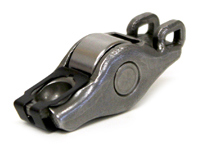
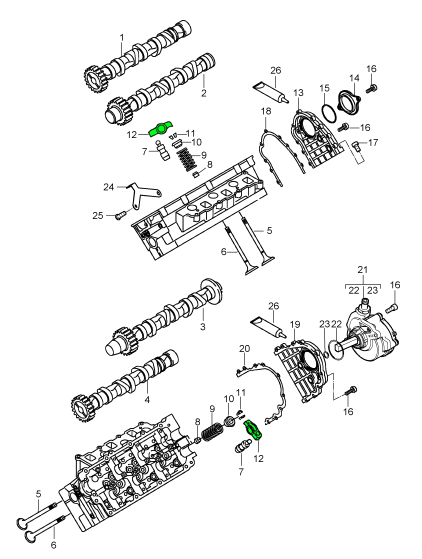
The OE Match Rocker Arm is a premium-quality replacement valvetrain component designed to transmit camshaft movement to the engine valves on compatible Porsche engines. Manufactured to OE specifications for fit, strength and precision, this rocker arm ensures accurate valve operation, maintaining correct valve timing, engine efficiency and reliable performance throughout the engine's operating range.
Sold Each.
Fits:
- Porsche 957 Cayenne 3.0L Diesel 2007-10
- Porsche 958 Cayenne V6 3.0L Diesel (245Hp) 2010-17
- Porsche 958 Cayenne S V8 4.2L Diesel (382Hp) 2010-17
- Porsche 970.1 Panamera Diesel V6 3.0L 2011-13
- Porsche 970.2 Panamera Diesel V6 3.0L (250Hp) 2014-16
- Porsche 95B.1 Macan S Diesel 3.0L V6 (258Bhp) 2014-18
Diagram Ref No 12
Manufactured from high-strength, heat-treated steel with precision-machined contact surfaces, the rocker arm is engineered to withstand constant reciprocating movement, high engine speeds and extreme operating temperatures. Designed for direct OE-style installation, it provides precise alignment with the camshaft and valve train components, making it ideal for engine rebuilds, cylinder head repairs and preventative maintenance.
What This Product Does:
- Transfers camshaft movement to the engine valves.
- Controls the opening and closing of the intake or exhaust valves.
- Maintains accurate valve timing and lift.
- Supports efficient combustion and engine performance.
- Reduces friction within the valvetrain assembly.
- Ensures smooth and reliable valve operation.
- Restores factory valvetrain performance.
- Forms an essential part of the engine valve train assembly.
Symptoms Of Wear Or Failure:
- Ticking or tapping noises from the top of the engine.
- Engine misfires.
- Reduced engine performance.
- Rough idle.
- Loss of power during acceleration.
- Excessive valvetrain wear.
- Uneven valve operation.
- Increased engine vibration.
- Metal particles found during engine servicing.
- Engine fault codes relating to valve timing or cylinder performance.
Why Replacement Matters:
- The rocker arm is subjected to continuous high-speed movement, heavy contact loads and constant lubrication cycles every time the engine operates. Over time, the contact surfaces, pivot points or roller mechanism (where applicable) can wear, reducing the precision of valve operation and increasing stress on the camshaft and valves.
- A worn or damaged rocker arm can prevent the valves from opening and closing correctly, leading to reduced engine performance, poor fuel economy, rough running and accelerated wear of other valvetrain components. If left unresolved, severe wear can result in valve train failure and costly engine repairs.
- Replacing a worn rocker arm restores accurate valve operation and ensures the engine continues to deliver smooth, efficient performance. The OE Match Rocker Arm is manufactured to OE standards using premium-quality materials, providing factory-style fitment, exceptional durability and long-lasting reliability, making it the ideal choice for Porsche engine repairs, rebuilds and preventative maintenance.
Related reference numbers
Related, superseded, cross reference or alternative numbers for comparison.
95510541720
The product you are viewing cross references to these numbers
- Porsche 957 Cayenne 3.0L Diesel 2007-10
- Porsche 957 Cayenne 3.6L 2007-10
- Porsche 957 Cayenne S / GTS 4.8L 2007-10
- Porsche 957 Cayenne Turbo / Turbo S 4.8L 2007-10
- Porsche 958 Cayenne V6 3.6L Petrol (300Hp) 2010-17
- Porsche 958 Cayenne V6 3.0L Diesel (245Hp) 2010-17
- Porsche 958 Cayenne S V6 3.0L Hybrid (380Hp) 2010-17
- Porsche 958 Cayenne S V8 4.8L Petrol (400Hp) 2010-17
- Porsche 958 Cayenne S V8 4.2L Diesel (382Hp) 2010-17
- Porsche 958 Cayenne GTS V8 4.8L Petrol (400Hp) 2010-17
- Porsche 958 Cayenne Turbo V8 4.8L Petrol (500Hp) 2010-17
- Porsche 958 Cayenne Turbo S V8 4.8L Petrol (550Hp) 2010-17
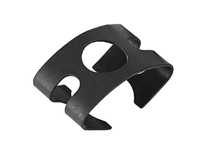
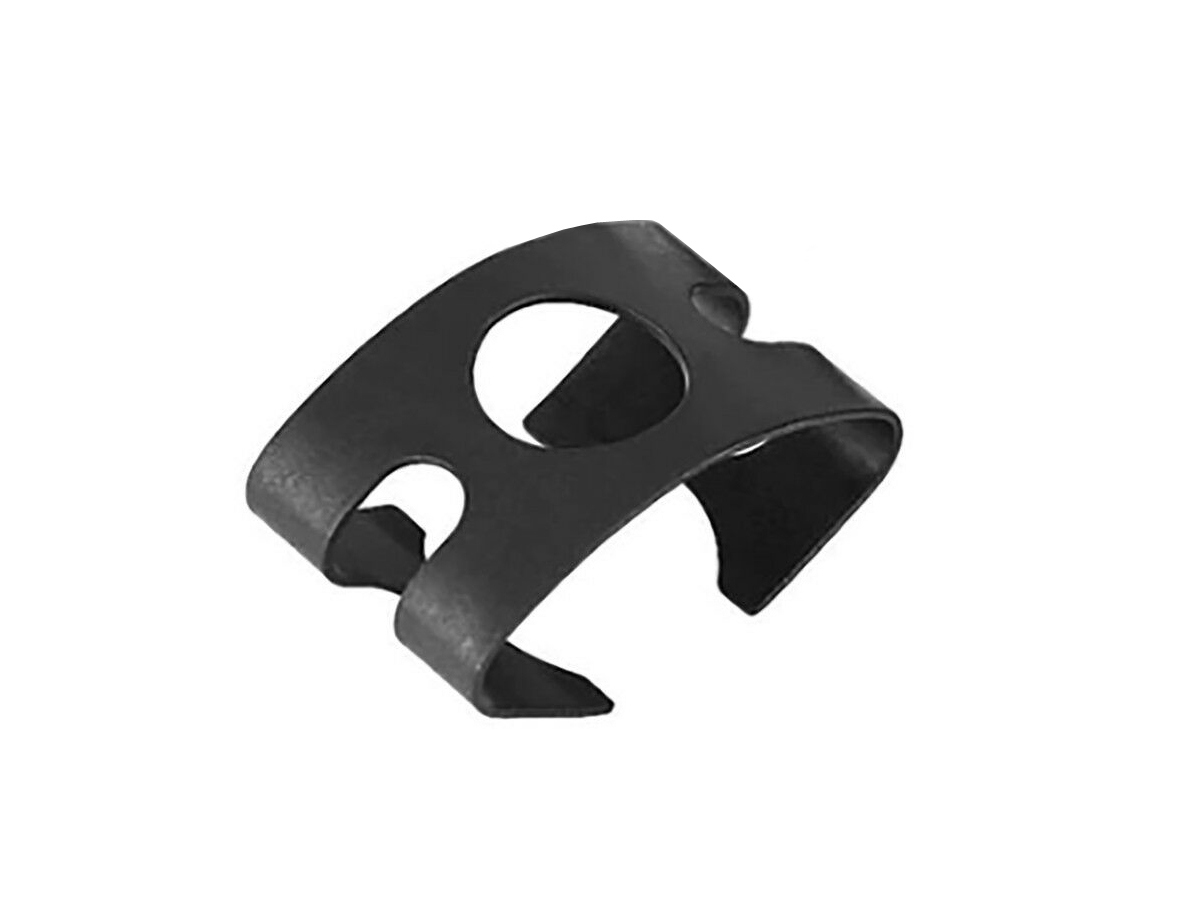
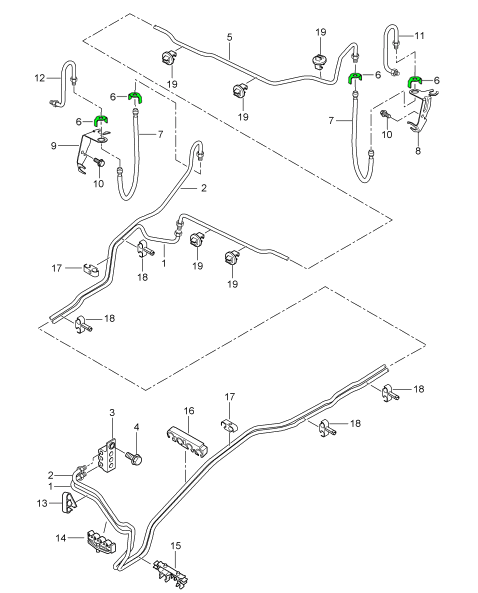
The OE Match Rear Brake Hose Retainer Spring is a premium-quality replacement brake system retaining clip designed to securely hold the rear flexible brake hose in its mounting bracket on compatible Porsche models. Manufactured to OE specifications for fit, strength and durability, this retainer spring ensures the brake hose remains correctly positioned, preventing unwanted movement and maintaining a secure connection between the flexible brake hose and the rigid brake line.
Sold Each.
Fits:
- Porsche 957 Cayenne 3.0L Diesel 2007-10
- Porsche 957 Cayenne 3.6L 2007-10
- Porsche 957 Cayenne S / GTS 4.8L 2007-10
- Porsche 957 Cayenne Turbo / Turbo S 4.8L 2007-10
- Porsche 958 Cayenne V6 3.6L Petrol (300Hp) 2010-17
- Porsche 958 Cayenne V6 3.0L Diesel (245Hp) 2010-17
- Porsche 958 Cayenne S V6 3.0L Hybrid (380Hp) 2010-17
- Porsche 958 Cayenne S V8 4.8L Petrol (400Hp) 2010-17
- Porsche 958 Cayenne S V8 4.2L Diesel (382Hp) 2010-17
- Porsche 958 Cayenne GTS V8 4.8L Petrol (400Hp) 2010-17
- Porsche 958 Cayenne Turbo V8 4.8L Petrol (500Hp) 2010-17
- Porsche 958 Cayenne Turbo S V8 4.8L Petrol (550Hp) 2010-17
Diagram Ref No 6
Manufactured from high-strength spring steel with a corrosion-resistant finish, the retainer is engineered to withstand continual exposure to moisture, road salt, dirt and vibration without losing its clamping force. Precision-formed to match the original factory dimensions, it provides direct OE-style fitment and is ideal for brake hose replacement, brake system repairs and vehicle restoration projects.
What This Product Does:
- Secures the rear flexible brake hose in its mounting bracket.
- Prevents movement of the brake hose during suspension travel.
- Maintains the correct alignment between the brake hose and rigid brake pipe.
- Helps protect the brake hose from excessive stress and vibration.
- Ensures a secure and reliable brake hose installation.
- Resists corrosion and long-term wear.
- Restores factory brake hose retention.
- Forms an essential part of the rear braking system.
Symptoms Of Wear Or Failure:
- Loose or unsecured rear brake hose.
- Excessive movement of the brake hose.
- Corroded or weakened retaining spring.
- Missing brake hose retaining clip.
- Brake hose becoming misaligned.
- Increased wear on the brake hose due to movement.
- Difficulty securing the brake hose during servicing.
- Rattling or vibration around the brake hose mounting.
- Visible rust or deformation of the spring clip.
- MOT or vehicle inspection concerns relating to insecure brake line components.
Why Replacement Matters:
- The brake hose retainer spring is continually exposed to water, road salt, dirt, brake dust and constant vibration. Over time, corrosion and metal fatigue can reduce its clamping force or cause it to break, allowing the brake hose to move within its mounting bracket.
- A loose or missing retainer spring can place unnecessary strain on the brake hose and its connections, increasing the risk of premature hose wear, leaks or damage. Maintaining the correct position of the brake hose is essential for reliable braking performance and long-term safety.
- Replacing a worn or damaged retainer with the OE Match Rear Brake Hose Retainer Spring restores the secure mounting of the brake hose and helps protect the braking system from unnecessary wear. Manufactured to OE standards using premium spring steel, this replacement clip provides factory-style fitment, excellent corrosion resistance and dependable long-term performance, ensuring the safety and reliability expected from your Porsche.
Related reference numbers
Related, superseded, cross reference or alternative numbers for comparison.
95535532500
The product you are viewing cross references to these numbers

- Porsche 958 Cayenne V6 3.6L Petrol (300Hp) 2010-17
- Porsche 958 Cayenne V6 3.0L Diesel (245Hp) 2010-17
- Porsche 958 Cayenne S V6 3.0L Hybrid (380Hp) 2010-17
- Porsche 958 Cayenne S V8 4.8L Petrol (400Hp) 2010-17
- Porsche 958 Cayenne S V8 4.2L Diesel (382Hp) 2010-17
- Porsche 958 Cayenne GTS V8 4.8L Petrol (400Hp) 2010-17
- Porsche 958 Cayenne Turbo V8 4.8L Petrol (500Hp) 2010-17
- Porsche 958 Cayenne Turbo S V8 4.8L Petrol (550Hp) 2010-17
- Porsche 971.2 Panamera 2.9L V6 2021-23
- Porsche 971.2 Panamera 4 2.9L V6 2021-23
- Porsche 971.2 Panamera 4 Sport Turismo 2.9L V6 2021-23
- Porsche 971.2 Panamera 4S 2.9L V6 2021-23
- Porsche 971.2 Panamera 4S Sport Turismo 2.9L V6 2021-23
- Porsche 971.2 Panamera 4 E-Hybrid 2.9L V6 2021-23
- Porsche 971.2 Panamera 4 E-Hybrid Sport Turismo 2.9L V6 2021-23
- Porsche 971.2 Panamera 4S E-Hybrid 2.9L V6 2021-23
- Porsche 971.2 Panamera 4S E-Hybrid Sport Turismo 2.9L V6 2021-23
- Porsche 971.2 Panamera GTS 4.0L V8 2021-23
- Porsche 971.2 Panamera GTS Sport Turismo 4.0L V8 2021-23
- Porsche 971.2 Panamera Turbo S 4.0L V8 2021-23
- Porsche 971.2 Panamera Turbo S Sport Turismo 4.0L V8 2021-23
- Porsche 971.2 Panamera Turbo S E-Hybrid 4.0L V8 2021-23
- Porsche 971.2 Panamera Turbo S E-Hybrid Sport Turismo 4.0L V8 2021-23
- Porsche 9J1.1 Taycan 2020-24
- Porsche 9J1.1 Taycan 4 Cross Turismo 2020-24
- Porsche 9J1.1 Taycan 4S 2020-24
- Porsche 9J1.1 Taycan 4S Cross Turismo 2020-24
- Porsche 9J1.1 Taycan Turbo 2020-24
- Porsche 9J1.1 Taycan Turbo Cross Turismo 2020-24
- Porsche 9J1.1 Taycan Turbo S 2020-24
- Porsche 9J1.1 Taycan Turbo S Cross Turismo 2020-24
The OE Match Handbrake Shoes (Set of 4) are premium-quality replacement parking brake components designed to restore the performance and reliability of the handbrake system on compatible Porsche models. Manufactured to OE specifications for fit, friction performance and durability, these handbrake shoes provide dependable holding power when the parking brake is applied, helping to keep the vehicle securely stationary on inclines and during parking.
Fits:
- Porsche 958 Cayenne V6 3.6L Petrol (300Hp) 2010-17
- Porsche 958 Cayenne V6 3.0L Diesel (245Hp) 2010-17
- Porsche 958 Cayenne S V6 3.0L Hybrid (380Hp) 2010-17
- Porsche 958 Cayenne S V8 4.8L Petrol (400Hp) 2010-17
- Porsche 958 Cayenne S V8 4.2L Diesel (382Hp) 2010-17
- Porsche 958 Cayenne GTS V8 4.8L Petrol (400Hp) 2010-17
- Porsche 958 Cayenne Turbo V8 4.8L Petrol (500Hp) 2010-17
- Porsche 958 Cayenne Turbo S V8 4.8L Petrol (550Hp) 2010-17
- Porsche 971.2 Panamera 2.9L V6 2021-23
- Porsche 971.2 Panamera 4 2.9L V6 2021-23
- Porsche 971.2 Panamera 4 Sport Turismo 2.9L V6 2021-23
- Porsche 971.2 Panamera 4S 2.9L V6 2021-23
- Porsche 971.2 Panamera 4S Sport Turismo 2.9L V6 2021-23
- Porsche 971.2 Panamera 4 E-Hybrid 2.9L V6 2021-23
- Porsche 971.2 Panamera 4 E-Hybrid Sport Turismo 2.9L V6 2021-23
- Porsche 971.2 Panamera 4S E-Hybrid 2.9L V6 2021-23
- Porsche 971.2 Panamera 4S E-Hybrid Sport Turismo 2.9L V6 2021-23
- Porsche 971.2 Panamera GTS 4.0L V8 2021-23
- Porsche 971.2 Panamera GTS Sport Turismo 4.0L V8 2021-23
- Porsche 971.2 Panamera Turbo S 4.0L V8 2021-23
- Porsche 971.2 Panamera Turbo S Sport Turismo 4.0L V8 2021-23
- Porsche 971.2 Panamera Turbo S E-Hybrid 4.0L V8 2021-23
- Porsche 971.2 Panamera Turbo S E-Hybrid Sport Turismo 4.0L V8 2021-23
- Porsche 9J1.1 Taycan 2020-24
- Porsche 9J1.1 Taycan 4 Cross Turismo 2020-24
- Porsche 9J1.1 Taycan 4S 2020-24
- Porsche 9J1.1 Taycan 4S Cross Turismo 2020-24
- Porsche 9J1.1 Taycan Turbo 2020-24
- Porsche 9J1.1 Taycan Turbo Cross Turismo 2020-24
- Porsche 9J1.1 Taycan Turbo S 2020-24
- Porsche 9J1.1 Taycan Turbo S Cross Turismo 2020-24
Manufactured using high-strength steel shoe assemblies bonded with premium friction material, the handbrake shoes are engineered to deliver consistent braking performance, excellent wear resistance and quiet operation. Precision-formed to OE dimensions, they ensure correct contact with the internal drum surface of the brake disc assembly, providing direct OE-style fitment and reliable long-term operation. Supplied as a complete set of four, they provide everything required to service both rear parking brakes.
What This Product Does:
- Provides mechanical braking force for the parking brake system.
- Holds the vehicle securely when parked.
- Engages against the internal brake drum within the rear brake disc.
- Supports safe parking on inclines and uneven ground.
- Delivers reliable parking brake performance.
- Restores factory handbrake efficiency.
- Ensures smooth and consistent handbrake operation.
- Forms an essential part of the rear parking brake system.
Symptoms Of Wear Or Failure:
- Reduced parking brake holding power.
- Vehicle rolling when parked on an incline.
- Excessive handbrake lever travel.
- Poor handbrake performance during MOT testing.
- Grinding or scraping noises from the rear brakes.
- Uneven or worn friction material.
- Contaminated brake linings due to oil or grease.
- Handbrake requiring frequent adjustment.
- Cracked or separated friction material.
- MOT or vehicle inspection failure due to inadequate parking brake efficiency.
Why Replacement Matters:
- The handbrake shoes are subjected to repeated engagement, friction and exposure to moisture, road debris and heat generated by the braking system. Over time, the friction material naturally wears, while corrosion or contamination can reduce braking effectiveness and prevent the shoes from operating smoothly.
- Worn handbrake shoes can significantly reduce the parking brake's ability to hold the vehicle securely, particularly on gradients, creating a potential safety risk. Continued use of worn shoes may also damage the internal drum surface of the brake disc and place additional strain on the handbrake mechanism.
- Replacing worn handbrake shoes with the OE Match Handbrake Shoes Set restores reliable parking brake performance and factory braking efficiency. Manufactured to OE standards using premium-quality friction materials and precision-engineered steel shoe assemblies, this complete set provides factory-style fitment, dependable stopping power and long-lasting durability, ensuring the safety, reliability and confidence expected from your Porsche.
Related reference numbers
Related, superseded, cross reference or alternative numbers for comparison.
PAB698533B
The product you are viewing cross references to these numbers
- Porsche 957 Cayenne 3.6L 2007-10
- Porsche 957 Cayenne S / GTS 4.8L 2007-10
- Porsche 957 Cayenne Turbo / Turbo S 4.8L 2007-10
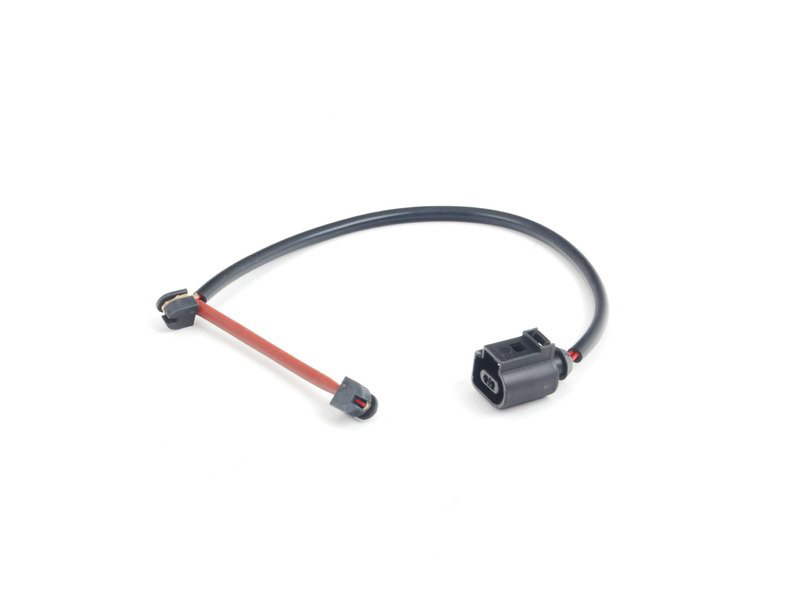
The OE Match Front Brake Pad Wear Sensor is a premium-quality replacement braking system component designed to accurately monitor the condition of the front brake pads on compatible Porsche models. Manufactured to OE specifications for fit, performance and durability, this sensor provides an early warning when the brake pads have reached their service limit, allowing timely replacement to maintain optimum braking performance and vehicle safety.

Fits:
- Porsche 957 Cayenne 3.6L 2007-08
- Porsche 957 Cayenne S / GTS 4.8L 2007-08
- Porsche 957 Cayenne Turbo / Turbo S 4.8L 2007-08
Manufactured using high-quality heat-resistant materials with durable insulated wiring and corrosion-resistant electrical connectors, the brake pad wear sensor is engineered to withstand the extreme temperatures, brake dust, moisture and vibration associated with the front braking system. Designed for direct OE-style installation, it integrates seamlessly with the vehicle's electronic brake wear monitoring system, ensuring reliable operation and factory-correct functionality.
What This Product Does:
- Monitors the wear level of the front brake pads.
- Sends a warning signal when the brake pads reach their service limit.
- Activates the dashboard brake pad wear warning light.
- Helps ensure brake pads are replaced at the correct service interval.
- Supports safe and consistent braking performance.
- Integrates with the vehicle's electronic brake monitoring system.
- Restores factory brake wear monitoring functionality.
- Forms an essential part of the front braking system.
Symptoms Of Wear Or Failure:
- Brake pad wear warning light remaining illuminated.
- Brake pad warning light failing to illuminate despite worn brake pads.
- Intermittent brake wear warning messages.
- Brake system fault codes relating to the wear sensor.
- Damaged or broken sensor wiring.
- Corroded or damaged electrical connector.
- Physical damage during brake servicing.
- Incorrect brake wear indication.
- Dashboard brake system warning message.
- MOT or vehicle inspection concerns relating to the braking system.
Why Replacement Matters:
- The front brake pad wear sensor operates in a harsh environment where it is exposed to high temperatures, brake dust, water, road debris and vibration. As the brake pads wear, the sensor is designed to make contact with the brake disc at a predetermined point, triggering the dashboard warning light. Once activated, or if damaged during servicing, the sensor should always be replaced.
- A faulty or damaged wear sensor can provide inaccurate brake wear information, potentially delaying essential brake maintenance or generating unnecessary warning messages. This can result in excessive brake pad wear, damage to the brake discs and compromised braking performance.
- Replacing the brake pad wear sensor whenever new brake pads are installed restores accurate brake wear monitoring and reliable warning system operation. The OE Match Front Brake Pad Wear Sensor is manufactured to OE standards using premium-quality materials, providing factory-style fitment, dependable performance and long-lasting durability, helping maintain the safety, reliability and braking performance expected from your Porsche.
Related reference numbers
Related, superseded, cross reference or alternative numbers for comparison.
95561236562
The product you are viewing cross references to these numbers
- Porsche 957 Cayenne 3.0L Diesel 2007-10
- Porsche 958 Cayenne V6 3.0L Diesel (245Hp) 2010-17
- Porsche 958 Cayenne S V6 3.0L Hybrid (380Hp) 2010-17
- Porsche 958 Cayenne S V8 4.2L Diesel (382Hp) 2010-17
- Porsche 970.1 Panamera Diesel V6 3.0L 2011-13
- Porsche 970.1 Panamera S Hybrid V6 3.0L 2011-13
- Porsche 970.2 Panamera Diesel V6 3.0L (250Hp) 2014-16
- Porsche 970.2 Panamera S E-Hybrid V6 3.0L (416Hp) 2014-16
- Porsche 95B.1 Macan S Petrol 3.0L V6 (340Bhp) 2014-18
- Porsche 95B.1 Macan S Diesel 3.0L V6 (258Bhp) 2014-18
- Porsche 95B.1 Macan Turbo 3.6L V6 (400Bhp) 2014-18
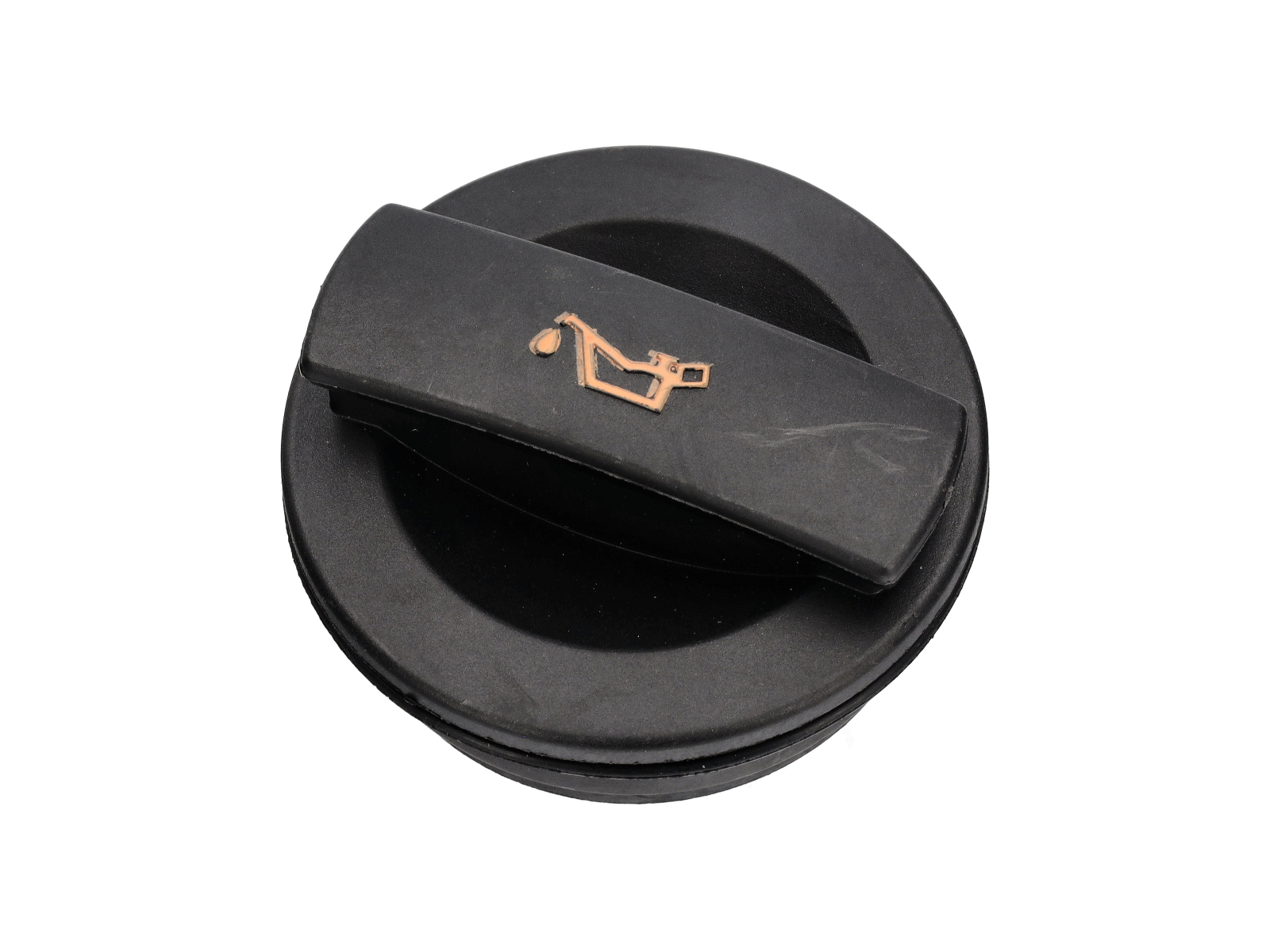
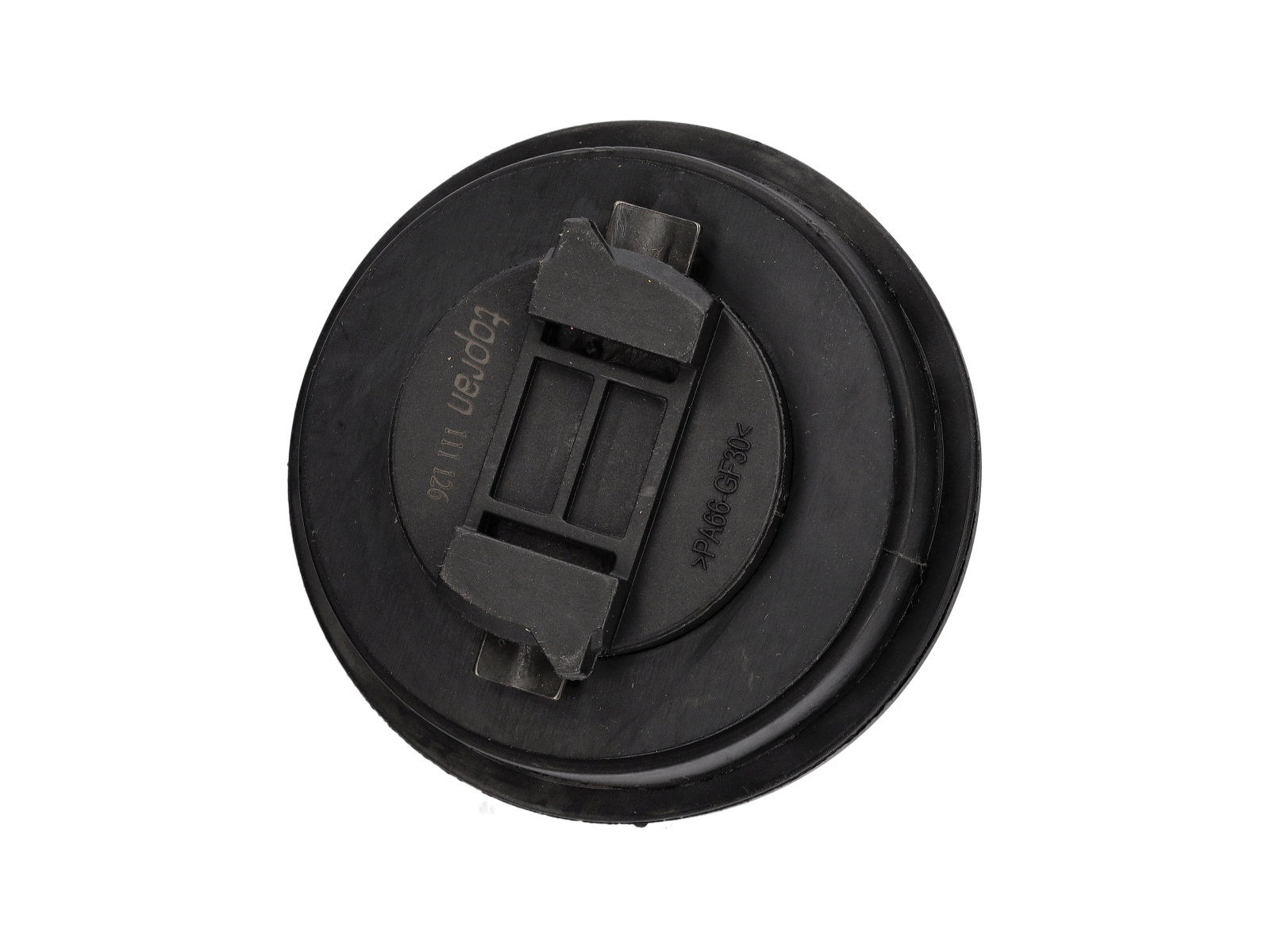
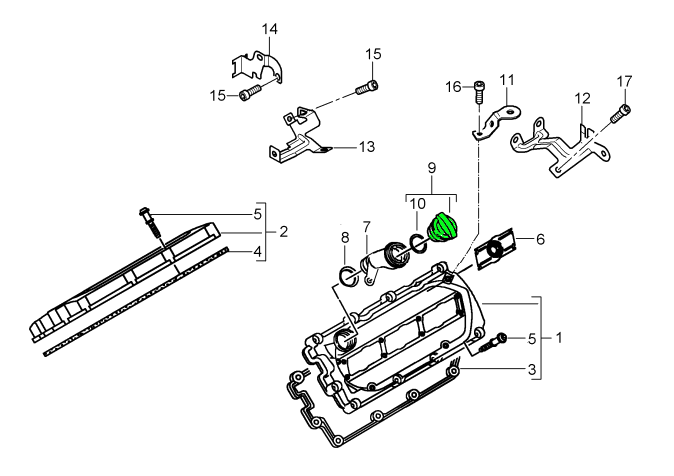
Engine Oil Filler Cap
Maintain a properly sealed lubrication system with this OE
Match Engine Oil Filler Cap. This high-quality oil filler cap provides a secure seal on the engine oil
filler neck, helping to prevent oil leaks, contamination and pressure loss
within the engine.
Fits:
- Porsche 957 Cayenne 3.0L Diesel 2007-10
- Porsche 958 Cayenne V6 3.0L Diesel (245Hp) 2010-17
- Porsche 958 Cayenne S V6 3.0L Hybrid (380Hp) 2010-17
- Porsche 958 Cayenne S V8 4.2L Diesel (382Hp) 2010-17
- Porsche 970.1 Panamera Diesel V6 3.0L 2011-13
- Porsche 970.1 Panamera S Hybrid V6 3.0L 2011-13
- Porsche 970.2 Panamera Diesel V6 3.0L (250Hp) 2014-16
- Porsche 970.2 Panamera S E-Hybrid V6 3.0L (416Hp) 2014-16
- Porsche 95B.1 Macan S Petrol 3.0L V6 (340Bhp) 2014-18
- Porsche 95B.1 Macan S Diesel 3.0L V6 (258Bhp) 2014-18
- Porsche 95B.1 Macan Turbo 3.6L V6 (400Bhp) 2014-18
Diagram ref no 9
Manufactured to OE specifications, this replacement cap features the correct locking mechanism and integrated sealing element to ensure a precise fit and reliable operation. Whether you're replacing a lost cap, repairing an oil leak or refreshing your engine bay during routine servicing, this OE Match oil filler cap offers dependable performance and factory-quality fit.
What Does the Engine Oil Filler Cap Do?
The engine oil filler cap performs several important functions within the engine lubrication system.
Its primary functions include:
- Sealing the engine oil filler neck.
- Preventing engine oil from escaping.
- Helping maintain correct crankcase pressure.
- Preventing dirt, dust and moisture from entering the engine.
- Protecting the engine oil from contamination.
- Allowing safe and convenient engine oil top-ups during servicing.
A properly sealing oil filler cap is essential for maintaining engine reliability and protecting internal engine components.
Why Does the Engine Oil Filler Cap Need Replacing?
Over time, the oil filler cap and its sealing ring are exposed to continuous heat, oil vapours and repeated removal during servicing.
Common causes of failure include:
- Worn or flattened sealing gasket.
- Cracked or damaged plastic housing.
- Heat-related deterioration.
- Broken locking tabs.
- Oil contamination affecting the seal.
- Loss or accidental damage during maintenance.
A faulty oil filler cap can allow oil seepage, contaminants to enter the engine or trigger oil residue around the filler neck.
When Should It Be Replaced?
Replacement is recommended when:
- The cap no longer seals correctly.
- Oil is visible around the filler neck.
- The cap is cracked or damaged.
- The locking tabs are worn or broken.
- The sealing gasket has deteriorated.
- Replacing missing engine bay components.
- Carrying out preventative maintenance during servicing.
Replacing a worn oil filler cap is a simple and inexpensive way to help protect your engine and maintain a clean engine bay.
Related reference numbers
Related, superseded, cross reference or alternative numbers for comparison.
95810448510
The product you are viewing cross references to these numbers

- Porsche 955 Cayenne 3.2L V6 2003-06
- Porsche 955 Cayenne S 4.5L V8 2003-06
- Porsche 955 Cayenne Turbo 4.5L 2003-06
- Porsche 955 Cayenne Turbo S 4.5L 2006>>
- Porsche 957 Cayenne 3.0L Diesel 2007-10
- Porsche 957 Cayenne 3.6L 2007-10
- Porsche 957 Cayenne S / GTS 4.8L 2007-10
- Porsche 957 Cayenne Turbo / Turbo S 4.8L 2007-10
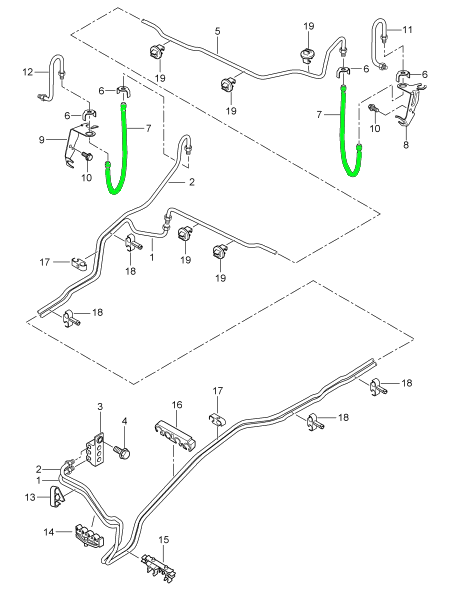
Rear Brake Hose
Sold each - 2 required per ar
Maintain safe, responsive braking performance with this OE
Match Rear Brake Hose. This
high-quality flexible brake hose provides a reliable hydraulic connection
between the vehicle's rigid brake lines and the rear brake caliper.

Fits:
- Porsche 955 Cayenne 3.2L V6 2003-06
- Porsche 955 Cayenne S 4.5L V8 2003-06
- Porsche 955 Cayenne Turbo 4.5L 2003-06
- Porsche 955 Cayenne Turbo S 4.5L 2006>>
- Porsche 957 Cayenne 3.0L Diesel 2007-10
- Porsche 957 Cayenne 3.6L 2007-10
- Porsche 957 Cayenne S / GTS 4.8L 2007-10
- Porsche 957 Cayenne Turbo / Turbo S 4.8L 2007-10
Diagram ref no 7
Manufactured using durable, brake fluid-resistant materials, this OE Match brake hose is engineered to withstand high hydraulic pressures, continual suspension movement and demanding driving conditions. Whether you're replacing worn brake components, carrying out routine servicing or performing a complete brake system overhaul, this replacement hose delivers dependable performance and long service life.
What Does the Rear Brake Hose Do?
The rear brake hose is a vital component of the hydraulic braking system.
Its primary functions include:
- Carrying brake fluid under high pressure to the rear brake caliper.
- Allowing suspension and steering movement without stressing the brake lines.
- Maintaining consistent hydraulic pressure during braking.
- Providing safe and reliable brake operation.
- Helping deliver firm brake pedal feel and consistent braking performance.
A correctly functioning brake hose is essential for maintaining safe braking under all driving conditions.
Why Do Rear Brake Hoses Wear Out?
Brake hoses operate in a harsh environment and are continually exposed to pressure, movement and the elements.
Common causes of deterioration include:
- Rubber ageing and hardening.
- Cracks caused by repeated flexing.
- Exposure to road salt, dirt and moisture.
- Internal deterioration caused by ageing brake fluid.
- Abrasion from contact with surrounding components.
- Damage from impact or incorrect installation.
As brake hoses deteriorate, they can restrict brake fluid flow or develop leaks, reducing braking performance and compromising safety.
When Should the Rear Brake Hose Be Replaced?
Replacement is recommended when:
- The hose shows visible cracks or splits.
- Brake fluid leaks are present.
- The outer rubber has become swollen or perished.
- Corrosion is present around the hose fittings.
- Replacing brake calipers or rear brake pipes.
- Carrying out a complete brake system overhaul.
- Performing preventative maintenance on higher-mileage vehicles.
It is good practice to replace brake hoses in axle pairs to maintain balanced braking performance.
Related reference numbers
Related, superseded, cross reference or alternative numbers for comparison.
95835506000
The product you are viewing cross references to these numbers

- Porsche 955 Cayenne 3.2L V6 2003-06
- Porsche 957 Cayenne 3.0L Diesel 2007-10
- Porsche 958 Cayenne V6 3.0L Diesel (245Hp) 2010-17
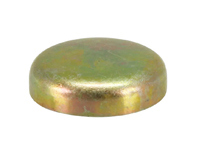
Crankcase Sealing Plug (Core Plug) A16
Sold each
Restore the integrity of your Porsche engine with this OE
Match Crankcase Sealing Plug (Core Plug) A16. This precision-engineered sealing plug provides a secure seal within the
crankcase, helping to prevent oil leaks and maintain the integrity of the
engine block.
Fits:
- Porsche 955 Cayenne 3.2L V6 2003-06
- Porsche 957 Cayenne 3.0L Diesel 2007-10
- Porsche 958 Cayenne V6 3.0L Diesel (245Hp) 2010-17
Diagram ref no 3
Core plugs play a vital role in sealing machined openings within the engine during manufacture. Over time, corrosion, engine heat and age can cause these plugs to deteriorate, making replacement essential during engine repairs or rebuilds. This OE Match component offers the correct dimensions and fit for dependable sealing and long-term reliability.
Whether you're rebuilding an engine, repairing an oil leak or carrying out preventative maintenance, this OE Match crankcase sealing plug provides a reliable OE-quality solution.
What Does the Crankcase Sealing Plug Do?
The crankcase sealing plug closes a machined opening within the engine block or crankcase.
Its primary functions include:
- Sealing casting and machining openings within the engine.
- Preventing engine oil leaks.
- Maintaining crankcase integrity.
- Helping protect the engine against dirt and moisture ingress.
- Supporting long-term engine reliability.
- Providing a secure, leak-free seal under normal operating conditions.
Although simple in design, the sealing plug is essential for maintaining a properly sealed engine.
Why Does the Crankcase Sealing Plug Fail?
Over time, sealing plugs are exposed to harsh operating conditions.
Common causes of failure include:
- Corrosion caused by moisture and coolant contamination.
- Age-related deterioration.
- Heat cycling causing material fatigue.
- Mechanical damage during engine repairs.
- Incorrect installation.
- Wear associated with high-mileage engines.
A failing core plug can lead to oil leaks, contamination and unnecessary engine repairs if left unattended.
When Should It Be Replaced?
Replacement is recommended when:
- An oil leak is traced to the sealing plug.
- The original plug shows corrosion or damage.
- Carrying out a complete engine rebuild.
- The crankcase has been dismantled.
- Performing preventative maintenance on a high-mileage engine.
- Replacing other crankcase sealing components.
Replacing ageing core plugs during engine work helps avoid future leaks and reduces the likelihood of repeat labour costs.
Related reference numbers
Related, superseded, cross reference or alternative numbers for comparison.
N0119034
The product you are viewing cross references to these numbers

- Porsche 911 1965-1968 2.0L / 912 SWB (F)
- Porsche 911 1968-1973 2.2L / 2.4L / 2.7L RS LWB (F)
- Porsche 914 (1970-1976)
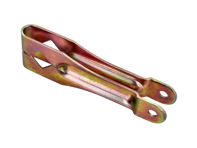
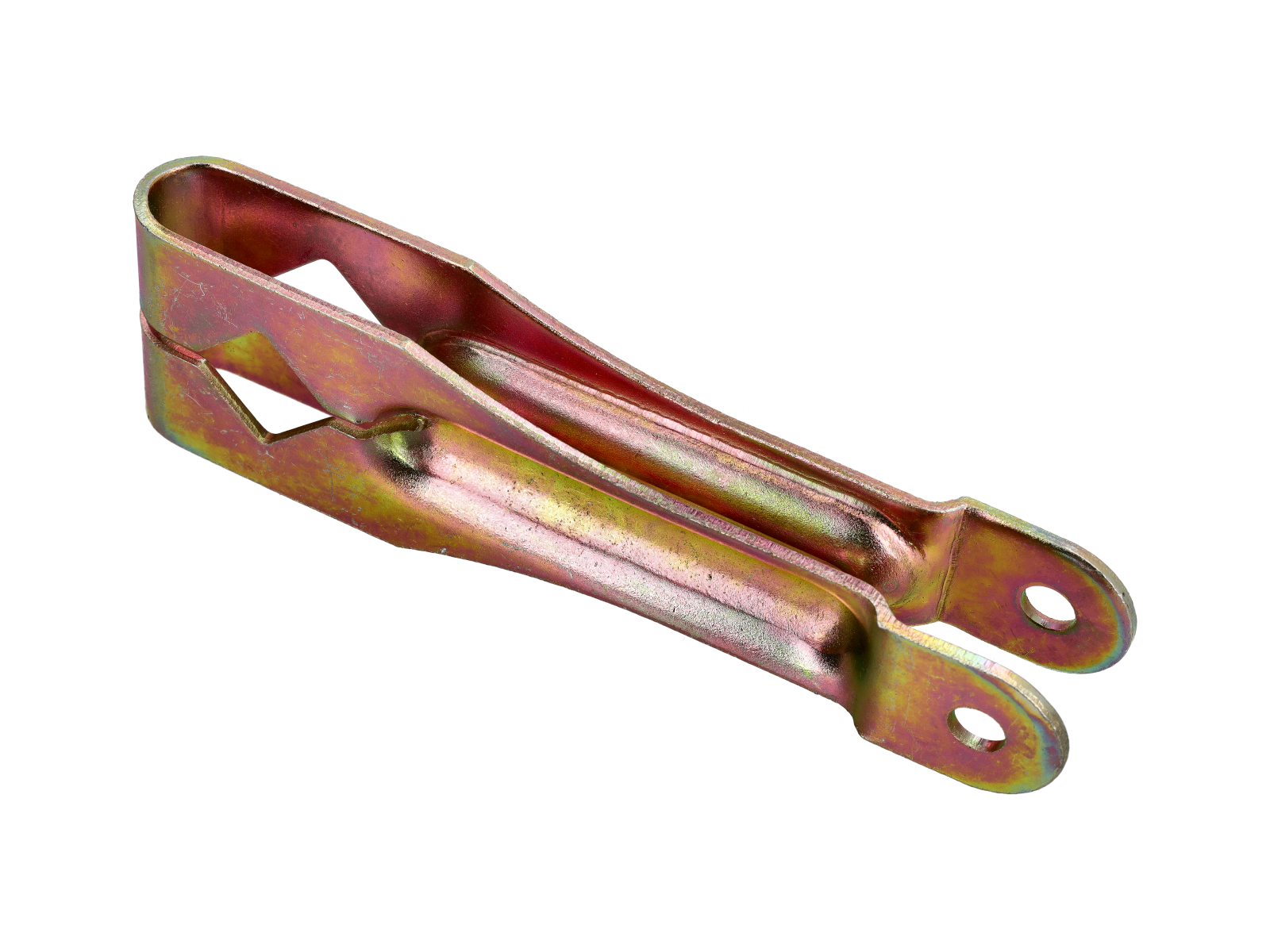
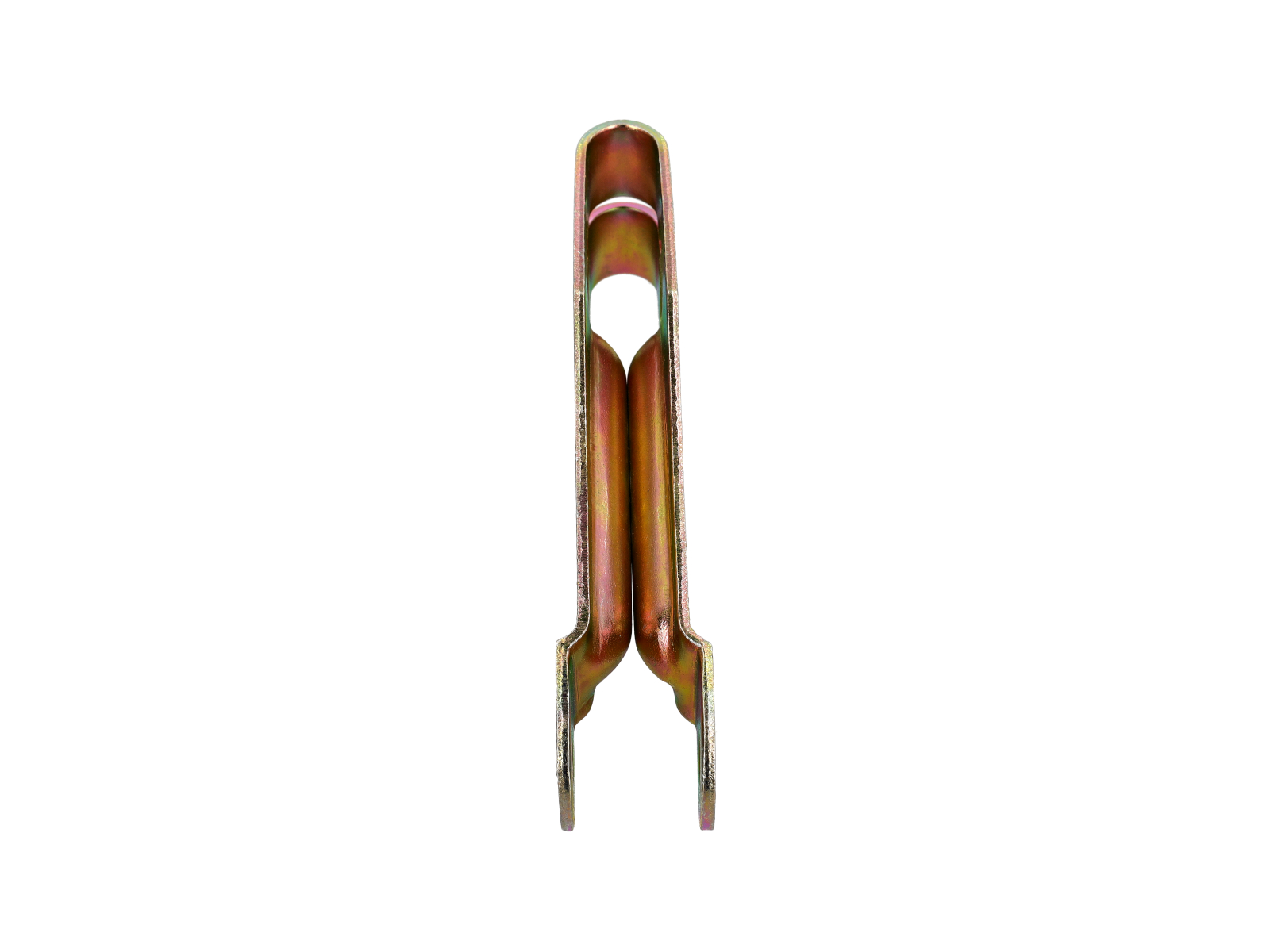
Front Axle Anti Roll Bar Lever
Sold each - 2 required per car
Restore the handling and suspension performance of your
classic Porsche with this OE Match Front Axle Anti Roll Bar Lever. This precision-manufactured suspension component
delivers the correct fit, strength and geometry required for reliable anti-roll
bar operation.
Fits:
- Porsche 911 1965-1968 2.0L / 912 SWB (F)
- Porsche 911 1968-1973 2.2L / 2.4L / 2.7L RS LWB (F)
- Porsche 914 (1970-1976)
Diagram ref no 29
The anti roll bar lever forms a vital part of the front suspension system, transferring movement between the suspension and anti-roll bar to help minimise body roll during cornering. Replacing worn or damaged levers helps restore predictable handling, steering precision and suspension performance.
Ideal for suspension rebuilds, chassis restoration or routine maintenance, this OE Match component provides dependable quality and long service life.
What Does the Front Axle Anti Roll Bar Lever Do?
The anti roll bar lever connects the front suspension to the anti-roll bar system.
Its primary functions include:
- Transferring suspension movement to the anti-roll bar.
- Reducing body roll during cornering.
- Improving vehicle stability.
- Helping maintain balanced handling characteristics.
- Supporting more consistent tyre contact with the road surface.
- Working with the anti-roll bar to improve steering response.
A correctly functioning anti roll bar lever contributes to the precise handling characteristics for which classic Porsche models are renowned.
Why Does the Anti Roll Bar Lever Wear Out?
Over many years of use, suspension components are subjected to continual stress, vibration and environmental exposure.
Common causes of wear include:
- Corrosion from water and road salt.
- Fatigue caused by repeated suspension movement.
- Impact damage from road debris.
- Wear around mounting points.
- Distortion following suspension damage.
- General ageing after decades of service.
A worn or damaged lever can affect suspension geometry, reduce handling precision and place additional stress on surrounding suspension components.
When Should It Be Replaced?
Replacement is recommended when:
- The suspension is being rebuilt.
- The lever is bent, cracked or corroded.
- Excessive wear is visible around mounting points.
- The anti-roll bar system has excessive movement.
- Restoring the vehicle to factory specification.
- Replacing anti-roll bar bushes or related suspension components.
- Completing a concours-quality restoration.
Replacing suspension components together helps maintain correct suspension geometry and restores the handling performance of your Porsche.
Related reference numbers
Related, superseded, cross reference or alternative numbers for comparison.
90134371301
The product you are viewing cross references to these numbers
- Porsche 911 1965-1968 2.0L / 912 SWB (F)
- Porsche 911 1968-1973 2.2L / 2.4L / 2.7L RS LWB (F)
- Porsche 911 1974-1977 2.7L / 1976-77 3.0 Carrera
- Porsche 911 1978-1983 3.0L / SC
- Porsche 911 1984-1986 3.2L
- Porsche 911 1987-1989 3.2L G50
- Porsche 911 1975-1977 3.0L Turbo (930)
- Porsche 911 1978-1989 3.3L Turbo (930)
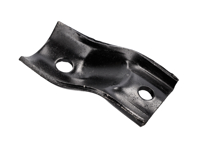
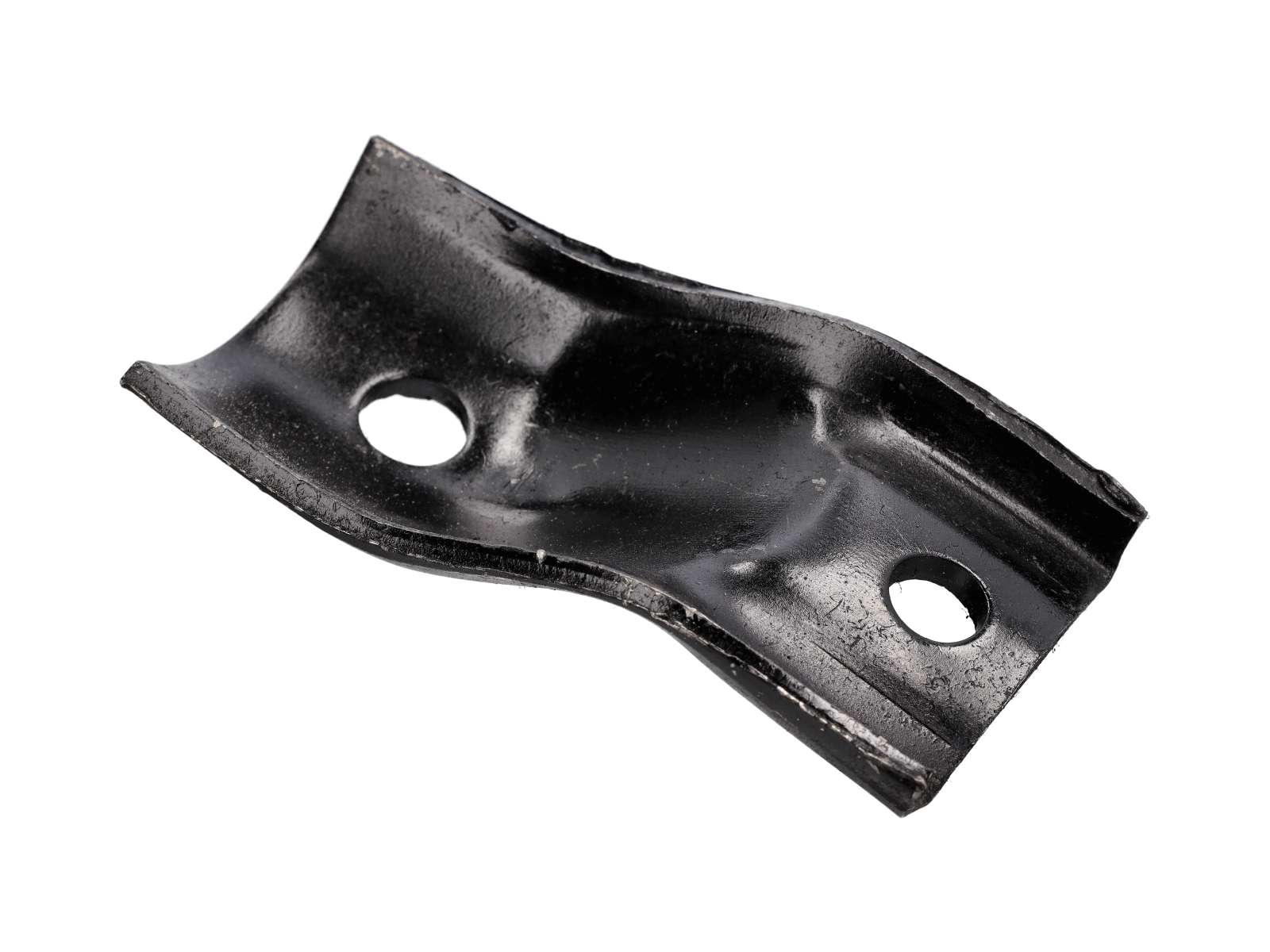
Torsion Bar Protective Clamp
Sold each
Maintain the integrity of your classic Porsche suspension
with this OE Match Torsion Bar Protective Clamp. Manufactured to the original factory
specification, this is designed to securely retain and protect the torsion bar assembly, ensuring
reliable operation and long-term durability.
Fits:
- Porsche 911 1965-1968 2.0L / 912 SWB (F) Left or Right Side
- Porsche 911 1968-1973 2.2L / 2.4L / 2.7L RS LWB (F) Left or Right Side
- Porsche 911 1974-1977 2.7L / 1976-77 3.0 Carrera Right Side only
- Porsche 911 1978-1983 3.0L / SC Right Side only
- Porsche 911 1984-1986 3.2L Right Side only
- Porsche 911 1987-1989 3.2L G50 Right Side only
- Porsche 911 1975-1977 3.0L Turbo (930) Right Side only
- Porsche 911 1978-1989 3.3L Turbo (930) Right Side only
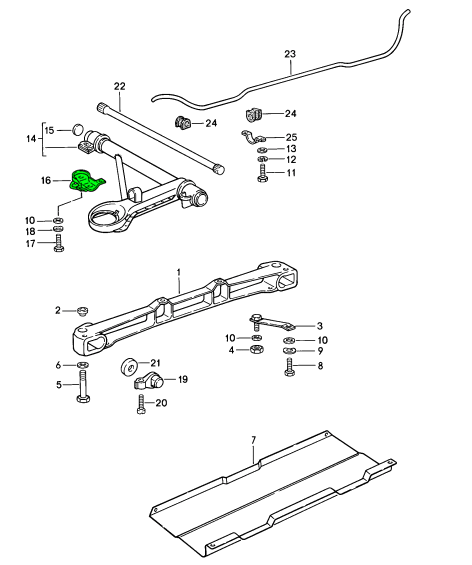
Diagram ref no 16
Although small, the torsion bar protective clamp is an important suspension component that helps keep the torsion bar correctly positioned while protecting surrounding components from movement and damage. Whether you're carrying out a complete suspension rebuild or replacing corroded original hardware, this OE Match replacement delivers factory-style fit and dependable performance.
What Does the Torsion Bar Protective Clamp Do?
The torsion bar protective clamp forms part of the rear suspension assembly.
Its primary functions include:
- Securing and protecting the torsion bar assembly.
- Helping retain the torsion bar in its correct position.
- Supporting correct alignment of suspension components.
- Reducing unwanted movement within the suspension assembly.
- Protecting adjacent components from wear caused by vibration.
- Contributing to the long-term reliability of the torsion bar system.
Using the correct clamp helps ensure the suspension functions as Porsche originally intended.
Why Does the Torsion Bar Protective Clamp Need Replacing?
After decades beneath the vehicle, the original clamp is exposed to harsh environmental conditions.
Common causes of deterioration include:
- Corrosion from road salt and moisture.
- Surface rust weakening the metal.
- Damage during suspension disassembly.
- Distortion caused by previous removal.
- Fatigue from years of vibration and road use.
- General ageing of original hardware.
A damaged or corroded clamp may no longer provide the correct support for the torsion bar assembly during suspension servicing or restoration.
When Should It Be Replaced?
Replacement is recommended when:
- Carrying out a torsion bar replacement.
- Rebuilding the rear suspension.
- The original clamp is corroded or damaged.
- Suspension components have been removed for servicing.
- Restoring the vehicle to factory specification.
- Completing a concours-quality restoration.
- Replacing worn or ageing suspension hardware.
Replacing original suspension hardware during a rebuild helps ensure reliable fitment and long-term durability.
Related reference numbers
Related, superseded, cross reference or alternative numbers for comparison.
90134115900
The product you are viewing cross references to these numbers
- Porsche 911 1965-1968 2.0L / 912 SWB (F)
- Porsche 911 1968-1973 2.2L / 2.4L / 2.7L RS LWB (F)
- Porsche 911 1975-1977 3.0L Turbo (930)
- Porsche 914 (1970-1976)
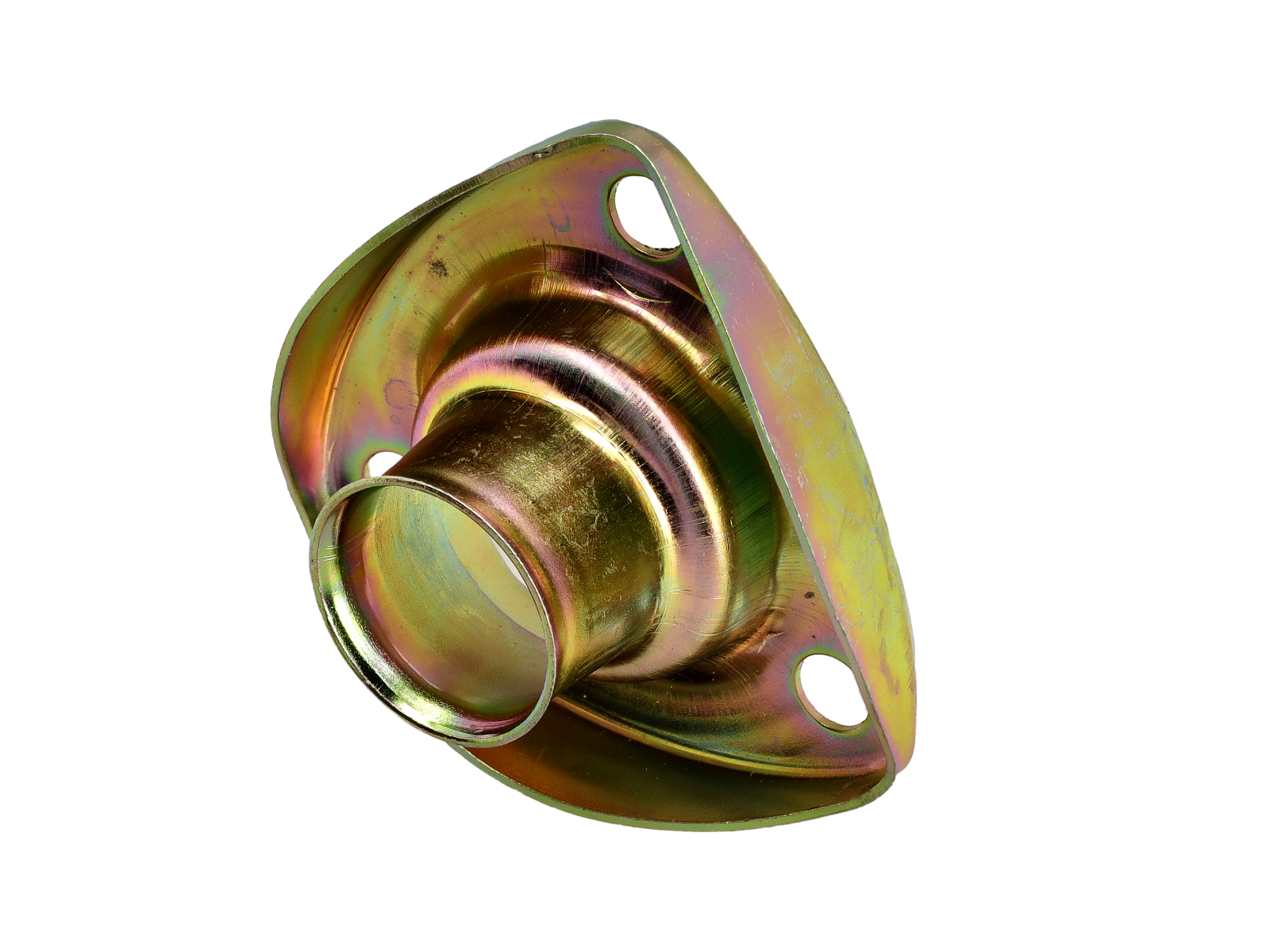
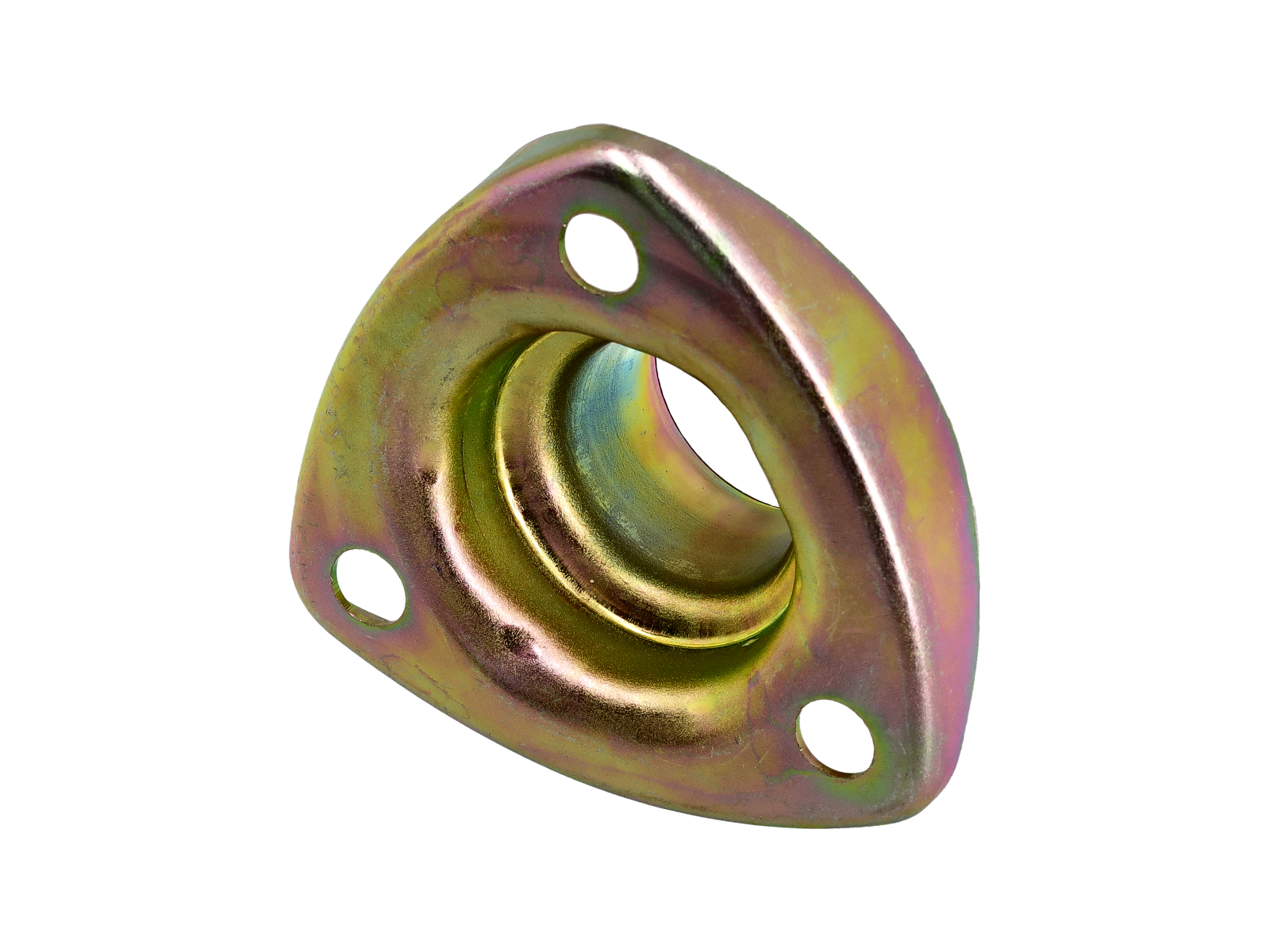
OE Match stabiliser bar mounting plate - direct replacement for classic Porsche front anti-roll bar mounting on 911 (1965–73), 911 (930 1975–77), and 914. Restores correct suspension geometry and handling precision with durable, direct-fit construction.
Sold each, 2 required per vehicle.
Fits:
Porsche 911/911 S / 912 1965 - 1967
Porsche 911 S/L / 912 1968 - 1969
Porsche 911 S / Carrera 2.7 / 911 T/E 1970 - 1973
Porsche 911 (930) Turbo 1795 - 1977
Porsche 914 1970 - 1976
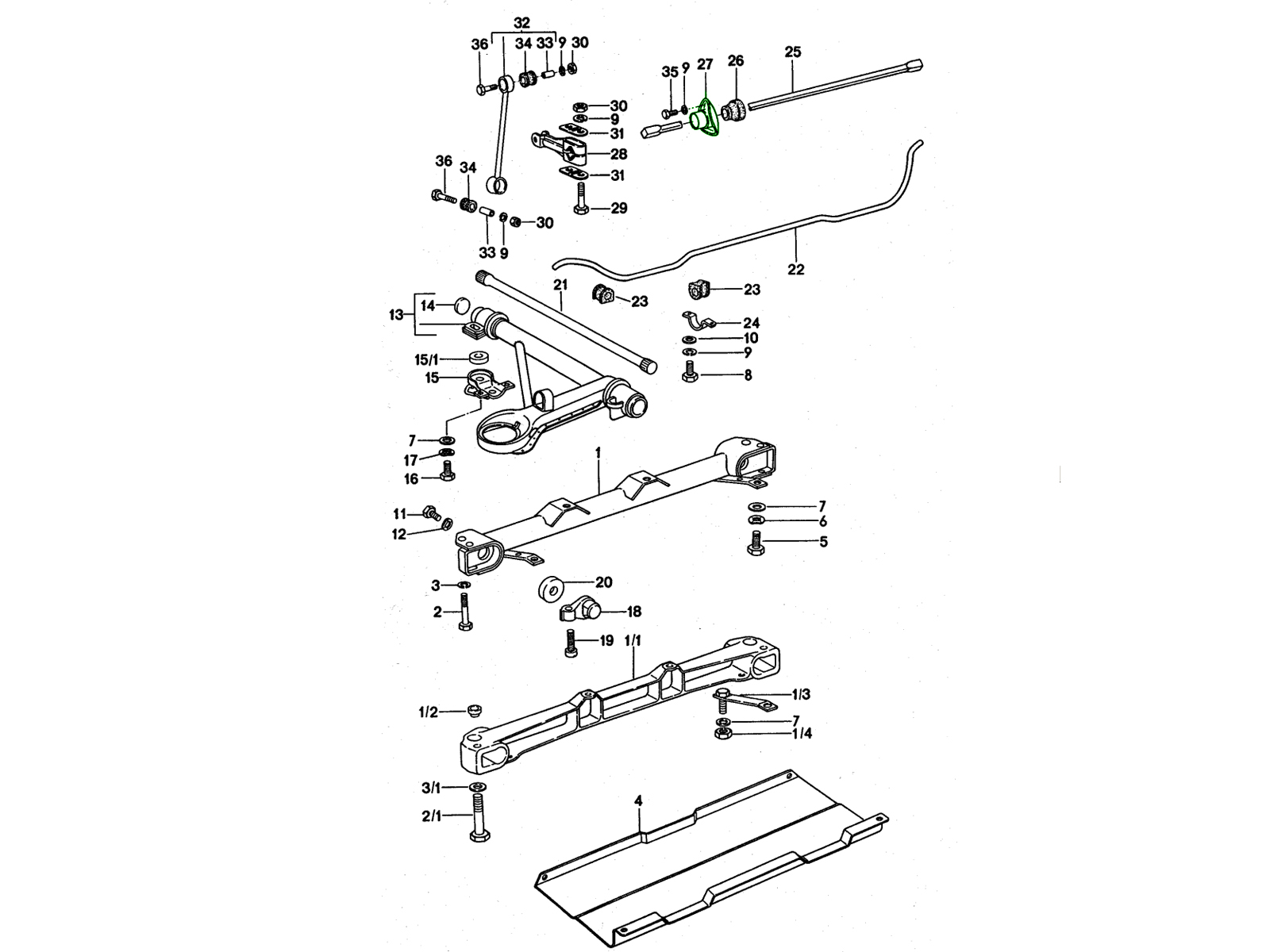
Diagram ref no 27
The mounting plate acts as a foundation for the stabiliser bar brackets and bushings, ensuring they remain correctly positioned against the chassis. Over many years of service, original plates can twist, crack, corrode, or wear, which can compromise the efficiency of the anti-roll system and lead to handling inconsistencies.
This OE Match replacement plate is ideal for suspension rebuilds, restoration projects, or upgrades where secure stabiliser bar attachment is required. It installs directly in place of the original with no modification needed and helps maintain the vehicle’s classic handling characteristics.
The stabiliser bar mounting plate provides a solid anchoring surface for the anti-roll bar bush brackets. By keeping the stabiliser bar correctly positioned, it helps reduce body roll during cornering, enhances steering precision, and maintains chassis stability under lateral loads.
Function:
• Anchors stabiliser (anti-roll) bar bush brackets to the chassis
• Maintains correct geometry and load transfer for suspension dynamics
• Reduces body roll and improves cornering stability
• Durable, corrosion-resistant construction for long service life
A worn, bent, or corroded stabiliser bar mounting plate can cause the anti-roll bar to shift under load, leading to decreased handling precision, increased body roll, and uneven suspension response. Replacing it with an OE Match mounting plate restores secure attachment for the stabiliser bar assembly, enhances lateral stability, and helps retain the intended driving dynamics of your classic Porsche.
When to replace:
• Visible rust, cracks, or deformation of the mounting plate
• Excessive play or movement in the anti-roll bar under cornering
• During front suspension rebuild or stabiliser bar service
• After collision or chassis repair affecting suspension mounts
Related reference numbers
Related, superseded, cross reference or alternative numbers for comparison.
90134375401
The product you are viewing cross references to these numbers
- Porsche 996 C2 3.4L 1997-08/01
- Porsche 996 C4 3.4L 1997-08/01
- Porsche 996 C2 3.6L 09/01-2005
- Porsche 996 C4 3.6L 09/01-2005
- Porsche 996 C4S 3.6L 09/01-2005
- Porsche 996 GT3 MKI 1999-02
- Porsche 996 GT3 MKII 2003>>
- Porsche 996 GT3 RS 2003-04
- Porsche 997 MK1 Carrera 2 3.6L 2005-08
- Porsche 997 MK1 Carrera 2S 3.8L 2005-08
- Porsche 997 MK1 Carrera 4 3.6L 2005-08
- Porsche 997 MK1 Carrera 4S 3.8L 2005-08
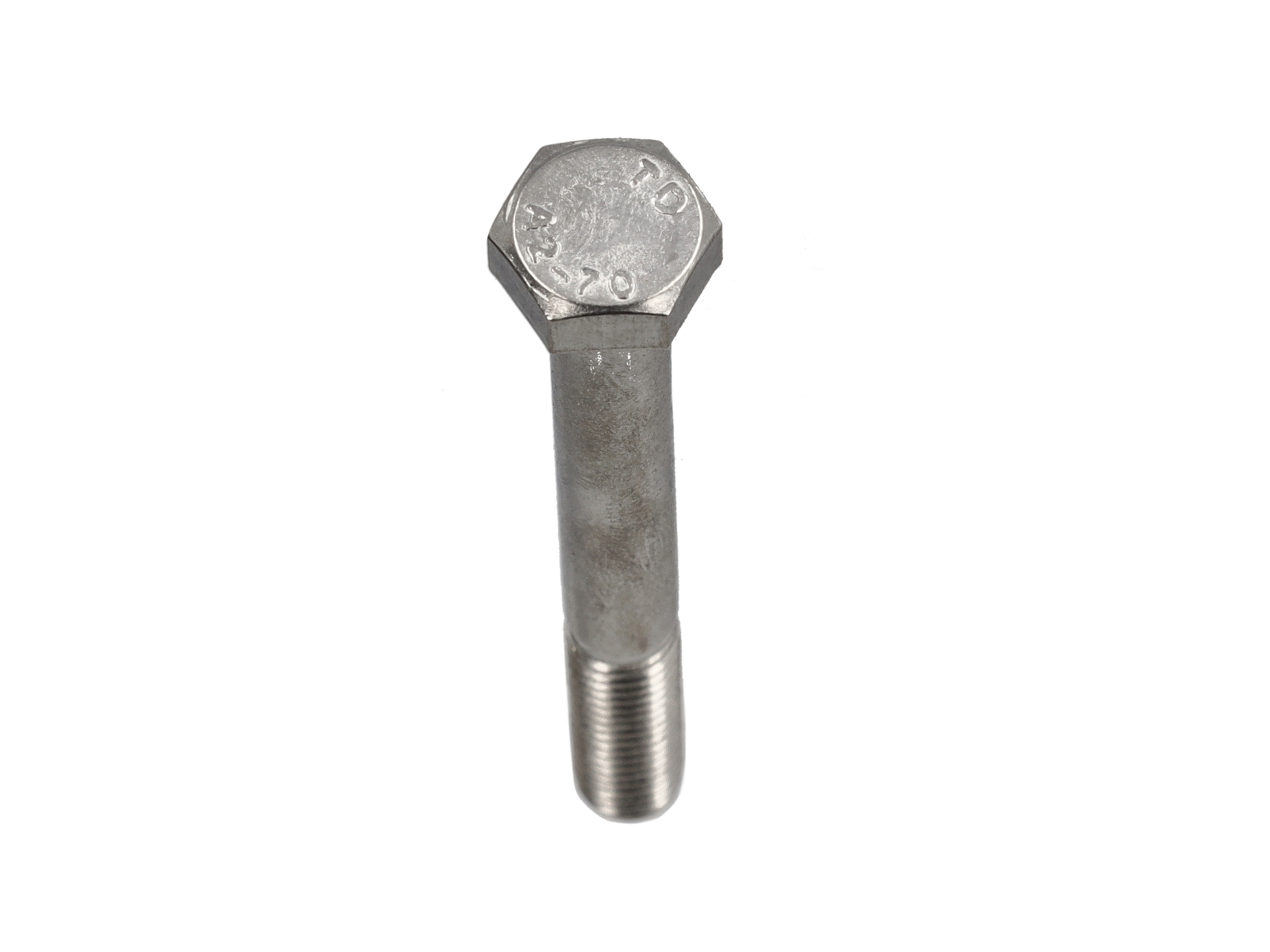
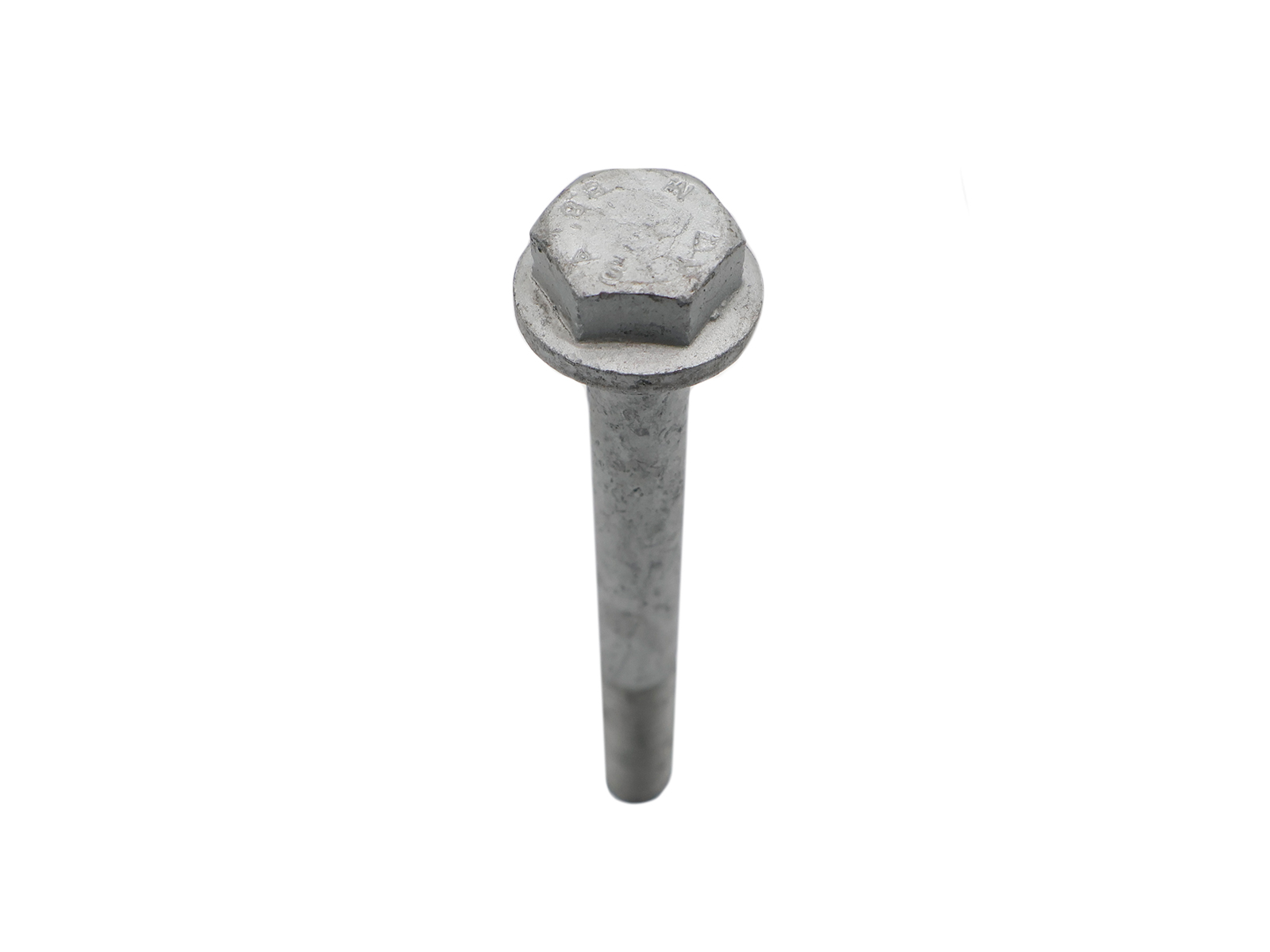
Exhaust Hexagon Head Bolt (Short)
Sold each
Ensure a secure and reliable exhaust installation with this
OE Match Short Exhaust Hexagon Head Bolt.
Manufactured to the original factory specification, this provides the correct strength, thread specification and fit required for
securing exhaust components.
Fits:
- Porsche 996 C2 3.4L 1997-08/01
- Porsche 996 C4 3.4L 1997-08/01
- Porsche 996 C2 3.6L 09/01-2005
- Porsche 996 C4 3.6L 09/01-2005
- Porsche 996 C4S 3.6L 09/01-2005
- Porsche 996 GT3 MKI 1999-02
- Porsche 996 GT3 MKII 2003>>
- Porsche 996 GT3 RS 2003-04
- Porsche 997 MK1 Carrera 2 3.6L 2005-08
- Porsche 997 MK1 Carrera 2S 3.8L 2005-08
- Porsche 997 MK1 Carrera 4 3.6L 2005-08
- Porsche 997 MK1 Carrera 4S 3.8L 2005-08
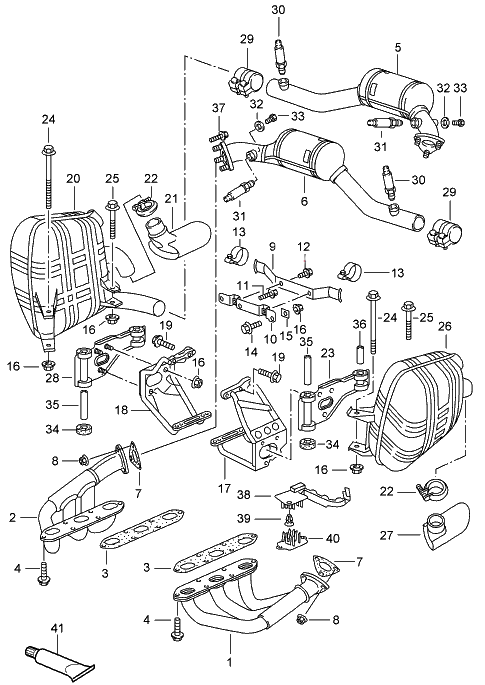
Diagram ref no 25
Exhaust hardware operates in one of the harshest environments on any vehicle, being subjected to extreme temperatures, vibration, corrosion and repeated heating and cooling cycles. This OE Match bolt is manufactured from high-quality materials to deliver dependable clamping force and long service life, making it ideal for routine repairs, exhaust upgrades or complete engine rebuilds.
What Does the Exhaust Hexagon Head Bolt Do?
The exhaust bolt is a critical fastening component within the exhaust system.
Its primary functions include:
- Securing exhaust components together.
- Maintaining correct clamping force between mating surfaces.
- Preventing exhaust leaks.
- Resisting loosening caused by vibration and thermal expansion.
- Helping maintain proper alignment of exhaust components.
- Supporting reliable long-term exhaust system performance.
Using the correct OE-specification fasteners helps ensure safe and leak-free exhaust operation.
Why Do Exhaust Bolts Need Replacing?
Exhaust bolts are continually exposed to harsh operating conditions.
Common causes of deterioration include:
- Corrosion caused by moisture and road salt.
- Extreme exhaust temperatures.
- Repeated heat cycles causing fatigue.
- Thread damage during removal.
- Seizure due to oxidation.
- Rounded or damaged bolt heads during servicing.
Once removed, older exhaust hardware is often unsuitable for reuse due to corrosion or loss of clamping performance.
When Should They Be Replaced?
Replacement is recommended when:
- Removing or replacing exhaust components.
- Installing new silencers, catalytic converters or manifolds.
- Repairing exhaust leaks.
- The original bolt is corroded or seized.
- Threads are damaged or worn.
- Carrying out engine or exhaust system restoration.
- Performing preventative maintenance during exhaust servicing.
Replacing exhaust hardware whenever the system is dismantled helps ensure reliable sealing and simplifies future maintenance.
Related reference numbers
Related, superseded, cross reference or alternative numbers for comparison.
90037810501
The product you are viewing cross references to these numbers
- Porsche 911 1965-1968 2.0L / 912 SWB (F)
- Porsche 911 1968-1973 2.2L / 2.4L / 2.7L RS LWB (F)
- Porsche 911 1974-1977 2.7L / 1976-77 3.0 Carrera
- Porsche 911 1978-1983 3.0L / SC
- Porsche 911 1975-1977 3.0L Turbo (930)
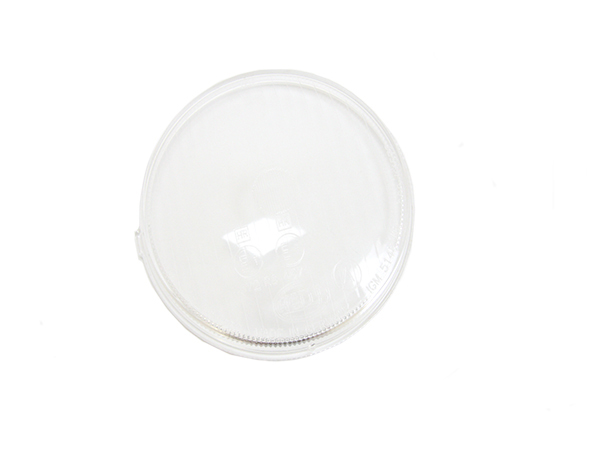
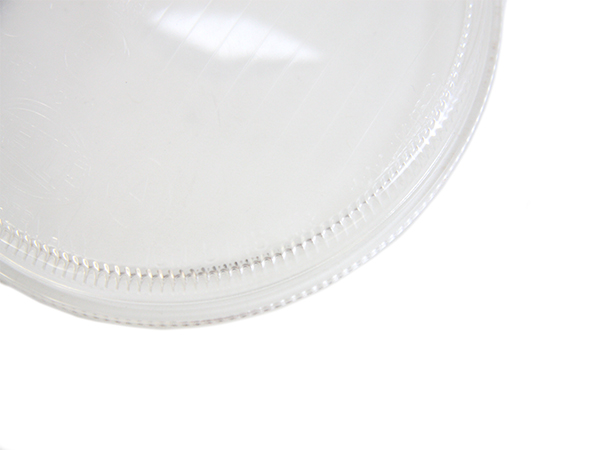
Additional High Beam Headlight Lens
Sold each
Restore the appearance and performance of your classic
Porsche auxiliary lighting with this OE Match Additional High Beam Headlight
Lens. Manufactured to the
original factory specification, this provides the correct fit, optical clarity and
factory-style finish for the additional high beam headlight assembly.
Fits:
- Porsche 911 1965-1968 2.0L / 912 SWB (F)
- Porsche 911 1968-1973 2.2L / 2.4L / 2.7L RS LWB (F)
- Porsche 911 1974-1977 2.7L / 1976-77 3.0 Carrera
- Porsche 911 1978-1983 3.0L / SC
- Porsche 911 1975-1977 3.0L Turbo (930)
Designed to protect the internal reflector and bulb while maintaining the correct light distribution, this replacement lens helps restore maximum illumination for improved visibility when driving at night or on unlit roads. Whether you're replacing a damaged lens or carrying out a concours-quality restoration, this OE Match component delivers the authentic appearance and performance expected from a classic Porsche.
What Does the Additional High Beam Headlight Lens Do?
The additional high beam lens is an important part of the auxiliary lighting system.
Its primary functions include:
- Protecting the headlight reflector and bulb from water, dirt and road debris.
- Maintaining the correct high beam light pattern.
- Maximising light output for improved night-time visibility.
- Helping seal the lamp assembly against moisture.
- Completing the factory appearance of the additional driving light.
A clear, undamaged lens ensures optimum lighting performance while protecting the internal components from damage.
Why Does the High Beam Lens Need Replacing?
Located at the front of the vehicle, the lens is exposed to constant impacts and environmental conditions.
Common causes of deterioration include:
- Stone chips from road debris.
- Cracks caused by impact damage.
- Surface scratching and pitting.
- Clouding or dulling from UV exposure.
- Moisture ingress through damaged glass.
- General ageing after decades of service.
A damaged lens can reduce light output, alter the beam pattern and allow water to enter the lamp housing, potentially damaging the reflector and bulb.
When Should It Be Replaced?
Replacement is recommended when:
- The lens is cracked or chipped.
- The glass has become cloudy or heavily scratched.
- Water or condensation is visible inside the lamp.
- High beam performance has noticeably deteriorated.
- Restoring the auxiliary lighting system.
- Completing a concours or factory-correct restoration.
Replacing the lens restores both the effectiveness of the additional high beam lamp and the original appearance of your Porsche.
Related reference numbers
Related, superseded, cross reference or alternative numbers for comparison.
90163121101
The product you are viewing cross references to these numbers
- Porsche 911 1965-1968 2.0L / 912 SWB (F)
- Porsche 911 1968-1973 2.2L / 2.4L / 2.7L RS LWB (F)
- Porsche 911 1974-1977 2.7L / 1976-77 3.0 Carrera
- Porsche 911 1978-1983 3.0L / SC
- Porsche 911 1975-1977 3.0L Turbo (930)
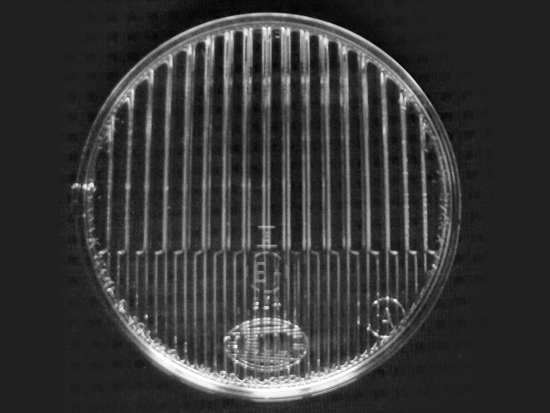
Additional Front Fog Lamp Lens
Sold each
Restore the appearance and performance of your classic
Porsche lighting system with this OE Match Additional Front Fog Lamp Lens for
the Porsche 911 (1965-1977). Manufactured to the original
factory specification, this direct replacement delivers the correct fit, clarity and factory-style appearance
for your additional front fog lamp assembly.
Fits:
- Porsche 911 1965-1968 2.0L / 912 SWB (F)
- Porsche 911 1968-1973 2.2L / 2.4L / 2.7L RS LWB (F)
- Porsche 911 1974-1977 2.7L / 1976-77 3.0 Carrera
- Porsche 911 1978-1983 3.0L / SC
- Porsche 911 1975-1977 3.0L Turbo (930)
The fog lamp lens is designed to protect the internal reflector and bulb while ensuring the correct light distribution for improved visibility in poor weather conditions. Whether you're replacing a damaged lens or completing a concours-quality restoration, this OE Match component restores both safety and originality to your Porsche 911.
What Does the Additional Front Fog Lamp Lens Do?
The fog lamp lens is an important part of the auxiliary lighting system.
Its primary functions include:
- Protecting the fog lamp reflector and bulb from water, dirt and road debris.
- Directing and diffusing the fog lamp beam correctly.
- Improving visibility during fog, rain and poor weather conditions.
- Helping maintain the weatherproof integrity of the fog lamp assembly.
- Preserving the original appearance of the front lighting system.
A clear, undamaged lens is essential for maximum light output and correct beam performance.
Why Does the Fog Lamp Lens Need Replacing?
Mounted low on the front of the vehicle, fog lamp lenses are constantly exposed to harsh road conditions.
Common causes of deterioration include:
- Stone chips from road debris.
- Cracks caused by minor impacts.
- Surface scratches and pitting.
- UV exposure causing clouding or discolouration.
- Moisture ingress through damaged glass.
- General ageing after decades of service.
A damaged lens can significantly reduce light output and allow moisture to damage the reflector and internal components.
When Should It Be Replaced?
Replacement is recommended when:
- The lens is cracked or chipped.
- The glass has become cloudy or heavily scratched.
- Water or condensation is present inside the fog lamp.
- Light output has noticeably reduced.
- Restoring the vehicle's front lighting system.
- Completing a concours or factory-correct restoration.
Replacing the fog lamp lens helps restore optimum lighting performance while maintaining the authentic appearance of your classic Porsche.
Related reference numbers
Related, superseded, cross reference or alternative numbers for comparison.
90163121100
The product you are viewing cross references to these numbers
- Porsche 911 1965-1968 2.0L / 912 SWB (F)
- Porsche 911 1968-1973 2.2L / 2.4L / 2.7L RS LWB (F)
- Porsche 911 1974-1977 2.7L / 1976-77 3.0 Carrera
- Porsche 911 1978-1983 3.0L / SC
- Porsche 911 1984-1986 3.2L
- Porsche 911 1987-1989 3.2L G50
- Porsche 911 1975-1977 3.0L Turbo (930)
- Porsche 911 1978-1989 3.3L Turbo (930)
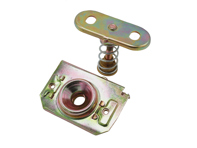
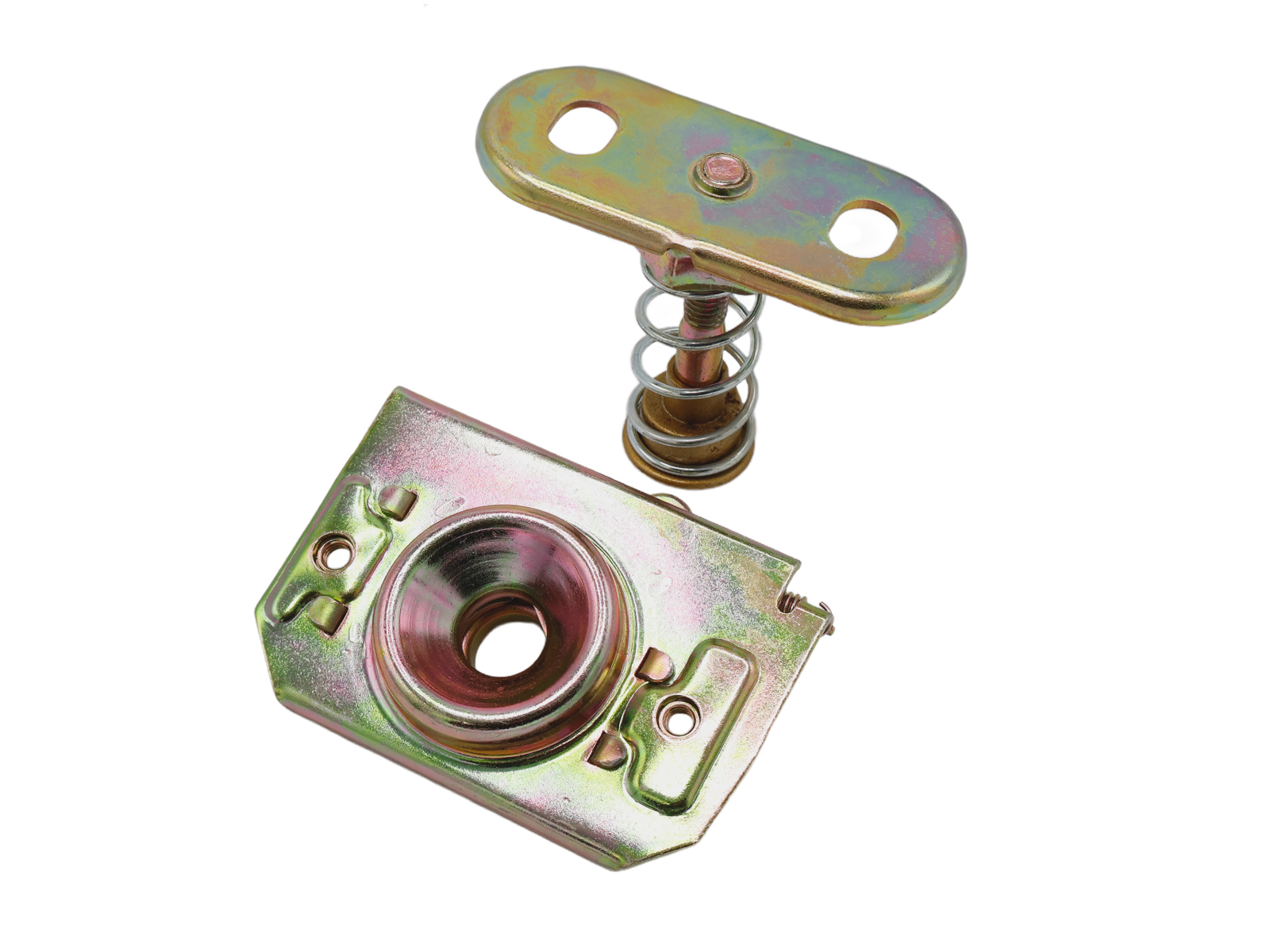
Rear Engine Lid Complete Lock Assembly
Restore the security and correct operation of your classic
Porsche with this OE Match Rear Engine Lid Complete Lock Assembly for the
Porsche 911 (1965-1989). Manufactured to the original factory
specification, this complete lock assembly provides reliable latching of the
rear engine lid while maintaining the authentic factory appearance and
operation.
Fits:
- Porsche 911 1965-1968 2.0L / 912 SWB (F)
- Porsche 911 1968-1973 2.2L / 2.4L / 2.7L RS LWB (F)
- Porsche 911 1974-1977 2.7L / 1976-77 3.0 Carrera
- Porsche 911 1978-1983 3.0L / SC
- Porsche 911 1984-1986 3.2L
- Porsche 911 1987-1989 3.2L G50
- Porsche 911 1975-1977 3.0L Turbo (930)
- Porsche 911 1978-1989 3.3L Turbo (930)
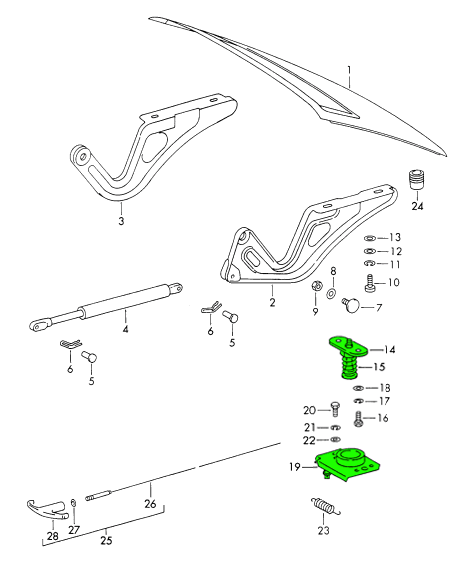
Diagram ref no 14 and 19
Designed as a direct replacement for worn, damaged or corroded original lock mechanisms, this OE Match assembly ensures the engine lid closes securely, aligns correctly and releases smoothly when required. Whether you're restoring a classic 911, repairing accident damage or replacing a worn lock, this complete assembly delivers dependable performance and factory-style fitment.
What Does the Rear Engine Lid Lock Assembly Do?
The rear engine lid lock assembly is responsible for securing the engine lid safely while allowing easy access to the engine compartment.
Its primary functions include:
- Locking the rear engine lid securely in the closed position.
- Preventing accidental opening while driving.
- Maintaining correct alignment between the engine lid and body.
- Providing smooth release when operated.
- Helping reduce vibration and movement of the engine lid.
- Protecting the engine compartment and its contents.
A properly functioning lock assembly is essential for both safety and the correct fit of the rear bodywork.
Why Does the Engine Lid Lock Assembly Fail?
After years of use, the lock mechanism is exposed to moisture, vibration and repeated operation.
Common causes of failure include:
- Wear of the latch mechanism.
- Corrosion affecting moving components.
- Weak or damaged return springs.
- Misalignment caused by previous repairs.
- Dirt and debris restricting movement.
- General wear after decades of service.
A worn lock assembly can result in poor alignment, difficult operation or an engine lid that does not latch securely.
When Should It Be Replaced?
Replacement is recommended when:
- The engine lid fails to latch securely.
- The release mechanism becomes stiff or unreliable.
- The latch shows excessive wear or corrosion.
- The engine lid rattles while driving.
- Completing bodywork or rear panel restoration.
- Restoring the vehicle to factory specification.
- Replacing damaged or incomplete original hardware.
Replacing the complete lock assembly helps restore smooth operation and reliable engine lid security.
Related reference numbers
Related, superseded, cross reference or alternative numbers for comparison.
93051205999
The product you are viewing cross references to these numbers

- Porsche 911 1965-1968 2.0L / 912 SWB (F)
- Porsche 911 1968-1973 2.2L / 2.4L / 2.7L RS LWB (F)
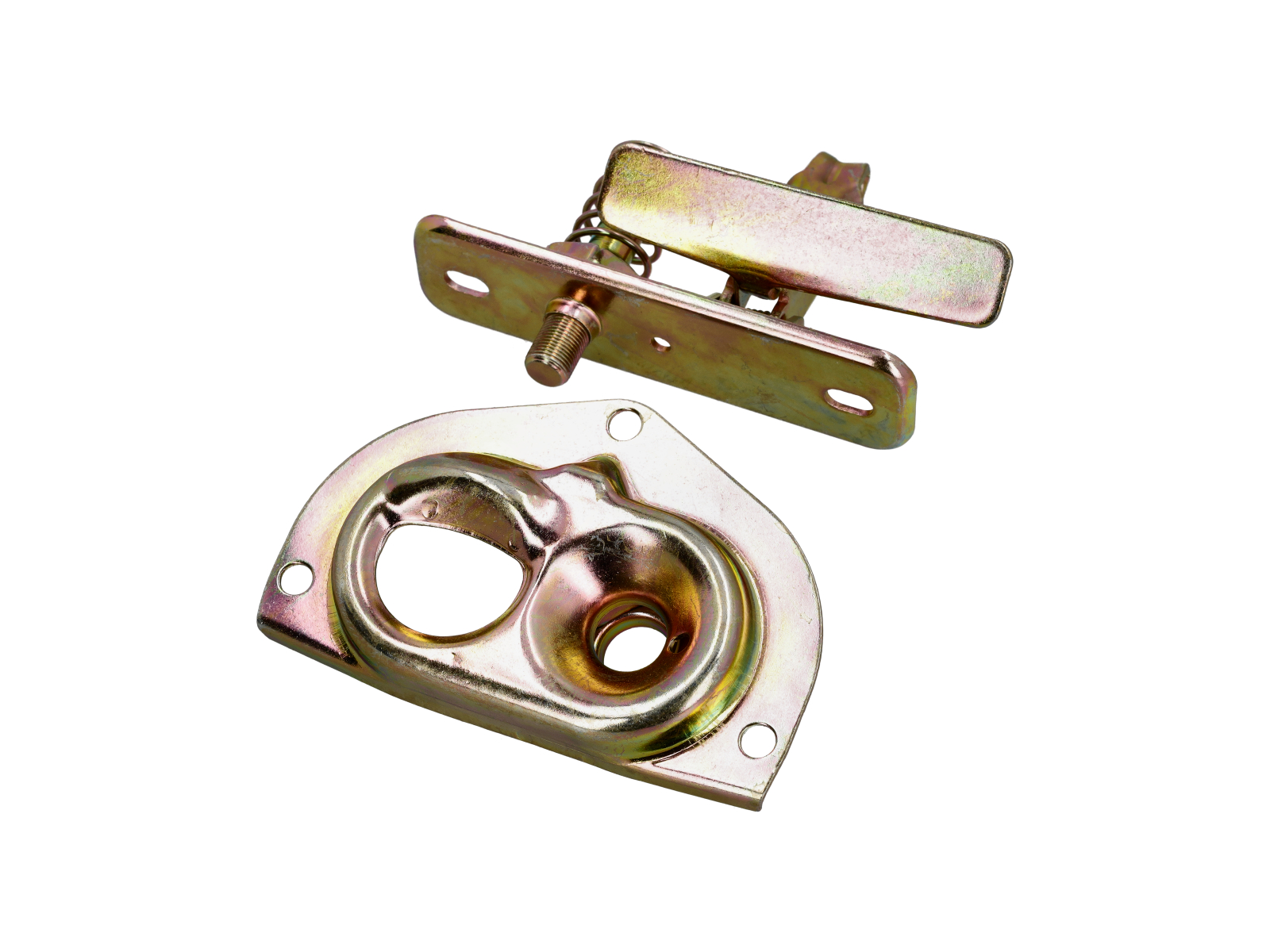
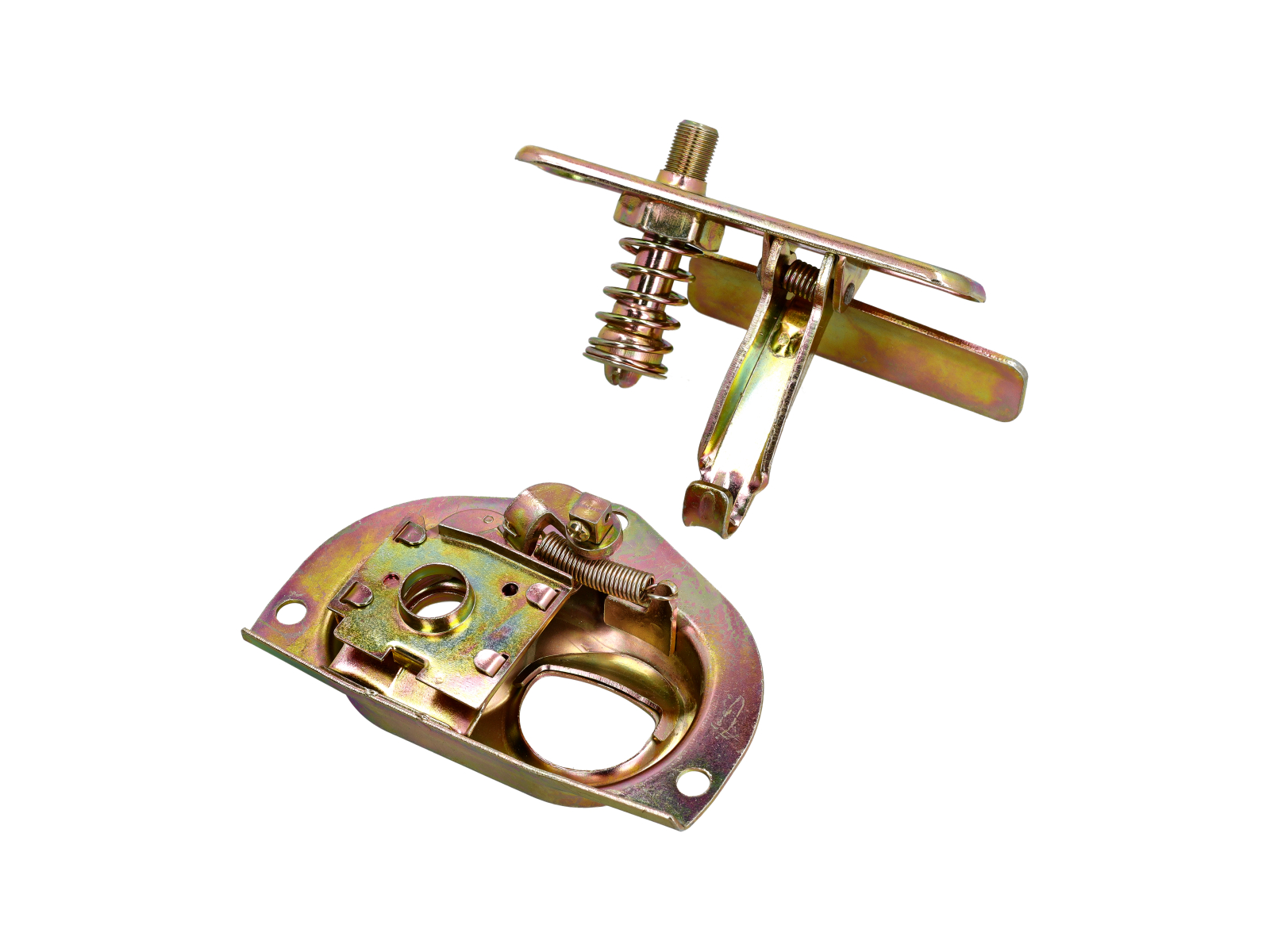
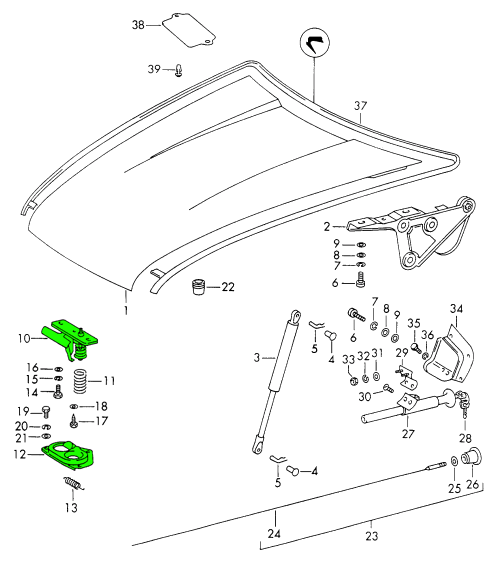
OE Match front bonnet (hood) complete lock assembly designed as a direct-fit replacement for the original Porsche lock mechanism used on early Porsche 911 (1965–1973) models. The complete assembly includes the lock mechanism, striker and catch, mounting points, and connection interfaces for the bonnet release cable - ready for direct installation without modification.
Fits:
Porsche 911 1965 - 1973
Diagram ref no 10 and 12
The front bonnet lock assembly secures the front lid (bonnet/hood) in the closed position and interfaces with the inner release cable to allow controlled opening from inside the cabin or bumper area. When the release cable is pulled, the latch disengages and allows the bonnet to pop open. The assembly ensures the hood stays closed at highway speeds and only opens when the correct release action is taken.
Function:
• Primary latch mechanism: Holds the front bonnet securely closed
• Release engagement: Works with the inner release cable to allow bonnet opening
• Precise engagement geometry: Ensures the hood seats correctly every time
• Durable closure: Resists vibration, corrosion, and repeated use
• Safety locking: Prevents unintended bonnet opening while driving.
A proper lock assembly is important for safety, security, and fitment - a worn or faulty latch can make the bonnet difficult to open or close securely.
Over time the original front bonnet lock can suffer from:
• Wear and play in the latch mechanism
• Corrosion from exposure to moisture
• Sticky or stiff operation
• Cable and striker misalignment
• Difficulty opening or closing the hood.
A worn lock can make it hard to access the front luggage compartment or cause the hood to rattle or fail to stay securely closed. Replacing it with an OE Match assembly restores smooth, reliable latching performance - improving both function and safety.
When to replace. Replace the front bonnet lock assembly when:
• The latch doesn’t hold the bonnet securely
• The release cable slips or sticks
• You hear rattling or noise from the front hood at speed
• The lock shows signs of rust or binding
• You are restoring or refreshing the front end of a classic 911
Related reference numbers
Related, superseded, cross reference or alternative numbers for comparison.
90151105999
The product you are viewing cross references to these numbers




- Porsche 911 1968-1973 2.2L / 2.4L / 2.7L RS LWB (F)
- Porsche 911 1974-1977 2.7L / 1976-77 3.0 Carrera
- Porsche 911 1978-1983 3.0L / SC
Fits:

Porsche 911 08/1968 - 1976
* Left-hand-drive (LHD) vehicles only
* Vehicles with no top speaker grille and no central ventilation outlet (this version omits the speaker grille module).
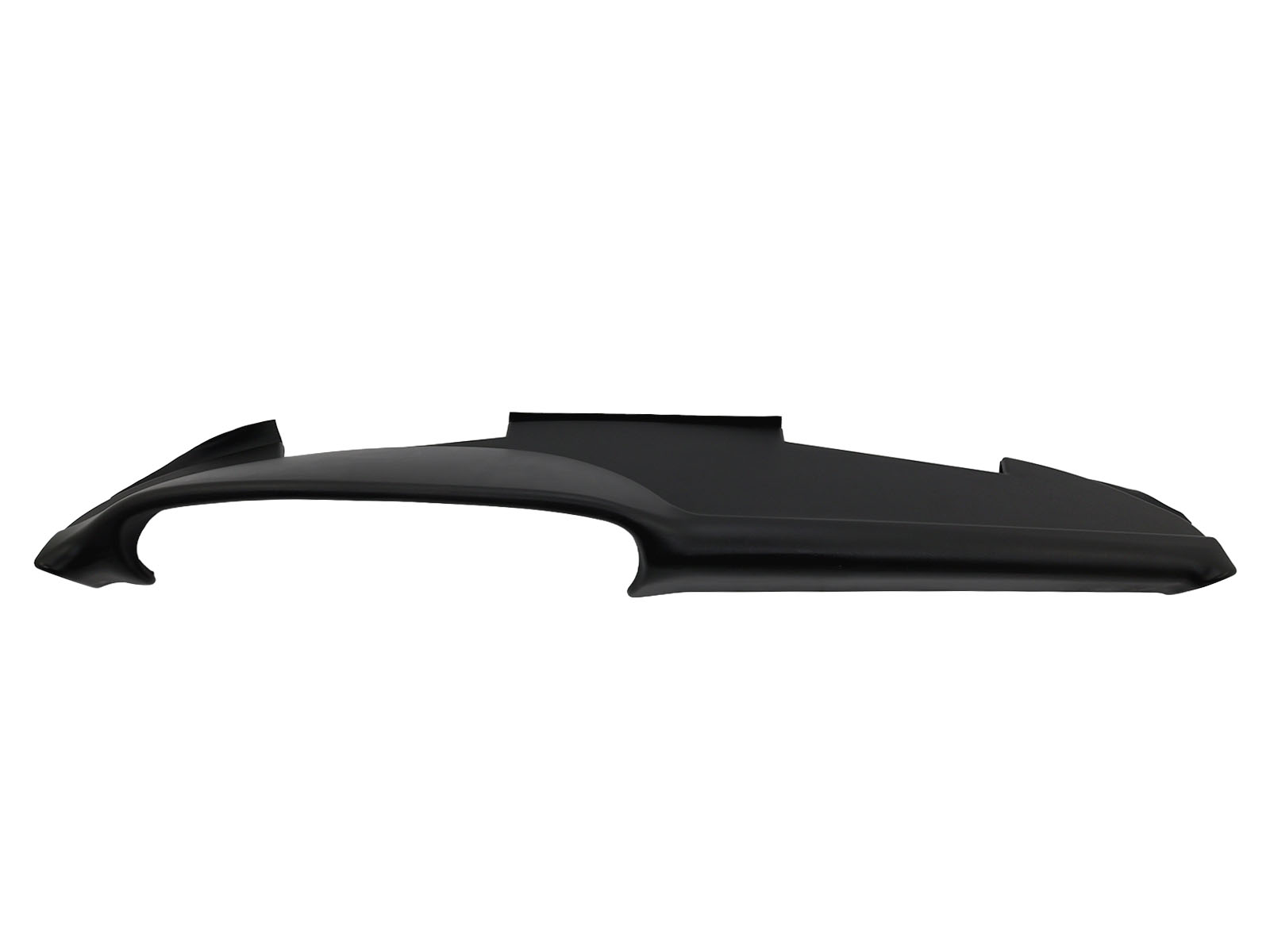
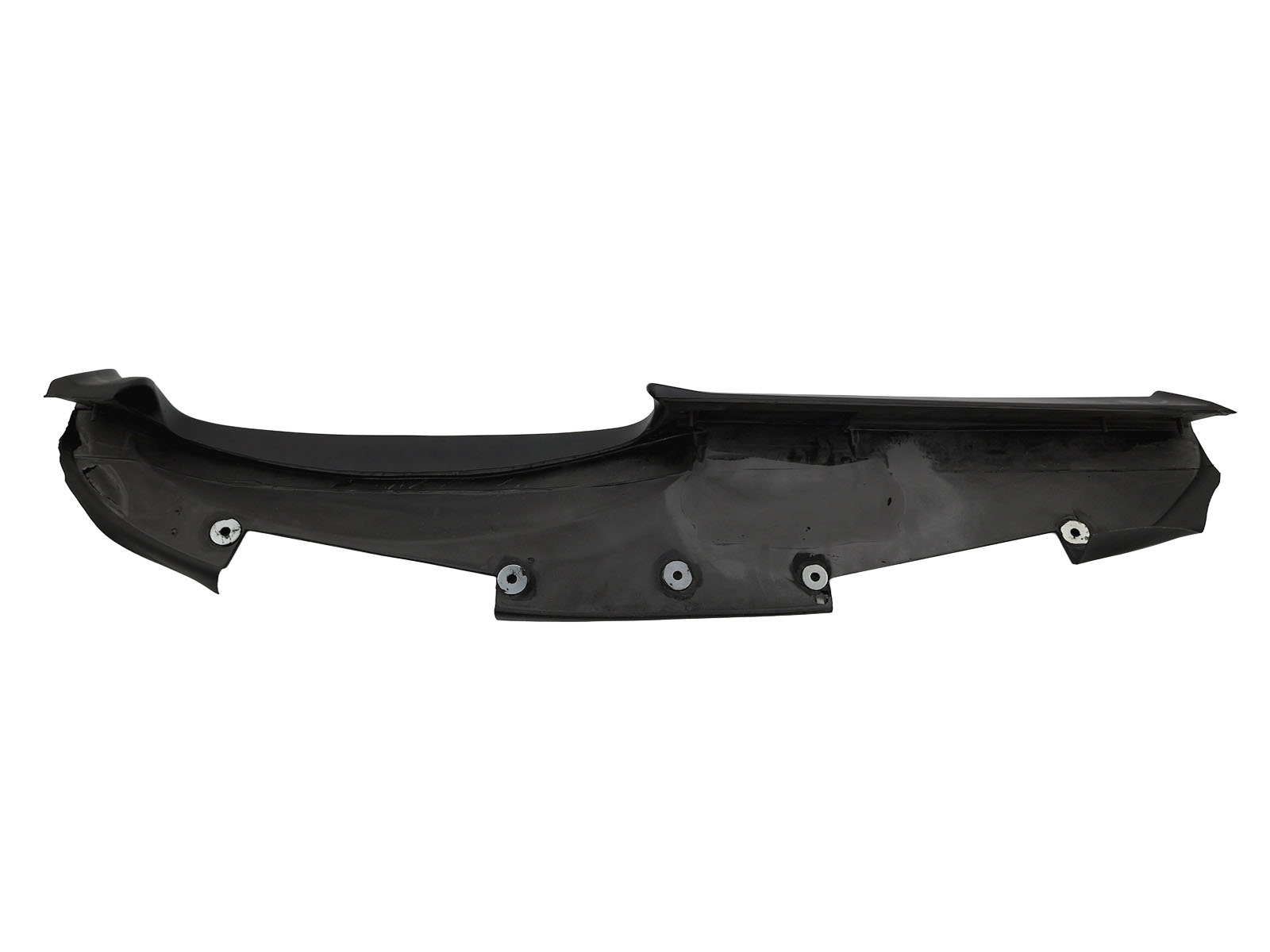
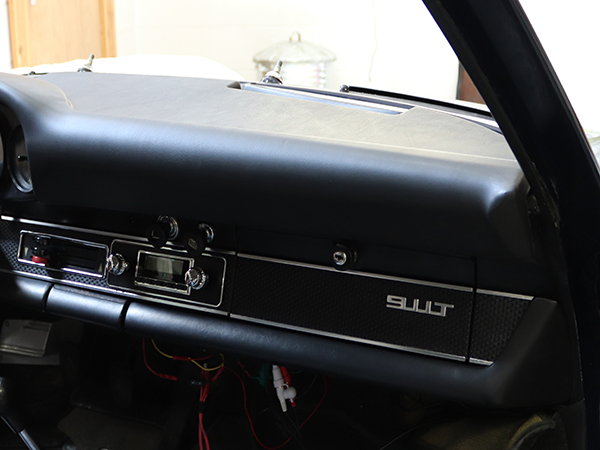
Manufactured to OEM specifications, this dashboard ensures correct contours, mounting points and fitment for the original interior layout.
Features & Benefits:
• Fully re-manufactured dashboard shell built to original Porsche dimensions and mounting points.
• High-quality surface finish and interior profile to replicate factory appearance and feel.
• Eliminates issues common in aged dashboards such as cracks, shrinkage, or distorted fitment often caused by sun exposure, foam deterioration, or structural fatigue.
• Ideal for high-quality restorations where structural integrity and originality matter.
Over years of use and sun exposure, original dashboards may:
• Develop severe cracks or splits due to foam backing failure or plastic shrinkage.
• Lose accurate mounting geometry or become distorted, affecting instrument fitment, steering wheel clearance or visibility.
• Fail to properly accept trim elements, switches or vents due to degradation of fixings.
Installing this new-build dashboard restores correct foundation for the instrument cluster, controls, and interior trim - assuring both safety and authenticity.
Related reference numbers
Related, superseded, cross reference or alternative numbers for comparison.
91155203104
The product you are viewing cross references to these numbers