




Enter your VAT number here and click Verify:
Your details have been verified. VAT number registered to:
,
.
Your order will now be zero rated for VAT purposes. We reserve the right to verify these details after your order request has been made and reinstate VAT if required.
Your VAT details were not recognised or were invalid. Your VAT number must be matched to your Billing Country as specified above. This is currently specified as . You do not need to enter the country code part of your VAT number as this has already been selected in your billing address details above.
The VAT number checking service is currently offline. Please supply your VAT details within the comments or special instructions field below and we will apply a VAT discount after placing your order request.
OE Match

OE Match for Porsche
OE Match is a brand that provides a wide range of Porsche components, from gaskets to suspension hardware, engine parts, and interior trim. Over 6,700 individual part numbers, and over 11,800 OE cross-references catalogued, and are constantly developing new lines.OE Match has over 100 new products currently in the engineering phase, which will be quality-controlled and added to their catalog. The mission is to keep all Porsche vehicles on the road by offering a vast selection of parts that can address various problems across different Porsche generations
A Quick Look at OE Match
OE Match information on this page is based on details supplied by the manufacturer or distributor, plus any OE references provided with the parts.
Choosing the Right Fit for Your Porsche
Where OE Match is listed for Porsche, use the supplied model coverage and OE references to confirm suitability. Check details that commonly affect fitment such as model year, side/position, and connector type where relevant.
- Often chosen when owners want OE-equivalent quality with sensible running costs, especially for routine service and wear items.
- Typical reasons to replace include restoring reliability, addressing age-related wear, or refreshing multiple components during larger repair work.
- Common defects from incorrect application include noise, premature wear, leaks, or fitment quirks if the wrong variant is selected or fitted with old seals/hardware.
- Watch for symptoms such as unusual noises, early wear, or repeat failures after recent work, which can indicate mismatched parts or supporting items left worn.
- Always cross-check OEM part numbers, read model-year notes, and verify compatibility before ordering.
- For safety-critical components, confirm specification and fitment carefully and have installation checked by a competent technician.
Browse by Category
If you already know the area you are working on, start with the category and then filter by Porsche model. Where real-world symptoms and typical reasons to replace are provided, use them to keep the wording grounded.
Brakes — Brake components are renewed to restore stopping performance, address wear or upgrade a Porsche for fast road or track use. Common symptoms include vibration under braking, longer stopping distances, squealing, pulling to one side, warning lights and visible wear to discs and pads.
Brake Pad Wear Sensors — Brake pad wear sensors are replaced when pads are renewed or when warning lights indicate a broken or worn sensor. Symptoms include brake wear warnings even with new pads, damaged sensor cables, or broken clips around the caliper area.
Engine Electrical — Engine electrical parts are changed when there are starting, charging, ignition, or sensor-related faults that affect drivability and reliability, such as intermittent no-start, misfires, rough idle, poor charging, warning lights or heat-soak failures.
Service Parts — Service parts are replaced as routine maintenance to keep the engine and systems reliable, efficient, and protected, often resolving hard starting, rough idle, poor fuel economy and warning lights caused by clogged filters or worn ignition components.
Service Kits — Service kits bundle key service components to simplify maintenance and set the car back to a known baseline, especially useful when catching up on overdue servicing or dealing with general sluggish running, inconsistent idle and reduced performance.
- For brake parts, confirm whether items are OE-equivalent replacements or performance upgrades and check if new fitting kits and sensors are required.
- On service items and kits, match the kit to your exact Porsche model, engine and year, and review what is included so you can add any extra “while you are there” parts.
Explore OE Match at Design911
View the current OE Match range for Porsche at Design911, then filter by model and category to narrow down to the right parts.

- Porsche 911 1975-1977 3.0L Turbo (930)
- Porsche 911 1978-1989 3.3L Turbo (930)
- Porsche 964 (911) TURBO 3.3L 1991-93
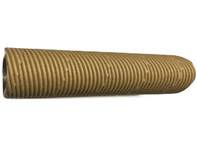
Engine to Left Heat Exchanger Hose 130mm x 60mm
Maintain efficient cabin heating and proper airflow within
your air-cooled Porsche with this OE Match Engine to Left Hand Heat Exchanger Hose.
Measuring 130mm x 60mm, this hose is manufactured to the original factory specification.
Fits:
- Porsche 911 1975-1977 3.0L Turbo (930)
- Porsche 911 1978-1989 3.3L Turbo (930)
- Porsche 964 (911) TURBO 3.3L 1991-93
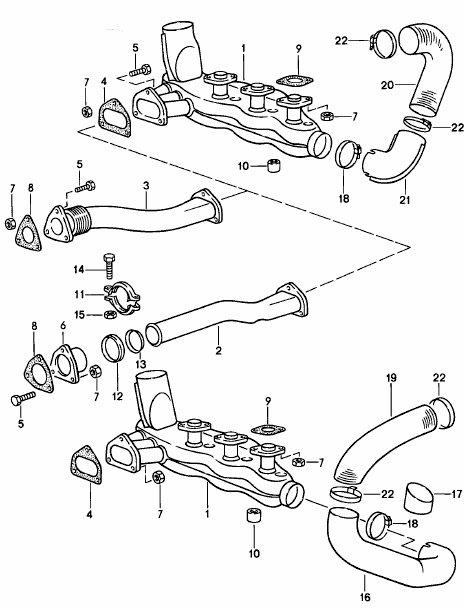
Diagram ref no. 19
Designed for the Porsche 911 turbo (930) and Porsche 964 turbo, this hose connects the engine cooling fan housing to the left-hand heat exchanger, delivering the airflow required for the vehicle's heating system. Manufactured from durable, heat-resistant materials, it provides the correct fit and flexibility needed to withstand the demanding temperatures of the engine bay.
Whether you're replacing a deteriorated original hose or completing a full engine restoration, this OE Match component restores factory-style performance and appearance.
What Does the Engine to Heat Exchanger Hose Do?
The engine to heat exchanger hose is an essential part of the air-cooled Porsche heating system.
Its primary functions include:
- Directing cooling fan air from the engine to the left-hand heat exchanger.
- Providing the airflow required to generate warm air for the cabin heating system.
- Maintaining efficient airflow through the heat exchanger.
- Helping ensure effective windscreen demisting and cabin heating.
- Completing the sealed airflow path between the engine and heating components.
Without an airtight hose, airflow is reduced, resulting in diminished heating performance and reduced system efficiency.
Why Does the Heat Exchanger Hose Fail?
Located in the engine compartment, the hose is constantly exposed to high temperatures, engine vibration and environmental contaminants.
Common causes of deterioration include:
- Heat-related hardening and cracking.
- Rubber or reinforced material becoming brittle with age.
- Splits caused by engine movement and vibration.
- Damage during engine maintenance.
- Oil contamination reducing material strength.
- General wear after years of service.
A damaged hose allows cooling air to escape before reaching the heat exchanger, reducing heating efficiency and affecting overall airflow management.
When Should It Be Replaced?
Replacement is recommended when:
- The hose is cracked, split or torn.
- Heating performance has noticeably decreased.
- Air leaks are present within the heating system.
- The hose has become brittle or collapsed.
- Carrying out an engine or heating system restoration.
- Replacing heat exchangers or other heating system components.
- Performing preventative maintenance on older vehicles.
Replacing ageing heating hoses helps restore proper airflow, improve cabin heating performance and maintain the efficiency of the air-cooled heating system.
Related reference numbers
Related, superseded, cross reference or alternative numbers for comparison.
93021119601
The product you are viewing cross references to these numbers


- Porsche 356 1950-55
- Porsche 356A 1955-59
- Porsche 356B 1959-63
- Porsche 356C 1963-65
Rear View Mirror
Restore the original appearance and driving visibility of
your classic Porsche with this OE Match Rear View Mirror. Manufactured to the original factory
specification, this delivers the correct fit, profile and period-correct appearance for concours
restorations and everyday driving.
Fits:
- Porsche 356 1950-55
- Porsche 356A 1955-59
- Porsche 356B 1959-63
- Porsche 356C 1963-65
The interior rear view mirror is an essential safety component, providing the driver with a clear view of traffic behind while complementing the distinctive minimalist interior of the Porsche 356 Speedster. Whether replacing a worn, damaged or missing original mirror, this OE Match component helps return your vehicle to its authentic factory presentation.
What Does the Rear View Mirror Do?
The interior rear view mirror is one of the primary visibility and safety features within the vehicle.
Its main functions include:
- Providing a clear view of traffic behind the vehicle.
- Improving driver awareness when changing lanes or manoeuvring.
- Assisting with safe reversing and parking.
- Completing the original factory appearance of the Speedster interior.
- Offering stable and distortion-free rearward visibility.
A high-quality rear view mirror contributes to both driving safety and the authentic character of the Porsche 356.
Why Do Rear View Mirrors Need Replacing?
After decades of use, original mirrors commonly deteriorate due to age and environmental exposure.
Typical issues include:
- Glass becoming cloudy or losing reflectivity.
- Black spots or delamination developing behind the mirror glass.
- Scratches affecting visibility.
- Corrosion or deterioration of the mirror frame.
- Loose or damaged mounting hardware.
- Damage caused during restoration or storage.
Replacing a worn mirror restores clear rearward vision while enhancing the overall appearance of the interior.
When Should It Be Replaced?
Replacement is recommended when:
- The mirror glass has become cloudy or discoloured.
- Reflective coating is peeling or deteriorating.
- The mirror is cracked or damaged.
- Mounting points are loose or broken.
- Completing a concours or factory-correct restoration.
- Replacing missing or incorrect interior trim components.
A new OE Match mirror improves both safety and the originality of your Porsche 356 Speedster.
Related reference numbers
Related, superseded, cross reference or alternative numbers for comparison.
64473100400
The product you are viewing cross references to these numbers
- Porsche 911 1984-1986 3.2L
- Porsche 911 1987-1989 3.2L G50
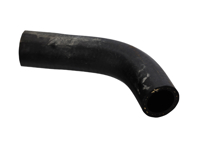
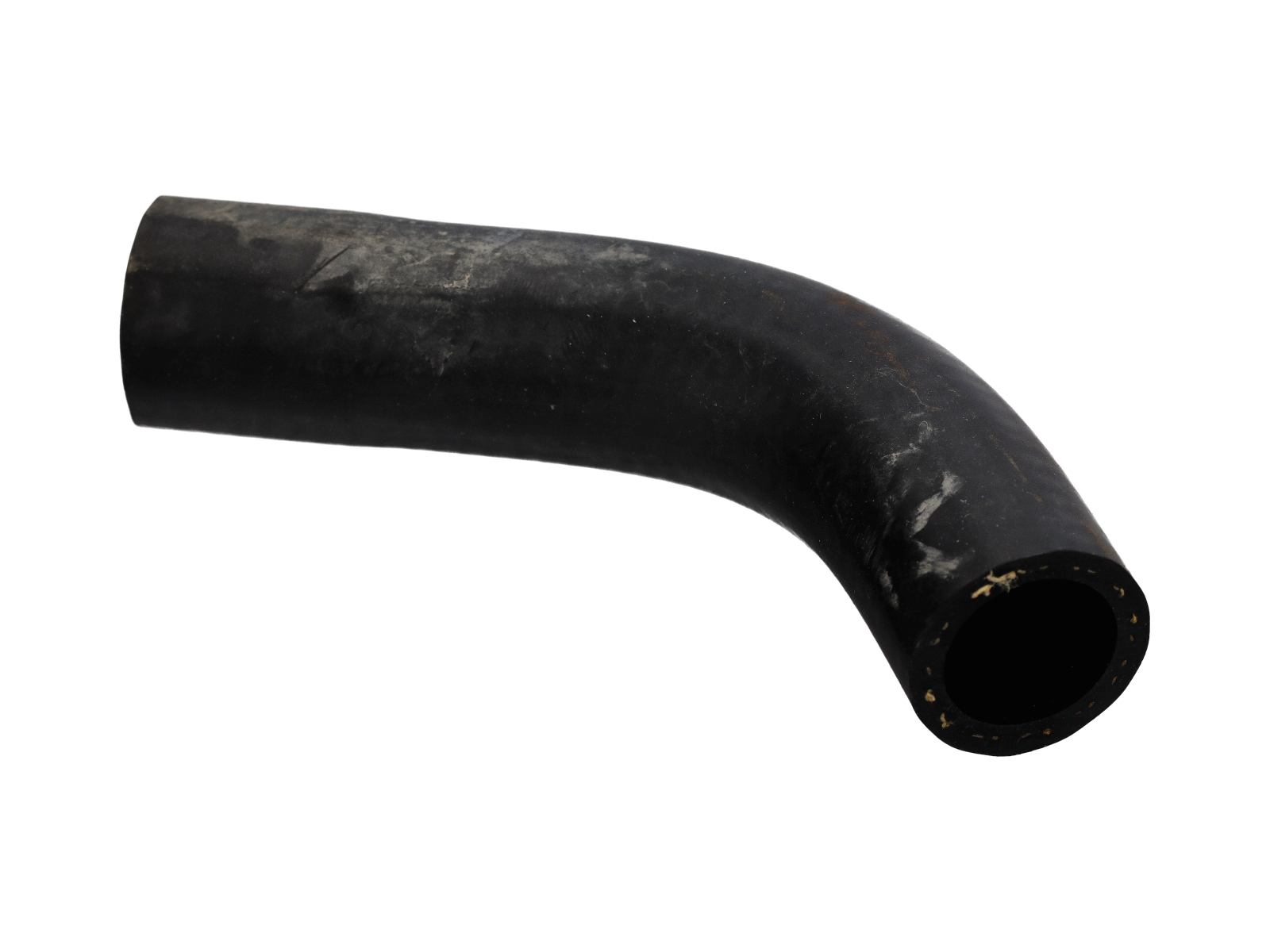
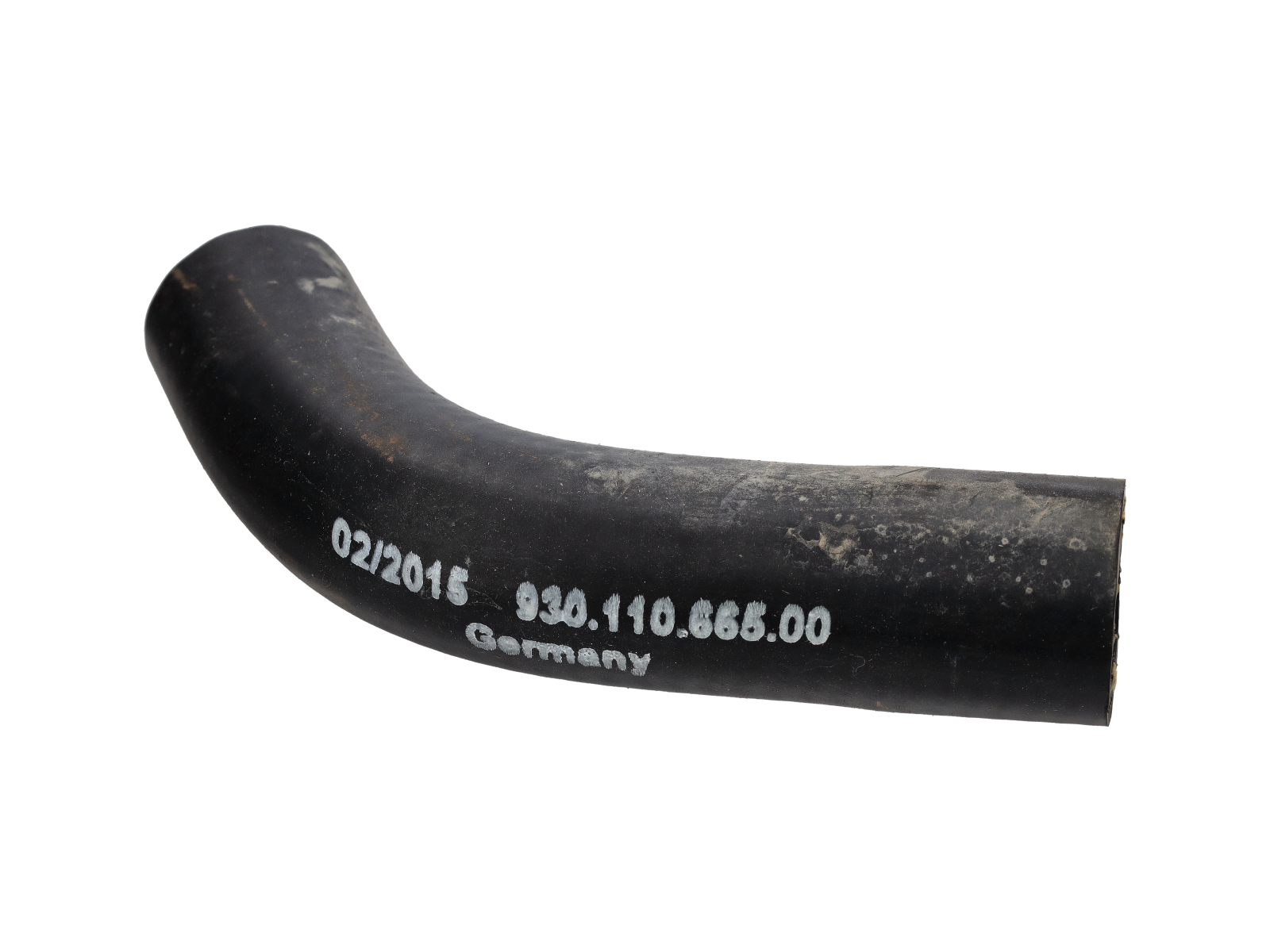
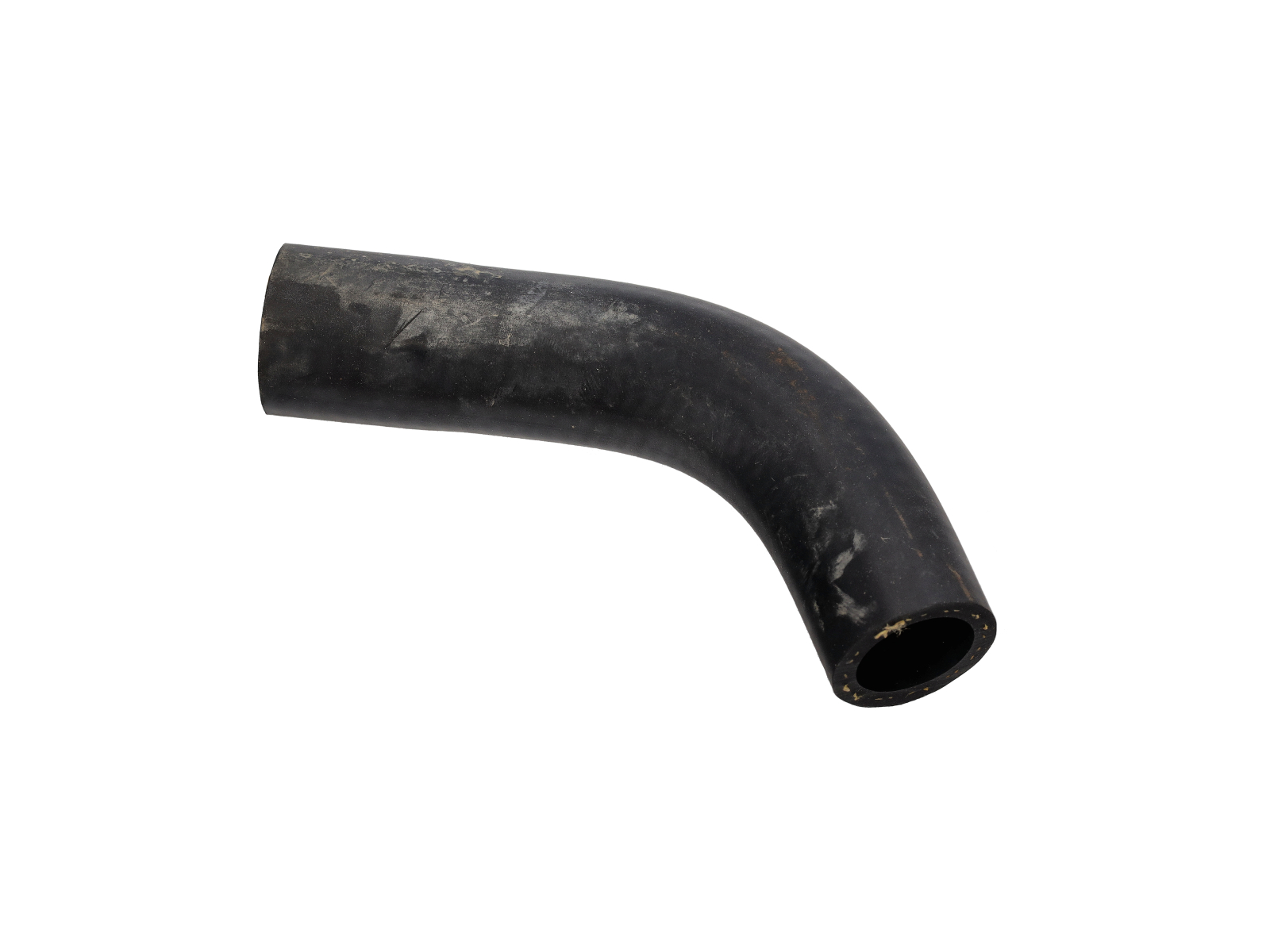
Idle Control Valve Hose
Maintain smooth idle quality and reliable engine performance
with this OE Match Idle Control Valve Hose. Manufactured to the original factory
specification, this provides the correct fit, flexibility and sealing performance required for the
Bosch Motronic engine management system.
Fits:
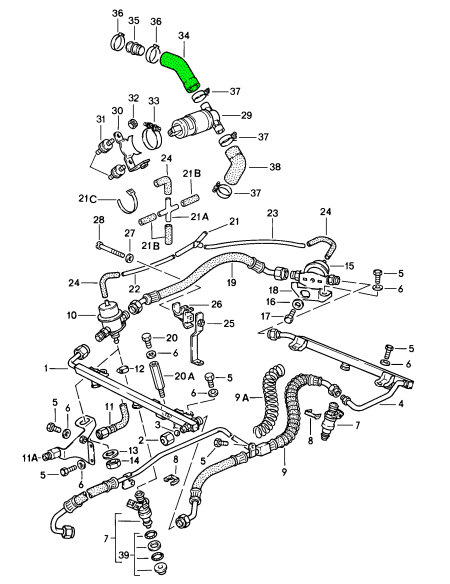
Diagram ref no 34
This hose connects the idle control valve within the intake system, allowing accurately metered air to bypass the throttle butterfly during idle conditions. A secure, airtight connection is essential for stable engine idle, smooth cold starts and consistent throttle response.
Whether you're replacing ageing rubber hoses during routine servicing or carrying out a complete engine restoration, this OE Match hose helps restore factory performance and reliability.
What Does the Idle Control Valve Hose Do?
The idle control valve hose is a key part of the engine's air intake and idle control system.
Its functions include:
- Carrying metered air between the idle control valve and the intake system.
- Allowing the Bosch Motronic ECU to regulate engine idle speed accurately.
- Maintaining an airtight intake tract to prevent unmetered air entering the engine.
- Supporting smooth cold starting and warm idle operation.
- Helping optimise fuel mixture, emissions and overall drivability.
A properly sealed idle control valve hose is essential for maintaining the precise air-fuel balance required for stable engine operation.
Why Does the Idle Control Valve Hose Fail?
Over time, the hose is exposed to high engine bay temperatures, oil vapours and constant engine movement, causing the rubber to deteriorate.
Common causes of failure include:
- Heat-related hardening and loss of flexibility.
- Cracks and splits caused by age.
- Oil contamination weakening the rubber compound.
- Engine vibration causing fatigue around connection points.
- Perishing after years of service.
- Vacuum leaks developing through small surface cracks.
Even minor air leaks can upset the engine management system, resulting in poor idle quality and reduced performance.
When Should It Be Replaced?
Replacement is recommended when:
- The engine idles roughly or inconsistently.
- Idle speed hunts or fluctuates.
- Vacuum leaks are detected within the intake system.
- The hose becomes cracked, brittle or soft.
- The idle control valve is being replaced.
- Carrying out a full intake or engine overhaul.
- Performing preventative maintenance on older or higher-mileage vehicles.
Replacing ageing idle control hoses helps restore correct idle operation while preventing difficult-to-diagnose vacuum leaks.
Related reference numbers
Related, superseded, cross reference or alternative numbers for comparison.
93011066500
The product you are viewing cross references to these numbers


- Porsche 911 1984-1986 3.2L
- Porsche 911 1987-1989 3.2L G50
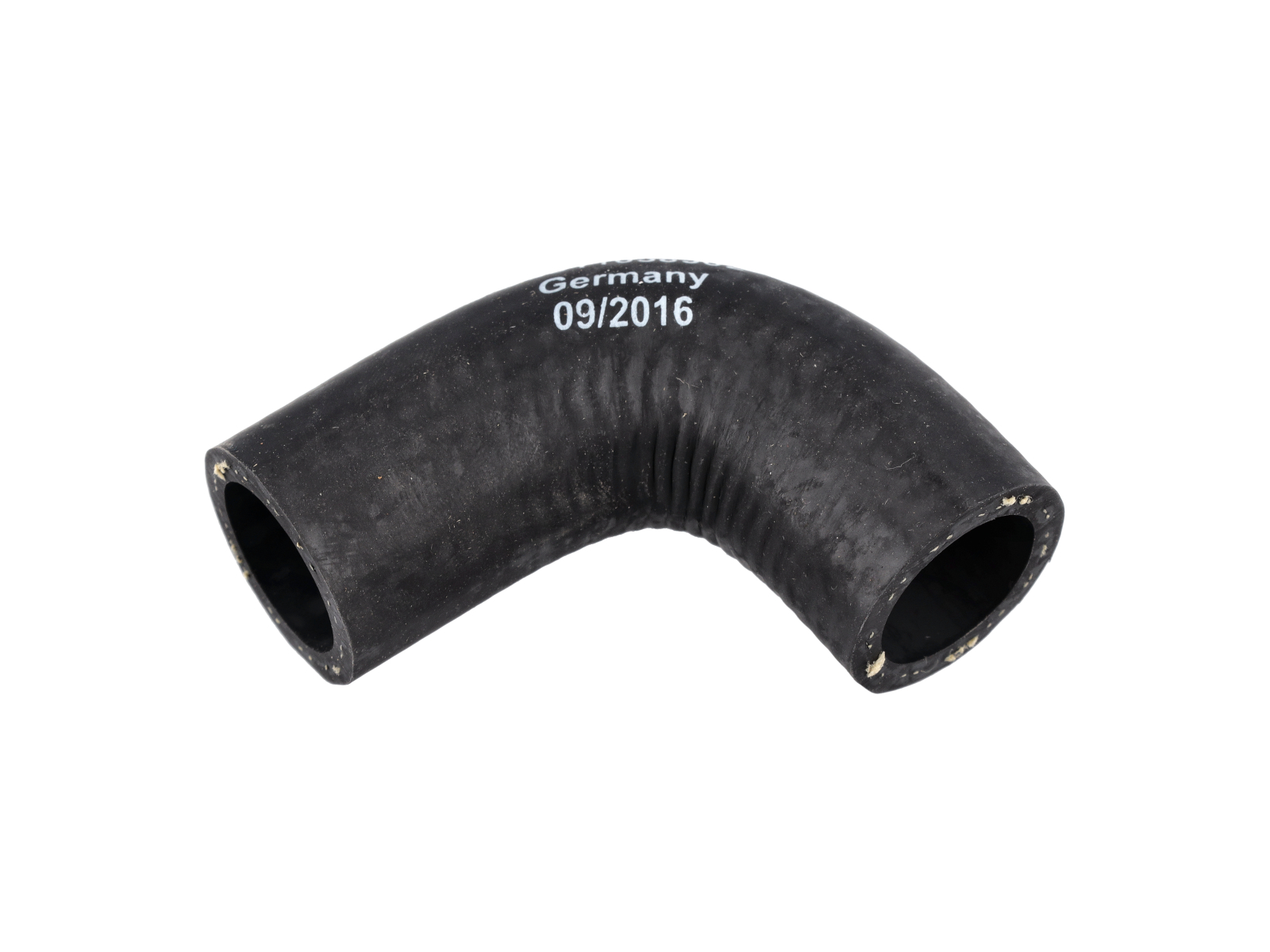
Idle Control Valve Hose
Maintain smooth engine performance and stable idle speed
with this OE Match Idle Control Valve Hose. Manufactured to the original factory
specification, this provides the correct fit, flexibility and sealing performance required for the
Bosch Motronic engine management system.
Fits:
- Porsche 911 1984-1986 3.2L
- Porsche 911 1987-1989 3.2L G50
Diagram ref no 38
The idle control valve hose is a vital component of the engine's intake system, providing a sealed air passage between the idle control valve and the intake system. A damaged or leaking hose can introduce unmetered air, leading to poor idle quality, reduced drivability and engine management issues.
Ideal for routine maintenance, engine restoration or resolving vacuum leaks, this OE Match hose restores factory-style performance and reliability.
What Does the Idle Control Valve Hose Do?
The idle control valve hose forms part of the engine's idle air circuit.
Its primary functions include:
Carrying metered intake air to and from the idle control valve. Allowing the engine management system to regulate idle speed accurately. Maintaining a sealed intake system to prevent vacuum leaks. Supporting smooth cold starts and stable idle operation. Helping optimise fuel mixture and engine efficiency.A correctly sealed idle control valve hose is essential for consistent idle performance and proper operation of the Bosch Motronic fuel injection system.
Why Does the Idle Control Valve Hose Fail?
Located within the engine compartment, the hose is continuously exposed to heat, oil vapour and engine vibration.
Common causes of deterioration include:
Rubber hardening through repeated heat cycles. Cracks developing with age. Splits caused by engine movement and vibration. Oil contamination softening or degrading the rubber. Loss of flexibility leading to poor sealing. Perishing after decades of service.Even small cracks can create vacuum leaks that affect engine performance and idle quality.
When Should It Be Replaced?
Replacement is recommended when:
The engine idles unevenly or stalls. Idle speed fluctuates or hunts. Vacuum leaks are detected. The hose shows signs of cracking, splitting or hardening. Carrying out an intake system overhaul. Replacing the idle control valve or other intake hoses. Performing preventative maintenance on higher-mileage vehicles.Replacing ageing intake hoses is an effective way to restore smooth idle performance and eliminate hard-to-diagnose vacuum leaks
Related reference numbers
Related, superseded, cross reference or alternative numbers for comparison.
93011058902
The product you are viewing cross references to these numbers


- Porsche 911 1975-1977 3.0L Turbo (930)
- Porsche 911 1978-1989 3.3L Turbo (930)
The OE Match Engine Bay Sound Proofing Damping Mat is a premium-quality replacement insulation panel designed to reduce engine noise and restore the original appearance of the engine compartment on compatible Porsche models. Manufactured to OE specifications for fit, thickness and durability, this sound proofing mat helps absorb engine noise and vibration while providing a factory-style finish to the engine bay.
Fits:
- Porsche 911 1975-1977 3.0L Turbo (930)
- Porsche 911 1978-1989 3.3L Turbo (930)
Manufactured from high-quality heat-resistant acoustic insulation material, the damping mat is engineered to withstand elevated engine bay temperatures, moisture, oil vapours and continual thermal cycling. Precision-cut to match the original contours and mounting locations, it provides direct OE-style fitment and is ideal for replacing deteriorated, oil-soaked or damaged original insulation during restoration, refurbishment or routine maintenance.
What This Product Does:
- Reduces engine noise transmitted into the cabin.
- Dampens engine vibration and sound resonance.
- Restores the original appearance of the engine bay.
- Provides thermal and acoustic insulation.
- Helps protect surrounding panels from engine heat.
- Improves overall cabin comfort and refinement.
- Provides factory-style fitment and finish.
- Forms an essential part of the engine compartment insulation system.
Symptoms Of Wear Or Failure:
- Increased engine noise inside the cabin.
- Sagging or detached insulation.
- Cracked, brittle or deteriorated insulation material.
- Oil contamination or staining.
- Heat damage or discolouration.
- Missing sections of insulation.
- Loose material within the engine bay.
- Poor engine compartment appearance.
- Reduced sound insulation effectiveness.
- Age-related deterioration due to heat and moisture exposure.
Why Replacement Matters:
- The engine bay sound proofing mat is continually exposed to high temperatures, engine vibration, moisture and oil vapours. Over time, the insulation material can harden, crumble, become oil-soaked or separate from its backing, significantly reducing its ability to absorb engine noise and withstand engine bay conditions.
- A deteriorated sound proofing mat can increase engine noise within the cabin, reduce driving refinement and detract from the appearance of the engine compartment. Loose or damaged insulation may also interfere with surrounding components if left unattended.
- Replacing a worn or damaged sound proofing mat restores the original acoustic insulation and factory appearance of the engine bay. The OE Match Engine Bay Sound Proofing Damping Mat is manufactured to OE standards using premium heat-resistant materials, providing precise fitment, excellent noise reduction and long-lasting durability, making it the ideal choice for Porsche restoration, servicing and preventative maintenance.
Related reference numbers
Related, superseded, cross reference or alternative numbers for comparison.
93055689102
The product you are viewing cross references to these numbers


- Porsche 911 1965-1968 2.0L / 912 SWB (F)
- Porsche 911 1968-1973 2.2L / 2.4L / 2.7L RS LWB (F)
- Porsche 911 1974-1977 2.7L / 1976-77 3.0 Carrera
- Porsche 911 1978-1983 3.0L / SC
- Porsche 911 1984-1986 3.2L
- Porsche 911 1987-1989 3.2L G50
- Porsche 911 1975-1977 3.0L Turbo (930)
- Porsche 911 1978-1989 3.3L Turbo (930)
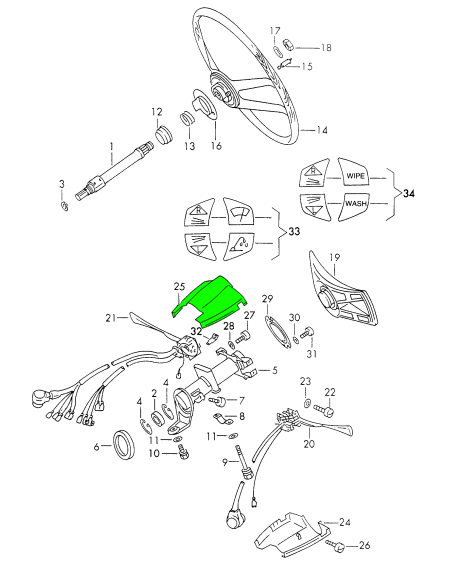
Wiper Stalk Column Switch Top Half Cover
Restore the original appearance of your Porsche steering
column with this OE Match Wiper Stalk Column Switch Top Half Cover,
manufactured to replicate the original factory specification. This upper
steering column cover fits around the wiper stalk and steering column switch
assembly, protecting the internal components while providing a clean,
factory-correct finish.
Fits:
- Porsche 911 1965-1968 2.0L / 912 SWB (F)
- Porsche 911 1968-1973 2.2L / 2.4L / 2.7L RS LWB (F)
- Porsche 911 1974-1977 2.7L / 1976-77 3.0 Carrera
- Porsche 911 1978-1983 3.0L / SC
- Porsche 911 1984-1986 3.2L
- Porsche 911 1987-1989 3.2L G50
- Porsche 911 1975-1977 3.0L Turbo (930)
- Porsche 911 1978-1989 3.3L Turbo (930)
Diagram ref no. 25
Ideal for restoration projects or replacing damaged or ageing trim, this OE Match component offers the correct fit, profile and finish expected for classic Porsche 911 models.
What Does the Wiper Stalk Column Switch Top Half Cover Do?
The upper steering column cover forms part of the steering column shroud surrounding the wiper and indicator switch assembly.
Its primary functions include:
- Protecting the steering column switch mechanism from dirt and accidental damage.
- Concealing wiring and electrical connections for a tidy factory appearance.
- Providing a mounting location for the upper section of the steering column trim.
- Helping keep the steering column assembly correctly aligned.
- Completing the original appearance of the dashboard and steering column.
Although it is not an electrical component, the cover is essential for protecting the switchgear and maintaining the finished appearance of the interior.
Why Does the Steering Column Cover Fail?
After decades of use, the original plastic cover can become worn or damaged.
Common causes include:
- Cracking caused by age and UV exposure.
- Damage during steering wheel or switch removal.
- Broken mounting tabs or fixing points.
- Scratches and wear from regular use.
- Heat-related warping or fading.
- Previous repairs or incorrect installation.
A damaged steering column cover can leave the switch assembly exposed and detract from the appearance of an otherwise well-maintained interior.
When Should It Be Replaced?
Replacement is recommended when:
- The original cover is cracked or broken.
- Mounting tabs have failed.
- The surface is scratched, faded or heavily worn.
- Replacing or servicing the steering column switch assembly.
- Restoring the vehicle's interior to factory specification.
- Completing a concours-quality restoration.
Replacing worn steering column trim helps restore the original finish of the cockpit while protecting the switch assembly beneath.
Related reference numbers
Related, superseded, cross reference or alternative numbers for comparison.
90161331101
The product you are viewing cross references to these numbers

- Porsche 356A 1955-59
- Porsche 356B 1959-63
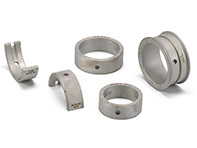
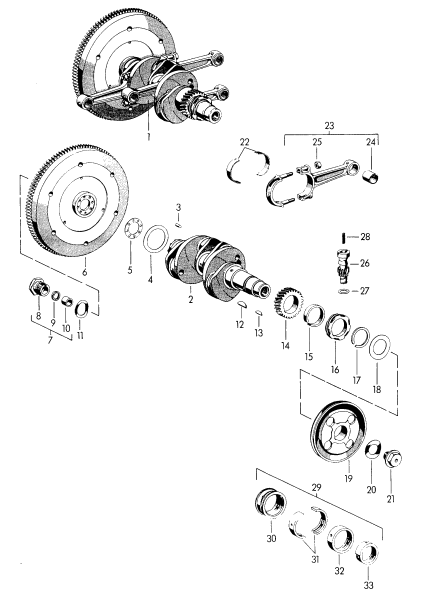
The OE Match Main Crankshaft Bearing Set, Standard is a premium-quality replacement engine bearing kit designed to support the crankshaft and maintain precise rotational alignment in compatible Porsche engines. Manufactured to OE specifications for fit, material quality and durability, this standard-size main bearing set restores the correct bearing clearances between the crankshaft and engine block, ensuring optimum oil pressure, smooth crankshaft rotation and long-term engine reliability.
Fits:
- Porsche 356A 1955-59
- Porsche 356B 1959-63
Diagram Ref No 13
Manufactured from premium tri-metal bearing materials with a precision-machined bearing surface, each bearing shell is engineered to provide exceptional load-carrying capacity, low friction characteristics and excellent resistance to wear under demanding operating conditions. Designed for direct OE-style installation, this standard-size bearing set is ideal for engine rebuilds where the crankshaft journals remain within original factory specifications.
What This Product Does:
- Supports the crankshaft within the engine block.
- Maintains precise crankshaft bearing clearances.
- Allows smooth, low-friction crankshaft rotation.
- Maintains correct engine oil pressure.
- Reduces friction and wear between the crankshaft and engine block.
- Supports reliable engine lubrication.
- Restores factory engine operating tolerances.
- Forms an essential part of the engine bottom-end assembly.
Symptoms Of Wear Or Failure:
- Low engine oil pressure.
- Knocking or rumbling noises from the lower engine.
- Excessive crankshaft movement.
- Metal particles present in the engine oil or oil filter.
- Increased engine vibration.
- Accelerated wear of the crankshaft journals.
- Poor lubrication of internal engine components.
- Engine overheating due to increased friction.
- Loss of engine performance.
- Catastrophic engine failure in severe cases.
Why Replacement Matters:
- The main crankshaft bearings support the crankshaft while maintaining a thin film of pressurised engine oil between the bearing surface and the crankshaft journals. They are subjected to enormous combustion loads, constant rotational forces and continuous lubrication. Over time, normal wear, contamination or insufficient lubrication can damage the bearing surfaces, increasing bearing clearances and reducing oil pressure.
- Worn main bearings can lead to excessive crankshaft movement, reduced lubrication efficiency and accelerated wear of critical engine components. If left unresolved, bearing failure can result in severe crankshaft damage and complete engine failure.
- Replacing worn bearings with the OE Match Main Crankshaft Bearing Set restores the engine's bottom-end integrity, correct bearing clearances and stable oil pressure. Manufactured to OE standards using premium tri-metal bearing construction, this standard-size bearing set provides factory-style fitment, exceptional durability and dependable long-term performance, making it the ideal choice for Porsche engine rebuilds and professional restoration projects.
Related reference numbers
Related, superseded, cross reference or alternative numbers for comparison.
54610190100
The product you are viewing cross references to these numbers
- Porsche 911 1965-1968 2.0L / 912 SWB (F)
- Porsche 356 1950-55
- Porsche 356A 1955-59
- Porsche 356B 1959-63
- Porsche 356C 1963-65
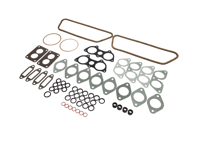
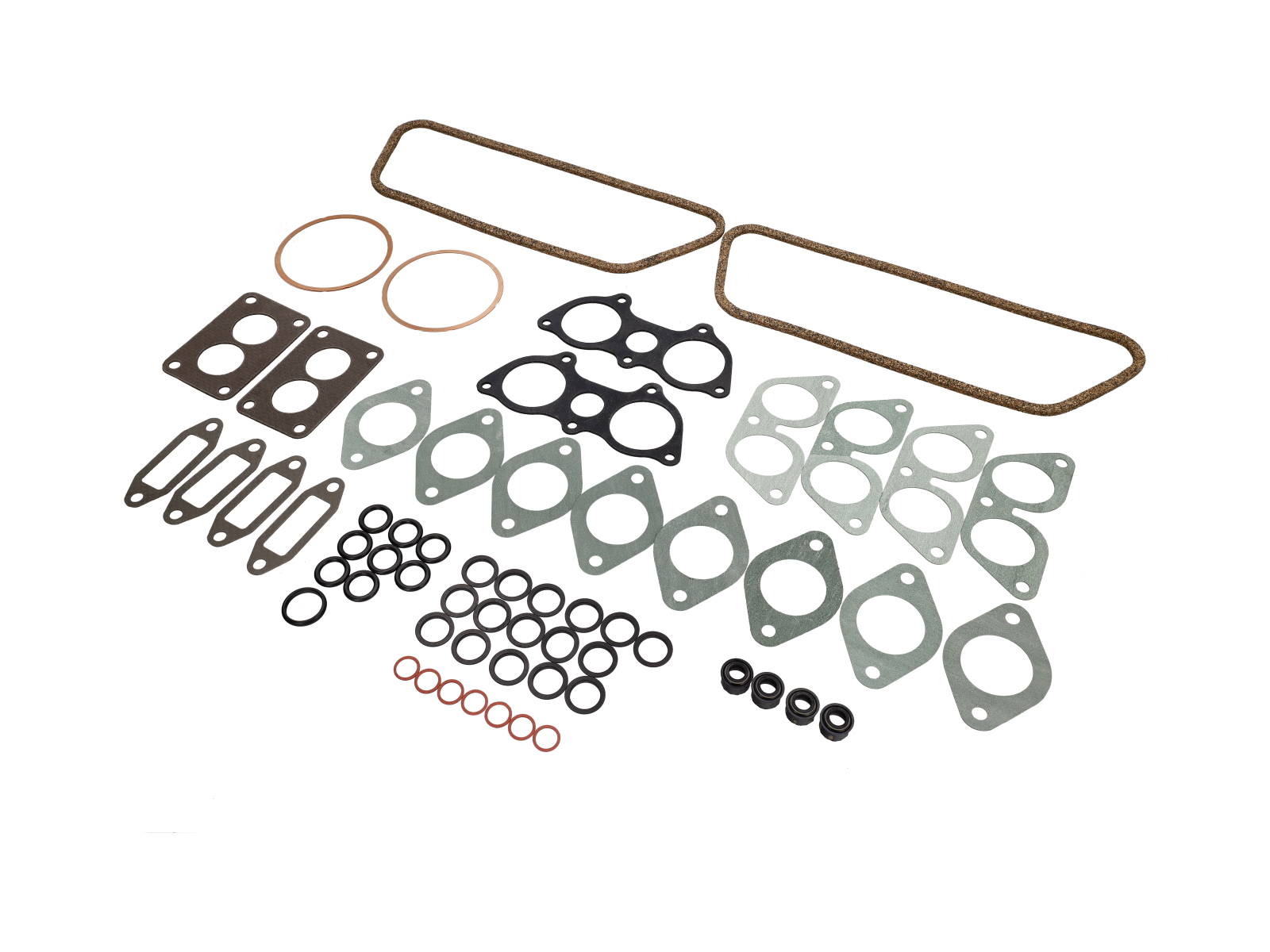
The OE Match Engine Head Gasket Set is a premium-quality replacement engine sealing kit designed to provide all the essential gaskets and seals required when removing and refitting the cylinder head on compatible Porsche engines. Manufactured to OE specifications for fit, sealing performance and durability, this comprehensive gasket set restores the engine's sealing integrity, ensuring reliable compression, effective coolant and oil separation, and long-term engine performance.
Fits:
- Porsche 911 1965-1968 2.0L / 912 SWB (F)
- Porsche 356 1950-55
- Porsche 356A 1955-59
- Porsche 356B 1959-63
- Porsche 356C 1963-65
Manufactured from premium heat-resistant and oil-resistant sealing materials, each gasket is engineered to withstand extreme combustion pressures, high operating temperatures and continuous exposure to engine oil and coolant. Precision-cut for direct OE-style installation, every component is designed to match the original factory specifications, making this gasket set ideal for engine rebuilds, cylinder head repairs and major engine servicing.
What This Product Does:
- Provides all the essential seals required when servicing the cylinder head.
- Restores a reliable seal between the cylinder head and engine block.
- Maintains engine compression.
- Prevents oil and coolant leaks.
- Separates oil, coolant and combustion chambers.
- Supports efficient engine operation and performance.
- Restores factory sealing throughout the cylinder head assembly.
- Forms an essential part of the engine rebuild and repair process.
Symptoms Of Wear Or Failure:
- Engine overheating.
- Coolant loss without visible external leaks.
- Engine oil contamination.
- Milky residue beneath the oil filler cap.
- White exhaust smoke caused by coolant entering the combustion chamber.
- Loss of engine compression.
- Poor engine performance or misfires.
- External oil or coolant leaks around the cylinder head.
- Bubbles in the coolant expansion tank.
- Low coolant level or excessive cooling system pressure.
Why Replacement Matters:
- The cylinder head gasket and associated seals are subjected to extreme combustion pressures, constant thermal cycling and continual exposure to engine oil and coolant. Over time, these sealing components can deteriorate, allowing fluids to mix or escape and reducing engine compression.
- A failed head gasket or deteriorated sealing components can lead to overheating, coolant loss, oil contamination and significant engine damage if left unresolved. During any cylinder head removal, replacing all associated gaskets and seals is essential to ensure a reliable repair and prevent future leaks.
- The OE Match Engine Head Gasket Set provides all the necessary sealing components to restore factory sealing performance during engine repairs. Manufactured to OE standards using premium-quality materials, this comprehensive gasket set delivers precise fitment, excellent durability and dependable long-term reliability, making it the ideal solution for Porsche engine rebuilds, restorations and preventative maintenance.
Related reference numbers
Related, superseded, cross reference or alternative numbers for comparison.
61610018403
The product you are viewing cross references to these numbers
- Porsche 955 Cayenne S 4.5L V8 2003-06
- Porsche 955 Cayenne Turbo 4.5L 2003-06
- Porsche 955 Cayenne Turbo S 4.5L 2006>>
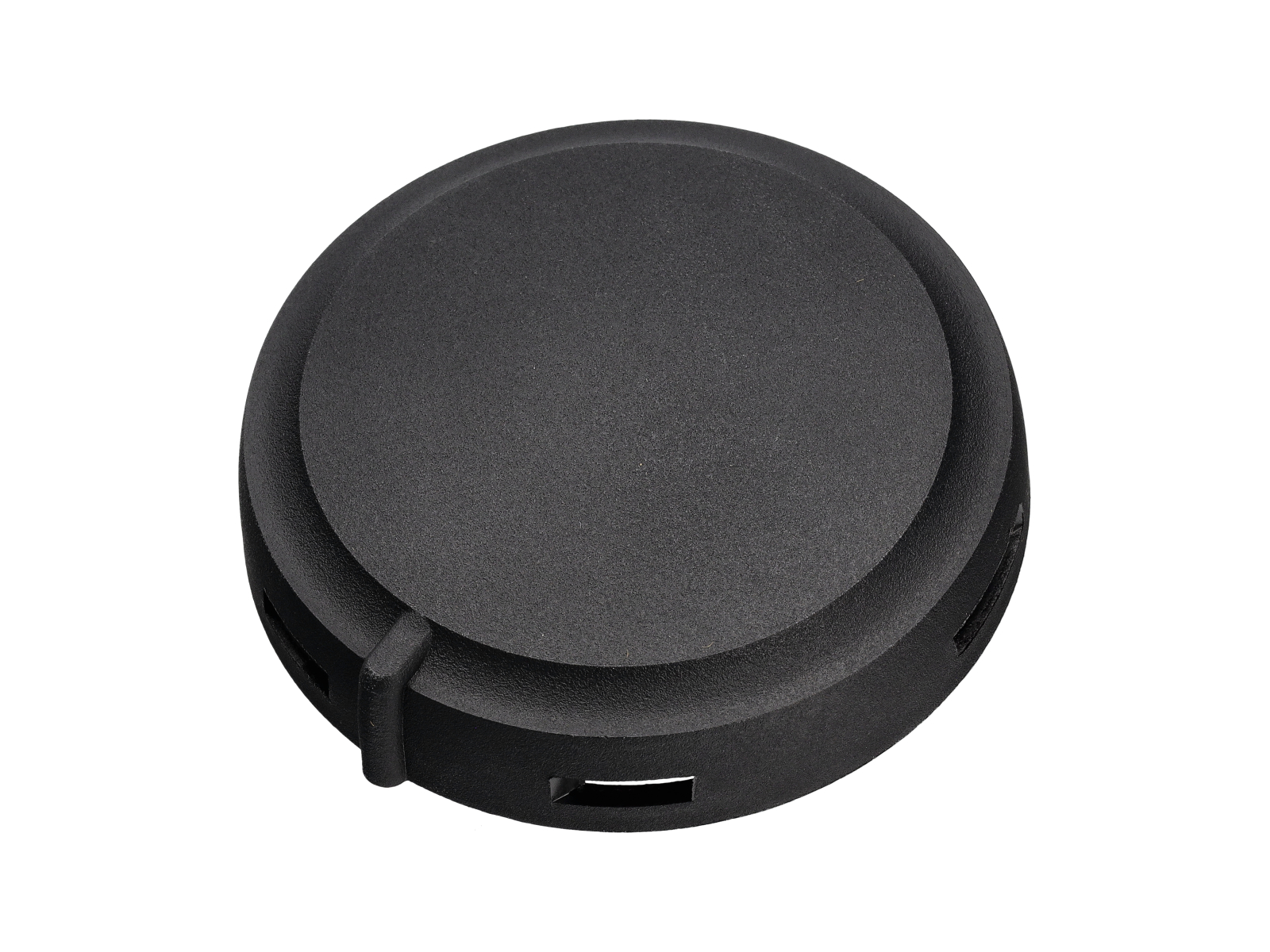
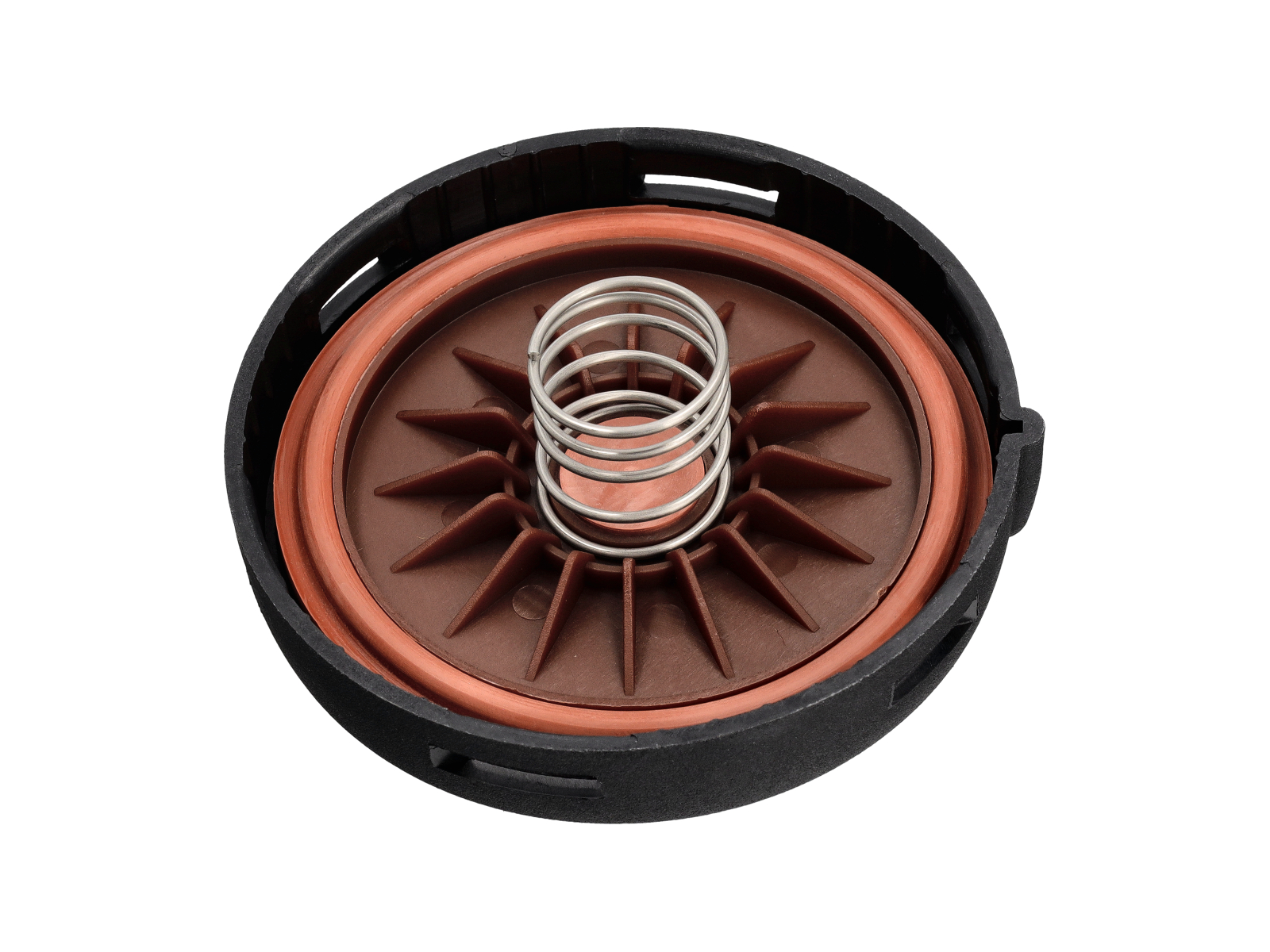
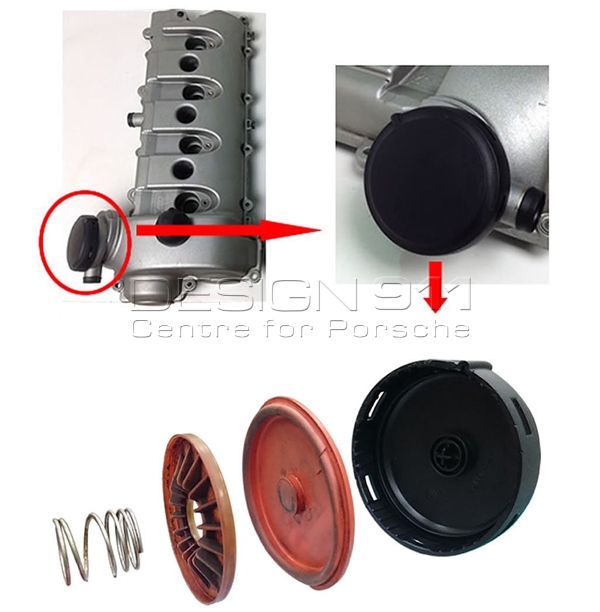
The OE Match Valve Cover Repair Kit is a premium-quality engine repair solution designed to restore the integrity and functionality of compatible Porsche valve covers. Manufactured to OE specifications for fit, strength and durability, this repair kit is intended to rectify common issues such as damaged mounting points, worn fastening areas or deteriorated sealing surfaces, helping to restore a secure, leak-free valve cover installation without the need to replace the complete valve cover assembly.
Fits:
- Porsche 955 Cayenne S 4.5L V8 2003-06
- Porsche 955 Cayenne Turbo 4.5L 2003-06
- Porsche 955 Cayenne Turbo S 4.5L 2006>>
Manufactured using high-quality automotive-grade materials, the components within the repair kit are engineered to withstand extreme engine temperatures, vibration and prolonged exposure to engine oil. Precision-machined for direct OE-style installation, the kit provides an accurate repair that restores the original clamping force and sealing performance of the valve cover, making it ideal during engine servicing, oil leak repairs or preventative maintenance.
What This Product Does:
- Repairs damaged valve cover mounting points or fastening areas.
- Restores the secure fitment of the valve cover.
- Helps maintain a leak-free seal with the valve cover gasket.
- Prevents engine oil leaks from the cylinder head.
- Restores the original clamping force of the valve cover.
- Extends the service life of the existing valve cover.
- Provides direct OE-style fitment.
- Forms an essential part of the engine sealing and valve cover assembly.
Symptoms Of Wear Or Failure:
- Engine oil leaking from around the valve cover.
- Loose or poorly secured valve cover.
- Damaged or stripped mounting points.
- Repeated valve cover gasket failure.
- Oil residue around the top of the engine.
- Burning oil smell caused by oil contacting hot engine components.
- Visible cracks or damage around the valve cover fixing areas.
- Difficulty achieving the correct tightening torque.
- Persistent oil leaks after gasket replacement.
- Reduced engine bay cleanliness due to oil contamination.
Why Replacement Matters:
- The valve cover and its mounting points are continually exposed to engine vibration, repeated thermal expansion and contraction, and frequent servicing. Over time, mounting points can become worn, damaged or stripped, preventing the valve cover from clamping evenly against the cylinder head and allowing engine oil to escape.
- A damaged valve cover mounting area can lead to persistent oil leaks, repeated gasket failures and contamination of surrounding engine components. Oil leaks may also create burning odours, attract dirt and debris, and reduce engine reliability if left unresolved.
- Replacing damaged components with the OE Match Valve Cover Repair Kit restores the original mounting integrity and sealing performance of the valve cover. Manufactured to OE standards from premium-quality materials, this repair kit provides factory-style fitment, long-lasting durability and a cost-effective alternative to replacing the complete valve cover, helping maintain the reliability and performance expected from your Porsche.
Related reference numbers
Related, superseded, cross reference or alternative numbers for comparison.
948105132XX
The product you are viewing cross references to these numbers
- Porsche 911 1965-1968 2.0L / 912 SWB (F)
- Porsche 911 1968-1973 2.2L / 2.4L / 2.7L RS LWB (F)
- Porsche 911 1974-1977 2.7L / 1976-77 3.0 Carrera
- Porsche 911 1978-1983 3.0L / SC
- Porsche 911 1984-1986 3.2L
- Porsche 911 1987-1989 3.2L G50
- Porsche 911 1975-1977 3.0L Turbo (930)
- Porsche 911 1978-1989 3.3L Turbo (930)
- Porsche 964 (911) C2 1989-93
- Porsche 964 (911) C4 1989-93
- Porsche 964 (911) RS 3.6L 1991-93
- Porsche 964 (911) RS 3.8L 1991-93
- Porsche 964 (911) TURBO 3.3L 1991-93
- Porsche 964 (911) TURBO 3.6L 1991-93
- Porsche 993 (911) C2 1994-97
- Porsche 993 (911) C4 1994-97
- Porsche 993 (911) RS 1994-97
- Porsche 993 (911) C2S 1994-97
- Porsche 993 (911) C4S 1994-97
- Porsche 993 (911) TURBO 1994-96
- Porsche 993 (911) GT2 1994-97
- Porsche 993 (911) TURBO S 1994-97
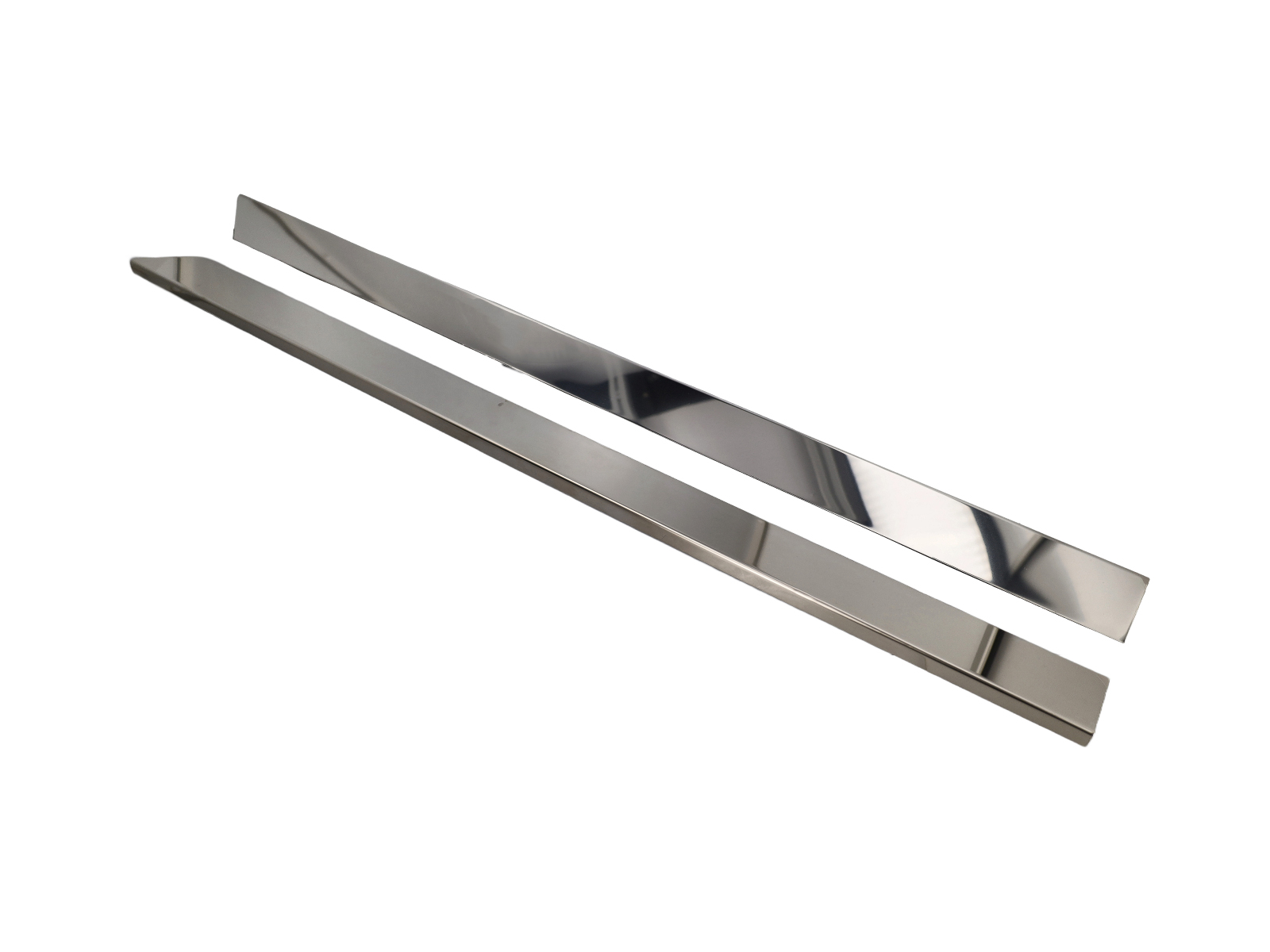
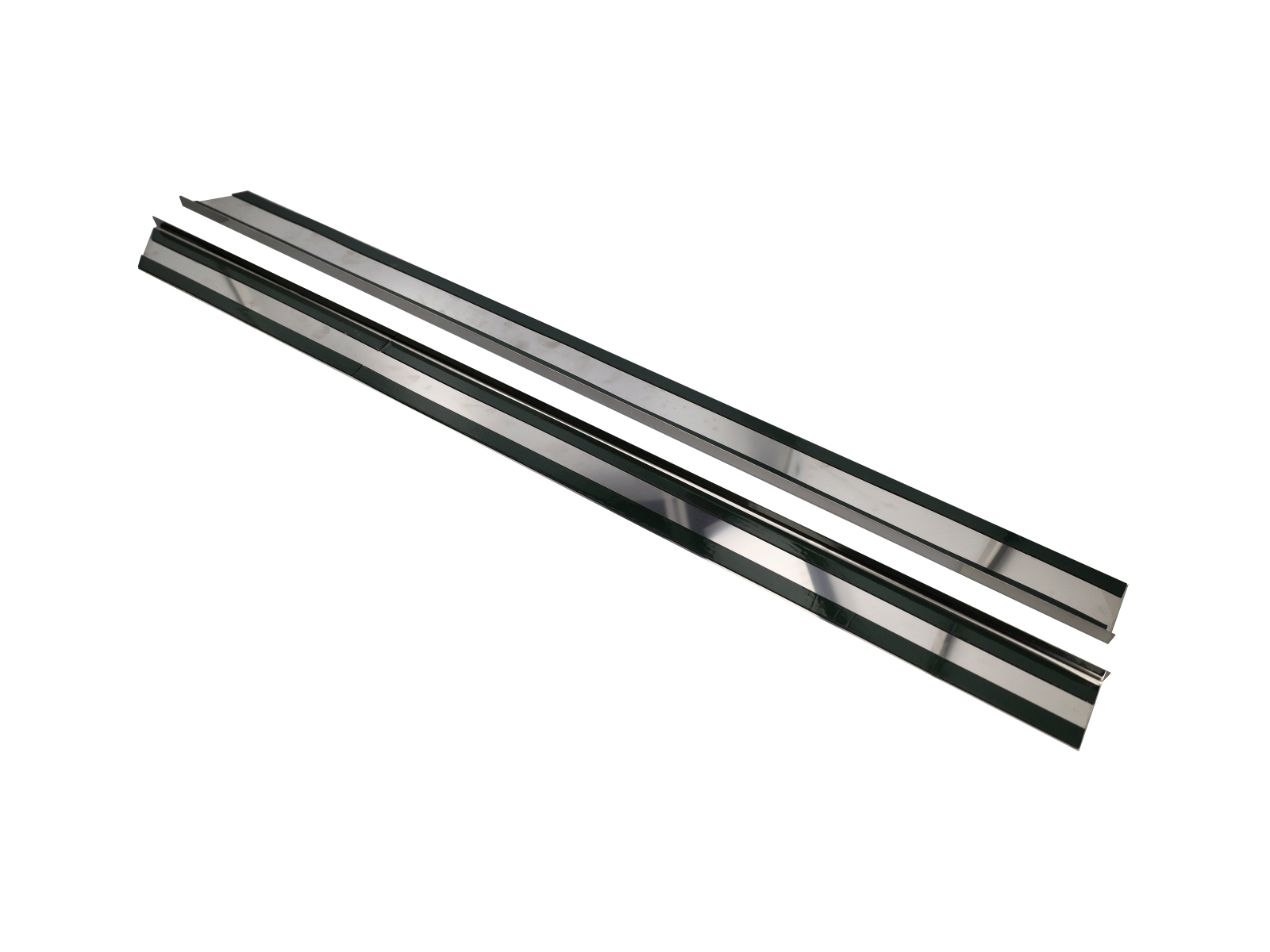
The OE Match Door Sill Cover Set, Stainless Steel Polished is a premium-quality replacement and protection trim set designed to restore and protect the door entry sills of compatible classic Porsche models. Manufactured to OE specifications for fit, finish and durability, these polished stainless steel sill covers provide an elegant factory-style appearance while protecting the painted door sill surfaces from scratches, scuffs and everyday wear caused by entering and exiting the vehicle.
Fits:
- Porsche 911 1965-1968 2.0L / 912 SWB (F)
- Porsche 911 1968-1973 2.2L / 2.4L / 2.7L RS LWB (F)
- Porsche 911 1974-1977 2.7L / 1976-77 3.0 Carrera
- Porsche 911 1978-1983 3.0L / SC
- Porsche 911 1984-1986 3.2L
- Porsche 911 1987-1989 3.2L G50
- Porsche 911 1975-1977 3.0L Turbo (930)
- Porsche 911 1978-1989 3.3L Turbo (930)
- Porsche 964 (911) C2 1989-93
- Porsche 964 (911) C4 1989-93
- Porsche 964 (911) RS 3.6L 1991-93
- Porsche 964 (911) RS 3.8L 1991-93
- Porsche 964 (911) TURBO 3.3L 1991-93
- Porsche 964 (911) TURBO 3.6L 1991-93
- Porsche 993 (911) C2 1994-97
- Porsche 993 (911) C4 1994-97
- Porsche 993 (911) RS 1994-97
- Porsche 993 (911) C2S 1994-97
- Porsche 993 (911) C4S 1994-97
- Porsche 993 (911) TURBO 1994-96
- Porsche 993 (911) GT2 1994-97
- Porsche 993 (911) TURBO S 1994-97
Manufactured from high-grade polished stainless steel, the sill covers offer exceptional resistance to corrosion, impact damage and abrasion while maintaining a bright, mirror-like finish. Precision-formed to match the original door aperture contours, they provide direct OE-style fitment and are ideal for restorations, interior refurbishment or protecting freshly painted bodywork.
What This Product Does:
- Protects the door sill from scratches and scuff marks.
- Restores the original appearance of the door entry area.
- Enhances the vehicle's interior and exterior presentation.
- Helps preserve painted door sill surfaces.
- Provides a durable, corrosion-resistant stainless steel finish.
- Covers worn or damaged sill areas.
- Provides factory-style fitment and appearance.
- Forms an essential part of the vehicle's door entry trim.
Symptoms Of Wear Or Failure:
- Scratches, dents or scuff marks.
- Corrosion or staining on the trim surface.
- Loose or poorly fitting sill covers.
- Dull or faded polished finish.
- Bent or distorted trim sections.
- Sharp edges caused by impact damage.
- Missing sill protection.
- Visible wear to the painted sill beneath the trim.
- Poor cosmetic appearance around the door opening.
- Reduced originality during restoration.
Why Replacement Matters:
- The door sill area is one of the highest-contact points on any vehicle and is continually exposed to footwear, dirt, moisture and road debris. Over time, repeated use can cause scratches, scuffs and damage to both the trim and the painted bodywork underneath.
- Damaged or missing sill covers leave the painted door aperture vulnerable to wear and corrosion while detracting from the appearance of the vehicle. On restored or concours-quality cars, worn sill trim can significantly reduce the overall presentation and value of the interior.
- Replacing worn or damaged door sill covers with the OE Match Stainless Steel Polished Door Sill Cover Set restores the original factory appearance while providing long-lasting protection against everyday wear. Manufactured from premium stainless steel to OE standards, this set offers precise fitment, outstanding durability and a high-quality polished finish, making it the ideal choice for Porsche restoration, refurbishment and preventative protection.
Related reference numbers
Related, superseded, cross reference or alternative numbers for comparison.
91155198001
The product you are viewing cross references to these numbers


- Porsche 356 1950-55
- Porsche 356A 1955-59
- Porsche 356B 1959-63
- Porsche 356C 1963-65
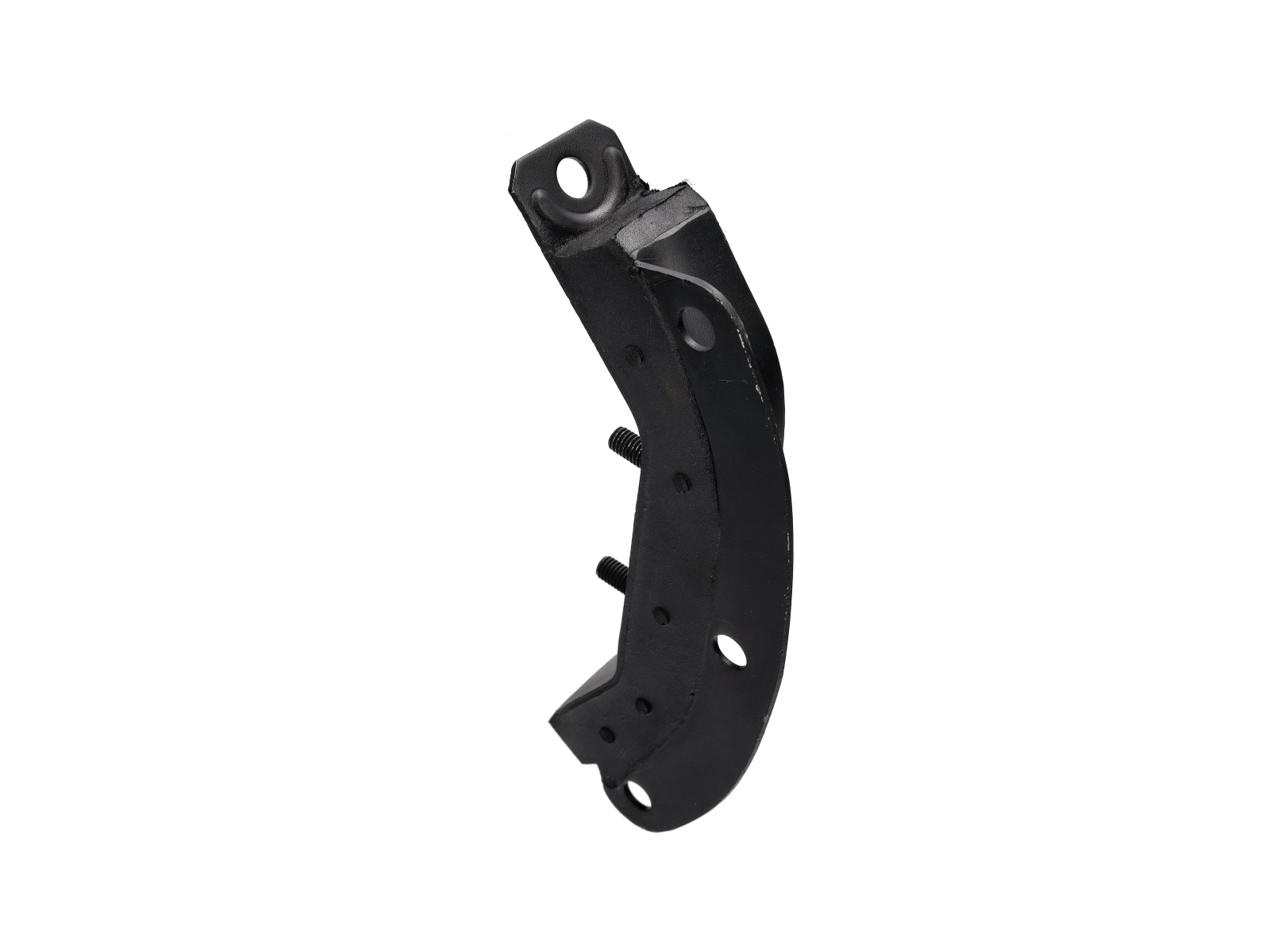
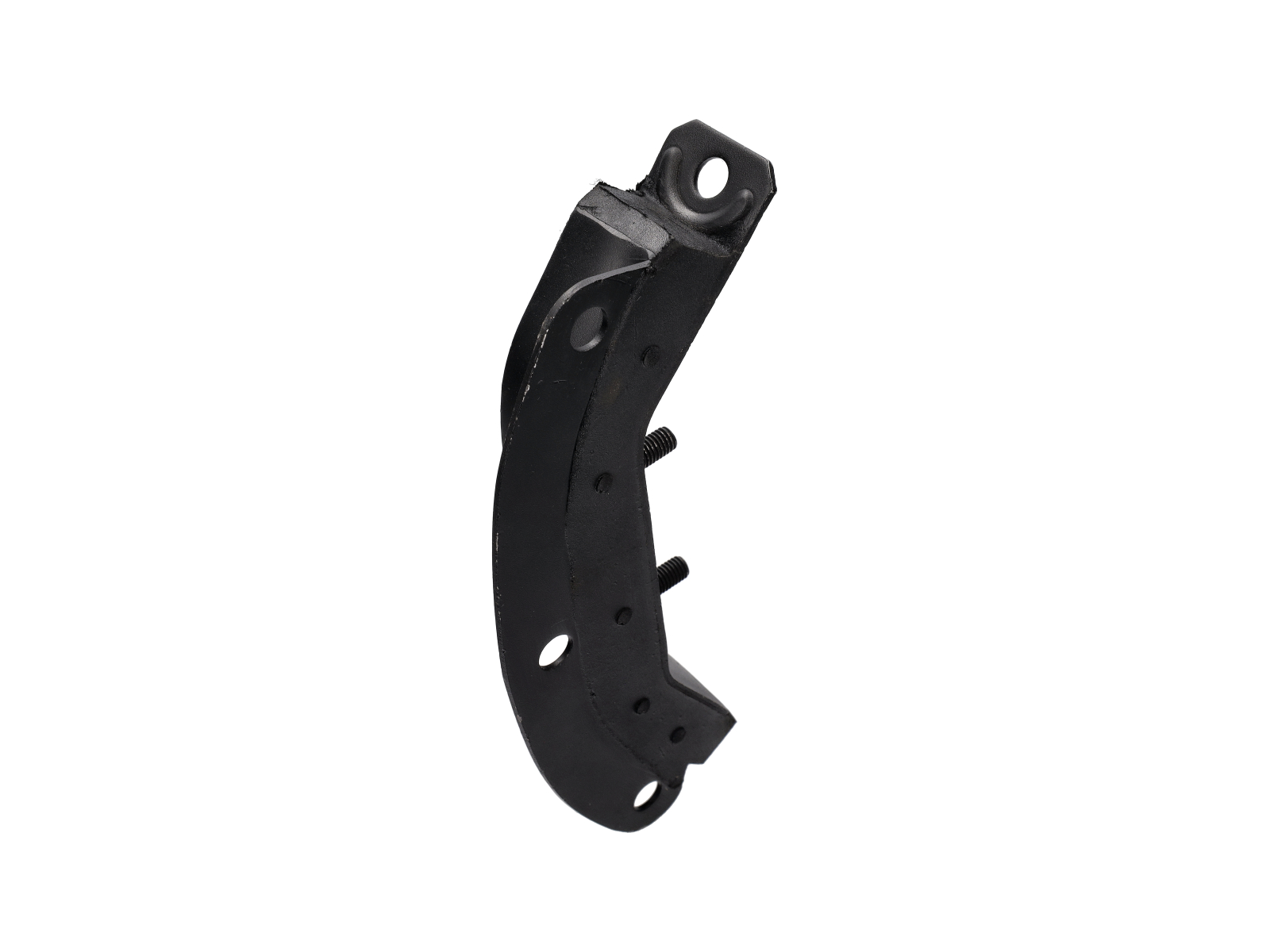
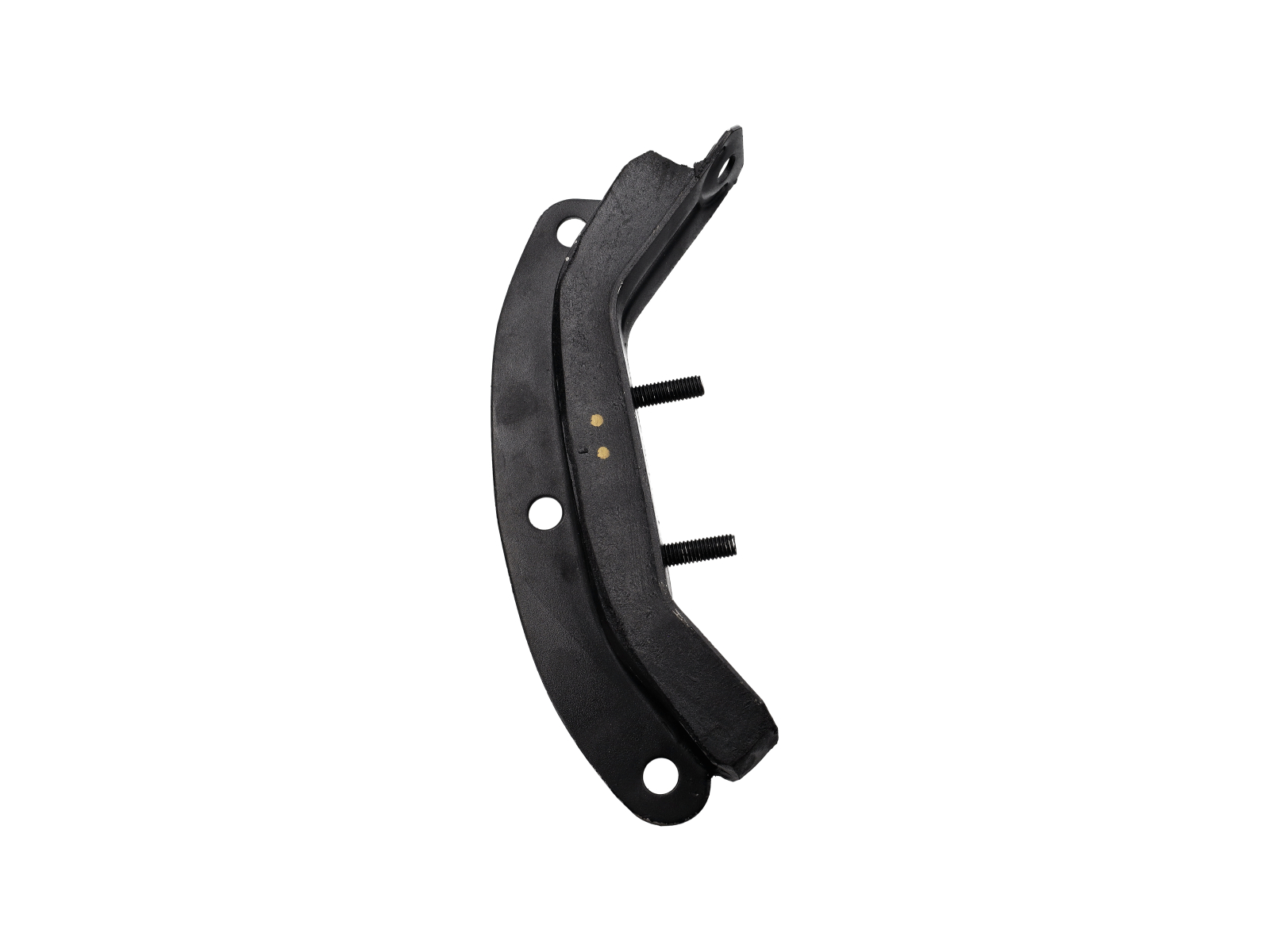
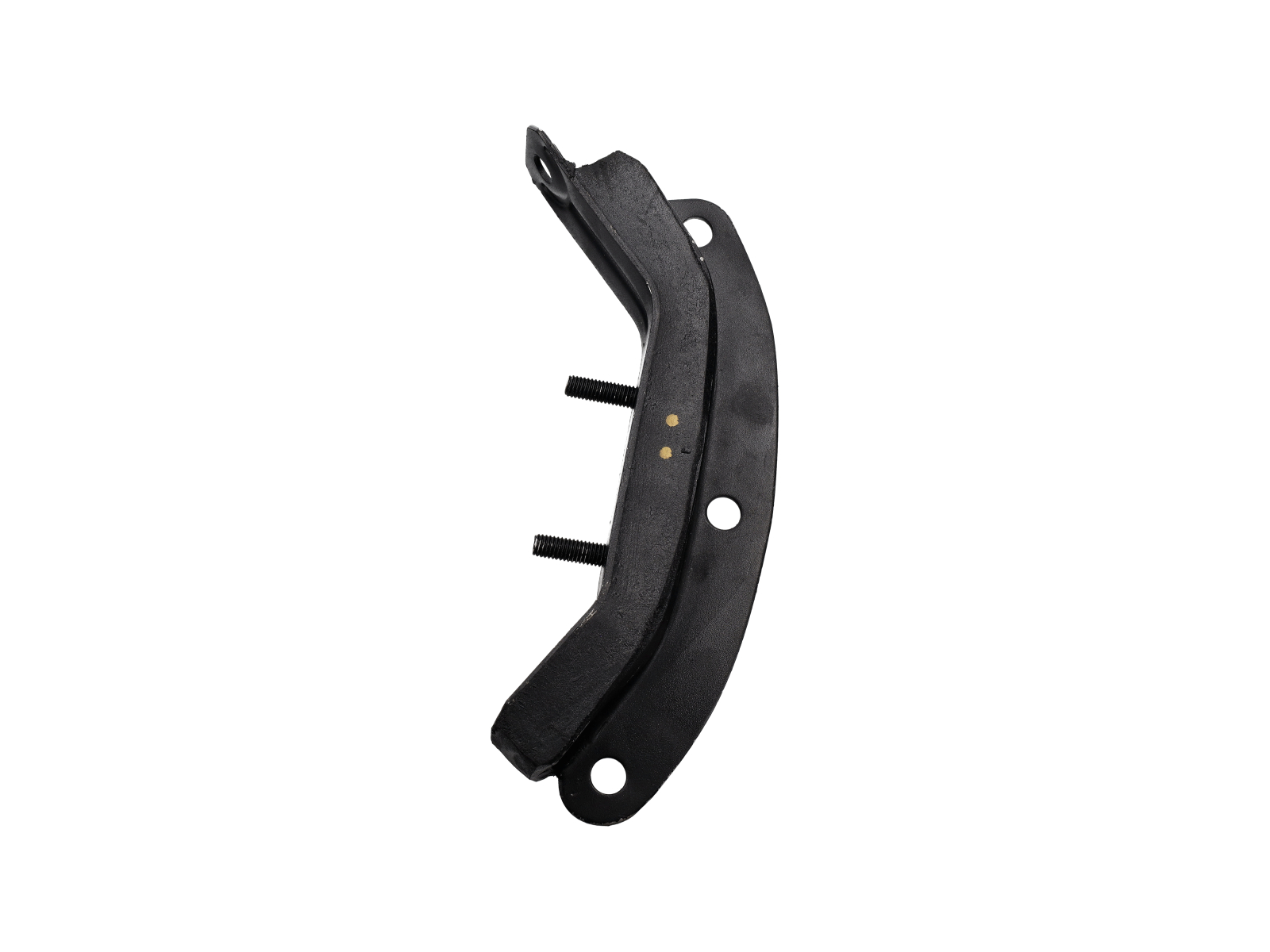
The transmission mount helps hold the manual gearbox in place, ensuring it stays securely positioned under side load and torque. It also absorbs engine and drivetrain vibration, preventing it from transmitting into the cabin or other chassis components. By maintaining proper transmission alignment, it supports smooth gear shifting and reduces stress on linkage and drivetrain parts.
Fits:
Porsche 356 1.1-2.0L 08/1950 - 04/1965
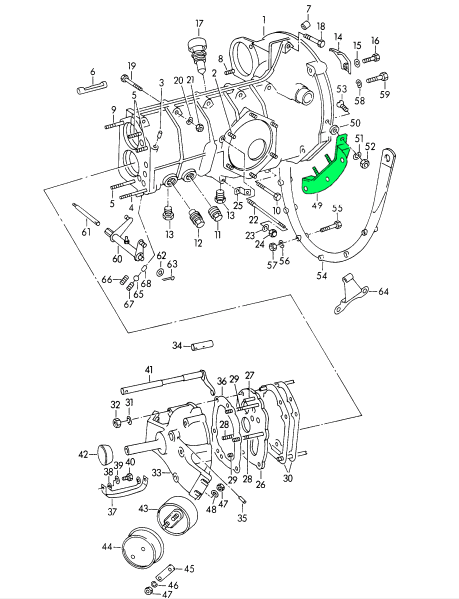
Diagram ref no 49
Installed between the transmission housing and the vehicle’s chassis or subframe, this mount:
• Secures the manual transmission in its correct position
• Dampens vibration and noise from the drivetrain
• Helps maintain accurate drivetrain alignment
• Reduces wear on surrounding mounts, brackets, and hardware
Related reference numbers
Related, superseded, cross reference or alternative numbers for comparison.
5192009
The product you are viewing cross references to these numbers
- Porsche 356 1950-55
- Porsche 356A 1955-59
- Porsche 356B 1959-63
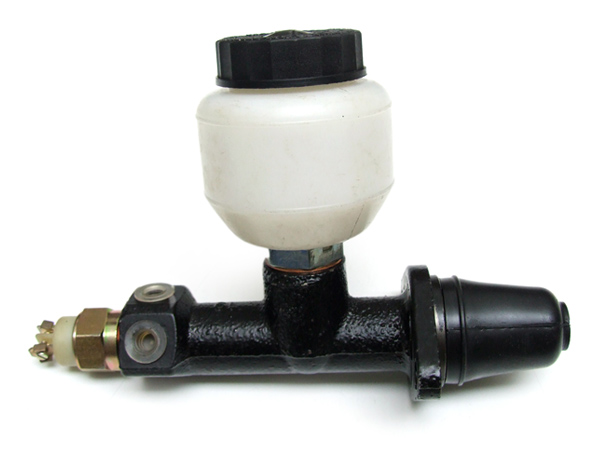
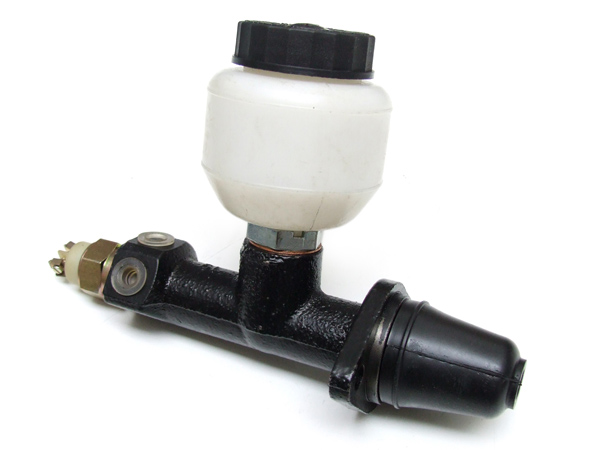
This OE Match brake master cylinder with tank is a replacement hydraulic brake component for Porsche 356 models from 1950 to 1963. It includes the brake master cylinder and reservoir tank, helping restore correct brake fluid pressure and reliable brake system operation.
Fits:
Porsche 356 1.1-1.5L 01/1950 - 12/1955
Porsche 356A 1.5L 01/1955 - 12/1961
Porsche 356B 1.6L 01/1959 - 12/1963
The brake master cylinder converts pedal force into hydraulic pressure, sending brake fluid through the brake lines to operate the wheel cylinders or brake calipers. The integrated tank / reservoir holds the brake fluid supply required for the hydraulic braking system.
Functions
• Replaces the brake master cylinder and fluid tank
• Converts brake pedal force into hydraulic pressure
• Supplies brake fluid to the braking system
• Supports correct brake pedal feel and braking response
• Helps restore safe hydraulic brake operation
• Replaces leaking, seized, worn, or corroded original master cylinders
• OE Match replacement for classic Porsche brake system repair.
Why Replace This Part?
Brake master cylinders can wear internally, leak, corrode, seize, or lose hydraulic pressure over time. The fluid tank can also become stained, brittle, cracked, or contaminated. A failing master cylinder may cause a soft or sinking brake pedal, fluid loss, poor braking performance, uneven braking, or brake system failure. Replacing the master cylinder and tank helps restore safe braking performance and reliability.
When to Replace This Part
• The brake pedal feels soft, spongy, or sinks under pressure
• Brake fluid is leaking from the master cylinder
• The reservoir tank is cracked, stained, brittle, or damaged
• Braking performance is poor or inconsistent
• Air repeatedly enters the hydraulic brake system
• The brake system is being rebuilt or recommissioned
• The vehicle is undergoing Porsche 356 restoration or brake overhaul.
Where it fits on the car
This brake master cylinder with tank fits within the hydraulic brake system on Porsche 356 models. It is mounted in the master cylinder position and connects to the brake pedal linkage, brake fluid reservoir / tank, and hydraulic brake lines according to the factory layout.
Related reference numbers
Related, superseded, cross reference or alternative numbers for comparison.
35642020
The product you are viewing cross references to these numbers
- Porsche 911 1965-1968 2.0L / 912 SWB (F)
- Porsche 911 1968-1973 2.2L / 2.4L / 2.7L RS LWB (F)
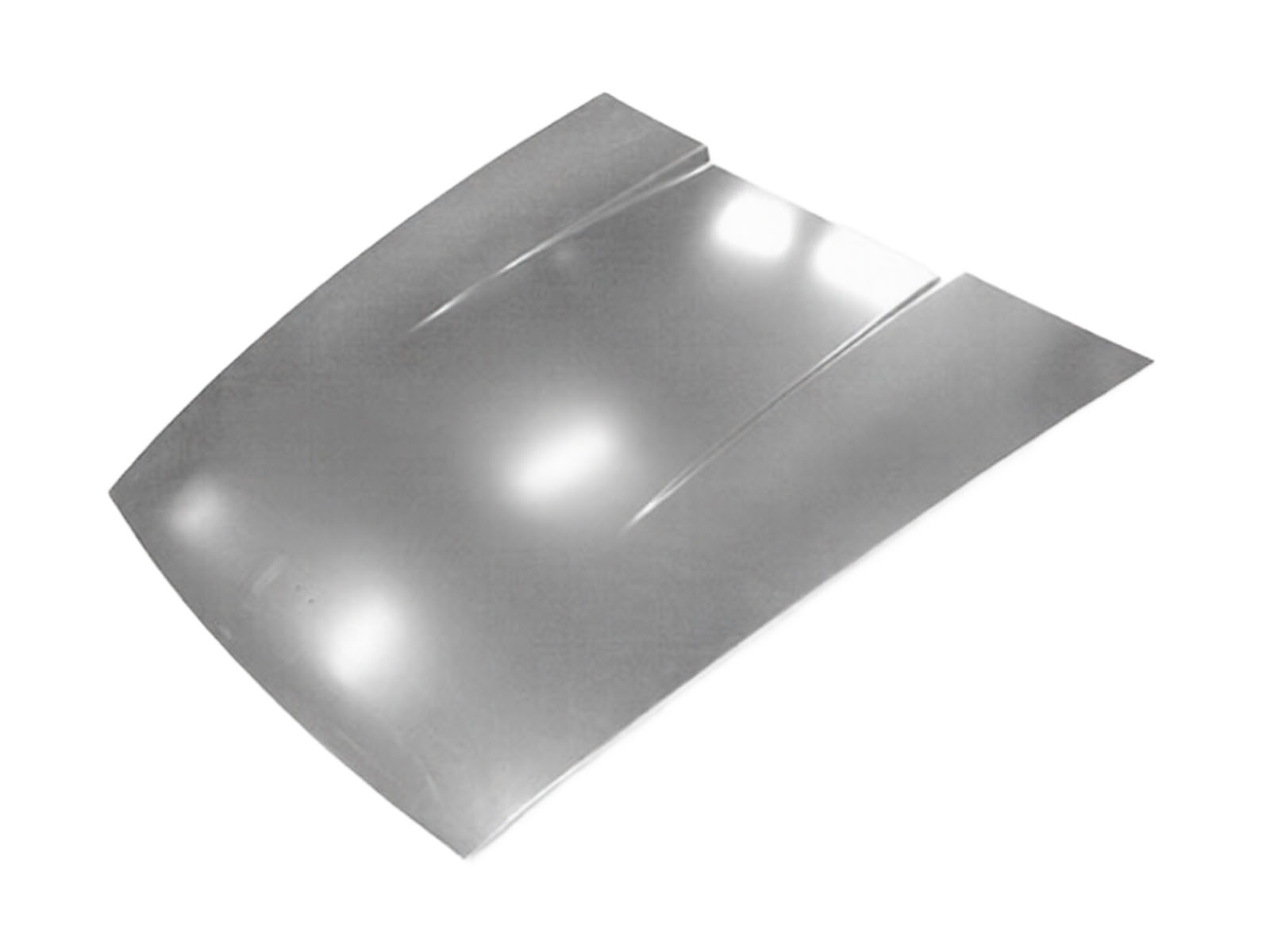
The OE Match Front Bonnet in Aluminium is a premium-quality replacement body panel designed to restore the original appearance, fit and functionality of compatible classic Porsche models. Manufactured to OE specifications for fit, profile and construction, this lightweight aluminium bonnet faithfully reproduces the original factory design while offering excellent strength, corrosion resistance and reduced weight compared to steel alternatives.
Fits:
- Porsche 911 1965-1968 2.0L / 912 SWB (F)
- Porsche 911 1968-1973 2.2L / 2.4L / 2.7L RS LWB (F)
Diagram Ref No 1
Manufactured from high-grade automotive aluminium, the bonnet is precision-pressed to replicate the original contours, panel lines and mounting points for an accurate OE-style fit. Supplied in a bare metal finish ready for preparation and painting, it is designed to accept the original hinges, latch mechanism, bonnet catch, seals and trim, making it the ideal replacement for accident repairs, corrosion restoration or concours-quality rebuilds.
What This Product Does:
- Protects the front luggage compartment and associated components.
- Provides secure closure of the front bonnet opening.
- Restores the original body lines and appearance.
- Supports the correct operation of the bonnet latch and hinges.
- Offers lightweight aluminium construction for reduced vehicle weight.
- Helps maintain correct panel alignment and fit.
- Provides direct OE-style fitment.
- Forms an essential part of the vehicle's front body structure.
Symptoms Of Wear Or Failure:
- Corrosion or rust affecting the panel.
- Dents, creases or accident damage.
- Poor bonnet alignment or uneven panel gaps.
- Difficulty opening or closing the bonnet.
- Distorted or warped panel.
- Damaged hinge or latch mounting points.
- Excessive vibration or movement while driving.
- Poor paint finish due to corrosion or previous repairs.
- Water ingress caused by poor panel fitment.
- Reduced vehicle appearance and originality.
Why Replacement Matters:
- The front bonnet is continually exposed to road debris, moisture, UV exposure and everyday use. Over time, accident damage, corrosion, fatigue or poor previous repairs can affect its structural integrity, alignment and appearance.
- A damaged bonnet can lead to poor panel fit, difficulty operating the latch mechanism and reduced protection for the front luggage compartment. Incorrect alignment may also allow water ingress, increase wind noise and detract from the appearance and value of a classic Porsche.
- Replacing a worn or damaged bonnet with the OE Match Aluminium Front Bonnet restores the vehicle's original appearance, fit and functionality. Manufactured from lightweight automotive-grade aluminium to OE specifications, it provides factory-style fitment, excellent corrosion resistance and long-lasting durability, making it the ideal choice for Porsche restoration, accident repair and high-quality bodywork projects.
Related reference numbers
Related, superseded, cross reference or alternative numbers for comparison.
90151101024GRV
The product you are viewing cross references to these numbers
PLEASE NOTE:
Due to its size, weight or fragility, this item requires additional protective packaging to make sure it reaches you undamaged. A small packing surcharge is applied to cover these specialist materials and the extra care taken preparing your order for transit.
- Porsche 911 1965-1968 2.0L / 912 SWB (F)
- Porsche 911 1968-1973 2.2L / 2.4L / 2.7L RS LWB (F)

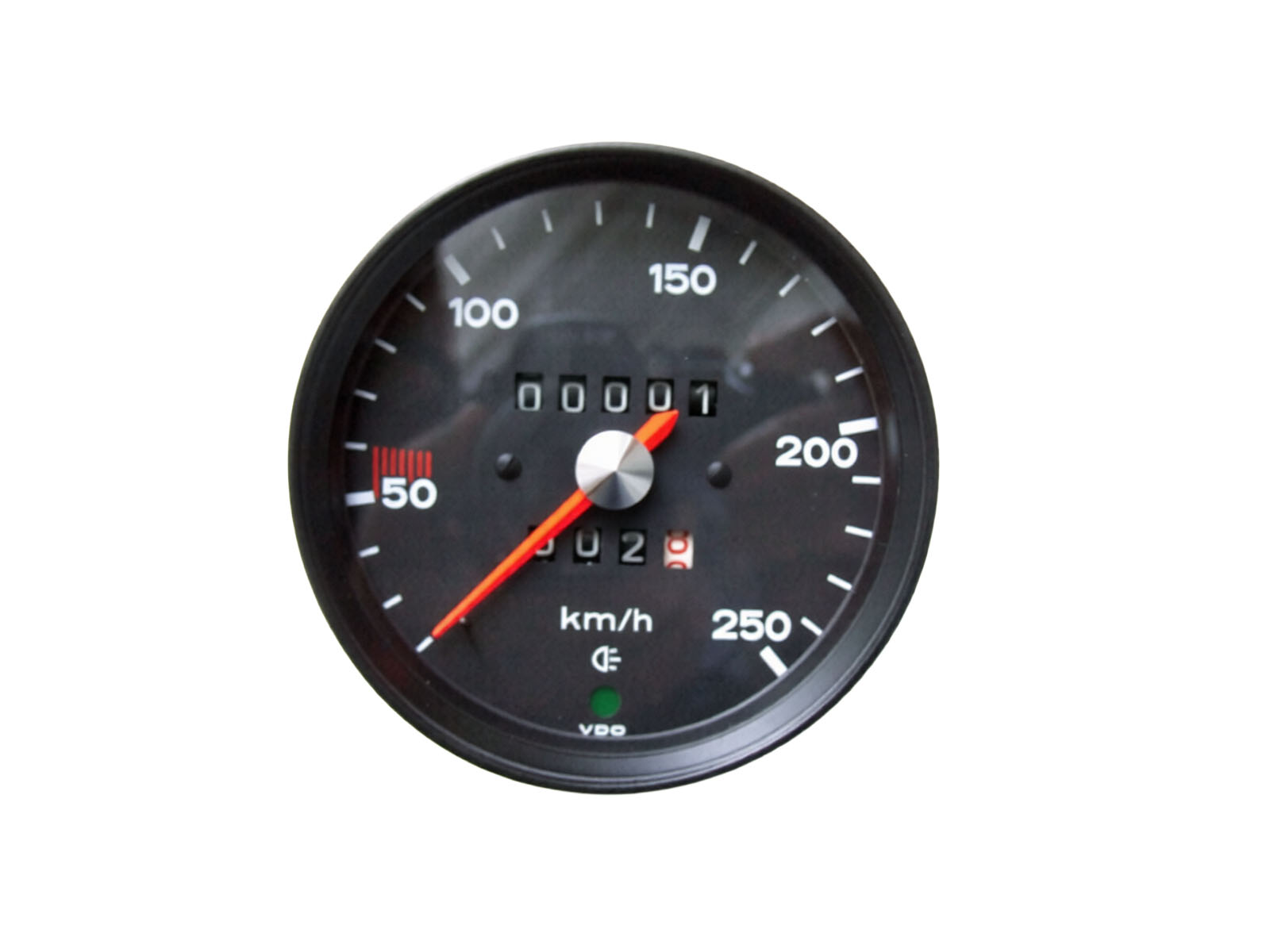
Reconditioned Replacement Speedo.
The OE Match Reconditioned Replacement Speedometer is a professionally reconditioned instrument designed to restore accurate vehicle speed indication and maintain the authentic appearance of the dashboard on compatible classic Porsche models. Rebuilt to OE specifications for fit, function and reliability, this replacement speedometer retains the original factory styling while providing dependable performance for everyday driving and concours-level restorations.
PLEASE NOTE:
- The surcharge for this reconditioned part will be refunded when the exchange unit is received and approved by us and the relevant manufacturer.
- Please note, surcharge refunds often take an average of 6 to 8 weeks to be approved by the manufacturer.
- Acceptance of the exchange part is at the manufacturer's discretion, based on the part being fit for reconditioning.
- All surcharges and exchanges are subject to our terms and conditions.
Fits:
- Porsche 911 1965-1968 2.0L / 912 SWB (F)
- Porsche 911 1968-1973 2.2L / 2.4L / 2.7L RS LWB (F)
Each unit is carefully reconditioned using high-quality replacement components where required. Internal mechanisms are inspected, cleaned, calibrated and tested to ensure accurate speed readings and smooth needle operation. The housing, dial face and internal assemblies are refurbished to deliver a factory-style appearance and direct OE-style installation, making this the ideal solution for replacing worn, damaged or inaccurate original speedometers.
What This Product Does:
- Displays accurate vehicle speed.
- Allows the driver to monitor road speed safely.
- Restores reliable speedometer operation.
- Maintains the original dashboard appearance.
- Provides smooth and accurate needle movement.
- Supports compliance with road speed regulations.
- Provides direct OE-style fitment.
- Forms an essential part of the vehicle's instrument cluster.
Symptoms Of Wear Or Failure:
- Inaccurate speed readings.
- Speedometer needle fluctuating or bouncing.
- Complete loss of speed indication.
- Sticking or erratic needle movement.
- Internal mechanical noise from the instrument.
- Odometer or trip meter failing to operate correctly.
- Clouded or damaged instrument lens.
- Faded or deteriorated dial face.
- Intermittent speedometer operation.
- Reduced dashboard originality due to damaged instruments.
Why Replacement Matters:
- The speedometer is one of the most frequently viewed instruments in the vehicle and plays a vital role in safe and legal driving. Over time, internal gears, bearings, springs and other precision components can wear, while age, vibration and heat may affect calibration and reliability.
- A faulty speedometer can provide inaccurate speed information, making it difficult to judge road speed accurately and potentially leading to unsafe driving or speeding offences. Worn instruments can also detract from the appearance and value of a classic Porsche, particularly during restoration.
- Replacing a worn or damaged speedometer with an OE Match professionally reconditioned unit restores accurate speed indication, smooth operation and the authentic factory appearance of the dashboard. Rebuilt to OE standards and carefully tested for performance, this replacement speedometer provides dependable reliability while preserving the originality and character of your Porsche.
Related reference numbers
Related, superseded, cross reference or alternative numbers for comparison.
91164150100
The product you are viewing cross references to these numbers
PLEASE NOTE:
- The surcharge for this reconditioned part will be refunded when the exchange unit is received and approved by us and the relevant manufacturer.
- Please note, surcharge refunds often take an average of 6 to 8 weeks to be approved by the manufacturer.
- Acceptance of the exchange part is at the manufacturer's discretion, based on the part being fit for reconditioning.
- All surcharges and exchanges are subject to our terms and conditions.
- Porsche 911 1965-1968 2.0L / 912 SWB (F)
- Porsche 911 1968-1973 2.2L / 2.4L / 2.7L RS LWB (F)
- Porsche 911 1974-1977 2.7L / 1976-77 3.0 Carrera
- Porsche 911 1978-1983 3.0L / SC
- Porsche 911 1984-1986 3.2L
- Porsche 911 1987-1989 3.2L G50
- Porsche 911 1975-1977 3.0L Turbo (930)
- Porsche 911 1978-1989 3.3L Turbo (930)
- Porsche 964 (911) C2 1989-93
- Porsche 964 (911) C4 1989-93
- Porsche 964 (911) RS 3.6L 1991-93
- Porsche 964 (911) RS 3.8L 1991-93
- Porsche 964 (911) TURBO 3.3L 1991-93
- Porsche 964 (911) TURBO 3.6L 1991-93
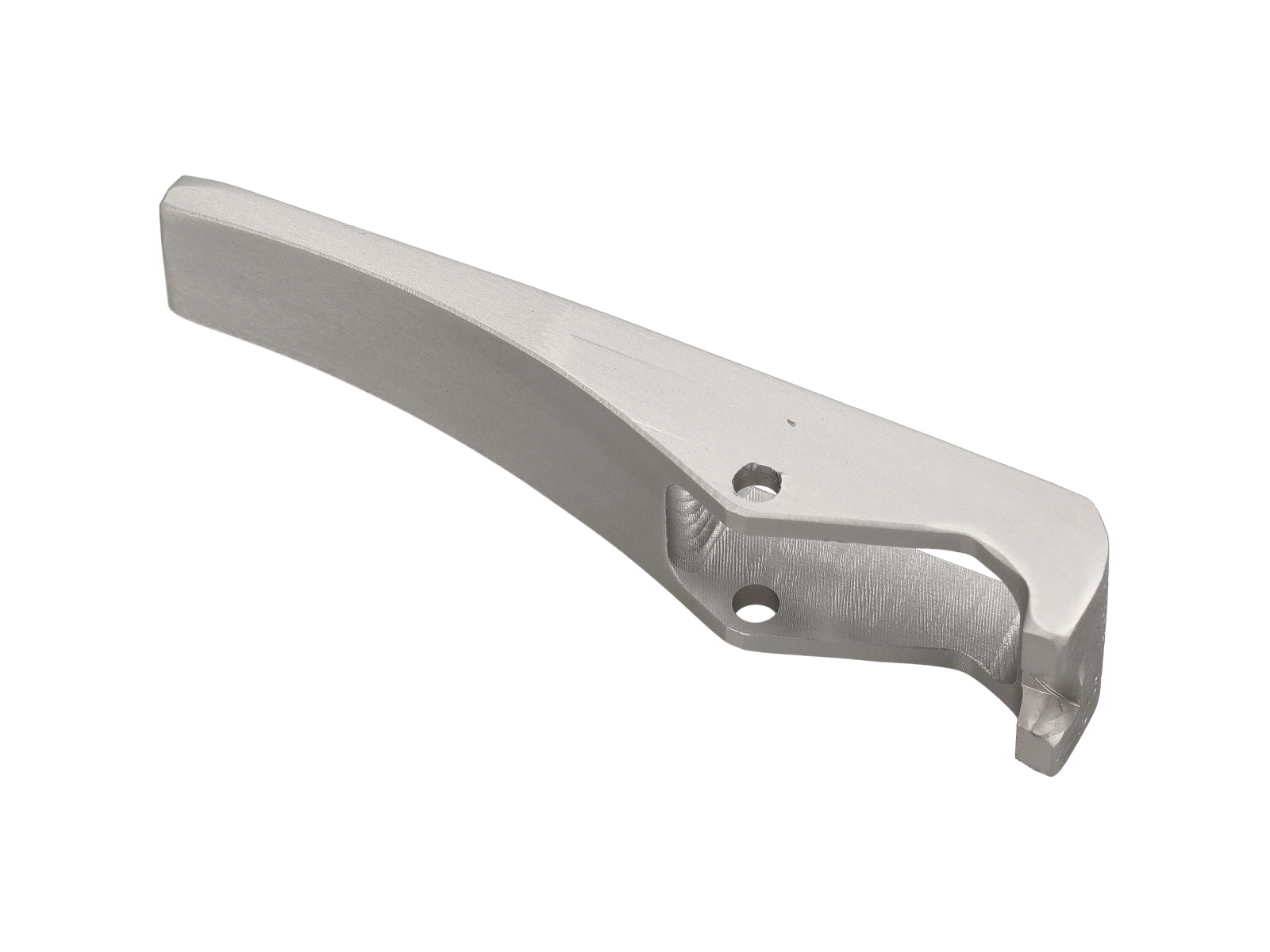
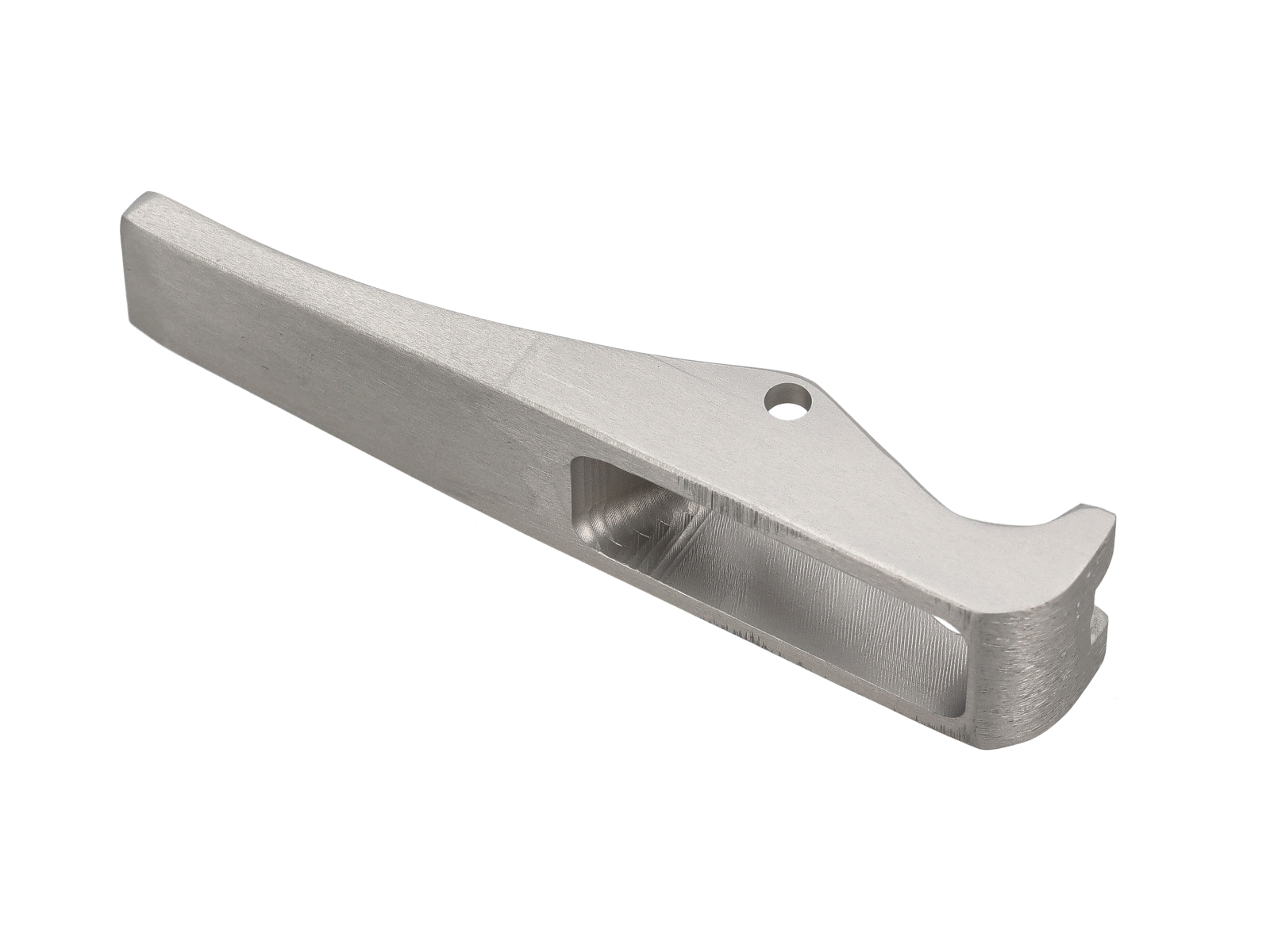
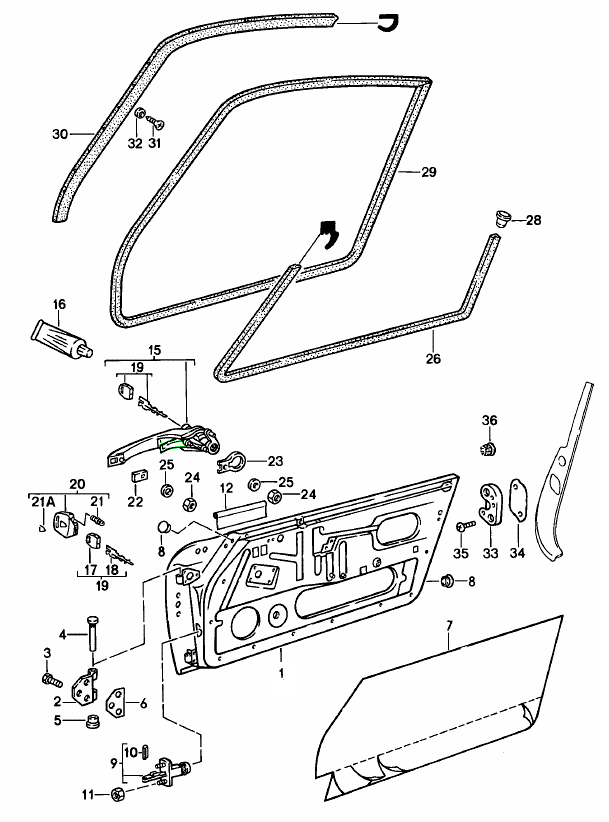
The OE Match Door Handle Triggers, Silver are premium-quality replacement exterior door handle components designed to restore the original appearance and smooth operation of compatible Porsche door handles. Manufactured to OE specifications for fit, finish and durability, these silver-finished triggers provide reliable door release operation while maintaining the authentic factory styling of the vehicle.
Please Note: This is only part of the handle (No 15 on diagram). It requires to be changed over with existing trigger.
Fits:
- Porsche 911 1965-1968 2.0L / 912 SWB (F)
- Porsche 911 1968-1973 2.2L / 2.4L / 2.7L RS LWB (F)
- Porsche 911 1974-1977 2.7L / 1976-77 3.0 Carrera
- Porsche 911 1978-1983 3.0L / SC
- Porsche 911 1984-1986 3.2L
- Porsche 911 1987-1989 3.2L G50
- Porsche 911 1975-1977 3.0L Turbo (930)
- Porsche 911 1978-1989 3.3L Turbo (930)
- Porsche 964 (911) C2 1989-93
- Porsche 964 (911) C4 1989-93
- Porsche 964 (911) RS 3.6L 1991-93
- Porsche 964 (911) RS 3.8L 1991-93
- Porsche 964 (911) TURBO 3.3L 1991-93
- Porsche 964 (911) TURBO 3.6L 1991-93
Manufactured from high-quality die-cast metal with a durable silver finish, the door handle triggers are engineered to withstand frequent use, exposure to the elements and daily wear. Precision-machined pivot points and mounting surfaces ensure smooth operation and direct OE-style installation, making them the ideal replacement for worn, damaged or corroded original door handle triggers during restoration or repair.
What This Product Does:
- Operates the exterior door latch mechanism.
- Allows smooth opening of the vehicle door.
- Restores the original appearance of the exterior door handles.
- Provides a comfortable and secure grip when opening the door.
- Maintains correct operation of the door latch system.
- Replaces worn, damaged or corroded door handle triggers.
- Provides factory-style fitment and finish.
- Forms an essential part of the exterior door handle assembly.
Symptoms Of Wear Or Failure:
- Difficulty opening the door from outside.
- Loose or excessive movement in the trigger.
- Sticky or stiff trigger operation.
- Worn, scratched or faded silver finish.
- Cracked or broken trigger.
- Corrosion or pitting of the metal surface.
- Trigger failing to return to its resting position.
- Inconsistent operation of the door latch.
- Visible cosmetic deterioration.
- Reduced originality during restoration.
Why Replacement Matters:
- Door handle triggers are one of the most frequently used exterior components on any vehicle and are continually exposed to weather, UV radiation, moisture and repeated daily operation. Over time, wear to the pivot mechanism, corrosion or damage to the finish can reduce both their appearance and functionality.
- A worn or damaged trigger can make it difficult to open the door, place additional strain on the latch mechanism and detract from the appearance of an otherwise well-maintained or restored Porsche. Failure of the trigger mechanism may eventually prevent the door from opening correctly from the outside.
- Replacing worn or damaged door handle triggers restores smooth, reliable door operation while maintaining the original factory appearance. The OE Match Silver Door Handle Triggers provide factory-style fitment, premium-quality construction and long-lasting durability, making them the ideal solution for Porsche restoration, repair and preventative maintenance.
Related reference numbers
Related, superseded, cross reference or alternative numbers for comparison.
3607709112
The product you are viewing cross references to these numbers

- Porsche 911 1968-1973 2.2L / 2.4L / 2.7L RS LWB (F)
- Porsche 911 1974-1977 2.7L / 1976-77 3.0 Carrera
- Porsche 911 1978-1983 3.0L / SC
- Porsche 911 1984-1986 3.2L
- Porsche 911 1987-1989 3.2L G50
- Porsche 911 1975-1977 3.0L Turbo (930)
- Porsche 911 1978-1989 3.3L Turbo (930)
- Porsche 914 (1970-1976)
Fits:
Porsche 911 / 912 / 930 / 914 All 1969-89
Will not fit SWB cars
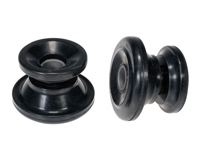
High Density front strut mounts for your 911/914 not only replace tired factory rubber pieces, but return better handling and ride quality without being overly stiff. At 25% more stiff than stock, these are a great compromise, allowing the front suspension to maintain better alignment and geometry over bumps and around corners thanks to their increased stiffness. Still at home on a race track, these will ride with a feel closer to factory than that of our more track oriented full camber plate and monoball setups.
Related reference numbers
Related, superseded, cross reference or alternative numbers for comparison.
91134101800
The product you are viewing cross references to these numbers