




Enter your VAT number here and click Verify:
Your details have been verified. VAT number registered to:
,
.
Your order will now be zero rated for VAT purposes. We reserve the right to verify these details after your order request has been made and reinstate VAT if required.
Your VAT details were not recognised or were invalid. Your VAT number must be matched to your Billing Country as specified above. This is currently specified as . You do not need to enter the country code part of your VAT number as this has already been selected in your billing address details above.
The VAT number checking service is currently offline. Please supply your VAT details within the comments or special instructions field below and we will apply a VAT discount after placing your order request.
OE Match

OE Match for Porsche
OE Match is a brand that provides a wide range of Porsche components, from gaskets to suspension hardware, engine parts, and interior trim. Over 6,700 individual part numbers, and over 11,800 OE cross-references catalogued, and are constantly developing new lines.OE Match has over 100 new products currently in the engineering phase, which will be quality-controlled and added to their catalog. The mission is to keep all Porsche vehicles on the road by offering a vast selection of parts that can address various problems across different Porsche generations
A Quick Look at OE Match
OE Match information on this page is based on details supplied by the manufacturer or distributor, plus any OE references provided with the parts.
Choosing the Right Fit for Your Porsche
Where OE Match is listed for Porsche, use the supplied model coverage and OE references to confirm suitability. Check details that commonly affect fitment such as model year, side/position, and connector type where relevant.
- Often chosen when owners want OE-equivalent quality with sensible running costs, especially for routine service and wear items.
- Typical reasons to replace include restoring reliability, addressing age-related wear, or refreshing multiple components during larger repair work.
- Common defects from incorrect application include noise, premature wear, leaks, or fitment quirks if the wrong variant is selected or fitted with old seals/hardware.
- Watch for symptoms such as unusual noises, early wear, or repeat failures after recent work, which can indicate mismatched parts or supporting items left worn.
- Always cross-check OEM part numbers, read model-year notes, and verify compatibility before ordering.
- For safety-critical components, confirm specification and fitment carefully and have installation checked by a competent technician.
Browse by Category
If you already know the area you are working on, start with the category and then filter by Porsche model. Where real-world symptoms and typical reasons to replace are provided, use them to keep the wording grounded.
Brakes — Brake components are renewed to restore stopping performance, address wear or upgrade a Porsche for fast road or track use. Common symptoms include vibration under braking, longer stopping distances, squealing, pulling to one side, warning lights and visible wear to discs and pads.
Brake Pad Wear Sensors — Brake pad wear sensors are replaced when pads are renewed or when warning lights indicate a broken or worn sensor. Symptoms include brake wear warnings even with new pads, damaged sensor cables, or broken clips around the caliper area.
Engine Electrical — Engine electrical parts are changed when there are starting, charging, ignition, or sensor-related faults that affect drivability and reliability, such as intermittent no-start, misfires, rough idle, poor charging, warning lights or heat-soak failures.
Service Parts — Service parts are replaced as routine maintenance to keep the engine and systems reliable, efficient, and protected, often resolving hard starting, rough idle, poor fuel economy and warning lights caused by clogged filters or worn ignition components.
Service Kits — Service kits bundle key service components to simplify maintenance and set the car back to a known baseline, especially useful when catching up on overdue servicing or dealing with general sluggish running, inconsistent idle and reduced performance.
- For brake parts, confirm whether items are OE-equivalent replacements or performance upgrades and check if new fitting kits and sensors are required.
- On service items and kits, match the kit to your exact Porsche model, engine and year, and review what is included so you can add any extra “while you are there” parts.
Explore OE Match at Design911
View the current OE Match range for Porsche at Design911, then filter by model and category to narrow down to the right parts.


- Porsche 955 Cayenne 3.2L V6 2003-06
- Porsche 955 Cayenne S 4.5L V8 2003-06
- Porsche 955 Cayenne Turbo 4.5L 2003-06
- Porsche 955 Cayenne Turbo S 4.5L 2006>>
- Porsche 957 Cayenne 3.0L Diesel 2007-10
- Porsche 957 Cayenne 3.6L 2007-10
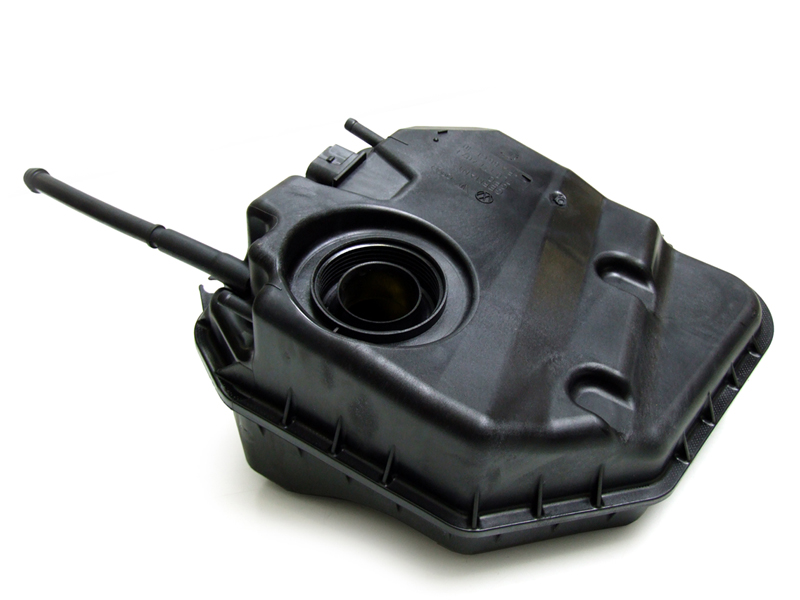
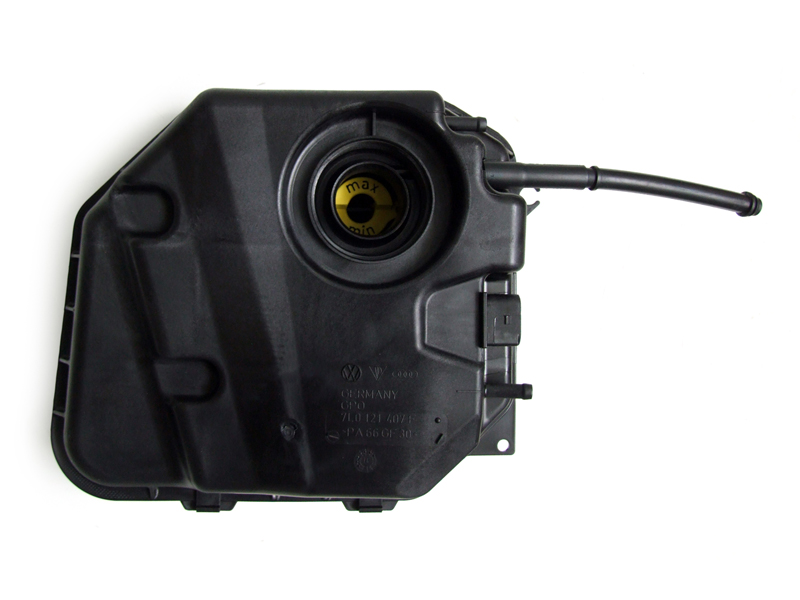
Coolant Expansion Tank (Water Tank Reservoir)
Keep your Porsche Cayenne's cooling system operating
efficiently with this OE Match Coolant Expansion Tank (Water Tank Reservoir).
Manufactured to the original factory specification, this
direct replacement provides the
correct fit, capacity and connection points for a straightforward installation.
Fits:
- Porsche 955 Cayenne 3.2L V6 2003-06
(D9J
Engines)
- Porsche 955 Cayenne S 4.5L V8 2003-06 (T90 / T91 Engines)
- Porsche 955 Cayenne Turbo 4.5L 2003-06 (T90 / T91 Engines)
- Porsche 955 Cayenne Turbo S 4.5L 2006>> (T90 / T91 Engines)
- Porsche 957 Cayenne 3.0L Diesel 2007-10
- Porsche 957 Cayenne 3.6L 2007-10
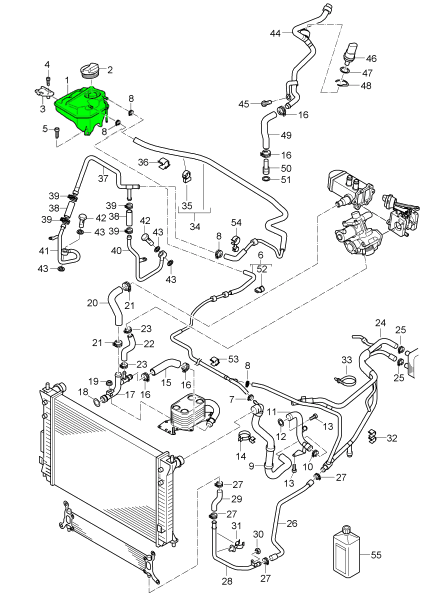
Diagram ref no. 1
The expansion tank is a vital part of the engine cooling system, storing coolant as it expands during normal engine operation and returning it to the cooling system as temperatures decrease. Replacing a worn or leaking reservoir helps maintain the correct coolant level, prevents overheating and protects the engine from costly damage.
What Does the Coolant Expansion Tank Do?
The coolant expansion tank performs several essential functions within the engine cooling system.
Its primary roles include:
- Providing a reservoir for expanding engine coolant.
- Maintaining the correct coolant level throughout the cooling system.
- Allowing coolant to return to the radiator and engine as temperatures fall.
- Helping maintain the correct system pressure when used with the pressure cap.
- Assisting with bleeding trapped air from the cooling system.
- Providing a convenient point for checking and topping up coolant.
A correctly functioning expansion tank is essential for maintaining stable engine operating temperatures.
Why Does the Expansion Tank Fail?
Expansion tanks are subjected to constant temperature fluctuations and system pressure, which can eventually weaken the plastic housing.
Common causes of failure include:
- Age-related plastic fatigue.
- Hairline cracks caused by repeated heating and cooling cycles.
- Coolant leaks around hose connections.
- Damage caused by excessive cooling system pressure.
- Discolouration and brittleness from prolonged engine bay heat.
- Internal contamination reducing coolant quality.
A leaking or cracked expansion tank can lead to coolant loss, low system pressure and engine overheating if left unrepaired.
When Should It Be Replaced?
Replacement is recommended when:
- Coolant leaks are visible around the tank.
- The reservoir has become cracked or distorted.
- The plastic has become brittle or heavily discoloured.
- Coolant level warnings occur without any obvious hose leaks.
- The cooling system is being overhauled.
- Replacing other ageing cooling system components during preventative maintenance.
Replacing the expansion tank before it fails can help prevent overheating and reduce the risk of expensive engine repairs.
Related reference numbers
Related, superseded, cross reference or alternative numbers for comparison.
95510614723
The product you are viewing cross references to these numbers

- Porsche 911 1978-1983 3.0L / SC
- Porsche 911 1984-1986 3.2L
- Porsche 911 1987-1989 3.2L G50
- Porsche 911 1975-1977 3.0L Turbo (930)
- Porsche 911 1978-1989 3.3L Turbo (930)
- Porsche 964 (911) C2 1989-93
- Porsche 964 (911) C4 1989-93
- Porsche 964 (911) RS 3.6L 1991-93
- Porsche 964 (911) RS 3.8L 1991-93
- Porsche 964 (911) TURBO 3.3L 1991-93
- Porsche 964 (911) TURBO 3.6L 1991-93
- Porsche 993 (911) C2 1994-97
- Porsche 993 (911) C4 1994-97
- Porsche 993 (911) RS 1994-97
- Porsche 993 (911) C2S 1994-97
- Porsche 993 (911) C4S 1994-97
- Porsche 993 (911) TURBO 1994-96
- Porsche 993 (911) GT2 1994-97
- Porsche 993 (911) TURBO S 1994-97
- Porsche 996 TURBO 2000-05
- Porsche 996 GT3 MKI 1999-02
- Porsche 996 GT3 MKII 2003>>
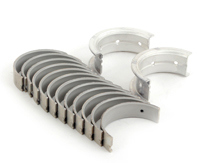
Main Bearing Set – 0.25mm Oversize Inner, Standard Outer
Rebuild your Porsche engine with confidence using this OE
Match Main Bearing Set featuring 0.25mm oversize inner diameter and standard
outer diameter, manufactured to match original factory
specifications. Tthis bearing set is intended for engines with a crankshaft
that has been reground by 0.25mm on the main bearing journals, while
retaining a standard crankcase housing bore.
Fits:
- Porsche 911 1978-1983 3.0L / SC
- Porsche 911 1984-1986 3.2L
- Porsche 911 1987-1989 3.2L G50
- Porsche 911 1975-1977 3.0L Turbo (930)
- Porsche 911 1978-1989 3.3L Turbo (930)
- Porsche 964 (911) C2 1989-93
- Porsche 964 (911) C4 1989-93
- Porsche 964 (911) RS 3.6L 1991-93
- Porsche 964 (911) RS 3.8L 1991-93
- Porsche 964 (911) TURBO 3.3L 1991-93
- Porsche 964 (911) TURBO 3.6L 1991-93
- Porsche 993 (911) C2 1994-97
- Porsche 993 (911) C4 1994-97
- Porsche 993 (911) RS 1994-97
- Porsche 993 (911) C2S 1994-97
- Porsche 993 (911) C4S 1994-97
- Porsche 993 (911) TURBO 1994-96
- Porsche 993 (911) GT2 1994-97
- Porsche 993 (911) TURBO S 1994-97
- Porsche 996 TURBO 2000-05
- Porsche 996 GT3 MKI 1999-02
- Porsche 996 GT3 MKII 2003>>
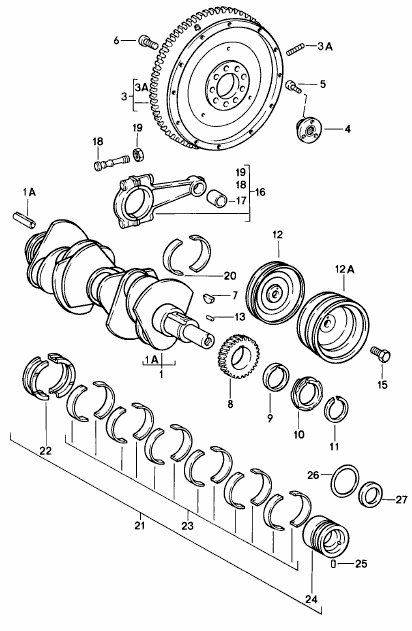
Diagram Ref No 21
Precision-manufactured from high-quality bearing materials, these main bearings provide the oil film stability and support required to ensure smooth crankshaft rotation, reduced friction and long engine life. They are the ideal choice for professional engine builders, Porsche specialists and enthusiasts carrying out a complete engine overhaul.
What Do Main Bearings Do?
Main bearings are one of the most critical components inside every Porsche flat-six engine.
Their primary functions include:
Supporting
the crankshaft within the crankcase.
Maintaining
precise crankshaft alignment during engine operation.
Providing
a low-friction bearing surface for smooth rotation.
Maintaining
a stable oil film between the crankshaft and bearing shell.
Absorbing
combustion and rotational loads throughout the engine.
Helping
ensure correct oil pressure and long engine service life.
Correct bearing clearances are essential for maintaining engine reliability and performance.
Why Do Main Bearings Wear?
Over time, engine bearings are subjected to enormous mechanical loads and rely entirely on a consistent supply of clean engine oil.
Common causes of bearing wear include:
- High engine mileage.
- Oil contamination from debris or worn components.
- Insufficient lubrication or low oil pressure.
- Engine overheating.
- Incorrect bearing clearances during previous rebuilds.
- High-performance or competition use.
- Fatigue after repeated heat cycles.
As bearings wear, oil clearance increases, reducing oil pressure and allowing excessive crankshaft movement that can eventually damage the crankshaft and crankcase.
When Should Main Bearings Be Replaced?
Main bearings should always be inspected during engine
disassembly and replaced when:
- Carrying out a complete engine rebuild.
- The crankshaft has been reground by 0.25mm on the main journals.
- Bearing surfaces show scoring, wear or fatigue.
- Oil pressure has fallen below specification.
- Bearing material shows signs of overheating or contamination.
- Engine knock or excessive crankshaft clearance has been identified.
- Restoring a high-mileage or performance engine.
Replacing main bearings during an engine rebuild helps ensure correct oil clearances and provides a solid foundation for reliable long-term engine performance.
Related reference numbers
Related, superseded, cross reference or alternative numbers for comparison.
96410190151
The product you are viewing cross references to these numbers


- Porsche 911 1987-1989 3.2L G50
- Porsche 911 1978-1989 3.3L Turbo (930)
- Porsche 964 (911) C2 1989-93
- Porsche 964 (911) C4 1989-93
- Porsche 964 (911) TURBO 3.3L 1991-93
- Porsche 964 (911) TURBO 3.6L 1991-93
1st & 2nd Gear Synchro Ring
Sold each - 2 required per car
Restore precise gear selection and smooth shifting with this
OE Match 1st & 2nd Gear Synchro Ring. Manufactured to replicate the original factory
specification, this direct replacement on G50 manual transmissions, helping to restore crisp gear
engagement and prolong gearbox life.
Fits:
- Porsche 911 1987-1989 3.2L G50
- Porsche 911 1 1989 3.3L Turbo (930) G50
- Porsche 964 (911) C2 1989-93
- Porsche 964 (911) C4 1989-93
- Porsche 964 (911) TURBO 3.3L 1991-93
- Porsche 964 (911) TURBO 3.6L 1991-93
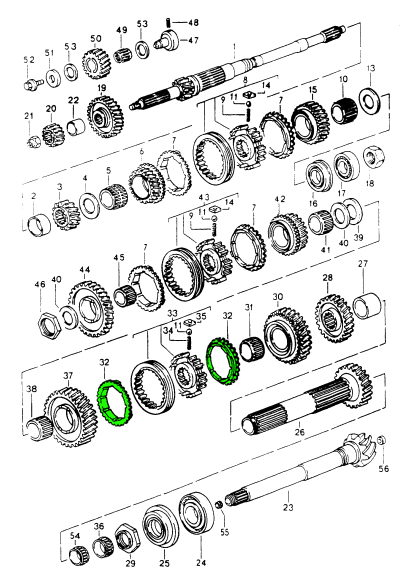
Diagram Ref no 32
Whether you're carrying out a complete transmission rebuild or replacing worn synchroniser components, this OE Match synchro ring delivers the fit, function and reliability expected from an original-style replacement.
What Does the Synchro Ring Do?
The synchro ring is one of the most important wear components inside the manual gearbox.
Its primary functions include:
- Matching the rotational speed of the selected gear and the gearbox shaft before engagement.
- Allowing smooth gear changes without gear clash.
- Reducing wear on gear teeth and engagement hubs.
- Improving shift quality and driver confidence.
- Helping protect internal gearbox components from excessive wear.
A correctly functioning synchro ring is essential for the smooth, precise shift quality that Porsche G50 gearboxes are known for.
Why Do Synchro Rings Fail?
Synchroniser rings are designed as wear components and gradually lose effectiveness through normal operation.
Common causes of failure include:
- Normal wear from repeated gear changes.
- Aggressive or high-performance driving.
- High mileage. Poor lubrication or degraded gearbox oil.
- Excessive heat generated within the transmission.
- Incorrect shifting techniques causing premature wear.
As the friction surface wears, the synchroniser can no longer effectively match gear speeds, resulting in increasingly difficult gear engagement.
When Should They Be Replaced?
Replacement is recommended when:
- First or second gear becomes difficult to engage.
- Gear changes produce grinding or crunching noises.
- The gearbox jumps out of gear under load.
- Shift quality deteriorates, particularly when cold.
- Carrying out a complete gearbox overhaul.
- Replacing worn synchroniser hubs, sleeves or bearings.
- Rebuilding a high-mileage or performance transmission.
As gearbox disassembly is required, replacing synchro rings alongside other wear components is considered best practice during a transmission rebuild.
Related reference numbers
Related, superseded, cross reference or alternative numbers for comparison.
95030431102
The product you are viewing cross references to these numbers
- Porsche 911 1968-1973 2.2L / 2.4L / 2.7L RS LWB (F)
- Porsche 911 1974-1977 2.7L / 1976-77 3.0 Carrera
- Porsche 911 1975-1977 3.0L Turbo (930)
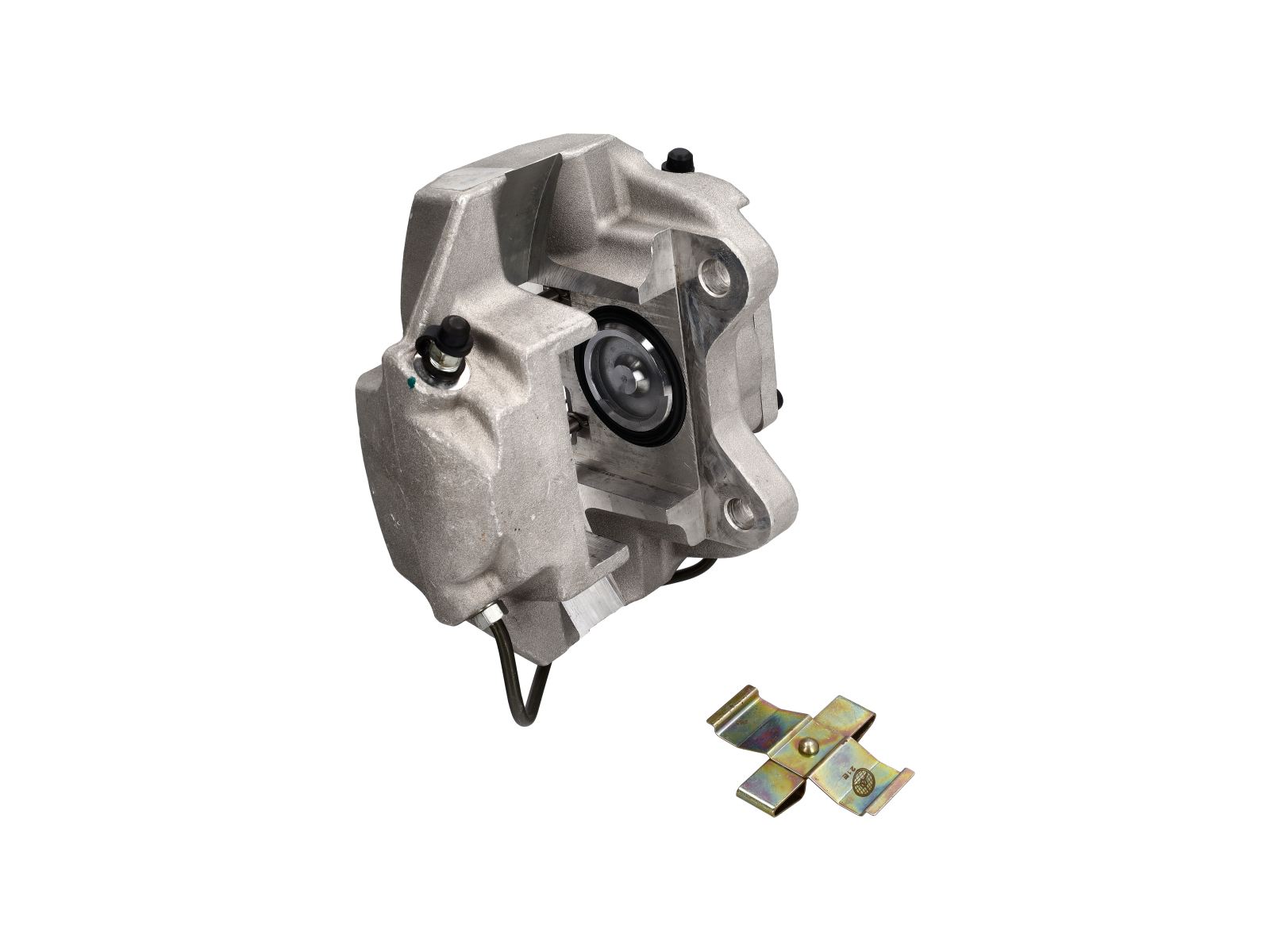
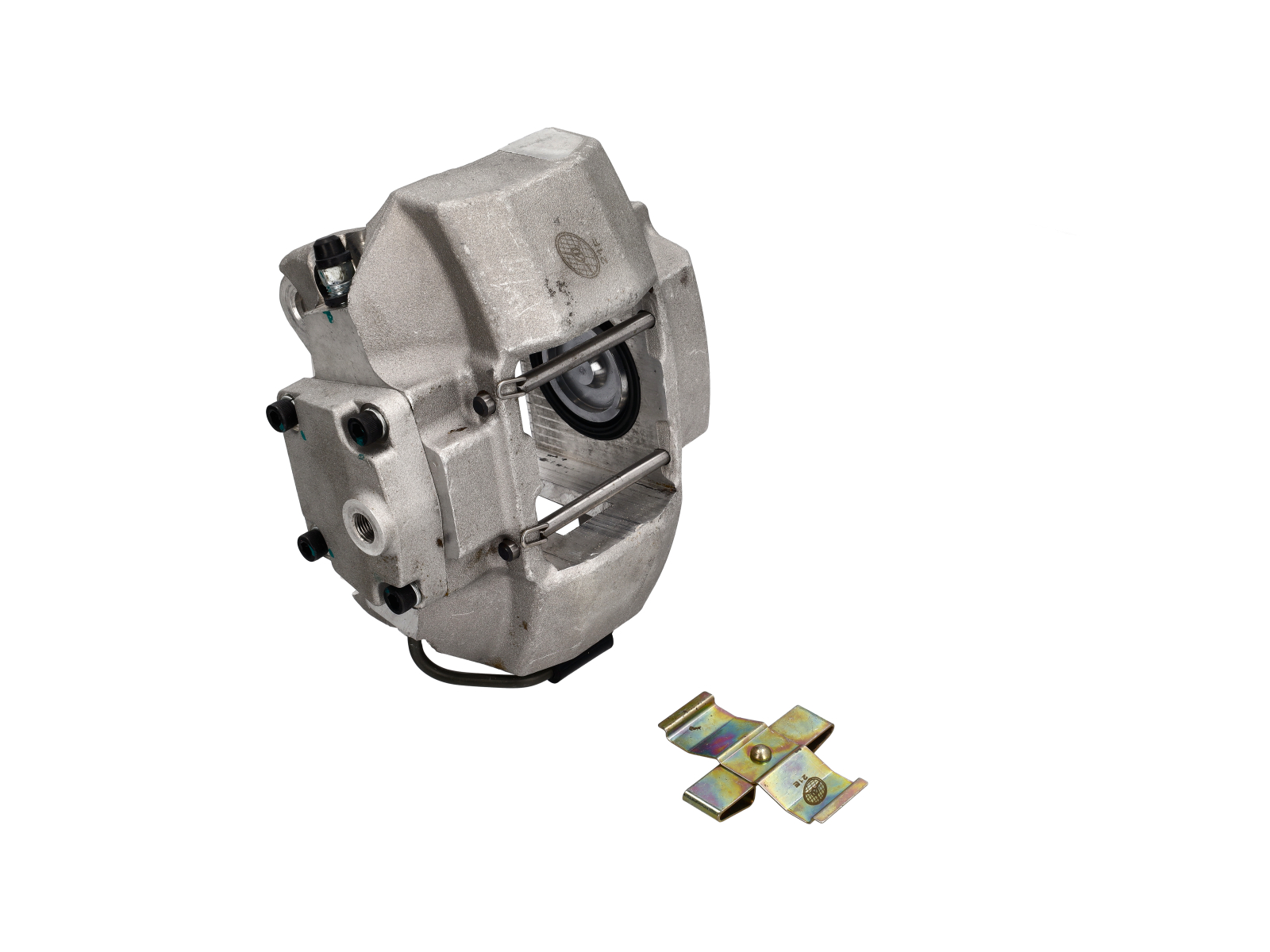
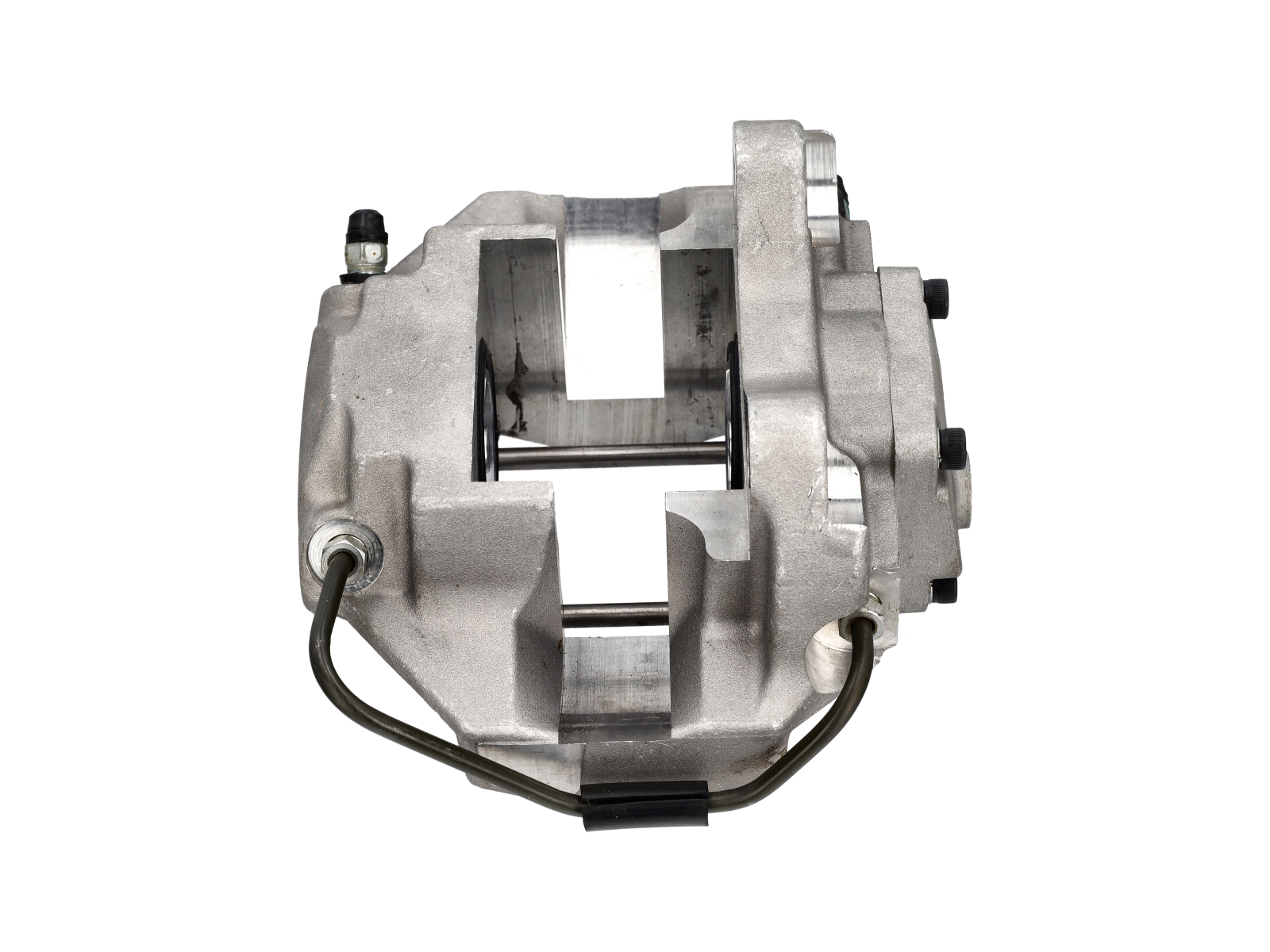
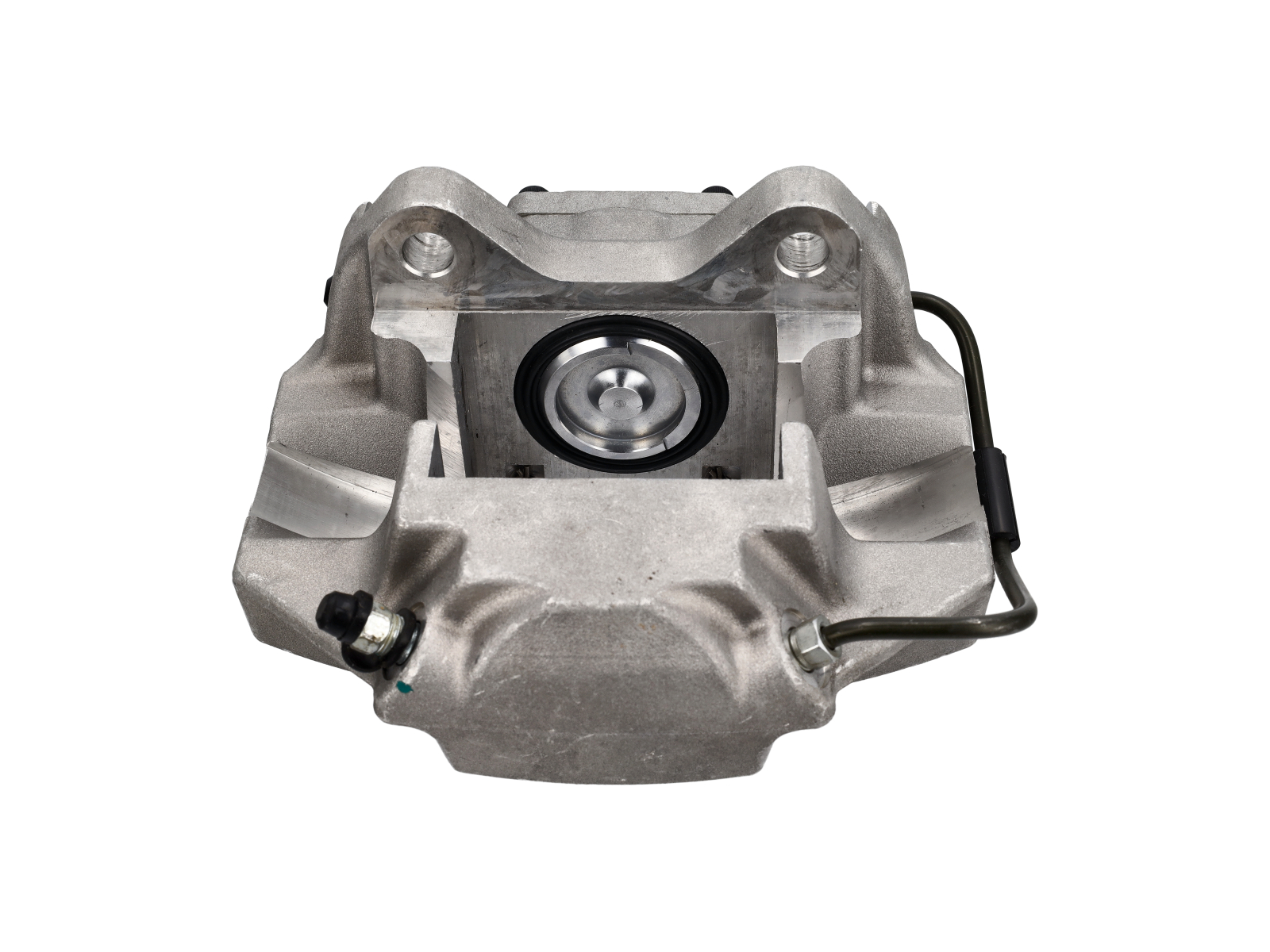
Front Aluminium S Brake Caliper
Restore the braking performance of your classic Porsche with
this OE Match Front Aluminium S Brake Caliper. Manufactured to replicate the original factory
specification, these direct replacement calipers replace Porsche part numbers 91135193500
(left) and 91135193600 (right).
Fits:
- Porsche 911 1968-1973 2.2L / 2.4L / 2.7L RS LWB (F)
- Porsche 911 1974-1977 2.7L / 1976-77 3.0 Carrera
- Porsche 911 1975-1977 3.0L Turbo (930)
The lightweight aluminium S-Caliper was originally developed
to deliver exceptional braking performance while reducing unsprung weight,
making it one of the most recognisable and sought-after brake calipers fitted
to early air-cooled Porsche 911 models. Whether you're carrying out a concours
restoration or replacing worn original components, this OE Match caliper offers
factory-style fit, appearance and dependable braking performance.
The S calipers were first introduced in 1969 on Porsche 911 cars equipped with vented discs. It was also used on Porsche race car model 908. This caliper has 48mm size piston.
What Does the Front Brake Caliper Do?
The front brake caliper is a critical component of your Porsche's braking system.
Its primary functions include:
- Housing the brake pistons that apply pressure to the brake pads.
- Converting hydraulic brake fluid pressure into clamping force.
- Squeezing the brake pads evenly against the brake disc to slow or stop the vehicle.
- Delivering balanced braking performance and pedal feel.
- Helping maintain safe, predictable stopping under all driving conditions.
The lightweight aluminium construction also reduces unsprung weight, contributing to improved steering response, suspension performance and handling.
Why Do Brake Calipers Fail?
After decades of service, brake calipers are exposed to heat, moisture, brake dust and road contaminants, which can eventually affect their performance.
Common causes of failure include:
- Internal corrosion from contaminated brake fluid.
- Seized or sticking pistons.
- Worn or damaged piston seals allowing fluid leaks.
- Corrosion beneath dust seals.
- Damaged bleed screw threads.
- External corrosion and cosmetic deterioration.
- Physical damage caused by impact or improper maintenance.
A sticking or leaking caliper can reduce braking efficiency, increase brake pad wear and compromise vehicle safety.
When Should They Be Replaced?
Replacement is recommended when:
- Brake fluid is leaking from the caliper.
- Pistons seize or fail to retract correctly.
- Uneven brake pad wear is present.
- Braking performance or pedal feel has deteriorated.
- The caliper body has been damaged or heavily corroded.
- Restoring a classic Porsche to factory specification.
- Existing calipers are beyond economical repair.
Replacing worn brake calipers restores braking balance, improves safety and ensures reliable performance.
Related reference numbers
Related, superseded, cross reference or alternative numbers for comparison.
91135193
The product you are viewing cross references to these numbers

- Porsche 911 1965-1968 2.0L / 912 SWB (F)
- Porsche 911 1968-1973 2.2L / 2.4L / 2.7L RS LWB (F)
- Porsche 911 1974-1977 2.7L / 1976-77 3.0 Carrera
- Porsche 911 1978-1983 3.0L / SC
- Porsche 911 1984-1986 3.2L
- Porsche 911 1987-1989 3.2L G50
- Porsche 911 1975-1977 3.0L Turbo (930)
- Porsche 911 1978-1989 3.3L Turbo (930)
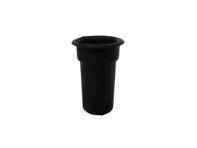
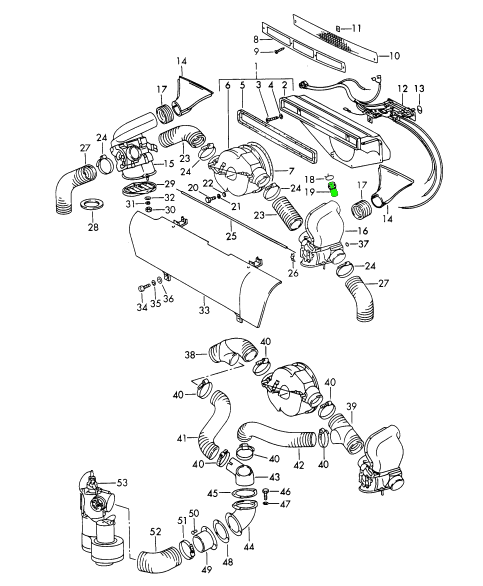
Heater Box Drain Hose
Maintain the efficiency and longevity of your classic
Porsche heating system with this OE Match Heater Box Drain Hose. Manufactured to closely match the original factory
specification, this ensures moisture and condensation are safely drained away from the heater box,
helping to protect surrounding components from corrosion and deterioration.
Fits:
- Porsche 911 1965-1968 2.0L / 912 SWB (F)
- Porsche 911 1968-1973 2.2L / 2.4L / 2.7L RS LWB (F)
- Porsche 911 1974-1977 2.7L / 1976-77 3.0 Carrera
- Porsche 911 1978-1983 3.0L / SC
- Porsche 911 1984-1986 3.2L
- Porsche 911 1987-1989 3.2L G50
- Porsche 911 1975-1977 3.0L Turbo (930)
- Porsche 911 1978-1989 3.3L Turbo (930)
Diagram ref no 19
Ideal for routine maintenance or full restoration projects, this OE Match drain hose provides the correct fit and reliable performance expected from an original-style replacement.
What Does the Heater Box Drain Hose Do?
The heater box drain hose plays an important role in the operation of the air-cooled Porsche heating system.
Its functions include:
- Draining condensation and moisture from the heater box.
- Helping prevent water from collecting inside the heating system.
- Protecting the heater box and surrounding bodywork from corrosion.
- Reducing the risk of trapped moisture causing rust or deterioration.
- Maintaining efficient operation of the heating and ventilation system.
Although often overlooked, this simple hose helps preserve both the heating system and the surrounding chassis.
Why Does the Heater Box Drain Hose Fail?
The original drain hose is continually exposed to heat, moisture, road debris and age, causing the rubber material to deteriorate over time.
Common causes of failure include:
- Rubber becoming brittle and cracking with age.
- Splits caused by repeated heat cycles.
- Hardening due to engine bay temperatures.
- Blockages from dirt, leaves or road debris.
- Perishing caused by prolonged exposure to moisture and contaminants.
- Damage during engine or heater system maintenance.
A damaged or blocked drain hose can allow moisture to remain inside the heater box, increasing the risk of corrosion and reducing heating system efficiency.
When Should It Be Replaced?
Replacement is recommended when:
- The hose is cracked, split or hardened.
- Signs of water retention or corrosion are found around the heater box.
- The heating system is being restored or serviced.
- The engine is removed, providing easy access.
- Restoring a classic Porsche to factory specification.
- Carrying out preventative maintenance on an ageing vehicle.
Replacing the drain hose is an inexpensive way to help protect the heating system and surrounding bodywork from long-term moisture damage.
OE Match Features
- OE Match quality replacement.
- Manufactured to replicate original factory dimensions.
- Durable rubber construction.
- Correct fit and routing for factory heater box assemblies.
- Helps maintain proper heater box drainage.
- Suitable for restoration, repair and preventative maintenance.
Related reference numbers
Related, superseded, cross reference or alternative numbers for comparison.
90157132632
The product you are viewing cross references to these numbers
- Porsche 911 1965-1968 2.0L / 912 SWB (F)
- Porsche 911 1968-1973 2.2L / 2.4L / 2.7L RS LWB (F)
- Porsche 914 (1970-1976)
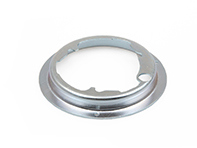
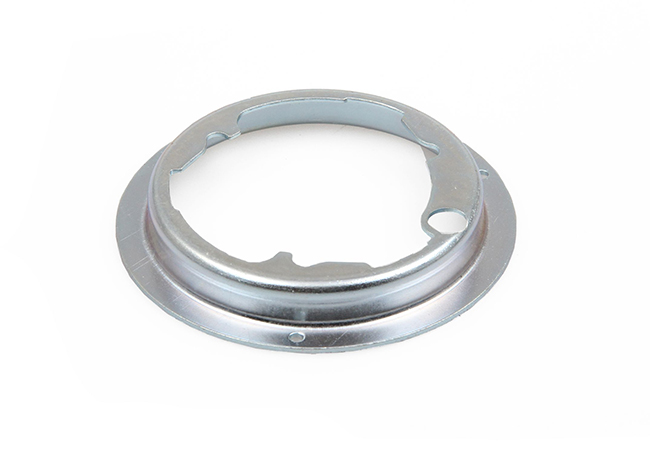
Steering Wheel Column Contact Plate
Restore reliable horn operation and steering wheel
electrical contact with this OE Match Steering Wheel Column Contact Plate for
the Porsche 911 (1965-1973) and Porsche 914. Manufactured to closely match the
original factory specification, this ensures consistent electrical contact between the steering
column and steering wheel assembly.
Fits:
- Porsche 911 1965-1968 2.0L / 912 SWB (F)
- Porsche 911 1968-1973 2.2L / 2.4L / 2.7L RS LWB (F)
- Porsche 914 (1970-1976)
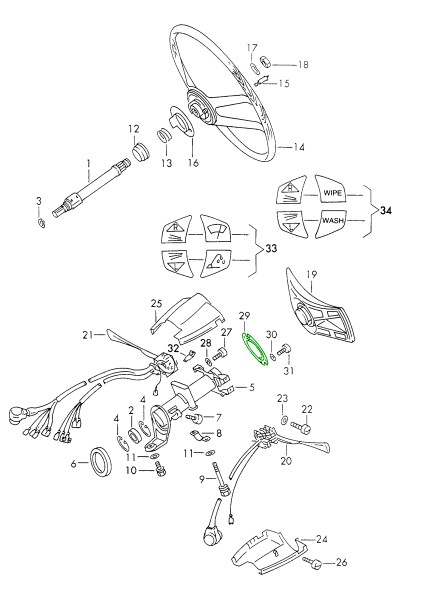
Diagram ref no 29
An essential component during steering column refurbishment or classic Porsche restoration, this contact plate helps maintain dependable horn functionality while preserving the original fit and appearance.
What Does the Steering Wheel Column Contact Plate Do?
The steering wheel column contact plate forms part of the horn circuit within the steering column assembly.
Its functions include:
- Providing a continuous electrical connection between the steering column and steering wheel.
- Allowing the horn push to complete the electrical circuit when pressed.
- Maintaining reliable contact while the steering wheel rotates.
- Supporting consistent horn operation during everyday driving.
- Helping preserve the original functionality of the steering system.
Although simple in design, the contact plate is vital for dependable horn operation and safe vehicle use.
Why Does the Contact Plate Fail?
Over many years of service, the contact plate is exposed to constant movement and electrical load, leading to wear and deterioration.
Common causes of failure include:
- Wear of the electrical contact surface.
- Corrosion caused by moisture and age.
- Oxidation resulting in poor electrical conductivity.
- Damage during steering wheel removal or installation.
- Fatigue or distortion after decades of use.
- Dirt and grease contamination affecting electrical contact.
A worn contact plate often results in intermittent or complete loss of horn function.
When Should It Be Replaced?
Replacement is recommended if:
- The horn operates intermittently or not at all.
- Electrical contact is inconsistent while turning the steering wheel.
- The steering wheel or column is being restored.
- The original contact plate is worn, corroded or damaged.
- Replacing other steering column electrical components.
- Completing a concours-quality restoration.
Replacing the contact plate while the steering wheel is removed is a straightforward preventative maintenance upgrade that can eliminate future electrical issues.
Related reference numbers
Related, superseded, cross reference or alternative numbers for comparison.
90161391500
The product you are viewing cross references to these numbers
- Porsche 911 1965-1968 2.0L / 912 SWB (F)
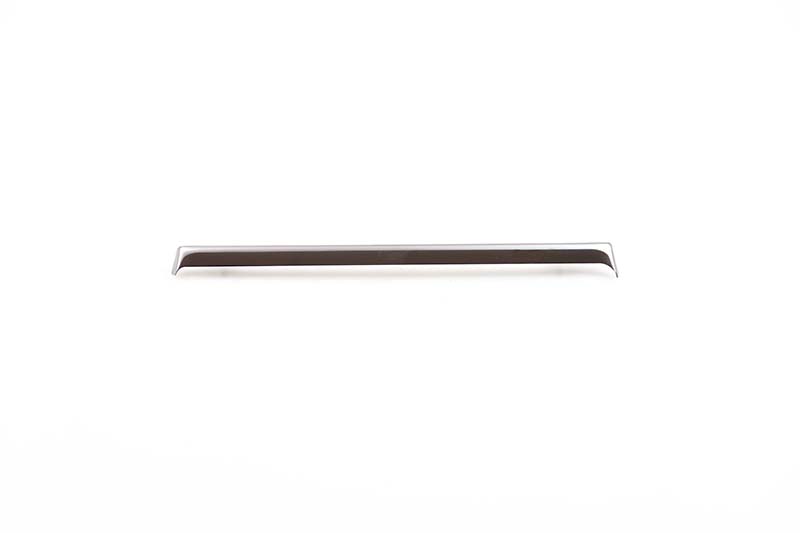
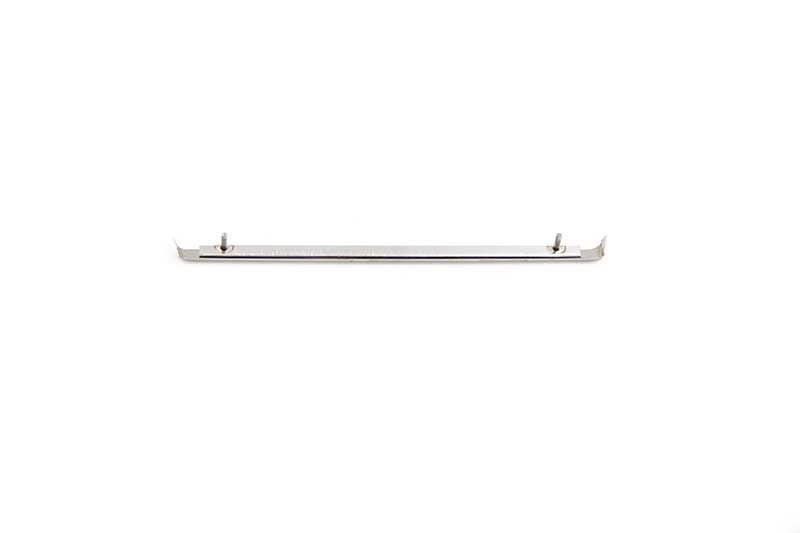
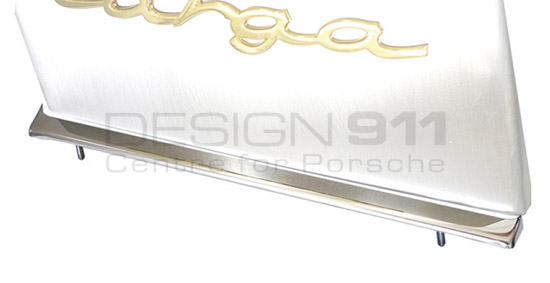
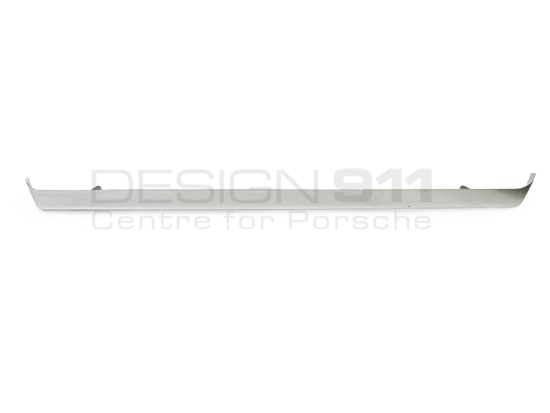
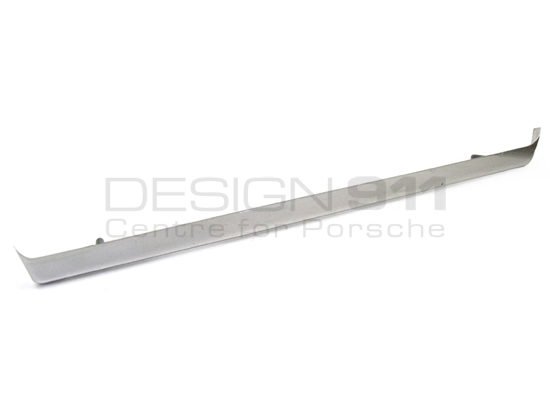
Targa Bar Bottom Moulding – "Soft Window"
Restore the appearance and fit of your early Porsche 911
Soft Window Targa with this OE Match Targa Bar Bottom Moulding.
Manufactured to closely replicate the original factory components, these
mouldings fit along the lower edge of the stainless steel Targa bar, providing
a neat transition between the Targa hoop and the bodywork while helping to
secure and finish the trim.
Fits:
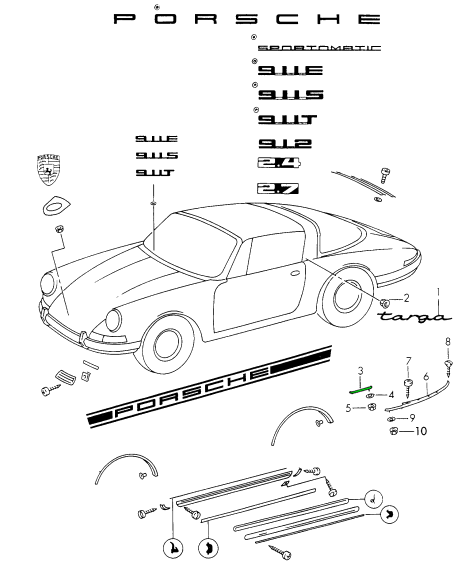
Diagram ref no 3
Designed specifically for the iconic "Soft Window" Porsche 911 Targa models produced between 1965 and 1968, these mouldings are an essential finishing component during any high-quality restoration or trim refurbishment.
What Do the Targa Bar Bottom Mouldings Do?
The lower Targa bar mouldings perform several important
functions:
- Provide a clean, factory-correct finish beneath the stainless steel Targa roll bar.
- Cover and protect the joint between the Targa bar and body panel.
- Help retain and support surrounding trim components.
- Reduce the risk of dirt and moisture collecting around exposed panel edges.
- Restore the original appearance of the early Soft Window Targa bodywork.
Although relatively small components, these mouldings contribute significantly to the overall fit and finish of the distinctive Soft Window Targa.
Why Do They Fail?
After more than five decades, original mouldings commonly
suffer from:
- Corrosion beneath the surface finish.
- Pitting and deterioration caused by moisture.
- Damage during previous restorations or trim removal.
- Distortion from accidental impacts.
- Scratches, dents and ageing that detract from the vehicle's appearance.
Many original mouldings are no longer suitable for concours-quality restorations due to corrosion or deformation.
When Should They Be Replaced?
Replacement is recommended when:
- Restoring a 1965-1968 Soft Window Porsche 911 Targa.
- Replacing damaged or missing exterior trim.
- Removing the Targa bar for repainting or refurbishment.
- The original mouldings are bent, corroded or heavily worn.
- Achieving factory-correct panel and trim alignment during restoration.
Installing new OE Match mouldings ensures a cleaner finish and helps preserve the authentic appearance of one of Porsche's most desirable classic models.
OE Match Features
OE Match quality replacement. Manufactured to replicate original factory specification. Correct profile and fit for early Soft Window Targa models. Ideal for concours restorations and high-quality rebuilds. Durable construction for long service life.Related reference numbers
Related, superseded, cross reference or alternative numbers for comparison.
90156507
The product you are viewing cross references to these numbers

- Porsche 911 1965-1968 2.0L / 912 SWB (F)
- Porsche 911 1968-1973 2.2L / 2.4L / 2.7L RS LWB (F)
- Porsche 911 1974-1977 2.7L / 1976-77 3.0 Carrera
- Porsche 911 1978-1983 3.0L / SC
- Porsche 911 1975-1977 3.0L Turbo (930)
- Porsche 911 1978-1989 3.3L Turbo (930)
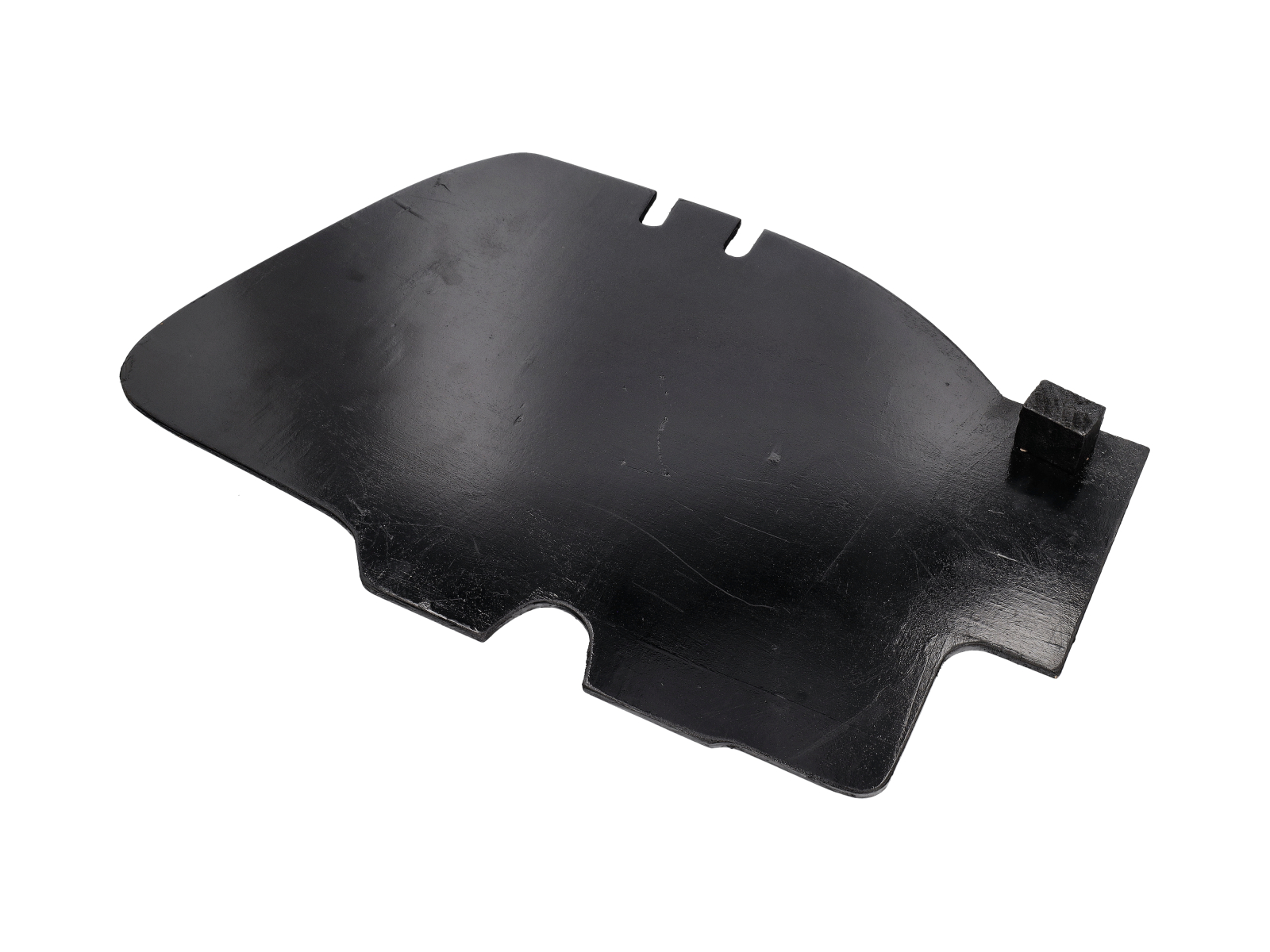
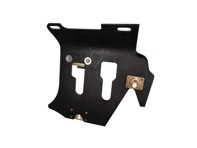
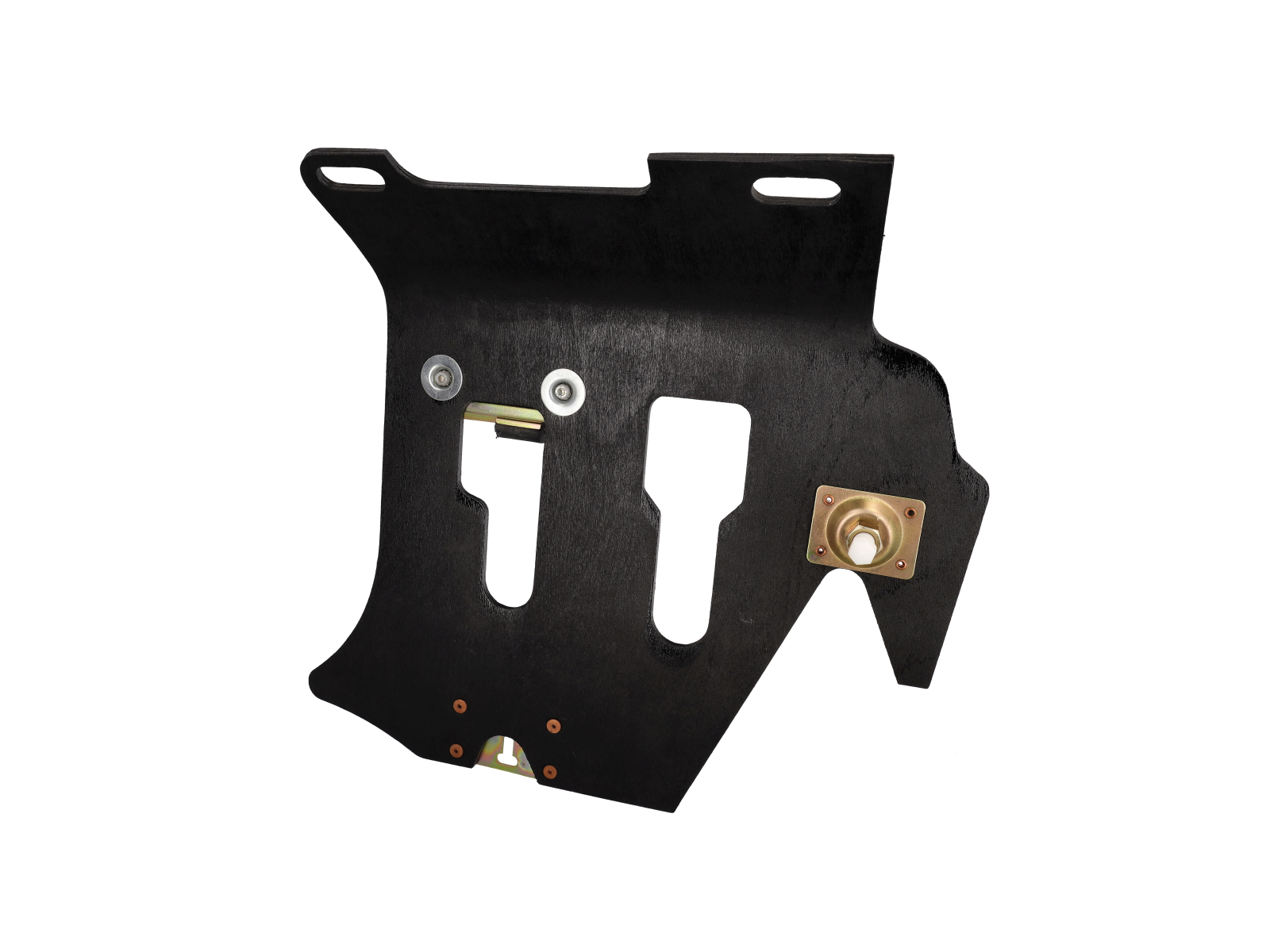
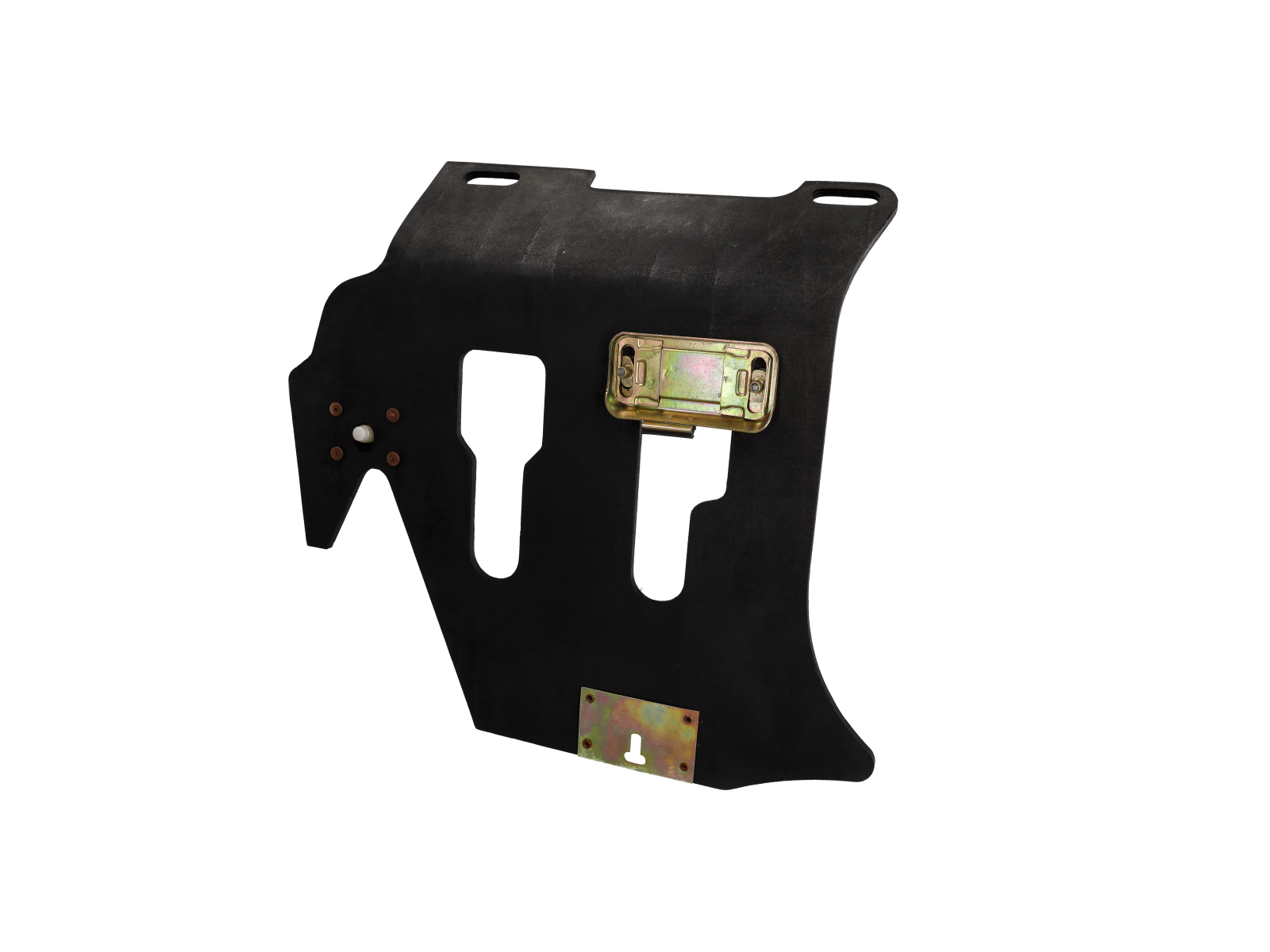
RIGHT (wood material).
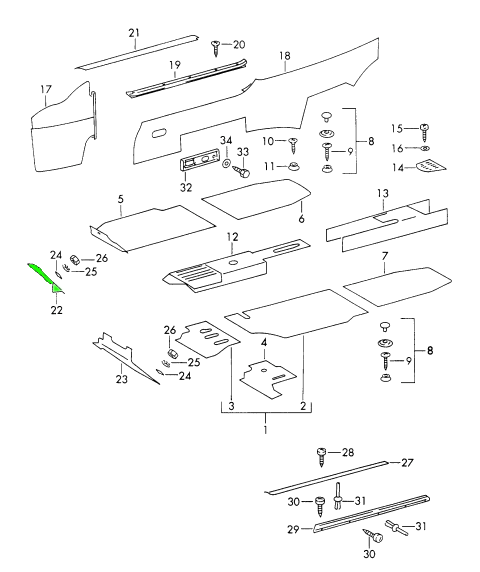
The OE Match Reproduction Pedal Floor Board for LHD Cars is a premium-quality replacement interior floor panel designed to restore the original pedal area and driver's footwell on compatible left-hand drive classic Porsche models. Manufactured to OE specifications for fit, profile and durability, this reproduction pedal floor board provides the correct support beneath the pedal assembly while maintaining the authentic factory appearance of the vehicle's interior.
Fits:
- Porsche 911 1965-1968 2.0L / 912 SWB (F)
- Porsche 911 1968-1973 2.2L / 2.4L / 2.7L RS LWB (F)
- Porsche 911 1974-1977 2.7L / 1976-77 3.0 Carrera
- Porsche 911 1978-1983 3.0L / SC
- Porsche 911 1975-1977 3.0L Turbo (930)
- Porsche 911 1978-1989 3.3L Turbo (930)
Diagram Ref No 22
Manufactured from high-quality automotive-grade board material with a durable protective finish, the floor board is precision-cut and formed to accurately replicate the original Porsche design. Engineered to withstand continual pedal operation, foot traffic, vibration and temperature fluctuations, it provides direct OE-style fitment using the original mounting points. It is the ideal replacement for deteriorated, warped or moisture-damaged original floor boards during restoration or refurbishment.
What This Product Does:
- Provides structural support beneath the pedal assembly.
- Restores the original appearance of the driver's footwell.
- Maintains correct positioning of the pedal assembly.
- Supports the installation of carpets and floor mats.
- Protects the underlying floor pan from wear.
- Helps maintain a firm and stable pedal area.
- Provides factory-style fitment for left-hand drive vehicles.
- Forms an essential part of the vehicle's interior floor assembly.
Symptoms Of Wear Or Failure:
- Cracked, broken or weakened board.
- Soft or sagging pedal area.
- Water damage or swelling.
- Delaminated or deteriorated board material.
- Loose or poorly fitting floor board.
- Excessive movement beneath the pedals.
- Difficulty securing carpets or floor mats.
- Visible wear or age-related deterioration.
- Moisture damage affecting the footwell.
- Reduced originality during restoration.
Why Replacement Matters:
- The pedal floor board is continually exposed to foot pressure, vibration, moisture and dirt throughout the life of the vehicle. Over time, the original board material can deteriorate, absorb moisture, warp or crack, reducing its strength and affecting both the appearance and functionality of the driver's footwell.
- A damaged floor board can allow movement beneath the pedals, reduce support for carpets and interior trim and leave the underlying floor pan more susceptible to moisture retention and corrosion. It can also detract from the quality and authenticity of a restored classic Porsche.
- Replacing a worn or damaged pedal floor board restores the original support, stability and appearance of the driver's footwell. The OE Match reproduction provides factory-style fitment, premium-quality construction and long-lasting durability, making it the ideal solution for Porsche restoration, repair and preventative maintenance.
Related reference numbers
Related, superseded, cross reference or alternative numbers for comparison.
90155106422
The product you are viewing cross references to these numbers
- Porsche 911 1965-1968 2.0L / 912 SWB (F)
- Porsche 911 1968-1973 2.2L / 2.4L / 2.7L RS LWB (F)
The OE Match Reproduction Pedal Floor Board for LHD Coupe Cars with Fixings is a premium-quality replacement interior floor panel designed to restore the original pedal area of compatible left-hand drive Porsche Coupe models. Manufactured to OE specifications for fit, profile and durability, this reproduction pedal floor board provides the correct support beneath the pedal assembly while preserving the authentic factory appearance of the driver's footwell.
Fits:
- Porsche 911 1965-1968 2.0L / 912 SWB (F)
- Porsche 911 1968-1973 2.2L / 2.4L / 2.7L RS LWB (F)
Manufactured from high-quality automotive-grade board material with a durable protective finish, the floor board is precision-cut and formed to replicate the original Porsche design. Supplied complete with the required fixings, it allows straightforward OE-style installation using the original mounting locations. Designed to withstand continual pedal operation, foot traffic, vibration and temperature fluctuations, it is the ideal replacement for deteriorated, damaged or moisture-affected original floor boards during restoration or refurbishment.
What This Product Does:
- Provides structural support beneath the pedal assembly.
- Restores the original appearance of the driver's footwell.
- Maintains correct positioning of the pedal area components.
- Supports the installation of carpets and floor mats.
- Helps protect the underlying floor pan.
- Includes the necessary fixings for installation.
- Provides factory-style fitment for left-hand drive Coupe models.
- Forms an essential part of the vehicle's interior floor assembly.
Symptoms Of Wear Or Failure:
- Cracked, broken or weakened board.
- Soft or sagging pedal area.
- Water damage or swelling.
- Delaminated or deteriorated board material.
- Loose or poorly fitting floor board.
- Missing or damaged mounting fixings.
- Excessive movement beneath the pedals.
- Difficulty securing carpets or floor mats.
- Cosmetic deterioration of the driver's footwell.
- Reduced originality during restoration.
Why Replacement Matters:
- The pedal floor board is exposed to constant foot pressure, moisture, dirt and vibration throughout the life of the vehicle. Over time, the original material can deteriorate, crack or absorb moisture, reducing its structural strength and affecting the appearance and functionality of the driver's footwell.
- A damaged floor board can allow excessive movement beneath the pedals, reduce support for carpets and interior trim, and leave the underlying floor pan more vulnerable to moisture and corrosion. Missing or damaged fixings can also result in movement, rattles and poor installation quality.
- Replacing a worn or damaged pedal floor board restores the original support, fit and appearance of the driver's footwell. The OE Match reproduction is supplied complete with the correct fixings and offers factory-style fitment, premium-quality construction and long-lasting durability, making it the ideal solution for Porsche restoration, repair and preventative maintenance.
Related reference numbers
Related, superseded, cross reference or alternative numbers for comparison.
90155106323
The product you are viewing cross references to these numbers
- Porsche 911 1965-1968 2.0L / 912 SWB (F)
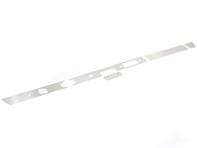
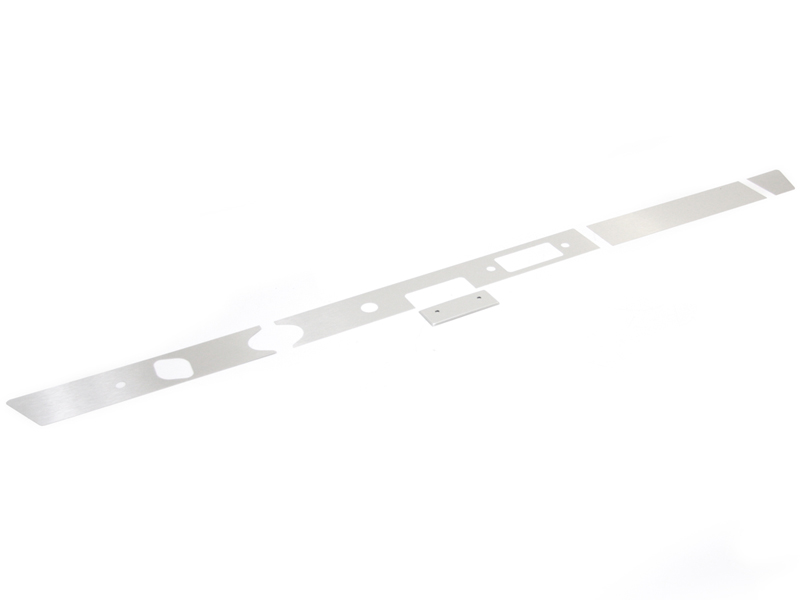
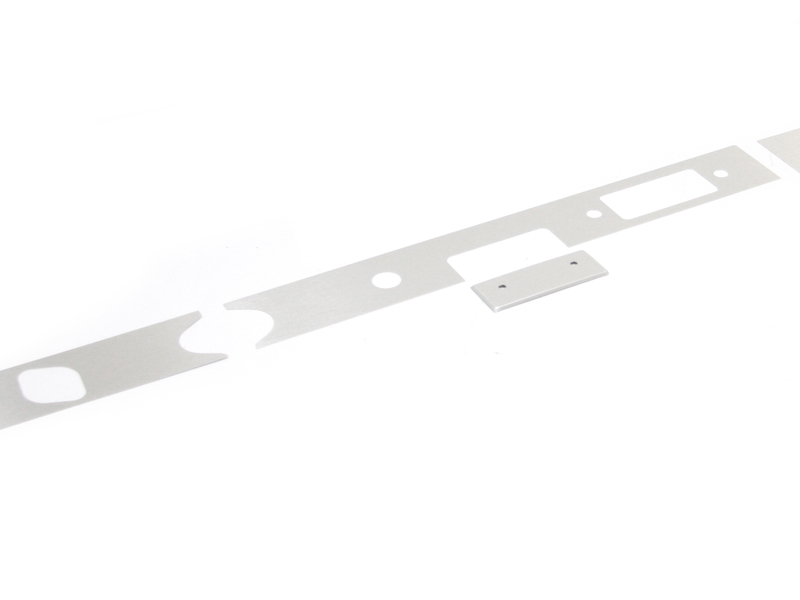
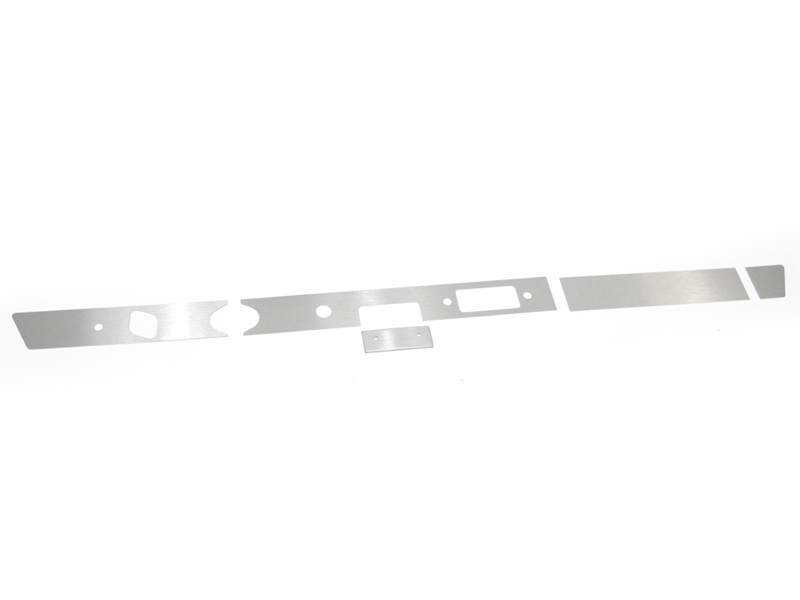
The OE Match Dashboard Cover Set, Aluminium, for LHD Cars is a premium-quality replacement interior trim kit designed to restore the original appearance and finish of the dashboard on compatible left-hand drive classic Porsche models. Manufactured to OE specifications for fit, profile and finish, this aluminium dashboard cover set faithfully recreates the factory styling while adding a clean, high-quality finish to the vehicle's cockpit.
The difference between the years is in the ashtray cover plate.
105mm width / 40mm height
100mm width / 30mm height
100mm width / 25mm height
Fits:
- Porsche 911 1965-1968 2.0L / 912 SWB (F)
Manufactured from precision-formed automotive-grade aluminium, each dashboard trim panel is engineered to provide excellent strength, corrosion resistance and long-lasting durability. Precision-cut for direct OE-style installation, the covers align perfectly with the original dashboard contours and mounting points, ensuring a seamless fit and authentic appearance. Ideal for concours restorations, interior refurbishment or replacing scratched, damaged or deteriorated original dashboard trim.
What This Product Does:
- Restores the original appearance of the dashboard.
- Covers worn or damaged dashboard trim panels.
- Provides a durable aluminium finish.
- Enhances the appearance of the vehicle's interior.
- Maintains factory dashboard styling.
- Protects the underlying dashboard structure.
- Provides direct OE-style fitment for left-hand drive vehicles.
- Forms an essential part of the dashboard trim assembly.
Symptoms Of Wear Or Failure:
- Scratched or damaged aluminium trim.
- Corrosion or oxidation of the surface finish.
- Loose or poorly fitting dashboard panels.
- Dents or impact damage.
- Faded or deteriorated appearance.
- Warped or distorted trim sections.
- Missing dashboard cover panels.
- Rattling noises from loose trim.
- Poor alignment with surrounding dashboard components.
- Reduced originality during restoration.
Why Replacement Matters:
- Dashboard trim is continually exposed to sunlight, temperature fluctuations and everyday use. Over time, the finish can become scratched, dented or faded, while fixing points may loosen, affecting both the appearance and quality of the interior.
- Damaged dashboard trim can detract from the presentation of a classic Porsche and reduce the value of an otherwise well-restored vehicle. Loose or poorly fitting panels may also create unwanted rattles and affect the fit of surrounding dashboard components.
- Replacing worn or damaged dashboard covers restores the original factory appearance of the cockpit while providing a durable, long-lasting finish. The OE Match Aluminium Dashboard Cover Set offers factory-style fitment, premium-quality aluminium construction and exceptional durability, making it the ideal solution for Porsche restoration, interior refurbishment and preventative maintenance.
Related reference numbers
Related, superseded, cross reference or alternative numbers for comparison.
90255204125
The product you are viewing cross references to these numbers


- Porsche 911 1965-1968 2.0L / 912 SWB (F)
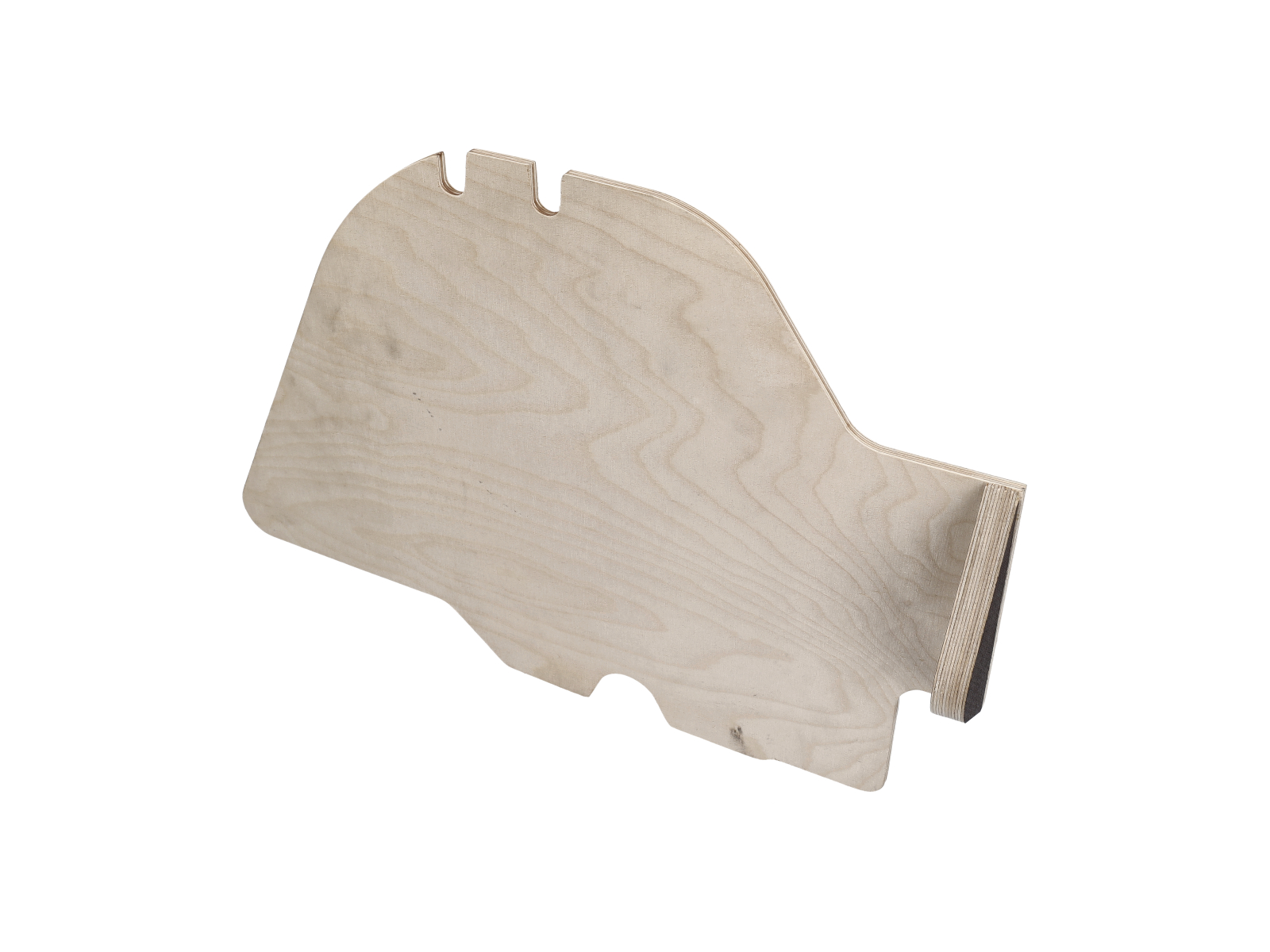
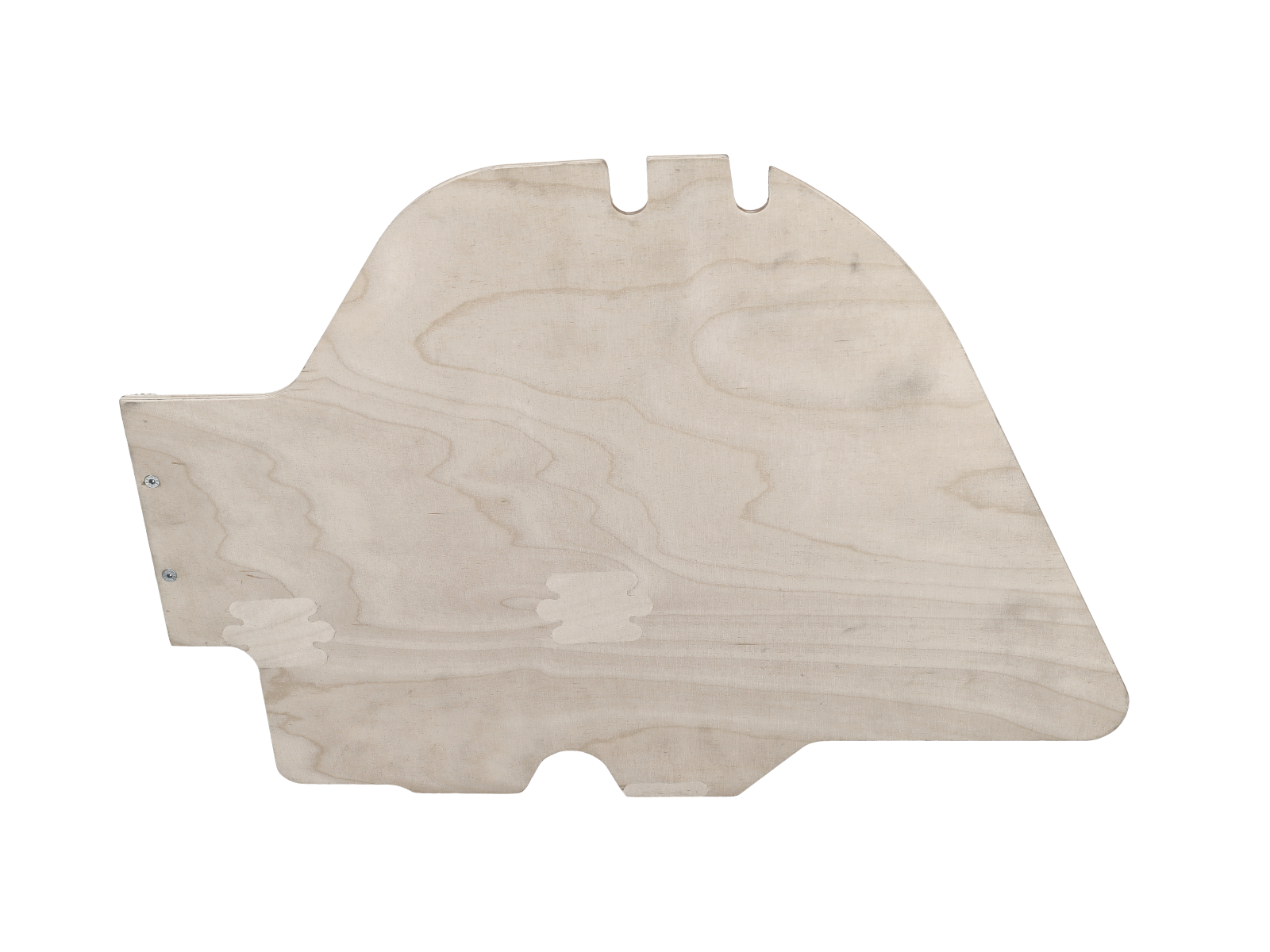
RIGHT (wood material).
The OE Match Reproduction Pedal Floor Board for LHD Cars is a premium-quality replacement interior body panel designed to restore the original pedal area of compatible left-hand drive classic Porsche models. Manufactured to OE specifications for fit, profile and durability, this reproduction floor board provides the correct support for the pedal assembly while maintaining the authentic factory appearance of the driver's footwell.
Fits:
- Porsche 911 1965-1968 2.0L / 912 SWB (F)
Diagram Ref No 22
Manufactured from high-quality automotive-grade board material with a durable protective finish, the pedal floor board is engineered to withstand continual foot pressure, vibration and temperature fluctuations. Precision-cut and formed to replicate the original Porsche design, it provides direct OE-style fitment with the original mounting points, making it the ideal replacement for worn, damaged or deteriorated original floor boards during restoration or refurbishment.
What This Product Does:
- Provides structural support beneath the pedal assembly.
- Restores the original appearance of the driver's footwell.
- Maintains correct positioning of the pedal area components.
- Supports the floor mat and carpet installation.
- Helps protect the vehicle floor beneath the pedals.
- Replaces damaged or deteriorated original floor boards.
- Provides factory-style fitment for left-hand drive vehicles.
- Forms an essential part of the interior floor assembly.
Symptoms Of Wear Or Failure:
- Cracked, broken or weakened board.
- Soft or sagging pedal floor area.
- Water damage or swelling.
- Delamination of the board material.
- Loose or poorly fitting floor board.
- Difficulty securing carpets or floor mats.
- Excessive movement beneath the pedals.
- Cosmetic deterioration of the footwell.
- Signs of age-related wear or moisture damage.
- Reduced originality during restoration.
Why Replacement Matters:
- The pedal floor board is subjected to constant foot pressure, moisture, dirt and vibration throughout the life of the vehicle. Over time, the original material can deteriorate, warp, crack or absorb moisture, reducing its structural integrity and affecting the appearance of the driver's footwell.
- A damaged floor board can allow excessive movement beneath the pedals, reduce support for carpets and interior trim and detract from the quality of a restoration. Moisture-damaged boards may also contribute to corrosion of the underlying floor pan if left unattended.
- Replacing a worn or damaged pedal floor board restores the original support, appearance and functionality of the driver's footwell. The OE Match reproduction provides factory-style fitment, premium-quality construction and long-lasting durability, making it the ideal solution for Porsche restoration, repair and preventative maintenance.
Related reference numbers
Related, superseded, cross reference or alternative numbers for comparison.
90155106420
The product you are viewing cross references to these numbers


- Porsche 911 1965-1968 2.0L / 912 SWB (F)
- Porsche 911 1968-1973 2.2L / 2.4L / 2.7L RS LWB (F)
- Porsche 911 1974-1977 2.7L / 1976-77 3.0 Carrera
- Porsche 911 1978-1983 3.0L / SC
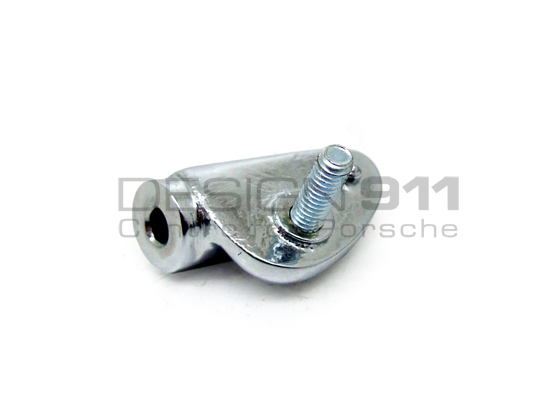
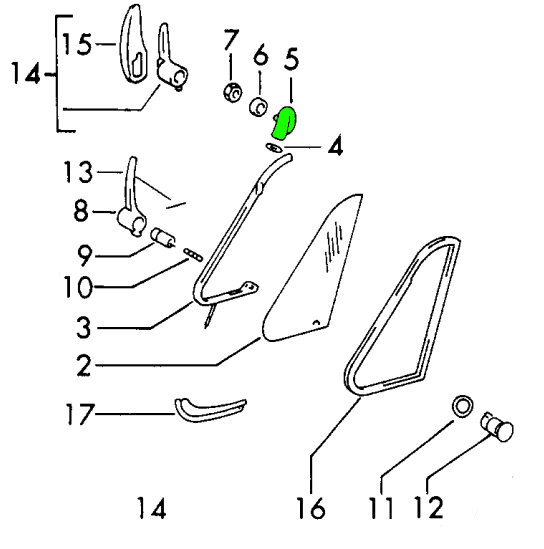
The OE Match Chrome Pivot Bearing for Front Quarter Glass is a premium-quality replacement window hardware component designed to restore the smooth operation and secure mounting of the front quarter (vent) window on compatible classic Porsche models. Manufactured to OE specifications for fit, finish and durability, this chrome pivot bearing allows the quarter glass to pivot smoothly while maintaining accurate alignment and a factory-original appearance.
Fits:
- Porsche 911 1965-1968 2.0L / 912 SWB (F)
- Porsche 911 1968-1973 2.2L / 2.4L / 2.7L RS LWB (F)
- Porsche 911 1974-1977 2.7L / 1976-77 3.0 Carrera
- Porsche 911 1978-1983 3.0L / SC
Diagram Ref No 5
Manufactured from high-quality precision-machined metal with a polished chrome finish, the pivot bearing is engineered to resist corrosion, wear and repeated operation. Designed for direct OE-style installation, it integrates seamlessly with the original quarter window assembly, ensuring reliable movement, secure support and an authentic factory finish. It is ideal for restoration projects or replacing worn, seized or damaged original pivot bearings.
What This Product Does:
- Supports the pivot point of the front quarter (vent) window.
- Allows smooth opening and closing of the quarter glass.
- Maintains correct alignment of the window.
- Provides secure support for the pivot mechanism.
- Restores factory operation of the vent window.
- Enhances the appearance with a polished chrome finish.
- Provides direct OE-style fitment.
- Forms an essential part of the front quarter window assembly.
Symptoms Of Wear Or Failure:
- Stiff or difficult operation of the quarter window.
- Excessive movement or looseness in the glass.
- Squeaking or grinding during operation.
- Seized pivot mechanism.
- Corroded or pitted chrome finish.
- Poor window alignment.
- Difficulty keeping the quarter window securely closed.
- Visible wear around the pivot point.
- Damaged or worn mounting components.
- Reduced originality during restoration.
Why Replacement Matters:
- The front quarter window pivot bearing is subjected to continual movement, vibration and exposure to moisture, dirt and changing weather conditions. Over time, the bearing can wear, corrode or seize, making the vent window difficult to operate and reducing its ability to seal correctly.
- A worn pivot bearing can cause the quarter glass to become loose or misaligned, allowing wind noise, water ingress and increased wear on surrounding window components. It can also detract from the appearance of the vehicle, particularly on a carefully restored classic Porsche.
- Replacing a worn or damaged pivot bearing restores the smooth operation, correct alignment and factory appearance of the front quarter window assembly. The OE Match replacement provides OE-style fitment, premium chrome-plated construction and long-lasting durability, making it the ideal solution for Porsche restoration, repair and preventative maintenance.
Related reference numbers
Related, superseded, cross reference or alternative numbers for comparison.
90154262
The product you are viewing cross references to these numbers

- Porsche 911 1965-1968 2.0L / 912 SWB (F)
- Porsche 911 1968-1973 2.2L / 2.4L / 2.7L RS LWB (F)
Diameter: 400mm (15.75").
The attachment spline is built in the steering wheel centre.
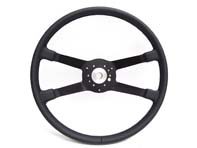
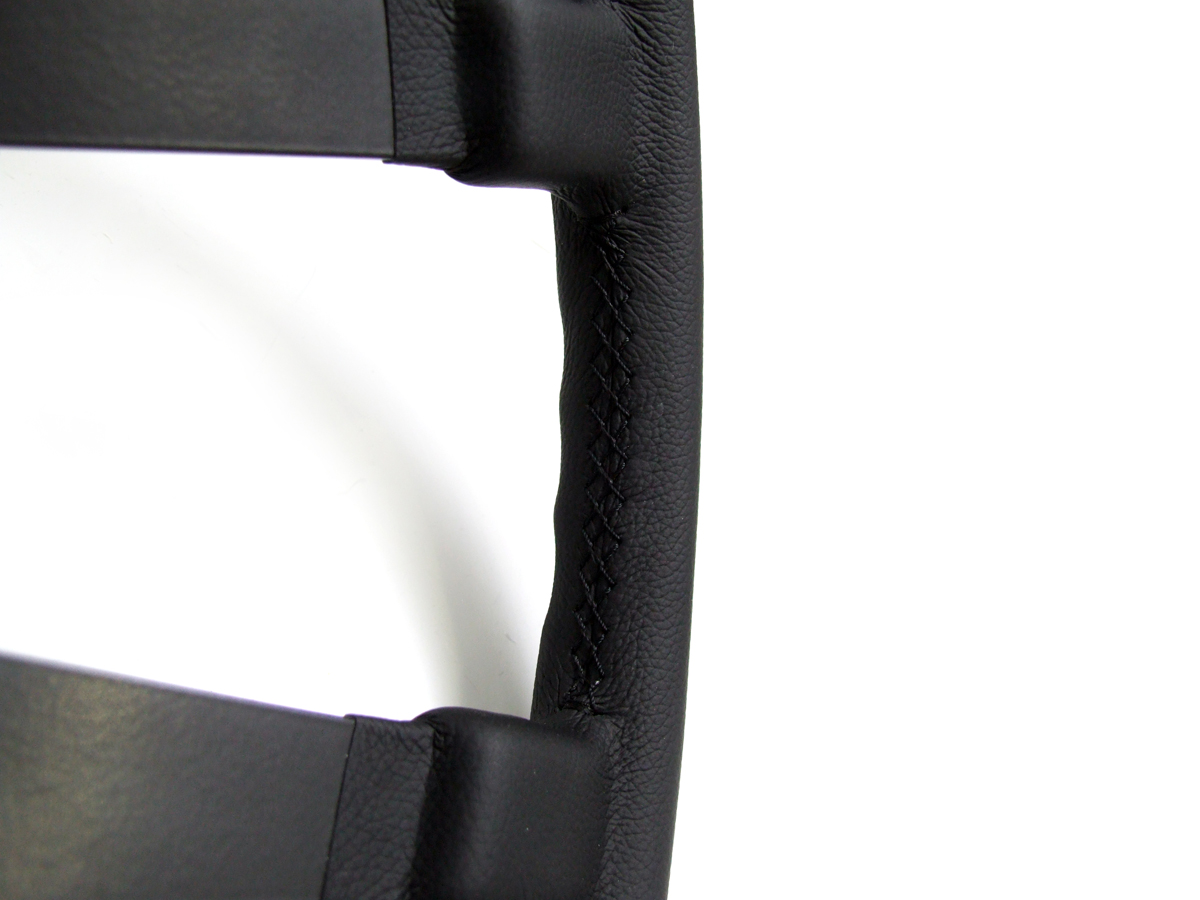
The OE Match Leather Steering Wheel, Black is a premium-quality replacement steering wheel designed to restore the original appearance, driving feel and control of compatible classic Porsche models. Manufactured to OE specifications for fit, diameter, grip profile and finish, this black leather steering wheel faithfully recreates the factory design while enhancing driver comfort and maintaining the authentic character of the vehicle's interior.
Fits:
- Porsche 911 1965-1968 2.0L / 912 SWB (F)
- Porsche 911 1968-1973 2.2L / 2.4L / 2.7L RS LWB (F)
Crafted from a robust steel core with premium automotive-grade black leather expertly wrapped around the rim, the steering wheel is engineered for long-lasting durability, excellent grip and resistance to wear. Precision-manufactured for direct OE-style installation, it fits seamlessly to the original steering column and hub, making it the ideal replacement for worn, damaged or heavily aged original steering wheels during restoration or interior refurbishment.
What This Product Does:
- Provides precise steering control and driver feedback.
- Restores the original appearance of the vehicle's interior.
- Offers a comfortable and secure leather grip.
- Enhances driver confidence and handling.
- Maintains factory steering wheel dimensions and ergonomics.
- Replaces worn or damaged original steering wheels.
- Provides direct OE-style fitment.
- Forms an essential part of the vehicle's steering system.
Symptoms Of Wear Or Failure:
- Worn, cracked or peeling leather covering.
- Smooth or slippery grip caused by wear.
- Faded or discoloured finish.
- Loose or damaged steering wheel structure.
- Cracks in the wheel rim or spokes.
- Excessive movement caused by damaged mounting.
- Reduced driving comfort.
- Poor cosmetic appearance of the interior.
- Visible age-related deterioration.
- Reduced originality during restoration.
Why Replacement Matters:
- The steering wheel is the primary point of contact between the driver and the vehicle, making it one of the most frequently used interior components. Over time, continual use, UV exposure, perspiration and temperature fluctuations can cause the leather covering to wear, crack, fade or lose its original texture.
- A worn steering wheel can reduce grip, diminish driving comfort and detract from the appearance and value of a classic Porsche. Damage to the wheel structure or mounting can also compromise steering feel and driver confidence.
- Replacing a worn or damaged steering wheel restores the original appearance, comfort and tactile driving experience intended by Porsche. The OE Match Leather Steering Wheel provides factory-style fitment, premium-quality black leather and durable construction, making it the ideal solution for Porsche restoration, interior refurbishment and long-term driving enjoyment.
Related reference numbers
Related, superseded, cross reference or alternative numbers for comparison.
90134708110
The product you are viewing cross references to these numbers
- Porsche 911 1965-1968 2.0L / 912 SWB (F)
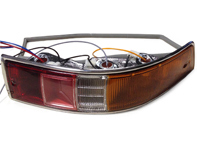
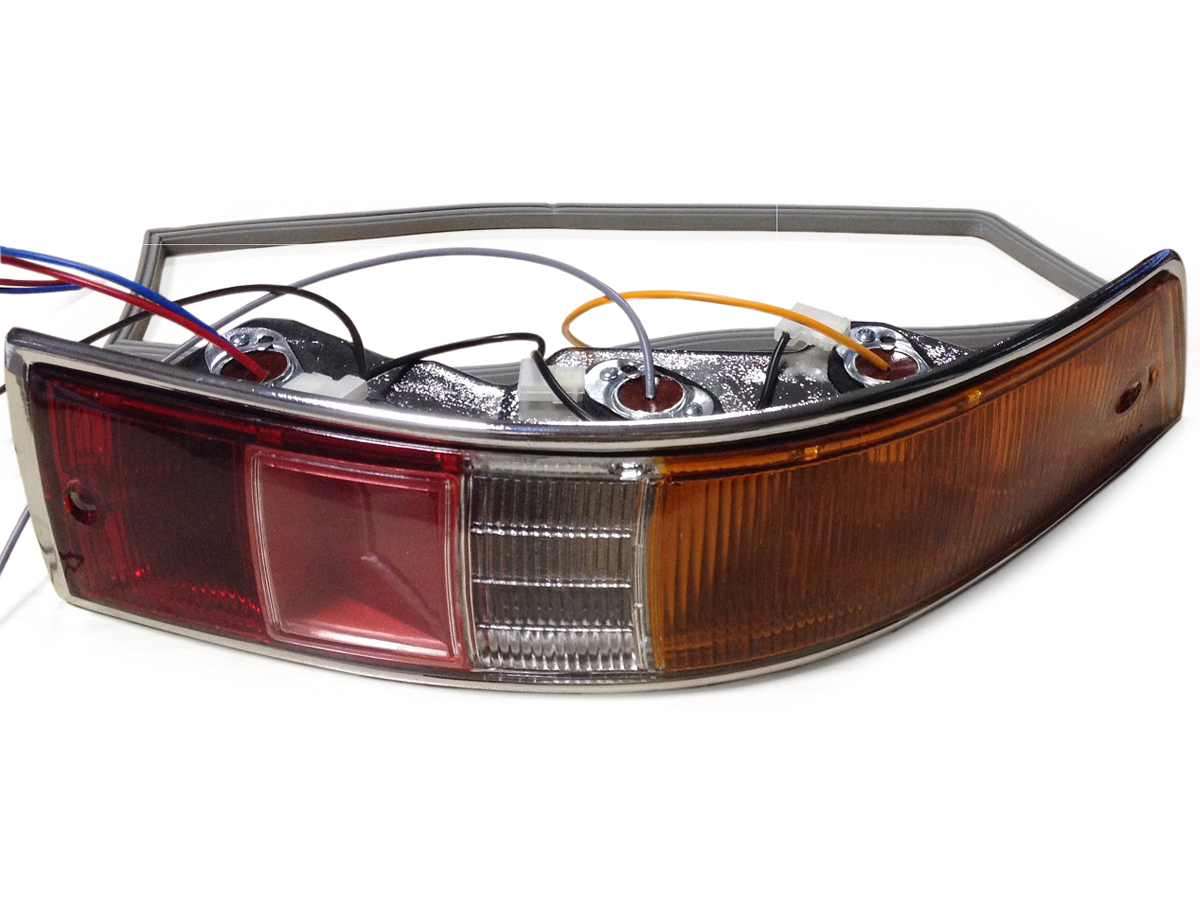
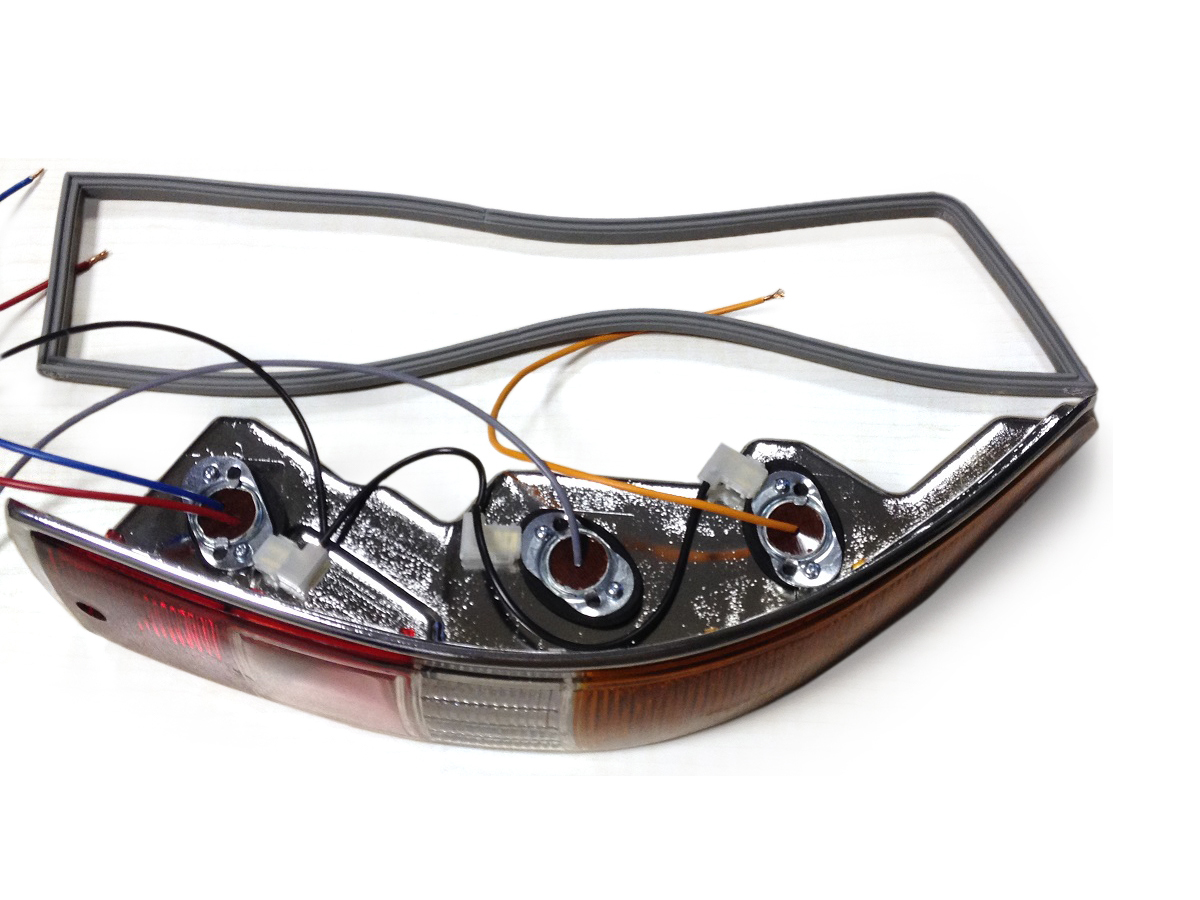
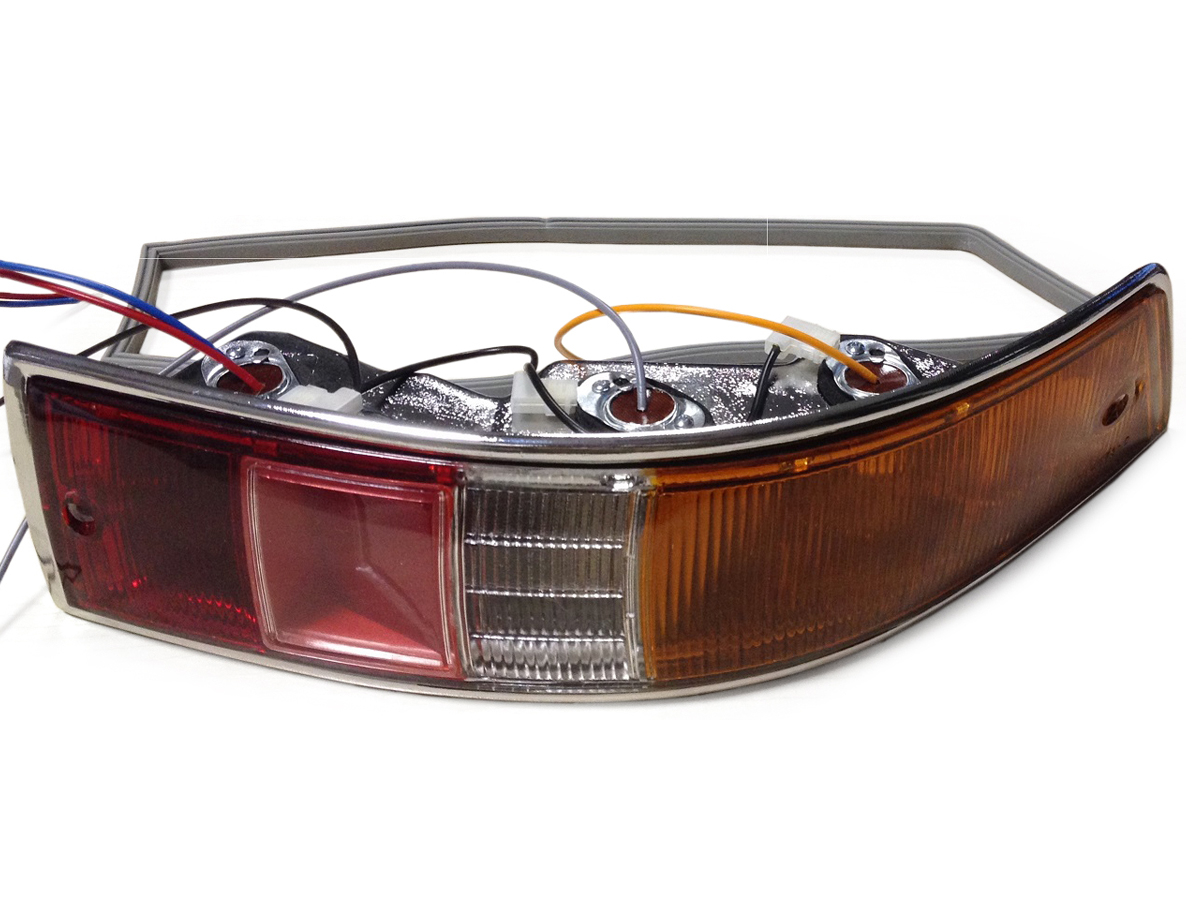
Rear Indicator Unit & Lens, Plastic – Early SWB
Restore the original appearance and functionality of your
classic Porsche with this OE Match Rear Indicator Unit & Lens. Manufactured to original equipment
specifications, this complete rear indicator assembly combines a high-quality lens with the matching
plastic indicator housing, providing an authentic
factory appearance and dependable signalling performance.
- Porsche 911 1965-1968 2.0L / 912 SWB (F)
Rear Indicator unit the housing is made of plastic so it will not corrode, Retro Line after- market product. Complete with bulb holders, bulbs, wires and gasket
The rear indicator units are among the most recognisable styling features of the early SWB Porsche 911 and 912. Over decades of use, exposure to sunlight, road debris and weather conditions can cause the original lenses to become faded, cracked or brittle, while the lamp housings can corrode or suffer impact damage. Replacing the complete unit restores both the appearance and safety of your classic Porsche.
Whether you're completing a concours-quality restoration or replacing damaged lighting components, this OE Match assembly delivers the fit, finish and reliability expected from an original-style replacement.
What Does the Rear Indicator Unit Do?
The rear indicator unit provides a highly visible flashing signal to other road users, communicating the driver's intention to turn or change direction.
Its functions include:
- Providing clear rear turn signal illumination.
- Improving vehicle visibility.
- Enhancing road safety.
- Protecting the bulb and electrical components from moisture and dirt.
- Maintaining the authentic appearance of the vehicle.
- Completing the factory rear lighting assembly.
Correctly functioning indicator lights are essential for both legal compliance and safe driving.
Why Does the Rear Indicator Unit Need Replacing?
Over time, the rear indicator assembly is exposed to constant environmental wear.
Common causes of deterioration include:
- UV damage causing lens fading.
- Cracked or broken plastic lenses.
- Stone impact damage. Water ingress.
- Corrosion of the lamp housing.
- Damaged bulb holders.
- Age-related deterioration of seals and mounting points.
Replacing the complete unit restores reliable lighting performance while improving the overall appearance of the vehicle.
Symptoms of a Worn or Damaged Rear Indicator Unit
Typical signs include:
- Cracked or cloudy lens.
- Water or condensation inside the lamp.
- Corroded reflector or housing.
- Poor indicator brightness.
- Loose mounting points.
- Damaged bulb holder.
- Faded appearance reducing originality.
Replacing a damaged unit restores optimum visibility and preserves the classic styling of your Porsche.
When Should the Rear Indicator Unit Be Replaced?
Replacement is recommended when:
- The lens becomes cracked or heavily faded.
- Water enters the lamp housing.
- The housing is corroded or damaged.
- Carrying out a full restoration.
- Repairing accident damage.
- Replacing aged or non-original lighting components.
Installing a complete OE Match assembly provides a straightforward solution while maintaining factory-correct appearance.
Related reference numbers
Related, superseded, cross reference or alternative numbers for comparison.
90163140
The product you are viewing cross references to these numbers

- Porsche 911 1965-1968 2.0L / 912 SWB (F)
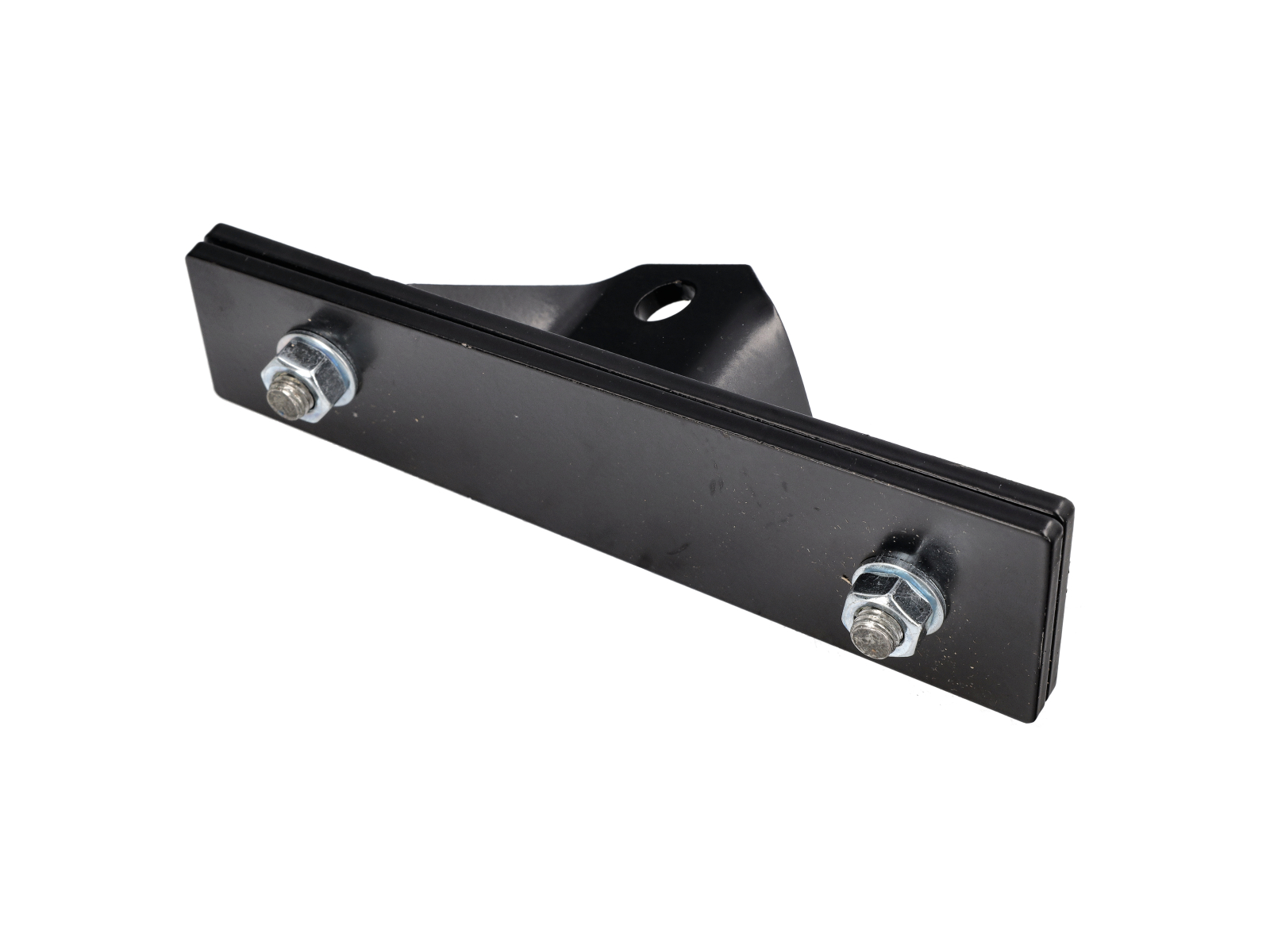
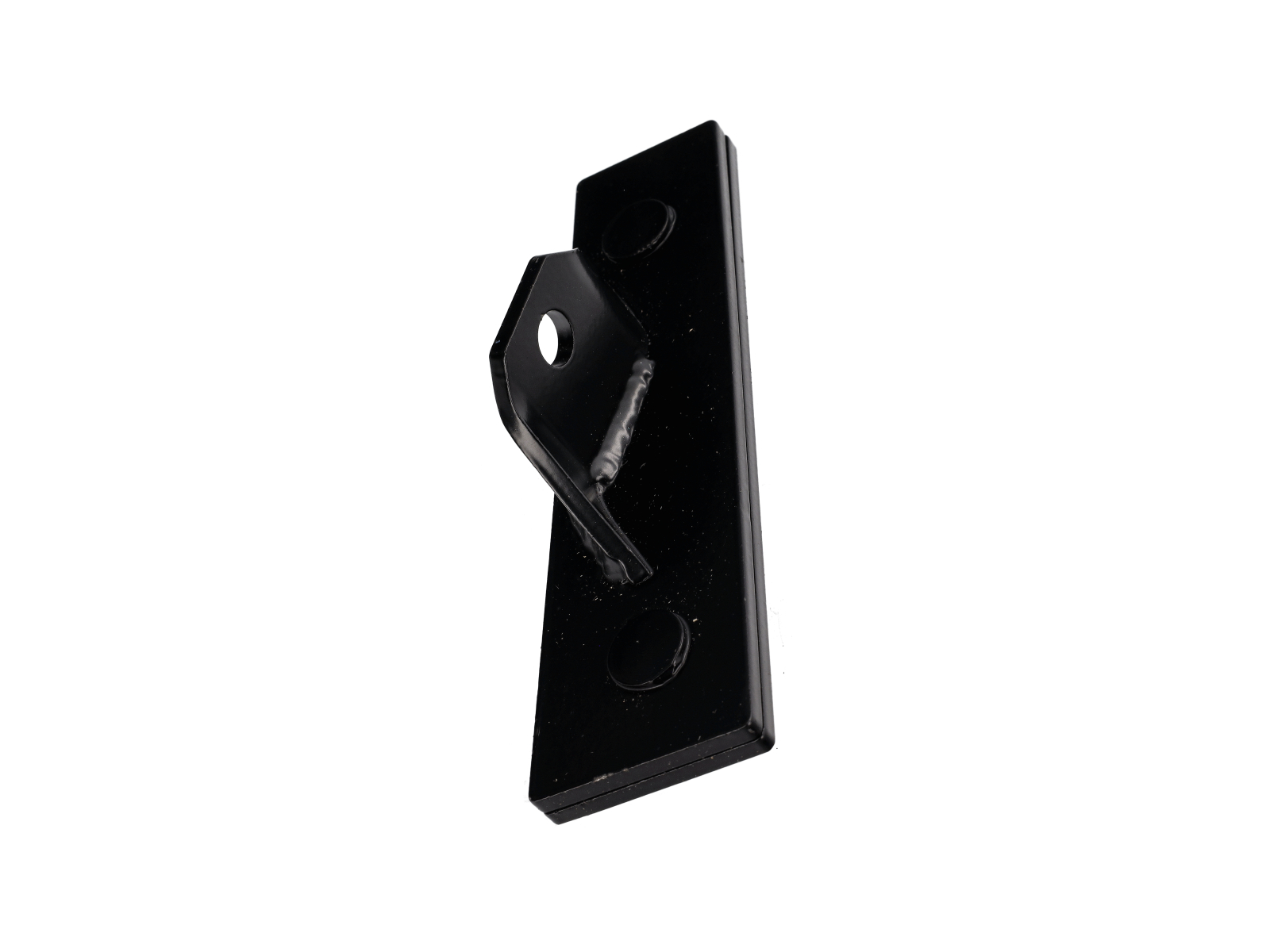
Fog Lamp Brackets
Restore the correct fitment and appearance of your classic
Porsche with these OE Match Fog Lamp Brackets. Manufactured to original equipment specifications, these high-quality
replacement brackets provide a secure mounting point for the factory front fog
lamps, ensuring correct alignment, stability and authentic factory appearance.
- Porsche 911 1965-1968 2.0L / 912 SWB (F)
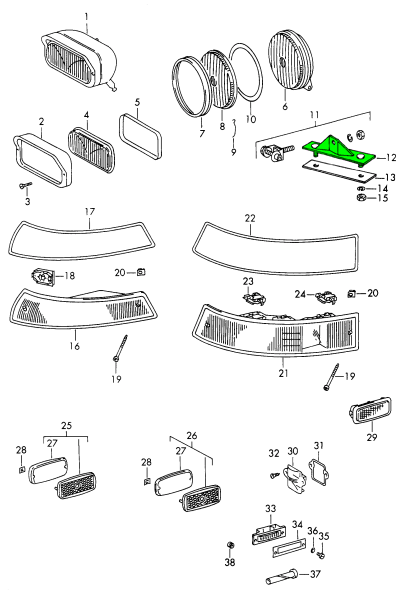
Diagram ref no 12
Early short-wheelbase (SWB) Porsche 911 models are highly
sought after by collectors and enthusiasts, making originality and correct
fitment essential during restoration. Over decades of use, the original fog
lamp brackets can suffer from corrosion, accident damage or fatigue, preventing
the lamps from sitting correctly and affecting both appearance and lighting
performance.
These OE Match brackets are manufactured to accurately reproduce the original Porsche components, making them ideal for concours restorations, accident repairs or replacing damaged original brackets.
What Do the Fog Lamp Brackets Do?
The fog lamp brackets securely mount the front fog lamps to the vehicle while maintaining the correct position and beam alignment.
Their primary functions include:
- Providing secure support for the front fog lamps.
- Maintaining correct lamp positioning.
- Ensuring accurate beam alignment.
- Reducing movement caused by vibration.
- Supporting safe and effective road illumination.
- Preserving the original factory appearance.
Correctly mounted fog lamps improve both safety and the authenticity of your classic Porsche.
Why Do Fog Lamp Brackets Need Replacing?
Over many years, mounting brackets are exposed to harsh road conditions and environmental factors.
Common causes of failure include:
- Corrosion caused by moisture and road salt.
- Accident damage.
- Metal fatigue.
- Previous incorrect repairs.
- Bent or distorted mounting points.
- Broken mounting tabs.
- Rust weakening the original bracket.
Replacing damaged brackets restores proper lamp fitment and prevents unnecessary strain on the fog lamp assembly.
Symptoms of Worn or Damaged Fog Lamp Brackets
Common signs include:
- Loose or vibrating fog lamps.
- Misaligned light beam.
- Bent or corroded brackets.
- Difficulty securing the lamp.
- Uneven fog lamp positioning.
- Excessive movement while driving.
- Visible rust or structural deterioration.
Replacing worn brackets restores secure mounting and factory-correct alignment.
When Should the Fog Lamp Brackets Be Replaced?
Replacement is recommended when:
- Restoring a classic Porsche 911.
- Replacing damaged fog lamps.
- Corrosion affects the original brackets.
- Carrying out front body repairs.
- The fog lamps no longer sit correctly.
- Original mounting hardware has deteriorated.
Installing new brackets ensures the fog lamps remain securely mounted for years to come.
Related reference numbers
Related, superseded, cross reference or alternative numbers for comparison.
9016311
The product you are viewing cross references to these numbers
- Porsche 911 1968-1973 2.2L / 2.4L / 2.7L RS LWB (F)
- Porsche 911 1974-1977 2.7L / 1976-77 3.0 Carrera
- Porsche 924 2.0L 1976-79
- Porsche 914 (1970-1976)
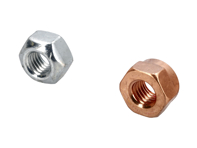
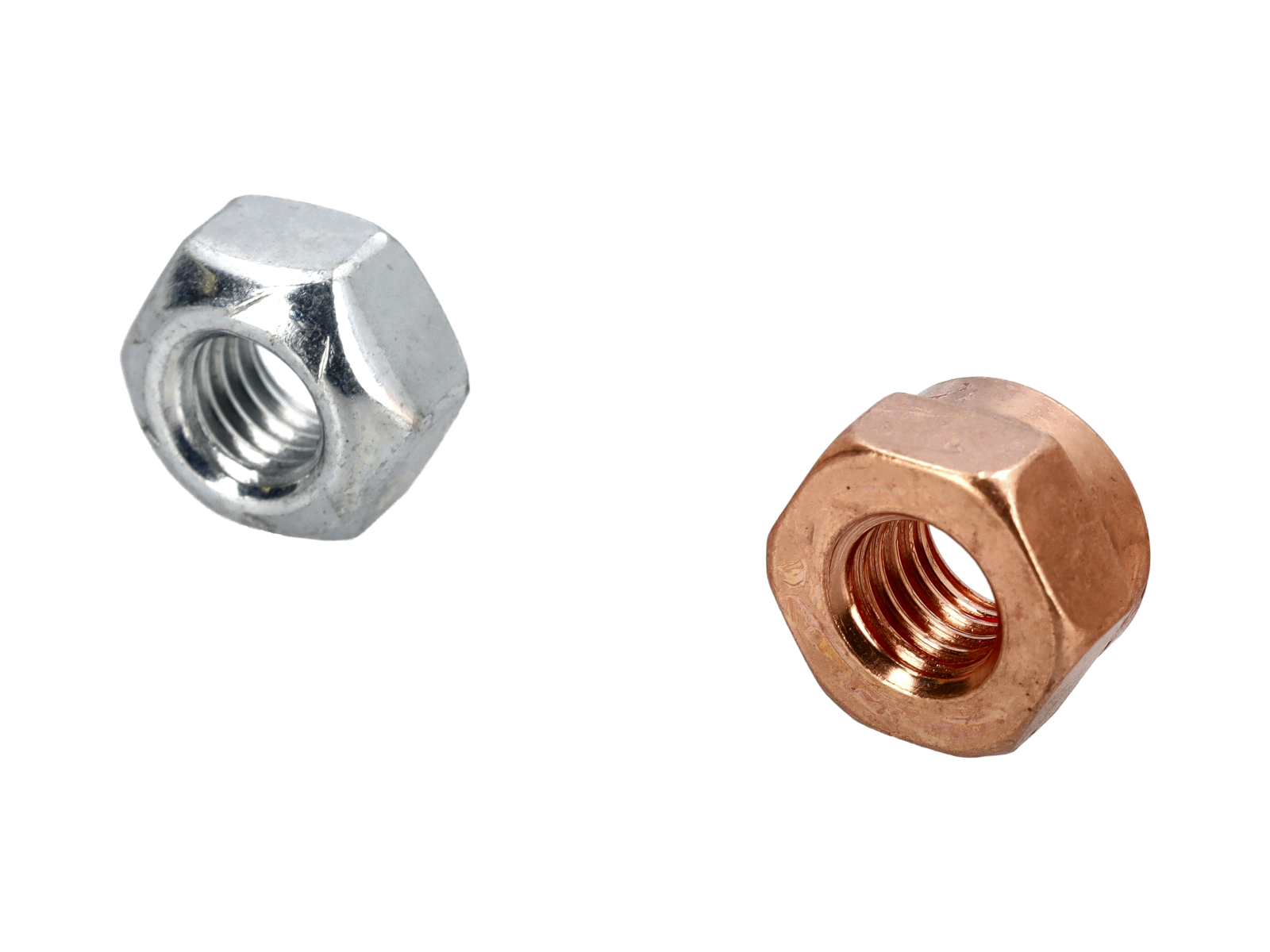
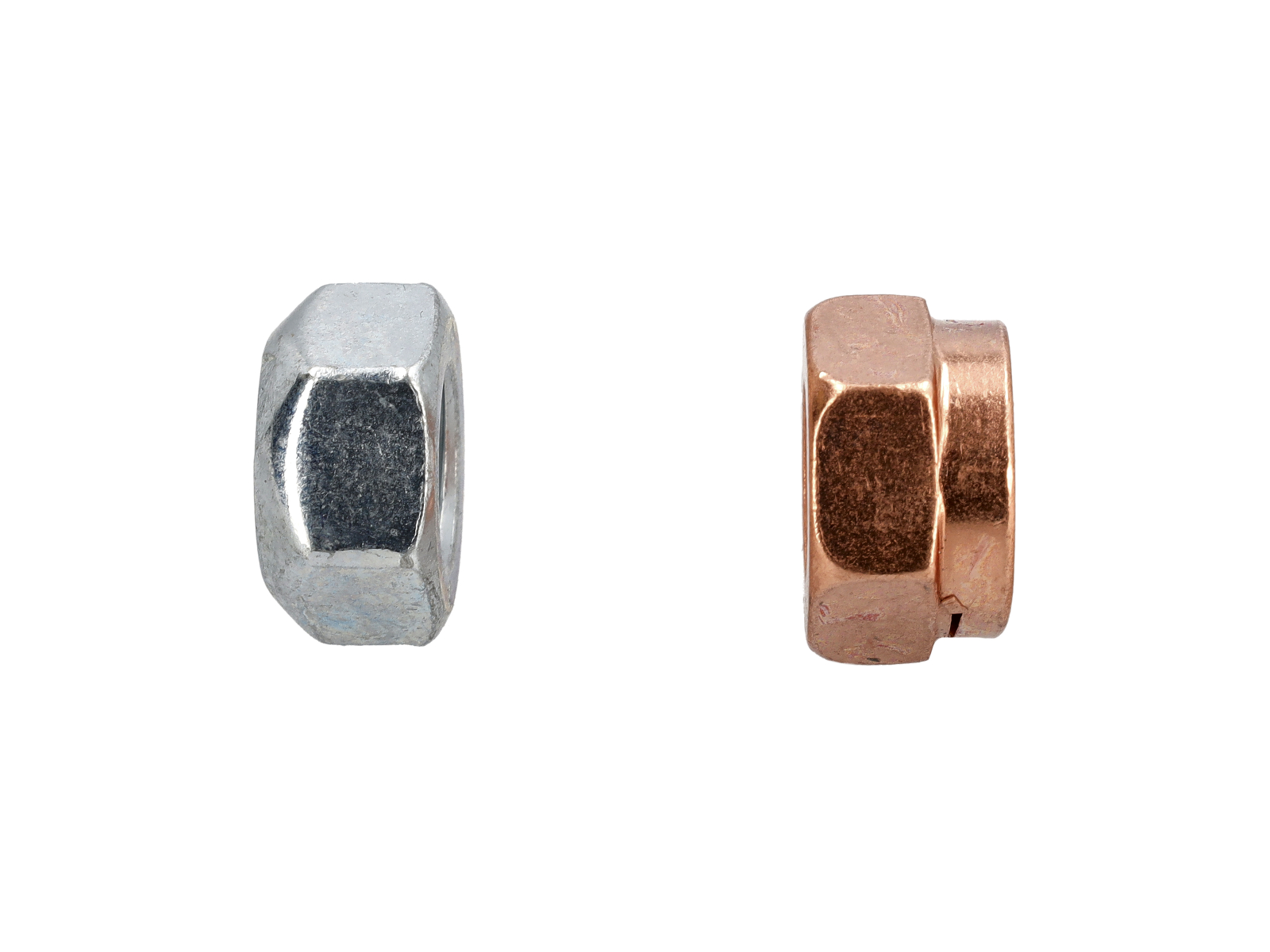
Heat Exchanger Hexagon Nut – M10
Sold each
Ensure a secure and reliable exhaust installation with this Heat Exchanger Hexagon Nut. Manufactured to original equipment specifications, this high-quality
replacement hexagon nut is used to securely fasten the heat exchanger to the
engine's exhaust studs, ensuring a tight, leak-free connection.
Fits:
- Porsche 911 1968-1973 2.2L / 2.4L / 2.7L RS LWB (F)
- Porsche 911 1974-1977 2.7L / 1976-77 3.0 Carrera
- Porsche 924 2.0L 1976-79
- Porsche 914 (1970-1976)
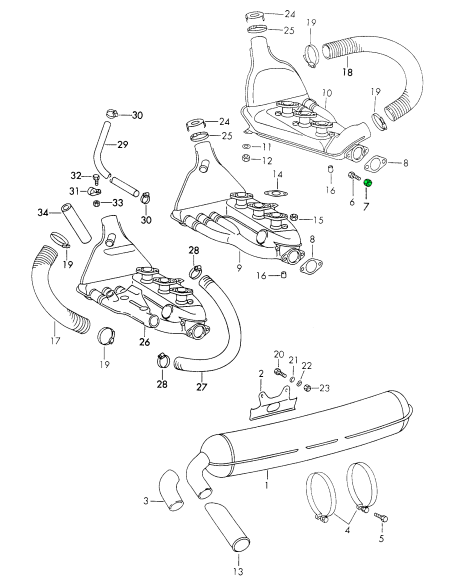
Diagram ref no 7
Heat exchanger mounting hardware is continually exposed to extreme exhaust temperatures, moisture, road salt and vibration. Over time, the original nuts can corrode, seize or lose their clamping force, making removal difficult and increasing the risk of exhaust leaks. Replacing worn or damaged hardware whenever the exhaust system is removed is considered best practice for both servicing and restoration work.
Manufactured from durable, corrosion-resistant materials, this OE Match hexagon nut provides dependable clamping force and long service life, making it ideal for routine maintenance, exhaust repairs and concours restorations.
What Does the Heat Exchanger Hexagon Nut Do?
The hexagon nut secures the heat exchanger to the cylinder head via the exhaust studs.
Its primary functions include:
- Securing the heat exchanger firmly in position.
- Maintaining correct gasket compression.
- Preventing exhaust gas leaks.
- Resisting loosening caused by vibration and heat cycling.
- Supporting proper exhaust alignment.
- Helping maintain engine performance and efficiency.
Correctly tightened exhaust hardware is essential for a safe and reliable exhaust system.
Why Should the Heat Exchanger Nut Be Replaced?
Exhaust mounting hardware operates under extremely demanding conditions.
Common reasons for replacement include:
- Corrosion caused by moisture and road salt.
- Heat cycling leading to material fatigue.
- Seized or rounded nuts during removal.
- Damaged threads.
- Reduced clamping force.
- Exhaust system restoration.
- Heat exchanger replacement.
Replacing the hardware during exhaust work helps avoid future maintenance issues and ensures a secure installation.
Symptoms of Worn or Damaged Exhaust Hardware
Typical signs include:
- Rusted or heavily corroded nuts.
- Seized fixings.
- Exhaust leaks.
- Loose heat exchanger.
- Rattling exhaust components.
- Broken or damaged fasteners.
- Difficulty removing existing hardware.
Renewing the mounting hardware helps restore the integrity of the complete exhaust system.
When Should the Heat Exchanger Hexagon Nut Be Replaced?
Replacement is recommended whenever:
- Heat exchangers are removed.
- Exhaust gaskets are replaced.
- Exhaust manifold repairs are carried out.
- Engine rebuilds are performed.
- Restoring a classic Porsche.
- Existing nuts show signs of corrosion or damage.
Installing new hardware during reassembly helps ensure reliable sealing and long-term durability.
Related reference numbers
Related, superseded, cross reference or alternative numbers for comparison.
99908400202
The product you are viewing cross references to these numbers