




Enter your VAT number here and click Verify:
Your details have been verified. VAT number registered to:
,
.
Your order will now be zero rated for VAT purposes. We reserve the right to verify these details after your order request has been made and reinstate VAT if required.
Your VAT details were not recognised or were invalid. Your VAT number must be matched to your Billing Country as specified above. This is currently specified as . You do not need to enter the country code part of your VAT number as this has already been selected in your billing address details above.
The VAT number checking service is currently offline. Please supply your VAT details within the comments or special instructions field below and we will apply a VAT discount after placing your order request.

OE Match

OE Match for Porsche
OE Match is a brand that provides a wide range of Porsche components, from gaskets to suspension hardware, engine parts, and interior trim. Over 6,700 individual part numbers, and over 11,800 OE cross-references catalogued, and are constantly developing new lines.OE Match has over 100 new products currently in the engineering phase, which will be quality-controlled and added to their catalog. The mission is to keep all Porsche vehicles on the road by offering a vast selection of parts that can address various problems across different Porsche generations
A Quick Look at OE Match
OE Match information on this page is based on details supplied by the manufacturer or distributor, plus any OE references provided with the parts.
Choosing the Right Fit for Your Porsche
Where OE Match is listed for Porsche, use the supplied model coverage and OE references to confirm suitability. Check details that commonly affect fitment such as model year, side/position, and connector type where relevant.
- Often chosen when owners want OE-equivalent quality with sensible running costs, especially for routine service and wear items.
- Typical reasons to replace include restoring reliability, addressing age-related wear, or refreshing multiple components during larger repair work.
- Common defects from incorrect application include noise, premature wear, leaks, or fitment quirks if the wrong variant is selected or fitted with old seals/hardware.
- Watch for symptoms such as unusual noises, early wear, or repeat failures after recent work, which can indicate mismatched parts or supporting items left worn.
- Always cross-check OEM part numbers, read model-year notes, and verify compatibility before ordering.
- For safety-critical components, confirm specification and fitment carefully and have installation checked by a competent technician.
Browse by Category
If you already know the area you are working on, start with the category and then filter by Porsche model. Where real-world symptoms and typical reasons to replace are provided, use them to keep the wording grounded.
Brakes — Brake components are renewed to restore stopping performance, address wear or upgrade a Porsche for fast road or track use. Common symptoms include vibration under braking, longer stopping distances, squealing, pulling to one side, warning lights and visible wear to discs and pads.
Brake Pad Wear Sensors — Brake pad wear sensors are replaced when pads are renewed or when warning lights indicate a broken or worn sensor. Symptoms include brake wear warnings even with new pads, damaged sensor cables, or broken clips around the caliper area.
Engine Electrical — Engine electrical parts are changed when there are starting, charging, ignition, or sensor-related faults that affect drivability and reliability, such as intermittent no-start, misfires, rough idle, poor charging, warning lights or heat-soak failures.
Service Parts — Service parts are replaced as routine maintenance to keep the engine and systems reliable, efficient, and protected, often resolving hard starting, rough idle, poor fuel economy and warning lights caused by clogged filters or worn ignition components.
Service Kits — Service kits bundle key service components to simplify maintenance and set the car back to a known baseline, especially useful when catching up on overdue servicing or dealing with general sluggish running, inconsistent idle and reduced performance.
- For brake parts, confirm whether items are OE-equivalent replacements or performance upgrades and check if new fitting kits and sensors are required.
- On service items and kits, match the kit to your exact Porsche model, engine and year, and review what is included so you can add any extra “while you are there” parts.
Explore OE Match at Design911
View the current OE Match range for Porsche at Design911, then filter by model and category to narrow down to the right parts.

- Porsche 911 1965-1968 2.0L / 912 SWB (F)
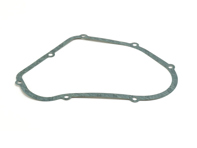
Camshaft Chain Cover Gasket - Right
Maintain the integrity of your classic Porsche engine with
this OE Match Right Camshaft Chain Cover Gasket. Manufactured to original
equipment specifications, this high-quality replacement gasket creates a
dependable oil-tight seal between the right-hand camshaft chain housing and
chain cover, helping to prevent oil leaks while protecting the engine's vital timing
components.
Fits:
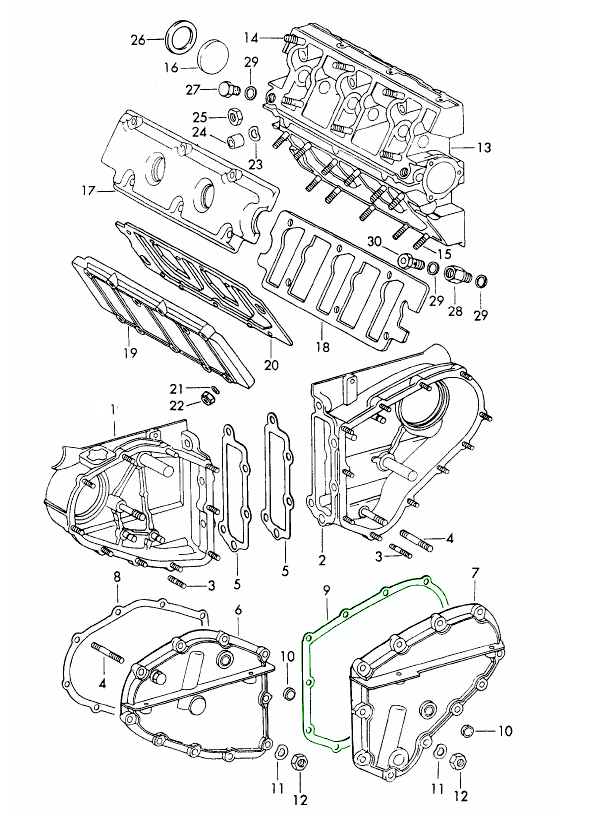
Diagram ref no 9
The camshaft chain housing contains the timing chains that synchronise crankshaft and camshaft rotation. A correctly sealing chain cover gasket is essential for retaining engine oil within the chain housing, ensuring continuous lubrication of the timing chains, sprockets and tensioners while preventing oil contamination of the engine exterior.
Whether you're carrying out an engine rebuild, repairing an oil leak or restoring an early short-wheelbase Porsche 911, this OE Match gasket provides factory-quality fitment and reliable sealing performance.
What Does the Camshaft Chain Cover Gasket Do?
The chain cover gasket seals the mating surfaces between the camshaft chain housing and the outer chain cover.
Its primary functions include:
- Preventing engine oil leaks.
- Maintaining correct oil levels within the chain housing.
- Protecting timing chains and sprockets with continuous lubrication.
- Preventing dirt and moisture entering the timing case.
- Supporting long-term engine reliability.
- Maintaining a clean engine bay.
A properly sealing gasket is essential for preserving the lubrication and protection of the Porsche flat-six timing system.
Why Does the Chain Cover Gasket Fail?
Over many years of service, engine gaskets naturally deteriorate due to constant exposure to oil, heat and engine vibration.
Common causes of failure include:
- Age-related hardening.
- Compression set.
- Heat cycling.
- Oil saturation.
- Damage during previous repairs.
- Incorrect installation or overtightening.
- Engine rebuilds requiring gasket replacement.
Replacing the gasket whenever the chain cover is removed is considered best practice.
Symptoms of a Failing Chain Cover Gasket
Common signs include:
- Oil leaks around the right-hand chain housing.
- Oil residue on the engine casing.
- Oil dripping beneath the vehicle.
- Burning oil smell from oil contacting hot exhaust components.
- Dirt collecting around oil seepage.
- Visible gasket deterioration during servicing.
Ignoring oil leaks can lead to reduced oil levels and contamination of surrounding engine components.
When Should the Camshaft Chain Cover Gasket Be Replaced?
Replacement is recommended when:
- The chain housing cover is removed.
- Engine oil leaks are present.
- Performing a timing chain inspection.
- Carrying out a complete engine rebuild.
- Restoring a classic Porsche engine.
- Replacing timing chains, sprockets or tensioners.
Installing a new gasket during reassembly helps ensure a long-lasting, leak-free repair
Related reference numbers
Related, superseded, cross reference or alternative numbers for comparison.
90110519202
The product you are viewing cross references to these numbers

- Porsche 996 C2 3.4L 1997-08/01
- Porsche 996 C4 3.4L 1997-08/01
- Porsche 996 C2 3.6L 09/01-2005
- Porsche 996 C4 3.6L 09/01-2005
- Porsche 996 C4S 3.6L 09/01-2005
- Porsche 996 GT3 MKI 1999-02
- Porsche 996 GT3 MKII 2003>>
- Porsche 996 GT3 RS 2003-04
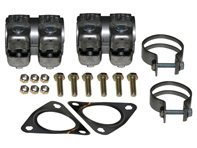
Mounting Kit for Catalytic Converter
Complete your Porsche exhaust installation with this OE
Match Catalytic Converter Mounting Kit. This comprehensive
installation kit contains all the essential hardware required to correctly fit
replacement catalytic converters or dummy catalytic pipes, ensuring a secure,
leak-free installation and long-lasting reliability.
Fits:
- Porsche 996 C2 3.4L 1997-08/01
- Porsche 996 C4 3.4L 1997-08/01
- Porsche 996 C2 3.6L 09/01-2005
- Porsche 996 C4 3.6L 09/01-2005
- Porsche 996 C4S 3.6L 09/01-2005
- Porsche 996 GT3 MKI 1999-02
- Porsche 996 GT3 MKII 2003>>
- Porsche 996 GT3 RS 2003-04
Rather than reusing old, corroded or heat-damaged fasteners, this kit provides new clamps, exhaust gaskets, nuts and bolts, allowing professional-quality installation while reducing the risk of exhaust leaks, loose joints and seized fixings.
The kit is specifically designed for use with the following Design911 replacement components:
99611196260S, 996PO96260S, 996PO96270SWhether you're replacing worn catalytic converters, installing sports catalytic converters or fitting dummy catalytic pipes for motorsport applications, this OE Match mounting kit provides everything needed to complete the installation correctly.
Kit Contents
This complete fitting kit includes:
- Exhaust clamps
- Exhaust sealing gaskets
- Mounting nuts
- Mounting bolts
Everything required to securely install compatible catalytic converter or dummy catalytic pipe assemblies.
What Does the Mounting Kit Do?
The mounting kit secures the catalytic converter or replacement pipework to the exhaust system while providing a gas-tight seal between connecting flanges.
Its functions include:
- Securing the catalytic converter or replacement pipes.
- Creating leak-free exhaust joints.
- Maintaining correct exhaust alignment.
- Preventing exhaust gas leaks.
- Reducing vibration and movement.
- Ensuring reliable long-term installation.
Replacing the fitting hardware whenever exhaust components are changed helps ensure maximum durability and sealing performance.
Why Replace the Mounting Hardware?
Exhaust mounting hardware operates in one of the harshest
environments on the vehicle, exposed to:
- Extreme exhaust temperatures.
- Road salt and moisture.
- Corrosion.
- Thermal expansion and contraction.
- Rusted or seized fasteners.
- Exhaust vibration.
Attempting to reuse old hardware often results in broken bolts, poor sealing or premature exhaust leaks.
Signs Your Mounting Kit Should Be Replaced
Replacement is recommended if you notice:
- Rusted clamps.
- Corroded nuts or bolts.
- Damaged exhaust gaskets.
- Exhaust leaks.
- Loose catalytic converter connections.
- Broken or seized fixings.
- Exhaust rattles after installation.
Installing new hardware during every exhaust repair helps ensure a secure and reliable fit.
Related reference numbers
Related, superseded, cross reference or alternative numbers for comparison.
96260KIT
The product you are viewing cross references to these numbers
- Porsche 911 1965-1968 2.0L / 912 SWB (F)
- Porsche 914 (1970-1976)
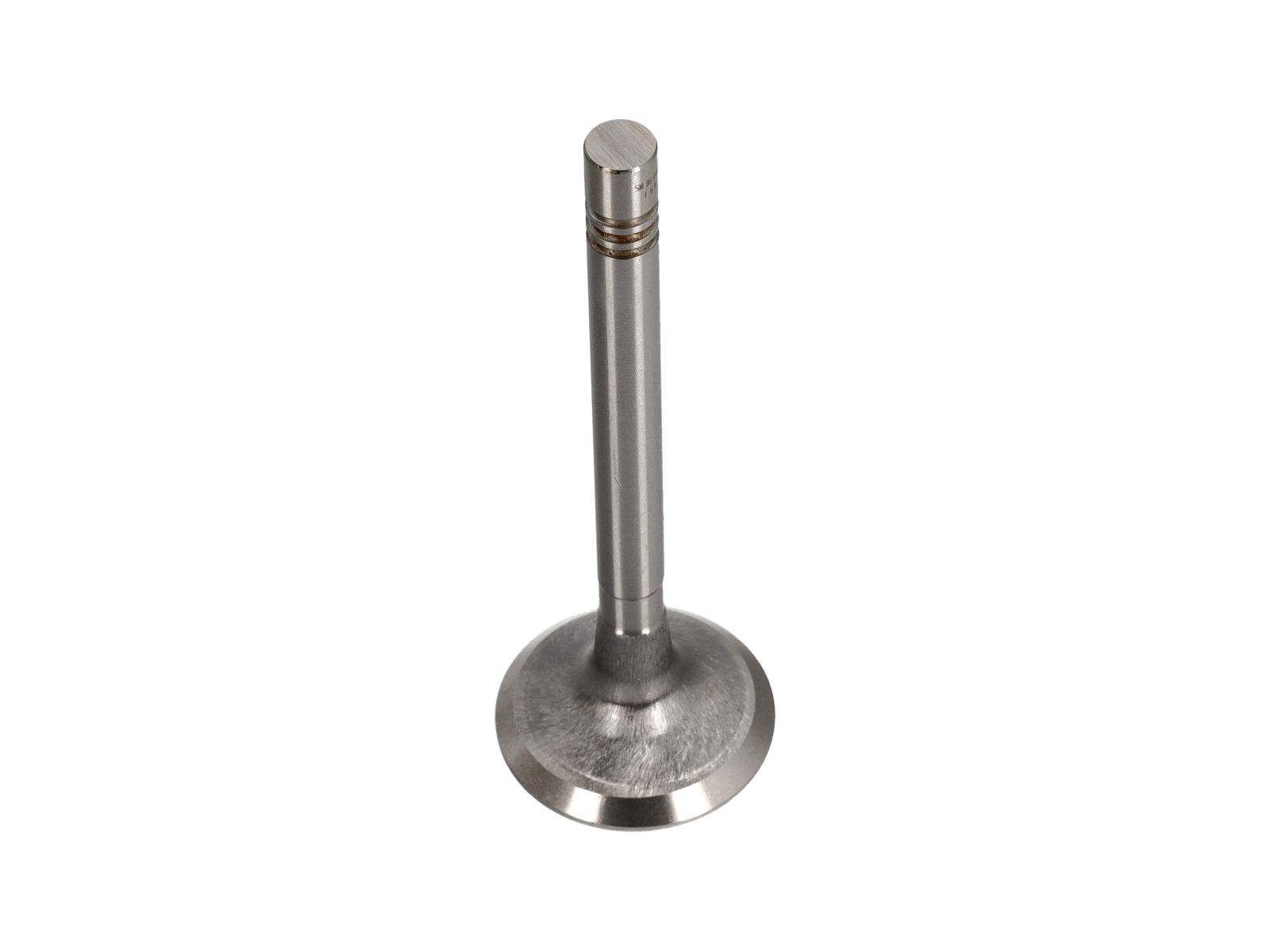
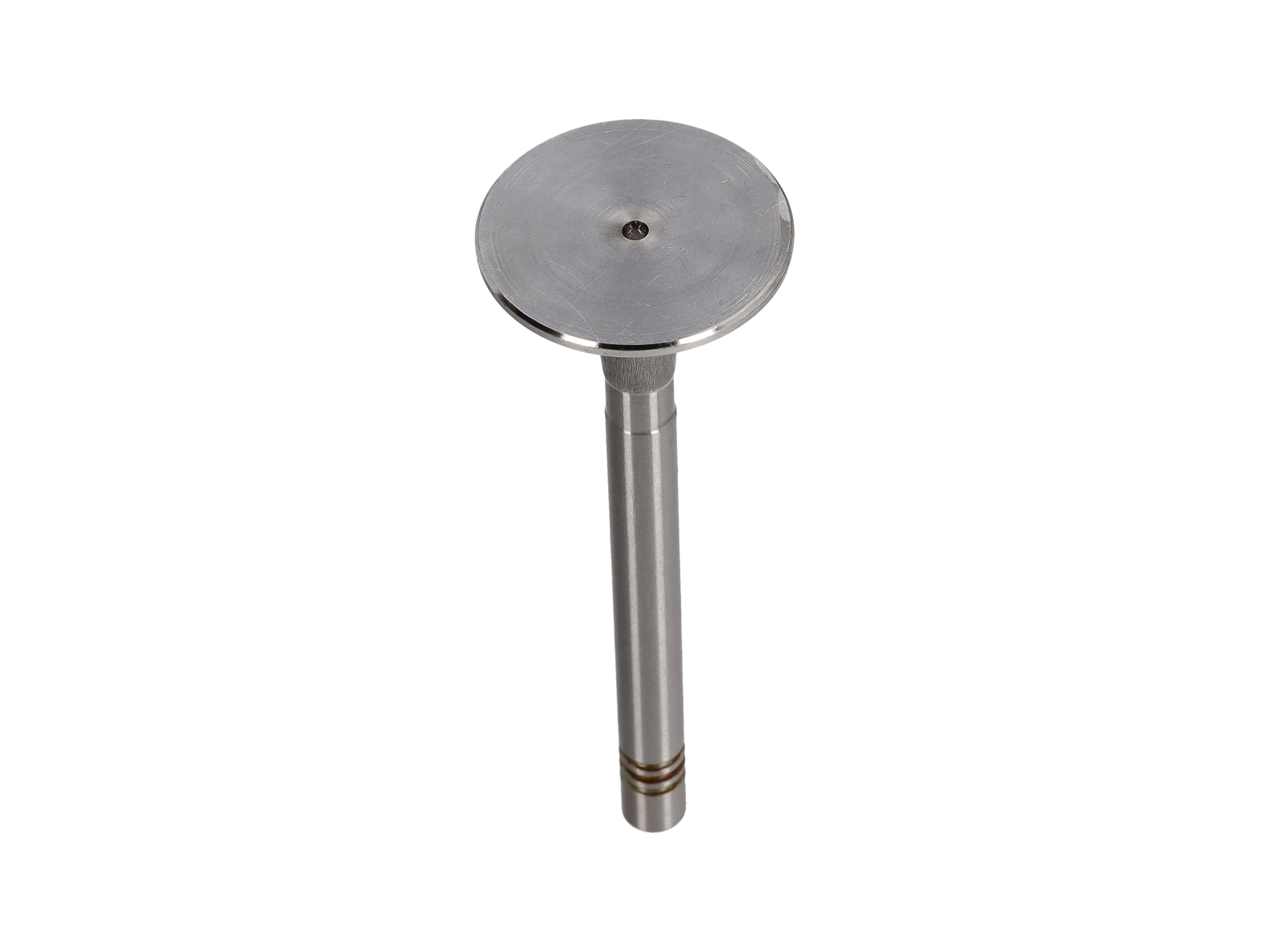
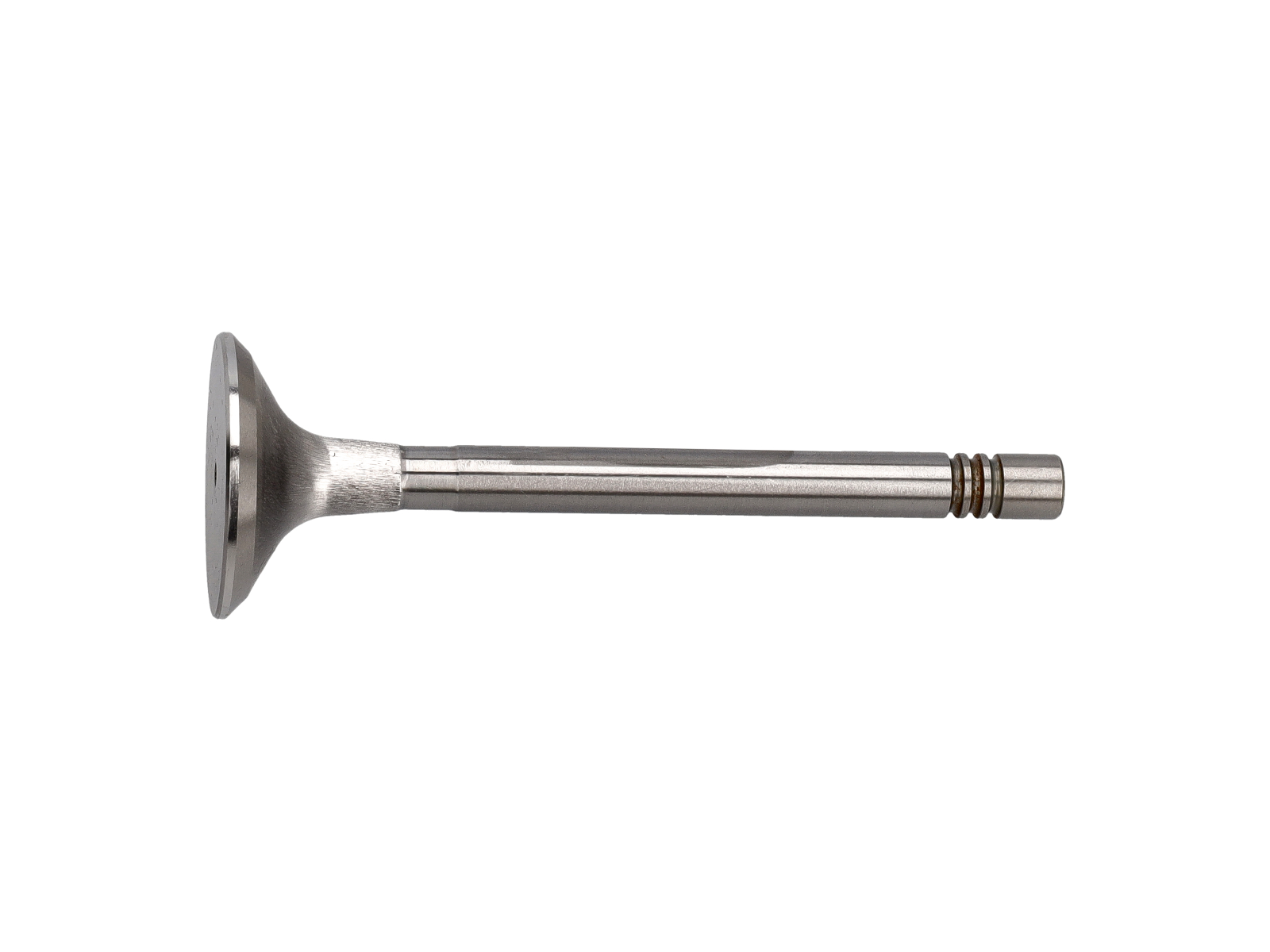
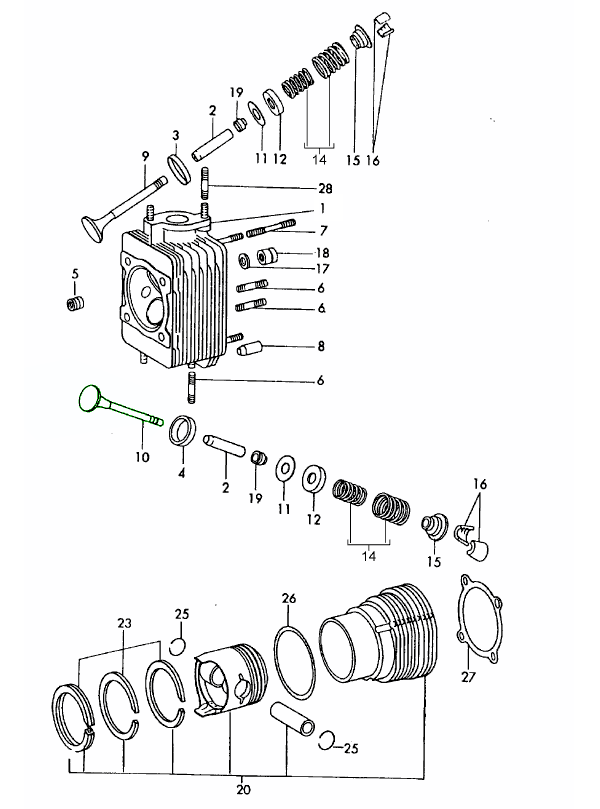
The exhaust valve opens and closes in time with the camshaft to release burnt gases after combustion. A correctly sealing valve helps maintain compression, stable idle, clean running, and consistent performance.
Sold each, 6 required per vehicle.
Fits:
Porsche 911 S/TU/T/E 1965 - 1969
Porsche 914-6 1970 - 1976
Diagram ref no 10
This valve forms a gas-tight seal against the valve seat to contain combustion pressure, then opens to allow exhaust flow out of the cylinder. Because exhaust valves operate under high heat, correct material quality and precise machining are critical for longevity and reliable sealing
A worn, pitted, or burnt exhaust valve can cause compression loss, misfires, poor performance, and potentially lead to costly cylinder head damage if ignored. Replacing valves during a rebuild helps restore correct sealing and reliable operation under heat load.
When to replace:
• Low compression / leak-down points to valve sealing issues
• Burnt valve symptoms (misfire, rough idle, power loss)
• Visible pitting, tuliping, or seat damage during teardown
• Excessive valve stem wear found during head inspection
• During cylinder head overhaul or full engine rebuild
Related reference numbers
Related, superseded, cross reference or alternative numbers for comparison.
90110540850
The product you are viewing cross references to these numbers

- Porsche 911 1974-1977 2.7L / 1976-77 3.0 Carrera
- Porsche 911 1978-1983 3.0L / SC
- Porsche 911 1984-1986 3.2L
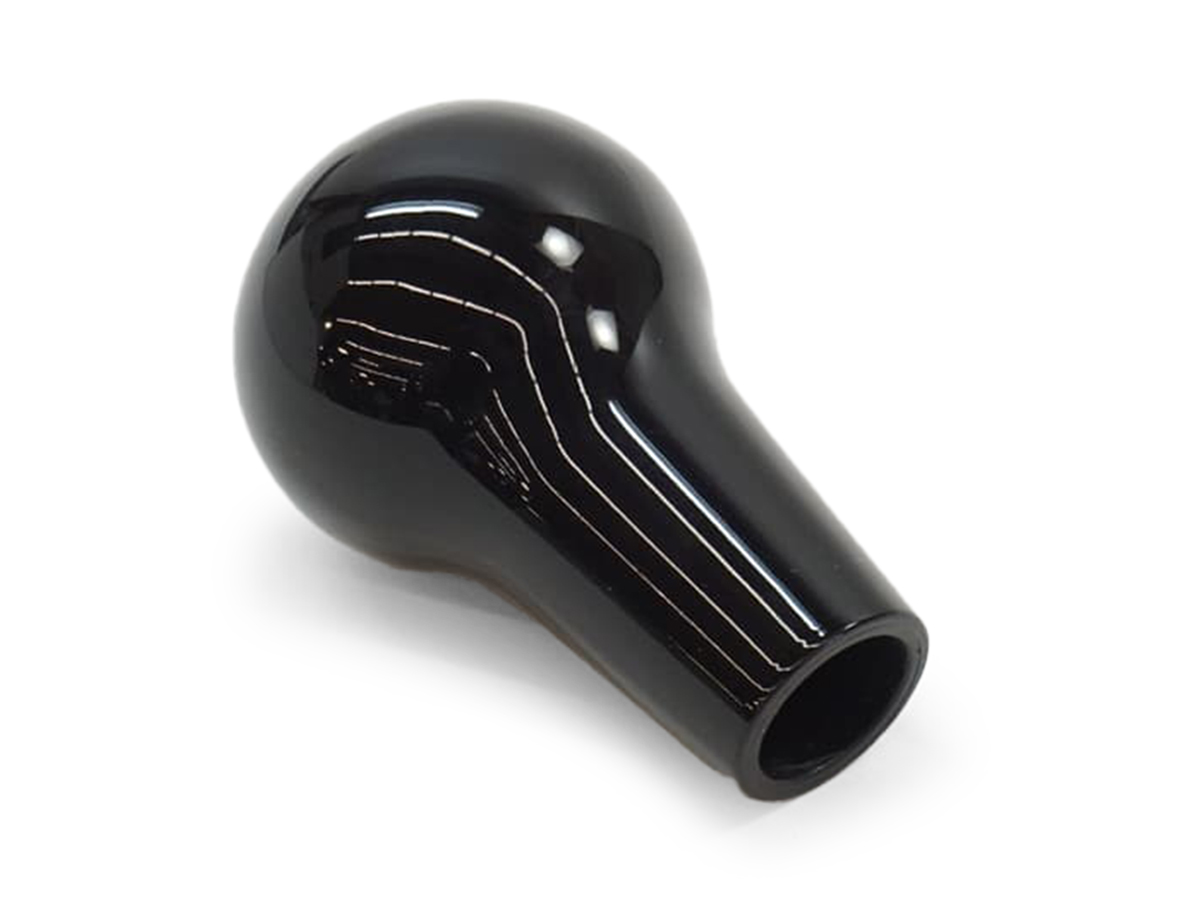
Gear Lever Knob 5-Speed – 915
Gearbox
Restore the original appearance and feel of your Porsche
interior with this OE Match 5-Speed Gear Lever Knob. Porsche 911 SC and 911 models fitted with the 915 5-speed
manual gearbox (1974-1986). Finished in a high-quality gloss black,
this premium replacement gear knob faithfully recreates the original factory
styling while providing the comfortable grip and precise shifting feel expected
from a classic Porsche.
Fits:
- Porsche 911 1974-1977 2.7L / 1976-77 3.0 Carrera
- Porsche 911 1978-1983 3.0L / SC
- Porsche 911 1984-1986 3.2L
The gear lever knob is one of the most frequently handled components inside the vehicle. Years of use, exposure to sunlight and general wear can leave the original knob faded, scratched or cracked. Replacing it with an OE Match component instantly refreshes the cabin while preserving the authentic appearance of your classic 911.
Manufactured to original equipment specifications, this gear knob offers excellent fit, finish and durability, making it ideal for both concours restorations and everyday driving.
What Does the Gear Lever Knob Do?
The gear lever knob provides the driver's primary point of contact with the manual gear selector, allowing smooth, accurate and comfortable gear changes.
Its functions include:
- Providing a secure and comfortable grip.
- Improving gear selection precision.
- Displaying the correct 5-speed shift pattern.
- Enhancing driving comfort.
- Restoring the factory appearance of the interior.
- Completing the authentic look of a classic Porsche cockpit.
A quality gear knob contributes to both the driving experience and the originality of the vehicle.
Why Does the Gear Lever Knob Need Replacing?
After decades of use, the original gear knob can become worn or damaged.
Common causes include:
- Surface scratches and scuffs.
- Fading caused by UV exposure.
- Cracks in the outer finish.
- Wear to the 5-speed gear pattern.
- Damage during gearbox or interior repairs.
- General ageing of the original materials.
Replacing a worn gear knob is one of the simplest ways to rejuvenate the interior of a classic Porsche.
Symptoms of a Worn Gear Lever Knob
Signs that replacement is required include:
- Faded or worn shift pattern.
- Scratched or chipped gloss finish.
- Loose fit on the gear lever.
- Cracks or damage to the outer surface.
- Poor grip during gear changes.
- Interior appearance looking tired or unrestored.
A new OE Match gear knob restores both appearance and driving enjoyment.
When Should the Gear Lever Knob Be Replaced?
Replacement is recommended when:
- Restoring the vehicle to factory condition.
- Refurbishing the interior.
- The original gear knob becomes loose or damaged.
- The shift pattern is no longer clearly visible.
- Replacing worn gear linkage components.
- Carrying out a full concours restoration.
Installing a new gear knob is an easy upgrade that immediately improves the look and feel of the driver's environment.
Related reference numbers
Related, superseded, cross reference or alternative numbers for comparison.
91142407101
The product you are viewing cross references to these numbers
- Porsche 964 (911) C2 1989-93
- Porsche 964 (911) C4 1989-93
- Porsche 964 (911) RS 3.6L 1991-93
- Porsche 964 (911) RS 3.8L 1991-93
- Porsche 964 (911) TURBO 3.6L 1991-93
- Porsche 993 (911) C2 1994-97
- Porsche 993 (911) C4 1994-97
- Porsche 993 (911) RS 1994-97
- Porsche 993 (911) C2S 1994-97
- Porsche 993 (911) C4S 1994-97
- Porsche 993 (911) TURBO 1994-96
- Porsche 993 (911) GT2 1994-97
- Porsche 993 (911) TURBO S 1994-97
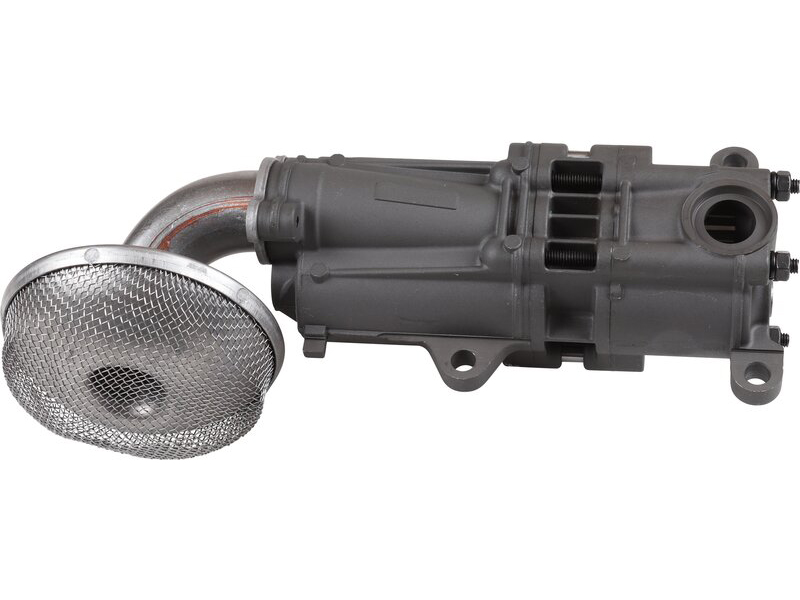
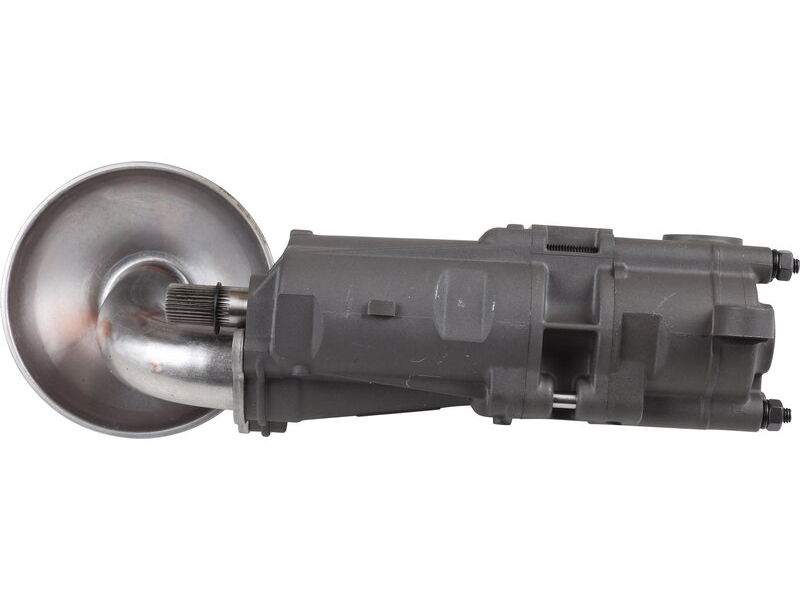
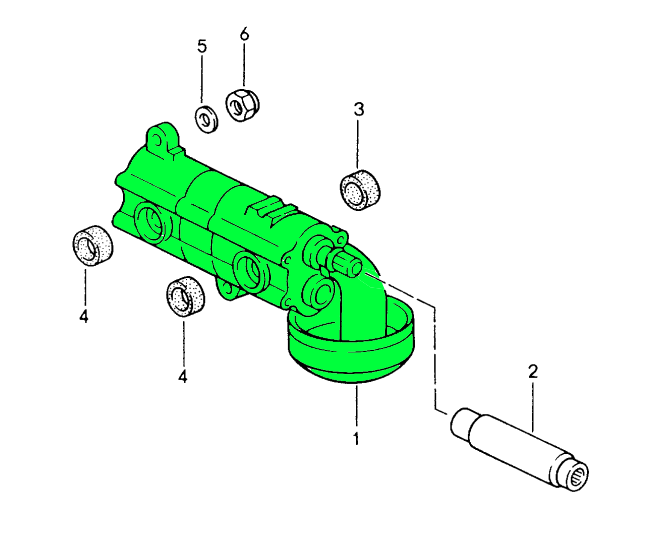
The OE Match Oil Pump is a premium-quality replacement engine lubrication component designed to provide a continuous supply of pressurised engine oil to critical internal engine components on compatible Porsche engines. Manufactured to OE specifications for fit, flow rate and durability, this oil pump ensures consistent oil circulation to the crankshaft, camshafts, bearings and valve train, helping to minimise friction, reduce wear and maximise engine longevity.
Fits:
- Porsche 964 (911) C2 1989-93
- Porsche 964 (911) C4 1989-93
- Porsche 964 (911) RS 3.6L 1991-93
- Porsche 964 (911) RS 3.8L 1991-93
- Porsche 964 (911) TURBO 3.6L 1991-93
- Porsche 993 (911) C2 1994-97
- Porsche 993 (911) C4 1994-97
- Porsche 993 (911) RS 1994-97
- Porsche 993 (911) C2S 1994-97
- Porsche 993 (911) C4S 1994-97
- Porsche 993 (911) TURBO 1994-96
- Porsche 993 (911) GT2 1994-97
- Porsche 993 (911) TURBO S 1994-97
Diagram Ref No 21
Manufactured from high-quality precision-machined aluminium and hardened steel internal gears, the oil pump is engineered to deliver accurate oil pressure across a wide range of engine speeds and operating conditions. Designed for direct OE-style installation, it integrates seamlessly with the original lubrication system, making it the ideal replacement during engine rebuilds, major servicing or when repairing lubrication-related faults.
What This Product Does:
- Circulates engine oil throughout the lubrication system.
- Maintains the correct engine oil pressure.
- Supplies oil to critical engine components.
- Reduces friction and internal engine wear.
- Assists with cooling internal engine components.
- Supports reliable engine performance and longevity.
- Restores factory lubrication efficiency.
- Forms an essential part of the engine lubrication system.
Symptoms Of Wear Or Failure:
- Low engine oil pressure warning light.
- Reduced engine oil pressure readings.
- Increased engine mechanical noise.
- Knocking or ticking noises from the engine.
- Accelerated wear of engine bearings or valve train components.
- Engine overheating caused by reduced lubrication efficiency.
- Excessive internal engine wear.
- Metal particles present in the engine oil.
- Poor lubrication during cold starts.
- Severe engine damage if oil pressure is lost completely.
Why Replacement Matters:
- The oil pump is responsible for maintaining continuous lubrication throughout the engine and operates whenever the engine is running. Over time, internal gears, pressure relief components and bearing surfaces can wear, reducing the pump's ability to maintain the correct oil pressure and flow.
- A failing oil pump can result in insufficient lubrication of critical engine components, leading to accelerated wear of bearings, camshafts, crankshaft journals and other moving parts. Continued operation with low oil pressure can quickly result in catastrophic engine failure and extremely expensive repairs.
- Replacing a worn or faulty oil pump restores proper lubrication, stable oil pressure and reliable engine protection. The OE Match replacement provides factory-style fitment, precision-engineered internal components and long-lasting durability, ensuring dependable lubrication performance and helping to preserve the reliability and performance expected from your Porsche.
Related reference numbers
Related, superseded, cross reference or alternative numbers for comparison.
96410701114
The product you are viewing cross references to these numbers

- Porsche 911 1974-1977 2.7L / 1976-77 3.0 Carrera
- Porsche 911 1978-1983 3.0L / SC
- Porsche 911 1984-1986 3.2L
- Porsche 911 1987-1989 3.2L G50
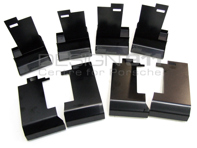
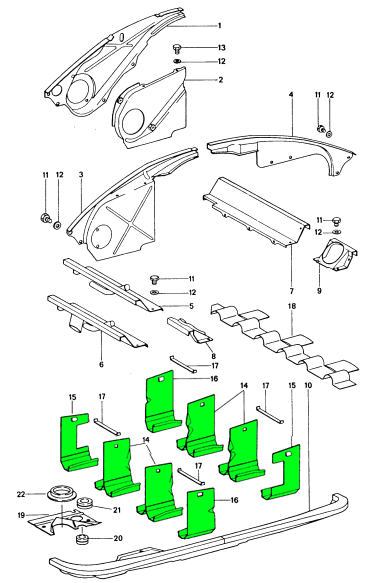
8 x Engine baffles
Fits:
Porsche 911 2.7L
Porsche 911 3.0L
Porsche 911 3.2L
Click 'Zoom in' for large parts diagram.
Diagram Ref No 14, 15, 16.
Related reference numbers
Related, superseded, cross reference or alternative numbers for comparison.
BAFFLEKIT911.1
The product you are viewing cross references to these numbers
This kit is comprised of the following items:


- Porsche 911 1968-1973 2.2L / 2.4L / 2.7L RS LWB (F)
- Porsche 911 1974-1977 2.7L / 1976-77 3.0 Carrera
- Porsche 911 1978-1983 3.0L / SC
- Porsche 911 1975-1977 3.0L Turbo (930)
- Porsche 911 1978-1989 3.3L Turbo (930)
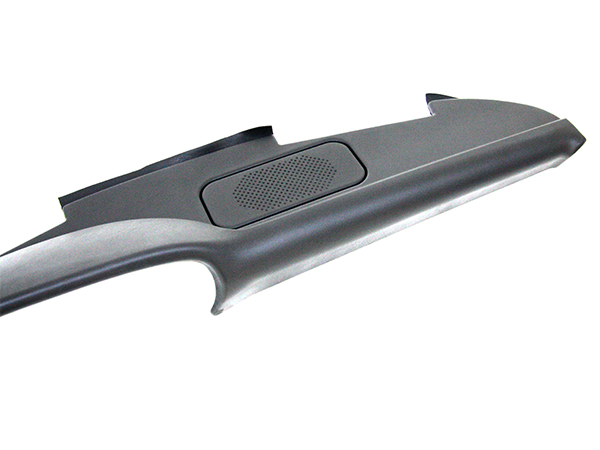
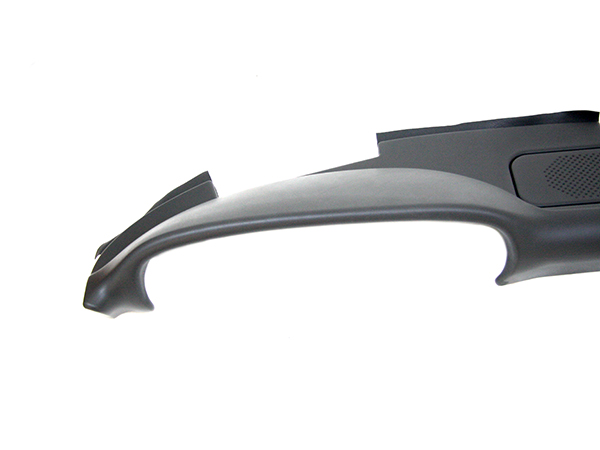
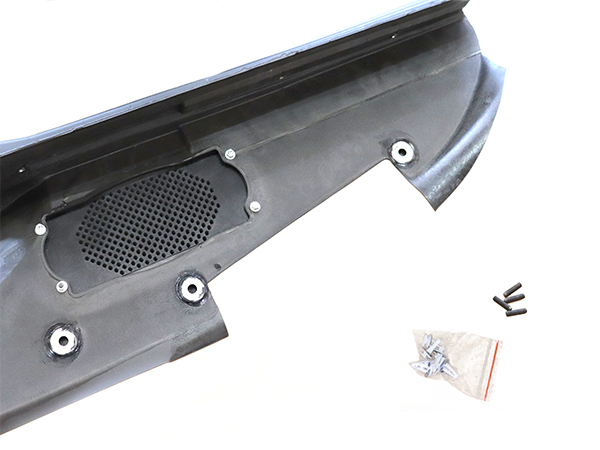
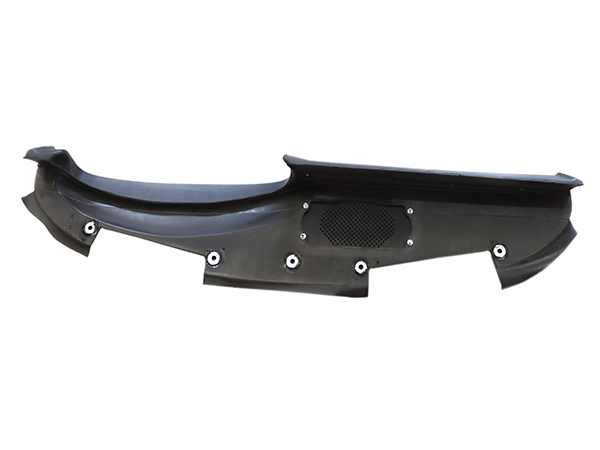
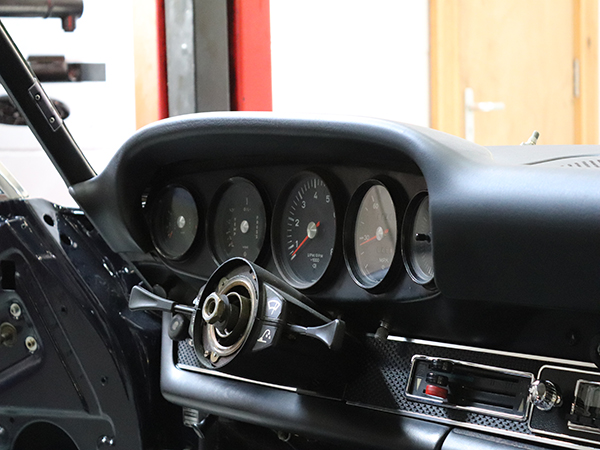
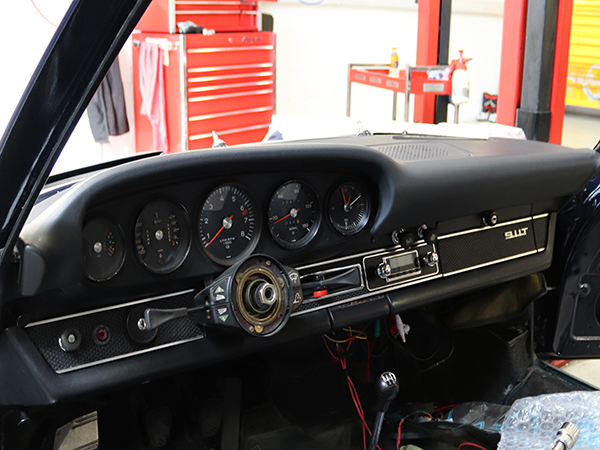
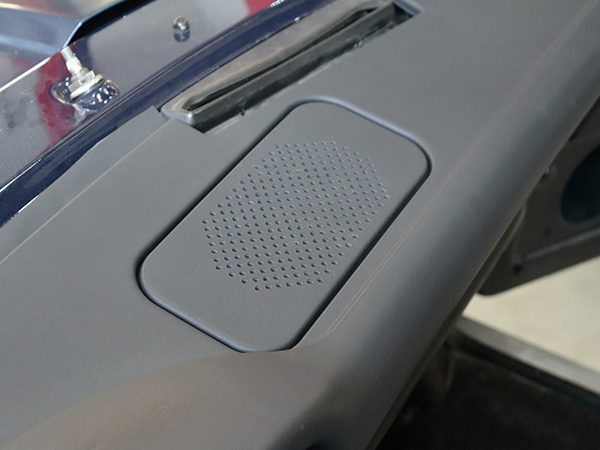
The OE Match Dashboard Top Black LHD (With Top Speaker Grille) is a premium-quality replacement dashboard upper section designed to restore the original appearance, fit and functionality of compatible left-hand drive classic Porsche models. Manufactured to OE specifications for fit, profile and finish, this dashboard top is supplied complete with the integrated top speaker grille, providing an authentic factory-style appearance and making it ideal for restoration projects, interior refurbishment or replacing cracked, warped or sun-damaged original dashboards.
Fits:
- Porsche 911 1968-1973 2.2L / 2.4L / 2.7L RS LWB (F)
- Porsche 911 1974-1977 2.7L / 1976-77 3.0 Carrera
- Porsche 911 1978-1983 3.0L / SC
- Porsche 911 1975-1977 3.0L Turbo (930)
- Porsche 911 1978-1989 3.3L Turbo (930)
Manufactured from high-quality automotive-grade materials with a durable black textured finish and reinforced internal construction, the dashboard top is engineered to resist UV exposure, heat, cracking and distortion. Precision-manufactured for direct OE-style installation, it aligns perfectly with the original mounting points, instrument panel, windscreen surround and ventilation outlets, ensuring a seamless fit and factory-quality finish.
What This Product Does:
- Restores the original appearance of the dashboard.
- Provides a secure mounting platform for dashboard components.
- Includes the factory-style integrated top speaker grille.
- Supports the correct positioning of vents, instruments and trim.
- Maintains the original dashboard profile and fitment.
- Enhances the appearance and value of the vehicle's interior.
- Replaces cracked, warped or damaged dashboard tops.
- Forms an essential part of the vehicle's interior and cockpit assembly.
Symptoms Of Wear Or Failure:
- Cracked or split dashboard surface.
- Warping caused by prolonged heat or UV exposure.
- Faded or discoloured finish.
- Lifting or peeling dashboard material.
- Damaged or broken speaker grille.
- Loose or poorly fitting dashboard trim.
- Rattling noises from the dashboard area.
- Poor alignment around the windscreen or instrument panel.
- Cosmetic deterioration affecting the cabin.
- Reduced originality during restoration.
Why Replacement Matters:
- The dashboard top is continuously exposed to direct sunlight, heat and temperature fluctuations, making it one of the most vulnerable interior components in a classic Porsche. Over time, the material can crack, warp, shrink or fade, reducing both the appearance and structural integrity of the dashboard.
- A damaged dashboard top can affect the fitment of surrounding trim, create unwanted rattles and significantly detract from the presentation and value of the vehicle. A broken or deteriorated speaker grille may also affect the appearance and protection of the audio system.
- Replacing a worn or damaged dashboard top restores the original factory appearance and fit of the cockpit while providing a durable, long-lasting solution. The OE Match replacement features factory-style fitment, premium-quality construction and an integrated top speaker grille, making it the ideal choice for Porsche restoration, interior refurbishment and preventative maintenance.
Related reference numbers
Related, superseded, cross reference or alternative numbers for comparison.
91155203104709
The product you are viewing cross references to these numbers
- Porsche 911 1968-1973 2.2L / 2.4L / 2.7L RS LWB (F)
- Porsche 911 1974-1977 2.7L / 1976-77 3.0 Carrera
- Porsche 911 1978-1983 3.0L / SC
- Porsche 911 1975-1977 3.0L Turbo (930)
- Porsche 911 1978-1989 3.3L Turbo (930)
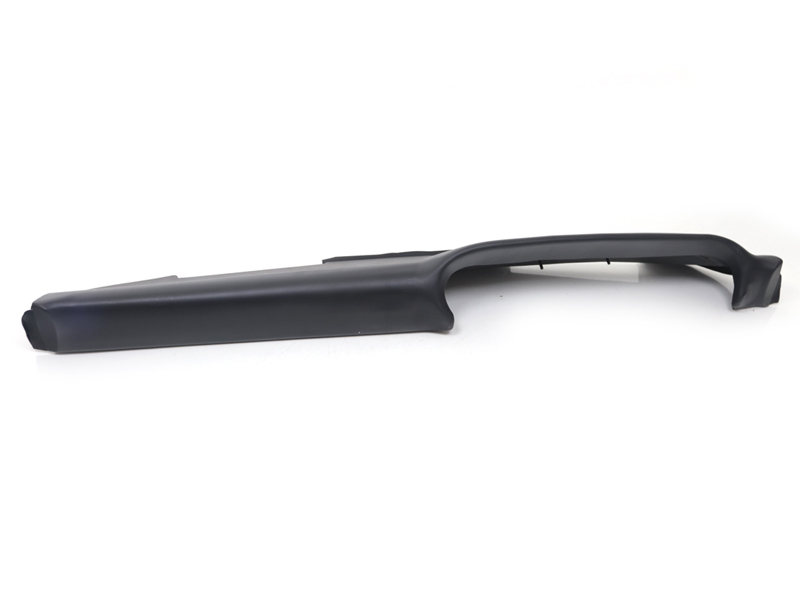
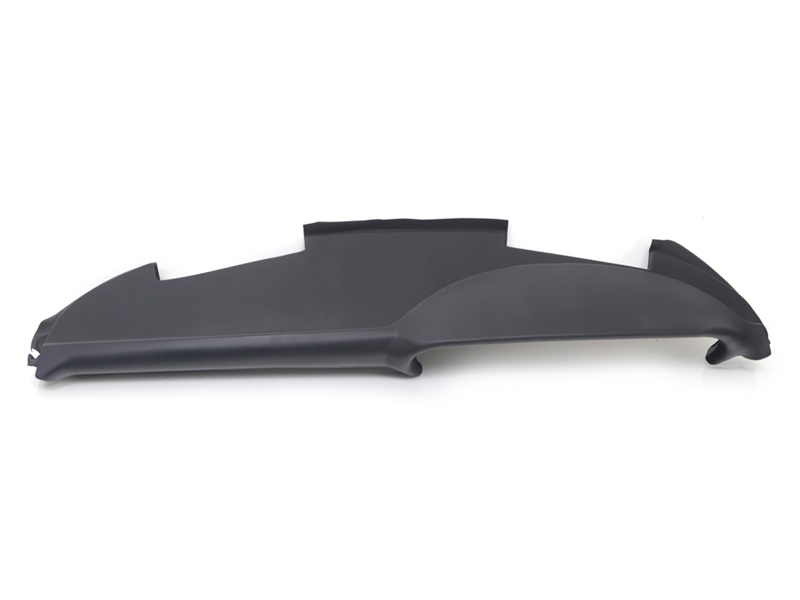
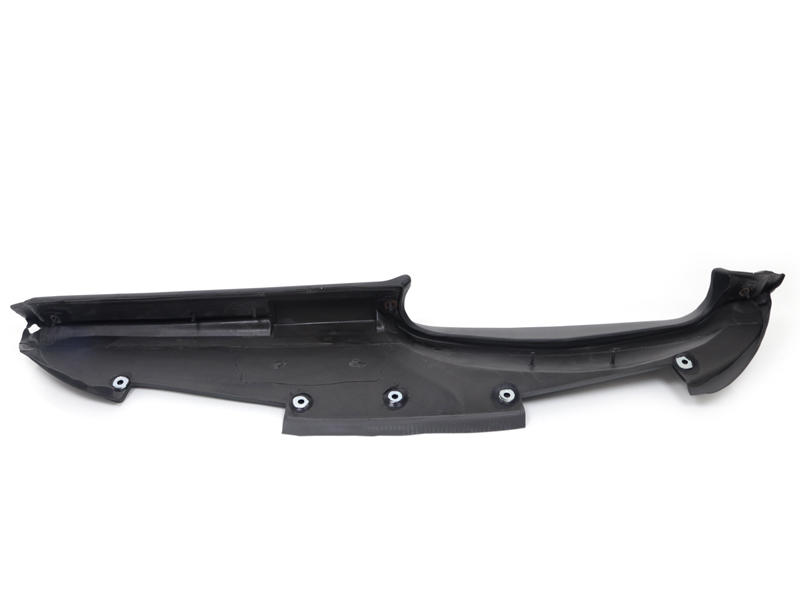
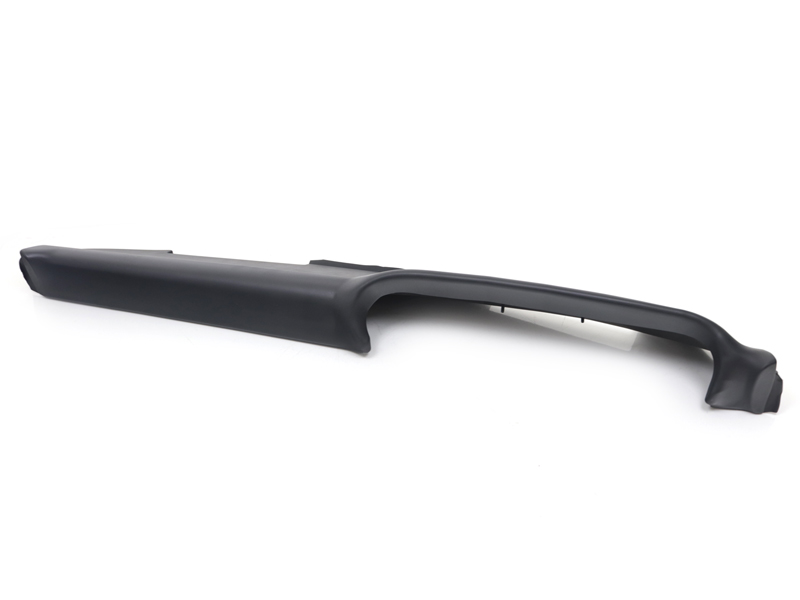
The OE Match Dashboard (Without Speaker Grille) RHD, Black is a premium-quality replacement dashboard designed to restore the original appearance, fit and functionality of compatible right-hand drive classic Porsche models. Manufactured to OE specifications for fit, profile and finish, this dashboard faithfully replicates the original factory design and is supplied without the speaker grille, making it suitable for vehicles where the original grille is to be reused or sourced separately.
Fits:
- Porsche 911 1969-1973 2.2L / 2.4L / 2.7L RS LWB (F)
- Porsche 911 1974-1977 2.7L / 1976-77 3.0 Carrera
- Porsche 911 1978-1983 3.0L / SC
- Porsche 911 1975-1977 3.0L Turbo (930)
- Porsche 911 1978-1989 3.3L Turbo (930)
Finished in black, the dashboard is manufactured from high-quality automotive-grade materials with a durable outer surface and reinforced internal structure. Engineered to resist warping, cracking and UV deterioration, it provides long-lasting durability while maintaining the authentic factory appearance. Precision-manufactured for direct OE-style installation, it aligns with the original mounting points, instrument apertures and ventilation openings, making it the ideal choice for restoration projects, accident repairs or replacing worn or damaged original dashboards.
What This Product Does:
- Restores the original appearance of the vehicle's interior.
- Provides a secure mounting platform for instruments and dashboard controls.
- Supports correct installation of switches, vents and gauges.
- Maintains the factory layout of the dashboard assembly.
- Enhances the appearance and value of the vehicle.
- Replaces cracked, warped or damaged original dashboards.
- Provides direct OE-style fitment on right-hand drive vehicles.
- Forms an essential part of the vehicle's interior trim and cockpit assembly.
Symptoms Of Wear Or Failure:
- Cracked or split dashboard surface.
- Warping or distortion caused by heat and UV exposure.
- Faded or discoloured finish.
- Loose or poorly fitting dashboard panels.
- Damaged mounting points or fixings.
- Rattling noises from the dashboard.
- Lifting or peeling dashboard covering.
- Poor fit around instruments and ventilation components.
- Cosmetic deterioration affecting the interior.
- Reduced originality during restoration.
Why Replacement Matters:
- The dashboard is continually exposed to sunlight, heat, temperature fluctuations and everyday use. Over time, these conditions can cause the materials to crack, warp, fade or deteriorate, reducing both the appearance and structural integrity of the interior.
- A damaged dashboard not only detracts from the presentation and value of a classic Porsche but can also affect the secure mounting of instruments, switches and ventilation components. Warped dashboards may produce rattles, poor panel alignment and an overall unfinished appearance.
- Replacing a worn or damaged dashboard restores the original factory appearance, fit and functionality of the cockpit. The OE Match replacement provides factory-style fitment, premium-quality construction and long-lasting durability, making it the ideal solution for Porsche restoration, refurbishment and preventative maintenance.
Related reference numbers
Related, superseded, cross reference or alternative numbers for comparison.
91155290600
The product you are viewing cross references to these numbers

- Porsche 911 1965-1968 2.0L / 912 SWB (F)
- Porsche 911 1968-1973 2.2L / 2.4L / 2.7L RS LWB (F)
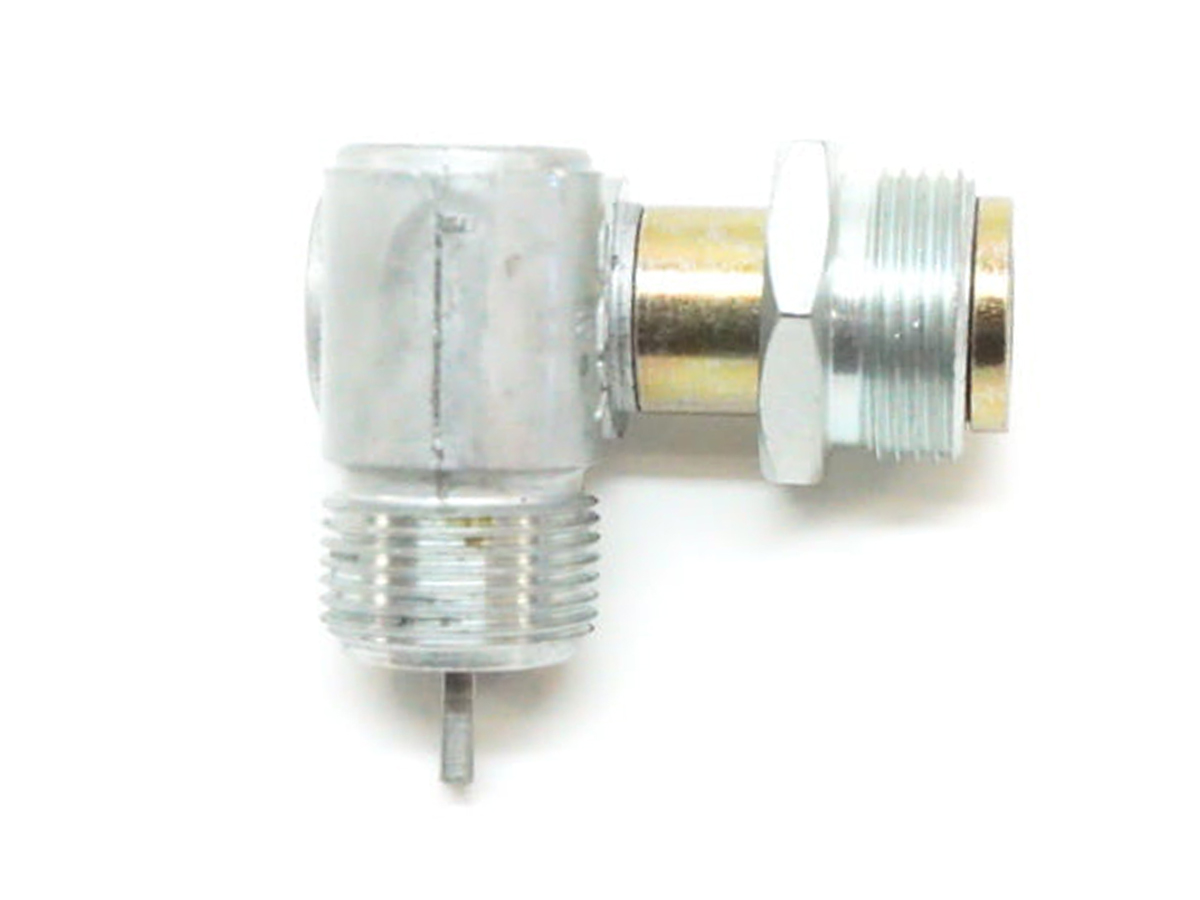
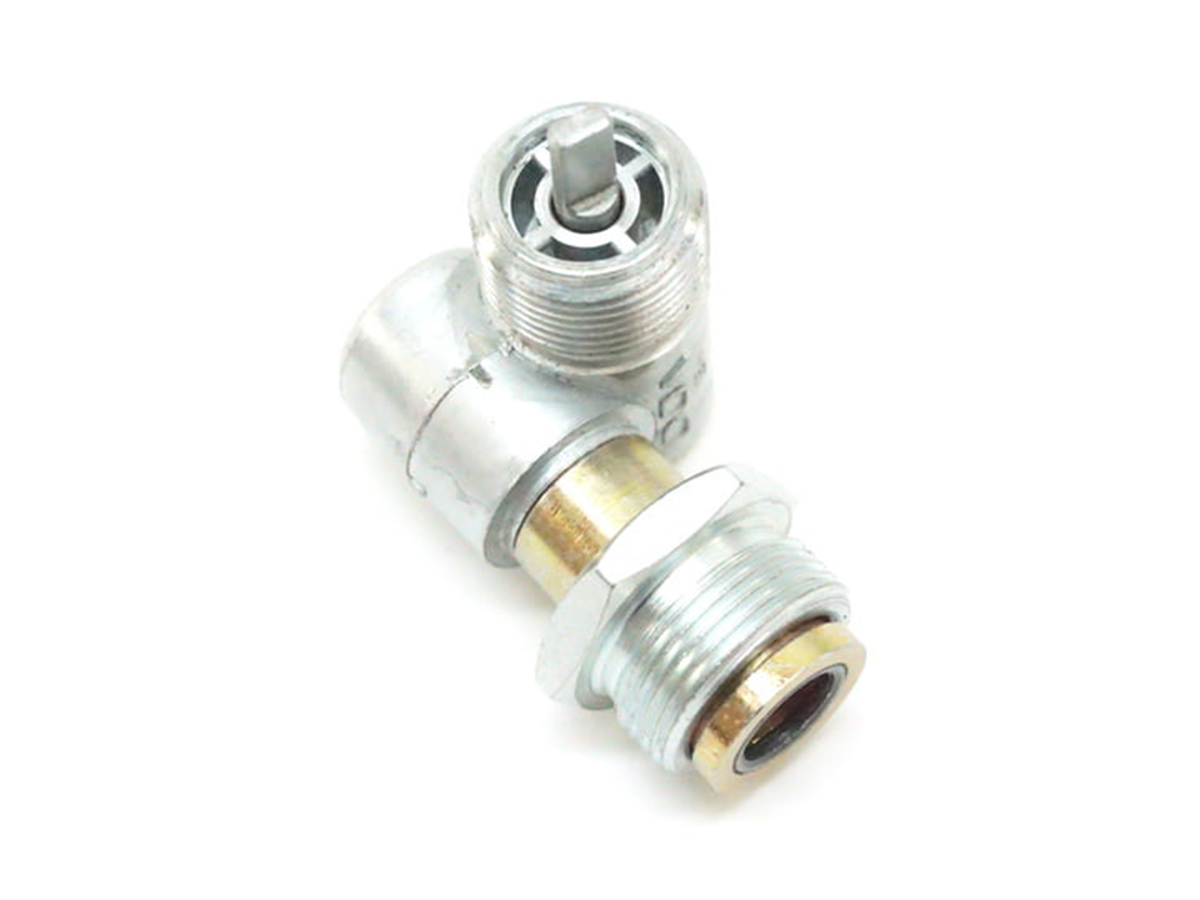
The OE Match Angled Drive for Tacho / Rev Counter Drive Shaft is a premium-quality replacement mechanical instrument drive component designed to transmit rotational movement from the engine to the tachometer (rev counter) on compatible classic Porsche models. Manufactured to OE specifications for fit, accuracy and durability, this angled drive ensures reliable operation of the mechanical rev counter, allowing accurate engine speed readings while maintaining the original factory instrumentation.
Fits:
- Porsche 911 1965-1968 2.0L / 912 SWB (F)
- Porsche 911 1968-1973 2.2L / 2.4L / 2.7L RS LWB (F)
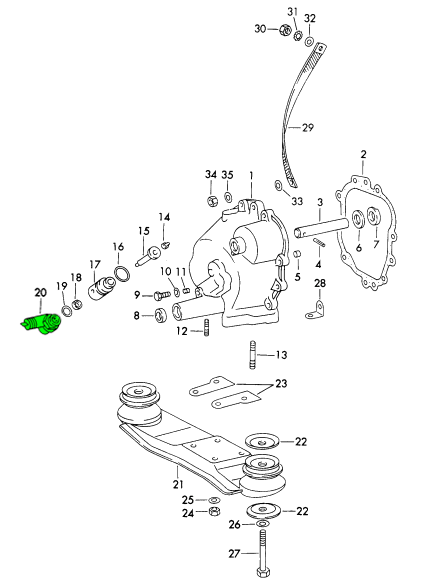
Diagram Ref No 20
Manufactured from high-quality precision-machined steel with durable internal gears and bearings, the angled drive is engineered to withstand continuous rotational loads, engine vibration and prolonged operation. Precision-built for direct OE-style installation, it provides smooth, accurate drive to the tachometer cable or drive shaft, making it an ideal replacement for worn, damaged or seized original units during restoration or instrument repairs.
What This Product Does:
- Transfers rotational drive from the engine to the mechanical tachometer.
- Provides accurate engine speed (RPM) readings.
- Changes the direction of drive through a precision-machined angled gearbox.
- Supports reliable operation of the rev counter.
- Maintains factory instrument accuracy.
- Ensures smooth transmission of mechanical drive.
- Restores OE-style functionality of the tachometer system.
- Forms an essential part of the mechanical rev counter drive system.
Symptoms Of Wear Or Failure:
- Inoperative tachometer or rev counter.
- Erratic or fluctuating RPM readings.
- No movement of the rev counter needle.
- Clicking, grinding or whining noises from the drive.
- Seized or stiff drive mechanism.
- Excessive wear in the internal gears.
- Oil leaks from the drive assembly where applicable.
- Damaged or worn drive shaft connection.
- Inconsistent engine speed indication.
- Reduced reliability of the instrument system.
Why Replacement Matters:
- The angled drive operates continuously whenever the engine is running, transmitting rotational movement through precision gears to the mechanical tachometer. Over time, normal wear, insufficient lubrication, contamination or age can cause the internal gears and bearings to wear or seize, resulting in inaccurate or complete loss of tachometer operation.
- A faulty angled drive can prevent the driver from accurately monitoring engine speed, increasing the risk of over-revving the engine and reducing confidence during spirited driving or gear changes. Continued use of a worn drive may also damage the tachometer cable or associated instrument components.
- Replacing a worn or damaged angled drive restores accurate rev counter operation and preserves the originality of the vehicle's mechanical instrumentation. The OE Match replacement provides factory-style fitment, precision-engineered internal components and long-lasting durability, making it the ideal solution for Porsche restoration, instrument repair and preventative maintenance.
Related reference numbers
Related, superseded, cross reference or alternative numbers for comparison.
91131802900
The product you are viewing cross references to these numbers


- Porsche 911 1968-1973 2.2L / 2.4L / 2.7L RS LWB (F)
Oil Level Dipstick "Oil Klapper"
Maintain accurate engine oil level measurement with this OE
Match Oil Level Dipstick, designed
specifically for the unique 1972 Porsche 911 "Oil Klapper"
models. Manufactured to original equipment specifications, this
precision-engineered replacement dipstick ensures accurate oil level readings,
helping to protect your classic air-cooled flat-six engine from the damaging
effects of incorrect oil levels.
Fits:
- Porsche 911 1972 2.4L LWB (F)
Diagram ref no 55
The 1972 model year Porsche 911 is one of the most distinctive and sought-after classic 911s. Often referred to as the "Oil Klapper", it features a one-year-only external oil filler flap mounted behind the passenger-side door (right-hand rear wing on left-hand drive cars). This unique design relocated the oil tank forward for improved weight distribution, making several oil system components—including the dipstick—exclusive to the 1972 model.
Whether you're restoring an original 1972 Porsche 911 or replacing a damaged or missing dipstick, this OE Match replacement delivers factory-correct fitment, accuracy and appearance.
What Does the Oil Level Dipstick Do?
The oil level dipstick provides a simple but essential method of accurately checking the engine oil level within the external dry sump oil tank.
Its functions include:
- Accurately measuring engine oil level.
- Preventing overfilling or underfilling.
- Helping maintain correct engine lubrication.
- Supporting proper oil cooling performance.
- Protecting internal engine components from premature wear.
- Assisting routine servicing and maintenance.
Correct oil level is particularly important on air-cooled Porsche engines, where the engine oil performs both lubrication and cooling functions.
Why Does the Dipstick Need Replacing?
Although a simple component, the dipstick can become damaged
over time through:
- Corrosion.
- Accidental bending.
- Wear to the handle or measuring marks.
- Loss during engine work.
- Fatigue after decades of use.
An inaccurate or damaged dipstick can result in incorrect oil level readings, increasing the risk of engine damage.
Symptoms of a Damaged Dipstick
Common signs include:
- Bent or distorted measuring blade.
- Worn or unreadable oil level markings.
- Corrosion or rust.
- Loose or damaged handle.
- Poor sealing in the oil filler neck.
- Difficulty obtaining accurate oil level readings.
- Missing dipstick.
Replacing the dipstick restores confidence when carrying out routine oil level checks.
When Should the Oil Level Dipstick Be Replaced?
Replacement is recommended when:
- The original dipstick is bent or damaged.
- Oil level markings have become difficult to read.
- The dipstick has been lost.
- Restoring a 1972 Porsche 911 to factory specification.
- Replacing damaged oil filler components.
- Carrying out a full oil system refurbishment.
A new OE Match dipstick ensures accurate oil level monitoring and helps protect your engine.
Why Choose an OE Match Oil Level Dipstick?
Our OE Match dipstick has been manufactured to faithfully replicate the original Porsche component.
Features include:
- OE-quality dimensions and calibration.
- Factory-style handle and finish.
- Durable corrosion-resistant construction.
- Accurate oil level measurement.
- Direct fit for the original oil tank.
- Ideal for concours restorations and routine maintenance.
- Straightforward installation.
Related reference numbers
Related, superseded, cross reference or alternative numbers for comparison.
91120704100
The product you are viewing cross references to these numbers

- Porsche 964 (911) TURBO 3.3L 1991-93
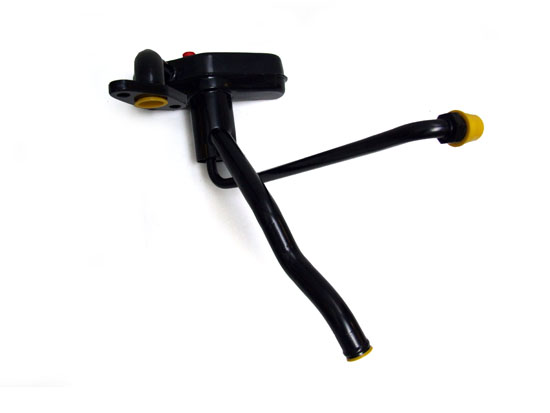
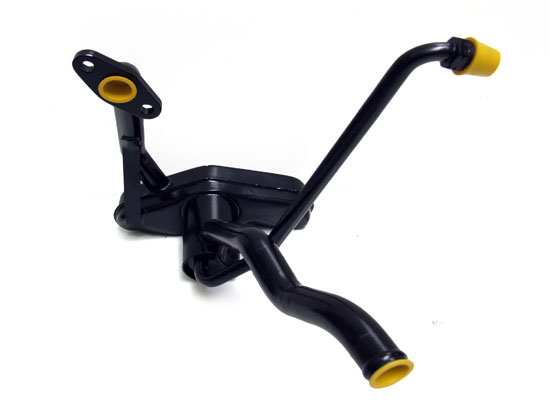
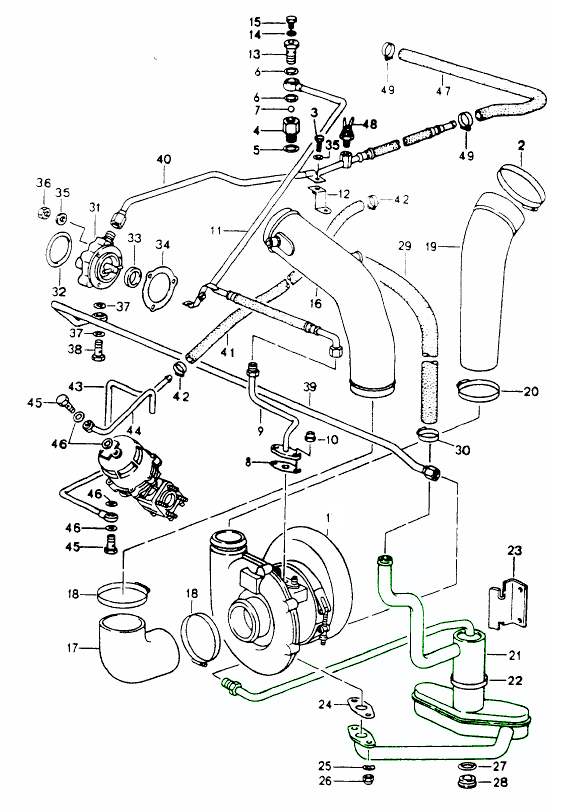
Engine Oil Collection Tank
Restore the reliability and efficiency of your Porsche's dry
sump lubrication system with this OE Match Engine Oil Collection Tank. Manufactured to original equipment specifications, this
premium-quality replacement oil tank provides the correct fit, capacity and oil
flow characteristics required to maintain consistent lubrication and engine
protection.
Fits:
- Porsche 964 (911) TURBO 3.3L 1991-93
Diagram Ref No 21
Unlike conventional wet sump engines, the legendary air-cooled Porsche flat-six uses a sophisticated dry sump lubrication system, where engine oil is stored in a separate external oil collection tank. This design allows for superior oil control during high-performance driving, improved engine cooling and a constant oil supply under hard acceleration, braking and cornering.
Whether you're restoring a 964 Turbo, replacing a corroded original tank or carrying out an engine rebuild, this OE Match oil collection tank is engineered to restore factory performance and reliability.
What Does the Engine Oil Collection Tank Do?
The engine oil collection tank is one of the most important components of Porsche's dry sump lubrication system. It stores the engine's oil supply and works with the scavenge and pressure pumps to ensure a continuous flow of clean oil throughout the engine.
Its functions include:
- Storing the engine's oil supply.
- Maintaining a constant supply of oil to the lubrication system.
- Separating air from the returning engine oil.
- Assisting with engine oil cooling.
- Preventing oil starvation during hard cornering and acceleration.
- Supporting stable oil pressure under all driving conditions.
The large external oil reservoir is a defining feature of Porsche's air-cooled engine design and plays a vital role in engine longevity.
Why Does the Oil Collection Tank Need Replacing?
Over time, the oil tank can become damaged or deteriorate
due to:
- Internal corrosion caused by moisture contamination.
- External rust from road debris, salt and age.
- Impact damage.
- Cracked seams or weld failures.
- Blocked internal baffles or oil return passages.
- Previous accident damage.
- Oil leaks around fittings or mounting points.
Replacing a damaged oil tank helps maintain proper lubrication while preventing costly engine damage caused by oil loss or contamination.
Symptoms of a Failing Oil Collection Tank
Common warning signs include:
- Engine oil leaks.
- Visible corrosion or rust.
- Oil seepage around welded seams.
- Oil contamination.
- Difficulty maintaining the correct oil level.
- Damaged or dented oil tank.
- Oil odours after driving.
If the tank shows signs of corrosion or leakage, replacement is recommended before more serious lubrication issues develop.
When Should the Oil Collection Tank Be Replaced?
Replacement is recommended when:
- Oil leaks are present.
- Corrosion is visible.
- The tank has been dented or damaged.
- Carrying out a complete engine restoration.
- Rebuilding the lubrication system.
- Replacing heavily corroded oil pipes and hoses.
- Restoring originality on a classic Porsche.
Replacing ageing lubrication components helps ensure long-term engine protection and dependable oil pressure.
Why Choose an OE Match Engine Oil Collection Tank?
Our OE Match oil tank is manufactured to closely replicate the original Porsche component.
Benefits include:
- OE-quality fit and finish.
- Correct internal capacity and oil flow characteristics.
- Precision-manufactured steel construction.
- Corrosion-resistant protective coating.
- Compatible with factory oil pipes and fittings.
- Restores reliable lubrication performance.
- Ideal for restoration and engine rebuild projects.
Related reference numbers
Related, superseded, cross reference or alternative numbers for comparison.
93010700108
The product you are viewing cross references to these numbers

- Porsche 911 1974-1977 2.7L / 1976-77 3.0 Carrera
- Porsche 911 1978-1983 3.0L / SC
- Porsche 911 1975-1977 3.0L Turbo (930)
- Porsche 911 1978-1989 3.3L Turbo (930)
Front Radiator Engine Oil Cooler "Snake Type"
Restore efficient oil temperature control to your classic
air-cooled Porsche with this OE Match Front Radiator Engine Oil Cooler. Better known as the Snake Type Oil Cooler
or Trombone Oil Cooler, this OE-quality replacement is designed to match
the original equipment fitted to Porsche 911 models.
Fits:
- Porsche 911 1974-1977 2.7L / 1976-77 3.0 Carrera
- Porsche 911 1978-1983 3.0L / SC
- Porsche 911 1975-1977 3.0L Turbo (930)
- Porsche 911 1978-1989 3.3L Turbo (930)
Positioned within the front right-hand wheel arch, the Trombone Oil Cooler forms an integral part of Porsche's legendary dry sump lubrication system. Its distinctive looped tube design increases the surface area exposed to airflow, allowing engine oil to dissipate heat before returning to the oil tank. Although simple in construction compared to later finned radiator-style coolers, the Trombone Oil Cooler proved to be an effective and reliable solution for controlling engine oil temperatures in early impact bumper 911s and first-generation 930 turbos.
Manufactured to OE Match specifications, this replacement offers factory-correct fitment, dependable performance and excellent durability, making it the ideal choice for restorations, preventative maintenance and originality-focused repairs.
What Does the Snake Type (Trombone) Oil Cooler Do?
Unlike water-cooled engines, air-cooled Porsche engines rely
heavily on engine oil to remove heat as well as lubricate internal components.
The front-mounted Trombone Oil Cooler helps to:
- Reduce engine oil temperatures.
- Improve heat dissipation during sustained driving.
- Maintain stable oil viscosity.
- Protect pistons, bearings and internal engine components.
- Improve engine reliability during hot weather and spirited driving.
- Extend engine life by maintaining consistent operating temperatures.
By cooling the oil before it returns to the engine, the Trombone Oil Cooler plays a vital role in preserving the health of your classic flat-six engine.
Why Do Trombone Oil Coolers Need Replacing?
After decades of service, the original oil cooler may suffer
from:
- External corrosion caused by moisture and road salt.
- Stone damage from debris entering the wheel arch.
- Impact damage.
- Internal contamination.
- Fatigue cracks or pinhole leaks.
- Damage caused during previous repairs.
- Reduced cooling efficiency due to age.
Even a minor oil leak can lead to falling oil pressure and increased engine temperatures, making timely replacement essential.
Symptoms of a Failing Oil Cooler
Common warning signs include:
- Engine oil leaks around the front wheel arch.
- Oil residue on the cooling loop.
- Rising engine oil temperatures.
- Burning oil smell after driving.
- Visible corrosion or physical damage.
- Reduced cooling performance.
- Falling oil level without obvious engine leaks.
Any evidence of oil leakage should be investigated immediately to prevent costly engine damage.
When Should the Oil Cooler Be Replaced?
Replacement is recommended when:
- Oil leaks develop.
- The cooling loop becomes corroded or damaged.
- Accident damage has occurred.
- Restoring a classic Porsche to factory condition.
- Replacing front oil pipes or oil lines.
- Carrying out a complete engine rebuild or lubrication system overhaul.
Replacing ageing oil cooling components helps maintain optimum lubrication and protects your engine for years to come.
Why Choose an OE Match Oil Cooler?
Our OE Match Snake Type Oil Cooler has been manufactured to faithfully reproduce the original Porsche component.
Benefits include:
- Authentic Snake Type (Trombone) configuration.
- OE-quality construction and fitment.
- Precision-formed cooling loop.
- Excellent oil flow characteristics.
- Corrosion-resistant finish.
- Straightforward installation using factory mounting points.
- Perfect for restoration and maintenance projects.
Related reference numbers
Related, superseded, cross reference or alternative numbers for comparison.
91120705001
The product you are viewing cross references to these numbers

- Porsche 911 1965-1968 2.0L / 912 SWB (F)
- Porsche 911 1968-1973 2.2L / 2.4L / 2.7L RS LWB (F)
Radiator Engine Oil Cooler Front "Snake Type"
Maintain the correct operating temperature of your classic
air-cooled Porsche with this OE Match Front Engine Oil Cooler, commonly
known as the Snake Type or Trombone Oil Cooler.
Designed as a direct replacement for the original factory oil cooler fitted to
Porsche 911 models from 1970-1973, this OE-quality component restores
efficient engine oil cooling while preserving the originality of your vehicle.
Fits:
- Porsche 911 1965-1968 2.0L / 912 SWB (F)
- Porsche 911 1968-1973 2.2L / 2.4L / 2.7L RS LWB (F)
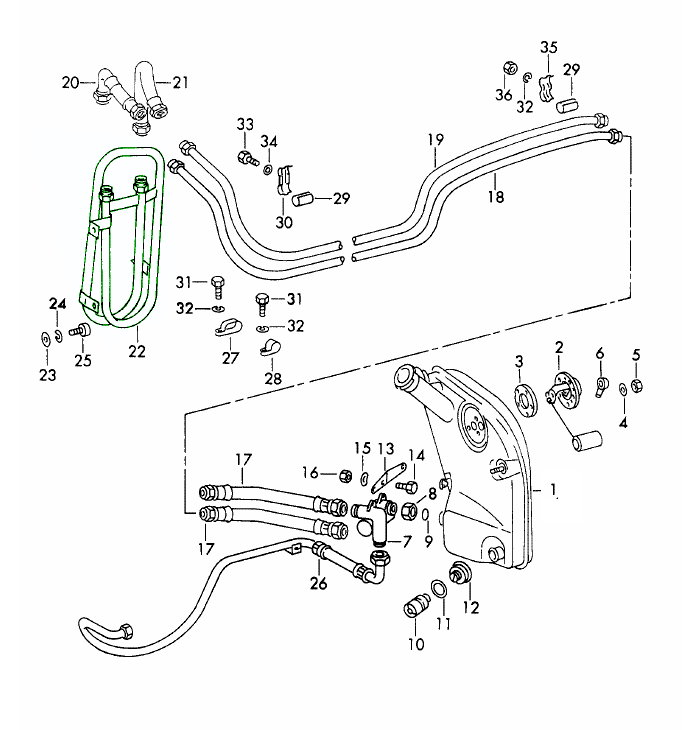
Diagram ref no 22
Unlike later finned oil coolers, the trombone oil cooler uses a continuous loop of oil pipe mounted in the front wheel arch. As airflow passes over the curved tube, excess heat is dissipated from the engine oil before it returns to the engine. Its distinctive looped design earned it the nickname "Trombone Oil Cooler", and it remains an iconic feature of early long-wheelbase Porsche 911 models.
Manufactured to OE specifications, this replacement oil cooler offers excellent fitment, corrosion resistance and long-term durability, making it ideal for restorations, maintenance or replacing damaged original units.
What Does the Oil Cooler Do?
Engine oil performs two vital functions in an air-cooled Porsche: lubricating internal engine components and carrying away excess heat.
The front-mounted Snake Type oil cooler helps to:
- Reduce engine oil temperature.
- Improve lubrication under demanding driving conditions.
- Protect internal engine components from excessive heat.
- Maintain stable oil viscosity.
- Increase engine reliability and longevity.
- Support consistent engine performance during warm weather and spirited driving.
Although simple in design, the trombone cooler provides a significant improvement in oil temperature control compared to engines without a front-mounted oil cooler.
Why Do Oil Coolers Need Replacing?
After decades of service, oil coolers can become damaged or
less effective due to:
- External corrosion.
- Stone impacts and road debris.
- Internal contamination.
- Oil leaks caused by corrosion or physical damage.
- Accident damage.
- Previous poor repairs or deformation of the cooling loop.
Replacing a damaged oil cooler helps maintain correct oil temperatures while preventing potentially expensive engine damage caused by oil loss.
Symptoms of a Failing Oil Cooler
Common warning signs include:
- Visible oil leaks around the cooler.
- Rising engine oil temperatures.
- Oil residue around the front wheel arch.
- Corroded or damaged cooling tube.
- Reduced cooling efficiency.
- Oil pressure concerns caused by oil loss.
- Physical damage from road debris.
If any oil leakage is present, the cooling system should be inspected immediately.
When Should the Trombone Oil Cooler Be Replaced?
Replacement is recommended when:
- Oil leaks develop.
- Corrosion weakens the cooling tube.
- Accident damage has occurred.
- Restoring a classic Porsche to factory specification.
- Replacing damaged front oil lines.
- Carrying out a complete oil cooling system overhaul.
Replacing ageing cooling components helps maintain reliable engine temperature control and protects your investment.
Why Choose an OE Match Oil Cooler?
Our OE Match Snake Type oil cooler has been engineered to closely replicate the original Porsche component.
Benefits include:
- Correct Trombone (Snake Type) design.
- OE-quality construction.
- Precision-formed cooling loop.
- Corrosion-resistant finish.
- Excellent oil flow characteristics.
- Straightforward installation using factory mounting points.
- Ideal for restorations and originality-focused vehicles.
Related reference numbers
Related, superseded, cross reference or alternative numbers for comparison.
91110704700
The product you are viewing cross references to these numbers


- Porsche 911 1965-1968 2.0L / 912 SWB (F)
- Porsche 911 1968-1973 2.2L / 2.4L / 2.7L RS LWB (F)
- Porsche 911 1974-1977 2.7L / 1976-77 3.0 Carrera
- Porsche 911 1978-1983 3.0L / SC
- Porsche 911 1984-1986 3.2L
- Porsche 911 1987-1989 3.2L G50
- Porsche 911 1975-1977 3.0L Turbo (930)
- Porsche 911 1978-1989 3.3L Turbo (930)
- Porsche 964 (911) TURBO 3.3L 1991-93
- Porsche 964 (911) TURBO 3.6L 1991-93
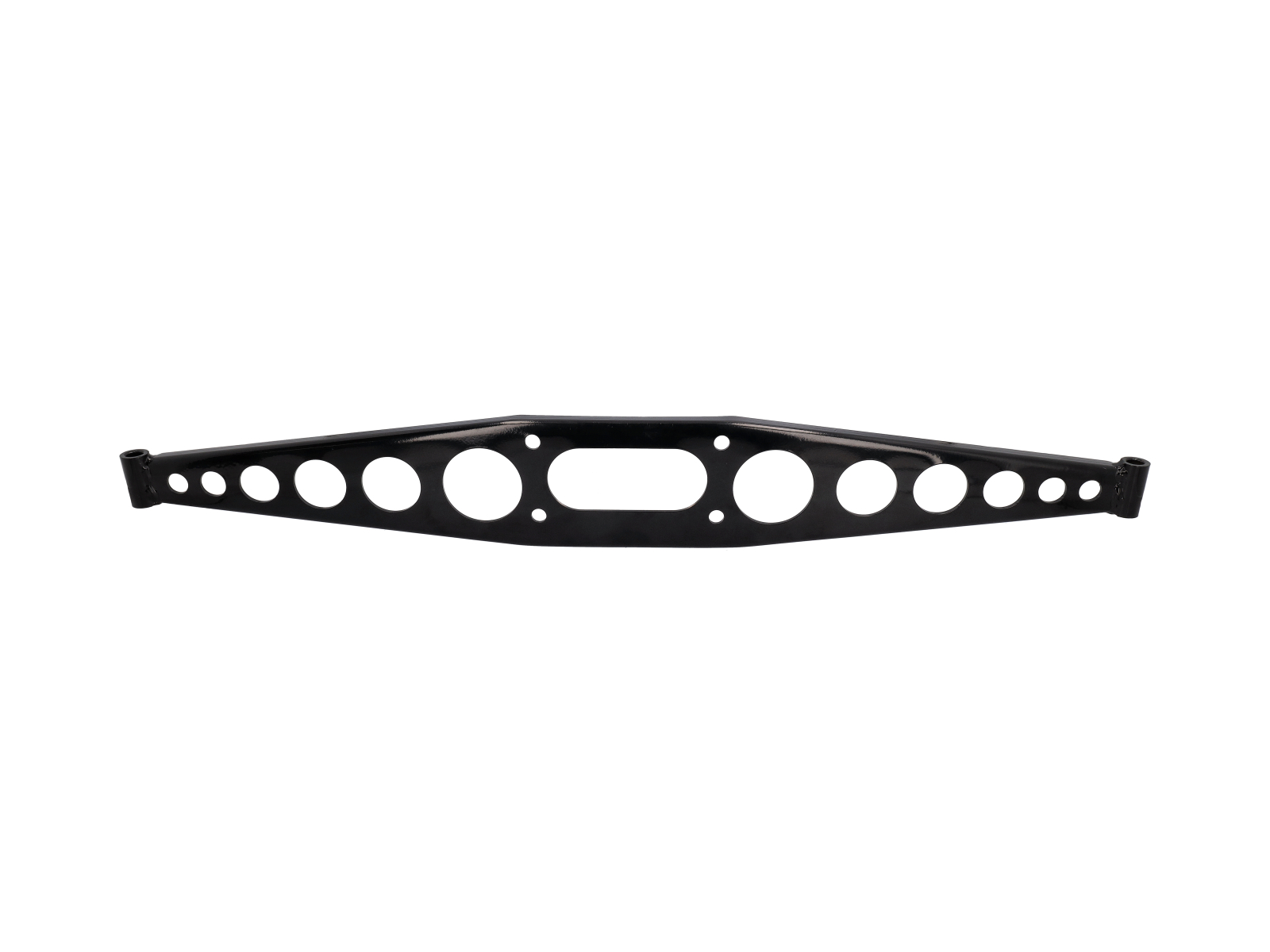
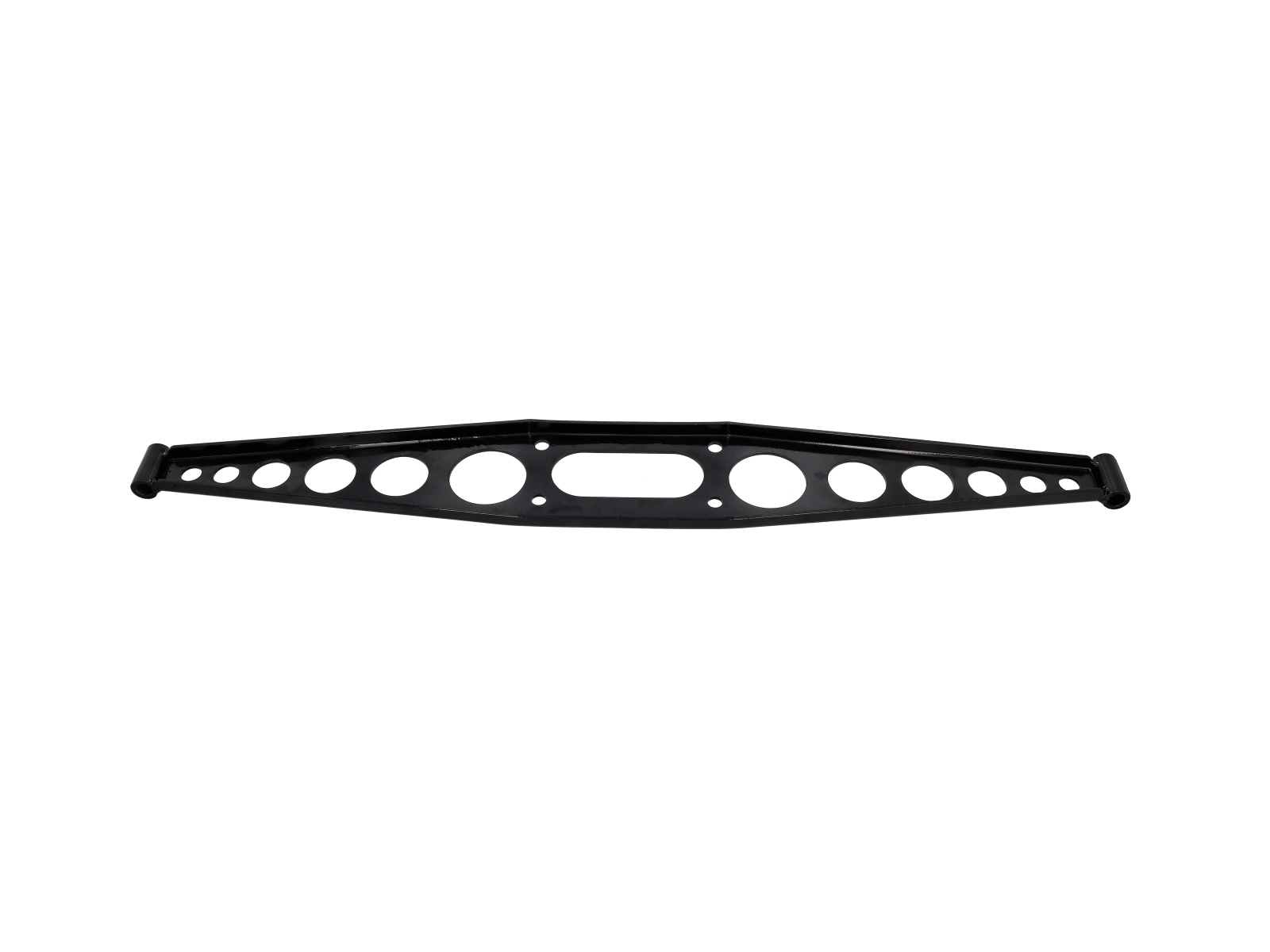
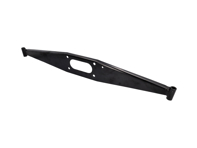
RSR Style Engine Mount Bracket (Engine Bar)
Upgrade your classic Porsche with this OE Match RSR Style
Engine Mount Bracket (Engine Bar), developed as a lightweight,
motorsport-inspired replacement for the original engine carrier. Designed to
fit the Porsche 911 (1965-1989) and 964 turbo, this high-quality
engine bar replaces the factory bracket while maintaining the correct engine
mounting geometry and delivering the iconic appearance of the legendary Porsche
RSR race cars.
Fits:
- Porsche 911 1965-1968 2.0L / 912 SWB (F)
- Porsche 911 1968-1973 2.2L / 2.4L / 2.7L RS LWB (F)
- Porsche 911 1974-1977 2.7L / 1976-77 3.0 Carrera
- Porsche 911 1978-1983 3.0L / SC
- Porsche 911 1984-1986 3.2L
- Porsche 911 1987-1989 3.2L G50
- Porsche 911 1975-1977 3.0L Turbo (930)
- Porsche 911 1978-1989 3.3L Turbo (930)
- Porsche 964 (911) TURBO 3.3L 1991-93
- Porsche 964 (911) TURBO 3.6L 1991-93*
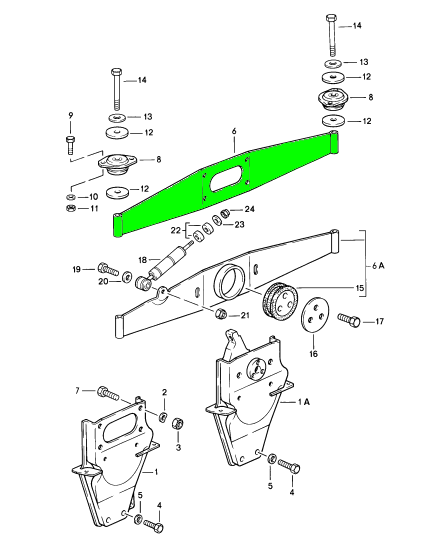
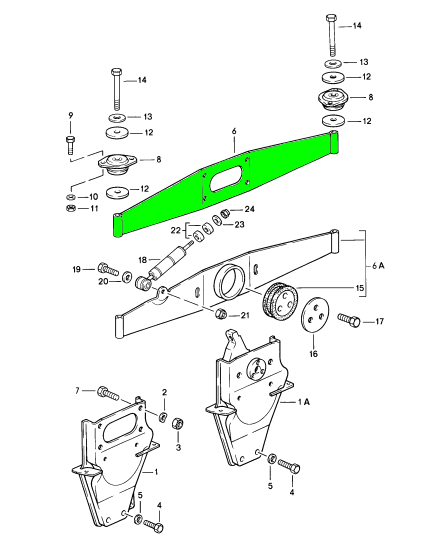
See: 96437504381 and 964MOUNTKIT Diagram Ref No 6
The engine mount bracket, often referred to as the engine bar or engine carrier, forms a vital structural link between the engine and the chassis. It supports the full weight of the engine through the engine mounts while maintaining precise engine alignment. This ensures smooth drivetrain operation, reduces vibration and prevents unnecessary stress on surrounding components.
Whether carrying out a complete engine rebuild, replacing damaged components or restoring your Porsche to factory condition, this OE Match engine bar provides the strength, fit and reliability expected of an original equipment replacement.
What Does the Engine Mount Bracket Do?
The engine mount bracket is a structural component that
supports the rear-mounted engine and connects it to the vehicle through the
engine mounts. It performs several important functions:
Supports
the weight of the engine.
Maintains
correct engine and transmission alignment.
Transfers
engine loads safely into the chassis.
Works
with the engine mounts to reduce vibration.
Maintains
proper drivetrain geometry.
Helps
protect exhaust, gearbox and drivetrain components from excessive
movement.
Without a correctly aligned engine carrier, the engine
cannot be securely mounted within the chassis.
What Makes the RSR Style Engine Bar Different?
Unlike the heavier factory engine carrier, the RSR-style version is inspired by Porsche's motorsport engineering philosophy.
Benefits include:
- Lightweight motorsport-inspired design.
- Improved engine bay appearance.
- High-strength construction.
- Reduced overall rear-end weight.
- Direct replacement for the factory engine carrier.
- Suitable for road, fast road and track applications.
- Excellent choice for RSR tribute and backdate builds.
- Maintains factory engine mounting positions.
It combines classic styling with modern manufacturing quality, making it popular among Porsche enthusiasts seeking both performance and authenticity.
Why Does the Engine Mount Bracket Need Replacing?
Although manufactured from heavy-duty steel, the engine
carrier can become damaged over time through:
- Corrosion caused by age and moisture.
- Accident or impact damage.
- Fatigue from decades of engine loading.
- Distortion during previous repairs.
- Damage caused by failed engine mounts.
- Cracking around mounting points on high-mileage or competition vehicles.
During major engine restorations, replacing a damaged or corroded engine bar ensures the engine is correctly supported and aligned.
Symptoms of a Damaged Engine Mount Bracket
Common signs include:
- Excessive engine movement.
- Engine vibration under acceleration.
- Misaligned engine mounts.
- Clunking noises from the rear of the vehicle.
- Difficulty aligning the engine during installation.
- Visible corrosion, cracks or distortion.
- Premature wear of engine mounts.
If the bracket shows signs of structural damage, replacement is strongly recommended.
When Should the Engine Mount Bracket Be Replaced?
Replacement is advisable when:
Carrying
out an engine restoration.
Replacing
worn engine mounts.
Corrosion
has weakened the original bracket.
The
bracket has been bent or damaged.
Accident
repairs require replacement.
Cracks
or fatigue are visible around the mounting points.
Replacing the engine carrier alongside new engine mounts helps restore factory engine positioning and long-term reliability.
Related reference numbers
Related, superseded, cross reference or alternative numbers for comparison.
93037501101
The product you are viewing cross references to these numbers


- Porsche 911 1965-1968 2.0L / 912 SWB (F)
- Porsche 911 1968-1973 2.2L / 2.4L / 2.7L RS LWB (F)
- Porsche 911 1974-1977 2.7L / 1976-77 3.0 Carrera
- Porsche 911 1978-1983 3.0L / SC
- Porsche 911 1984-1986 3.2L
- Porsche 911 1987-1989 3.2L G50
- Porsche 911 1975-1977 3.0L Turbo (930)
- Porsche 911 1978-1989 3.3L Turbo (930)
- Porsche 964 (911) TURBO 3.3L 1991-93
- Porsche 964 (911) TURBO 3.6L 1991-93
Engine Mount Bracket (Engine Bar)
Restore the correct support and alignment of your classic
Porsche engine with this OE Match Engine Mount Bracket (Engine Bar). Manufactured to original equipment
specifications, this high-quality replacement engine carrier provides a direct
fit for a wide range of air-cooled Porsche 911 models from 1965-1989, as
well as the Porsche 964 turbo.
Fits:
- Porsche 911 1965-1968 2.0L / 912 SWB (F)
- Porsche 911 1968-1973 2.2L / 2.4L / 2.7L RS LWB (F)
- Porsche 911 1974-1977 2.7L / 1976-77 3.0 Carrera
- Porsche 911 1978-1983 3.0L / SC
- Porsche 911 1984-1986 3.2L
- Porsche 911 1987-1989 3.2L G50
- Porsche 911 1975-1977 3.0L Turbo (930)
- Porsche 911 1978-1989 3.3L Turbo (930)
- Porsche 964 (911) TURBO 3.3L 1991-93
- Porsche 964 (911) TURBO 3.6L 1991-93*
See: 96437504381 and 964MOUNTKIT
Diagram Ref No 6
The engine mount bracket, often referred to as the engine bar or engine carrier, forms a vital structural link between the engine and the chassis. It supports the full weight of the engine through the engine mounts while maintaining precise engine alignment. This ensures smooth drivetrain operation, reduces vibration and prevents unnecessary stress on surrounding components.
Whether carrying out a complete engine rebuild, replacing damaged components or restoring your Porsche to factory condition, this OE Match engine bar provides the strength, fit and reliability expected of an original equipment replacement.
What Does the Engine Mount Bracket Do?
The engine mount bracket is a structural component that
supports the rear-mounted engine and connects it to the vehicle through the
engine mounts. It performs several important functions:
- Supports the weight of the engine.
- Maintains correct engine and transmission alignment.
- Transfers engine loads safely into the chassis.
- Works with the engine mounts to reduce vibration.
- Maintains proper drivetrain geometry.
- Helps protect exhaust, gearbox and drivetrain components from excessive movement.
Without a correctly aligned engine carrier, the engine cannot be securely mounted within the chassis.
Why Does the Engine Mount Bracket Need Replacing?
Although manufactured from heavy-duty steel, the engine
carrier can become damaged over time through:
- Corrosion caused by age and moisture.
- Accident or impact damage.
- Fatigue from decades of engine loading.
- Distortion during previous repairs.
- Damage caused by failed engine mounts.
- Cracking around mounting points on high-mileage or competition vehicles.
During major engine restorations, replacing a damaged or corroded engine bar ensures the engine is correctly supported and aligned.
Symptoms of a Damaged Engine Mount Bracket
Common signs include:
- Excessive engine movement.
- Engine vibration under acceleration.
- Misaligned engine mounts.
- Clunking noises from the rear of the vehicle.
- Difficulty aligning the engine during installation.
- Visible corrosion, cracks or distortion.
- Premature wear of engine mounts.
If the bracket shows signs of structural damage, replacement is strongly recommended.
When Should the Engine Mount Bracket Be Replaced?
Replacement is advisable when:
- Carrying out an engine restoration.
- Replacing worn engine mounts.
- Corrosion has weakened the original bracket.
- The bracket has been bent or damaged.
- Accident repairs require replacement.
- Cracks or fatigue are visible around the mounting points.
Replacing the engine carrier alongside new engine mounts helps restore factory engine positioning and long-term reliability.
Related reference numbers
Related, superseded, cross reference or alternative numbers for comparison.
93037501101
The product you are viewing cross references to these numbers

- Porsche 911 1965-1968 2.0L / 912 SWB (F)
- Porsche 911 1968-1973 2.2L / 2.4L / 2.7L RS LWB (F)
- Porsche 911 1974-1977 2.7L / 1976-77 3.0 Carrera
- Porsche 911 1978-1983 3.0L / SC
- Porsche 911 1984-1986 3.2L
- Porsche 911 1987-1989 3.2L G50
- Porsche 911 1975-1977 3.0L Turbo (930)
- Porsche 911 1978-1989 3.3L Turbo (930)
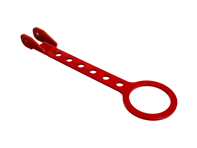
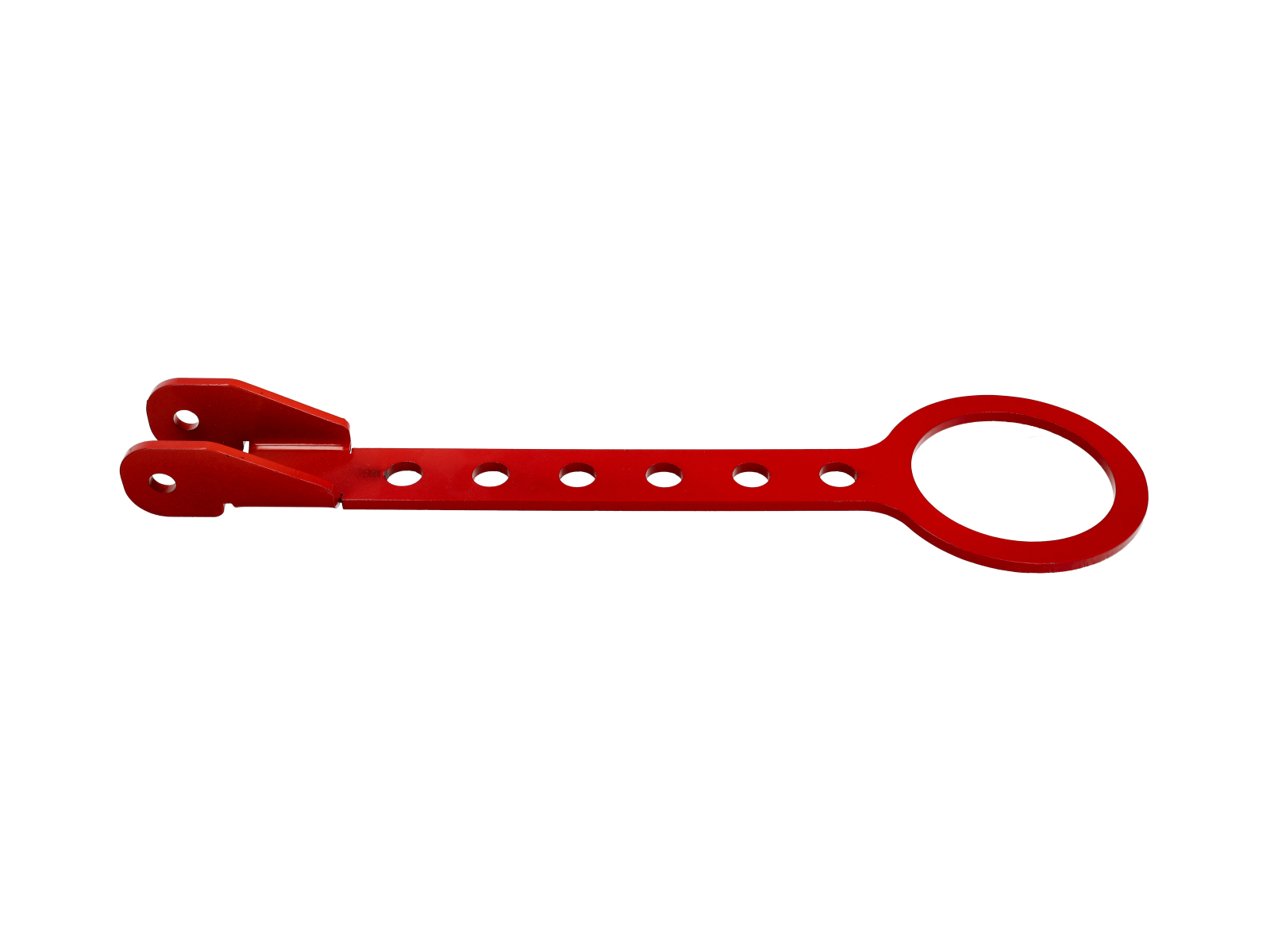
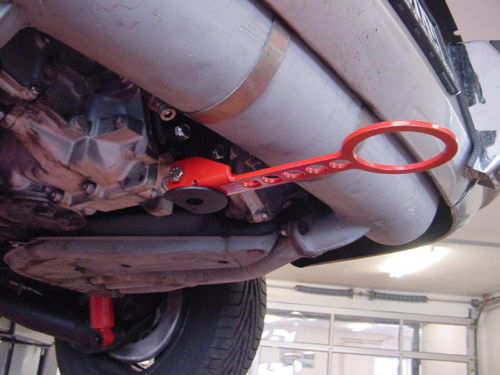
The OE Match Rear Tow Hook 400mm (Without Stand) is a premium-quality replacement recovery component designed to provide a secure and extended rear towing and recovery point for compatible Porsche models. Manufactured to OE specifications for fit, strength and durability, this 400mm rear tow hook is ideal for vehicles requiring increased clearance for towing or motorsport applications. Supplied without the mounting stand, it is intended for use with a compatible existing or separately available tow hook mounting stand.
Fits:
- Porsche 911 1965-1968 2.0L / 912 SWB (F)
- Porsche 911 1968-1973 2.2L / 2.4L / 2.7L RS LWB (F)
- Porsche 911 1974-1977 2.7L / 1976-77 3.0 Carrera
- Porsche 911 1978-1983 3.0L / SC
- Porsche 911 1984-1986 3.2L
- Porsche 911 1987-1989 3.2L G50
- Porsche 911 1975-1977 3.0L Turbo (930)
- Porsche 911 1978-1989 3.3L Turbo (930)
Manufactured from high-strength forged steel with a durable corrosion-resistant finish, the tow hook is engineered to withstand the substantial forces encountered during vehicle recovery, transportation and workshop manoeuvring. Precision-manufactured for direct OE-style fitment, it provides a dependable attachment point for recovery equipment while maintaining the strength and reliability expected from Porsche recovery components.
What This Product Does:
- Provides a secure rear towing and recovery point.
- Features a 400mm length for increased recovery access where required.
- Allows safe vehicle towing and transportation.
- Supports vehicle recovery during breakdowns or track use.
- Offers a strong attachment point for recovery straps and towing equipment.
- Provides factory-style fitment when installed with the correct mounting stand.
- Replaces worn, damaged or missing rear tow hooks.
- Forms an essential part of the vehicle's recovery system.
Symptoms Of Wear Or Failure:
- Bent or distorted tow hook.
- Corrosion or rust on the hook.
- Cracks or signs of metal fatigue.
- Damage caused by previous towing or recovery operations.
- Loose or insecure mounting.
- Missing tow hook.
- Difficulty attaching towing straps or recovery equipment.
- Excessive wear around the mounting area.
- Reduced recovery safety.
- Structural damage affecting the towing point.
Why Replacement Matters:
- The rear tow hook is continually exposed to moisture, road salt, dirt and debris while also experiencing extremely high loads during towing and recovery operations. Over time, corrosion, accidental damage or repeated heavy use can weaken the hook, reducing its structural integrity and compromising safe recovery.
- A damaged or weakened tow hook may fail under load, creating a serious safety risk and potentially causing damage to both the vehicle and recovery equipment. Missing or bent tow hooks can also make roadside recovery more difficult and increase the risk of improper towing methods being used.
- Replacing a worn or damaged rear tow hook restores a safe and reliable recovery point while ensuring the vehicle can be recovered correctly when required. The OE Match 400mm Rear Tow Hook provides factory-style fitment, high-strength forged steel construction and excellent corrosion resistance, making it the ideal solution for Porsche restoration, repair, motorsport preparation and preventative maintenance.